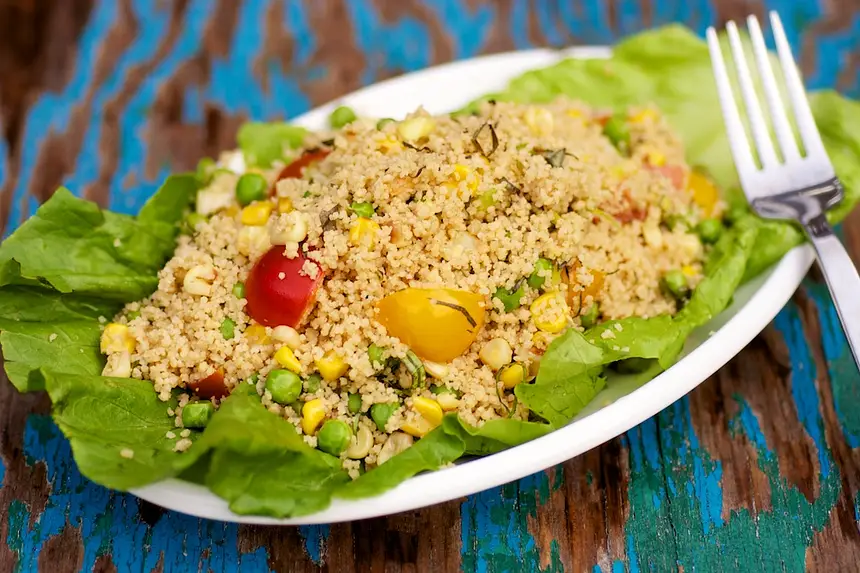
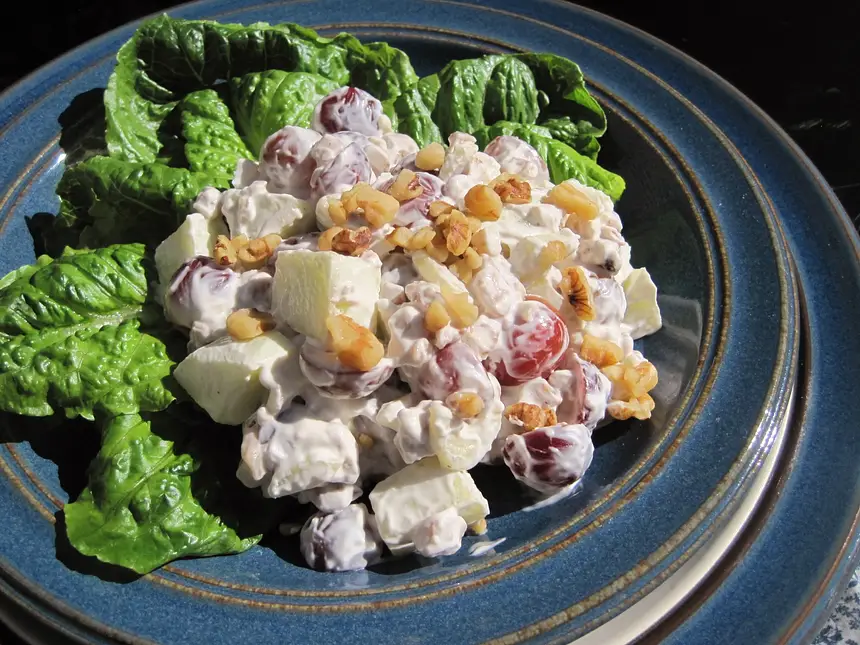
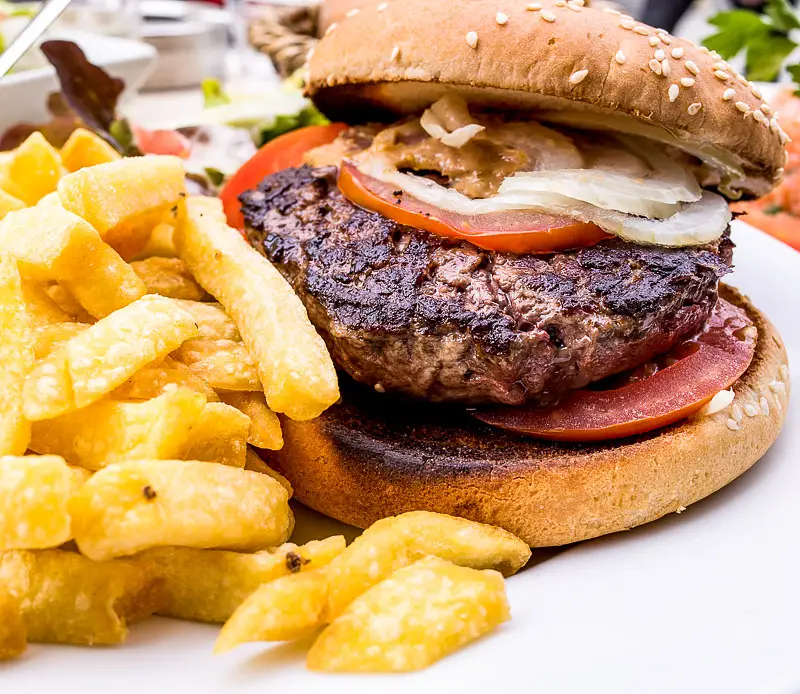
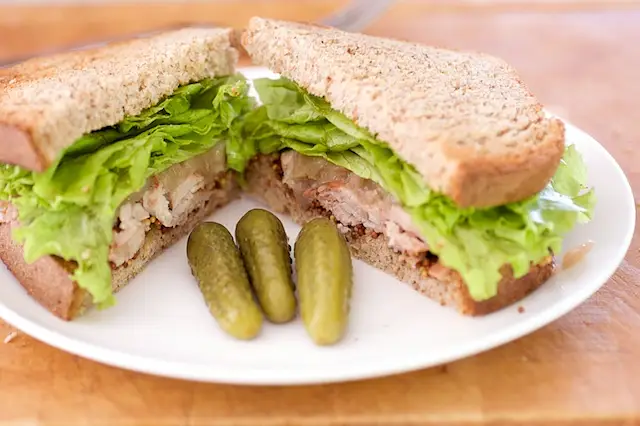
If lettuce has turned up in a recipe or caught your eye at the store, here's what you need to use it with confidence and how to choose it, cook it, store it, what to substitute, and 330 recipes to try it in.
Key Points
Main types: crunchy iceberg, sturdy romaine, frilly looseleaf, and soft cup-shaped butterhead.
Revive limp lettuce by soaking it in ice water for fifteen to thirty minutes, then spinning dry.
Tear leaves by hand and dress only at the last minute, or salt and acid wilt them.
Match the leaf to the dressing; delicate types crush under heavy, creamy dressings.
Store unwashed in a paper towel in the crisper; sturdy heads keep one to two weeks.
What is lettuce?
Lettuce is the leafy green at the base of most salads, there for crunch and a clean, mild taste rather than any strong flavor of its own.
It is mostly water, which is why texture is everything. Limp lettuce is the difference between a salad and a sad pile of leaves.
The kitchen sorts it into a few groups. Crisphead, the dense pale ball sold as iceberg, is all crunch and little flavor. Romaine stands up in tall, sturdy ribs with real backbone, the leaf a Caesar is built on.
Looseleaf types like red leaf and green leaf are tender and frilly with no firm heart. Butterhead, sold as Bibb or Boston, is soft and almost buttery, the cup-shaped leaf made for wraps.
Using Lettuce
Most lettuce is eaten raw, and the whole job is keeping it crisp and dry.
Tear leaves by hand rather than cutting them. A knife bruises the cut edges and they brown faster.
Dressing is the usual downfall. Dress leaves only at the last minute, because the salt and acid in a dressing wilt them within minutes, and use just enough to coat. A wet leaf cannot hold dressing at all, so spin or pat the leaves dry first.
Beyond the salad bowl, sturdy leaves become edible cups. Butter and iceberg leaves hold a savory filling in Lettuce Packages, and crunchy romaine carries the dressing in an Oriental Green Salad. Lettuce can even be braised or dropped into soup at the end, where it collapses to a silky green.
Crisping and Pairing
Here is the trick that revives a tired head. Submerge the leaves in a bowl of ice water for fifteen to thirty minutes, then spin them dry. The cells take up water and go turgid again, and limp lettuce comes back crisp and snappy.
Match the lettuce to the job. Delicate butterhead and looseleaf want a light vinaigrette that will not crush them, while sturdy romaine and iceberg can take a heavy, creamy dressing and croutons, as in a Glass-Noodle Salad with Chicken.
Lettuce pairs with almost anything mild: tomato, cucumber, avocado, citrus, soft cheeses, and toasted nuts. The common mistake is treating all lettuce as interchangeable; iceberg in a wrap shatters, while butterhead folds.
Substitutes
For crunch, iceberg's job goes to shredded green cabbage or napa, which both hold up even longer once dressed. Romaine's sturdy ribs are matched by little gem or a young, mild kale massaged with oil.
For tender leaves, spinach, mache, or watercress stand in for butterhead and looseleaf, though watercress adds a peppery bite. A handful of bitter greens like the dandelion in a Dandelion & Lettuce Salad changes the character entirely, so use them to accent rather than replace.
Buying and Storing
Choose heads that feel heavy and look perky, with no slimy spots, rust-brown edges, or wilting. A firm romaine or crisphead keeps far longer than a delicate looseleaf, so buy tender types closer to when you will eat them.
Storage is about humidity without standing water. Wrap an unwashed head loosely in a paper towel, slip it into a bag, and keep it in the crisper drawer at around 35°F (2°C). The towel absorbs excess moisture that would otherwise turn the leaves to slime.
Stored this way, romaine and iceberg last one to two weeks, while looseleaf and butterhead are best within four or five days. If you wash ahead, dry the leaves thoroughly first, since trapped water is what rots a bag of greens.
Types of lettuce
Specific kinds of lettuce and the recipes that use them.
"Lettuce leaves" is how a recipe asks for whole, intact leaves pulled off the head rather than chopped salad. The leaf is the unit here, used for its shape and structure: a liner under a salad, a wrap around a filling, or a fresh layer in a sandwich.
This is the same lettuce covered in the main lettuce entry, just kept whole. Which leaf you want depends on the job.
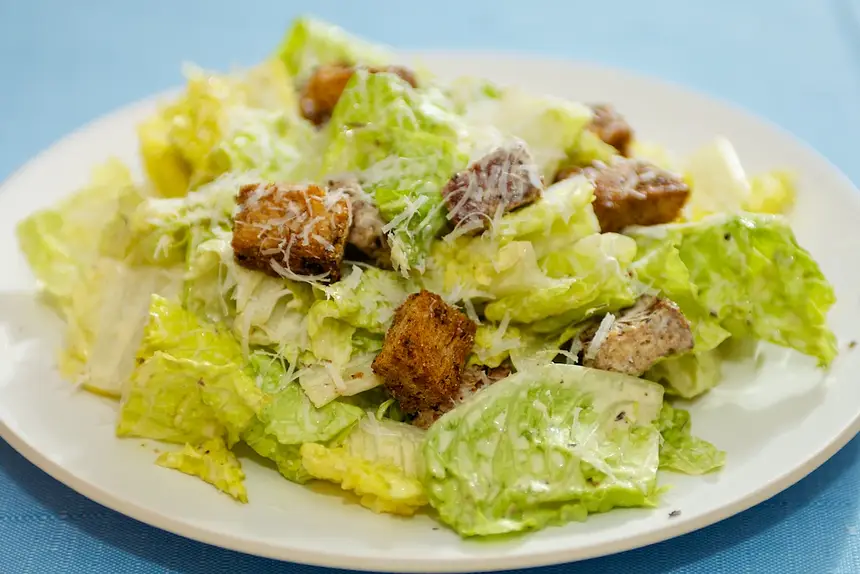
Romaine is the upright lettuce with long, sturdy leaves and a pale, crunchy central rib. It has more backbone than any other salad green, which is exactly why a Caesar is built on it: the rib stays crisp under a thick, garlicky dressing that would flatten a tender leaf.
The flavor is mild and faintly sweet, a touch more assertive than iceberg. Heads sold as romaine hearts are just the tight inner leaves with the loose outer ones stripped away, sweeter and crunchier per bite.
This is one type within the broader lettuce family.
Iceberg lettuce is the pale, tightly packed crisphead you reach for when you want crunch and nothing else. The leaves are thick and watery, almost sweet, with none of the bitterness or grassy edge of looseleaf greens.
It forms a dense round head about the size of a softball. Slice into it and you get that signature wet snap, which is the whole point.
This is a texture vegetable rather than a flavor one, built to stay crisp under heavy, juicy toppings while everything else on the plate goes soft.
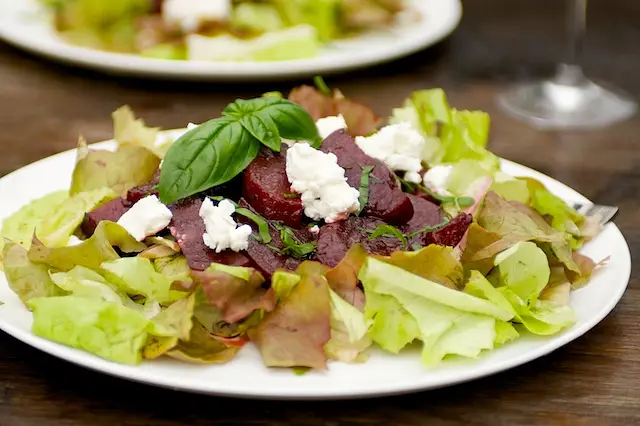
Red lettuce, usually red leaf lettuce, is a looseleaf type with frilly, ruffled leaves that fade from green at the base to deep burgundy at the tips. It grows as an open rosette with no firm heart, so the leaves are soft and tender all the way through.
The flavor is mild and faintly sweet, with just a whisper of the earthiness you taste in darker greens. The red comes from anthocyanins, the same pigments in red cabbage and grapes.
It is the looseleaf cousin of green leaf lettuce. People reach for it as much for the color it brings to a bowl as for how it eats.
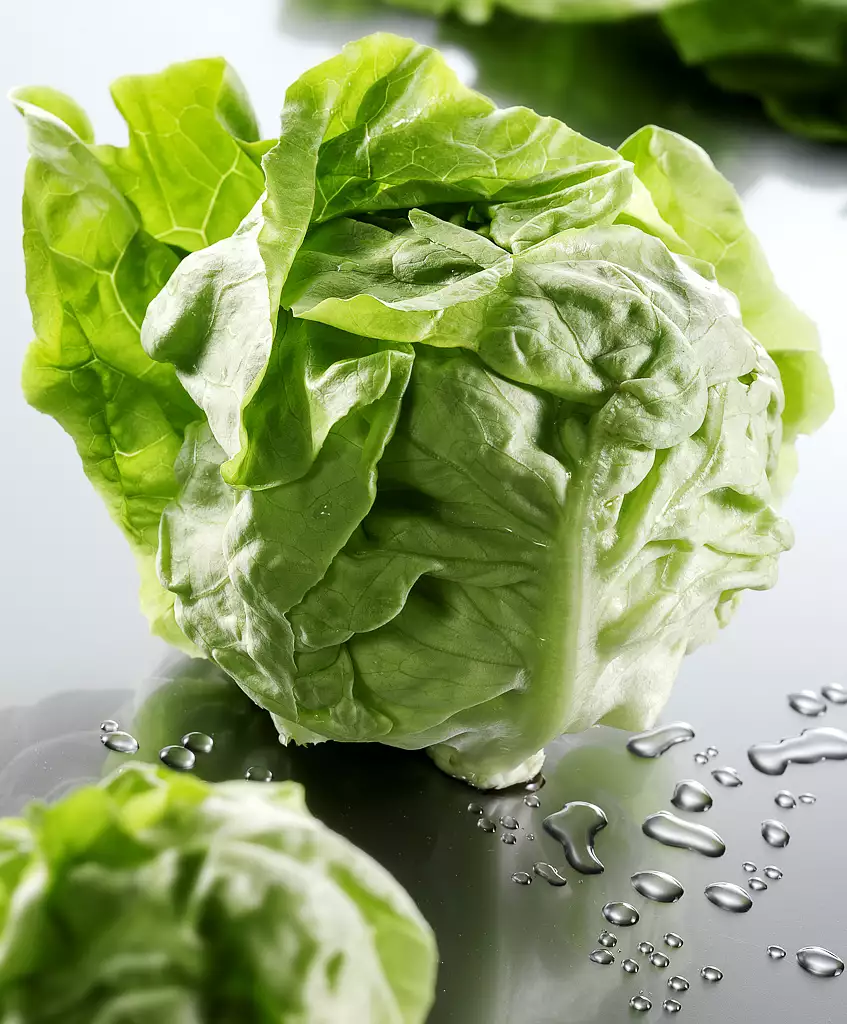
Boston lettuce is a butterhead: a loose, open head of soft, cup-shaped leaves that feel almost silky and taste faintly sweet.
It is the gentle one. Where iceberg snaps and romaine crunches, Boston gives way the moment you bite it. The leaves loosen from a pale yellow heart out to floppy green outer leaves, and they peel off whole in natural bowls.
That cupping shape is the reason this lettuce gets used the way it does.
Boston, Bibb, and butter lettuce are all the same type of butterhead. They differ mostly in size, so this page covers the type as a whole.
Bibb lettuce is a small, compact butterhead with loose, cup-shaped leaves and a tender, almost buttery bite. Think of it as a petite, sweeter version of Boston lettuce: same soft texture and the same natural leaf-cups, just a smaller, denser head.
It was bred in Kentucky in the 1800s and is sometimes sold as limestone lettuce. The flavor is mild and clean, with a touch more sweetness than its larger butterhead cousins.
Butter lettuce is the general name for butterhead lettuce: a loose head of soft, sweet, cup-shaped leaves that feel almost silky. When a recipe just says butter lettuce, Boston and Bibb both qualify, since those are the two common types sold under this umbrella name.
The leaves are tender and mild with a faint sweetness, and they peel off whole into natural bowls. That softness is the whole appeal, and also the catch: butter lettuce bruises and wilts faster than crisp lettuces.
Lettuce cups are not a variety of lettuce but a way of using one: whole, crisp leaves served as edible vessels for a savory filling. You spoon something warm and saucy into each leaf and eat it with your hands, no plate or fork needed.
The dish is a staple of Chinese and Southeast Asian tables, where minced meat lettuce wraps turn a stir-fry into finger food. A Spicy Beef Lettuce Cups is exactly that: seasoned beef scooped into chilled, crunchy leaves.
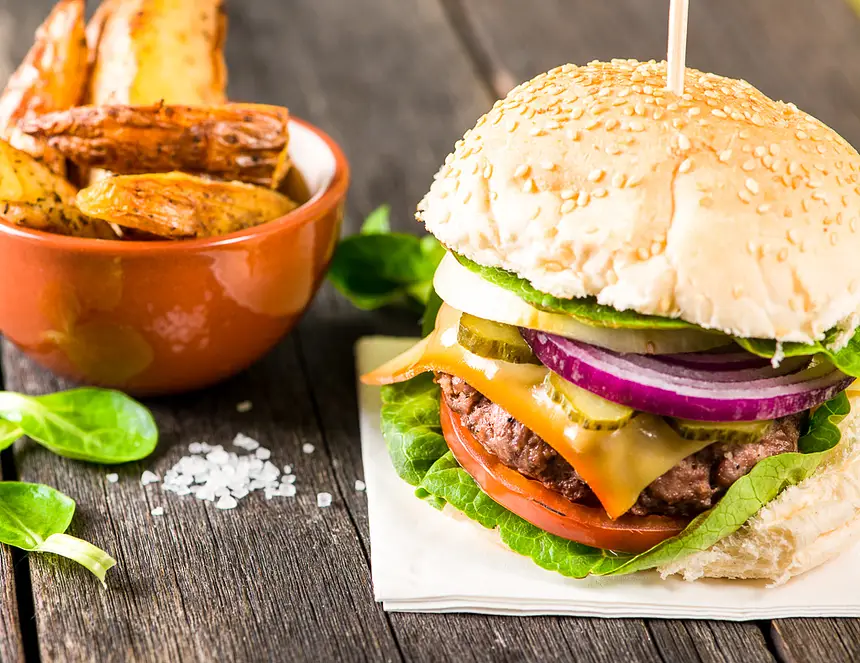
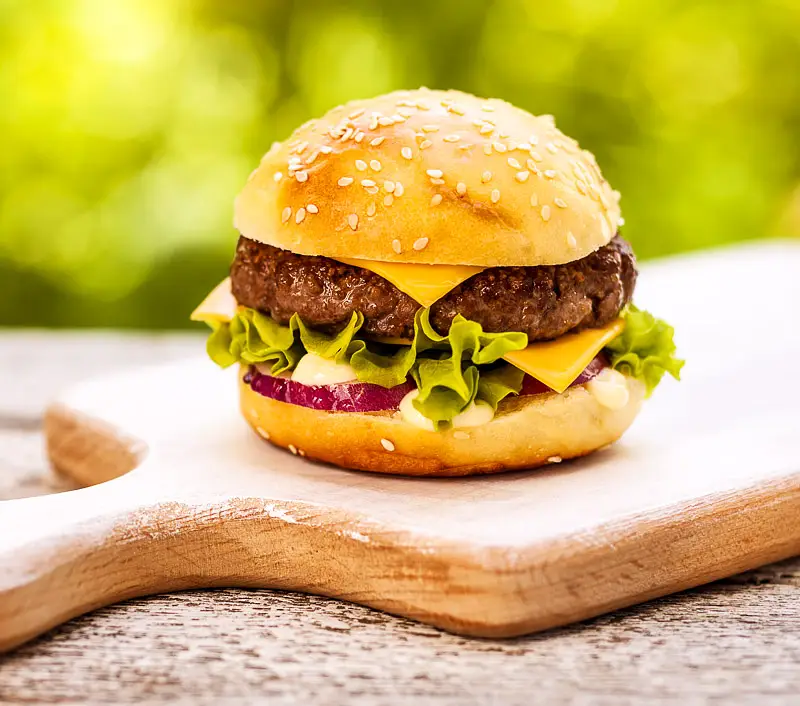
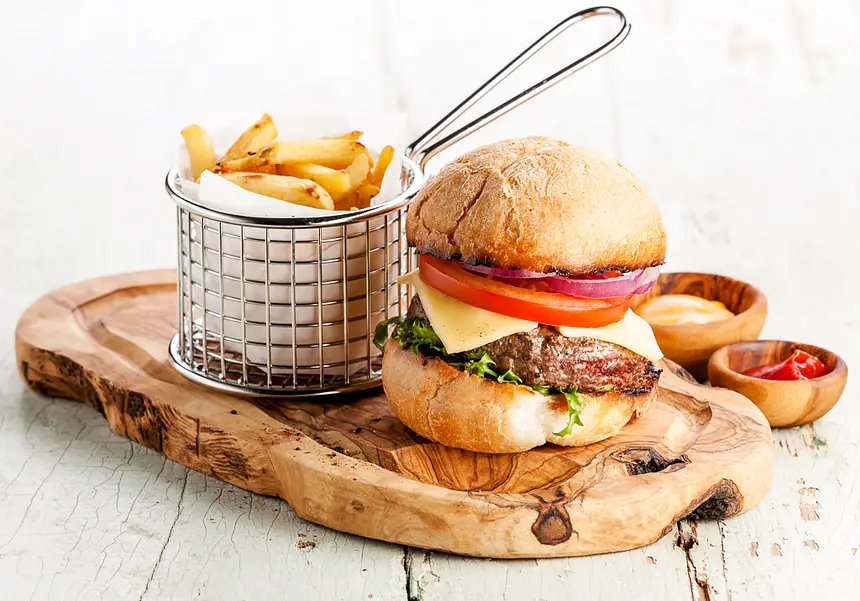
Grilled burgers with sour cream, dried thyme, and parsley mixed right into the patty for extra moisture and herby savor. The juicy weeknight cookout staple in 20 minutes.
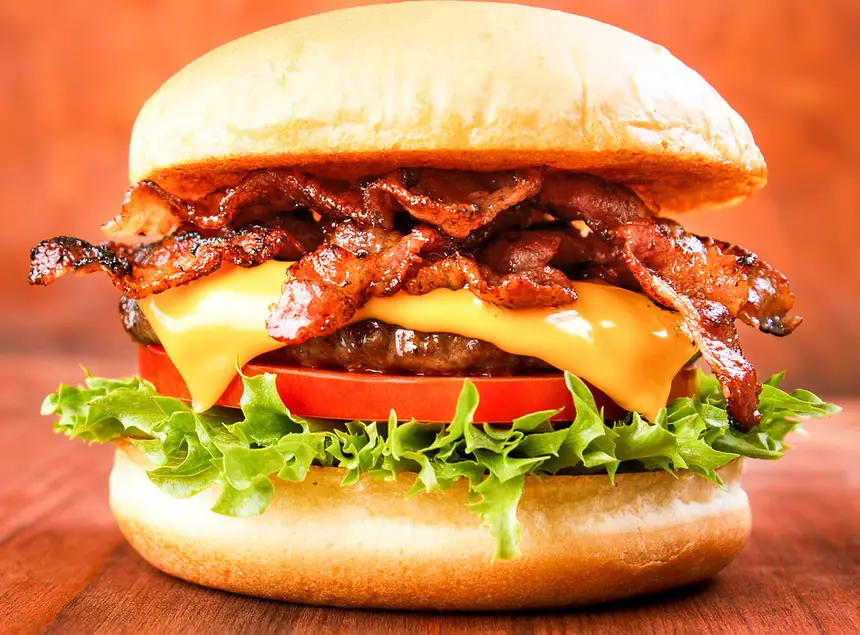
Sharp cheddar whipped with sour cream, Worcestershire, and crispy crumbled bacon makes a rich, tangy spread for this loaded cheddar bacon sandwich. Ready in 10 minutes flat.
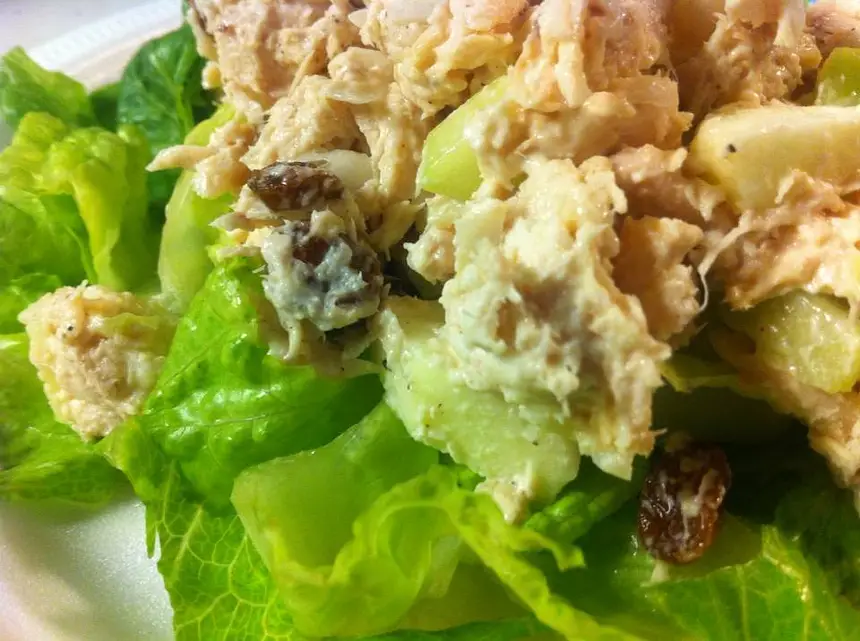
This modern Waldorf salad swaps walnuts for cucumber and adds protein-packed chicken. Crisp apples, sweet raisins, and creamy mayo over fresh romaine in 20 minutes.
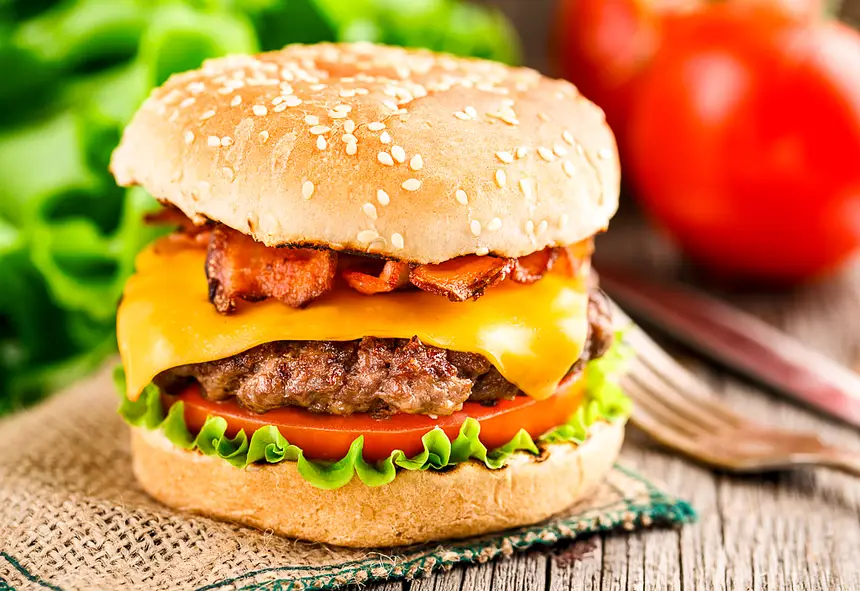
Sour cream burgers stay juicy because the sour cream goes right into the beef, along with green onion and a little crumb to keep them tender. Cook them fast in the microwave or sear them on the grill, then load up the buns.
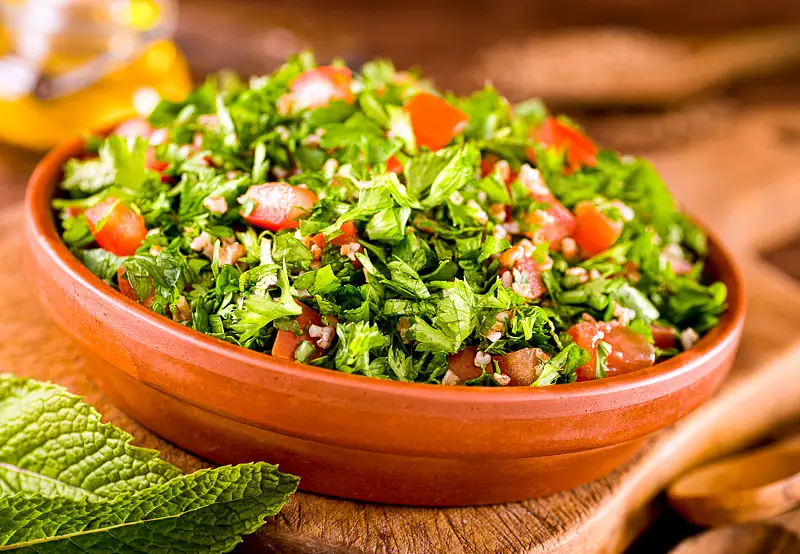
Lebanese tabbouleh herb salad heavy on fresh parsley and mint, fine bulgur, lemon and olive oil. Served on romaine leaves, the proper Middle Eastern way.
Big Mac copycat double decker hamburger with two thin smashed patties, special sauce, shredded lettuce, and American cheese. Includes the homemade hamburger sauce that nails the fast-food flavor at home.
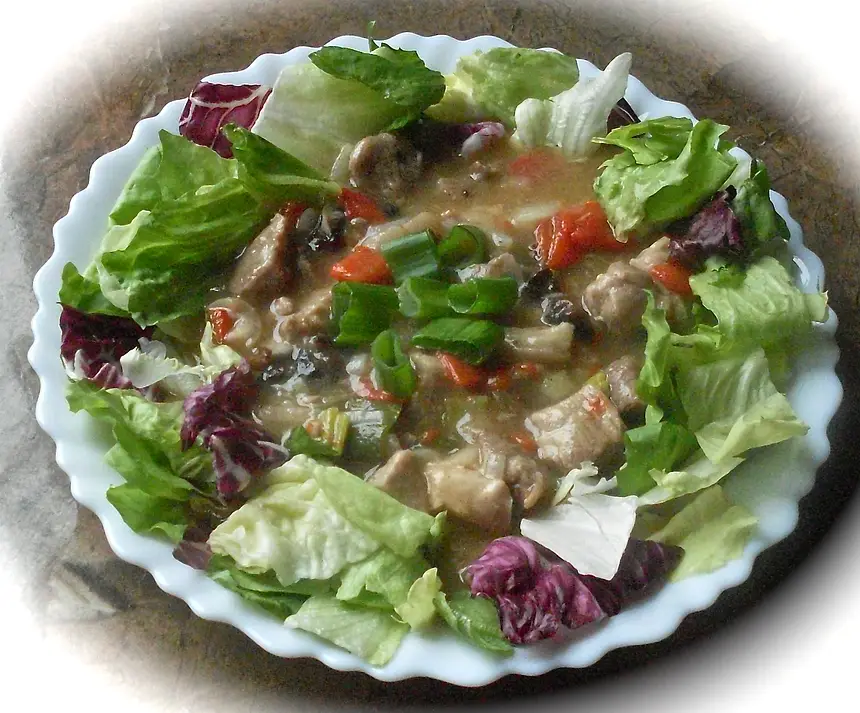
I like this sour flavor. The best over buckwheat, but all is fine when over rice, potatoes, noodles, or just with lettuce mix. You may use pickled grilled red pepper.
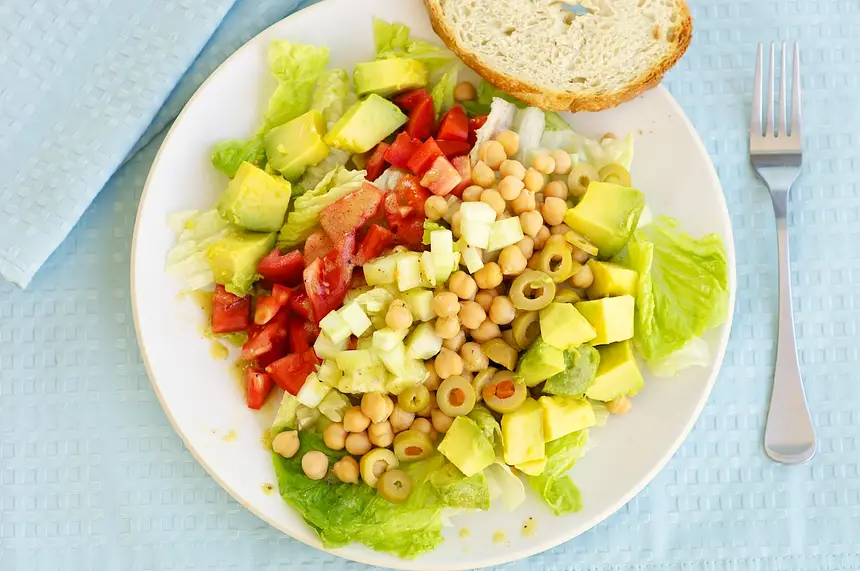
Creamy avocados, juicy-sweet tomatoes, crunchy cucumbers, meaty chickpeas and salty olives are on top of a bed of lettuce or any your favorite greens. Drizzle some freshly homemade vinaigrette and serve with a few slices of good bread.
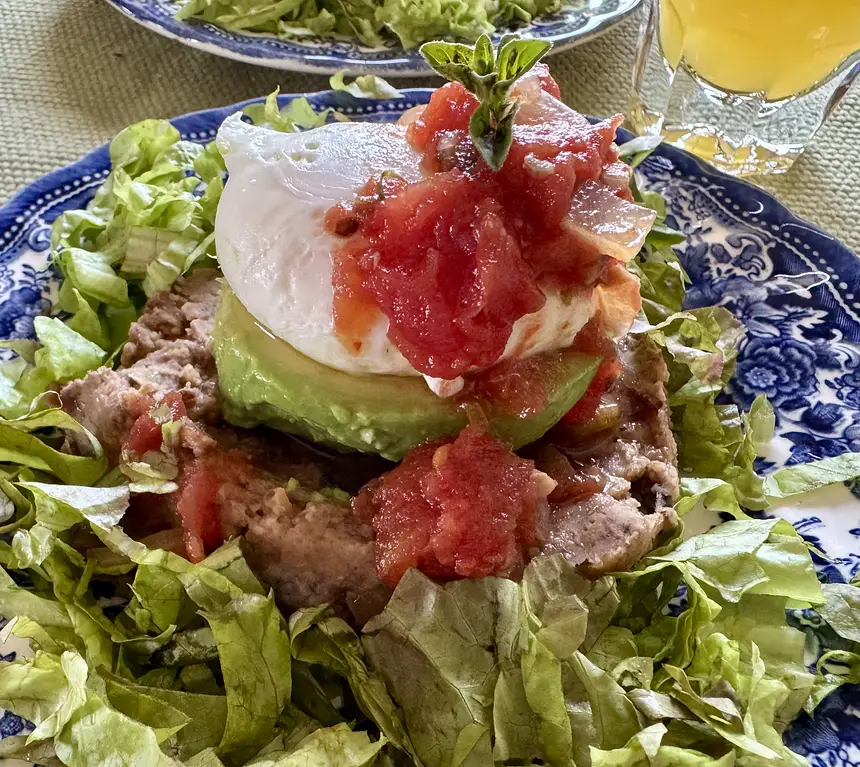
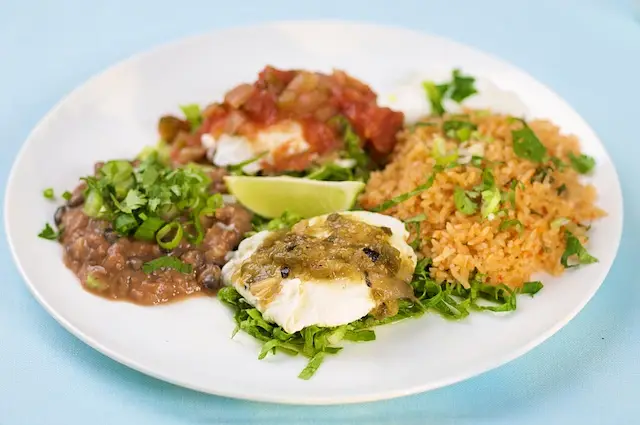
A vibrant Mexican-inspired breakfast featuring creamy avocado, poached eggs, warm refried beans, and zesty salsa, served on a bed of crisp lettuce. Perfect for a quick, flavorful brunch.
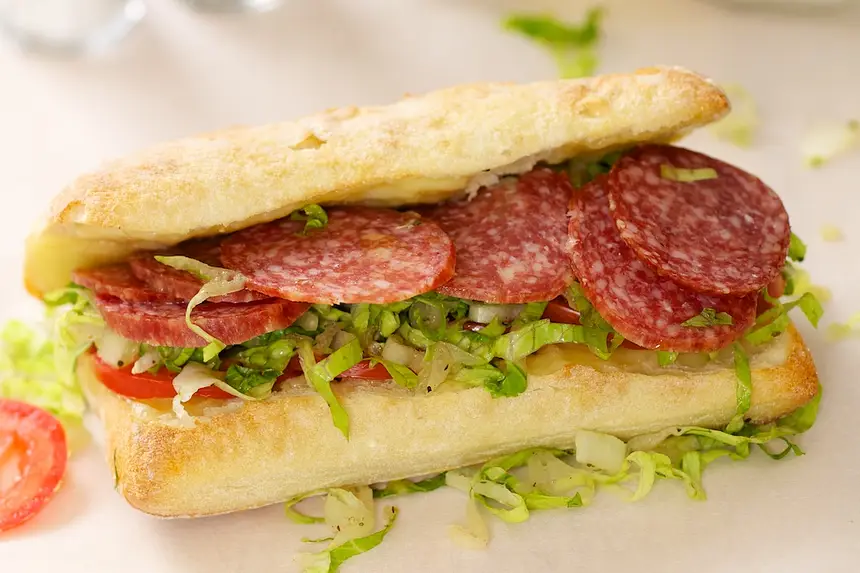
Capocollo, salami, and provolone stack on a crusty Italian sub roll with crisp lettuce, fresh tomatoes, hot peppers, and a drizzle of Italian dressing for a classic deli-style sandwich in 10 minutes.
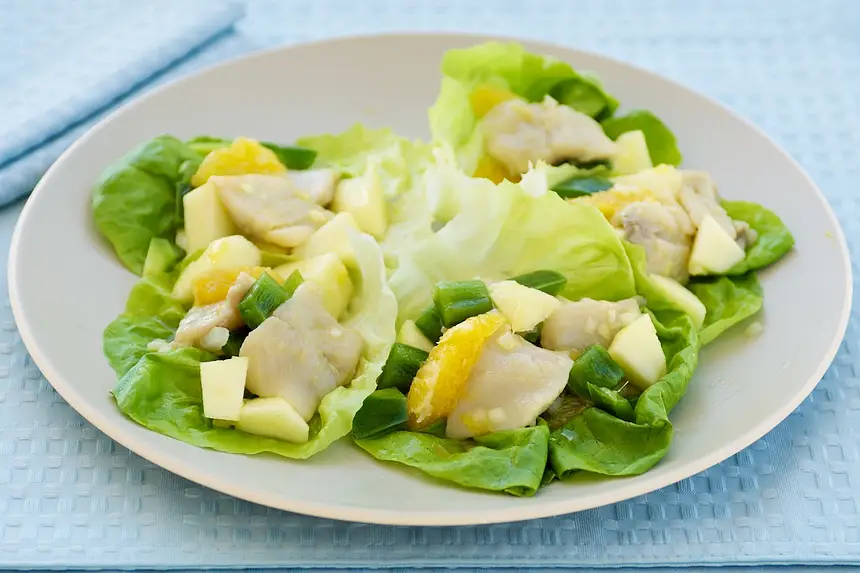
Refreshing herring salad tosses pickled herring with tart apple, juicy orange segments, green pepper, and grated onion in a quick oil and vinegar dressing. No cooking required.
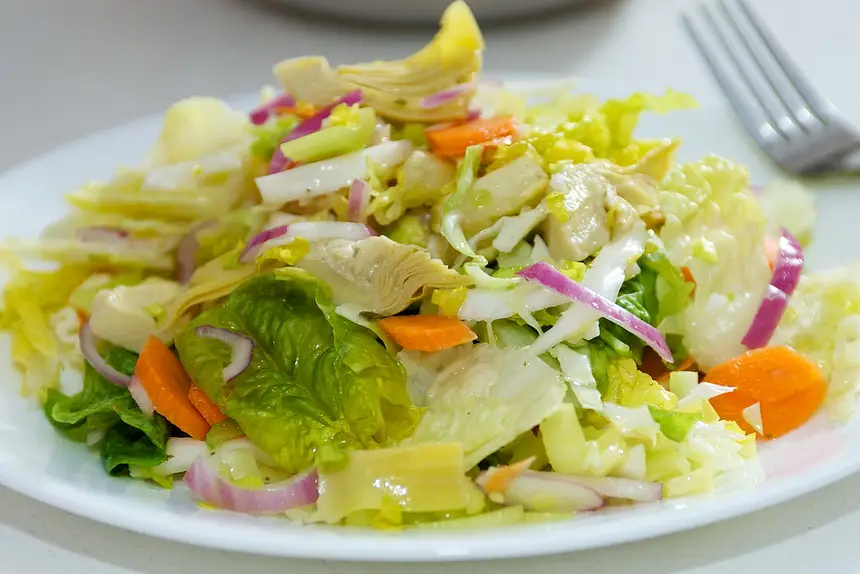
Feel too lazy to cook? Try a quick delicious and refreshing salad, serve it with a few slices of crusty bread. A quick simple and tasty yet light meal within about 6 minutes.
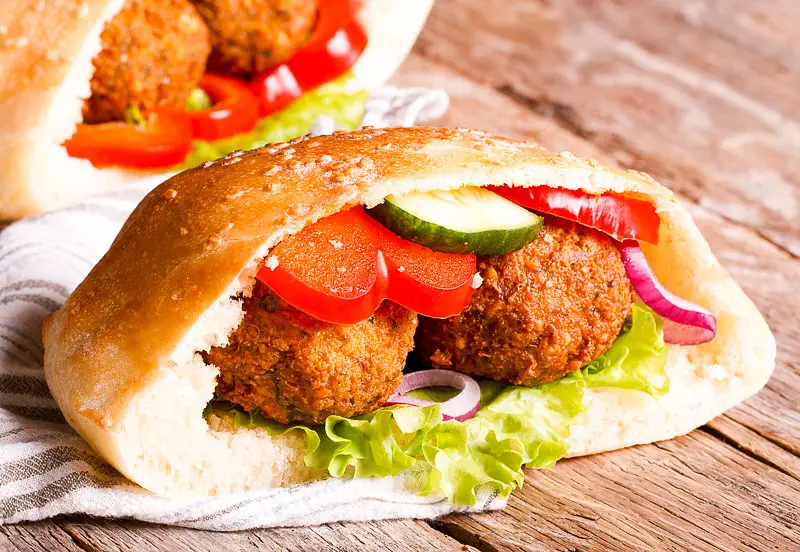
Crispy fried falafel balls with chickpeas, herbs, and warm spices. Classic Middle Eastern vegetarian patties served in pita with fresh vegetables and tahini sauce.
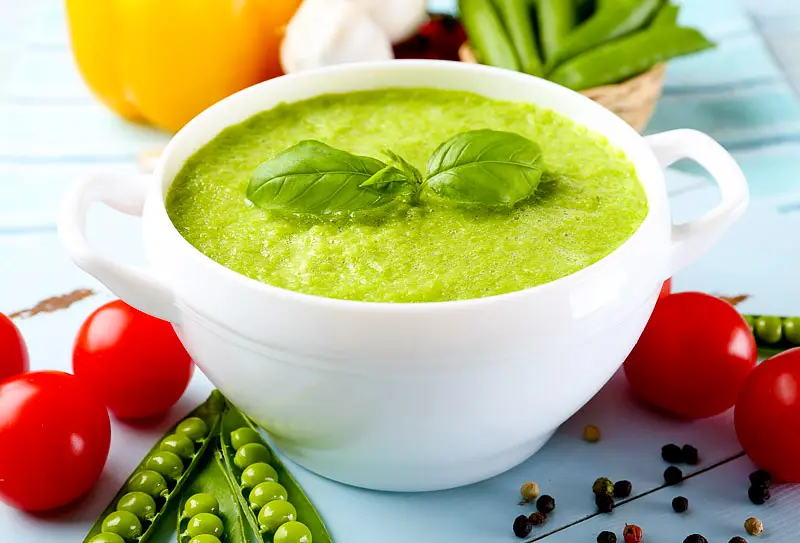
Chilled minted pea soup with Boston lettuce and fresh mint, pureed silky and served cold. A vegetarian summer starter that takes 15 minutes on the stove.
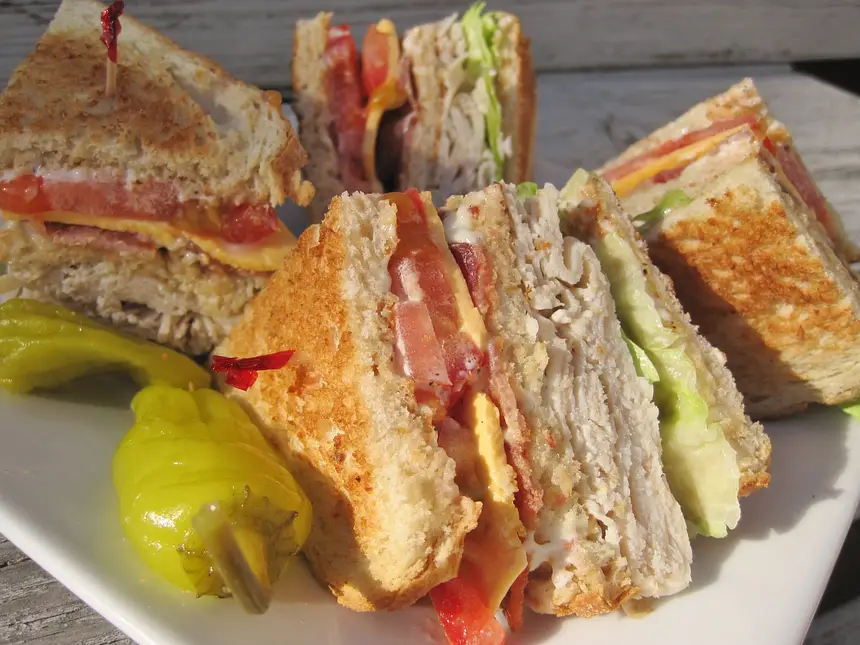
Quick, easy and delicious. I only had salami, and that's what I used in the sandwich. Of course a slice of ham and smoked turkey would double the yumminess. I shredded the lettuce, and seasoned it with a bit extra-virgin olive oil, wine vinegar, salt and black pepper. The tomato slices were also seasoned with a pinch of sea salt. The sandwich was so good!
Grilled ranch burgers with creamy ranch dressing mixed right into the ground beef patty plus more ranch on top. Quick weeknight or backyard burger ready in 20 minutes.
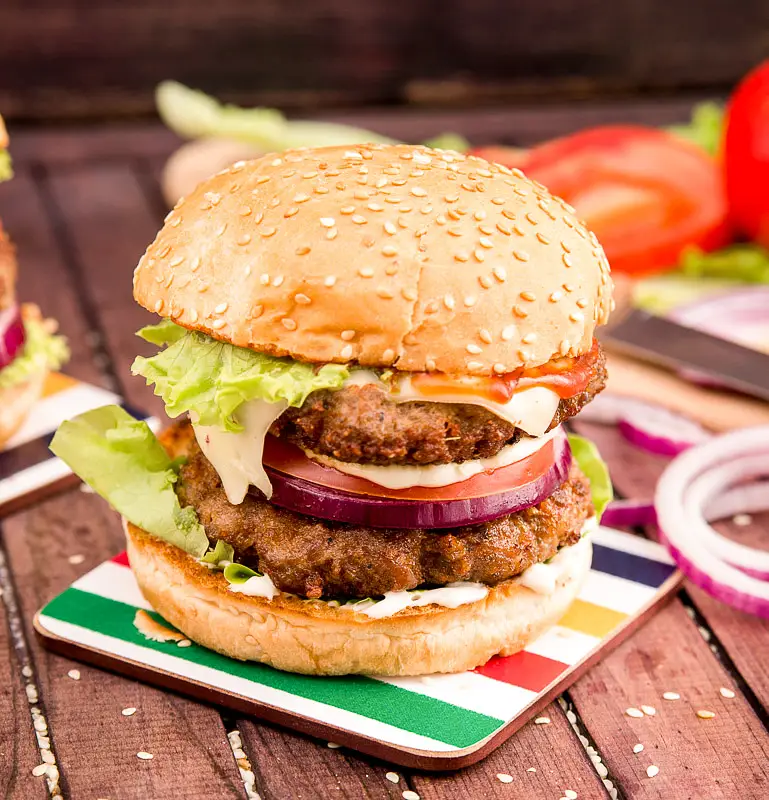
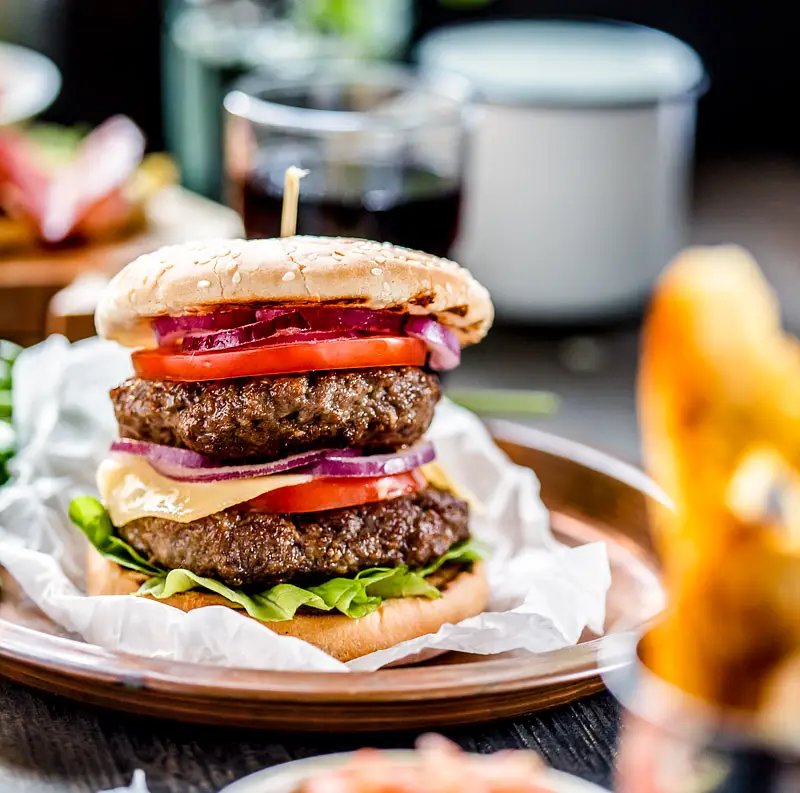
Double-decker cheeseburgers stack two thin beef patties with a tangy cheddar-mayo-mustard-relish spread between them. The homemade Big Mac alternative made with real ingredients.
A refreshing and tasty summer salad that uses fresh and seasonal tomatoes and cucumbers. It takes no time to make, and a great side dish that goes well with any main course.
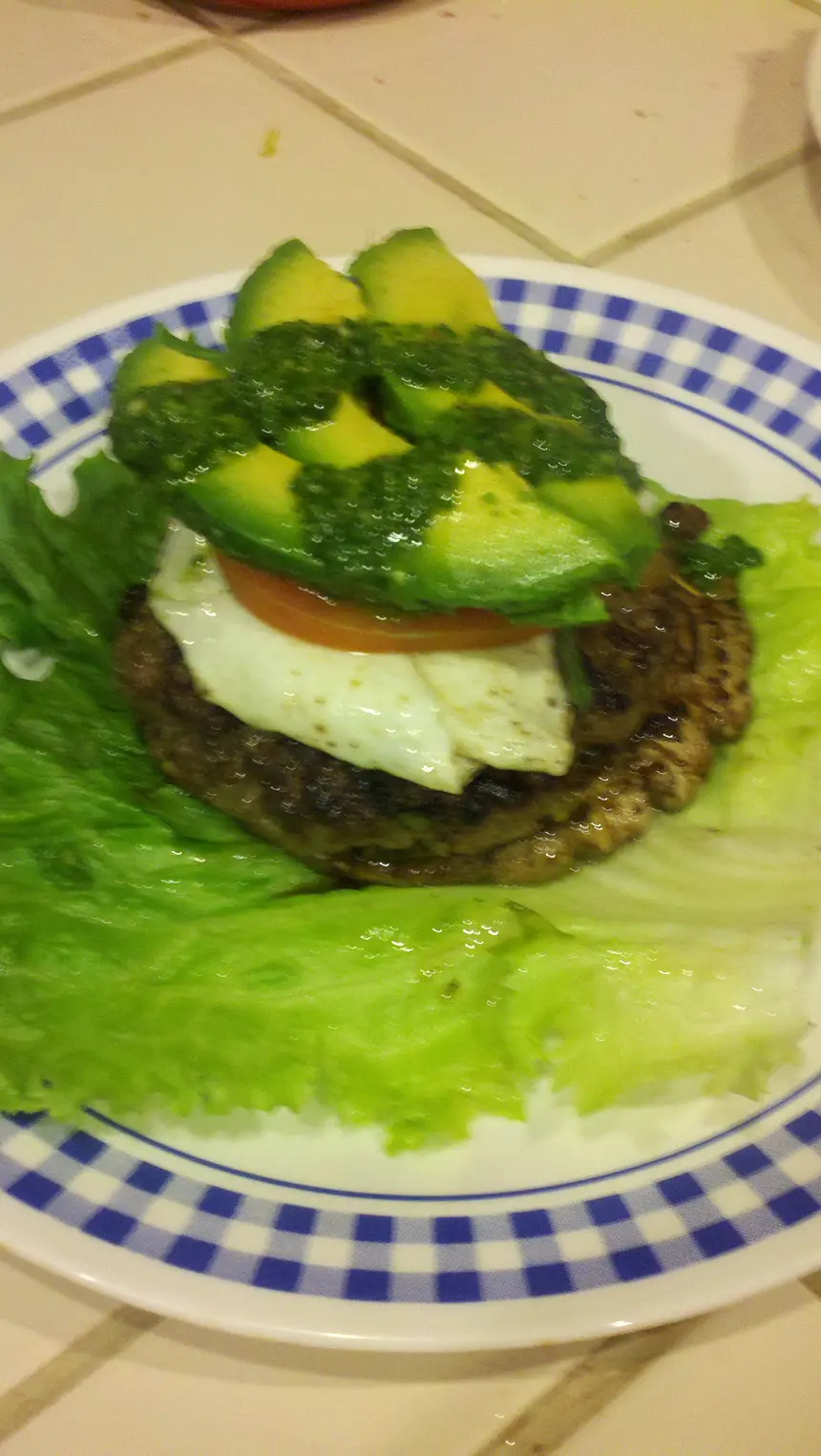
Protein paleo burger: a seasoned beef patty mixed with scallion, garlic, and serrano, stacked bunless on lettuce with a fried egg, grilled portobello, avocado, and chimichurri. High-protein, grain-free.
I had these for breakfast frequently when staying in Tlaqupaque, Mexico outside Guadalajara. Here's my version that recreates this local specialty. I haven't seen them anywhere else. Perfect for Cinco de Mayo.
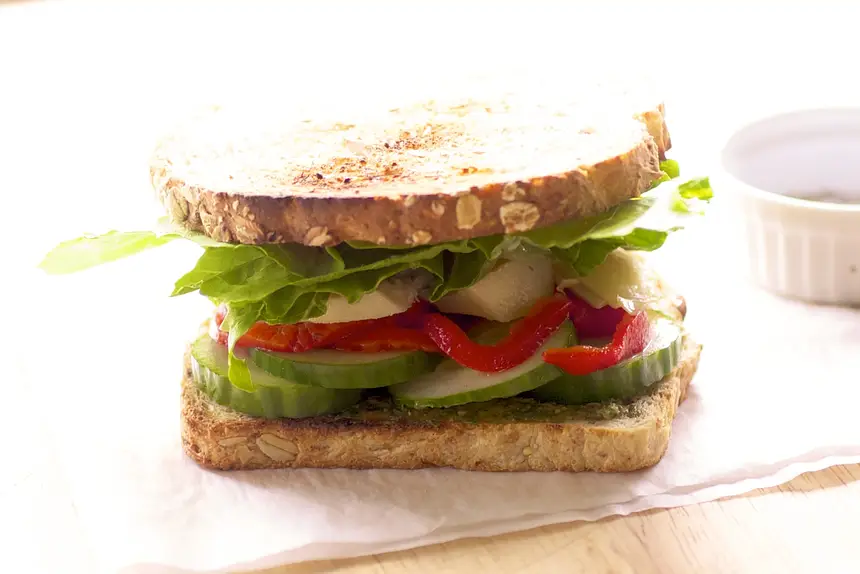
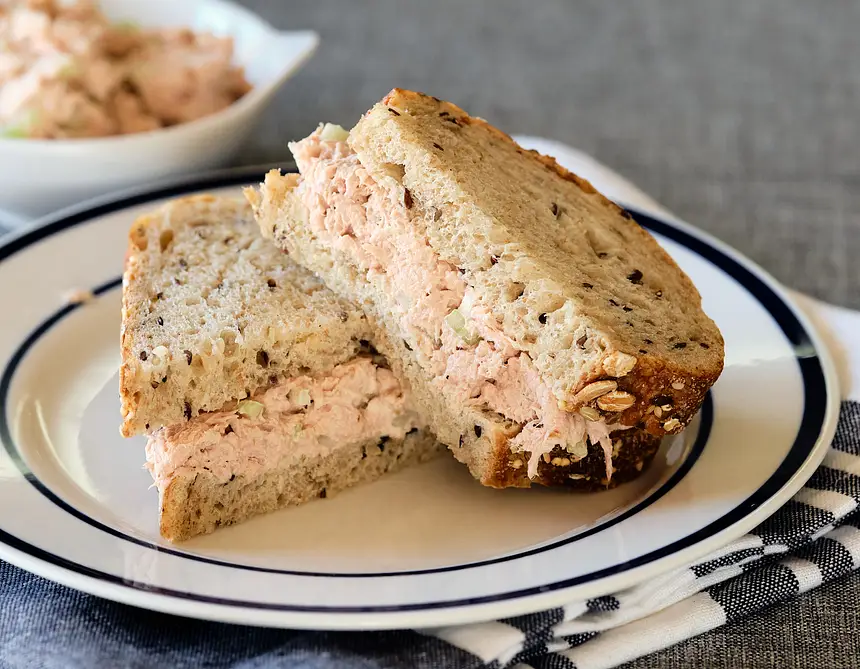
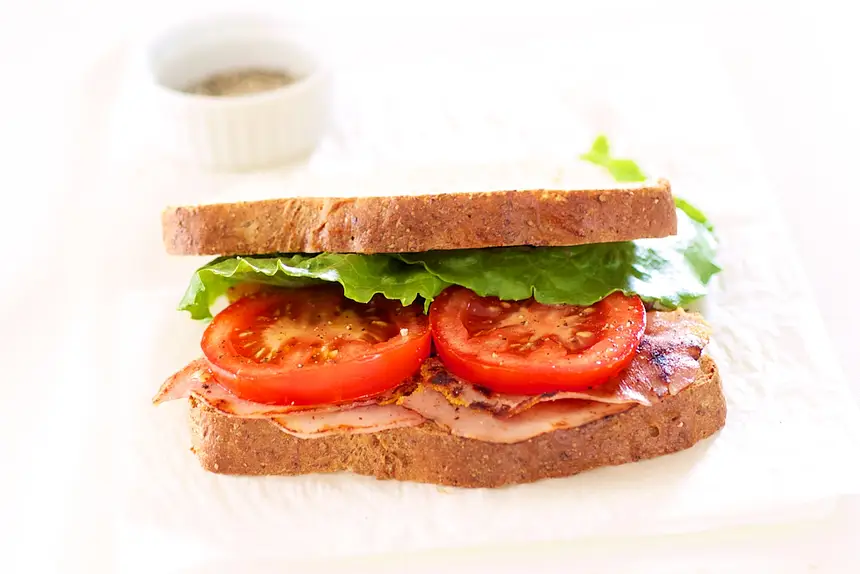
A few slices of Canadian bacon, fresh tomatoes and crisp lettuce. Sandwiched between two slices of whole grain bread, a quick, easy, delicious and well-balanced meal.
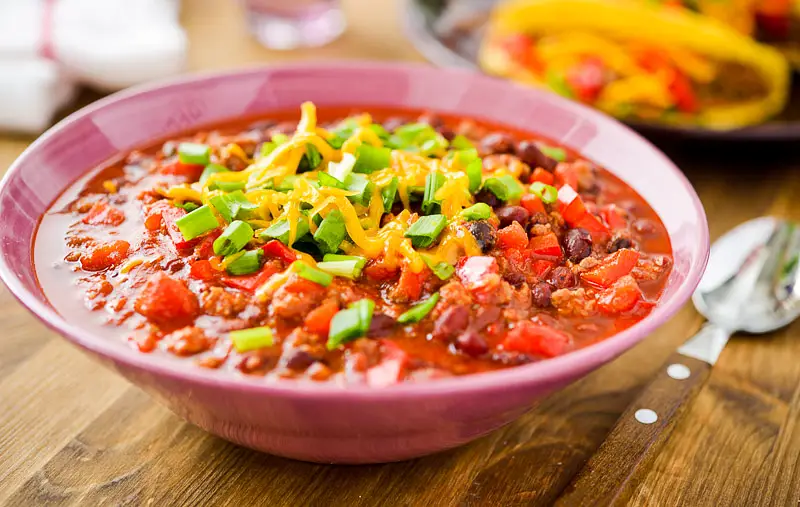
Chili N'Awlins is a New Orleans-style beef and pork chili with green chiles, oregano, and a Cajun edge. Topped with corn chips, sharp cheddar, and shredded lettuce for a hearty crowd-feeder.
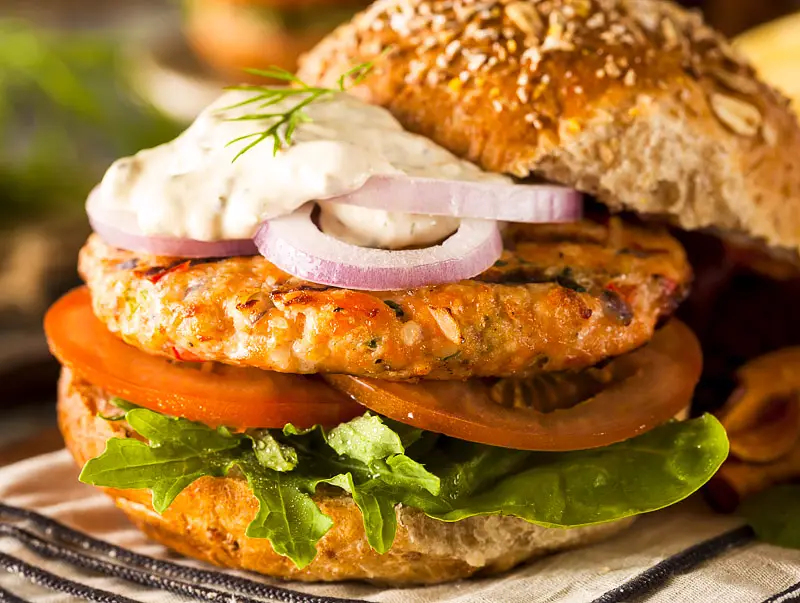
Super salmon burgers bind canned pink salmon with egg, breadcrumbs, cheddar, and thyme into pan-seared patties, served in pita pockets with lettuce, tomato, and tartar sauce. A 35-minute pantry burger.
Grilled cheeseburger with melted Swiss, charred Vidalia onions, and Dijon mayonnaise on toasted crusty bread. A French-bistro spin on the American classic.
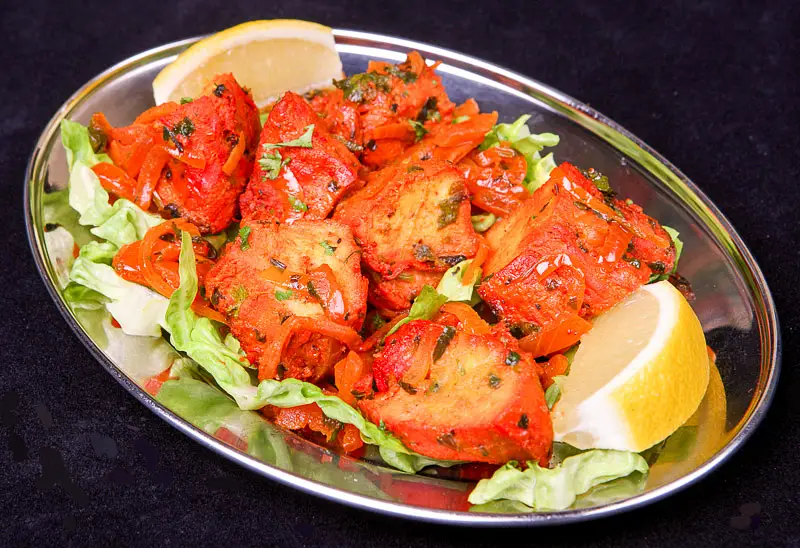
Chicken pieces marinated in spiced yogurt with ginger, garlic, turmeric, and coriander, then grilled on skewers until charred and tender. Authentic Indian chicken tikka at home.
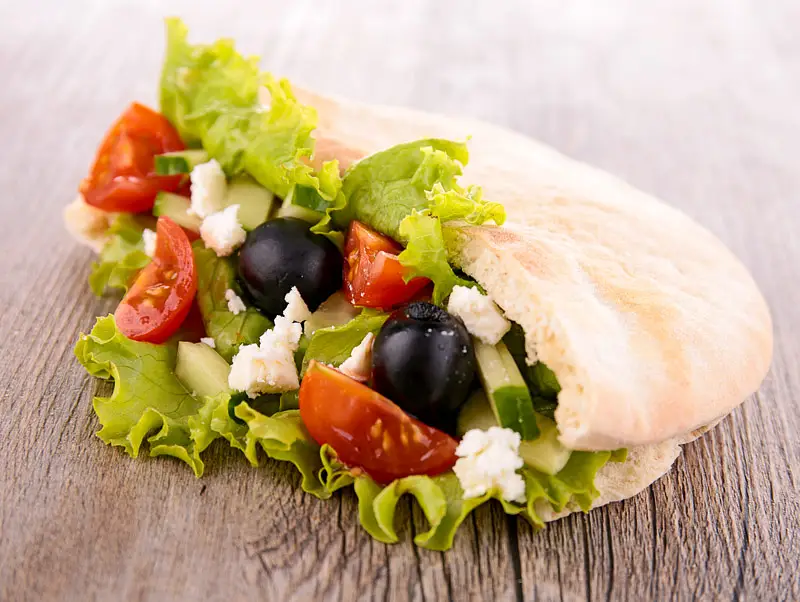
Middle Eastern pita sandwich stuffed with hummus, tabouli, crumbled feta, olives, and crisp romaine. A fast vegetarian lunch with Mediterranean flavors and a lemon-dill drizzle.
Cobble corn chili tacos stuff crispy taco shells with a chunky chili-style ground beef filling loaded with corn, stewed tomatoes, and celery. A 45-minute weeknight Tex-Mex pantry dinner.
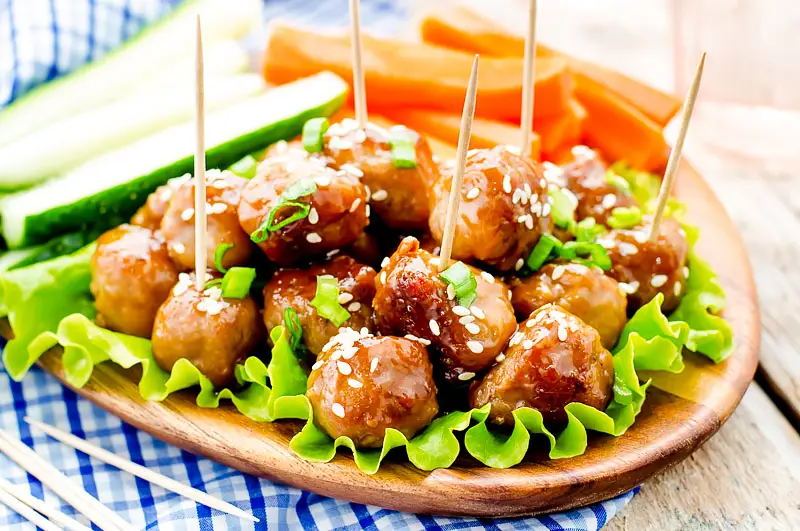
Ginger-spiked pork meatballs browned until golden, then simmered in curried coconut milk sauce and served on crisp lettuce with fresh basil and lemon zest. A Thai twist on the Chinese classic.
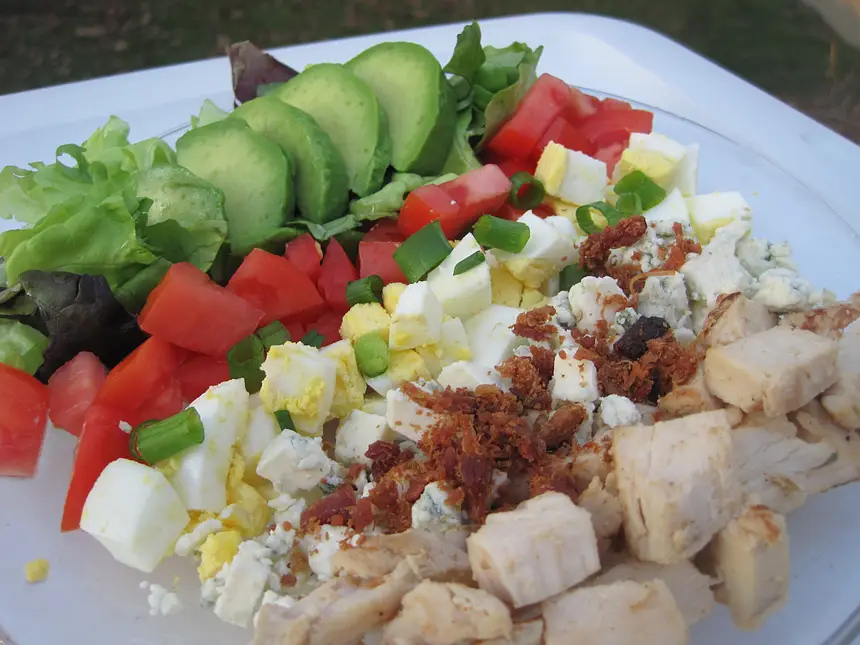
Classic Cobb salad with chicken, bacon, avocado, egg, and Roquefort dressing. Composed salad with rows of colorful toppings over crisp lettuce, perfect for elegant lunches.
Grilled burgers mix ground beef with ketchup, finely chopped onion, garlic, and Italian seasoning for tender, well-seasoned patties off the grill. A 25-minute cookout classic.
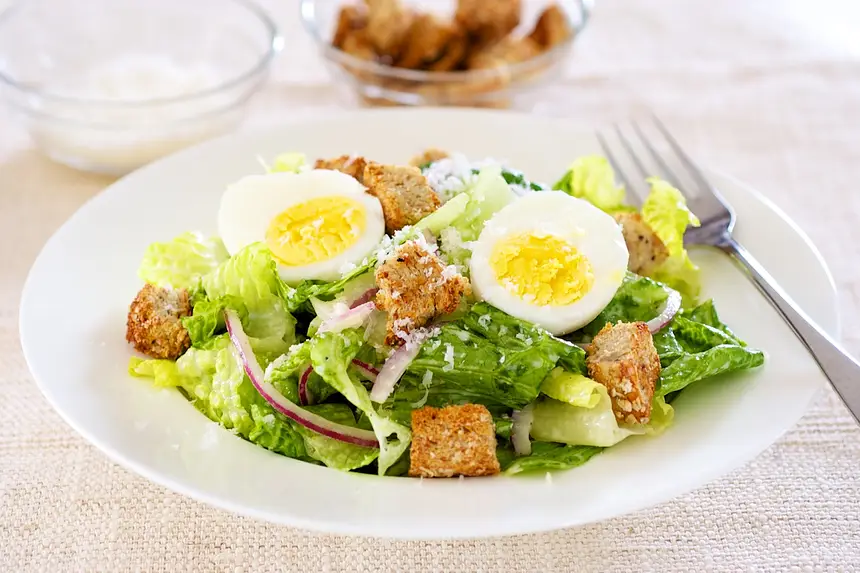
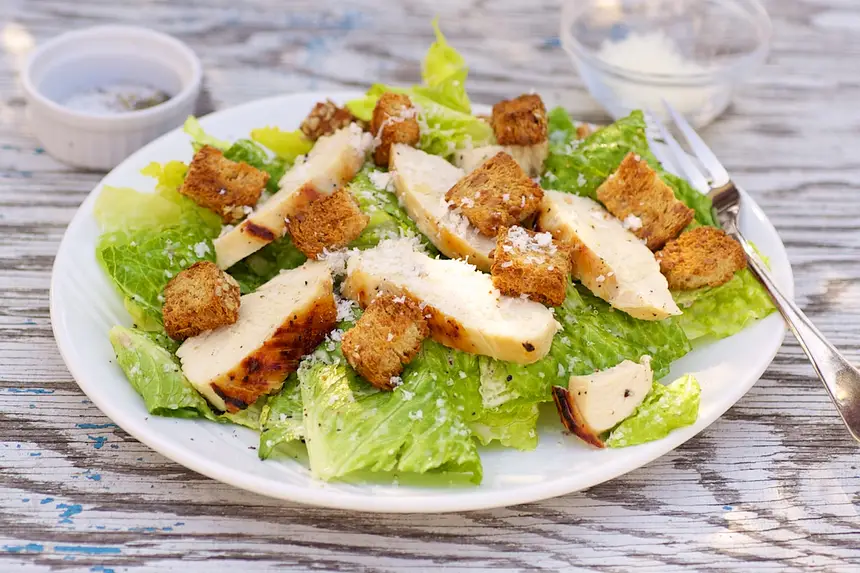
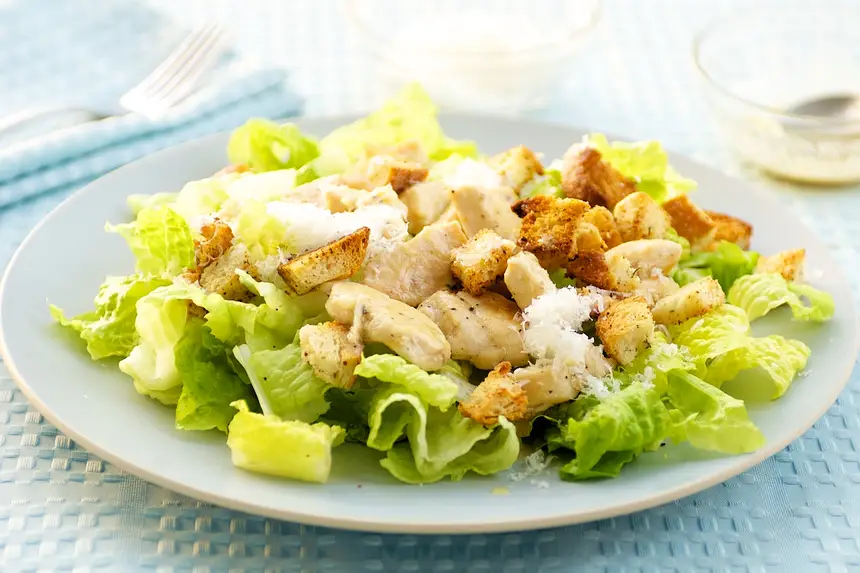
Sautéed chicken breast sliced thin over crisp romaine with homemade garlic croutons, Parmesan, and a from-scratch Caesar dressing made with anchovy paste and fresh lemon. A low-calorie salad that eats like a meal.
The dressing is so garlicky without feeling spicy or overwhelmed, because the garlic has been cooked in the oil. The dressing works deliciously well with almost any your favorite salads.