Ground beef
Ground beef is finely chopped beef, also called beef mince or hamburger meat. It is one of the most useful proteins in the kitchen because it cooks quickly and absorbs flavors well.
Beef rewards a little know-how: how to choose it, cook it, store it, and substitute in a pinch. Browse 595 recipes to cook with it.
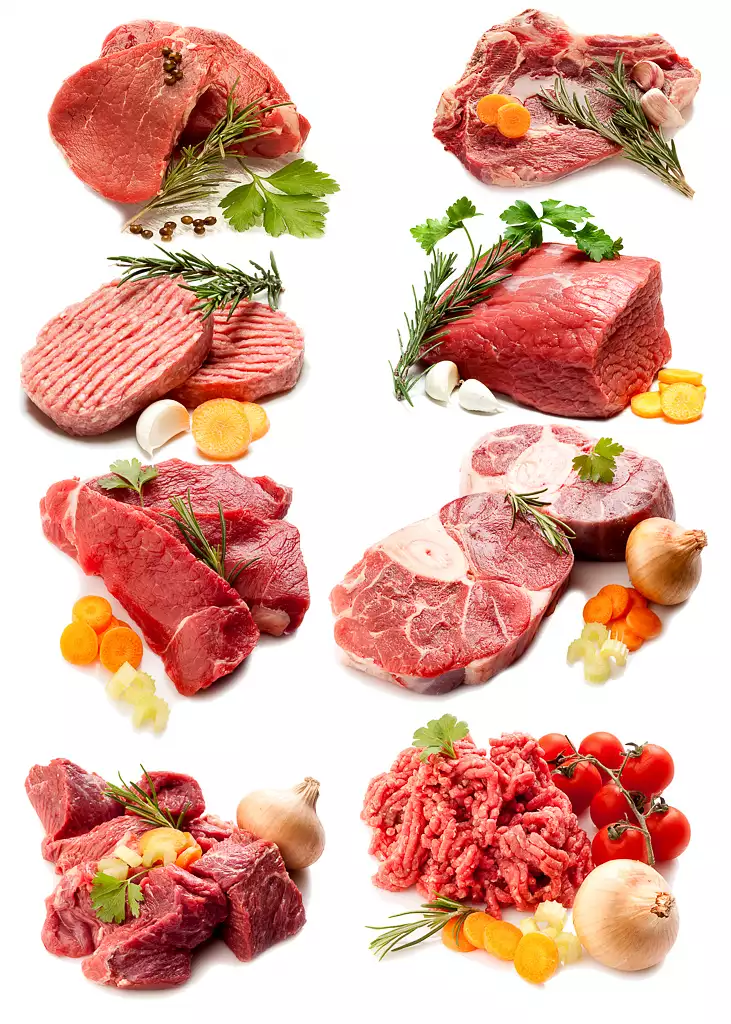
Beef is the meat of cattle. It covers a huge range of cooking, from a fast-seared steak to a pot of stew that simmers all afternoon.
The single most useful thing to know is that the cut decides the method. Muscles the animal barely uses stay tender; muscles it works hard turn tough but flavorful, and they need time and moisture to soften.
That split runs through everything below. Tender cuts off the back and loin, like ribeye and tenderloin, want quick high heat. Hard-working cuts from the shoulder and leg want low, slow, wet cooking that melts their connective tissue into gelatin.
Get the match right and even cheap beef turns out beautifully. Get it wrong and an expensive steak braises into shoe leather.
For tender cuts, the goal is a deep brown crust over a juicy interior. Pat the meat dry and salt it, then get the pan or grill genuinely hot before the beef touches it.
That browning is the Maillard reaction, and it is where most of beef's roasted, savory flavor comes from. A steak pulled at 130°F (54°C) lands at a juicy medium-rare; push past 160°F (71°C) and it dries out.
Tougher cuts go the other way. Chuck and brisket are full of collagen that only dissolves into silky gelatin after hours in liquid around a low simmer, roughly 200°F (93°C).
Rushing a braise is the classic mistake. The meat passes through a tough stage before it turns tender, so pulling it early leaves it dry and stringy. The slow approach is what carries dishes like Baeckenoffa, a beef, pork and lamb stew.
Ground beef is its own category. It cooks fast and takes flavor from whatever it shares the pan with, which is why it anchors weeknight standbys like Favorite Shepherd's Pie and slow-built classics like Murray's Girlfriend's Cincinnati Chili.
Brown it in a wide pan in batches so it sears instead of steaming in its own juice.
Beef rests after cooking. Give a steak five to ten minutes and a roast fifteen to twenty so the juices settle back into the fibers instead of running onto the board.
Beef has a strong, fatty, savory character that loves acid and sharpness to cut through it. Red wine, tomatoes, mustard, and horseradish are the classic partners, along with black pepper and a heap of garlicky onions.
A squeeze of acid at the end keeps a rich braise from feeling heavy.
The most common mistake is crowding the pan. Pile in too much meat at once and the pan temperature drops, so the beef weeps water and you get gray steamed meat instead of a brown crust. Cook in batches.
The second mistake is cutting with the grain. Slicing across the grain, against the direction of the muscle fibers, shortens those fibers and makes each bite far more tender. This matters most on lean, fibrous cuts like flank and skirt, or the round used in Tom's Chicken Fried Steak.
What you swap in depends on the role beef is playing. For ground beef in tacos or sauces, ground pork, lamb, turkey, or chicken all work.
Pork and lamb keep things rich. Turkey and chicken are leaner and milder, so they need extra seasoning and a little fat to stay juicy.
For stews and braises, lamb shoulder or pork shoulder behave almost identically, since they carry the same kind of collagen that rewards slow cooking. Bison is the closest match of all, leaner than beef but cooked the same way, so pull it from the heat a touch earlier.
For a meatless version, browned mushrooms or cooked lentils give you the savory, chewy bulk, though you lose the fat and depth and will want to season harder.
Look for beef that is bright cherry red with creamy white marbling running through it. A purplish color just means it has not hit air yet and is fine; gray or brown patches with an off smell mean it is past its prime.
In the United States, the USDA grades Prime, Choice, and Select reflect marbling, and more marbling means more flavor and forgiveness during cooking.
Keep raw beef in the coldest part of the fridge, on the bottom shelf, so any drips cannot reach other food. Use ground beef within one to two days and steaks or roasts within three to five.
For longer storage, wrap tightly to block air and freeze. Ground beef holds about three to four months and roasts up to a year before the texture starts to suffer.
Thaw frozen beef in the refrigerator overnight, never on the counter, where the outside warms into the bacteria danger zone while the center is still frozen. A faster safe route is a sealed bag submerged in cold water, changed every thirty minutes.
Beef shows up in hundreds of recipes here, so once a method clicks it carries across most of them.
Specific kinds of beef and the recipes that use them.
Ground beef is finely chopped beef, also called beef mince or hamburger meat. It is one of the most useful proteins in the kitchen because it cooks quickly and absorbs flavors well.

A steak is a slice of beef cut thick across a muscle and cooked with dry, direct heat. The best ones come from the parts of the steer that do the least work: the loin and the rib running along the back.
Those muscles stay tender. They reward a hot fire and a short cook rather than the long braise that tougher cuts need.
That is the whole logic of the steak case. Tenderness is what you pay for, and it tracks almost perfectly with how lazy the muscle was.

Porterhouse, T-bone, strip, ribeye, and the lean sirloin are the classic grilling steaks, all sliced from the loin or rib. The tenderloin gives you the silky filet mignon.
Cheaper cuts like chuck steak and skirt steak come from harder-working muscle. They take a marinade or a braise rather than a quick sear.

A beef roast is a large, solid piece of beef meant to cook in one piece and get carved at the table.
It is the centerpiece cut, the Sunday dinner and the holiday platter, the thing the rest of the meal arranges itself around. The word covers two very different jobs, and that split is where most cooks go wrong.
A tender roast off the rib or loin wants a hot, dry oven and gets sliced juicy and pink. A tough roast off the shoulder or leg wants liquid and hours of low heat until it pulls apart.
This page is about the first kind, the dry oven roast. For the braised, fall-apart version, see beef roast, pot roast.

Stewing beef is just tougher beef cut into bite-size cubes for slow, wet cooking. Most of what sits in the supermarket "stew meat" pack is chuck from the shoulder, sometimes mixed with trimmings from round or brisket.
It is the cut you reach for when you want spoon-tender meat in a bowl of gravy, not a quick steak.
The whole point is collagen. These cubes come from hard-working muscle full of tough connective tissue, and only time in liquid breaks it down into silky gelatin. That same gelatin is why a good stew sets up almost gravy-thick when it cools.
Buy it pre-cubed for convenience, or cut your own from a chuck roast for better control over size.

Beef chuck comes from the shoulder and neck of the cow, the part of the animal that works hardest all day. That constant work packs the muscle with connective tissue and fat. It is why a raw chuck steak looks coarse next to a tidy sirloin.
Cook it fast and it fights back, tough and chewy. Cook it low and slow and it turns into the most forgiving, deeply beefy meat in the case. The collagen that makes it tough when raw melts into gelatin once it is held at a simmer.
That gelatin is what gives a pot roast or a bowl of chili its glossy, lip-sticking body.
It is also cheap. Pound for pound, chuck delivers more flavor than the pricey loin cuts, as long as you give it the time it needs.

Beef brisket comes from the lower chest of the steer, the slab of muscle that supports much of the animal's weight. It works constantly, so it is dense and tough, packed with the connective tissue that makes it a project cut rather than a quick dinner.
That toughness is the whole point. Brisket is rich in collagen, and given enough low, slow heat that collagen melts into gelatin, turning a stiff slab into meat you can pull apart with a fork.
Rush it and you get a chewy, dry disappointment. Give it the hours it wants and it becomes smoked Texas barbecue, a Jewish-holiday pot roast, Sunday corned beef, or the deep braise behind a bowl of Chinese Beef Stew.


Corned beef is beef brisket cured in a salty, spiced brine, then simmered until tender. The "corn" has nothing to do with the vegetable; it is an old word for the coarse grains of salt once used to cure the meat.
The brine is what defines it. Salt and sugar carry a load of pickling spices (mustard seed, peppercorns, coriander, bay, allspice) into the meat over a week or more, while curing salt gives it that pink color and tangy, preserved flavor.
You can buy it already cured, which is how most people meet it, or brine your own from scratch.

Beef tenderloin is the most tender cut on the steer, full stop. It runs along the inside of the spine, a long, narrow muscle that the animal barely uses, so it never toughens up the way a leg or shoulder does.
That softness is its whole appeal, and also its catch. The tenderloin is very lean, with almost none of the marbling that makes a ribeye so forgiving, so it gives you melting texture but a milder, less beefy flavor than fattier cuts.
This is where filet mignon comes from, sliced from the tapered front end. The thick center cut roasts whole as a Chateaubriand, and the whole trimmed muscle is what goes inside a Beef Wellington.


Listen up, meat lovers, beef short ribs are the unsung heroes of the butcher case, packing deep, beefy flavor that begs for low-and-slow cooking. Cut from the cow's rib section, near the plate or chuck, these chunky beauties come bone-in for that extra richness or boneless for easy eating.
Think of them as the hearty backbone for cozy winter braises in Toronto's chill, where a pot of simmering ribs fills the kitchen with aromas that chase away the cold. Perfect for searches like "best ways to cook beef short ribs at home for beginners" or "tender beef short ribs recipes in slow cooker," they're affordable, forgiving, and transform into fall-off-the-bone goodness with a little patience.

These ribs hail from the lower chest area of the cow, featuring layers of meat, fat, and connective tissue that break down beautifully during cooking. English-style cuts are thick and rectangular, ideal for braising, while flanken-style (thin, cross-cut) shine in Korean galbi or quick grills.
Nutritionally, they're protein powerhouses with iron and B vitamins, but that marbling means they're best enjoyed in moderation for "healthy beef short ribs meal ideas with veggies." At about 300-400 calories per serving, they fit right into "low-carb keto beef recipes for weight loss" when paired smartly.
Braise 'em low and slow in red wine for a French-inspired feast, or smoke them Southern-style for that finger-lickin' BBQ vibe. They're stars in stews, chilis, or Asian marinades with soy and ginger, making them versatile for "easy beef short ribs Instant Pot recipes for busy families." Shred the meat for tacos or sandwiches, or go whole for a showstopper dinner plate.
There you have it, folks, the lowdown on beef short ribs that'll have you firing up the oven. Hankering for a full recipe, like "smoky BBQ beef short ribs for summer gatherings"? Let's get grillin'!

Sirloin tip is a lean, economical cut from the front of the hind leg, where the round meets the sirloin. Despite the name it is closer to the round than to the tender sirloin steak.
That means honest beefy flavor at a budget price, with the firm chew of a working muscle.
It is sold two main ways: as a sirloin tip roast, and cut into cubes as the kebab and stir-fry staple often labeled "beef tips."
Low in fat and a little tough, sirloin tip rewards a cook who respects its leanness. Treat it gently and it is one of the best values at the counter. Overcook it even slightly and it turns dry and chewy fast.

Beef liver is the liver of cattle, sold sliced into wide, deep-red slabs. It is the most assertive of the common organ meats, with a rich, minerally, almost metallic flavor that people tend to love or avoid with little middle ground.
It is also one of the most nutrient-dense foods in the kitchen. Beef liver is exceptionally high in iron and vitamin B12, which is why it was the classic prescription for anemia long before supplements existed.
A whole beef liver is huge, 10 to 15 pounds, so it always reaches you pre-sliced. "Baby beef liver," cut from a younger animal, is milder and more tender than liver from a mature cow.

Beef soup bones are exactly what the name says: bones from cattle, sold for the pot rather than the plate. They are the raw material for stock and for the long-simmered soups that get their body from bones instead of a thickener.
What makes a bone worth simmering is what is inside and around it. Connective tissue and cartilage melt into gelatin while marrow adds richness, and any clinging meat brings real beefy flavor. The best soup bones carry some of each.
You buy them cheap. Ask at the butcher counter or look in the refrigerated meat case at a well-stocked supermarket, where they are often the least expensive beef on offer.
Beef suet is the hard, crumbly white fat from around the kidneys and loins of cattle. It is the firmest fat on the animal, and that firmness is the whole reason traditional baking prizes it.
Unlike soft back fat or rendered drippings, suet stays solid at room temperature and only melts at a high heat.
In a batter or dough, the little flecks hold their shape until the oven catches up, then melt and leave behind pockets of air. That is what gives a steamed pudding its light, spongy crumb and a pastry its flake.
It is an old-fashioned ingredient, the backbone of British puddings and mincemeat and the dishes that came out of a thrifty kitchen using every part of the cow.
The beef shank is the shank (or leg) portion of a steer or heifer.
Due to the constant use of this muscle by the animal it tends to be tough, dry, and sinewy, so is best when cooked for a long time in moist heat.
As it is very lean, it is widely used to prepare very low-fat ground beef. Due to its lack of sales, it is not often seen in shops. Although, if found in retail, it is very cheap and a low-cost ingredient for beef stock. Beef shank is a common ingredient in soups.
Beef shank is the cut from the leg of the cow, the muscle that does the heavy work of moving the animal around. All that work makes it one of the toughest and leanest cuts on the steer, deeply flavorful and cheap.
It is also one of the most collagen-rich cuts there is. The leg is wrapped in connective tissue, and a cross-section usually has a round of marrow bone in the center.
Cook it long and wet and that collagen melts into gelatin, turning a rock-hard cut silky and giving the cooking liquid real body.
You will see the same cut sold as beef shank or beef shin, and as hough in Scotland. Cross-cut slices through the bone are the osso buco shape, named for the veal version of the same idea.
Beef kidneys weight in at about 1 pound a piece. They are large, oval, and shaped with many lobes. They are not tender, and unless properly prepared they have a strong taste.
Before cooking all of the fat, gristle, and membrane should be removed. To remove all of all the strong flavor and obtain a palatable meat, it is essential that they be soaked in cold water with lemon juice (1/4 cup lemon juice for each quart of lemon juice) for 30 to 40 minutes, changing the water once or twice during soaking. After draining cook according to your recipe.
Kidneys are usually grilled or sautéed, but in more complex dishes they are stewed with a sauce that will improve their flavor. In many preparations kidneys are combined with pieces of meat or liver, like in mixed grill or in Meurav Yerushalmi.
Among the most reputed kidney dishes, the British Steak and kidney pie, the Swedish Hökarpanna (pork and kidney stew), the French Rognons de veau sauce moutarde (veal kidneys in mustard sauce) and the Spanish "Riñones al Jerez" (kidneys stewed in sherry sauce), deserve special mention.
Beef shin is the lower-leg cut sold in the United States as beef shank.
In British and Australian kitchens, shin is the usual name, and Scottish cooks call it hough. One cut under three names: a tough, lean, collagen-rich muscle from the hardest-working part of the animal, usually with a round of marrow bone running through it.
That connective tissue is the reason to buy it. Cooked long and slow in liquid, it melts into gelatin that turns the meat silky and thickens the cooking liquid on its own.
Beef tongues usually weight 3 to 4 pounds. They are sold fresh, pickled, corned, or smoked.
Tongues are tough and should be cooked over low heat for several hours. Soak a fresh tongue in cold water to cover with 2 tablespoons cider vinegar added. Soak for several hours. Drain and cook.
Pickled, corned, or smoked tongue should be covered with boiling water and cooked for 1 hour. Drain, add fresh boiling water, and continue cooking until tender.
When tender, the gristle and the bone at the thick end should be removed. Split the skin the length of the tongue and remove. Cut the meat into thin slices crosswise.
Chipped beef is beef that has been salt-cured and dried, then pressed and sliced wafer-thin. It comes in small jars or packets, the slices stiff and deep red and intensely salty, with a flavor closer to cured ham than to fresh beef.
It is an old American pantry standby, the kind of shelf-stable protein that fed households cheaply for generations. Most people meet it in one dish: creamed chipped beef on toast.
The salt is the whole character of the ingredient, so a little goes a long way and you rarely add more.
Dried beef (jerky) is lean beef that has been seasoned and dried until almost all the moisture is gone, leaving a chewy, concentrated, intensely beefy strip that keeps without refrigeration. The drying is both a preservation method and a flavor concentrator.
This record is filed under the misspelled name "beef erky," which is simply dried beef, or jerky. The two terms cover the same idea: beef with the water removed so bacteria cannot grow.
It is one of the oldest ways to keep meat. Traditional jerky uses thin strips of lean beef, salted and air-dried or smoked, because fat goes rancid while lean muscle dries clean.
Beef heart is the heart muscle of the cow, one of the most overlooked organ meats. Despite being an organ, it eats much more like a lean, dense steak than like liver or kidney, with a clean, deep beef flavor and only a faint mineral edge.
It is all muscle, because that is exactly what a heart is: a hard-working pump. That makes it very lean and dark red and firm, with almost no fat marbling.
It is also cheap and nutrient-dense, rich in iron and B vitamins, which has made it a thrifty favorite in cuisines that waste no part of the animal.
Where to find beef: Beef is usually found in the meats section or aisle of the grocery store or supermarket.
Food group: Beef is a member of the Beef Products US Department of Agriculture nutritional food group.
| Amount | Weight |
|---|---|
| 1 piece, cooked, excluding refuse (yield from 1 lb raw meat with refuse) | 286 grams |
| 3 ounce | 85 grams |
There are 4102 recipes using and its varieties.
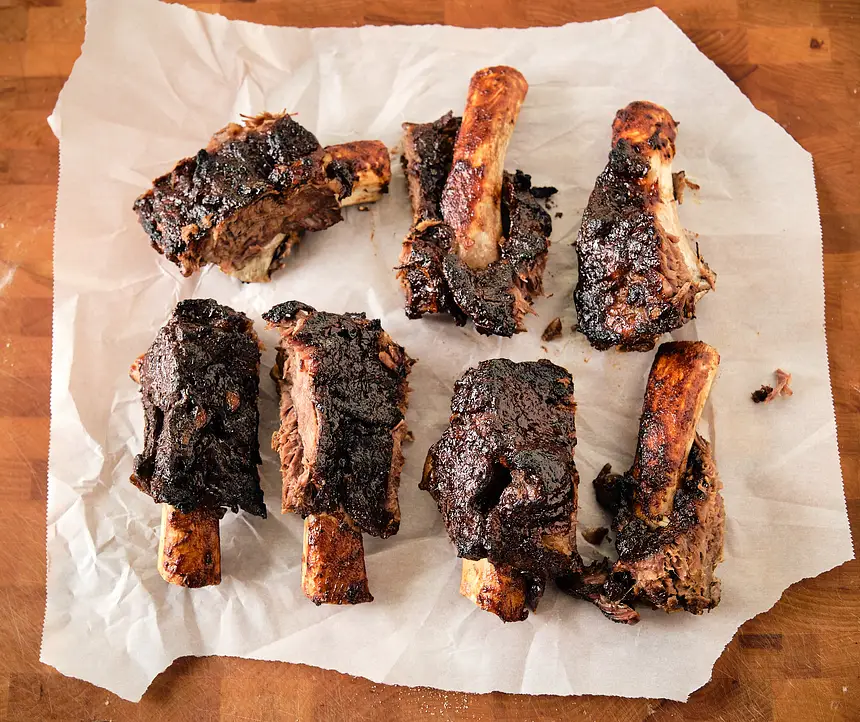

Succulent, fall-off-the-bone beef ribs that will have your taste buds dancing with joy. Wet marinated, then braised with an Instant Pot or oven, and finished on the grill or in the oven under the broiler.
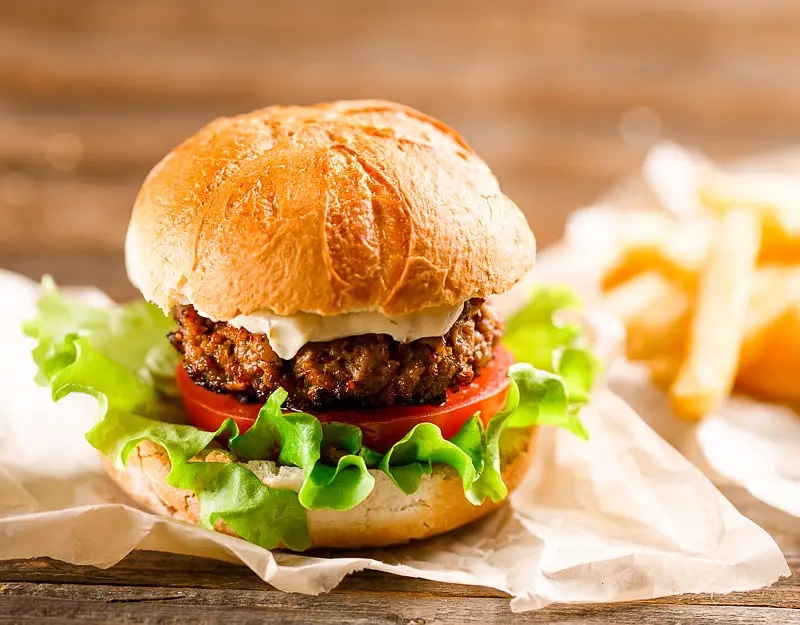

Three-meat combo burgers: ground sirloin, pork, and veal blended with oats, chili sauce, and Worcestershire. Grilled patties with serious depth.
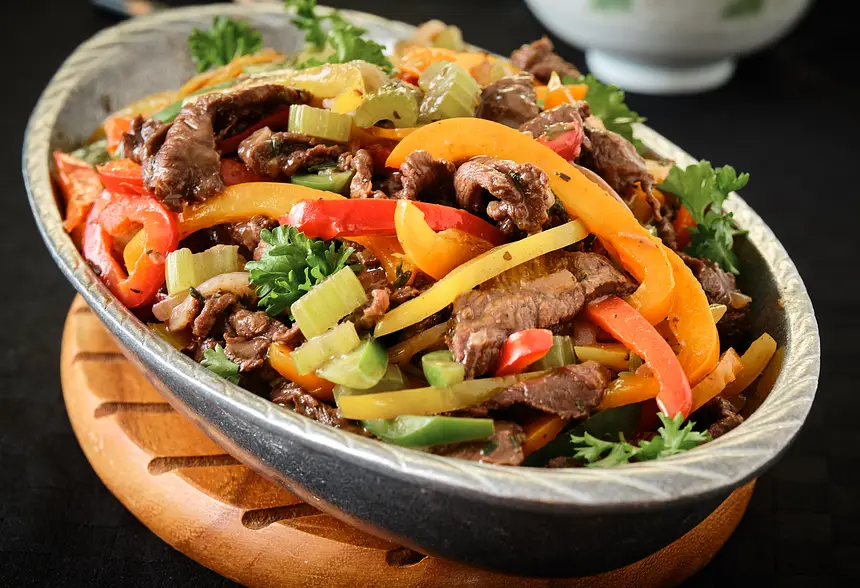

A sophisticated main dish of beef strips marinated in red wine and accompanied by a colorful array of sweet bell peppers, this recipe is a delightful fusion of rich flavors and vibrant colors, a feast for the senses that is as visually stunning as it is gastronomically gratifying.
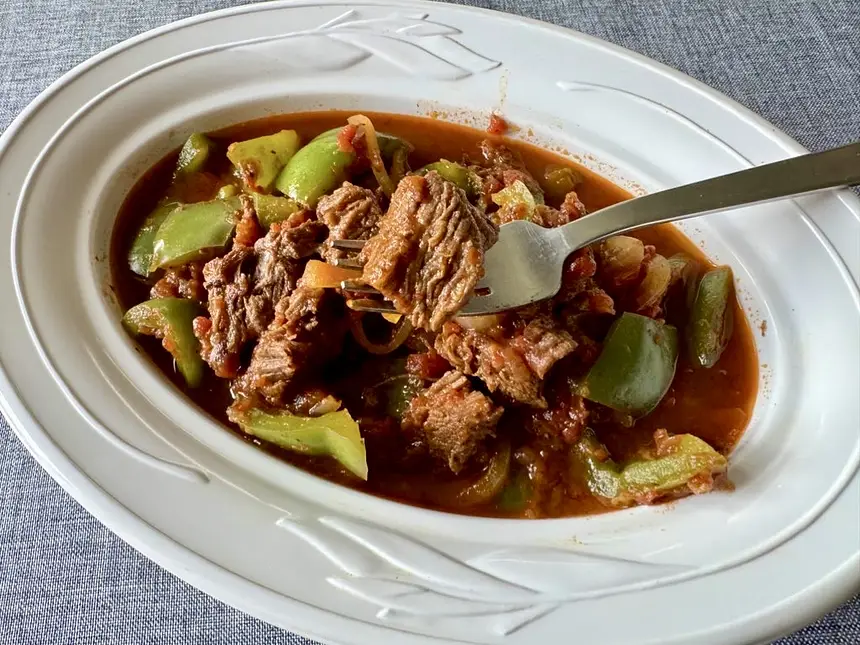
A simple 2 serving beef chunks with green peppers. Simplistic ingredients deliver big satisfying flavor.
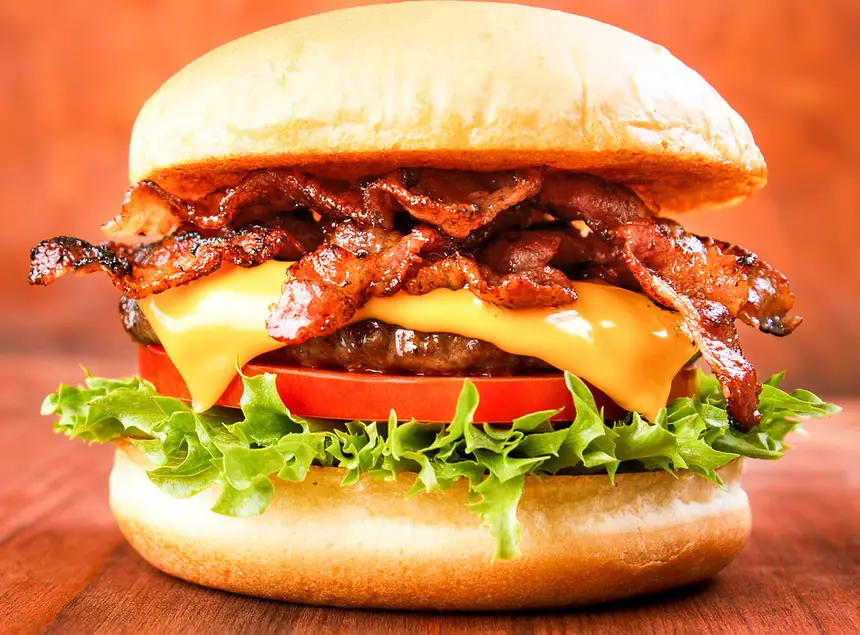
Grilled burgers with sour cream, dried thyme, and parsley mixed right into the patty for extra moisture and herby savor. The juicy weeknight cookout staple in 20 minutes.
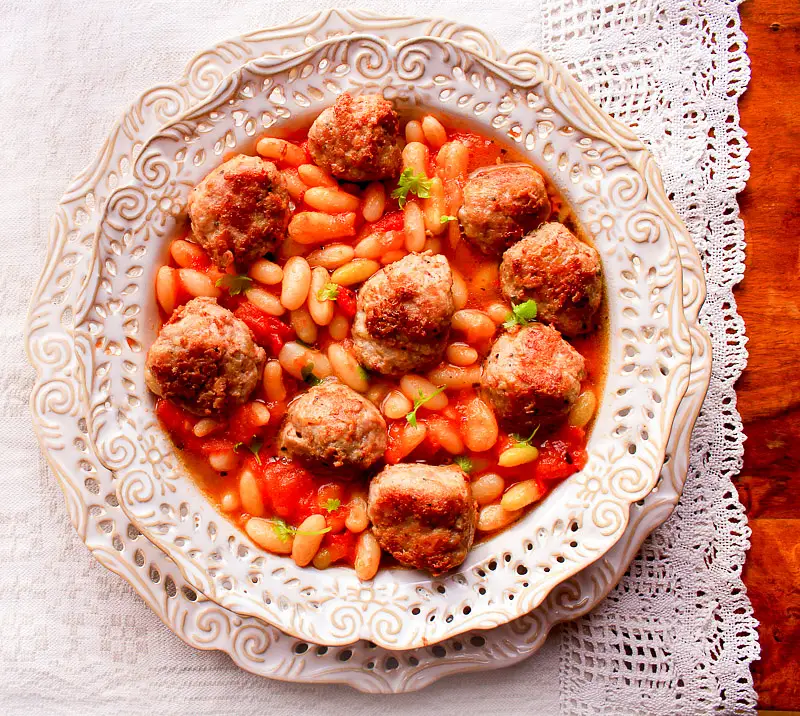
Tex-Mex meatball chili stew with crushed tortilla chip-bound meatballs simmered in picante sauce, tomatoes, and kidney beans. Topped with cilantro and more tortilla chips for crunch.
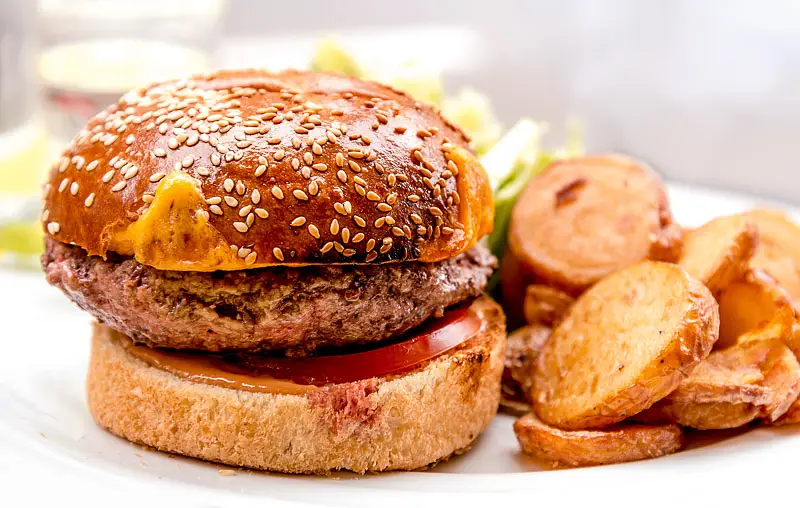
Microwave cheeseburgers brown ground beef patties with a quick bouquet sauce wash, then melt cheese on a soft bun in minutes. A retro 70s-style fast burger for when the stove is busy.
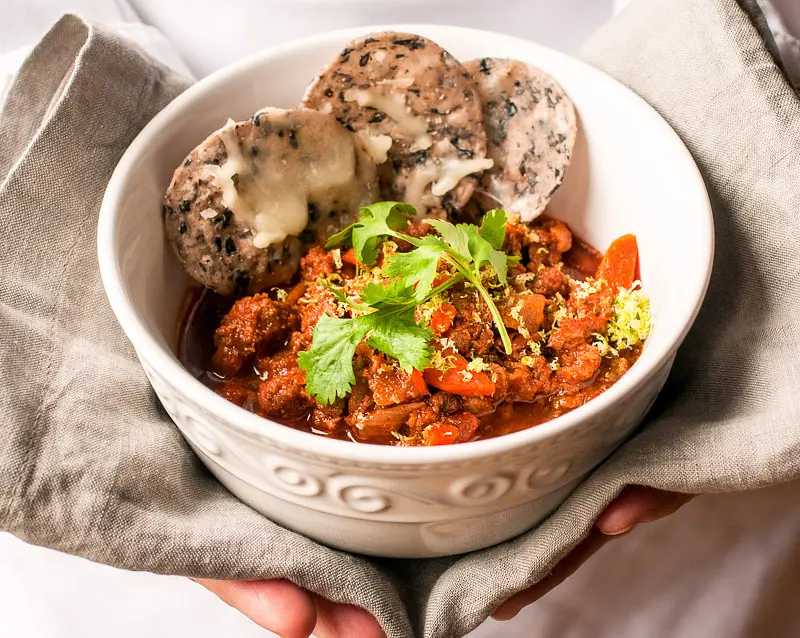
Beefy chili is a Texas-style chili made with fresh dried chili pod paste, ground beef, oregano, cumin, and red wine. No beans, no powder, just deep slow-simmered authentic flavor.
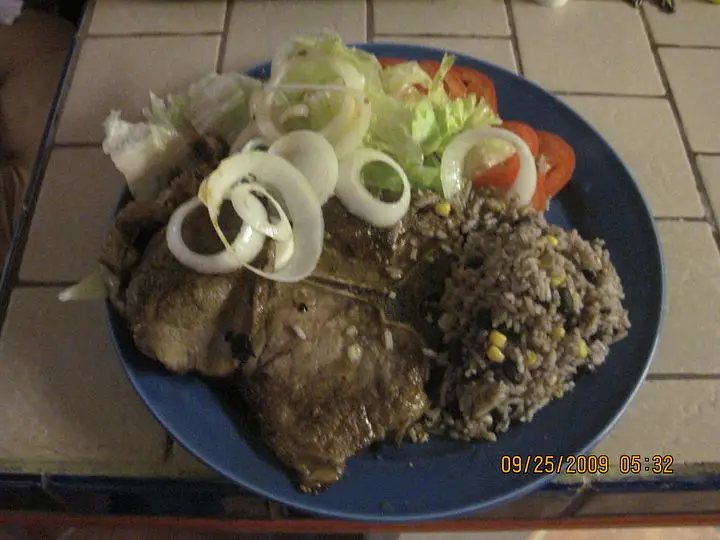
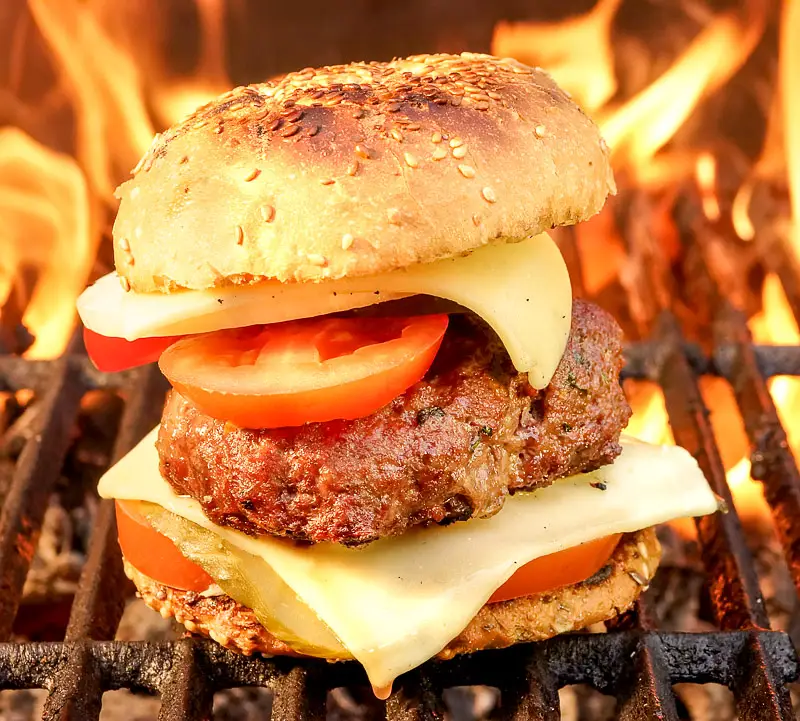
Classic American hamburger patties seasoned with Worcestershire, onion and pepper, then broiled or grilled to your preferred doneness. Mix-in variations included.
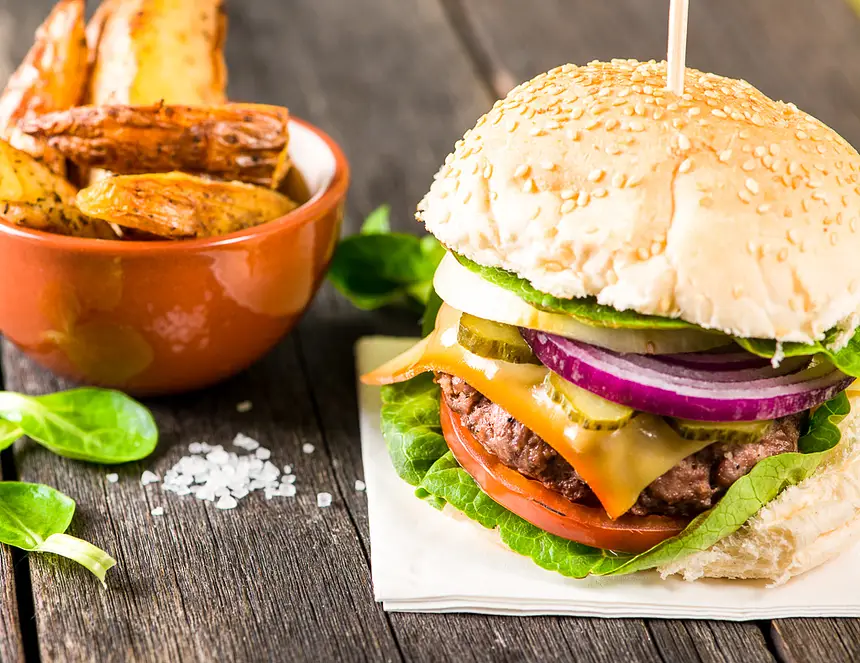
Sour cream burgers stay juicy because the sour cream goes right into the beef, along with green onion and a little crumb to keep them tender. Cook them fast in the microwave or sear them on the grill, then load up the buns.
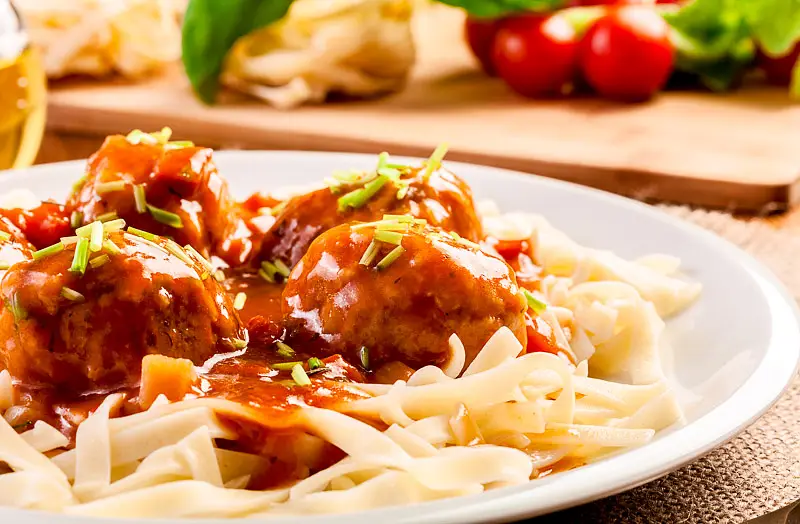
Stuffed cheese mushroom meatballs filled with melted Swiss and sauteed mushrooms, simmered in a tomato cream-of-mushroom sauce. Hearty Midwestern comfort food served over pasta or mashed potatoes.
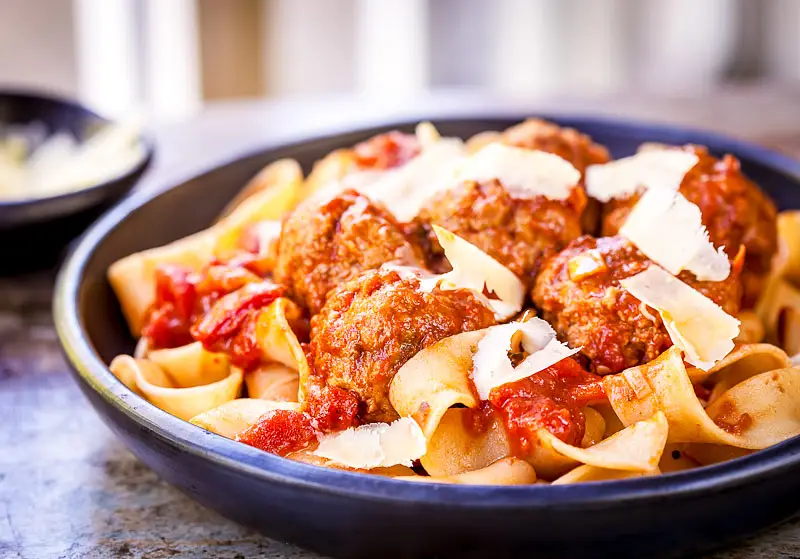
Classic Italian meatballs with beef, herbs, and breadcrumbs. Freezer-friendly meatballs that bake or pan-fry until browned, perfect for pasta night or meal prep.
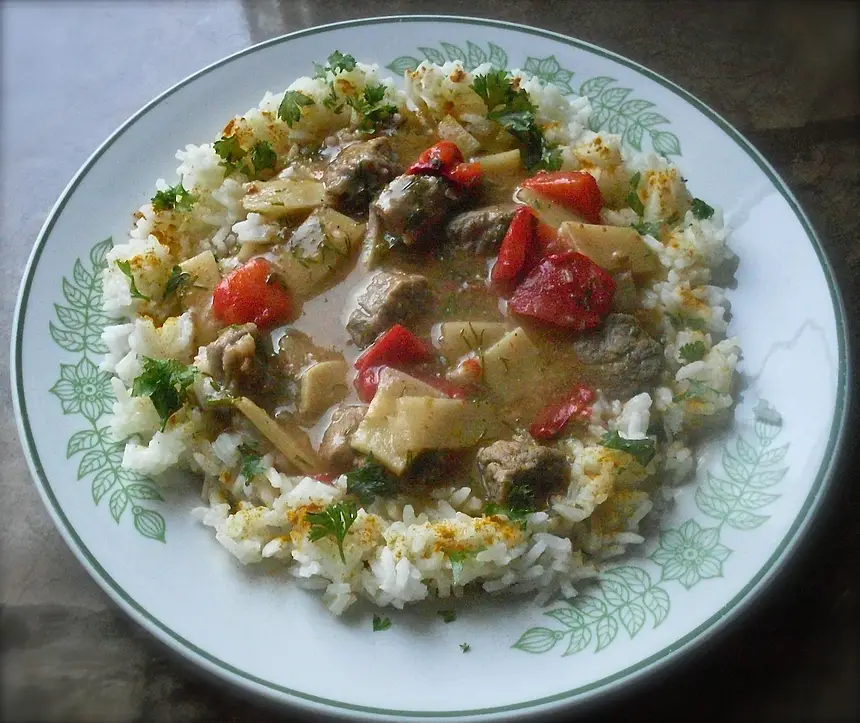
My intention was to combine flavors of shrimp and beef inside the meat as well as inside the sauce..
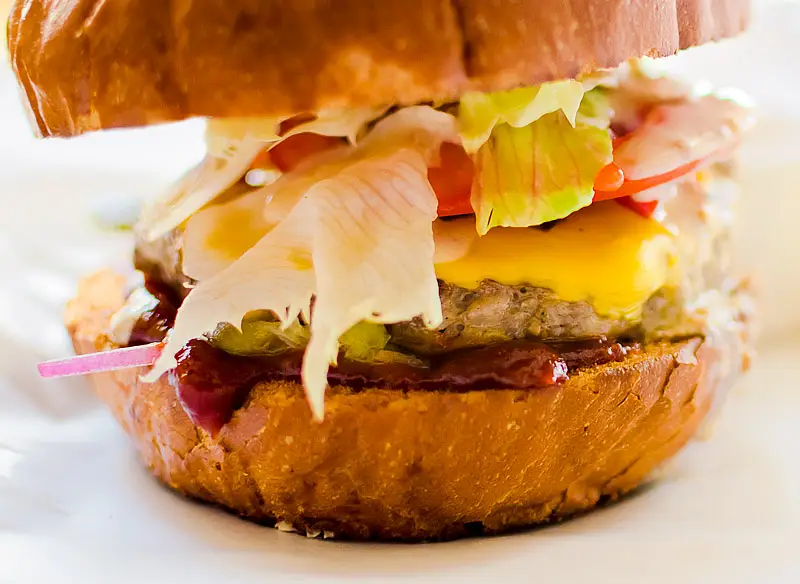
Barbecue hamburgers topped with a quick homemade sauce simmered from ketchup, pineapple juice, and onion. Pan-fried beef patties piled into soft rolls and spooned with a sweet-tangy barbecue glaze.
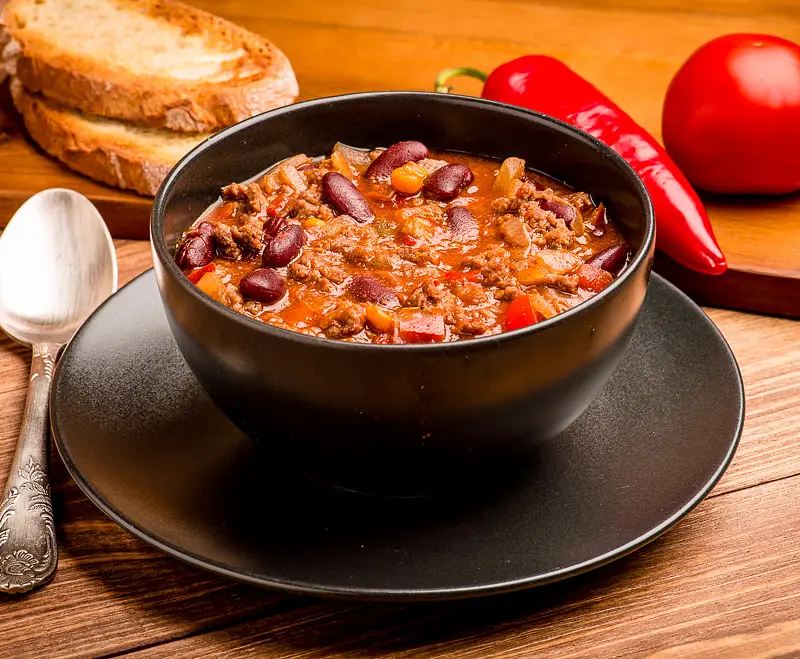
Buffalo and beans is a hearty chili that mixes ground bison with ground beef, kidney beans, sweet peppers and mushrooms. Long-simmered for deep flavor, leaner than all-beef chili and meatier than pure bison.
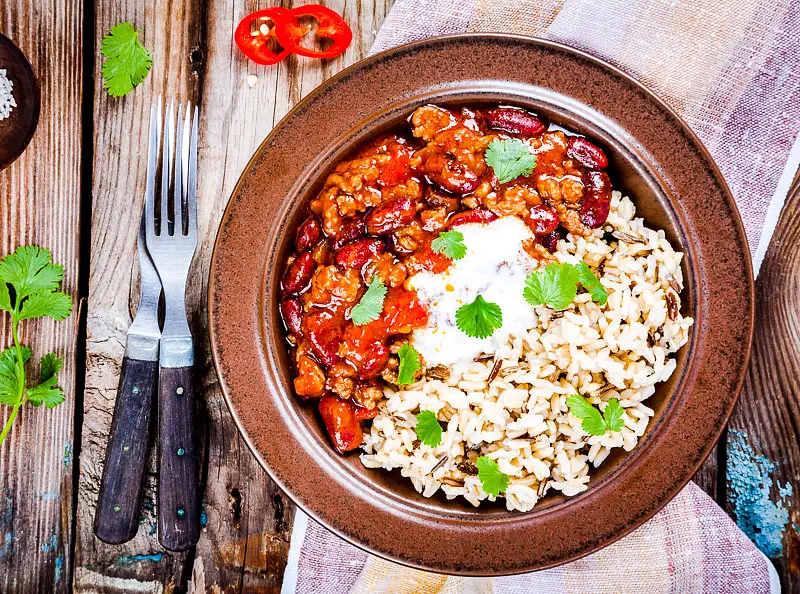
Curried beef and kidney bean chili topped with sharp cheddar and fresh scallions. The unexpected curry powder addition transforms a basic chili into something with serious depth and global flavor.
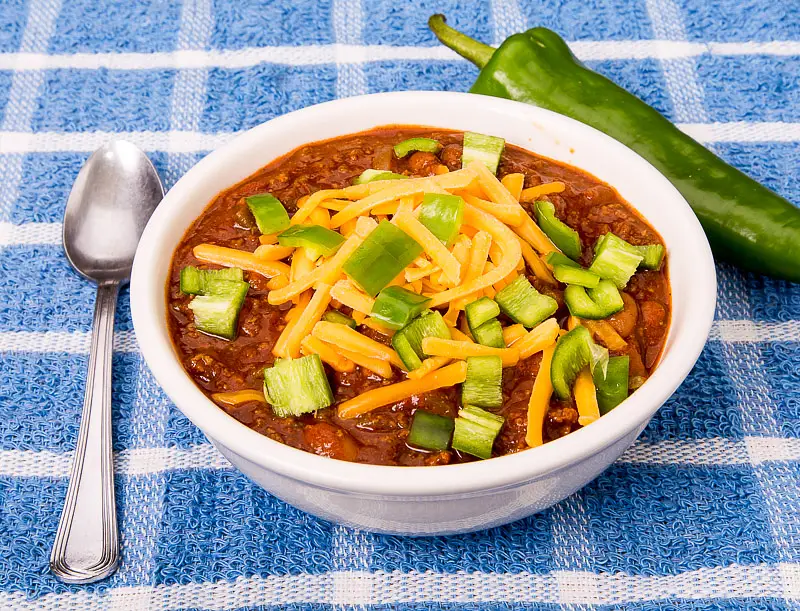
Chili con cervesa simmers ground beef and kidney beans in a beer-spiked tomato base with chili powder, garlic, and oregano. A pantry-friendly chili with deep malty flavor from a full bottle of beer.
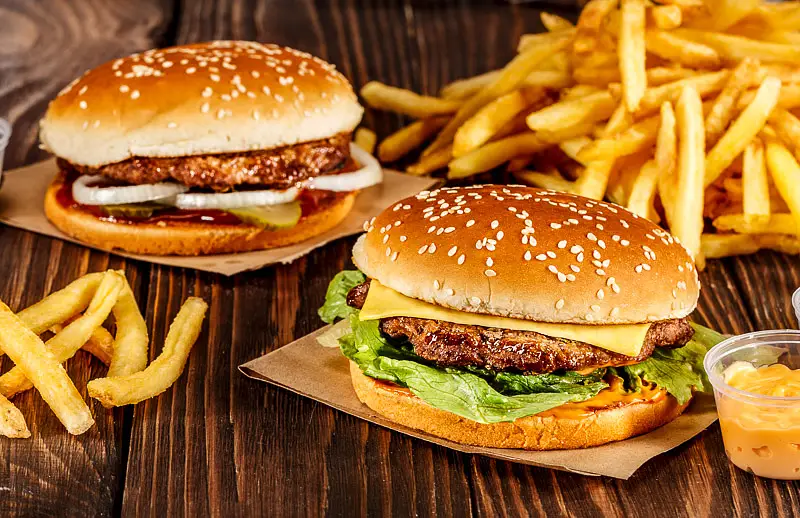
Hamburgers on the halfshell, open-faced raw beef burgers broiled on a bun with tomato sauce, onions, pepper, and melted cheese. A pantry-clearing weeknight version of the classic burger.
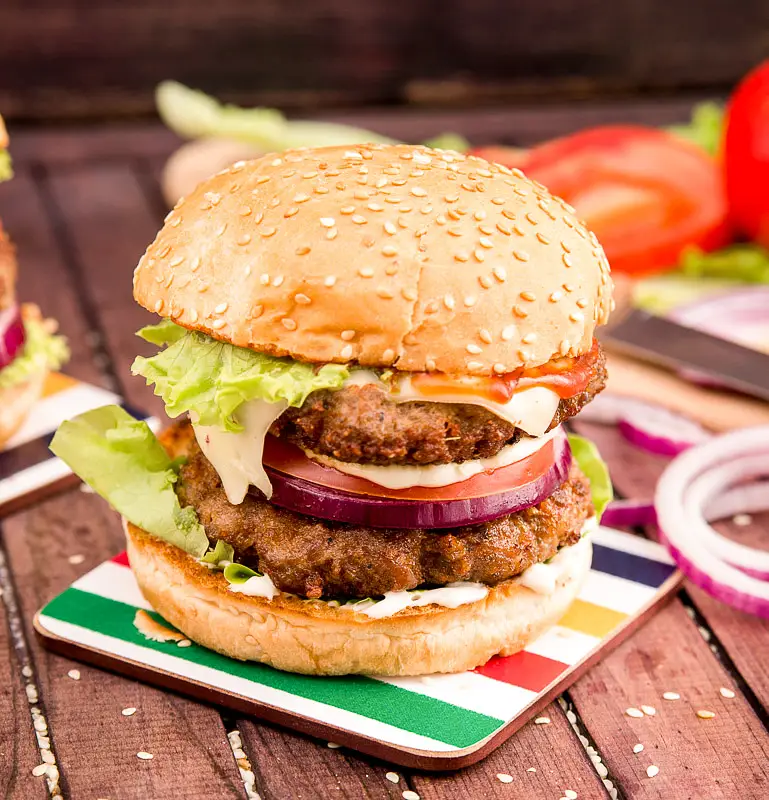
Big Mac copycat double decker hamburger with two thin smashed patties, special sauce, shredded lettuce, and American cheese. Includes the homemade hamburger sauce that nails the fast-food flavor at home.
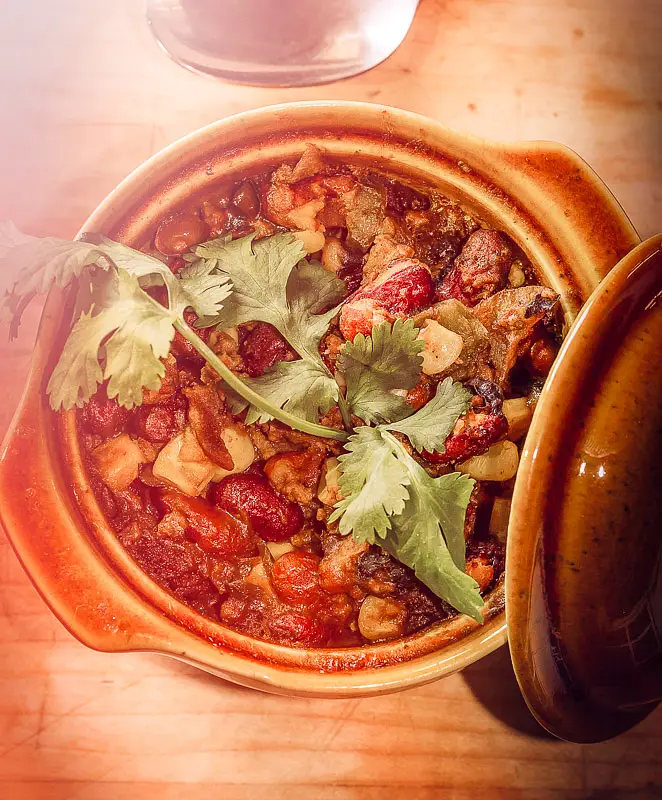
Chili con carne Winchester loads ground beef, kidney beans, and stewed tomatoes with a sneaky can of Veg-All for one-pot nutrition. Easy weeknight chili in under an hour.
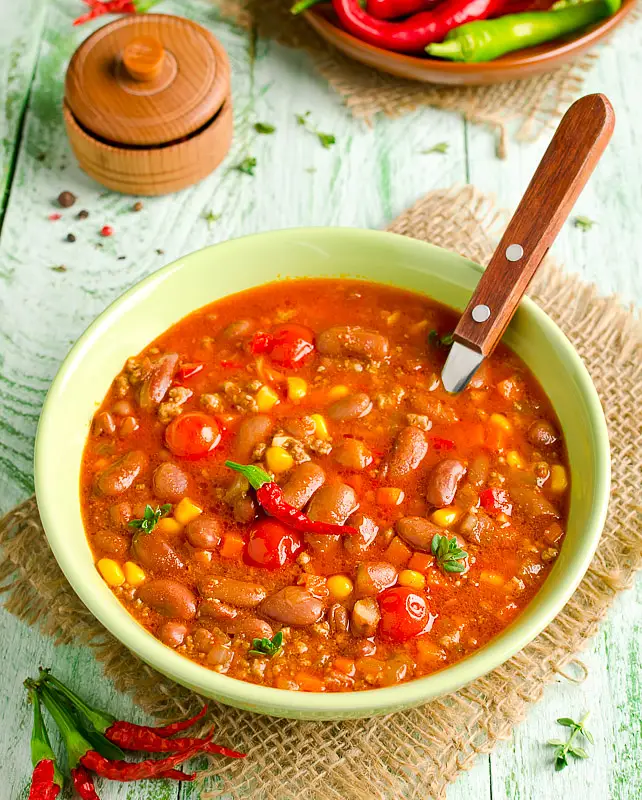
Chasing chili builds a slow-simmered base with ground beef chuck, lean pork, soaked pinto beans, and whole cumin seeds. A two-meat, scratch-bean chili built for a crowd.
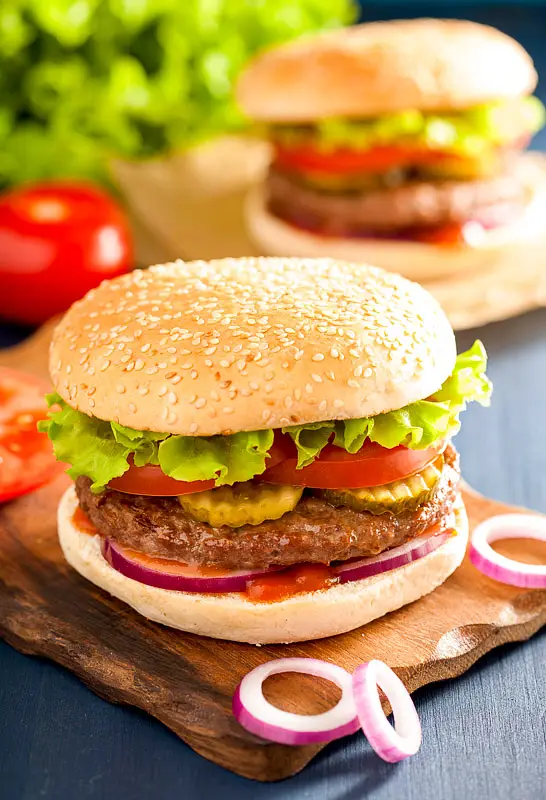
Hamburgers au poivre transforms ground beef patties into bistro fare with a cracked pepper crust, cognac flambé, and red wine pan sauce. Steak au poivre on a weeknight budget.
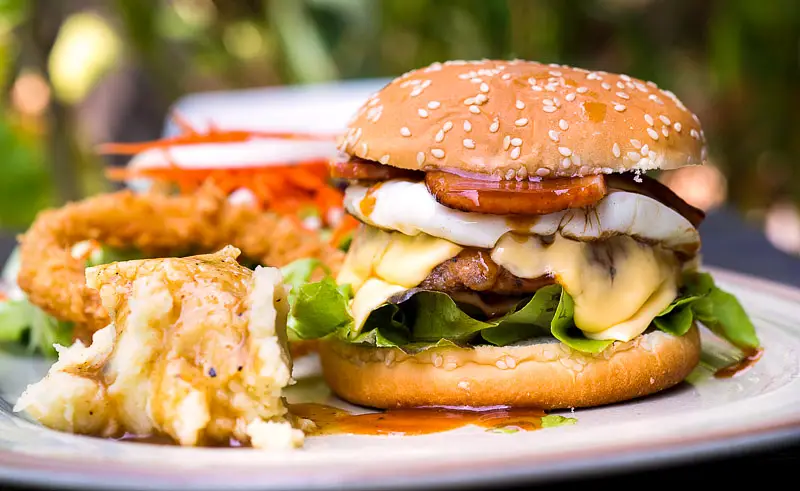
Juicy homemade burgers with horseradish, Worcestershire, and breadcrumb binder. Bold, classic, and bursting with old-fashioned cookout flavor.
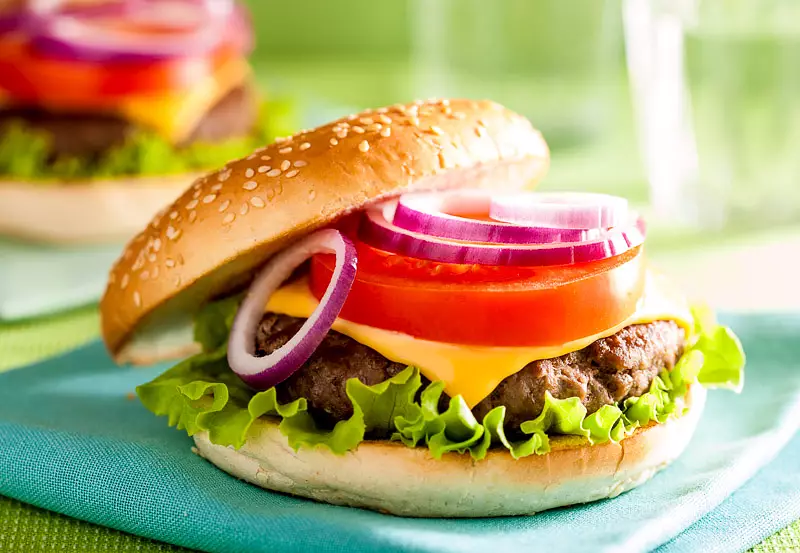
Freezer-prep hamburgers: portion, bundle, and freeze quarter-pound patties with their buns for grab-and-grill weeknight dinners. Cook straight from frozen on the grill or in a skillet. No thawing required.
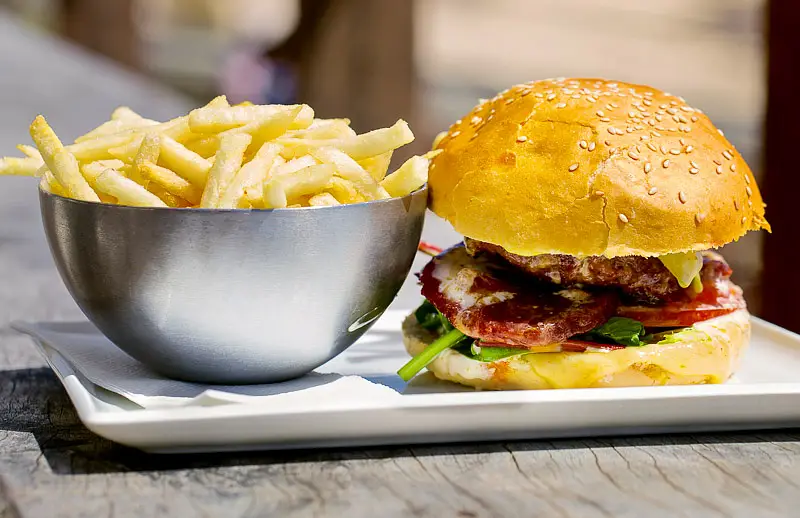
Beaumont BBQ burgers, browned beef patties simmered in a quick stovetop barbecue sauce of tomato juice, lemon, mustard, and steak sauce. Sloppy-style Texas burger on a sesame bun, ready in 30 minutes.
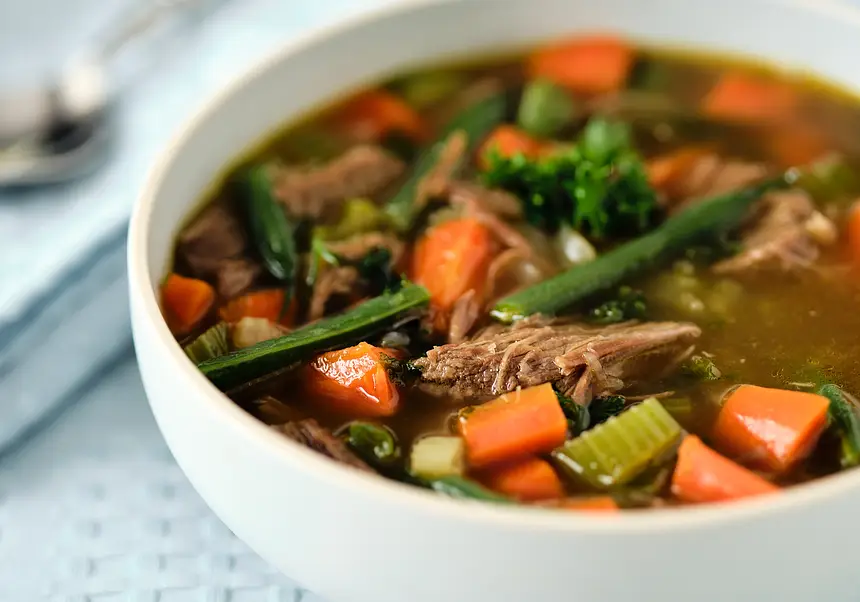
A beef vegetable soup made with homemade stock made one day ahead, featuring tender shredded beef, diced vegetables, and fresh herbs. A comforting and flavorful meal loaded with beefy goodness.
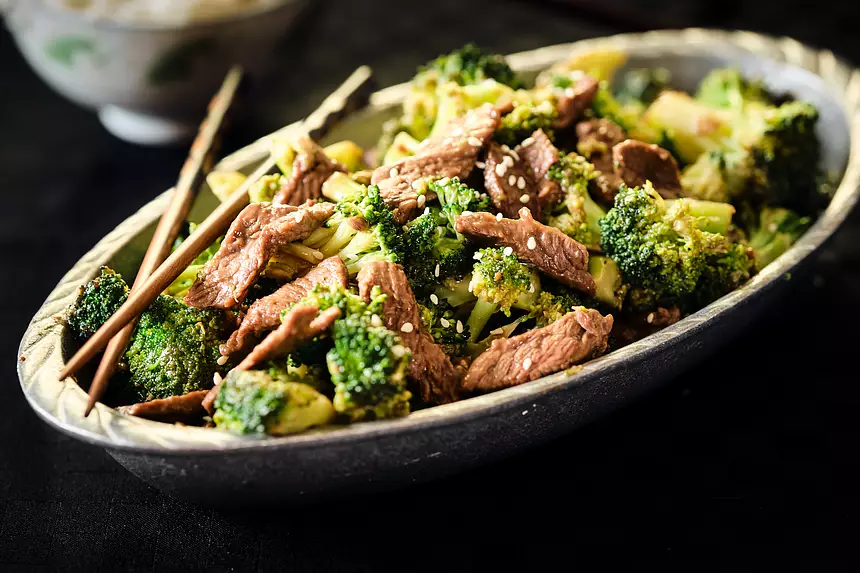
Simple ingredients and authentic technique get this sensational Broccoli Beef stirfry on the table in a flash. Faster than delivery or takeout!
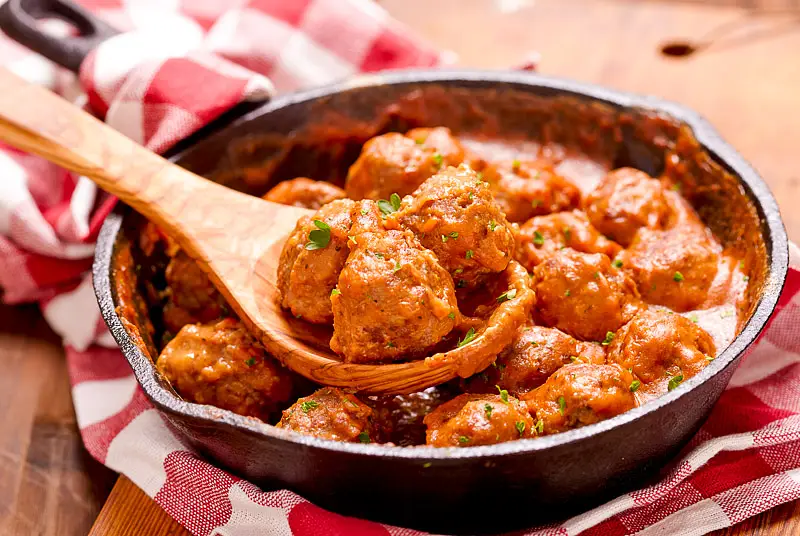
Italian parmesan meatballs simmered directly in tomato sauce, made with ground beef, milk-soaked bread, garlic, and grated parmesan. Tender, classic, ready in 40 minutes.
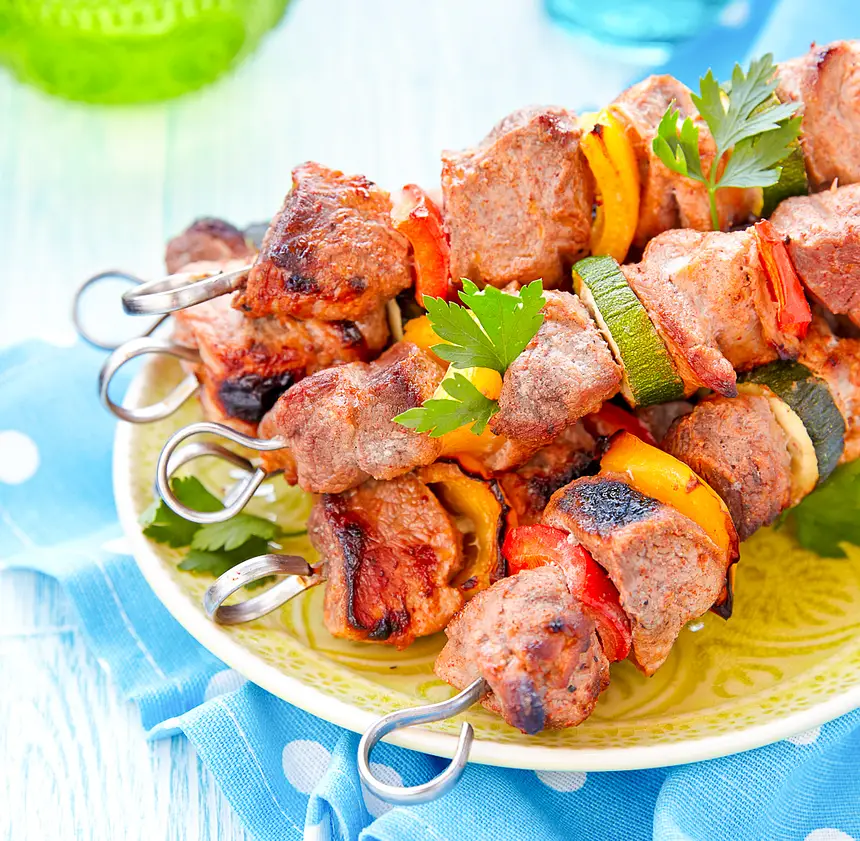
Beef and vegetable kebabs thread marinated sirloin with sweet red and yellow peppers and zucchini, then grill or broil until charred. A fast, colorful skewer that leans on Italian dressing for an easy marinade.
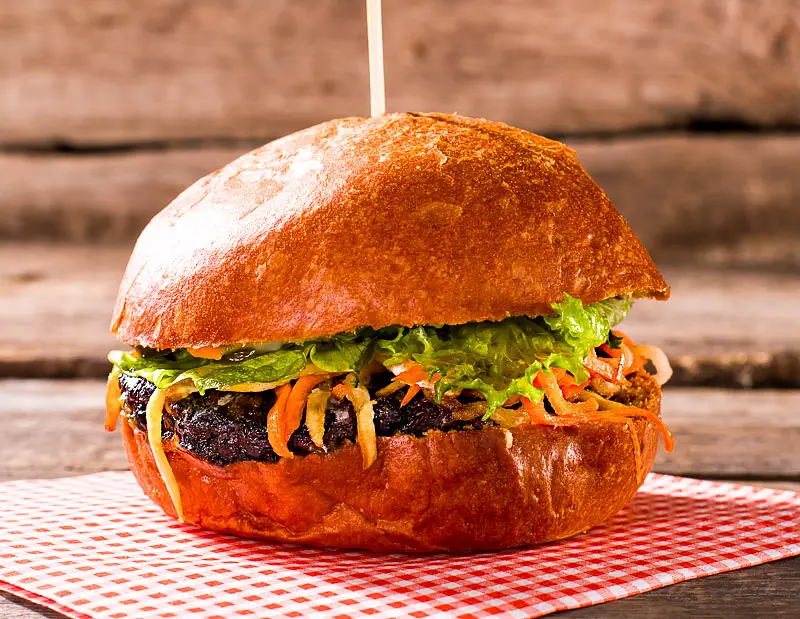
Mediterranean herb chili burgers blend ground beef with chopped tomato, black olives, garlic, dill, lemon zest, and chili powder. A grilled patty with serious global flavor.
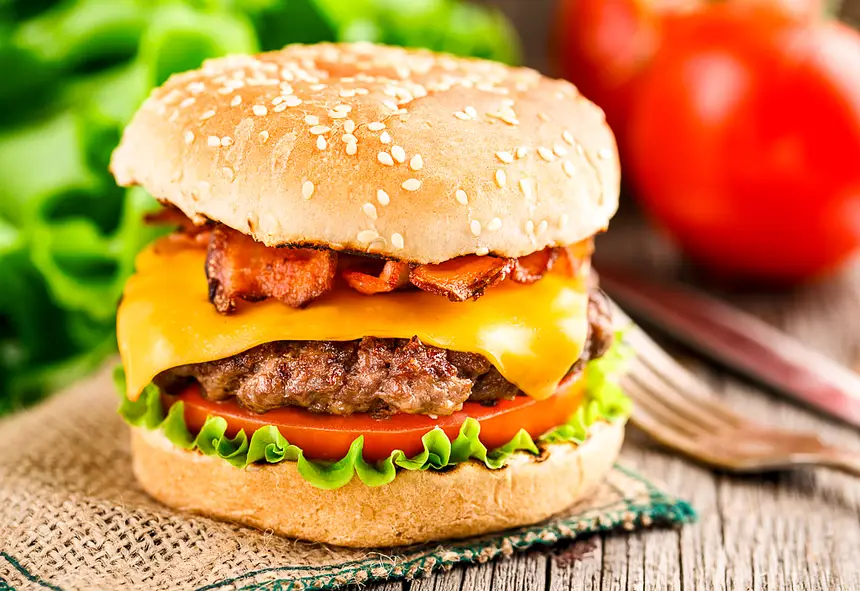
Grilled ranch burgers with creamy ranch dressing mixed right into the ground beef patty plus more ranch on top. Quick weeknight or backyard burger ready in 20 minutes.
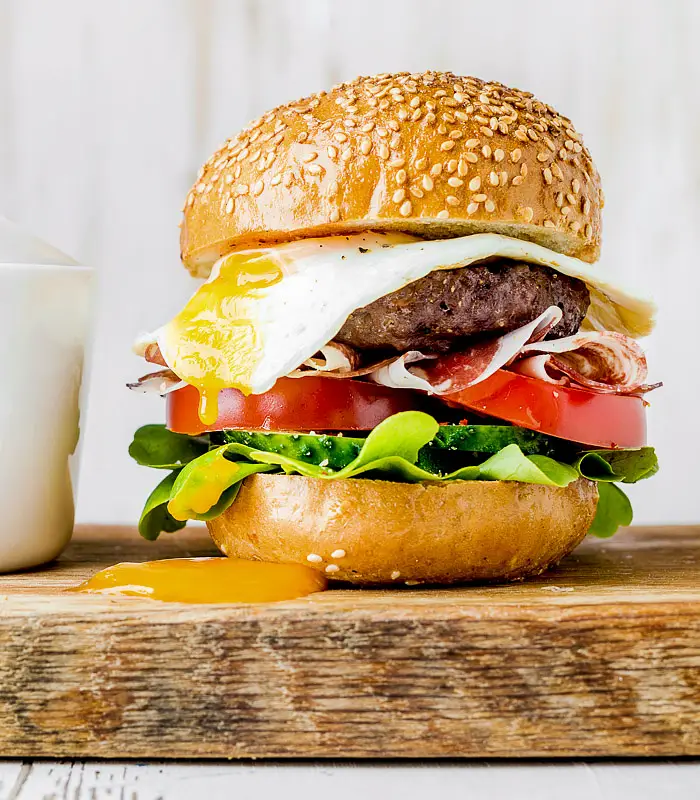
Cheese-stuffed hamburger patties with four global variations: French with brie, Mexican with Monterey Jack, Italian with mozzarella, and Greek with feta. Grilled over charcoal.
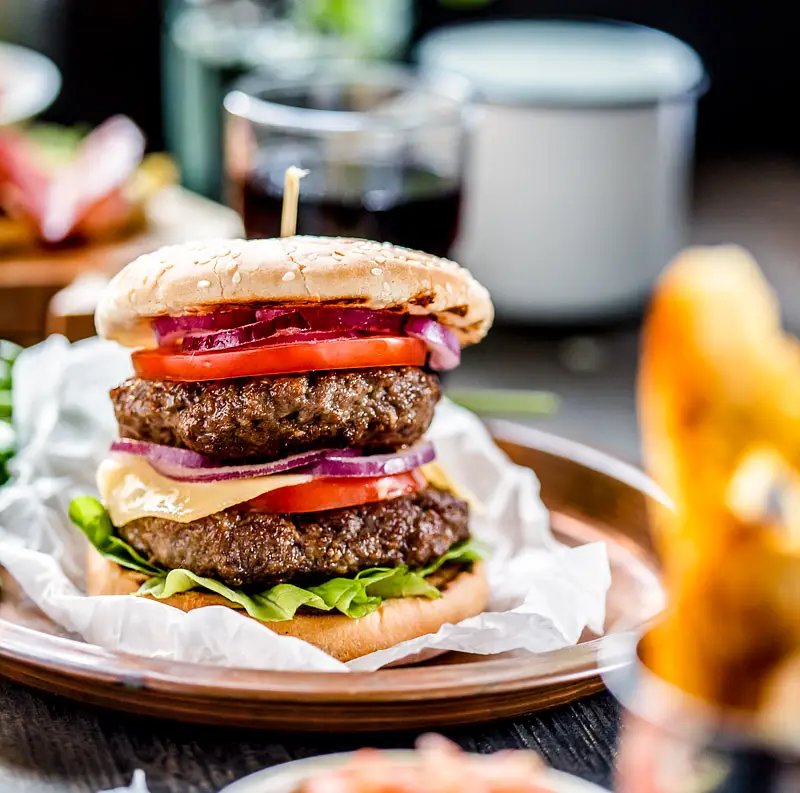
Double-decker cheeseburgers stack two thin beef patties with a tangy cheddar-mayo-mustard-relish spread between them. The homemade Big Mac alternative made with real ingredients.
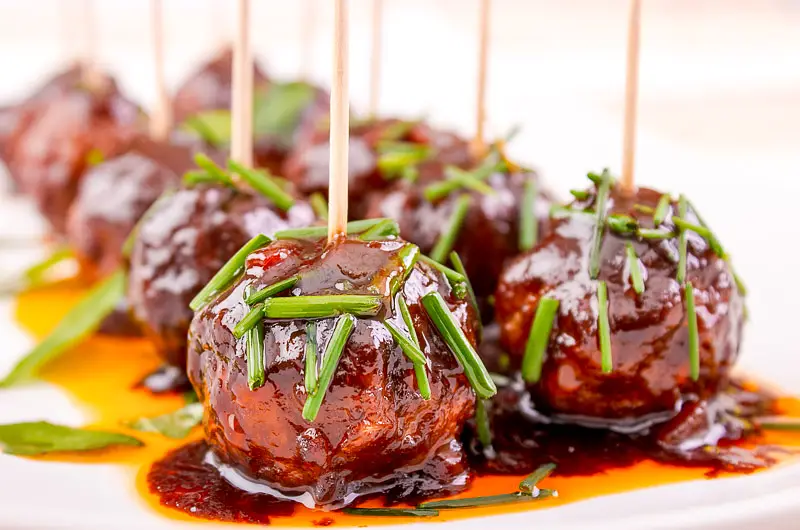
Lion's head meatballs are large Chinese pork and beef meatballs wrapped in bok choy leaves and steamed in the microwave, glazed with stir-fry sauce. Easy weeknight Chinese dinner.
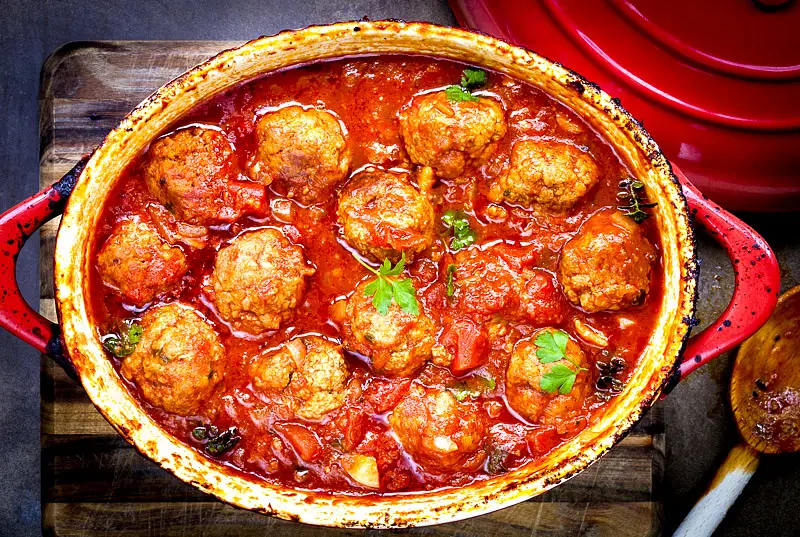
Italian meatballs and spaghetti sauce simmer parmesan-laced beef meatballs in a wine-spiked tomato sauce with onion, garlic, green pepper, basil, and oregano. Weeknight ready in 45 minutes.
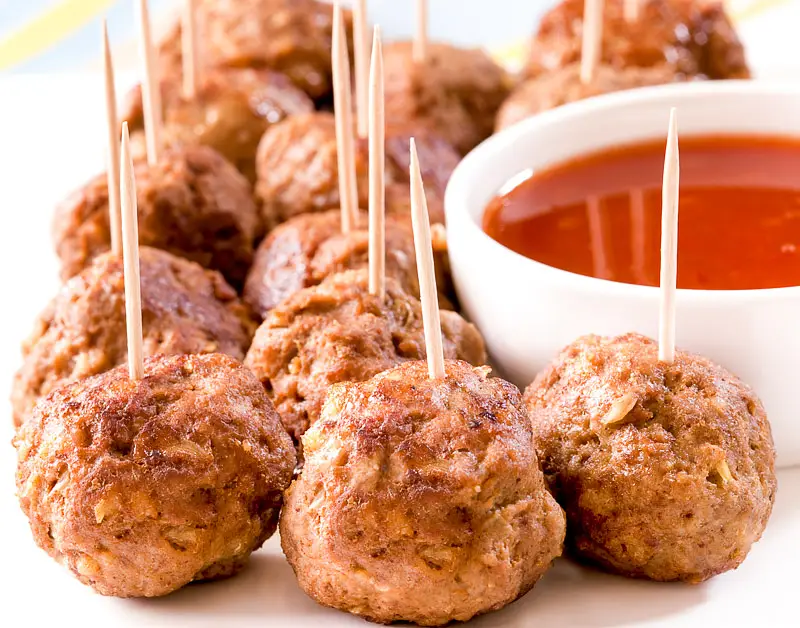
Tender beef meatballs seasoned with Parmesan and bread crumbs, browned and simmered until they're coated in a thick, savory gravy. Classic comfort food, spooned over buttered noodles or rice.
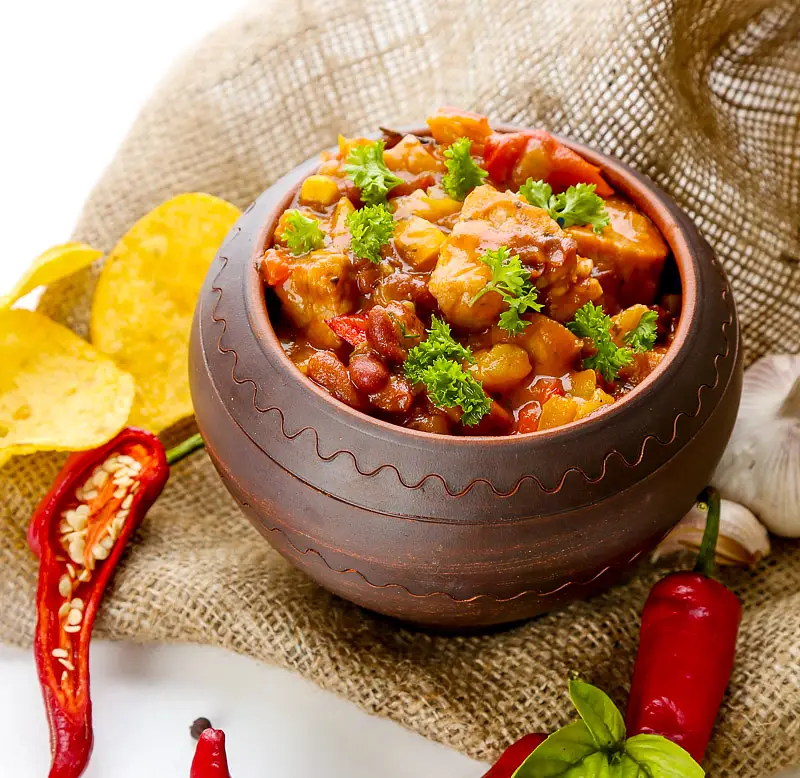
Mom's chili stacks beef, kidney beans, tomatoes, and a quiet blend of cumin, oregano, and basil into a slow-simmered family-style pot. Old-school weeknight chili with a long-simmer payoff.
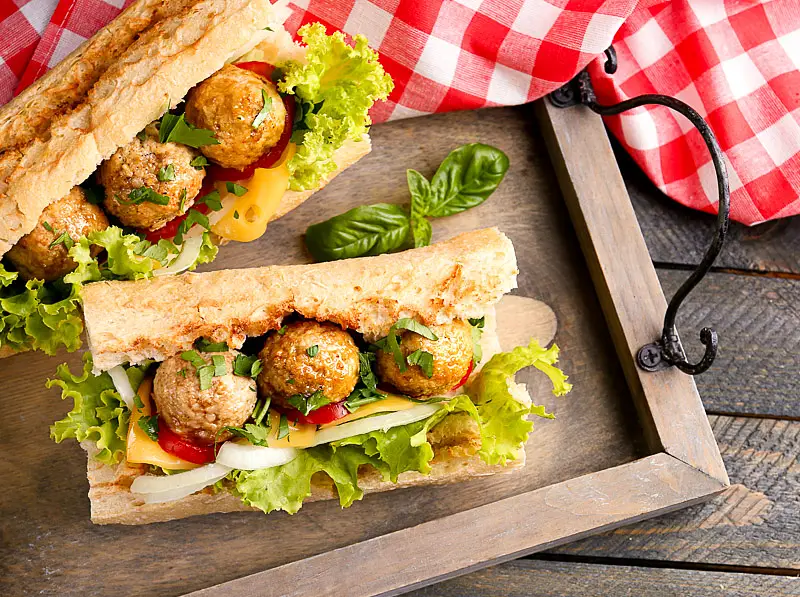
Try something different for lunch with this scrumptious dish you can use to make amazing sandwiches.
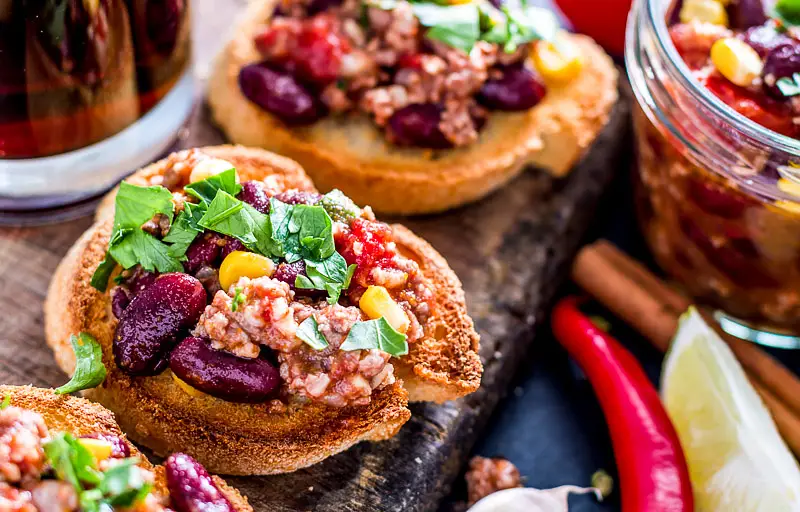
Cincinnati's iconic chili simmers with warm spices like cinnamon, allspice, and cocoa powder, creating a Greek-influenced meat sauce perfect for ladling over spaghetti.
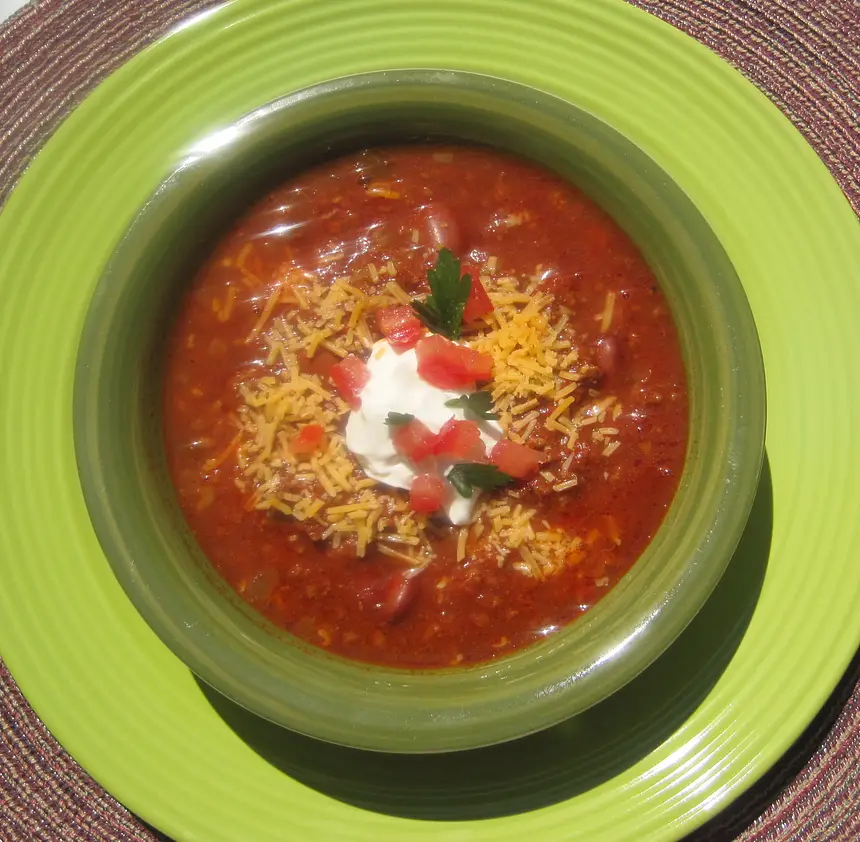
Hearty chili soup with ground beef, kidney beans, strained tomatoes and a surprising swirl of cream. Simple to make with just a handful of ingredients, simmers low and slow.
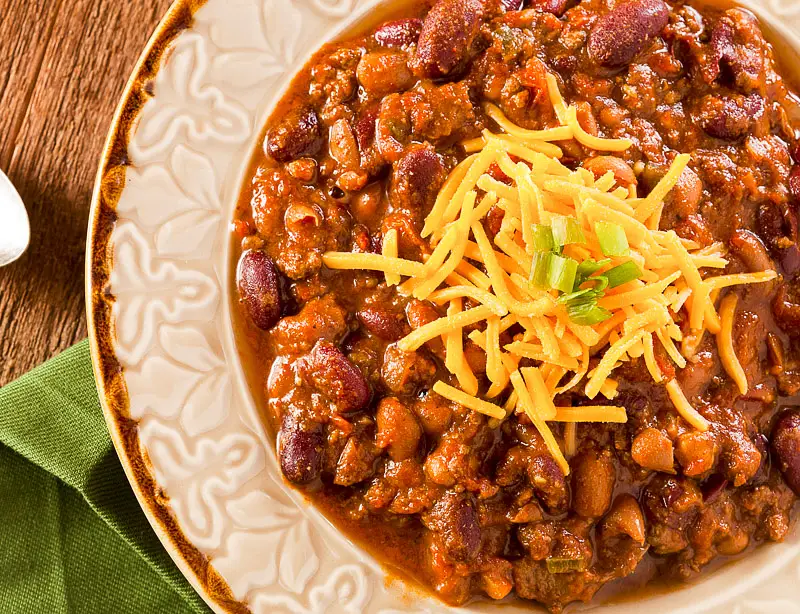
Texas-style Brownsville chili with ground beef, dried pinto beans, jalapeños, and a hint of cinnamon. A border-town big-batch chili serving up to 32 with that distinctive sweet-savory backbone.
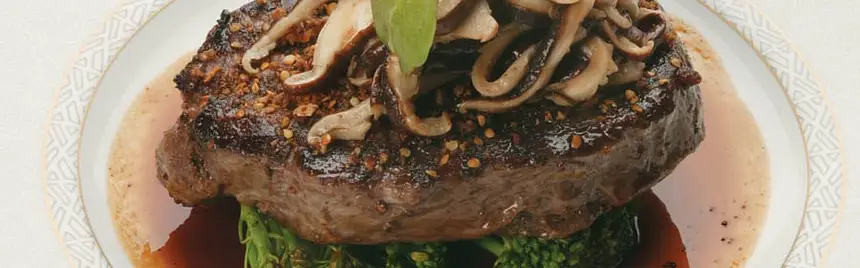
Akudjura (dried bush tomato) crusted Ribeye steak served with broccolini, shitake mushrooms and wattleseed jus.
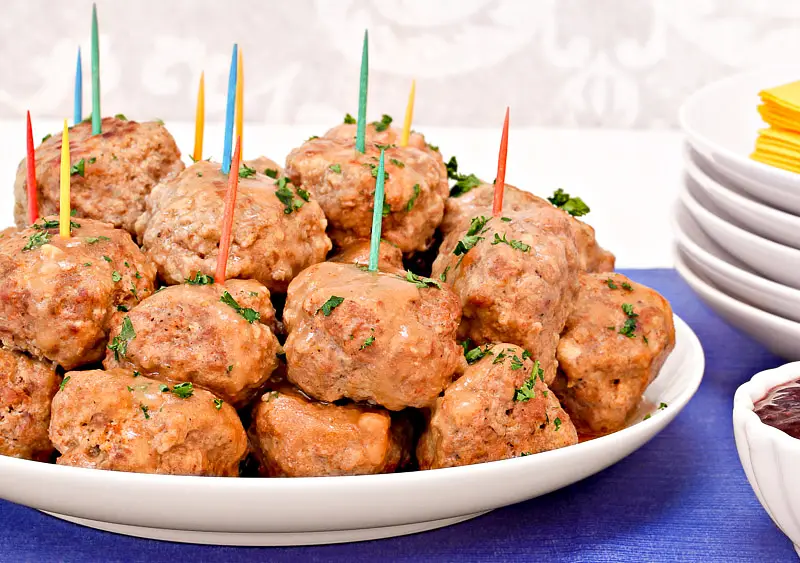
Classic Swedish meatballs with grated onion, nutmeg and ginger, broiled then simmered in a sherry-laced beef gravy. The smorgasbord original behind the IKEA snack bar version.
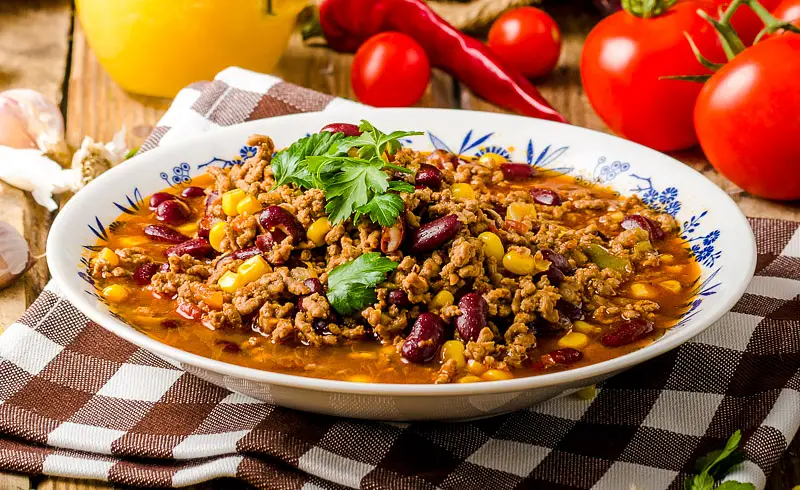
A hearty beef and two-bean chili loaded with jalapenos, kidney and black beans, and a deep spice blend, slow-simmered with an optional splash of beer. Big-batch, crowd-pleasing, and seriously warming.
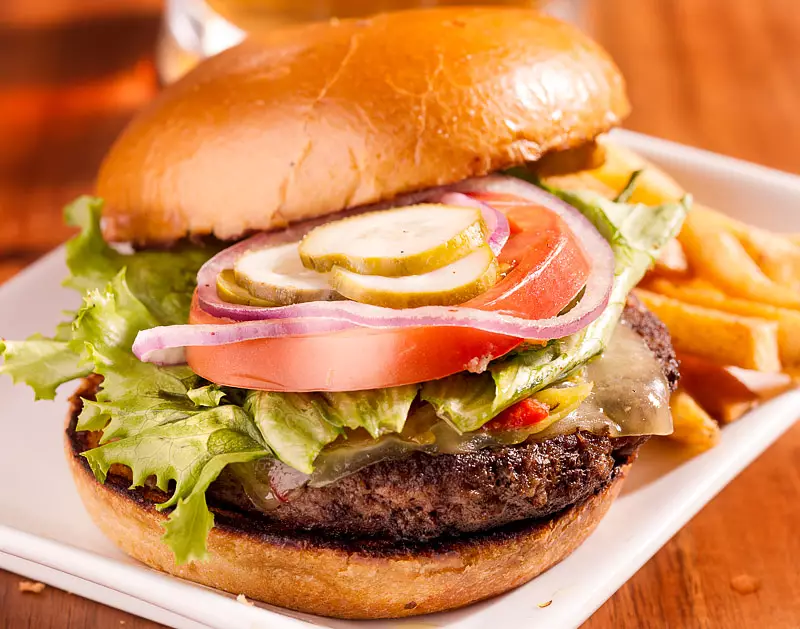
Caraway burgers marinate seasoned beef patties in beer for 3 hours before grilling. A German-leaning burger with the licorice-pepper note of caraway and a malty tenderized bite.
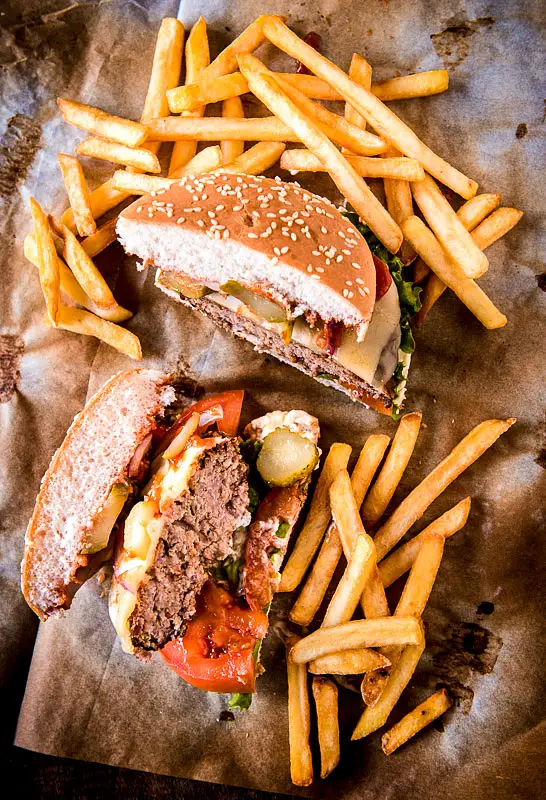
Garlic curry burgers fold mild curry powder, fresh garlic, and sweet Vidalia onion right into the beef, with egg and evaporated milk keeping the patties tender on the grill. A spiced summer cookout twist.
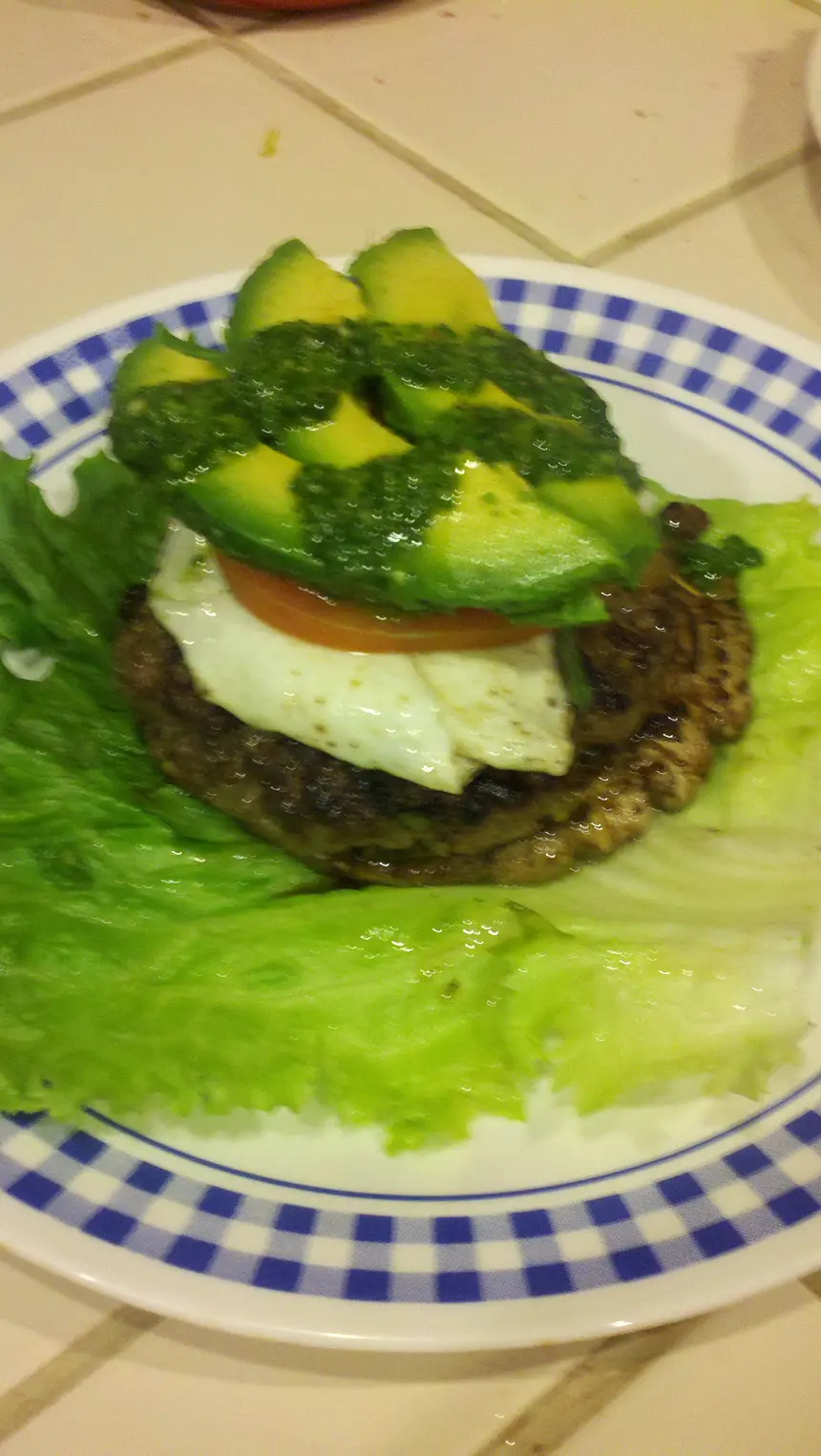
Protein paleo burger: a seasoned beef patty mixed with scallion, garlic, and serrano, stacked bunless on lettuce with a fried egg, grilled portobello, avocado, and chimichurri. High-protein, grain-free.
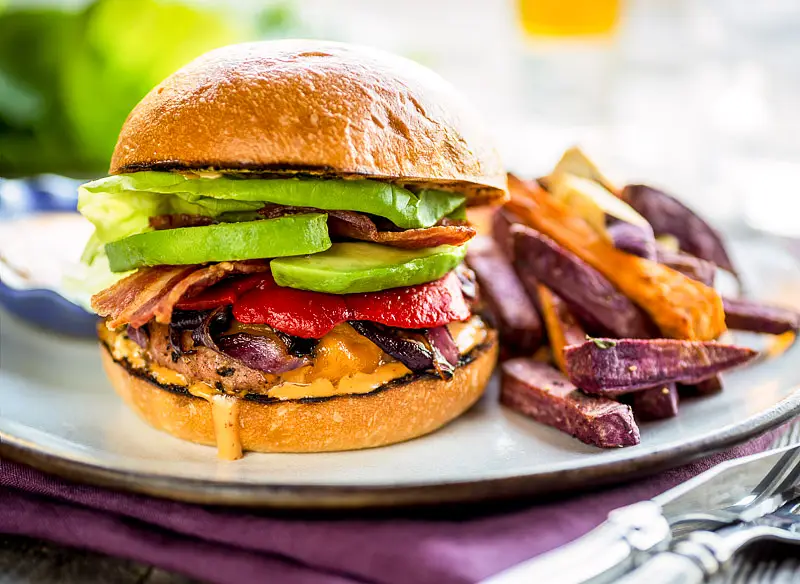
Calico burgers are ground beef patties stretched with cooked rice and flecked with onion, green pepper and parsley. The rice keeps the patties juicy while stretching the meat for budget-friendly grilling.
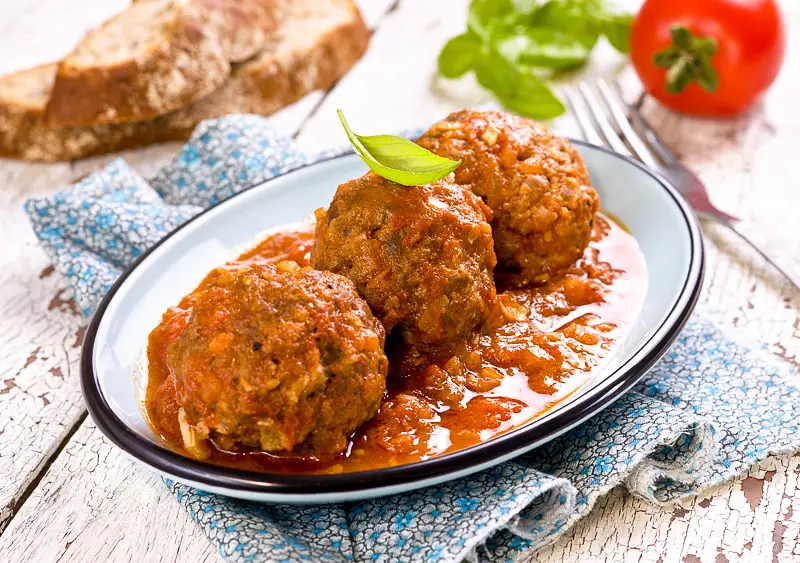
Classic Italian meatballs made with ground beef, Parmesan, breadcrumbs, eggs, garlic, and parsley. A simple six-ingredient meatball recipe that fries up golden and tender for spaghetti night.