What Are Drippings and How Can I Use Them?
Wondering what to do with drippings? This guide covers how to pick them, cook them, store them, and swap them, plus 25 recipes to put them to work.
Key Points
- Rendered fat and browned juices left after roasting or frying meat, full of savory flavor.
- The base of pan gravy: cook flour in the fat, then whisk in broth.
- Smoking-hot beef drippings give crisp roast potatoes and make Yorkshire pudding rise.
- Already salty, so taste before adding salt to anything built from them.
- Strain into a jar; rendered fat keeps a month chilled, several months frozen.
What are drippings?
Drippings are the rendered fat and browned juices left in the pan after you roast or fry meat. Roast a chicken, fry a pan of bacon, or sear a pot roast and what pools at the bottom is liquid flavor.
On top sits the melted fat. Underneath is a dark layer of meaty juices and stuck-on browned bits.
Cooks have saved drippings for generations because they carry the concentrated, savory taste of the meat itself. Throwing them out means pouring the best flavor of the roast down the drain.
How to Use Drippings
Gravy is the headline use. After the roast comes out, set the pan over a burner, sprinkle flour into the fat, and cook it a minute into a paste before whisking in broth or milk. The browned bits dissolve into the liquid and become the backbone of the sauce.
Ham & Redeye Gravy does this with coffee instead of stock, pulling the salty pork flavor straight out of the skillet.
Beef and pork drippings also enrich braises and stews. A spoonful starts the browning in Bob's Chili Con Carne, and the rich pan juices from the roast deepen the gravy in German Sauerbraten.
Then there is the British trick: hot drippings make crisp potatoes and puffy batter. Pour off some beef fat, get it smoking hot in the pan, and roast potatoes in it for shatter-crisp edges.
The same screaming-hot fat is what makes Yorkshire pudding rise. That is the technique behind Toad in the Whole, where sausages bake in batter set in sizzling drippings.
Bacon drippings are a kitchen staple of their own. Save the rendered fat from a pan of bacon and use it to fry eggs, wilt a pot of greens, or grease a cornbread skillet for a smoky edge.
Cooking With Drippings, and a Few Cautions
Drippings carry both flavor and salt, so taste before you season anything you build from them. A gravy made from a brined or salt-rubbed roast can turn too salty fast, so go easy on added salt until the end.
The fat and the juices want to be handled separately. Right out of the pan they are mixed, but the dark juices at the bottom hold the deepest flavor while the clear fat on top is mostly there to carry it.
For a leaner sauce, spoon off most of the fat and keep the juices.
Drippings pan-fry beautifully because the residual flavor seasons whatever you cook next. Breaded Veal Cutlets get their depth from frying in the fat the meat itself left behind.
The biggest mistake is letting the pan cool before you deglaze. Once the fat congeals and the bits harden, they are far harder to lift. Work while the pan is still warm, and add a splash of liquid to loosen the browned glaze before it sets.
Skimming, Swaps, and Storage
To separate fat from juices, let the drippings settle for a few minutes; the fat rises and the juices sink. Skim the fat off the top with a spoon, or use a fat separator, which pours the juices out from the bottom and leaves the fat behind.
No drippings on hand? For sauteing, butter, lard, or a neutral oil stands in for the fat, though they lack the meaty depth.
For gravy without a roast, a good stock plus a little butter and a browning of flour gets you close. Bacon fat or store-bought beef tallow adds back some of that savory character.
Strain warm drippings through a fine sieve into a clean jar to catch any burnt specks, which turn bitter over time. Cooled and covered, rendered fat keeps in the fridge for up to a month and in the freezer for several months.
Watch the juice content. Drippings that still hold a lot of meat juices spoil faster than pure rendered fat, so use those within a few days, or freeze them in an ice cube tray for single-serving portions to drop into soups and sauces later.
Nutrition
Nutrition Facts
Serving Size unknown (100g)Quick facts
Food group: Drippings are a member of the Fats and Oils US Department of Agriculture nutritional food group.
- In Chinese
- 水滴
- British (UK) term
- Drippings
- en français
- jus
- en español
- goteos
How much do drippings weigh?
| Amount | Weight |
|---|
Related
Fats and Oils
Recipes using drippings
There are 25 recipes that contain this ingredient.
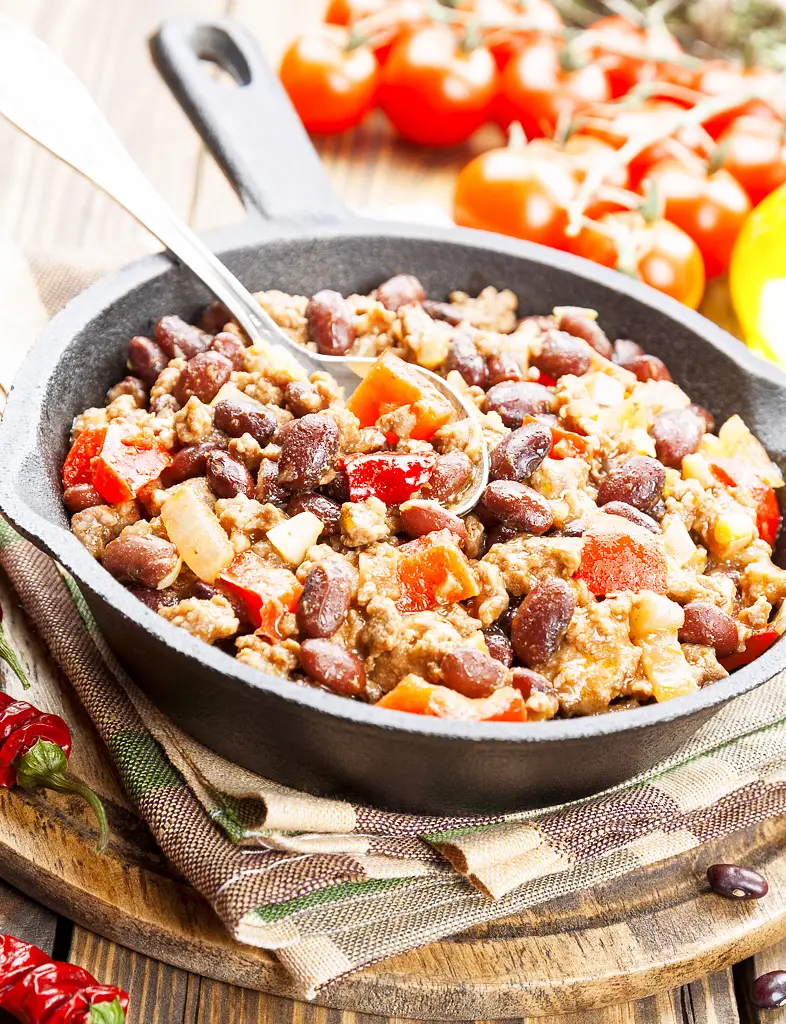
Bob's Chili Con Carne


Pressure cooker chili loaded with ground beef, kidney beans, and warm spices. Ready in 45 minutes with rich, slow-cooked flavor in a fraction of the time.
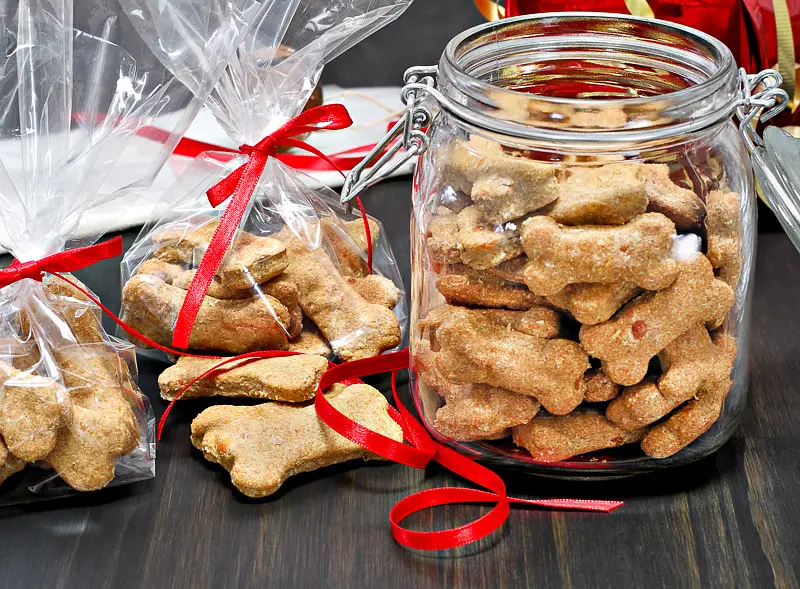
Alfie & Archie'S Dog Biscuits
These scrumptious snacks are made with whole wheat flour and meat drippings.
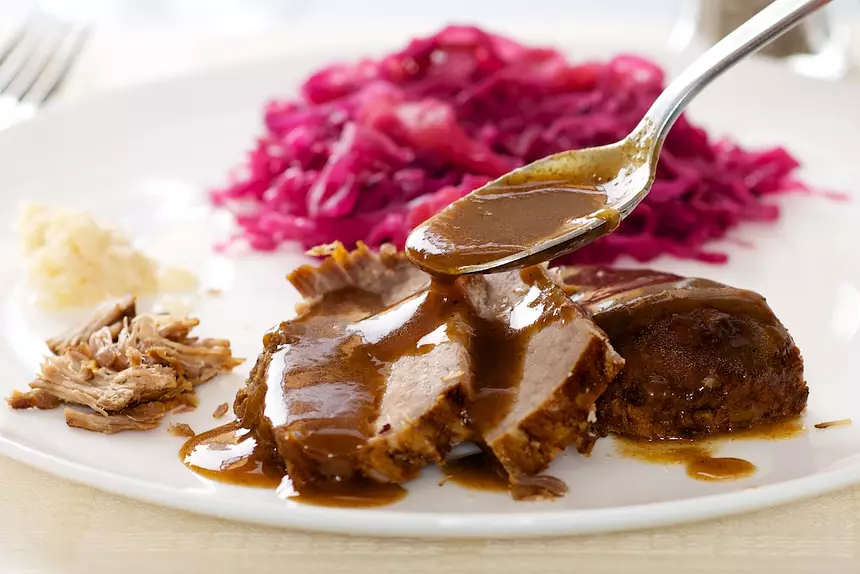
German Sauerbraten

Classic German beef pot roast that is marinated with vinegar, spices and seasonings. It's traditionally served with red cabbage and/or spaetzle or even pasta. Perfect for celebrating Oktoberfest.
Pork with Celery & Orange
British pork belly and pig's kidney casserole slow-braised with celery, onion, orange zest, and rosemary, then chilled overnight for depth. Old-school nose-to-tail comfort food from the English kitchen.
File' Gumbo Lafayette
Cajun file gumbo with canned salmon, okra, and the holy trinity simmered down and finished with file powder. A Lafayette-style one-pot supper served over hot rice.

Fnllyn Bara Lawr Ae Oen Cymreig Alewn Crwstyn
Welsh lamb loin wrapped in pastry with a laverbread and mushroom stuffing. A traditional Welsh showpiece roast bringing seaweed, herbs, and tender lamb into one golden crust.

Christmas Stollen From Brigitte Sealing
A German-style no-yeast Christmas stollen with cottage cheese, rum, almonds, currants, sultanas, and candied lemon peel. Brushed with butter and dusted in powdered sugar for a snowy finish.

Haricot Mutton (Nz)
Haricot mutton, a traditional New Zealand stew with flour-dredged mutton, turnip, carrots, and celery simmered in stock. Old-school comfort food from the farm kitchen.
Pumpernickel Stuffing
Pumpernickel bread stuffing made with duck drippings, sauteed onions, and a mix of pumpernickel and white bread cubes. A hearty, earthy side dish baked alongside roast duckling.

Ham & Redeye Gravy
Ham and redeye gravy is the old Appalachian breakfast classic: fried ham steaks with a skillet gravy of pan drippings, brown sugar, and strong black coffee.
Saus Ka_Ang
Indonesian peanut sauce with shrimp paste, dried chile, garlic, coconut milk, and crunchy peanut butter. This Saus Kacang builds deep savory flavor and is ready in 20 minutes.
Alfie & Archie'S Garlic Treats
These scrumptious treats are made with whole wheat flour and a bit of garlic powder.
Sauerbraten- with Coke
Sauerbraten with Coke uses cola in the vinegar marinade for a sweeter, more caramelized take on the classic German pot roast. Marinated 2 to 4 days, braised until fork-tender, and finished with gingersnap gravy.
Toad in the Whole
Classic British toad in the hole with plump sausages baked in a golden, puffy Yorkshire pudding batter. Crispy edges, soft center, and ready in under an hour.
Fire Fighter's Chili
Hearty firehouse-style chili with hot Italian sausage and ground beef, red kidney beans, tomatoes, red wine, and honey. A bold, slightly sweet, slightly spicy crowd-feeding bowl.
Breaded Veal Cutlets
Tender breaded veal cutlets pan-fried until golden, then braised in a savory Worcestershire pan sauce. A classic comfort meal that turns simple cutlets into fork-tender, saucy goodness.

Hough Soup
Traditional Scottish hough soup made from beef shank simmered for hours with carrots, onion, and turnip, then thickened with sago. A hearty, old-fashioned broth from the bone.
Eggless, Milkless, Butterless Cake
Depression-era eggless, milkless, butterless cake with brown sugar, raisins, ginger, and cinnamon. A simple wartime recipe that bakes into a spiced, dense loaf with minimal pantry staples.
Saus Kacang
Saus kacang is an Indonesian peanut sauce made with ground chili, garlic, shrimp paste, peanut butter, tamarind, and coconut milk. The classic satay dipping sauce.
Slow Cooked Turkey Breast with Creamy Sauce (Crockpot)
Juicy slow cooker turkey breast seasoned with rosemary, thyme, and paprika, served with a silky homemade tarragon cream sauce. A hands-off crockpot dinner for 6.
Slow Cooked Turkey Breast with Mushroom Sauce
Make your slow cooker feel special with this simple recipe where a turkey breast is cooked to perfection in a savory homemade mushroom sauce.
Stuffed Cornish Game Hens
New Orleans-style Cornish game hens stuffed with spinach, mushrooms, and vermouth cream, wrapped in bacon, and roasted with a white wine pan sauce. Masterchef-worthy dinner.
German Sauerbraten Coca-Cola
German sauerbraten marinated 2-4 days in Coca-Cola, vinegar, and warm spices, then braised fork-tender in a Dutch oven. Served with gingersnap gravy from the pan drippings.
Sauerbraten - with Coke
A scrumptious beef roast dish that calls for cocoa cola, carrots and whole cloves.