Search
by Ingredient

What Is Sauce and How Can I Use It?

If sauce has turned up in a recipe or caught your eye at the store, here's what you need to use it with confidence and how to choose it, cook it, store it, what to substitute, and 83 recipes to try it in.

Types of sauce

Specific kinds of sauce and the recipes that use them.

worcestershire sauce

Worcestershire sauce

Worcestershire sauce is a fermented liquid condiment flavouring used especially with grilled or barbecued meats. It is also used in cocktails and drinks.

The ingredients of a traditional bottle of Worcestershire sauce sold in the UK as "The Original & Genuine Lea & Perrins Worcestershire sauce" are malt vinegar (from barley), spirit vinegar, molasses, sugar, salt, anchovies, tamarind extract, onions, garlic, spice, and flavouring.

The "spice, and flavouring" is believed to include cloves, soy sauce, lemons, pickles and peppers.

Worcestershire sauce is primarily used to flavour meat dishes. It can be used as steak sauce, and is sometimes added to chili con carne.

Vegetarian and gluten free alternatives are available and some Worcestershire sauce powders are marketed as suitable for vegetarians. Vegetarian varieties omit anchovies, producing a sauce which is similar, although not considered a variety of Worcestershire sauce.

red hot pepper sauce

Red hot pepper sauce

Hot sauce, chili sauce, or hot pepper sauce refer to any spicy sauce made from chili peppers and other ingredients.

There are many recipes for chili sauces - the common ingredient being chili peppers. A group of chemicals called capsaicinoids are responsible for the heat in chile peppers.

red hot pepper sauce

The peppers are infused in anything from vinegar, oil, water, beer and alcohol to fruits and vegetable pulp. Additional ingredients are often used, including those used to add extra heat, such as pure capsaicin extract and mustards.

fish sauce

Fish sauce

Fish sauce is the salty, savory backbone of Southeast Asian cooking. It is made by packing small fish, usually anchovies, with salt and letting them ferment for months to a couple of years, then drawing off the amber liquid that results.

What you get is concentrated umami in a bottle. A teaspoon adds the deep, almost meaty savoriness that makes a Thai curry or a dipping sauce taste finished rather than flat, and it does it without tasting "fishy" once it is cooked into a dish.

It is sharp on its own. The smell straight from the bottle is strong. In the pan it settles into pure savoriness.

chili sauce

Chili sauce

Chili sauce, in the American sense, is a thick, sweet-and-tangy tomato condiment that tastes like ketchup's bolder cousin. Heinz is the bottle most people picture. It is built from tomatoes, vinegar, sugar, onion, and a gentle blend of warm spices, with just a whisper of chili heat.

This is not the same thing as the fiery Asian chili sauces. There is no sriracha burn here and barely any spice you would call hot. It reads as savory and slightly chunky, a little sweeter and more seasoned than plain ketchup.

barbecue sauce

Barbecue sauce

Barbecue sauce is a thick, tangy, usually sweet condiment built on a tomato or vinegar base and carrying sugar, smoke, and spice. It is the finishing glaze brushed onto ribs and chicken, and the dunking sauce that shows up next to almost anything off a grill.

There is no single recipe. What sits in the bottle depends on where it came from, and American barbecue splits into camps that argue about almost everything: tomato or vinegar, sweet or sharp, thick or thin.

spaghetti sauce

Spaghetti sauce

Spaghetti sauce is the ready-made tomato sauce that comes in a jar, built to be poured straight over pasta with little or no extra cooking. Most versions start from tomato puree and are already seasoned with onion, garlic, herbs, and usually a touch of sugar to soften the acidity.

It is the shortcut at the heart of a weeknight dinner. Open the jar, warm it through with the noodles, and dinner is ready in the time it takes the water to boil.

Brands vary widely, from plain tomato-and-basil to chunky versions stocked with peppers and mushrooms, some with ground meat.

oyster sauce

Oyster sauce

Oyster sauce is a thick, glossy brown condiment that tastes deeply savory with a faint sweetness, the umami workhorse of Cantonese cooking. It is made by simmering oysters down to a concentrated extract, then thickening and seasoning it, so it carries a rich savory-sweetness rather than any fishy punch.

A spoonful does two jobs at once. It seasons like salt and adds the meaty depth that makes a plate of stir-fried greens or noodles taste finished instead of flat.

It is sweeter and thicker than soy sauce, and milder, so the two are not interchangeable.

teriyaki sauce

Teriyaki sauce

Teriyaki sauce is a sweet, glossy soy-based sauce that started in Japan and got reworked into the thicker, sweeter version most Americans know. The Japanese original reduces soy sauce and mirin with a splash of sake until it turns syrupy and glossy.

The bottled supermarket kind leans harder on sugar. It usually adds garlic and ginger, plus cornstarch for body.

What you taste is salt and sweetness at once, with the savory depth that soy brings. That balance is why it works on chicken, beef, salmon, or vegetables without much help.

hoisin sauce

Hoisin sauce

So what's hoisin sauce?

Hoisin sauce is a thick, rich, dark, and flavorful condiment used in various Asian cuisines, particularly in Cantonese and Sichuan dishes.

It's made from fermented soybean paste, garlic, red pepper, sugar, starch, and vinegar, giving it a sweet and tangy taste.

Despite its name, which translates to "seafood sauce," hoisin sauce contains no seafood.

It's often used for glazing meats like Peking duck and barbecued pork, as well as in stir-fries and noodle dishes and as a dipping sauce.

Pizza sauce

Pizza sauce is a cooked, seasoned tomato sauce built specifically to sit under cheese and bake. It is thicker and more concentrated than a pasta sauce, so it does not soak the crust into a soggy mess.

It is also seasoned upfront with oregano and garlic, because it will not simmer for an hour on the pizza.

Most versions start from tomato paste or crushed tomatoes rather than fresh, which keeps the water content low and the flavor strong. A little sugar often balances the acidity of the tomatoes.

cranberry sauce

Cranberry sauce

Cranberry sauce is cooked cranberries set with sugar, the tart red condiment that sits beside the turkey on most Thanksgiving and Christmas tables. It runs the gap between sweet and sharp, which is exactly why it cuts through rich roast meat so well.

You buy it two ways in a can. Jellied sauce is strained smooth and firm enough to hold the ridges of the tin when it slides out.

Whole-berry sauce keeps the skins and burst fruit, so it is looser and more rustic. Homemade falls closer to the whole-berry style and takes about fifteen minutes.

The base recipe is dead simple: a 12-ounce bag of fresh or frozen cranberries, around 1 cup of sugar, and 1 cup of water or orange juice, simmered until the berries pop.

steak sauce

Steak sauce

Steak sauce is the tangy, dark brown condiment you find in a bottle next to the ketchup, made famous by brands like A.1. and Heinz 57. It is thick and glossy and built to wake up a piece of beef.

The flavor is sweet and sour at once, with a deep savory backbone. Tomato and fruit purees bring the body and sweetness, while vinegar adds the tang and dried fruit like raisins, dates, or tamarind lends a dark note under the spices.

It is sharper and more sour than barbecue sauce, and thinner and more complex than ketchup.

A little goes a long way.

marinara sauce

Marinara sauce

Marinara is a simple, bright tomato sauce built on just a handful of things: tomatoes, garlic, olive oil, and usually basil or oregano. It comes together fast and tastes of tomato more than anything else.

It is the everyday red sauce of Italian-American kitchens. The flavor is clean and a little sweet-tart, with the garlic and herbs in a supporting role rather than out front.

Speed is what separates it from a long-simmered ragù. Marinara cooks in roughly half an hour and keeps that fresh tomato lift, where meat sauces simmer for hours and turn deep and heavy.

bechamel (white) sauce

Bechamel (white) sauce

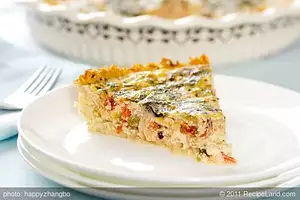
Béchamel is a creamy French white sauce, and so basic to French cooking that it is called a “sauce mere” or mother sauce. Its American equivalent is white sauce.
Béchamel is the basis for other sauces, and for innumerable dishes.

Béchamel used to be a more complicated sauce than it is today. In the days of King Louis XIV of France it was made of milk, veal, seasonings, and cream.

In modern French cooking, Béchamel is made with milk, butter, and flour, in various degrees of thickness, like a white sauce. Later, it may be enriched with butter, cream, cheese, herbs, or other flavorings. Depending on these, it changes its name.
For instance, a Béchamel with cream is a sauce supréme, one with cheese a sauce Mornay.

First cousin to Béchamel is Velouté sauce, which is made with chicken, veal, or fish broth, and to which wine, milk, or cream is sometimes added. Velouté can also be enriched at will.

Béchamel and sauces based on Béchamel are used with eggs, fish, chicken, veal, and vegetables, and as a base for cream soups, soufflés, croquettes, etc.

Béchamel should always be made in a heavy-bottomed saucepan to prevent scorching and discoloring of the roux, the butter and flour cooked together in the first step of making the sauce.
See the following recipes for more information on making Béchamel sauce (with variations):

Woman's Day Bechamel Sauce

Bechamel Sauce

Sauce Bechamel


enchilada sauce

Enchilada sauce

Enchilada sauce is a cooked chili sauce that gives enchiladas their name. It is smooth and pourable and deeply savory, built to be simmered or baked into a dish rather than spooned on raw at the table.

The classic red version is made from dried red chilies, sometimes simplified to chili powder, plus tomato, garlic, onion, cumin, and stock, often thickened with a little flour or masa. It tastes of toasted dried chili rather than fresh tomato.

There is also a green version, salsa verde style, built on tomatillos and green chilies. It is brighter and more tart than the red.

Taco sauce

Taco sauce is the smooth, thin, mild red sauce that comes in those little squeeze bottles and packets, the kind you splash over a hard-shell taco. It is a tomato base spiced with chili powder, cumin, garlic, vinegar, and a little sweetness.

Think Tex-Mex more than traditional Mexican. It is the flavor of taco night at home and of the fast-food drive-through, smooth and pourable with a gentle kick rather than real heat.

Most bottled versions are mild, with hot and extra-hot labels for those who want more burn.

Horseradish sauce

Horseradish sauce is the creamy white condiment that turns grated horseradish root into something you can spoon onto a slice of prime rib. At its simplest it is prepared horseradish folded into sour cream or mayonnaise, sharpened with a little vinegar, mustard, salt, and pepper.

The cream tames the root. Raw horseradish on its own is a volatile, sinus-clearing burn; whisked into a dairy base it becomes a rounded, nose-tickling heat that builds and then fades, which is why it sits so naturally next to rich beef and oily fish.

Do not confuse it with two close cousins. Prepared horseradish is just the grated root jarred in vinegar, with no dairy, so it is hotter and thinner. Wasabi is a different plant; most green tube wasabi is in fact dyed horseradish, while real wasabi is milder and grassier.

Pasta sauce

Pasta sauce is the jarred, ready-to-pour tomato sauce that sits on the shelf next to the dried spaghetti: cooked tomatoes seasoned with garlic, onion, herbs, and a little oil, usually in the marinara family. Open a jar and dinner is most of the way done.

It exists to save you the hour a from-scratch sauce wants. A good jar already has the tomatoes broken down and the seasoning balanced, so you are buying time more than flavor. Styles run from plain marinara to chunky garden-vegetable, with meat-flavored and creamy vodka blends in between.

Treat it as a base rather than a finished dish.

Plum sauce

Plum sauce is the thick, amber, sweet-and-sour condiment served in Chinese and Chinese-American kitchens. It is the glossy stuff that comes in a little tub with your spring rolls, made from plums or other stone fruit cooked down with sugar and rice vinegar and ginger.

It lands sweet first and tart second, with a low warm hum of chili underneath.

In American takeout it is often called duck sauce, and the two names point at the same jar. Texture runs from smooth and jammy to slightly chunky, and color from pale apricot to deep mahogany depending on the fruit and how long it cooked.

Think of it as a fruit chutney built for dipping rather than a tomato-style sauce.
Black bean sauce

Black bean sauce is a salty, savory Chinese condiment built around fermented black soybeans, called douchi. The beans are cured with salt until they turn soft and black, then mashed with garlic, ginger, oil, and a little sugar and rice wine.

The "black beans" here are not the black turtle beans you simmer for tacos and chili. Those are a New World legume. Douchi are fermented soybeans, and the flavor sits closer to miso or soy sauce.

The sauce is also a half-step from black bean garlic sauce, which is just this paste with a heavier hit of garlic stirred in. A spoonful carries a lot of salt and umami, so it seasons a whole dish on its own.

Chili garlic sauce

Chili garlic sauce is a coarse, bright-red paste of ground red chilies and garlic held together with vinegar and salt. It is chunky, not smooth. You can see the chili skins and seeds, and it brings sharp heat with a strong raw-garlic punch.

The familiar version is the Huy Fong jar with the green cap. It is a close relative of Indonesian sambal oelek, which is the same idea without the garlic.

A spoonful adds heat and garlic with a little tang, so it works as both a cooking ingredient and a table condiment.

People often reach for it where they would reach for sriracha, but the two are not the same. Sriracha is smooth and thinner, blended into a pourable sauce with more sweetness. Chili garlic sauce is chunkier, sharper, and far more garlic-forward.

Chili bean sauce

Chili bean sauce is the thick, brick-red Sichuan paste of fermented broad beans and chilies, sold as doubanjiang and labeled toban djan or "chili bean sauce" on the jar. It is salty and deeply savory rather than just hot, and it gives Sichuan cooking its reddish color and slow-building warmth.

This is the backbone of mapo tofu and twice-cooked pork, not a finishing condiment. Spoon it into hot oil and it blooms, turning the fat red and releasing a roasted, almost meaty aroma that carries the whole dish.

Sweet and sour sauce

Sweet and sour sauce is the glossy, red-orange sauce you know from takeout: tangy and sugary, just thick enough to cling. The Chinese-American version is built from a few cupboard basics, usually sugar, vinegar, ketchup or tomato, and a splash of pineapple juice.

A cornstarch slurry thickens it into a clear, spoon-coating sauce.
It walks a tightrope between sweet and sour on purpose. Get the balance right and it lifts fried food without burying it. Get it wrong and it turns into syrup.
This is the sauce that coats battered chicken and glazes ribs, and the one waiting in a little cup beside your egg rolls.

Spaghetti sauce mix

Spaghetti sauce mix is a dry seasoning packet that turns plain tomatoes into a quick Italian-style red sauce. Open the envelope, stir it into canned tomatoes or tomato paste with a little water, and simmer. It does the seasoning work for you.

Inside the packet is a blend of dried herbs and aromatics: oregano, basil, garlic, and onion. Most add salt and sugar plus a touch of cornstarch or flour to thicken.

Brands like McCormick and Lawry's are the familiar ones, but the contents barely differ from a spice rack and a steady hand.

Caramel sauce

Caramel sauce is sugar cooked until it browns, then loosened with cream and butter into a pourable amber sauce. It tastes of toasted sugar with a faint bitter edge that keeps it from being merely sweet.

It stays fluid when warm but thickens as it cools.

You can buy it in a jar, but homemade caramel sauce takes about fifteen minutes and tastes incomparably deeper. The whole skill is browning sugar to the right color without scorching it, then stopping the cooking with cream.

Hollandaise sauce

Hollandaise is a warm emulsified sauce of egg yolks and melted butter, loosened with lemon juice and a little salt. It is one of the French mother sauces.

It tastes rich and buttery with a bright lemon edge, and its texture sits somewhere between a thick custard and a pourable cream.

The trick is the emulsion. Whisking warm yolks while you stream in butter suspends millions of tiny fat droplets in the yolk's water, so the sauce stays smooth and thick instead of separating into a greasy puddle.

It is the sauce on eggs Benedict, and it is just as at home draped over asparagus or a piece of poached fish. Its derivatives, like bearnaise with tarragon and shallot, build on the same yolk-and-butter base.

Brown bean sauce

Brown bean sauce is a salty, savory Chinese paste made from fermented yellow soybeans with salt and water. Despite the name on the jar, the beans are golden soybeans, and the cooked paste turns a deep brown.

It is one of the backbone seasonings of Chinese home cooking, valued for a deep, salty-funky flavor that food writers call umami.

It comes two ways. Whole-bean versions keep the soft, fermented beans visible in a thick liquid, while ground versions are mashed into a smooth paste. Both season the same dishes; the whole-bean kind just adds a little texture.

Think of it as a stronger, less sweet relative of hoisin. Where hoisin is sweet and glossy, brown bean sauce is salty and earthy, doing the savory work in a stir-fry rather than the glazing.

Red chili sauce

Red chili sauce is a broad family of sauces built on red chilies, ranging from a thin, fiery dipping sauce to a thick, brick-red simmering sauce. The name covers a lot of ground, so what shows up in a recipe depends on the cuisine.

In the recipes here it pulls double duty. New Mexican cooking uses a smooth red chile sauce made from dried pods to bathe enchiladas and braise pork, while Asian dishes lean on a brighter, often sweeter bottled red chili sauce for dipping and stir-frying.

Either way, the common thread is ripe red chilies giving color, heat, and a fruity depth that green chilies and fresh peppers can't.

Seafood cocktail sauce

Seafood cocktail sauce is the cold, red, horseradish-spiked dip that shows up next to a tray of chilled shrimp. The base is ketchup or chili sauce loosened with lemon and sharpened with prepared horseradish, plus a few dashes of Worcestershire and hot sauce.

It is built for raw and cold seafood: shrimp cocktail, raw oysters, crab, or cold lobster. The sweet ketchup and biting horseradish, lifted by lemon acid, cut the richness of shellfish and clear the palate between bites.

You can buy it in a jar, but it is one of the easiest sauces to make better at home in about two minutes.

Adobo sauce

Adobo sauce is the dark red, smoky-tangy sauce that canned chipotle peppers come packed in. It is a blend of dried chiles, tomato, vinegar, garlic, and warm spices simmered down until thick and clingy. The chipotles get most of the attention, but the sauce around them is the real workhorse.

Spoon it out on its own and you taste smoke and gentle heat with a sour edge underneath. That makes it less a chile delivery system than a finished seasoning you can stir straight into food.

A quick naming note. This is not the Filipino dish called adobo, where meat braises in soy sauce and vinegar. Same Spanish root word for a marinade, two completely different things. Here we mean the Mexican-style canned sauce.

Alfredo sauce

Alfredo sauce is a rich white pasta sauce built from butter and Parmesan cheese. The original Roman version, fettuccine al burro, used nothing more. The starchy pasta water did the work, emulsifying the fat and cheese into a glossy coat that clung to the noodles.

The American version most cooks know adds heavy cream for a thicker, more forgiving sauce.

That cream is the great divide. Authentic Alfredo whisks together butter and cheese with a splash of pasta water at the last second. The supermarket jar and most home recipes lean on cream to hold it all together.

Either way the appeal is the same. A handful of ingredients turn into something silky and savory that coats every strand of fettuccine.

Fudge sauce

Fudge sauce is a thick, glossy chocolate sauce meant to be poured warm. It is what turns a scoop of plain vanilla into a sundae, and it is the dark ribbon you see set against ice cream in a banana split.

The classic version is hot fudge. It cooks chocolate or cocoa with sugar and butter plus cream or evaporated milk, simmered until it coats a spoon. Warm, it pours and drapes. Cooled, it stiffens toward the chew of actual fudge.

That stiffening is the textural trick that makes it feel like more than syrup.

Thickness is the whole point. Chocolate syrup stays thin and runs straight off the scoop, while real fudge sauce clings and slowly firms against the cold.

Chipotle sauce

Chipotle sauce is any sauce built on chipotle chiles: jalapenos that have been ripened red, then smoked and dried. That smoking is the whole point. It gives the sauce a deep, woodsy aroma and a slow, rounded heat that no fresh chile delivers.

The name covers a range of products. At one end is the thick, vinegary Mexican adobo that canned chipotles come packed in. At the other is the creamy, mayo-based chipotle sauce drizzled over tacos and burgers in Tex-Mex kitchens.

What ties them together is that smoky chile backbone, usually somewhere between mild and moderately hot, with a sweet-sour edge from tomato and vinegar.

Stir fry cooking sauce

Stir fry cooking sauce is a bottled, ready-to-pour sauce that turns a pan of vegetables and protein into dinner in one step. Pour it over a hot wok near the end of cooking and it glazes and seasons everything at once.

Most bottles share a familiar base: soy sauce for salt and color, garlic and ginger for aroma, a little sugar for balance, and cornstarch so it thickens the moment it hits the heat. From there brands diverge into named styles: teriyaki, kung pao, black bean sauce, sesame, sweet-and-sour, and more.

It exists for one reason, which is speed. On a weeknight it saves you measuring out five or six separate seasonings.

Green chile sauce

Green chile sauce is a cooked sauce built on roasted green chiles, most often the long, mild New Mexico or Anaheim type.

The chiles are fire-roasted until the skins blister, then peeled and chopped and simmered with onion, garlic, and a little broth or tomato into a loose, pourable sauce.

It is the green half of New Mexico's official state question, "red or green?", and it tastes of smoke and roasted pepper, with a clean bright heat that ranges from gentle to genuinely hot depending on the chiles.

Unlike a thin bottled hot sauce, green chile sauce has body. It is meant to be ladled over food, not shaken on in drops.

Marsala sauce

Marsala sauce is the glossy brown pan sauce built on Marsala, a fortified wine from Sicily. You sear meat, then deglaze the hot pan with Marsala, scrape up the browned bits, and reduce until it turns syrupy and deep. Mushrooms almost always join in.

The flavor separates it from a plain wine sauce. Marsala carries a faintly sweet, nutty, slightly caramelized note that survives reduction, so the finished sauce tastes round and savory rather than sharp.

It is the backbone of chicken and veal Marsala, and it works on anything you can sear in a skillet.

Yellow bean sauce

Yellow bean sauce is a savory Chinese condiment made from fermented yellow soybeans and salt with a little sugar. Despite the name, the finished sauce is brown, not yellow; the "yellow" points to the variety of soybean used.

It runs thinner and smoother than the thick Korean and Sichuan soybean pastes, somewhere between a paste and a pourable sauce, with whole or half-crushed beans suspended in it.

The flavor is salty and savory with a gentle sweetness, carrying the mellow funk of fermentation but none of the chili heat of a doubanjiang. It's a quieter, rounder seasoning, good for adding depth without taking over a dish.

Thai chile sauce

Thai chile sauce most often means Thai sweet chili sauce, the glossy, orange-red dipping sauce flecked with chile seeds.

It balances four flavors at once: sweet from sugar, sour from vinegar, salty from fish sauce or salt, and a gentle warmth from red chile and garlic.

The heat is mild and friendly, far softer than its bright red color suggests. The sugar and vinegar do most of the talking, which is why even people who shy away from spicy food reach for it.

The same shelf can also hold fierier Thai sauces like sriracha or a roasted chile paste called nam prik pao, so check the label, since they are not interchangeable with the sweet kind.

Thai peanut sauce

Thai peanut sauce is the creamy, sweet-salty-tangy dipping sauce that comes alongside chicken satay. It starts with peanut butter loosened with coconut milk, then gets seasoned with curry, a salty hit of soy or fish sauce, and a squeeze of lime.

It tastes rich and nutty up front, with heat and acid trailing behind.

It pulls in several directions at once: sweet from sugar, salty from soy or fish sauce, sour from lime, nutty from the peanuts, plus a low hum of chili and curry. That balance is the whole point, and it is also why no two cooks make it quite the same.

Most versions are quick. You stir everything in a bowl or simmer it for a few minutes, then thin it to whatever job you have in mind.

Hot bean sauce

Hot bean sauce is a thick, brick-red Chinese paste of fermented broad beans and chilies, salty and deeply savory with a slow-building heat. In Sichuan cooking it is the soul of the pantry, the ingredient that gives a dish its rust-colored sheen and its backbone of funky, spicy depth.

You will also see it sold as doubanjiang or broad bean chili paste. The best versions, labeled Pixian doubanjiang, are aged for months or years until the paste turns dark and mellow.

It is not a finishing sauce you spoon on at the table. Hot bean sauce wants to be fried in oil at the start of cooking, which is where it gives up its color and aroma.

Raspberry sauce

Raspberry sauce is the bright magenta dessert sauce, often called a coulis, that you spoon or drizzle over sweets. At its simplest it is nothing more than raspberries pureed with a little sugar and lemon, then pushed through a sieve to leave the seeds behind.

The result is glossy and intensely fruity, tart enough to cut through rich desserts. That contrast is its job: a spoonful of tart fruit cuts the heaviness of cheesecake or chocolate cake and resets your palate between bites.

Unlike jam, it is not cooked down to a thick spread. A coulis stays loose and pourable, with fresh fruit flavor front and center.

Tartar sauce

Tartar sauce is a cold, mayonnaise-based condiment shot through with chopped pickles or capers and a squeeze of acid, built to cut the richness of fried fish. The mayonnaise gives body and the pickle gives the tang and crunch that keep it from feeling heavy.

At its simplest it is mayonnaise plus finely chopped pickles or relish, with lemon juice and a little onion stirred in. From there cooks add capers and fresh dill or parsley, a dab of mustard, even a pinch of sugar to round it out.

Despite the name, it has nothing to do with steak tartare.

The two share a French root but went separate ways. This one is purely a creamy sauce for seafood.

Quick facts

In Chinese
British (UK) term
Sauce
en français
sauce
en español
salsa

Recipes using sauce

There are 83 recipes that contain this ingredient.

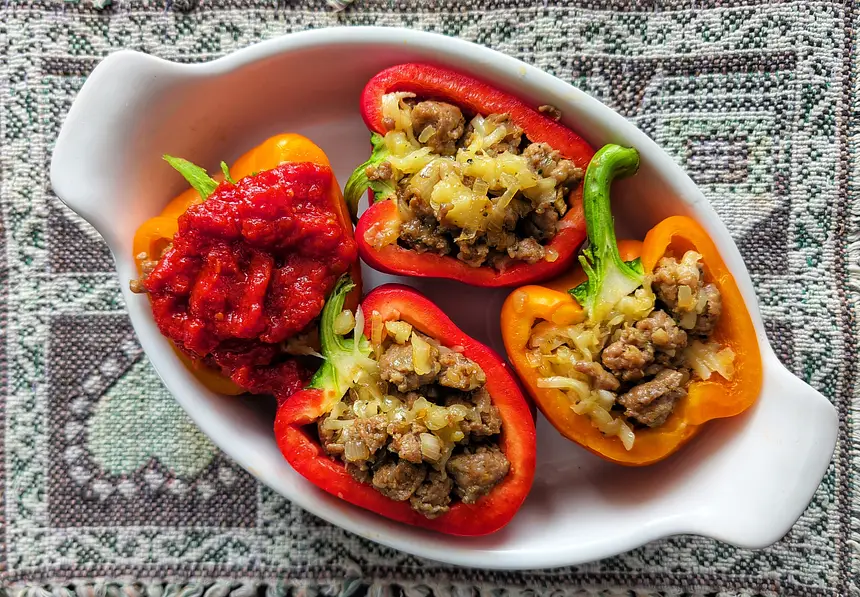
Sausage Stuffed Green Peppers

Sausage Stuffed Green Peppers

StarStarStarStarStar

Italian sausage stuffed bell peppers with mozzarella cheese and oregano in marinara sauce. Easy baked peppers ready in under an hour, perfect for weeknight dinners.

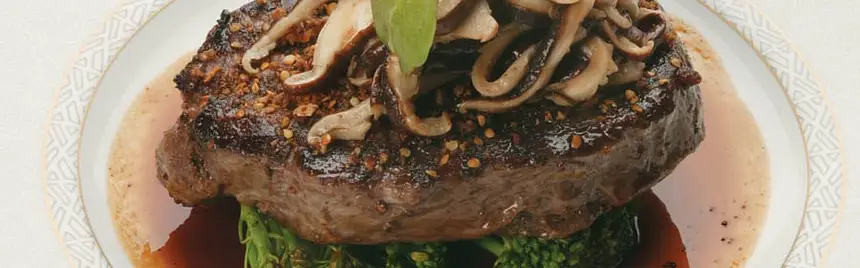
Ribeye Steak with Broccolini, Shitake Mushrooms & Wattleseed Jus

Ribeye Steak with Broccolini, Shitake Mushrooms & Wattleseed Jus

StarStarStarStarHalf star

Akudjura (dried bush tomato) crusted Ribeye steak served with broccolini, shitake mushrooms and wattleseed jus.

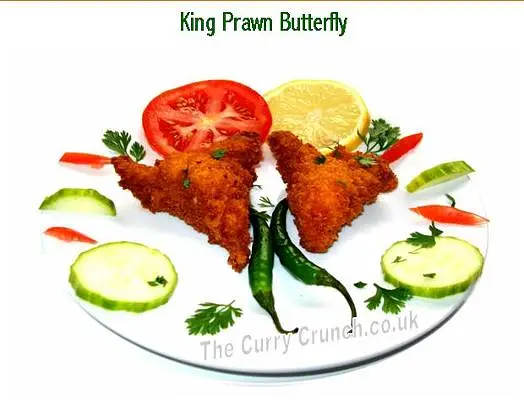
King Prawn Butterfly

King Prawn Butterfly

StarStarStarStarEmpty star

This is a delicious starter from my book named 'The Curry Crunch' where mildly spiced king prawns are coated with bread crumbs and fried. The king prawns used in this recipe weigh approximately 50g each.

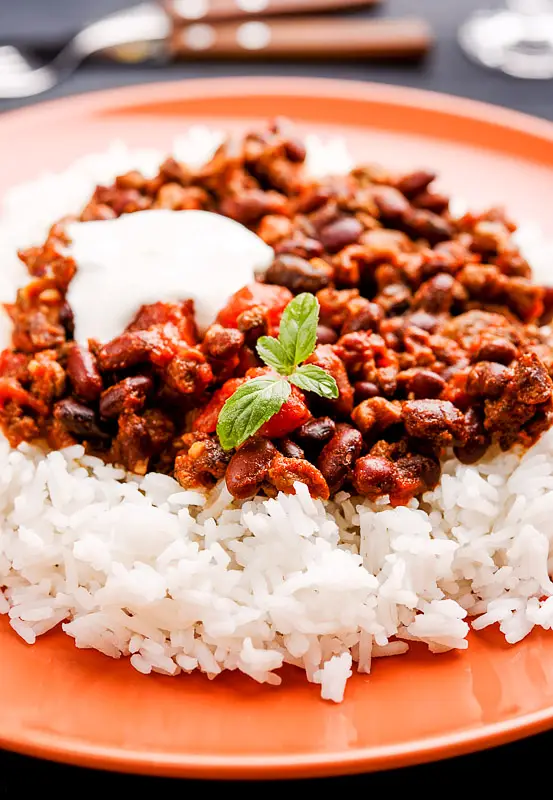
Vegetarian Chili Texas Style

Vegetarian Chili Texas Style

StarStarStarStarEmpty star

Hearty vegetarian Texas-style chili with meaty textured vegetable protein, kidney beans, peppers and tomatoes. A high-protein, meatless pot simmered low and slow, and even better the next day.

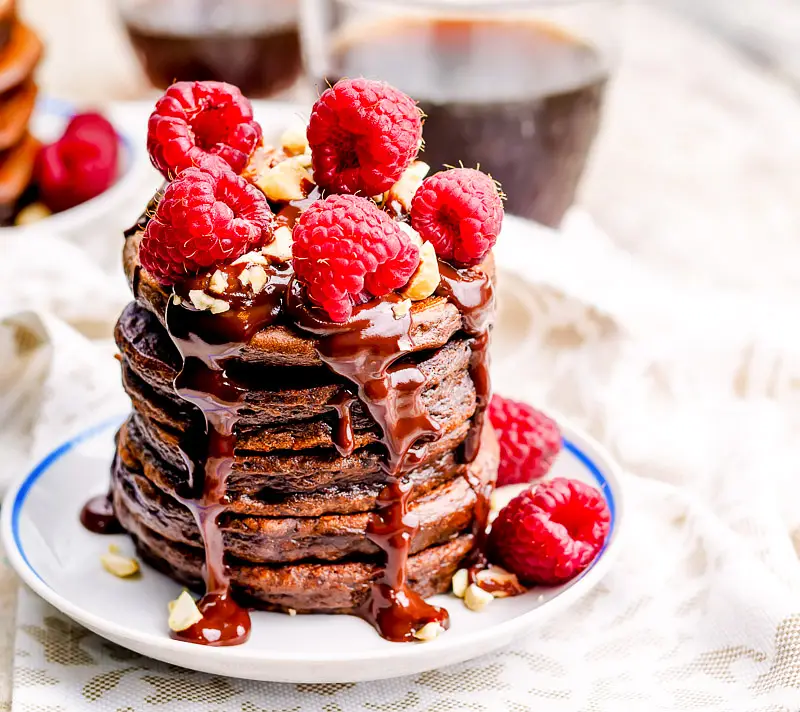
Chocolate Pancakes with Chocolate-Raspberry Sauce

Chocolate Pancakes with Chocolate-Raspberry Sauce

StarStarStarHalf starEmpty star

Chocolate Pancakes with Chocolate-Raspberry Sauce recipe

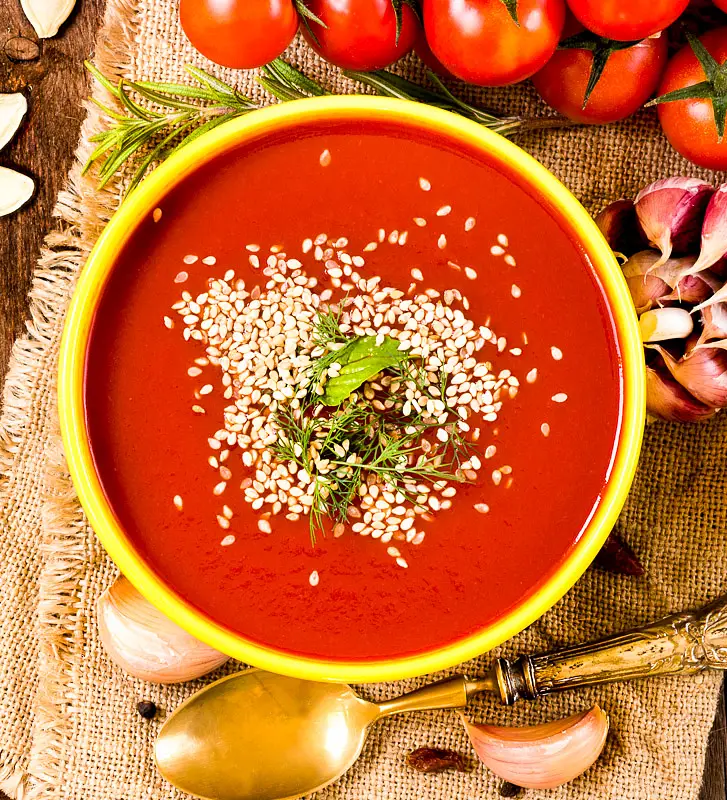
Rich Tomato & Rice Soup

Rich Tomato & Rice Soup

StarStarStarStarHalf star

Vegan tomato rice soup blended creamy with soy milk and garlic, brightened by apple cider vinegar and finished with cooked rice and toasted sunflower seeds. Dairy-free comfort.

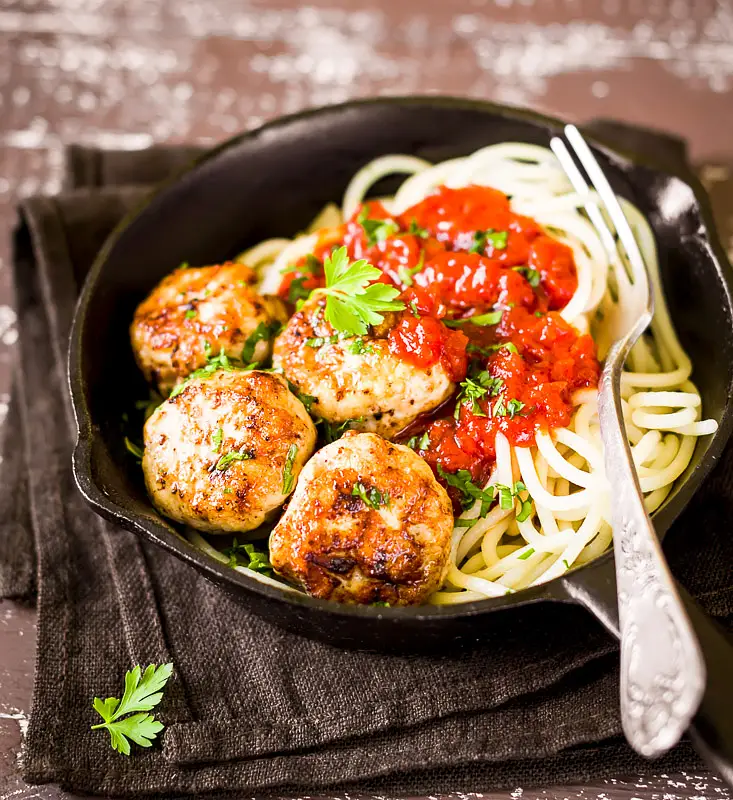
Chicken Cacciatore Meatballs

Chicken Cacciatore Meatballs

StarStarStarHalf starEmpty star

Tender chicken meatballs flavored with Parmesan and herbs, simmered in cacciatore sauce until they soak up all the Italian flavors. Serve over spaghetti for an easy weeknight dinner.

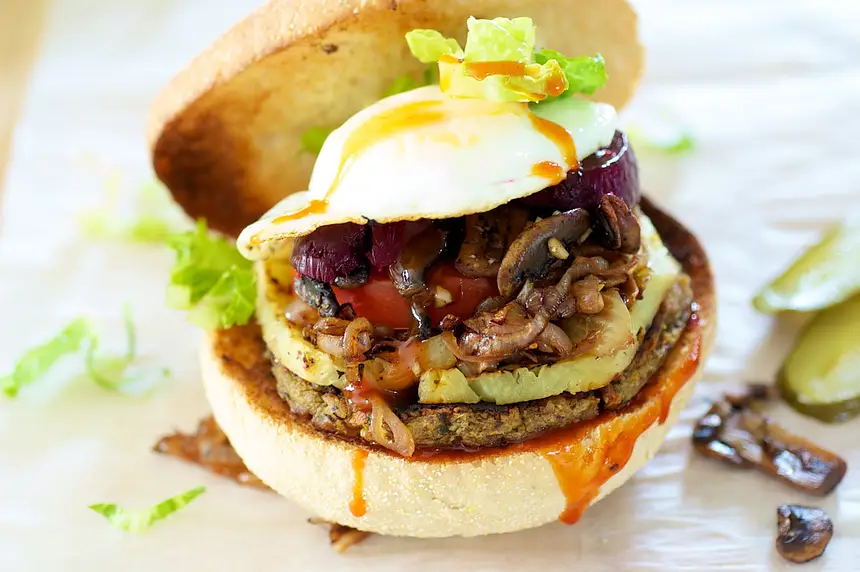
Australian Veggie Burger

Australian Veggie Burger

StarStarStarHalf starEmpty star

This vegetarian burger is layered with grilled pineapple, caramelized onions, sauteed mushrooms and roasted beets with a slice of juicy steak tomato and some shredded lettuce on top. It delivers the most delicious veggie burger ever!

Classic Chicken Parmesan

Classic Chicken Parmesan

StarStarStarEmpty starEmpty star

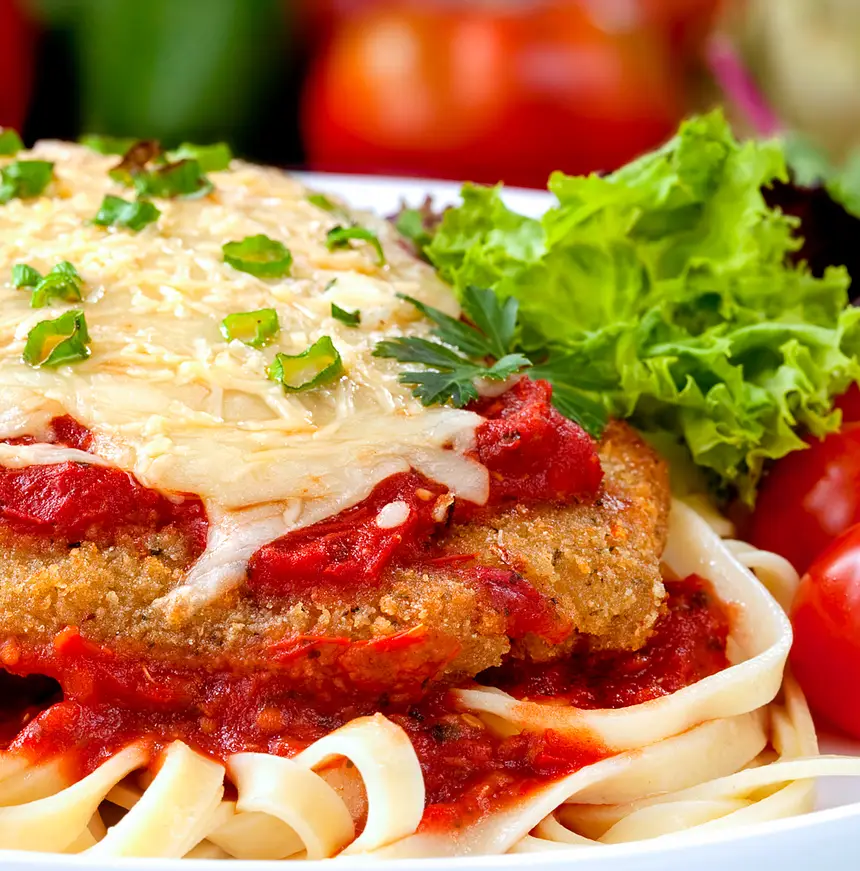
Crispy breaded chicken breasts baked with marinara, bubbly mozzarella, and Parmesan, served over egg noodles. A straightforward weeknight chicken parm that's on the table in about an hour.

Apple Strawberry Strudel

Apple Strawberry Strudel

StarStarStarStarEmpty star

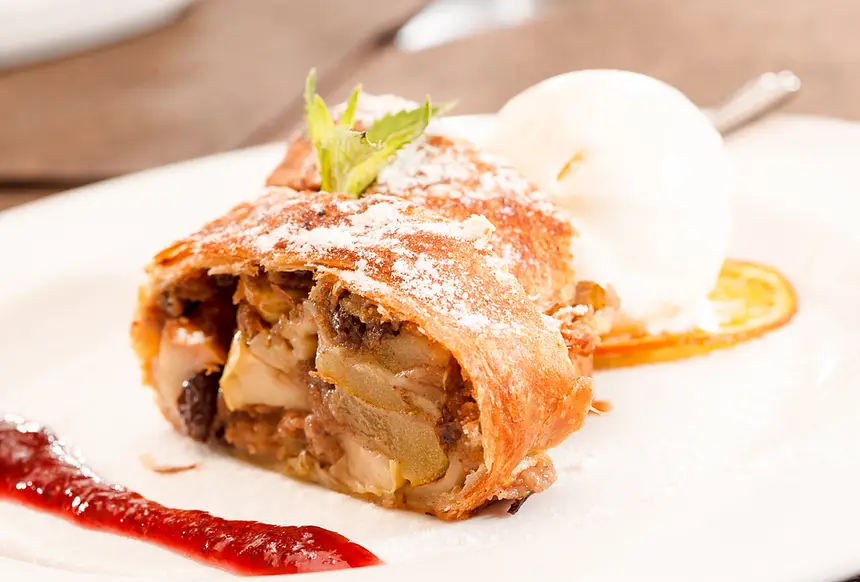
Tender dough rolls around strawberry jelly, chopped apples, and toasted nuts spiced with cinnamon sugar, then slices into swirled rounds that bake golden for a fruit-filled German-inspired pastry.

Asian Sweet & Sour Cod

Asian Sweet & Sour Cod

StarStarStarHalf starEmpty star

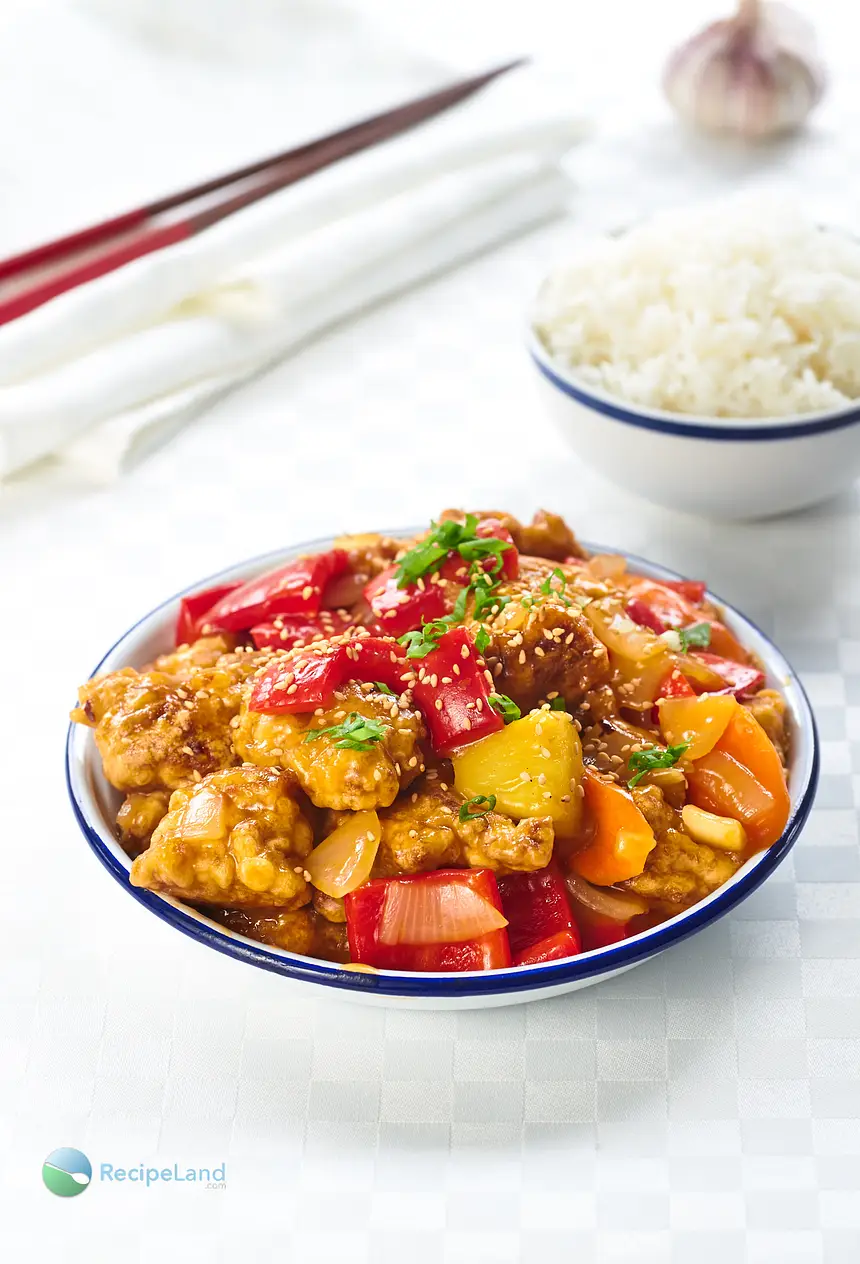
Asian cod recipe. Asian marinated meaty cod with a crispy coating, colorful tender-crisp veggies, all glazed with a sweet-sour sauce.

placeholder

Kikkoman Roasted Garlic Teriyaki Chicken

StarStarStarStarStar

Grilled quartered chicken marinated overnight in Kikkoman roasted garlic teriyaki sauce. A two-ingredient backyard barbecue recipe that delivers serious Asian-inspired flavor.

placeholder

Dinner Chowder

StarStarStarStarStar

Hearty potato cheese chowder thickened with a quick roux and brightened with chopped tomatoes and parsley. A vegetarian dinner soup ready in 40 minutes from pantry staples.

placeholder

Almond Fried Ice Cream B1

StarStarStarStarHalf star

Chinese-style deep-fried ice cream with tangerine sauce coating and sliced almond crust. Dramatic hot-and-cold dessert ready in seconds.

placeholder

Lobster Dome

StarStarStarStarEmpty star

Lobster dome with lobster meat, new potatoes, haricots verts, and Roma tomatoes in lobster American sauce, sealed under golden puff pastry and finished with truffle oil.

placeholder

Satay-Style Beef with Broccoli

StarStarStarHalf starEmpty star

Satay-style beef stir-fry with Chinese broccoli, shrimp paste, dark soy sauce, and rice wine. Thin-sliced steak wok-fried and tossed in a savory peanut-inspired sauce.

placeholder

Flash-Cooked Lamb with Leeks

StarStarStarHalf starEmpty star

Flash-cooked lamb stir-fry with julienned leeks, garlic, sesame oil, and a soy-ginger marinade. A fast, high-heat wok dish with tender marinated lamb slices.

placeholder

Leah's Favorite Pizza

StarStarStarHalf starEmpty star

Homemade pizza with a crisp-bottomed, soft-interior crust made from a honey-yeast dough with cornmeal for crunch. A family-favorite recipe topped with tomato sauce, mozzarella, and Italian herbs.

placeholder

Grilled Chili-Cumin Pork & Chicken

StarStarEmpty starEmpty starEmpty star

A smoky chili-cumin dry rub with brown sugar and garlic coats both grilled pork tenderloin and chicken breasts, sliced onto one platter with a bright orange-pineapple sauce. A make-ahead crowd-pleaser.

placeholder

Grilled Vegetable & Ravioli Salad

Empty starEmpty starEmpty starEmpty starEmpty star

Grilled vegetable and ravioli salad with cheese-stuffed pasta, smoky grilled vegetables, and a red wine vinegar vinaigrette. An 8-minute summer dinner that turns leftover grilled vegetables into a full-meal salad.

placeholder

Whole-Wheat Couscous Pilaf

Empty starEmpty starEmpty starEmpty starEmpty star

Whole-wheat couscous pilaf with chicken broth, hot sauce and fresh parsley. Healthy 10-minute side dish with a touch of heat.

placeholder

Asparagus Salad With Pickled Red Ginger

Empty starEmpty starEmpty starEmpty starEmpty star

I LOVE THIS RECIPE:) Asparagus salad is typical of many Chinese vegetable salads, in that the vegetable is first steamed, then cooled, before slicing and dressing.

placeholder

Eggs Hussarde

Empty starEmpty starEmpty starEmpty starEmpty star

Eggs Hussarde with poached eggs, grilled ham, and tomato on Holland rusks topped with Marchand de Vin sauce and Hollandaise. A classic New Orleans brunch dish from Brennan's tradition.

placeholder

Isobe Zukuri (Sashimi Wrapped in Laver)

Empty starEmpty starEmpty starEmpty starEmpty star

Isobe zukuri sashimi rolls with fresh fish wrapped in toasted nori seaweed, sliced into bite-sized pieces. A simple Japanese appetizer with dipping sauce.

placeholder

New England Chuck Roast ****

Empty starEmpty starEmpty starEmpty starEmpty star

New England chuck roast slow-cooked with carrots, onions, celery, and cabbage wedges, served with a homemade horseradish gravy from the pot broth.

placeholder

Easy Salad

Empty starEmpty starEmpty starEmpty starEmpty star

Easy salad with homemade garlic-butter croutons, crisp romaine hearts, vinaigrette, mayo-style dressing, and a shower of Parmigiano-Reggiano. A Caesar-adjacent side that comes together while the croutons toast.

placeholder

Fettuccine with Scallops & Peas

Empty starEmpty starEmpty starEmpty starEmpty star

Fettuccine with steamed sea scallops, fresh peas, and saffron butter sauce. An elegant seafood pasta where gentle steaming keeps the scallops tender and the saffron adds golden richness.

placeholder

Tofu Lasagna

Empty starEmpty starEmpty starEmpty starEmpty star

Tofu lasagna with mashed tofu standing in for ricotta, layered with mushrooms, mozzarella, Parmesan, and your favorite sauce. A lighter, protein-rich vegetarian lasagna.

placeholder

Shrimp Soup with Caesera Sauce

Empty starEmpty starEmpty starEmpty starEmpty star

Casera Sauce is delicious anywhere the zing of cilantro and jalapeno is welcomed.

placeholder

Spicy Italian Patties

Empty starEmpty starEmpty starEmpty starEmpty star

Spicy Italian turkey patties seasoned with fennel seeds, crushed red pepper, garlic, and Italian herbs topped with warm tomato sauce. A lean, flavorful weeknight dinner.

placeholder

Lumpia

StarStarStarStarStar

Filipino lumpia filled with seasoned pork, shrimp, dried mushrooms, and water chestnuts, fried golden and crispy. Served with sweet and sour dipping sauce.

placeholder

Peanut Butter Ice Cream Pie with Hot Fudge Sauce

StarStarStarStarStar

Peanut Butter Ice Cream Pie with Hot Fudge Sauce recipe

placeholder

Chicken Satay with Rice

StarStarStarStarStar

Golden skewered chicken strips with a rich peanut-hoisin dipping sauce and brown rice. This easy chicken satay goes from skillet to table in just 15 minutes.

placeholder

Oysters Thomas

StarStarStarStarStar

Oysters Thomas bakes fresh oysters on the half shell topped with lump crab meat, bearnaise sauce, and cream sauce under golden bread crumbs. An elegant appetizer.

placeholder

Sneaky Vegetable Lasagna

StarStarStarStarStar

Sneaky vegetable lasagna: shredded zucchini, eggplant, and spinach simmered into the sauce until they vanish, then layered with ricotta and gobs of cheese. A veggie-packed, kid-approved lasagna.

placeholder

Turtle Soup

StarStarStarStarEmpty star

Well, I hope this recipe helps in the use of turtles, though I suspect you will have to have a very large family or like turtle soup a lot, or scale the recipe to a more manageable quantity.

placeholder

Prawns with Crab Sauce

StarStarStarStarHalf star

Stuffed baked prawns topped with a creamy cheddar and crab meat sauce. A double-seafood showpiece with garlic-scallion stuffing, perfect for special dinners.

placeholder

Egg & Beansprout Risotto

StarStarStarHalf starEmpty star

Egg and beansprout risotto made with cracked wheat instead of rice, simmered with tomatoes, mushrooms, green pepper, and satay sauce. A hearty vegetarian one-pan dish with an Asian-British fusion twist.

placeholder

Crawfish & Egg Salad

StarStarHalf starEmpty starEmpty star

Cajun crawfish egg salad with Durkee's sauce, Dijon mustard, and a kick of cayenne. A Louisiana twist on classic egg salad that's loaded with tender crawfish tails.

placeholder

BBQ Chicken Burgers with Slaw

Empty starEmpty starEmpty starEmpty starEmpty star

BBQ chicken burgers with tangy tomato, Worcestershire, and hot sauce blended right into the patty, topped with a sweet honey-lemon cabbage slaw on cornmeal kaiser rolls. Weeknight-ready in about 30 minutes.

placeholder

North Carolina Barbeque

Empty starEmpty starEmpty starEmpty starEmpty star

North Carolina barbecue with chopped pork shoulder in a tangy vinegar and cayenne mopping sauce. Traditional Eastern-style chopped 'cue, slow-roasted and served with slaw.

placeholder

Medallions of Veal with Sauces

Empty starEmpty starEmpty starEmpty starEmpty star

Medallions of veal with sauces: tender stuffed veal cutlets on a bed of sauteed spinach, dressed with a crayfish Nantua sauce and lemon-chive wine butter, garnished with crayfish and asparagus. Fine dining at home.

placeholder

Apricot Chicken (Jessica's)

Empty starEmpty starEmpty starEmpty starEmpty star

Apricot chicken baked low and slow with a sweet-tangy glaze of apricot preserves, duck sauce, ketchup, and vinegar over matzo-crusted pieces. A crowd-feeding, Jewish-style classic.

placeholder

Chicken Salad Picante

StarStarStarStarHalf star

Chili-rubbed chicken breasts sliced over crisp greens with creamy avocado, red onion, and tomatoes, drizzled with a spicy picante ranch dressing. Ready in 30 minutes.

placeholder

Burning Spear Rub for Chicken

StarStarStarStarEmpty star

A fiery Caribbean-style spice rub blended with lime juice, chives, allspice, cayenne, and cinnamon. Marinate overnight and grill for chicken with serious island heat and flavor.

placeholder

Prickly Pear Eggs

StarStarStarStarHalf star

Easy and quick breakfast recipe, very great flavor.

placeholder

Taco Calzone

StarStarStarHalf starEmpty star

Taco calzone stuffed with seasoned beef, Monterey Jack, cheddar, olives, and green onions in golden pizza dough. A Mexican-Italian mashup that bakes in under 10 minutes.

placeholder

Chorizo Habanero

StarStarStarHalf starEmpty star

If you want to try these recipes but don't want the heat, just eliminate the habaneros from the sauce mixture. You will still have a delicious red bell pepper sauce.

placeholder

No Fuss Chicken & Rice Casserole

StarStarStarHalf starEmpty star

No-fuss chicken and rice casserole: chicken pieces baked over flavored rice and cream of mushroom soup. The 4-ingredient one-pan dinner that's been feeding families since the 1950s.

All 83 recipes

More sauce recipes

List of all ingredients