What Is Red chili sauce and How Can I Use It?
Here's everything worth knowing about red chili sauce and how to pick it, what it is, how to store it, and what to use instead, plus 13 recipes to cook tonight.
Key Points
- Broad category of red-chili sauces, from thin sweet dips to thick savory simmering sauces.
- New Mexican style braises enchiladas and pork; bright bottled styles dip and glaze.
- Match the sauce to the dish: a sweet chili sauce tastes candied in an enchilada pan.
- Add sweet chili sauce late in a stir-fry, since its sugars scorch over high heat.
- Sriracha or sambal oelek sub for heat; refrigerated bottles last about six months.
What is red chili sauce?
Red chili sauce is a broad family of sauces built on red chilies, ranging from a thin, fiery dipping sauce to a thick, brick-red simmering sauce. The name covers a lot of ground, so what shows up in a recipe depends on the cuisine.
In the recipes here it pulls double duty. New Mexican cooking uses a smooth red chile sauce made from dried pods to bathe enchiladas and braise pork, while Asian dishes lean on a brighter, often sweeter bottled red chili sauce for dipping and stir-frying.
Either way, the common thread is ripe red chilies giving color, heat, and a fruity depth that green chilies and fresh peppers can't.
How to Use It
Think of it in two modes. As a simmering sauce, it becomes the cooking liquid itself: Enchiladas (Red Chili) and Carne Adovada (Marinated Pork) both braise the meat or coat the tortillas directly in red chile, so the sauce is the dish, not a topping.
As a condiment or flavoring, a spoonful goes into something else. Manchow Soup and Santa Maria Beans use it to spike a pot with heat and color, and a sweeter version glazes grilled meat or serves as a dip for spring rolls and dumplings.
To finish a stir-fry, add it in the last minute or two over high heat. The sugars in a sweet chili sauce scorch fast, so a late splash keeps the flavor bright instead of burnt.
Cooking and Pairing
Red chili sauce pairs naturally with pork, beef, chicken, beans, and eggs, and a sweeter style suits shrimp and most fried foods. The savory New Mexican style loves lime and cumin, while the brighter Asian style wants ginger and a splash of rice vinegar.
The most common mistake is reaching for the wrong one. A sweet Thai-style chili sauce in an enchilada pan tastes jarringly candied, and a smoky New Mexican chile sauce on a spring roll is muddy and out of place.
The fix is to read the recipe's intent. If the sauce is the braising liquid, you want a savory dried-chile sauce; if it is a dip or glaze, reach for the bright, sweeter bottle.
Taste before salting, too. Bottled versions run salty, so season at the end.
Substitutes
For a savory simmering sauce, the closest swap is to bloom chili powder or ground New Mexican chile in a little oil, then whisk in broth and a touch of tomato. Canned enchilada sauce is the easy stand-in.
For heat without much sweetness, sriracha or sambal oelek both work, though sriracha is garlicky and sambal is rawer and chunkier. Cut either with a little ketchup or honey if the recipe expects a sweet chili sauce.
Thai sweet chili sauce is its own thing, and this site has a Thai Sweet Chili Sauce recipe worth making if a dipping sauce is what you're after. Gochujang can stand in where you want fermented depth, but thin it down, since it is much thicker.
Buying and Storage
Read the label before you buy, because the category is wide. A bottle marked sweet chili sauce is a thin, garlicky dip, while one marked chili garlic sauce or hot is a savory heat source.
New Mexican red chile is sold as whole dried pods or as a ground powder, and sometimes as a frozen prepared sauce you thaw and simmer. Check the ingredient list for sugar content if you need to know which camp a sauce falls into.
An unopened bottle keeps a year or more in the pantry. After opening, refrigerate it and most kinds last about six months, since the vinegar and salt help preserve it.
Dried New Mexican chile pods keep best in a sealed bag away from light, where they stay good for a year before fading. Give any bottled sauce a shake before each use, as the solids settle.
Quick facts
- In Chinese
- 红辣椒酱
- British (UK) term
- Red chili sauce
- en français
- la sauce de piment rouge
- en español
- salsa de chile rojo
Recipes using red chili sauce
There are 13 recipes that contain this ingredient.
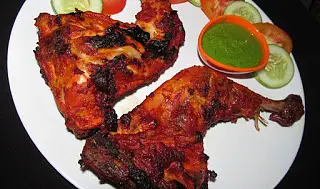
Spicy, Tasty Chicken Tandoori


Chicken tandoori is basically a snack which can be eaten in the evening or at night. Chicken marinated in tandoori masala, grilled in the oven is a super tasty, mouthwatering dish. Try it now.
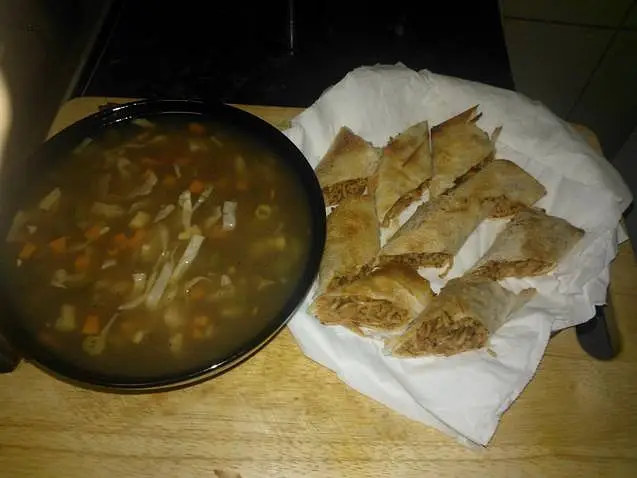
Manchow Soup
This is a Chinese-style soup popular in Indian Chinese cuisine due to its ease of preparation and hot spicy taste. The soup uses a spicies that adds lot of flavor to the soup.
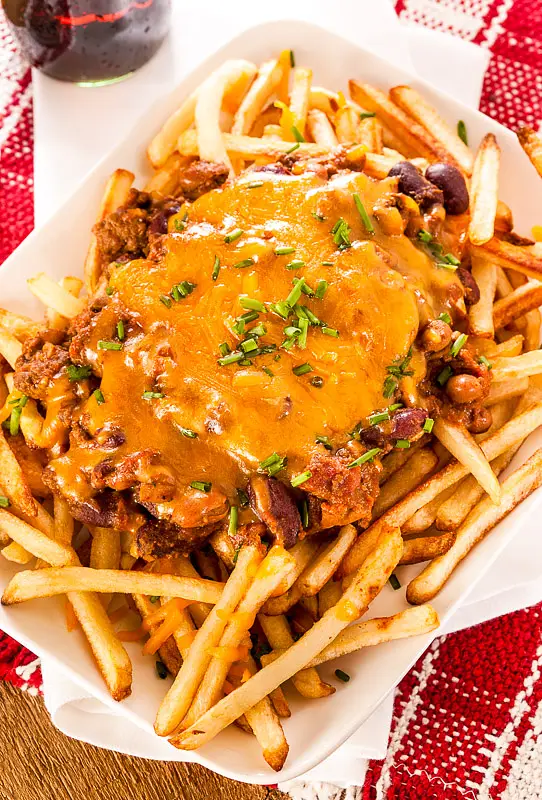
Franks' Chili Beans
Old-fashioned chili beans from scratch with dried pinto beans, ground beef, red chili sauce, and a splash of vinegar. A six-hour slow simmer for deep, rich, no-shortcuts flavor.
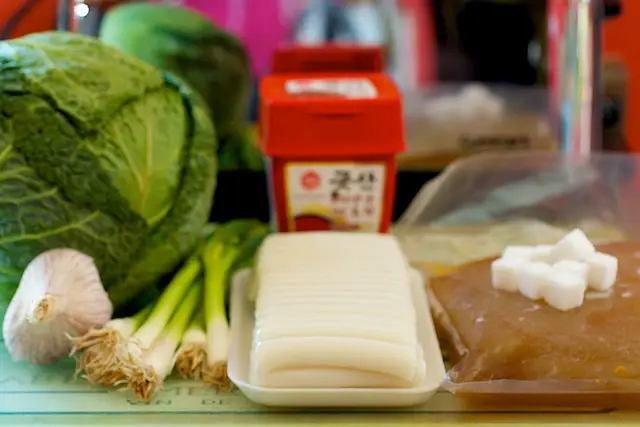
Korean Spicy Rice Cake, Cabbage & Leek Stew
This is another very normal dish that Korean people eat all the time, here the rice cake is nothing to do with dessert, it's a plain small patty or stick that is made of rice, normally simmered with stock, Korean chili sauce, cabbage and chilies. It soak all the delicious flavor, a classic and tasty Korean dish.
Enchiladas (Red Chili)
Red chile enchiladas stacked flat New Mexico style with corn tortillas, cheddar cheese, chopped onion, and red chili sauce, topped with a fried egg. Traditional and simple.
Orange Onion Salad with Chili Dressing
Orange onion shrimp salad with avocado, cucumber, and a bold chili dressing. A fresh, no-cook meal with sweet citrus, creamy avocado, and spicy heat in every forkful.

Marinated Pork
Red chili marinated pork with garlic and oregano, soaked overnight and slow-cooked until tender. Works with ribs, chops, or any cut. Add potatoes to the marinade for a one-pot meal.

Ginger-Chicken Stew
Ginger-chicken stew: tender chicken simmered in a sesame-oil broth with ginger matchsticks, garlic, sherry, soy sauce, and peppery mustard greens. A light Asian-inspired bowl ready in under 30 minutes.
Santa Maria Beans
Santa Maria beans made with pinto beans, bacon, ham, tomato puree, and red chile sauce. The classic California Central Coast side dish for tri-tip barbecue, slow-simmered until rich and tender.
Thai Sweet Chili Sauce
Homemade Thai sweet chili sauce with rice vinegar, fish sauce, plum sauce, and serrano chilies. Sweet, tangy, and spicy dipping sauce ready in 30 minutes. Better than store-bought.
Carne Adovada (Marinated Pork)
Carne adovada is a New Mexican classic where pork chops soak overnight in a bold red chile sauce with garlic and oregano, then cook low and slow until fork-tender and drenched in smoky heat.

Dim Sum (Steamed Chinese Appetizers).
Homemade steamed dim sum dumplings with a seasoned ground meat filling in four flavor variations: chili garlic, brown bean, hoisin, and orange zest. A fun Chinese appetizer project that freezes well.