If wine has turned up in a recipe or caught your eye at the store, here's what you need to use it with confidence and how to choose it, cook it, store it, what to substitute, and 262 recipes to try it in.
Key Points
Cook with a wine you would actually drink; reducing concentrates its flavor along with any harshness.
Deglaze a hot pan with wine to lift browned bits into nearly any pan sauce.
Match dry whites to fish and cream, dry reds to beef and braises.
Skip salty grocery cooking wine; reducing only concentrates the salt and off-notes.
Opened wine keeps 3 to 5 days refrigerated, or freeze it in cubes for months.
What is wine?
Wine earns its place in the kitchen as a cooking liquid, not just a drink. A splash of it carries acid and sugar plus aromatic compounds that water and plain stock cannot supply.
That is why it turns up in braises and pan sauces and marinades across more than 250 recipes here. When you cook with wine, most of the alcohol cooks off but the flavor stays and concentrates.
What you taste at the end is the wine's character minus the raw burn. A thin, harsh bottle tastes worse after reducing, not better.
That is the whole reason the old rule holds: cook with a wine you would actually drink. You do not need an expensive bottle, just a clean and sound one.
Cooking With Wine
Wine does its best work when you give it heat and time. Add it to a hot pan after searing meat and scrape up the browned bits stuck to the bottom. That step is called deglazing, and it lifts concentrated flavor into the liquid that starts nearly every pan sauce.
Wine also works cold. In a marinade its acid tenderizes the surface of the meat and carries flavor, the logic behind Amazing Marinated Pork Tenderloin Birds.
How to Pair It
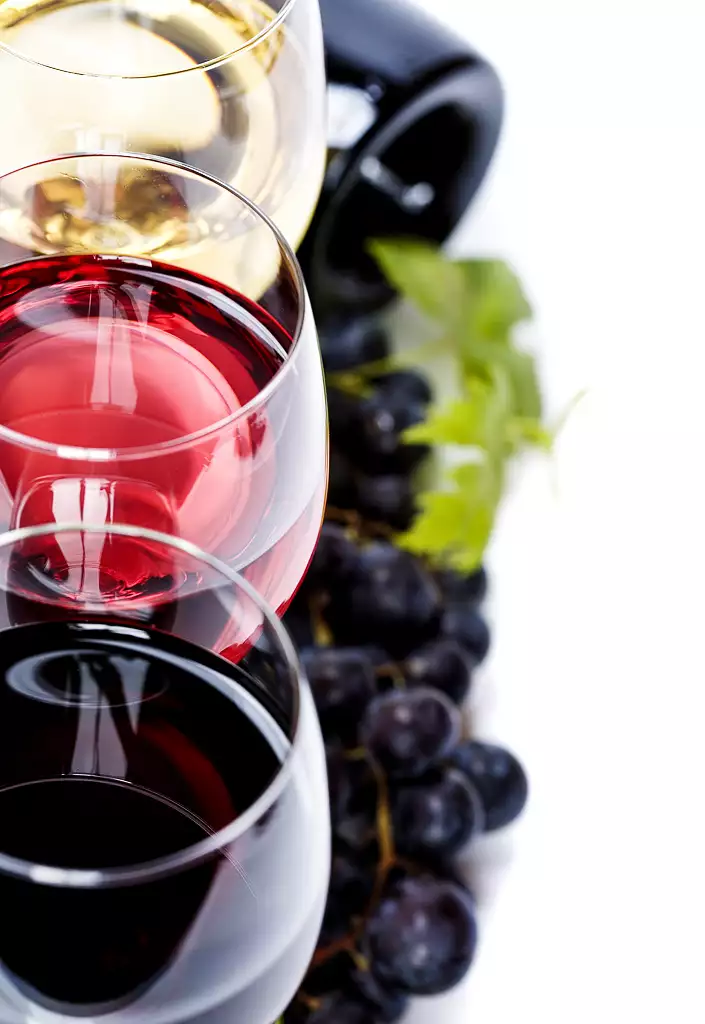
Match the wine to the dish. Dry whites such as Sauvignon Blanc or unoaked Chardonnay suit fish and chicken and anything built on cream or butter. Dry reds like a young Cabernet or Côtes du Rhône stand up to beef, lamb, game, and tomato.
Sweet and fortified wines such as Marsala or Madeira belong with mushrooms, pan sauces, and dessert, where their sugar is the point.
The most common mistake is reaching for so-called cooking wine off the grocery shelf. It is heavy with salt and often carries a sour off-note, and reducing it concentrates both. Skip it.
The second mistake is over-reducing on high heat. Boil wine hard and the acid sharpens into something thin and sour. Keep it at a gentle simmer and taste as it goes.
One more: do not pour cold wine over delicate cream and call it a sauce. Let the alcohol cook off first, then enrich. Otherwise the sauce can break and taste raw.
Substitutes
If you cannot or prefer not to use wine, replace its acid and depth, not just the liquid.
For white wine, an equal amount of stock with a splash of white wine vinegar or lemon juice gets you close. About 1 tablespoon of vinegar per ½ cup of liquid is the right balance.
Dry vermouth is the best like-for-like swap for dry white, and it keeps far longer once open. For sweet wines, a splash of grape juice with a few drops of vinegar approximates the sugar-and-acid balance, though the result is simpler.
Buying and Storing
Buy an inexpensive but genuinely drinkable bottle. A dry, unoaked white and a medium-bodied dry red cover most cooking. Heavily oaked whites can turn bitter when reduced, so keep those for the glass.
Wine is perishable once opened. Oxygen dulls it within a few days, so re-cork it and refrigerate. An opened bottle holds up for roughly 3 to 5 days for cooking purposes, and reds keep as well as whites in the fridge.
To stretch leftovers, freeze wine in an ice-cube tray and bag the cubes once solid. A couple of cubes dropped straight into a hot pan handle deglazing or finishing a sauce. Fortified wines like Marsala and Madeira are the exception; their alcohol and sugar let them last weeks after opening.
Types of wine
Specific kinds of wine and the recipes that use them.
White wine is the cook's everyday workhorse for anything bright and savory. It adds acidity and a layer of fruity, slightly tart flavor that lifts rich food and keeps it from tasting flat.
Forget the label and the vintage. What matters at the stove is dry versus sweet. A dry white has almost no residual sugar, so it sharpens a sauce instead of sweetening it. That is the bottle you want for nearly all cooking.
It belongs to the broader world of cooking with wine, where wine is used to deglaze a hot pan or reduce down into a sauce. The simplest rule still holds: cook with a wine you would actually drink.
Red wine is the deep, savory backbone of slow-cooked food.
Where white wine adds sharp acidity, red wine builds body. It lends color and a touch of tannin along with a rich fruit-and-earth flavor that turns a plain braise into something with depth.
As with any cooking wine, what matters is dry versus sweet, not the price tag. A dry red has little residual sugar, so it can simmer for hours and reduce down without ever turning syrupy or candied.
This page is about red wine as a cooking ingredient. For the wider picture of deglazing and choosing what to pour in, see cooking with wine. The old rule carries over here: if you would not drink it, do not cook with it.
Rice wine is fermented rice, not grape wine, and "rice wine" on a recipe card usually means one specific bottle the writer had in mind.
Sorting out which one is the single most useful thing to know here, because Chinese Shaoxing and Japanese sake both answer to that name, and sweet mirin is a third thing entirely.
It shows up across more than 180 recipes here, almost all of them stir-fries, marinades, and braises where a tablespoon or two adds savory depth and tames any raw or fishy edge.
The flavor is mellow and slightly sweet with a nutty, sherry-like note in the aged Chinese style. That gentle background is the whole point: it rounds a sauce out rather than announcing itself.
Port is a sweet fortified wine from the Douro Valley in northern Portugal. Partway through fermentation, winemakers add grape spirit, which stops the yeast early and leaves a lot of natural grape sugar behind.
The result is a rich, deep red wine that tastes noticeably sweet, at around 19 to 22 percent alcohol.
In the kitchen, port matters for two reasons. It reduces into a glossy, almost syrupy sauce thanks to that sugar, and it brings dried-fruit depth (plum, blackberry, raisin) that plain red table wine cannot match.
The two styles you will meet are ruby and tawny. Ruby is younger and brighter, with fresh berry fruit. Tawny is aged longer in wood, so it turns nutty and caramel-toned. For most cooking, an inexpensive ruby is the workhorse.
Marsala is a fortified wine from the area around the city of Marsala, on the western tip of Sicily. Like port and sherry, it has had grape spirit added during production. That pushes the alcohol up to around 15 to 20 percent and gives it a longer life once opened.
The flavor leans toward brown sugar and dried fig, with toasted nuts and a little tang behind it.
It comes in a sweet style (dolce) and a dry style (secco), and the bottle will say which. The dry is what you reach for in savory pan sauces. The sweet belongs in desserts.
Buy a bottle labeled simply Marsala, not the cheap "Marsala cooking wine" cut with salt, which throws off your seasoning and tastes flat.
Champagne is sparkling wine, made bubbly by a second fermentation that traps carbon dioxide in the bottle. True Champagne comes only from the Champagne region of France; sparkling wine made the same way elsewhere goes by other names, such as cava and prosecco.
In cooking, what matters is that it is a dry, acidic white wine with bubbles. The fizz vanishes the moment it hits heat, so on the stove champagne behaves like any crisp dry white, lending acidity and a clean, fruity lift to sauces.
That is why it earns its place beyond the toast. It goes into delicate sauces and airy sabayon. It even lightens a crisp frying batter, where a bright wine does real work.
Madeira is a fortified wine from the Portuguese island of the same name, out in the Atlantic off the coast of Morocco. It is made in an unusual way.
The wine is deliberately heated and exposed to air as it ages, a process called estufagem that began centuries ago when barrels cooked in ships' holds on long voyages.
That heating gives Madeira its signature taste. Think toffee and roasted nuts, with a note of dried orange peel.
It also makes the wine almost indestructible. Because it is already oxidized on purpose, an open bottle lasts for months without spoiling.
Styles run from bone dry to richly sweet, named after grapes. Sercial is the driest, then come Verdelho, Bual, and Malmsey (Malvasia), the sweetest of the four. For cooking, a dry or medium Madeira is the most useful.
Burgundy wine takes its name from the Burgundy region of eastern France, where the classic red is made from Pinot Noir grapes. A true red Burgundy is dry and medium-bodied, built on bright acidity, with cherry and raspberry fruit and an earthy undertone as it ages.
In American kitchens and on old recipe cards, "Burgundy" often means any generic dry red wine, sometimes a jug wine with no connection to France. For cooking that distinction barely matters, since the wine is there to add acidity and body rather than to be sipped.
This is a dry wine, not a sweet one. If a recipe calls for Burgundy, it wants a dry red.
Cooking wine is the salted, bottled "wine" sold on the grocery shelf next to the vinegars, not in the wine aisle. Salt and sometimes preservatives get added so it can be sold without a liquor license and kept on a warm shelf for months.
That salt is also the problem.
The honest take is that cooking wine is the weakest way to get wine into a dish. It tastes flat and oddly salty, and because the salt content is high you lose control of the seasoning in whatever you are making.
Almost any inexpensive bottle of real, drinkable wine does the job better.
Red Burgundy wine is simply the red version of Burgundy, the dry red made from Pinot Noir grapes in the Burgundy region of France. The "red" distinguishes it from white Burgundy, which is Chardonnay.
It is dry, not sweet. Expect cherry fruit and bright acidity over an earthy edge.
In recipes it behaves exactly like any dry red, so see burgundy wine for the full picture. That bright acidity makes it a natural for slow braises and pan sauces.
Sauterne is a sweet white wine, and the name causes some confusion. True French Sauternes, spelled with an s, is a famous and pricey dessert wine from Bordeaux, made from grapes affected by noble rot, which concentrates their sugar into something honeyed.
The American spelling without the s, "sauterne," usually means an inexpensive generic sweet or semi-sweet white wine.
Most recipes calling for sauterne mean a sweet white that adds fruit and a touch of sweetness to a dish. It is not a dry wine, so it behaves differently in a pan than a dry white would.
Rosé is dry pink wine made from red grapes whose skins touch the juice only briefly, long enough to tint it but not to make a full red. In the kitchen it behaves like a bridge between white and red.
It is lighter and brighter than red, with a touch more body and berry character than white. That in-between quality is exactly why it earns a place in summer cooking, where it builds a light sauce or poaches fruit without the heaviness a red would bring to a warm-weather plate.
Sweet wine is a catch-all term for any wine with noticeable residual sugar, rather than one specific bottle. It covers dessert wines like Sauternes and late-harvest Riesling, fortified sweet wines like port and cream sherry, and lightly sweet whites like Moscato.
When a recipe just says "sweet wine," it wants that sugar and fruit, not a particular grape. The sweetness is the point. It adds body and fruit, plus a glossy finish that a dry wine cannot give.
Claret is the traditional British name for a dry red wine from Bordeaux in France. It is not a separate style so much as an old word.
When an English recipe or an old cookbook calls for claret, it means a dry red Bordeaux, typically a Cabernet Sauvignon and Merlot blend.
In the kitchen you can treat it as any good dry red wine. It is dry and medium to full bodied, with dark fruit over a firm tannic backbone. That structure is what it lends to cooking.
Sparkling wine is wine with bubbles, the family that includes Champagne, prosecco, cava, and dry domestic sparklers. In cooking the bubbles mostly cook off, but the wine's crisp acidity stays and does real work.
It earns its keep in sauces, batters, and light desserts. A dry brut style is the one to keep on hand.
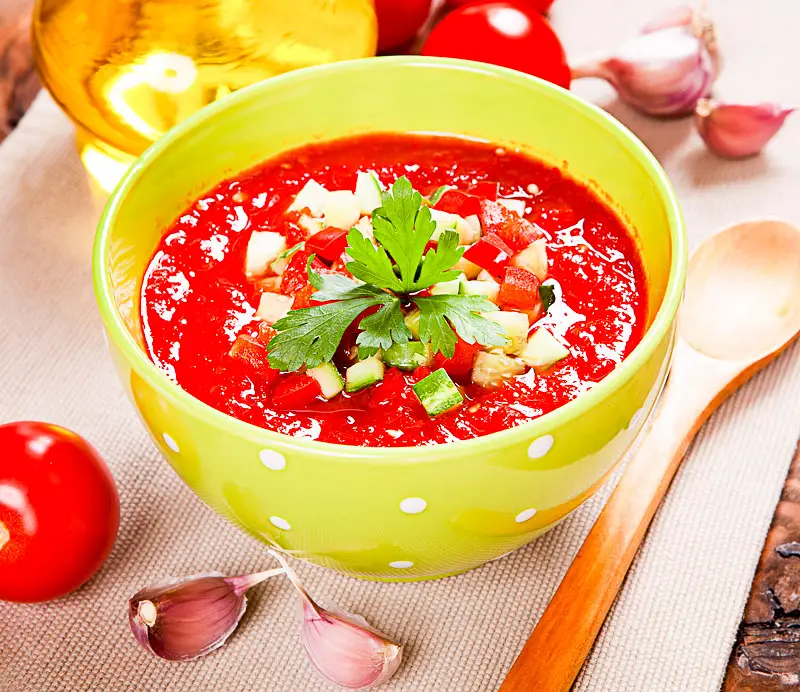
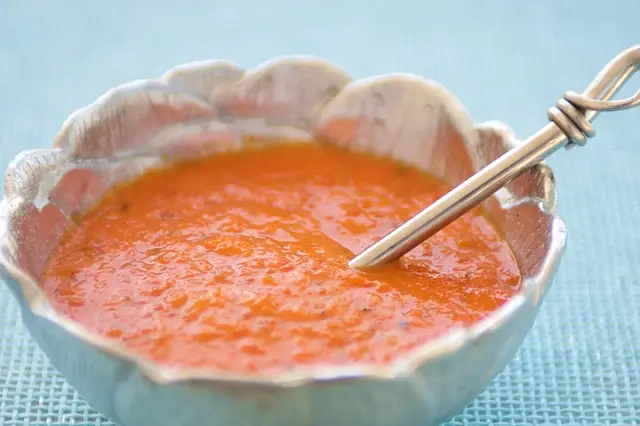
Light Spanish-style cold tomato soup pureed with green pepper, onion, garlic, white wine, and lemon. A refreshing, vegan summer gazpacho served chilled with scallions on top.
Cold gazpacho with fresh tomatoes, green pepper, onion, garlic, white wine and lemon. Vegan, no-cook Spanish summer soup, blended smooth and chilled overnight.
Italian wine pepper biscuits, savory taralli-style snacks made with white or red wine, olive oil, and coarse black pepper. Twist or knot shape, baked crisp.
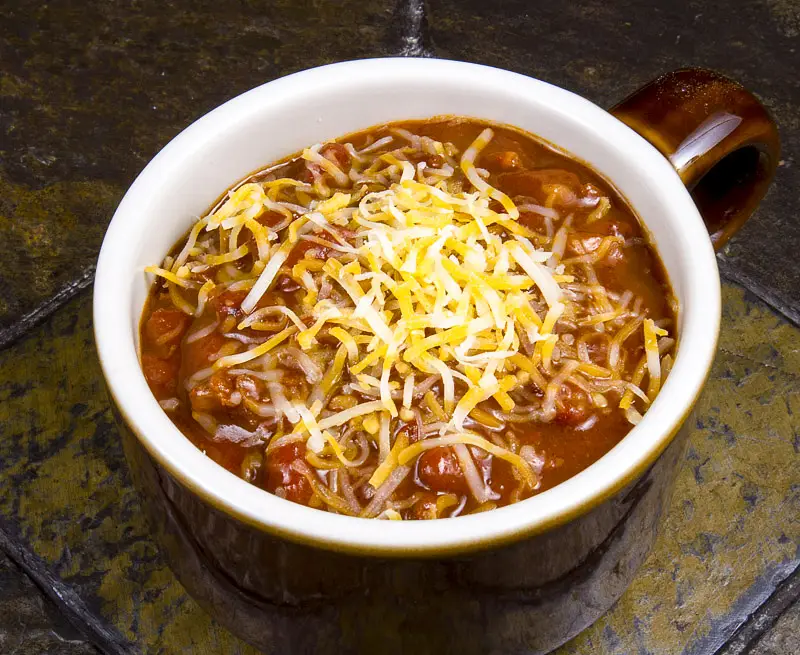
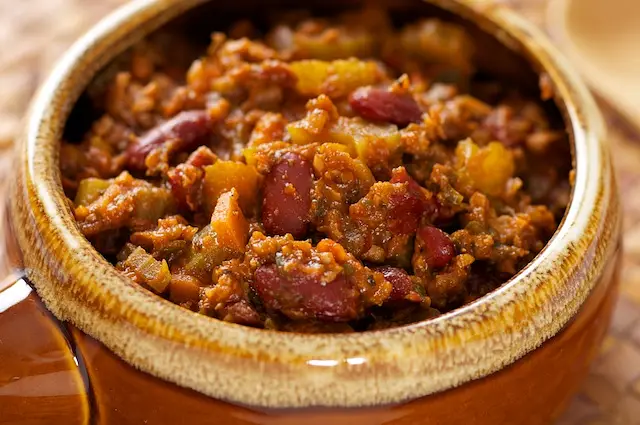
Two-meat Sunday chili with cubed sirloin tip and ground beef, three cans of tomatoes, chili beans, wine, and a generous spice rub. Cook, cool, reheat for deep flavor.
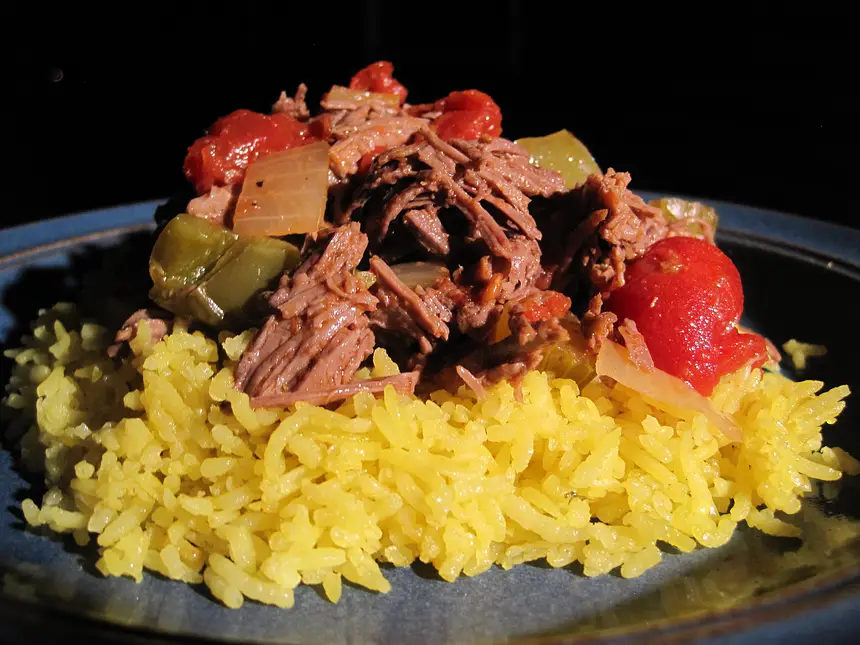
Ropa vieja is a classic Cuban shredded beef dish braised in a rich tomato sauce with cumin, oregano, garlic, and green peppers. Served over white rice with fried plantains on the side.
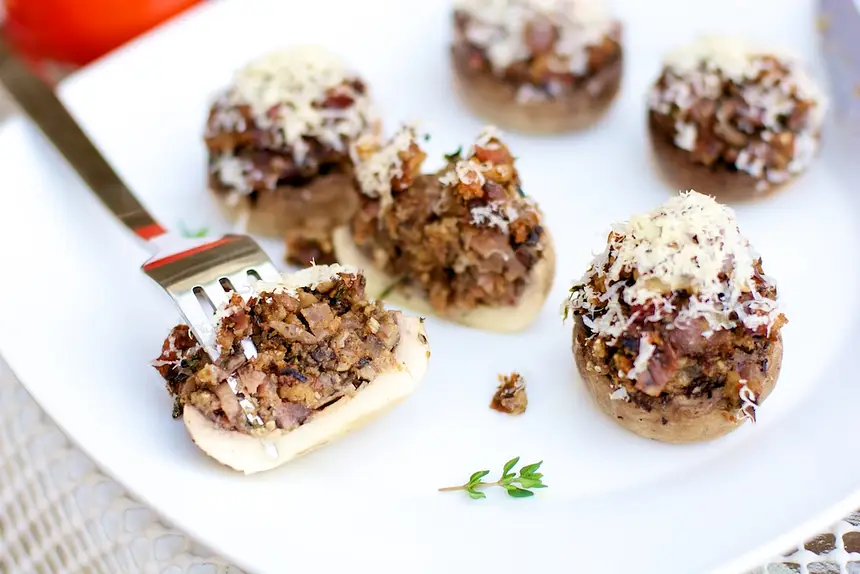
A delicious way to make some stuffed mushrooms, the combination of prosciutto, wine and all the spices is so tasty, mixed with bread crumbs, stuffed into the mushroom caps. They are great appetizer.
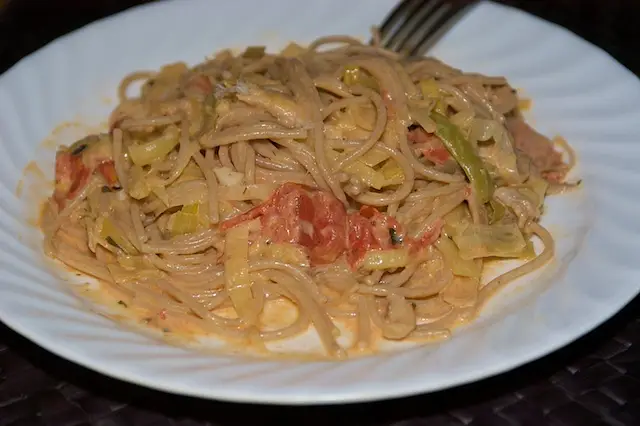
Leek and zucchini pasta tosses rotini with a tarragon-scented sour cream sauce of sautéed leeks, mushrooms, julienned zucchini, and tomato. A creamy white-wine vegetable pasta in under 30 minutes.
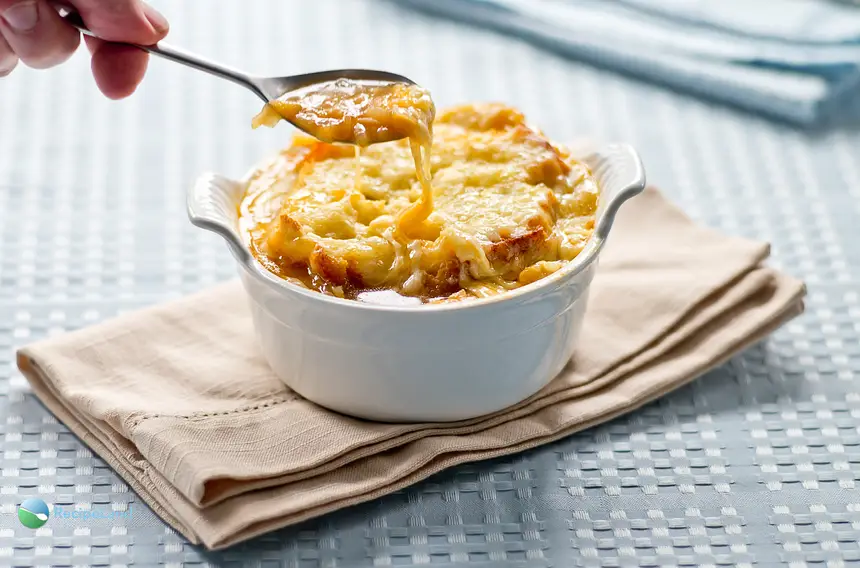
French onion soup from Paris brasserie Au Pied de Cochon. Slowly caramelized onions, dry wine, chicken broth, and toasted baguettes under bubbling Gruyère.
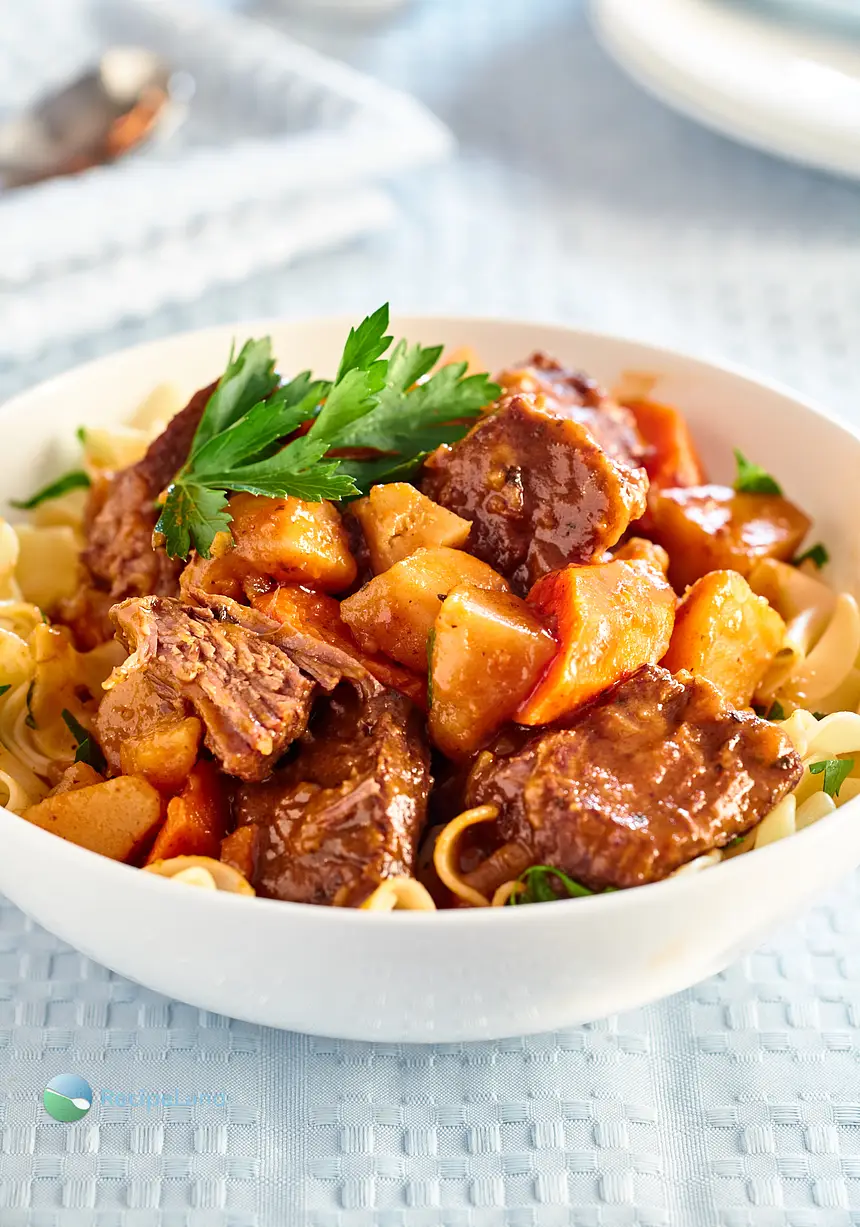
An easy crock pot beef stew recipe. This beef stew with tomato soup, potatoes, and carrots provides plenty of sauce. Perfect for serving with egg noodles, rice or crusty bread.
My family of 3 boys and my husband refuse to eat anything "healthy"...well I made this tvp chili, but did not tell them what was in it. Well between the 4 of them they finished the pot. So excellent!! Easily used to "fool" non vegetarians!
Stuffed pork tenderloin birds: pounded pork loins rolled around a sage-bread stuffing, marinated in honey, soy, and cinnamon, then grilled and basted until glazed. A showstopper grill dish.
Pork intestines marinated with soy sauce, ginger, and chili, coated in bread crumbs, and steamed over sweet potato cubes. A traditional Chinese offal dish finished with hot sesame oil and scallions.
Poached cobia fillets rolled and secured with toothpicks, served in a rich lemon-cream sauce made from the poaching liquid, egg yolks, white wine, and butter. Elegant French-style fish.
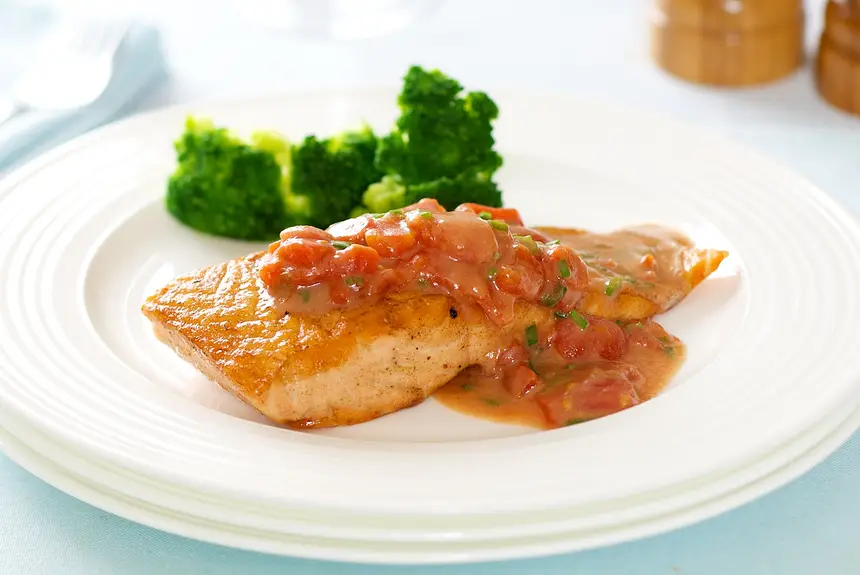
Restaurant-style salmon, sliced thin and gently butter-cooked until silky, draped over greens in a pool of reduced white wine and mushroom cream sauce. An elegant chef's plate made at home.
Grilled deer loin filets topped with a grilled tomato slice and a rich red wine mushroom sauce with Worcestershire. A Brennan-style tournedos that turns wild game into fine dining.
Golden chicken breasts sauteed with shallots, carrots, and fresh herbs in a light Riesling wine sauce. A refined French-style dinner that's on the table in 30 minutes.
Buttery garlic shrimp tossed with sautéed mushrooms, fresh tomatoes, and white wine in this Hawaiian-inspired scampi from the famous Volcano House restaurant overlooking Kilauea Crater.
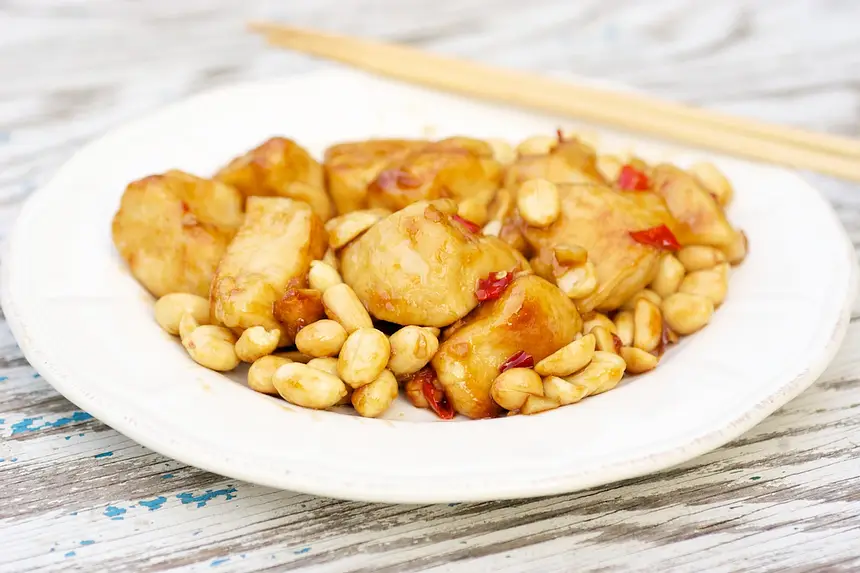
Fiery Sichuan-style wok chicken with chili, fermented bean curd, and fresh ginger, simmered in stock and served over tender pea shoots. A 30-minute wok sensation.
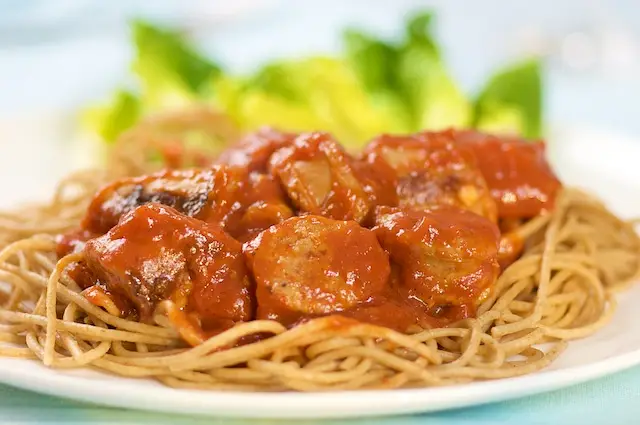
Beef round steak cubes braised for 3 hours with mushrooms, wine, and Italian herbs in a rich tomato-consommé sauce, served over spaghetti. Fork-tender, deeply flavored, and worth every minute.
Golden-browned chicken simmered in Riesling wine with shallots, garlic, and fresh thyme, finished with plump green grapes. An Alsatian-inspired dinner for two ready in just 40 minutes.
Potage au potiron, a silky French pumpkin soup with onion, white wine, turnip and carrot, enriched with cream and buttery croutons, then served right inside the hollowed pumpkin shell. A showstopping autumn first course.
Noisettes d'agneau with marinated rack of lamb medallions cooked in a reduced wine-rosemary sauce, topped with blanched and butter-sauteed garlic cloves. A New Orleans masterchef-level dish.
Noisettes d'agneau with marinated rack of lamb medallions cooked in a reduced wine-rosemary sauce, topped with blanched and butter-sauteed garlic cloves. A New Orleans masterchef-level dish.
Baby salmon stuffed with caviar, a restaurant-style dish where a whole baby salmon is filled with salmon mousse and a line of caviar, baked in white wine, and plated with two sauces. An elegant seafood showpiece.
Red wine sauce for salmon built from salmon bones, cognac, mirepoix, and shallot puree with a double-reduction technique. A restaurant-quality fish sauce with rich, concentrated flavor.
Rolled sole fillets baked in white wine, nestled inside hollowed tomatoes stuffed with sauteed onions, and draped in a silky butter sauce with fresh herbs. A show-stopping French classic.
Home-style Chinese chicken deboned by hand, velveted in egg and cornstarch, twice-fried to a crackling crust, and tossed in a tangy vinegar glaze. Served over wilted garlic spinach restaurant-style.
Home-style Chinese chicken deboned by hand, velveted in egg and cornstarch, twice-fried to a crackling crust, and tossed in a tangy vinegar glaze. Served over wilted garlic spinach restaurant-style.
Home-style Chinese chicken deboned by hand, velveted in egg and cornstarch, twice-fried to a crackling crust, and tossed in a tangy vinegar glaze. Served over wilted garlic spinach restaurant-style.
Old World chicken is a four-ingredient baked chicken breast with seasoned breadcrumbs, melted muenster cheese and a finishing splash of wine. Simple, comforting weeknight fare.
Chef-style emerald green basil pasta with a rich reduction tomato sauce built on veal stock, mirepoix, and white wine. An elegant handmade Italian plate worthy of a tasting menu.
Medaillons de veau en croute: veal loin medallions seared, topped with mushroom duxelles, and baked in puff pastry. Classic French haute cuisine served with a white wine pan sauce.
Duck pot pie with the flavors of duck a l'orange baked right in: a giblet stock sauce brightened with orange peel and Triple Sec, loaded with broccoli, leeks, and ginger. The crispy duck skin gets rolled into the top crust.