Rice wine is easier to cook with than it looks. Here's how to choose, use, and store it, what to substitute, and 185 recipes to get you started.
Key Points
Rice wine is fermented rice; on Chinese recipes it usually means dry, amber Shaoxing.
Shaoxing, sake, and sweet mirin are not interchangeable; mirin will sweeten a savory dish.
Add it early to a hot wok so the harsh alcohol flashes off and savory body stays.
Dry sherry is the closest one-for-one substitute for Shaoxing's aged, nutty depth.
Buy drinking-grade Shaoxing or sake, not the salted "cooking" version on the shelf.
What is rice wine?
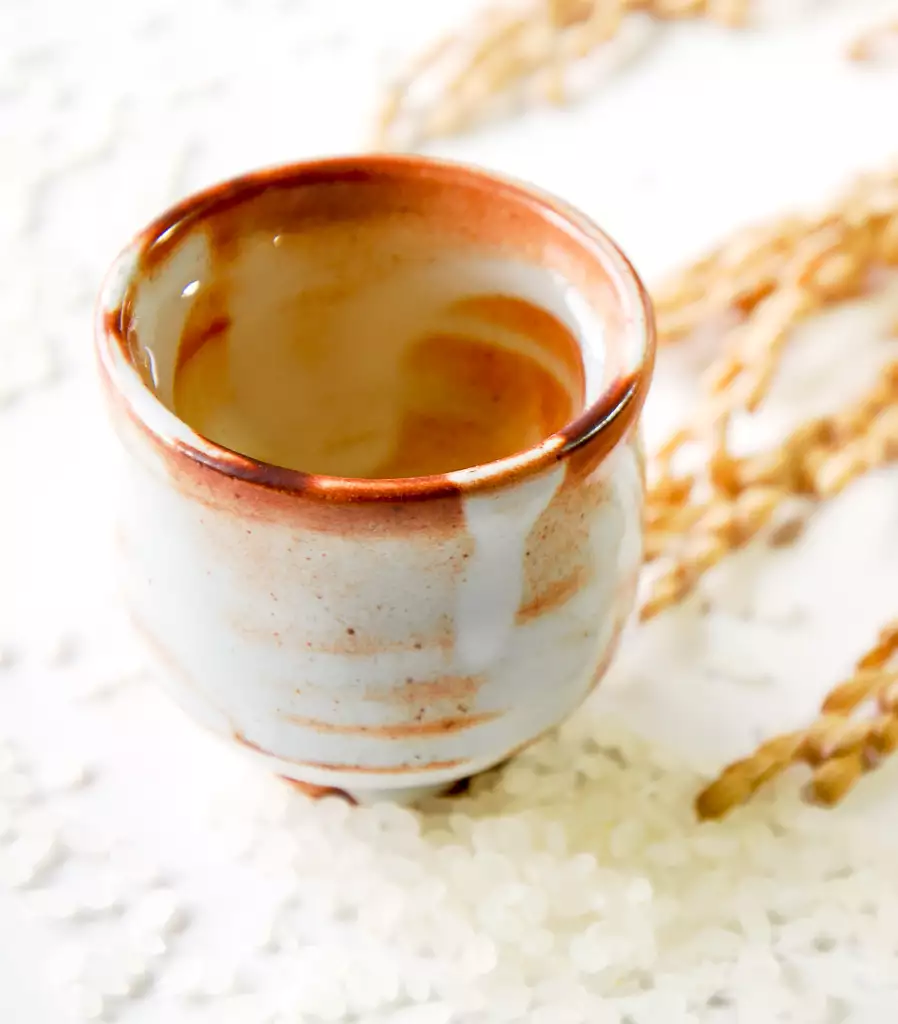
Rice wine is fermented rice, not grape wine, and "rice wine" on a recipe card usually means one specific bottle the writer had in mind.
Sorting out which one is the single most useful thing to know here, because Chinese Shaoxing and Japanese sake both answer to that name, and sweet mirin is a third thing entirely.
It shows up across more than 180 recipes here, almost all of them stir-fries, marinades, and braises where a tablespoon or two adds savory depth and tames any raw or fishy edge.
The flavor is mellow and slightly sweet with a nutty, sherry-like note in the aged Chinese style. That gentle background is the whole point: it rounds a sauce out rather than announcing itself.
Which Rice Wine Is Which
Shaoxing wine is the default for Chinese cooking. It is amber and dry, aged to a depth close to dry sherry, and it is what most Chinese recipes mean by "rice wine." Look for it near the soy sauce in any Asian grocery.
Sake is Japanese, clearer and cleaner, with less of that aged nuttiness. Cooking sake (ryorishu) is the everyday kitchen grade and works fine where a recipe just says rice wine.
Mirin is the odd one out. It is sweet and syrupy and low in alcohol, used for glaze rather than for dry savory depth. Do not swap mirin one-for-one for Shaoxing or sake; you will sweeten the dish.
Cooking With It
Add rice wine early, not at the end. Splashed into a hot wok it flashes off its harsh alcohol and leaves the savory body behind, which is why nearly every Chinese stir-fry calls for it right after the aromatics hit the oil.
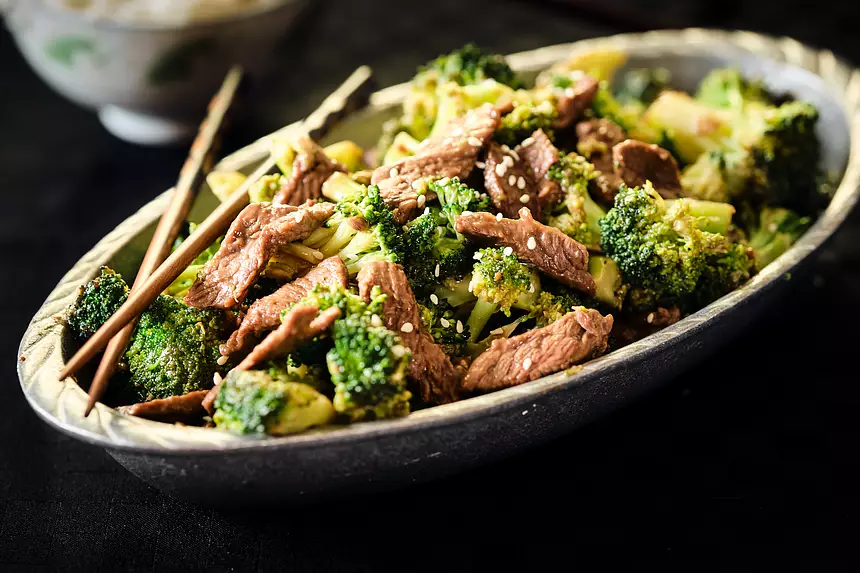
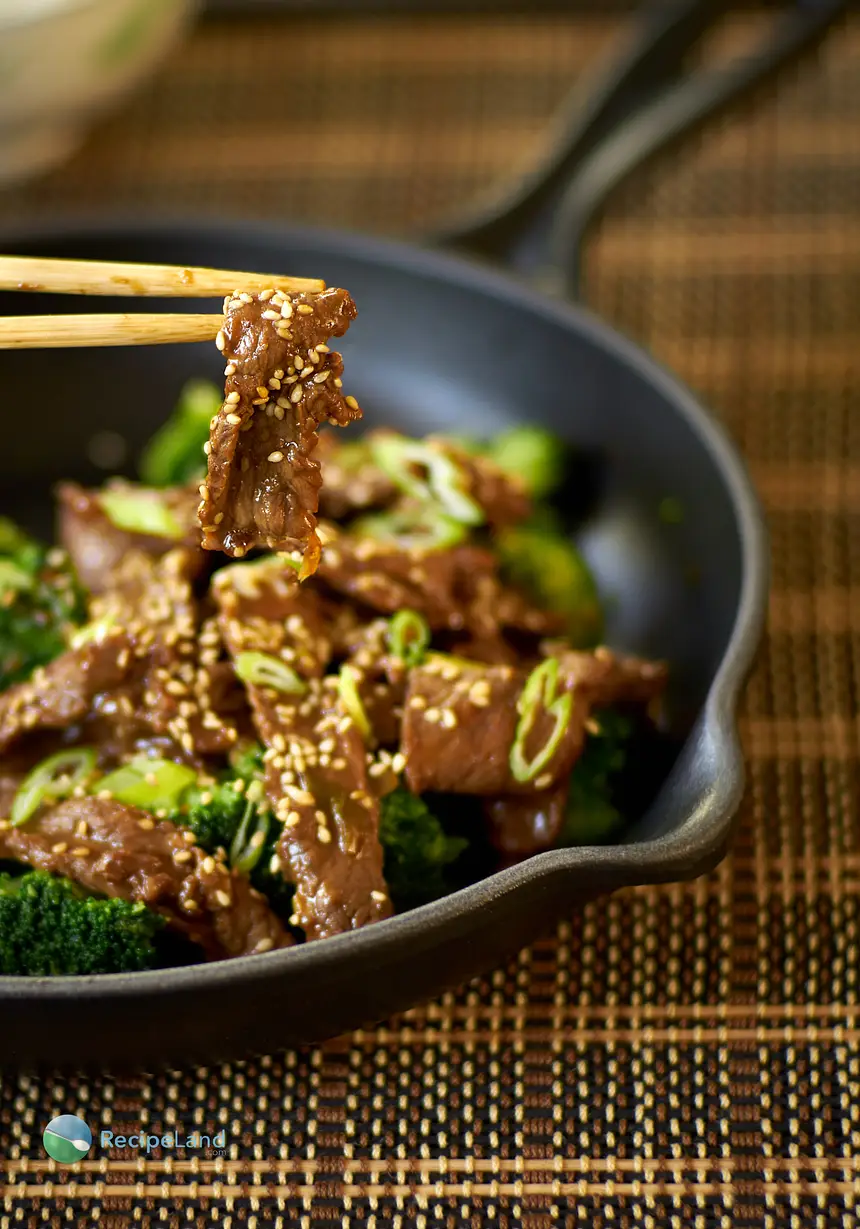
It is also a marinade workhorse. A tablespoon with soy and a little cornstarch is the classic velveting mix for sliced chicken or beef, as in Stir-Fry Beef & Snow Peas and Favorite Beef & Broccoli.
In braises it does longer work, mellowing pork and seafood over time. Cha Shu (Barbecued Pork Strips) leans on it in the marinade, and it rounds out the heat in Ma Po Tofu.
A common mistake is grabbing the bright-yellow "cooking rice wine" with added salt. Like salted cooking grape wine, it muddies a dish; buy the drinking grade instead.
Substitutes
Dry sherry is the closest stand-in for Shaoxing, matching its aged, nutty depth almost exactly. Use it one-for-one.
Dry white wine or dry vermouth also work in a pinch, though they lean grapey rather than nutty. For sake, a pale dry white is fine.
If you need a no-alcohol option, use an equal amount of stock or water with a few drops of rice vinegar for the gentle tang. To stand in for sweet mirin, use 1 tablespoon dry sake or white wine plus ½ teaspoon sugar.
Buying and Storing
Buy real Shaoxing or sake from the Asian aisle, not the salted cooking version. A decent bottle of Shaoxing is inexpensive and lasts a long time.
Shaoxing and other dry rice wines are shelf-stable before opening and keep well at room temperature for years. Once opened, store the bottle cool and dark; it stays good for many months and slowly fades rather than spoiling.
Mirin and sake hold up similarly once opened. True mirin keeps for months in the pantry, while sake is best refrigerated after opening and used within a few weeks for the freshest taste. When a rice wine smells flat or sour rather than mellow, it is past its prime.
Types of rice wine
Specific kinds of rice wine and the recipes that use them.
Chinese (Xiao Xiang) wine is a Chinese rice cooking wine, brewed from fermented rice the same way Shaoxing wine is. It carries the warm, nutty, faintly sherry-like character common to amber rice wines.
It does the everyday job of seasoning marinades, stir-fries, and braises. It belongs to the rice wine family, which the rice wine page covers in full.
Shaoxing wine is the classic amber Chinese rice cooking wine, brewed from fermented glutinous rice in the city of Shaoxing. It has a warm, nutty, slightly sherry-like aroma that rounds out marinades and braises and takes the raw edge off meat and seafood.
It is the workhorse rice wine of a Chinese kitchen, and the rice wine page covers the family in full.
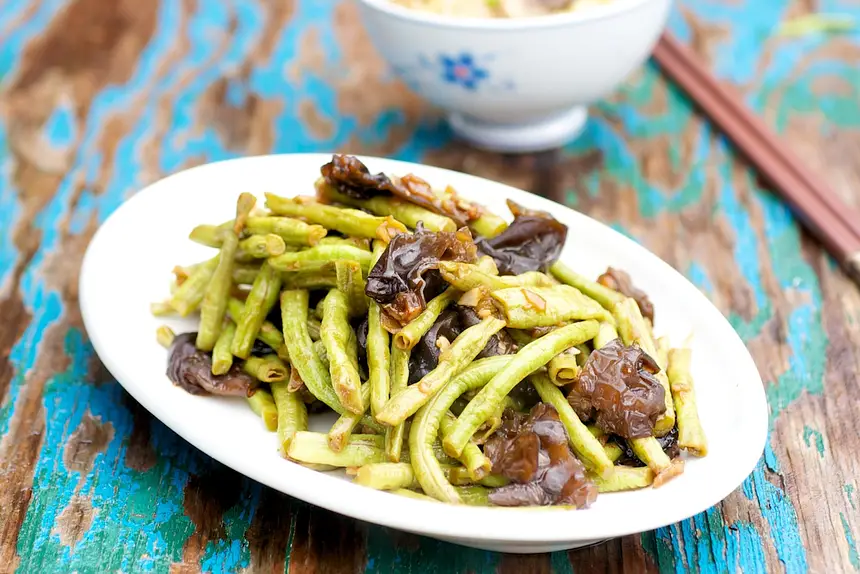
Chinese longbeans stir-fried with cloud ear fungus, silk squash, shallots, and ginger in an oyster sauce and rice wine glaze. Swap in green beans and zucchini if you can't find the Asian varieties.
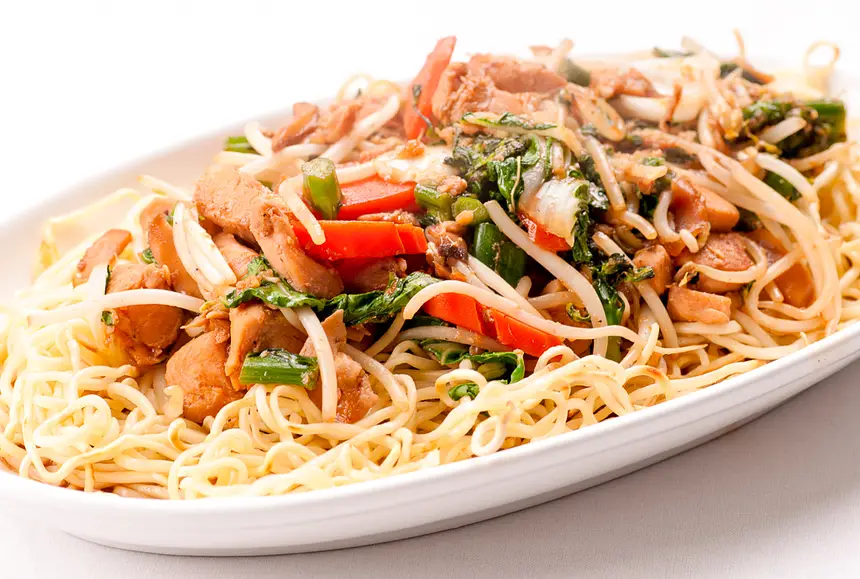
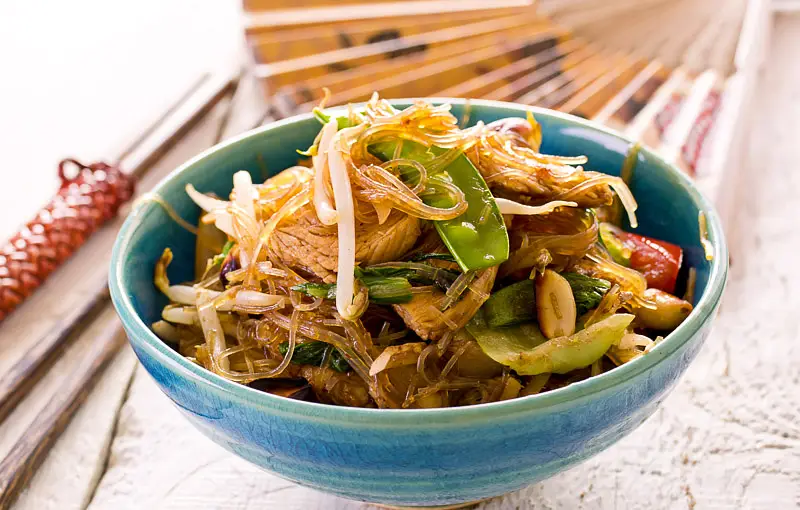
Lisa's chicken chow mein: marinated chicken stir-fried in a smoking-hot wok with bok choy, shiitakes, bean sprouts, and noodles in a soy-oyster-black bean sauce. Restaurant-style in 40 minutes.
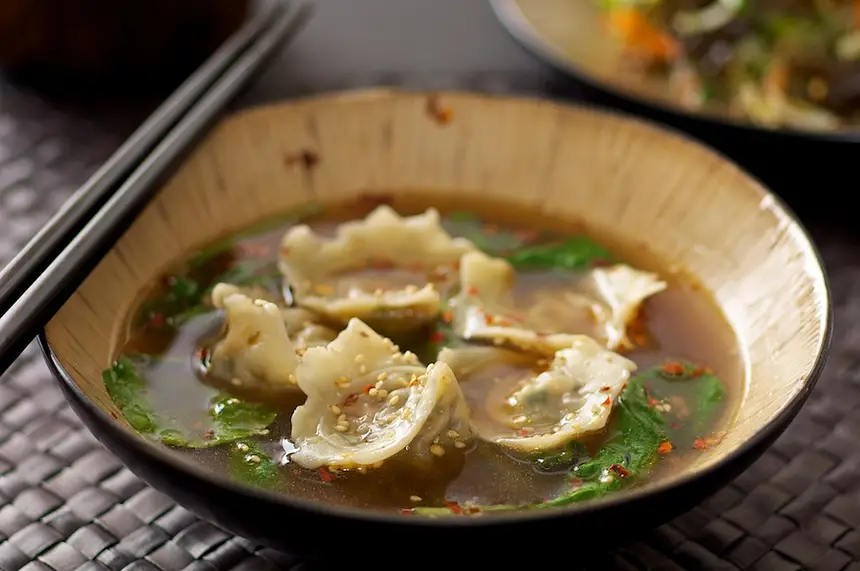
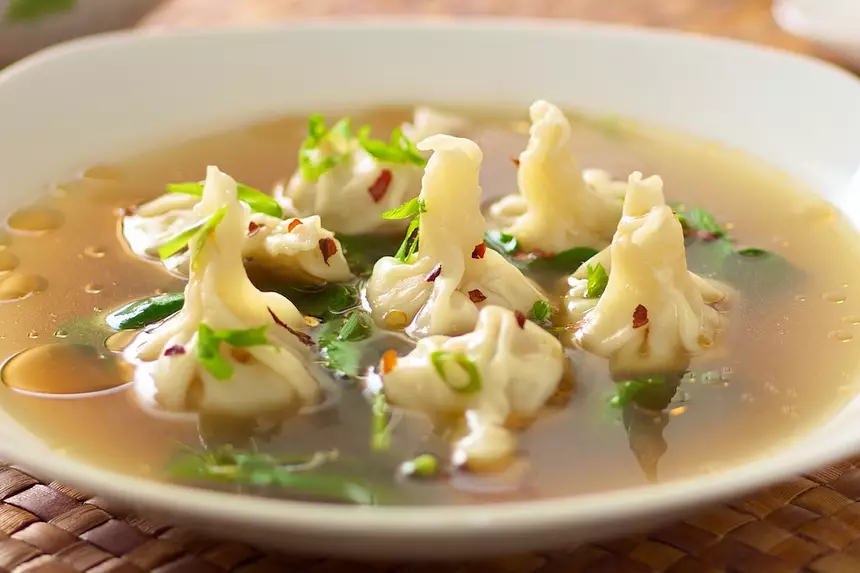
A light yet delicious Chinese dumpling soup. The dumpings are made with several kinds of veggies, smoked tofu, shiitake mushrooms, water chest nuts, and black fungus, tossed with soy sauce, rice vinegar, sesame oil. Simply wrap it up with store-bought wonton or dumpling wraps.
This is my version of the wonderful dish known as General Tso's Chicken (sometimes also called General Chicken.) I use quite a bit of ground chilies in my recipe. (If you prefer a milder version just reduce the amount of ground chilies.)
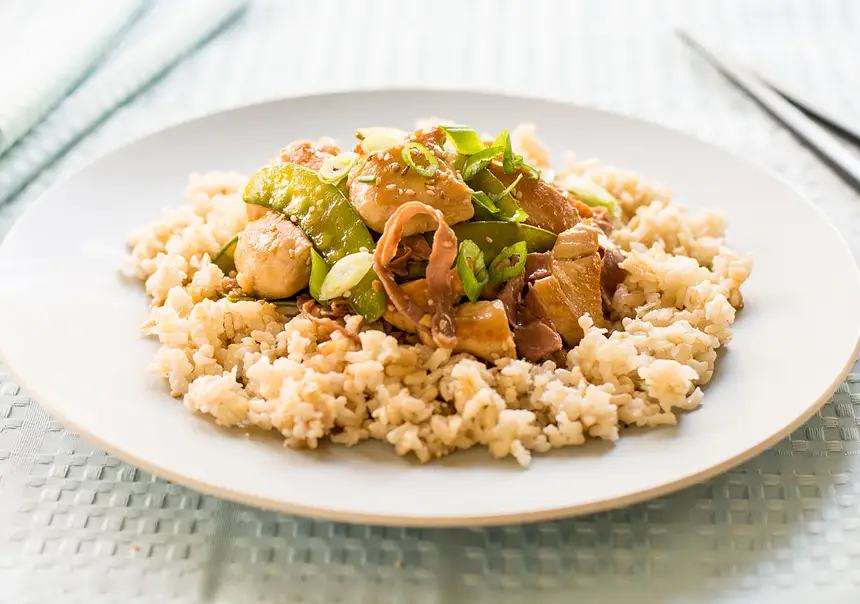
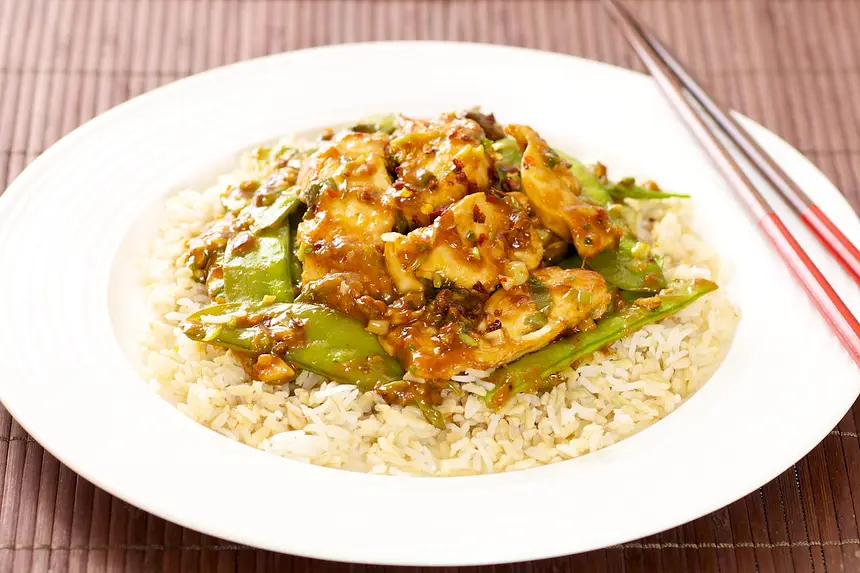
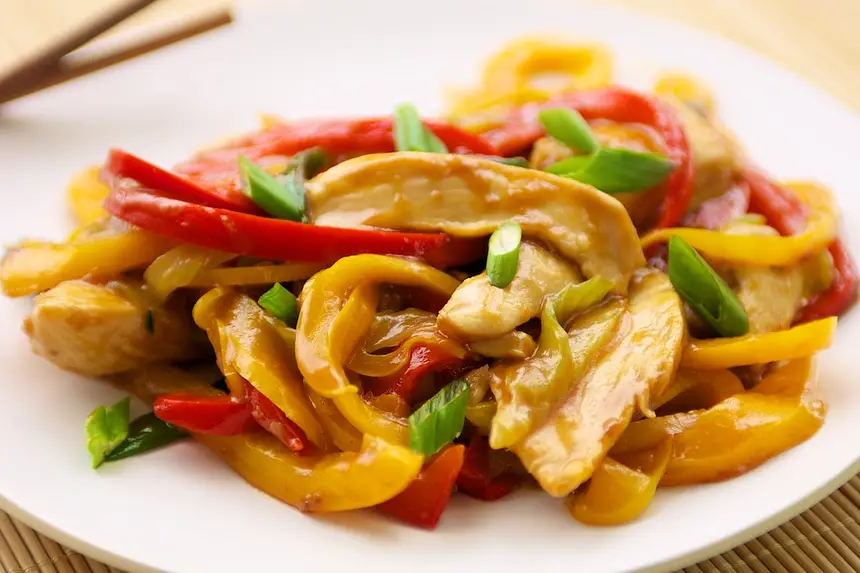
Loaded with Asian flavours! Garlic, ginger, and soy highlight this easy to make stir-fried chicken and vegetable dish that surely satisfies everyone's appetite!
Chinese-style char siu pork strips marinated in soy sauce, hoisin, five spice, rice wine, and red bean curd, then oven-roasted and glazed with honey. Serve as a main course or slice thin for appetizers.
Mapo tofu stir-fries marinated ground pork with hot bean paste, ginger, garlic, and chiles, then simmers cubed tofu in the spicy sauce. Authentic Sichuan classic ready in under an hour.
Hongshao wanyu: crispy whole fish (or cod fillet) pan-fried then braised in a fragrant sauce of dried tangerine peel, black bean, ginger, garlic, and dark soy. Classic Chinese technique.
A whole chicken cut up and steamed in a wok with sliced Chinese pork sausage, light soy sauce, rice wine, and sesame oil. A simple, traditional Cantonese steamed chicken with just a handful of ingredients.
Whole flounder scored and stuffed with ginger, ham, and Chinese black mushrooms, steamed and finished with a soy-rice wine sauce. An elegant Cantonese-style steamed fish ready in 40 minutes.
Whole flounder scored and stuffed with ginger, ham, and Chinese black mushrooms, steamed and finished with a soy-rice wine sauce. An elegant Cantonese-style steamed fish ready in 40 minutes.
Peking lamb with leeks stir-fries velveted lamb in savory brown bean sauce with Shao Hsing wine, dried chilies, and Chinese mushrooms. Triple-fried for crisp edges, soft centers, and deep wok flavor.
Chinese noodles in a savory-sweet pork sauce of hoisin, hot bean paste and ginger, topped with cool, crisp cucumber, black sesame and cilantro. A hearty, fried-sauce noodle bowl.
Stir-fried rice loaded with chicken, shrimp, ham, peas, and sweet pineapple chunks, served right inside a hollowed-out pineapple. A showstopping Thai fried rice that tastes as wild as it looks.
Orange tangerine beef, a Szechuan-style stir fry with flank steak, dried chili peppers, and fragrant dried orange peel for classic smoky citrus-spice heat.
Chinese tea-smoked chicken marinated in rice wine and Szechuan peppercorns, steamed, then wok-smoked over black tea and brown sugar. An aromatic, deeply flavored whole bird.
Wok-fried orange chicken with fresh orange peel, ginger, dried red peppers, soy sauce, and rice wine. A homemade version with real citrus flavor, not sugary sauce.
Grilled chicken soaked in a bold fusion marinade of hoisin, lime, ginger, garlic, and fresh herbs. Sweet, tangy, and a little spicy, this East-meets-West recipe brings serious flavor to your backyard grill.
Satay-style beef stir-fry with Chinese broccoli, shrimp paste, dark soy sauce, and rice wine. Thin-sliced steak wok-fried and tossed in a savory peanut-inspired sauce.
Satay-style beef stir-fry with Chinese broccoli, shrimp paste, dark soy sauce, and rice wine. Thin-sliced steak wok-fried and tossed in a savory peanut-inspired sauce.
Flash-cooked lamb stir-fry with julienned leeks, garlic, sesame oil, and a soy-ginger marinade. A fast, high-heat wok dish with tender marinated lamb slices.
Low-fat unfried rice with marinated shiitake mushrooms, bell peppers, brown rice, and teriyaki. All the flavor of fried rice without the oil, using rice wine to keep vegetables from sticking.
Guizhou lianai doufu: golden-fried tofu squares stuffed with a garlicky cilantro-chili filling, simmered in a gingered soy sauce. A spicy Southwest Chinese classic worth the effort.
Chinese fried chicken with a warm ginger-soy-sesame dressing, marinated in rice wine and ginger, battered and deep-fried, then chopped into bone-in slices.
Black bean chicken stir-fry with soy-marinated chicken breast in a glossy black bean sauce. Cantonese takeout classic that comes together in 15 minutes once the wok is hot.
Black bean chicken stir-fry with soy-marinated chicken breast in a glossy black bean sauce. Cantonese takeout classic that comes together in 15 minutes once the wok is hot.
Cod in spicy sauce is a Sichuan-leaning wok dish: egg-white-and-cornstarch coated cod fried crisp, then simmered with ground beef, silken tofu, rice wine, soy, and chili in a glossy stock.
Steamed open dumplings (siu mai) with ground pork, ham, ginger, and sesame oil in wonton wrappers. A classic dim sum favorite you can make at home with a simple steamer setup.
Chinese-style basic stock made from chicken pieces and pork spareribs simmered with ginger, scallion knots, and rice wine. A clean, versatile broth for Asian cooking.
Grilled prawns with fresh coriander: quickly marinated in soy, rice wine, and sesame oil, then broiled or barbecued and served with a bright cilantro-ginger-rice vinegar dipping sauce. Clean, punchy Chinese-style shrimp in 30 minutes.
Chinese chicken salad with shredded roast chicken, bean sprouts, cucumber, and carrots in a sesame-tahini dressing with soy sauce, garlic, and rice wine. Crisp, nutty, and satisfying.
Chinese shrimp balls (pai chiao hsia chiu) rolled in stale bread cubes and double-fried until shatteringly crisp. Served with Sichuan pepper-salt dip. 30 pieces.
Pan-fried sole fillets in a quick rice wine and ginger sauce, brightened with lemon and finished with toasted pine nuts and scallions. A light, Asian-inspired fish dinner on the table in about 30 minutes.
Stir-fried beef with orange peel, Sichuan peppercorns, and dried chiles. The classic Szechuan restaurant dish with tender velveted beef, citrus perfume, and a numbing tingle on the finish.
Stir-fried crabs with ginger and green onions in a classic Cantonese wok preparation. Fresh crab cooked fast over high heat with garlic, rice wine, and soy sauce.
Dry-fried shrimp with fresh ginger, garlic, scallions, and Chinese rice wine in a hot wok. A fast, saucy stir-fry that goes from raw to plate in under 5 minutes.
General Tso's chicken double-fried until shatter-crisp, then tossed in a glossy soy and rice wine sauce with dried chilies, ginger, and scallions. The takeout favorite, made better at home.
Spicy stir-fried whitefish in a wok with dried mushrooms, bamboo shoots, red pepper flakes, tomato sauce, rice wine, and soy sauce. A Sichuan-inspired fish dish with serious heat and a glossy, clingy sauce.