Vegetable stock rewards a little know-how: how to choose it, cook it, store it, and substitute in a pinch. Browse 571 recipes to cook with it.
Key Points
Vegetable stock simmers aromatics in water for a light, clean, meat-free base for soups and grains.
With no bones it has no gelatin, so it stays thin and never sets like a meat stock.
Build on onions, carrots, and celery, and use scraps like onion skins and carrot peels.
Skip brassicas, beets, and too much potato; they turn it bitter, red, or cloudy.
It subs for chicken stock in most soups and braises, just a touch lighter and brighter.
What is vegetable stock?
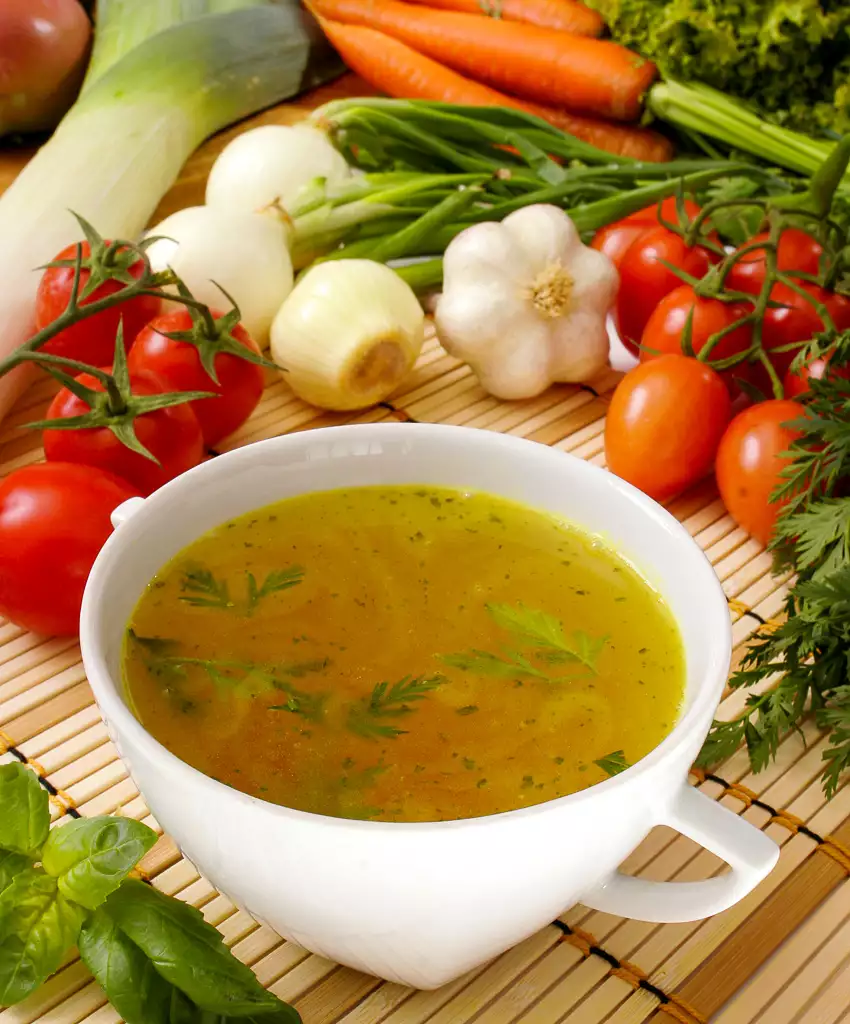
Vegetable stock is the meat-free member of the stock family, made by simmering aromatic vegetables and herbs in water until they give up their flavor. It is the base that lets a soup or a pot of grains taste like more than water, with no animal product in it.
Light and quick to make, it is the default stock for vegetarian and vegan cooking and a useful one for everybody.
For the shared ground covered on the parent stock page, including how stock differs from broth, start there. This page is about what makes the vegetable version its own thing, beginning with what it does not have.
Why It Stays Light
The trait that defines vegetable stock is the absence of body. There are no bones, so there is no collagen, which means no gelatin and none of the silky cling a meat stock gives a sauce.
Vegetable stock stays thin and watery by nature. That is fine; its job is clean flavor, not richness.
It is also the fastest of the real stocks. Without bones to break down, it is fully extracted in about 45 minutes to an hour. Simmer it much longer and the vegetables turn dull and muddy rather than deeper, so pull it once the flavor is there.
What Goes In
The backbone is the classic aromatic trio of onions, carrots, and celery. Simmer that with garlic and a bay leaf, plus a handful of peppercorns and some parsley stems for freshness.
From there you can lean the flavor wherever the dish wants to go. Leeks and fennel add sweetness, while mushrooms and a parmesan rind push toward a deeper, more savory result.
This is also the place to use up scraps. Onion skins and carrot peels give flavor for free, and so do leek tops and mushroom stems, so keep a bag in the freezer and add to it.
Some scraps backfire, though. Brassicas such as broccoli and cabbage turn sulfurous and bitter over a long simmer, beets bleed red into everything, and too much starchy potato makes the stock cloudy. Keep those out and it stays clean and sweet.
Cooking With It
Use vegetable stock anywhere water would taste flat. It carries a Creamless Leek & Potato Soup and gives backbone to a Quick Asian Risotto where the grain needs flavor in every spoonful.
It is also the obvious sub when you want to keep a dish vegetarian. A good vegetable stock stands in for chicken stock in most soups and braises.
There is one honest caveat. It lacks the gelatin and the round, meaty backbone, so the result reads a touch lighter and brighter. For a clear soup meant to taste rich on its own, that gap shows; folded into a stew or a sauce, almost no one notices.
Substitutes
Out of vegetable stock, the quickest fix is a vegetable bouillon cube or a spoon of paste dissolved in hot water. Go easy on the added salt, since these run salty.
Plain water with a splash of soy sauce or a spoon of miso adds savory depth in a pinch and keeps things meat-free.
A light chicken stock works if the dish need not be vegetarian, bringing a little more body than the vegetable version. None of these match a fresh homemade pot, but each gets a weeknight dish where it needs to go.
Buying and Storing
Storage matches the rest of the family, laid out on the stock page: homemade keeps about 4 to 5 days refrigerated and freezes for up to 6 months, while boxed stock lasts months sealed and a few days once opened.
Because it has no fat cap to protect it, homemade vegetable stock is best frozen if you will not use it within a few days. Freeze it in portions that match how you cook.
Ice cube trays give you splashes for deglazing a pan, while quart containers handle a soup night. Leave headspace, since the liquid expands as it freezes.
Types of vegetable stock
Specific kinds of vegetable stock and the recipes that use them.
Vegetarian chicken broth is a meat-free broth built to taste like chicken. There is no bird in it.
The savory, poultry-like flavor comes instead from vegetables, yeast, onion, and gentle seasonings. This particular version is also non-fat and low-sodium, which makes it a useful base when you are watching either.
It gives you the familiar comfort of chicken broth in a dish that needs to stay vegetarian or vegan.
It comes as a carton of ready liquid, or as a powder or paste you reconstitute. However it is sold, the job is the same: a savory, golden, chicken-style backbone without the animal.
Bean stock is the cloudy, savory liquid left behind after you simmer dried beans until tender. Cooks once poured it straight down the drain.
It is one of the easiest flavor builders in the kitchen, and it costs you nothing extra. As the beans soften, they leak starch and a little of their earthy flavor into the pot.
That starch is the useful part. It gives the liquid a light body that thickens soups and sauces the way plain water never can.
This is the same liquid as the aquafaba you get from a can of chickpeas, just made at home from a pot of any dried bean.
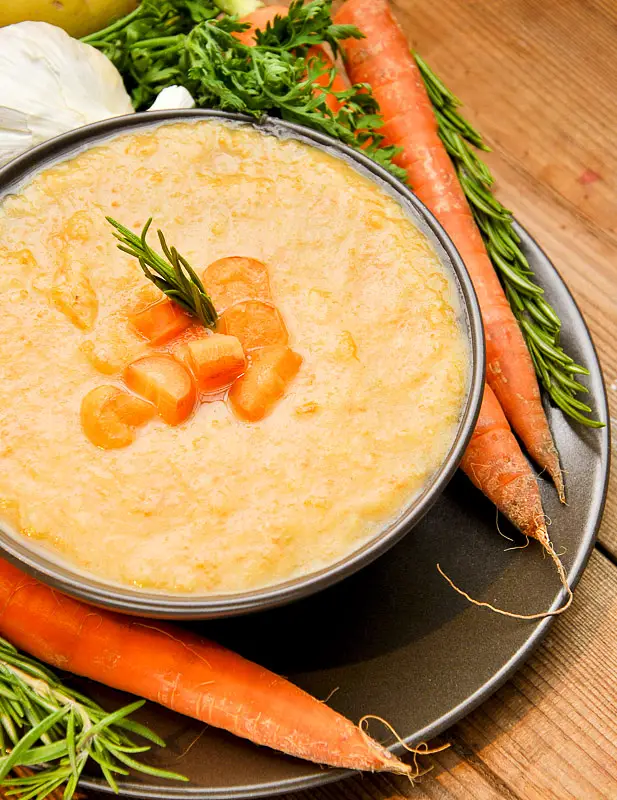
Carrot stock is a single-vegetable stock made by simmering carrots, and usually their peels and trimmings, in water until the liquid turns gold and sweet. It is the rare stock you make for one flavor rather than a balanced background.
Sugar is the difference. Carrots carry a lot of natural sugar that dissolves into the water, so the stock tastes noticeably sweeter and rounder than a mixed vegetable one. That sweetness is the whole point, and also the thing to plan around.
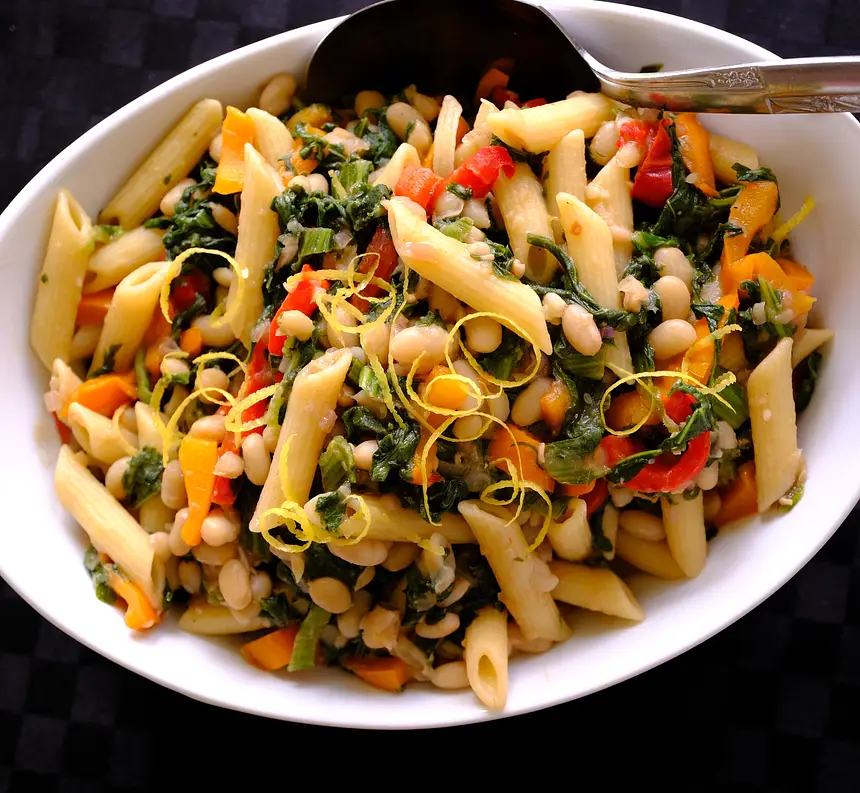
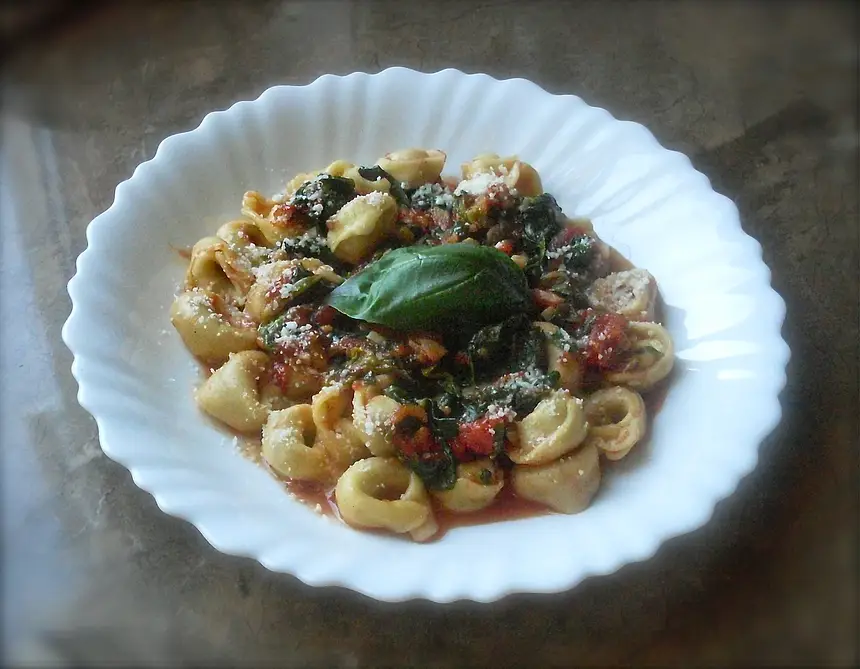
Pasta with red peppers, escarole, white beans, garlic, and lemon zest. A bright, vegan Tuscan-inspired pasta bowl that's low-fat without feeling like a compromise. This dish stays true to simple Tuscan roots while delivering big flavor without added fat.
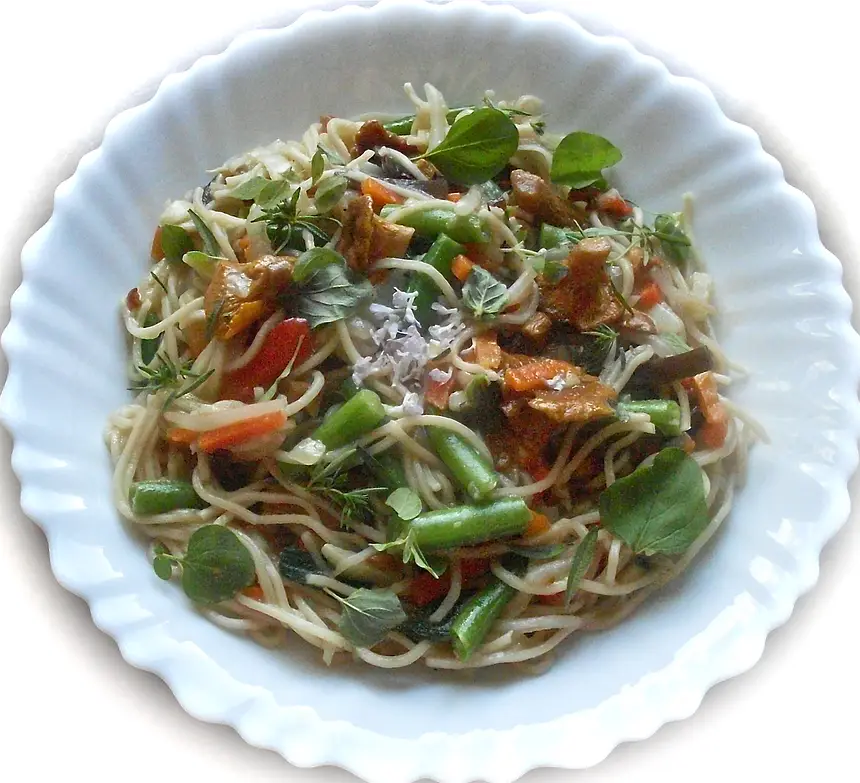
Vegan. I always wondered how would chanterelles taste with typical ingredients of Chinese cuisine. Now I know. Of course I wouldn't be myself if I didn't make it my way.
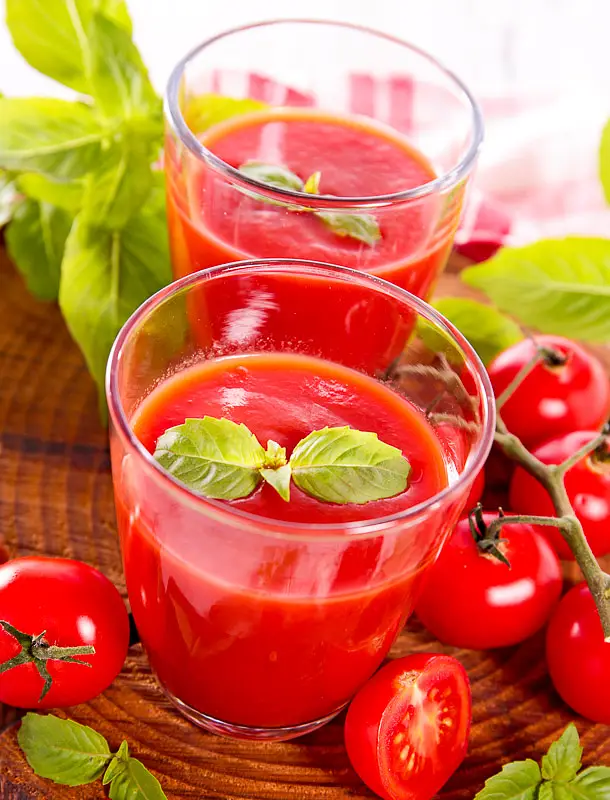
Classic gazpacho, the chilled Spanish salad soup, with fresh tomatoes, cucumber, green pepper, olive oil and white wine vinegar. No cooking required, just blend and chill.
Make-ahead gazpacho with a Mexican twist: chilled tomato soup brightened with green taco sauce, cucumber, bell pepper, and scallions. A quick simmer melds the flavors before chilling for a sharper, deeper bowl.
Tex-Mex rice toasted in olive oil with garlic and onion, simmered in broth with cumin, and finished with diced red bell pepper. A flavorful Mexican-style side dish from scratch.
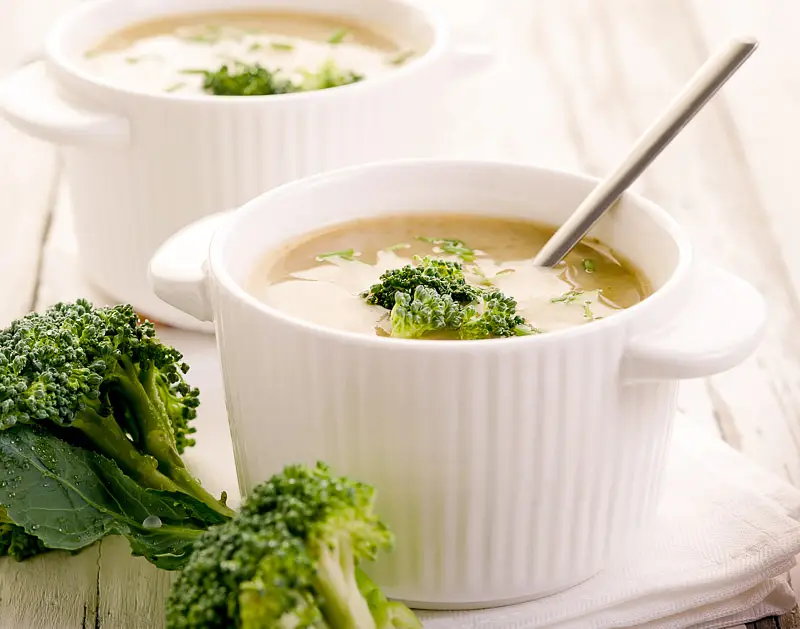
Ginger broccoli soup steeps fresh grated ginger in vegetable stock with cayenne and lemon, then simmers broccoli florets just to tender. A vibrant, brothy bowl with Ayurvedic roots, ready in 40 minutes.
Chilled leek and potato soup blended silky and lifted with Greek yogurt instead of cream, finished with fresh chives for a light vichyssoise that's vegetarian and summer-ready.
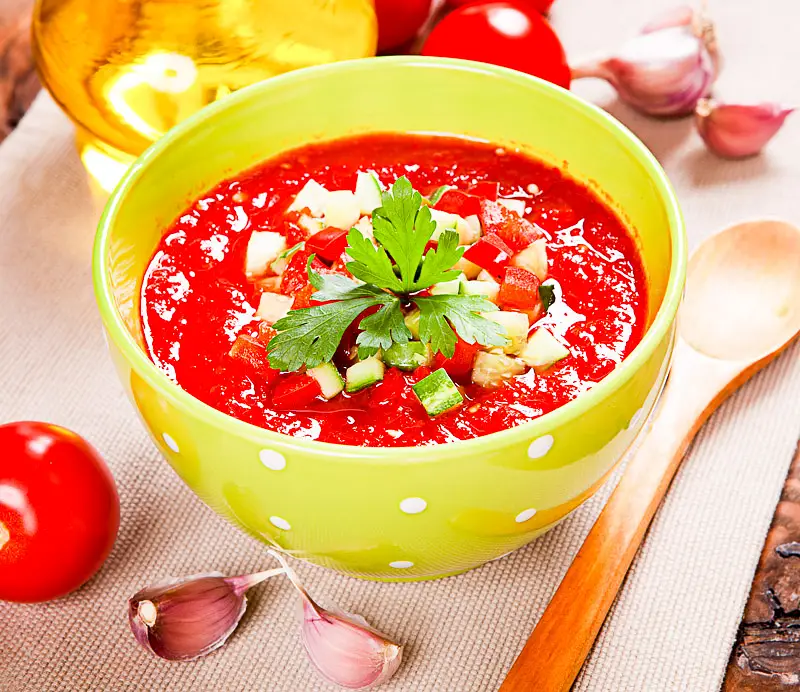
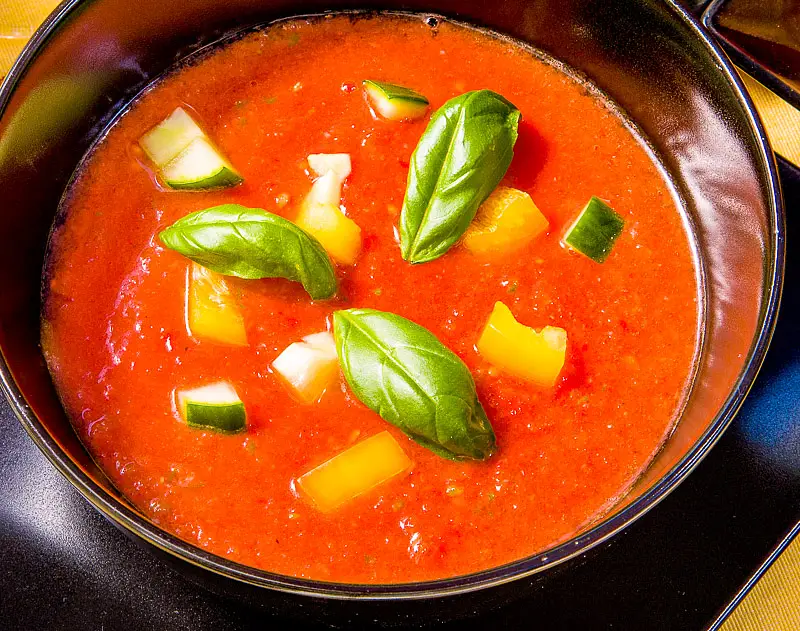
Quick blender gazpacho with tomato, cucumber, green pepper, and rice vinegar. Vegan no-cook Spanish-style cold soup ready in 10 minutes. Garnish with finely diced cucumber for crunch.
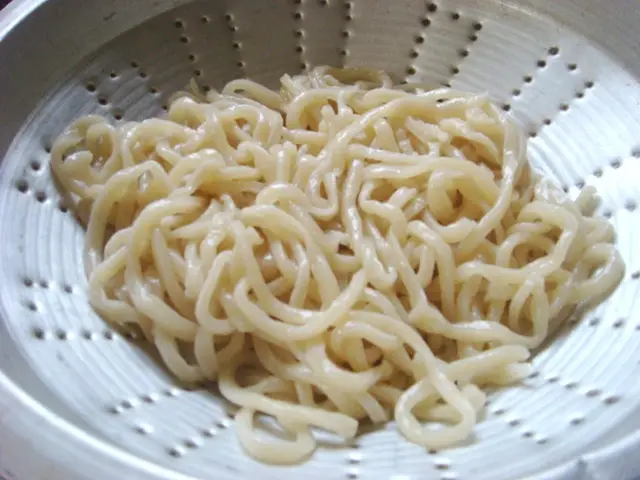
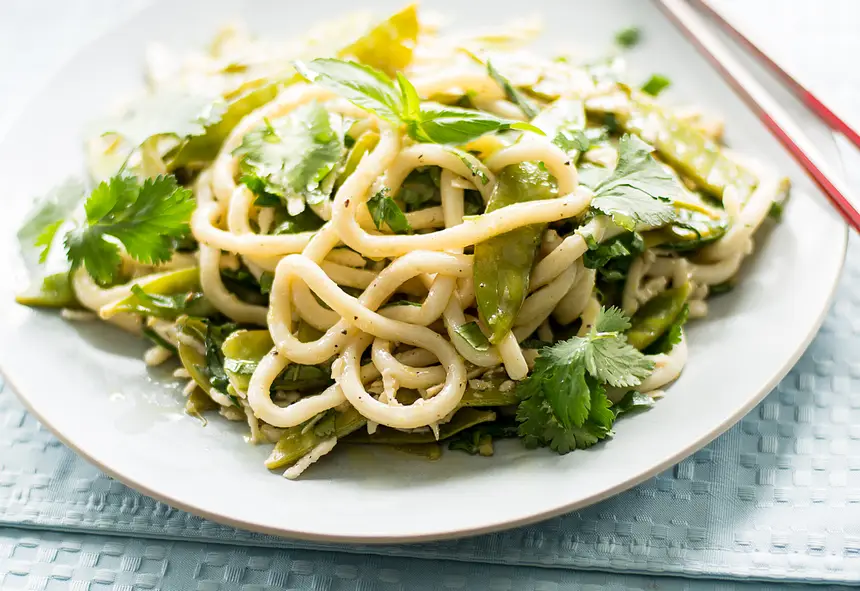
A modern Asian twist brings this pasta salad to new heights. Udon noodles with crunchy snow peas glazed with a lemon-pepper coconut dressing and bursting with fresh basil and cilantro.
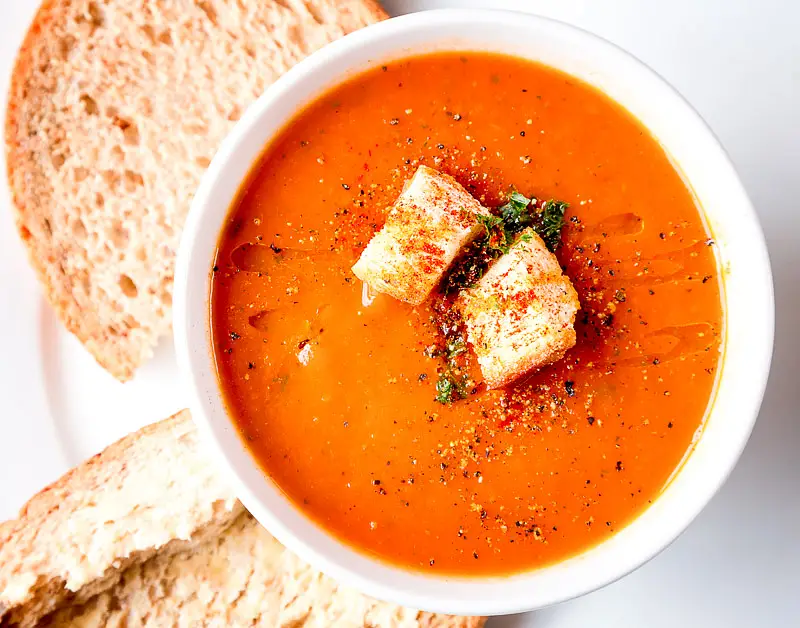
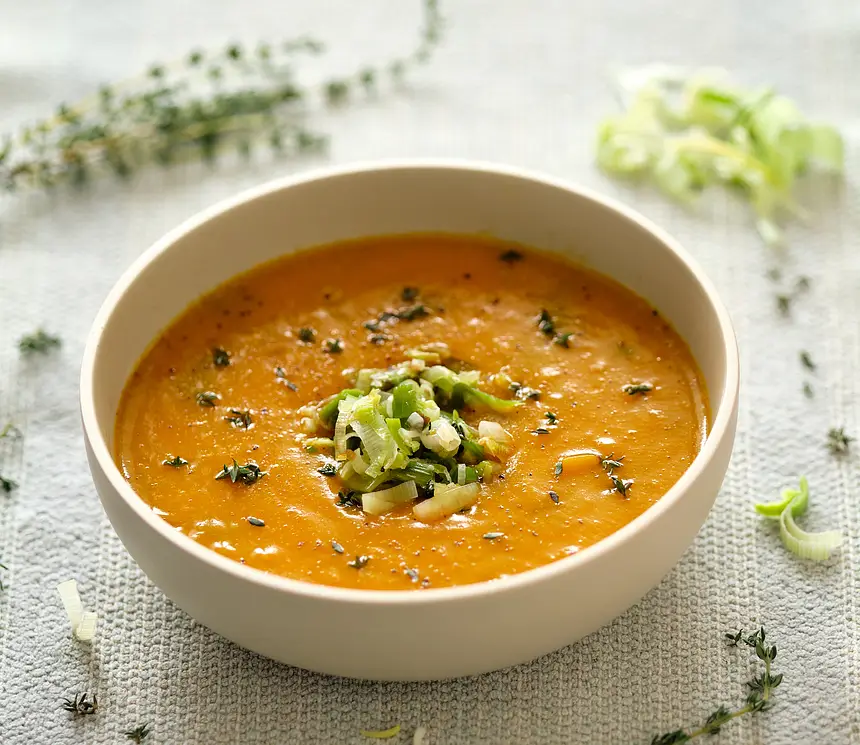
This creamy, smooth, flavorful carrot and leek soup is perfect when carrots are at their peak. The soup is easy to make and perfect for a light lunch or dinner. Garnished with fresh thyme leaves for an extra touch of flavor and sophistication.
Indian gazpacho with hot green chiles, garlic, and dry red wine in a chilled tomato-based vegetable soup. The South Asian spin on Spanish gazpacho with a slow-burn heat.
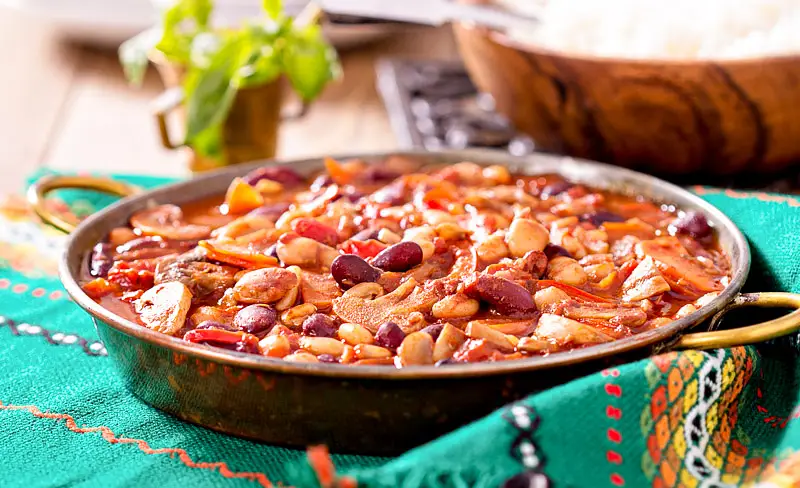
Vegan chili made hearty with marinated tempeh, kidney beans, mushrooms, and a long simmer in tomato and vegetable stock. Deep, savory, slow-cooked Meatless Monday meal.
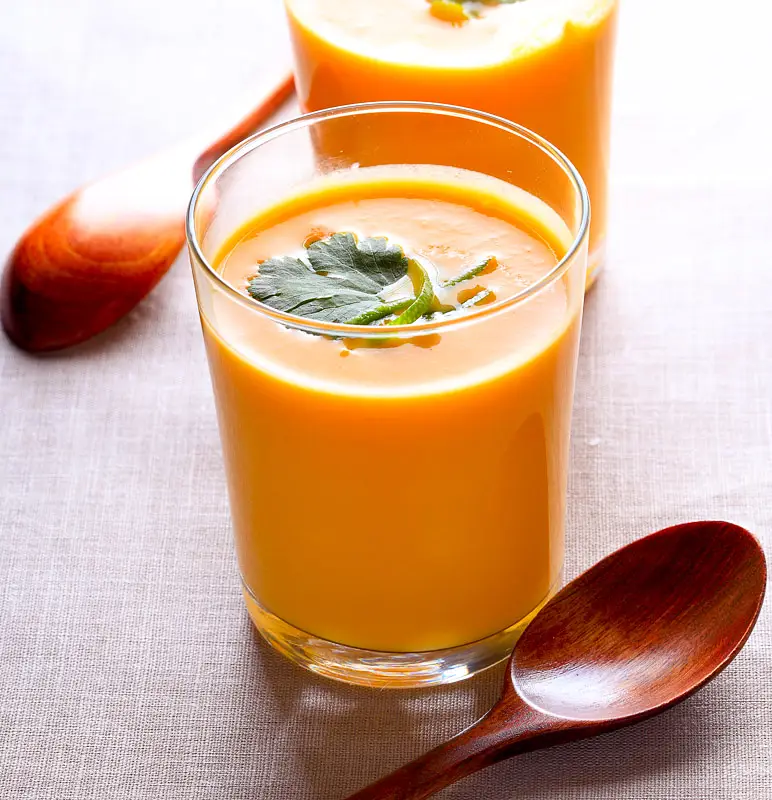
Carrot and orange soup with leeks, cayenne, and ginger blended into a silky vegan puree. Bright citrus and warm spice work together for a soup that shines hot or chilled.
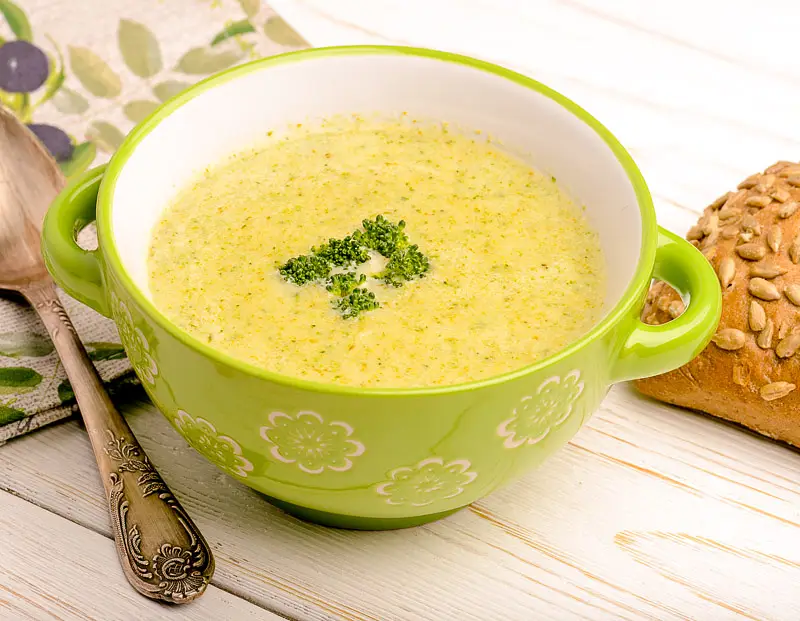
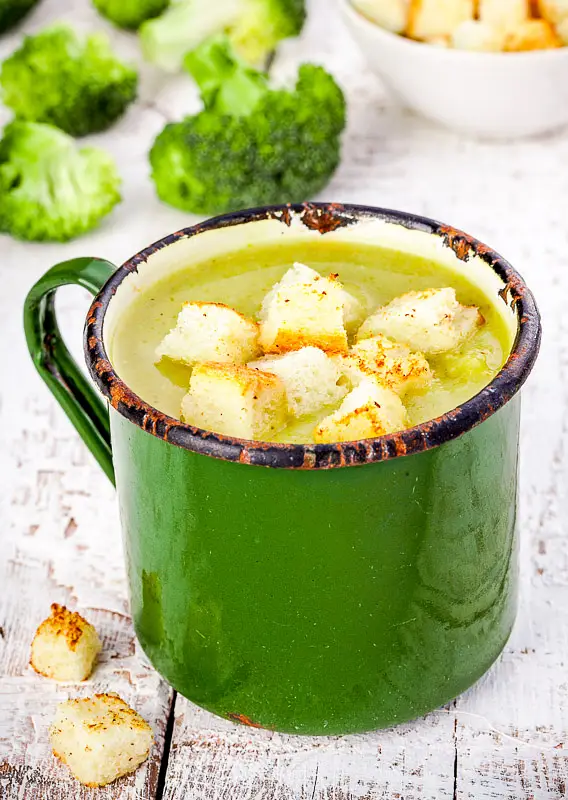
Grandma's broccoli soup: a simple, silky pureed broccoli soup with sauteed onion and vegetable stock, lightened with a splash of warm milk instead of heavy cream. Six ingredients, ready in about half an hour.
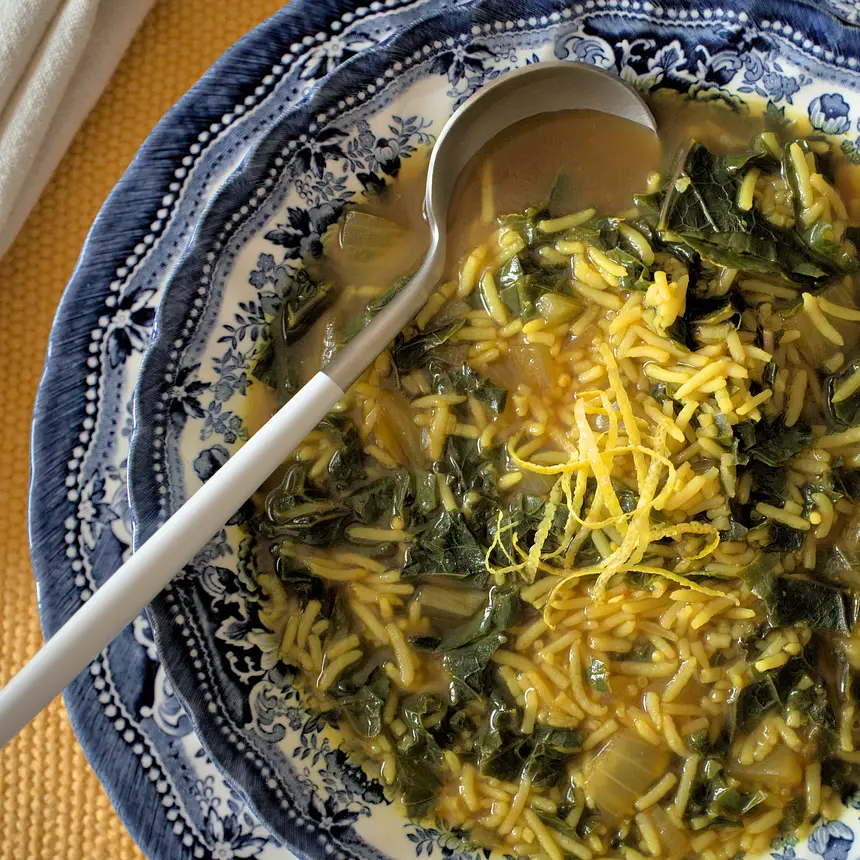
A vibrant, healthy lemon rice soup with kale and aromatic spices, ready in under 20 minutes. Perfect for a light, flavorful meal. Vegan, low-fat, and packed with nutrients.
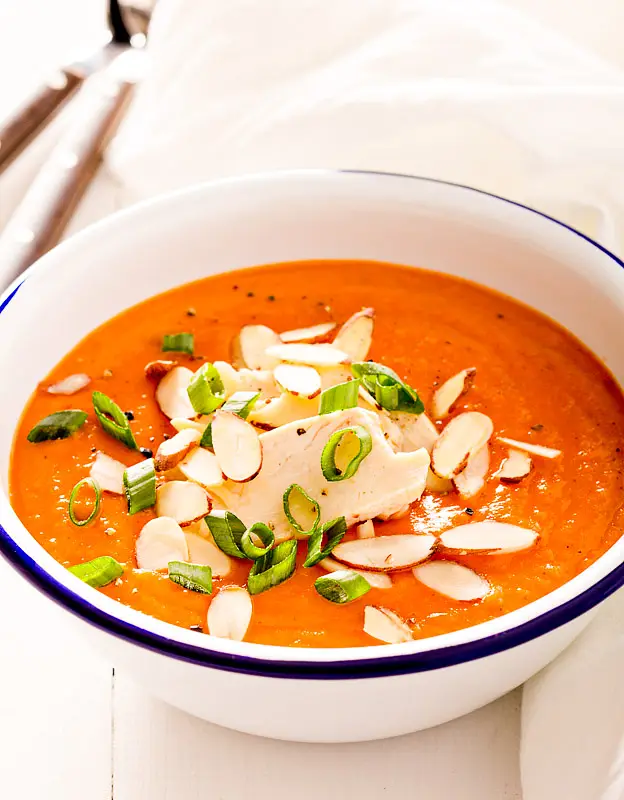
Vegan butternut squash chowder made creamy without a drop of dairy. Blended squash, sweet potato, and carrot form a velvety base, brightened with garlic, rosemary, and thyme and topped with toasted almonds.
Butternut squash soup with apples, onion, ground ginger, and apple cider. A creamy fall classic with a sweet-tart edge from the cider, finished with a swirl of milk or cream.
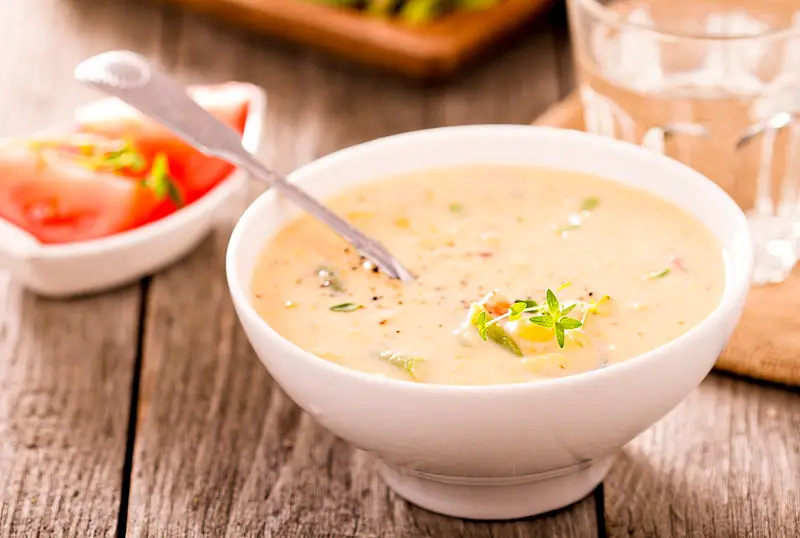
Corn and potato chowder simmers red potatoes, sweet corn, carrots, and celery in vegetable stock with a splash of sherry, then blitzes a cup of soup smooth to thicken the broth naturally. No cream, all comfort.
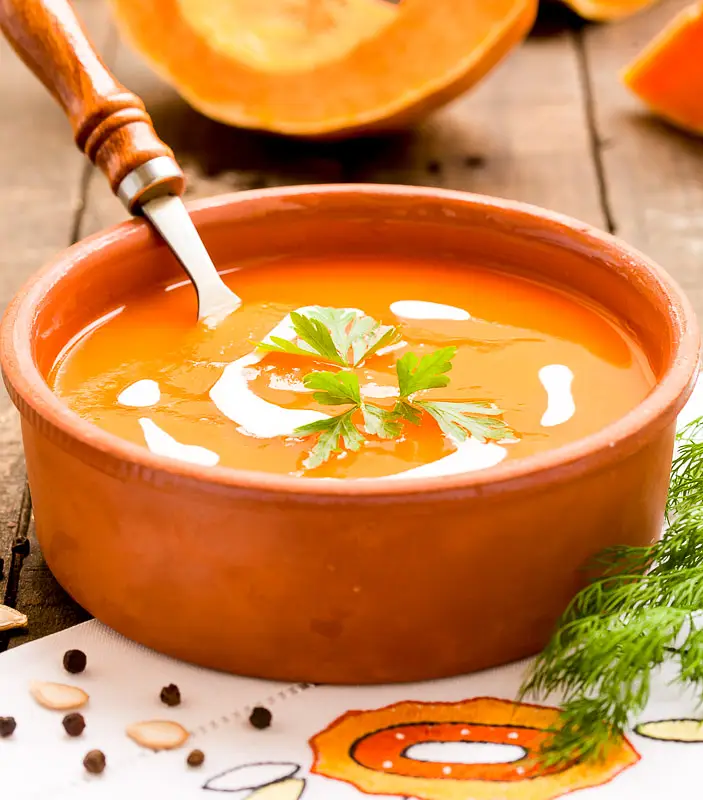
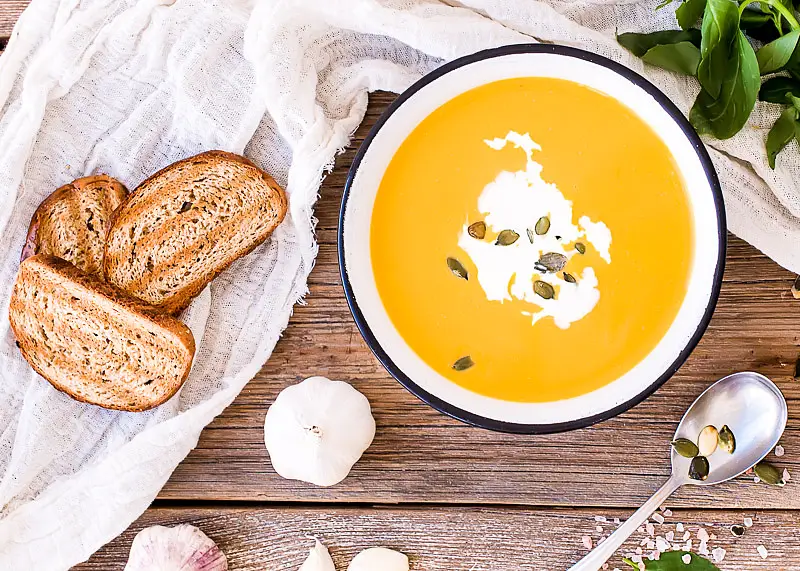
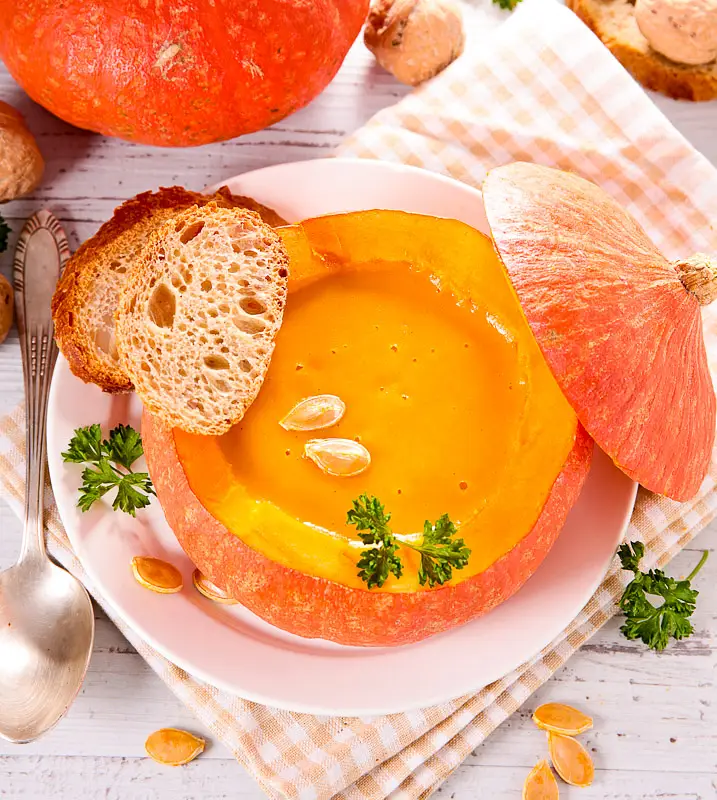
Healthy vegan pumpkin soup with butternut squash, aromatic garlic and onions, blended silky smooth for a plant-based comfort meal under 200 calories per serving.
Carrot and ginger soup with apples, fresh ginger, and a splash of sherry blended into a smooth, naturally sweet vegan puree. Healthy, gluten-free, and ready in 30 minutes from one pot.
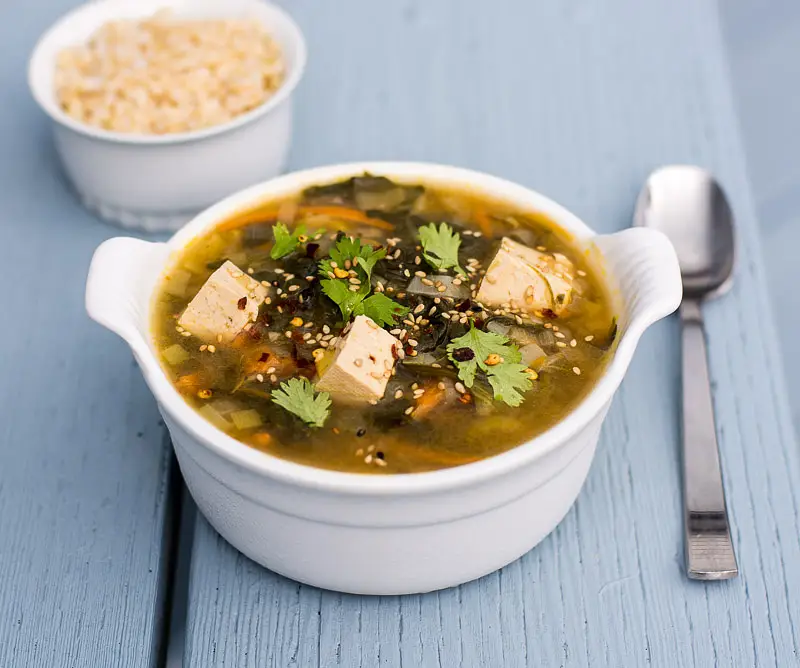
Very good! The recipe was fairly easy to make. I used miso paste and a very flavourful vegetable stock base, which gave the soup a great depth of flavour. Served soup with brown rice, and it was delicious yet filling and packed with goodness.
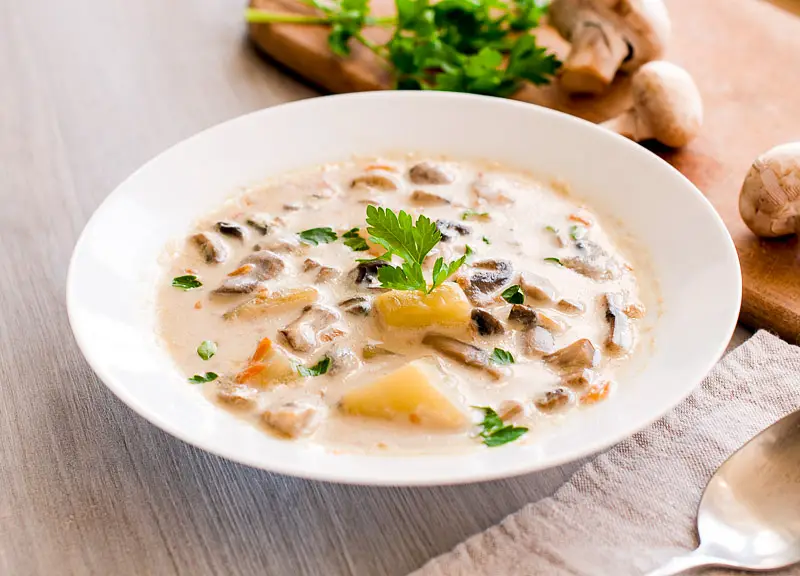
Vegan potato mushroom soup with scallions, onions, fresh thyme, and a soy sauce umami boost. Brothy, light, and finished with parsley and a surprise diced apple for sweetness.
Oven-charred carrots and red peppers turn naturally sweet when roasted, then pureed into a velvety soup with lime zest and cinnamon. Vegan, gluten-free comfort in a bowl.
This delicious Thai curry soup is packed with goodness and great flavour. It warms you up instantly. Perfect for a cold winter supper when served with a bowl of rice.
Creamy squash, apple, and corn bisque: butternut, Granny Smith apples, and sweet corn simmered with leeks, finished with cream and nutmeg. A tart-sweet fall bowl topped with toasted pumpkin seeds.
Creamy vegan butternut squash soup blended with blanched almonds for a dairy-free silky texture, finished with curry powder and topped with pepitas, parsley and cherry tomato halves. No cream, no dairy, all velvet.
Spiced pumpkin soup with cumin, coriander, cinnamon, and cloves blended into a velvety, dairy-free puree. A high-fiber, vegetarian fall soup that goes savory rather than sweet.
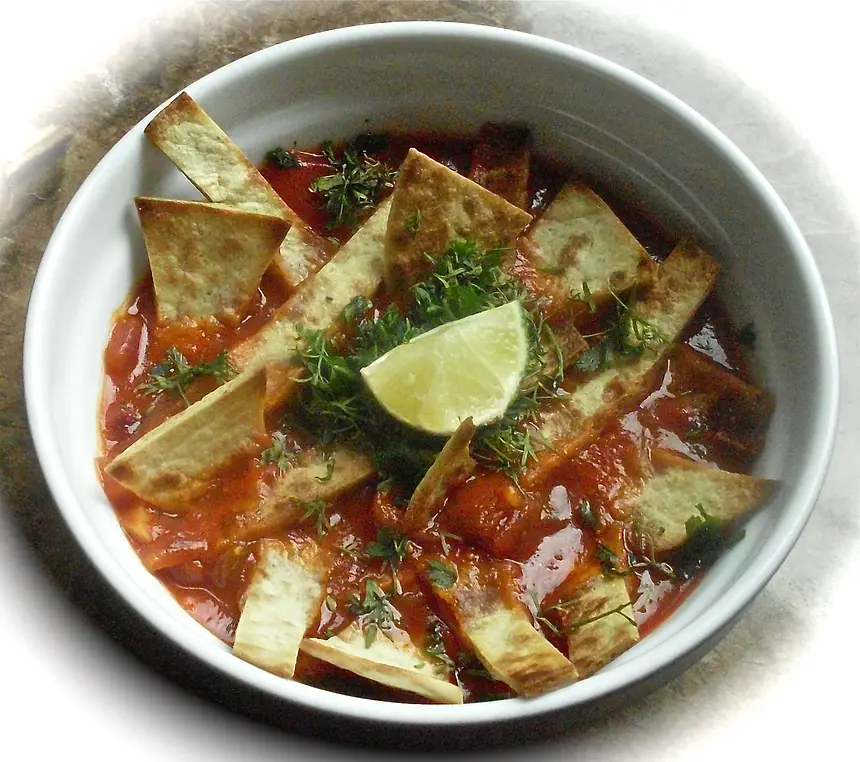
Very good soup and a lot of fun with tortilla stripes.. A little bit too sour for me, but only a little bit.. Thanks, my photo is at the top of the page..
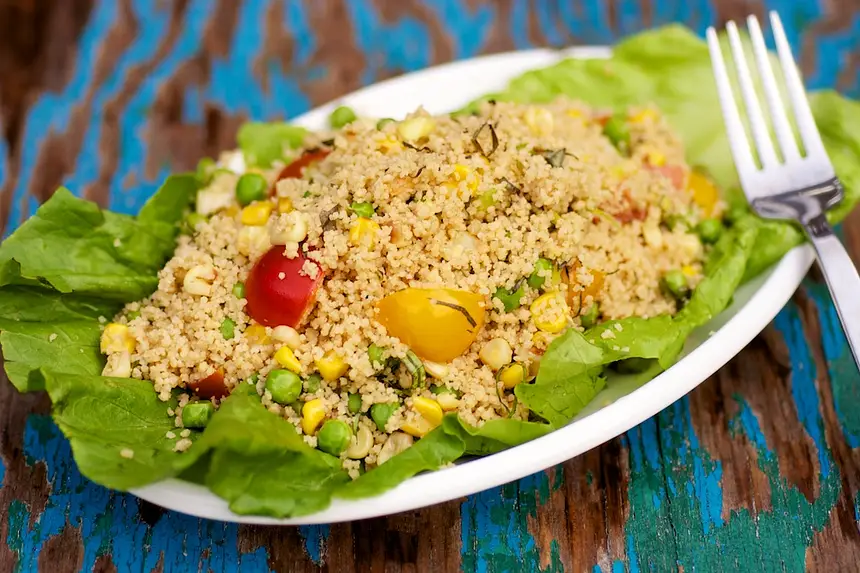
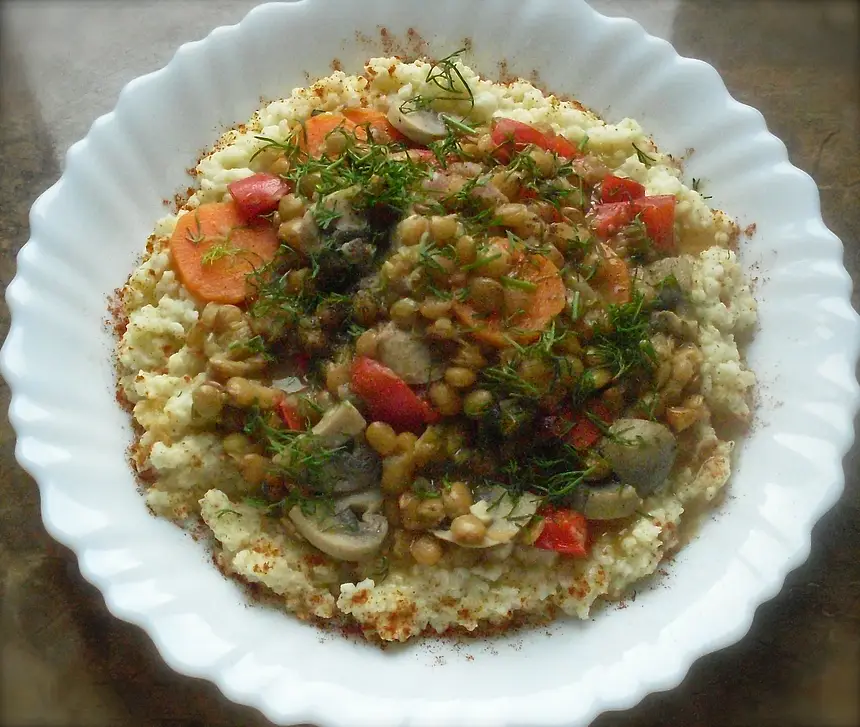
Hearty Moroccan-spiced lentil chili with orange, cinnamon, cardamom and fresh vegetables. Pressure cooker ready in minutes, served over couscous for a warming vegetarian weeknight meal.
Very easy to make, and packed with deliciousness. I ate it directly without anything else aside, like a whole meal for me. You can stir in one or two scrambled eggs at the end of the cooking to boost the protein.
Sweet butternut squash soup with apples, carrots, brown sugar, and a hint of cinnamon, finished with skim milk for a low-fat creamy texture. The cozy fall soup that tastes like autumn in a bowl.
Spicy succulent strips of chicken, onion and peppers mixed with sweetcorn, rice and cheese served in a warm tortilla. A great sharing dish – help yourself to a couple of enchiladas and eat with a fresh green salad, scatter with the rest of the grated cheese.
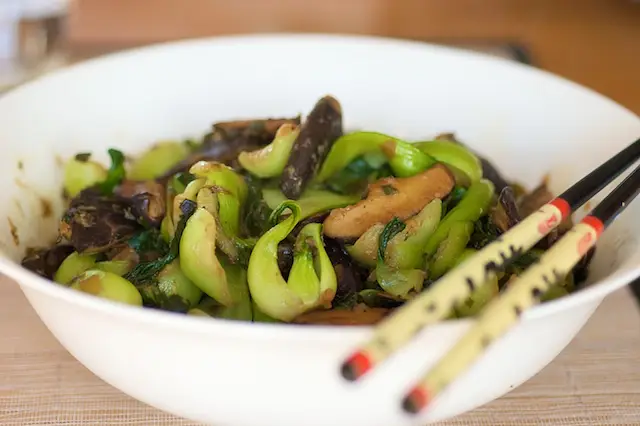
Vegetarian bok choy and shiitake mushrooms in a ginger-garlic sauce with bamboo shoots. Light, savory, and on the table in under an hour. Serves 2 over rice.