What Is Sake and How Can I Use It?
Sake rewards a little know-how: how to choose it, cook it, store it, and substitute in a pinch. Browse 43 recipes to cook with it.
Key Points
- Japanese rice wine, around 15 to 16 percent alcohol, served as a drink and used heavily in cooking.
- In the kitchen it tenderizes meat and fish, removes strong odors, and adds savory depth.
- Add it early to simmers and marinades so the raw alcohol cooks off.
- Not the same as mirin, which is sweet and made for glaze; many dishes use both.
- Dry sherry is the closest substitute; use splash for splash.
What is sake?
Sake is Japanese rice wine, brewed from polished rice and water with the help of koji mold, not crushed fruit. It pours clear and runs around 15 to 16 percent alcohol. The taste sits between a dry white wine and a mild grain spirit, clean and faintly sweet.
In Japan it sits at the table as a drink, served chilled, at room temperature, or gently warmed. In the kitchen it is a workhorse. Most cooks reach for it far more often than they pour a glass.
Cooking With Sake
Sake does three jobs in a pot. It tenderizes meat and fish, it pulls strong odors out of raw fish and pork, and it adds a savory depth that water never will.
Splash it into a marinade and let it sit 20 to 30 minutes before cooking. The alcohol loosens proteins and carries off the funk. Many Japanese and Korean dishes start with a sake rinse or soak, including Bay of Fundy Salmon with Black Bean Sauce and Teriyaki Fish.
It earns its keep in simmered dishes too. A few tablespoons in the braising liquid for Kiriboshi (Chicken Simmered with White Radish) or Boiled Danish Squash with Ground Beef rounds out the broth.
Steaming is the other place it shows up. A pour of sake in the pan flavors both the steam and the clams or fish cooking in it.
Add it early. A minute of hard simmer burns off the raw sharpness and keeps the savory backbone.
Pairing and Common Mistakes
Sake belongs with the umami crowd: soy sauce, miso, ginger, mirin, dashi, green onion. It loves oily fish, chicken, tofu, and mushrooms. It also smooths salty soy-based sauces so they taste rounder instead of flat.
The most common mix-up is treating sake and mirin as the same thing. Mirin is sweet and syrupy with low alcohol, made for glaze and gloss. Sake is dry and meant to tenderize and deglaze.
Plenty of recipes use both. Sake cleans and softens, mirin sweetens, so swapping one for the other throws the dish off.
Skip the bottle labeled cooking sake if you can. The cheap stuff sold next to the soy sauce carries added salt, which makes it hard to season the dish yourself. A modest bottle of drinking sake is cleaner and more useful.
Substitutes
Dry sherry is the closest stand-in, with a similar savory edge and alcohol level. Use it splash for splash. Dry white wine or dry vermouth also work, though they lean more acidic and fruity than sake's clean profile.
For a non-alcoholic swap, mix water with a little rice vinegar, or use a light chicken or vegetable stock. You lose the tenderizing punch of the alcohol, so cut the amount slightly and lean on other seasonings.
Do not reach for mirin as a one-to-one sake swap. It is far sweeter, so you would need to pull back any sugar in the recipe and accept a sweeter result.
Buying and Storing Sake
Look for a bottle labeled junmai (pure rice) or ginjo for cooking and casual drinking. A dry one, marked karakuchi, is the most useful at the stove.
Unopened, sake keeps about a year in a cool, dark cupboard. It is not built to age like grape wine, so use it within a year or so of the bottling date for the freshest taste.
Once opened, sake fades. Cap it tightly and keep it in the fridge, where it holds for one to two weeks for drinking. For cooking you have more leeway, since a slightly oxidized bottle still does its job in a marinade or braise.
Sake appears in more than 40 recipes here, from sashimi dipping sauces to glazed ribs, which tells you how much quiet work it does behind the scenes.
Nutrition
Nutrition Facts
Serving Size 1 fl oz (29g)Quick facts
Food group: Sake is a member of the Beverages US Department of Agriculture nutritional food group.
- In Chinese
- 为了
- British (UK) term
- Sake
- en français
- saké
- en español
- sake
How much does sake weigh?
| Amount | Weight |
|---|---|
| 1 fl oz | 29 grams |
Related
Beverages
Recipes using sake
There are 43 recipes that contain this ingredient.
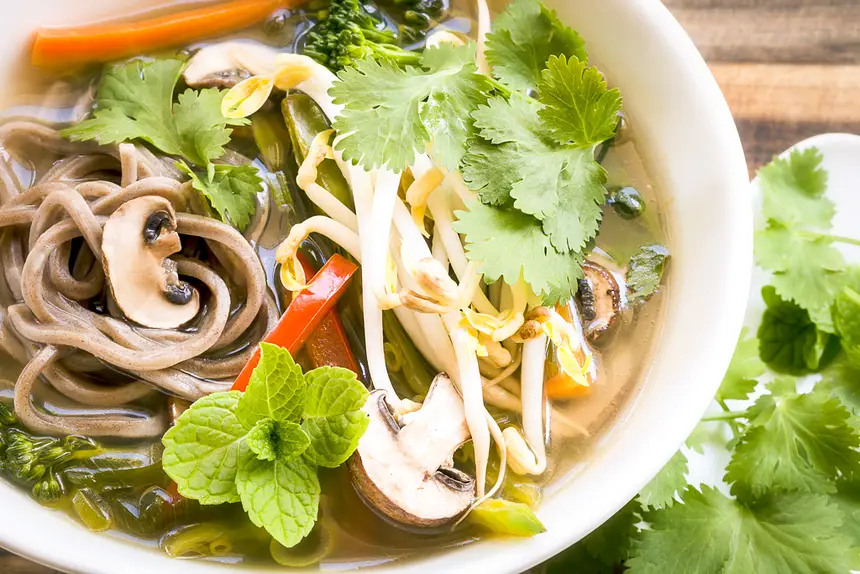
Soba in Chicken Broth


Japanese soba noodles in ginger-miso chicken broth with shiitake mushrooms, gai lan, and fresh cilantro. Restaurant-quality slurpable noodle soup ready in 40 minutes at home.
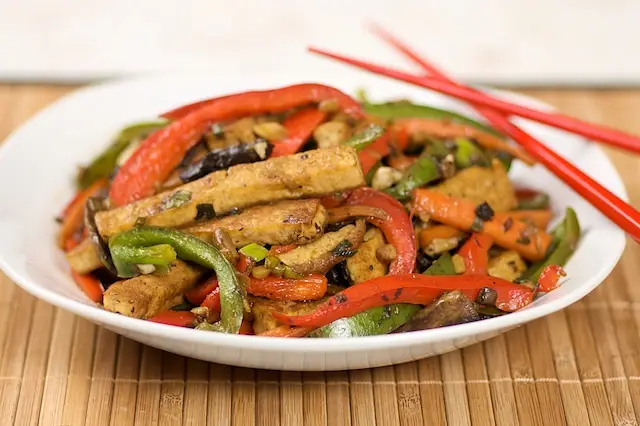
Chinese Style Sauteed Firm Tofu

I put the heavy baking pan above the tofu for 2 hours, lots of water came out, that definitely helped tofu develop a firmer texture. I didn't use onion, instead used the scallions, also added some oyster sauce. Very tasty and easy to make.

Stir-Fried Tofu & Mushrooms
Sake-marinated tofu pan-fried golden and tossed with rehydrated shiitake mushrooms, garlic, fresh chiles, and soy. A hearty vegetarian stir-fry with serious umami depth.
Kamo Sakamushi (Sake Steamed Duck)
Kamo Sakamushi is sake-steamed duck breast salted for three hours, steamed with sake, and finished under the grill. A minimalist Japanese appetizer with just two ingredients and clean, elegant flavor.

Mabo Dhofu
Vegetarian mapo tofu (Mabo Dofu) with silken tofu, mushrooms, leeks, and sake in a savory soy-sesame sauce. A quick Japanese-style tofu stir-fry ready in 15 minutes.
Miso Potato Salad
Miso potato salad with baby potatoes simmered in a sauce of white and red miso, sake, ginger, and honey. A Japanese-inspired side served hot or cold, no mayo needed.

Cornish Hen
Asian-style Cornish hen wraps split hen breasts around asparagus spears and steams them in a bamboo steamer over rice with bok choy, broccoli, and peppers. Elegant pan-Asian dinner.
Kinome-Ae (Bamboo Shoots with Green Soy Dressing)
Kinome-ae is a classic Japanese dish pairing dashi-simmered bamboo shoots with a vivid green miso dressing colored with spinach paste. Finished with fragrant sansho pepper powder.

Korean-Style Marinated Skirt Steak
Korean-style marinated skirt steak with soy sauce, sake, garlic, ginger, and sesame oil. Grilled to medium rare in under 5 minutes and sliced thin against the grain.

Fanchie-Dofu
Fanchie-dofu, a Chinese tomato and tofu stir-fry with garlic, sake, leeks, and green peas in a light cornstarch sauce. Vegetarian and ready in 30 minutes.

Hamaguri Sakami (Sake Seasoned Clams)
Hamaguri Sakami are sake-seasoned clams served at room temperature in their shells with lemon. A minimalist Japanese appetizer that highlights the clean, briny sweetness of littleneck clams.

Teriyaki Chicken
Teriyaki chicken marinates broiler-fryer pieces in soy sauce, sake, sugar and fresh grated ginger, then cooks in the microwave for tender, glossy Japanese-style chicken in 20 minutes.
White Miso Dressing
White miso dressing (sumiso) made with shiro miso, sake, sugar, and egg yolks. A traditional Japanese sauce for nuta-ae, karashi sumiso-ae, and kinome-ae dishes.
Hamaguri Shigure-Ni (Sweet Cooked Clams)
Hamaguri Shigure-Ni, a Japanese sweet-savory clam appetizer cooked in sake, soy sauce, and sugar. Only 4 ingredients. The sauce reduces to a glossy syrup that coats each clam. Served cool.

Black Miso Cod
This is a classic Japanese dish, first made famous by the chef Nobu Matsuhisa and served in all his Nobu restaurants. Serve with steamed spinach and brown /black rice or quinoa for a simple, but delicious dinner.

Grilled Sake Marinated Bass
Grilled sake-marinated bass with a simple Japanese-inspired soak of sake, soy sauce, ginger and sugar. A clean, weeknight-fast fish dinner with deep umami and a perfect flaky, oil-rich finish.
Perch with Black Bean Sauce
Pan-seared perch fillets with savory Chinese black bean sauce, fresh ginger, garlic, and sake. Restaurant-style Asian fish dinner in under 30 minutes.
Galloping Horses - Vegetarian Version
Thai galloping horses (Ma Hor) made vegetarian with shiitake mushrooms, peanuts, garlic, and cilantro root on fresh pineapple chunks. A sweet-savory-spicy Thai appetizer.

Toriwasa (Chicken & Parsely with Horesradish Sauce)
Toriwasa is a Japanese izakaya classic: sake-poached chicken shredded thin and tossed with blanched parsley in a sharp wasabi-soy dressing, finished with shredded nori. Light, clean, and full of bite.
Boiled Danish Squash with Ground Beef
Winter squash simmered with savory ground beef in a ginger, soy sauce, and sake glaze. A Japanese-inspired comfort dish with a glossy, sweet-savory sauce.

Yakitori
Traditional Japanese yakitori with sake-marinated chicken livers and teriyaki-glazed breast skewers threaded with scallions. Smoky, sweet, savory, and ready to grill in under an hour.
Horenso No Goma-Ae
Horenso no goma-ae is a Japanese spinach side dish dressed in a paste of toasted sesame seeds, sake, soy sauce, and rice vinegar. Classic side served at room temperature with rice and miso.
Crab Won Tons with Blackberry Szechuan Sauce
Crispy fried crab wontons with spinach and cream cheese, served with a sweet-spicy blackberry Szechuan dipping sauce. A stunning fusion appetizer that bridges East and West.

Hijiki Nimono
Hijiki nimono simmers nutrient-rich hijiki seaweed with carrots, tofu, age, and green beans in dashi, soy, sake, and mirin. Traditional Japanese home-cooking side dish in 30 minutes.

Rainbow Trout Sake
Broiled rainbow trout glazed with a reduced sake, soy sauce, and ginger sauce. Japanese-inspired fish that cooks in just 4 minutes under the broiler.

Paella (Spanish Chicken, Seafood Casserole)
Asian-inspired paella with saffron rice, chicken, shrimp, mussels, clams, Chinese sausage, and snow peas. A fusion twist on the Spanish classic using sake, soy sauce, and ginger.

Miso & Maple-Marinated Pork with Apple & Onion
Miso and maple marinated pork skewers grilled with apple wedges and onion. Thin-sliced tenderloin woven onto skewers for a sweet, savory, Japanese-inspired cookout.
Teriyaki Fish
Classic Japanese teriyaki fish marinated in soy sauce, fresh ginger, garlic, and sake, then cooked in the microwave in under 10 minutes. A quick homemade teriyaki fish recipe with simple pantry ingredients.
Grapefruit Soju Cocktails
Grapefruit soju cocktails mix fresh grapefruit juice with chilled soju and a splash of club soda. A tart, low-ABV Korean drink that scales up easily for a crowd.

Bay of Fundy Salmon with Black Bean Sauce
Canadian Atlantic salmon brushed with mayo for moisture, baked or grilled, then topped with a sake-flambeed black bean and scallion sauce. East meets East Coast in this 30-minute seafood dinner.
Crisp Salmon in Rice Paper with Asian Au Jus
Salmon wrapped in rice paper, seared until crisp, then baked and served over julienned vegetables in an aromatic soy-sake broth with lemongrass and star anise. A restaurant-worthy Asian fusion dinner.

Barbeque Ribs
Have you ever tasted this kind of barbegue ribs?I can bet you never,try it now,you will never remember others!Fabulous!

Tempura ,Japanese Way
Traditional Japanese tempura with a light, crispy cold-water batter and homemade tentsuyu dipping sauce. Works for vegetables, shrimp, fish, and squid with authentic frying techniques.

Sulu's Lemon Chicken
Sulu's Lemon Chicken features breasts marinated in sake, soy sauce, and fresh lemon slices, then egg-dipped and pan-fried to golden. Simmered in the citrusy marinade for a tangy, savory finish.
Soy-Based Dipping Sauce for Sashimi
Traditional Japanese sashimi dipping sauce made by simmering soy sauce with katsuobushi (bonito flakes) and sake, then garnished with wasabi. Deeper and more aromatic than plain soy sauce.
Chirizu (Spicy Dipping Sauce for Sashimi)
Chirizu is a traditional Japanese spicy dipping sauce for sashimi, made with flame-kissed sake, grated daikon, soy sauce, lemon juice, and seven-pepper spice. Bright, bold, and ready in minutes.

Pasta with Sake Clam Sauce
Pasta with sake clam sauce puts a Japanese twist on classic linguine alle vongole. Clams simmer with sake, garlic, and briny capers, then get tossed with pasta until every strand soaks up the sauce.
Assorted Vegetables (Namool)
Traditional Korean namool with seasoned spinach, daikon, soybean sprouts, and fiddlehead ferns in sesame and garlic. A colorful banchan platter of individually dressed vegetables.
Tofu/Miso/Umeboshi(Salted Preserved Plums) Okayu
Japanese rice porridge (okayu) simmered with white miso, silky tofu, umeboshi plums, spinach, and napa cabbage. Warm, soothing, and soul-restoring on cold days.
Quick Teriyaki Sauce (Homemade)
Many recipes call for bottled Teriyaki sauce. This flavorful sauce that imparts so much flavor to beef, chicken and fish is so easy to make from scratch.