Here's everything worth knowing about rice and how to pick it, what it is, how to store it, and what to use instead, plus 1,288 recipes to cook tonight.
Key Points
Grain length predicts texture: long grain fluffy and separate, short grain soft and sticky.
Starch is why: high-amylose cooks dry, high-amylopectin turns creamy for risotto and sticky rice.
White rice is milled and quick; brown keeps the bran, cooking longer with more fiber.
Absorption method: simmer covered, then rest 5 minutes off the heat before fluffing.
Refrigerate cooked rice within two hours and eat within four days to avoid Bacillus cereus.
What is rice?
Rice feeds more of the world than any other grain. It shows up on this site in more than 1,200 recipes, from weeknight stir-fries to slow-cooked pudding.
Most of what changes from one bag to the next comes down to two things: how long the grain is, and how much starch it carries.
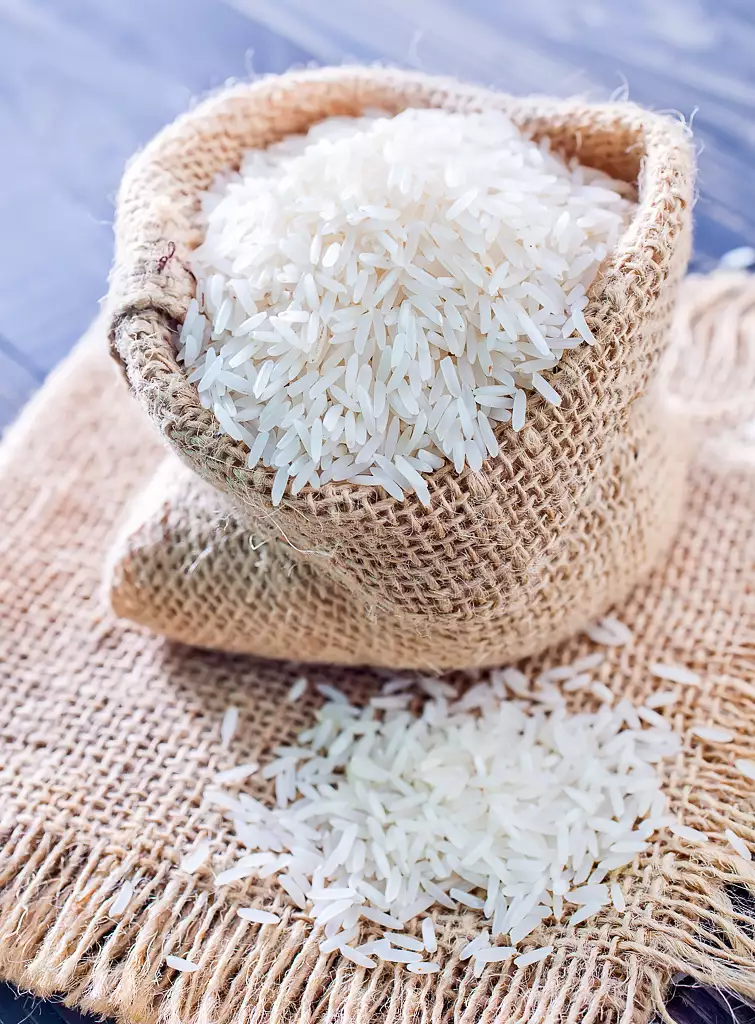
Grain length is the shortcut everyone uses. It predicts texture better than the brand on the bag: long grain stays separate and fluffy, short grain turns soft and sticky, and medium grain lands in between.
The starch behind that is worth knowing. Rice holds two starches, amylose and amylopectin. High-amylose grains like long grain and basmati cook up dry and distinct. High-amylopectin grains like arborio and sushi rice release a creamy, gluey starch that makes risotto bind and sticky rice clump for chopsticks.
The Main Types
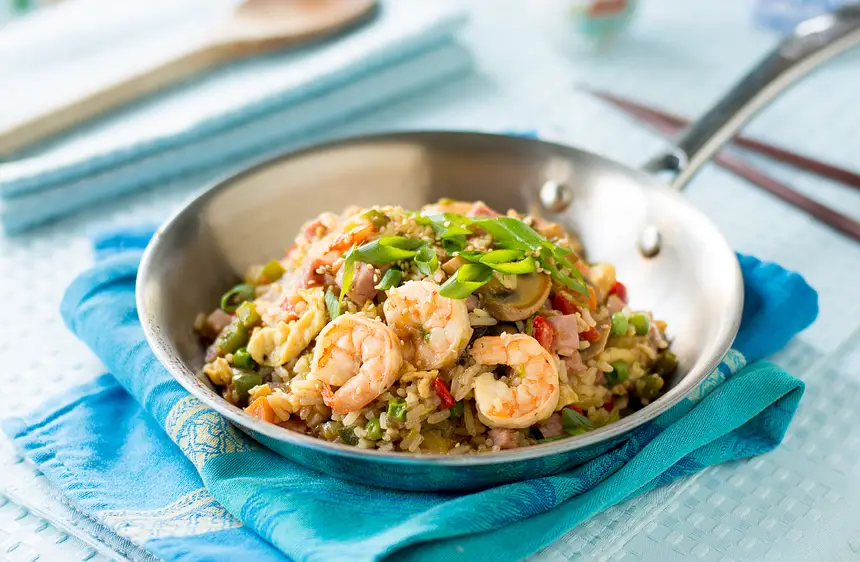
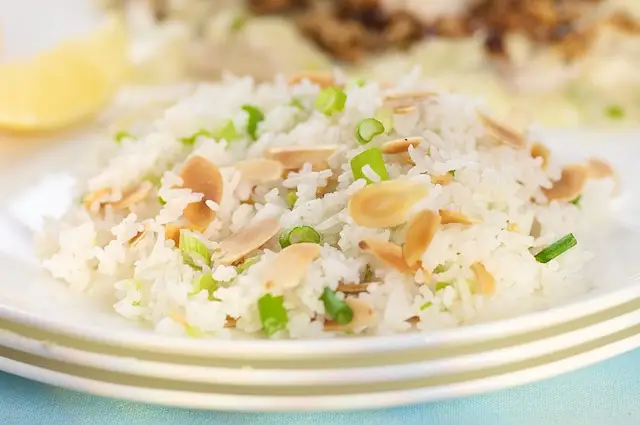
Long grain rice is the all-purpose pick: slender grains that steam up fluffy and separate, right for pilaf, fried rice, and any saucy main that wants a bed. Basmati rice is a long grain too, but aged and aromatic, with an even drier grain made for biryani and pilaf.
Jasmine sits close to basmati on aroma but cooks softer and a touch sticky. It is the default in much of Southeast Asia.
Arborio rice is the short, plump, high-starch grain that makes risotto creamy. Wild rice is the odd one out: not rice at all, but the dark, chewy, nutty seed of an aquatic grass.
Then there is the bran question. White rice is milled to strip the bran and germ, which makes it quick-cooking and mild. Brown rice keeps the bran, so it cooks longer and tastes nuttier with more fiber. Almost every white variety has a brown version.
Cooking Rice
The absorption method is the home standard. Measure rice and water, bring to a boil, cover, drop to a bare simmer, and leave it alone.
White long grain runs about 1 part rice to 1¾ parts water, simmered 15 to 18 minutes, then rested 5 minutes off the heat with the lid on. Brown rice needs more water, closer to 1 to 2¼, and 40 to 45 minutes.
Resting is the step people skip and then regret. Pull the lid the second the timer beeps and the bottom layer stays wet while the top stays firm; five quiet minutes lets the moisture even out so every grain finishes the same.
Rinsing matters for the fluffy varieties. Swirling long grain or basmati under cold water until it runs clear washes off loose surface starch and keeps the grains from gluing together. Skip rinsing for risotto rice, where that surface starch is the whole point.
Storing Rice
Keep raw white rice in an airtight container in a cool, dark cupboard and it stays good more or less indefinitely.
Brown rice and wild rice carry oil in the bran, so they turn rancid in a few months at room temperature; the fridge or freezer buys them up to a year.
Cooked rice is the one to handle with care. Cool leftovers quickly and refrigerate within an hour or two, because rice can harbor Bacillus cereus spores that survive cooking and multiply at room temperature.
Eat refrigerated rice within about four days, and reheat it until steaming hot.
Types of rice
Specific kinds of rice and the recipes that use them.
Brown rice (or "hulled rice") is unmilled or partly milled rice, a kind of whole, natural grain. It has a mild nutty flavor, is chewier and more nutritious than white rice, and becomes rancid much more quickly. Any rice, including long-grain, short-grain, or sticky rice, may be eaten as brown rice.
Brown rice and white rice have similar amounts of calories, carbohydrates, and protein. The main differences between the two forms of rice lie in processing and nutritional content. When only the outermost layer of a grain of rice (the husk) is removed, brown rice is produced.
To produce white rice, the next layers underneath the husk (the bran layer and the germ) are removed, leaving mostly the starchy endosperm.
Several vitamins and dietary minerals are lost in this removal and the subsequent polishing process.
A part of these missing nutrients, such as vitamin B1, vitamin B3, and iron are sometimes added back into the white rice making it "enriched".
Brown rice can remain in storage for months under normal conditions, but hermetic storage and freezing can significantly extend its lifetime.
Freezing, even periodically, can also help control infestations of Indian meal moths.
Long grain rice is rice whose kernels are three to four times longer than they are wide. That slender shape is the reason it cooks up dry and fluffy, with grains that stay separate, where shorter rice turns soft and clingy.
The difference comes down to starch. Long grain rice is high in amylose, a starch that stays firm and keeps the grains from sticking.
Short and medium grain rice carry more amylopectin, the sticky starch that makes risotto creamy and sushi rice cling. Common long grain types include plain American long grain plus the fragrant cousins, basmati and jasmine.
This is the everyday rice for a pilaf, a stir-fry, or any plate that wants distinct grains rather than a sticky mound.
Cooked rice is exactly what it sounds like: rice that has already been boiled or steamed, called for as a ready ingredient rather than a raw grain you start from scratch.
Recipes list it this way when the rice is folded into something else, like a casserole or a stuffed pepper.
It is most often leftover rice, and that is a feature. Knowing how to cool and revive already-cooked rice safely is the whole skill here.
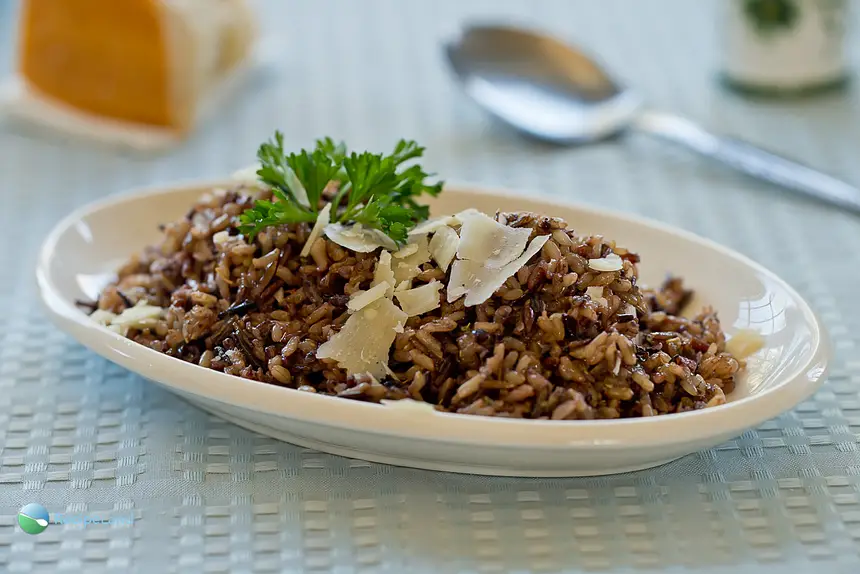
Wild rice is the dark, glossy, almost black grain you see flecked through pilafs and holiday stuffings. Despite the name it is not true rice at all.
It is the seed of an aquatic grass native to the lakes and rivers of North America, and it cooks and tastes nothing like the white rice it sits next to on the shelf.
What you get is a long, slender grain with real chew and a deep, nutty, almost smoky flavor.
It is a cousin to the everyday rice in our broader rice family, but it brings far more texture and a richness that holds its own against bold ingredients.
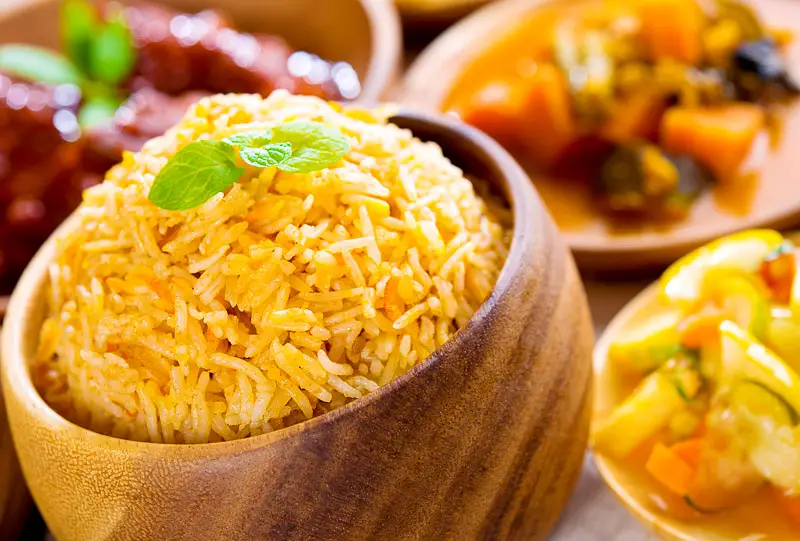
Basmati is the long, slender, aromatic rice at the heart of Indian and Persian cooking. The name means "fragrant" in Hindi, and that perfume, often described as popcorn or pandan-like, is the giveaway the moment the pot comes off the heat.
Grown mainly in the foothills of the Himalayas, it is one branch of the larger rice family. Its calling card is how it cooks: dry, fluffy, and perfectly separate.
Two things explain that. The grains are unusually long and thin, and they nearly double in length as they cook rather than swelling sideways. Good basmati is also aged for a year or more, which dries the grain further so it stays firm and distinct instead of clumping.
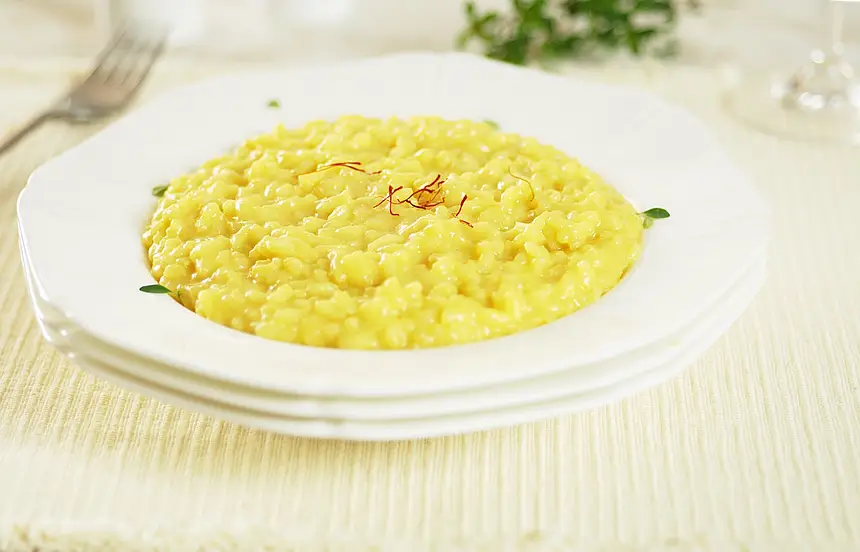
Arborio is the plump, pearly short-grain rice that makes risotto creamy. Named for a town in Italy's Po Valley, it sits at the high-starch end of the rice family, the opposite of dry, fluffy long grain.
Its job is to release starch, not to stay separate. That single trait shapes everything you do with it.
Each grain is short and round with a chalky white core. As it cooks and you stir, the outer layer slowly gives up amylopectin starch into the liquid.
That thickens it into the loose, glossy sauce risotto is known for, while the core keeps a firm bite the Italians call al dente.
Minute rice is precooked instant rice: regular white rice that has been fully cooked, then dried, so all you do at home is rehydrate it. That is why it is ready in about five minutes instead of twenty.
Minute is a long-standing brand name, but cooks use it loosely for any quick-cooking instant rice on the shelf.
The trade-off is real. Because the grain is cooked and dried at the factory, it rehydrates into a softer, lighter, more uniform texture and carries less of the flavor and chew you get from rice cooked from scratch.
What you buy with instant rice is speed, and you pay for it in body.
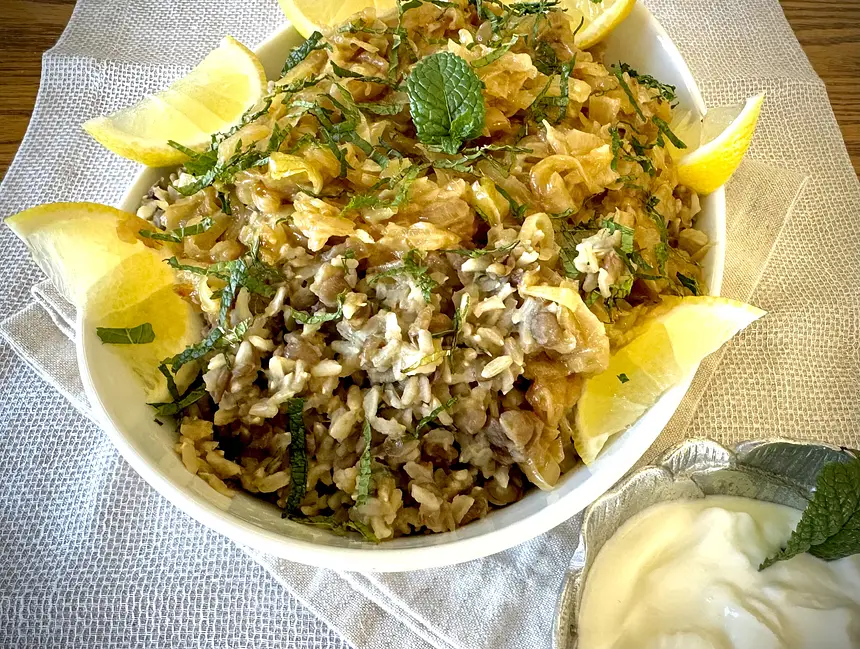
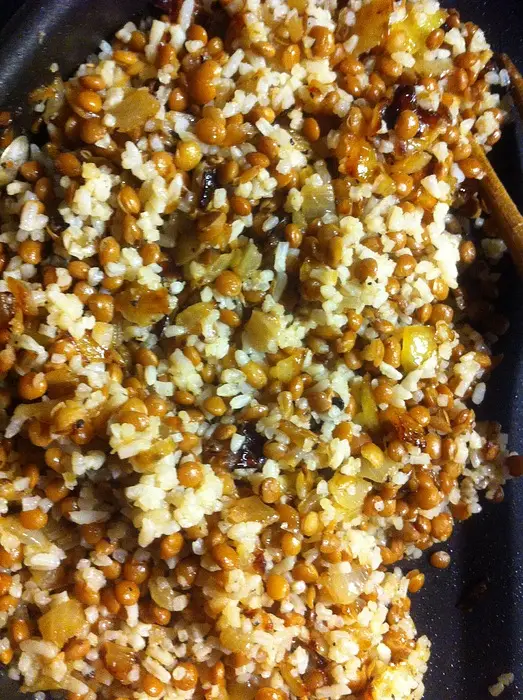
This is a "three-ingredient" anti-inflammatory Lebanese-inspired side dish (or vegetarian main) made with brown rice, lentils, and caramelized onions. Instant pot ready directions included.
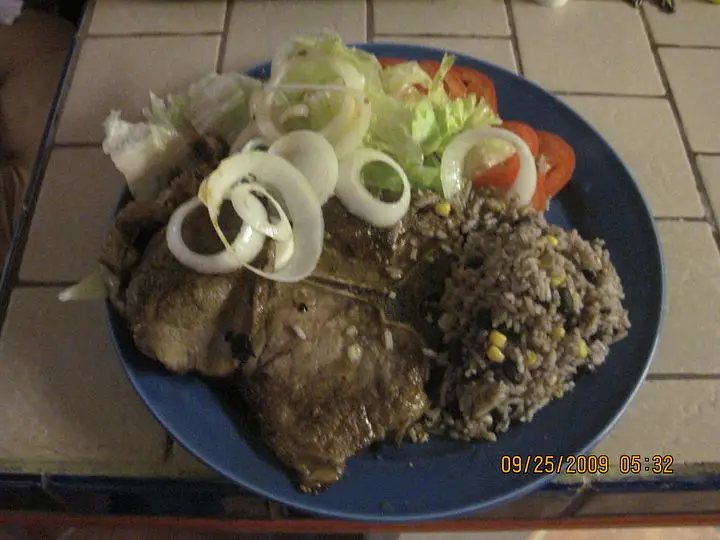
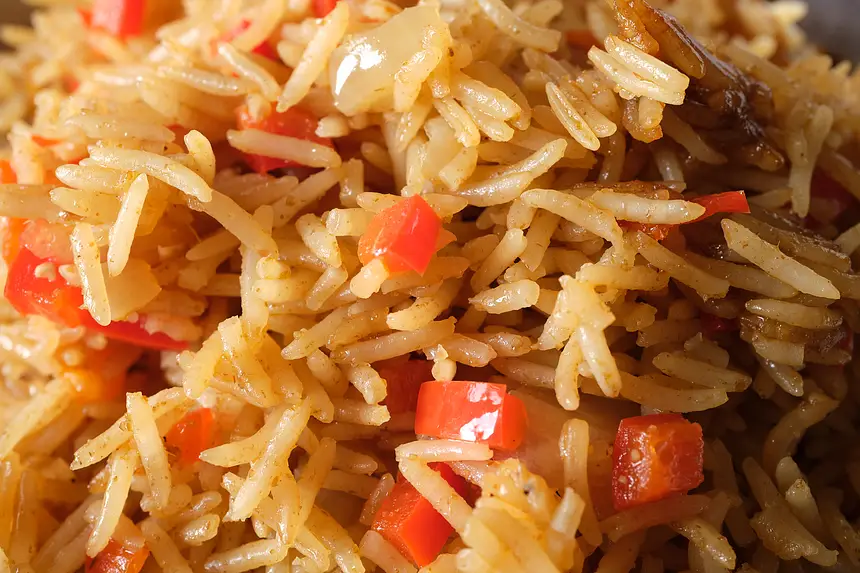
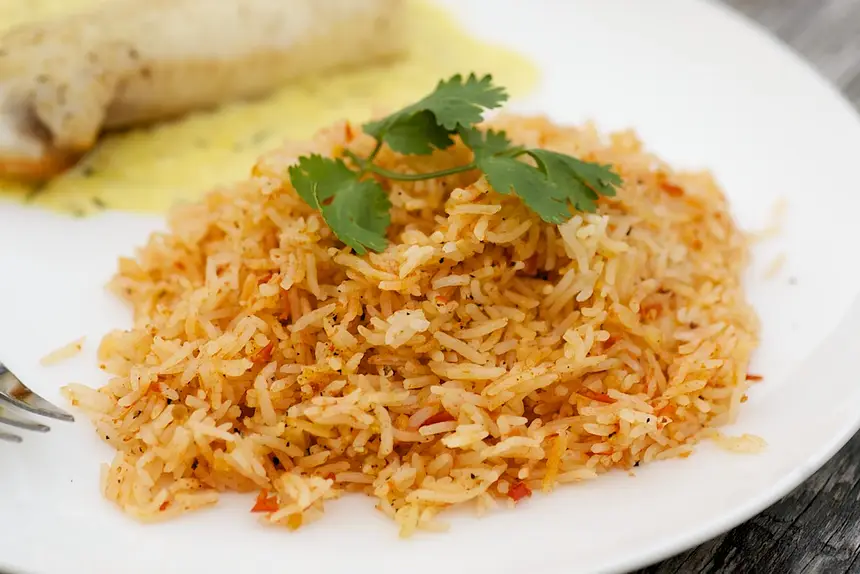
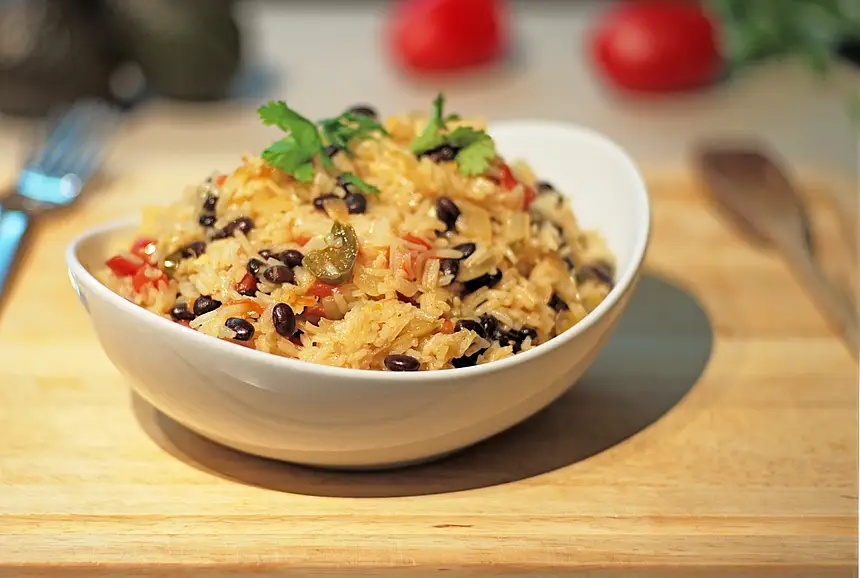
Tex-Mex rice toasted in olive oil with garlic and onion, simmered in broth with cumin, and finished with diced red bell pepper. A flavorful Mexican-style side dish from scratch.
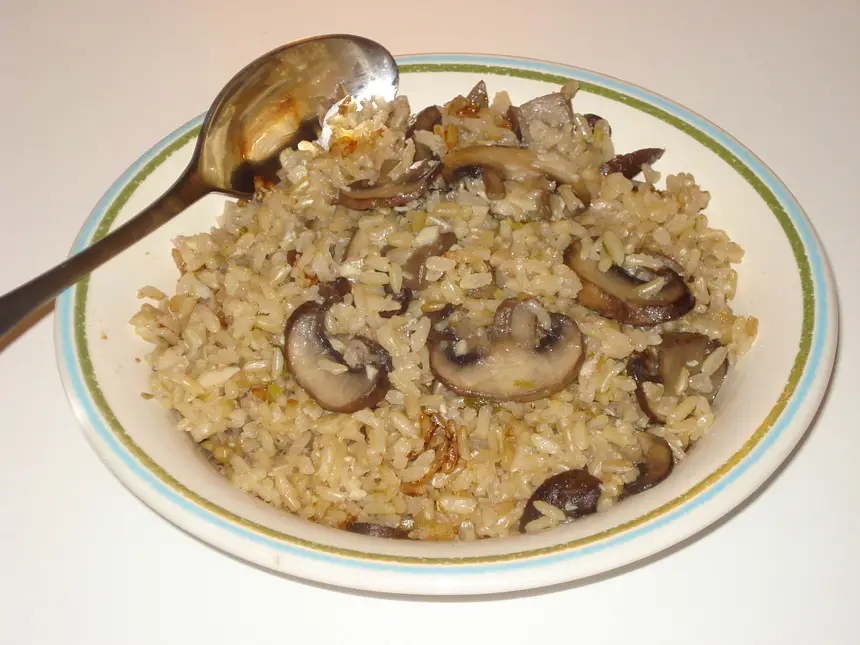
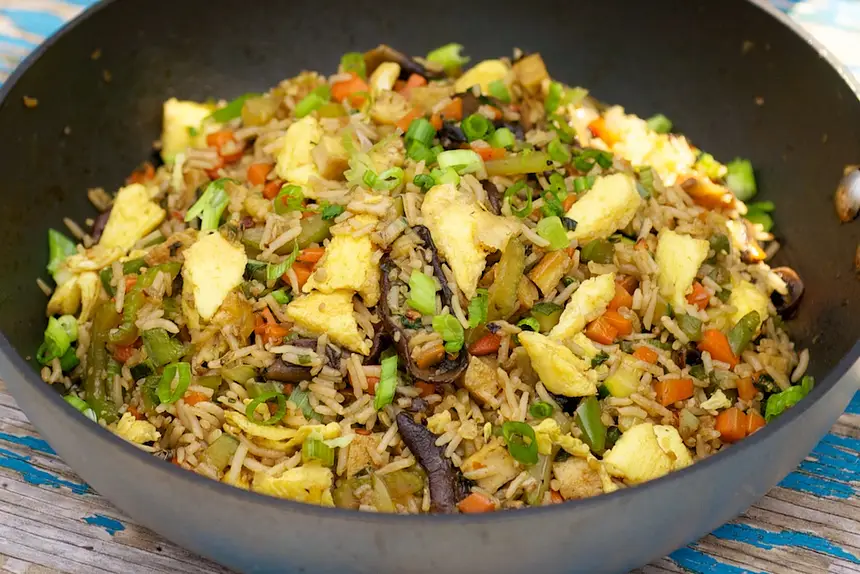
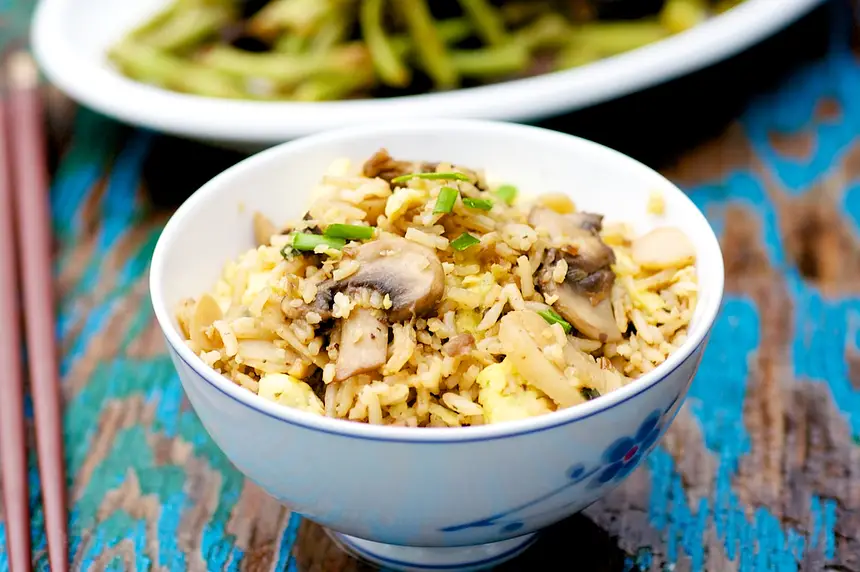
Quick side dish with cooked brown rice sautéed in margarine with mushrooms and green onions. Simple, nutty, and ready in 20 minutes using leftover rice.
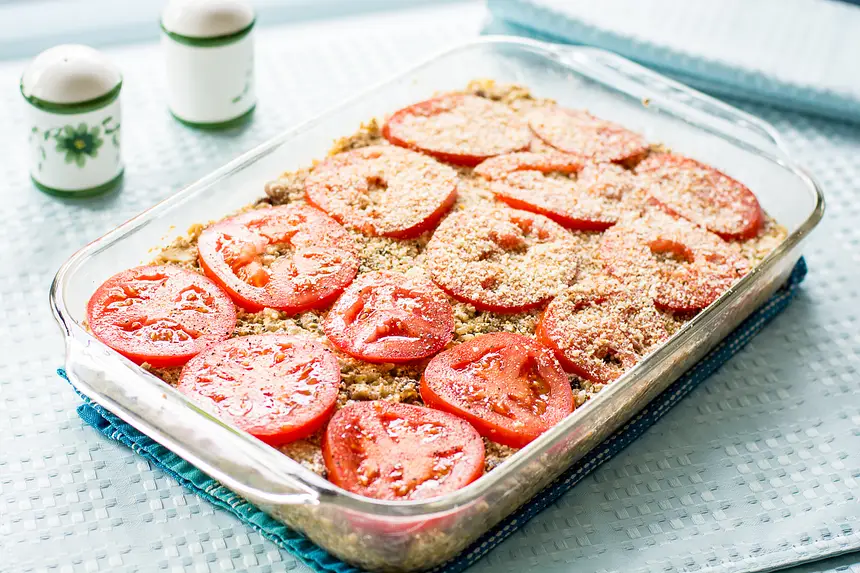
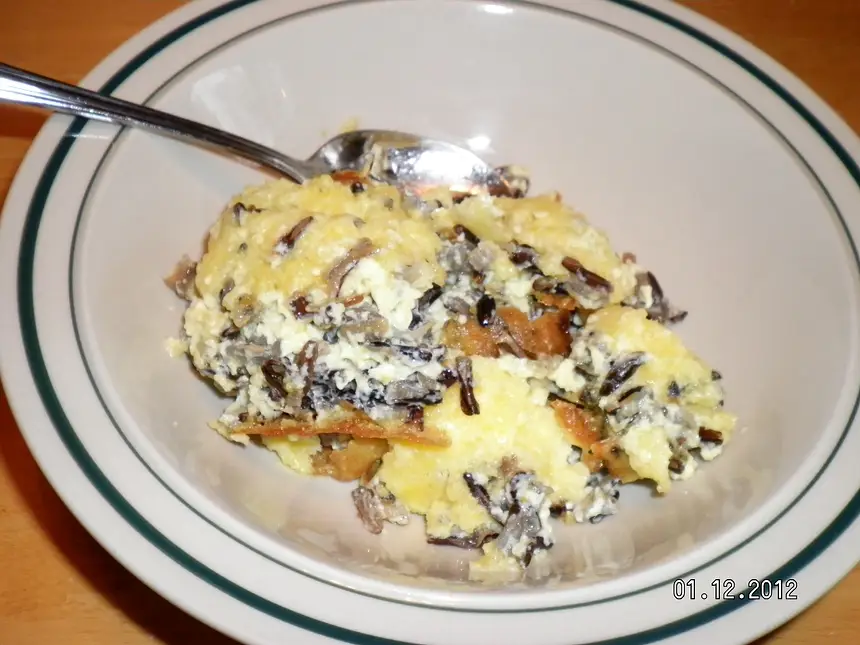
Packed with healthy whole-grain and cheesy goodness. 3 cheeses, feta, cottage and parmesan cheese plus beans and brown rice. This hearty casserole is tastes great and is loaded with nutritious healthful ingredients.
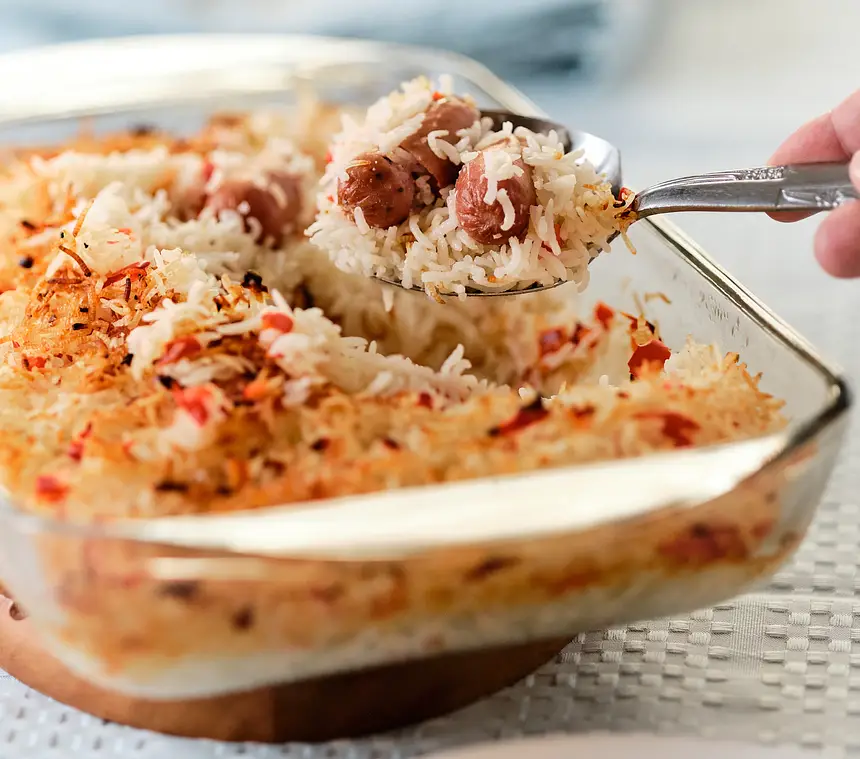
Surprise your family with this super simple side dish. This tasty dish is a fusion of fluffy rice and savory cocktail sausages hidden within a non-descript casserole. Drop this on the family dinner table, and once your unsuspecting patrons dig into an otherwise plain-looking rice casserole - boom, surprise!
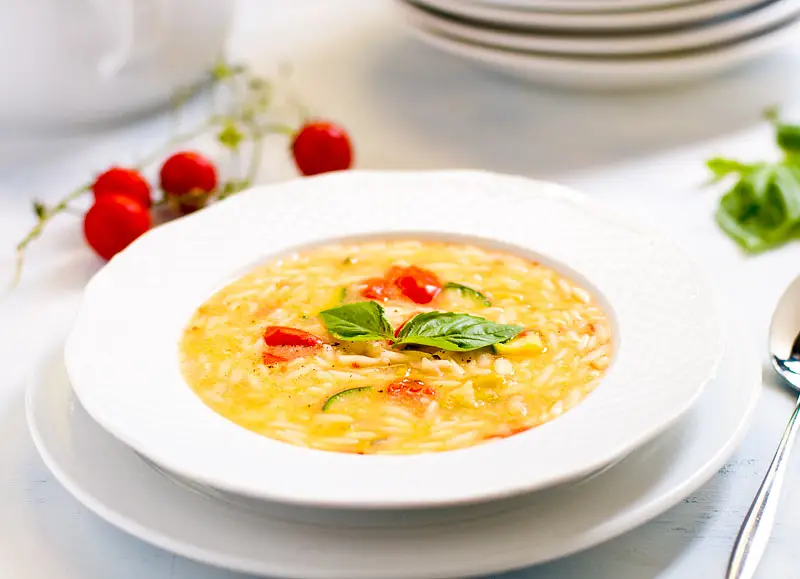
Avgolemono is the classic Greek lemon-egg rice soup, a silky chicken broth thickened with whisked eggs and fresh lemon juice. Light, restorative, and ready in 35 minutes.
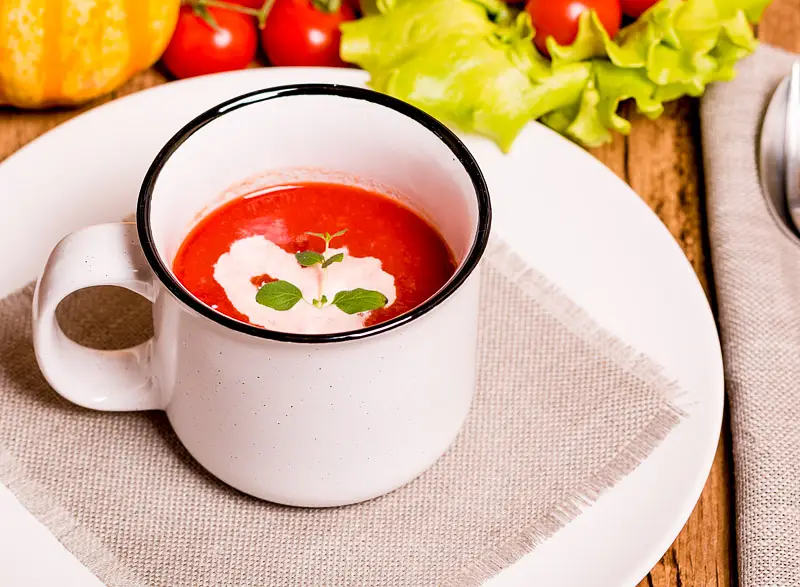
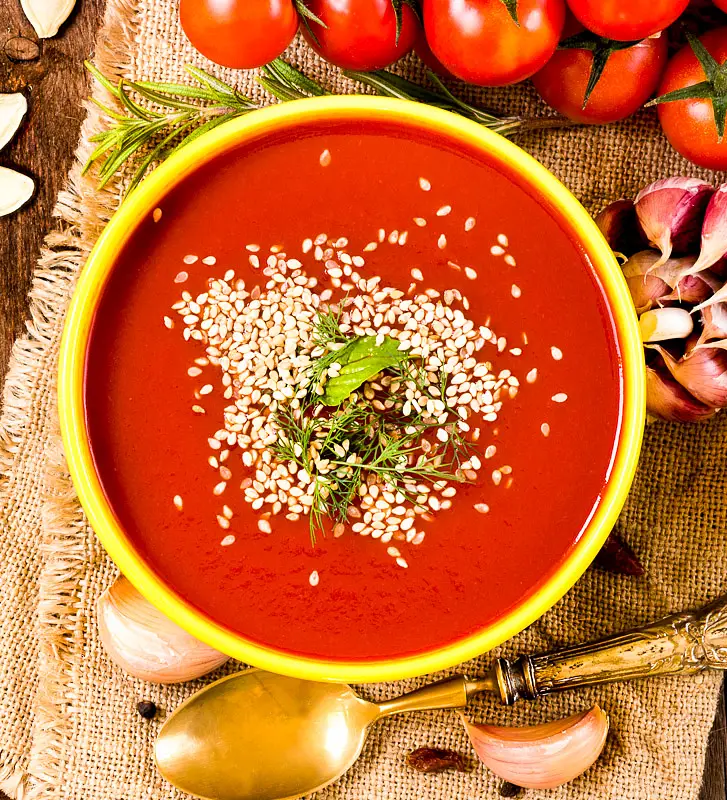
Fresh tomato soup with a bouquet garni of parsley, bay leaf, celery, thyme, and marjoram, pureed smooth with caramelized onion and a butter roux. Topped with sour cream and fresh dill.
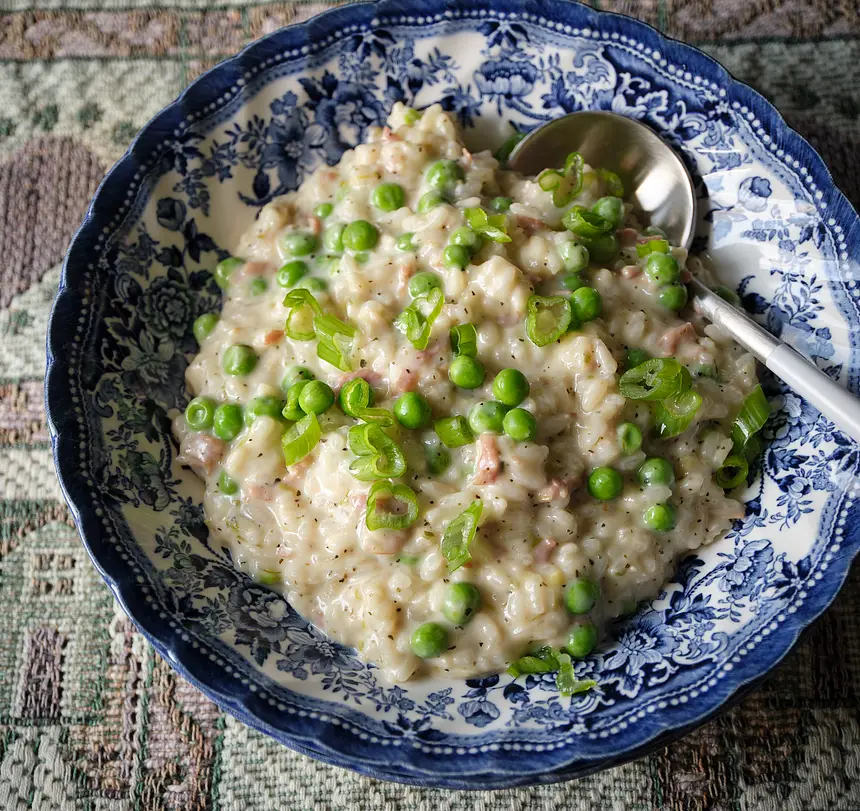
Creamy prosciutto and green pea risotto finished with Parmesan, fresh basil, and a splash of cream. Salty cured ham and sweet peas make this Italian rice dish rich and satisfying.
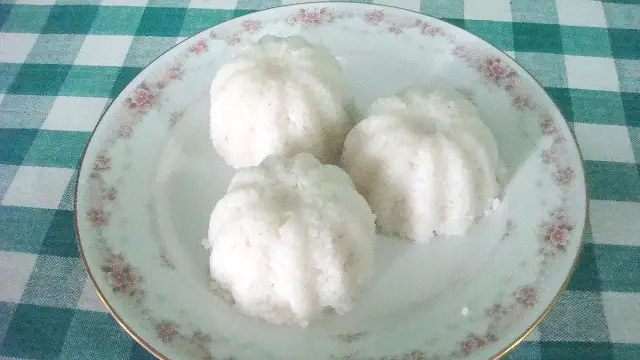
Milk Rice is a traditional specialty food item of Sri Lanka made for special occasions. Some Sri Lankans believe it is a lucky food. It is simple to make and very tasty.
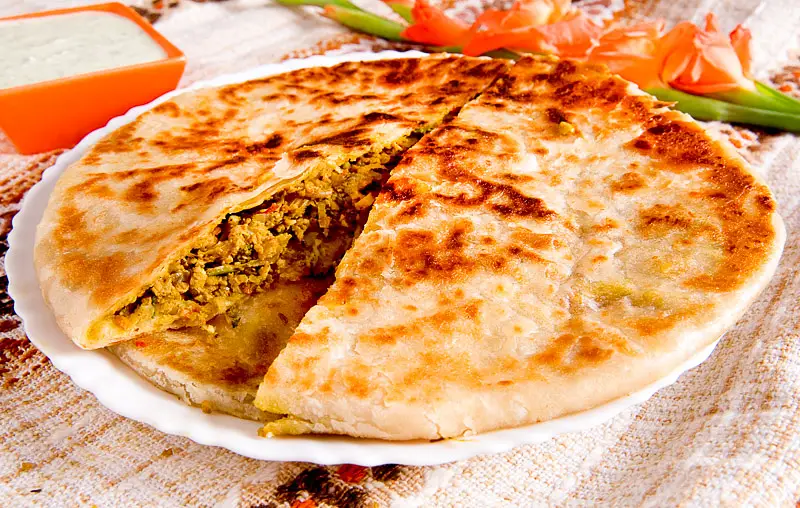
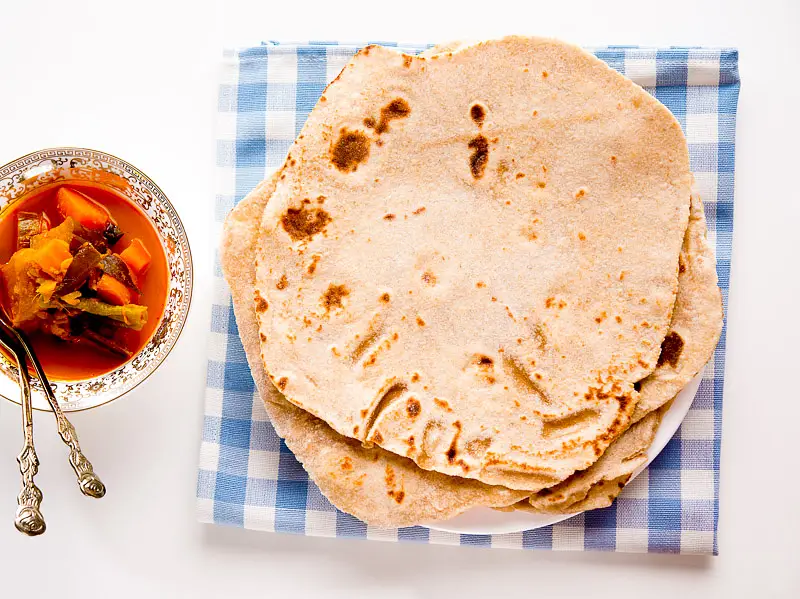
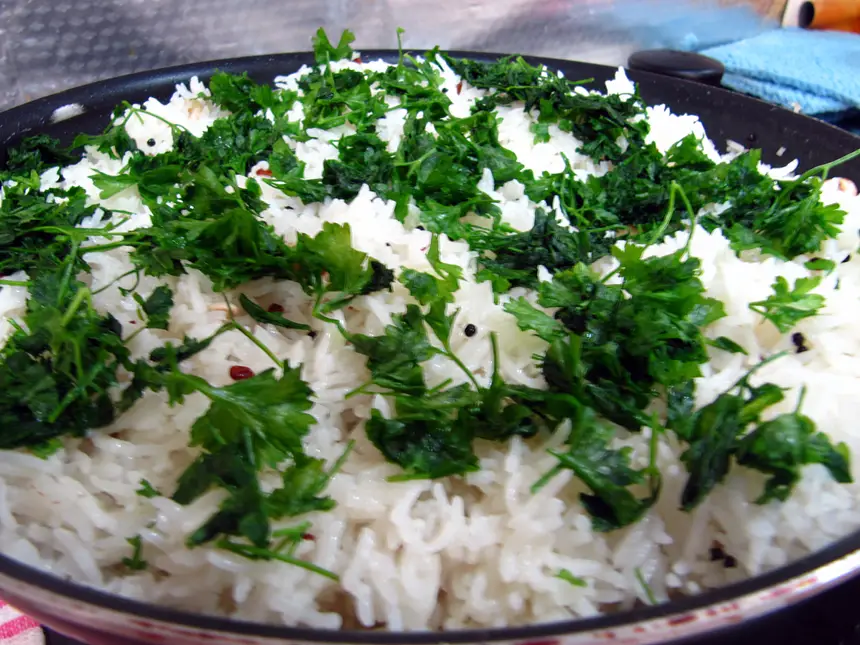
Indian-style lemon rice and pea chapati wraps with brown rice, mustard seeds, cumin, turmeric, and a bright lemon-tamari finish. Vegan, ready in 25 minutes when rice is pre-cooked.
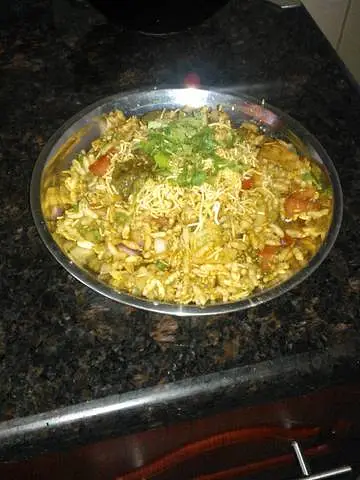
This is the most commonly sold chaat in the streets of Mumbai. Almost every street has its own friendly bhelwala with his inimitable blends of chutneys and masalas. Bhel is a delectable combination of papadis, puffed rice, sev, onions, potatoes, raw mango and chutneys. The proportions of the various chutneys can be changed to adjust to your personal preferences. Toast the puffed rice to make bhel crisp before using it to make bhel. If you store the puffed rice, sev and papadi and refrigerate or freeze the chutneys, you can rustle up a heavy snack in a jiffy for your hungry kids returning from school.
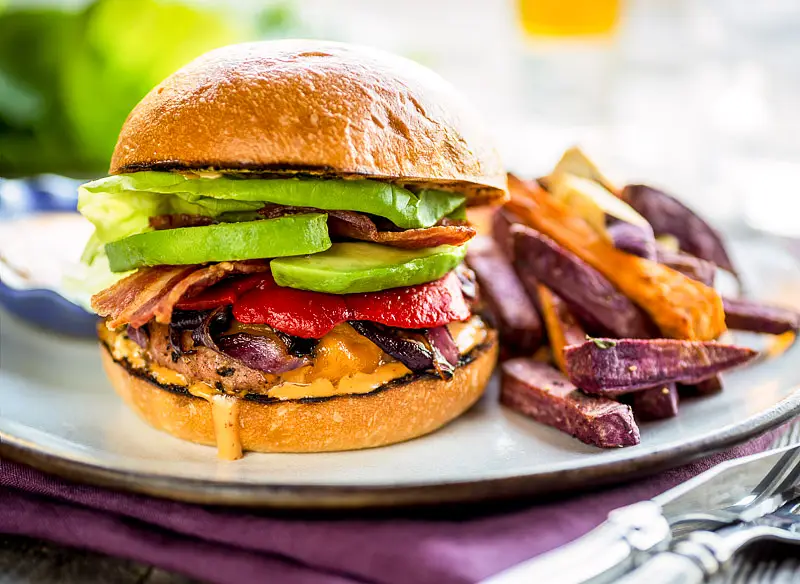
Calico burgers are ground beef patties stretched with cooked rice and flecked with onion, green pepper and parsley. The rice keeps the patties juicy while stretching the meat for budget-friendly grilling.
Fresh or in a pinch canned tomatoes add depth to the rice in this fluffy pilaf. A great side dish and I usually finish cooking the rice using my rice cooker while I'm busy watching the Food Network!
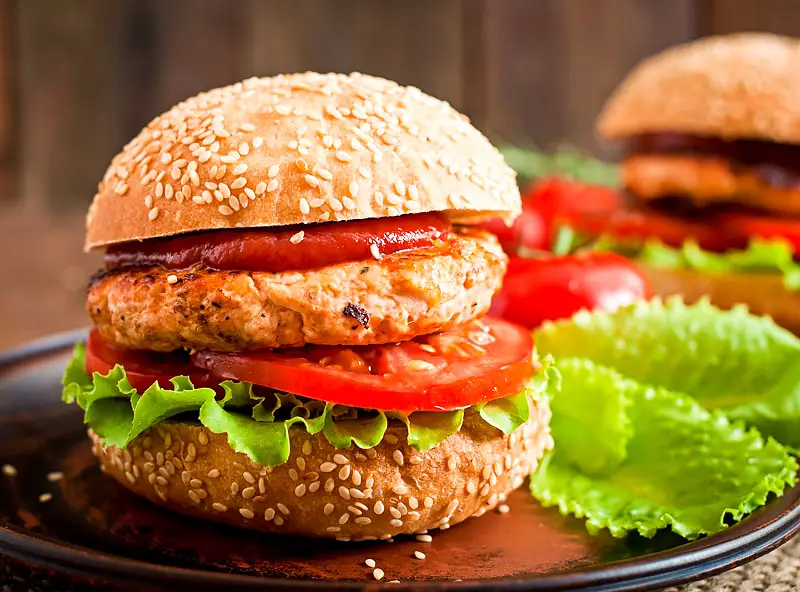
Chicken ultraburgers use cooked chicken pulsed with brown rice, Dijon mustard, and parsley for a lighter, healthier burger. A clever way to repurpose leftover chicken.
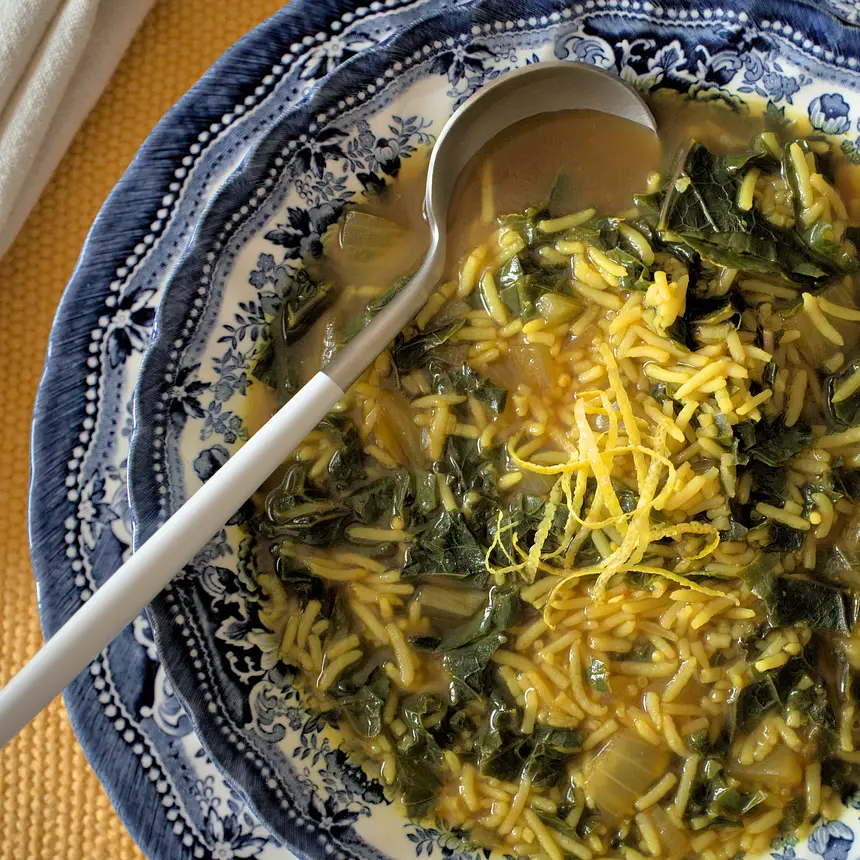
A vibrant, healthy lemon rice soup with kale and aromatic spices, ready in under 20 minutes. Perfect for a light, flavorful meal. Vegan, low-fat, and packed with nutrients.
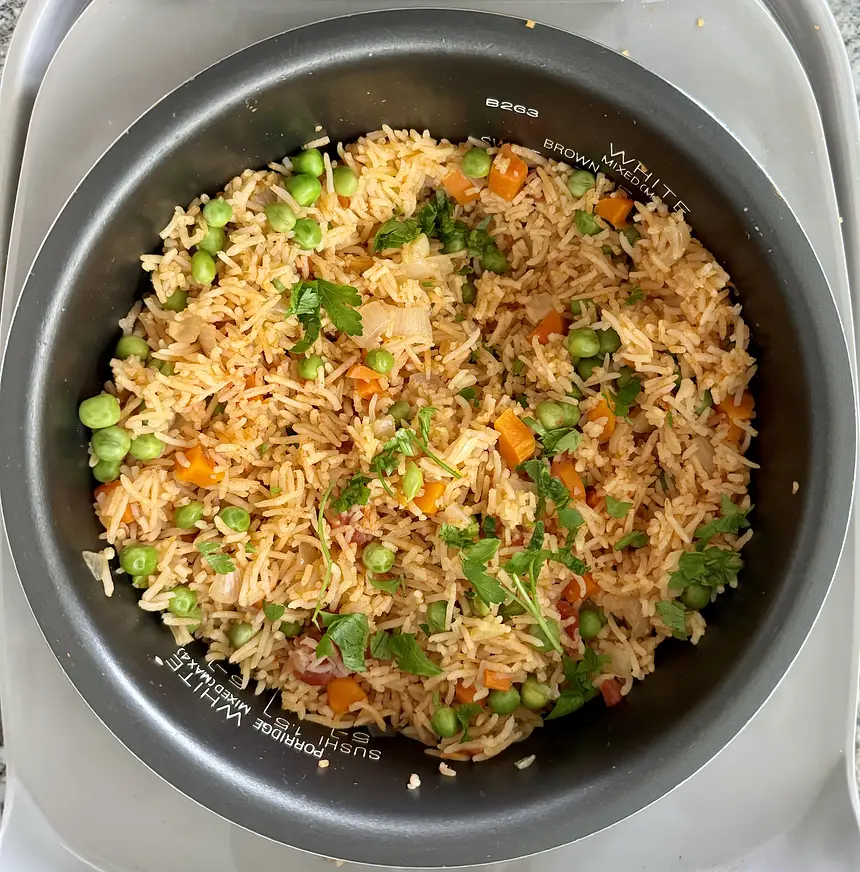
Easy Mexican rice with carrots, peas, picante sauce and canned tomatoes with green chilies. A one-pot vegetarian side dish that's ready in under an hour.
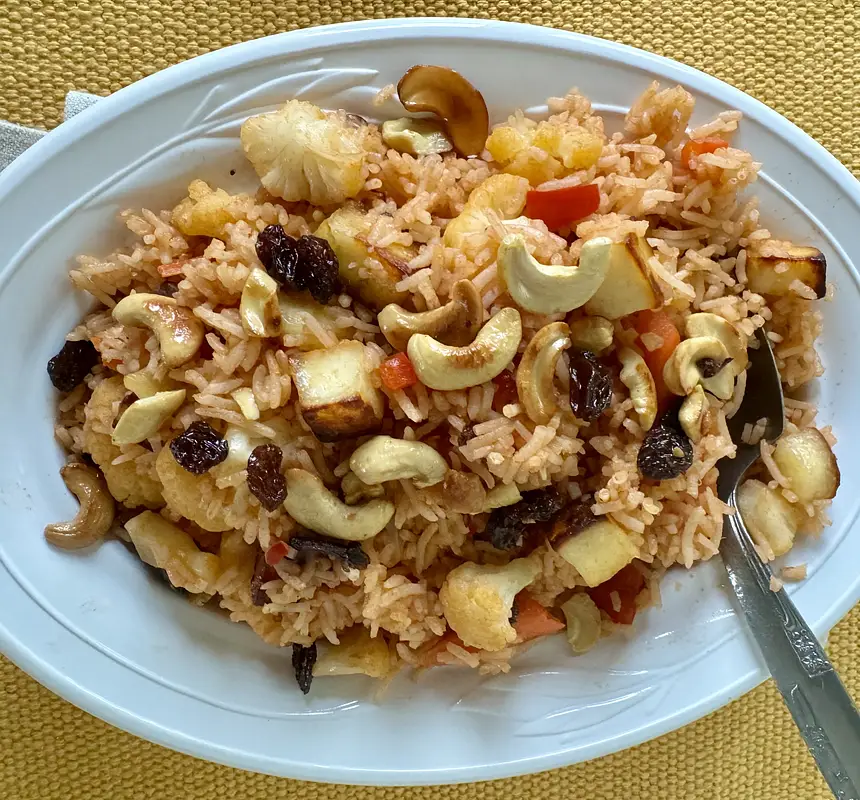
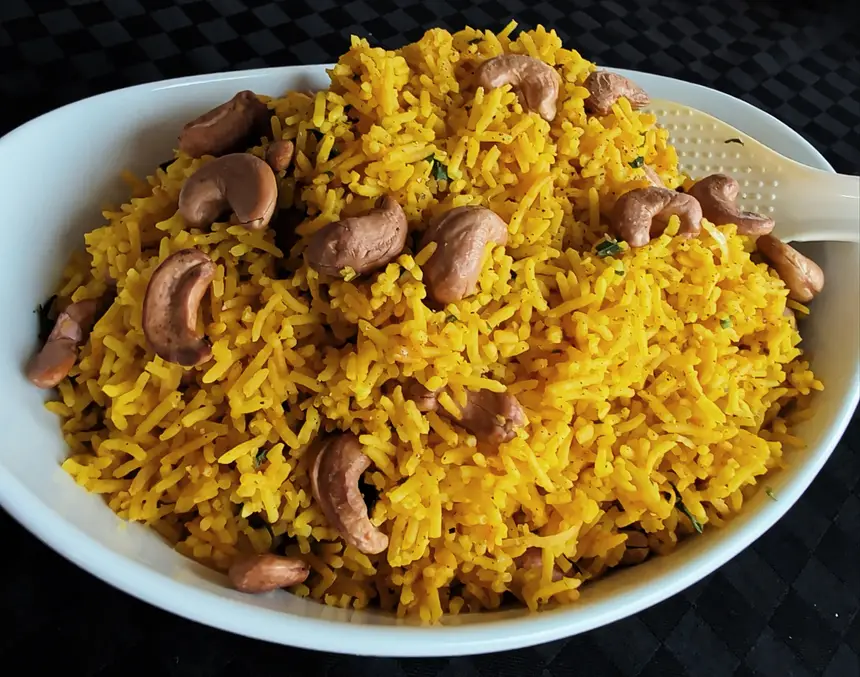
Lemon brown rice with cashews, fresh lemon zest, and black pepper. A bright, nutty vegetarian side dish with just five ingredients that comes together in minutes.
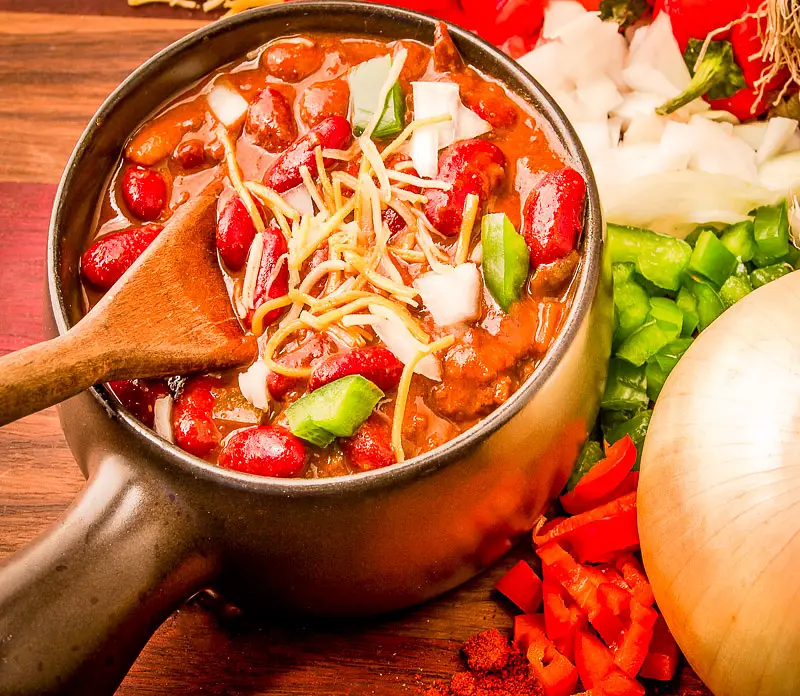
Chili with kidney beans is a hearty crowd-size beef chili built on garlic-browned ground beef, peppers, tomatoes, and red kidney beans, simmered low with chili powder, cloves, and bay. Crowd cooker for game day.
Canned salmon and rice casserole with a creamy cheddar mushroom sauce, topped with buttery cornflake crumbs. Retro comfort food baked until golden and bubbling.
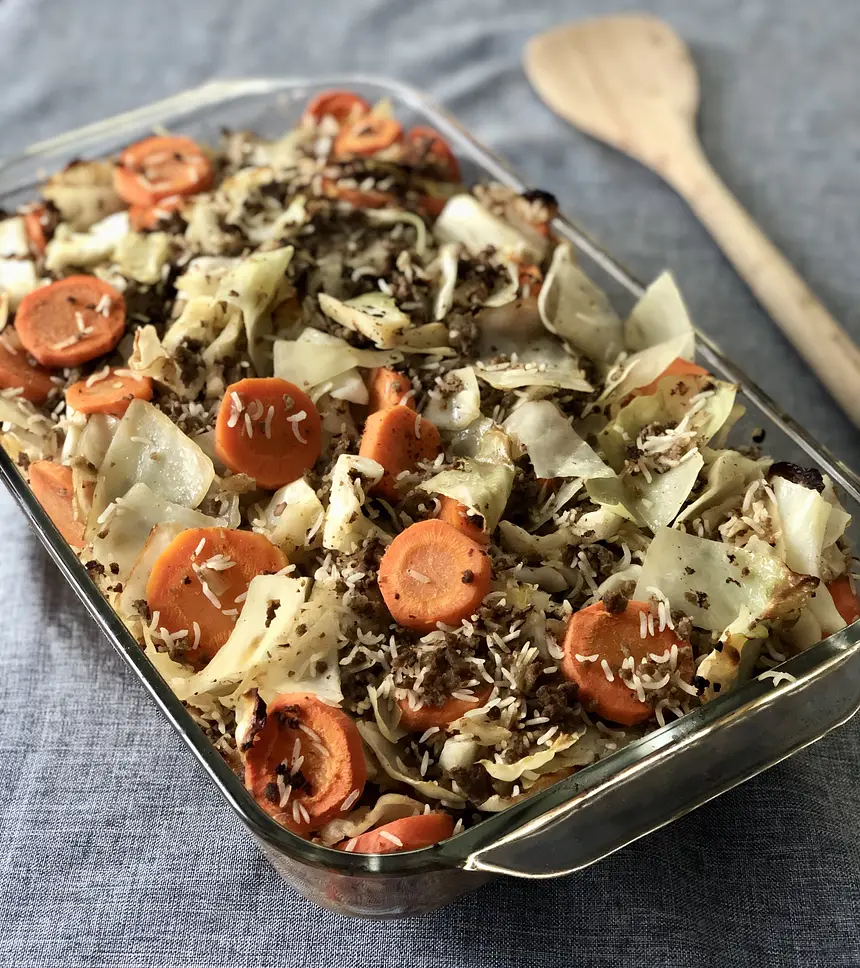
Cabbage Beef Casserole, a dish that is not only satisfyingly subtly sweet but also a testament to frugality and the art of stretching one's dollar! Easy to make with simple ingredients and feeds a hungry family.
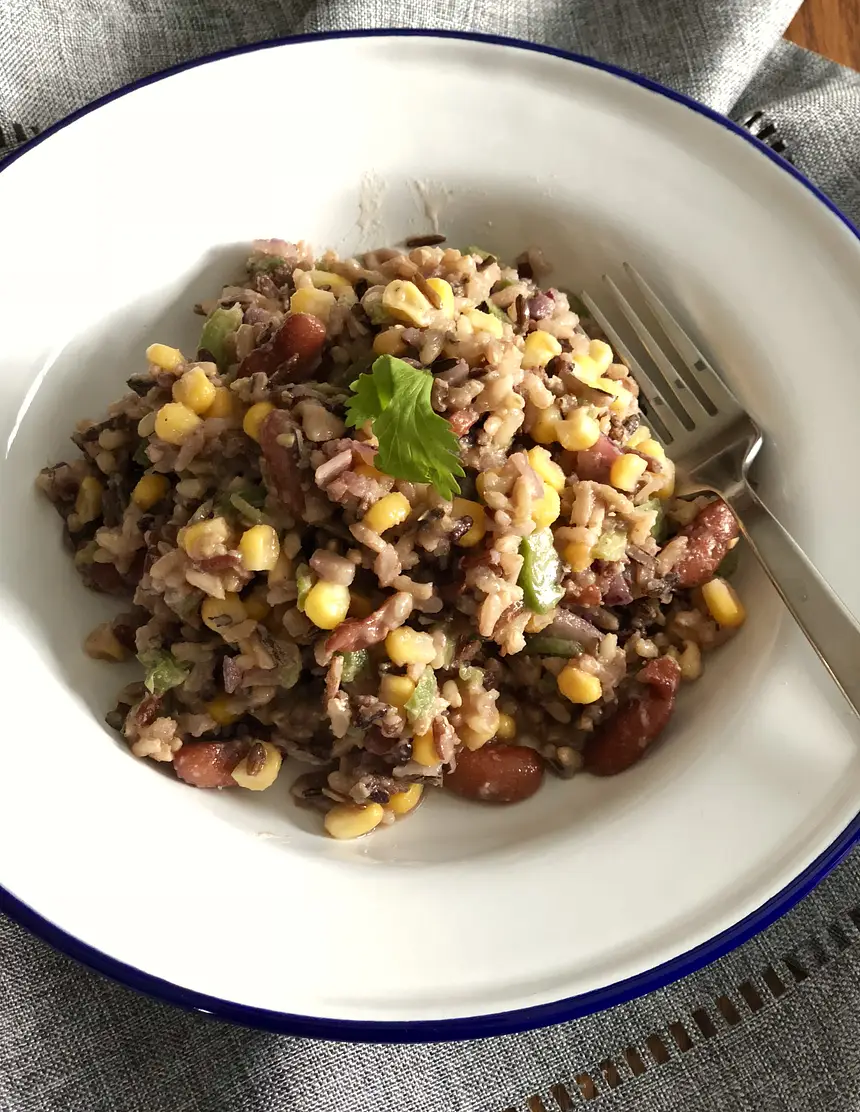
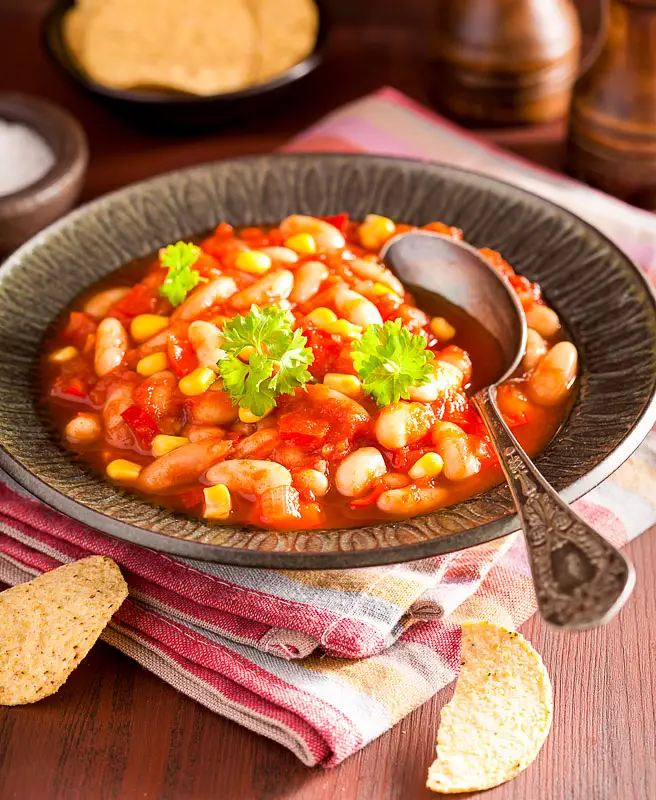
Chunky vegetarian chili packed with kidney beans, pinto beans, corn, and rice cooked right in the pot. Mexican-style tomatoes plus chili powder and cumin make a hearty one-pot meal in 45 minutes.
Feel too lazy to bake any cookies or cake for Easter. Make these crispy Easter nests that will for sure satisfy everyone. They are easy to make, and taste delicious.
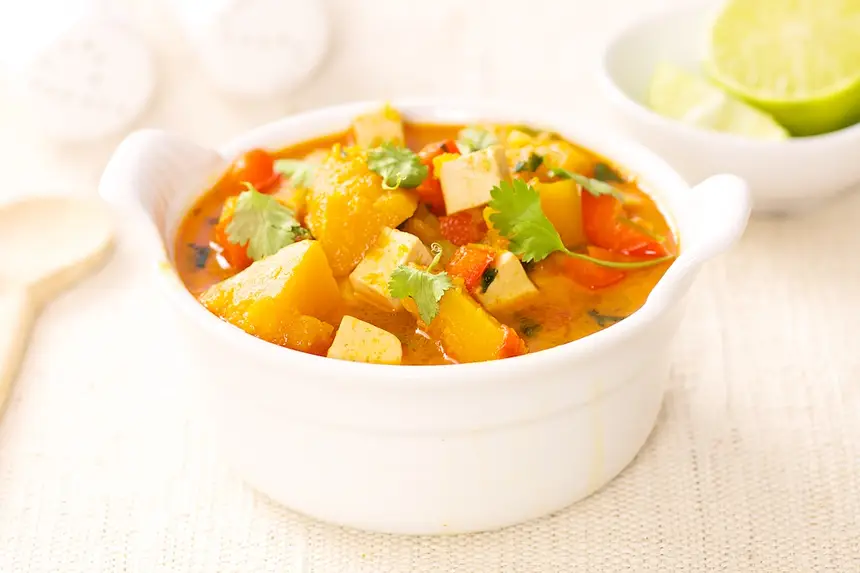
This delicious Thai curry soup is packed with goodness and great flavour. It warms you up instantly. Perfect for a cold winter supper when served with a bowl of rice.
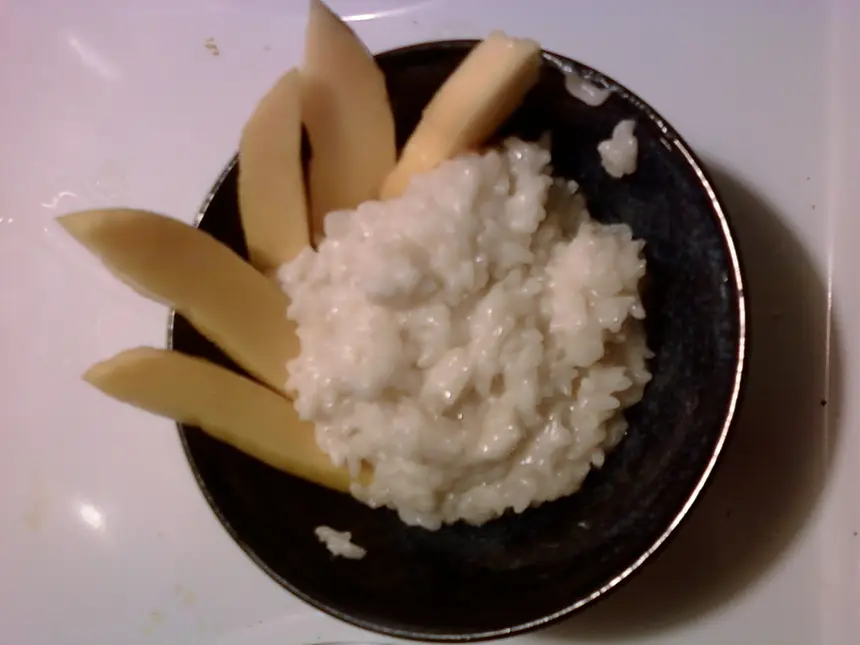
Thai mango sticky rice (khao niaow ma muang) with coconut cream sauce poured over warm sticky rice and served with fresh sliced mangoes. The classic Thai street dessert made from scratch.
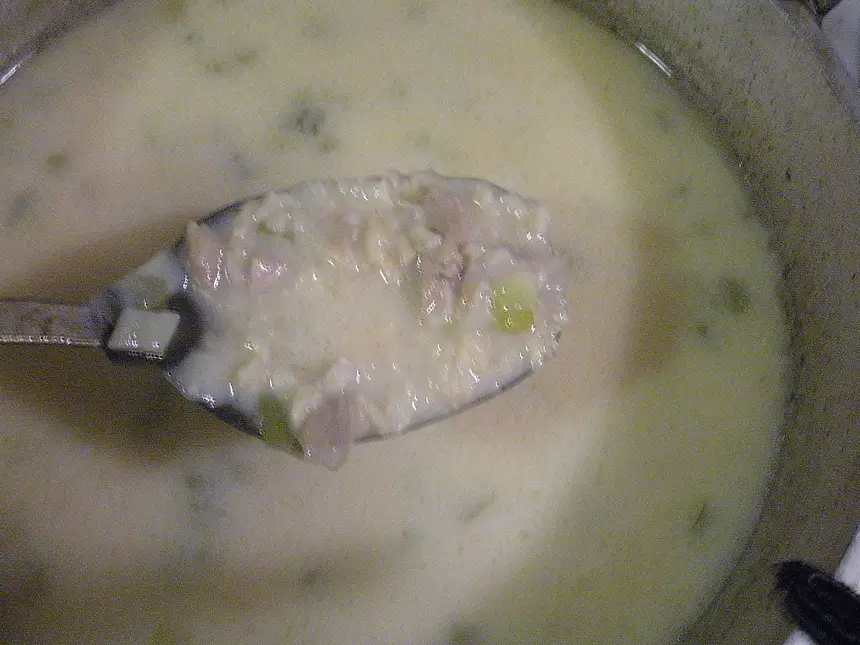
Turkey leftover soup is a creamy post-Thanksgiving bisque with wild and white rice, scallions, crumbled bacon, cubed turkey, and a splash of sherry. The Friday lunch that makes Thursday's bird worth it.
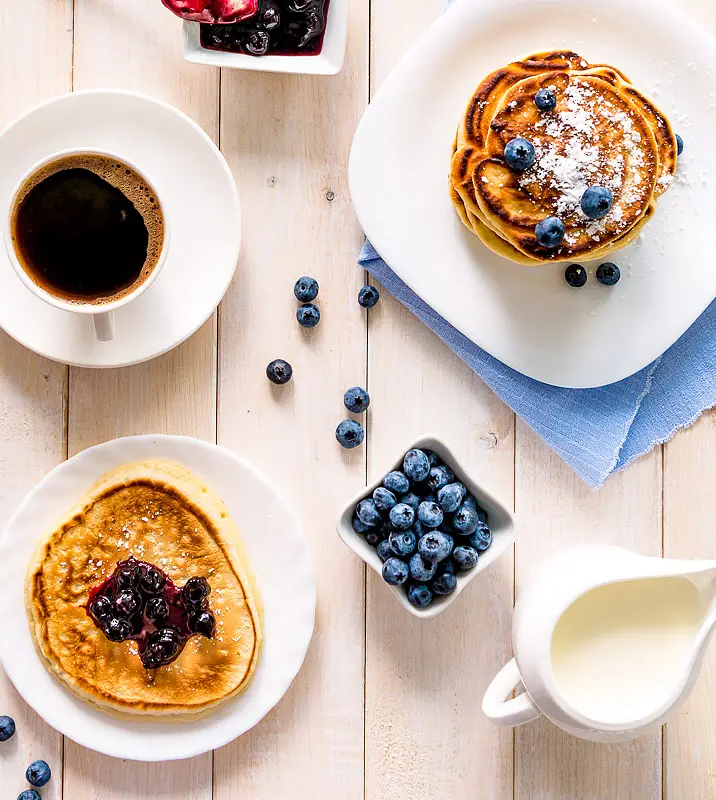
Gluten-free pancakes made with a blend of rice flour, soy flour, and cornmeal. A simple wheat-free breakfast batter you can stir together in minutes for a celiac-safe pancake stack with real flavor.
Vegan tomato rice soup blended creamy with soy milk and garlic, brightened by apple cider vinegar and finished with cooked rice and toasted sunflower seeds. Dairy-free comfort.
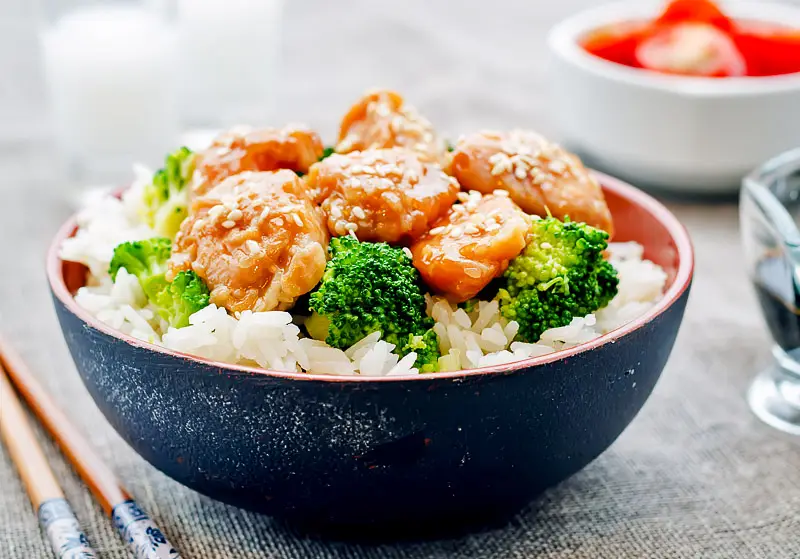
Orange-sauced chicken stir-fry coats tender chicken and crisp broccoli in a tangy orange juice and ginger sauce. A homemade takeout-style dinner ready in 25 minutes.