Spaghetti rewards a little know-how: how to choose it, cook it, store it, and substitute in a pinch. Browse 362 recipes to cook with it.
Key Points
Spaghetti is long, thin dried pasta from durum wheat semolina, best with clingy sauces.
Boil in plenty of salty water, about 4 quarts per pound, and stir the first minute.
Reserve a cup of starchy pasta water to emulsify the sauce into a glossy coat.
Pull it at al dente; it keeps cooking off the heat, so taste a minute early.
Match the sauce to the strand; thin, brothy sauces slide off and pool in the bowl.
What is spaghetti?
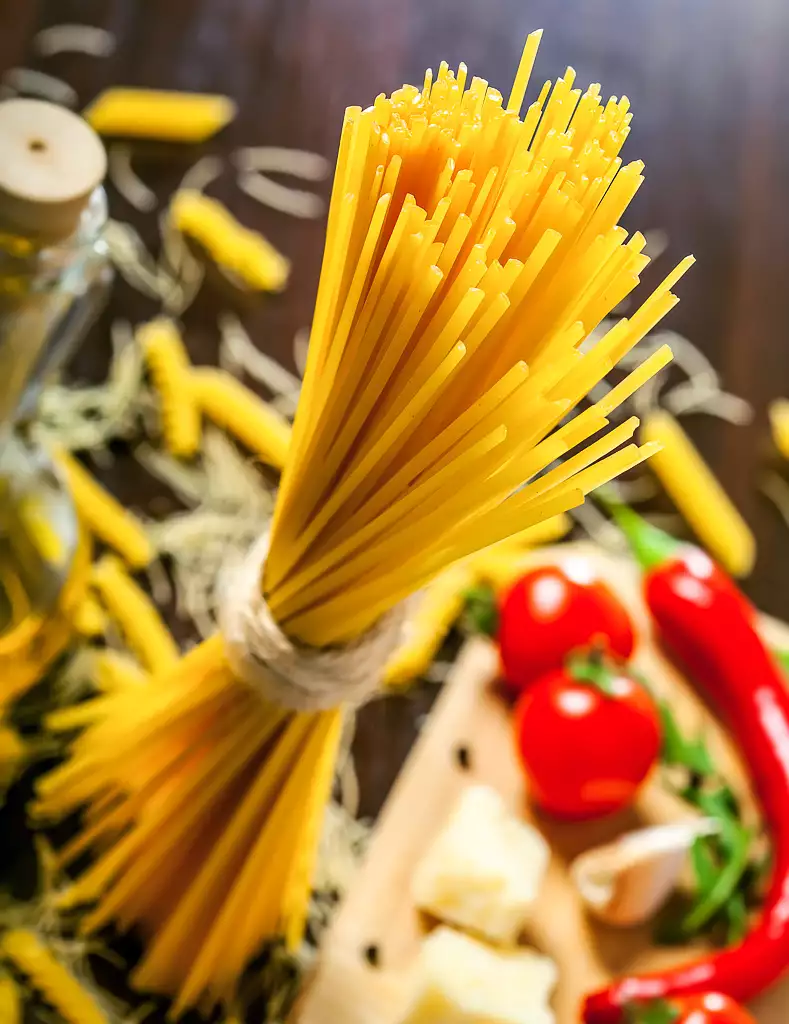
Spaghetti is the long, thin, cylindrical pasta that turns the simplest ingredients into a meal. It belongs to the dried wheat pasta family, made from durum wheat semolina mixed with water and pushed through metal dies.
The shape is not arbitrary. Long round strands let a sauce cling along their whole surface instead of pooling at the bottom of the bowl, which is why spaghetti suits clingy, emulsified sauces more than chunky ones.
The name comes from the Italian spago, a length of string or twine, with spaghetti meaning little strings. Drying was the innovation that made it travel: fresh pasta cooks in a few minutes and spoils, while dried spaghetti cooks in about ten and keeps for years.
Cooking It Right
Cook spaghetti in plenty of water salted until it tastes like the sea. A one-pound (450 g) box wants at least 4 quarts (about 4 liters) of water and a generous tablespoon of salt, brought to a hard rolling boil before the pasta goes in.
Stir for the first minute so the strands do not glue together as they soften. Skip the oil in the water; it just coats the noodles and keeps sauce from sticking later.
Pull it at al dente, with a thin firm core still at the center of a bitten strand. Set a timer for a minute under the package time and taste from there, because the pasta keeps cooking off the heat.
Overcooked spaghetti goes slack and loses the bite that makes the shape worth eating. Before draining, dip out about a cup of the starchy cooking water and keep it.
That cloudy water is the secret. The dissolved starch helps emulsify fat and sauce into a glossy coat, so finish the drained pasta right in the sauce pan for the last 30 seconds, splashing in pasta water until it clings.
Spaghetti pairs with anything that has enough body to wrap a strand. Smooth tomato sauces are the default match, since the acidity cuts the neutral wheat and the sauce coats evenly.
The classic mistake is under-salting the cooking water. Dried pasta soaks up its seasoning from the water as it rehydrates, and there is no fixing bland spaghetti once it is on the plate.
The second mismatch is sauce that is too thin. Brothy or watery sauces slide right off a round strand, leaving dry noodles in one part of the bowl and a puddle in the other. Save those for soups or short pasta with ridges.
Substitutes
Thin spaghetti, sold as spaghettini, swaps in directly when you want a lighter noodle for oil-based or seafood sauces, though heavy meat sauces overwhelm it.
Angel hair (capellini) is thinner still and cooks in about two minutes, so it suits only the most delicate sauces and turns to mush if pushed past al dente.
Bucatini and perciatelli are thicker and hollow, and they stand up to chunkier, fattier sauces better than standard spaghetti. Linguine, being flat, is a fair swap for clam and seafood dishes; fettuccine is usually too wide and heavy for a sauce built for spaghetti.
Whole-wheat spaghetti brings fiber and a nuttier taste but needs a minute or two longer and chews heartier. Gluten-free versions soften faster and grip sauce less well, so undercook them slightly and serve right away.
Buying and Storing
Look for pasta extruded through bronze dies, often labeled trafilata al bronzo. Bronze leaves a rough, matte surface that grabs sauce, while smooth Teflon-die pasta sheds it. Check the ingredients too: top-quality boxes list only durum wheat semolina and water.
Good dried spaghetti keeps two to three years in the pantry. Once the box is open, move it to an airtight jar to keep out humidity and pantry moths.
Store it somewhere cool and dry, away from the heat of the stove. A sound dry strand snaps cleanly; if a box has gone soft and bendy or shows powdery dust, it has taken on moisture and is past its best.
Types of spaghetti
Specific kinds of spaghetti and the recipes that use them.
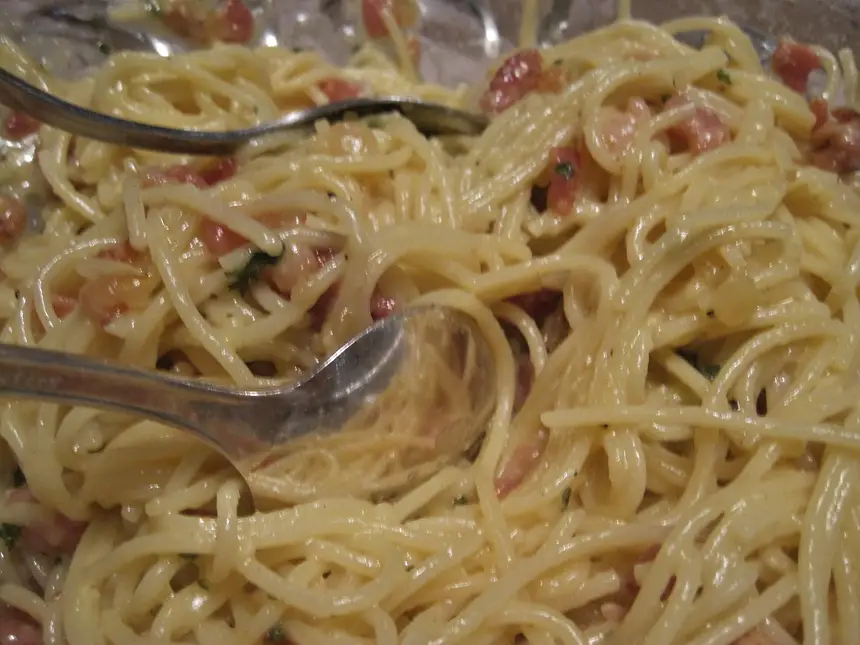
Cooked spaghetti is exactly what it sounds like: spaghetti that has already been boiled, drained, and is ready to use. Recipes call for it by the cupful when they start from leftover or pre-cooked pasta rather than dry strands.
This is a prep state, not a different pasta.
A standard serving of about 2 ounces of dry spaghetti yields roughly 1 cup cooked, which is handy when a recipe lists the cooked amount instead of the dry weight.
Cold leftover spaghetti behaves differently from fresh-boiled. It firms up and the strands stick together, so most dishes built on it either bind that clump into something new or loosen it back up with sauce.
Spinach spaghetti is ordinary round spaghetti with cooked spinach blended into the dough, which tints the strands a soft green. The spinach is there for color far more than for taste.
The flavor it adds is mild. A faint grassy, vegetal note sits behind the usual wheat, but nobody mistakes a forkful for eating greens.
It cooks and acts just like plain spaghetti. Same long thin strand, same boil, same al dente bite, only green.
My man can't get tired of spaghetti. I try to add new ingredients and play around with the recipe. This one is yummy and it contains some vegetables. I try to add vegtables as much as possible in our dinner. My kids love it too.
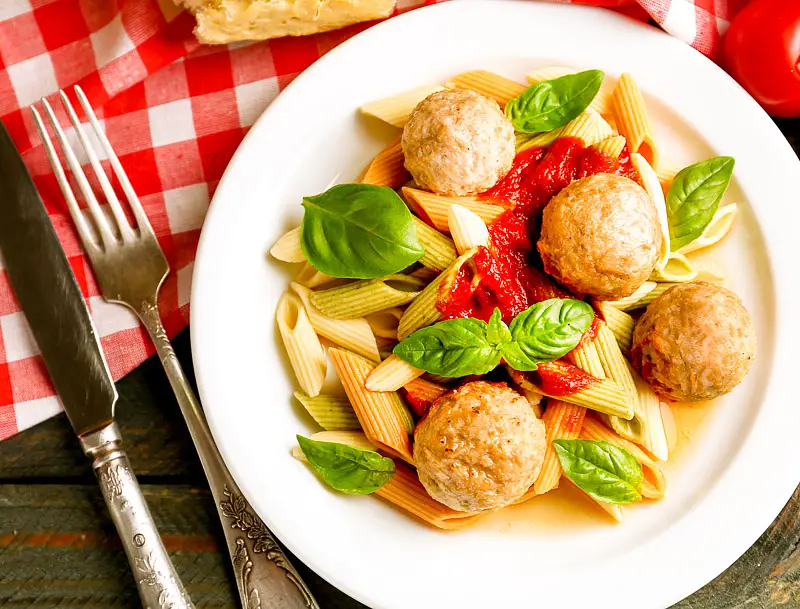
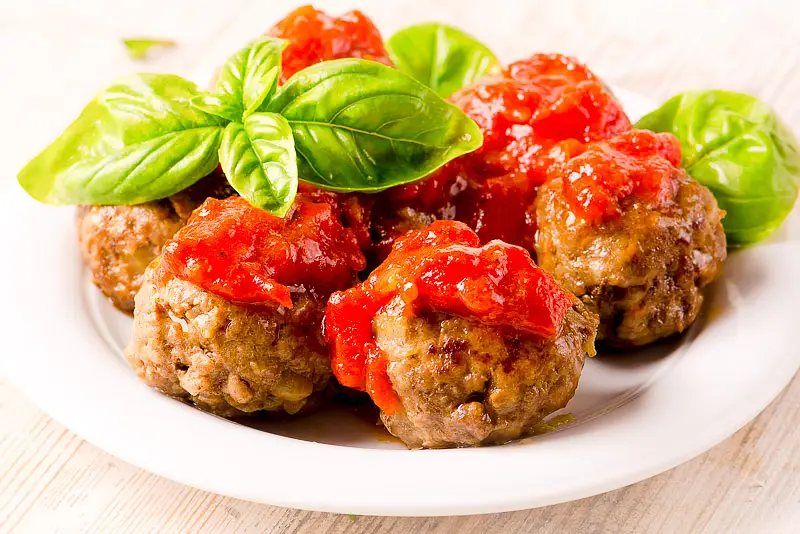
Savory spaghetti and meatballs with ground beef meatballs seasoned by dry onion soup mix, browned and simmered in jarred spaghetti sauce. The 30-minute weeknight version that tastes like a slow-cooked Sunday sauce.
Spaghetti and meatballs simmered in a slow-cooked tomato sauce with red wine, mushrooms, green pepper, basil, and oregano. Tender pan-fried beef meatballs and a deeply layered sauce that builds for two hours.
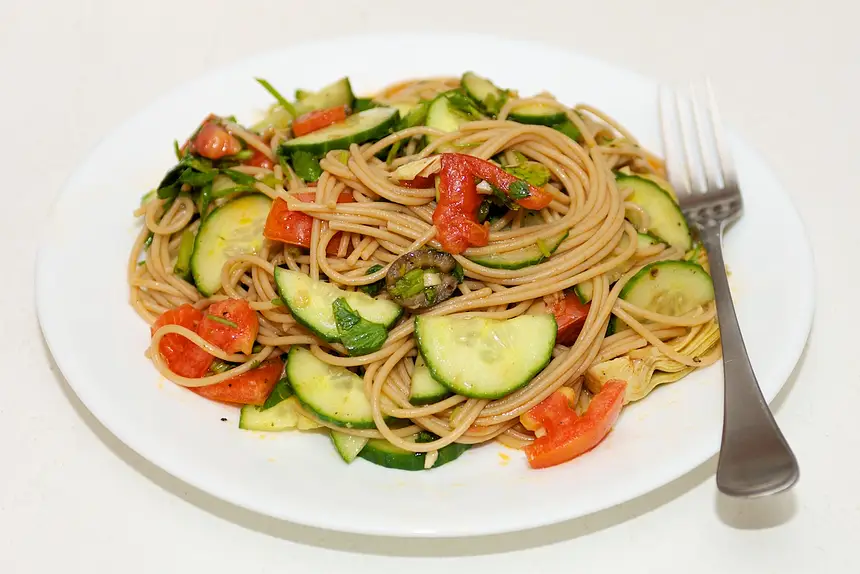
Marinated artichoke hearts, warm pasts, crunchy cucumber, and juicy tomatoes are tossed together with the marinade juice from artichoke hearts, some red pepper sauce, and fresh cilantro. Quick, easy, and refreshing.
Use homemade or store-bought marinara sauce, a few fresh vegetables and pasta to make this quick, easy and tasty one-pan meal that's ideal for a busy week-day supper.
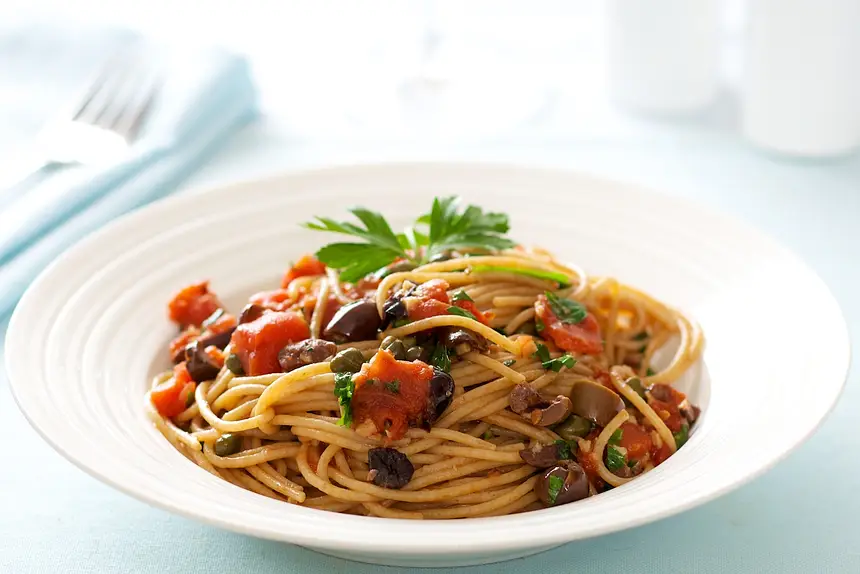
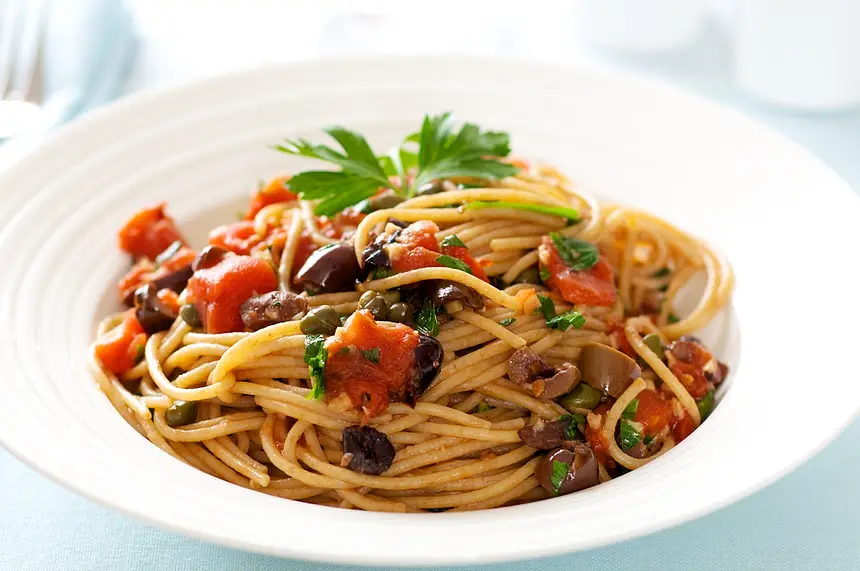
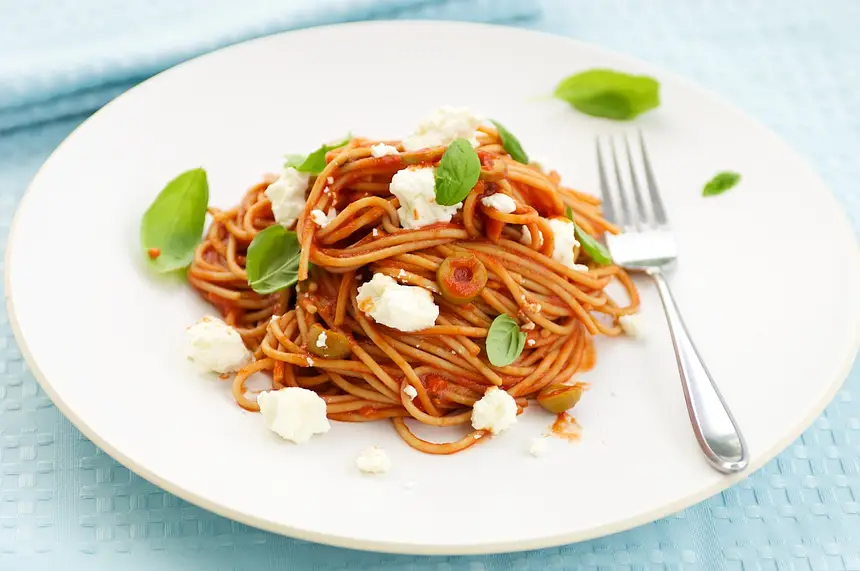
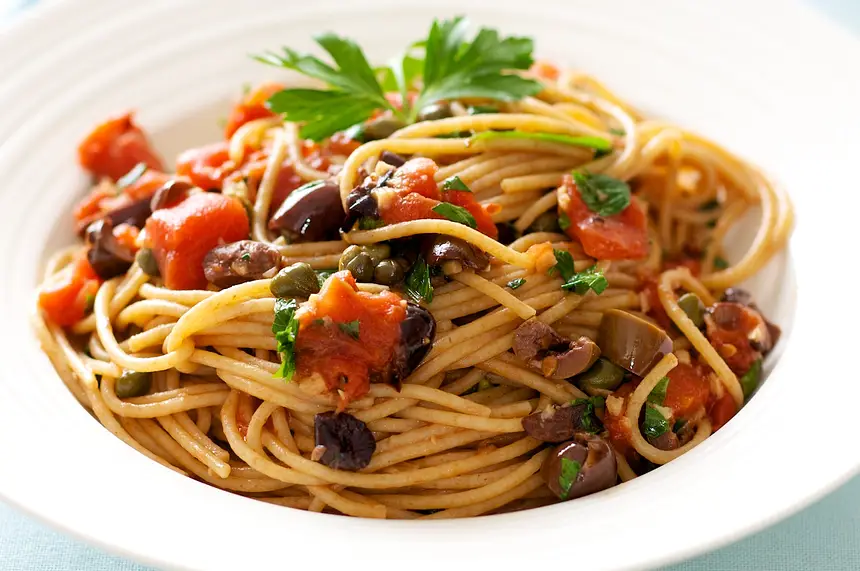
Bold, briny spaghetti alla puttanesca with San Marzano tomatoes, capers, black olives, and anchovies tossed in garlicky olive oil. This quick Italian pasta dish hits the table in 40 minutes with layers of salty, savory depth in every forkful.
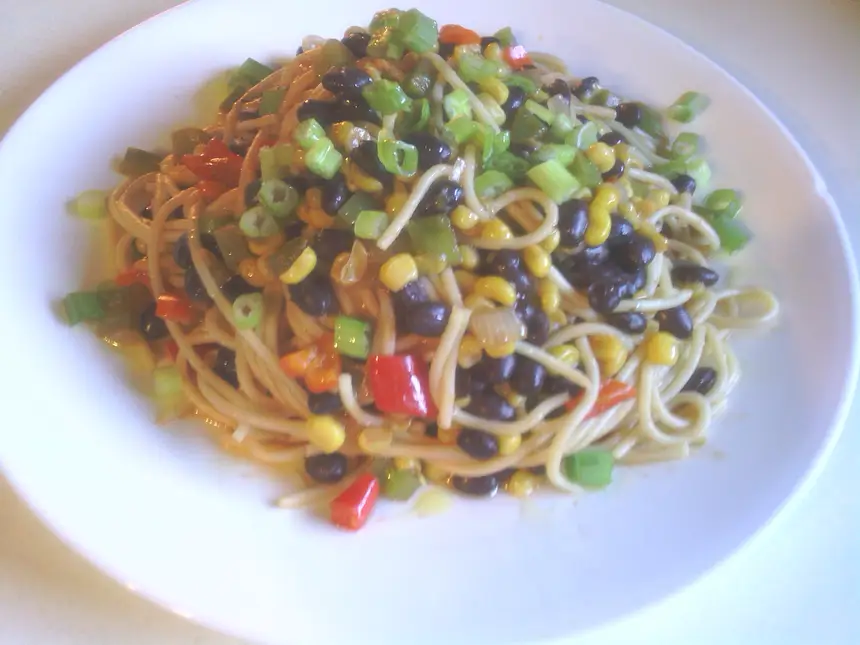
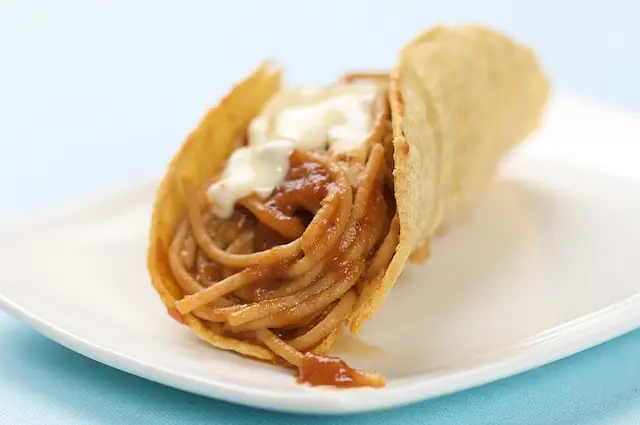
Bright In Color!! ..Great In Taste! ..This Delicious Mexican Style Spaghetti Dish Is Flavorful And Fun To Make!! Served Warm or Room Temperature.. It's Great!! Anytime.. Summer Or Winter!!
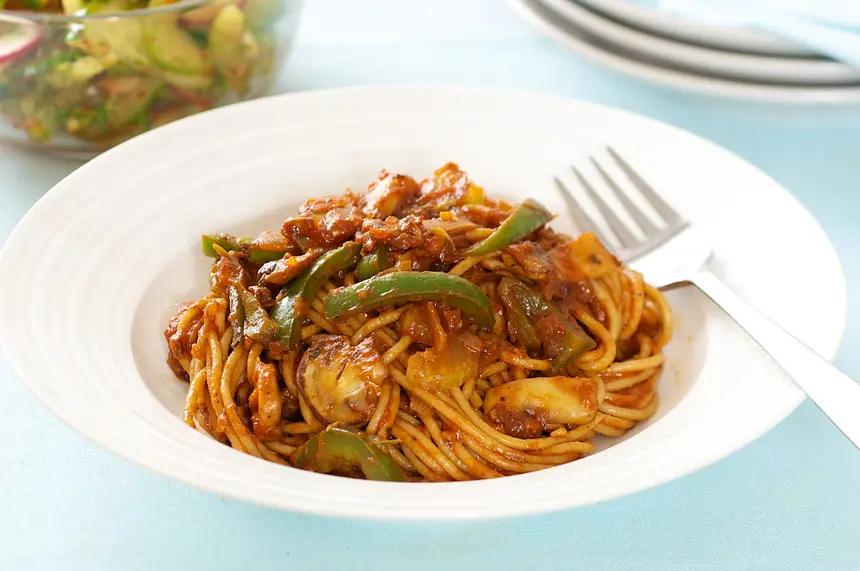
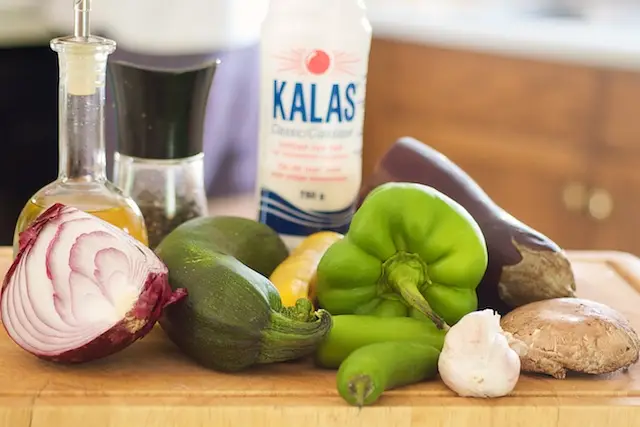
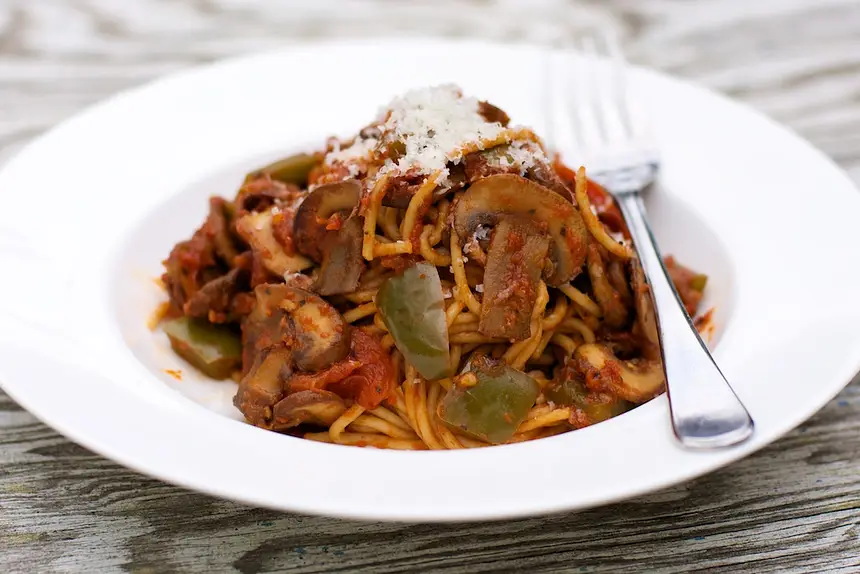
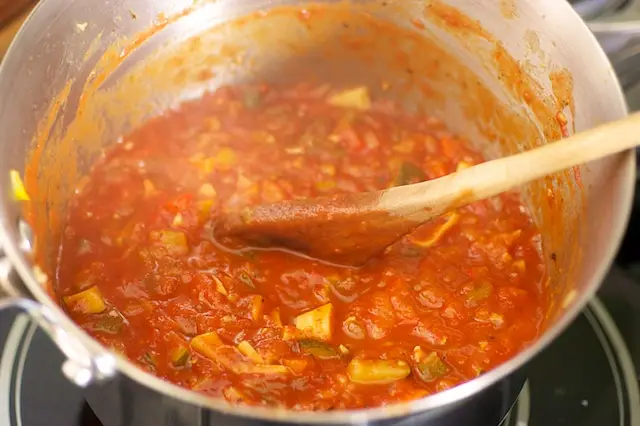
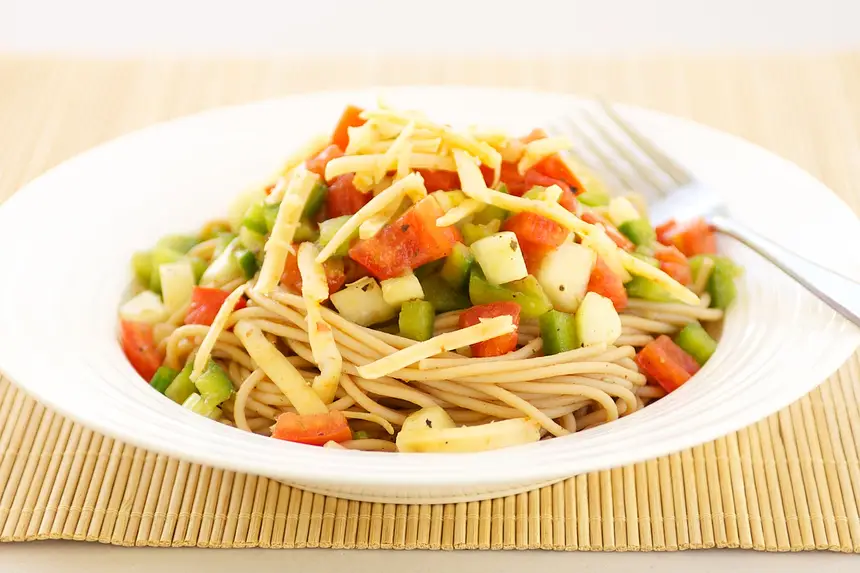
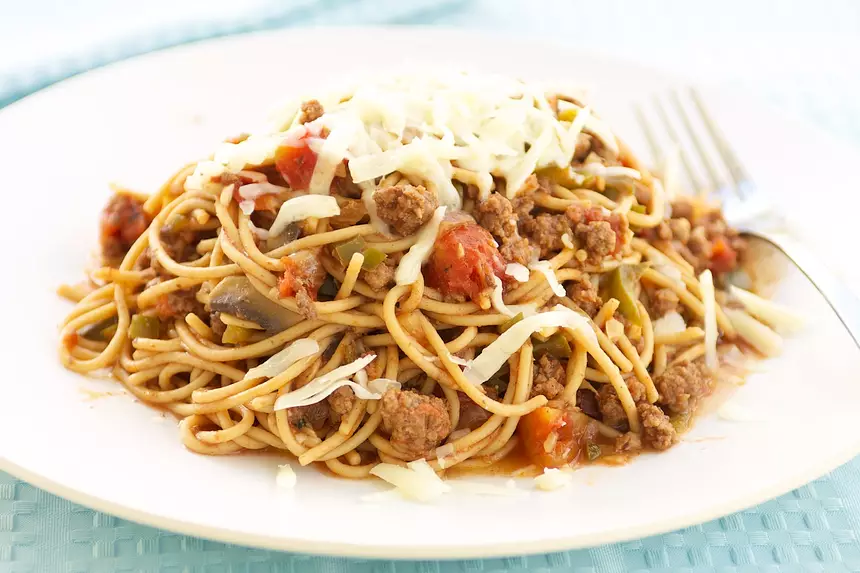
Spaghetti tossed with a quick vegetable sauce of fresh tomatoes, mushrooms, and green peppers sauteed with garlic, basil, and oregano. Ready in 30 minutes.
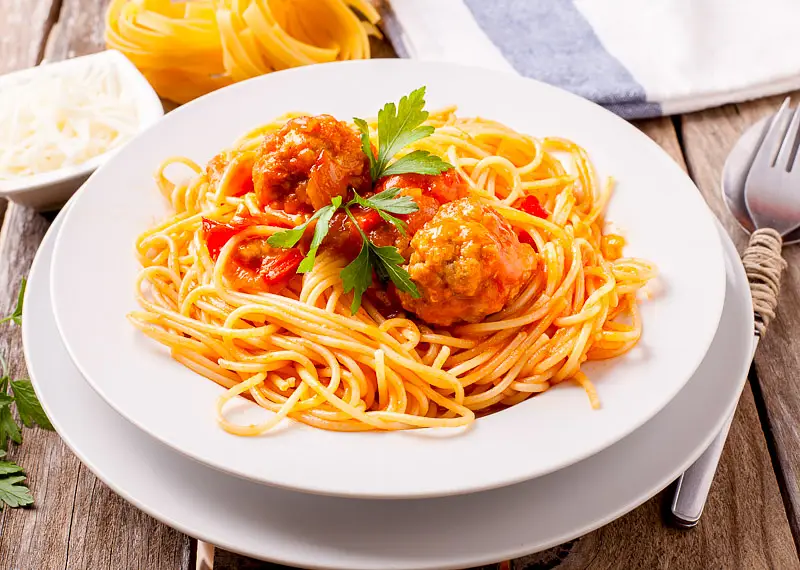
Lighter spaghetti and meatballs with baked turkey meatballs in a veggie-packed tomato sauce. Carrots, celery, peppers, and onion build a sauce that's wholesome and deeply flavorful.
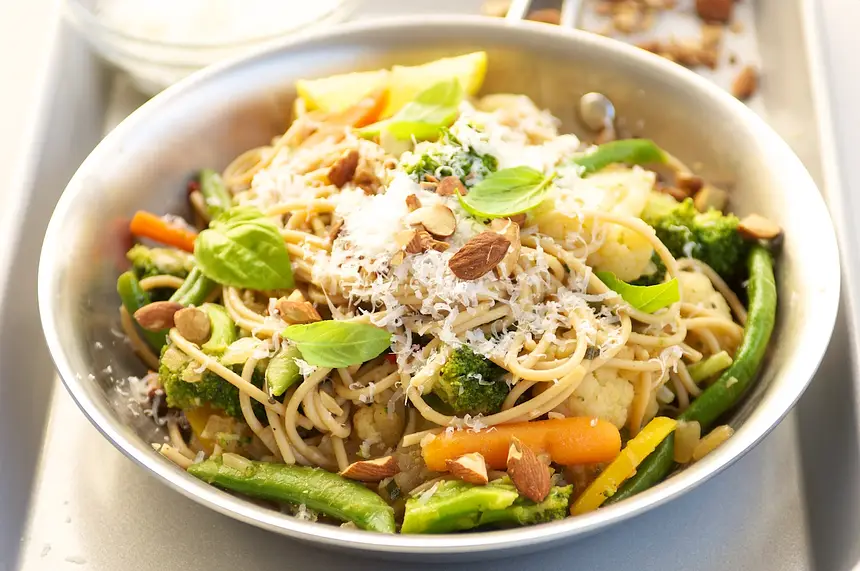
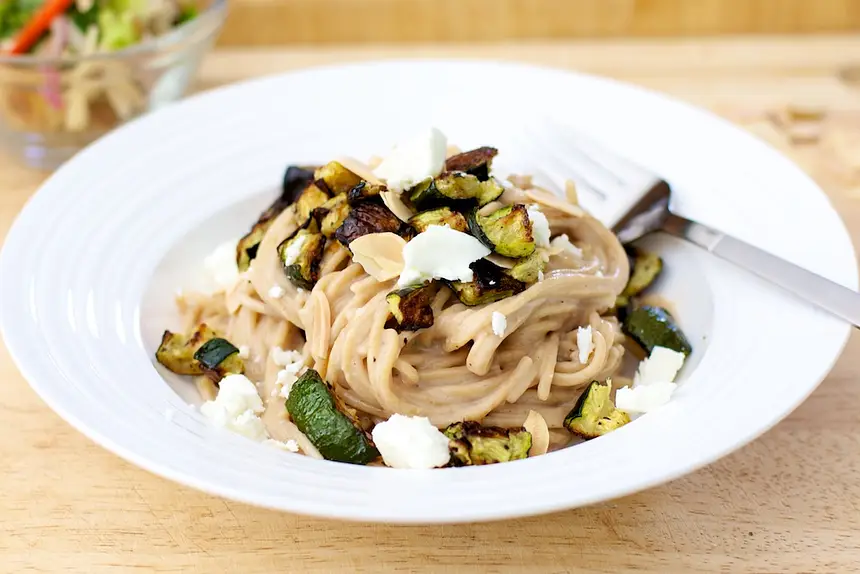
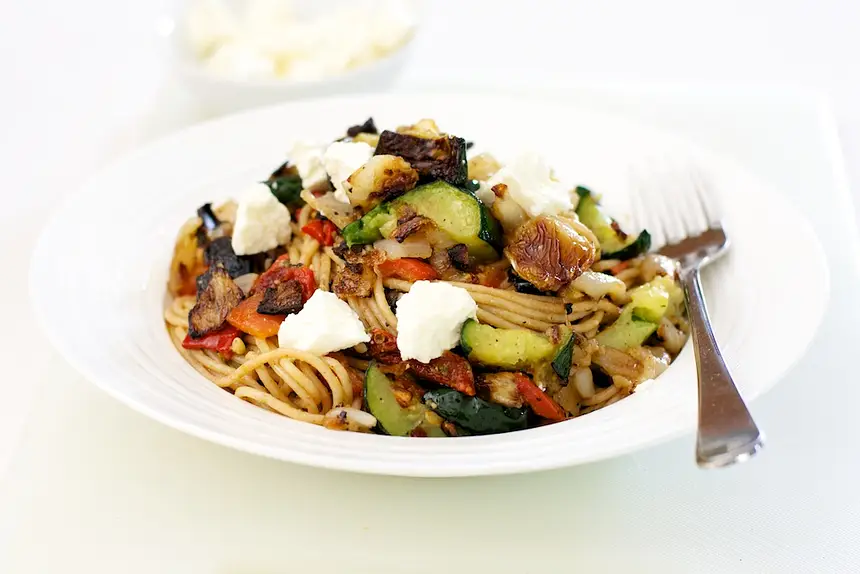
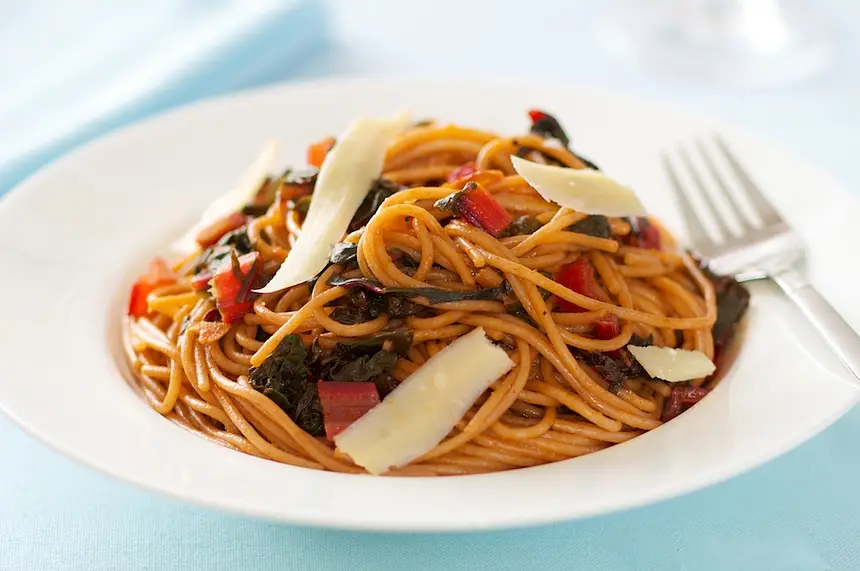
This easy to make one-skillet dish is an ideal busy weekday dinner. Whole wheat spaghetti, lots of vegetables and toasted almonds lend the dish lots of nutrients, and it tastes simply delicious.
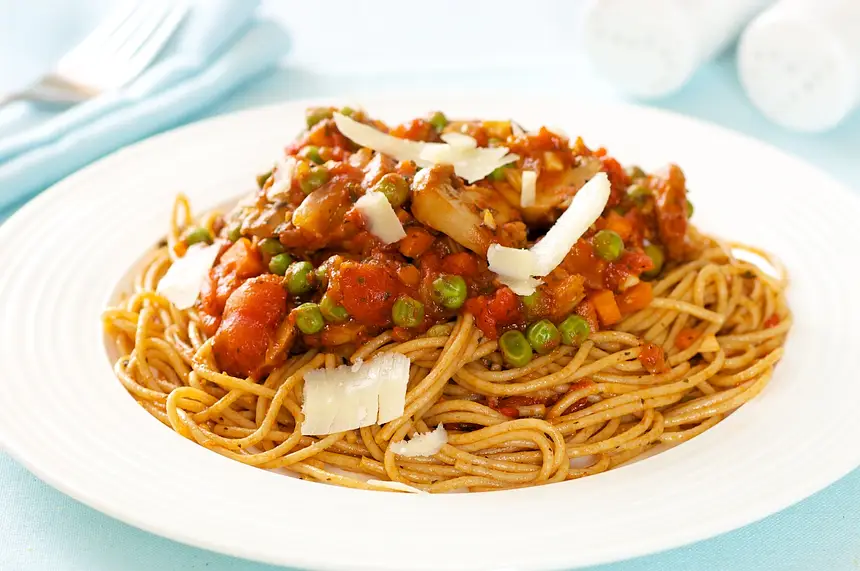
Something quick, easy and tasty is always great for a busy week-night meal. This pasta with mushroom pea marinara sauce can be done within 20 minutes. It's loaded with yumminess and it's good for you.
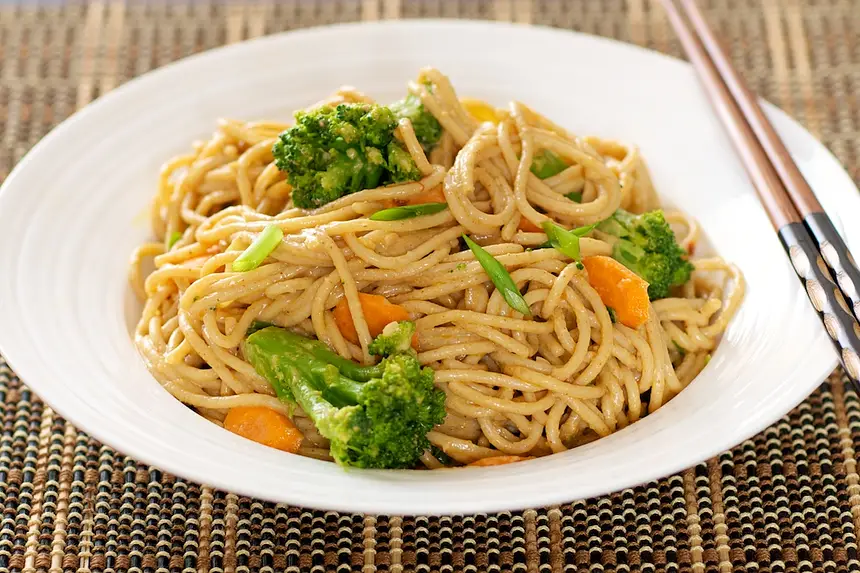
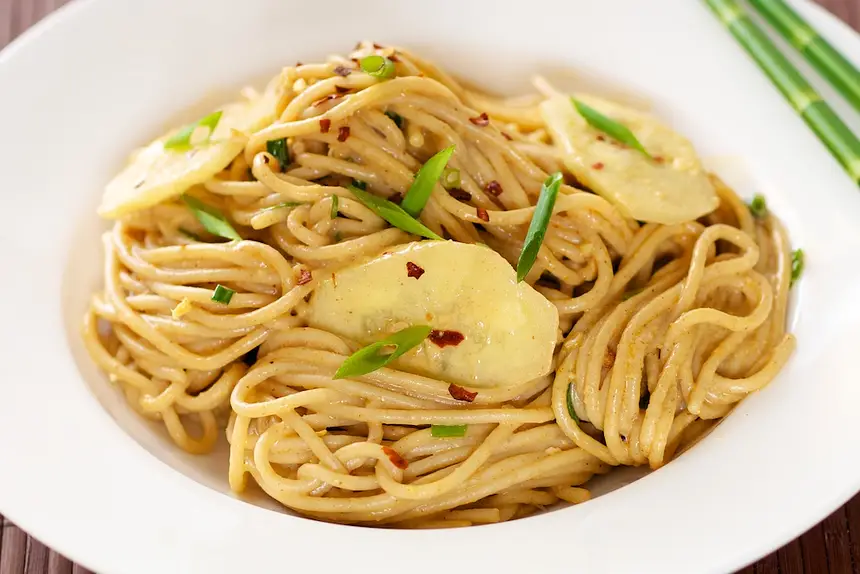
Quick, easy yet delicious, an ideal week-night meal. Sichuan spicy oil really adds lots of yumminess, you can find it in most Asian or Chinese grocery store. Use any vegetables you have on hand.
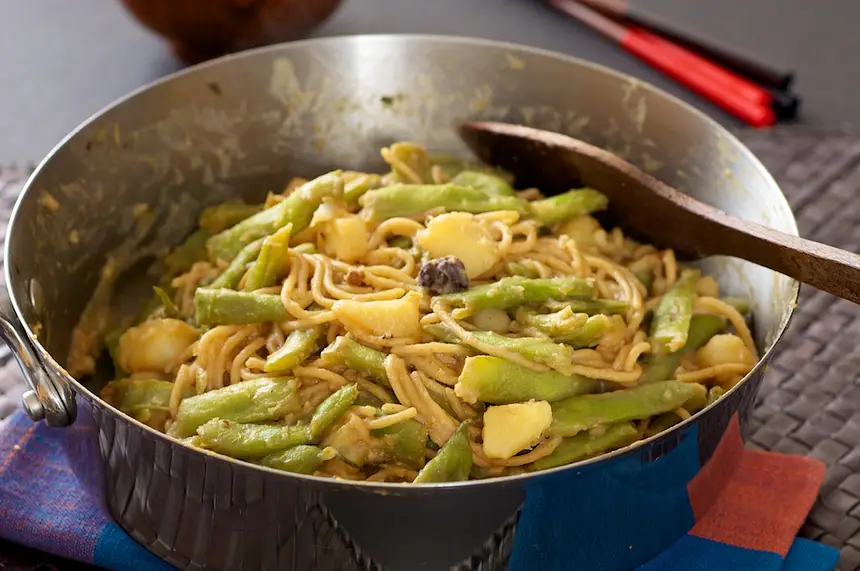
This is a classic dish in Northern China, it's usually made with broad beans, potatoes, pork or beef chunks as you wish, and freshly made noodles. This is an easier version by using spaghetti, I also omit the meat to make it a meatless but still very tasty.
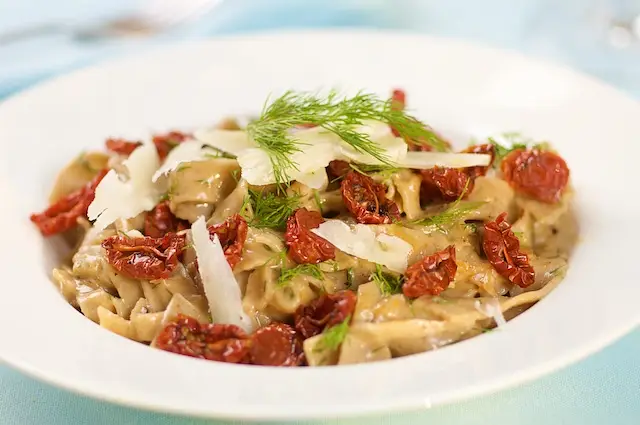
Pasta with creamy dill sauce, a light milk-based sauce built on shallots, garlic, and sherry, tossed with fresh dill, oven-dried cherry tomatoes, and shaved parmesan. A quick, low-fat creamy pasta with bright flavor.
Fresh cherry tomatoes, basil, and toasted almonds make this fresh pesto that highlights the fresh ingredients. A very quick, easy and delicious dish! Originates from the Italian village of Trapani on the tip of Sicily.
I made this for dinner this evening and had raves from the entire family!!!! First recipe tried from your site and you can be assured I will be trying many. We have very diverse tastes and your site seems to accomadate varied tastes. Thank you.
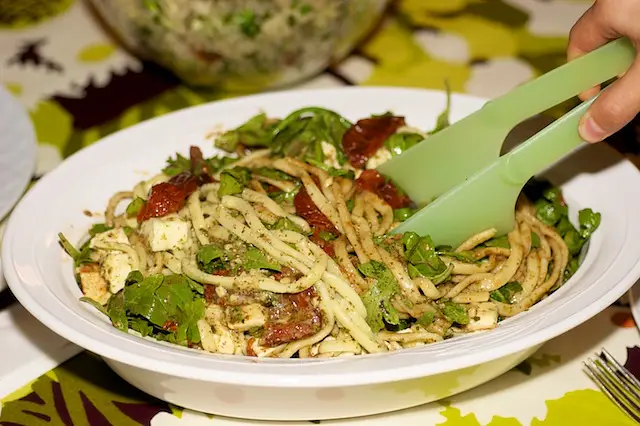
This was the side-dish my mother-in law made for Easter dinner, and my favorite. Freshly homemade pasta was mixed with basil pesto, sun-dried tomato, arugula and chunks of fresh mozzarella cheese. It was so delicious and flavorful. Here it is...
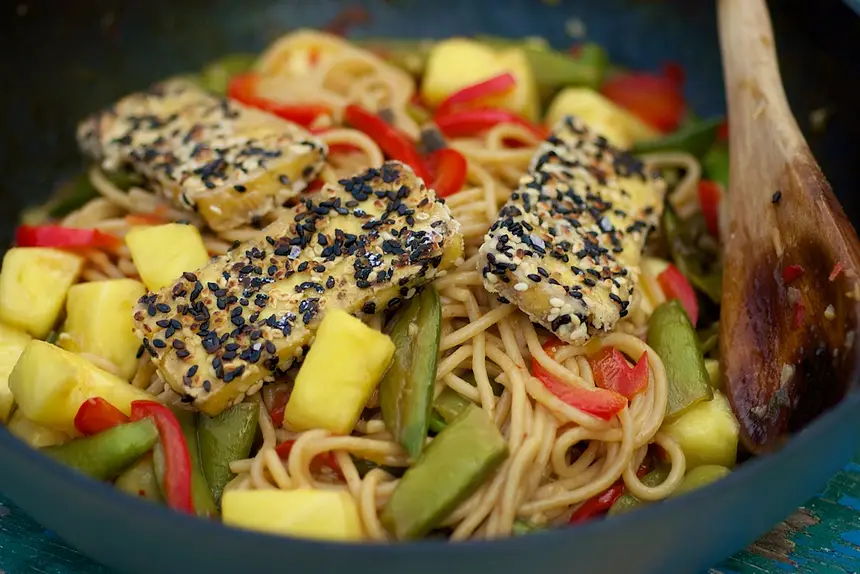
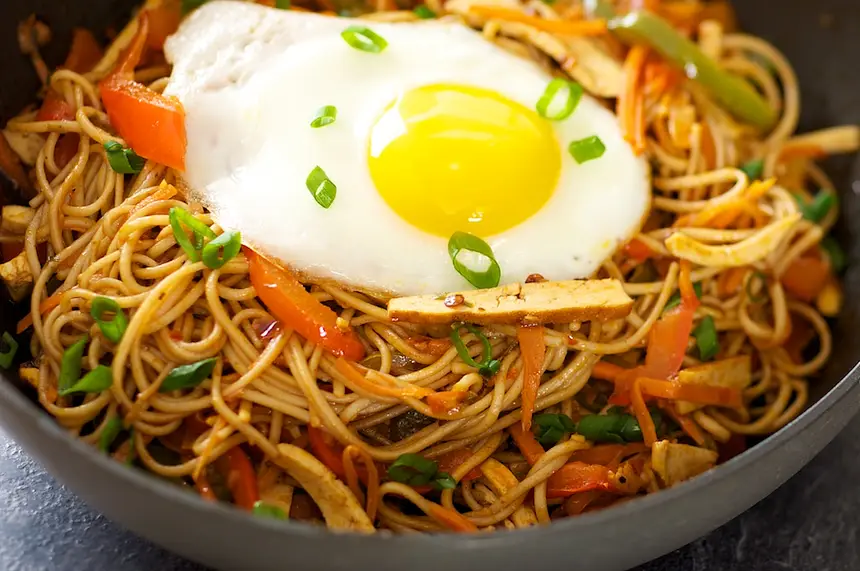
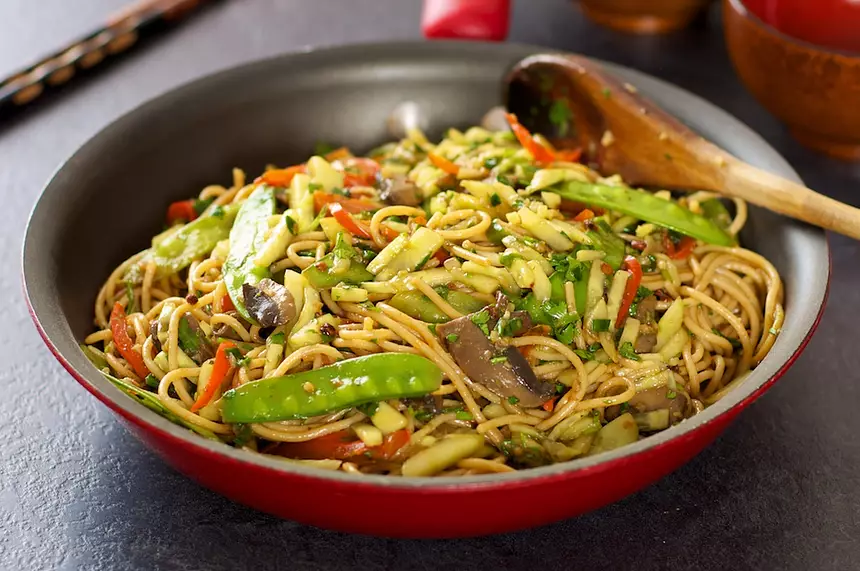
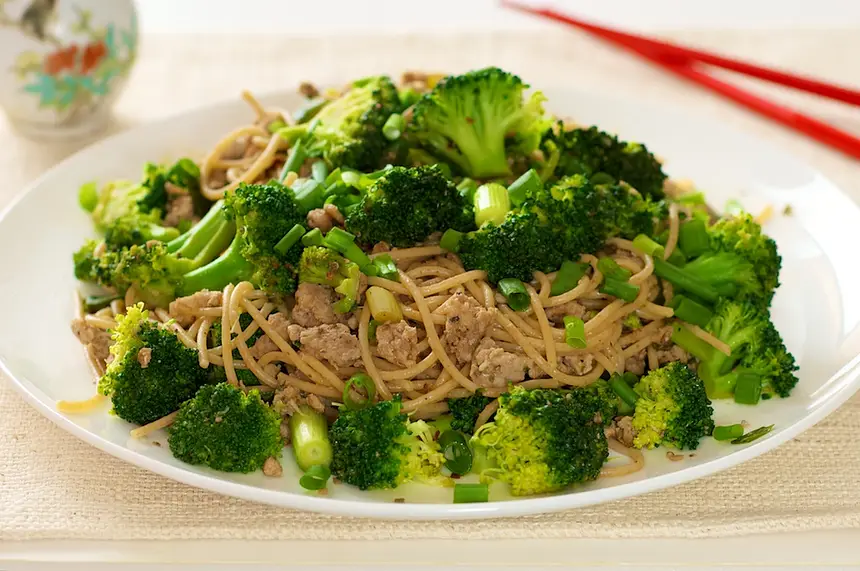
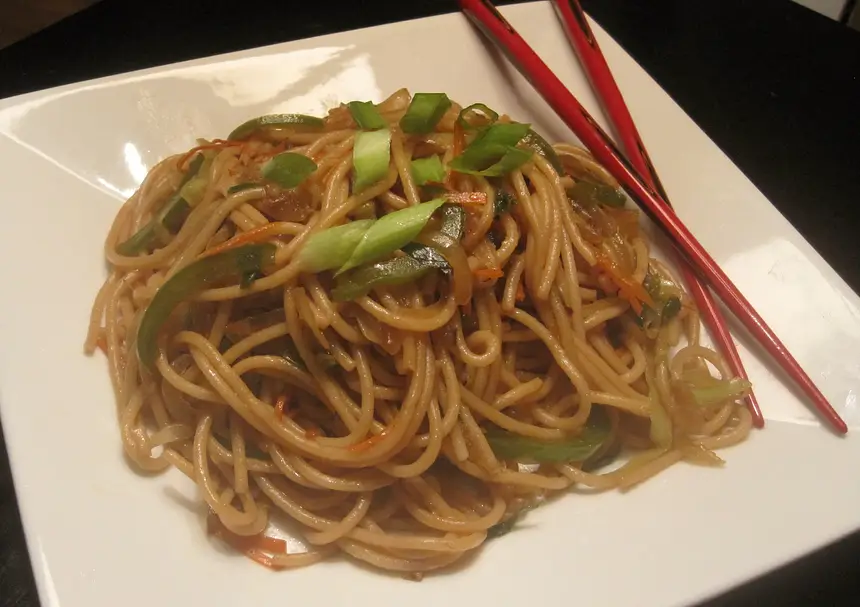
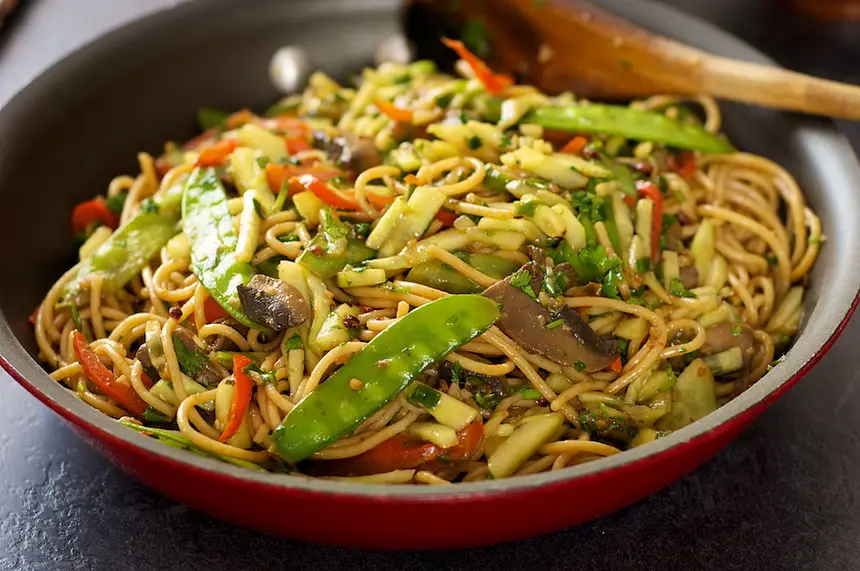
A twist on a different oriental spaghetti recipe I found created this easy yet flavorful Asian stir-fried spaghetti with veggies for dinner last night!
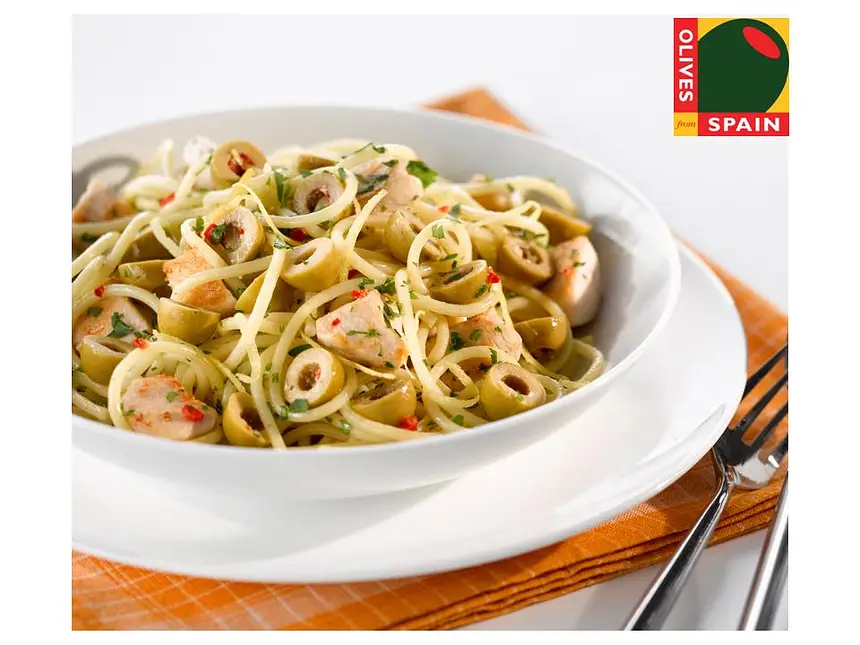
Recipe made by the ambassador for Olives from Spain José Pizarro. The four main varieties of Spanish table olive available from major supermarkets in the UK are: Manzanilla, Gordal, Hojiblanca and Cacereña. Spanish table olives can be served in a different number of ways including: whole, pitted, stuffed with one or more ingredients such as pimento, onion, tuna, anchovy, salmon, almond, etc. It is a healthy seasonal ingredient, with the Spanish olive harvest running from September-March.
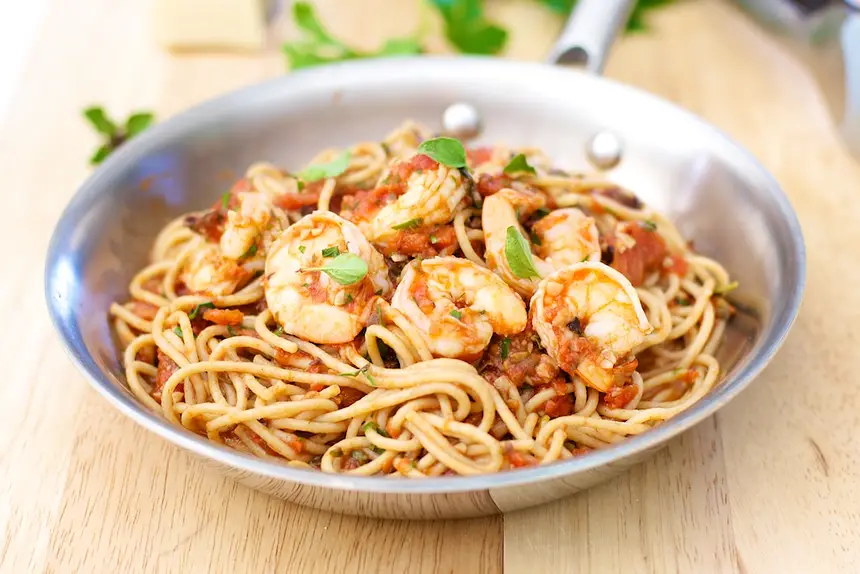
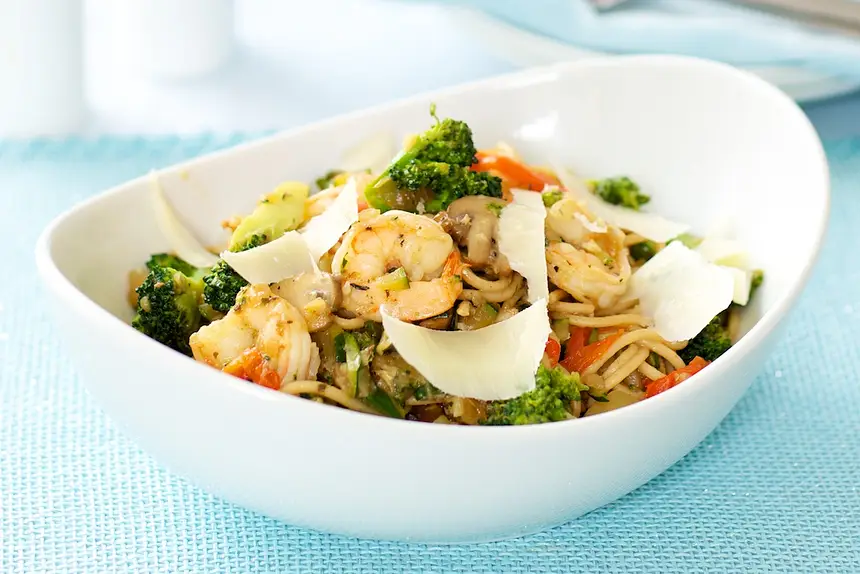
Saucy shrimp and pasta tosses peeled shrimp into a quick Italian-stewed-tomato sauce with garlic, herbs, and red pepper flakes, served over thin spaghetti. A 25-minute weeknight dinner.
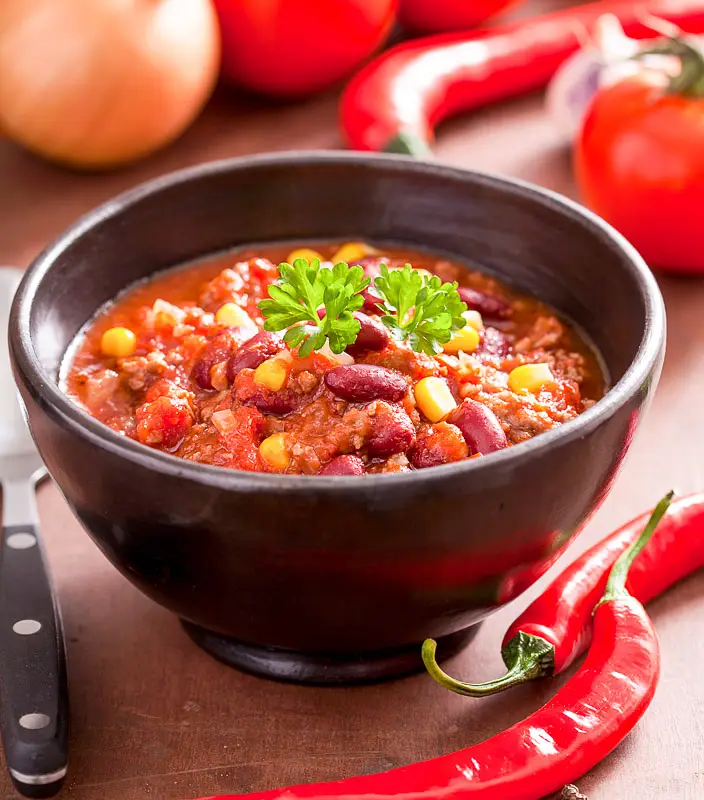
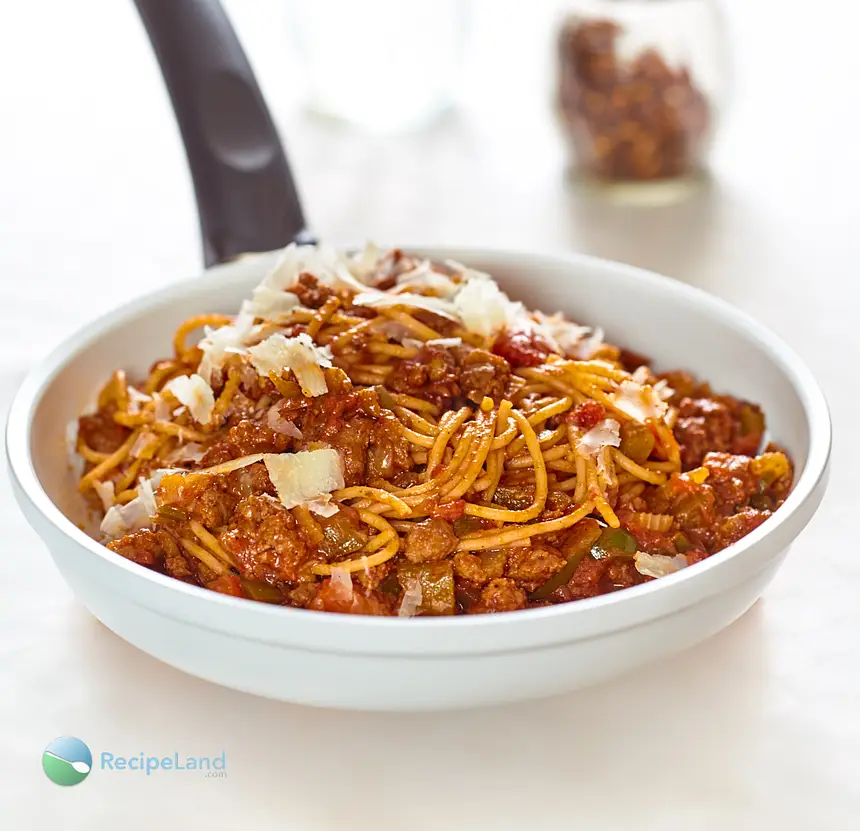
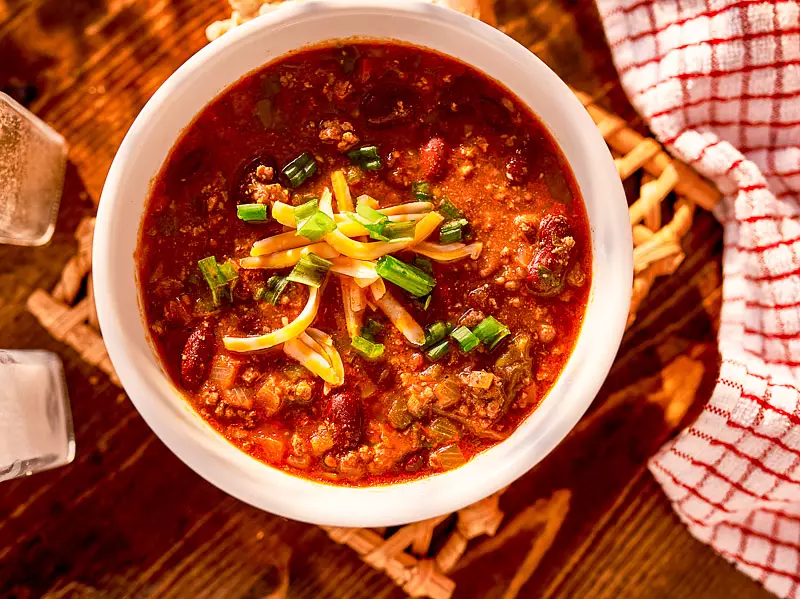
Cincinnati 5-way chili: ground beef chili spiced with cinnamon, cocoa, allspice, and cardamom, ladled over spaghetti and topped with cheddar, beans, and chopped onion.
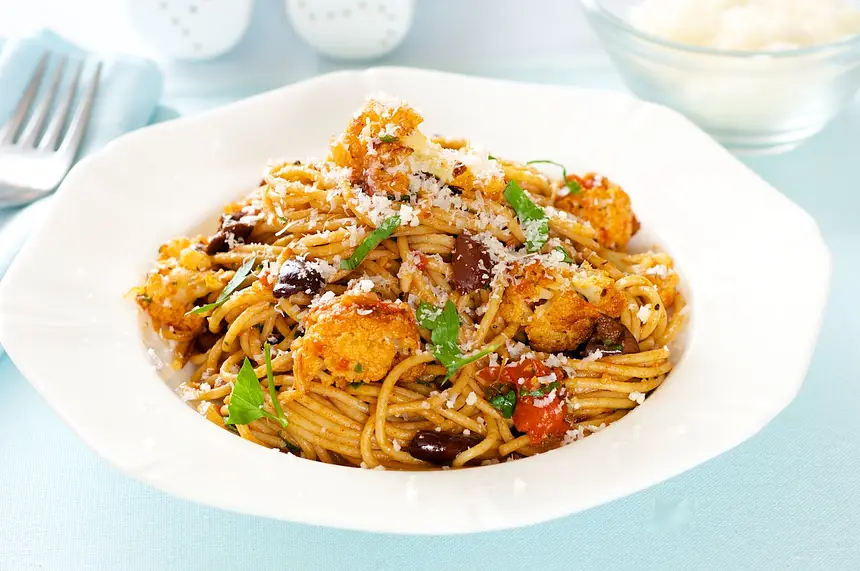
I roasted cauliflower with 1 each sliced yellow and red onions, which came out delicious with the nice caramelization. The tomato sauce was so flavorful, olives added some depth. I used parmesan cheese, and it enhanced the overall flavor.
This quick and easy dish tastes refreshingly delicious, and it's also packed with nutrients. Use whole wheat pasta to add extra goodness, or use gluten-free pasta if you are on a gluten-free diet.