Pork rewards a little know-how: how to choose it, cook it, store it, and substitute in a pinch. Browse 468 recipes to cook with it.
Key Points
Pork is pig meat, sold fresh as chops and roasts or cured as ham and bacon.
The cut decides the method: tender loin cuts cook fast and hot.
Shoulder, belly, and ribs are tough and rich; cook them low and slow.
Whole cuts are safe at 145°F (63°C) plus a 3 minute rest.
Ground pork needs 160°F (71°C); refrigerate raw cuts 3 to 5 days.
What is pork?
Pork is the meat of the domestic pig, and it is the most widely eaten meat on the planet. It comes to the table two ways: fresh as chops and roasts, or cured as ham and bacon.
One animal gives you both the quick weeknight cut and the all-day braise.
The single most useful thing to know about pork is that the cut decides the method. Get that right and the rest is just seasoning.
Tender Cuts vs Tough Cuts
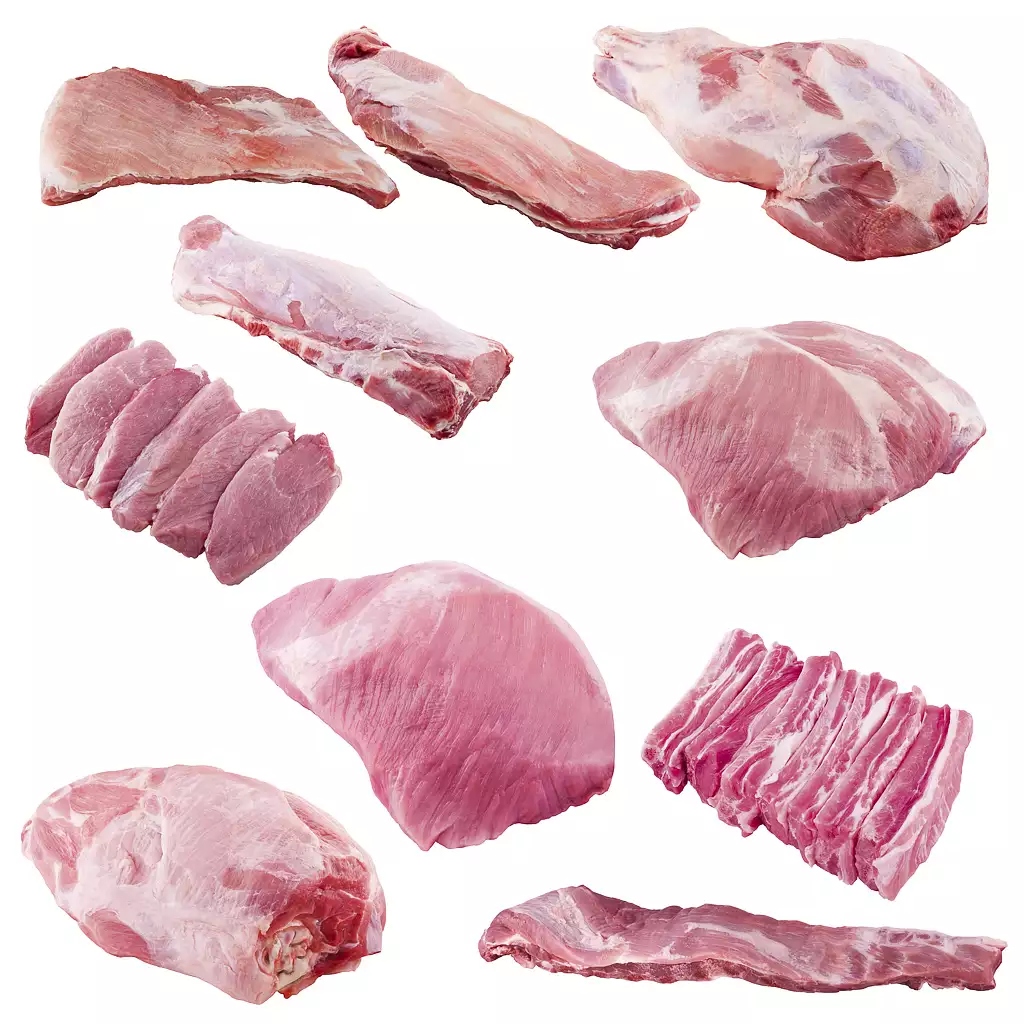
The muscles a pig barely uses stay tender. That means the loin running along the back, which includes the pork loin, the pork loin chops cut from it, and the small pork tenderloin tucked underneath.
These cook fast and hot. A tenderloin is done in about 20 minutes, and chops sear in a few minutes a side.
The muscles that work hard are tough but rich. Shoulder (sold as Boston butt or picnic) and belly are laced with fat and connective tissue. They need low, slow heat to melt that collagen into gelatin. Rush them and they stay chewy.
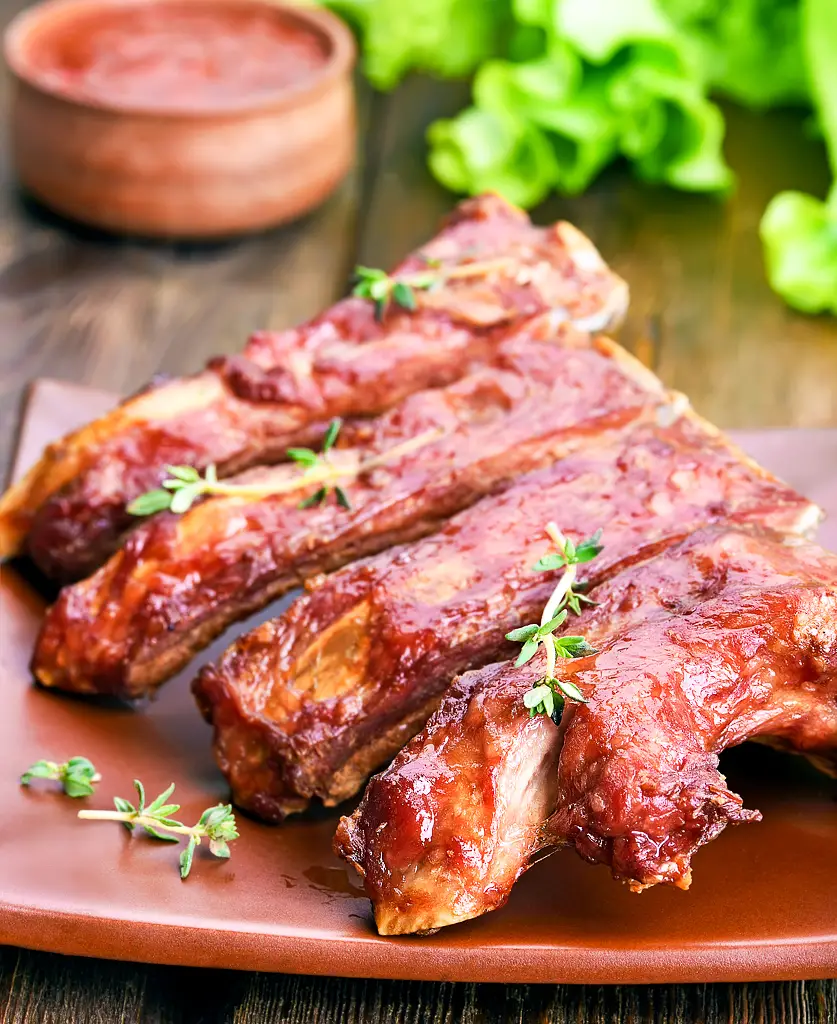
Pork ribs sit in their own camp. They are bony and fatty, best cooked long and low until the meat pulls from the bone. Recipes like Greek Ribs and Authentic Southern Barbecued Ribs (Secret Recipe) lean on hours, not minutes.
Fresh Versus Cured
Fresh pork is sold raw and cooked from there. Cured pork has been treated with salt, which draws out moisture and changes the texture.
Ham is the cured hind leg. Bacon is cured pork belly, usually smoked. Salt pork is salt-cured belly or fatback with no smoke, used to flavor beans and chowders like Boston Baked Beans in Bean Pot.
Curing matters at the stove because cured pork is already seasoned and often salty. Taste before you add more salt, and expect ham and bacon to brown faster than fresh meat thanks to their sugar and water.
Cooking Pork Safely
Whole cuts like chops, roasts, and tenderloin are safe at an internal temperature of 145°F (63°C) followed by a 3 minute rest. This is the modern USDA standard, lowered back in 2011 from the old 160°F. It leaves the meat faintly pink and juicy rather than gray.
Ground pork is different. Grinding spreads any surface bacteria throughout the meat, so it needs 160°F (71°C). That covers sausage and meatballs, plus dumpling fillings like Chinese Steamed Pork Buns.
Buy pork that looks pinkish-red and firm, not pale and watery. Refrigerate raw cuts and use within 3 to 5 days, or freeze up to 6 months. Ground pork keeps only 1 to 2 days.
Pork takes assertive partners well: apples, mustard, sage, fennel, garlic, and anything sweet-sour. From there, follow the cut down to its own page for the method that suits it.
Types of pork
Specific kinds of pork and the recipes that use them.
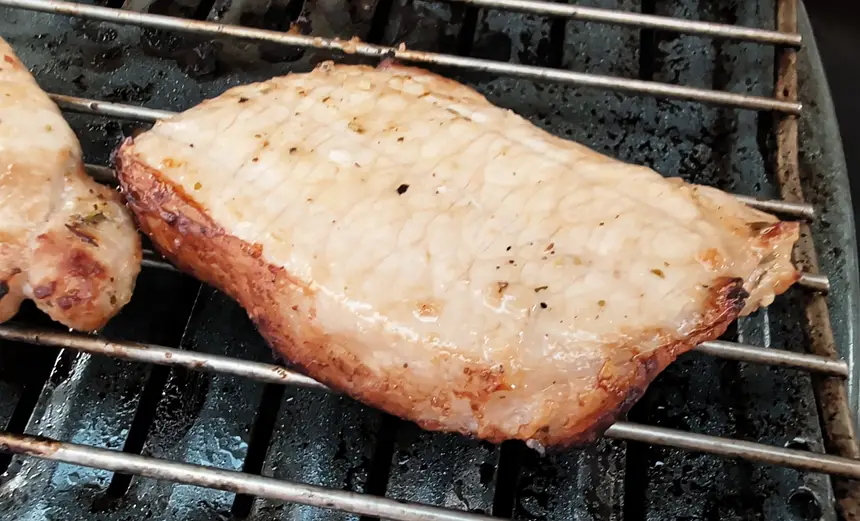
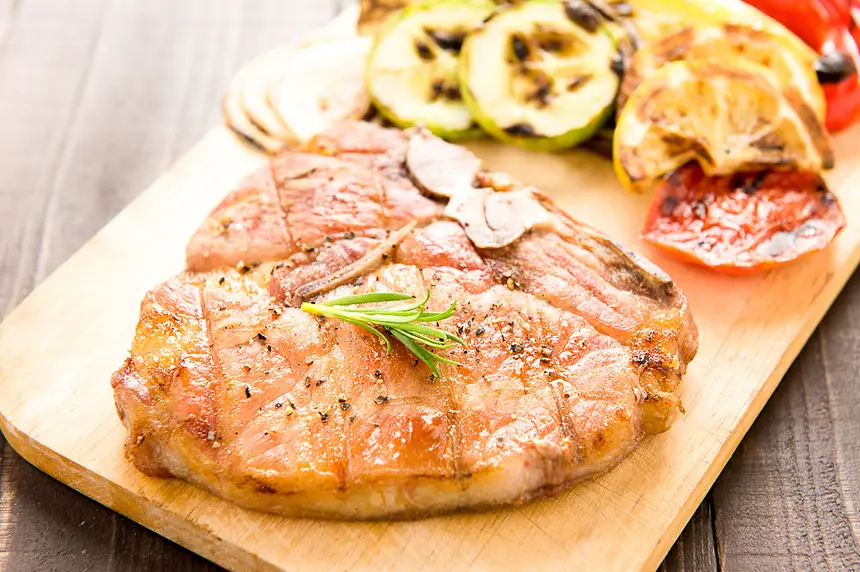
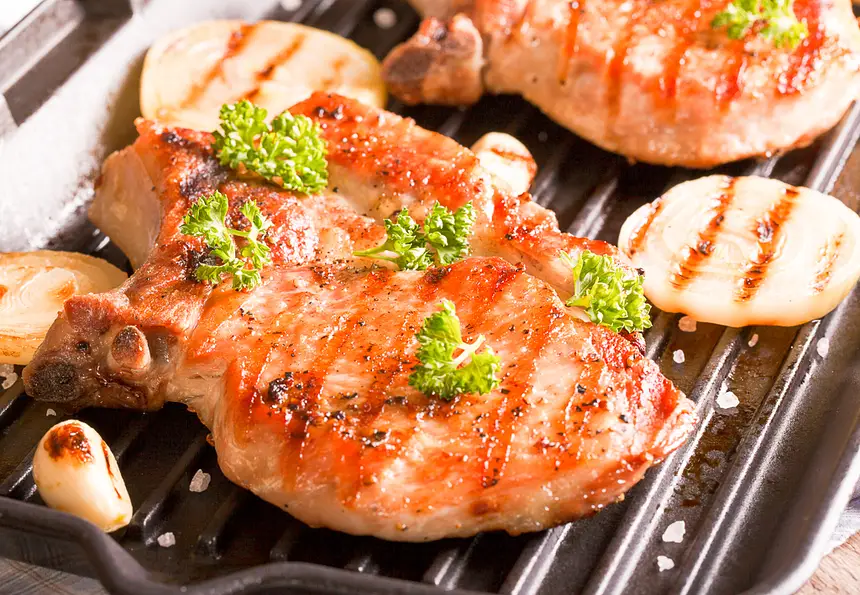
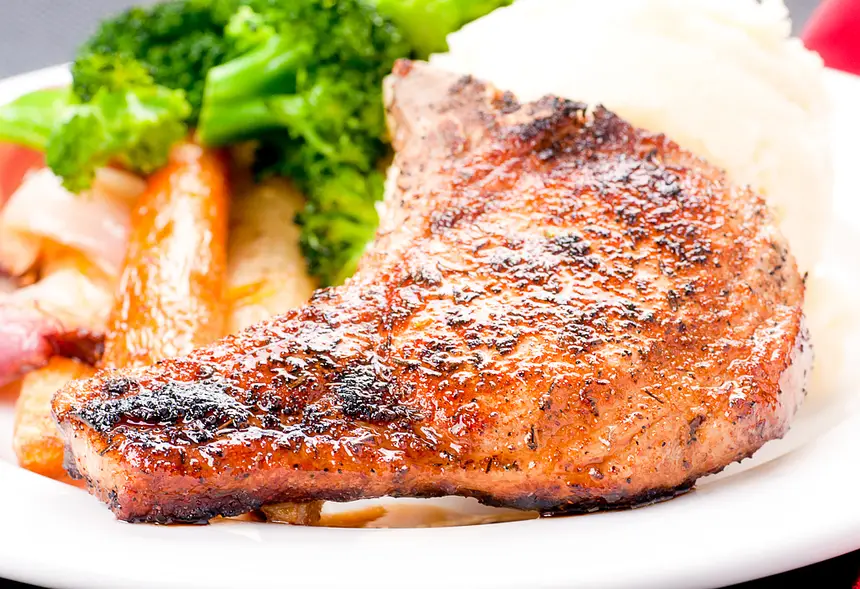
Whether you're looking to create a quick and easy weeknight dinner or can become a show-stopping meal for a special occasion, pork chops can be a reliable go-to.
When it comes to buying pork chops, it's essential to look for cuts that are fresh and high-quality. You should purchase pork chops from a local butcher or reputable meat counter. Look for chops that are pinkish-red in color with a decent amount of fat cap to help keep things moist (depending on the recipe). The thickness of the chops can vary depending on your preference, but generally, a 1-inch-thick chop is a good starting point.
One of the most common culinary uses for pork chops is simply pan-frying or grilling them and serving them alongside your favorite sides. However, pork chops are used in various recipes, from stews and baked pork chop casseroles or sliced into strips for stir-fries.
If you're looking for a classic pork chop recipe, try seasoning your chops with salt, pepper, and garlic powder before pan-frying them in oil until they are browned and cooked. For a twist on the traditional, you can also try marinating your pork chops in a mixture of soy sauce, honey, and ginger before grilling them to perfection.
No matter how you prepare them, pork chops are a delicious ingredient that can add flavor and versatility to any meal. So, next time you're at the grocery store, pick up a few high-quality pork chops and get cooking!
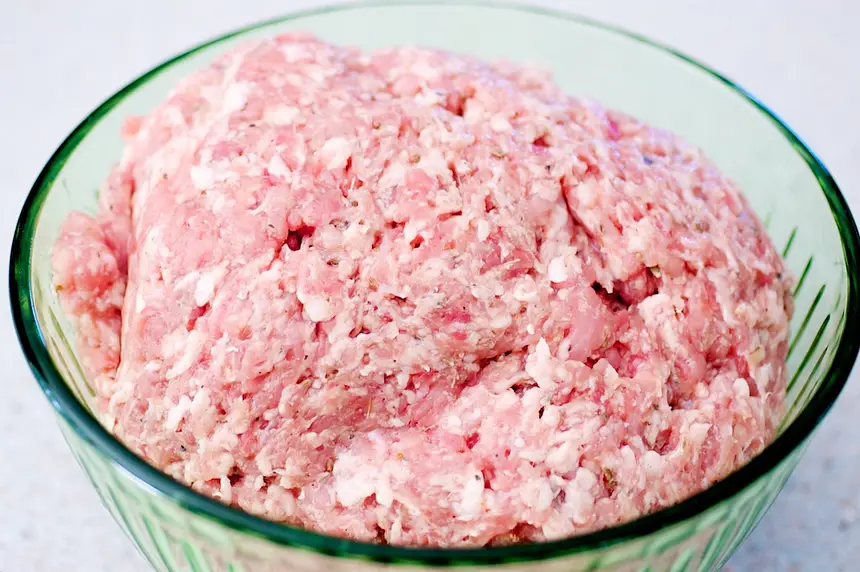
Ground pork is simply pork that has been minced through a grinder, usually from the shoulder or a mix of shoulder and trim. It is softer and sweeter than ground beef, with a higher fat content that keeps dishes moist and carries spice well.
That fat is the reason cooks reach for it. Where lean ground turkey or chicken can taste dry and flat, ground pork stays juicy and tender.
That is why it fills sausages, meatballs, and dumplings in kitchens the world over.
Most supermarket ground pork runs around 70 to 80 percent lean. That ratio matters: too lean and your meatballs turn dense and dry, too fatty and a pan of it swims in grease.
Pork shoulder comes from the upper front leg and shoulder of the pig, a hard-working area laced with fat and connective tissue. That marbling is the whole point. It bastes the meat from the inside during long cooking and leaves it juicy where a leaner cut would dry out.
You will see it sold two ways. The "Boston butt," confusingly, is the upper shoulder despite the name, while the "picnic" or "picnic ham" is the lower portion nearer the leg.
Both braise and roast the same way. The butt is meatier and easier to handle, so it is the usual choice for pulled pork.
This is the cut behind carnitas, pulled pork, and slow-cooked stews. Give it time and low heat and it turns from tough to spoon-soft, with deep, savory flavor that holds up to bold spices.
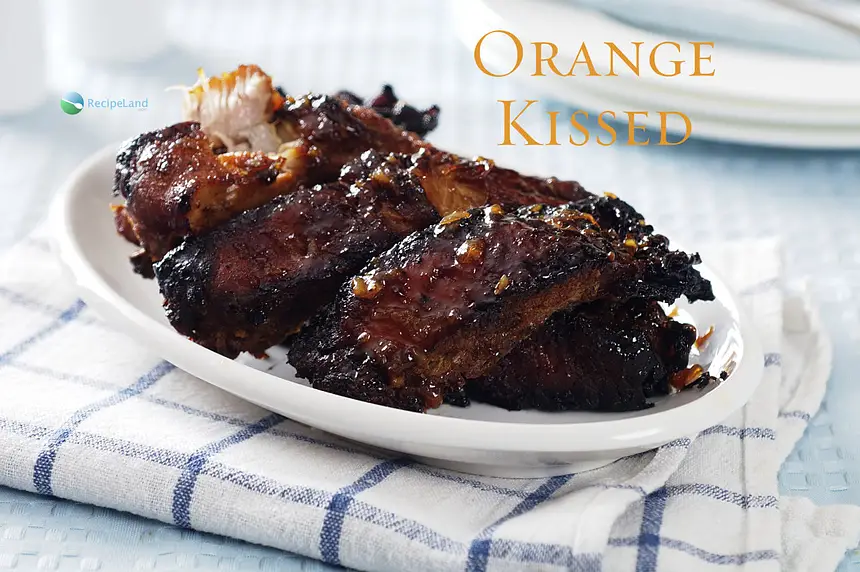
Pork ribs are the rib bones and the meat around them, cut from the pig's ribcage. They are tough, fatty, and laced with connective tissue, which is exactly why they reward slow cooking.
Cook them low and long and they turn meltingly tender. Rush them and they fight back.
There are three main kinds, and knowing which you have changes the plan.
Pork tenderloin is the leanest and most tender cut on the pig. It is a long, slender muscle (the psoas) that runs under the backbone and barely does any work, so it stays buttery soft.
Do not confuse it with the much larger pork loin. A tenderloin weighs only about a pound and tapers at one end.
Because it is so lean, it has almost no marbling to protect it. That is its whole story: tender to a fault, and unforgiving if you overcook it.
Pork loin is the big, lean roasting cut that runs along the pig's back, between the shoulder and the hip. It is wide and rectangular, often sold as a center loin roast weighing two to four pounds. This is the cut most people picture when they say "pork roast."
People mix it up with the pork tenderloin, but they are not the same. The loin is several times larger, a little fattier, and usually capped with a layer of fat that bastes it as it cooks.
A pork loin roast is a section of the pork loin trimmed and tied for the oven. It is the cut behind the classic Sunday pork dinner: a handsome, even cylinder of lean meat that carves into neat slices and feeds a table.
You will find it both bone-in and boneless. Bone-in is the center-cut rib roast (basically a row of chops left whole) and the more flavorful choice. Boneless is easier to carve and cooks a touch faster.
Pork belly is the fatty, boneless cut from the underside of the pig, the same slab that gets cured and sliced into bacon. Sold fresh and uncured, it is built in thick layers: a band of skin on top, deep fat underneath, streaks of meat through the bottom.
That ratio is the whole appeal. Slow heat melts the fat and turns the meat silky.
Raw, it looks daunting and a little extravagant. Cooked right, it is one of the most forgiving cuts in the kitchen, because the fat keeps it moist long past the point where a leaner cut would dry out.
You will find it skin-on or skinless, in wide slabs or pre-cut strips. Skin-on is what you want if crackling is the goal.
Pork liver is the large, iron-rich organ from a pig, sold whole or sliced and usually a deep reddish brown. It tastes stronger and more mineral than chicken or calf liver, with a firm, slightly grainy texture once cooked.
It is the backbone of country pâté, terrine, and fresh sausage. Its richness and natural binding carry a lot of fat and seasoning. Cooks who find it harsh straight from the package are usually skipping one step: a soak.
Pork stew meat is pork cut into bite-size cubes for slow, wet cooking. It is almost always trimmed from the shoulder, the hard-working front section of the pig, which is why it is shot through with fat and connective tissue.
Those threads of collagen are the point. Given time in liquid, they melt and turn the cubes meltingly tender.
Buying it pre-cubed saves you the knife work, though it can be a grab bag of pieces from different muscles. A consistent batch you cut yourself from a single shoulder roast browns and cooks more evenly.
This is not a cut to rush. Lean pork dries out when stewed, but stew meat is the opposite: it needs the long simmer to come good.
Pork cutlets are thin, boneless slices of pork, usually cut from the loin or leg and pounded flat to an even thickness. The point of a cutlet is speed.
Thin and lean, it cooks in a couple of minutes a side, which makes it the go-to for breaded, pan-fried dishes like schnitzel.
Cut from a tender part of the pig and worked thin, a cutlet has almost no connective tissue. That is a blessing and a trap. It turns tender fast, but it also dries out fast, so the whole game is cooking it quickly and getting it off the heat.
Some butchers sell cutlets ready to cook. Just as often you will buy a thicker boneless chop or a piece of loin and pound it down yourself.
Pork fillet is the British name for pork tenderloin, the long, slim muscle that runs along the inside of the backbone. It is the most tender cut on the pig and one of the leanest.
A whole fillet is a slender log of pale meat that weighs roughly a pound (450 g) and tapers to a thin tail at one end.
Because it does almost no work in the living animal, it has very little fat or connective tissue. That makes it quick to cook and easy to overcook in the same breath.
Treat it well and it is buttery and mild; push it too far and it goes dry and stringy.
This is a different cut from the wider, fattier pork loin, despite the similar name. The fillet is the small inner muscle; the loin is the big roast.
Pork hocks are the joint where the pig's foot meets the leg, the knuckle section just above the trotter. There is not much actual meat on a hock. What it has instead is skin and connective tissue, packed with collagen that melts into gelatin over a long, slow cook.
That gelatin is the whole reason to use them.
You will find them two ways. Fresh hocks are pale and raw, mild in flavor, made for braising. Smoked and cured hocks are deep pink and salty, the kind you drop into a pot of beans or greens to flavor the whole thing.
Either way, a hock is a flavor engine more than a centerpiece. It gives a dish body and a rich, sticky depth that lean cuts cannot.
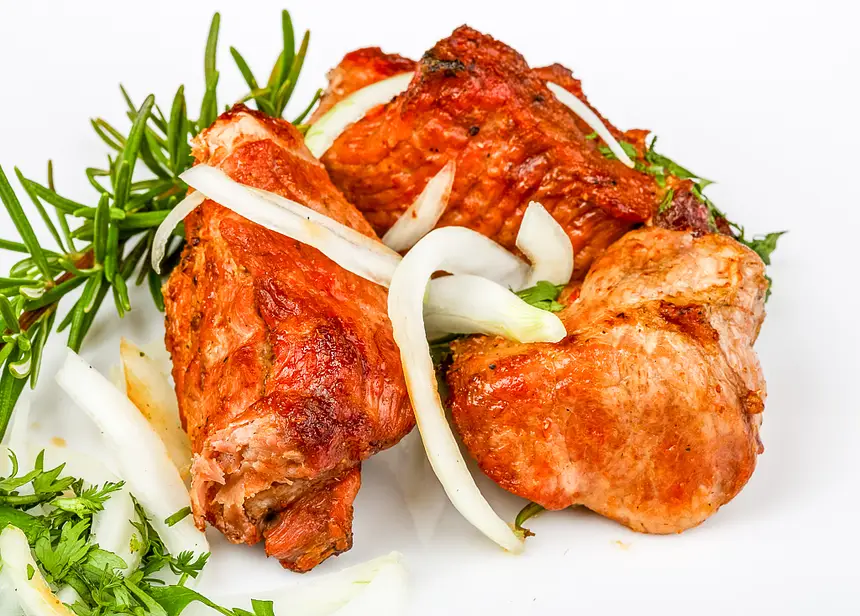
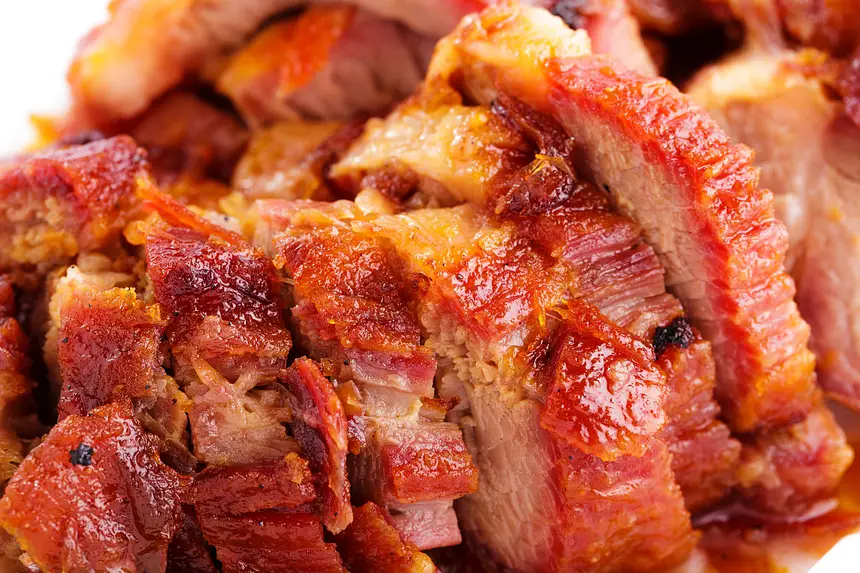
Chinese barbecue pork, known as char siu (cha siu), is strips of pork marinated in a sweet-salty red glaze and roasted until the edges char and the surface turns sticky and lacquered.
The name means "fork roasted," from the old method of hanging the meat over a fire on long forks.
You see it hanging in Cantonese roast-meat shop windows, sliced over rice and noodles or chopped into buns. The classic glaze is sweet up front with a savory backbone, and that reddish color is the signature.
Pork blade steaks are thick slices cut crosswise from the pork shoulder, through the blade bone. They are the steak version of the same well-exercised, marbled meat that makes pulled pork.
Look closely and you can usually spot a small section of bone and several distinct muscles separated by ribbons of fat.
That marbling is what sets them apart from a loin chop. Blade steaks are richer and far harder to dry out, which makes them a budget cut that punches above its price.
They go by a couple of other names too, sold as pork steaks or shoulder steaks. In St. Louis they are practically a regional institution on the grill.
Pork knuckles, also called pork hocks or ham hocks when cured, are the joint between the pig's foot and the leg. They are a tough, hardworking cut, packed with skin, tendon, and collagen. There is not much actual meat.
That collagen is the whole point. Slow, wet heat melts it into gelatin, turning the tendon silky and the cooking liquid into something rich and lip-sticking. Rushed over high heat, the same knuckle stays rubbery and chewy.
Pork caul, or caul fat, is the thin, lacy membrane of fat that surrounds a pig's stomach and intestines. It looks like a delicate white web, a net of fat veined across a sheer membrane, and it is one of the great quiet tools of old-school butchery.
Its job is to wrap. Caul fat melts almost completely as it cooks, basting whatever it surrounds and then disappearing, leaving a crisp, glistening exterior and no greasy residue.
A pork crown roast is a bone-in pork rib roast bent into a circle and tied so the rib bones stand up like the points of a crown.
It is the same meat as a rack of pork, just two racks curved together and sewn into a ring with a hollow center.
This is a showpiece, the kind of roast you make for a holiday table rather than a weeknight. Most butchers will form and tie it for you from rib chops on request, since shaping it at home is fiddly.
Pork jowl is the fatty cheek of the pig, cut from below the eye and along the jaw.
It is rich and well-marbled, closer to belly than to a lean chop, with soft fat streaked through a little dark meat.
You meet it two ways. Fresh jowl is sold for braising and slow cooking, while cured and air-dried jowl becomes guanciale, the Italian cured cheek behind a true carbonara or amatriciana.
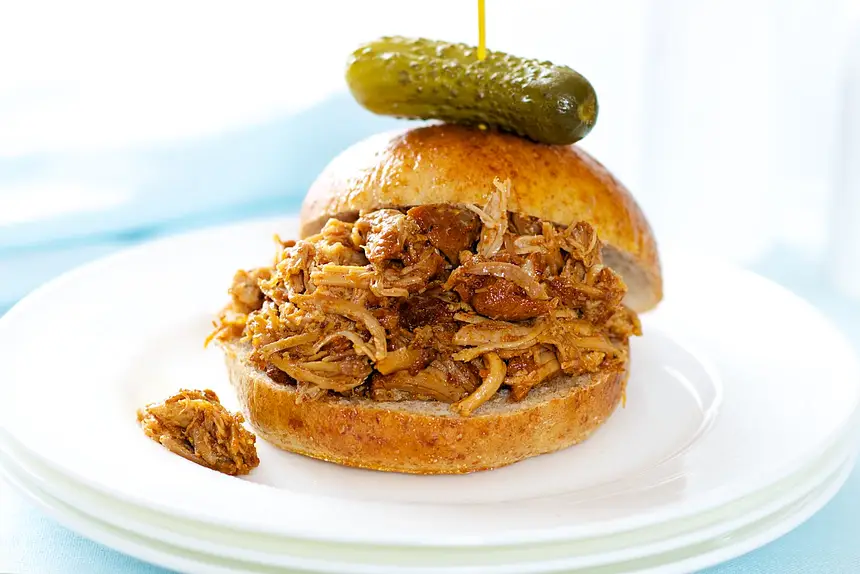
Pulled pork is pork shoulder cooked low and slow until the meat is tender enough to shred into soft strands with two forks. It is a barbecue staple, smoky and rich, usually piled on a bun or folded into tacos with a sauce.
The cut matters. Pork shoulder, sold as Boston butt or picnic, has the fat and connective tissue that melt down over hours and keep the meat moist as it pulls apart.
Lean cuts like loin will not do it; they dry out and refuse to shred.
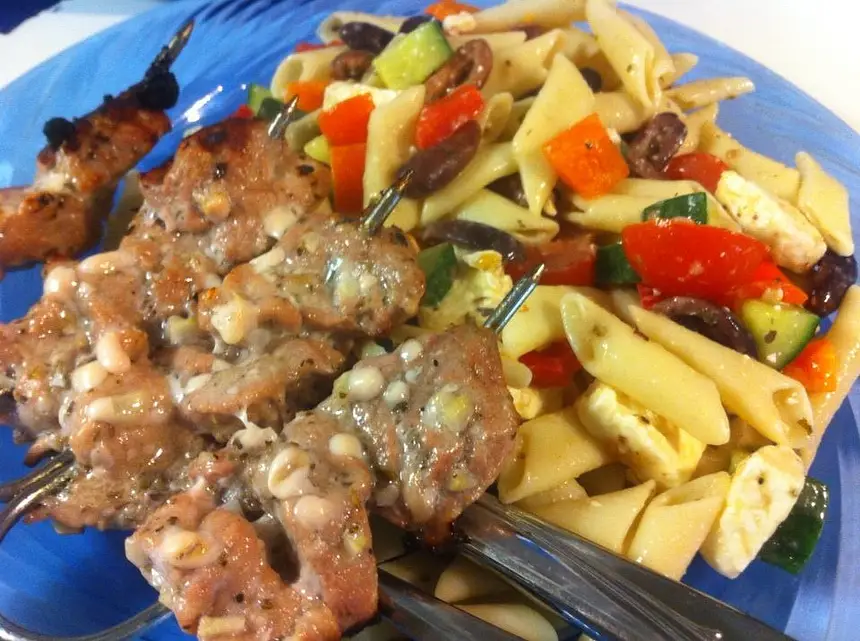
Grilled pork chops marinated 6 hours in olive oil, white wine vinegar, garlic, peppercorns, bay leaf, and dry mustard. A simple Mediterranean-style marinade for thick-cut chops.
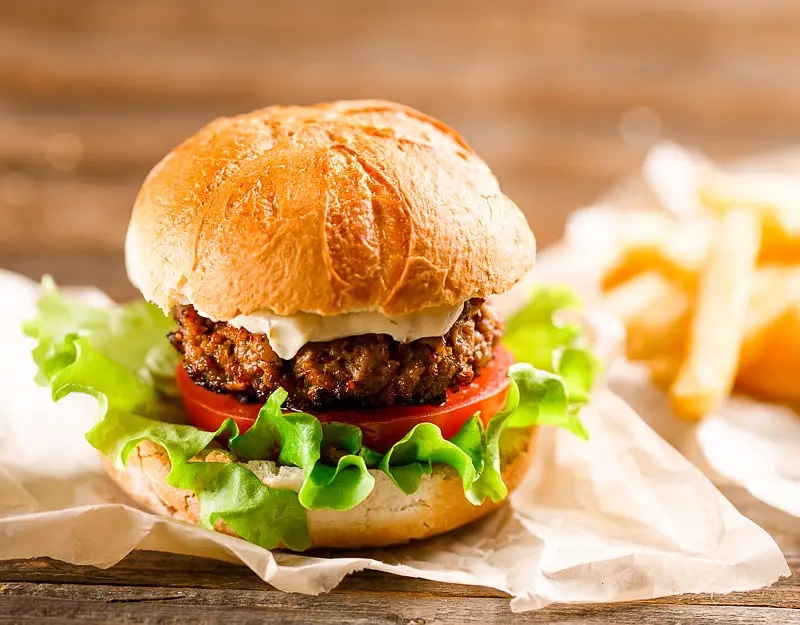
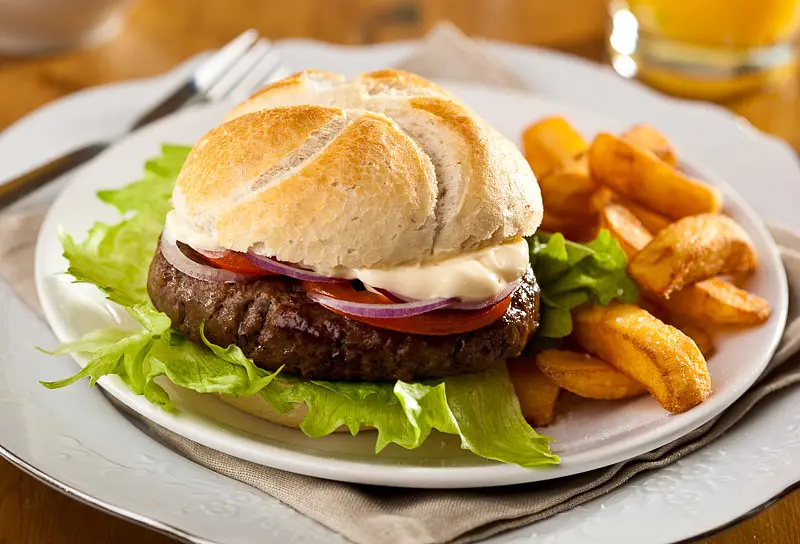
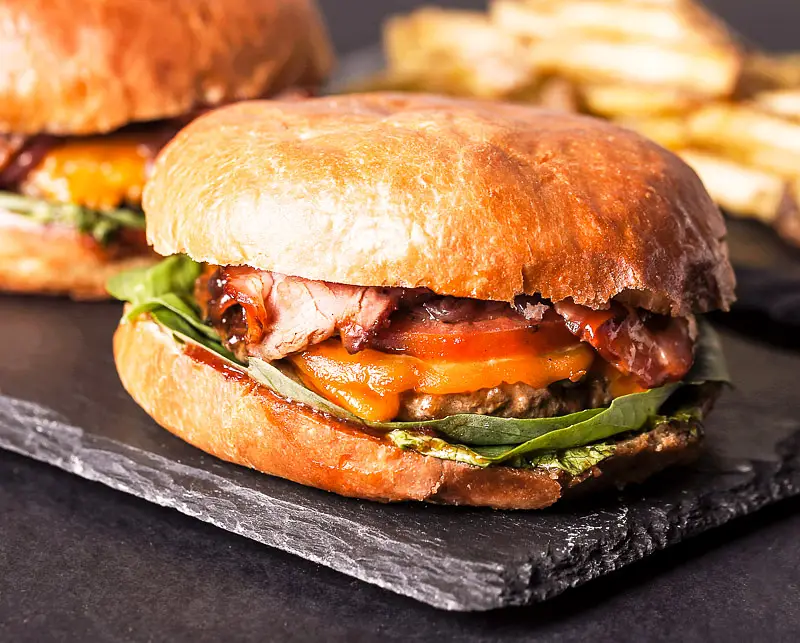
Asian-inspired pork burgers with soy sauce, dry sherry, and fresh ginger root. Grilled hot for juicy, savory patties that beat plain beef burgers any night.
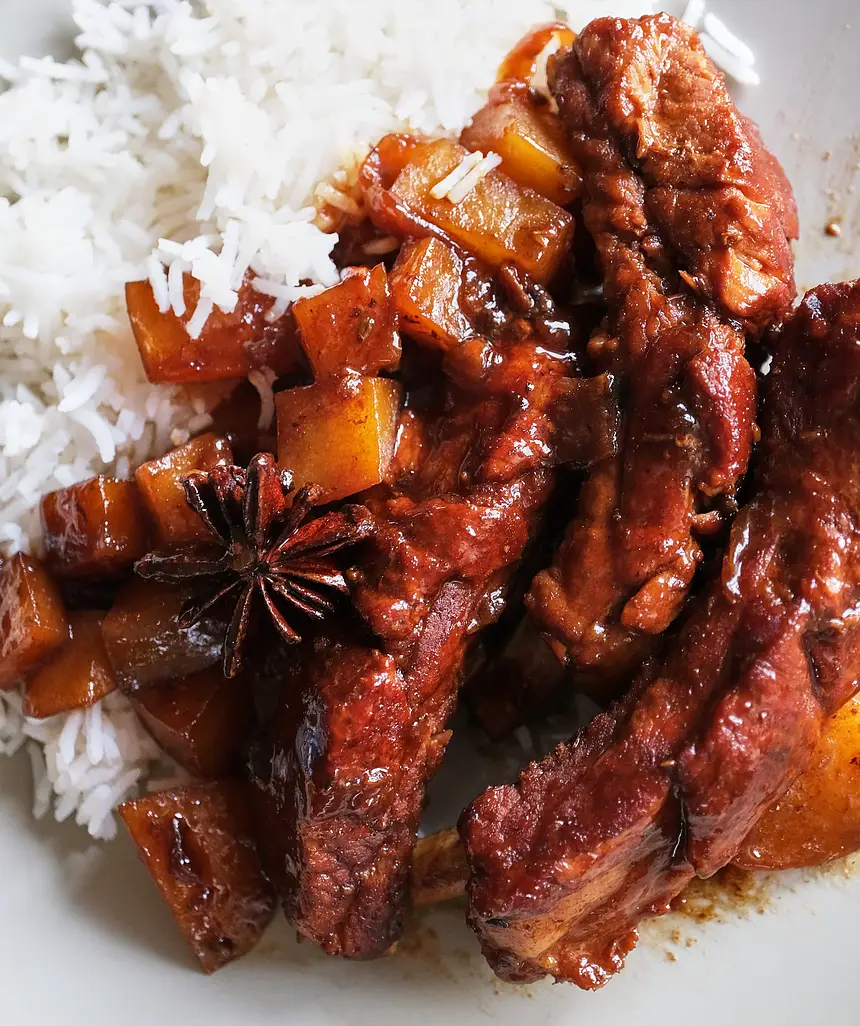
Chinese-style pork spareribs braised with potatoes, onions, sherry, oyster sauce, and soy. A one-skillet weeknight dinner where ribs turn tender and potatoes soak up all that savory-sweet glaze.
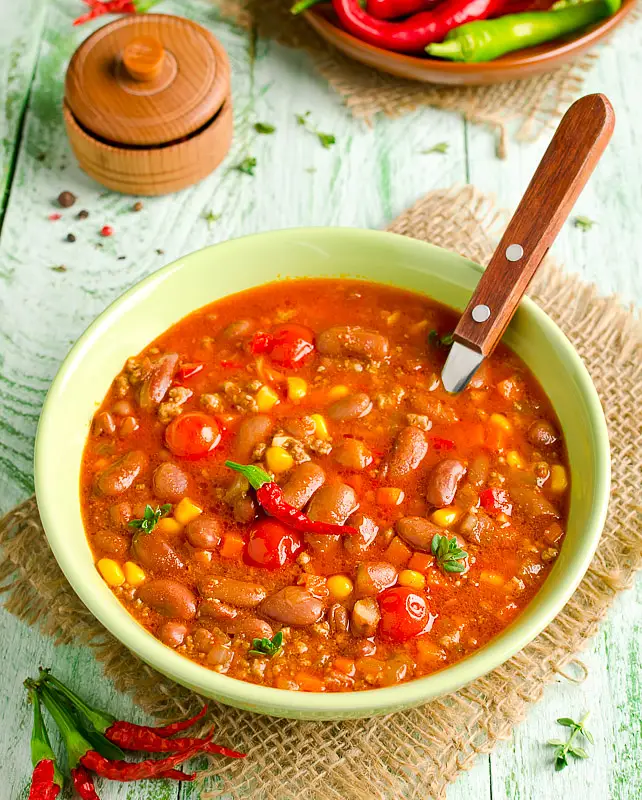
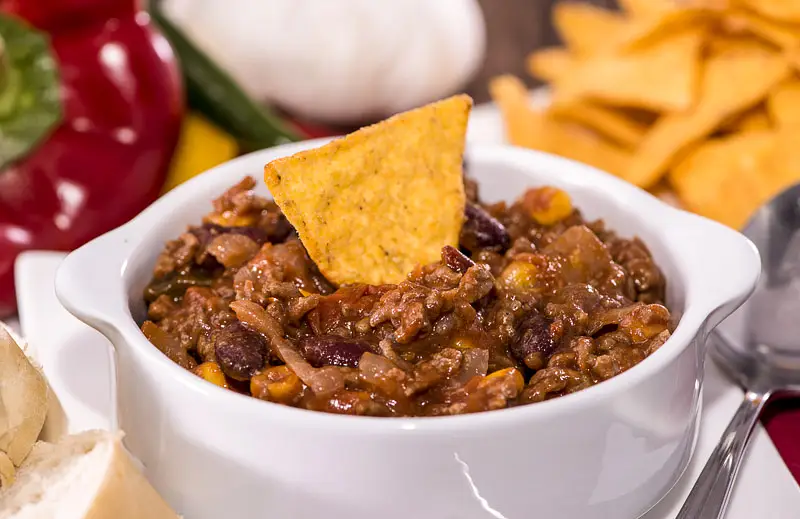
Chasing chili builds a slow-simmered base with ground beef chuck, lean pork, soaked pinto beans, and whole cumin seeds. A two-meat, scratch-bean chili built for a crowd.
A seasoning mix that originated in Jamaica, jerk is popular throughout the Caribbean in the preparation of meats such as pork and chicken for grilling. Jerk seasoning typically includes chilies, onion, allspice, and thyme.
Lion's head meatballs are large Chinese pork and beef meatballs wrapped in bok choy leaves and steamed in the microwave, glazed with stir-fry sauce. Easy weeknight Chinese dinner.
Cincinnati's iconic chili simmers with warm spices like cinnamon, allspice, and cocoa powder, creating a Greek-influenced meat sauce perfect for ladling over spaghetti.
Thick-cut pork blade steaks pounded tender and grilled with a sticky honey-barbecue glaze spiked with Worcestershire, garlic salt, and mustard. A St. Louis-style grilling staple ready in 40 minutes.
Chili N'Awlins is a New Orleans-style beef and pork chili with green chiles, oregano, and a Cajun edge. Topped with corn chips, sharp cheddar, and shredded lettuce for a hearty crowd-feeder.
Bullard's chili pairs lean venison with pork in a hearty bowl of pinto beans, tomatoes, peppers, and cilantro, seasoned with chili powder and cumin. A from-scratch wild game chili worth cracking a beer for.
Slow cooker beef and beans with cubed chuck, salt pork, and pinto beans simmered in tomato paste, garlic, chili powder, and cumin. Old-school cowboy comfort food, low and slow until the beef pulls apart.
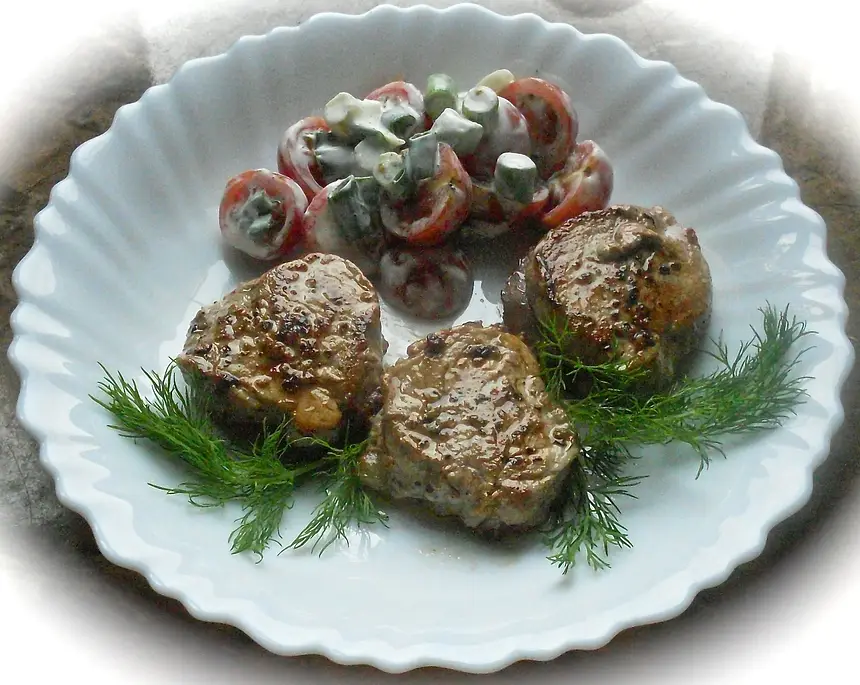
Pork tenderloin medallions stuffed with dry-cured ham and a touch of elderberry syrup, then seared until juicy. A quick, elegant pork dish balancing sweet, salty, and savory in every bite.
Grilled pork chops marinated in soy sauce, lemon juice, chili sauce, and brown sugar. A sweet-savory-spicy glaze that caramelizes beautifully on the grill.
Pan-roasted pork loin chops coated in a bold homemade dry rub of chili powder, cumin, garlic, and oregano, marinated overnight, then seared and roasted. A simple spice-rubbed dinner with big Southwestern flavor.
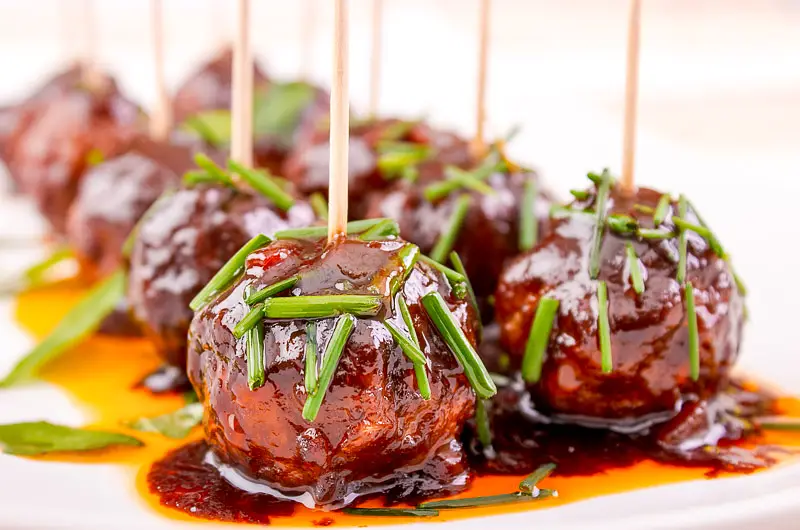
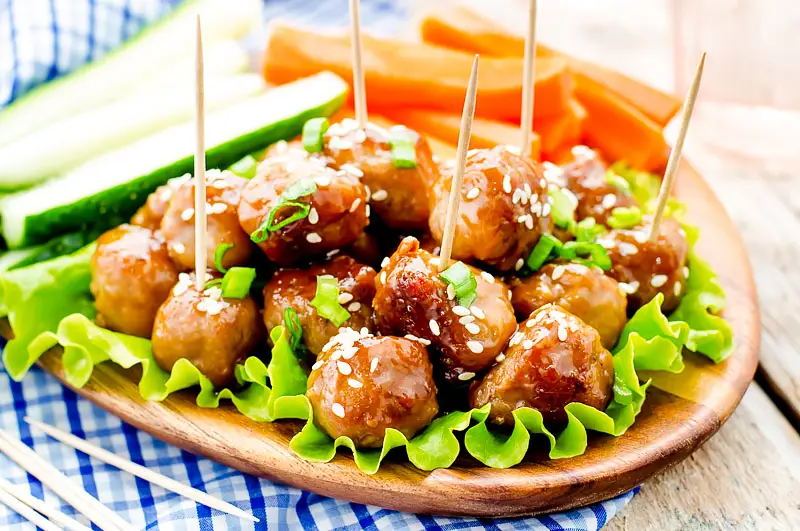
Ginger-spiked pork meatballs browned until golden, then simmered in curried coconut milk sauce and served on crisp lettuce with fresh basil and lemon zest. A Thai twist on the Chinese classic.
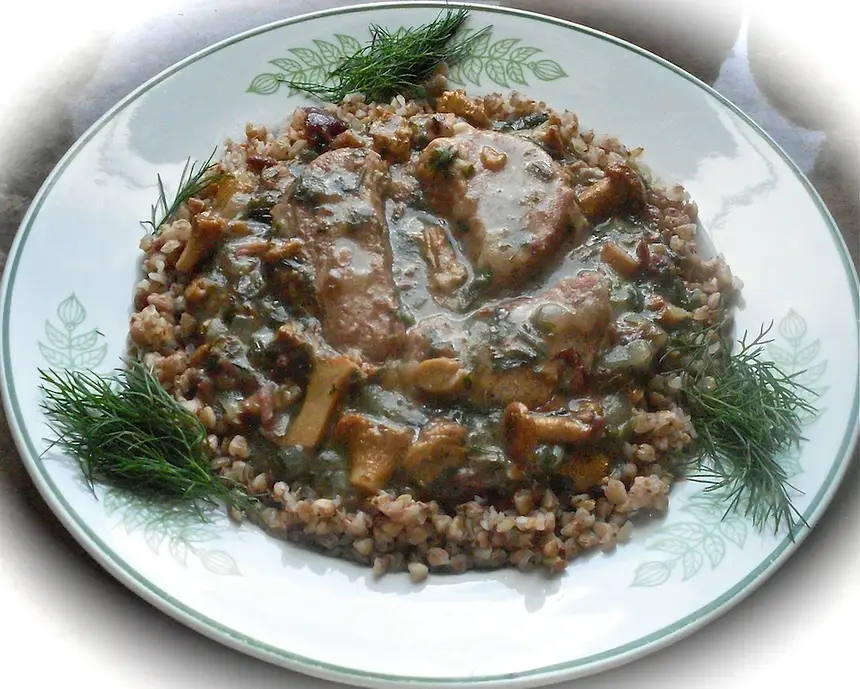
Pork shoulder in chanterelle sauce over buckwheat: tender pressure-cooked pork in a fragrant wild-mushroom sauce with herbs, spooned over nutty buckwheat. A rustic, comforting Eastern European plate.
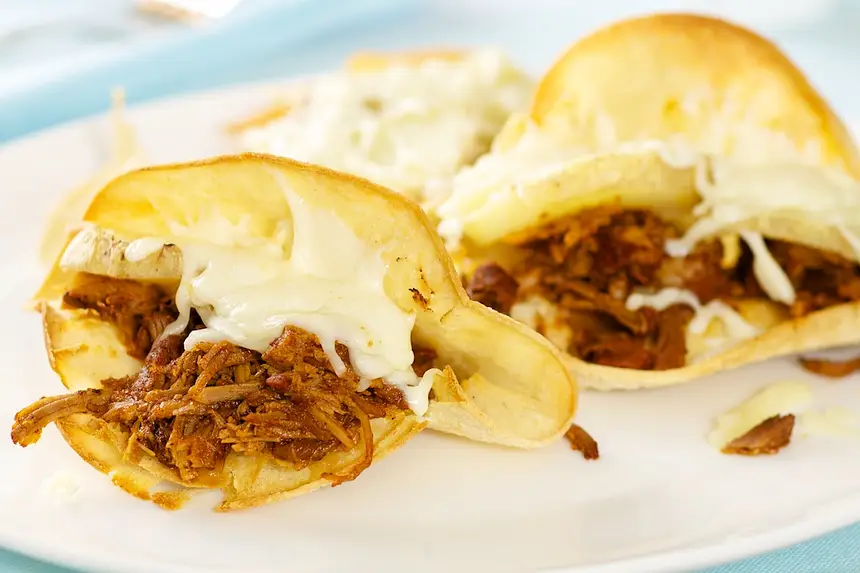
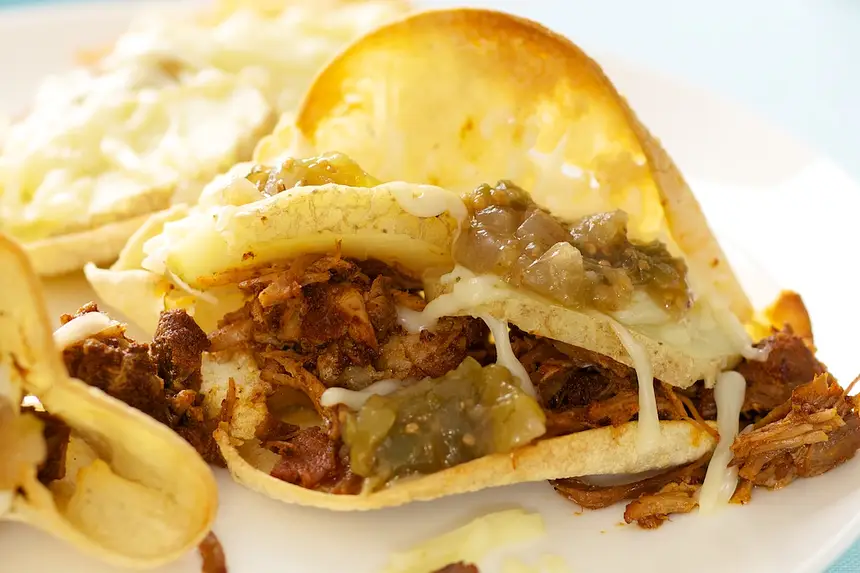
Grilled pulled pork tacos with sliced red potatoes and melted Monterey Jack folded into corn tortillas. Crisp grilled exterior, melty middle. Quesadilla-style.
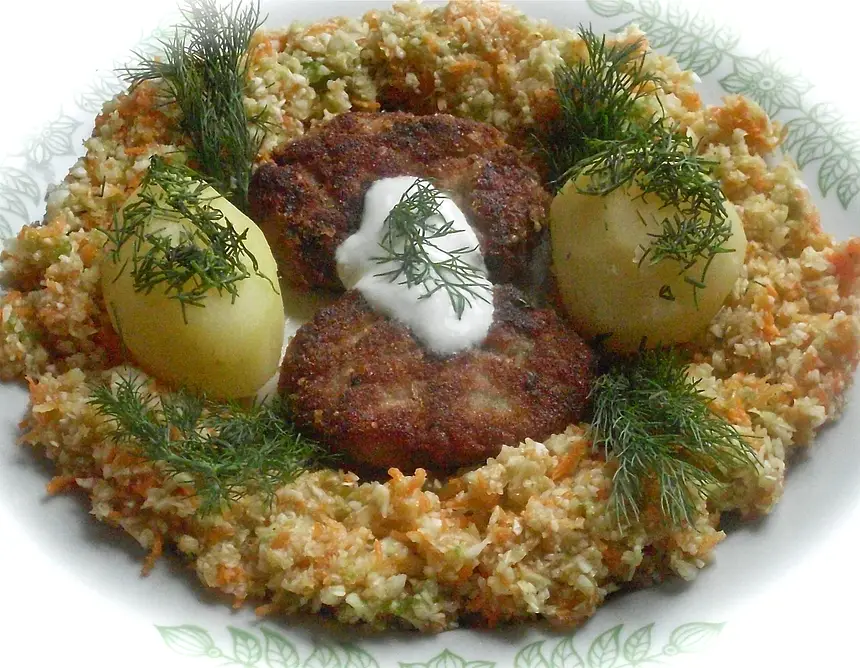
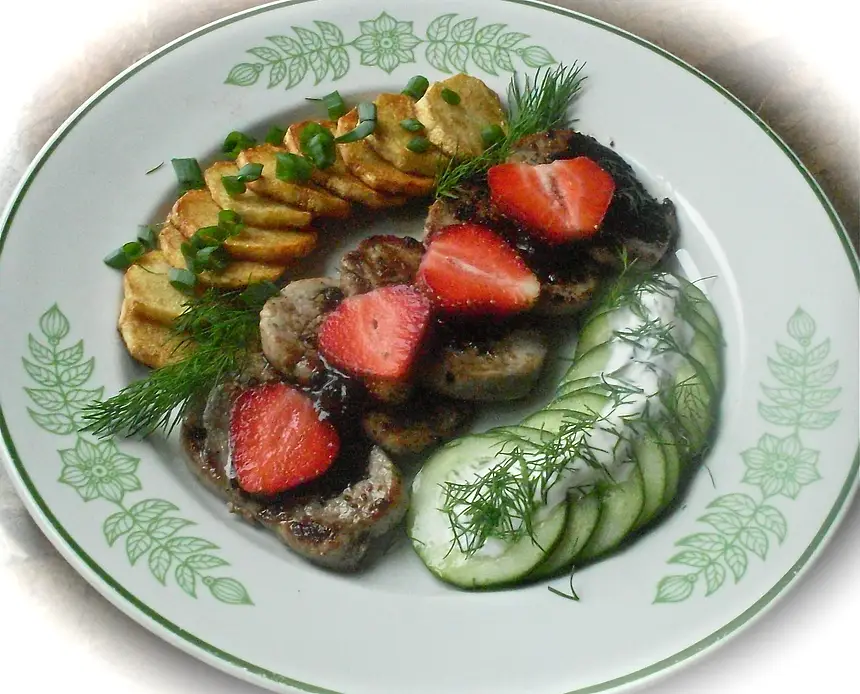
Polish-style fried meatballs or hamburgers literally called ground cutlets (pol. kotlety mielone). My latest rendition contains white radish, sesame seeds, and cilantro leaves. It is far away from home, but I think it's healthy to travel from time to time. My cutlets are served with potatoes, yoghurt, dill, and Bayou Carlin coleslaw. The salad recipe is taken from RecipeLand. Quick and easy dinner to prepare.
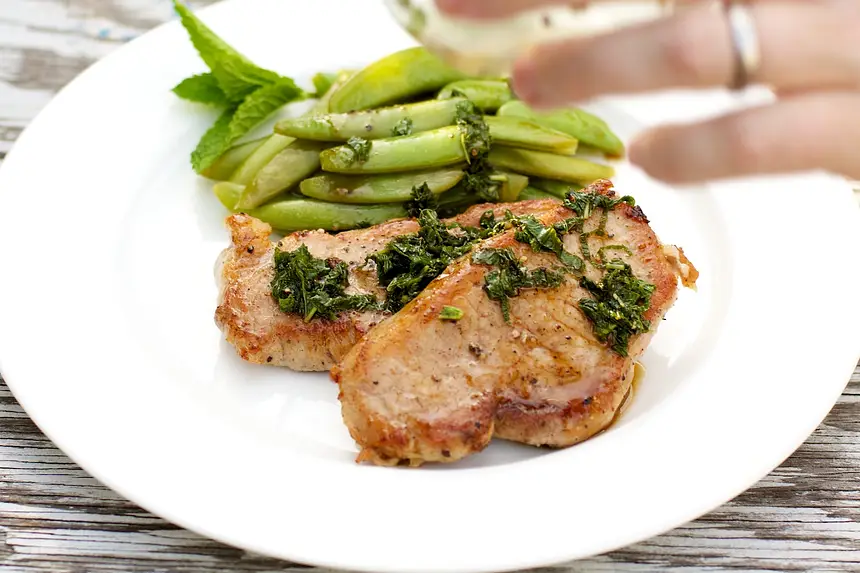
Delicious pork chops are seared in a hot skillet, sugar snap peas are cooked in a flavorful broth, which makes this one-skillet meal that's quick, easy to prepare and perfect for a week day dinner.
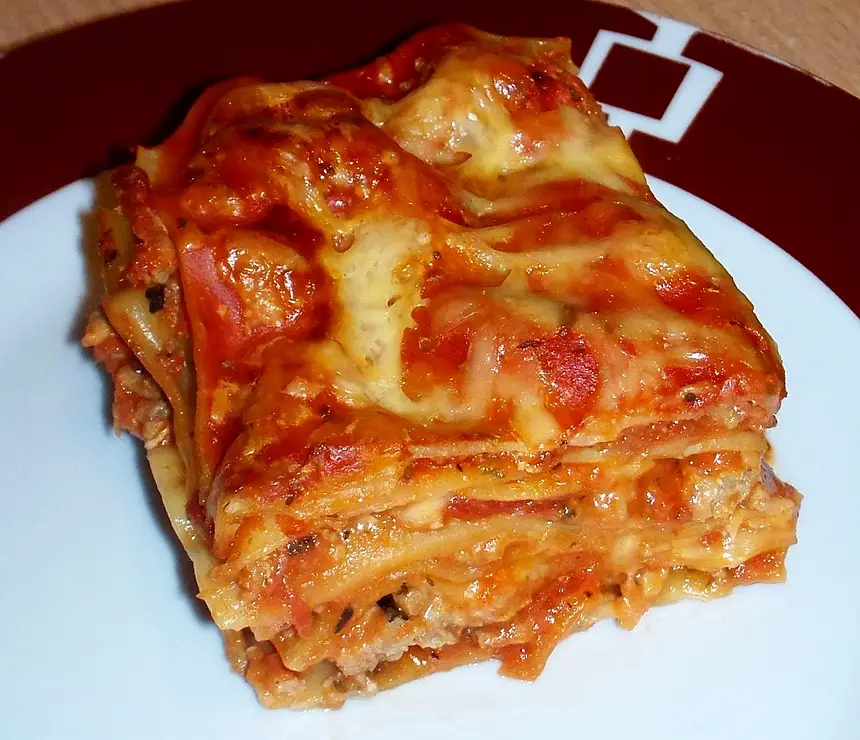
Pork ragu lasagna layered with a slow-cooked tomato and herb sauce, plenty of grated cheese, and a milk-brushed top that bakes golden. A hearty homemade lasagna built on ground pork instead of beef.
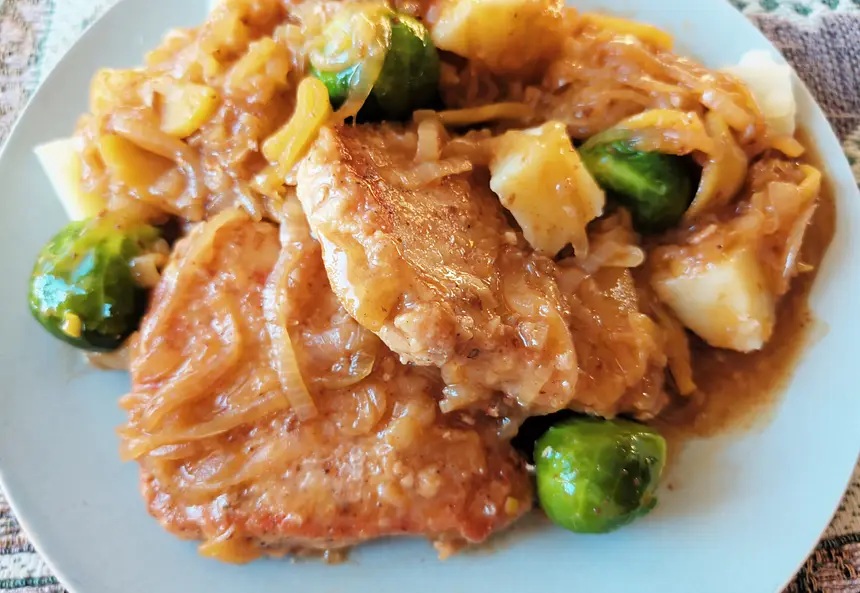
German-style pork chops braised in beer and beef broth with sliced onions, thickened into a rich gravy. Served with Brussels sprouts and boiled potatoes.
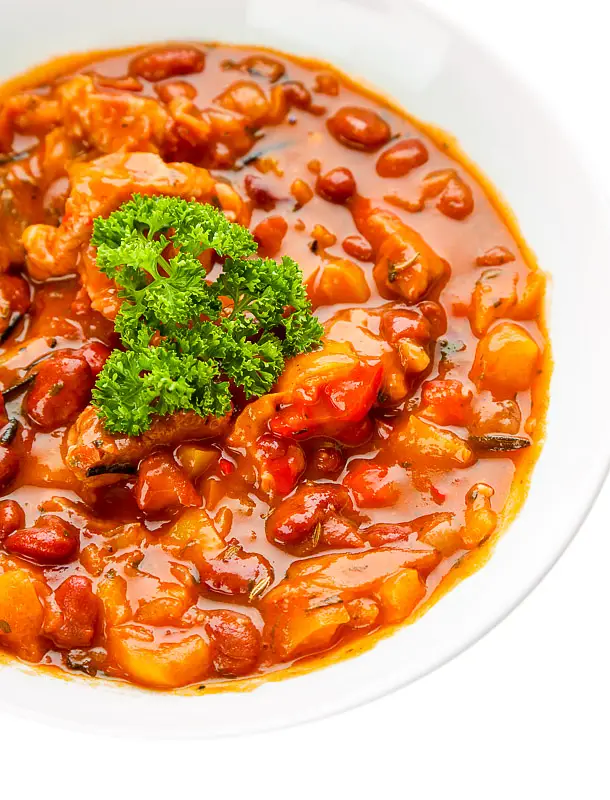
Crockpot pork chops and beans: tender chops slow-cooked down into a sweet-tangy bath of pork and beans, ketchup, mustard, and onion. A four-ingredient, dump-and-go dinner.
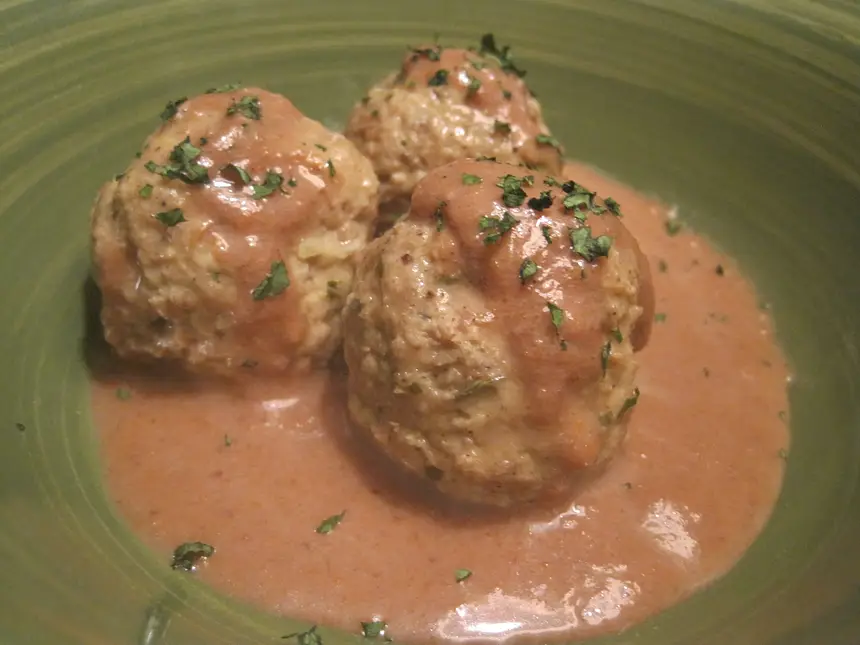
The spices used in this recipe give these little meatballs a Moorish influence. A variation of a popular item at tapas bars, these albondigas can be served in a broth or with a sauce for dipping.
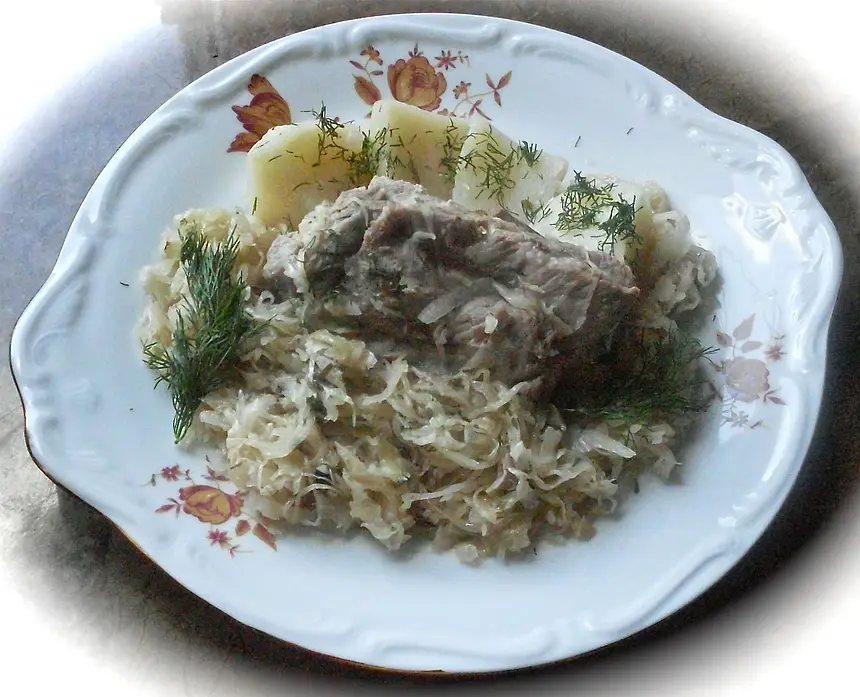
Nothing new under the sun, just my rendition of very popular dish in Eastern Europe, inspired by various cuisines of Carpathian Mountains. Cooked quite quick in a pressure cooker.
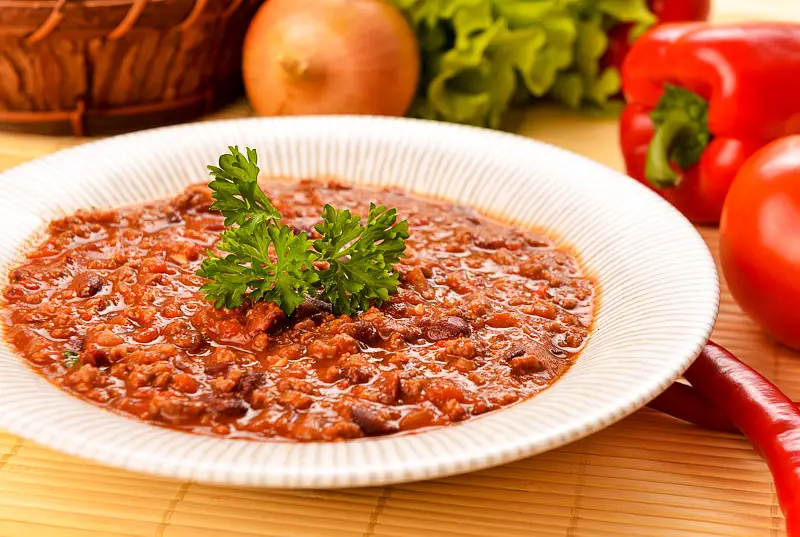
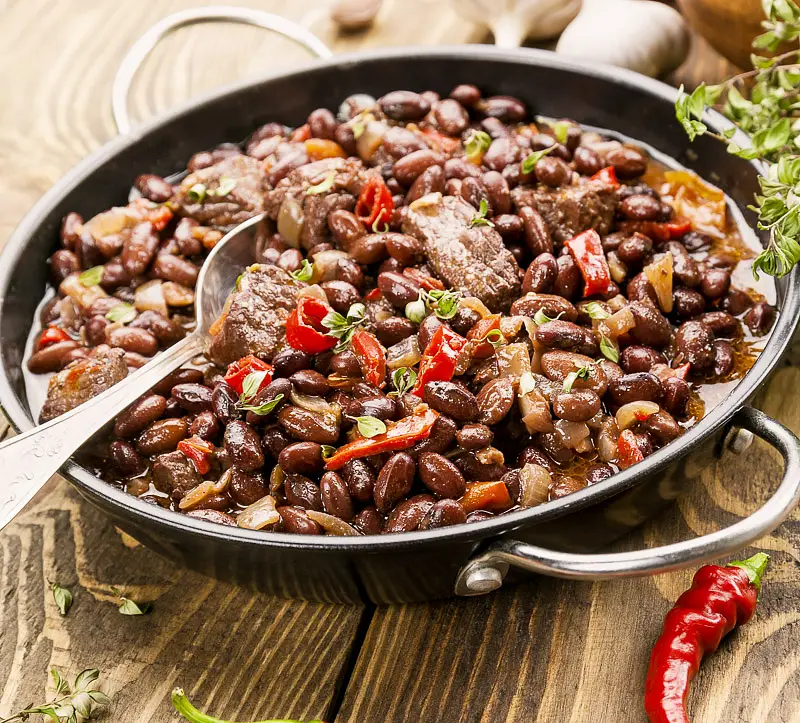
Black bean chili built on two meats: cubed stewing beef and pork shoulder browned with onions, peppers and jalapeños, then simmered with tomatoes, cumin and a splash of red wine. Thick, smoky, deeply savory.
Tasty, easy to prepare, brandy recipe for boneless pork chops. Best with 1" thick chops, a leafy spinach salad with walnuts, rasberry vinaigrette dressing with a dash of balsimic vinegar, and a glass of dark earthy Merlot. One of my favorite discoveries.
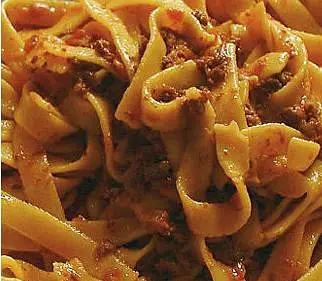
This recipe is healthier in fact is the mostly used recipe you choose but they are both original recipies cause I live in Bologna!!!
From this recipe you t get out 2Kgs of ragù if you don’t need that quantity you could freeze it and can remain in the freezer of at least 2 months, here all housewifes do so.
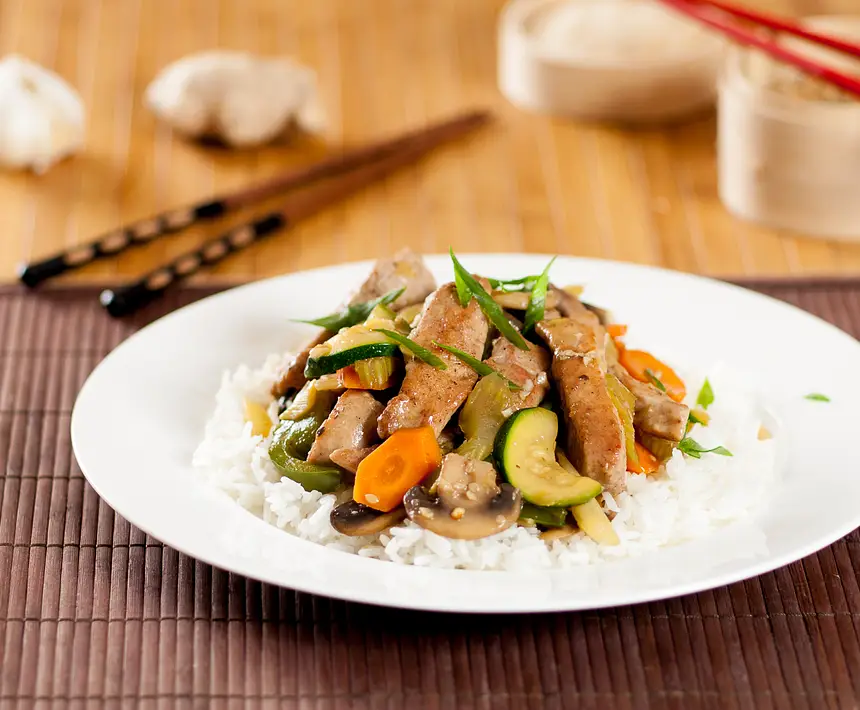
Lean pork tenderloin stir-fried with mushrooms, zucchini, bell pepper, and carrots in a glossy soy-chicken broth sauce. A low-fat weeknight dinner ready in 30 minutes flat.
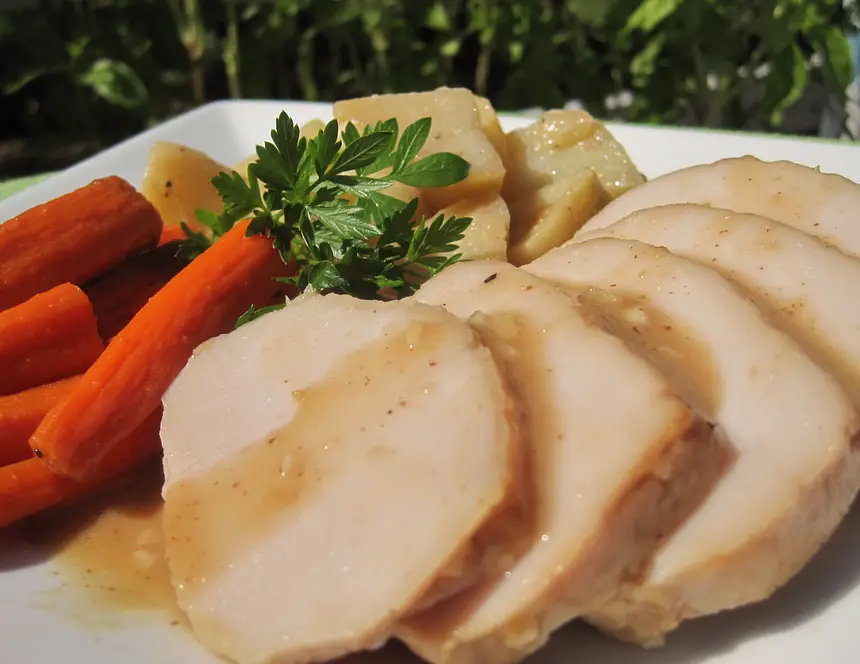
Lean pork tenderloin roasts with carrots, new potatoes, and onions in one pan. Simple weeknight dinner seasoned with rosemary and sage that's ready in under an hour.
Cantonese barbecue pork (char siu): pork shoulder marinated in honey, hoisin, soy, and ginger, then roasted until glazed with sticky, caramelized edges. The glossy Chinatown classic, easily made gluten-free.
A gently seasoned homemade Italian sausage. Fennel seeds, oregano and a bit of garlic. Perfect for making up a batch of bulk Italian sausage for use in other recipes.
Cajun pork burgers made with ground pork, spicy Italian sausage, and a kick of hot sauce. A bold-flavored grilled burger ready in 30 minutes for backyard cookouts and quick weeknight dinners.