What Is Thai peanut sauce and How Can I Use It?
Thai peanut sauce is easier to cook with than it looks. Here's how to choose, use, and store it, what to substitute, and 8 recipes to get you started.
Key Points
- Creamy satay dip from peanut butter, coconut milk, curry, soy or fish sauce, and lime.
- Thin with water or lime to turn it into noodle sauce, dressing, or wrap drizzle.
- Keep heat gentle; natural peanut butter with too little liquid seizes into a paste.
- Taste and balance last, since peanut butter brands vary widely in sugar and salt.
- Homemade beats bottled in five minutes; refrigerate up to a week, stir before use.
What is thai peanut sauce?
Thai peanut sauce is the creamy, sweet-salty-tangy dipping sauce that comes alongside chicken satay. It starts with peanut butter loosened with coconut milk, then gets seasoned with curry, a salty hit of soy or fish sauce, and a squeeze of lime.
It tastes rich and nutty up front, with heat and acid trailing behind.
It pulls in several directions at once: sweet from sugar, salty from soy or fish sauce, sour from lime, nutty from the peanuts, plus a low hum of chili and curry. That balance is the whole point, and it is also why no two cooks make it quite the same.
Most versions are quick. You stir everything in a bowl or simmer it for a few minutes, then thin it to whatever job you have in mind.
Ways to Use It
The classic role is a dip for grilled skewers. It is the sauce that defines Chinese Five-Spice Pork Satay with Peanut Sauce, served thick enough to cling to each bite.
Thinned out, it becomes a noodle sauce. Toss it with warm rice or egg noodles and vegetables for something like an Asian Noodle, Cucumber & Lettuce with Peanut Sauce, where the sauce coats every strand.
Thinned further still, it works as a salad dressing or a drizzle for lettuce wraps, the way Thai Lettuce Wraps with Satay Pork Strips uses it to tie the filling together. It even stands in as a bold base on a Satay Chicken Pizza.
The trick is consistency. Warm sauce loosens; cold sauce sets up thick. Stir in water or a little lime juice one spoonful at a time until it pours the way the dish needs.
Balancing and Pairing
It pairs naturally with chicken, pork, shrimp, beef, and tofu, plus crunchy raw vegetables such as cucumber and carrot. A scatter of cilantro and crushed peanuts on top, with lime wedges alongside, wakes the whole plate up.
Taste and adjust before serving, because peanut butter brands vary wildly in sugar and salt. If it tastes flat, it usually needs more lime or salt, not more peanut.
The common mistake is letting it get gluey. Natural peanut butter plus too little liquid seizes into a paste, and overheating coconut milk can make it grainy. Keep the heat gentle and the liquid coming.
Watch the sweetness too. A heavy hand with sugar or honey buries the lime and chili, leaving it one-note. Build sweetness last, in small additions.
Substitutes
No single jar replaces it, but you can rebuild the idea. Almond butter gives a similar creamy body with a milder, less roasted flavor; sunflower seed butter is the swap to reach for when peanuts and tree nuts are both off the table.
For the coconut milk, plain yogurt or even a little warm water works, though you lose some of the rounded richness. Swap fish sauce for soy sauce, or the reverse, depending on what you have, and use lime or rice vinegar for the sour note.
If you only need a quick dip and have a jar of satay or massaman curry paste, thin it with coconut milk and a spoon of peanut butter for a fast approximation.
Buying and Storing
You can buy bottled Thai peanut sauce in the international aisle, but homemade is better and takes five minutes. If you buy it, check the label, since many bottles lean heavily sweet.
For making your own, smooth conventional peanut butter blends easiest; natural peanut butter works but needs more liquid and a good stir. Full-fat canned coconut milk gives the richest result.
Store leftover sauce in a sealed jar in the fridge for up to a week. It will thicken and the oil may separate, so stir well and add a splash of warm water or lime juice to bring it back.
It also freezes for a couple of months. Thaw and whisk before using.
Quick facts
- In Chinese
- 泰国花生酱
- British (UK) term
- Thai peanut sauce
- en français
- sauce aux arachides thai
- en español
- salsa de maní tailandés
Recipes using thai peanut sauce
There are 8 recipes that contain this ingredient.
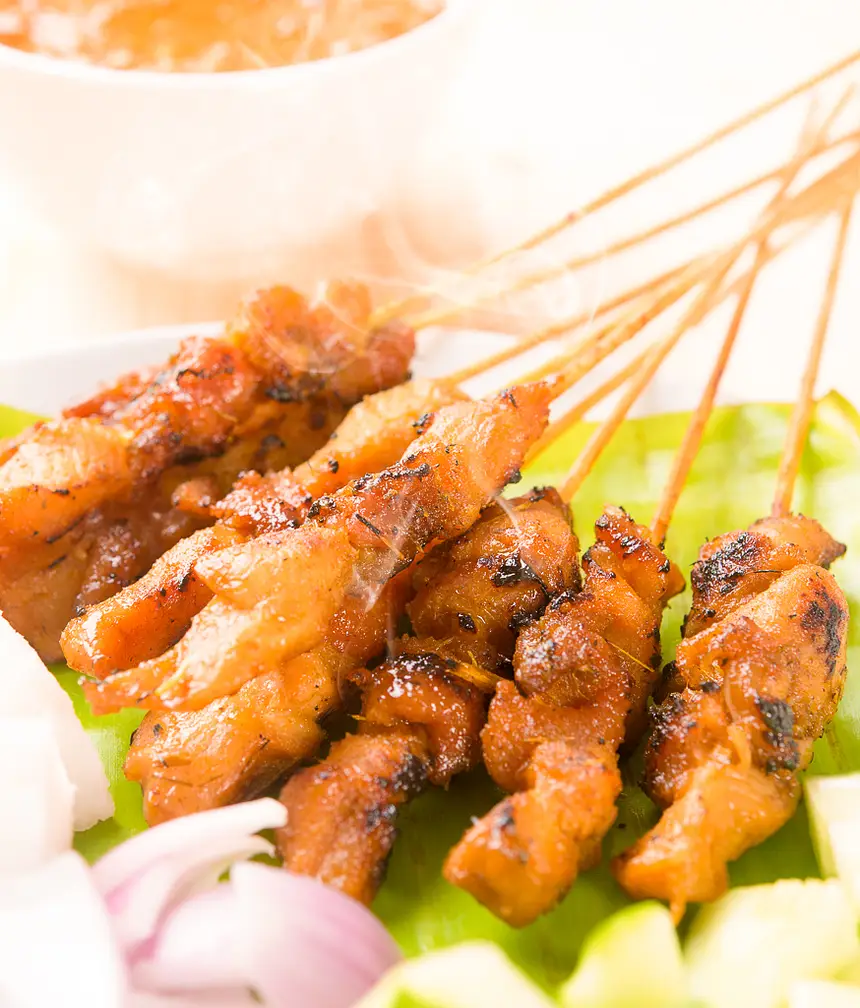
Teriyaki Blackened Chicken Satay


Charcoal-grilled chicken skewers drizzled with teriyaki and topped with warm Thai peanut sauce, scallions, cilantro and sesame seeds. A fusion satay that brings restaurant-level plating home.
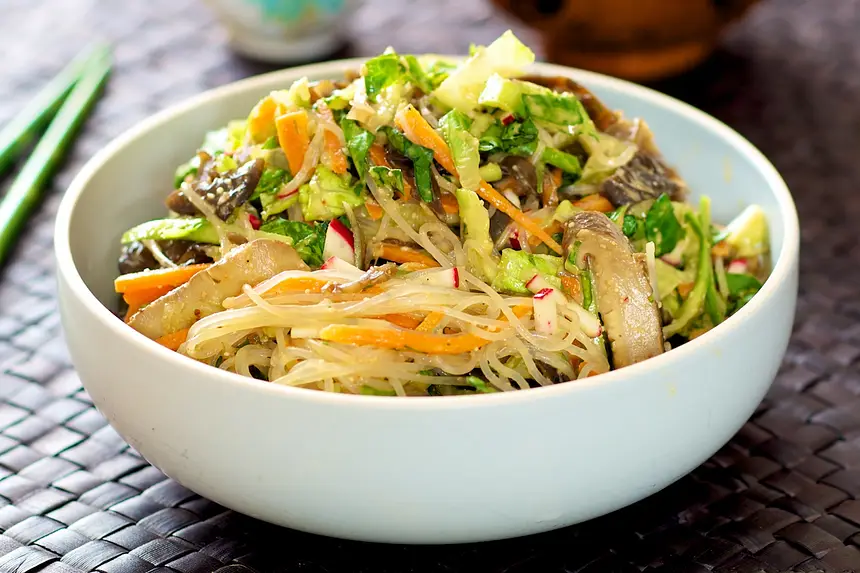
Asian Noodle, Cucumber & Lettuce with Peanut Sauce

Toss vermicelli, cucumber, radishes, lettuce with store-bought or homemade peanut sauce. The dish can be made a few hours or one day ahead. A deliciously refreshing summer dish.
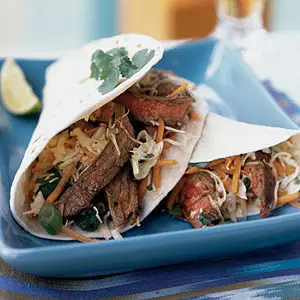
Asian Beef Tacos
The idea of Korean Tacos trucks and the delicious tacos they produce intrigued me. I developed this as my own version of an Asian flavored taco.
Satay Chicken Pizza
Satay chicken pita pizzas with Thai peanut sauce, sauteed chicken, scallions, and melted provolone. A 28-minute fusion weeknight dinner that turns leftover peanut sauce into individual kid-sized pizzas.

Nutty Shrimp (Or Chicken) Pasta
Thai-style peanut shrimp pasta with creamy coconut milk sauce, crisp bean sprouts, chopped peanuts, and scallions. A weeknight 30-minute fusion noodle bowl.
Chinese Five-Spice Pork Satay with Peanut Sauce
Chinese five-spice pork satay with homemade coconut peanut sauce. Marinate overnight in sesame oil and Shaoxing wine, grill to charred edges. Authentic Asian street food for BBQ.
Thai Lettuce Wraps with Satay Pork Strips
Grilled hoisin-marinated pork strips tucked into crisp lettuce cups with rice noodles, crunchy veggies, and a sweet peanut-chile dipping sauce. A fresh, hands-on Thai dinner for a crowd.

Chicken & Pasta in Peanut Sauce
Chicken and pasta in Thai peanut sauce tosses thin spaghetti, seared chicken, broccoli and red pepper in a creamy, nutty sauce with a kick of crushed red pepper. A 20-minute weeknight dinner.