Lamb is easier to cook with than it looks. Here's how to choose, use, and store it, what to substitute, and 220 recipes to get you started.
Key Points
Lamb is young sheep meat, tender and richer than beef; mutton is the stronger meat of older sheep.
Its gamy flavor comes from sheep fat; grass-fed tastes stronger, grain-finished milder, trimming tames it.
Tender cuts like rack and loin sear fast; shoulder, shank, and neck need long braising.
Cook chops and roasts to 130 to 145°F for medium-rare to medium; ground lamb to 160°F.
Serve lamb hot on warm plates, since its fat congeals and turns waxy as it cools.
What is lamb?
Lamb is the meat of a young domestic sheep, slaughtered under a year old. That youth keeps the meat tender and gives it a clean flavor that is richer than beef and a little sweet.
Meat from an older sheep is sold as mutton, and it tastes far stronger.
The flavor people call "gamy" comes mostly from the fat, which is high in branched-chain fatty acids unique to sheep. Grass-fed and pasture-raised lamb tastes more pronounced, while grain-finished lamb, common from the US, is milder. Trimming excess fat tones the flavor down if you find it too strong.
Lamb is a staple food from the Mediterranean through the Middle East and India to the British Isles, from a Sunday roast to a street-cart gyro. Few meats carry spice as well, which is why it turns up in curries, kebabs, and slow-cooked stews the world over.
A Quick Guide to the Cuts
Where the cut comes from tells you how to cook it. The shoulder and leg work hard and suit slow, moist heat, while the rib and loin are tender and made for fast, dry heat.
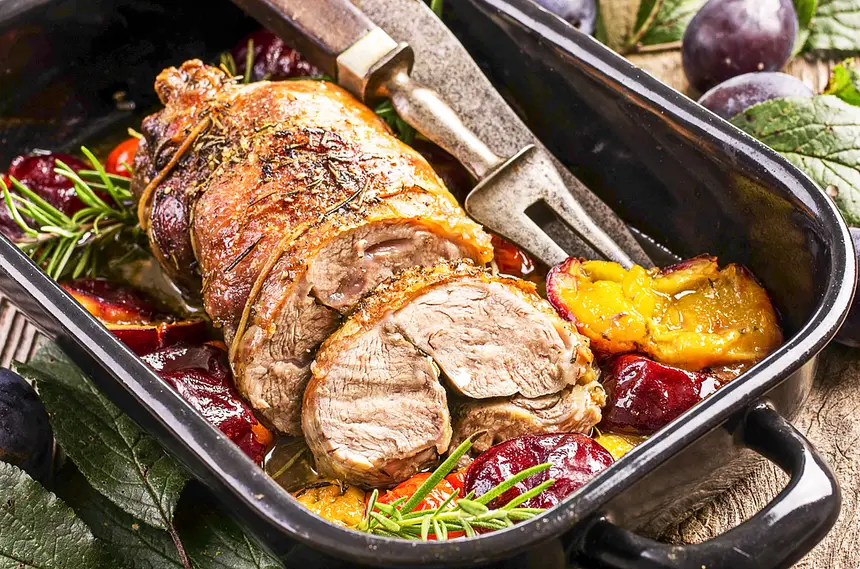
The leg is the showpiece roast. Sold bone-in or butterflied, it feeds a crowd in a Herbed Roast Leg of Lamb with Roast Onions. The rack and the loin chops are the quick-cooking premium cuts, best seared hot and served pink.
Shoulder is the tougher, fattier, cheaper end, full of connective tissue that turns silky over a long braise. The shank, from the lower leg, is pure braising meat that falls off the bone after a couple of hours.
Cubed shoulder or neck is the classic stew meat behind a proper Irish Stew or a Classic Scotch Broth. Ground lamb builds burgers and koftas, and it is the meat shaved for gyros.
How to Cook It and Hit the Right Doneness
Match the method to the cut. Tender cuts like rack and loin chops want high, dry heat: roast or sear them, then pull them while still pink inside.
Tough cuts like shoulder and shank want the opposite. Give them low, wet heat for hours until the collagen melts.
Doneness is where lamb differs from beef in the eating. Most cooks find it best at medium-rare to medium, pulled at 130 to 145°F (54 to 63°C). Cooked well-done, lamb tightens up and its flavor turns muscular and livery, so the gentler end of the range flatters it.
Always rest a roast or chop 5 to 10 minutes off the heat. The temperature climbs a few degrees as it sits.
That rest lets the juices redistribute instead of running out on the board.
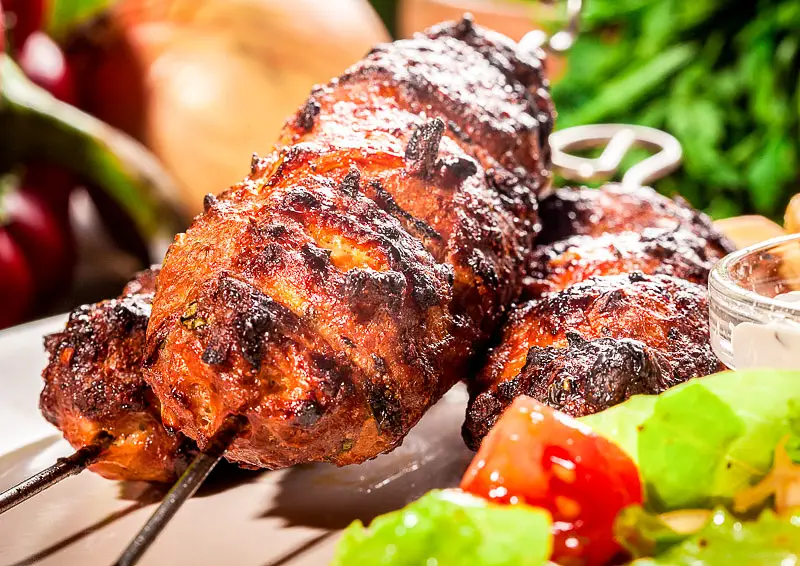
Ground lamb is the exception. Like all ground meat, cook it through to 160°F (71°C), since grinding spreads any surface bacteria through the mince. It is the base for kebabs like Liula-Kebab.
Pairing and Common Mistakes
Lamb's rich flavor wants bright, aromatic company. Garlic, rosemary, mint, lemon, cumin, and yogurt all cut its fattiness, which is why it carries everything from a Greek Gyros to an Indian Chicken or Lamb Biryani.
The most common mistake is overcooking a good cut, chasing the well-done habit people bring from pork or chicken. A rack taken to grey is a waste; treat it like a fine steak instead.
The second is serving lamb lukewarm. Its fat congeals and tastes waxy as it cools, faster than beef fat does, so serve lamb hot on warmed plates and your guests taste it at its best.
Buying and Storing
Look for firm, pink-to-pale-red meat with white, not yellow, fat; yellow fat signals an older animal closer to mutton. Smaller cuts and a finer grain point to younger, milder lamb. For roasts, a thin even fat cap bastes the meat as it cooks.
Keep raw lamb chops and roasts in the coldest part of the fridge and use within 3 to 5 days. Ground lamb is more perishable; cook it within 1 to 2 days.
To freeze, wrap airtight: roasts and chops keep 6 to 9 months, ground lamb 3 to 4 months. Thaw overnight in the refrigerator. Cooked lamb keeps 3 to 4 days and reheats best gently, since its fat is unforgiving in the microwave.
Types of lamb
Specific kinds of lamb and the recipes that use them.
Leg of lamb is the whole hind leg of the animal. It is the big roast at the center of Easter and Passover tables across the Mediterranean and beyond, lean for lamb but full of flavor, and large enough to feed a crowd from one cut.
You buy it two ways. Bone-in gives you the best flavor and a dramatic roast to carve at the table. Boneless (often butterflied) cooks faster, lays flat for the grill, and is far easier to slice.
A whole bone-in leg runs 6 to 9 pounds (2.7 to 4 kg) and feeds eight to ten. Ask the butcher to remove the aitch bone for cleaner carving.
Ground lamb is lamb minced for cooking, fattier and far more flavorful than ground beef. That fat and the deep, slightly grassy taste of lamb make it the backbone of koftas, kebabs, and meatballs from the Middle East across the Mediterranean to India and North Africa.
Most ground lamb runs around 80 percent lean, often from the shoulder. The fat keeps it juicy and carries spice well, which is why it rarely needs the binders leaner mince does.
For lamb the meat itself, see lamb. This page is about the ground form and what to do with it.
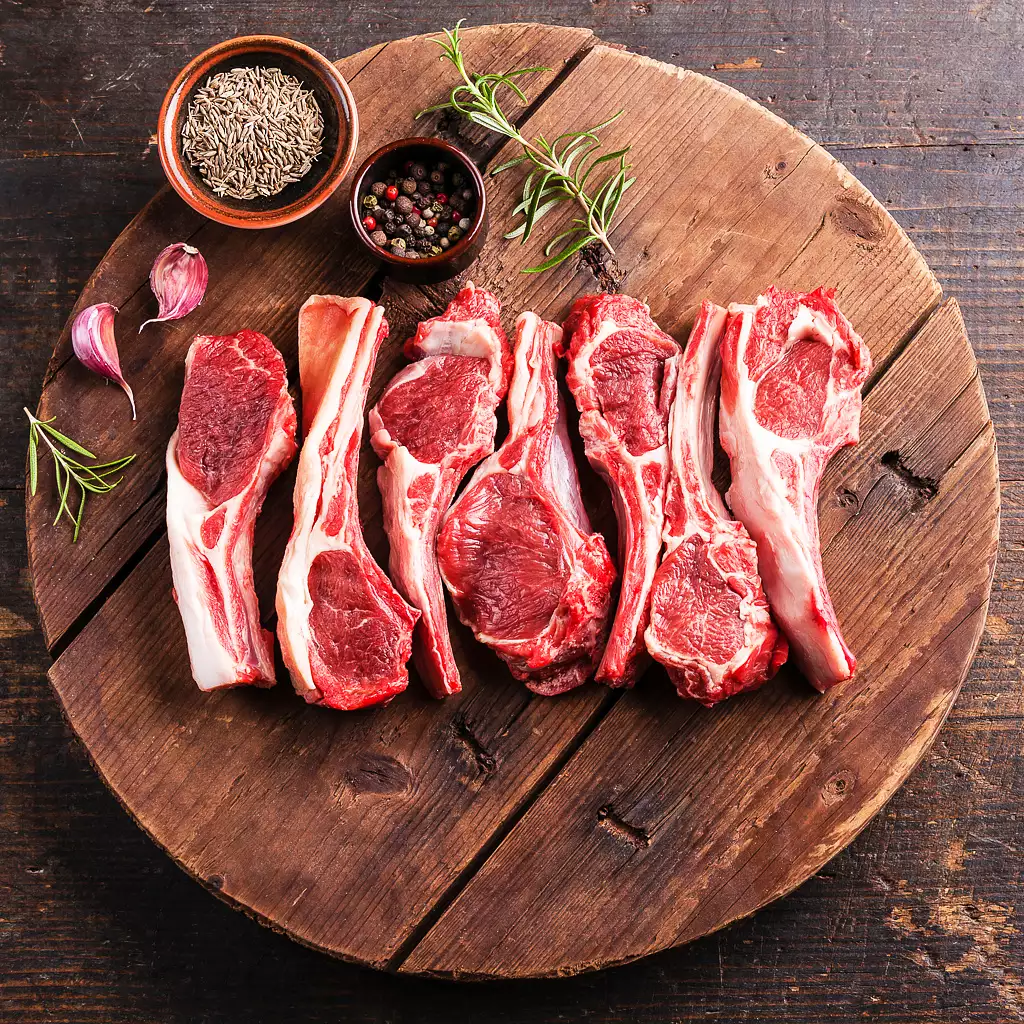
Lamb rib chops are the small, tender chops cut from the rack of lamb, one per rib. Each is a nugget of fine-grained loin meat sitting on a long curved rib bone, which is why they get frenched (scraped clean) and served as lollipop chops at restaurants.
They are the most tender cut on the animal and the most forgiving to cook fast. Shoulder and shank need hours. A rib chop just wants high heat and a few minutes a side.
For general lamb buying and the case against well-done lamb, see lamb. This page is about the rib chops specifically.
Lamb shoulder is the hard-working front section of the animal, marbled with fat and threaded with connective tissue. That makes it tough when rushed and meltingly tender when given time. It is the braising and slow-roasting cut, and it carries far more flavor than the lean leg.
It also costs less than leg of lamb, often a good bit less, which is why it shows up in stews and curries the world over. You buy it boneless and rolled, bone-in, or cubed for stew.
For general lamb handling and doneness, see lamb. This page is about the shoulder.
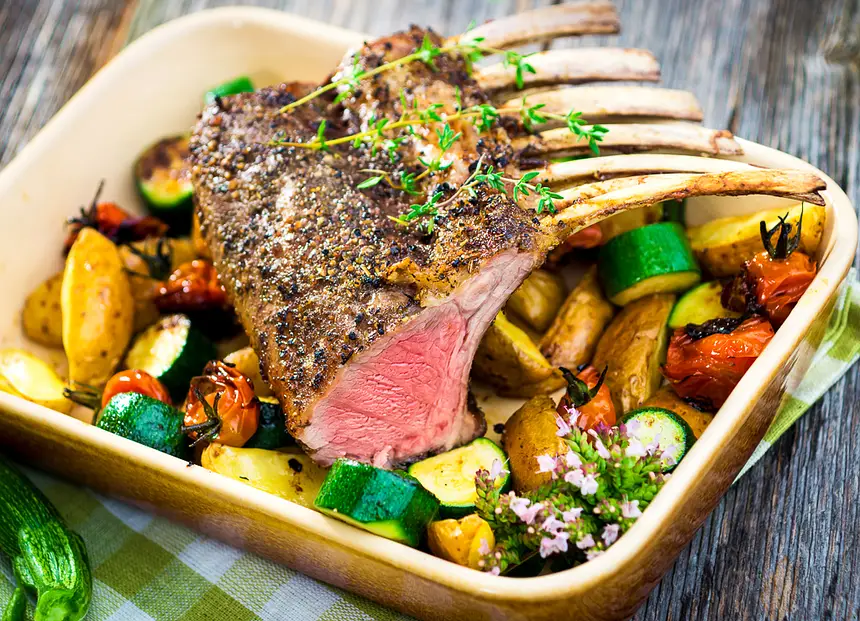
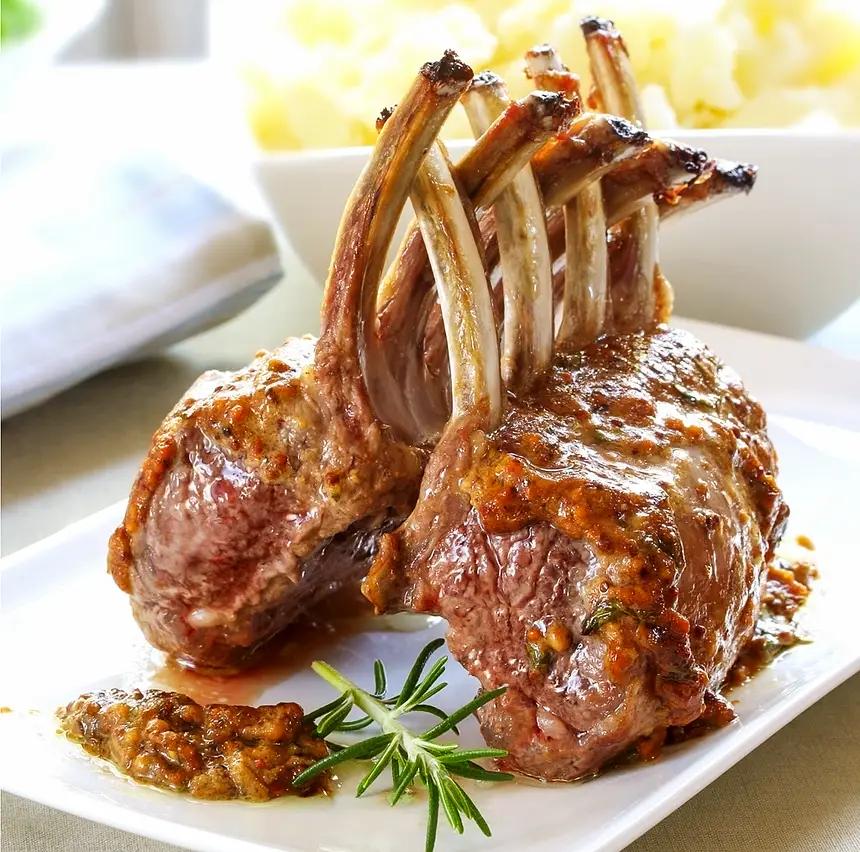
Rack of lamb is the rib roast of the lamb, a row of eight ribs cut from the rib section with the tender eye of meat running along the bones. It is the most elegant cut in the whole animal and the one restaurants charge the most for.
Yet it is genuinely easy to cook at home.
The meat is fine-grained and mild for lamb, with a clean richness rather than the strong gaminess of shoulder or leg. Bought trimmed and frenched, it looks like a crown of bare white bones above a neat strip of rosy meat.
A single rack feeds two to three people as a main, which is why it shows up so often as a dinner-for-two or small-celebration centerpiece.
A lamb shank is the lower portion of the leg, the section just above the hoof on the front or hind quarter. It is tough, sinewy meat wrapped around a single bone, and that toughness is exactly the point.
Shanks are dense with connective tissue and collagen. Cook them slowly and that collagen melts into gelatin, leaving meat that slides off the bone and a sauce with real body.
This is a cheap, humble cut that eats like a luxury once you treat it right. One shank is a generous single serving, so plan on buying one per person.
Lamb stew meat is lamb cut into bite-sized cubes for slow, wet cooking. It usually comes from the shoulder or the leg, the harder-working muscles that are full of connective tissue and flavor but too tough to cook quickly.
Give those cubes a long, gentle braise and the collagen melts into gelatin, turning chewy meat fork-tender and the cooking liquid rich and glossy.
That makes it the backbone of slow-cooked dishes around the world. Irish stew leans on it, as do a Moroccan tagine and a Persian khoresh, and the cubes are the starting point for Indian rogan josh, all built on lamb and plenty of time.
A boneless leg of lamb is the whole back leg with the bone removed, sold either tied into a tidy roast or opened out flat. That flat sheet of meat is called a butterflied leg, and it's the form that makes this cut so flexible.
Without the bone, the leg cooks faster and far more evenly, and carving is no contest: you just slice across the grain. It's a generous, lean roast with deep flavor, the kind of centerpiece that anchors a holiday table without demanding much technique.
Lamb loin is the tender strip of meat that runs along the back of the lamb, between the rib (rack) and the leg. It is lean and fine-grained, with a mild, sweet lamb flavor that is far gentler than shoulder or leg.
You meet it in two main forms. Loin chops are small T-bone-shaped cuts with a nugget of loin on one side and a sliver of tenderloin on the other; the boneless loin is a slender, even cylinder ideal for roasting or stuffing.
Either way, this is a quick-cooking, premium cut. Treat it like a fine steak, not a braise.
Lamb shoulder chops are cut across the shoulder of the lamb, giving you a flat, bone-in chop with several muscles, a streak of connective tissue, and good marbling.
They are bigger and fattier than the dainty rib or loin chops, and far cheaper. Many cooks think they taste better for it.
Two common styles exist: the round-bone or arm chop, cut from the arm with a cross-section of the round leg bone, and the blade chop, which includes a piece of the shoulder blade. Both are flavorful and forgiving.
Because they come from a hard-working muscle, shoulder chops have more flavor and more chew than premium chops. That makes them ideal for cooks who want real lamb taste without paying rack-of-lamb prices.
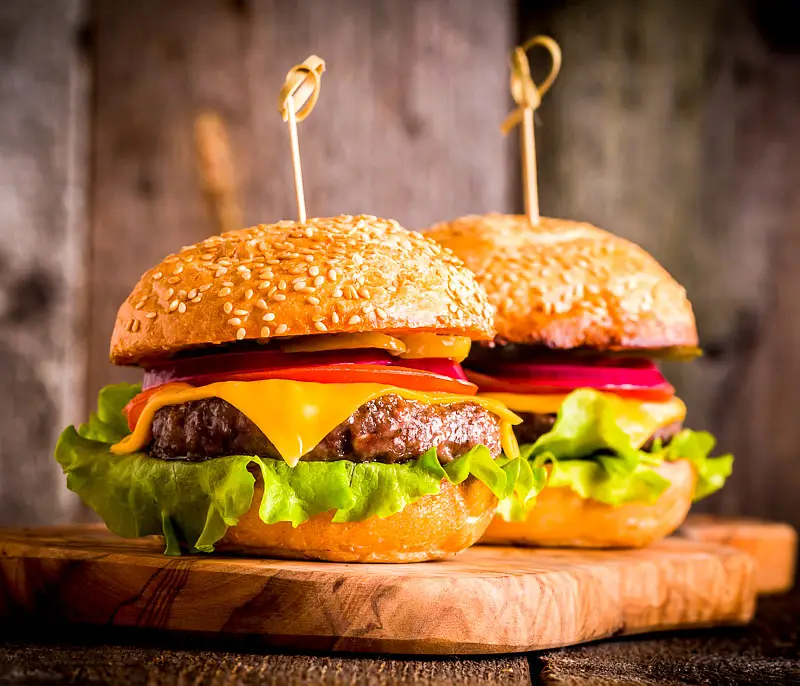
Lamb cheeseburgers ground at home with bacon and topped with melted Roquefort blue cheese. A grown-up burger upgrade with rich, gamey lamb and salty smoke from the bacon blend.
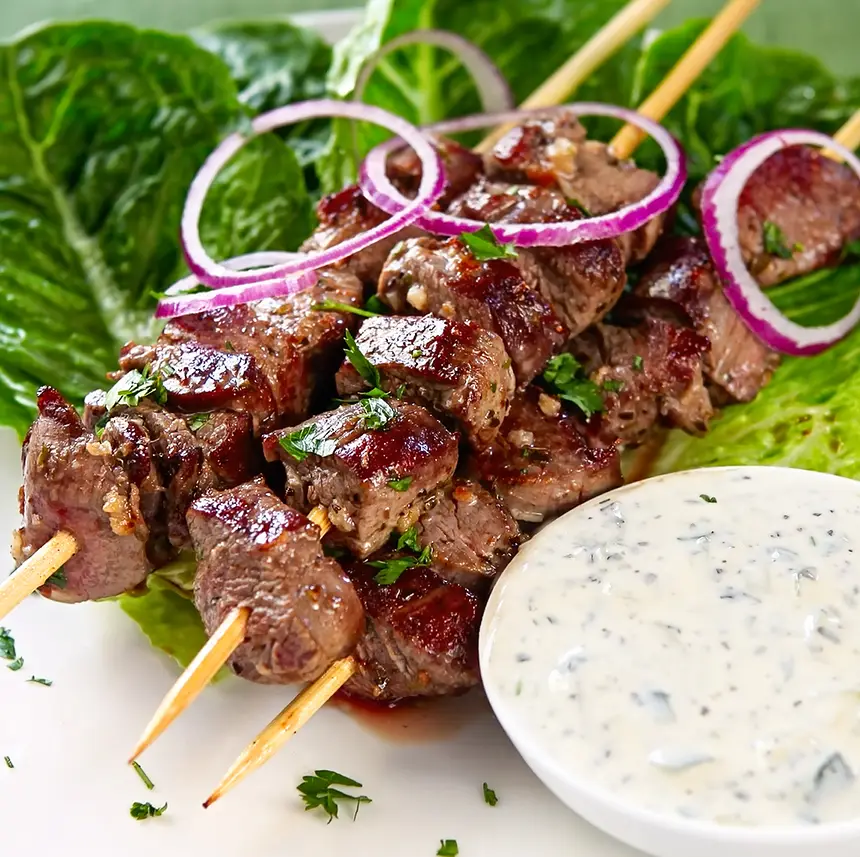
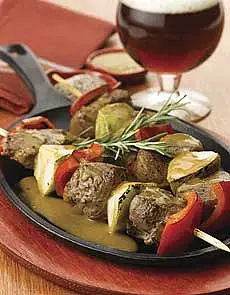
Lamb kebabs marinated in olive oil, lemon, garlic, and ground coriander, then broiled on bamboo skewers until charred at the edges and pink in the middle. A Middle Eastern grill night classic.
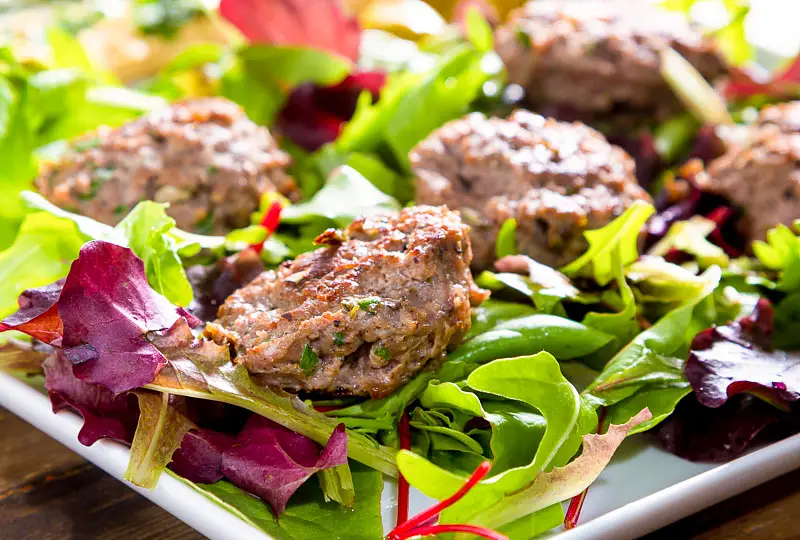
Middle Eastern lamb kebabs (kofta) blend ground lamb with garlic, ginger, cumin, mint, and parsley before grilling on skewers. Serve with pita, salad, and yogurt for an authentic mezze dinner.
Minty lamb burgers blend ground lamb with grated onion, garlic, and fresh mint, then grill hot and fast over coals. Mediterranean-style burger ready in 25 minutes.
To make the kebabs, you’ll need eight 10-inch wooden or bamboo skewers, soaked in water for 20 minutes. Metal skewers may overcook the lamb, so use only metal if you like your meat well done.
Lemon herb lamb roast rubbed with lemon zest, rosemary, and thyme, served with a tangy yogurt pan sauce. Boneless leg of lamb roasted to a rosy medium for Easter or Sunday supper.
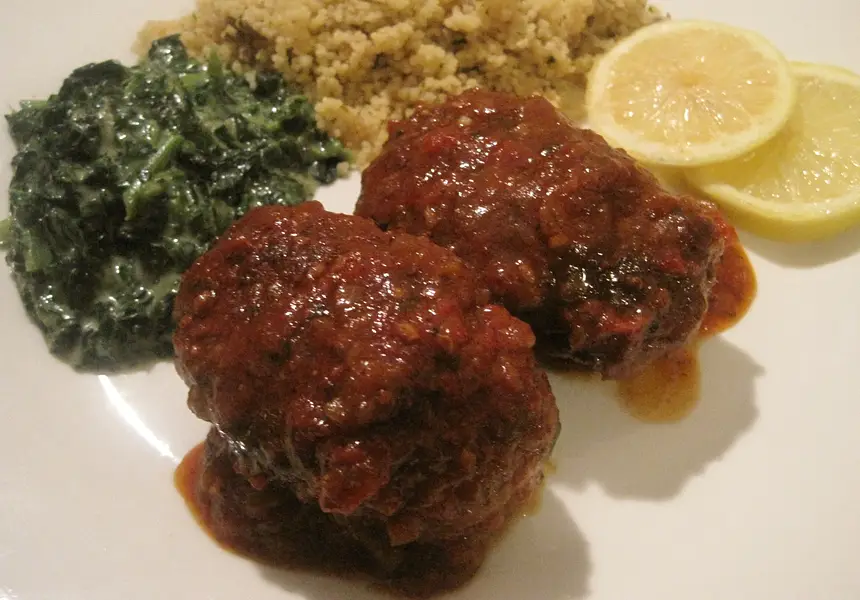
I sometimes pan fry these then let them simmer for at least an hour in a spicy Moroccan tomato sauce (recipe to follow). I usually serve the kefta with couscous, a vegetable, some cucumber yogurt sauce, and warmed pita.
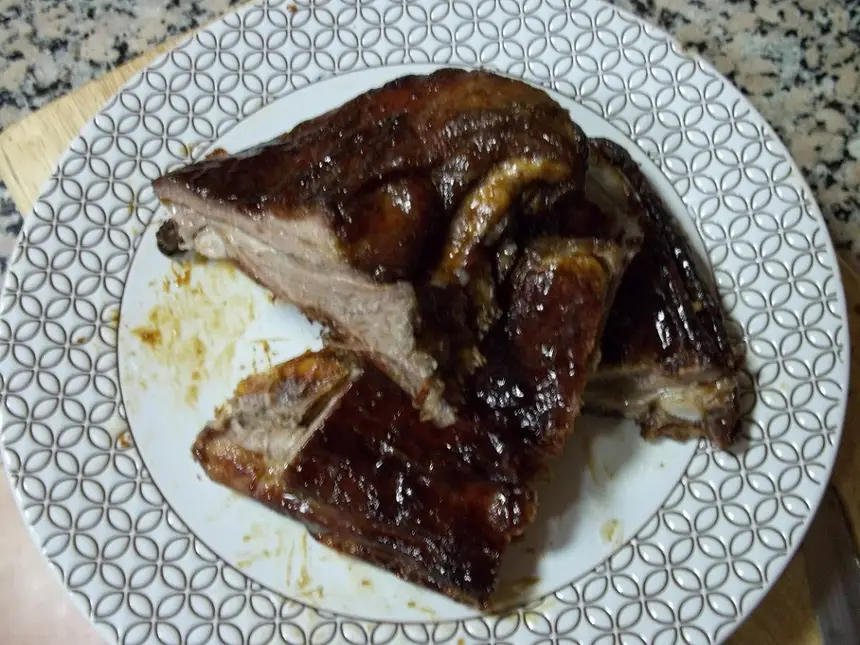
BBQ lamb ribs grilled until the skin crisps, then brushed with a honey, soy and red wine glaze over a cooling fire so it caramelizes instead of burning. Juicy, tangy ribs straight off the grill.
Kashmiri lamb koftas shaped into spiced sausages, browned in whole cardamom and cinnamon, then simmered in yogurt sauce until tender and saucy. Aromatic Indian comfort food from the Himalayan foothills.
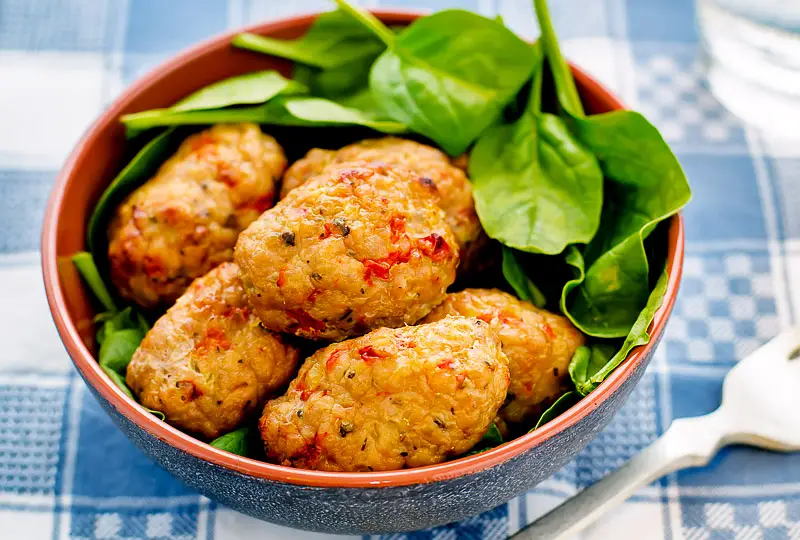
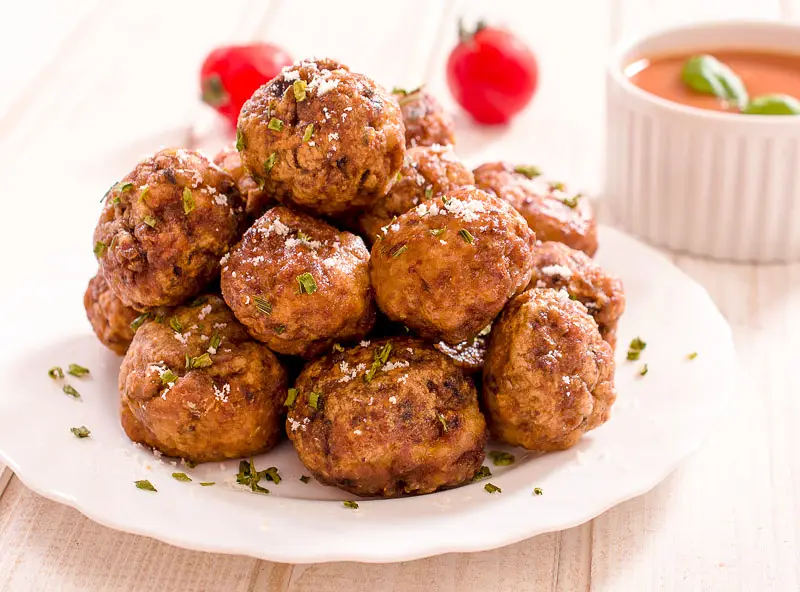
Persian lamb meatballs (kufteh) blend ground lamb with bulgur, pine nuts, fresh dill, mint, cumin, and coriander, then bake until juicy. A traditional Iranian main dish.
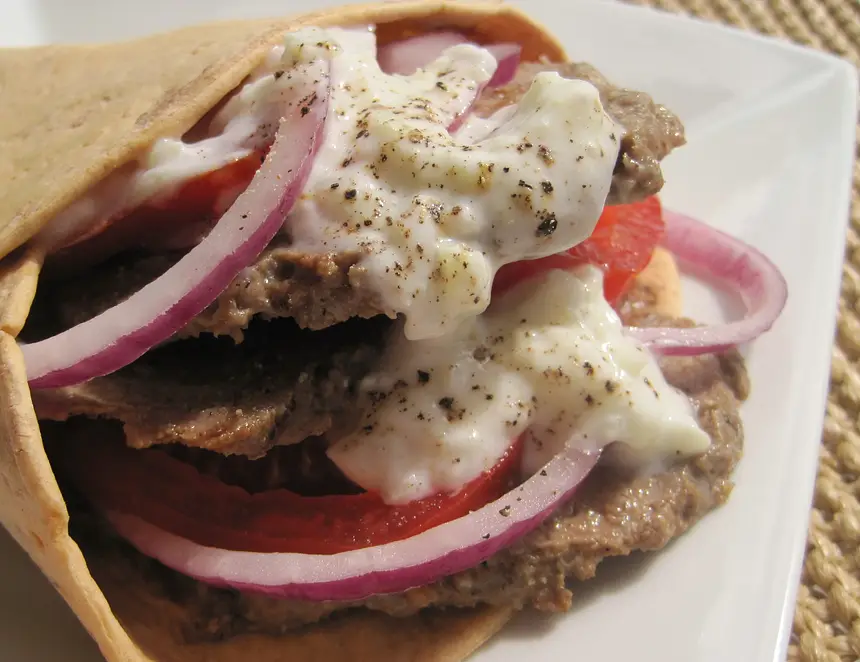
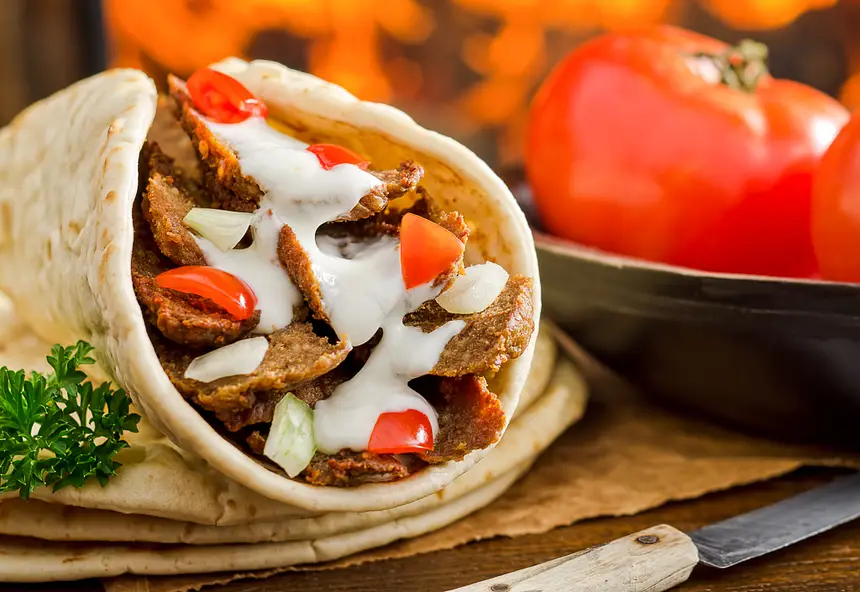
Greek gyro sandwiches blend ground beef and lamb with oregano, thyme, and garlic into thin patties, then tuck into pita with homemade cucumber-yogurt sauce and sliced onion. Street food classic done at home.
Garam masala lamb kebabs marinated in spiced yogurt with ginger, garlic, and fresh coriander, then grilled until charred and finished with a dusting of warm, toasted garam masala. Includes a from-scratch spice blend.
Mongolian lamb stir-fry with thin-sliced shoulder, soy sauce, garlic, scallions, and toasted sesame seeds. A quick wok dish with a glossy, savory-sweet sauce.
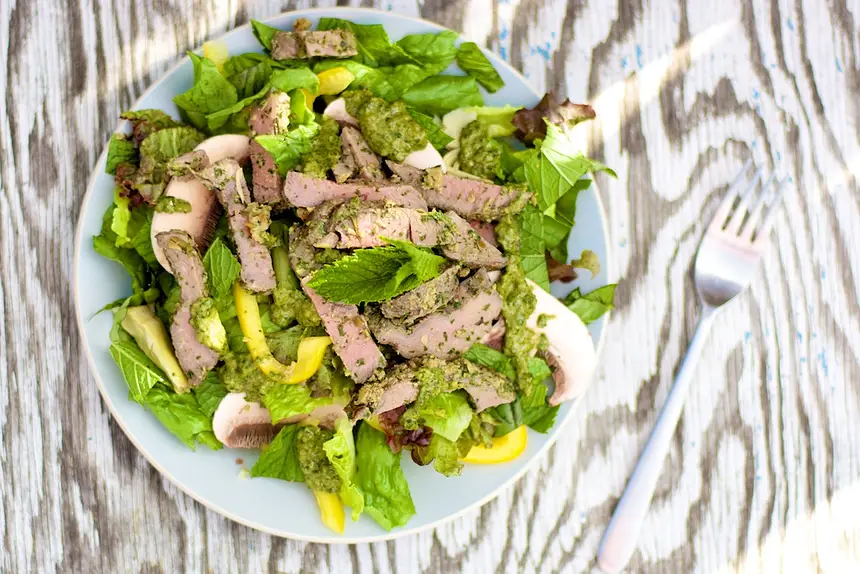
This salad deserves five stars. We made the salad with some leftover roasted lamb leg. The mint-basil dressing was terrific, and it went so well with the lamb. The salad had lots of great texture and flavour...
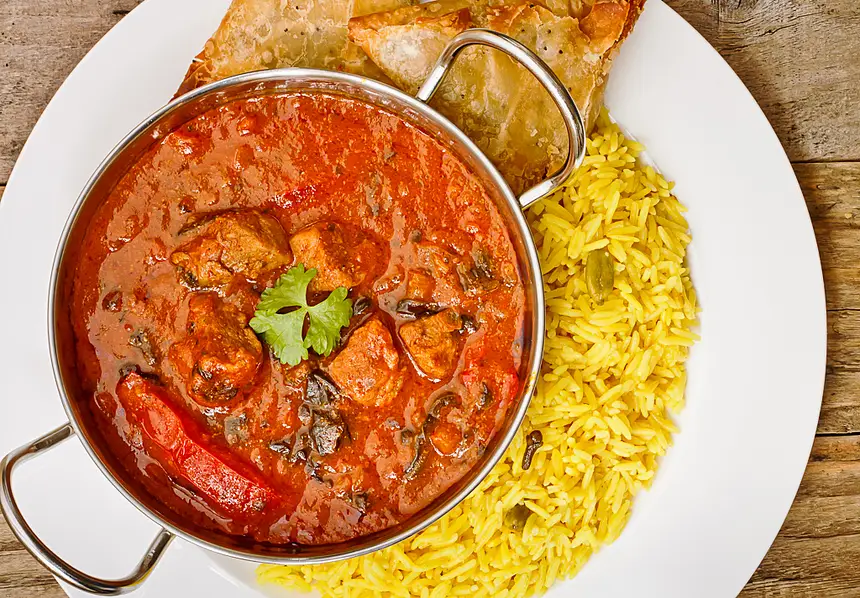
Lamb rogan josh, the Kashmiri curry, with lamb marinated in spiced yogurt overnight then pressure-cooked fork-tender in a fragrant tomato, ginger, and garam masala gravy. Deeply spiced, not just hot.
Herb-roasted rack of lamb crusted with rosemary, thyme, and garlic, then carved into chops and served with a glossy red wine pan sauce. An elegant Easter and holiday roast that's far simpler than it looks.
Rack of lamb painted with Dijon mustard, soy sauce, garlic, and rosemary, then roasted to rosy medium-rare. A 25-minute, hands-off centerpiece for special-occasion dinners.
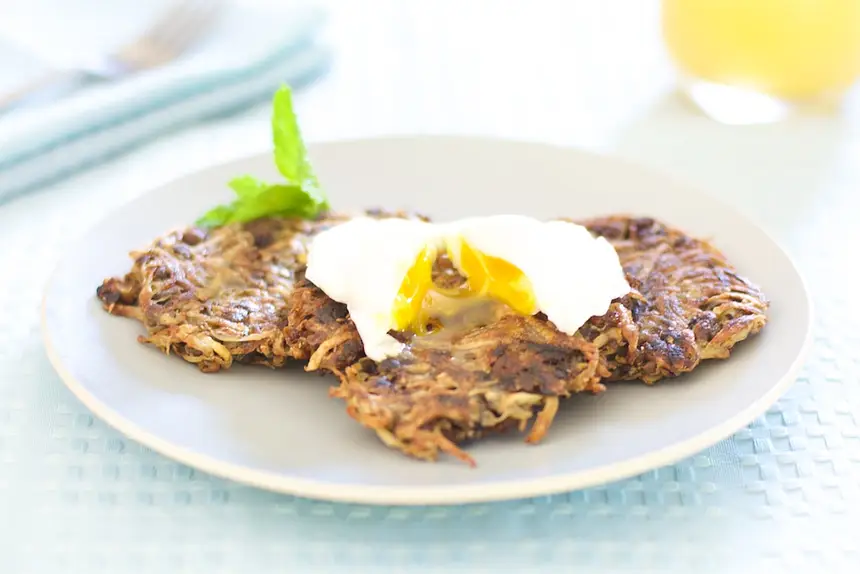
An excellent way to use up our leftover roasted lamb. The hash was goledn-brown, crispy and very tasty. Lamb has certainly given lots of flavour to the hash. Served it with soft poached eggs, and the combination was delicious.
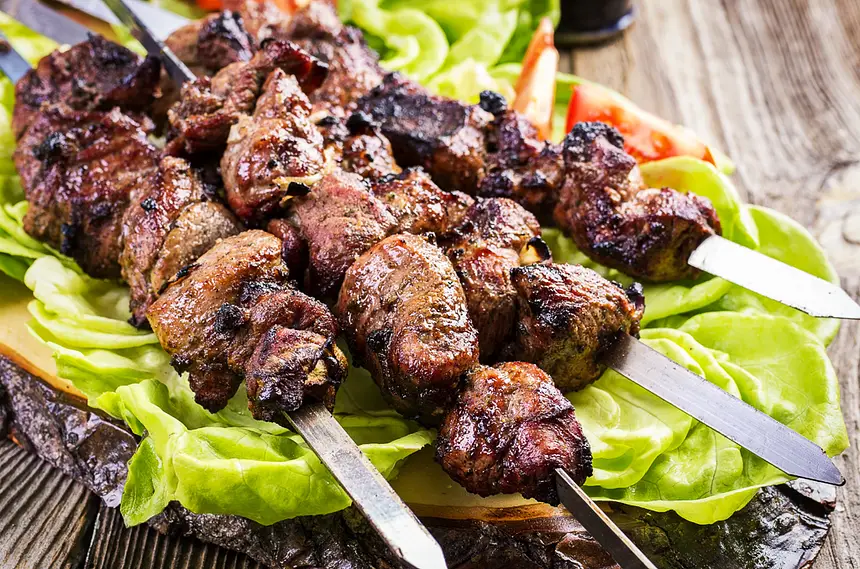
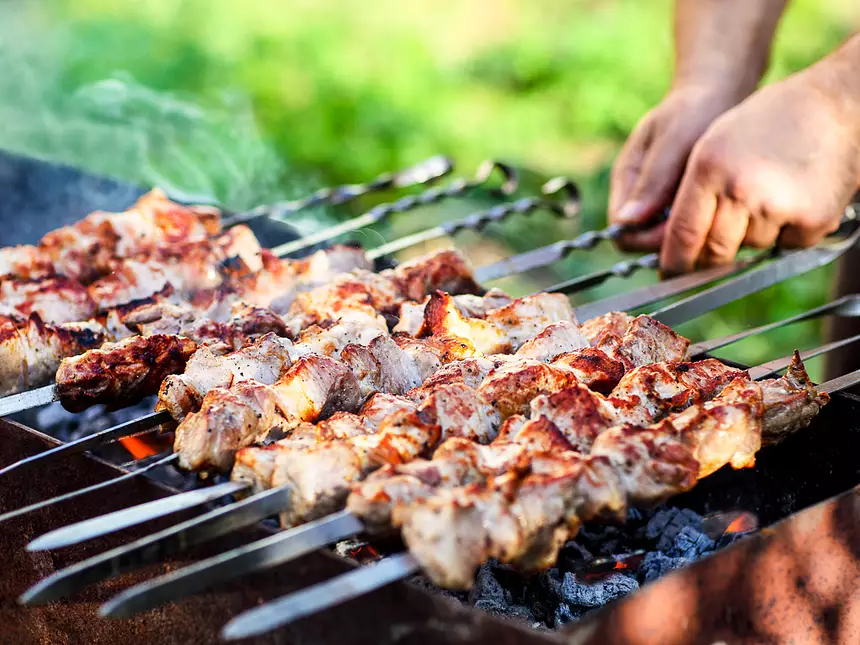
Experience the traditional Russian dish called, "Shashlik" Throughout the Middle East, South Russia, and Siberia this meal has been a favorite for centuries. Most of the western world knows this dish by its' Middle Eastern version called, "Shish Kabob." But on the Crimean peninsula and the steps of south Russia, Shashlik is a unique variant of the Shish Kabob dish most Americans know. It's a sweet/tart version of shish-kebab.
Designed for the grill, this leg of lamb is butterflied and marinated in balsamic and mint for easy grilling. Perfect for a summer cook-out or Easter dinner.
Arni kapana is a traditional Greek lamb stew with lemon, tomatoes, and a hint of cinnamon. The lamb gets a one-hour lemon marinade before browning, then simmers in spiced tomato sauce for two hours.
Lamb and spinach pita sandwiches with stuffed lamb patties, hard-boiled egg, olives, cucumber, and a yogurt-bacon-sunflower seed sauce. A creative Mediterranean-style pocket sandwich.
Liula kebab, Caucasian-style ground lamb skewers seasoned with fresh mint, ginger, garlic, and red pepper, grilled over hot charcoal. A boldly spiced lamb kebab tradition.
Chinese-style lamb hot pot with paper-thin slices cooked tableside in boiling chicken broth, dipped in a soy, sesame, peanut butter, and bean curd sauce. Served with spinach, cabbage, and cellophane noodles.
Rosemary-marinated lamb on French bread with roasted peppers, melted mozzarella, and Parmesan. An Italian-style open-faced sandwich broiled until bubbly.
Jolly Jumbuck is an Aussie classic: a minced lamb and mint patty wrapped around a cutlet bone, sealed in puff pastry, and baked golden. Served with madeira sauce for a proper bush-inspired feast.
Lamb shoulder in pastry, a British-style boneless lamb roast wrapped in flaky pastry and baked golden. A traditional Sunday-dinner centerpiece with countryside roots.
Croatian braised lamb shoulder in a paprika and tarragon sour cream sauce, served over homemade spaetzle. A rich, warming Eastern European braise with a complete side dish recipe included.
Granny's broth is traditional Welsh cawl, lamb slowly simmered with leeks, carrots, swede and potatoes into a clear, warming winter broth. A farmhouse classic served with crusty bread.
Porterhouse lamb chops grilled over pecan wood, served with a Southern-style corn and tri-color pepper chow chow in a tangy vinegar-mustard-rosemary sauce. A refined grill-and-relish pairing.
Traditional Irish lamb stew with potatoes, carrots, and onions simmered low with a bouquet garni of thyme, rosemary, and bay leaves. Simple, hearty, and no-fuss.
Ground lamb wok-fried with tri-color bell peppers in a rich sauce of hoisin, oyster sauce, black bean paste, chili sauce, and sesame oil. A Chinese-style chili served over steamed rice or buttered noodles in under 40 minutes.
Spit-roasted leg of lamb basted with garlic butter and served with a fiery drunken sauce of tequila, chili powder, serrano peppers, red wine, and grated cheese. Mexican-meets-grill showstopper.
Harira, the traditional Moroccan soup with lamb, chickpeas, broad beans, saffron, and a velvety tomato-herb base thickened with an overnight flour paste. A slow-simmered bowl with deep, layered spice.
Lamb carnitas braised in milk with coriander, savory, and bay leaves until fall-apart tender. Served in tortillas with broiled onions, tomatoes, sour cream, and salsa.
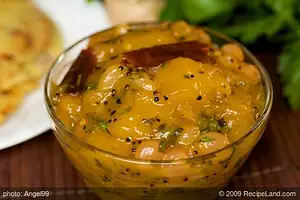
Iwitma palaaw is a Central Asian garbanzo pilaf with browned lamb, slow-cooked onions, carrots, chickpeas and barberries layered under steam-cooked rice. A traditional plov-style feast dish for ten.
Peking lamb with leeks stir-fries velveted lamb in savory brown bean sauce with Shao Hsing wine, dried chilies, and Chinese mushrooms. Triple-fried for crisp edges, soft centers, and deep wok flavor.
Herb-crusted rack of lamb seared and finished with compound herb butter, served over mesquite-grilled pepper ragout with socca and olive tapenade. Restaurant-level Provencal cooking.
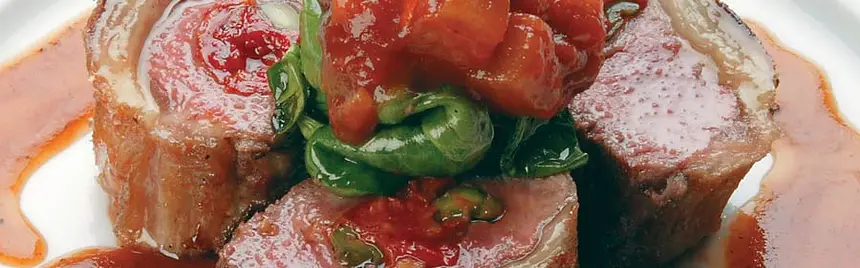
Nori lamb surprise butterflies lamb loin around scallops, mango, mushrooms, and pickled ginger, wraps it in seaweed, and pairs it with a chili-lemongrass syrup and a roasted pepper relish.
Grilled lamb tacos folded into corn tortillas with melted Monterey Jack, white cheddar, charred red onion and fresh mint. Quesadilla-style tacos with smoky backyard-grill flavor.
Grilled chili-rubbed lamb chops seasoned with cumin, thyme, allspice, and sugar, then served with hot pepper jelly. Marinate overnight for bold, smoky flavor on the grill.
Tender eggplant shells cradle savory ground lamb with mushrooms, garlic, and Mediterranean herbs in this show-stopping Greek casserole. Perfect for special dinners when you want authentic flavors.
Slow-simmered lamb with crushed garlic and coarsely ground barley cooked in rich lamb broth. A rustic, stick-to-your-ribs dish served with crusty bread.