If beef, steak has turned up in a recipe or caught your eye at the store, here's what you need to use it with confidence and how to choose it, cook it, store it, what to substitute, and 94 recipes to try it in.
Key Points
A steak is a thick slice of beef cooked with dry, direct heat over high flame.
The tender grilling cuts come from the loin and rib, the steer's least-worked muscles.
Sear a dry, salted steak hot, then pull at 130 to 135°F for medium-rare and rest it.
Past 160°F the muscle squeezes out its juice and the steak turns dry.
Match the cut to the cook; cheap cuts like skirt or flank need marinating and thin slicing.
What is beef, steak?
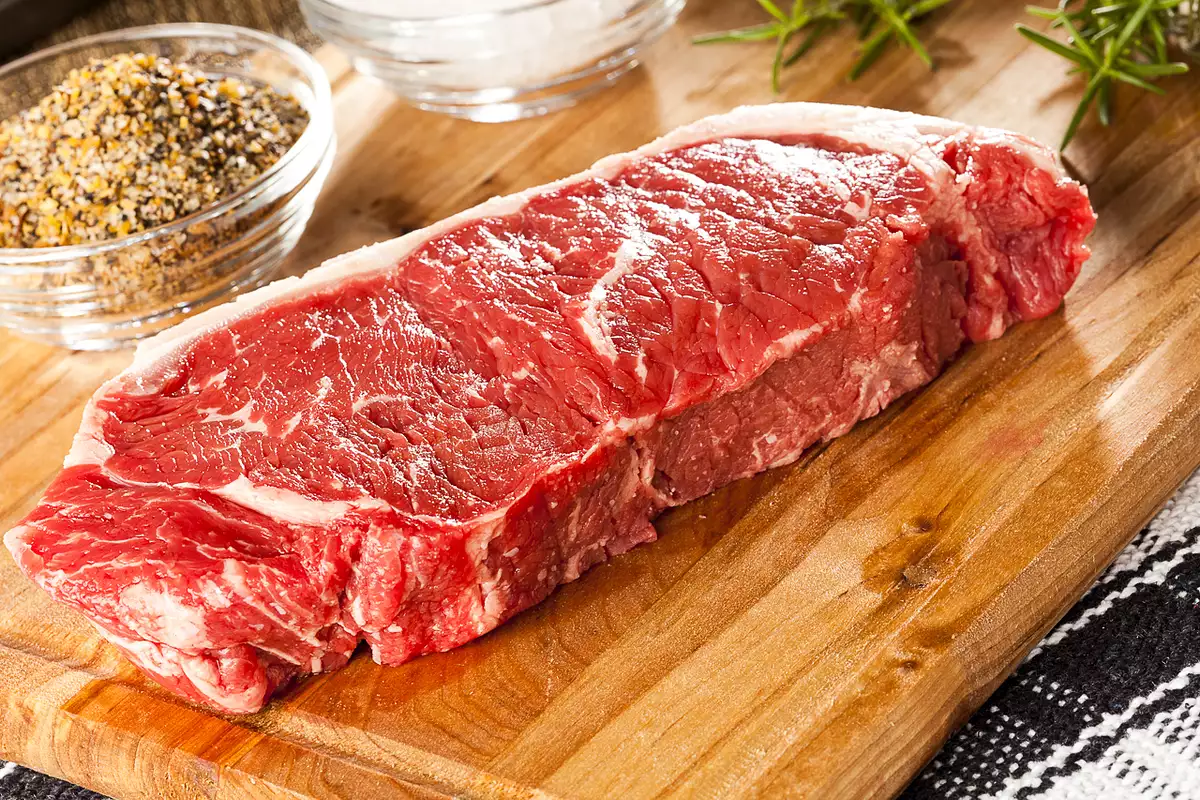
A steak is a slice of beef cut thick across a muscle and cooked with dry, direct heat. The best ones come from the parts of the steer that do the least work: the loin and the rib running along the back.
Those muscles stay tender. They reward a hot fire and a short cook rather than the long braise that tougher cuts need.
That is the whole logic of the steak case. Tenderness is what you pay for, and it tracks almost perfectly with how lazy the muscle was.
Porterhouse, T-bone, strip, ribeye, and the lean sirloin are the classic grilling steaks, all sliced from the loin or rib. The tenderloin gives you the silky filet mignon.
Cheaper cuts like chuck steak and skirt steak come from harder-working muscle. They take a marinade or a braise rather than a quick sear.
How to Cook a Steak
Two methods cover almost every steak: the grill and the hot pan. Both want the same thing, a dark crust over a juicy center, and both start with a dry surface.
Pat the steak dry and salt it well. Let it sit out so it loses the chill, because a cold center forces you to leave the steak on the heat longer, overcooking the outside before the middle catches up.
Get the grill grate or a cast-iron pan genuinely hot before the meat touches it. Sear hard on the first side without nudging it, then flip once and cook the second side.
For a steak around 1½ inches (4 cm) thick, that runs roughly 4 to 5 minutes a side over high heat for medium-rare.
The crust is the Maillard reaction, the browning that builds most of a steak's roasted flavor. You only get it on a dry surface over real heat. A crowded or lukewarm pan gives you grey, steamed meat instead.
Thickness matters more than people expect. A steak cut at least 1¼ inches lets you build a crust before the inside overcooks.
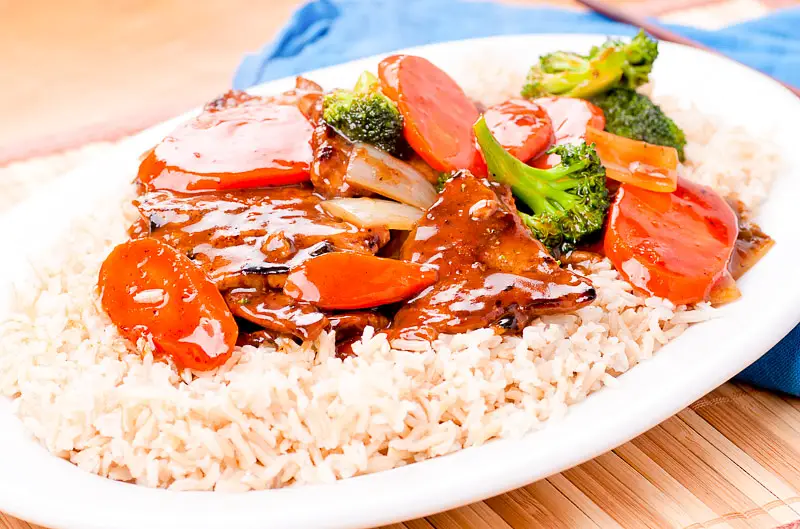
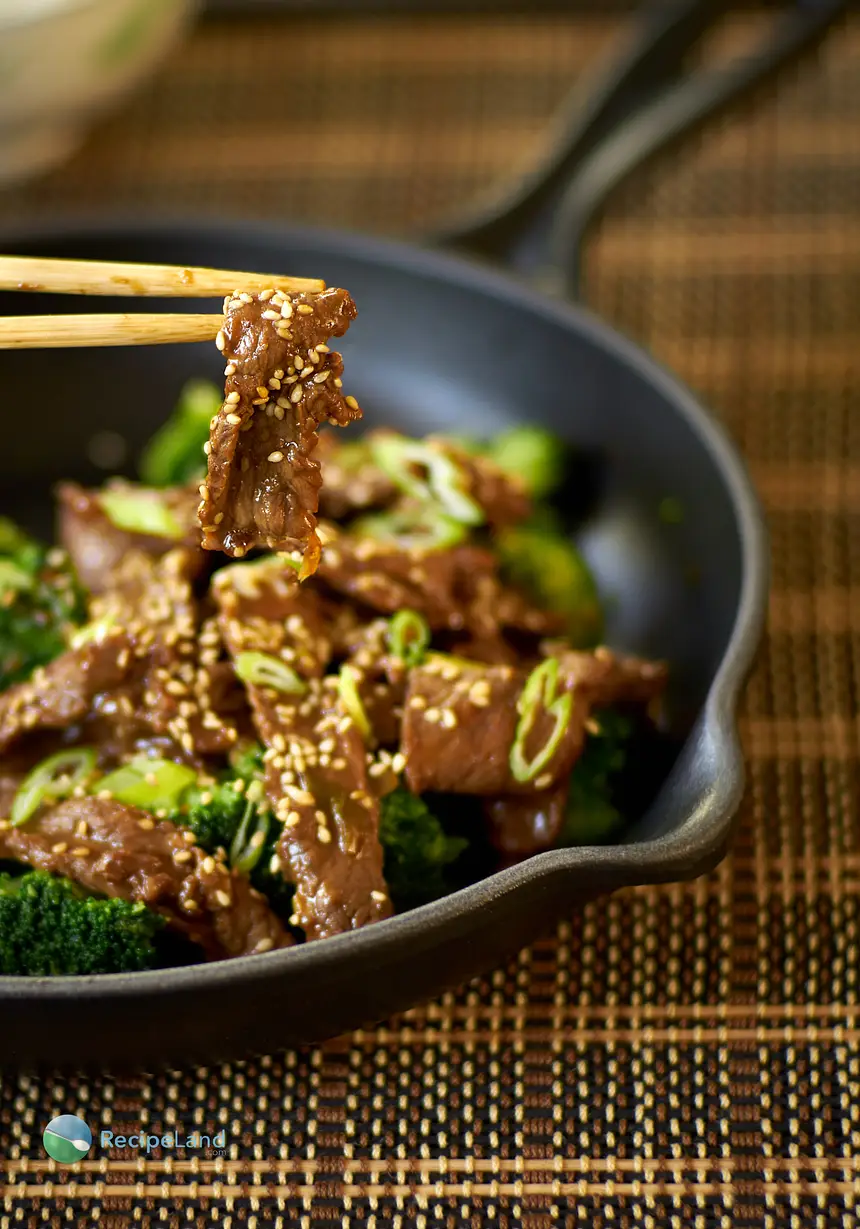
Thin steaks go from raw to well-done in the time it takes to brown them, so they are better sliced and seared fast for stir-fries like Honey-Soy Steak Strips Over Rice.
Doneness and Resting
Cook to temperature rather than to the clock, and use an instant-read thermometer. Pull the steak about 5°F below your target, because it keeps climbing off the heat.
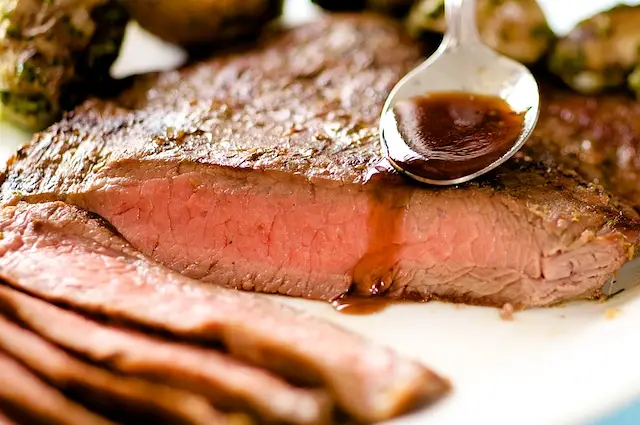
Medium-rare lands at 130 to 135°F (54 to 57°C), a warm red center. Medium is 140 to 145°F (60 to 63°C). Push a steak past 160°F (71°C) and the muscle squeezes out its juices and goes dry, the most common steak mistake by a wide margin.
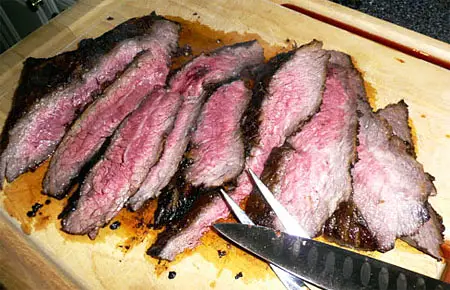
Then rest it. Five to ten minutes off the heat lets the juices settle back into the fibers instead of flooding the cutting board.
A steak sliced the second it comes off the grill loses far more moisture.
A thick double-cut steak, like an Asian Porterhouse carved for two, cooks to an even medium-rare more easily than two thin steaks. It also lets the bigger appetites go back for seconds.
Picking the Right Steak
Match the cut to the cook. For a quick grill or sear, buy from the loin or rib: strip, ribeye, T-bone, porterhouse, tenderloin, or sirloin.
For something cheaper that still grills, look at flat iron or flank, but plan to marinate and slice them thin across the grain. Skip a true braising cut like a thick chuck roast for fast cooking, since it stays tough without hours of moist heat.
Look for bright cherry-red meat with creamy white marbling. That intramuscular fat is flavor and insurance, melting as it cooks and keeping the steak juicy and forgiving.
Choose steaks of even thickness so they cook at one rate, and a small rim of outside fat helps baste the meat on the grill.
Keep raw steak in the coldest part of the fridge and cook it within 3 to 5 days, or wrap it airtight and freeze for up to a year. Thaw overnight in the refrigerator rather than on the counter, and pat it dry again before it hits the heat.
Types of beef, steak
Specific kinds of beef, steak and the recipes that use them.
Round steak is cut from the round, the rear leg of the steer, a muscle the animal uses constantly. That makes it very lean and very tough, with little marbling and a lot of flavor.
It is one of the cheapest steaks in the case, and how you cook it is everything.
A whole round steak is usually sold thin and broad. From it come the familiar names: top round, bottom round, eye of round, plus the tenderized cube steak.
They share the same nature. Handle them like a tender steak and they turn to leather; handle them right and they are some of the best value beef you can buy.
Sirloin steak comes from the rear back of the cow, just behind the short loin where the strip and tenderloin sit. It is the value end of the loin: real steak texture and a genuinely beefy flavor, without the price of a ribeye or a New York strip.
The trade-off is leanness. Sirloin carries far less marbling than a ribeye, so it has a firmer chew and a much smaller margin for error on the grill. A few minutes too long and a juicy steak turns into a dry one.
That leanness is also why sirloin is the everyday steak for weeknight cooking. It sears fast and slices clean, stretching across stir-fries, kebabs, and grain bowls where a fattier cut would feel heavy.
Flank steak is a long, flat, lean cut from the abdominal muscles of the cow, just behind the belly. The muscle works hard, so the meat is dense and packed with a pronounced grain you can see running the length of the steak.
It carries deep, beefy flavor but almost no marbling.
In American stores you will often see it labeled "London broil." That name is a source of real confusion, because London broil is a cooking method, not a cut. Stores borrowed the label for the affordable steak that took to the method best.
Get two things right and flank rewards you: cook it hot and fast, then slice it thin across the grain. Get either wrong and even good meat turns chewy.
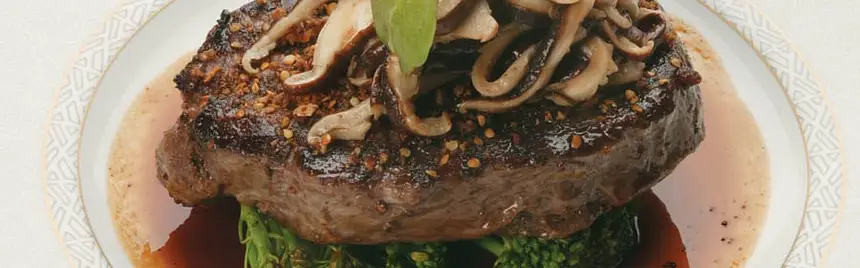
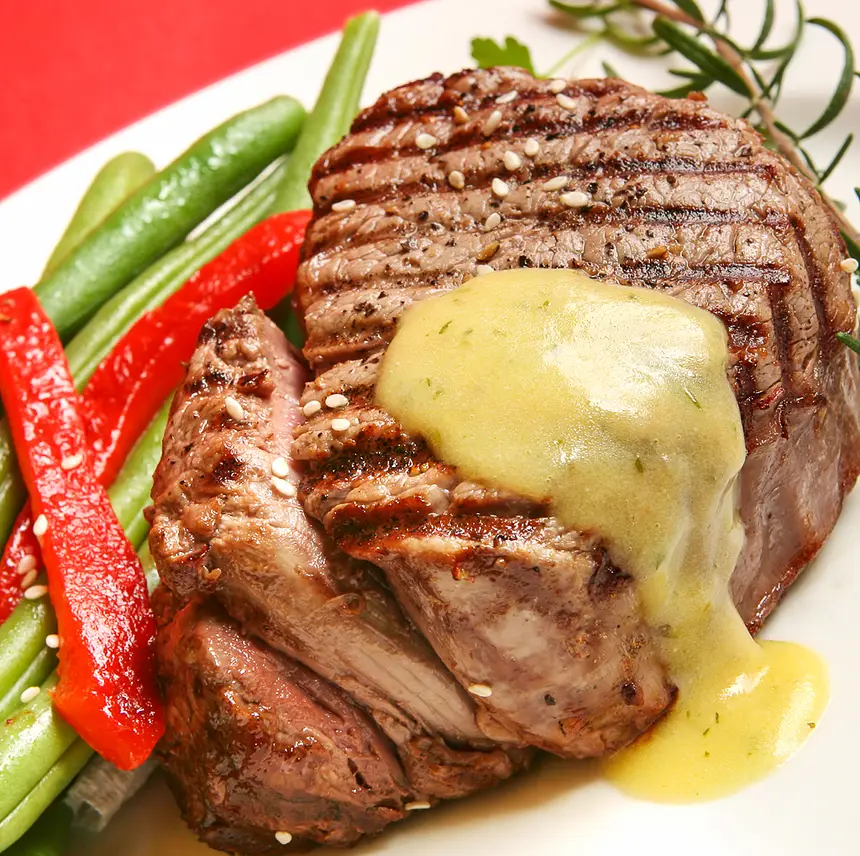
Filet mignon is a steak cut from the small, tapered end of the beef tenderloin, the most tender muscle on the steer. The name is French for "dainty fillet."
That is exactly what you get: a small, thick, round steak with a texture closer to butter than to a chewy ribeye.
It is the cut steakhouses charge the most for, and tenderness is the reason. The tenderloin does almost no work, so its fibers stay fine and soft.
The trade-off is flavor. Because the muscle carries very little marbling, filet mignon tastes mild and clean next to a fatty strip or ribeye.
You are paying for texture, not for big beefy punch, which is why filet so often arrives dressed up in a rich pan sauce or a wrap of bacon to fill in what the meat lacks.
A chuck steak is a steak cut from the shoulder of the steer, the same hard-working region that gives us pot-roast cuts. It is marbled and deeply beefy, but it carries the tough connective tissue of a muscle the animal leans on all day.
That is the whole tension of the cut. Chuck steak has more flavor than a lean sirloin and costs a fraction of a ribeye, yet thrown on a hot grill like a tender steak it fights back, chewy and tight.
The fix is to play to its strengths. Either braise it slow until the collagen melts, or marinade and slice it thin, but do not treat it like a quick steakhouse cut.
For the full story on the shoulder and its roasts, see beef chuck; this page is about the steaks cut from it.
Skirt steak is a long, thin, loose-grained cut from the plate, the lower belly of the steer near the diaphragm. It is one of the most intensely beefy cuts on the animal, with deep flavor and a pronounced, open grain you can see running across the strip.
It is also lean and tough if you cook it wrong. The two rules that make skirt sing are simple: cook it hot and fast, and slice it thin across the grain.
That bold flavor and loose texture are exactly why skirt is the traditional steak for fajitas and carne asada, where it soaks up a marinade and chars fast over high heat.
A rib eye steak is cut from the rib primal, the same muscle group that becomes a standing rib roast. It is the most heavily marbled steak on the animal, threaded with fat that melts as it cooks and bastes the meat from the inside.
That marbling is the whole point. It is why a rib eye tastes richer and stays juicier than leaner cuts like sirloin or filet.
Two parts make up the steak. The big central eye is the longissimus dorsi, firm and meaty, while the looser, fattier cap wrapped around one edge is the spinalis. Many cooks rate that cap the best bite on the whole animal.
A bone-in version is sold as a rib steak, or, frenched and trimmed, a cowboy or tomahawk.
A porterhouse is a thick steak cut from the rear of the short loin, with a T-shaped bone running down the middle. On one side of that bone sits the tenderloin (filet mignon); on the other sits the strip (New York strip). Two premium steaks, one cut.
The porterhouse is the big brother of the T-bone. Both carry the same bone and the same two muscles, but a porterhouse must have a larger tenderloin section, at least 1¼ inches (3.2 cm) across by USDA measure.
Cut nearer the front of the loin, where the tenderloin tapers to nothing, and the same cut is sold as a T-bone instead.
That split personality is the whole appeal and the whole challenge: one muscle cooks faster than the other.
A T-bone steak is two great steaks in one, split by the T-shaped bone it is named for. On the larger side sits a New York strip; on the smaller side, a piece of the tenderloin that gives you filet mignon.
It comes from the short loin, the tender stretch of back just behind the rib. Cut a T-bone with a bigger tenderloin section and it becomes a porterhouse, essentially a T-bone's larger sibling.
Two muscles on one bone is the whole appeal, and also the cooking puzzle. The lean tenderloin cooks faster than the fattier strip, so the trick is getting both sides right at once.
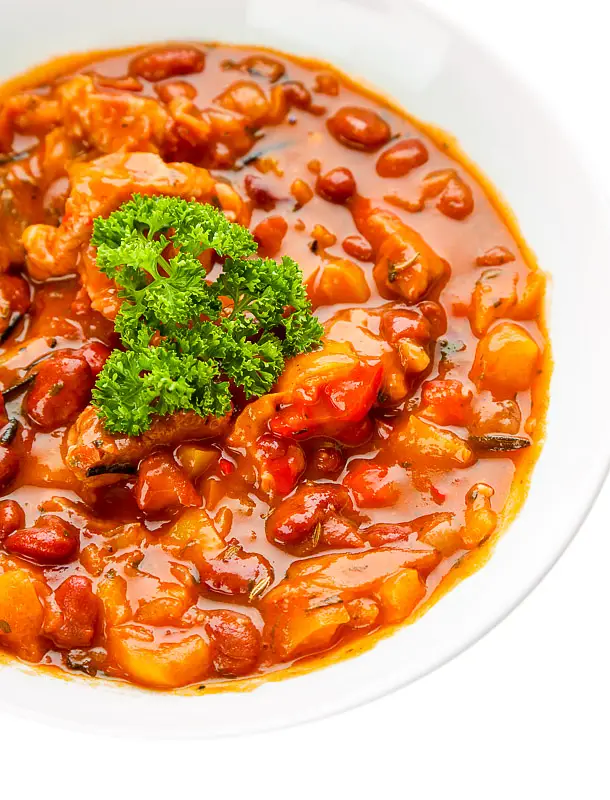
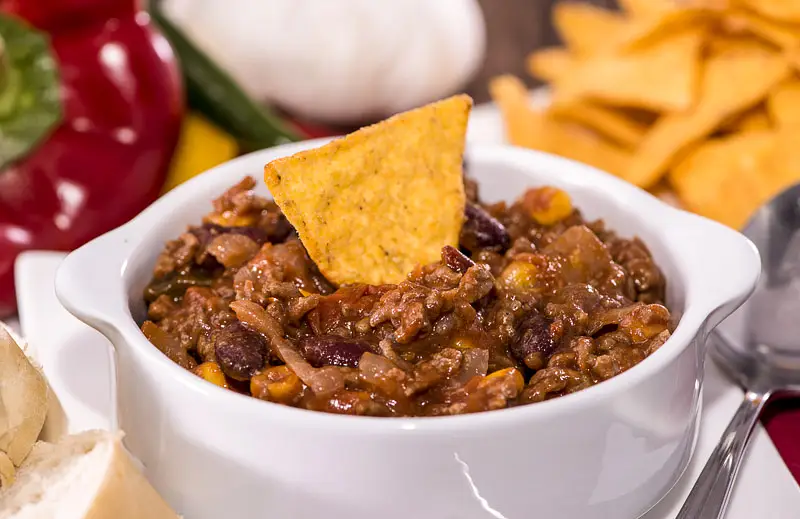
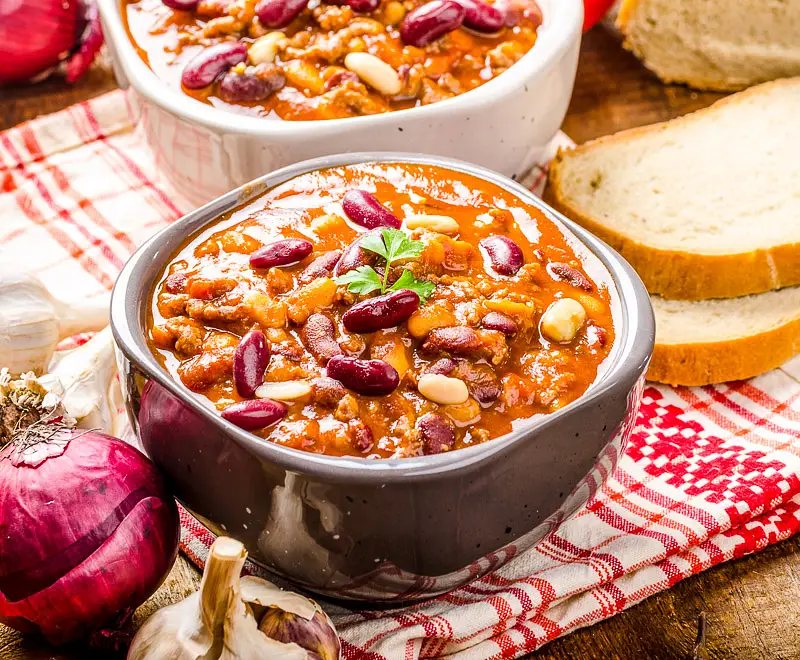
Chili con cervesa simmers ground beef and kidney beans in a beer-spiked tomato base with chili powder, garlic, and oregano. A pantry-friendly chili with deep malty flavor from a full bottle of beer.
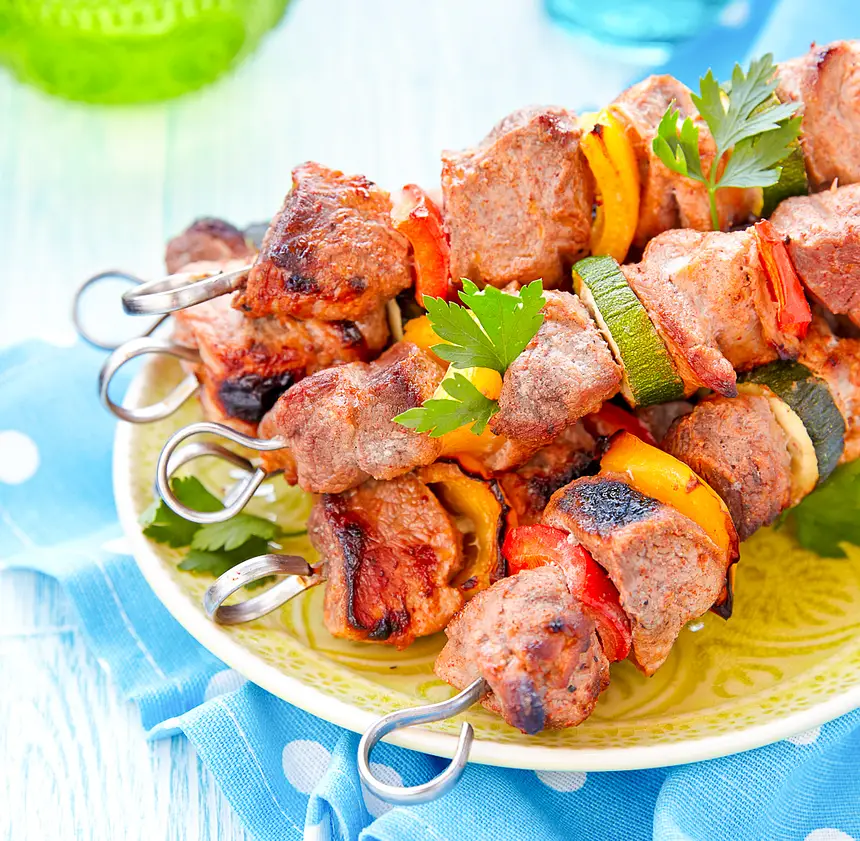
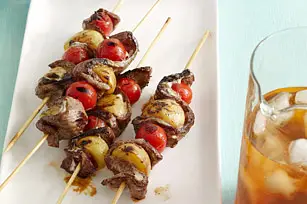
Beef and vegetable kebabs thread marinated sirloin with sweet red and yellow peppers and zucchini, then grill or broil until charred. A fast, colorful skewer that leans on Italian dressing for an easy marinade.
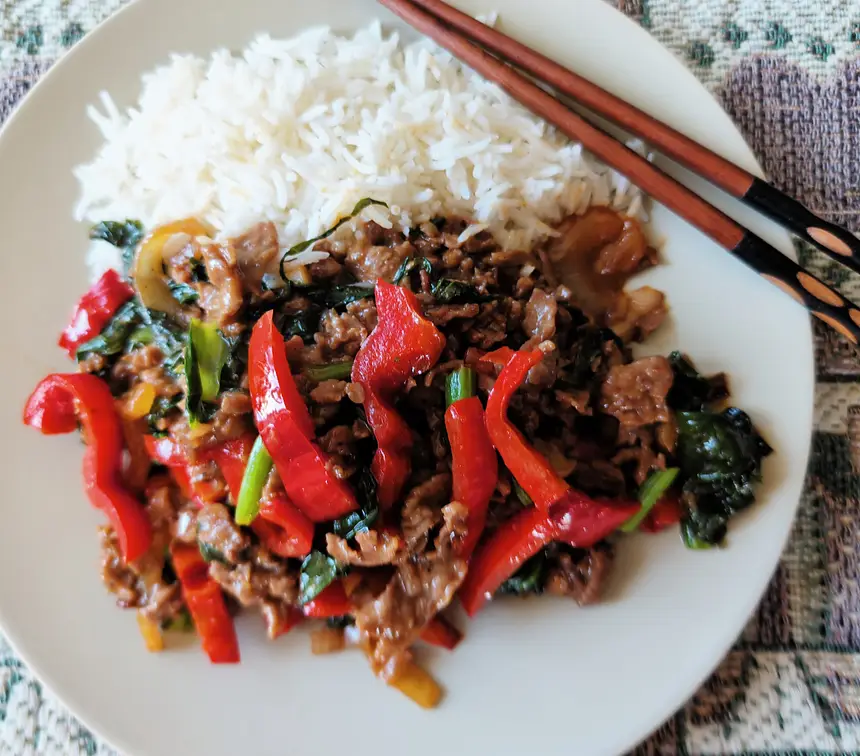
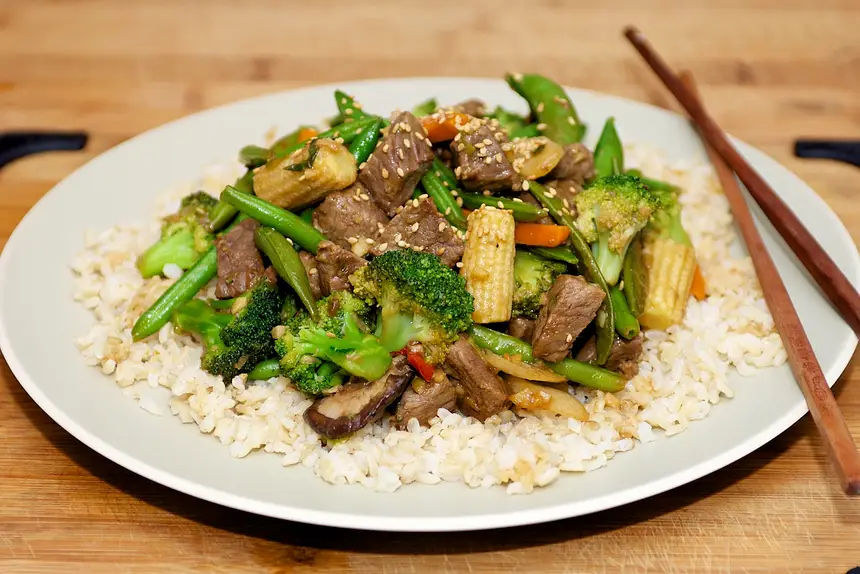
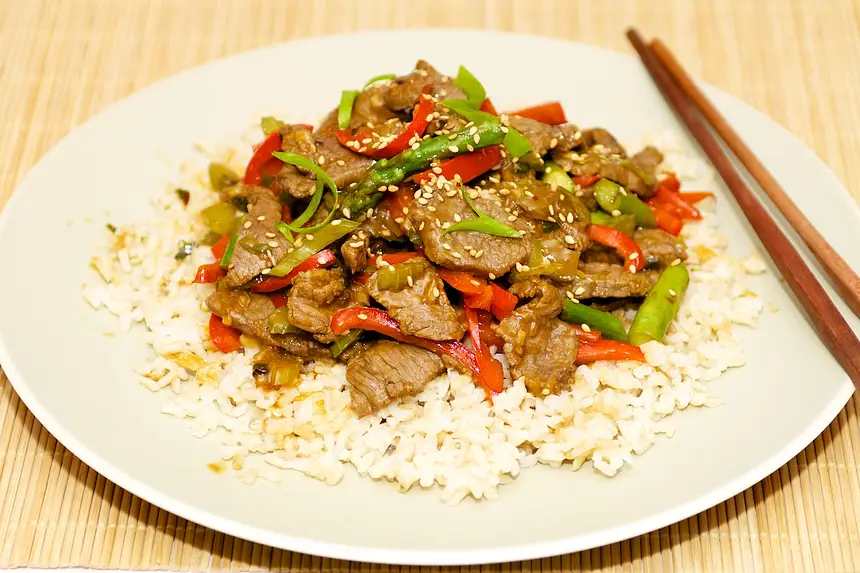
Japanese-style beef stir-fry with thinly sliced flank steak, snow peas, red pepper, escarole, and fresh ginger in a soy-brown sugar glaze. A fast, colorful skillet dinner.
Slow cooker beef and beans with cubed chuck, salt pork, and pinto beans simmered in tomato paste, garlic, chili powder, and cumin. Old-school cowboy comfort food, low and slow until the beef pulls apart.
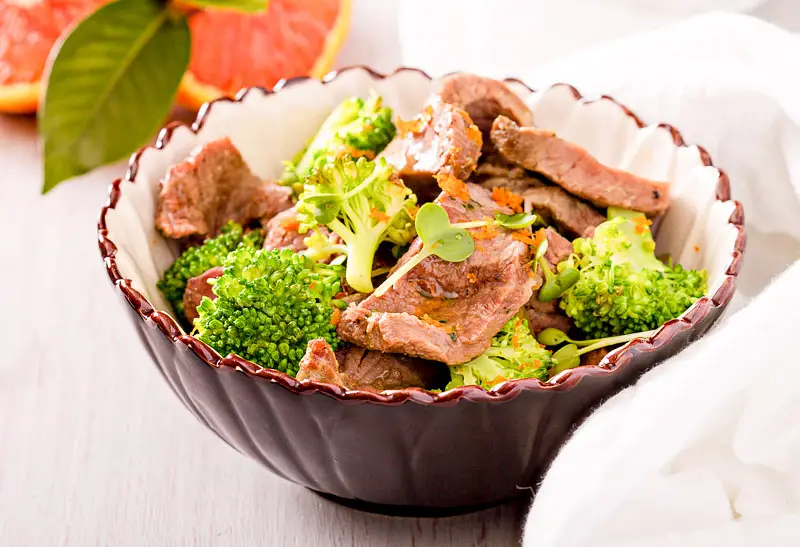
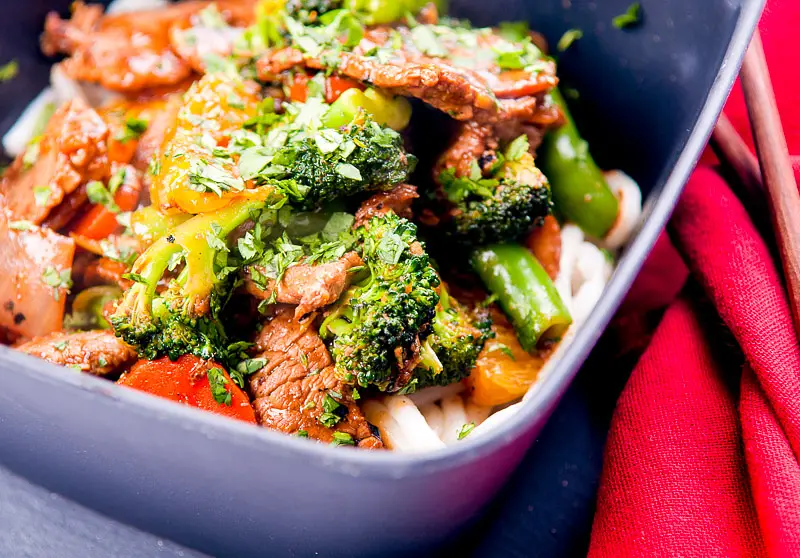
Classic beef and broccoli stir fry with soy-ginger marinated round steak in a glossy cornstarch-thickened sauce. Takeout favorite, made cleaner at home.
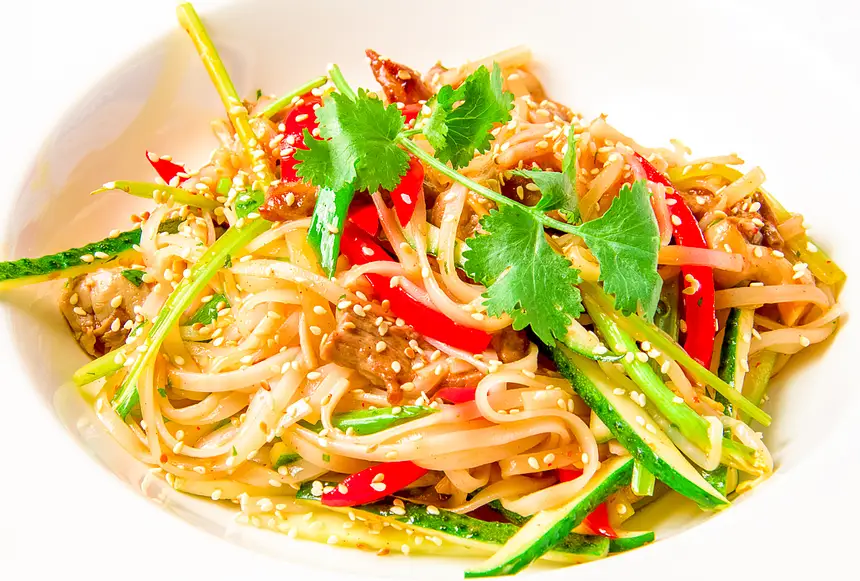
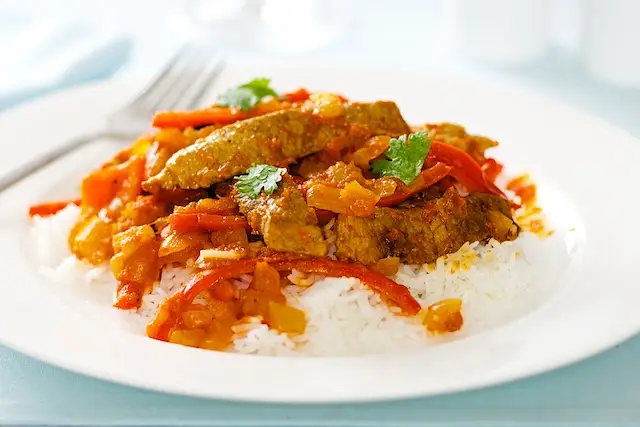
Curried beef stir-fry with soy-marinated sirloin, crisp cucumber, peppers, and celery in a glossy curry-spiked sauce. The unexpected addition of cucumber keeps the dish bright and crunchy. Ready in under 20 minutes.
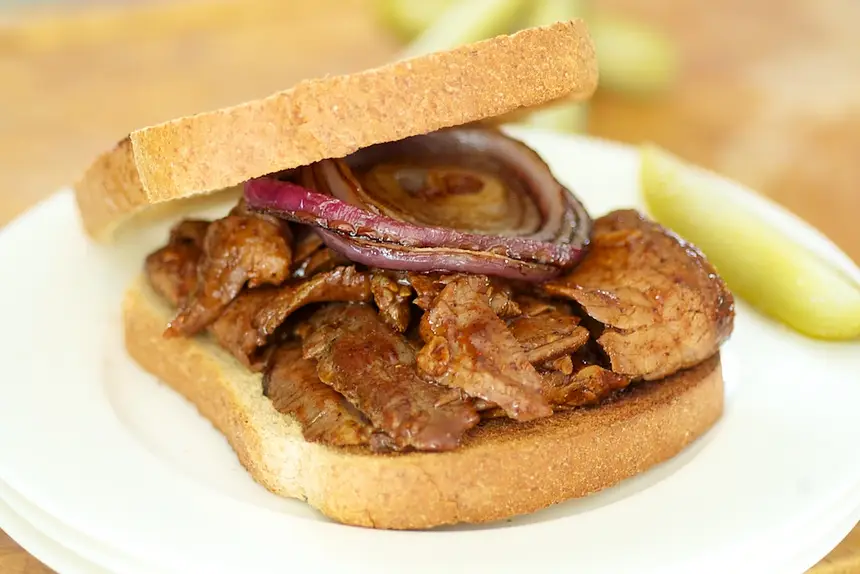
Barbecued flank steak sandwiches pile thin-sliced steak tossed in a quick smoky-sweet chipotle BBQ sauce onto hoagie rolls with grilled red onion. Bold, saucy, and built for a fast cookout lunch.
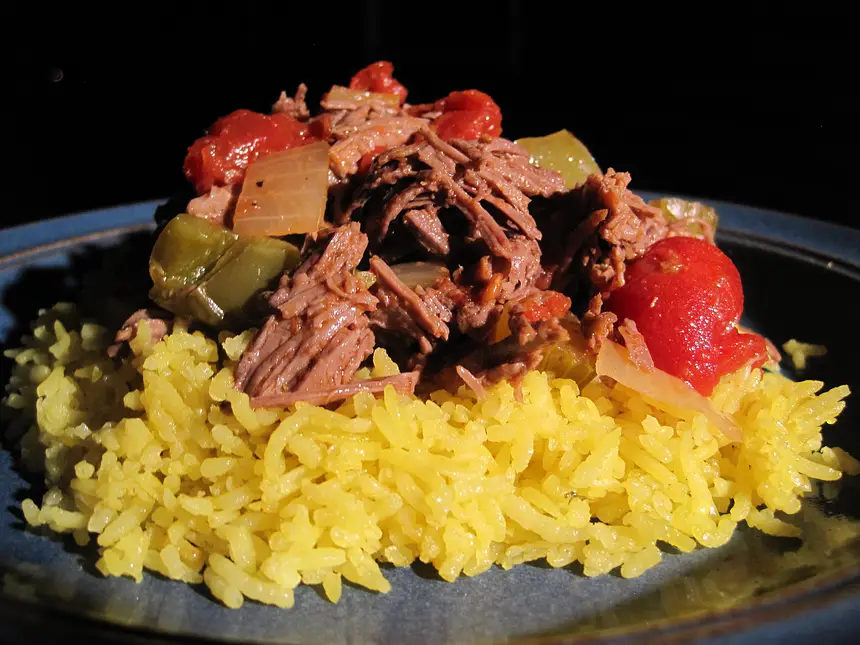
Ropa vieja is a classic Cuban shredded beef dish braised in a rich tomato sauce with cumin, oregano, garlic, and green peppers. Served over white rice with fried plantains on the side.
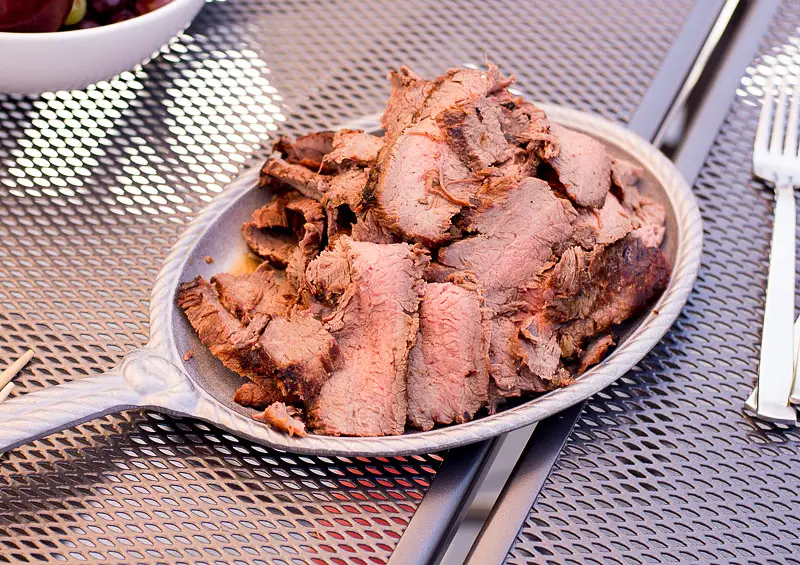
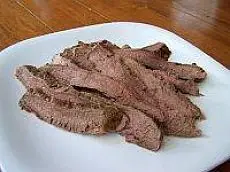
The steak was marinated overnight with the wet paste, which not only added tons of flavour to the steak, but also softened up the meat. It didn't take long to grill it. Then we just simply let it rest for about 10 minutes, which is the crucial part of cooking any meat. This step allows meat to rest, and lock all the juice inside the meat when you slice it.
Burt Reynolds' red wine beef stew from a 1984 celebrity Christmas book, with round steak browned in bacon fat, simmered in wine and tomato sauce, then finished with potatoes, carrots, celery, and mushrooms.
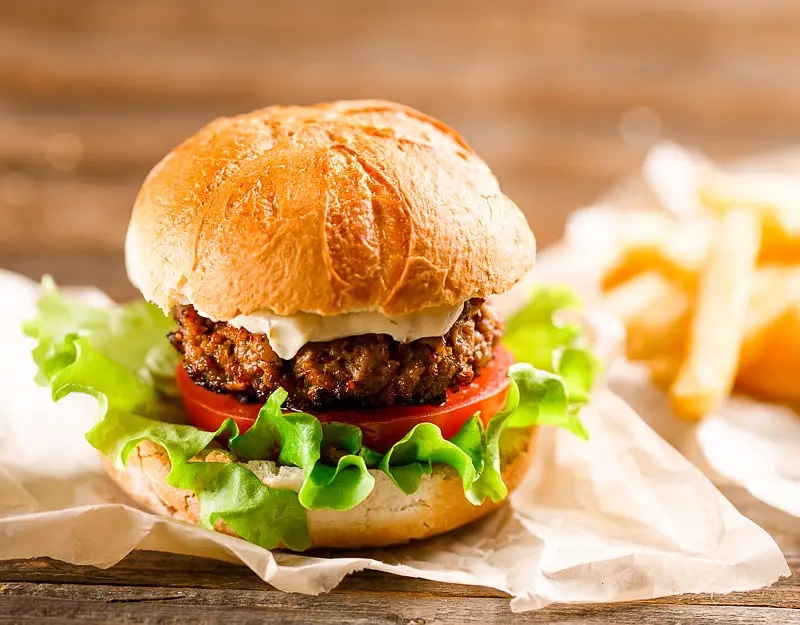
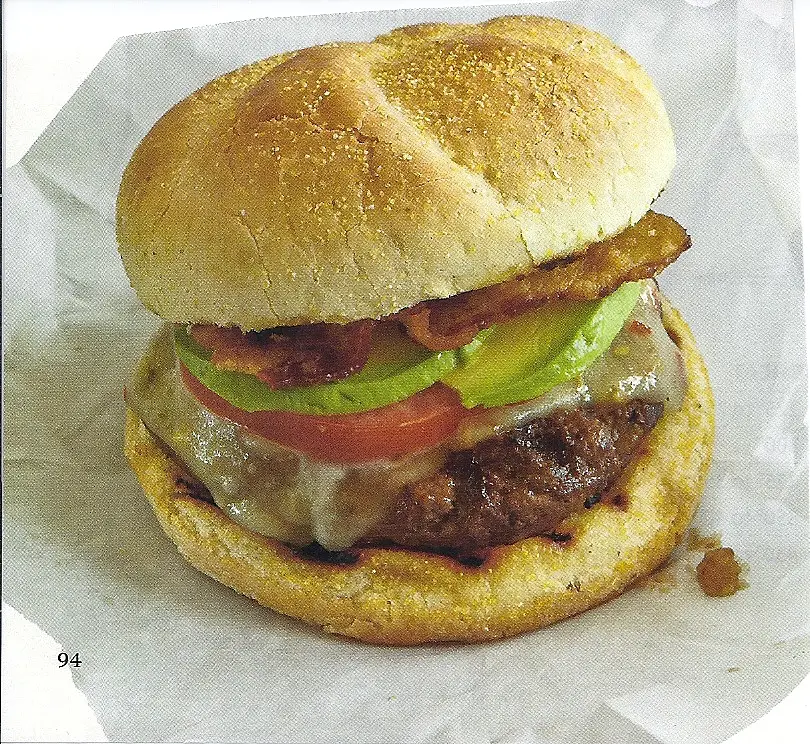
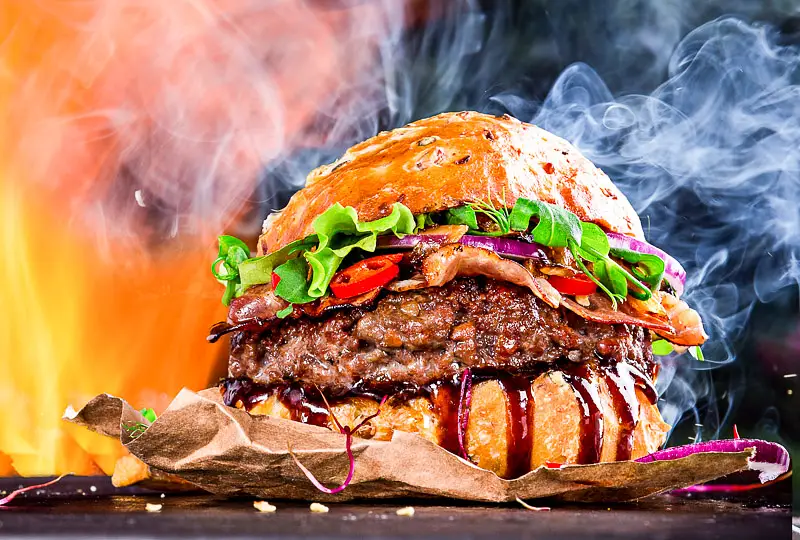
Southwestern burgers, ground sirloin patties seasoned with cumin and smoky chipotle, grilled with Monterey Jack and stacked with avocado, bacon, tomato, and pickled jalapenos on a toasted Kaiser roll.
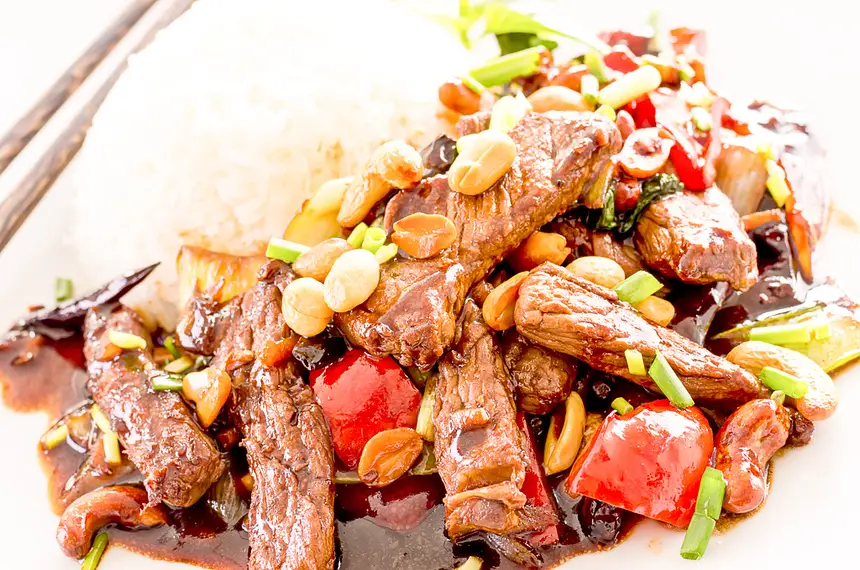
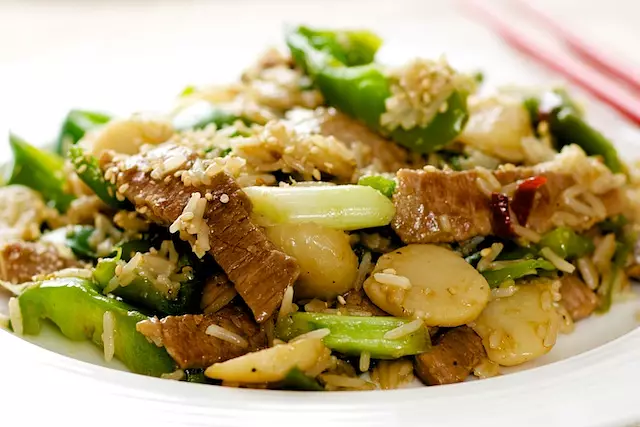
Kung Pao beef: velveted flank steak stir-fried with roasted peanuts, fiery dried chilies, and crunchy water chestnuts in a savory-sweet Sichuan sauce. A bold, spicy take on takeout, ready in 40 minutes.
Joey's grilled hamburger supreme features Cajun-spiced beef patties topped with buttery sauteed mushrooms, sharp cheddar and tomato on an onion roll. The backyard burger upgrade you need.
Crockpot taco steak and rice, a one-pot Tex-Mex dinner. Beef simmers in seasoned tomatoes all day, then corn, peppers, and instant rice cook right in the pot. Top with cheese and go.
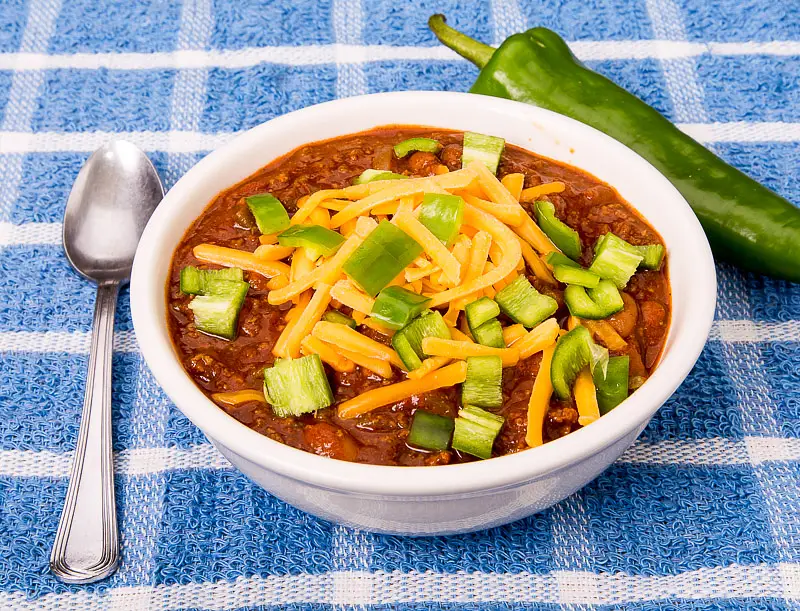
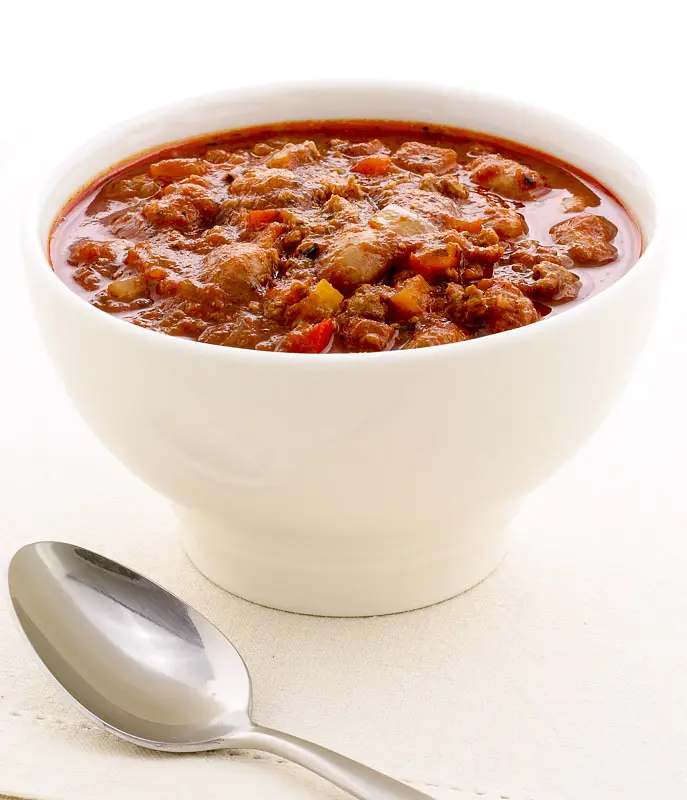
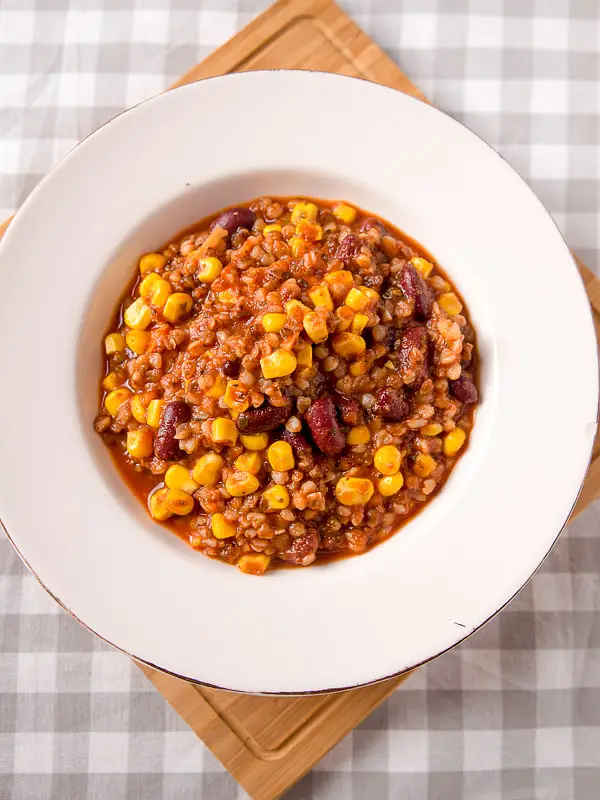
Chunky California beef and bean chili made with cubed round steak, scratch-cooked beans and fresh-toasted cumin. Three peppers and a jalapeño build layered heat in this lean, hearty bowl.
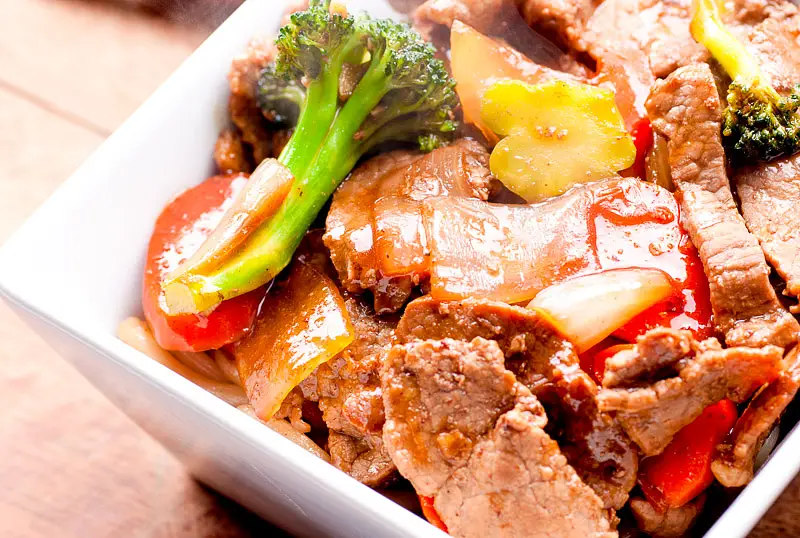
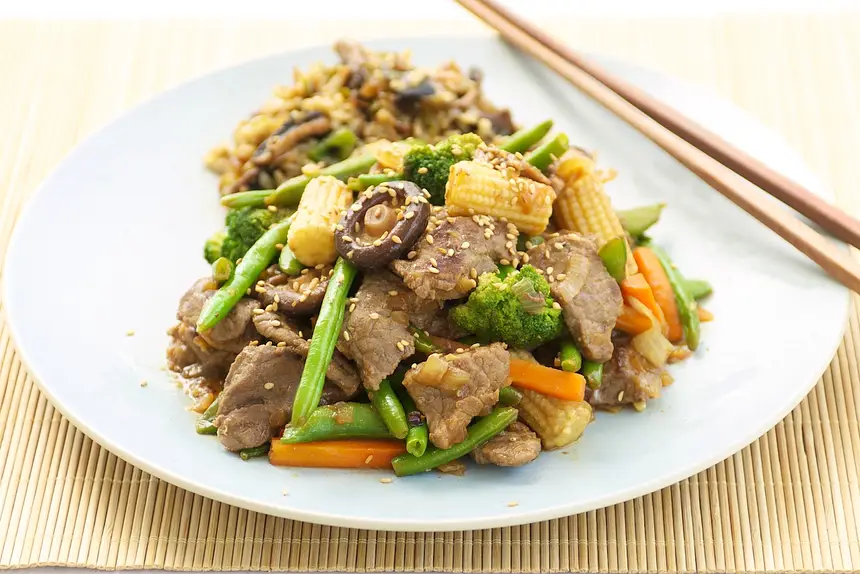
Teriyaki beef stir-fry with flank steak in a quick honey-soy-ginger marinade, tossed in a hot wok with broccoli, peppers, and onions. Weeknight ready in 30 minutes, no jarred sauce required.
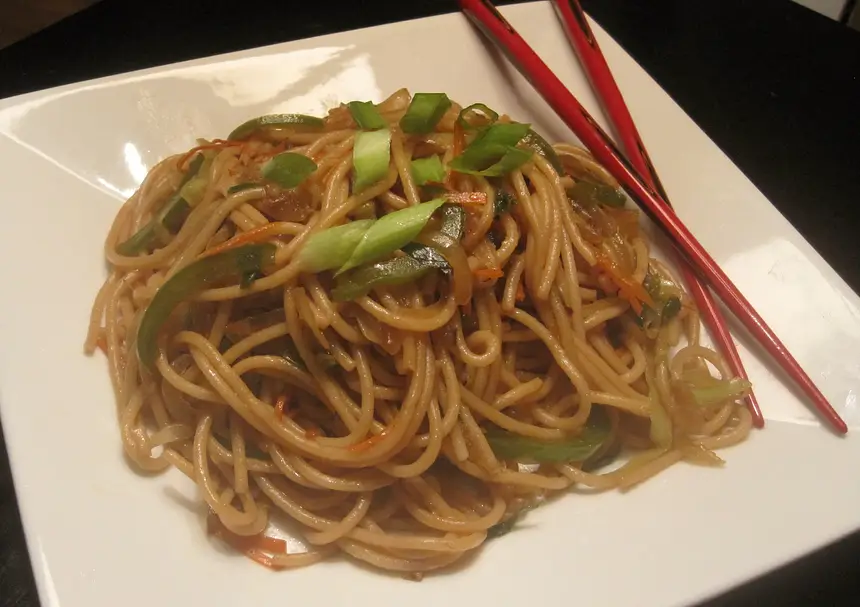
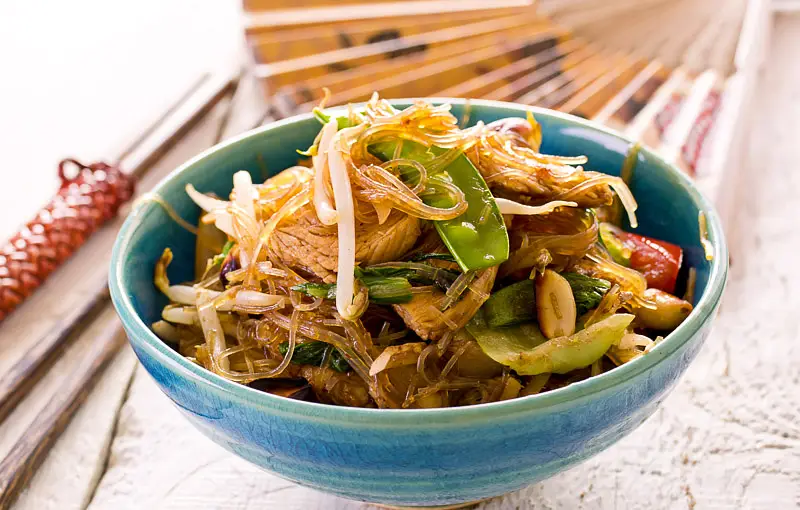
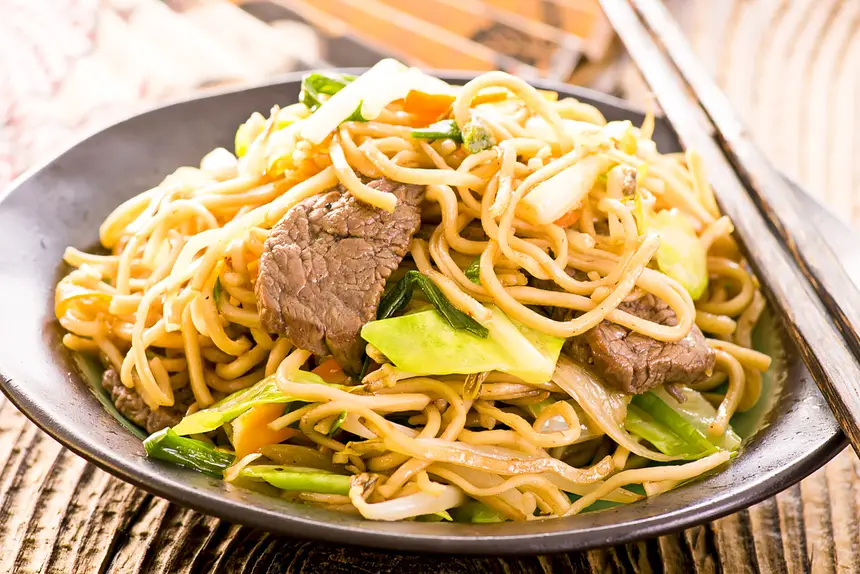
Beef and broccoli stir-fry with sirloin strips, broccoli, carrots, and onions in a light soy sauce, served over Asian noodles. Weeknight Chinese takeout at home in 35 minutes.
With only four ingredients you can make this tasty and easy dish easily at home. You can effortlessly prepare it ahead of time for a picnic or have everyone design their own for a customized flavor.
Beef stroganoff in a rich cream sauce: strips of beef seared with mushrooms, onion, and garlic, then simmered into a velvety sauce. The comforting Russian classic served over noodles or rice.
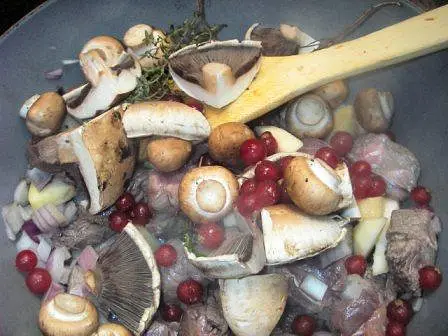
This is a wonderful recipe for either a dinner party or Sunday lunch. Whether or not you use redcurrants in the actual sauce or purely as a decoration depends very much on the time of year and variety of redcurrants you can find. End of summer home-grown redcurrants add a wonderful sweet tartness to the sauce, however imported under-ripe fruits can impart a certain bitterness and are probably best left for garnish. If you do not use fresh berries add a little extra redcurrant jelly.
Ensenada chili pot is a slow-cooker beef chuck chili with kidney beans, corn, tomatoes, pimientos, and green chiles, served over rice with shredded cheddar. A Baja-inspired Crock-Pot dinner.
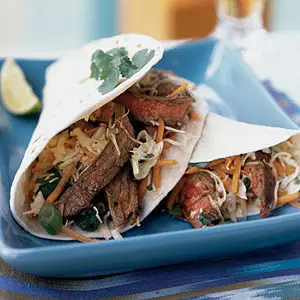
Grilled flank steak rubbed with garlic paste, chili powder, Chinese five spice, and ginger. Marinate for 2 hours, grill for 18 minutes, and serve up bold, smoky slices.
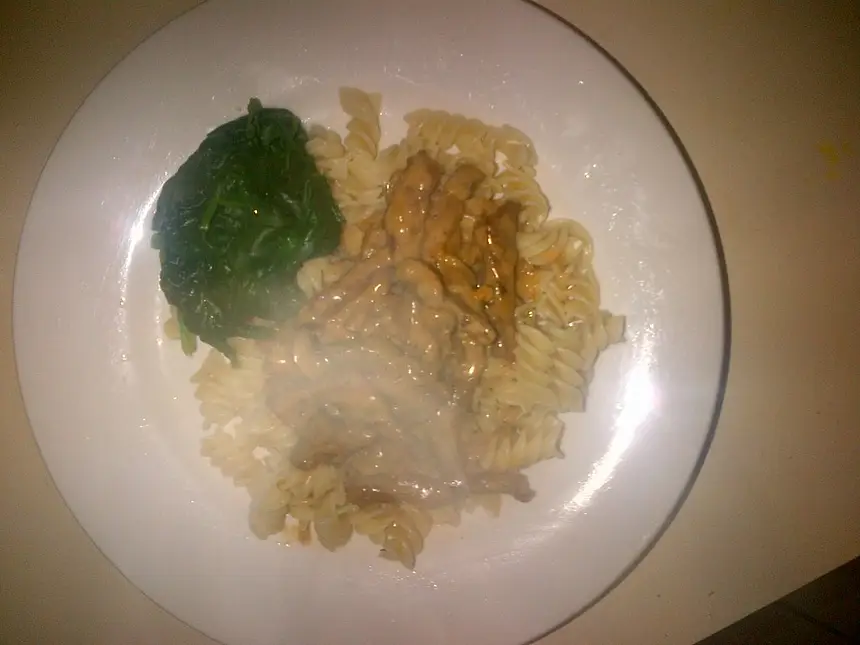
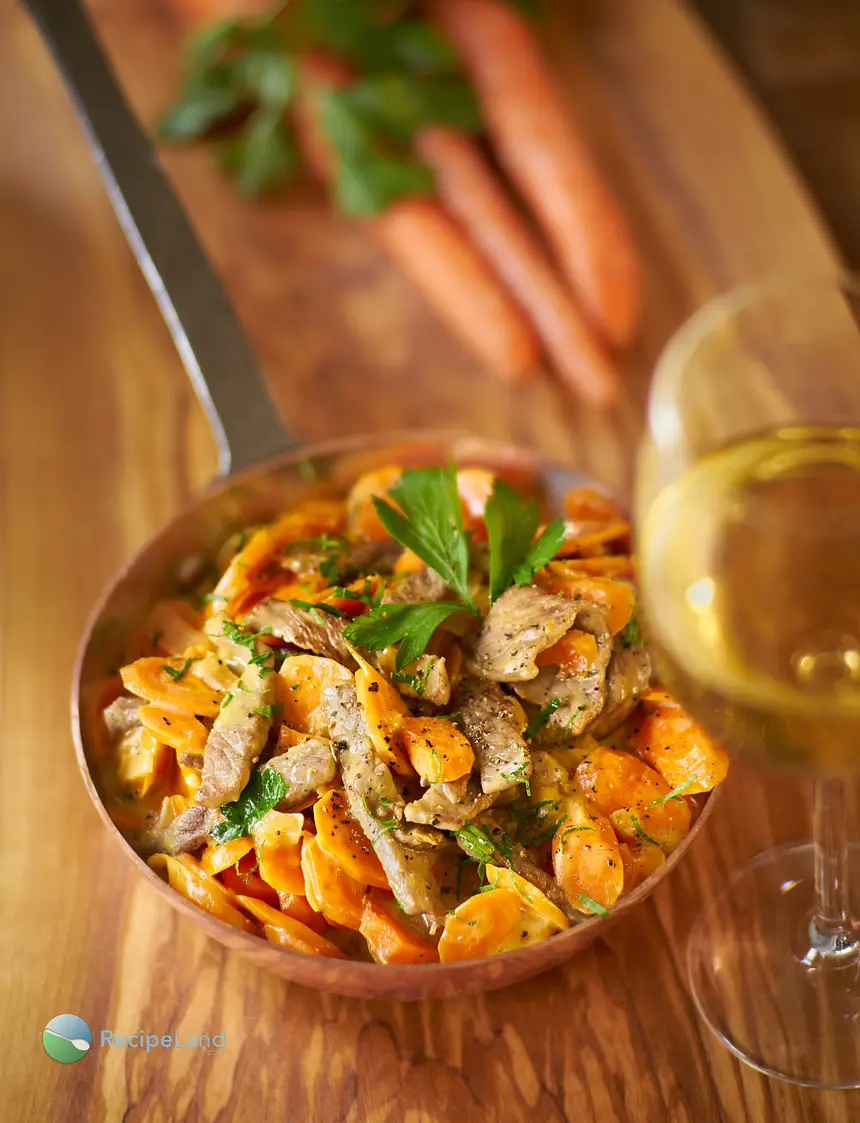
An easy German style main dish with a creamy sauce. Carrots are braised in white wine until tender-crisp with steak strips and onions with a splash of garlic cream to bring it together.
Authentic Hanoi-style pho bo with slow-simmered oxtail and beef bone broth, star anise, charred ginger, rice noodles, and paper-thin sirloin. This traditional Vietnamese beef noodle soup recipe takes 5 hours but rewards you with deeply aromatic, soul-warming bowls.
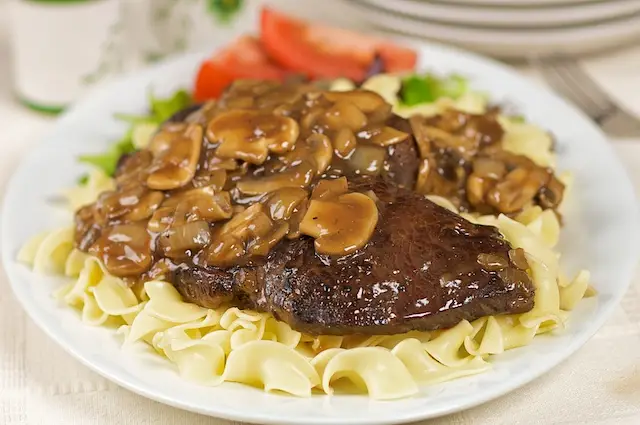
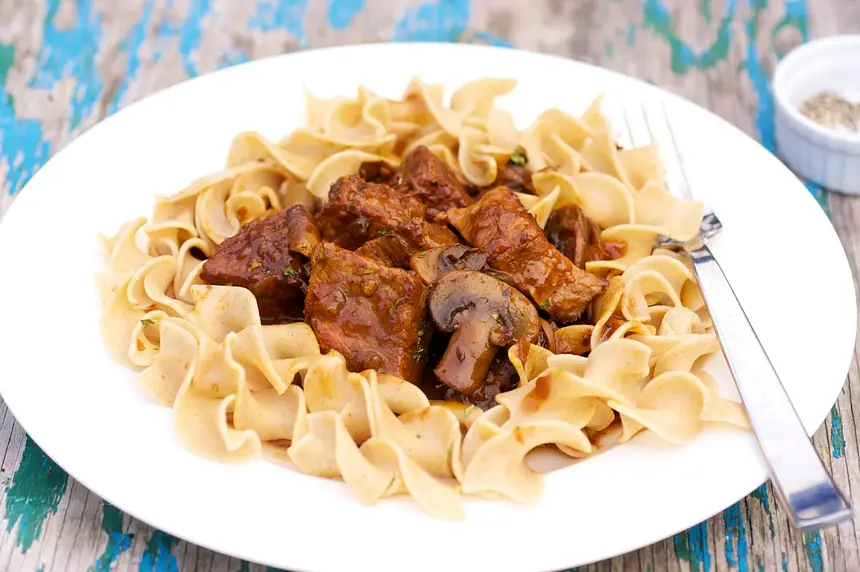
Red wine marinated sirloin steak simmered with mushrooms, onions, and Worcestershire sauce, served over egg noodles with pan gravy. An 8-hour marinade builds deep flavor.
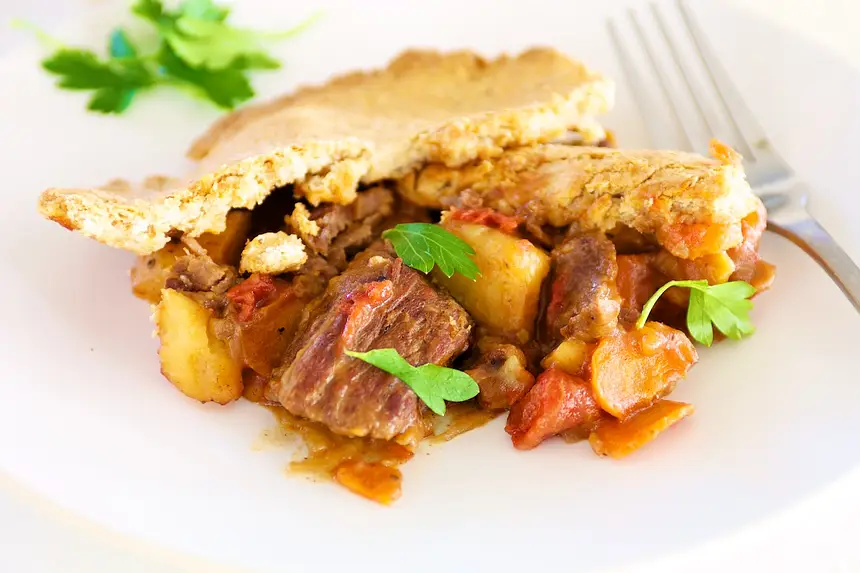
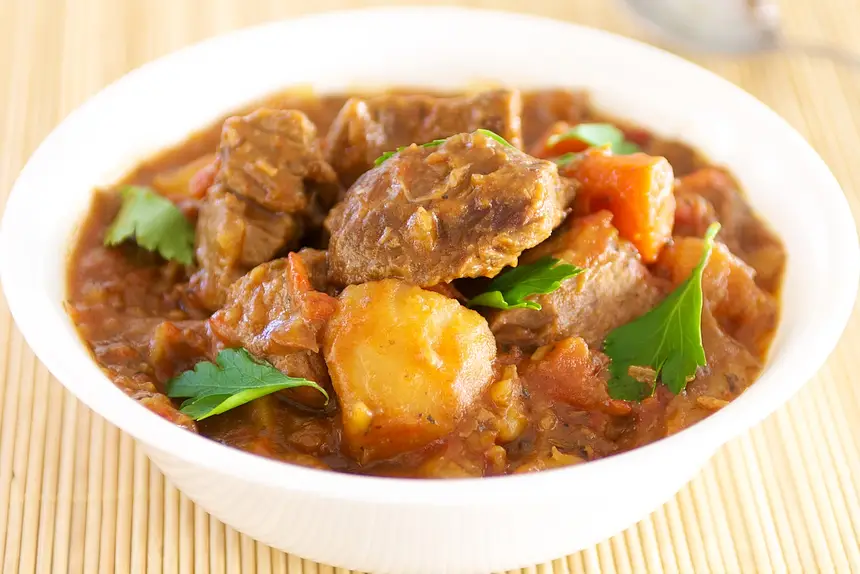
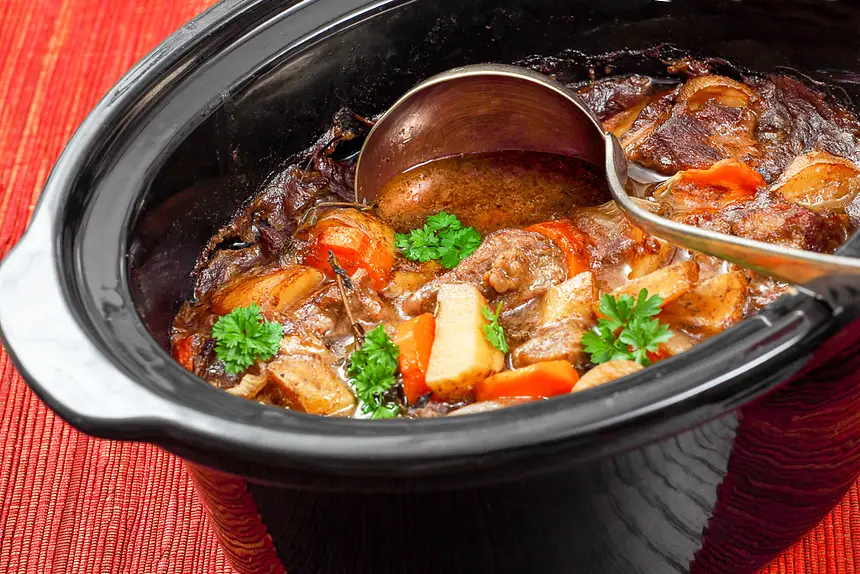
Chunks of beef steak are slowly cooked in a crock pot with carrots, potatoes, onions and tomatoes. In the end, top the succulent casserole with some buttery and flakey pastry to form a pie, after baking, it's golden brown and delicious.
5 alarm chili for serious heat-seekers: layered with jalapeno, serrano, scotch bonnet, chipotle, and pasilla chiles over slow-simmered beans and meat. A deep, smoky, blistering bowl of fire.
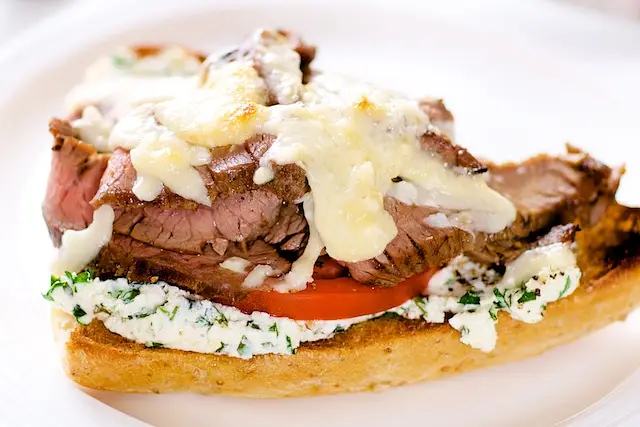
Dress up that leftover flank steak with herbed goat cheese, and juicy and thick tomato slices that are layered on a thick kaiser or bread then heated under the broiler. A delicious, quick and easy week night meal.
A Chipotle pepper adds smokiness in a wet marinade for the flank steak. After marinating the flank steak becomes very tender without being mushy. Perfectly grilled you will be surprised by how tender and juicy the steak comes out; the leftovers are great for sandwiches making quick, easy and delicious meals.