Turkey is easier to cook with than it looks. Here's how to choose, use, and store it, what to substitute, and 373 recipes to get you started.
Key Points
Turkey is lean and mild, sold as a whole bird, parts, ground meat, or processed deli cuts.
White breast meat dries out fast; dark thigh and leg meat stays moist and forgiving.
Always cook to 165°F (74°C), then rest; never roast by the clock alone.
Brine a whole bird or breast 12 to 24 hours so it holds moisture and seasons through.
Thaw a frozen turkey in the fridge, about 24 hours per 4 to 5 pounds; never on the counter.
What is turkey?
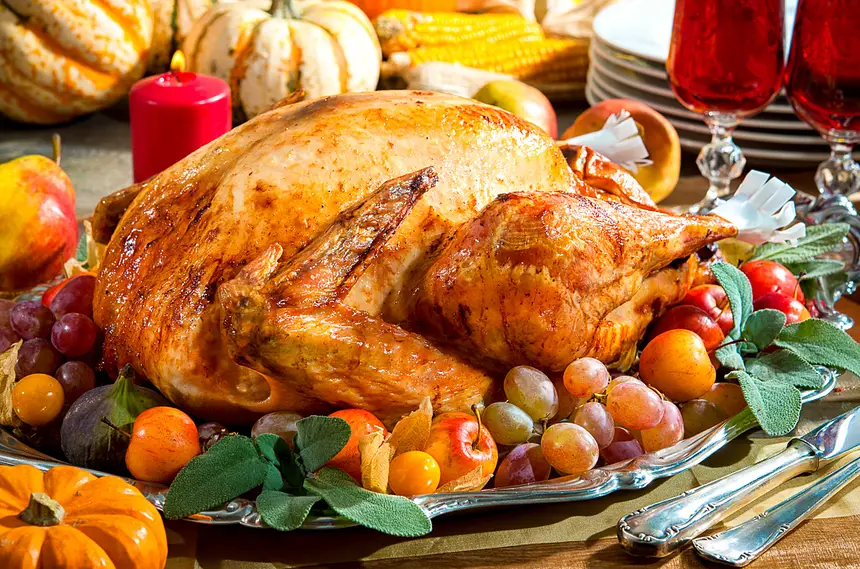
Turkey is a large North American bird, raised mostly for one job: feeding a crowd. A whole roasting bird anchors Thanksgiving and Christmas in the United States and Canada. Most turkey eaten the rest of the year, though, shows up as cut-up parts and ground meat, or sliced for the deli case.
It is lean and mild, and it takes seasoning beautifully. That is exactly why it dries out when cooked carelessly.
Every cut carries the same split: white meat and dark meat behave like two different animals. The breast is lean and pale, prone to going chalky. The thighs and legs are darker and fattier, which makes them far more forgiving.
Recipeland has more than 360 turkey recipes, from the holiday roast down to weeknight burgers and soups built on leftovers.
White Meat vs Dark Meat
The breast is the lean half. It cooks fast and holds little fat, crossing from juicy to dry in the span of about ten degrees, so it wants gentle heat and a thermometer.
Dark meat is the opposite. Thighs and drumsticks carry more fat and connective tissue, which keeps them moist and lets them shrug off a few extra minutes in the oven.
If you have only ever found turkey bland or dry, you were probably eating overcooked breast.
This is the core tension of a whole bird: the breast finishes well before the thighs, so the part you most want juicy is the part most likely to overcook while the legs catch up.
The Forms You Will Buy
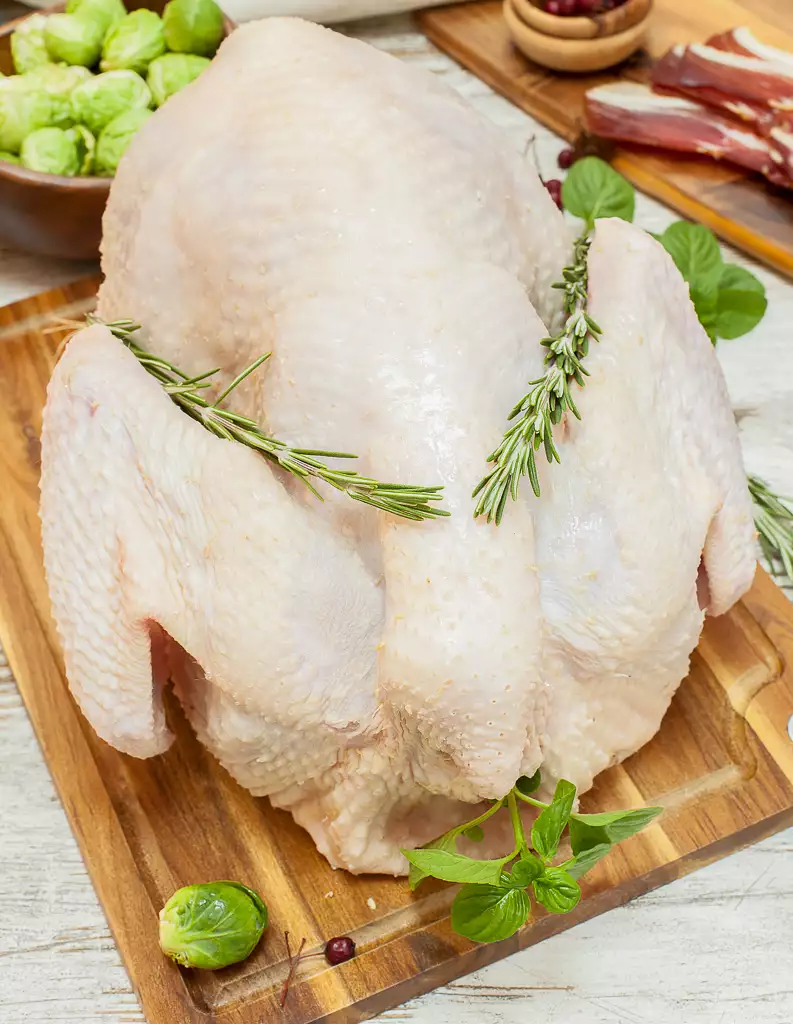
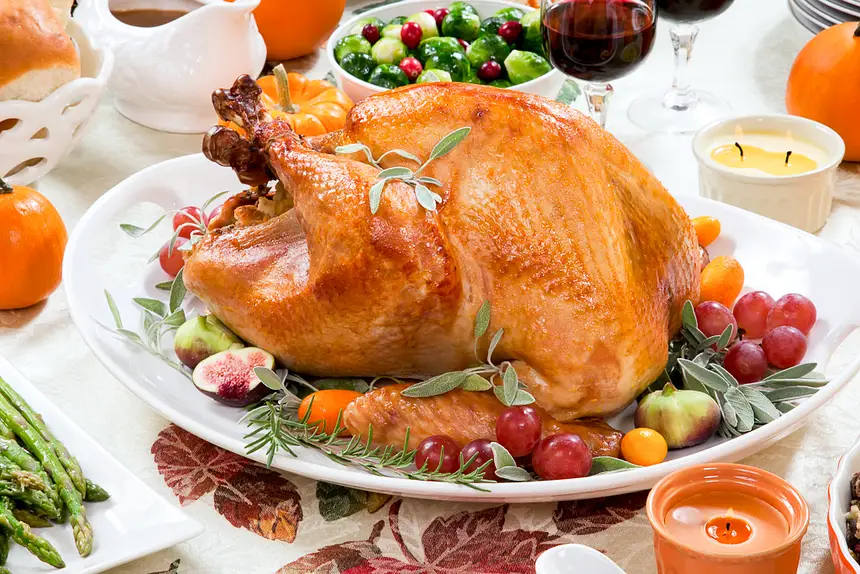
A whole bird is the holiday move, sold fresh or frozen from roughly 10 to 24 pounds (4.5 to 11 kg). Budget 1 to 1½ pounds (450 to 680 g) raw per person to leave room for leftovers.
Parts let you skip the all-or-nothing roast. The turkey breast is the lean white-meat cut, sold whole or boneless and also as quick-cooking cutlets. Legs and thighs sell separately for braises and stock.
Ground turkey is the weeknight workhorse. It stands in for ground beef in burgers, meatballs, chili, and meat sauce at far less fat, though a lean breast grind cooks very differently from a darker thigh grind.
Turkey is lean, so the line between done and dry is thin. Pull it off the heat the moment the thickest part hits 165°F (74°C). Carryover cooking will carry it a few degrees past that as it rests, so resting is not optional.
A brine is the most reliable fix for a whole bird or a breast. Soak it in salted water, roughly 1 cup (240 g) of salt per gallon (3.8 L), for 12 to 24 hours. The meat holds onto moisture and seasons all the way through.
A dry brine does much the same with crisper skin: salt rubbed on, left uncovered in the fridge overnight.
For ground turkey and lean cutlets, the answer is added fat and not a second past doneness. Olive oil, a little mayonnaise, grated onion or a panade of bread and milk all keep a turkey burger from cooking up like a hockey puck.
Roasting the Holiday Bird, in Brief
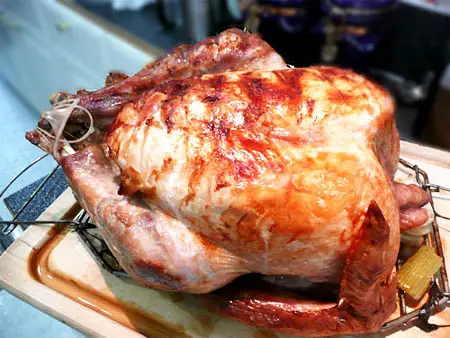
Roast a fully thawed bird at 325°F (165°C), figuring roughly 13 to 15 minutes per pound for an unstuffed bird. Cook to temperature, never to the clock: 165°F (74°C) in the deepest part of the thigh, away from the bone.
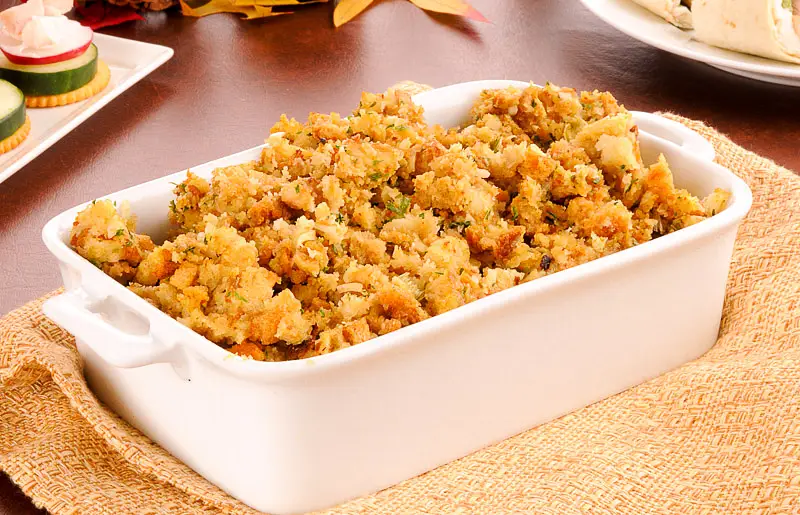
Stuffing inside the cavity must reach 165°F (74°C) too, which usually means the breast overshoots before it does. Many cooks now bake the dressing in a separate dish, like Sylvia's Really Moist Stuffing, and roast the bird empty for evenness.
Tent the breast with foil if it browns early, and rest the whole bird 20 to 30 minutes before carving so the juices settle.
Buy a whole bird by the calendar. A frozen turkey needs about 24 hours of fridge thawing per 4 to 5 pounds (1.8 to 2.3 kg), so a 16-pound (7.3 kg) bird wants three to four days. Never thaw it on the counter.
Fresh raw turkey keeps 1 to 2 days in the coldest part of the fridge. Ground turkey, being more surface area, is best cooked within a day. Cooked turkey holds 3 to 4 days refrigerated and freezes well for 2 to 3 months.
Deli and processed turkey is already cooked, so it is about freshness rather than safety: use opened packages within 3 to 5 days. For the whole bird, plan thaw time first and let everything else follow.
Types of turkey
Specific kinds of turkey and the recipes that use them.
Turkey breast is the lean white-meat cut from the front of the bird, the part most people picture when they think of turkey. It is mild and high in protein with very little fat, which makes it a weeknight favorite and the single easiest piece of turkey to ruin.
The lack of fat is the whole story. There is almost nothing inside the muscle to keep it moist, so the gap between just-right and dry-as-chalk is narrow.
Cook it with that in mind and it rewards you. Ignore it and you get sawdust.
Ground turkey is turkey meat run through a grinder, sold as the lean weeknight stand-in for ground beef. It browns mild and pale, takes on whatever you season it with, and slips into burgers, meatballs, chili, and pasta sauce with far less fat than beef.
The catch sits on the label. The two main grinds behave like different ingredients, and which one you grab decides how the dish turns out.
Turkey bacon is strips of cured, smoked turkey shaped and sliced to look like pork bacon. It is made from a mix of light and dark meat, pressed into a bacon-like form, then seasoned with the same smoke and salt that give regular bacon its flavor.
It is the go-to for cooks cutting saturated fat, and it lands close to the bacon flavor without the pork. What it does not do is behave like pork bacon in the pan, which trips people up.
Turkey giblets are the edible inner parts packed inside the bird's cavity. The bag usually holds the neck, the heart, the gizzard, and a lobe of liver. Most turkeys come with them tucked inside, and they are the foundation of good gravy and stock.
Each piece tastes a little different. The neck is mostly bone with sweet, dark meat clinging to it. The heart and gizzard are dense and chewy with a deep savory flavor, while the liver is soft and rich with a faint mineral edge.
Pull the bag out before the bird goes in the oven. Roasting it inside by accident is the classic Thanksgiving mistake, and a plastic bag will melt.
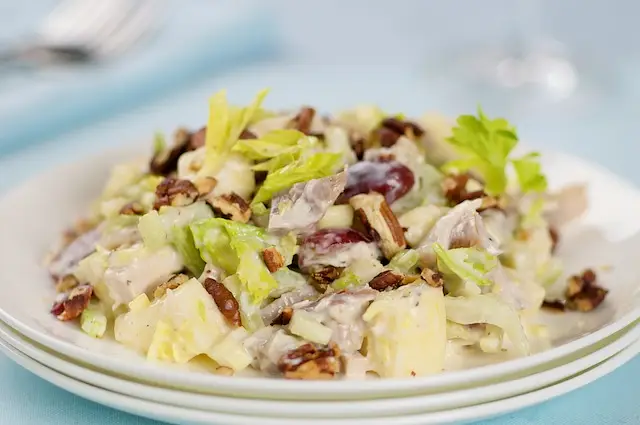
Turkey meat is the cooked, off-the-bone meat you pull from a roasted bird, the kind that fills the fridge after a holiday dinner. It is already tender and seasoned, so it slides into a second meal without much work.
You will work with two textures. Pulled or shredded meat falls apart in strands and melts into soups and sauces, while diced meat holds its shape in salads, casseroles, and pot pies.
The breast is lean and pale, the leg and thigh darker and richer. Mix the two and you get the best of both.
A turkey carcass is the stripped frame of a roasted bird: the bones, the skin, and the odd scraps of meat left after carving. It looks like garbage, but it is the single best thing you can simmer for stock.
Roasting has already done half the work. The browned bones and clinging bits carry deep, savory flavor that raw bones cannot match, so a carcass makes a richer broth than fresh poultry parts.
Do not toss it. One frame turns into quarts of golden stock that become soup all week.
Turkey ham is cured turkey thigh meat, seasoned and shaped to look and slice like pork ham. It is made almost entirely from dark thigh meat, which is why it can mimic ham's color and bite, then cured and often smoked for that familiar salty, savory flavor.
It is sold fully cooked, usually as a deli loaf or sliced lunch meat, and it runs noticeably leaner than pork ham.
Despite the name, no ham or pork is involved. It is turkey through and through.
A turkey leg is the big dark drumstick from the lower part of the bird's leg, the giant smoked one you see people gnawing at fairs and theme parks. It is all dark meat: deeply flavored, a little chewy, and laced with tendons that soften only after a long cook.
One leg is a serious portion. A whole turkey drumstick can run a pound or more, enough to feed one hungry adult or split between two with sides.
The draw is flavor. Dark meat carries far more taste than breast, and the bone and skin add even more once you smoke or slow roast it.
Turkey thighs are the dark meat from the upper leg, between the drumstick and the body. They are richer, juicier, and far more forgiving than breast meat, which makes them the part to reach for when you want flavor without fussing over a dry bird.
You can buy them bone-in or boneless, with or without skin. Bone-in thighs cost less and taste deeper; boneless thighs cook faster and slice clean for skewers and stir-fries.
A single turkey thigh feeds two to three people, so a pack of two makes a weeknight dinner without committing to a whole bird.
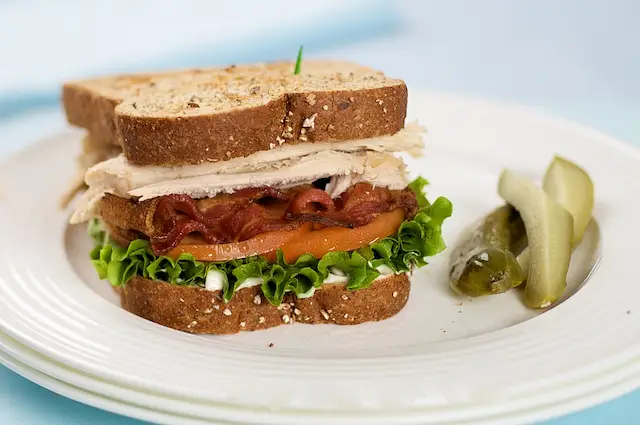
Deli turkey is cooked, sliced turkey breast sold at the deli counter or pre-packaged for sandwiches. It is fully cooked and ready to eat straight from the package, which is why it anchors so many quick lunches.
You will see it sold a few ways. Oven-roasted is the plain, mild standard, while smoked turkey carries a deeper, woodier flavor. Honey or maple versions lean sweet, and peppered turkey gets a black-pepper crust around the edge.
It is lean and high in protein. The pre-packaged kind can run high in sodium, so the thin-sliced counter versions are worth asking for.
Turkey cutlets are thin, boneless slices cut across the turkey breast, usually a quarter to half an inch thick. They cook in minutes, which makes them the fast-weeknight answer to a craving for breaded or pan-seared poultry.
Because they are all lean white meat, they are mild and low in fat. That also means they dry out the instant they overcook, so the whole trick is speed and a watchful eye.
You will find them sold ready to go, or you can slice and pound a breast yourself to the same thickness.
Turkey wings are the meaty wing sections of the bird, far bigger than chicken wings and full of rich dark meat with skin and collagen. They are cheap and deeply flavored, and they reward the kind of slow cooking that turns tough into tender.
A whole wing splits into three parts. The meaty drumette and the flat middle hold most of the meat, while the bony tip is gold for the stock pot.
Treat them like a small braise, not a quick snack. Their size and connective tissue mean they need time to soften, but the payoff is meat that pulls clean off the bone, plus a tip or two for stock.
A turkey drumstick is the lower leg of the bird, the dark-meat club below the thigh. It is the same cut people call a turkey leg, all rich dark meat wrapped around a single bone and a bundle of tough tendons.
Drumsticks are cheap and hard to dry out. The trade-off is the sinew running through them, which only softens after a long, patient cook.
One drumstick is a generous single serving, often a pound or more. A pack of two or four feeds a small family for the price of a few dollars.
Turkey liver is the soft, dark organ tucked in the giblet bag inside the bird. It is rich, faintly sweet, and unmistakably mineral, the boldest-tasting part of the turkey and a classic base for pate and gravy.
A single turkey liver is small, just a few ounces. It usually plays a supporting role rather than a main course, but it carries big flavor for its size.
Handle it gently. Liver goes from silky to grainy in seconds when it overcooks, which is the one thing that trips people up.
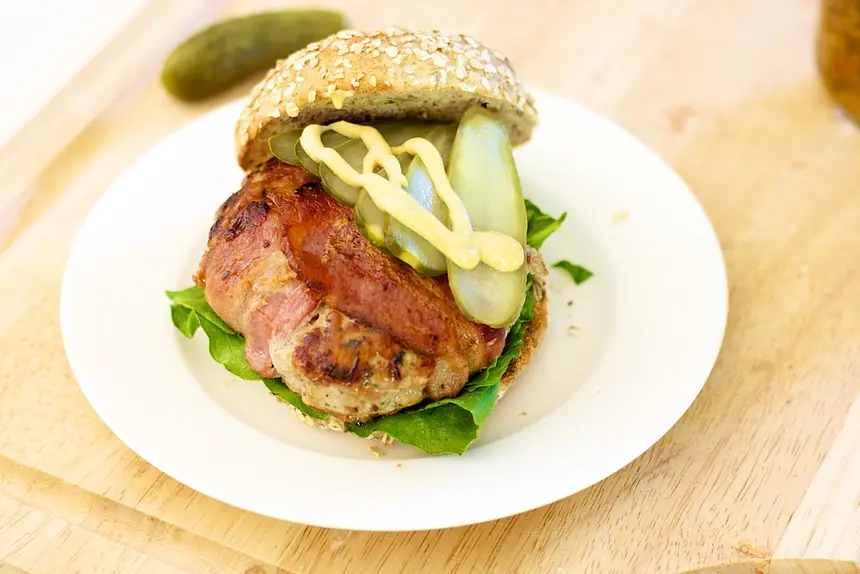
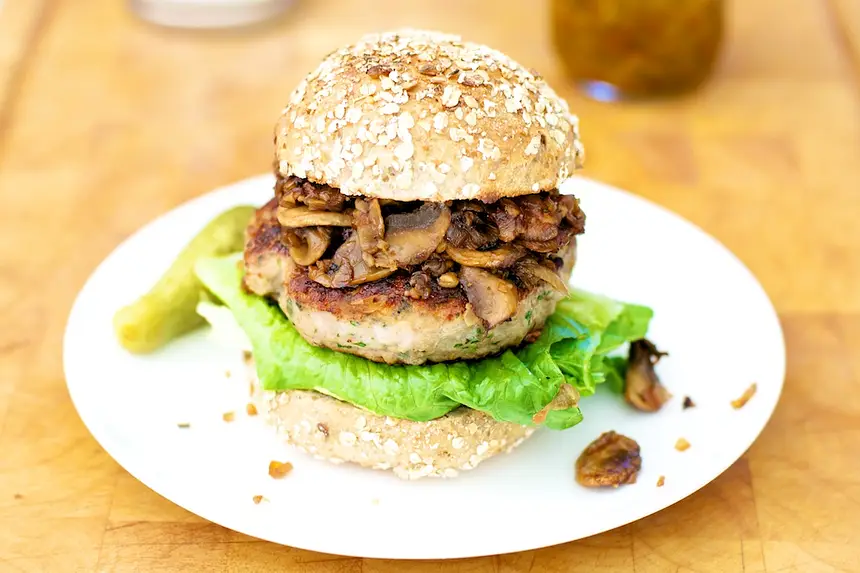
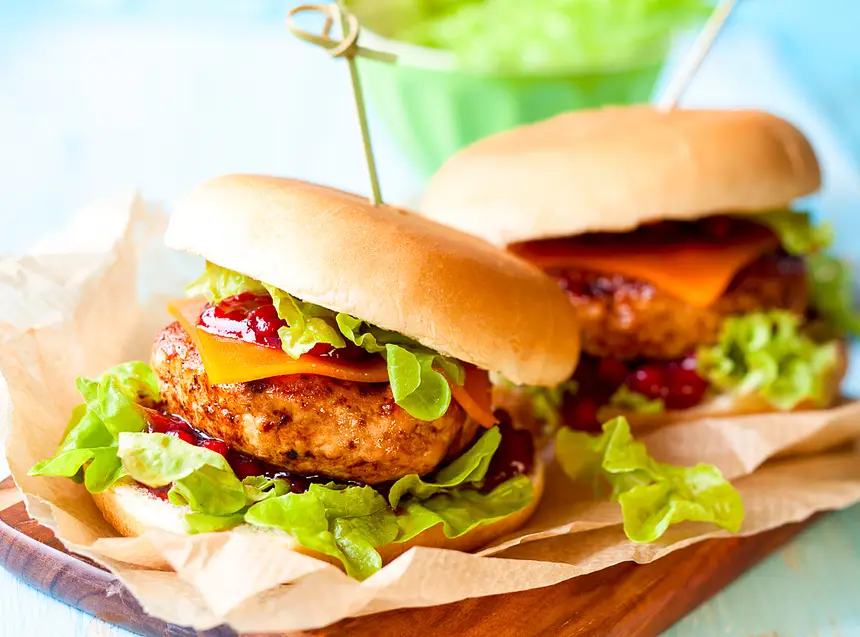
Juicy turkey burgers with raw bacon ground into the patty, sage, and sautéed mushrooms on top. Pan-cooked in butter, the leanness of turkey paired with the richness of bacon.
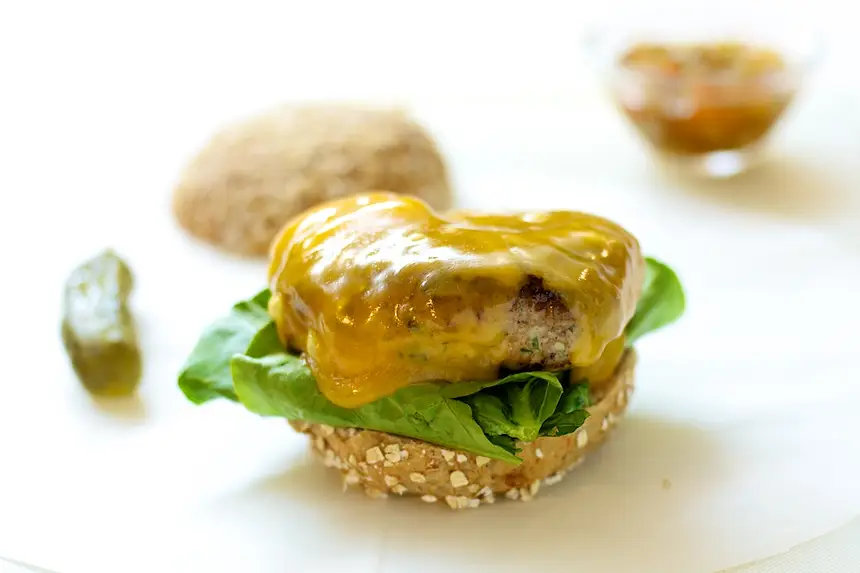
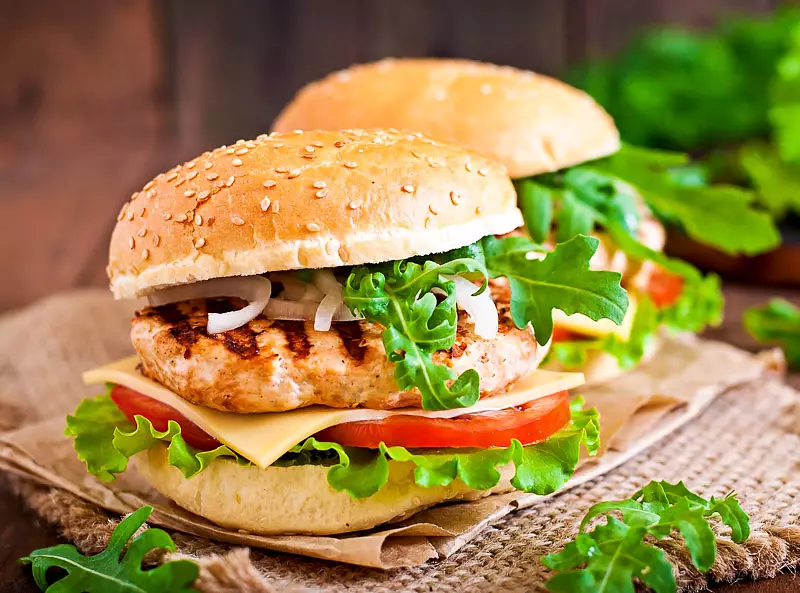
Juicy turkey cheddar burgers seasoned with sage, thyme, lemon zest, and sauteed garlic onions, with melted cheese stuffed right inside the patty. Grill or broil in 40 minutes for a lighter burger that still oozes with flavor.
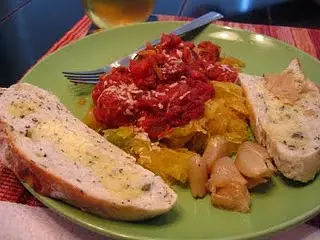
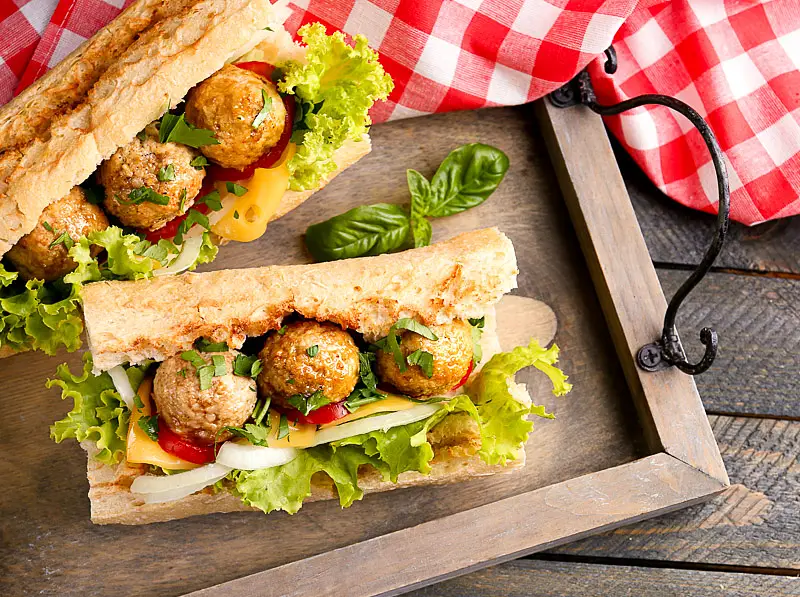
My family loves Italian food so I created this recipe to fit our tastes of a savory marinara sauce that is great over pasta, in lasagna, on pizza and as a dipping sauce. We love it over cooked spaghetti squash. You can make it with the meatballs or leave them out. It very freezes well.
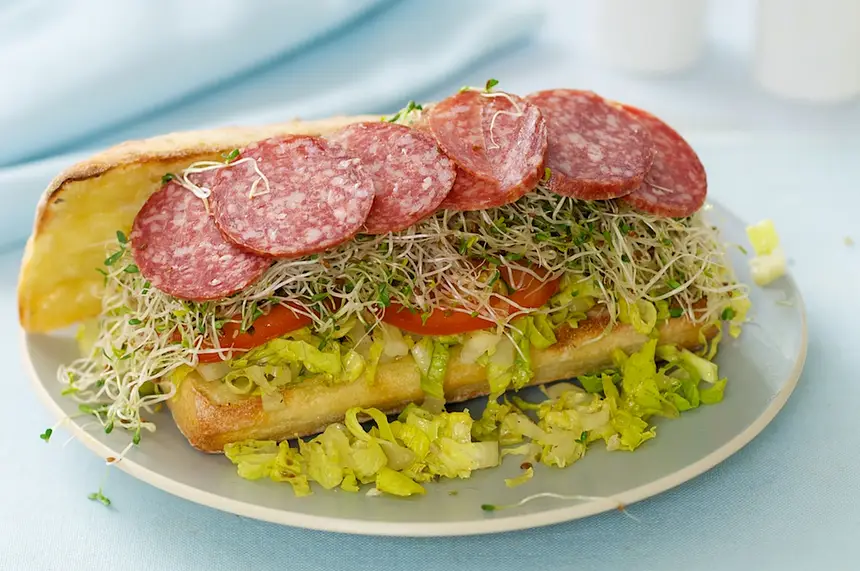
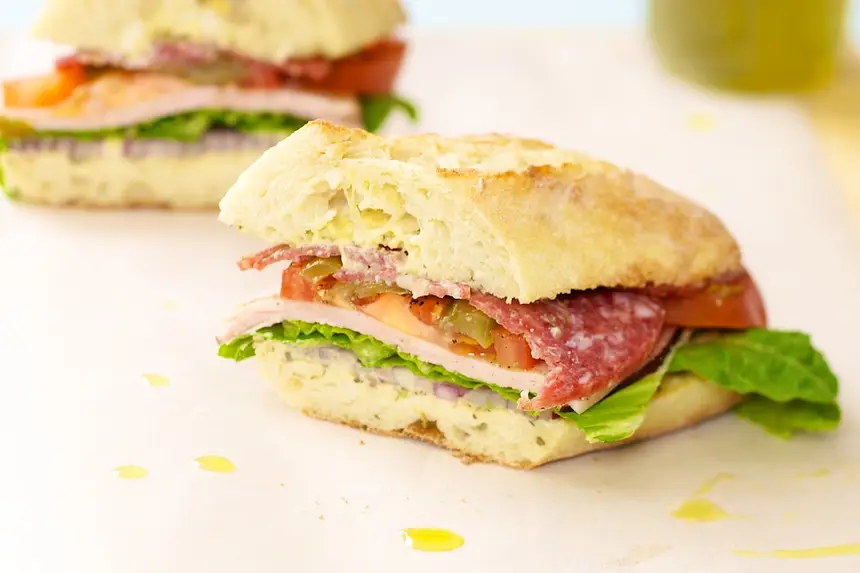
Quick, easy and delicious. I only had salami, and that's what I used in the sandwich. Of course a slice of ham and smoked turkey would double the yumminess. I shredded the lettuce, and seasoned it with a bit extra-virgin olive oil, wine vinegar, salt and black pepper. The tomato slices were also seasoned with a pinch of sea salt. The sandwich was so good!
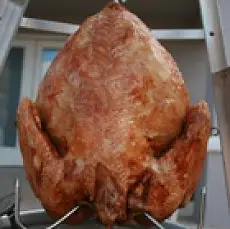
Deep-fried turkey injected with a spicy pepper butter that seasons the bird from the inside out. The same butter mixture doubles as a baste for an oven-roasted version.
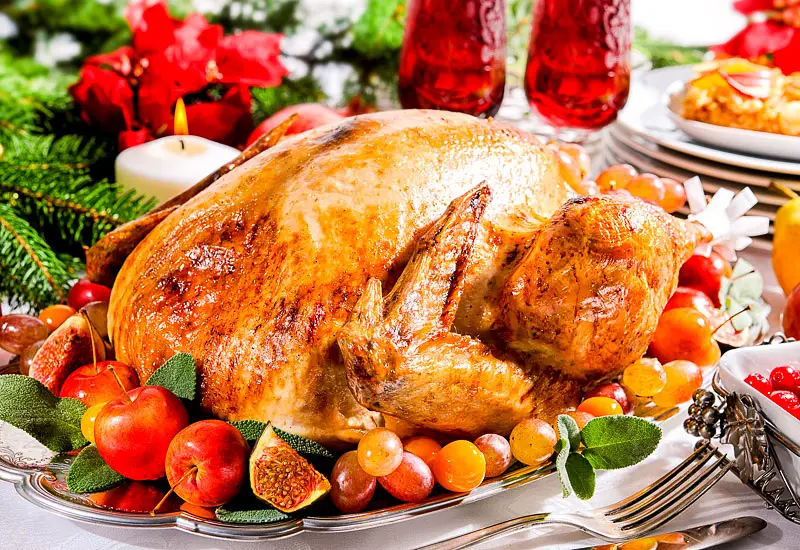
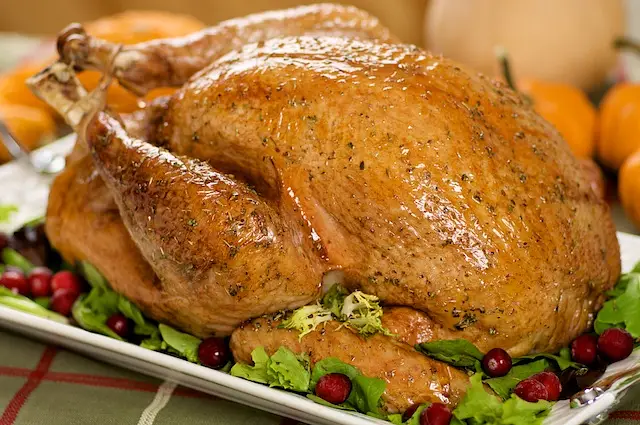
Herb-roasted Thanksgiving turkey with fresh sage, marjoram, and thyme tucked right under the skin and a lemon-lime glaze brushed on at the end for a glossy, citrus-bright finish. The holiday centerpiece, done simply.
Herb-roasted turkey breast rubbed with rosemary, sage, thyme, and marjoram under the skin, with onion and garlic tucked into the neck cavity. A simple low-fat holiday main with crisp golden skin.
Crockpot pumpkin turkey chili: lean ground turkey and peppers simmered with tomatoes, real pumpkin, and chili powder. The pumpkin melts in for a velvety, subtly sweet, lighter chili.
The first time I tried this version of the recipe, I ate it for all three meals. LOVED it!
If you have leftovers, toss in a can of tomatoes, a can of white beans, and whatever veggies you have in the fridge, and make yourself a tasty soup.
Lean ground turkey cocktail meatballs baked on a broiler pan with a sweet-tangy chili sauce dip. Lower-fat party appetizer, makes about 50 bite-sized balls.
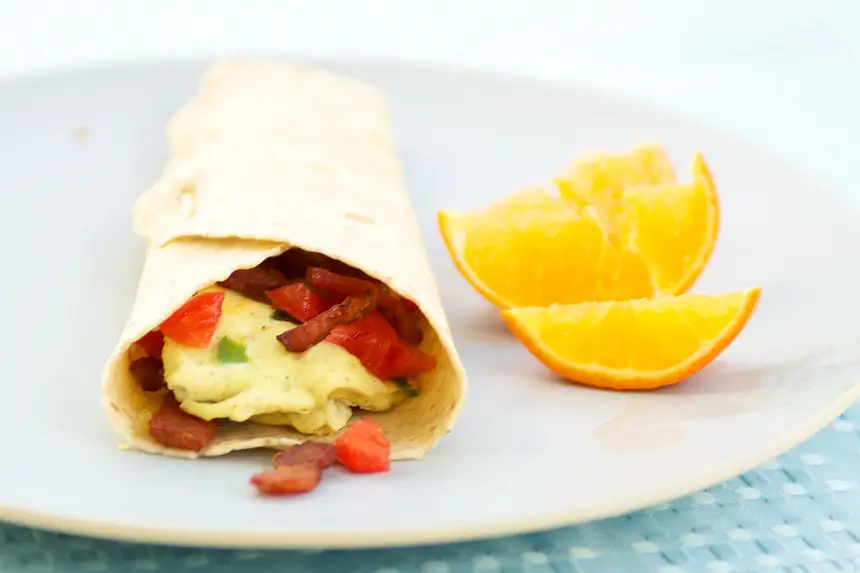
Breakfast tortilla wrap loaded with cumin-spiced eggs, crisp bell pepper, juicy tomato, and crumbled bacon, all rolled in a warm whole wheat tortilla. A fast, high-protein handheld breakfast.
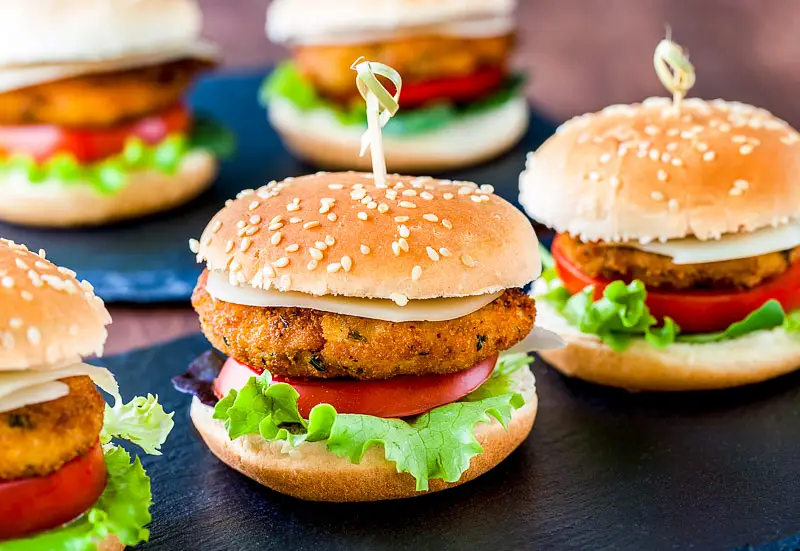
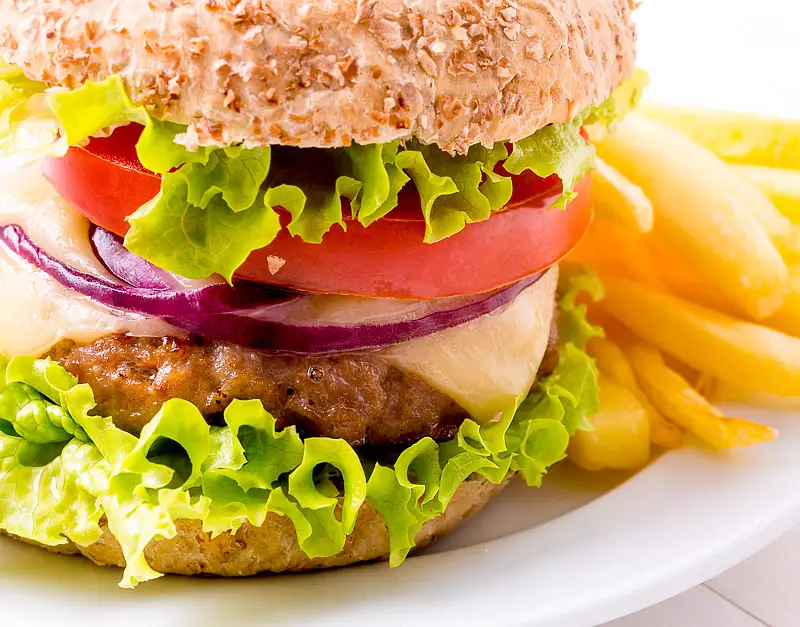
Lean turkey burgers loaded with shredded zucchini, sweet bell pepper, and onion. Oats bind everything together for juicy, vegetable-packed patties on whole wheat buns.
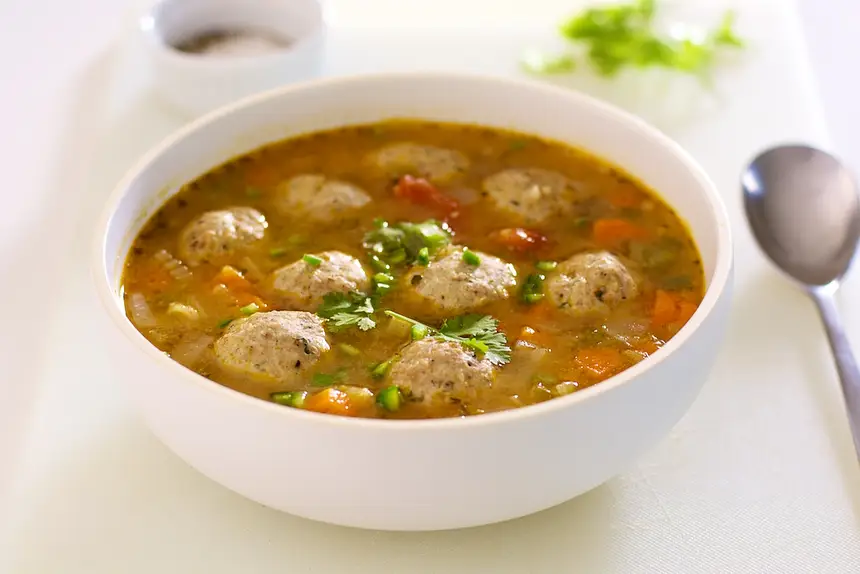
Turkey meatball soup with milk-soaked bread, simmered in tomato-spiked chicken broth with onion, carrots, celery, and a whisper of allspice. A weeknight dinner soup that feels Sunday-cooked.
Turkey leftover soup is a creamy post-Thanksgiving bisque with wild and white rice, scallions, crumbled bacon, cubed turkey, and a splash of sherry. The Friday lunch that makes Thursday's bird worth it.
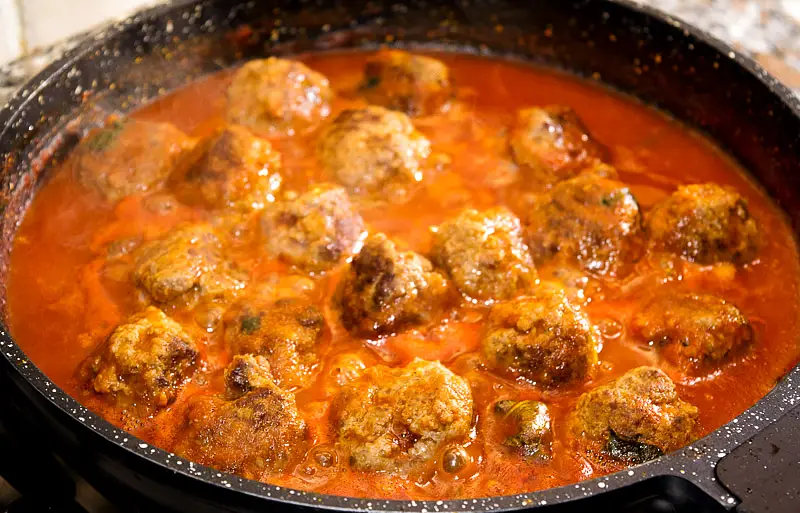
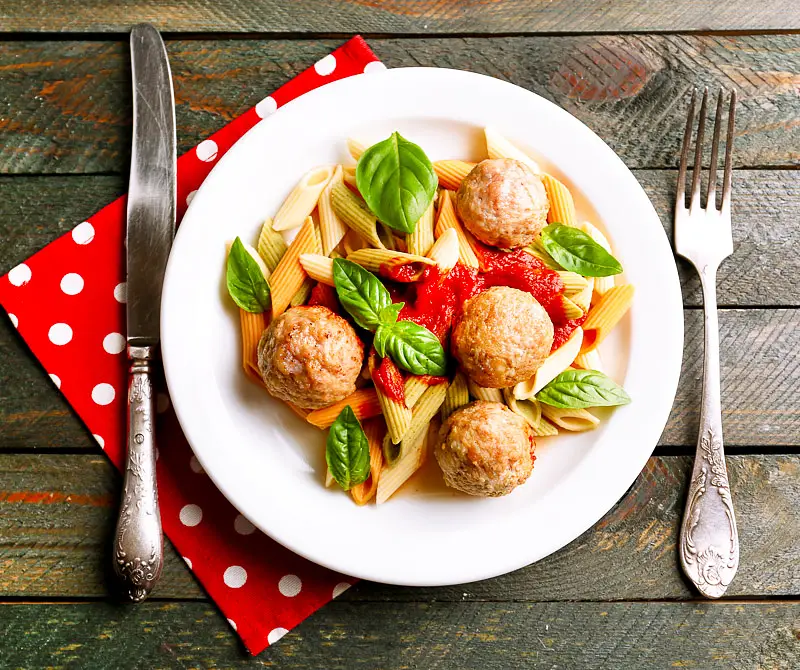
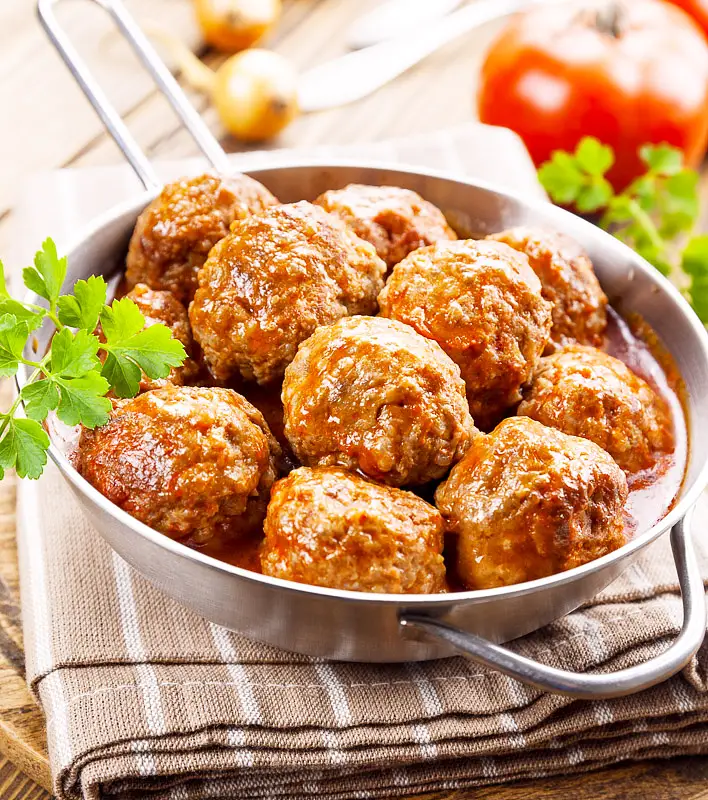
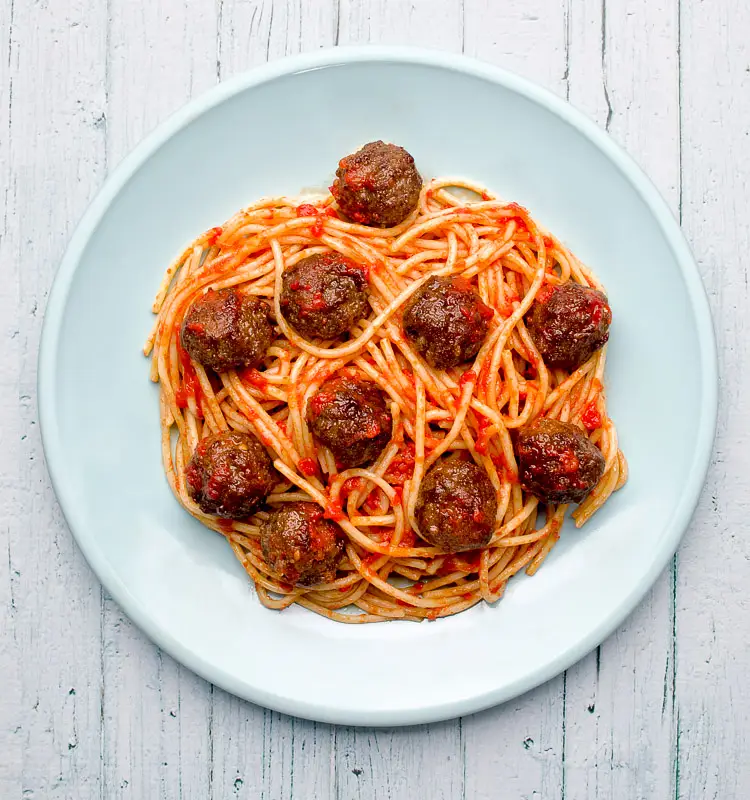
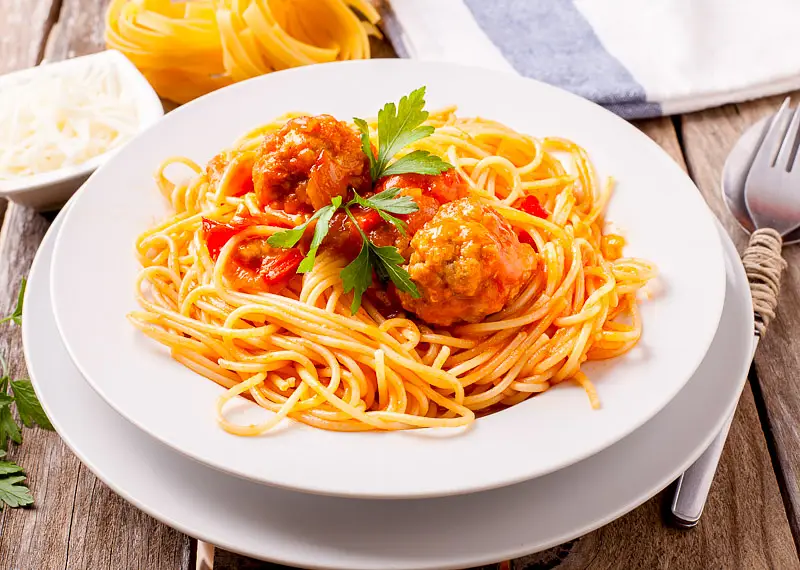
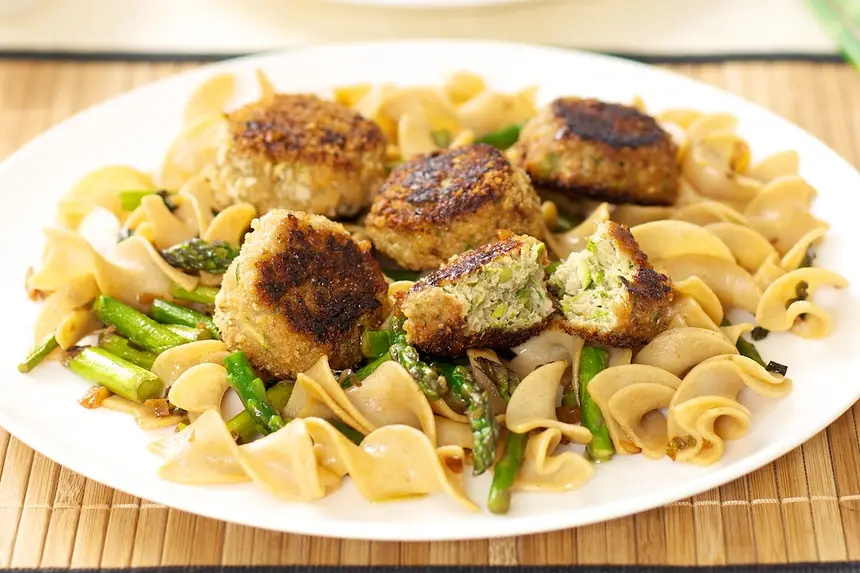
Easy oven turkey meatballs baked then simmered in garden-style pasta sauce with carrots and mushrooms. A leaner take on spaghetti and meatballs that hides spinach right in the meatball.
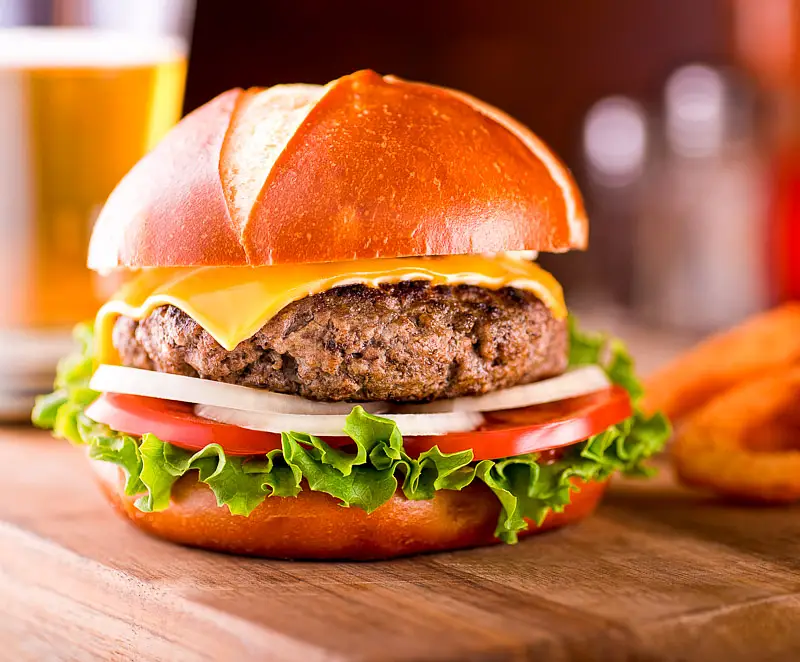
Asian turkey burgers mix lean ground turkey with hoisin, ginger, scallions, and crunchy water chestnuts, then grill them juicy and golden. A heart-healthy, flavor-packed alternative to the beef burger.
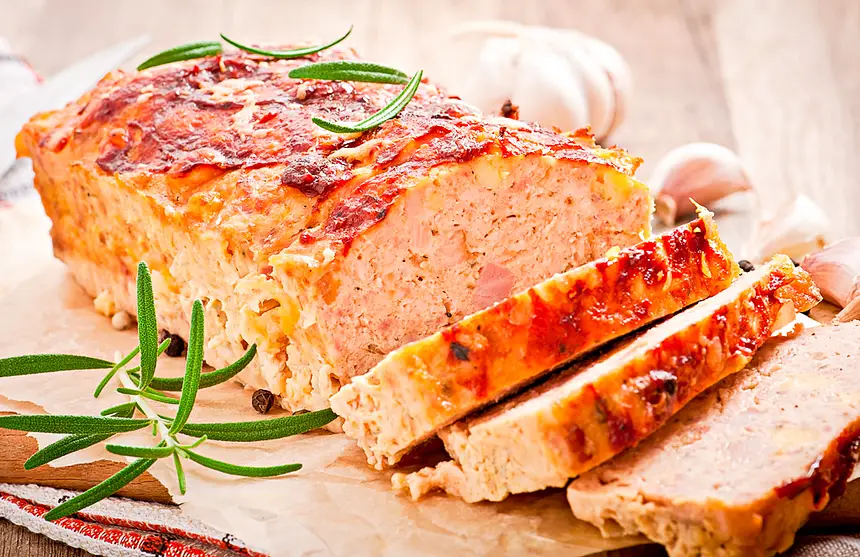
Glazed turkey meatloaf bound with cooked rice and bread crumbs, finished with a sweet ketchup-honey glaze that lacquers the top in the last five minutes. A leaner, lighter take on the diner classic.
Lighter spaghetti and meatballs with baked turkey meatballs in a veggie-packed tomato sauce. Carrots, celery, peppers, and onion build a sauce that's wholesome and deeply flavorful.
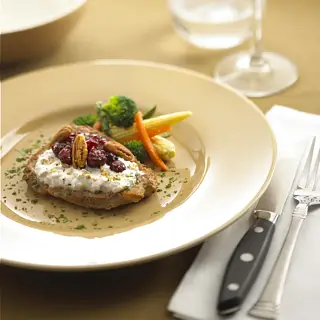
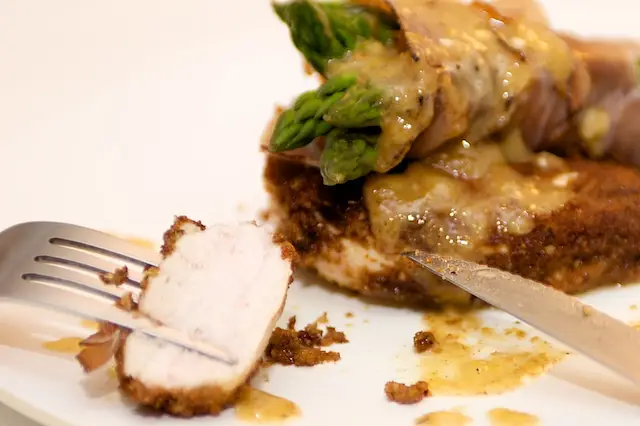
Chicken breast turned out juicy, made my own seasoned bread crumbs by toasting some bread and using a food processor adding some Italian seasoning, salt and pepper, turned out a bit dark but awfully tasty. I used speck, a smoked prosciutto instead of the turkey ham and the flavors matched up well. I made a sauce by deglazing the pan with a bit of white wine. Overall a nice combination and quite easy to make.
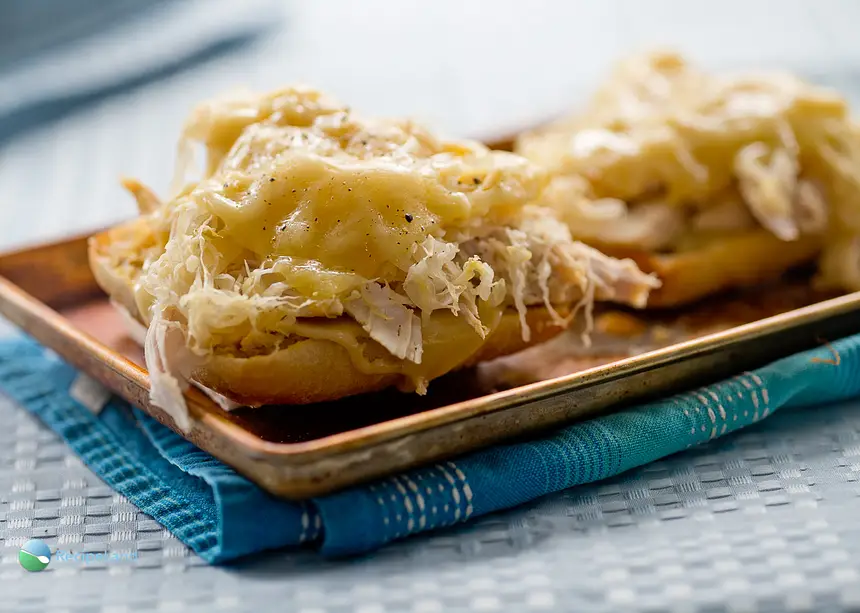
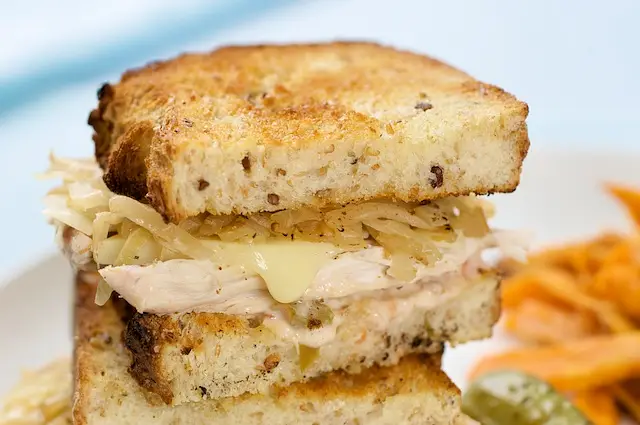
Sliced turkey, tangy sauerkraut, melted Swiss cheese, and a homemade Russian dressing on buttered rye bread, broiled until golden and gooey. A lighter spin on the classic deli Reuben that's ready in 25 minutes.
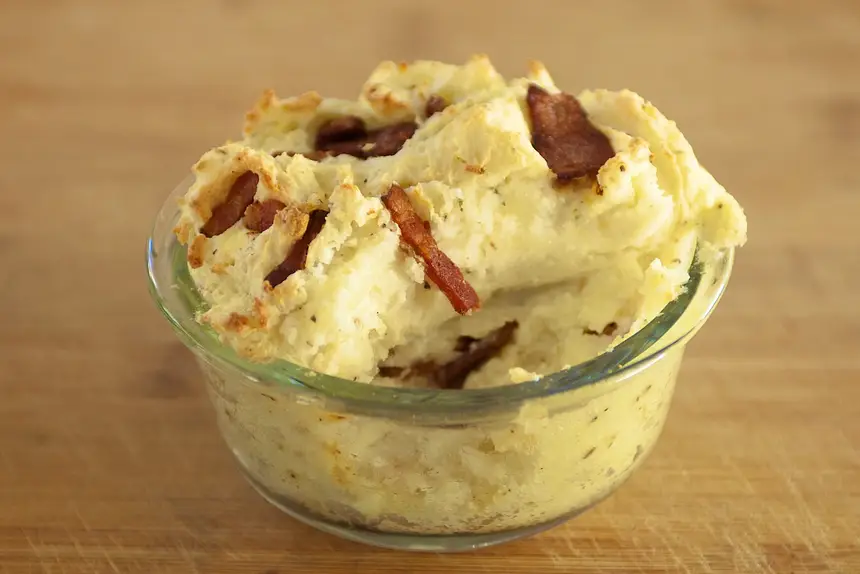
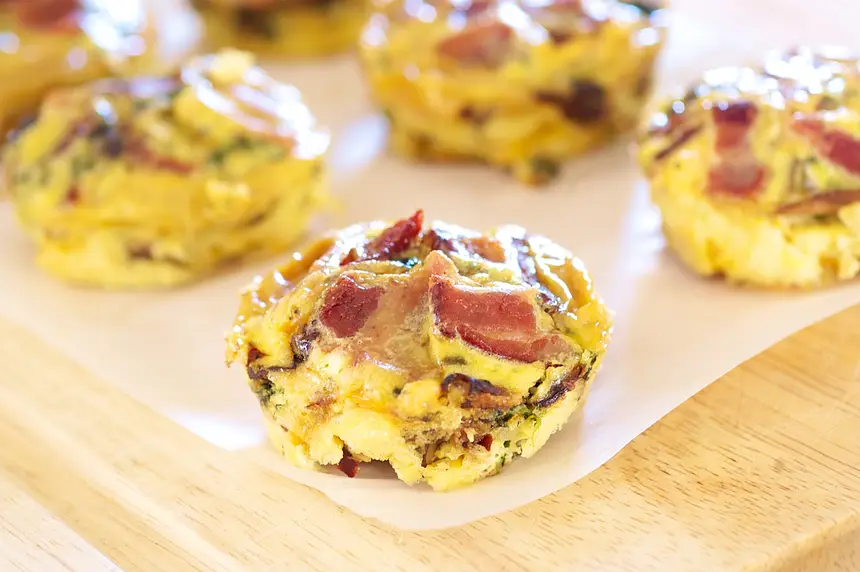
Crispy, savory potato-bacon cups made with creamy cottage cheese, turkey bacon, and seasoned potatoes. Perfect for breakfast or a side dish, these golden-brown cups are easy to prepare and baked to perfection. Serves 4.
Asian turkey burgers seasoned with fresh ginger, garlic, and soy sauce, then grilled and served on crisp romaine leaves. Lean, low-carb, and packed with savory flavor in every bite.
I have been making Thanksgiving dinner for 14 years and have made turkey several different ways. This turkey recipe is now one of my top two favorites! It was perfect for a non-Thanksgiving turkey craving. I saved the drippings to make gravy for open-faced turkey sandwiches with mashed potatoes the next night. Delish!!! Thanks for making turkey fun during the "off-season"!
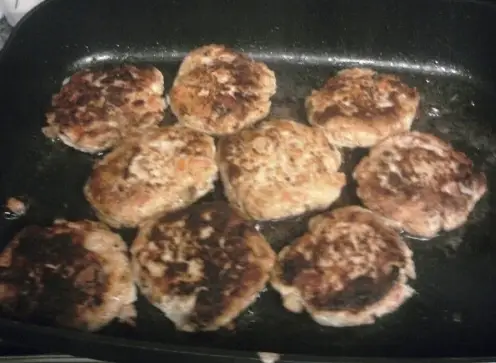
We wanted a quick and easy recipe--and this was it. Just as good as any other turkey burger recipe we've tried. I made just 4 big patties, so cooked a few minutes longer than the 3-4 per side it calls for. I kept adding a little more olive oil to the pan to keep them from burning.
That's right, I have a recipe for a sub sandwich. You may ask yourself why it is necessary. Its because its the best sandwich and a huge crowd pleaser! Trust me.
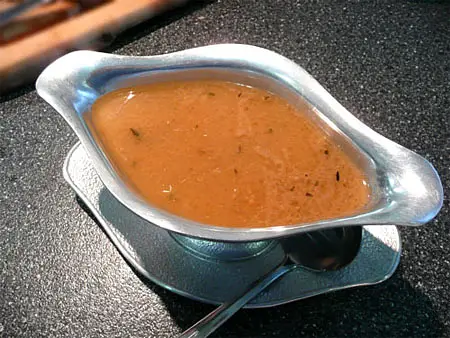
An incredibly tasty gravy, you can use the giblets or just some chicken stock if your prefer. My mother likes to use both beef and chicken stock to improve the color of the gravy.