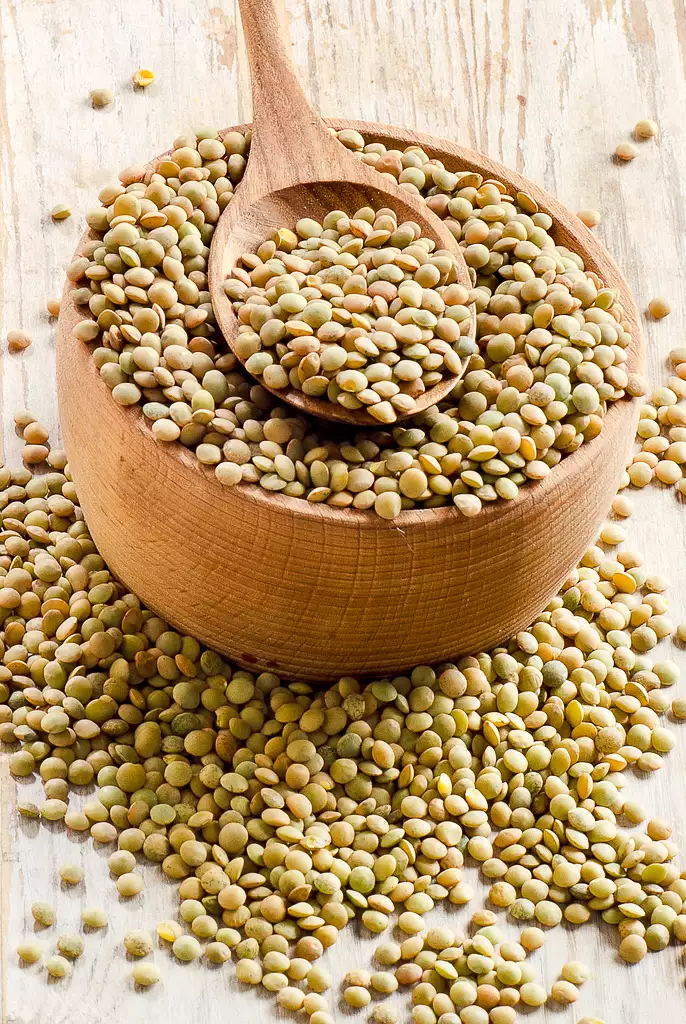


Lentils, red (masoor dal)
Lentils should not be eaten raw, due to the presence of anti-nutrients such as phytic acid and tannins; some types of lentils require soaking overnight before cooking as well.
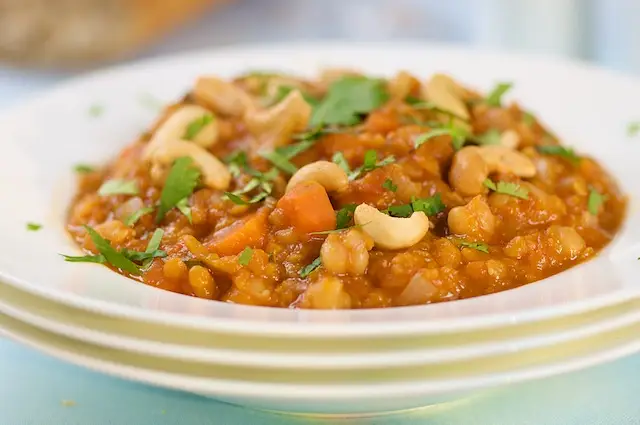
Red lentils require a short cooking time as their husks have been removed, about 10 minutes and have a distintive earthy flavour.
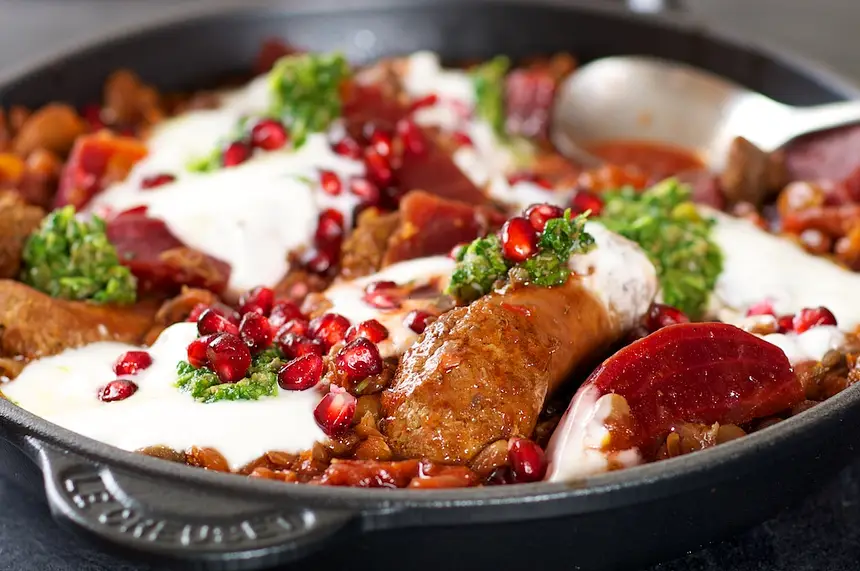
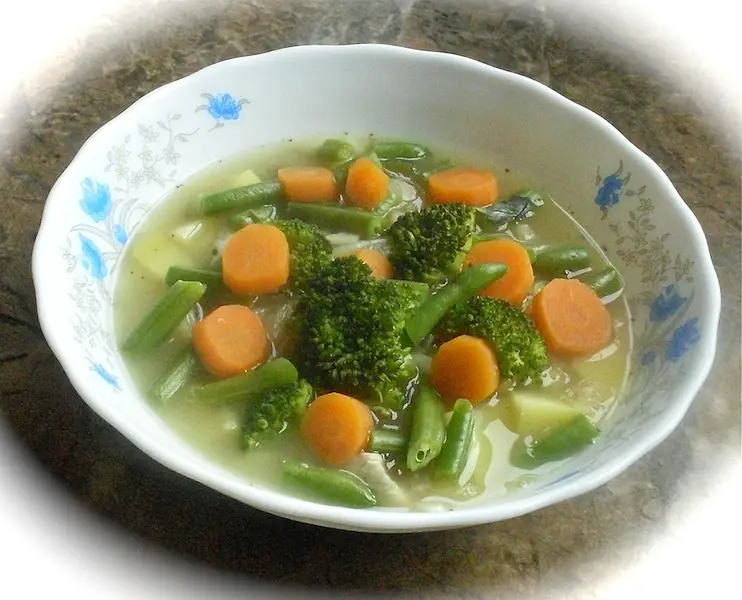
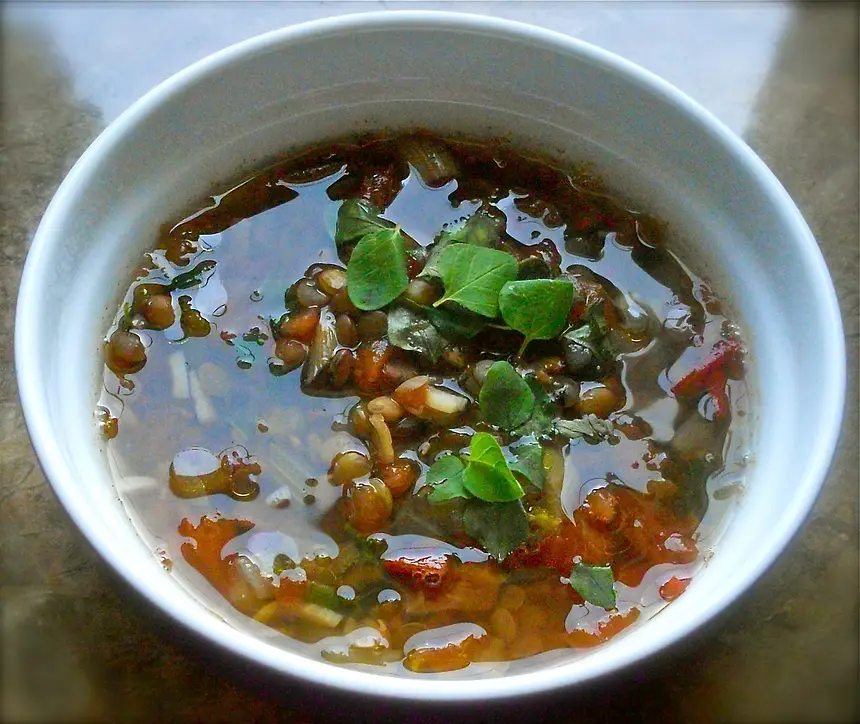
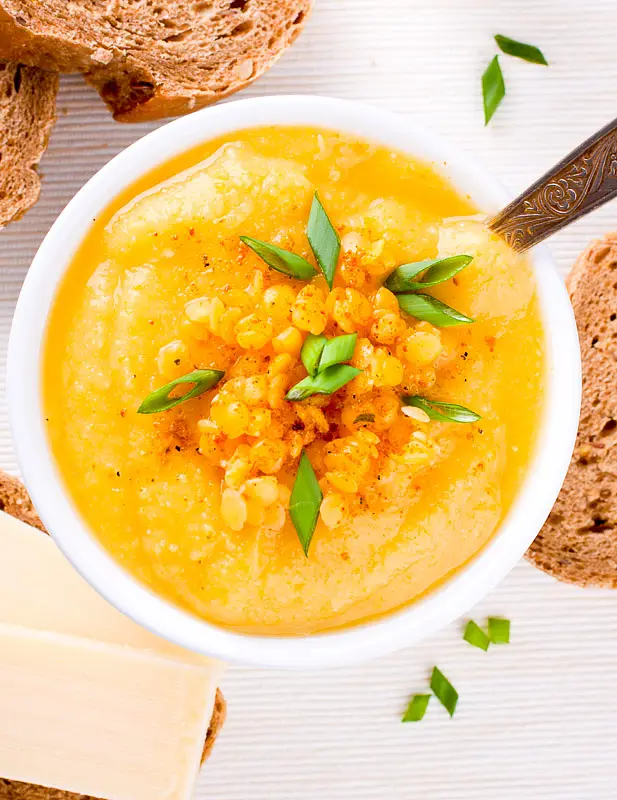
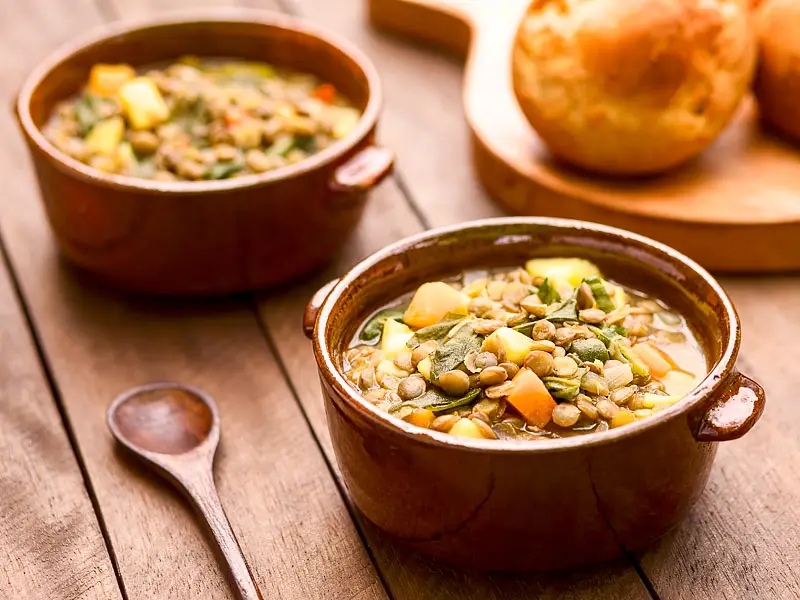
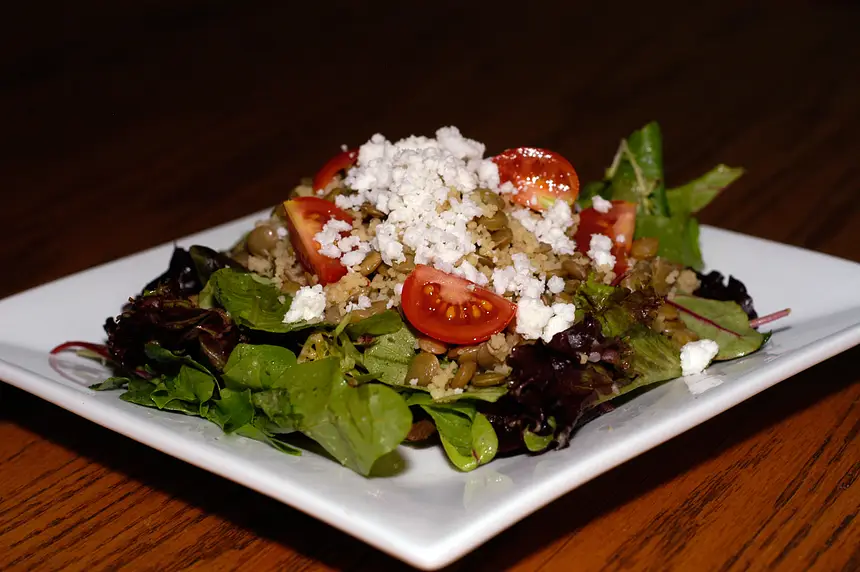
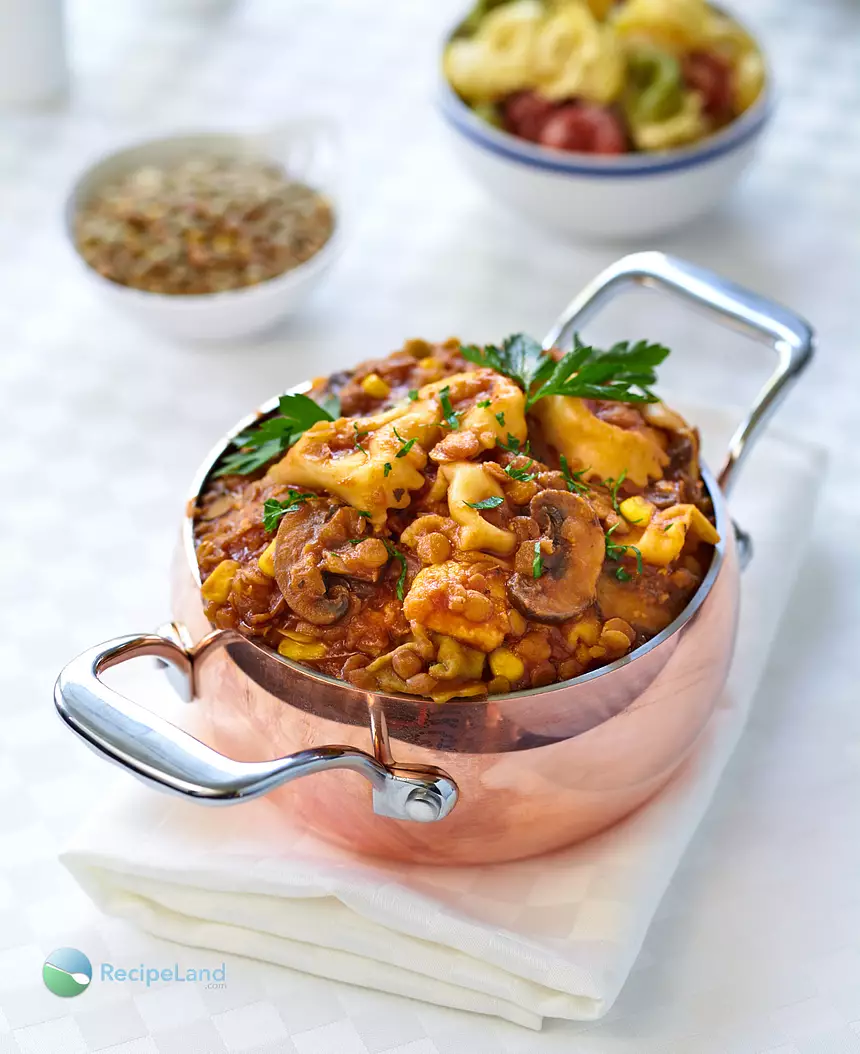
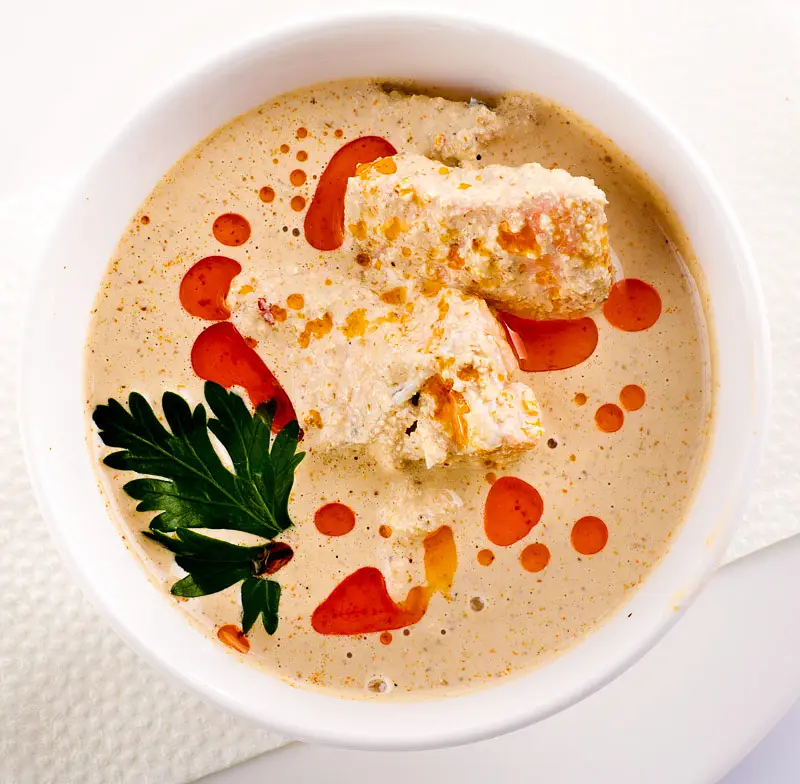
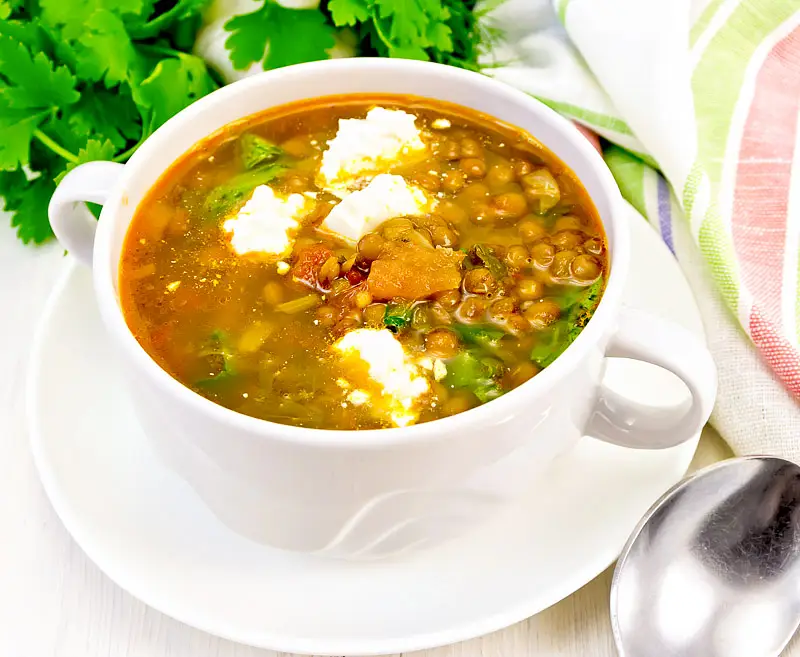
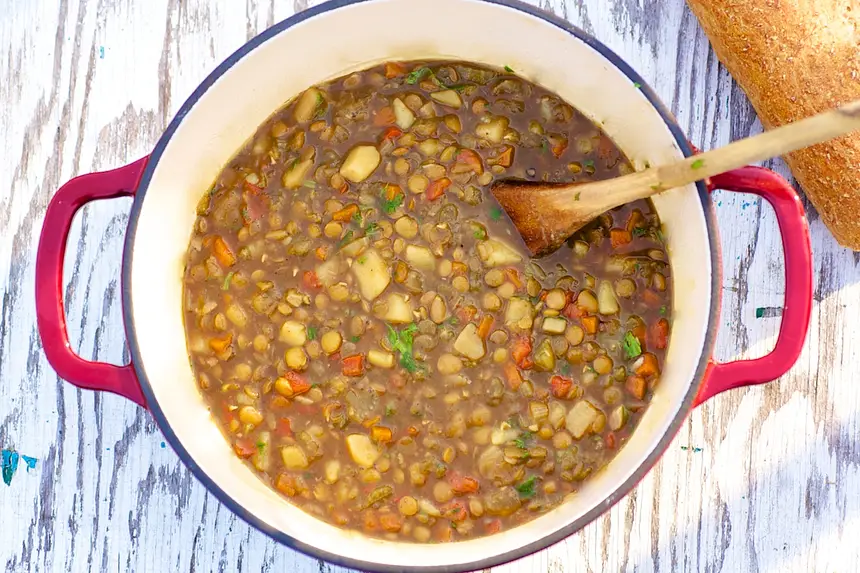
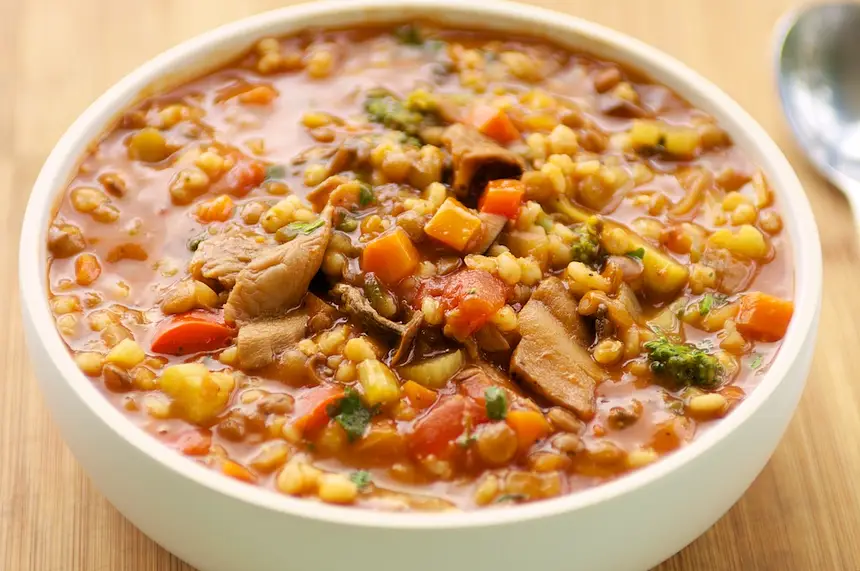
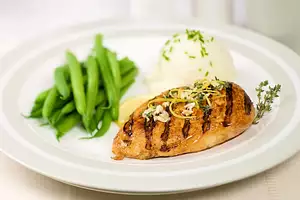
Lentils are used to prepare an inexpensive and nutritious soup all over Europe and North and South America, sometimes combined with some form of chicken or pork. In rare cases the lentils are mixed with dairy and cheese.
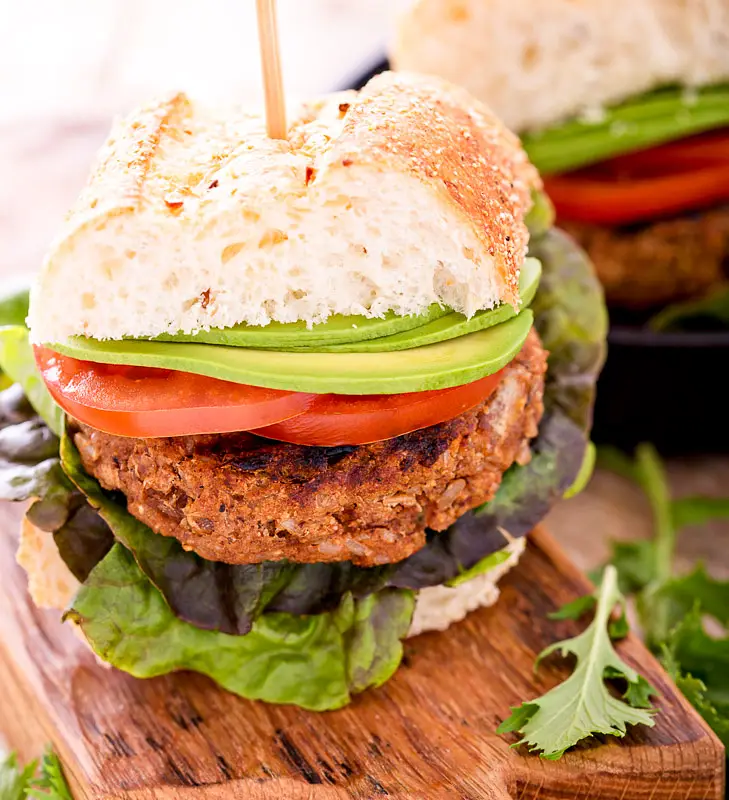
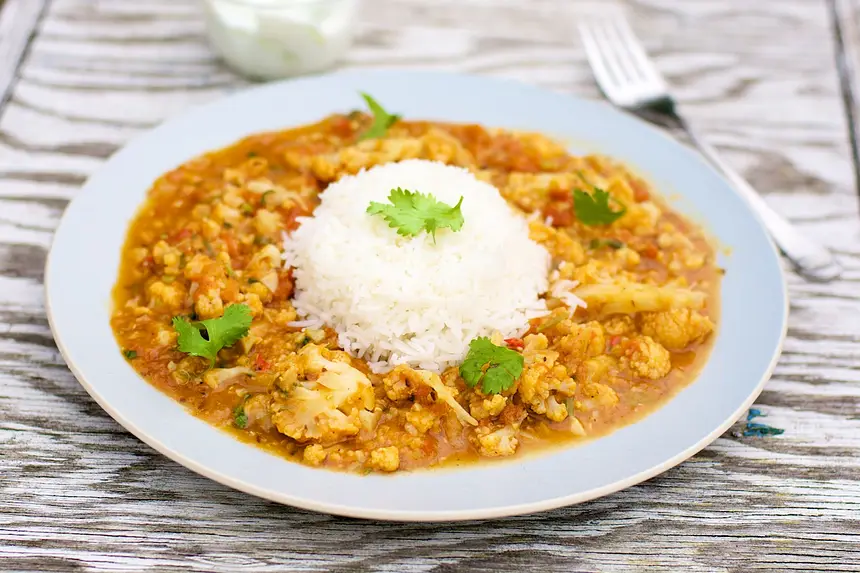
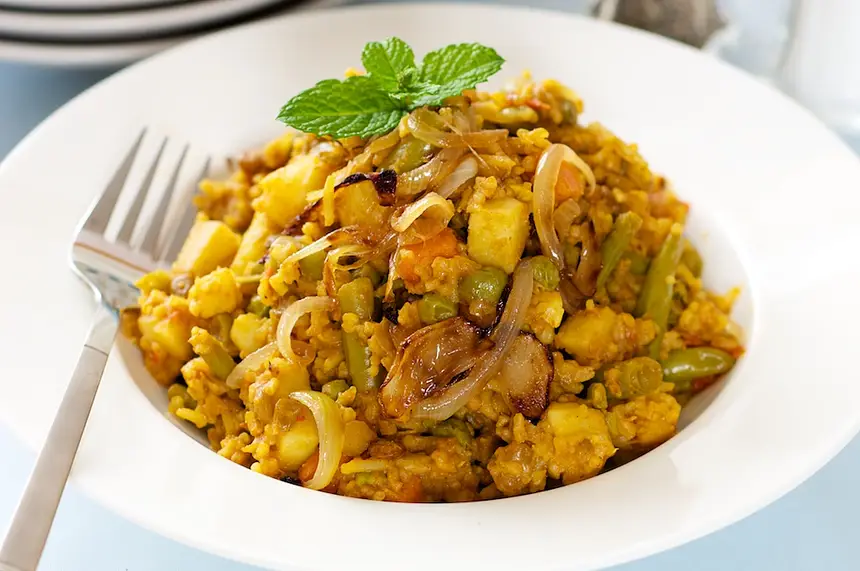
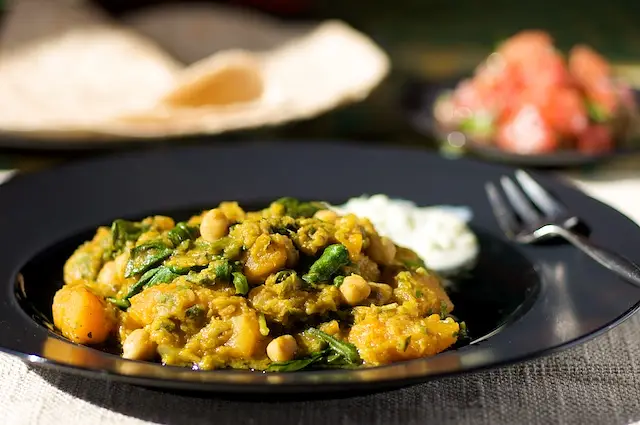
Many East Indians are vegetarian and lentils have long been a part of the East Indian diet as an excellent source of healthy protein.
## Nutrition Value and Health Benefits
Lentils contain high levels of proteins, including the essential amino acids isoleucine lysine, and are an essential source of inexpensive protein in many parts of the world for those who adhere to a vegetarian diet.
Lentils are deficient in two essential amino acids, methionine and cystine. However, sprouted lentils contain sufficient levels of all essential amino acids, including methionine and cystine.
In addition to high levels of proteins, lentils also a good source of dietary fiber, folate, vitamin B, and minerals.
Red (or pink) lentils contain a lower concentration of fiber than green lentils (11% rather than 31%). Health magazine has selected lentils as one of the five healthiest foods.
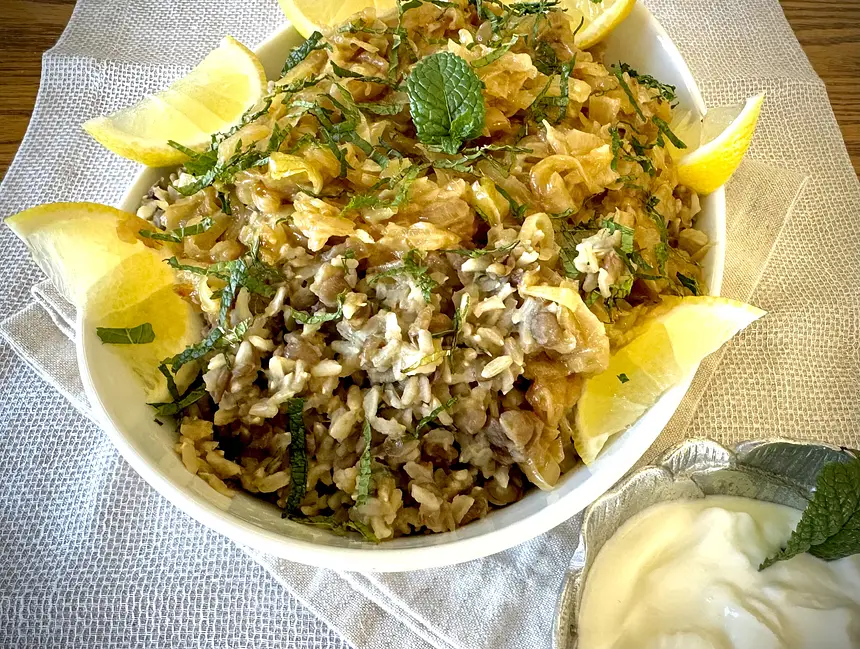
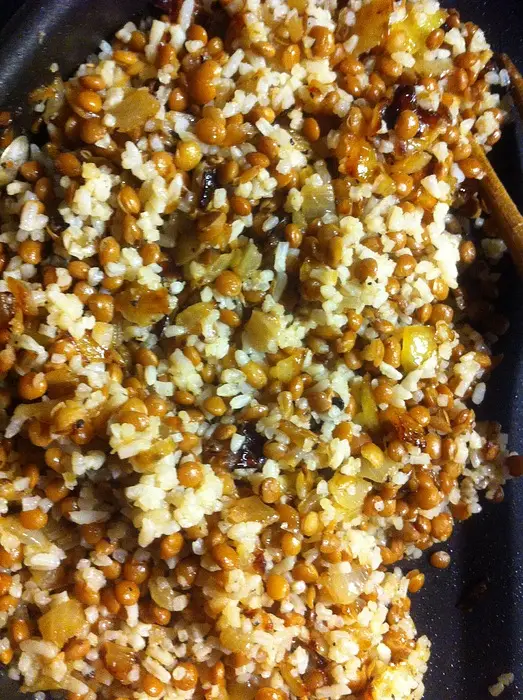
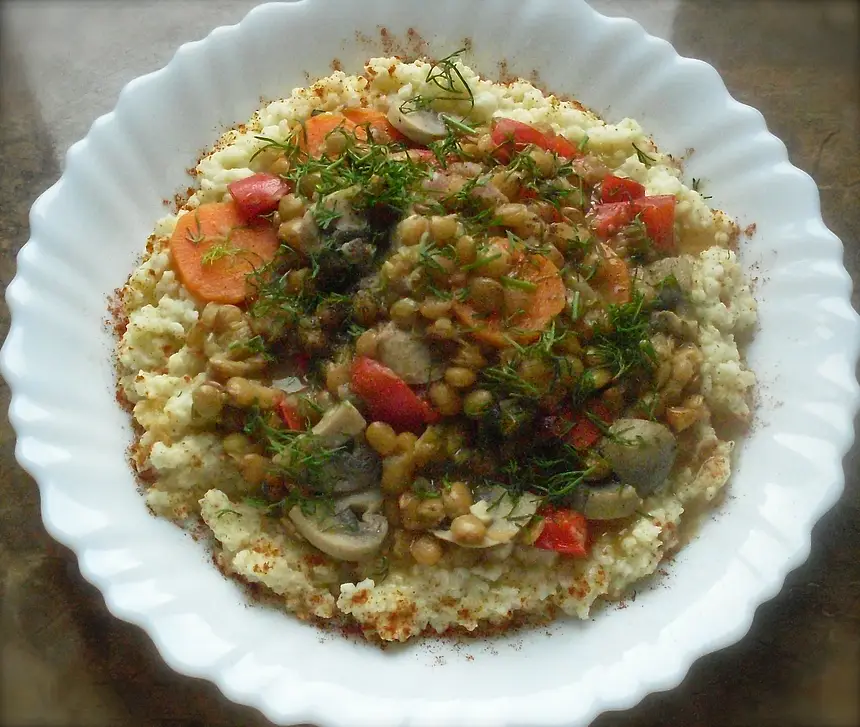
Lentils are often mixed with grains, such as rice, which results in a complete protein dish.
Lentils are one of the best vegetable sources of iron. This makes them an important part of a vegetarian diet, and useful for preventing iron deficiency. Iron is particularly important for adolescents and pregnant women, whose requirements for it are increased.