What Is Organic shoyu and How Can I Use It?
Organic shoyu is easier to cook with than it looks. Here's how to choose, use, and store it, what to substitute, and 27 recipes to get you started.
Key Points
- Shoyu is Japanese soy sauce, brewed from roughly equal parts soybeans and wheat for a slightly sweet, malty taste.
- Tamari is the wheat-free cousin and your gluten-free swap; Chinese soy is saltier and a separate tradition.
- The "organic" label only means pesticide-free crops; it does not change flavor or cooking behavior.
- Mostly salt, so taste before adding more, and avoid scorching it in a hot dry pan.
- Refrigerate after opening and use within a few months, since the aroma fades over time.
What is organic shoyu?
Shoyu is the Japanese word for soy sauce, the style most people picture when they think of the salty brown bottle on the table. It is brewed from roughly equal parts soybeans and wheat, fermented with koji mold in salt brine over months, then pressed.
The wheat is the key. It gives shoyu a faint sweetness and a malty aroma, with a thinner, brighter body than the soy sauces made elsewhere.
"Organic" here just means the soybeans and wheat were grown without synthetic pesticides. It does not change how the sauce tastes or behaves, so treat organic shoyu like any good-quality shoyu.
Two cousins are worth knowing apart. Tamari is the wheat-free Japanese style, thicker and darker, with a deeper flavor. It is the one to reach for if you need gluten-free.
Chinese light and dark soy sauces are a separate tradition: generally saltier, and in the dark version sweeter and more syrupy than shoyu.
How to Use Shoyu
Shoyu does two jobs. It salts food and it adds savory depth.
Use it as you would salt, but remember it also brings color and a little sweetness, so taste as you go. A few drops at the table season sashimi and rice; a bigger pour builds marinades, glazes, simmered dishes, and dipping sauces.
Inari Sushi simmers the tofu pouches in a shoyu-sweetened broth, and it seasons the rice and dipping sauce for Nigiri Sushi.
Its reach goes well past Japanese food. Korean Barbecue Meat leans on it for the marinade, a Quick Stir-Fry uses it to finish the pan, and it even turns up off-script in Easy Baked Beans, where a spoonful adds savory backbone behind the molasses.
Add it early when you want the flavor to cook into a braise. Add it late, off the heat, when you want its aroma to stay fresh in a dressing or dip.
Pairing and Common Mistakes
Shoyu is at home with ginger, garlic, scallion, sesame oil, mirin, and rice vinegar. A splash of mirin or a pinch of sugar balances its salt, and rice vinegar sharpens it into a dressing or dipping sauce.
The most common mistake is over-salting. Because shoyu is mostly salt, hold back on other salt until you have tasted the finished dish.
The second is letting it scorch. Sugars in the sauce burn fast in a hot dry pan and turn bitter, so add it to liquid or move the pan off direct high heat when you pour it in.
Substitutes
Out of shoyu? Tamari is the closest match and the better pick if you need gluten-free, though it tastes a little deeper and less sweet, so you may want a touch less.
Chinese light soy sauce works in a pinch but runs saltier, so start with less and adjust. For a soy-free kitchen, coconut aminos copies the color at lower salt and more sweetness, so add salt and use a bit more.
Buying and Storing
Look for "naturally brewed" on the label rather than "chemically hydrolyzed," which is the fast, harsh-tasting industrial method.
Light or "usukuchi" shoyu is saltier and paler for when you do not want to darken a dish. Standard "koikuchi" is the everyday all-purpose bottle.
Unopened, shoyu keeps for a couple of years in the pantry. Once opened it is still safe far longer, but its aroma fades, so refrigerate it and try to use it within a few months for the brightest flavor.
Nutrition
Nutrition Facts
Serving Size 1 cup (255g)Quick facts
Food group: Organic shoyu is a member of the Legumes and Legume Products US Department of Agriculture nutritional food group.
- In Chinese
- 有机酱油
- British (UK) term
- Organic shoyu
- en français
- shoyu organique
- en español
- shoyu orgánica
How much does organic shoyu weigh?
| Amount | Weight |
|---|---|
| 1 cup | 255 grams |
| 1 tbsp | 16 grams |
| 1 teaspoon | 5 grams |
| 1 individual packet | 8 grams |
Related
Legumes and Legume Products
Recipes using organic shoyu
There are 27 recipes that contain this ingredient.
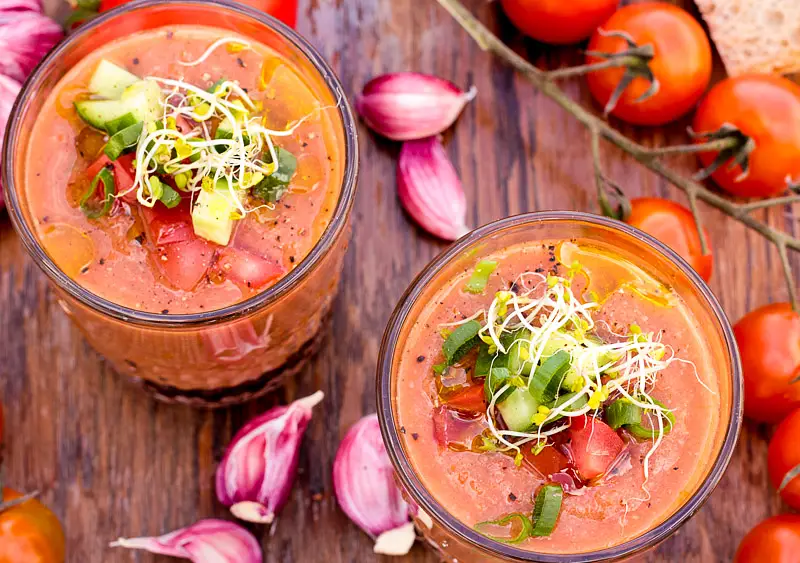
Yummy Gazpacho Soup

No-cook chunky gazpacho with crushed and diced tomatoes, cucumbers, bell peppers, and a triple citrus-vinegar punch. Vegan, gluten-free, ready in 10 minutes plus chill.


Iridofu


Iridofu, a Japanese scrambled tofu stir-fry with carrots, onion, roasted sesame seeds, and shoyu. A simple, protein-rich vegetarian dish ready in 20 minutes.

Spiced Black Beans (Brown)
A vegetarian Indian-style dry curry of black beans with bell peppers, carrots, roasted peanuts, and sliced orange, spiced with cumin, coriander, ginger, and green chili. Finished with sherry and lemon juice.
Mexican Bean & Rice Casserole
Vegan Mexican bean and rice casserole layered with spiced kidney bean puree, brown rice, sliced tomatoes, and pressed garlic. Hearty, plant-based comfort food.
Korean Barbecue Meat
Korean barbecue short ribs (kalbi) marinated in shoyu, garlic, ginger, honey, and sesame oil, then grilled or broiled for smoky, caramelized edges.
Spicy Spaghetti Salad
Spicy spaghetti salad tosses kamut pasta with navy beans, tomatoes with green chilies, bell pepper, scallions, cilantro, and cumin. A vegetarian, no-cook-after-boiling dinner.

Spiced Black Beans(Brown)
Spiced black bean curry with ginger, cumin, coriander, roasted peanuts, and sliced orange. A dry-style Indian curry finished with sherry, lemon juice, and shoyu.

Spicy Korean Marinade
Spicy Korean marinade with shoyu, brown rice vinegar, and hot pepper sesame oil. Three ingredients that work on tofu, tempeh, chicken, or fish.

Soup Provencale
Rustic Provencal garlic and potato soup with thyme, bay leaves, and a splash of shoyu or miso for umami depth. Simple, warming, and vegan-friendly.

Spiced Black Beans
Spiced black beans with cumin, coriander, ginger, and fresh green chili, cooked dry-curry style with bell peppers, carrots, peanuts, and orange slices. A vegan main with bold flavor.

Three Taste Sauce
Three taste sauce with equal parts brown rice vinegar, shoyu, and mirin. A versatile Japanese base for dipping sauces, dressings, and marinades. Add citrus for ponzu.

Minestone Soup
Vegetarian minestrone soup with kidney beans, potatoes, spaghetti, and a unique twist of cilantro and shoyu (soy sauce). A hearty, pantry-friendly one-pot meal.

Wild Rice Crepes
Vegan wild rice crepes stuffed with a savory trio of shiitake, oyster, and button mushrooms, finished with a silky nutty almond sauce. Elegant plant-based entertaining at its finest.

Beachcomber Chicken
Hawaiian-style Beachcomber Chicken marinated in shoyu, ginger, garlic, sherry, ketchup, and sugar then cooked until glazed and sticky. Island flavors meet easy weeknight cooking for a sweet-savory crowd-pleaser.
Mushroom-Noodle Casserole
Mushroom noodle casserole layers whole-wheat pasta, sauteed mushrooms and onions, and a blended tofu cottage cheese topped with toasted bread crumbs. A dairy-free vegan main that bakes in 20 minutes after assembly.

Curried Cabbage & Arame
Curried cabbage and arame seaweed sauteed in sesame oil with shoyu. A quick, mineral-rich macrobiotic side dish loaded with umami that's on the table in 20 minutes. Vegan and plant-based.
Sweet & Sour Pasta Salad
Vegetarian sweet and sour pasta salad with kamut spirals, kidney beans, black beans, and red bell pepper tossed in a tangy shoyu-barley malt dressing. Protein-packed and potluck-ready.

Szechuan Pepper Beef
Szechuan pepper beef stir-fry with dry-toasted peppercorns, red chili peppers, ginger, and garlic in a shoyu-brown sugar sauce. Wok-fried and ready in 35 minutes.
Easy Baked Beans
Canned beans baked with crushed tomatoes, barley malt syrup, hot mustard, and shoyu for a wholesome spin on the classic. Sautéed garlic and onion bring depth to this 40-minute side.

Chow Fun Noodles
Chow fun noodles stir-fried with shrimp, pork, bean sprouts, and crunchy vegetables, seasoned with shoyu and aji chiles. A Hawaiian-style noodle dish ready in 30 minutes.
Nigiri Sushi (Finger Sushi)
Nigiri sushi, the hand-formed Japanese rice fingers topped with raw or cooked seafood and a touch of mustard or wasabi. Make sushi at home with just rice, fish, and a few simple ingredients.
Quinoa, Leek & Tofu Casserole
Quinoa, leek and tofu casserole layers cooked quinoa with sautéed leeks, garlic, and pressed tofu in a whole wheat breadcrumb crust, baked with soy milk. Vegan, protein-rich main dish.

Inari Sushi (Cone Sushi)
Homemade inari sushi with seasoned fried tofu pouches stuffed with vegetable sushi rice, mushrooms, carrots, and green beans. A sweet-savory Japanese classic.
Inari Sushi (Cone Sushi)
Homemade inari sushi with seasoned fried tofu pouches stuffed with vegetable sushi rice, mushrooms, carrots, and green beans. A sweet-savory Japanese classic.
Butterfly Shrimp
Butterfly shrimp wrapped with bacon, dipped in egg, and pan-fried golden, served on stir-fried onions and finished with a tangy ketchup-garlic sweet-and-sour sauce. A retro Chinese-American classic.