What Is Soy sauce or tamari (for gluten-free) and How Can I Use It?
Soy sauce or tamari (for gluten-free) rewards a little know-how: how to choose it, cook it, store it, and substitute in a pinch. Browse 2,347 recipes to cook with it.
What is soy sauce or tamari (for gluten-free)?
Soy sauce is a condiment produced by fermenting soybeans with Aspergillus oryzae and Aspergillus soyae molds, along with roasted grain, water, and salt.
It is a traditional ingredient in East and Southeast Asian cuisines, and in more recent times is used in Western cuisine and prepared foods.
All varieties of soy sauce are salty, earthy, brownish liquids intended to season food while cooking or at the table.
Most varieties of soy sauce contain wheat, to which some people have a medical intolerance. However, some naturally brewed soy sauces made with wheat may be tolerated by people with a specific intolerance to gluten because gluten is not detectable in the finished product.
Japanese tamari soy sauce is traditionally wheat-free, and some tamari available commercially today is wheat- and gluten-free.
Chinese dark soy sauce contains 10 times the antioxidants of red wine, and can help prevent cardiovascular diseases.
Soy sauce is rich in lactic acid bacteria and of excellent anti-allergic potential. Soy sauce does not contain a level of the beneficial isoflavones associated with other soy products such as tofu or edamame. It can also be very salty, having a salt content of between 14%–18%.
Low-sodium soy sauces are produced, but it is difficult to make soy sauce without using some quantity of salt as an antimicrobial agent.
Types of soy sauce or tamari (for gluten-free)
Specific kinds of soy sauce or tamari (for gluten-free) and the recipes that use them.
Light soy sauce is the thin, salty, everyday soy of Chinese cooking, the one you reach for first when a recipe just says "soy sauce." It is the lighter-colored, more liquid type drawn earlier in fermentation, and it does most of the seasoning work in a dish.
Despite the name, "light" means light in color and body, not light in salt. It is actually the saltier of the two main Chinese soy sauces, and it tastes sharper and brighter than dark soy. For the fermentation and the family in general, see soy sauce.
This is the bottle to season with. Its job is salt and savory depth, not color.
Soy sauce is a condiment produced by fermenting soybeans with Aspergillus oryzae and Aspergillus soyae molds, along with water and salt. Some varieties are also made with roasted grain. It is a traditional ingredient in East and Southeast Asian cuisines, and in more recent times is used in Western cuisine and prepared foods.
All varieties of soy sauce are salty, earthy, brownish liquids intended to season food while cooking or at the table. Soy sauce has a distinctbasic taste called umami in Japanese.
A study by National University of Singapore shows that Chinese dark soy sauce contains 10 times the antioxidants of red wine, and can help prevent cardiovascular diseases. (However, it is unlikely to be used in nearly as great a quantity as wine.) Soy sauce is rich in lactic acid bacteria and of excellent anti-allergic potential.
Soy sauce does not contain a level of the beneficial isoflavones associated with other soy products such as tofu or edamame. It can also be very salty, having a salt content of between 14%–18%. Low-sodium soy sauces are produced, but it is difficult to make soy sauce without using some quantity of salt as an antimicrobial agent.
Dark soy sauce is the thick, almost black soy used to color a dish rather than to season it.
It is aged longer than light soy and often blended with a little molasses or caramel. That gives it a syrupy body and a deep mahogany color, with a gentle sweetness behind the salt.
The key thing to know is what it is for. Dark soy is a coloring agent first, a seasoning second. A small amount stains a braise or a plate of noodles a glossy brown that light soy could never produce.
It is less salty than light soy, so you cannot lean on it to season. That is the other bottle's job.
Where to find soy sauce or tamari (for gluten-free): Soy sauce or tamari (for gluten-free) is usually found in the asian section or aisle of the grocery store or supermarket.
Food group: Soy sauce or tamari (for gluten-free) is a member of the Legumes and Legume Products US Department of Agriculture nutritional food group.
In Chinese
酱油,酱油
British (UK) term
Soy sauce or tamari (for gluten-free)
en français
sauce de soja
en español
salsa de soja
How much does soy sauce or tamari (for gluten-free) weigh?
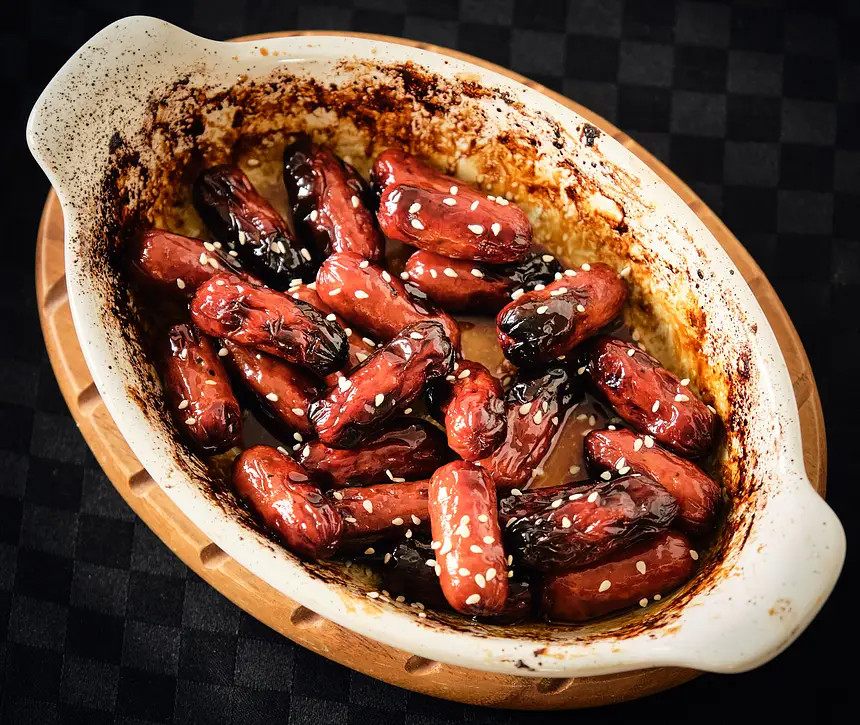
Kick those Little Smokies up a notch with an Asian-inspired Honey-Sesame glaze. Oven-roasting brings it together for sweet-salty cocktail sausage bites that your holiday guests will love.
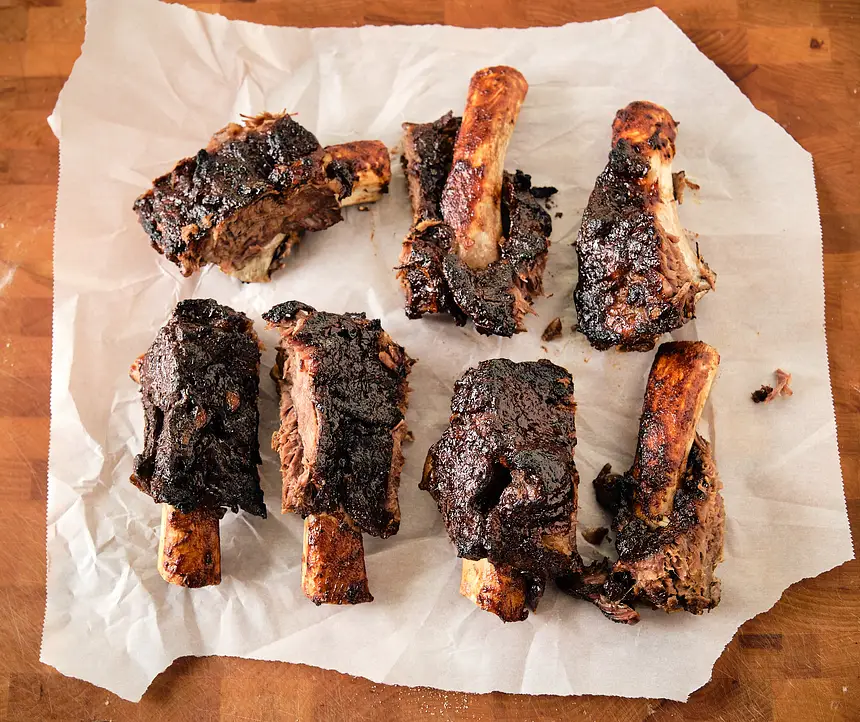
Take your beef ribs to the next level with this web marinade that imparts incredible flavor deep into meaty beef ribs. Whether you're grilling, smoking, or using an Instant Pot for tender fall-off-the-bone beef ribs, marinate to start things off right.
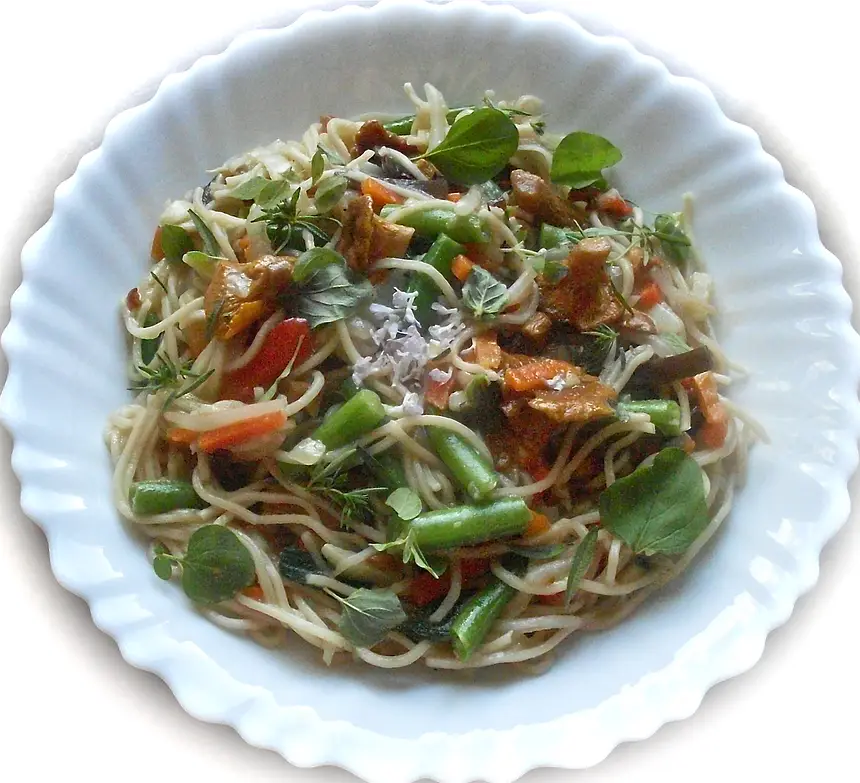
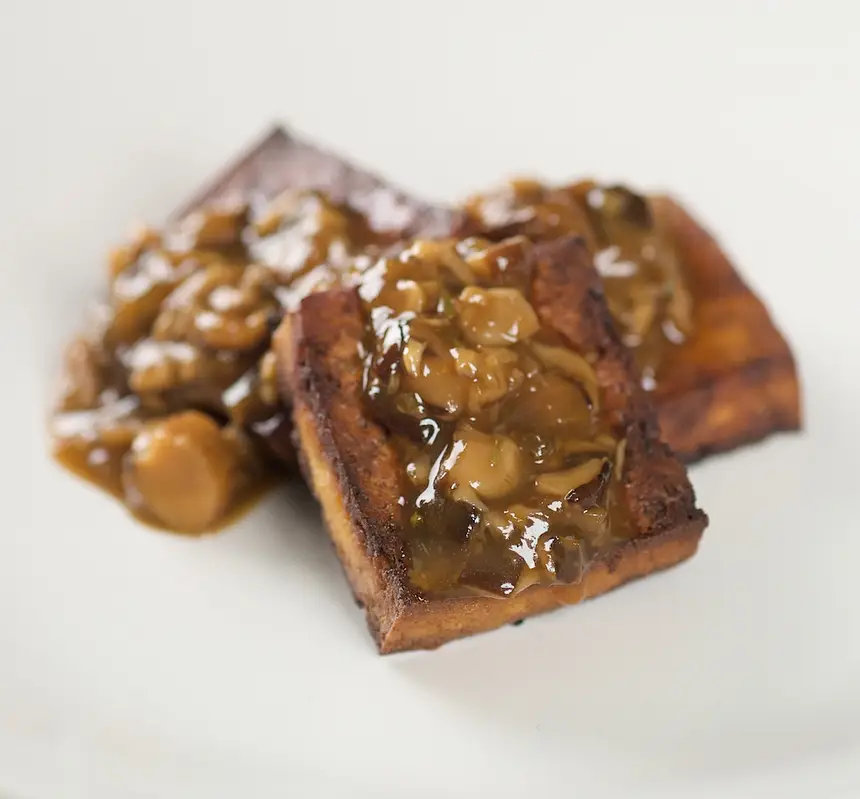
Vegan. I always wondered how would chanterelles taste with typical ingredients of Chinese cuisine. Now I know. Of course I wouldn't be myself if I didn't make it my way.
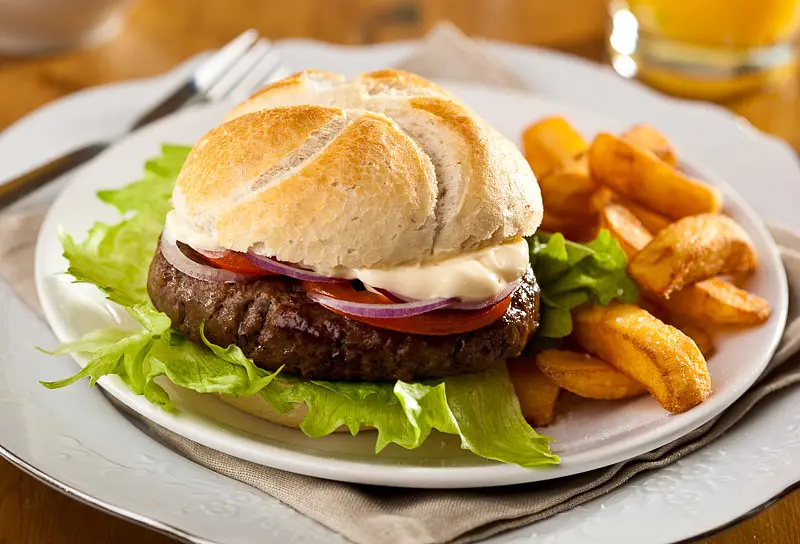
Asian-inspired pork burgers with soy sauce, dry sherry, and fresh ginger root. Grilled hot for juicy, savory patties that beat plain beef burgers any night.
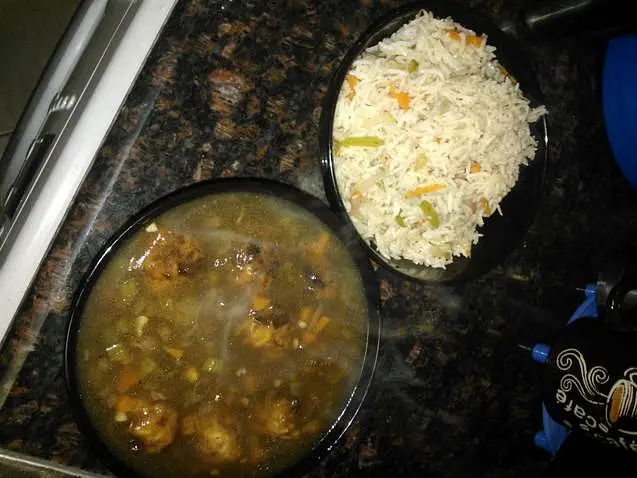
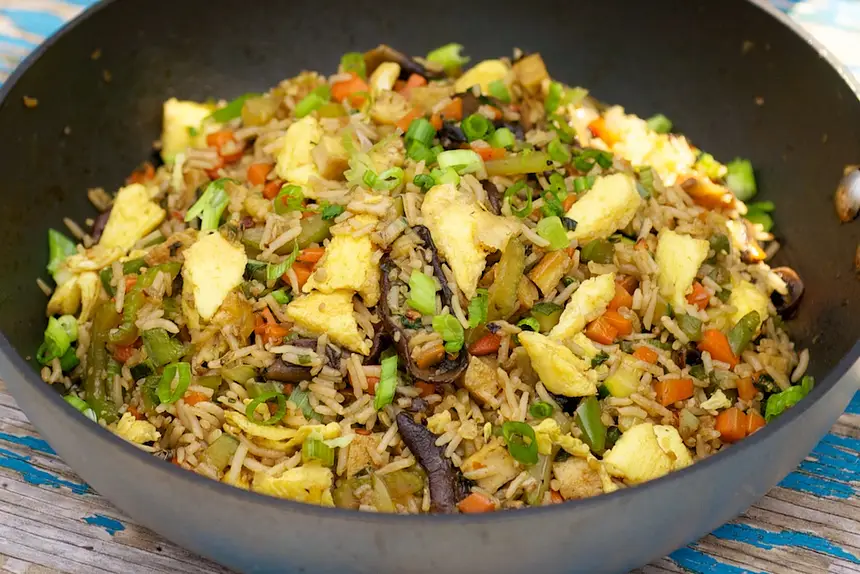
Vegetable Manchurian was a great combo with Egg Fried Rice.We normally make Cauliflower Manchurian as a side dish for Fried Rice.This dish ends up being a clean up dish as you can add all your veggies that you might have left overs and tastes great.
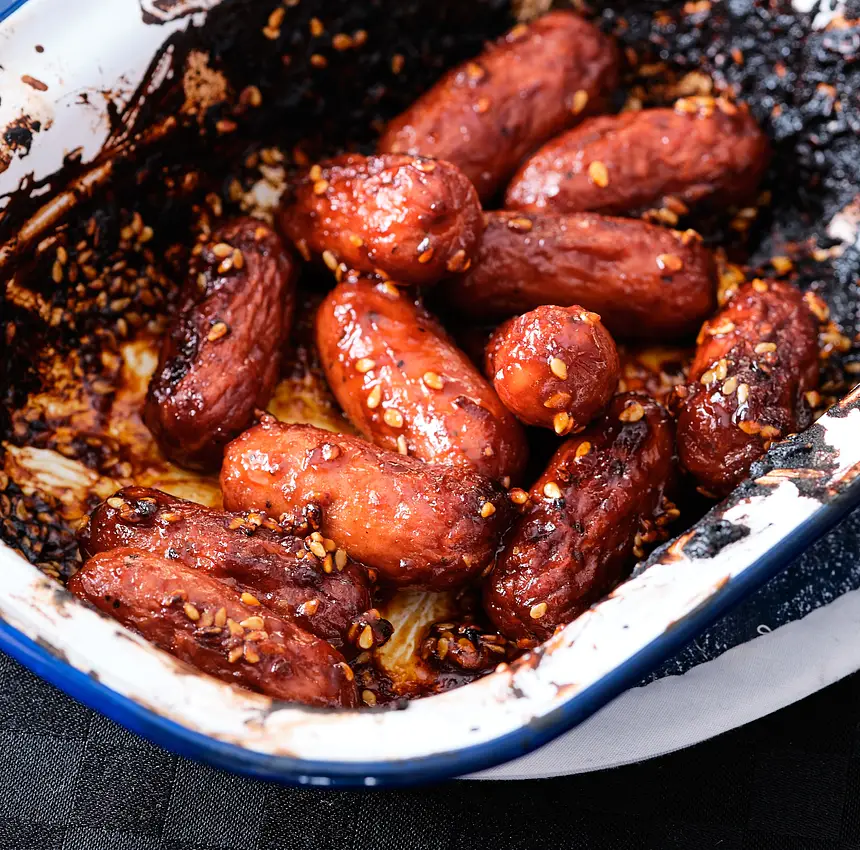
These Korean sticky cocktail sausages are a delicious and easy-to-make appetizer that combines sweet and gently spicy flavors with the salty taste of sausages.
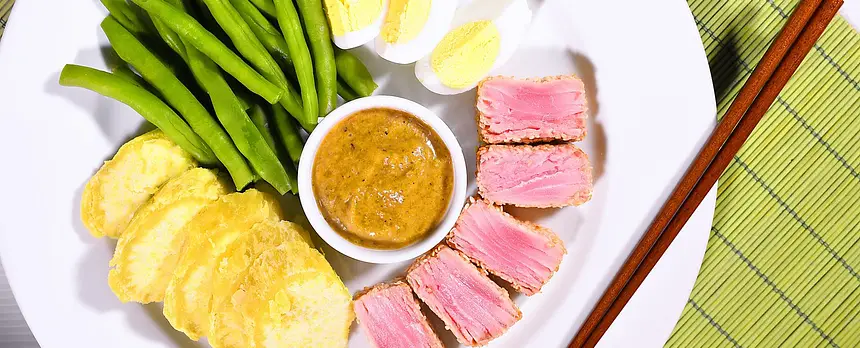
This Nicoise Salad is a beautiful play off its French counterpart. It keeps the traditional string beans, potatoes, boiled eggs and tuna, but it adds an Asian inspired dressing that elevates this salad to the next level. By changing the usual white potatoes to sweet potatoes, it becomes a healthier version of the recipe. Sweet potatoes provide more vitamins and minerals than regular potatoes and they have fewer calories. Add in the Omega-3 benefits in the tuna, the protein of the eggs, and fibre-packed beans, and you have got a power packed lunch that tastes like a million dollars. This recipe will certainly be singing to your taste buds tuna.
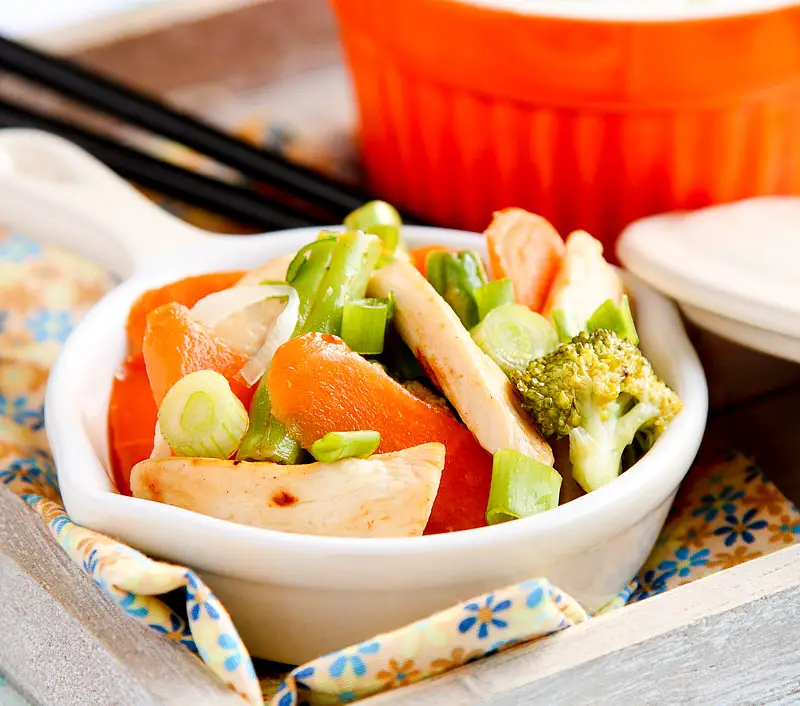
Quick Chinese chicken stir-fry with broccoli, carrots, and celery in a savory soy-ginger sauce. Marinate 30 minutes, cook in 10 for a weeknight dinner that beats takeout.
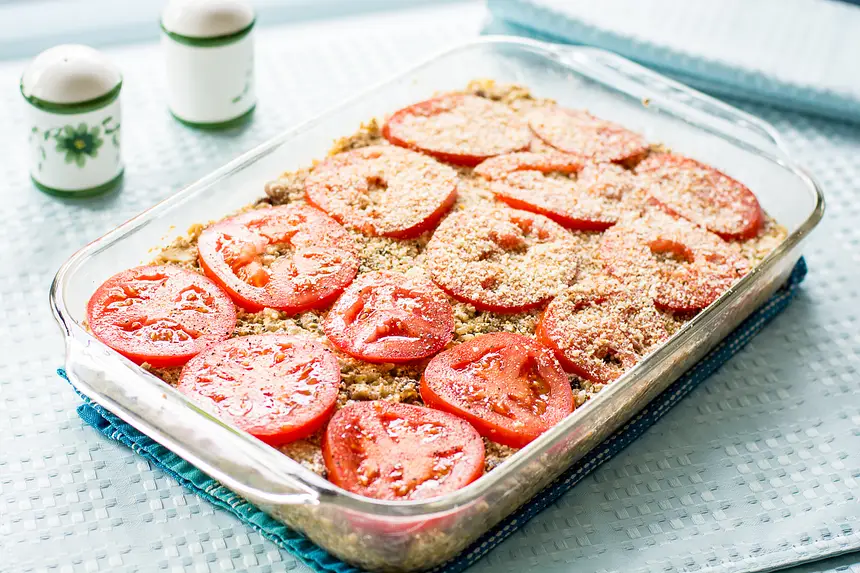
Packed with healthy whole-grain and cheesy goodness. 3 cheeses, feta, cottage and parmesan cheese plus beans and brown rice. This hearty casserole is tastes great and is loaded with nutritious healthful ingredients.
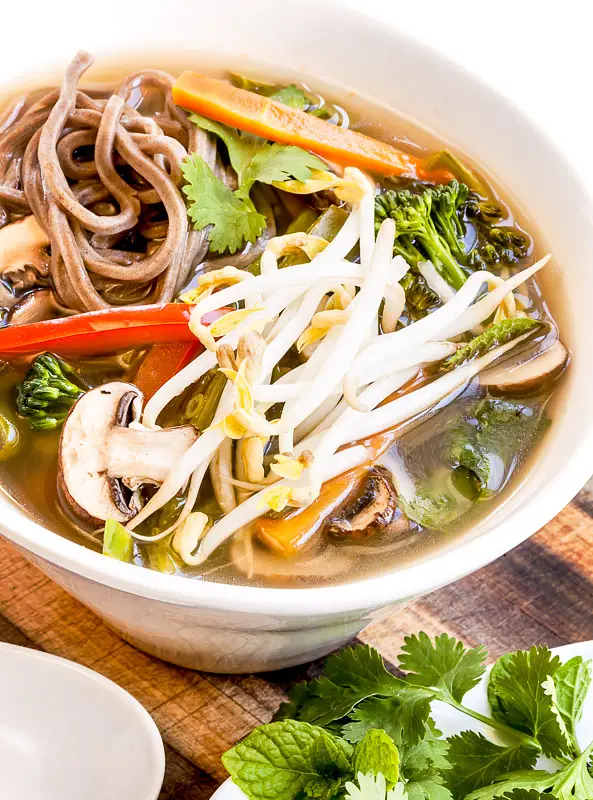
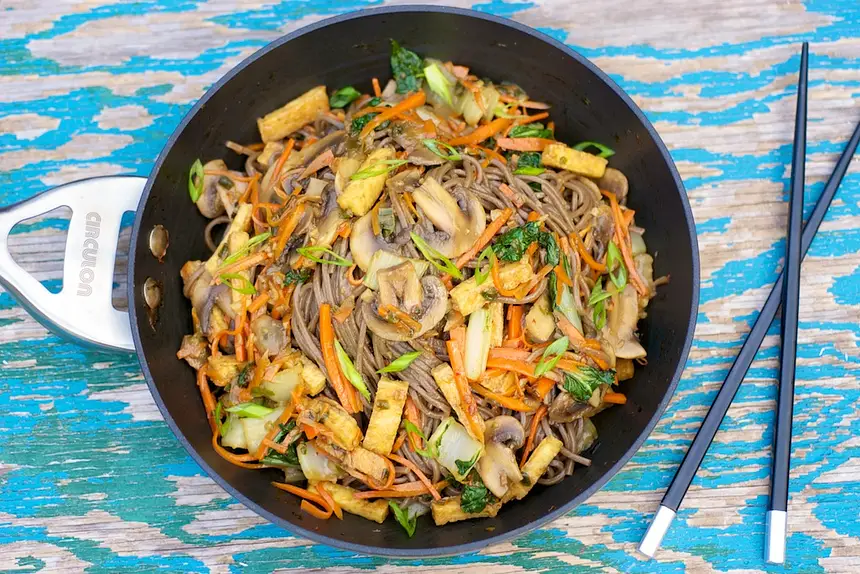
Hot and sour mushroom soup with sliced mushrooms, bamboo shoots, rice vinegar, and white pepper, ladled over Japanese soba noodles. A 30-minute lighter take on the Chinese takeout classic.
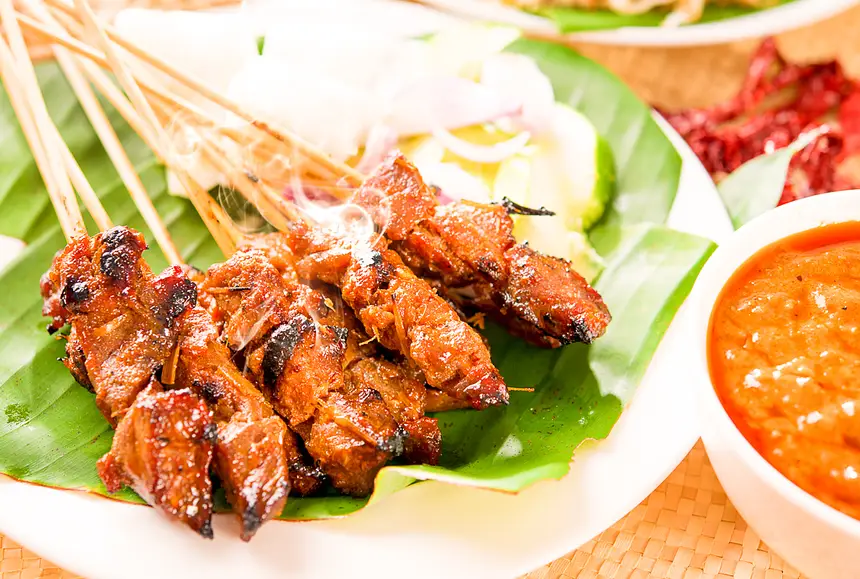
Satay peanut chicken skewers marinated in peanut butter, soy, lemon, garlic, ginger, and red pepper, then grilled and served with the reserved sauce for dipping. A Southeast Asian classic with a kick.
This is undoubtedly an innovative low calorie snack! flour wrappers are filled with a healthy filling of Soyabean and cabbage, and steamed to make an appetizing snack. Follow the exact procedure and make the world's best momos!
Indian-style lemon rice and pea chapati wraps with brown rice, mustard seeds, cumin, turmeric, and a bright lemon-tamari finish. Vegan, ready in 25 minutes when rice is pre-cooked.
This is a Chinese-style soup popular in Indian Chinese cuisine due to its ease of preparation and hot spicy taste. The soup uses a spicies that adds lot of flavor to the soup.
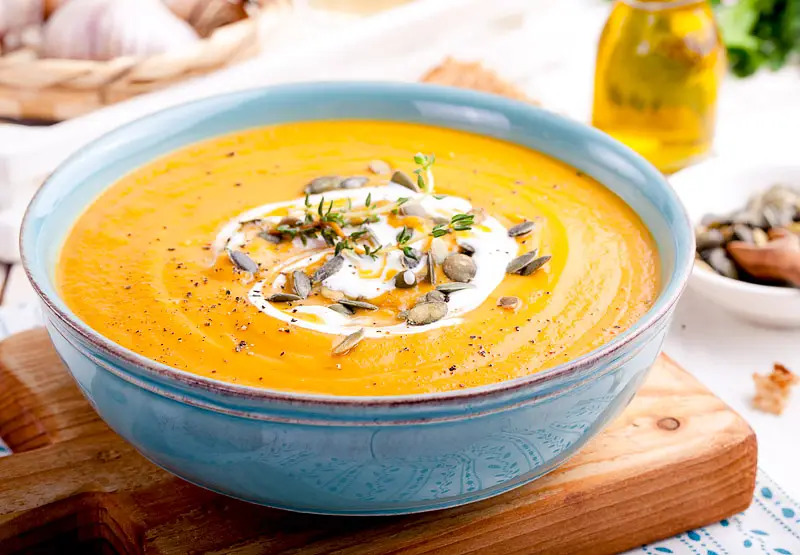
Harvest time pumpkin soup: creamy pureed pumpkin, potato, and carrot enriched with butter and a savory splash of soy sauce, finished with sour cream and chives. A velvety vegetarian autumn bowl.
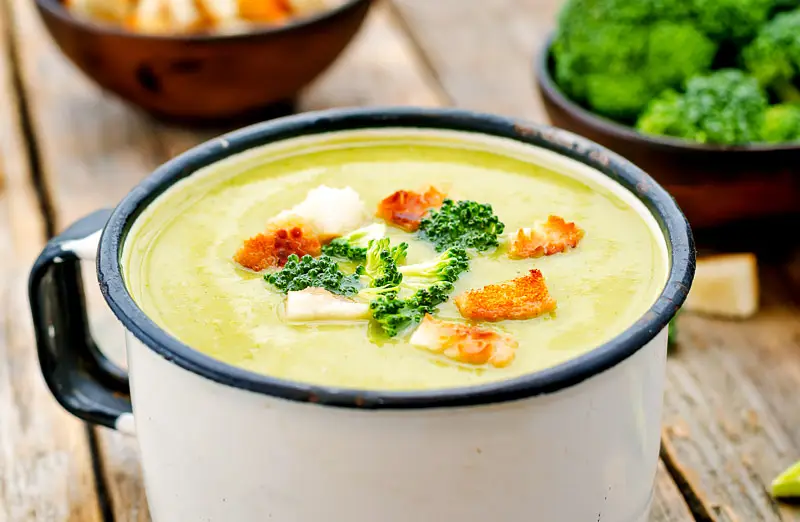
Cheesy cream of broccoli soup loaded with sharp cheddar, Swiss, and a swirl of sour cream. Blended cashews add silky body to this vegetarian, can-be-gluten-free comfort bowl.
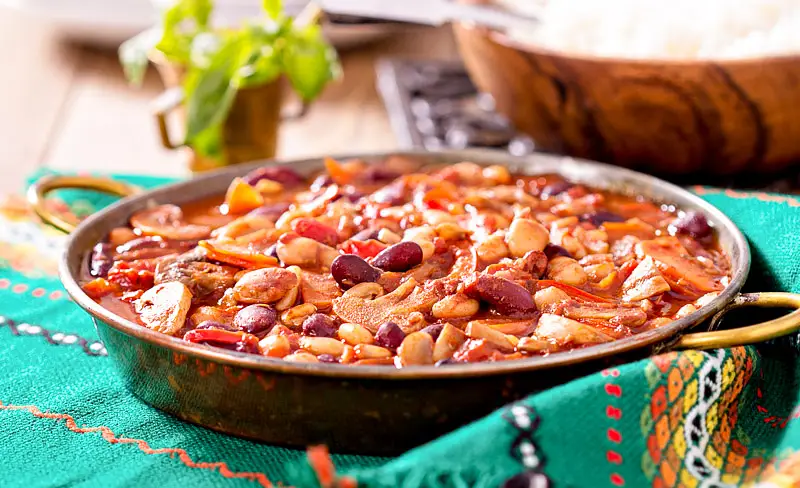
Vegan chili made hearty with marinated tempeh, kidney beans, mushrooms, and a long simmer in tomato and vegetable stock. Deep, savory, slow-cooked Meatless Monday meal.
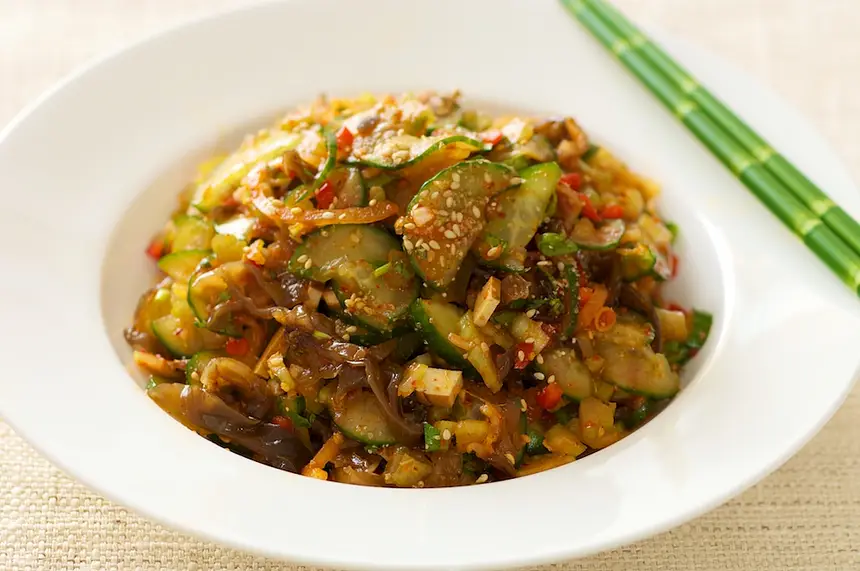
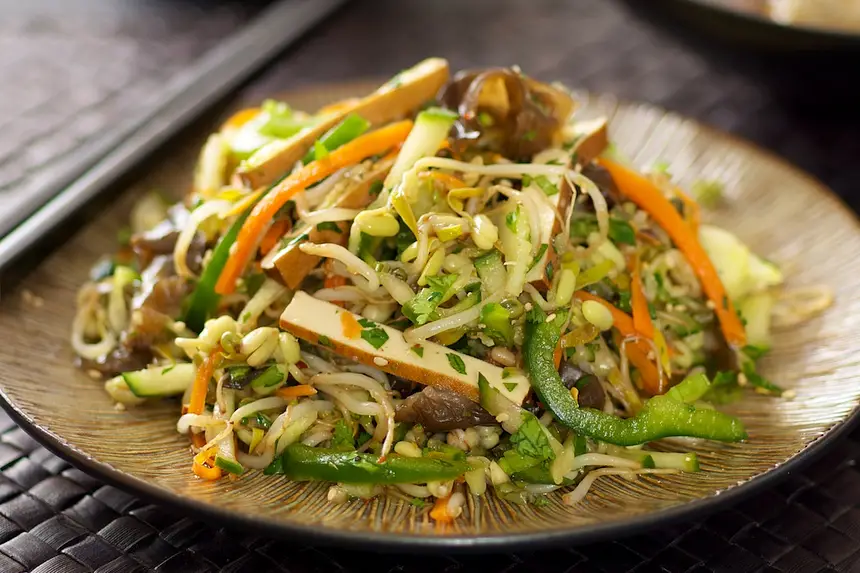
Sweet, sour and slightly spicy. Cucumber, sweet bell pepper, carrots, wood ears and smoked tofu are tossed with rice vinegar, maple syrup, sesame oil, soy sauce and Korean chili pepper. A very tasty side dish that goes well with all your favorite Korean dishes or most of the main courses.
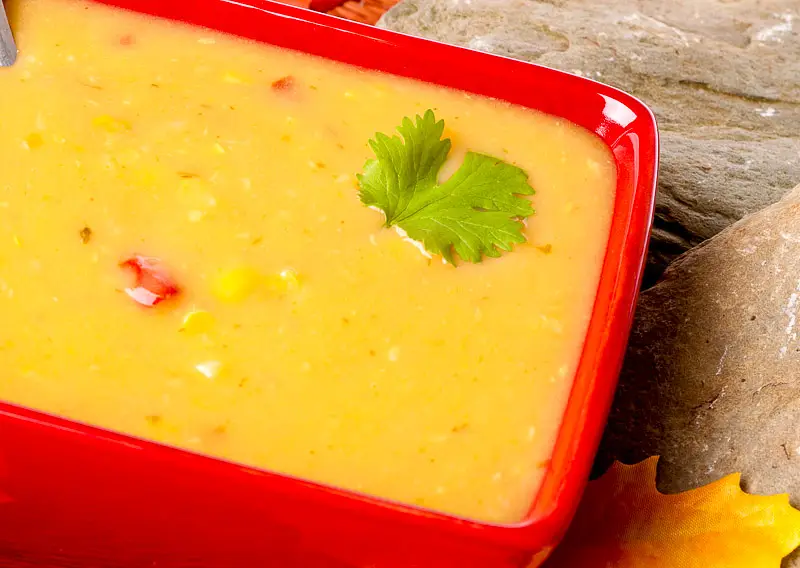
Creamy corn and bell pepper chowder: a low-fat skim-milk chowder with sweet corn, red bell peppers, scallions, and shallots. Pureed corn gives it body without heavy cream.
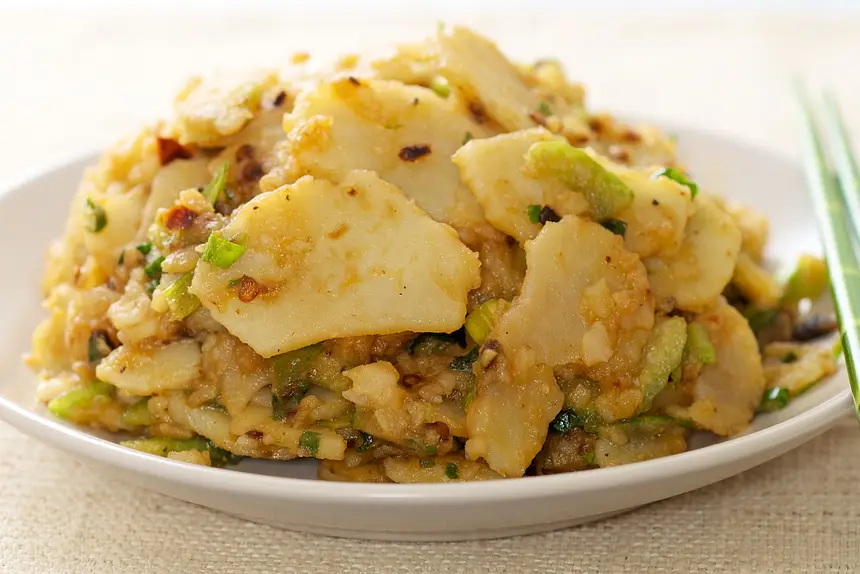
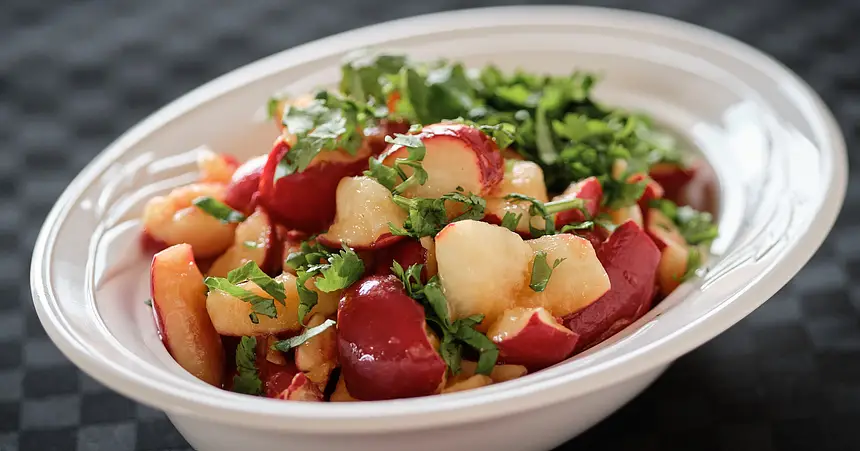
In China, there are literally thousands of methods to cook potatoes. This sweet and sour potato salad is quick and easy to put together, and it tastes delicious. It can be made one day ahead, served chilled, at room temperature or warm.
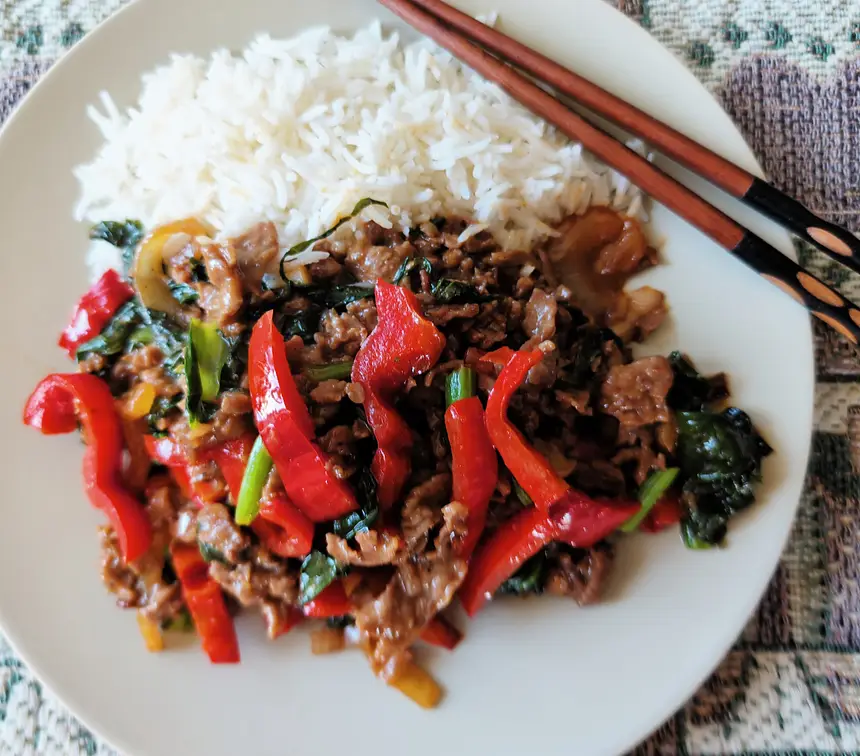
Japanese-style beef stir-fry with thinly sliced flank steak, snow peas, red pepper, escarole, and fresh ginger in a soy-brown sugar glaze. A fast, colorful skillet dinner.
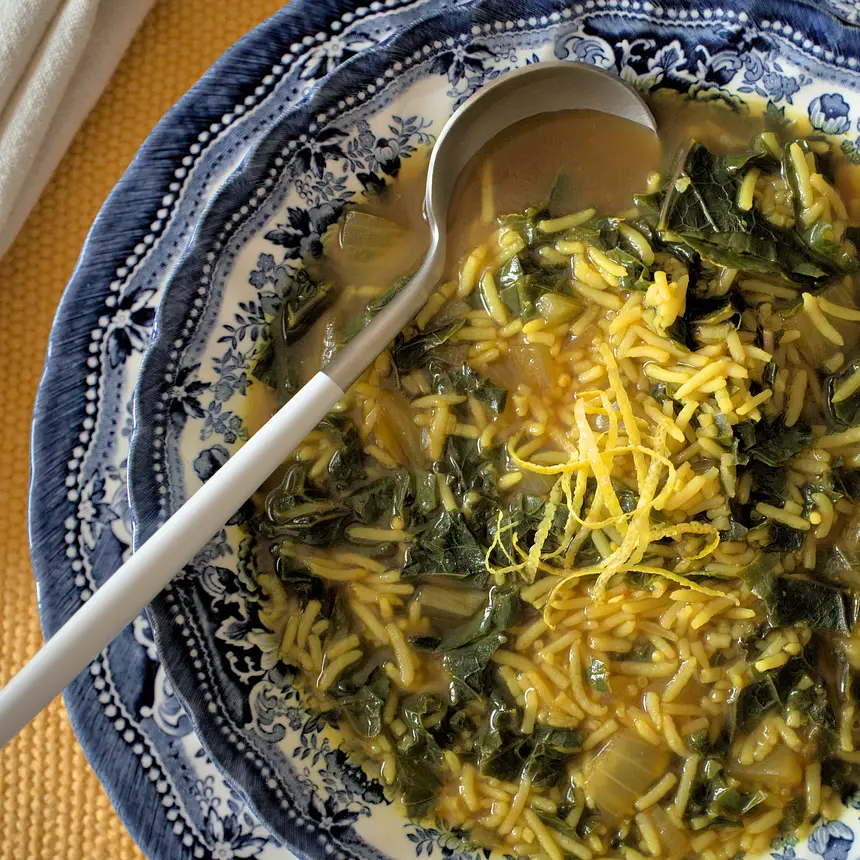
A vibrant, healthy lemon rice soup with kale and aromatic spices, ready in under 20 minutes. Perfect for a light, flavorful meal. Vegan, low-fat, and packed with nutrients.
Asian-style baked noodle casserole layered with stir-fried vegetables, creamy white sauce, and a golden breadcrumb crust. A fusion comfort dish that transforms simple ingredients into something special.
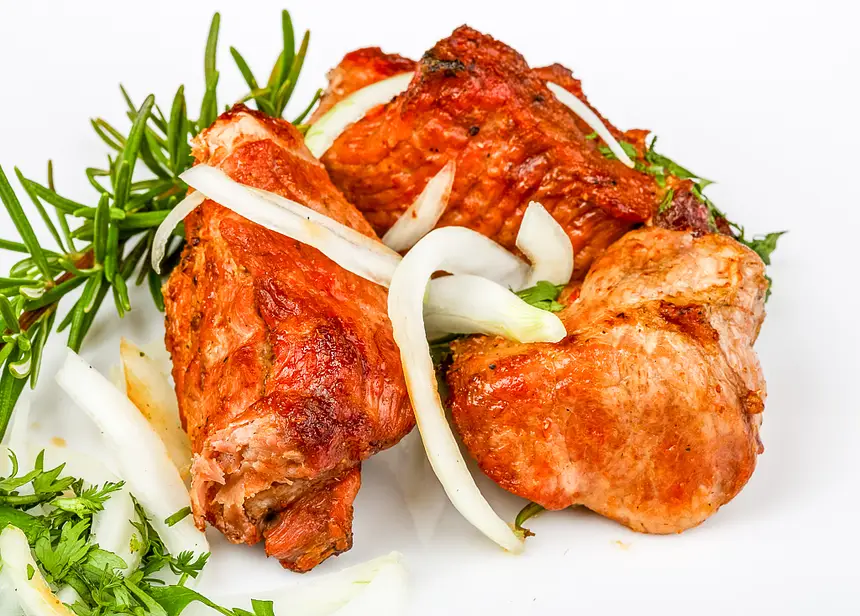
Grilled pork chops marinated in soy sauce, lemon juice, chili sauce, and brown sugar. A sweet-savory-spicy glaze that caramelizes beautifully on the grill.
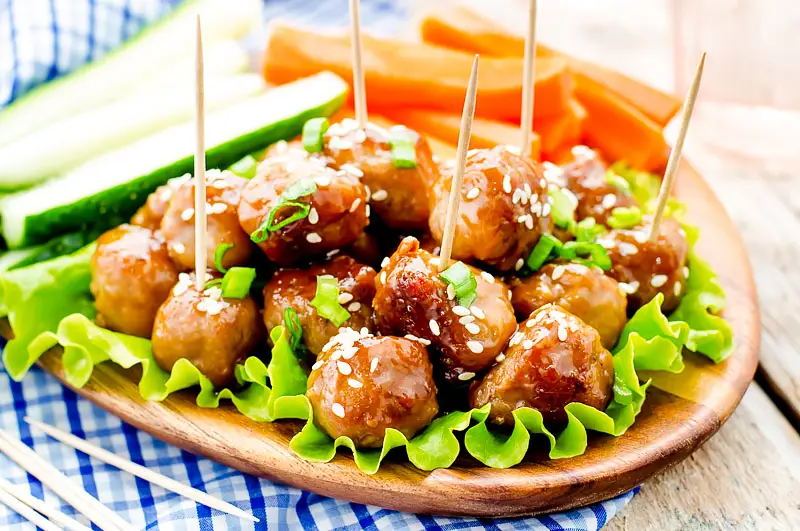
Ginger-spiked pork meatballs browned until golden, then simmered in curried coconut milk sauce and served on crisp lettuce with fresh basil and lemon zest. A Thai twist on the Chinese classic.
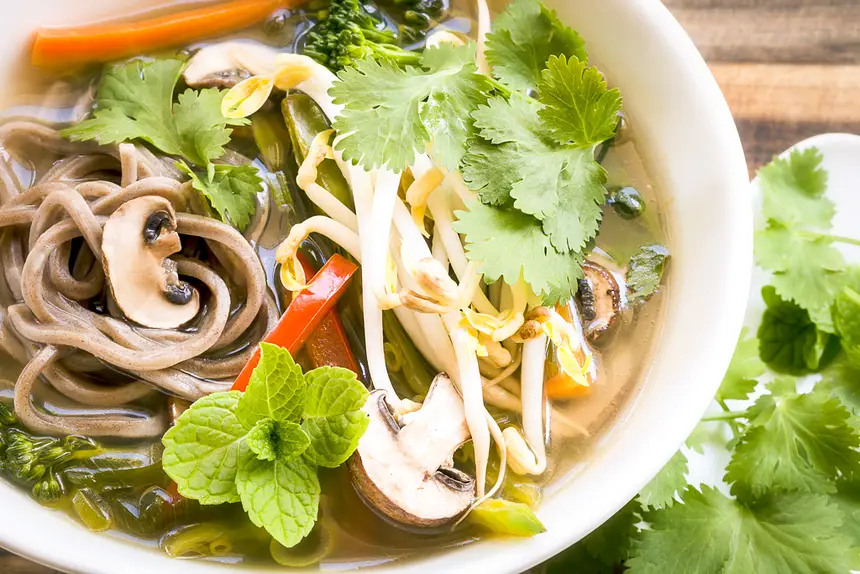
Japanese soba noodles in ginger-miso chicken broth with shiitake mushrooms, gai lan, and fresh cilantro. Restaurant-quality slurpable noodle soup ready in 40 minutes at home.
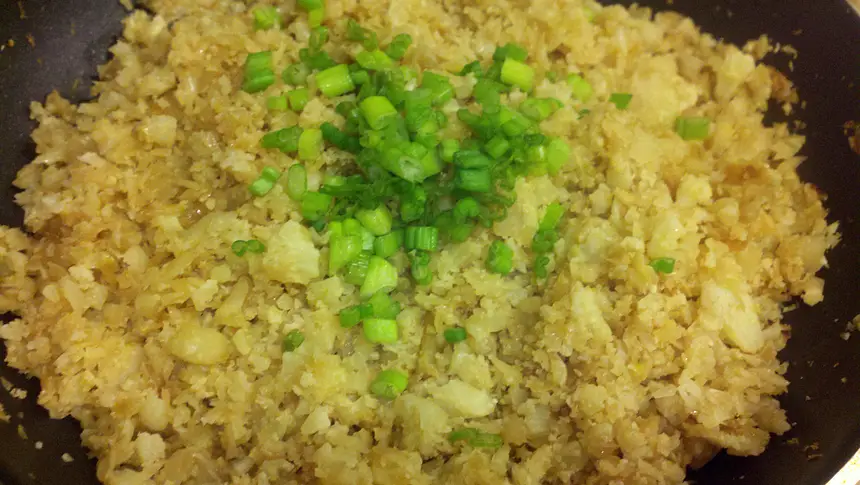
Cauliflower fried rice: riced cauliflower stir-fried with garlic, ginger, and onion, then seasoned with tamari. A quick, low-carb, paleo-friendly stand-in for takeout fried rice.
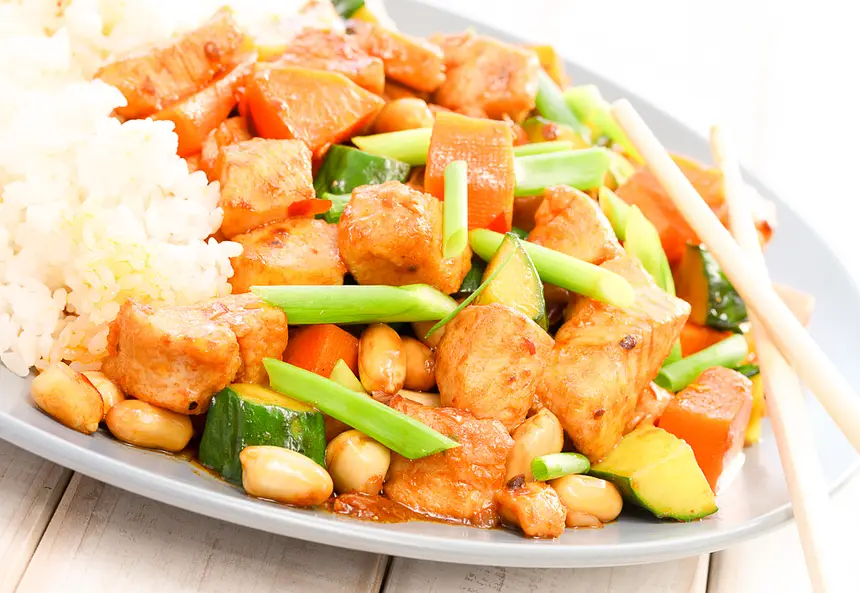
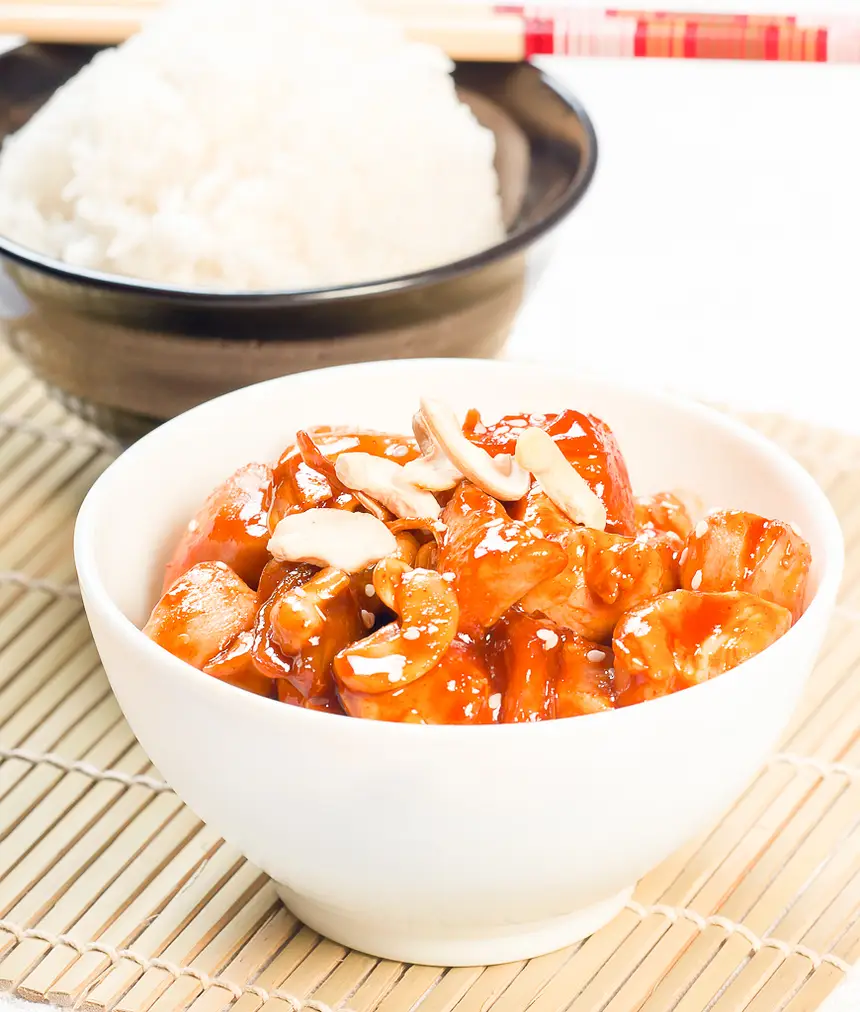
Traditional Chinese Recipe. You can cook this kung pao chicken in many ways, it depends on your own flavour, this sweet juistice should be loved by kids and women!
Solo stir-fry for one with marinated chicken, beef, or pork tossed with broccoli and celery in a quick ginger-garlic sauce. Single-serving Chinese-style dinner ready in 30 minutes.
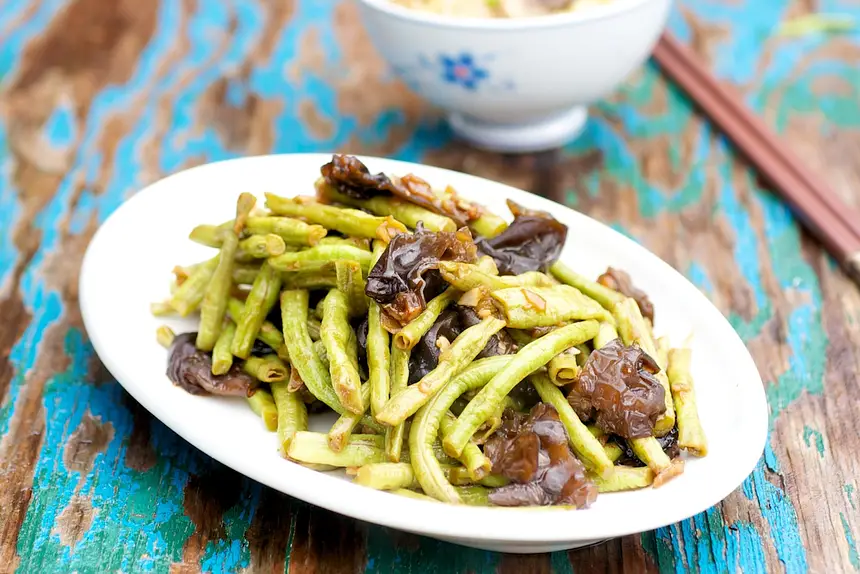
Chinese longbeans stir-fried with cloud ear fungus, silk squash, shallots, and ginger in an oyster sauce and rice wine glaze. Swap in green beans and zucchini if you can't find the Asian varieties.
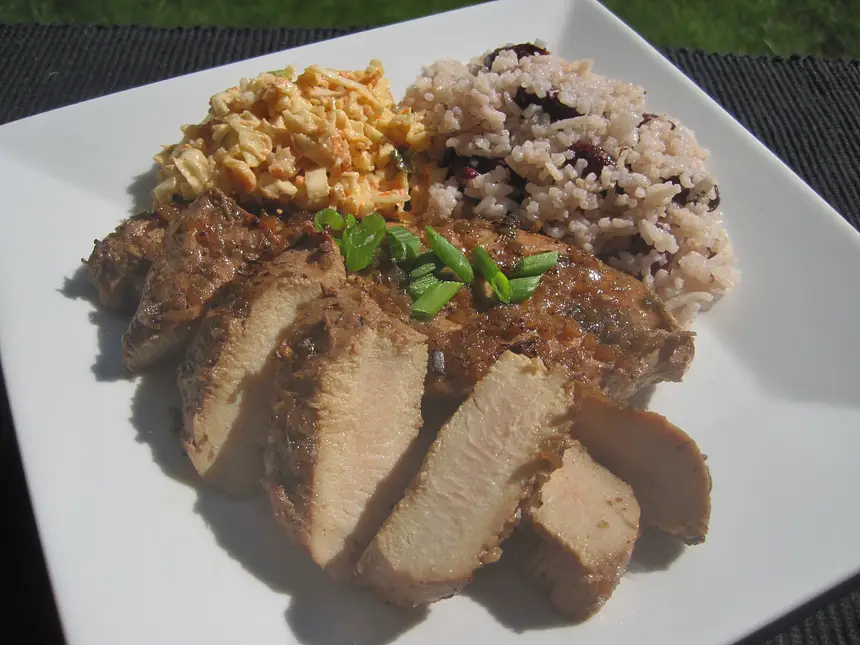
Jamaican jerk marinade with allspice, scotch bonnet chili, thyme, and scallions. Authentic Caribbean heat and warm spice for chicken, pork, or seafood. Mix and marinate.
Authentic Chinese side dish that combines the peppery flavor of radishes with a savory, slightly tangy with a hint of sweet soy dressing. The radishes are gleefully smashed allowing them to soak up the flavors of the dressing.
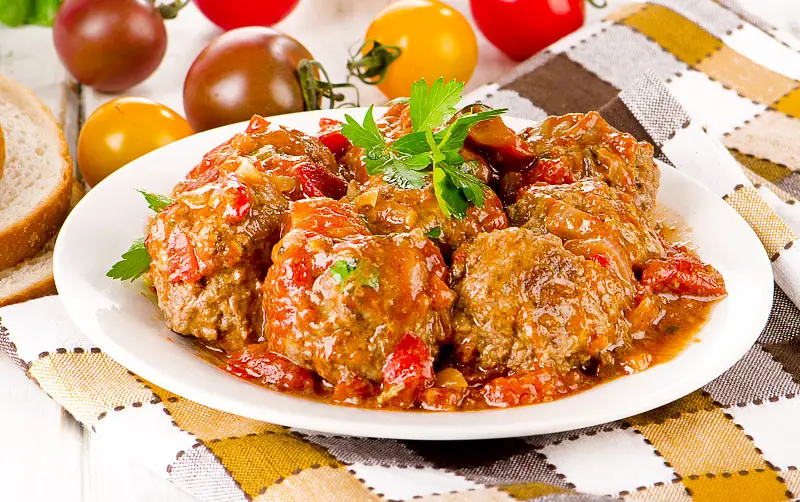
Cranberry cocktail meatballs: ground beef bound with cornflake crumbs, briefly baked, then simmered in a sweet-tart cranberry-chili sauce. The classic holiday party appetizer.
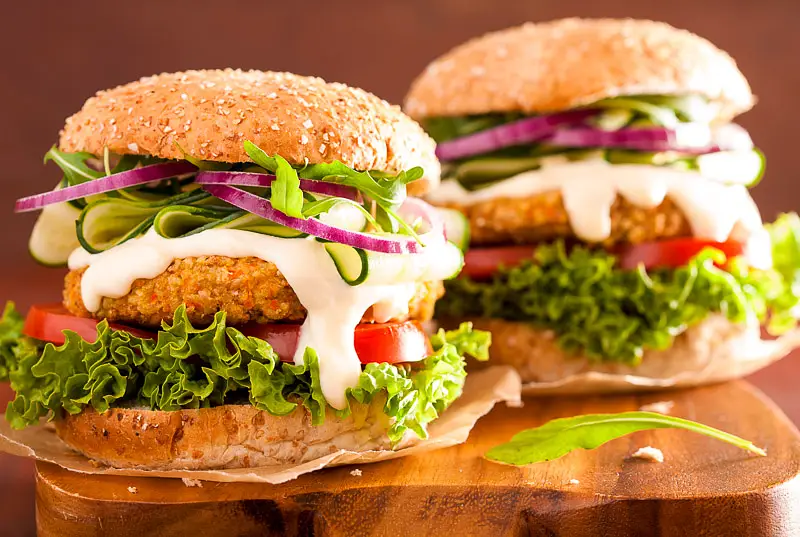
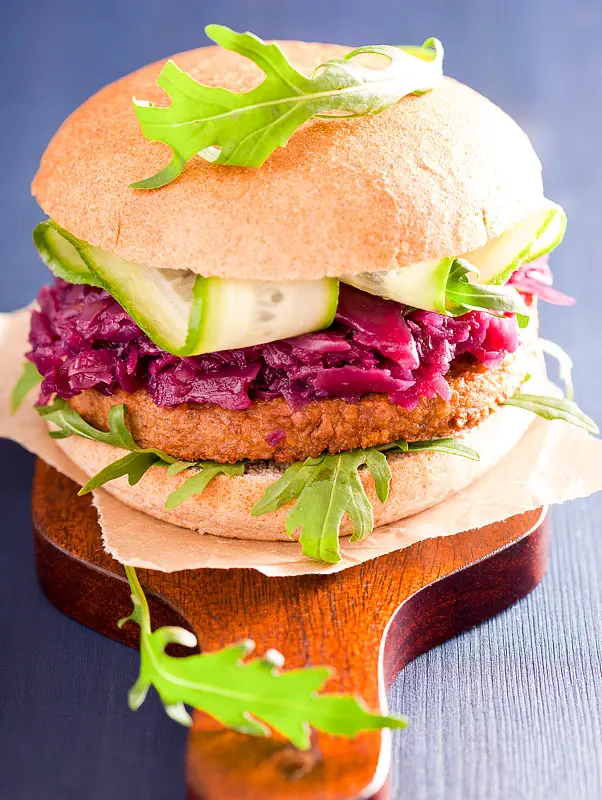
Veggie oat burgers loaded with grated carrot, broccoli, cabbage, green beans, mushrooms, and onion held together with rolled oats, soy sauce, and a touch of flour. Pan-browned then oven-baked for a hearty meatless patty.
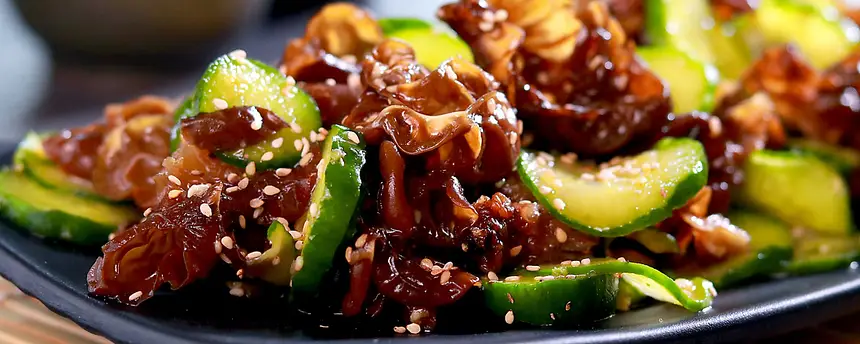
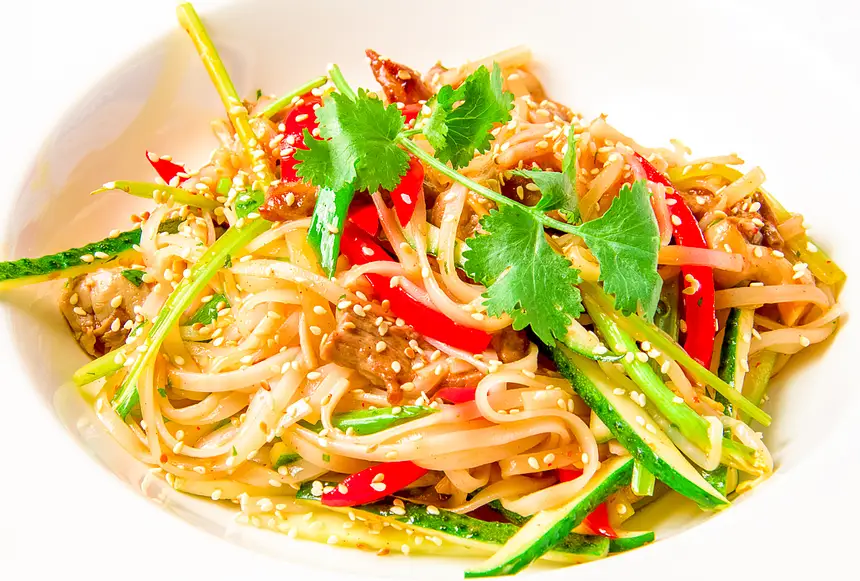
Nutritionally boost your day with this chilled cucumber and wood ear mushroom salad, it’s an effective way of getting flavour and nutrients rolled up into one meal. Eating cucumber, a chilled one especially, not only thaw any encumbrances in the digestive tract, but also goes flavourfully on the tongue. Wood ear mushroom, commonly sold in Asian markets, is a dear ingredient-mate of the cucumber in the cooking of this tantalizing salad.
If you’re struggling to find wood ear mushrooms then Oyster mushrooms would be an excellent replacement. Furthermore if you don’t have access to Japanese cucumber, then the ordinary type of cucumber would be perfectly fitting too. Also if you’re buying them fresh, then instead of boiling, blanch them by dropping the oyster mushrooms into boiling water for 30 seconds to a minute at the most, then submerge them in an ice bath to stop the cooking process.
The glossy look of this salad is not only pleasing on the eye, but contributes perfectly to a balanced diet. Wood ear is known for its ability to reduce cholesterol in the body, aid blood circulation, and improve melanin and keratin efficiency too. Cucumber will not be left behind as it can also help in weight loss, hydration, is good for eyesight, among other benefits. And if you take a look at the other ingredients, sesame seed, ginger, lime etc. you should definitely add this to your recipe book!
Let us get into its preparation without further ado. Shall we….
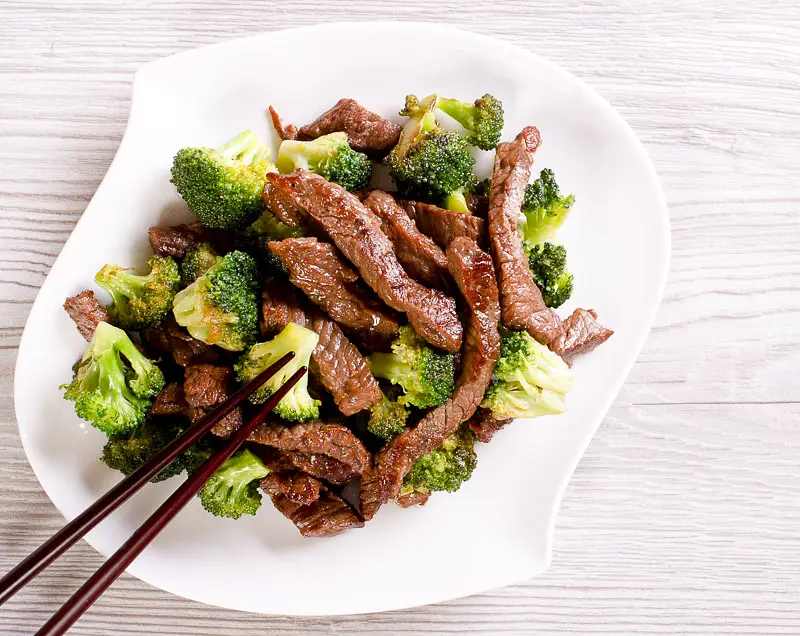
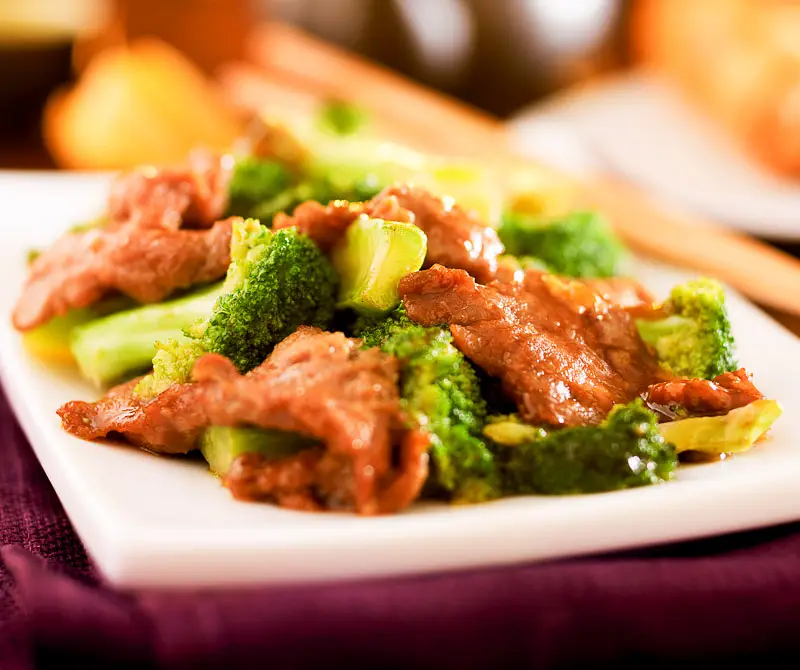
The secret to this recipe is cooking the beef in 1 cup of oil to seal in the juices, and cooking the broccoli in water to make it crisp and tender. For a more authentic touch, try using Chinese broccoli, which has an appearance and taste similar to asparagus.
Classic beef and broccoli stir fry with soy-ginger marinated round steak in a glossy cornstarch-thickened sauce. Takeout favorite, made cleaner at home.
Kung pao chicken with overnight egg-white-and-cornstarch velvet marinade for restaurant-tender meat. Stir-fried with ginger, scallions, and peanuts in a soy-sherry-vinegar-sesame sauce. The Sichuan classic, made at home.
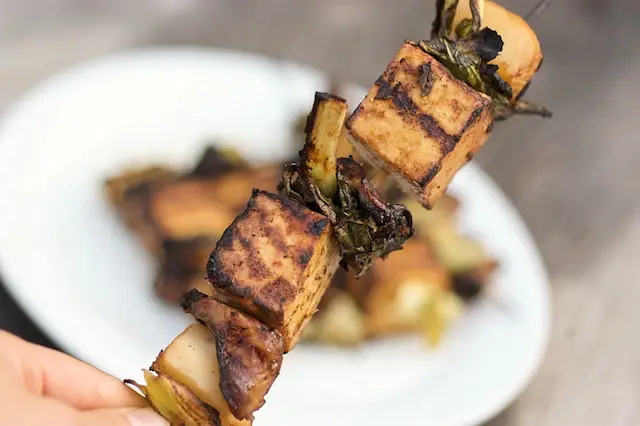
Marinated tofu, mushrooms and vegetables are packed with Asian flavors, grilling adds extra smokiness. Not only your vegetarian family or friends love these tasty skewers, but also the meat-lovers. Using the firmest tofu will make a big difference on both texture and flavor!
Lentil and potato veggie burgers bound with cornmeal and brightened with mustard, soy sauce and vegetable juice. Plant-based, freezer-friendly patties that hold their shape on the grill or in the oven.
Curried beef stir-fry with soy-marinated sirloin, crisp cucumber, peppers, and celery in a glossy curry-spiked sauce. The unexpected addition of cucumber keeps the dish bright and crunchy. Ready in under 20 minutes.
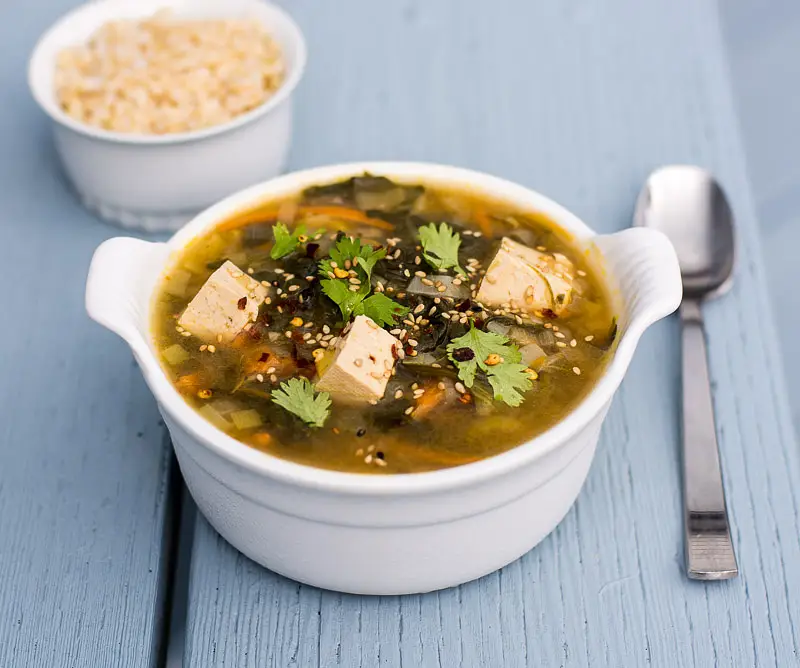
Very good! The recipe was fairly easy to make. I used miso paste and a very flavourful vegetable stock base, which gave the soup a great depth of flavour. Served soup with brown rice, and it was delicious yet filling and packed with goodness.
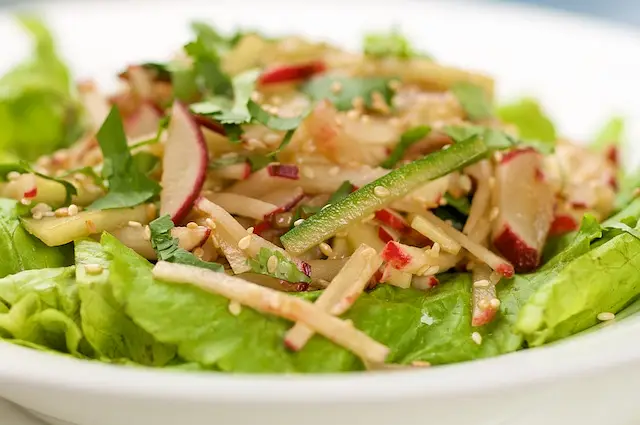
A crisp, crunchy Asian-style salad with julienned radishes, cucumber, toasted sesame seeds, and a tangy soy-ginger dressing. Light, refreshing, and ready in under 30 minutes. A low-calorie side dish that packs serious flavor.