Tomatoes rewards a little know-how: how to choose them, cook them, store them, and substitute in a pinch. Browse 4,163 recipes to cook with them.
Key Points
Tomatoes are botanically a fruit, always treated as a vegetable in cooking.
Use them raw when ripe and in season. Never refrigerate.
Cook them to deepen flavor: roast, simmer, or blend into sauce.
Pair with basil, garlic, cheese, and olive oil for classic combinations.
Buy in-season at farmers' markets for best flavor; avoid plastic clamshells.
What are tomatoes?
Botanically, it is a berry. It belongs to the nightshade family, alongside potatoes, eggplant, and peppers.
Spanish explorers brought it to Europe in the sixteenth century. For two hundred years, people feared it was poisonous. Cooking tomatoes in oil and acid made them safe and delicious. Today, it is the backbone of countless cuisines: from Italian marinara to Indian dal, Mexican salsa to Chinese stir-fry.
There are over ten thousand named varieties. Some are small and sweet, like cherry tomatoes. Others are large and meaty, perfect for slicing. Some are deep red, others yellow, green, or purple. Each has a distinct flavor and texture.
It is not a single ingredient. It is a category of flavor and texture.
It can be raw, roasted, stewed, dried, or concentrated into paste. It adds acidity, sweetness, and body to nearly any dish.
How to Use It
Use tomatoes raw when ripe and in season. Slice them thickly for a simple salad with olive oil, salt, and basil. Avoid refrigerating them. Cold kills flavor.
Cook tomatoes to deepen flavor: roast, simmer, blend, or grill. They release acid and pectin when heated, helping bind sauces and thicken stews. Add them early to soften, late for brightness.
Remove skin and seeds for smoother sauces.
Use tomato paste to add concentrated flavor. Stir it into oil and cook for a minute to remove raw taste and deepen color.
Cooking & Pairing
Tomatoes are the base for countless sauces: marinara, salsa, ketchup, chutney, gazpacho.
They are an ideal counterpoint to rich meats and cheeses.
Tomatoes pair with everything that needs acidity and body. They cut through fat and balance sweetness, lifting heavy flavors. They are the classic partner for basil, garlic, olive oil, and cheese.
In Italian cooking, they form the base of pasta sauces. Marinara, ragù, and arrabbiata all rely on tomatoes. The acidity cuts through the richness of meat and cheese. Add fresh basil at the end for brightness.
In Mexican cuisine, tomatoes are the heart of salsa. Roasted tomatoes add depth to salsas. Fresh tomatoes give crunch. Combine with onions, cilantro, lime, and chilies for a vibrant topping.
They are essential in Indian curries. Tomatoes add tang and body to dals and vegetable stews. Cook them down until they melt into the sauce. This creates a rich, unctuous base.
They pair beautifully with cheese. Mozzarella, feta, ricotta, and Parmesan all complement tomatoes.
They work with grains in rice pilafs, couscous, and farro. They brighten grain bowls and salads.
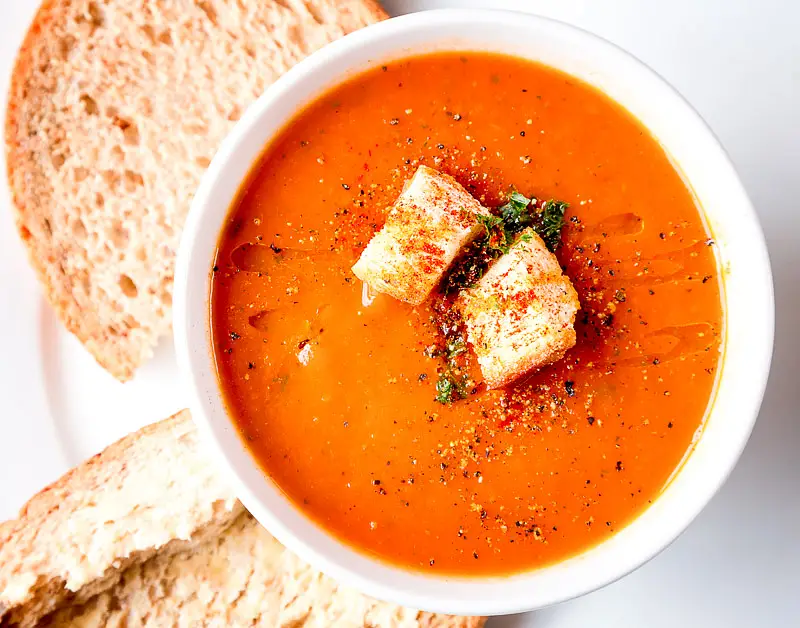
Use them in breakfast dishes: tomato jam on toast, tomato soup with grilled cheese, or eggs with salsa.
Substitutes
If you need tomato flavor but don't have fresh tomatoes, use canned crushed tomatoes or tomato puree. They are cooked and concentrated, so they have deeper flavor. Use them in equal amounts.
Tomato paste is more concentrated. Use one tablespoon for every cup of fresh tomatoes. Cook it in oil first to remove the raw taste.
Sun-dried tomatoes are intensely flavored. Rehydrate them in warm water before using. They work well in pasta, salads, and sandwiches. Use them sparingly. They are potent.
Roasted red peppers or red bell peppers can substitute in salsas and sauces. They are sweet and juicy but lack acidity. Add vinegar or lemon juice to balance.
Pumpkin or butternut squash puree can substitute in soups and stews. They add body and color but lack acidity. Add tomato paste or vinegar to balance.
Tomato sauce or passata are ready-made options. Use them as a direct substitute for fresh tomatoes in sauces.
Avoid ketchup. It is sweetened and spiced, and changes the flavor too much.
In a pinch, reduce tomato juice on the stove to concentrate flavor.
Buy tomatoes when they are in season. In summer, they are sweet, juicy, and fragrant. Look for deep color: red, yellow, or purple. The skin should be smooth and taut. Avoid tomatoes with wrinkles, soft spots, or bruises.
Smell the stem end. A ripe tomato has a sweet, earthy aroma. If it smells like nothing, it won't taste like much.
Choose firm tomatoes if you need to store them for a few days. They will ripen on the counter. Never refrigerate unripe tomatoes. Cold stops the ripening process.
Store ripe tomatoes at room temperature, away from direct sunlight. Keep them stem-side down to prevent moisture loss. Use within three to five days.
For longer storage, freeze whole tomatoes. Blanch them first to remove the skin. Freeze them on a tray, then transfer to a bag. They will be mushy when thawed, but perfect for sauces.
Canning preserves summer tomatoes. Use a pressure canner. Add lemon juice for safe water bath canning.
Tomato paste comes in tubes or cans. Tubes last longer in the fridge. Canned paste lasts months.
Tomato sauce and passata are sold in jars or cartons. Store unopened in a cool, dark place. Use within a week after opening.
Avoid plastic clamshells. They are often picked green and gassed. They never develop full flavor.
Types of tomatoes
Specific kinds of tomatoes and the recipes that use them.
Tomato sauce is any of a very large number of sauces made primarily from tomatoes, usually to be served as part of a dish (rather than as a condiment).
Tomato sauces are common for meat and vegetables, but they are perhaps best known as sauces for pasta dishes.
Tomatoes have a rich flavour, low liquid content, very soft flesh which breaks down easily, and the right composition to thicken into a sauce when they are cooked.
These qualities make them ideal for simple and appealing sauces.
The simplest tomato sauces consist just of chopped tomato flesh (with the skins and seeds optionally removed), cooked in a little olive oil and simmered until it loses its raw flavour, and seasoned with salt.
Water (or another, more flavourful liquid such as stock or wine) is often added to keep it from drying out too much.
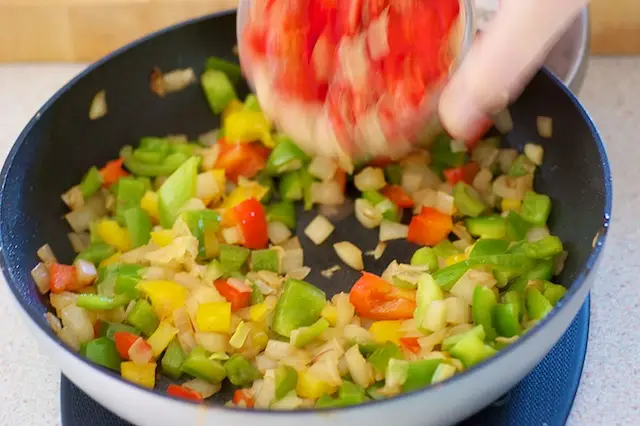
Onion and garlic are almost always sweated or sautéed at the beginning before the tomato is added.
Other seasonings typically include basil, oregano, parsley, and possibly some spicy red pepper or black pepper. Ground or chopped meat is also common.
Tomato paste is a thick paste made by adding sugar to ripened tomatoes with skin and seeds removed. Its most common culinary usage is to enrich the flavor of sauces, particularly tomato sauce. It is most commonly available in tin cans and squeeze tubes.
It was traditionally made in parts of Sicily, Southern Italy and Malta by spreading out a much reduced tomato sauce on wooden boards. The boards are set outdoors under the hot August sun to dry the paste until it is thick enough, when scraped up, to hold together in a richly colored dark ball.
Today this artisan product is harder to find than the industrial (much thinner) version.
Canned tomatoes, or tinned tomatoes, are tomatoes, usually peeled, that are sealed into a can after having been processed by heat.
Plum tomatoes are the most common choice for canning, since they have a greater solid-to-liquid ratio than other tomatoes and make a more substantial canned product. Commercial canners use a processing tomato, which has a more firm outer peel and pectin layer.
In areas and situations where in-season, perfectly ripe tomatoes are not available, canned tomatoes are often used as an alternative to prepare dishes such as tomato sauce or pizza.
The top uses for canned tomatoes are Italian or pasta sauces, chili, soup, pizza, stew, casseroles, and Mexican cuisine. As they are often more flavorful than commercially produced fresh tomatoes, canned tomatoes are not well suited for curries as the flavour overpowers the spices.
Sundried tomatoes are ripe tomatoes that have had nearly all their water removed, leaving chewy, leathery pieces packed with concentrated sweetness and a deep savory punch. Drying turns the tomato's natural sugars and glutamates into something far more intense than the fresh fruit ever tastes.
You will find them two ways on the shelf. Dry-packed versions come loose in a bag and feel firm and slightly brittle. Oil-packed versions sit in a jar of olive oil, already soft and ready to eat, often with garlic or herbs added.
That single difference in packing changes how you cook with them more than anything else about the ingredient.
Cooking With Sundried Tomatoes
Oil-packed tomatoes need no prep. Lift them from the jar, blot off the excess oil, and chop them straight into pasta or scrambled eggs. The oil itself is worth saving for vinaigrettes or for sauteing, since it carries real tomato flavor.
Dry-packed tomatoes are leathery and need rehydrating first. Cover them with hot water or stock and let them sit 20 to 30 minutes until pliable, then drain and chop. Skip this step and they stay tough and chewy in the finished dish.
The common mistake is using too many. Their flavor is concentrated, so a tablespoon or two of chopped pieces seasons a whole pan. Dump in half a jar and the dish turns aggressively sour and salty, drowning everything else.
The second mistake is forgetting the salt already in them, especially oil-packed jars. Taste before you add more salt to the dish.
Substitutes
For a quick swap, sun-dried tomato paste or a spoonful of tomato paste cooked until it darkens both give you that deep, jammy concentration, though without the chew.
Semi-dried or "sunblush" tomatoes are softer and milder, so use a bit more to match the punch. Oven-roasted fresh tomato halves work in cooked dishes where texture matters less. Roasted red peppers bring sweetness and chew but lose the savory bite, so add a splash of balsamic to compensate.
None of these match the intensity exactly, so adjust salt and acid by taste after you swap.
Buying and Storing
Choose dry-packed tomatoes that are still slightly pliable rather than rock hard and cracking, a sign of age. For oil-packed jars, the tomatoes should be fully submerged in clear oil with no cloudiness.
An unopened bag of dry tomatoes keeps in the pantry for up to a year. Once opened, seal it tight and it holds for several months; refrigerate in humid climates to prevent mold.
Opened oil-packed jars must go in the fridge, where they keep for one to two weeks. Always keep the tomatoes covered by oil, since any pieces poking above the surface can spoil. The oil will cloud and thicken when cold, which is normal; it clears again at room temperature.
To make your own, save soft dry pieces by covering them with olive oil and a clove of garlic in a clean jar, then refrigerate.
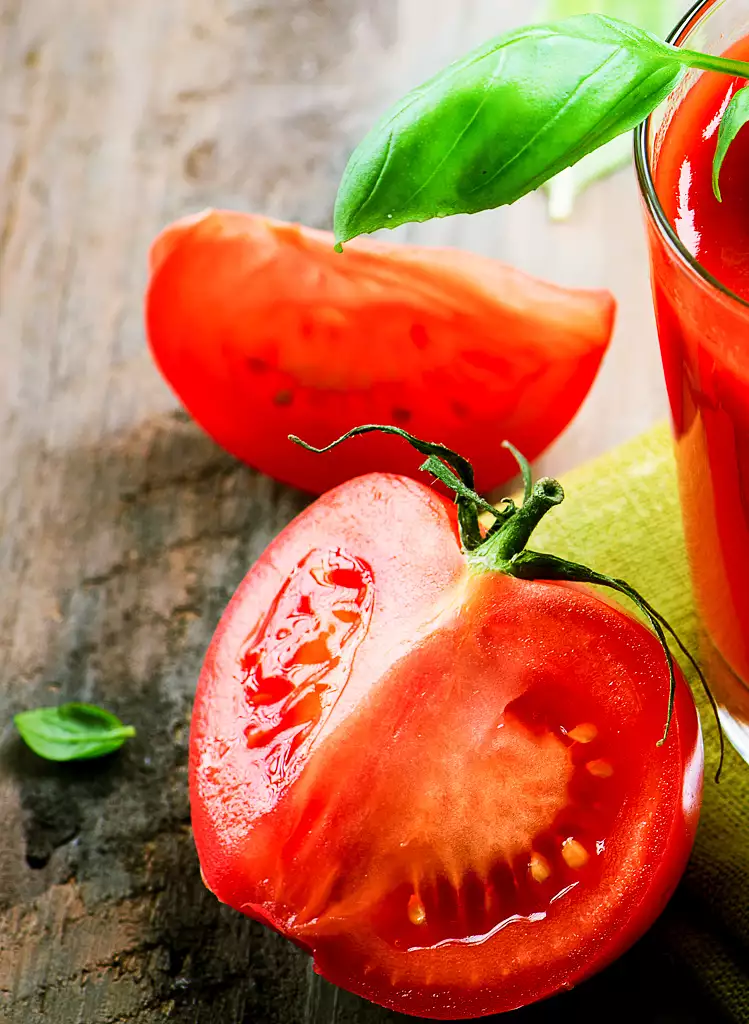
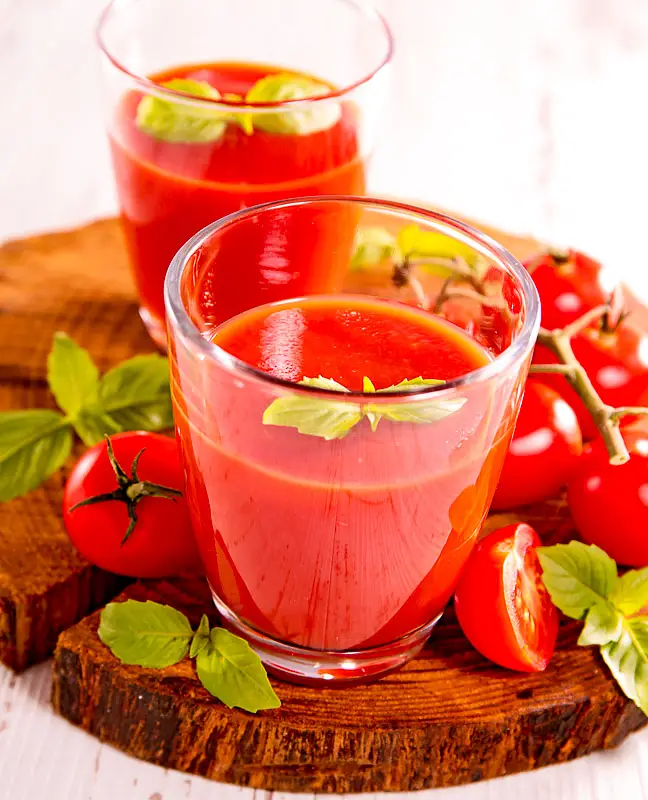
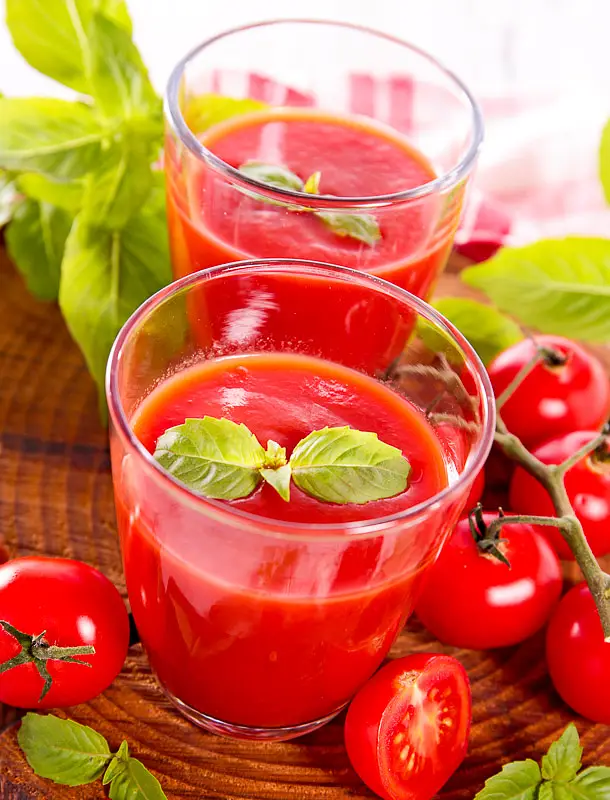
Tomato juice is the juice from skinless tomatoes. It is usually used as a beverage, either plain or in cocktails such as a Bloody Mary.
Many commercial manufacturers of tomato juice also add significant amounts of salt so be certain to check the nutrition facts if you are on a sodium restricted diet.
Other ingredients are also often added, such as onion powder, garlic powder, other spices and even clam juice. These tomato juice based, vegetable juice cocktails are popular for use in a variety of mixed drinks. One popular brand of this tomato juice mixture is Clamato, click here for a list of varieties. The tomato juice known to most people is always boiled and thus is not available as a fresh product.
A recent small scale study has indicated that tomato juice contains a factor (dubbed P3) that inhibits platelets in blood from clumping together and forming blood clots. The authors suggest this might be beneficial to diabetes sufferers. The actual effect of increased intake of tomato juice by diabetics has never been studied.
Tomato juice also contains the antioxidant lycopene**.
Scientific studies have suggested that lycopene consumption may protect against prostate cancer, breast cancer, atherosclerosis, and coronary artery disease. Epidemiological research has also shown that lycopene may also protect against breast cancer and myocardial infarction (heart attack).
Tomato purée, sometimes know as "Passata" is a thick paste that is made from strained tomatoes and especially used in Italian cooking.
The definitions of tomato purée vary between regions. In the USA, tomato purée is a processed food product, usually consisting of only tomatoes, but can also be found in pre-seasoned form. It differs from tomato sauce or tomato paste in consistency and content. Tomato puree generally lacks the additives common to a complete tomato sauce, and does not have the thicknesss of paste.
To prepare tomato purée, ripe tomatoes are washed and the leaves and stem are removed. Some processors remove the skin of the tomato as well. This is then mashed or mechanically chopped to the desired consistency.
Tomato purée can be used in soups, stews, sauces, or any other dish where the tomato flavor is desired, but not the texture. It is often deprecated by professional chefs, who find it to have an overly cooked flavor compared to other forms of canned tomatoes. This is sometimes a non-issue, as in long-cooked dishes, but in quick sauces such as a marinara sauce it is undesirable.
Vegetarian burgers built from Harvest Burger mix and bulgur wheat, bound with tomato paste and parsley, then topped with balsamic-glazed caramelized onions. A satisfying meatless burger with serious chew and sweet-tangy crown.
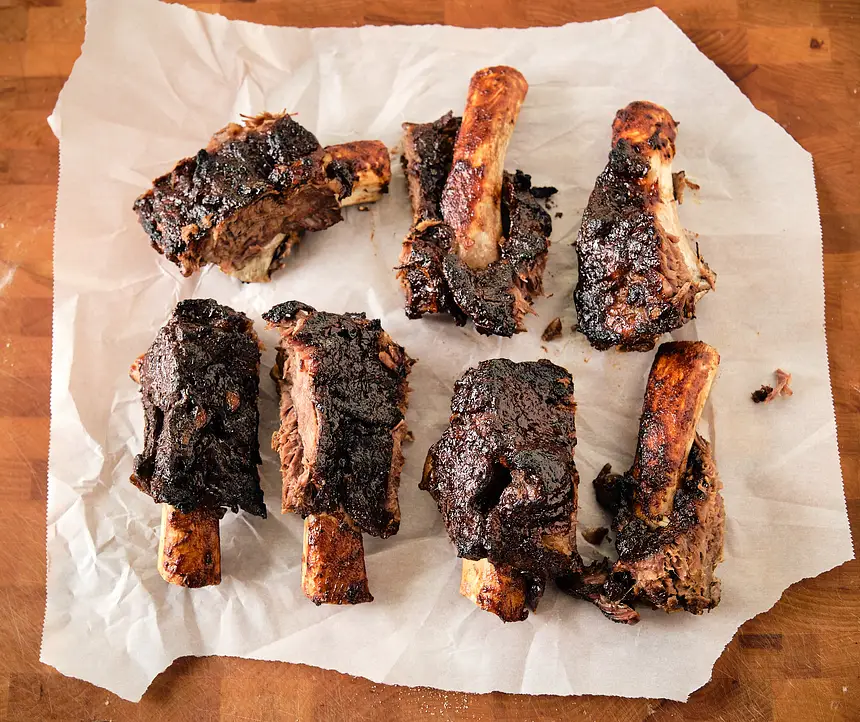
Take your beef ribs to the next level with this web marinade that imparts incredible flavor deep into meaty beef ribs. Whether you're grilling, smoking, or using an Instant Pot for tender fall-off-the-bone beef ribs, marinate to start things off right.
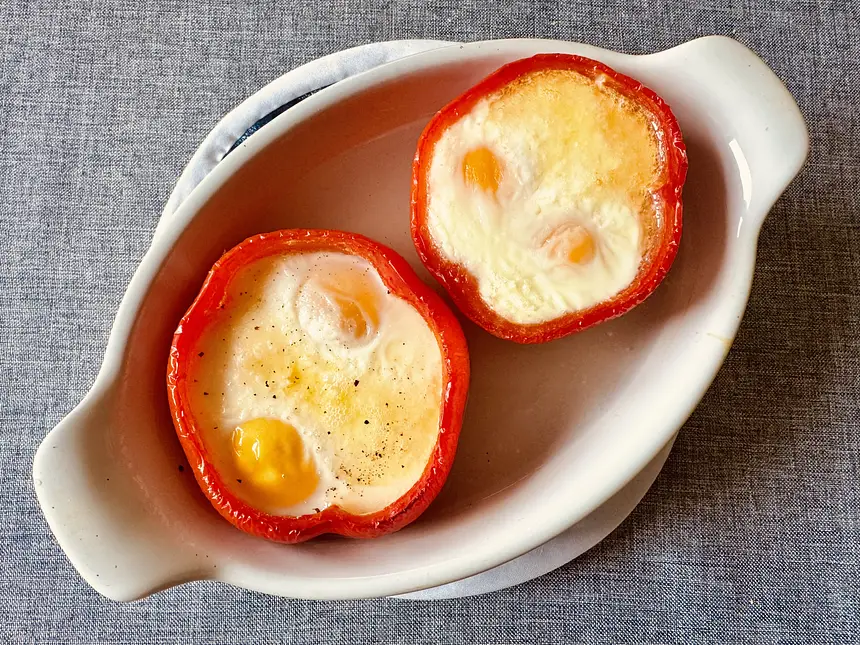
Eggs, simply baked in sweet red bell pepper served with tomato sauce. Just 3 ingredients create a delightfully creative breakfast or brunch that even kids like.
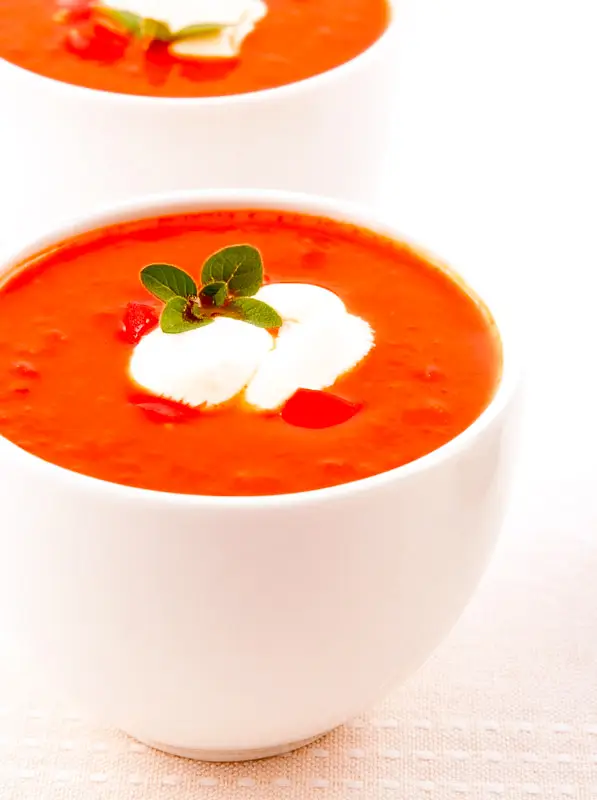
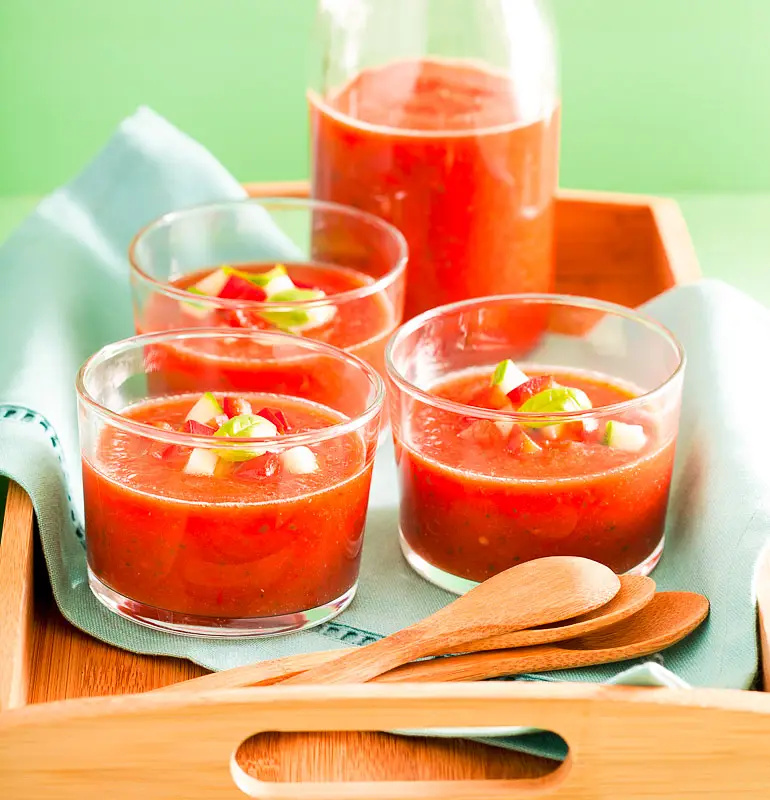
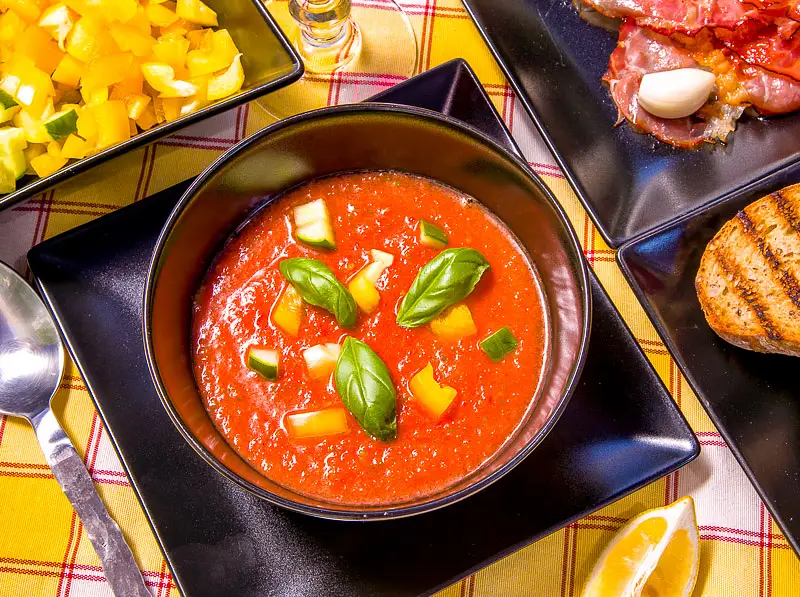
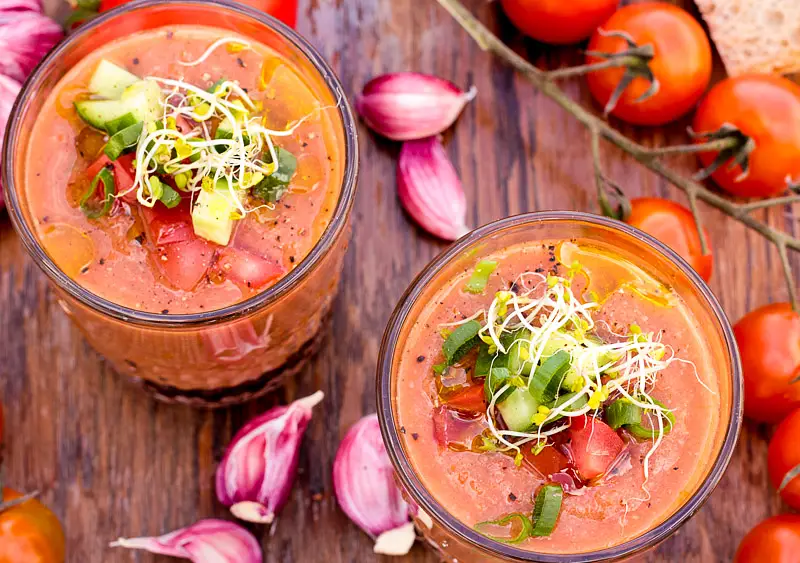
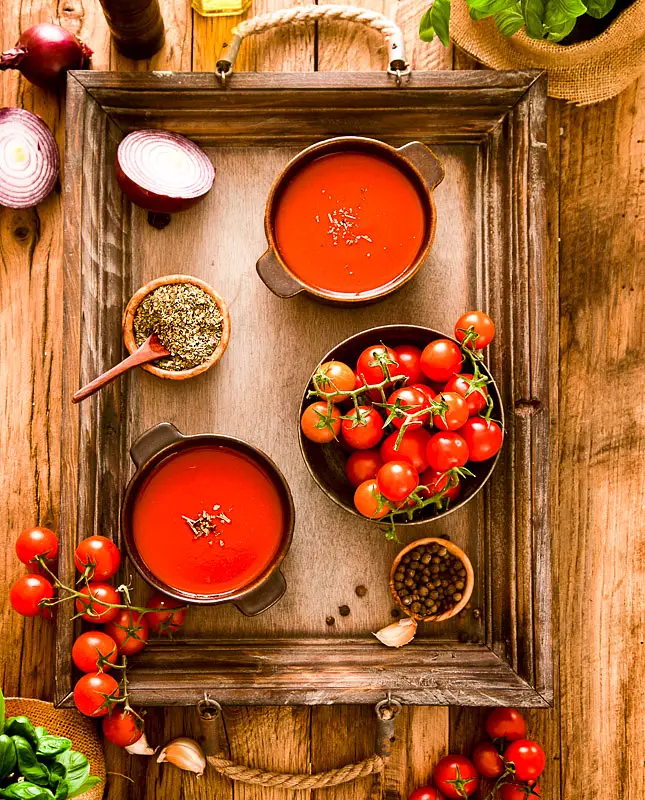
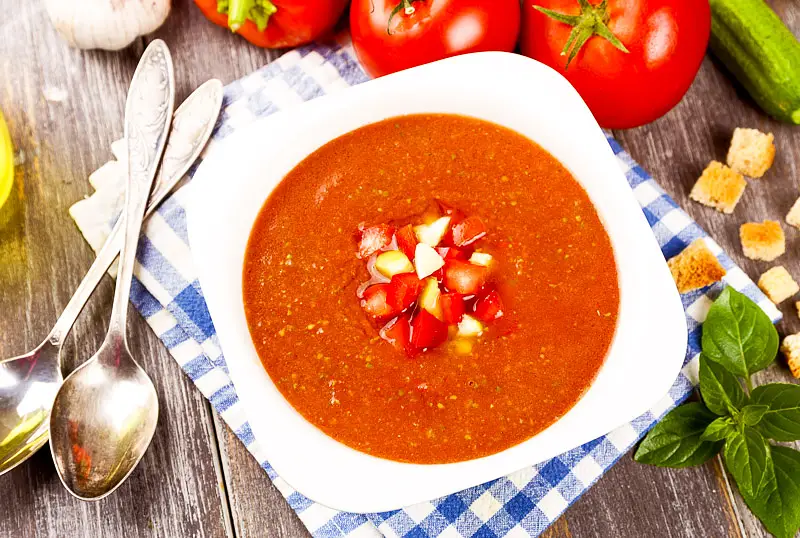
Classic gazpacho, the chilled Spanish salad soup, with fresh tomatoes, cucumber, green pepper, olive oil and white wine vinegar. No cooking required, just blend and chill.
Chilled Spanish tomato gazpacho blended from ripe tomatoes, garlic, onion, green pepper, and olive oil, sharpened with vinegar and a hit of paprika. No-cook summer soup served with crunchy garnishes.
Chunky gazpacho: a no-cook Spanish-style cold soup of tomato juice, fresh chopped tomatoes, and cucumber, chilled three hours so the flavors marry. Vegan, gluten-free, low-fat.
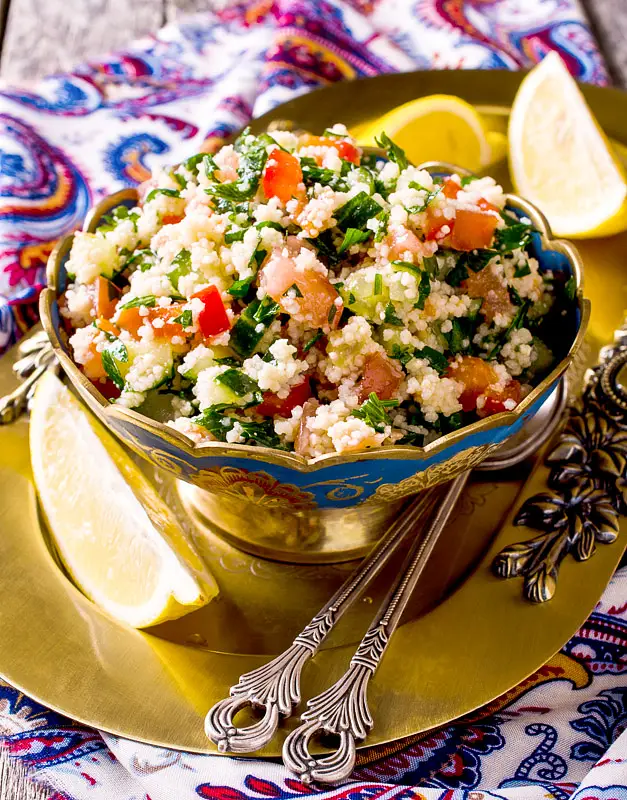
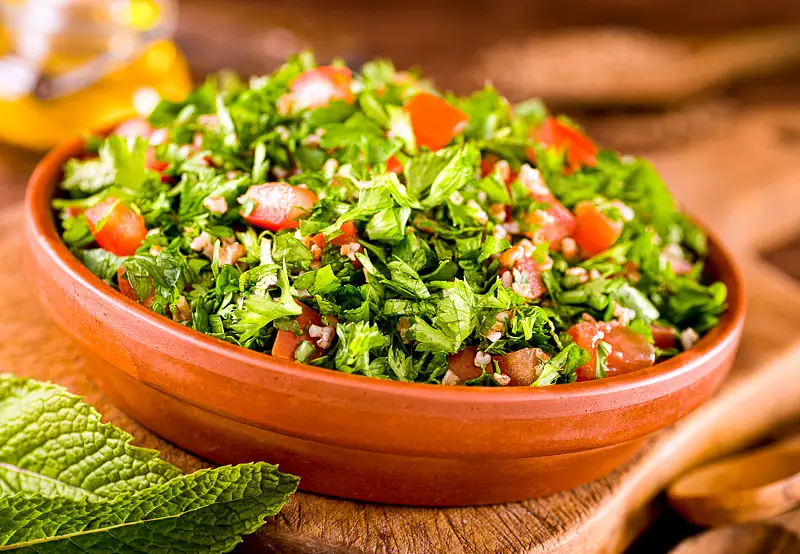
Tabouli salad with bulgur wheat, juicy tomatoes, fresh parsley, lemon, and olive oil. The classic Middle Eastern parsley salad served at room temperature with optional black olives and mint.
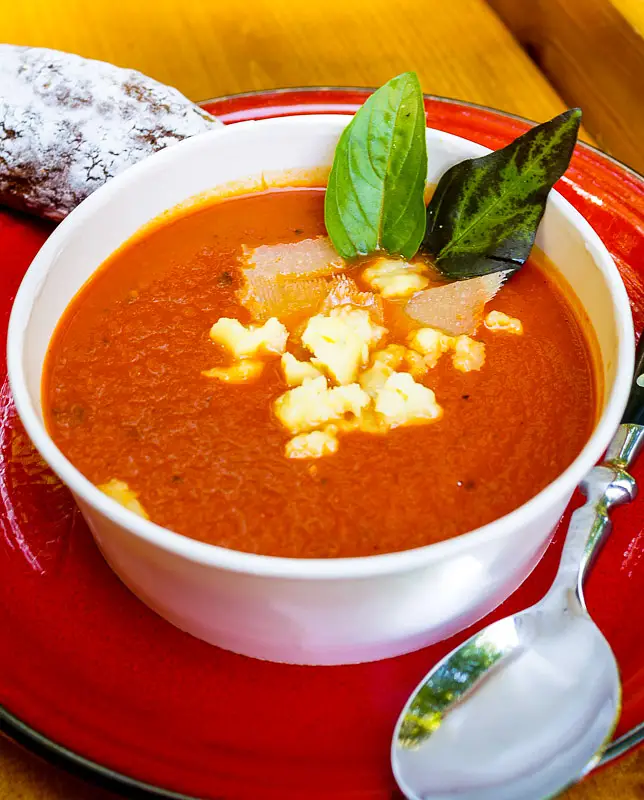
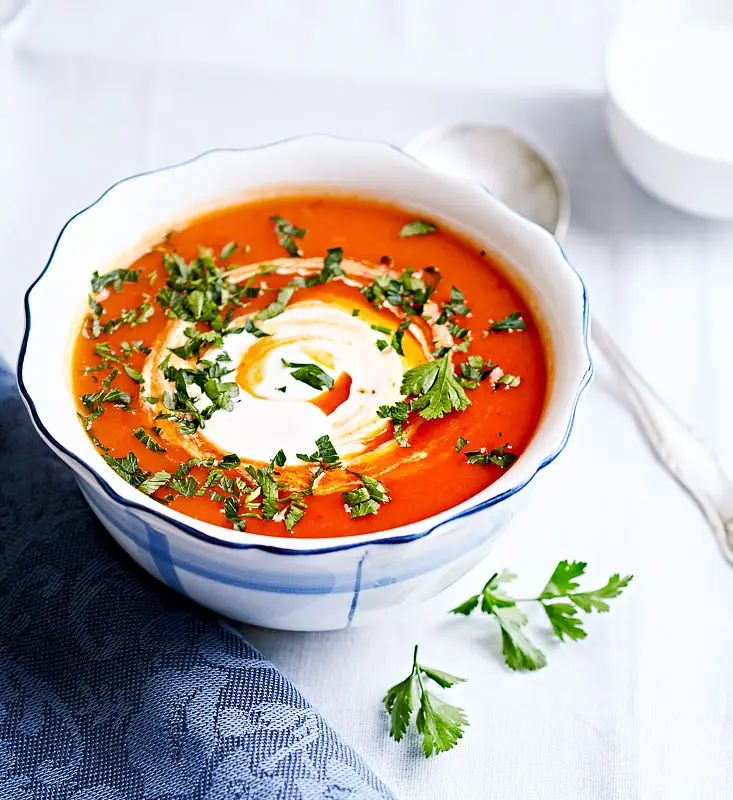
Creamy tomato and orange soup with fresh tomatoes, orange juice, orange zest and a swirl of cream. A British-style soup that's bright, velvety and full of citrus warmth.
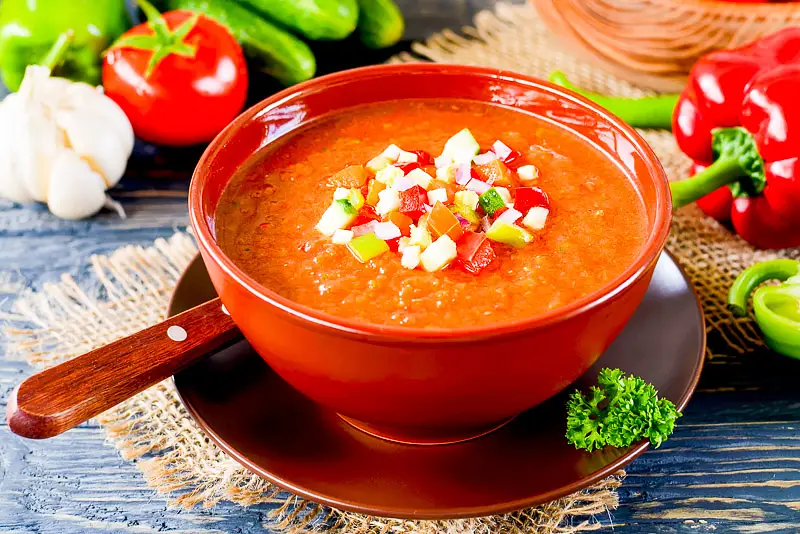
Fresh vegetable gazpacho with tomatoes, cucumbers, zucchini, and bell peppers. Quick cold Spanish soup ready in 10 minutes, perfect for summer lunches.
Sharp cheddar whipped with sour cream, Worcestershire, and crispy crumbled bacon makes a rich, tangy spread for this loaded cheddar bacon sandwich. Ready in 10 minutes flat.
Grilled burgers with sour cream, dried thyme, and parsley mixed right into the patty for extra moisture and herby savor. The juicy weeknight cookout staple in 20 minutes.
Kettle River gazpacho with fresh tomatoes, cucumber, green pepper, garlic, and chili sauce. A hot-and-spicy chunky version of the Spanish classic that works chilled, room temperature, or gently warmed.
Make-ahead gazpacho with a Mexican twist: chilled tomato soup brightened with green taco sauce, cucumber, bell pepper, and scallions. A quick simmer melds the flavors before chilling for a sharper, deeper bowl.
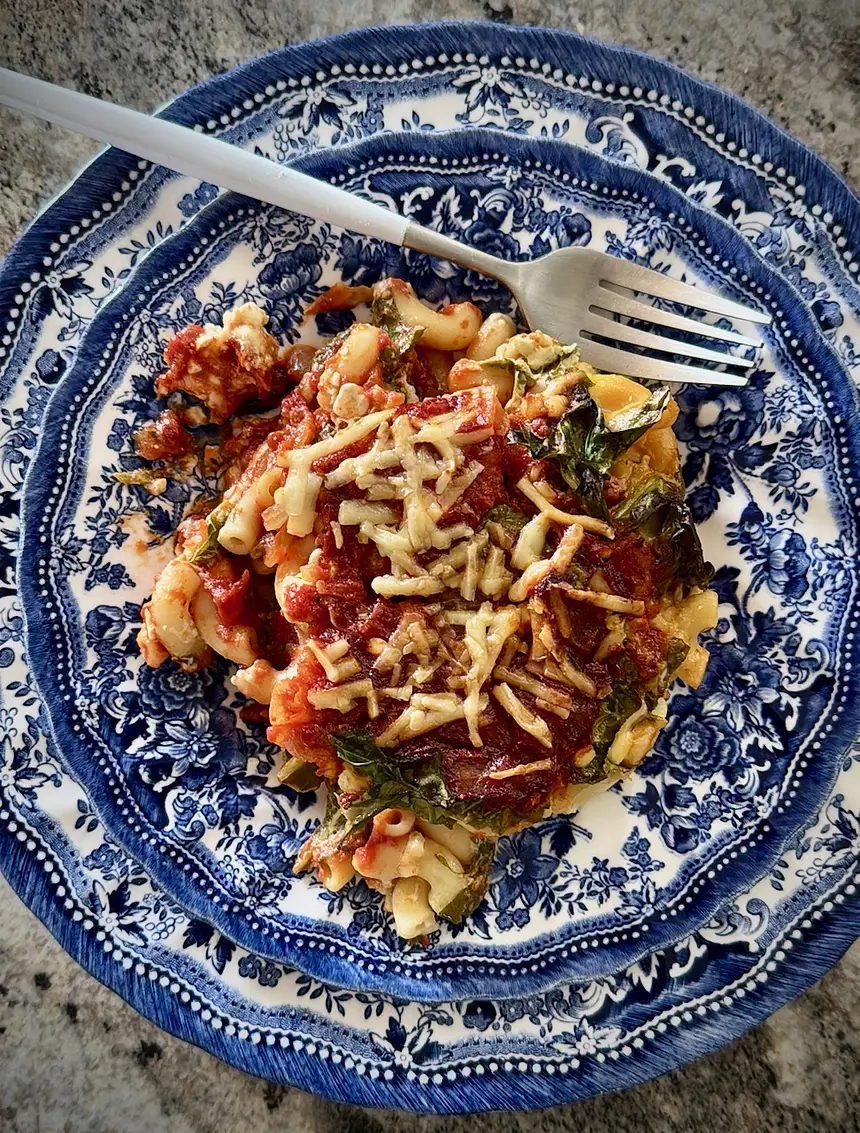
A hearty, layered casserole combining tender macaroni, savory tomato sauce, creamy spinach-cheese filling, and melted cheddar. Perfect for family dinners or meal prep. Much easier than a lasagna with just as much punch.
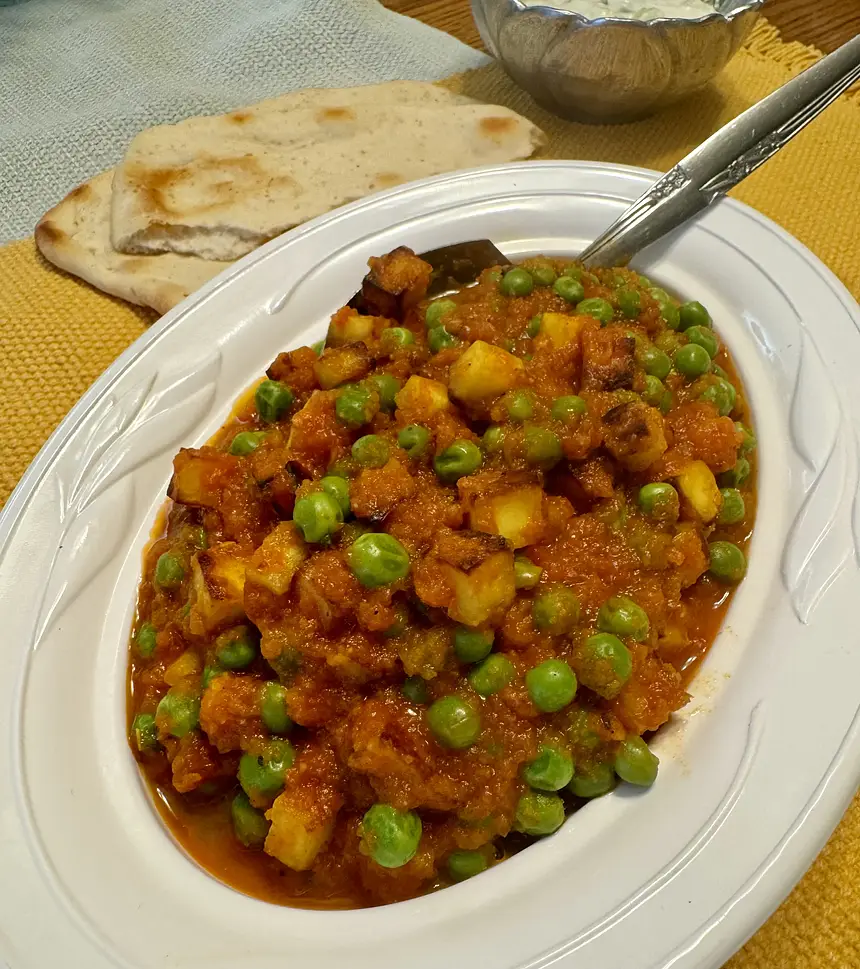
Matar paneer is a popular Indian dish consisting of paneer (a type of fresh cheese) and peas (matar) cooked in a spiced tomato-based gravy. It combines the soft, creamy texture of paneer with the sweet pop of green peas, all enveloped in a rich, aromatic sauce.
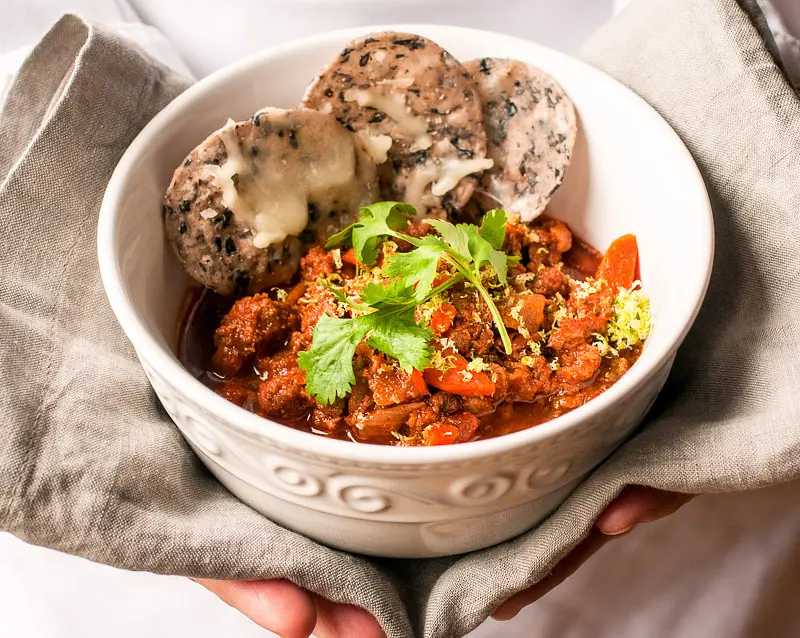
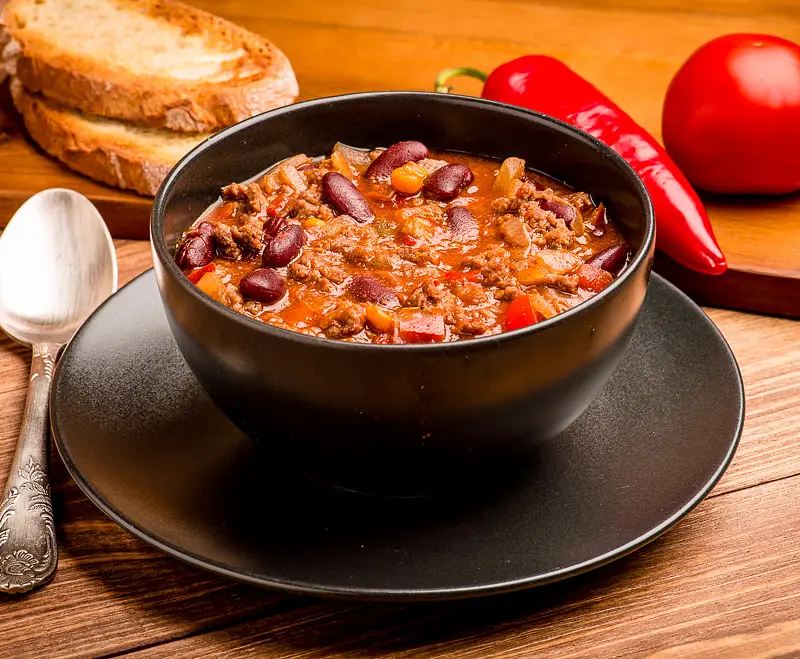
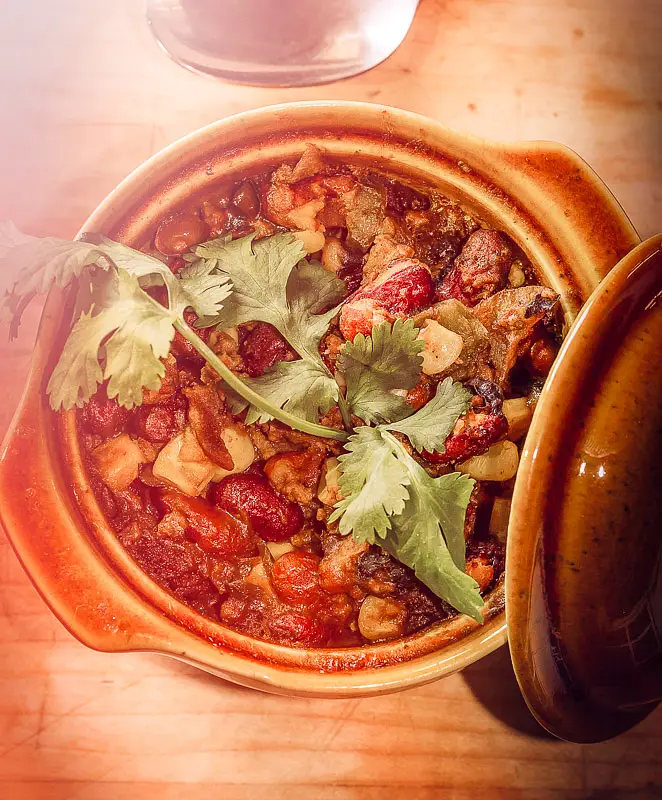
Tex-Mex meatball chili stew with crushed tortilla chip-bound meatballs simmered in picante sauce, tomatoes, and kidney beans. Topped with cilantro and more tortilla chips for crunch.
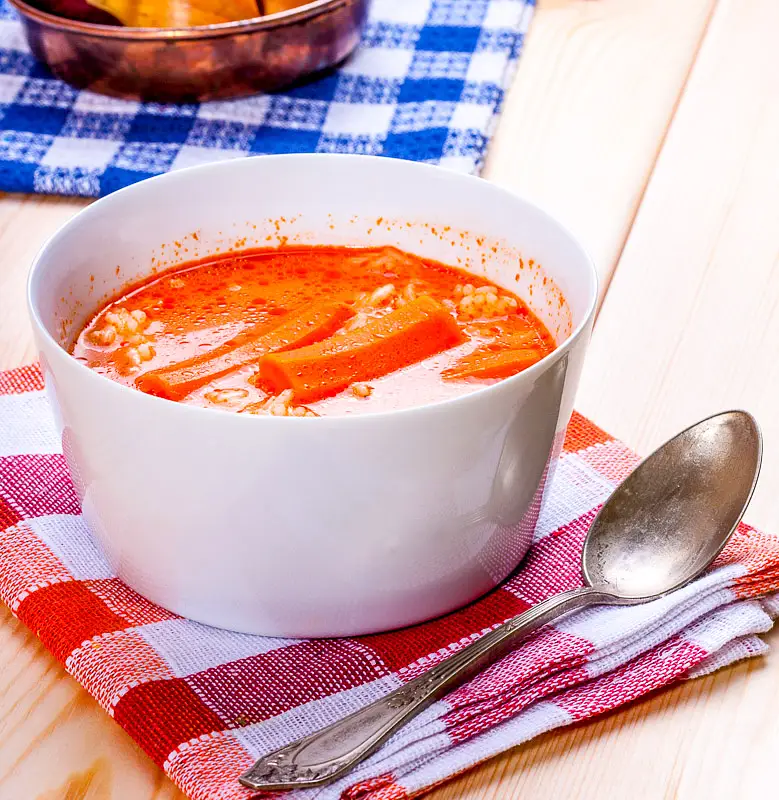
This chilled tomato carrot soup blends fresh tomatoes and sweet carrots with basil, thyme, and a whisper of nutmeg into a silky cold soup for hot summer days. Simmered, pureed, then served ice-cold with a splash of milk for creamy body.
No-cook chunky gazpacho with crushed and diced tomatoes, cucumbers, bell peppers, and a triple citrus-vinegar punch. Vegan, gluten-free, ready in 10 minutes plus chill.
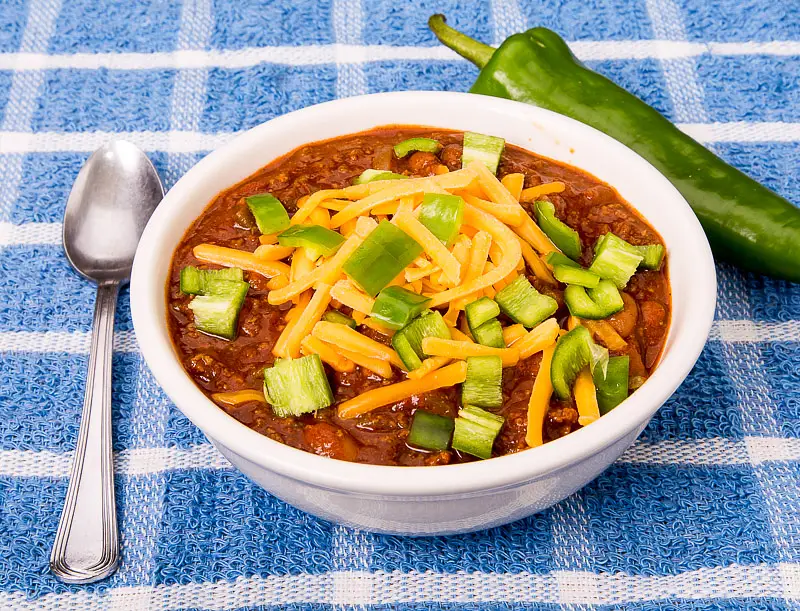
Beefy chili is a Texas-style chili made with fresh dried chili pod paste, ground beef, oregano, cumin, and red wine. No beans, no powder, just deep slow-simmered authentic flavor.
Garlicky gazpacho blended cold with six cloves of garlic, ripe tomatoes, cucumbers, bell peppers and onions, sharpened with balsamic vinegar and tomato-vegetable juice. A bold, no-cook summer soup served chilled.
Classic chilled gazpacho, the no-cook Spanish soup of ripe tomatoes, cucumber, pepper, and onion blended with tomato juice and a splash of wine. Light, refreshing, vegan, and ready in 10 minutes.
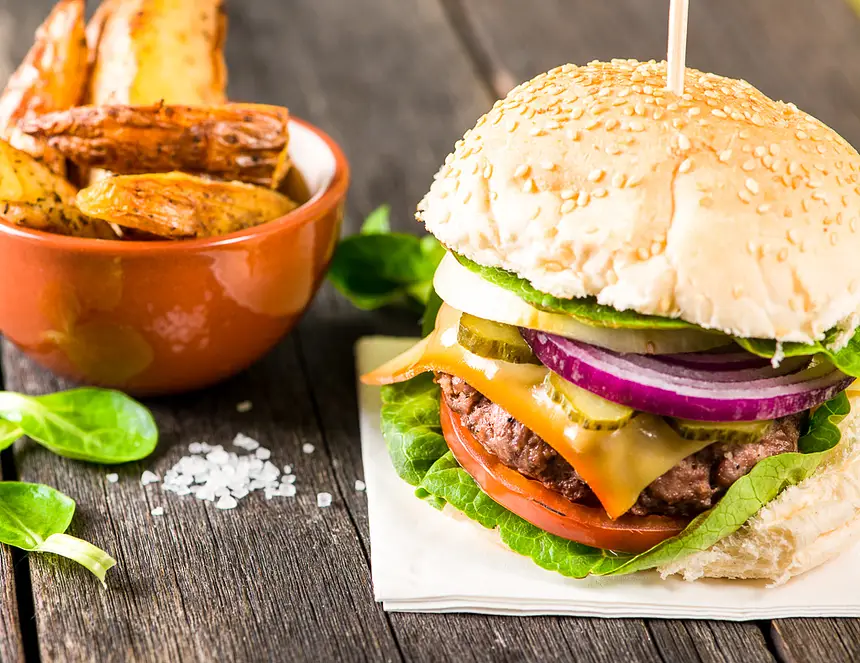
Sour cream burgers stay juicy because the sour cream goes right into the beef, along with green onion and a little crumb to keep them tender. Cook them fast in the microwave or sear them on the grill, then load up the buns.
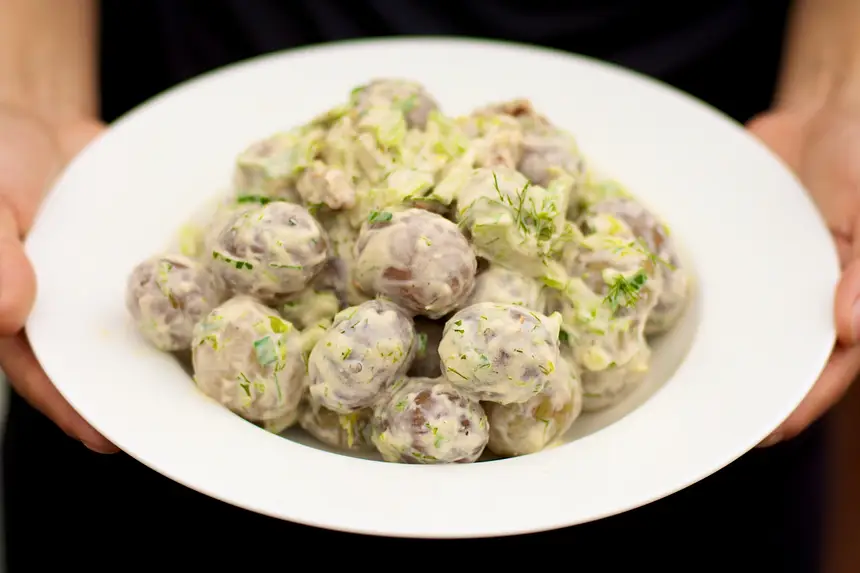
Chunky chili-tomato soup with whole simmered potatoes, fresh tomatoes, yellow onions, and a kick of green and red chili. Naturally vegan, gluten-free, deeply rustic.
Lebanese tabbouleh herb salad heavy on fresh parsley and mint, fine bulgur, lemon and olive oil. Served on romaine leaves, the proper Middle Eastern way.
Learn how to make easy Baked Eggs with simple ingredients on hand. Fluffy eggs that puff up in the oven, topped with cheese and a bit of texture from green peppers optionally garnished with tomatoes, make for a welcome breakfast changeup.
A velvety chilled soup made with strained yogurt, ripe tomatoes, fresh dill, and a bright splash of white wine vinegar. This no-cook vegetarian recipe is refreshing, tangy, and ready to serve after a few hours in the fridge.
Buffalo and beans is a hearty chili that mixes ground bison with ground beef, kidney beans, sweet peppers and mushrooms. Long-simmered for deep flavor, leaner than all-beef chili and meatier than pure bison.
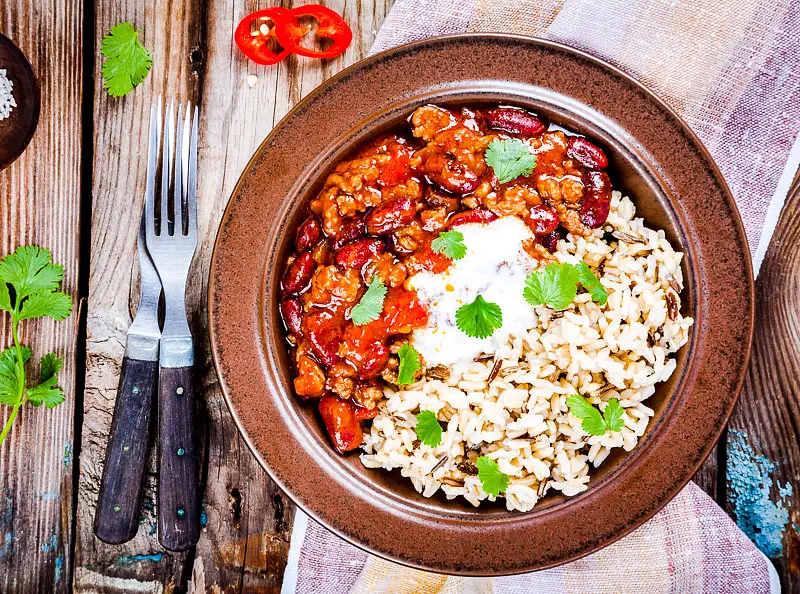
Curried beef and kidney bean chili topped with sharp cheddar and fresh scallions. The unexpected curry powder addition transforms a basic chili into something with serious depth and global flavor.
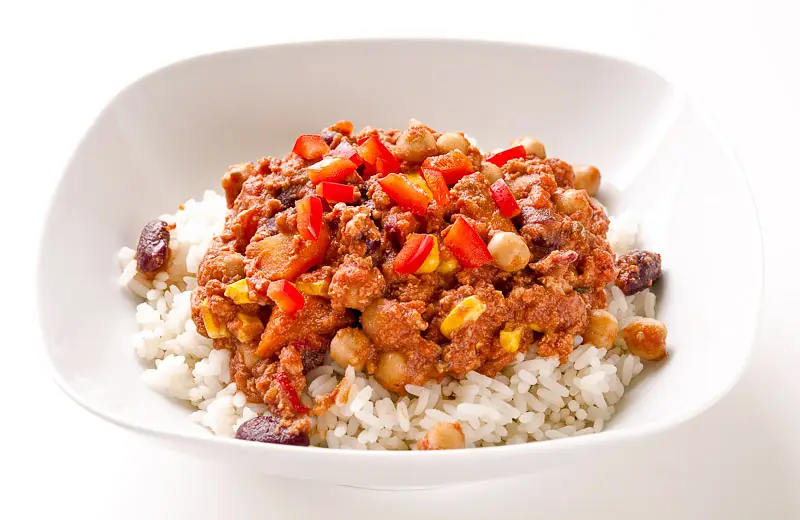
Pressure-cooked chickpea chili swaps beef for nutty garbanzos, building heat from toasted cumin seeds, chili powder, and a generous handful of fresh cilantro. A meatless one-pot weeknight chili.
Paneer tikka, cubes of Indian paneer marinated in spiced yogurt with tandoori spices, chaat masala, ginger, and garlic, then pan-fried golden and served with peppers and onions. A vegetarian Indian classic.
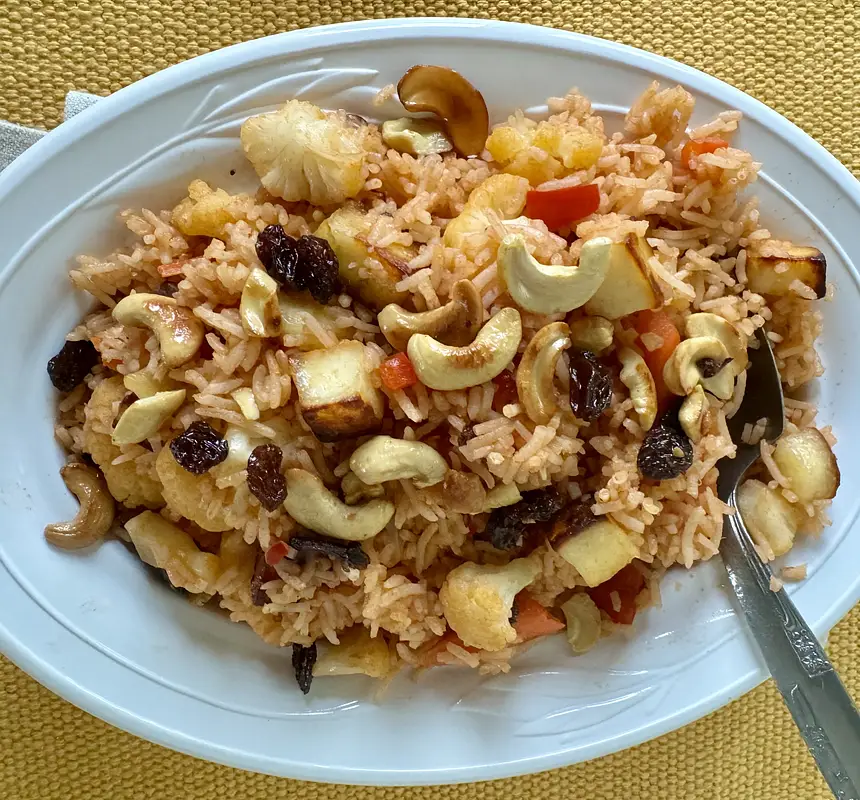
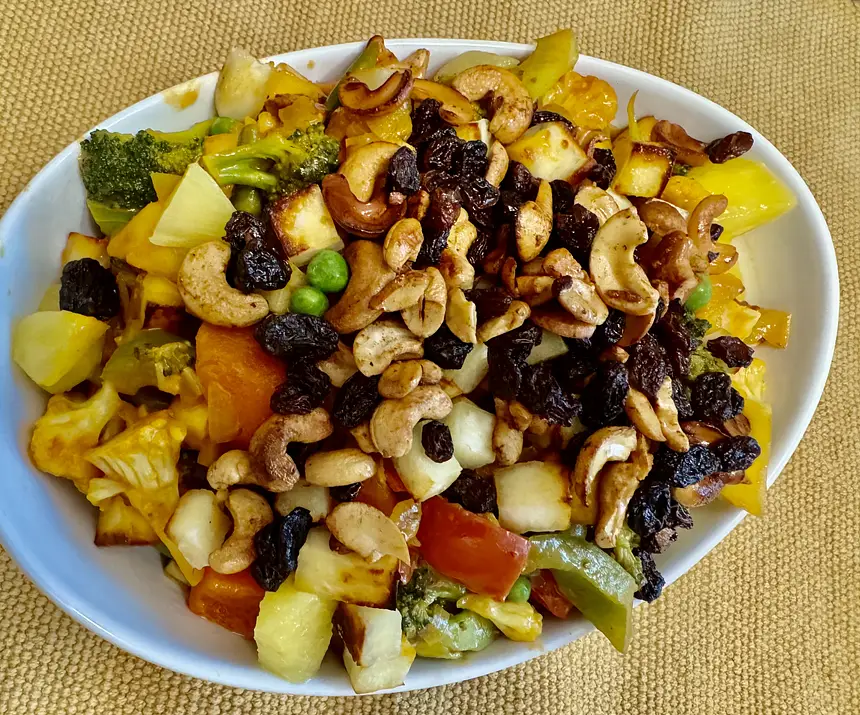
Mughlai-style mixed vegetable curry with paneer, cream, pineapple, and golden raisins. A rich, mildly spiced North Indian dish that finishes with a sprinkle of fried nuts for royal-court flair.
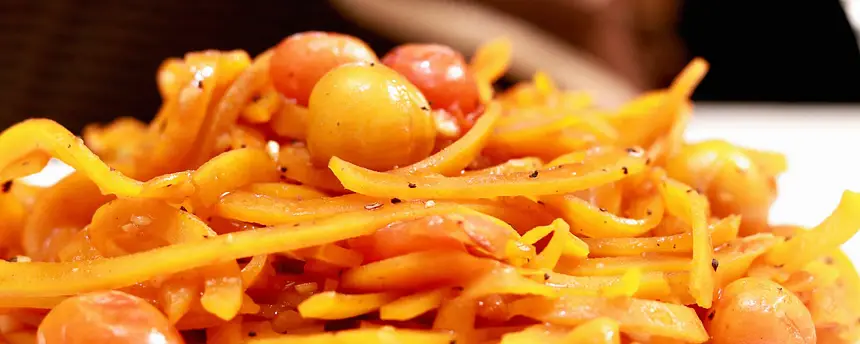
The mere sight of this cute-looking yummilicious noodle, served on a plate, will make you salivate, and if you eat it, it will make you reinvigorated too. This Italian dish is a brilliant blend of arrabbiata sauce and squash in the form of noodles. The carefully spiralized noodle and diced tomatoes make this dish very appealing to the eyes. But it doesn’t stop there, its appearance is as great as the taste. Oh…
The squash noodles are rich in vitamins, minerals and fibre which make the body healthy. They also have a minimal amount of fat, are rich in protein and are relatively low in calories and carbs. It is a great source of energy for the body—and a great delight to the mouth! That’s also very important.
Now, let us see how we can prepare this tempting dish. Shall we!
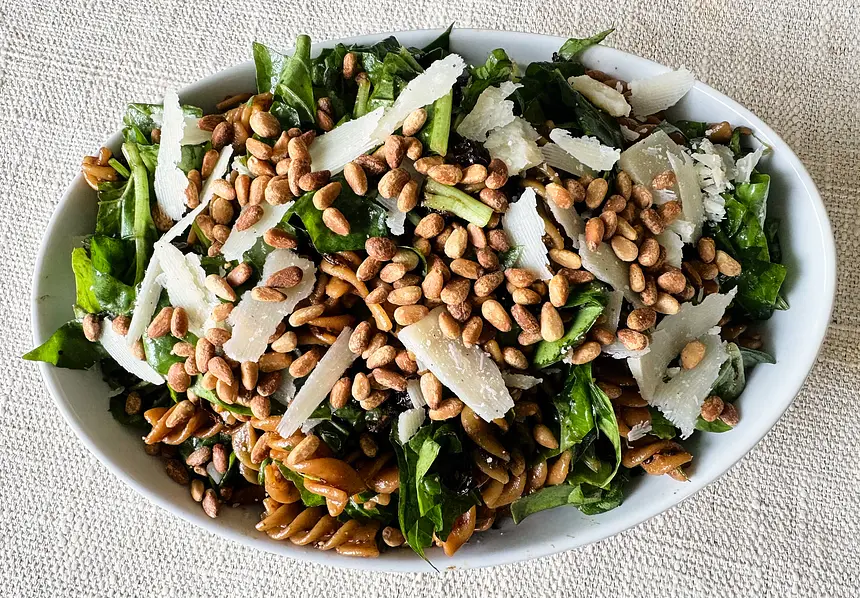
Fresh spring spinach simply dressed with olive oil and umami-packed ingredients like sun-dried tomatoes, Parmesan and pine nuts with pasta to make it a simple yet sophisticated picnic friendly salad.
Chili con cervesa simmers ground beef and kidney beans in a beer-spiked tomato base with chili powder, garlic, and oregano. A pantry-friendly chili with deep malty flavor from a full bottle of beer.
Hamburgers on the halfshell, open-faced raw beef burgers broiled on a bun with tomato sauce, onions, pepper, and melted cheese. A pantry-clearing weeknight version of the classic burger.
Classic Buffalo wings with homemade tomato-based hot sauce and creamy blue cheese dressing. Deep-fried golden, tossed in tangy heat, served with chilled celery.
Chili con carne Winchester loads ground beef, kidney beans, and stewed tomatoes with a sneaky can of Veg-All for one-pot nutrition. Easy weeknight chili in under an hour.
Simple gazpacho with fresh garden vegetables in tomato or V8 juice. Classic cold soup that's vegan, gluten-free, and ready in 20 minutes with no cooking required.
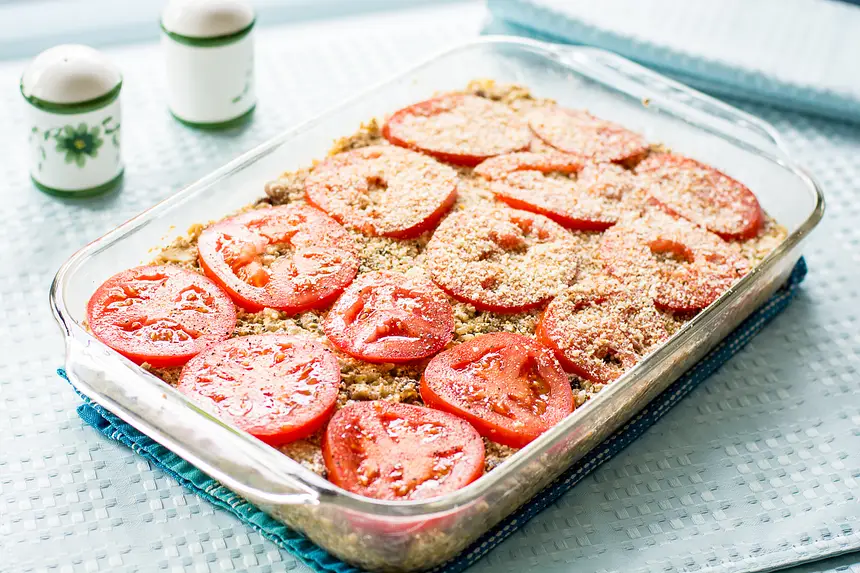
Packed with healthy whole-grain and cheesy goodness. 3 cheeses, feta, cottage and parmesan cheese plus beans and brown rice. This hearty casserole is tastes great and is loaded with nutritious healthful ingredients.