Black pepper is easier to cook with than it looks. Here's how to choose, use, and store it, what to substitute, and 10,182 recipes to get you started.
Key Points
Black, white and green peppercorns are one plant at different stages of ripeness and processing.
Grind fresh: whole corns keep two to three years, ground pepper fades in months.
Coarse grind for crusts and steaks, fine grind for doughs and even seasoning.
Add it late in long cooking; extended heat pushes pepper toward bitterness.
What is black pepper?
Black pepper is the dried, unripe fruit of the Piper nigrum vine, picked green and fermented briefly before drying into the wrinkled black corns in your grinder.
Its heat comes from piperine, which registers around 100,000 Scoville units against capsaicin's 16 million. That gap is why pepper warms rather than burns.
Over 10,000 recipes on Recipeland call for it.
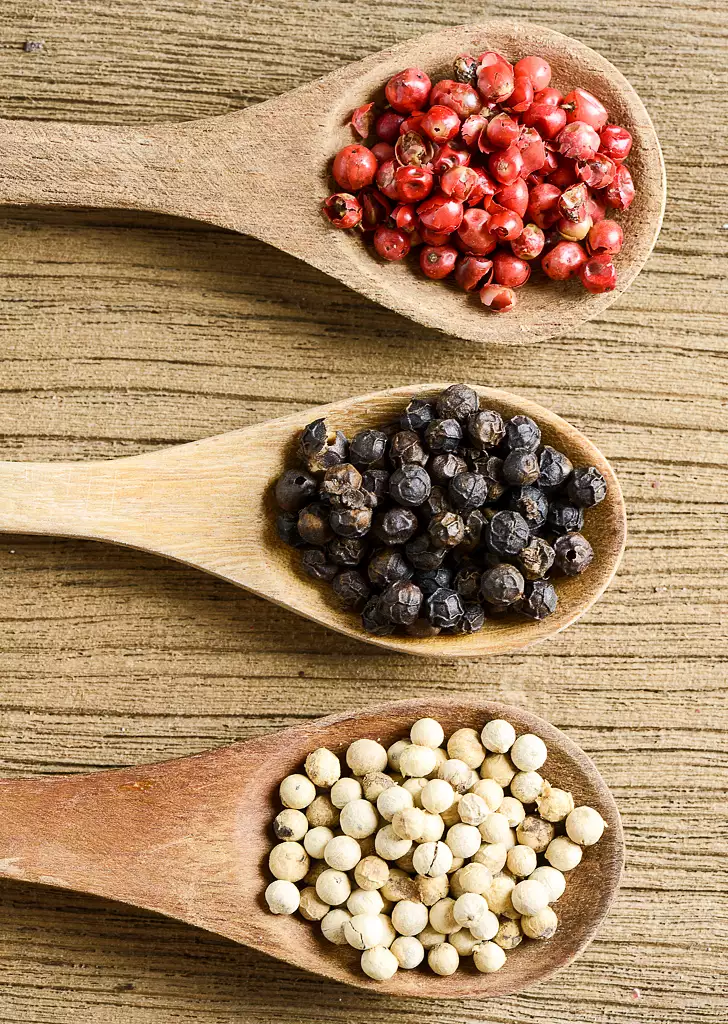
White and green peppercorns are the same fruit at different stages. White is the ripe berry with its hull removed, milder and a little funky, useful when you want pepper flavor without black specks in a pale sauce. Green is the unripe berry preserved fresh.
Using It Well
Grind it fresh. The aroma lives in volatile oils that start evaporating the moment the corn cracks, so pre-ground pepper delivers the sneeze but not the scent.
If your pepper routine is still a shaker of dust, a basic burr grinder is the cheapest big upgrade in your kitchen. Mine gets more use than any knife.
Grind size is a real decision. Coarse-cracked pepper makes the crust on Black Pepper Crusted Steak Sandwiches and steak au poivre; a fine grind disappears evenly into doughs, dressings and spice rubs.
Blooming pepper in hot oil or butter for thirty seconds before the other ingredients deepens its flavor noticeably. Indian and Chinese cooking both lean on this, and it works just as well under scrambled eggs.
Where It Belongs (Including Dessert)
Pepper is not only for savory food.
It sharpens sweet things the way salt does: a few grinds over strawberries makes them taste more like themselves, and Black Pepper Biscotti builds a whole cookie on the idea.
On the savory side it has famous partnerships. Cacio e pepe is cheese, pasta water and an aggressive dose of coarse pepper; cream sauces, eggs and braised beef all take more than you think.
The timing mistake is adding it early to long-cooked dishes.
Extended heat drives off the aromatics and can push pepper toward acrid bitterness, so season braises and reductions with pepper near the end, not the beginning.
If the Grinder Is Empty
White pepper is the nearest swap, with the same piperine warmth and a mustier flavor; use a little less. Green peppercorns bring the fruitiness without much heat.
Pink peppercorns are a different plant entirely, mild and sweet, fine as a finishing look but not a heat source. Sichuan peppercorns are not a substitute at all; they numb rather than warm.
For pure heat with no pepper aroma, a small pinch of cayenne covers a recipe in a pinch. Start with about ⅛ teaspoon in place of ½ teaspoon of black pepper and adjust.
Buying Whole and Keeping It
Buy whole peppercorns, not ground, and look for a named origin. Tellicherry corns are left on the vine longer and grind up rounder and more fragrant than the generic jar; the price difference is small per meal.
Whole corns keep their punch for two to three years in an airtight jar away from light and the stove's heat. Ground pepper is fading within months, which is most of the case for grinding to order.
If a jar has gone flat, it will still look fine. Crush a corn and smell it: sharp and citrusy means good, dusty and faint means replace it.
Types of black pepper
Specific kinds of black pepper and the recipes that use them.
White pepper consists of the seed of the pepper plant alone, with the darker colored skin of the pepper fruit removed. This is usually accomplished by a process known as retting, where fully ripe peppers are soaked in water for about a week, during which the flesh of the pepper softens anddecomposes.
Rubbing then removes what remains of the fruit, and the naked seed is dried. Alternative processes are used for removing the outer pepper from the seed, including decortication, the removal of the outer layer from black pepper from small peppers through mechanical, chemical or biological methods.
White pepper is sometimes used in dishes like light-coloured ** sauces * or * mashed potatoes ***,* where ground black pepper would visibly stand out. There is disagreement regarding which is generally spicier. They have differing flavor due to the presence of certain compounds in the outer fruit layer of the berry that are not found in the seed.
Peppercorns are the dried berries of the Piper nigrum vine, and every color in the spice aisle is the same fruit at a different stage.
Whole corns hold their aromatic oils for years; once ground, the same oils evaporate within months. That gap is the whole argument for buying corns and grinding to order.
More than 370 recipes on Recipeland call for whole peppercorns, beyond the thousands that use ground black pepper.
Black pepper is produced from the still-green unripe drupes of the pepper plant. The drupes are cooked briefly in hot water, both to clean them and to prepare them for drying. The heat ruptures cell walls in the pepper, speeding the work of browning enzymes during drying.
The drupes are dried in the sun or by machine for several days, during which the pepper around the seed shrinks and darkens into a thin, wrinkled black layer. Once dried, the spice is called black peppercorn. Black peppercorn is considered spicer than white peppercorn.
It is quite surprising that the use of pepper has come so much into fashion, seeing that in other substances which we use, it is sometimes their sweetness, and sometimes their appearance that has attracted our notice.
Pepper loses flavor and aroma through evaporation, so airtight storage helps preserve pepper's original spiciness longer. Pepper can also lose flavor when exposed to light, which can transform piperine into nearly tasteless.
*Once ground, pepper's aromatics can evaporate quickly; most culinary sources recommend grinding whole peppercorns immediately before use for this reason.
Green peppercorns are the same berry as black pepper, picked young and underripe. Instead of being dried until hard and dark, they are preserved soft, usually packed in brine or vinegar, sometimes freeze-dried or sun-dried with their green color kept.
The flavor is pepper without the bark. It is fresh and a little fruity, with a milder, rounder heat than the sharp bite of black peppercorns. Brined ones are soft enough to crush between your fingers and carry a pickled tang on top.
They come from Piper nigrum, the same vine behind black and white and red peppercorns, which are just different stages of ripeness and processing.
Sichuan pepper is also know as anise pepper, prickly ash or simply Chinese pepper is a hot, slightly peppery dried berry from the prickly ash family. In large amounts is causing a numbing effect on the palate.
Inside the berries are tiny black seeds that are bitter and are removed from split berries to create the best quality spice.
Originating in Sichuan province china it is a very popular flavoring that characterizes dishes from the Sichuan region and throughout China.
If you cannot find Sichuan peppers you may substitute black pepper instead, although for an authentic flavor make efforts to find the real thing.
White peppercorns and black peppercorns come from the same plant, the same berry even. The difference is how they're processed. For white pepper the ripe red berries are soaked in water for a week or more until the dark outer skin rots away, then the pale inner seed is dried.
That extra step does two things. It strips out much of the sharp, aromatic heat that lives in the skin, leaving a milder, rounder bite. It also leaves behind that earthy, faintly funky, almost barnyard note that black pepper never has.
The fermentation is what you're tasting.
So white pepper isn't just black pepper with the color removed. It's a quieter, earthier spice with a flavor of its own.
Pink peppercorns are the dried berries of the Brazilian pepper tree (Schinus terebinthifolius) or its relative the Peruvian pepper tree, not true pepper at all. Despite the name they are unrelated to the black peppercorn vine.
Each berry has a thin, brittle, rose-colored shell over a hollow interior that crushes to almost nothing.
The flavor is mild and fruity with a faint sweetness, only a whisper of peppery heat, and a piney resin note at the finish. Cooks reach for them when they want a pop of rose-pink and gentle fragrance rather than real fire.
Vegetarian burgers built from Harvest Burger mix and bulgur wheat, bound with tomato paste and parsley, then topped with balsamic-glazed caramelized onions. A satisfying meatless burger with serious chew and sweet-tangy crown.
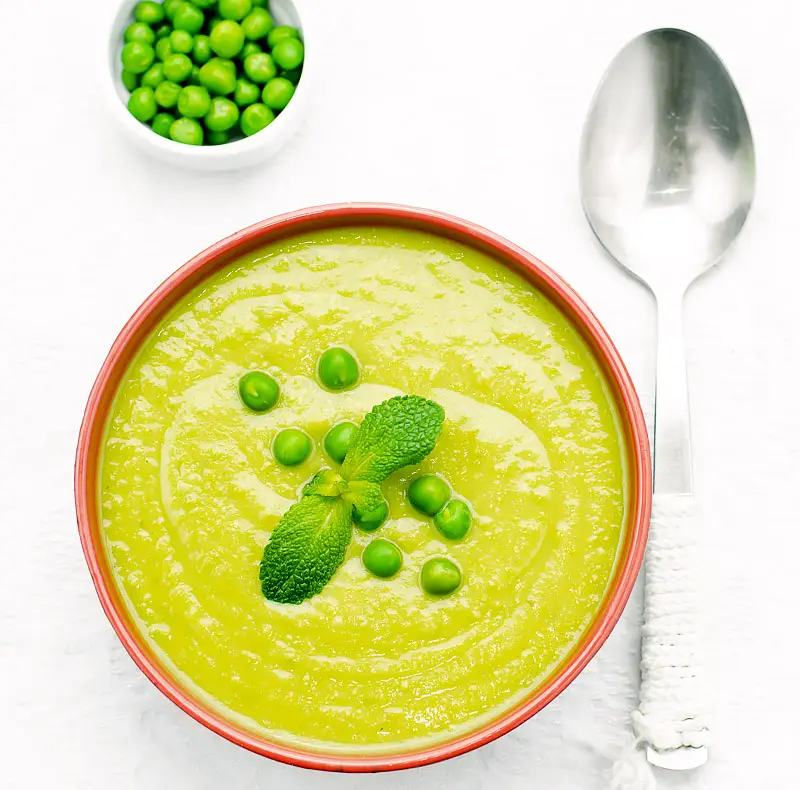
Chilled green pea soup blends sweet frozen peas with thyme, onion, and minute tapioca for a velvety low-fat, low-calorie soup that works hot or cold. The tapioca thickens without flour or cream. Five minutes of standing time, twenty minutes total cook.
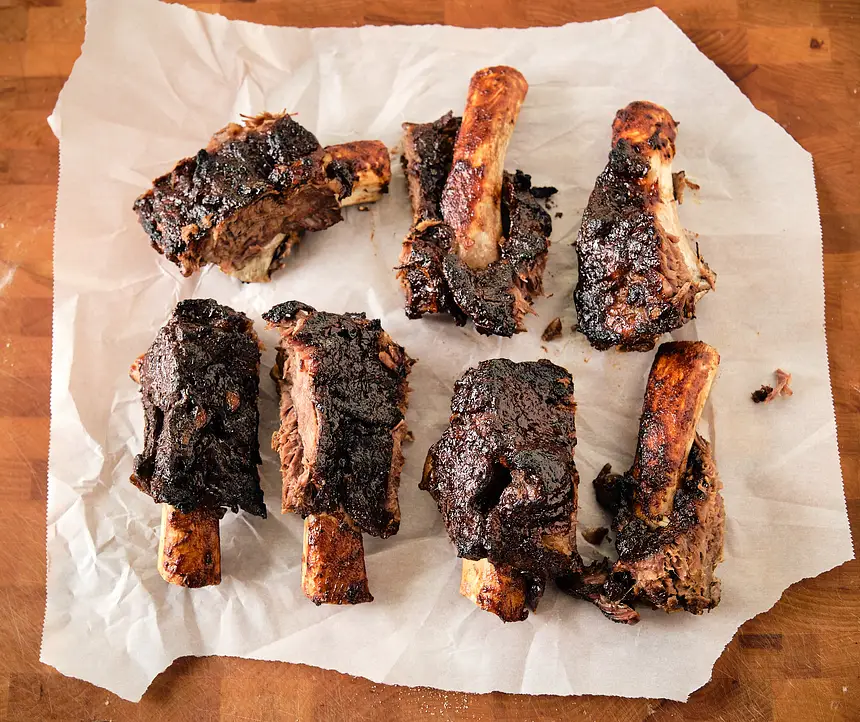
Take your beef ribs to the next level with this web marinade that imparts incredible flavor deep into meaty beef ribs. Whether you're grilling, smoking, or using an Instant Pot for tender fall-off-the-bone beef ribs, marinate to start things off right.
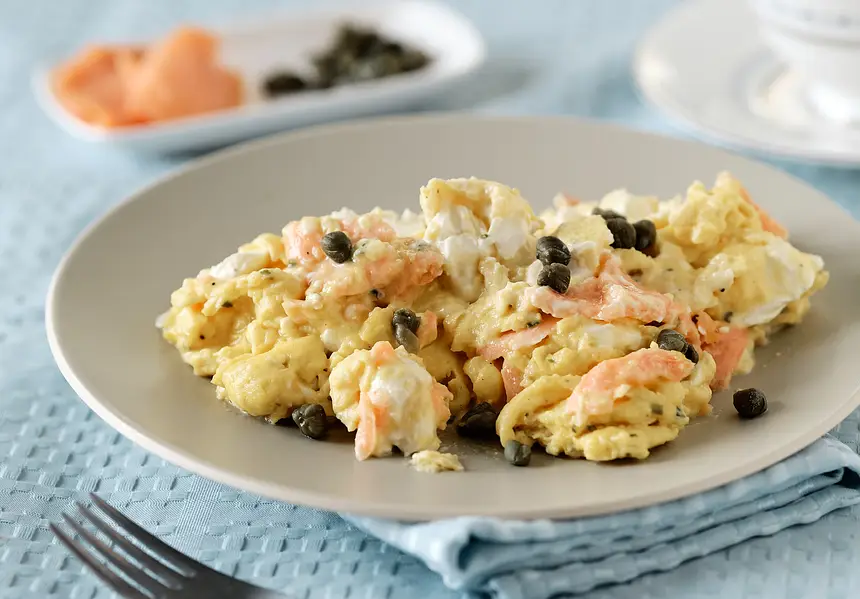
A low-carb version of Lox (smoked salmon) and cream cheese that uses scrambled eggs to replace the classic bagel. Rich, creamy, and delicious, it is perfect for celebrating National Cream Cheese and Lox Day or anytime for an impressive Brunch or breakfast offering.
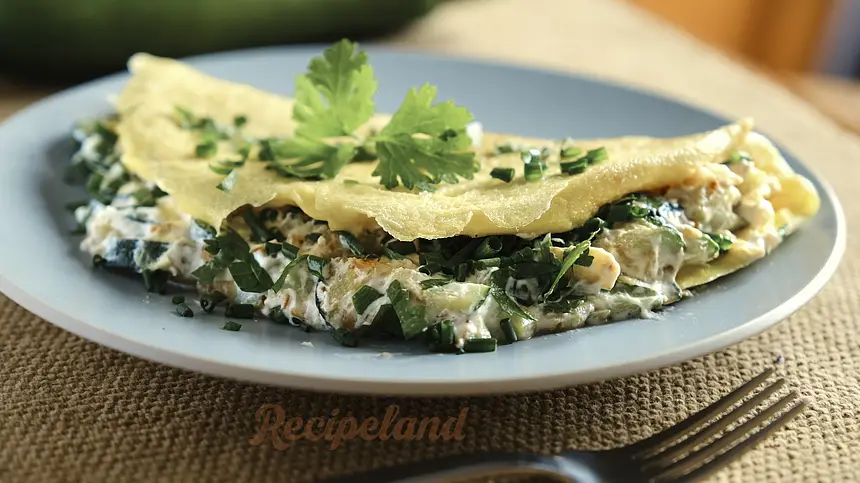
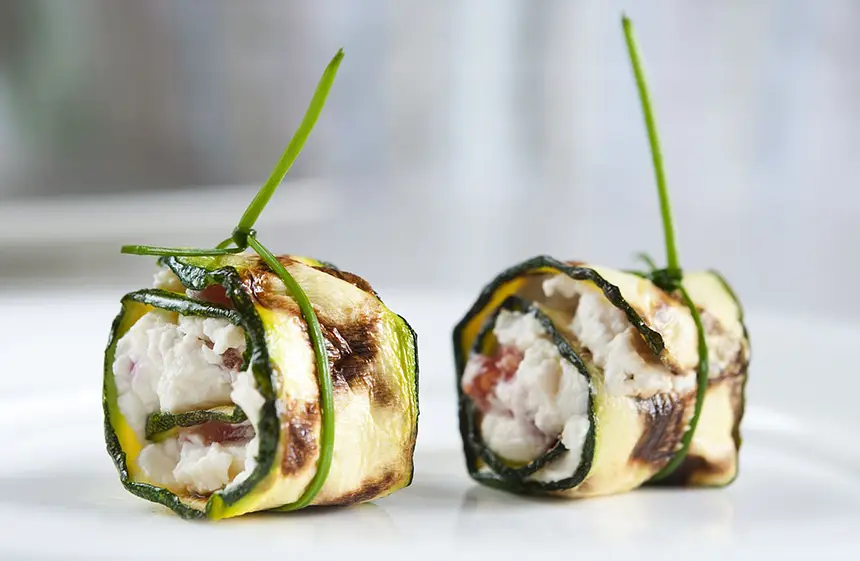
Eggs & zucchini creamily enveloped by warm and creamy tangy goat cheese and sweet caramelized onion mixture. When you've got zucchini overload and aren't sure what to do, this is my go-to recipe that feeds the need.
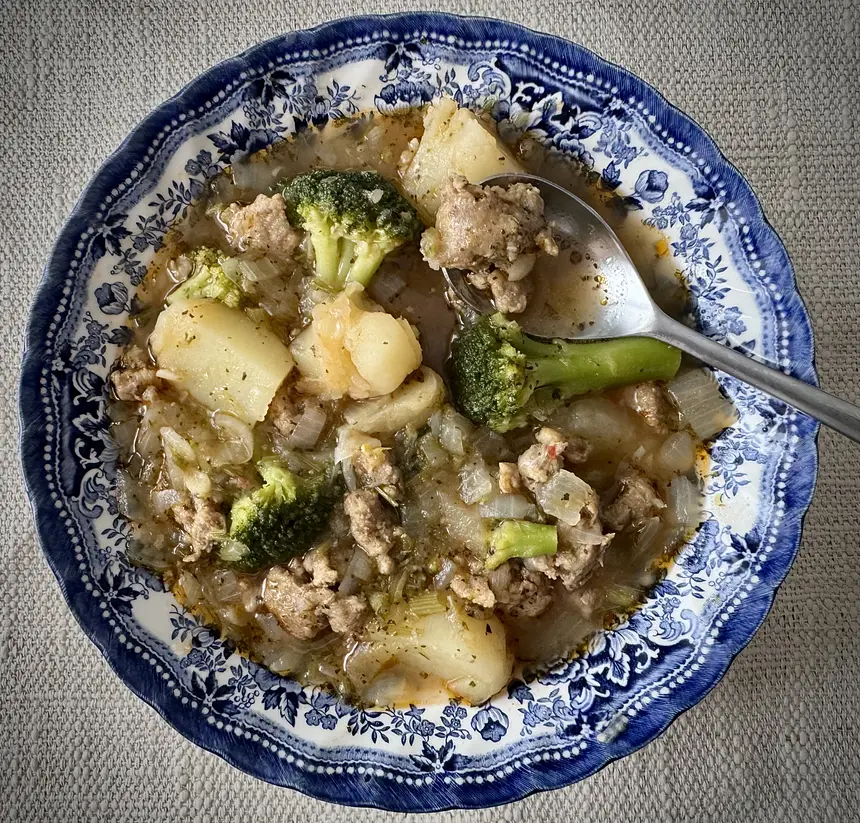
Warm up with this hearty yet thrifty sausage and broccoli minestrone soup. An easy comforting twist on the classic Italian dish, perfect for chilly days.
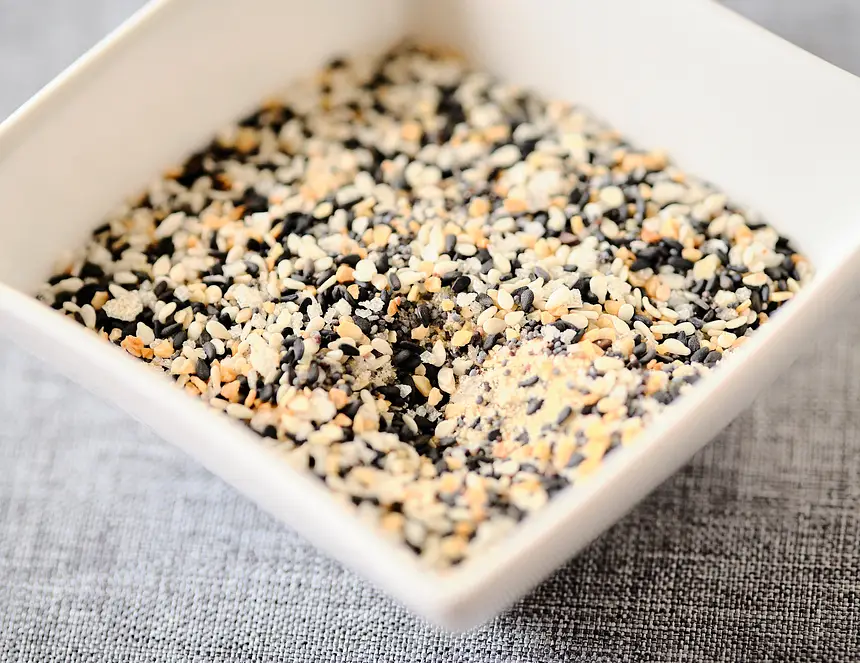
All-dressed bagel seasoning, so expensive in stores, can be easily made in a flash. It can be used on various dishes, such as avocado toast, eggs, roasted vegetables, and even popcorn. It adds a delicious and savory flavor to your favorite foods.
This simple, creamy, comforting chowder combines tender potatoes, sweet corn kernels, and cheese in a lightly spiced milk-based broth. It’s a quick, hearty soup perfect for chilly days, ready in about 30 minutes and serving 4 as a main dish.
Eggs, simply baked in sweet red bell pepper served with tomato sauce. Just 3 ingredients create a delightfully creative breakfast or brunch that even kids like.
A savory German onion pie featuring a yeasted crust topped with caramelized onions, crispy bacon, and a creamy sour cream custard. Perfect as an appetizer or main dish, especially during autumn or Oktoberfest celebrations.
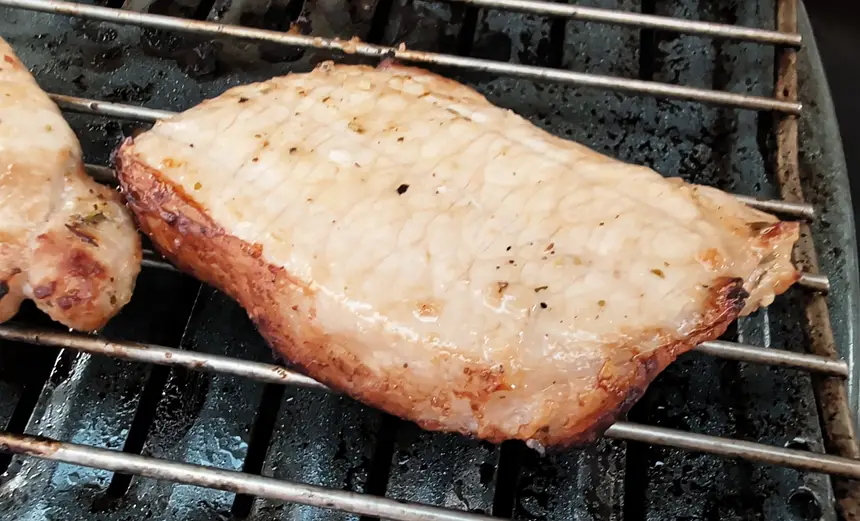
Grilled pork chops marinated 6 hours in olive oil, white wine vinegar, garlic, peppercorns, bay leaf, and dry mustard. A simple Mediterranean-style marinade for thick-cut chops.
Craving a breakfast treat that's hearty, cheesy, and not overly sweet. These kale and cheese scones are your new best friend. Inspired by the cozy vibes of an American bakery, we've packed them with tender kale, sharp cheddar, nutty Parmessan, and a hint of plump raisins for a subtle sweetness that balances the savory kick. A generous grind of black pepper adds a spicy edge, making these perfect for brunch, snacks, or even alongside soup.
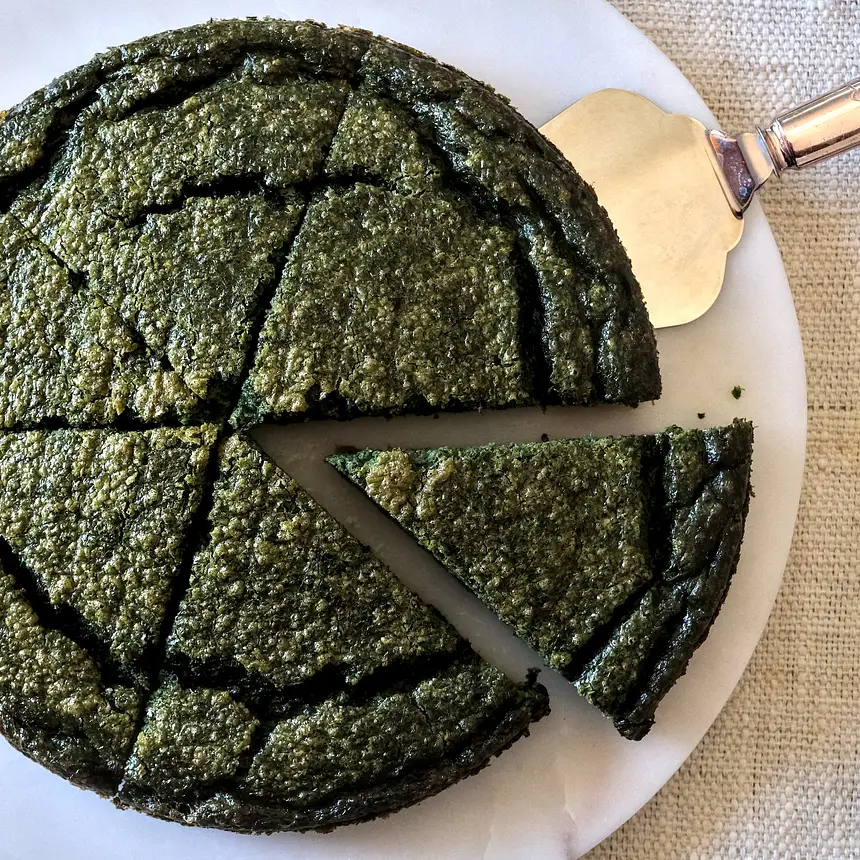
Get ready to whip up a vibrant, herb-packed dish that’s bursting with flavor and perfect for any meal of the day! This Persian-inspired frittata is a fresh twist on the classic omelet, blending tender Swiss chard, fragrant dill, and zesty scallions into a fluffy, golden masterpiece. Baked to perfection, it’s easy to make and even easier to love. Serve it with warm flatbread, a sprinkle of feta, or a side of crisp veggies for a delightful meal. Let’s dive into this green goodness!
These air-fryer (or oven based) chicken nuggets are popular combination of savory and crispy, with the rich taste of chicken complemented by the crunch of a cracker crumb coating complete with 4 varieties of dipping sauces.
Vegetable Manchurian was a great combo with Egg Fried Rice.We normally make Cauliflower Manchurian as a side dish for Fried Rice.This dish ends up being a clean up dish as you can add all your veggies that you might have left overs and tastes great.
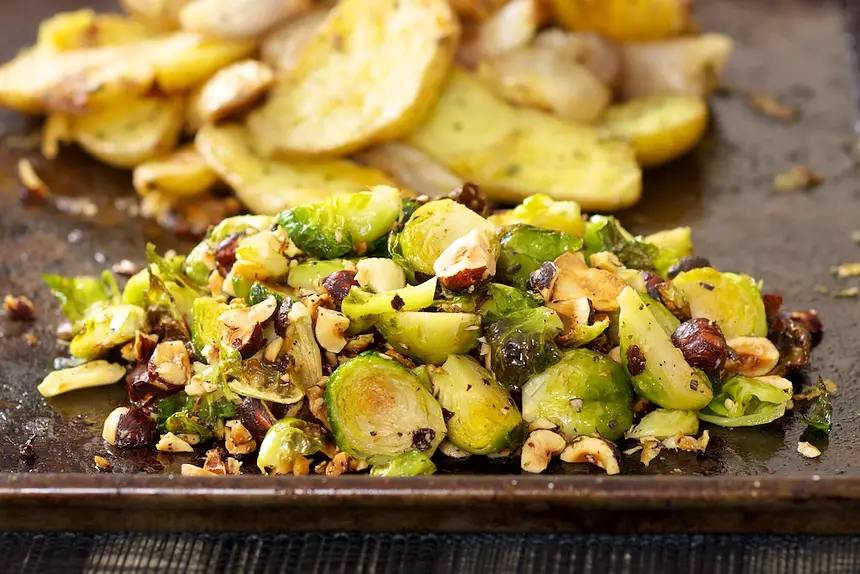
Caramelized Brussels sprouts roasted with toasted hazelnuts in nutty brown butter. Quick high-heat side dish with crispy edges and tender centers in under 25 minutes.
Asian-inspired pork burgers with soy sauce, dry sherry, and fresh ginger root. Grilled hot for juicy, savory patties that beat plain beef burgers any night.
Fish-shaped salmon pastries: buttery shortcrust hand pies cut into fish, filled with smoked salmon, potato, and onion, then decorated with pastry scales and baked golden. A playful, savory party appetizer kids love.
Birthday are always happening year round.There are many items that you can give as gifts.But homemade gift is very special.It is tasty and nutritious gift for a kids party.
Classic gazpacho, the chilled Spanish salad soup, with fresh tomatoes, cucumber, green pepper, olive oil and white wine vinegar. No cooking required, just blend and chill.
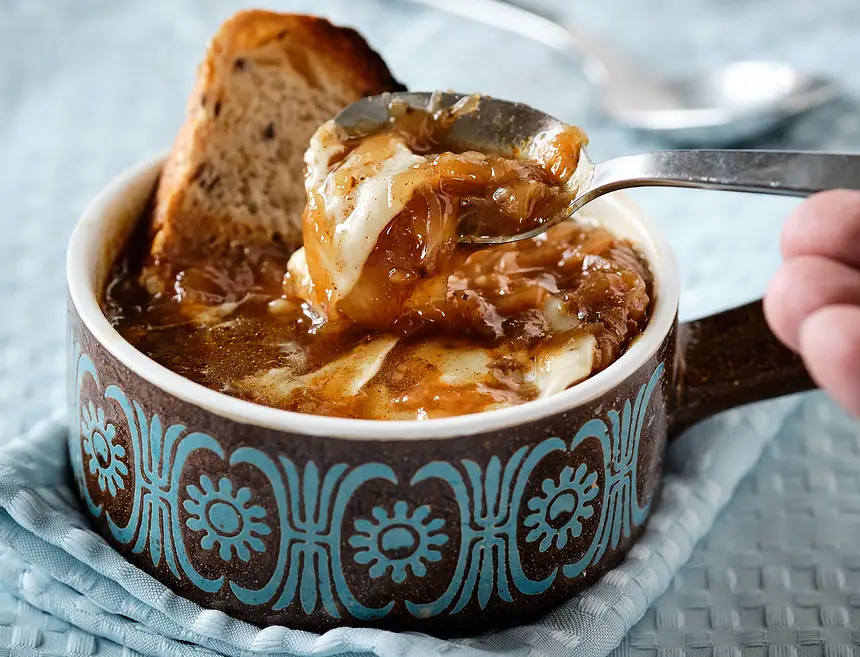
A French onion soup that boasts an abundance of caramelized onions and a deep, rich color achieved with a secret ingredient. This addition enhances the depth of color and adds a subtle backdrop to the soup, perfectly complementing the sweetness of the caramelized onions.
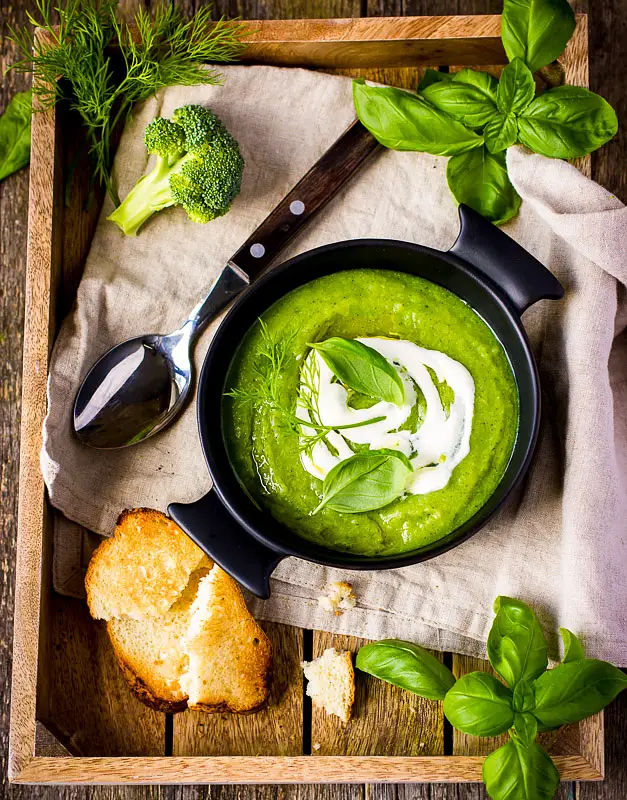
Lighter cream of broccoli soup using skim evaporated milk and sauteed leeks for body, finished with fresh basil and a hint of nutmeg. A leaner take on the diner classic.
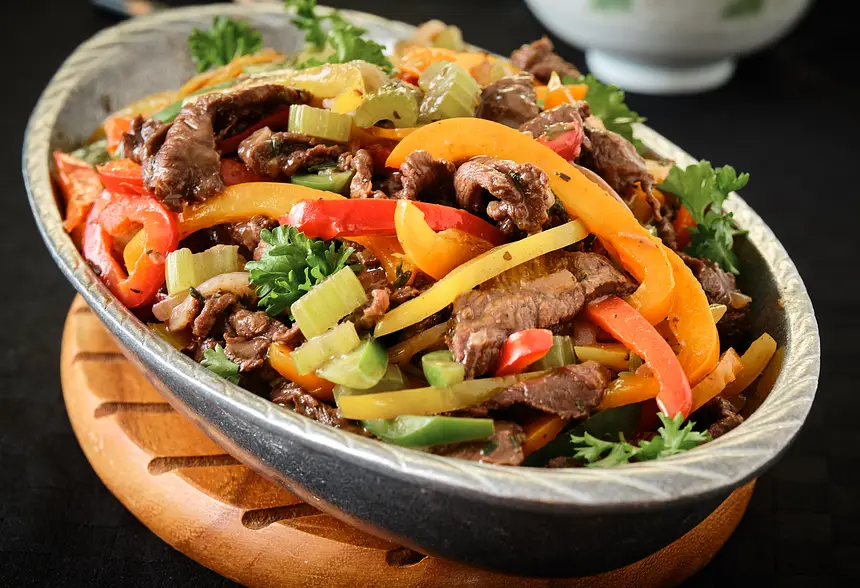
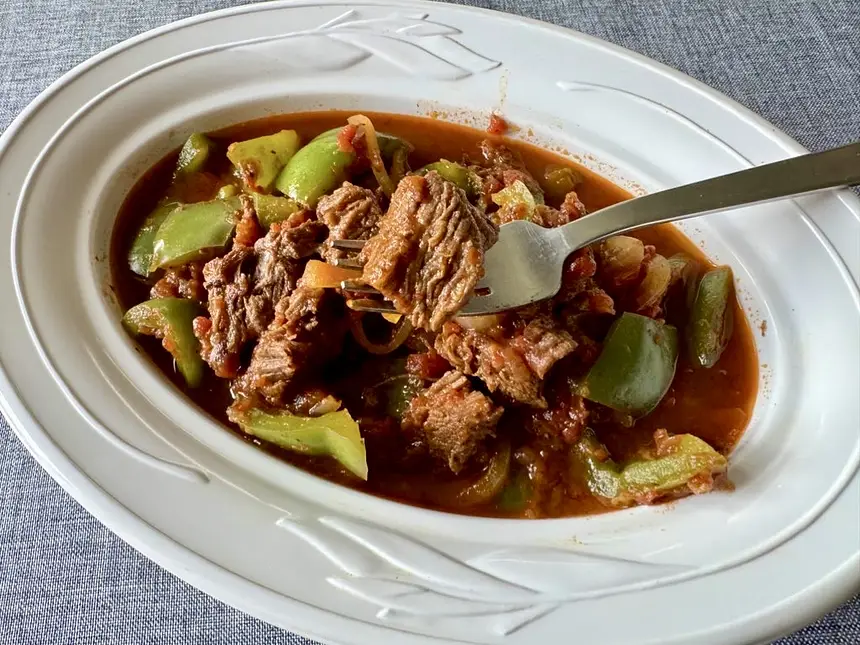
A sophisticated main dish of beef strips marinated in red wine and accompanied by a colorful array of sweet bell peppers, this recipe is a delightful fusion of rich flavors and vibrant colors, a feast for the senses that is as visually stunning as it is gastronomically gratifying.
Grilled burgers with sour cream, dried thyme, and parsley mixed right into the patty for extra moisture and herby savor. The juicy weeknight cookout staple in 20 minutes.
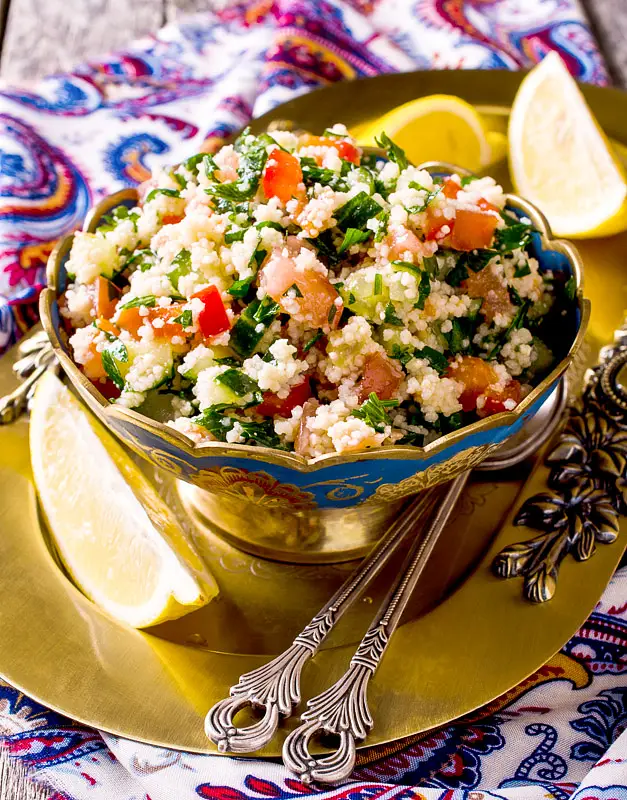
Tabouli salad with bulgur wheat, juicy tomatoes, fresh parsley, lemon, and olive oil. The classic Middle Eastern parsley salad served at room temperature with optional black olives and mint.
A savory breakfast tart: buttery shortcrust pressed into a heart shape and filled with salmon, mashed potato, and onion bound in egg, half-topped with pastry and baked golden. A hearty, handsome morning bake.
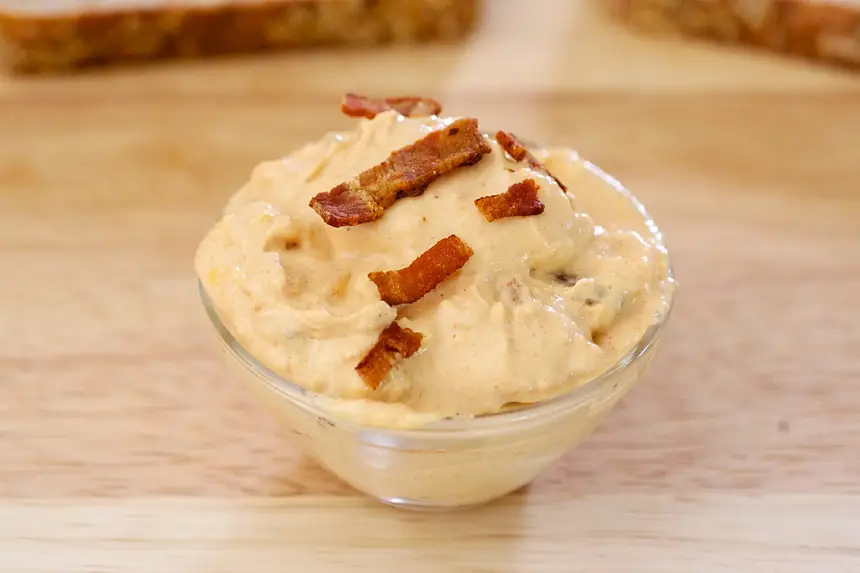
Sharp cheddar whipped with sour cream, Worcestershire, and crispy crumbled bacon makes a rich, tangy spread for this loaded cheddar bacon sandwich. Ready in 10 minutes flat.
Make-ahead gazpacho with a Mexican twist: chilled tomato soup brightened with green taco sauce, cucumber, bell pepper, and scallions. A quick simmer melds the flavors before chilling for a sharper, deeper bowl.
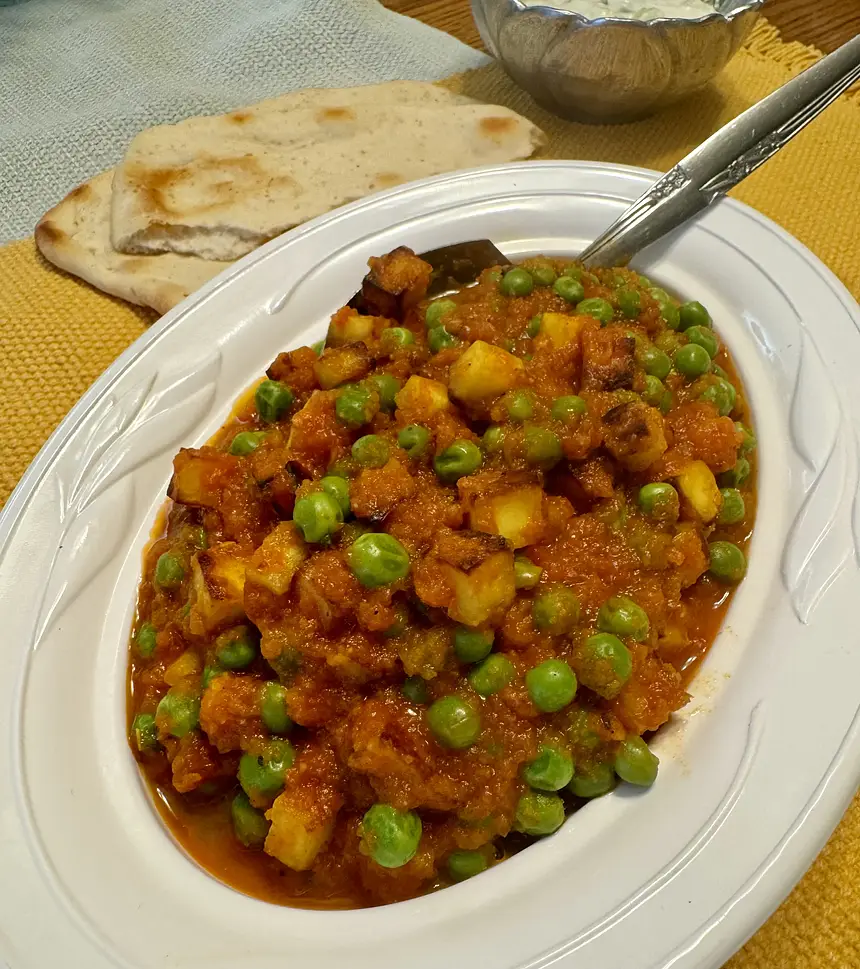
Matar paneer is a popular Indian dish consisting of paneer (a type of fresh cheese) and peas (matar) cooked in a spiced tomato-based gravy. It combines the soft, creamy texture of paneer with the sweet pop of green peas, all enveloped in a rich, aromatic sauce.
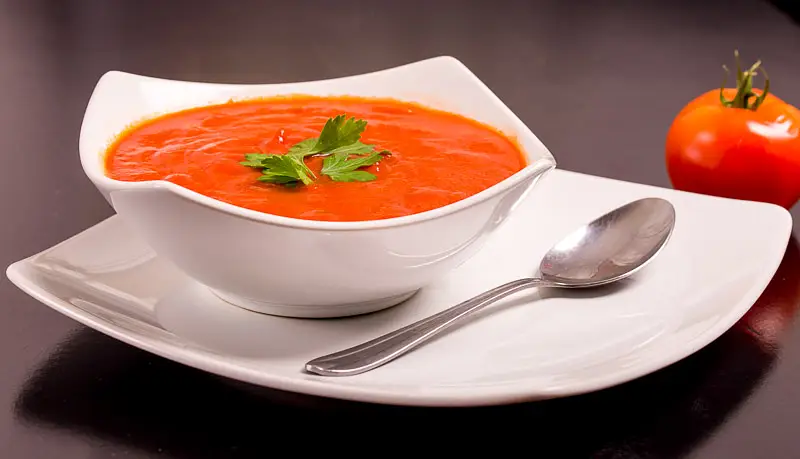
This chilled tomato carrot soup blends fresh tomatoes and sweet carrots with basil, thyme, and a whisper of nutmeg into a silky cold soup for hot summer days. Simmered, pureed, then served ice-cold with a splash of milk for creamy body.
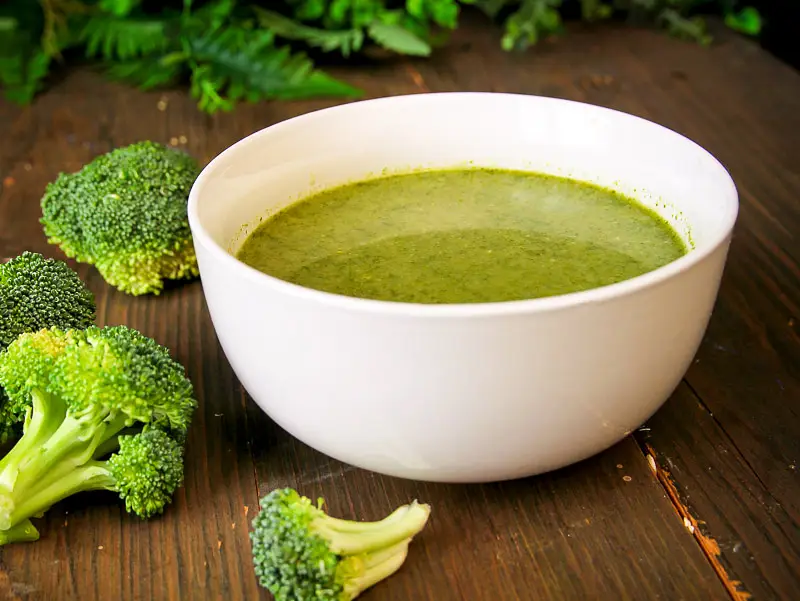
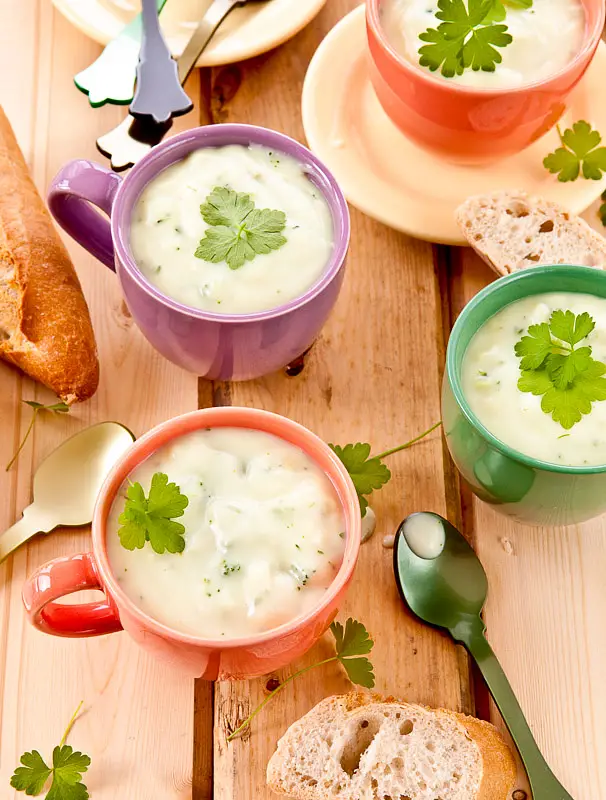
Velvety broccoli soup made from scratch with fresh broccoli florets and stems, potatoes for body, and evaporated milk for richness without heavy cream.
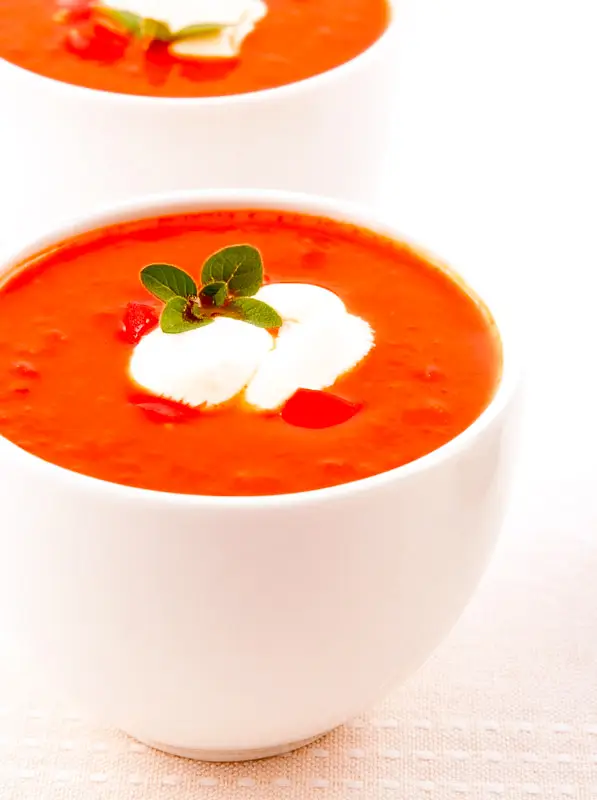
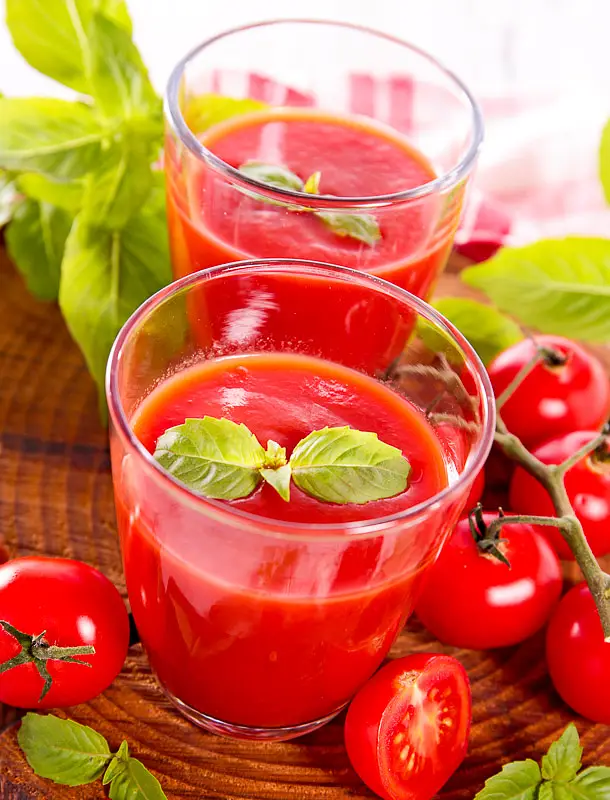
Classic chilled gazpacho, the no-cook Spanish soup of ripe tomatoes, cucumber, pepper, and onion blended with tomato juice and a splash of wine. Light, refreshing, vegan, and ready in 10 minutes.
Buttermilk pepper biscuits with a generous hit of cracked black pepper, tangy buttermilk, and shortening for a soft, flaky pull-apart crumb. Hand-shaped, baked tight together, ready in under 30 minutes.
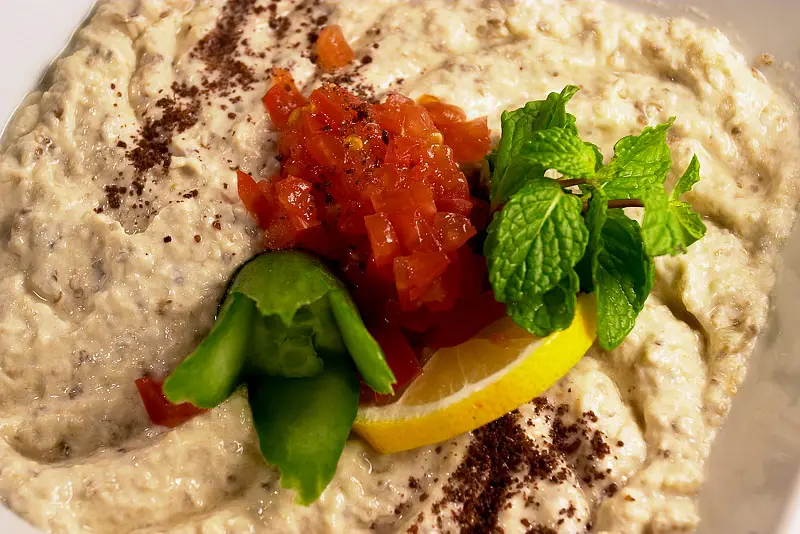
Spiced baba ghanoush with broiled eggplant, lemon, olive oil, and a warming hit of allspice and cinnamon. A Middle Eastern dip with unexpected spice depth, served with pita and fresh herbs.
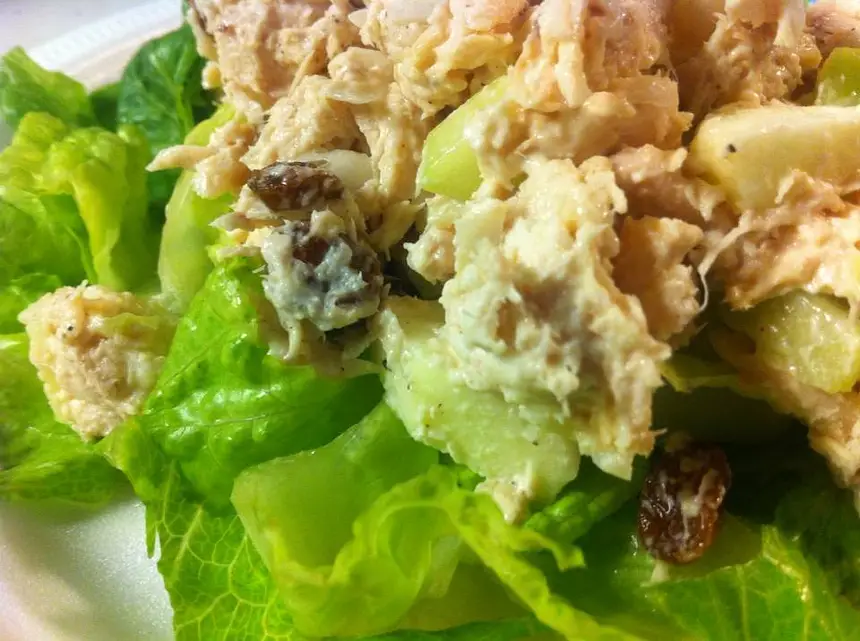
This modern Waldorf salad swaps walnuts for cucumber and adds protein-packed chicken. Crisp apples, sweet raisins, and creamy mayo over fresh romaine in 20 minutes.
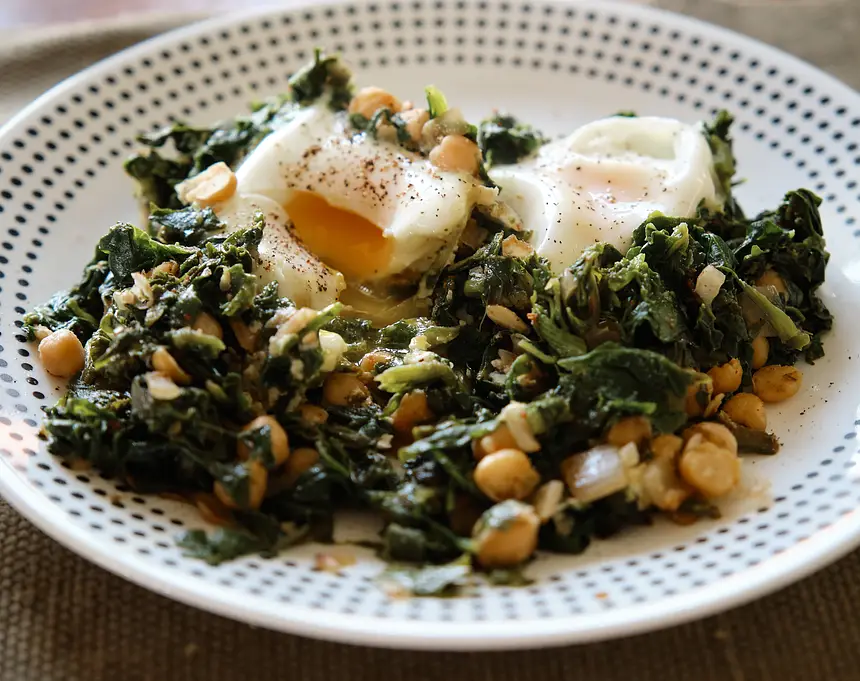
Eggs are simply poached with chickpeas and spinach. This can be a hearty breakfast or a quick and easy light meal. Super simple and one-pan preparation makes it perfect for a snappy weeknight meal or weekend brunch.
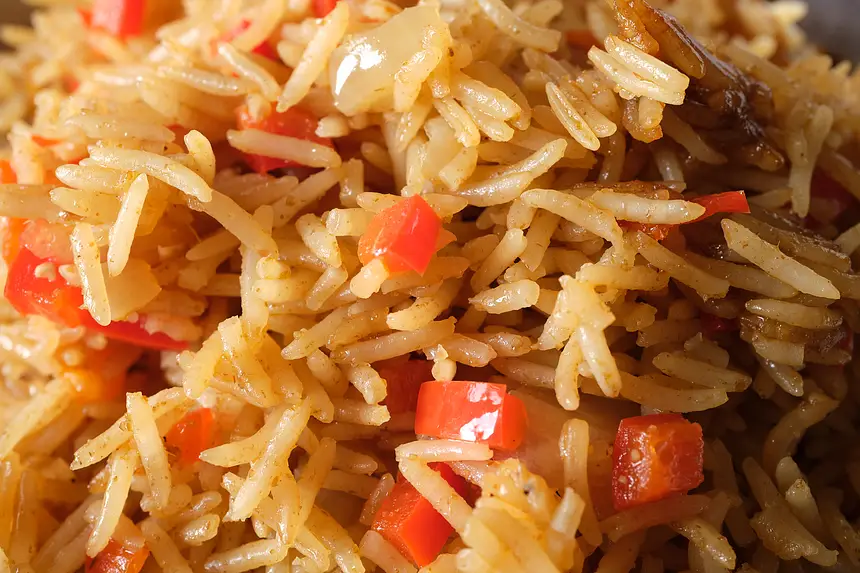
Tex-Mex rice toasted in olive oil with garlic and onion, simmered in broth with cumin, and finished with diced red bell pepper. A flavorful Mexican-style side dish from scratch.