Salt rewards a little know-how: how to choose it, cook it, store it, and substitute in a pinch. Browse 23,734 recipes to cook with it.
Key Points
Brands measure differently: 1 teaspoon table salt equals about 2 teaspoons Diamond Crystal kosher.
Salt meat 40 minutes ahead or right before cooking, never in between.
Season anything you plan to reduce at the end, not before simmering.
It never spoils; a few grains of raw rice keep a humid shaker flowing.
What is salt?
Salt is the one ingredient in nearly everything you cook, sweet or savory. It is sodium chloride, mined from rock deposits or evaporated from seawater, and more than 24,000 recipes on Recipeland call for it.
What separates careful cooking from careless cooking is rarely how much salt. It is when the salt goes in, and which kind.
Table salt is the fine, dense, refined version: 97 to 99 percent sodium chloride plus an anti-caking agent so it pours. Those small crystals pack tightly into a measuring spoon, which makes table salt the most consistent choice for baking.
When and How to Salt
Season savory dishes in stages, tasting as you go, rather than dumping it all in at the end. Salt added early penetrates; salt added late sits on the surface.
Meat has a timing rule. Salt it at least 40 minutes before cooking, or immediately before it hits the pan. In between those windows the salt pulls moisture to the surface, and that water steams your crust instead of letting it sear.
Pasta water wants more than a pinch: about 1 tablespoon per 4 quarts (4 liters) of water seasons the noodles themselves, which no amount of sauce can do afterward.
In bread, salt is structural. It tightens gluten and slows yeast, so an unsalted loaf proofs too fast and bakes up flat-tasting with a slack crumb. Something like Salt Rising Bread shows how much character the seasoning side of bread can carry.
The classic mistake is seasoning a liquid you are about to reduce. A sauce salted "to taste" and then simmered down by half is now roughly twice as salty. Season reductions at the end.
Picking the Right Kind
Cook with one brand of kosher salt and stay loyal to it. Crystal size changes everything: 1 teaspoon of table salt equals about 1¼ teaspoons of Morton kosher or 2 teaspoons of Diamond Crystal.
Swap brands mid-recipe without adjusting and you can double or halve the seasoning without touching the spoon. This is the most common reason a trusted recipe suddenly tastes wrong.
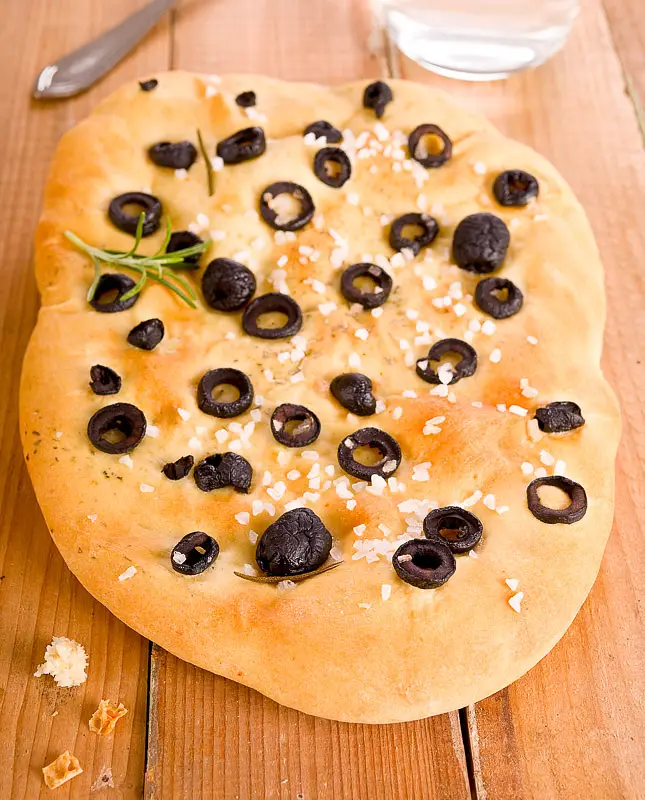
Flaky finishing salts are for texture at the table, not for the pot. A few crystals scattered over Black Olive & Sea Salt Focaccia give little bursts of crunch and salinity that dissolved salt cannot.
There is a whole family of these: see the sea salt varieties page for flaky, smoked and coarse options.
Salt also cures. Packed around food it draws out water and keeps spoilage at bay, the principle behind Salted Eggs and every country ham.
If You Need Less of It
Acid is the first tool. A squeeze of lemon or a splash of vinegar makes food register as seasoned at a lower sodium level, which is why low-sodium recipes lean so hard on citrus.
Herbs, toasted spices and umami-rich ingredients carry flavor that distracts from missing salt. Potassium-based salt substitutes work for some people, though many find them bitter past a light dose.
In baking, do not cut salt abruptly. It is doing structural work in bread dough, so reduce gradually and expect faster proofing.
Buying and Storing It
Salt never spoils. It is a mineral; the date on the container is a formality.
Humidity is the only enemy, and it just causes clumping. A few grains of uncooked rice in the shaker absorb extra moisture and keep it flowing, the old diner trick that still works.
Iodized or plain is a nutrition decision, not a flavor one for everyday cooking. Keep fine table salt for baking, a box of kosher by the stove, and one flaky salt for finishing.
Types of salt
Specific kinds of salt and the recipes that use them.
Kosher salt is the cook's everyday salt: coarse, flaky crystals of plain sodium chloride with nothing else added. The name comes from its original job, koshering meat, where the large grains are good at drawing blood from the surface.
Most kosher salt is not certified kosher itself; the name stuck to the grain.
What makes it the salt most cooks reach for is control. The coarse flakes are easy to pinch and to see, so you can scatter them evenly by hand and feel how much you are adding, which fine table salt makes almost impossible.
Sea salt is exactly what it sounds like: the salt left behind when seawater evaporates. That origin sets it apart from table salt, which is mined from underground rock and refined down to nearly pure sodium chloride.
Because seawater carries more than salt, sea salt keeps traces of other minerals. They give some sea salts a faint grey or pink tint and a rounder, less sharp taste, though once it dissolves into a dish the difference is hard to pick out.
Seasoned salt is not really a type of salt. It is plain salt premixed with dried savory spices, usually paprika, garlic, onion and a touch of sugar, so a single shake seasons and flavors at the same time. The original, Lawry's, has been on diner tables since 1938.
That makes it a flavor base, not a finishing salt. Reach for it when you want an easy savory hit with no measuring: on popcorn and burgers, tossed with Green Beans with Red Potatoes, or rubbed into meat before the grill, the way it seasons a Barbecued Beef Brisket.
Because it is mostly salt, treat it as the salt for that dish rather than an extra. Shake it over food you have already salted and you double the sodium without meaning to.
It is also not a one-to-one stand-in for plain salt. It brings color and a garlicky, mildly peppery flavor you may not want in delicate baking or a dish that already has its own spicing.
Blends vary by brand, so taste before you trust the amount. You can mix your own too: fine salt cut with paprika, onion and garlic powder, black pepper and a pinch of sugar.
For when and how to salt food, storing it and cutting back on sodium, see salt.
Pickling salt is plain fine salt, and the point of it is what it leaves out. It carries none of the anti-caking agents in table salt, which would cloud a brine, and no iodine, which can darken pickles and dull their color.
Because the grains are fine and additive-free, it dissolves fast and completely, so a brine stays clear and the salt measures consistently. That precision matters in pickling and fermenting, where the salt ratio sets the crunch and, in a ferment, keeps the batch safe.
Reach for it whenever you are putting up jars, like a batch of Favorite Mustard Pickles, or building a brine for fermenting. In a pinch, additive-free fine sea salt or plain kosher salt will stand in; just match by weight, since the grain sizes differ.
For everyday seasoning and measuring salt between types, see salt.
"Salt and white pepper" is the same everyday seasoning pair as salt and black pepper, with white pepper standing in so there are no dark specks in pale dishes like cream sauces or mashed potatoes. It is recipe shorthand, not a single ingredient.
Rock salt is mined salt left in big, chunky crystals instead of being ground fine. Most of it is the same sodium chloride as table salt, just unrefined, so it often has a greyish, mineral look.
In the kitchen, food-grade rock salt has a few specific jobs. It feeds a salt grinder, forms the hard shell in salt-baked fish or potatoes, and makes a sturdy, level bed for serving oysters or roasting clams on the half shell.
You rarely season directly with it, since the crystals are too big to dissolve evenly.
It also has uses you do not eat. Packed around the canister of an old-style ice cream churn, rock salt drops the ice bath below freezing so the custard can set.
The coarse stuff sold for de-icing paths is not food grade at all, so check the label before any rock salt goes near food.
For everyday salting, storing it, and finishing salts, see salt.
An herbal salt substitute is a salt-free blend of dried herbs and spices, sometimes with potassium chloride, made to season food for people cutting back on sodium. Because it contains little or no salt, it adds flavor but does not season or behave like salt in cooking.
"Salt and cayenne pepper" pairs everyday salt with a pinch of cayenne for heat, a shorthand you will meet in Cajun and Creole seasoning rather than a single ingredient. The salt seasons while the cayenne brings the burn, so add the cayenne cautiously and taste as you go.
Curing salt is not a seasoning salt. It is table salt blended with sodium nitrite, and in one type sodium nitrate, used in tiny measured amounts to cure meats like bacon, sausage and corned beef.
The nitrite fixes the pink color and the tangy cured flavor, and most importantly it guards against botulism.
It is dyed bright pink for one reason: so no one mistakes it for ordinary salt. That is also why it is often called pink curing salt or Prague powder, sold under brands like Insta Cure.
Do not confuse it with pink Himalayan salt, which is just colored rock salt and cures nothing.
The type matters. Prague Powder #1 is for meats you will cook or cure briefly; Prague Powder #2 adds nitrate for long, air-dried cures like salami.
Treat it as a recipe ingredient with no wiggle room. Sodium nitrite is toxic in quantity, so measure exactly what your recipe specifies and never swap it for regular salt.
Herbal salt is salt blended with dried herbs such as rosemary, thyme, basil or oregano, used as an all-purpose savory seasoning. Like other seasoned blends it is mostly salt, so treat it as the salt for a dish rather than an extra sprinkle on top.
See seasoned salt for the closely related blend, and salt for the basics.
Hawaiian salt is a sea salt from the islands of Hawaii, traditionally tinted brick-red by a fine volcanic clay called alaea that is rich in iron oxide. The color and a faint earthy note come from the clay, not from any added flavor, and the salt is used mostly for finishing and in island dishes like poke and kalua pork.
For how to use and store salt in general, see salt.
A salt substitute replaces some or all of the sodium in table salt with potassium chloride, for people on low-sodium diets. It can taste metallic or bitter to some, especially when a lot is heated, and it is not a one-to-one match for the flavor of salt.
Because it is high in potassium, anyone with kidney problems or on certain medications should check with a doctor before using it. For lower-sodium cooking tips, see salt.
Vegetable salt is salt blended with dried, ground vegetables such as celery, carrot, tomato and onion, used as a savory all-purpose seasoning; the best-known brand is Herbamare. Like other seasoned blends, it is mostly salt.
Hickory salt is salt blended with hickory smoke flavoring, a quick way to add a smoky, barbecue note without a smoker. Like other seasoned salts it is mostly salt, so use it as the dish's salt rather than an addition on top.
Vegetarian burgers built from Harvest Burger mix and bulgur wheat, bound with tomato paste and parsley, then topped with balsamic-glazed caramelized onions. A satisfying meatless burger with serious chew and sweet-tangy crown.
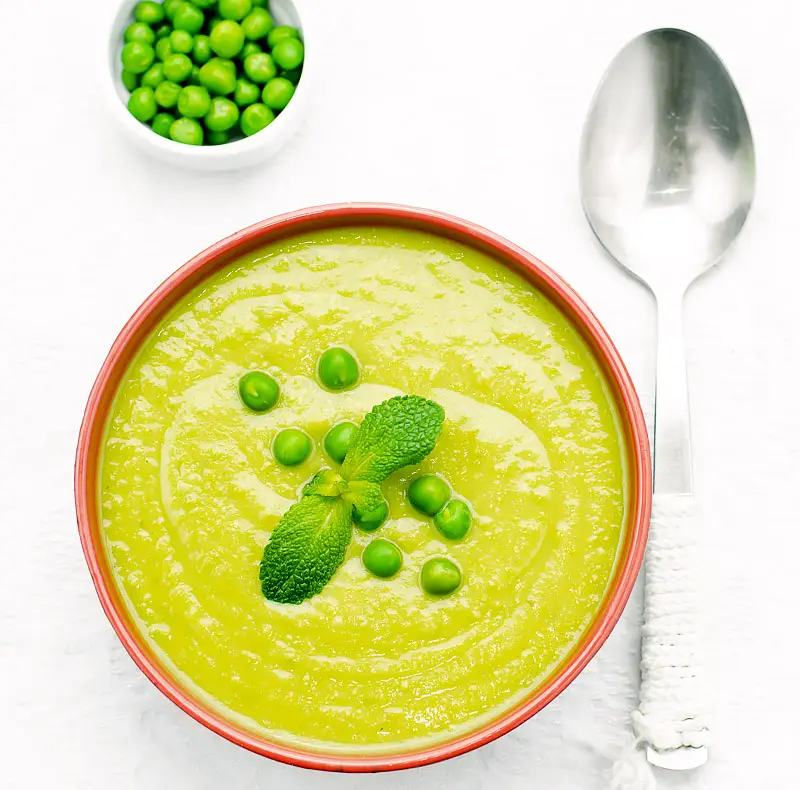
Chilled green pea soup blends sweet frozen peas with thyme, onion, and minute tapioca for a velvety low-fat, low-calorie soup that works hot or cold. The tapioca thickens without flour or cream. Five minutes of standing time, twenty minutes total cook.
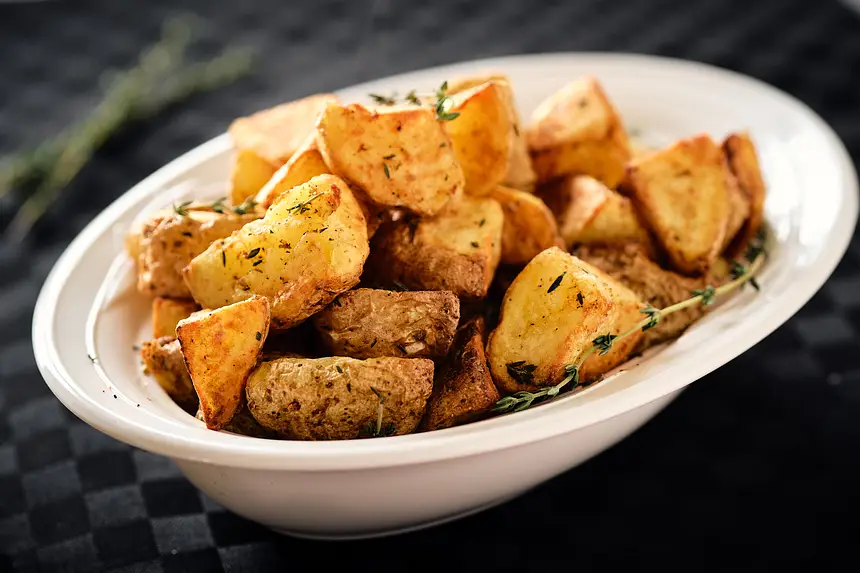
Have some thyme to roast potatoes but are short on time. Using your air-fryer, you can roast potatoes in a flash. Crispy classic Thyme Roasted Potatoes with a modern twist.
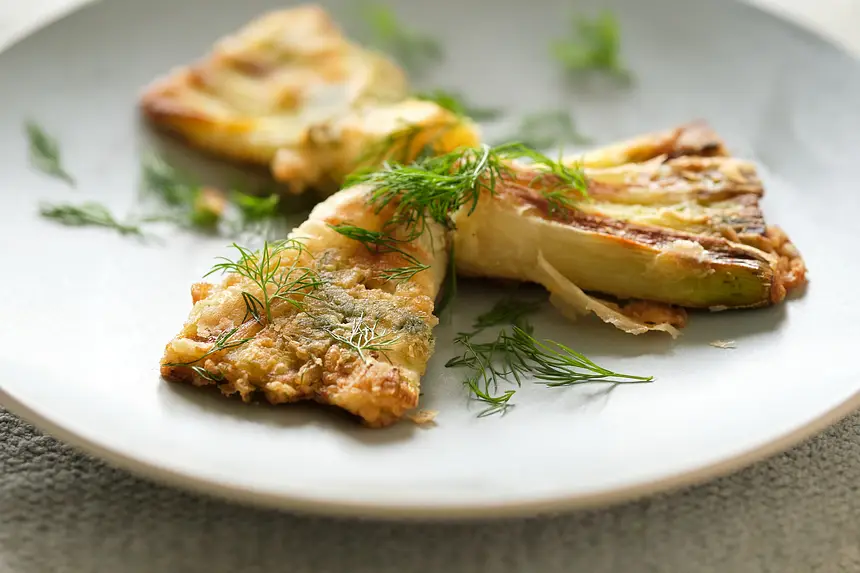
An elegant and sophisticated appetizer that will impress your dinner guests and is ready in just 20 minutes. The leeks are trimmed, steamed, battered, and fried to a beautiful golden brown. The addition of tarragon and parsley adds a subtle yet delicious flavor to the dish. The result is a crispy and flavorful appetizer or side dish that is certain to wow your guests.
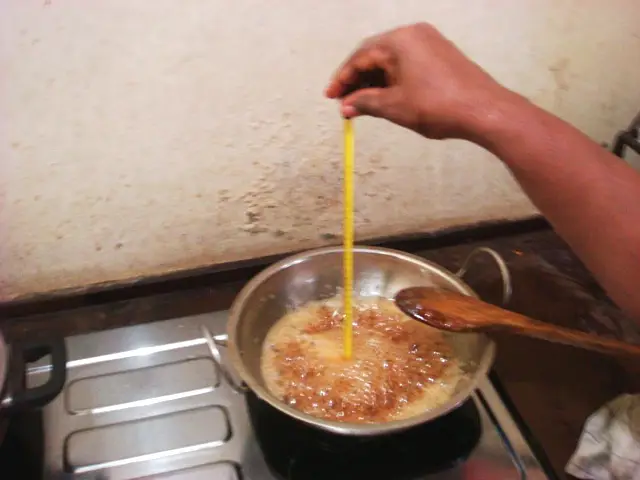
Homemade coconut pani popcorn coats popped corn in a glossy coconut-treacle caramel, then presses it into chewy-crisp squares. A Sri Lankan sweet that beats any bagged caramel popcorn.
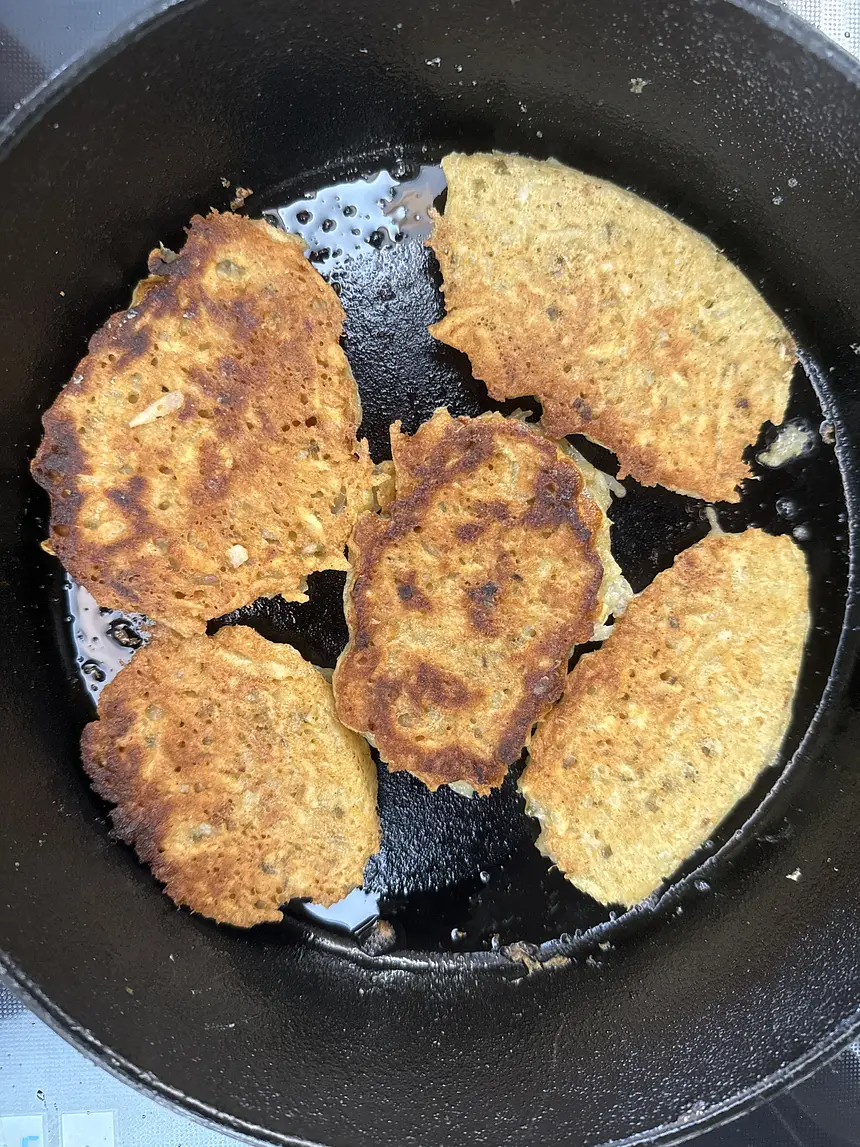
Crispy-edged potato pancakes made from grated raw potatoes with just eggs, onion, and matzo meal. Serve hot with applesauce or sour cream for a classic bite.
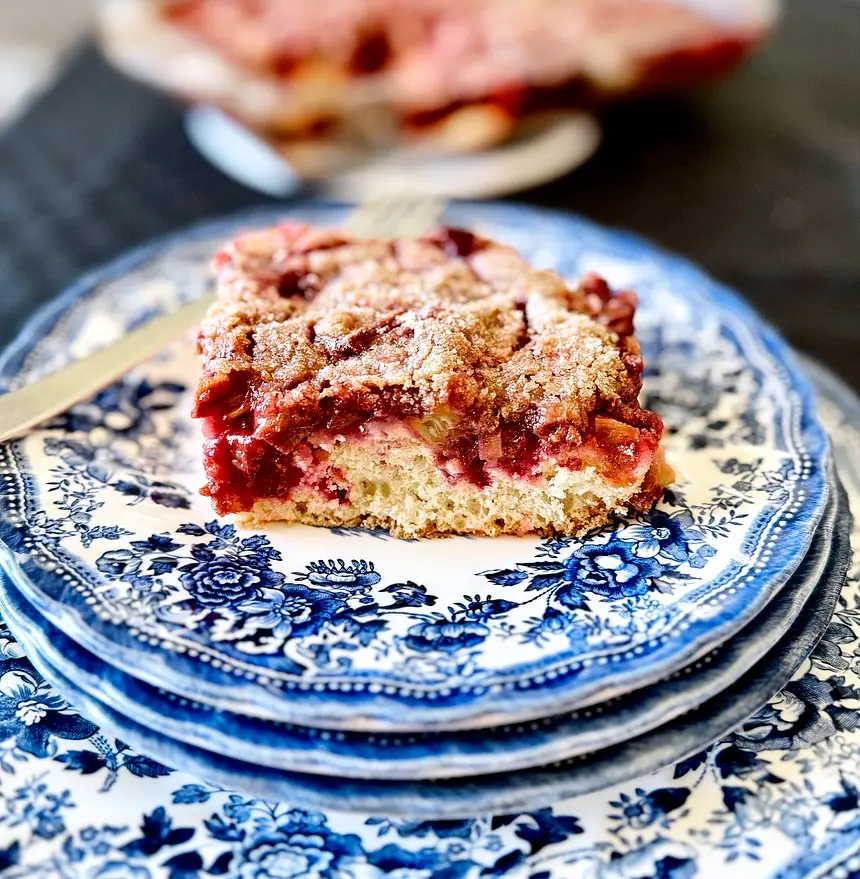
A soft cake bottom, with a fruit filled middle topped with a tantalizing cinnamon topping. Learning how to make Jello fruit cake that use any fruit you have on hand including summery rhubarb with strawberry gelatin.
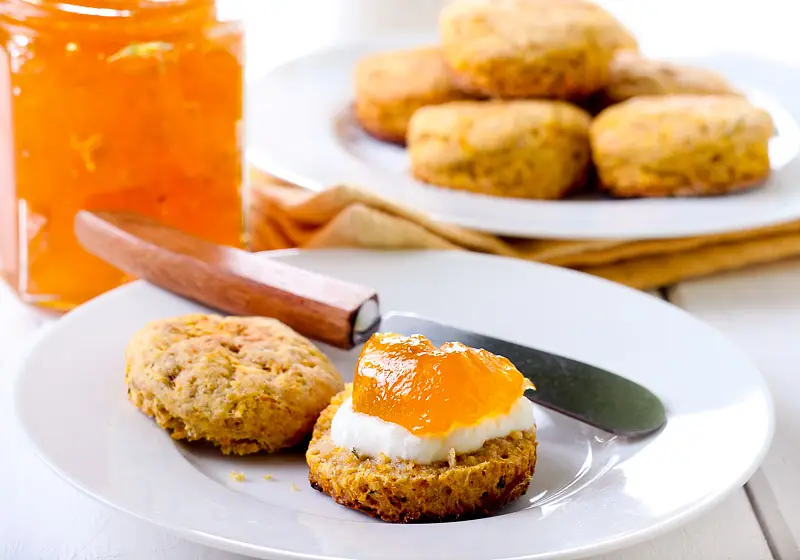
Savory pumpkin biscuits with whole wheat, wheat germ, bran, and a clever clove of garlic to balance the sweetness. Drop biscuits with a spoonbread interior, no butter or eggs needed.
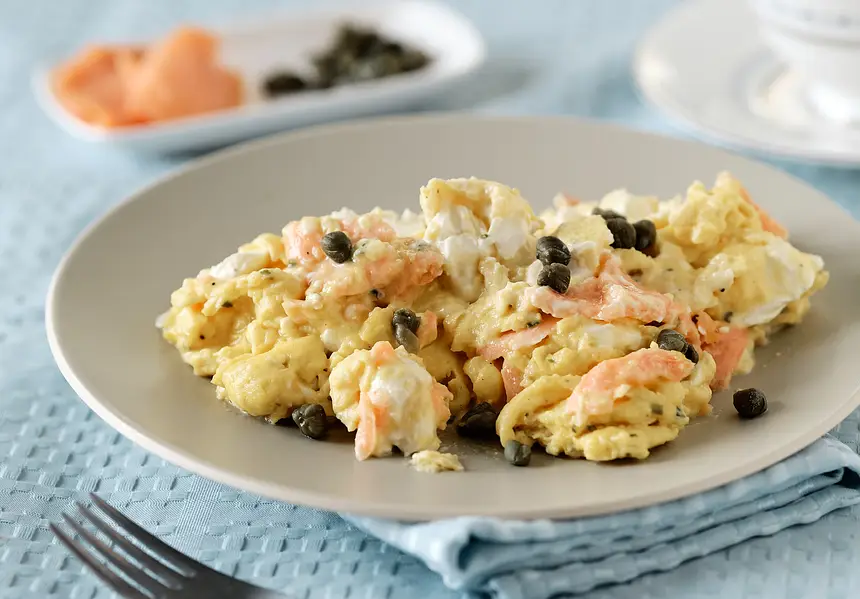
A low-carb version of Lox (smoked salmon) and cream cheese that uses scrambled eggs to replace the classic bagel. Rich, creamy, and delicious, it is perfect for celebrating National Cream Cheese and Lox Day or anytime for an impressive Brunch or breakfast offering.
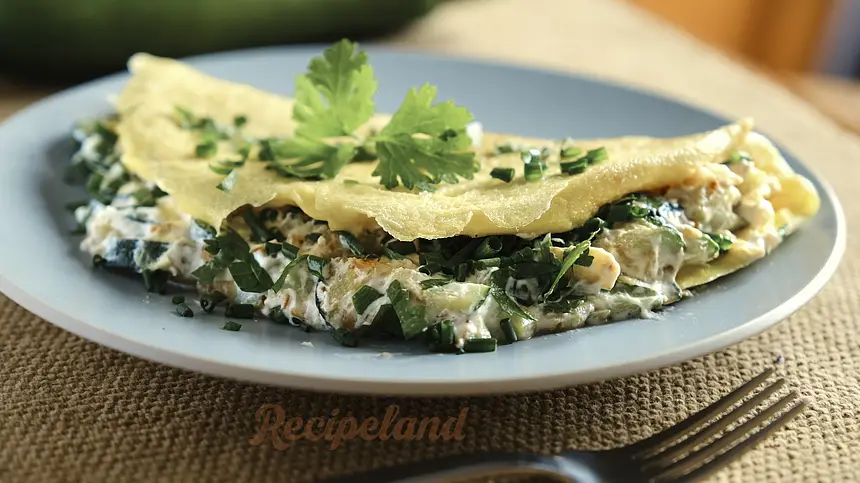
Eggs & zucchini creamily enveloped by warm and creamy tangy goat cheese and sweet caramelized onion mixture. When you've got zucchini overload and aren't sure what to do, this is my go-to recipe that feeds the need.
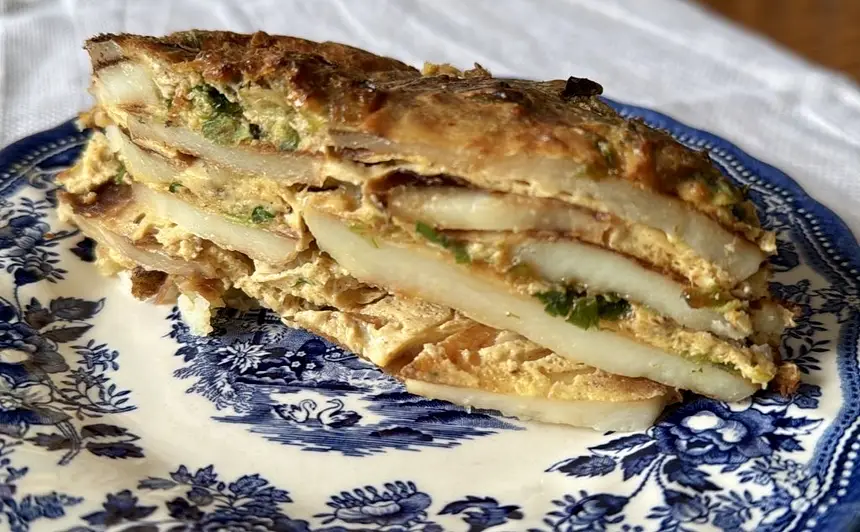
A comforting and savory dish featuring layers of golden-brown potatoes and tender scallions, bound together with a creamy yogurt-egg sauce and baked to perfection. Ideal as a hearty side or a light main course.
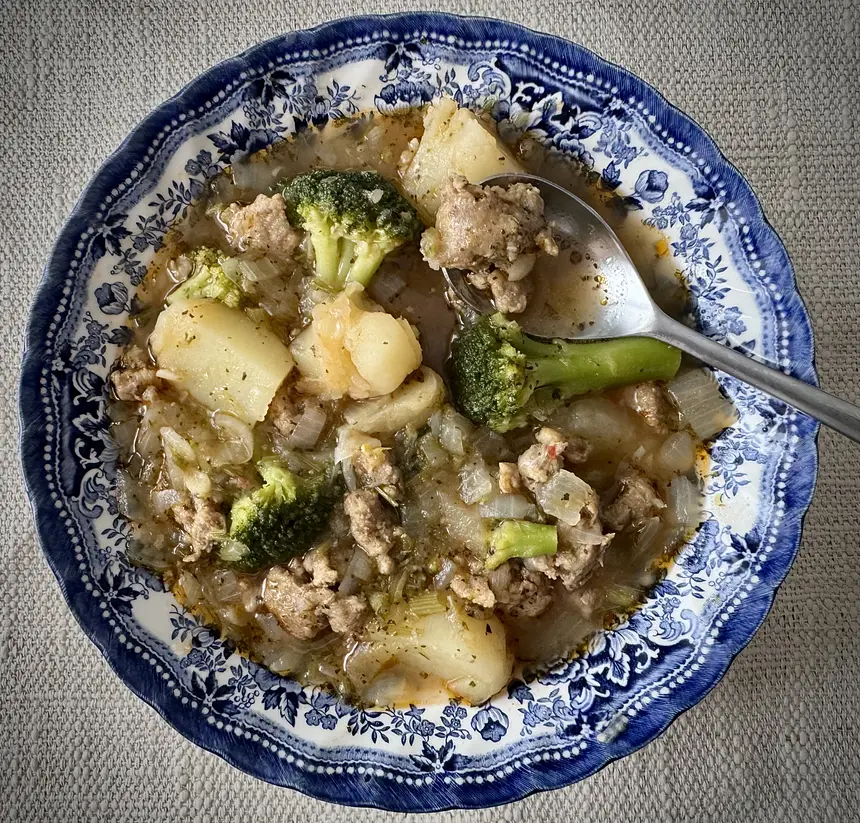
Warm up with this hearty yet thrifty sausage and broccoli minestrone soup. An easy comforting twist on the classic Italian dish, perfect for chilly days.
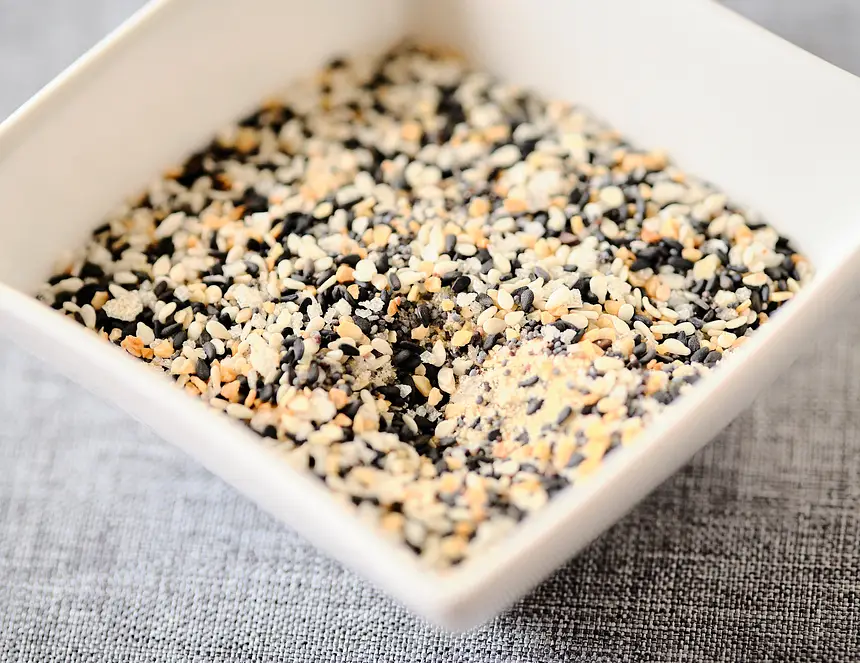
All-dressed bagel seasoning, so expensive in stores, can be easily made in a flash. It can be used on various dishes, such as avocado toast, eggs, roasted vegetables, and even popcorn. It adds a delicious and savory flavor to your favorite foods.
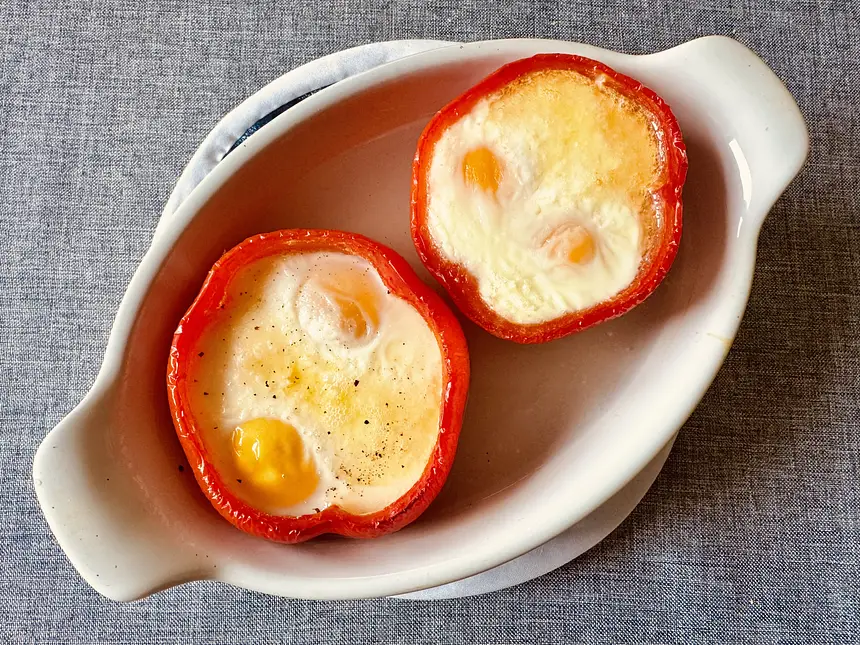
Eggs, simply baked in sweet red bell pepper served with tomato sauce. Just 3 ingredients create a delightfully creative breakfast or brunch that even kids like.
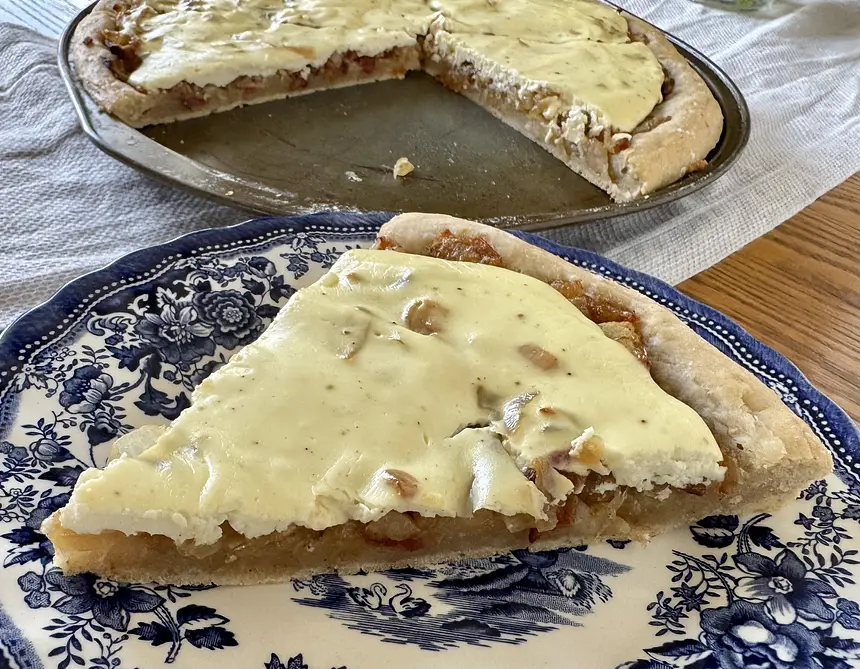
A savory German onion pie featuring a yeasted crust topped with caramelized onions, crispy bacon, and a creamy sour cream custard. Perfect as an appetizer or main dish, especially during autumn or Oktoberfest celebrations.
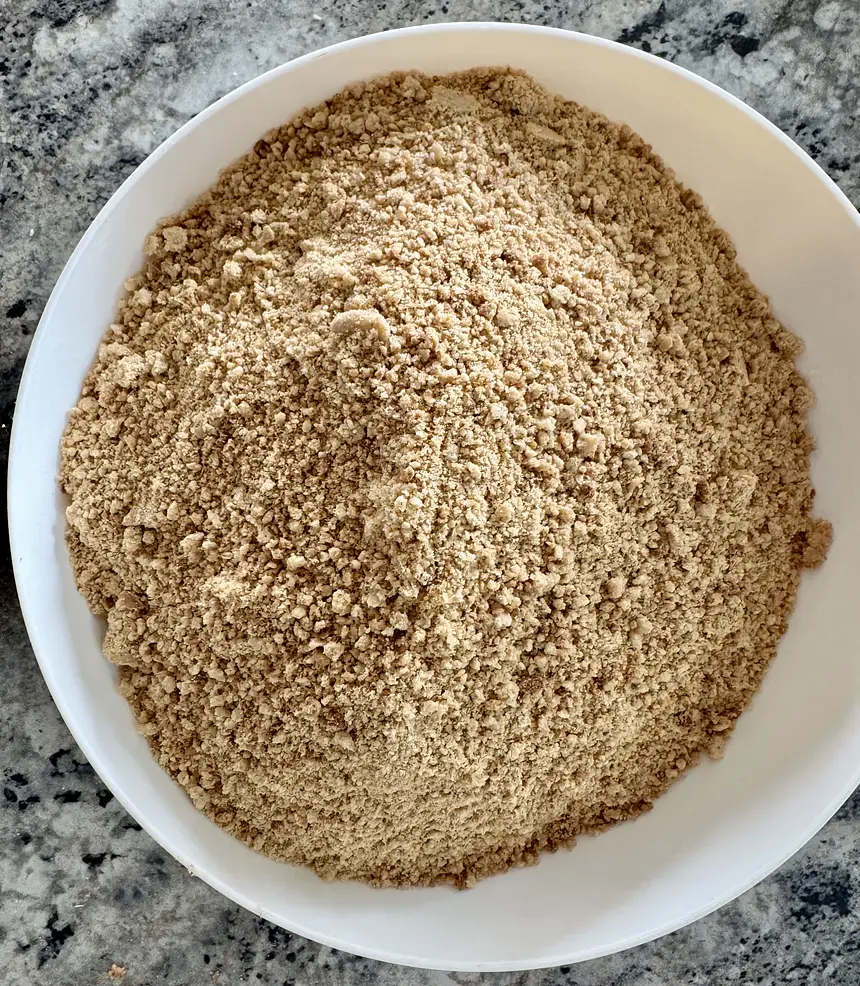
These homemade graham wafers are crisp, lightly sweet, and perfect for snacking, crushing into crumbs for pie crusts, or pairing with spreads. Made with wholesome graham flour and a touch of vanilla, they bake up golden and delicious in just minutes.
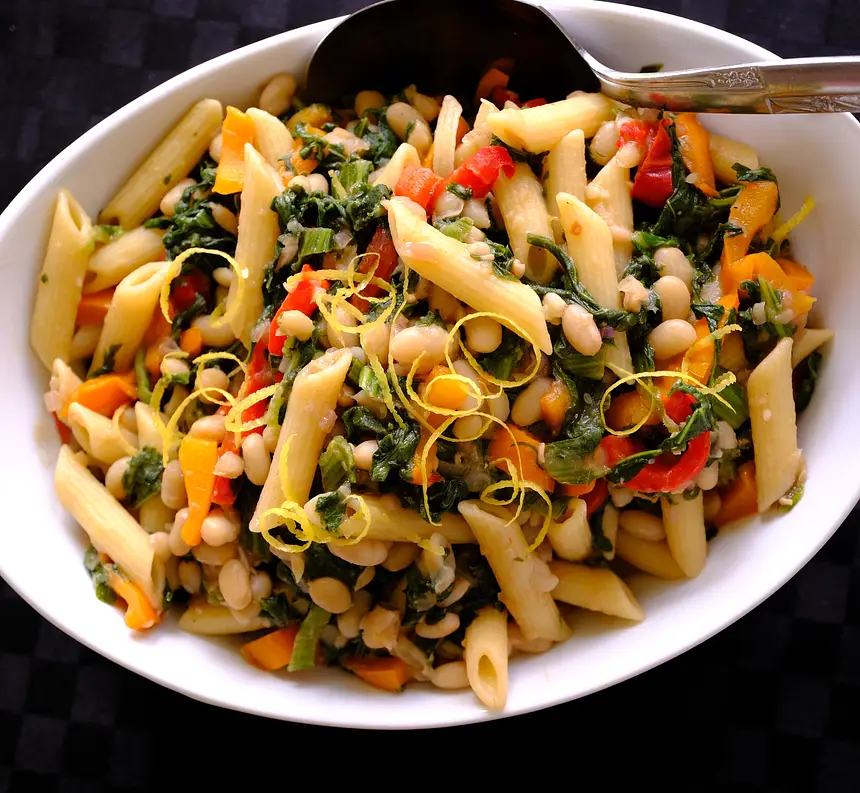
Pasta with red peppers, escarole, white beans, garlic, and lemon zest. A bright, vegan Tuscan-inspired pasta bowl that's low-fat without feeling like a compromise. This dish stays true to simple Tuscan roots while delivering big flavor without added fat.
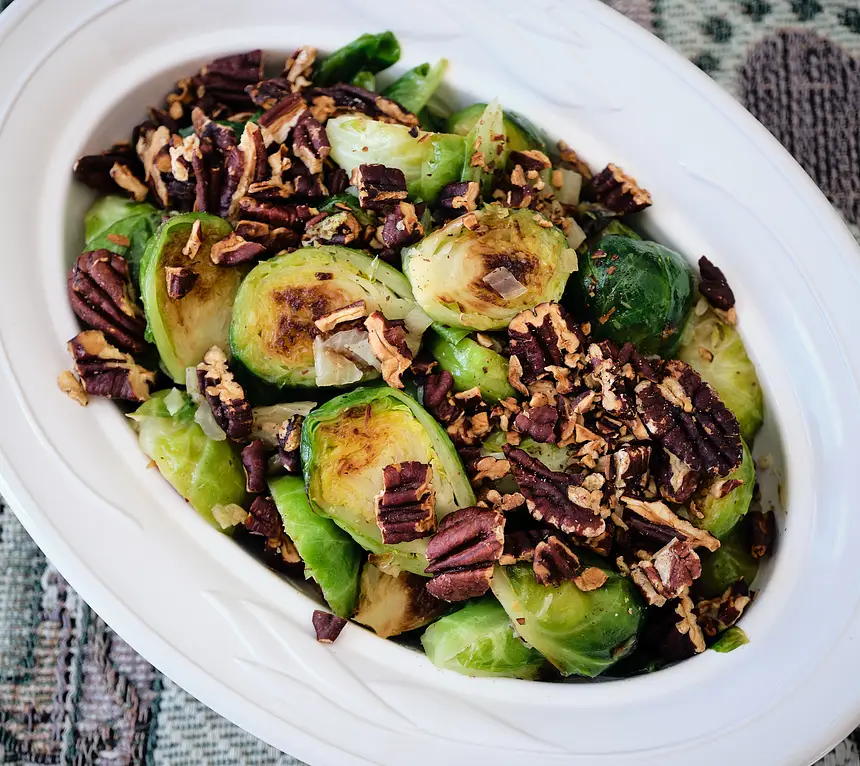
Discover this easy sautéed Brussels sprouts with pecans recipe: caramelized onions, garlic, and a hint of lemon for a quick, healthy side dish bursting with nutty crunch and subtle sweetness—perfect for weeknight dinners or holiday meals like "simple Brussels sprouts side dish ideas" or "healthy vegetable recipes with nuts."
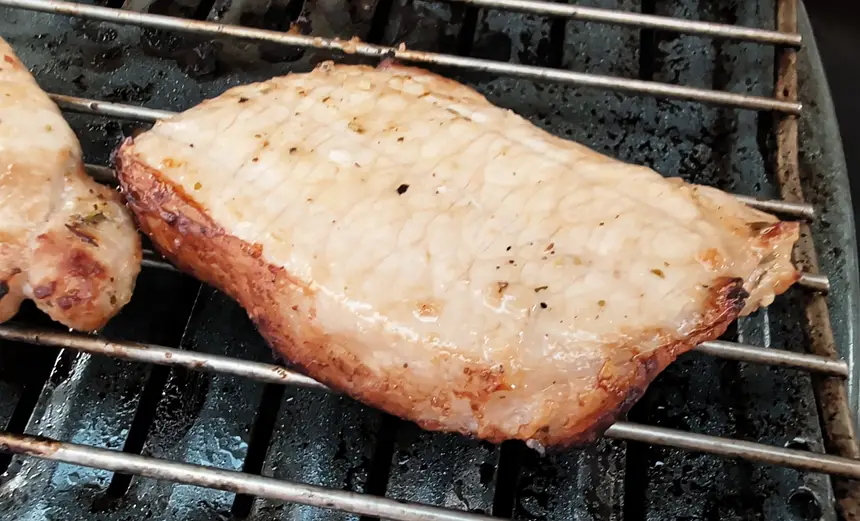
Grilled pork chops marinated 6 hours in olive oil, white wine vinegar, garlic, peppercorns, bay leaf, and dry mustard. A simple Mediterranean-style marinade for thick-cut chops.
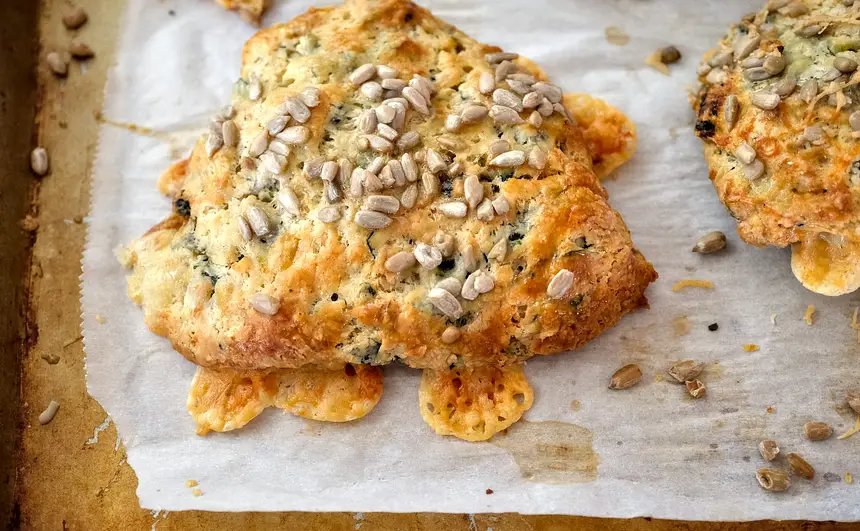
Craving a breakfast treat that's hearty, cheesy, and not overly sweet. These kale and cheese scones are your new best friend. Inspired by the cozy vibes of an American bakery, we've packed them with tender kale, sharp cheddar, nutty Parmessan, and a hint of plump raisins for a subtle sweetness that balances the savory kick. A generous grind of black pepper adds a spicy edge, making these perfect for brunch, snacks, or even alongside soup.
White chocolate scones with heavy cream, cold butter, and generous chunks of white chocolate that go soft and creamy in the oven. Flaky, layered, and tender from keeping the butter cold.
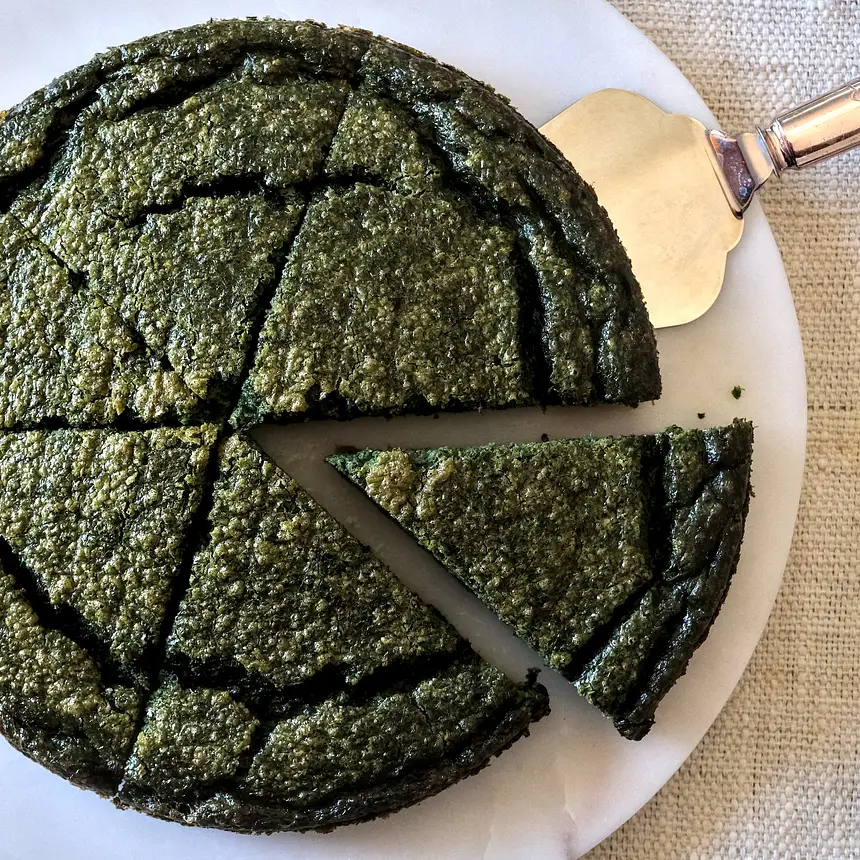
Get ready to whip up a vibrant, herb-packed dish that’s bursting with flavor and perfect for any meal of the day! This Persian-inspired frittata is a fresh twist on the classic omelet, blending tender Swiss chard, fragrant dill, and zesty scallions into a fluffy, golden masterpiece. Baked to perfection, it’s easy to make and even easier to love. Serve it with warm flatbread, a sprinkle of feta, or a side of crisp veggies for a delightful meal. Let’s dive into this green goodness!
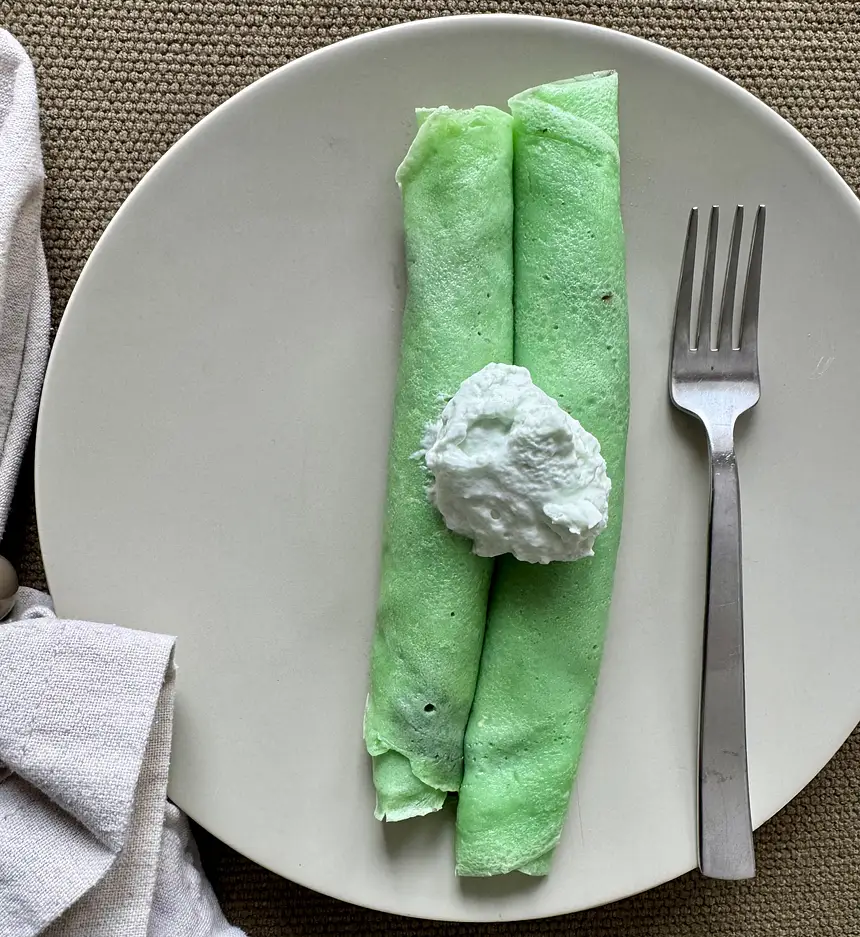
Festive green crepes for St. Patrick's Day celebrations with delicate texture and shamrock color. Fill with sweet or savory for Irish-themed breakfast or dessert.
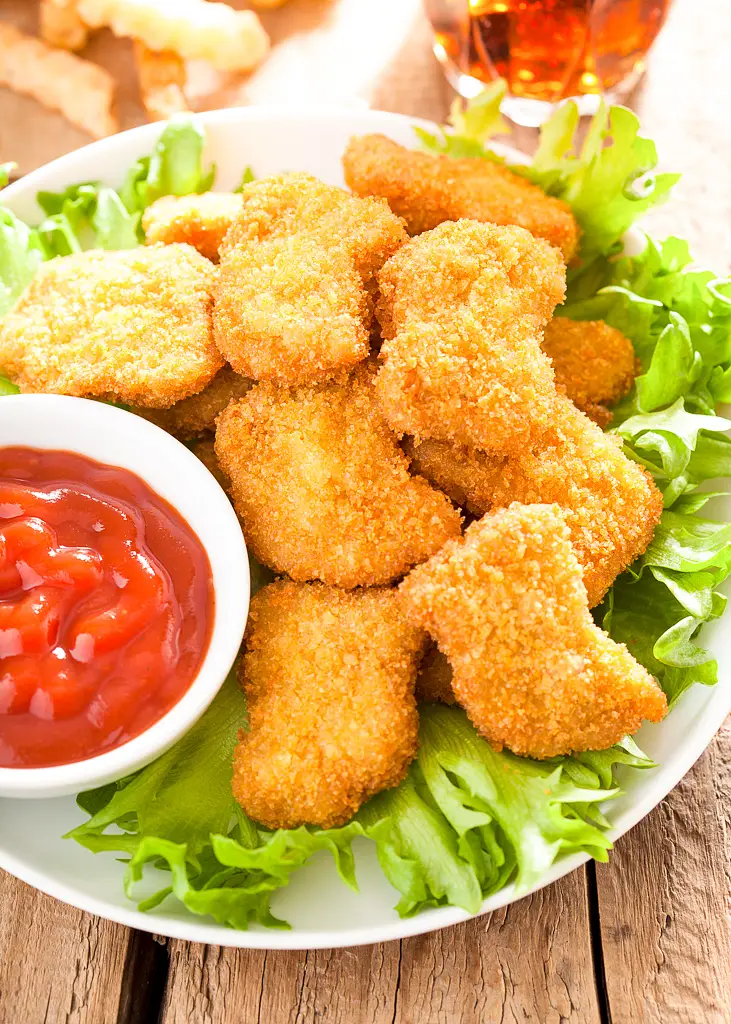
These air-fryer (or oven based) chicken nuggets are popular combination of savory and crispy, with the rich taste of chicken complemented by the crunch of a cracker crumb coating complete with 4 varieties of dipping sauces.
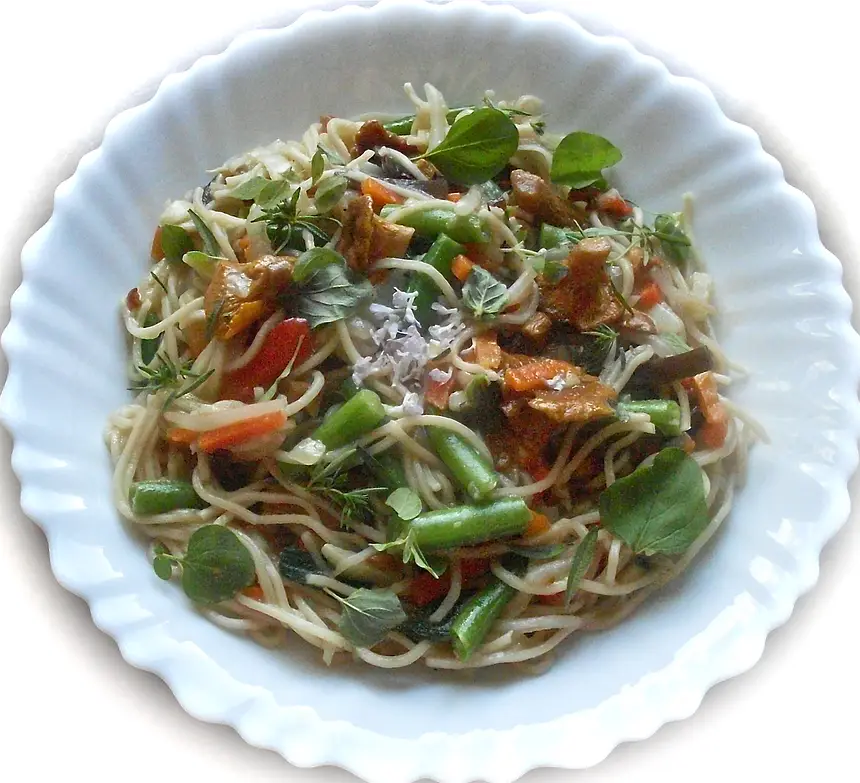
Vegan. I always wondered how would chanterelles taste with typical ingredients of Chinese cuisine. Now I know. Of course I wouldn't be myself if I didn't make it my way.
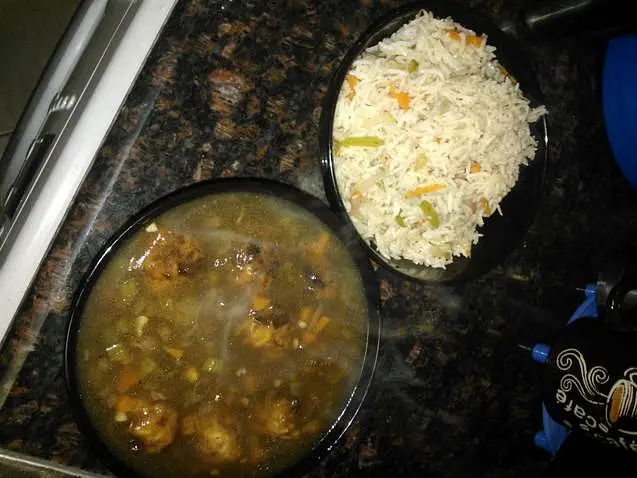
Vegetable Manchurian was a great combo with Egg Fried Rice.We normally make Cauliflower Manchurian as a side dish for Fried Rice.This dish ends up being a clean up dish as you can add all your veggies that you might have left overs and tastes great.
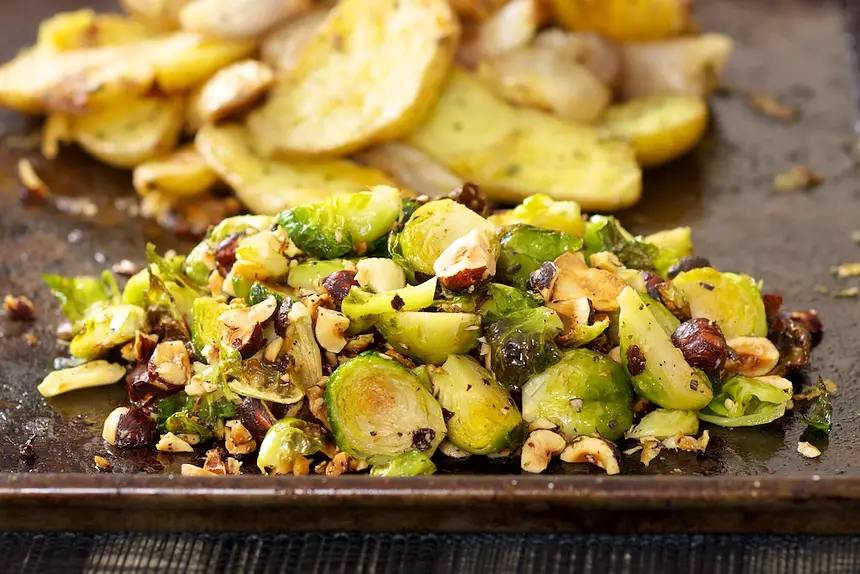
Caramelized Brussels sprouts roasted with toasted hazelnuts in nutty brown butter. Quick high-heat side dish with crispy edges and tender centers in under 25 minutes.
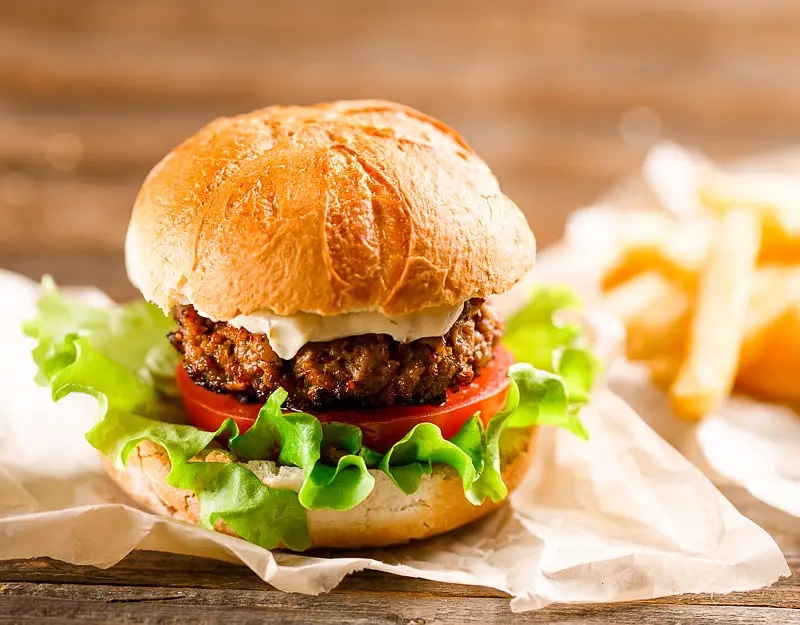
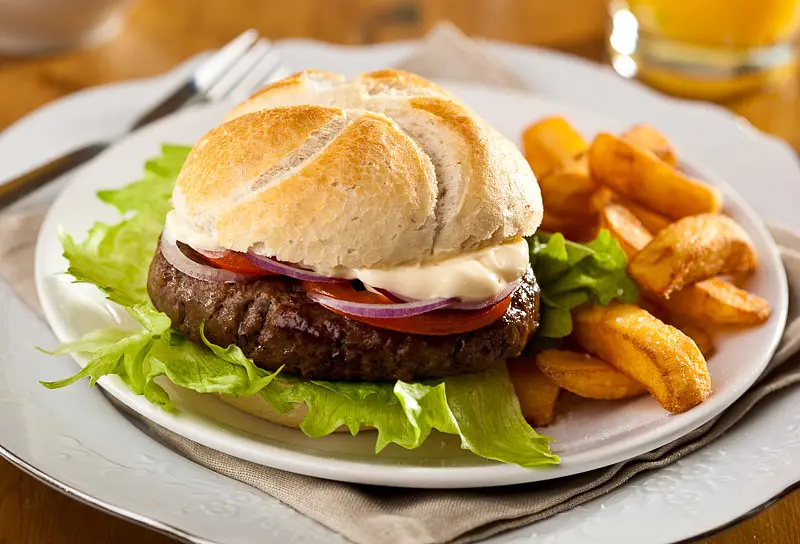
Asian-inspired pork burgers with soy sauce, dry sherry, and fresh ginger root. Grilled hot for juicy, savory patties that beat plain beef burgers any night.
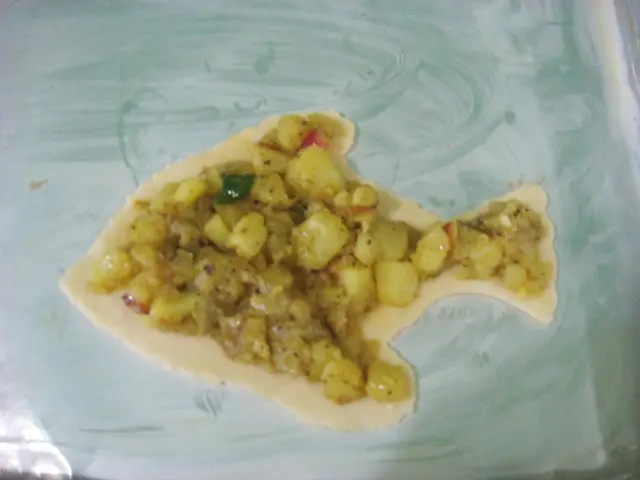
Fish-shaped salmon pastries: buttery shortcrust hand pies cut into fish, filled with smoked salmon, potato, and onion, then decorated with pastry scales and baked golden. A playful, savory party appetizer kids love.
Here's a delicious, quite filling idli recipe that can be enjoyed as a snack or the main dish. Learn how to make stuffed idli. So here's a colourful idli recipe that's packed with the goodness of vegetables.
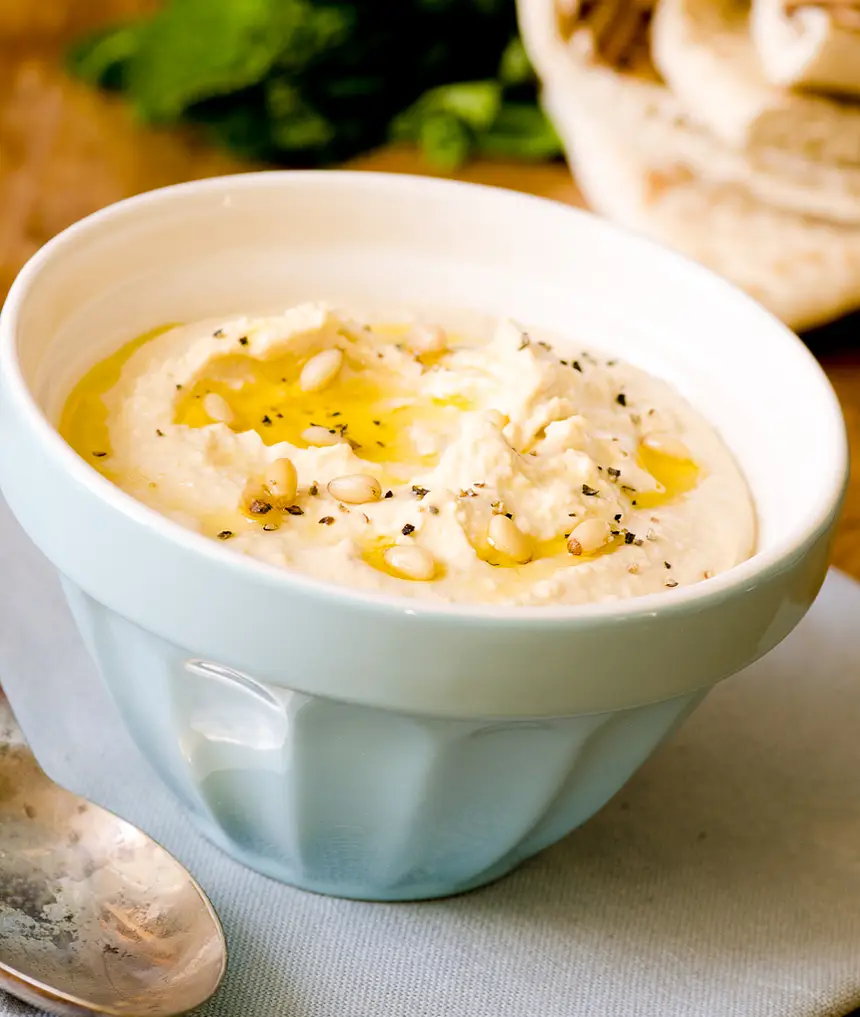
Hummus bi tahini blends chickpeas with tahini, garlic, and lemon for the silkiest Lebanese-style dip. A baking soda boil softens the chickpeas, and toasted pine nuts crown the bowl.
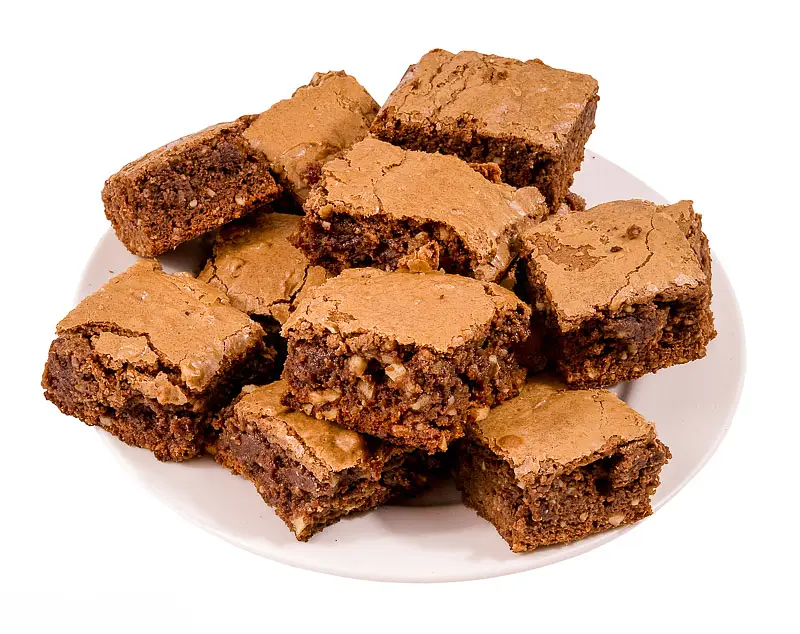
Vegan brownies built on the Depression-era wacky cake method: no eggs, no butter, no milk. Vinegar and baking soda do the lifting for a fudgy, chewy chocolate brownie that mixes in one bowl.
Birthday are always happening year round.There are many items that you can give as gifts.But homemade gift is very special.It is tasty and nutritious gift for a kids party.
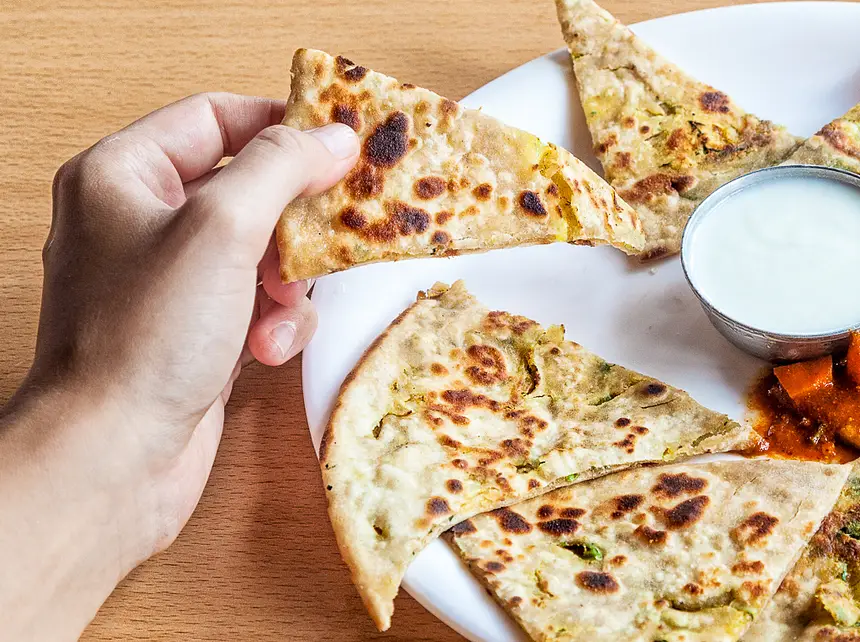
Gobhi Paratha: Indian stuffed cauliflower flatbread made with whole-wheat dough and a spiced filling of cauliflower, cumin, turmeric and green chili. Pan-fried in ghee until golden.
Classic gazpacho, the chilled Spanish salad soup, with fresh tomatoes, cucumber, green pepper, olive oil and white wine vinegar. No cooking required, just blend and chill.
Black olive and sea salt focaccia is a classic Italian flatbread brushed generously with olive oil, scattered with chopped olives, and finished with coarse sea salt for that signature crunch.
Whole wheat apple pancakes blend half whole-wheat and half white flour with milk, eggs, and grated fresh apples for a hearty, fiber-rich breakfast pancake. Ready in 20 minutes.
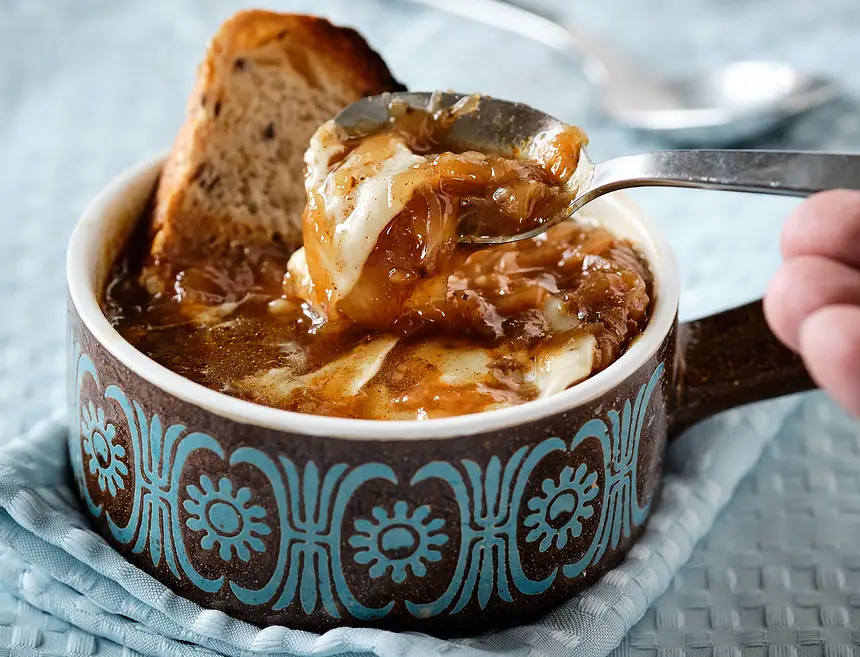
A French onion soup that boasts an abundance of caramelized onions and a deep, rich color achieved with a secret ingredient. This addition enhances the depth of color and adds a subtle backdrop to the soup, perfectly complementing the sweetness of the caramelized onions.
Buttermilk waffles with chopped cashews folded into the batter and a quick fresh blueberry compote spooned over top. Light, crisp, and ready for weekend brunch in under 25 minutes.