What Are Bay leaves and How Can I Use Them?
Bay leaves is easier to cook with than it looks. Here's how to choose, use, and store them, what to substitute, and 2,049 recipes to get you started.
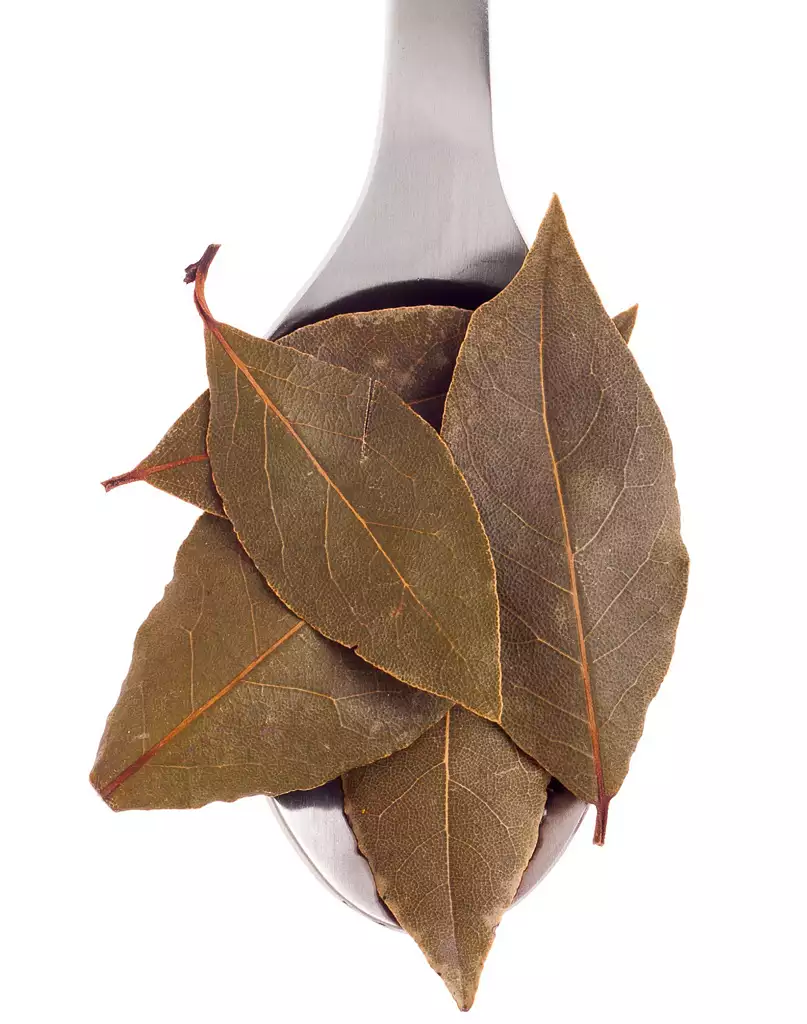
What are bay leaves?
These aromatic leaves come from the bay laurel tree and have been used for centuries in cooking and traditional medicine.
Where to buy bay leaves?
Buy bay leaves here and have them delivered to your door.
What are bay leaves used for?
From a culinary point of view, bay leaves are used in cooking to flavor dishes like soups, stews, and sauces.
They are sometimes also used in traditional medicine for potential health benefits, such as reducing inflammation and improving digestion. Some even use bay leaves in aromatherapy or as a natural insect repellent.
Where do bay leaves come from?
Bay leaves come from a bay laurel tree, native to the Mediterranean region.
The leaves have been used for thousands of years in cooking and medicine.
The ancient Greeks and Romans were among the first people to use bay leaves in cooking and medicine.
Used to make wreaths and crowns in ancient Greece, bay leaves were thought to have magical powers.
Aristotle, the Greek philosopher and scientist, wrote about the medicinal properties of bay leaves, which were also used in ancient Roman and Greek religious ceremonies.
Bay leaves were used to flavor soups, stews, sauces, and marinades throughout the Middle Ages.
In the present day, bay leaves are broadly used in cuisines around the world and are considered an essential ingredient in many classic dishes.
What do bay leaves actually do?
In the culinary world, bay leaves are like the secret agents of flavor.
They're often used in soups, stews, and sauces to add a subtle, earthy taste.
They're like the bass players of the spice world - you might not always notice them, but they make the whole dish come together.
Bay leaves have also been used in traditional medicine for potential health benefits.
Some people believe that bay leaves can help with digestion, reduce inflammation, and even improve insulin sensitivity.
Plus, they can be used to repel insects and make a natural dye. Talk about a multi-talented plant!
So, next time you come across a bay leaf in your soup or stew, take a moment to appreciate its subtle magic.
It's not just a random piece of foliage - it's a culinary superhero!
Are bay leaves poisonous?
Bay leaves are not poisonous, and they won't turn you into a frog or make you sprout an extra limb.
They're just a humble herb that adds a touch of earthy flavor to your culinary creations.
Now, some people might confuse bay leaves with other poisonous plants like mountain laurel or cherry laurel, but fear not! The bay leaves you find in your spice rack are perfectly safe to use.
Remember to remove the whole leaves before serving your dish, as they can be a choking hazard, and their texture isn't delightful.
Are Fresh Bay Leaves Better Than Dried?
In the left corner, we have fresh bay leaves, the young and vibrant upstarts of the culinary world.
They're like the cool kids on the block, full of life and flavor. Fresh bay leaves are often praised for their subtle yet distinct taste, adding a delicate touch to your dishes.
In the right corner, we have dried bay leaves, the wise and seasoned veterans of the spice rack.
They've been around the block a few times, and their flavor has only intensified with age.
Dried bay leaves are known for their robust and concentrated taste, providing a more pronounced and intense flavor to your culinary creations.
So, which is better? Fresh or dried bay leaves? The answer, my dear human, is a matter of personal preference and the dish you're cooking.
If you're looking for a more subtle and delicate flavor, go for the fresh leaves.
If you want a more intense and concentrated taste, opt for the dried ones.
In the end, it's all about balance and harmony in your dish. And remember, no matter which side you choose in this epic battle of fresh vs. dried, always remove all the leaves before serving to avoid any surprises. Happy cooking, and may the best bay leaf win!
Are bay leaves the same as basil?
Bay leaves and basil are as different as a chicken and an egg (or a basil plant and a bay tree?).
Bay leaves come from the Laurus nobilis tree, whilst basil is derived from the Ocimum basilicum plant.
They have distinct appearances, flavors, and culinary uses. Bay leaves are more like the wise, old sage of the herb world, imparting a subtle, earthy flavor to dishes, while basil is like the spunky, lively cousin, adding a sweet, slightly peppery taste.
So, to answer your question: No, bay leaves are not the same as basil.
They may both be green and leafy, but they're as different as night and day or as different as a dog and a cat (or a bay leaf and a basil leaf).
In conclusion, bay leaves and basil are two distinct herbs, each with their own unique charm and culinary purpose.
Nutrition
Nutrition Facts
Serving Size 1 tbsp, crumbled (1g)Quick facts
Where to find bay leaves: Bay leaves are usually found in the asian section or aisle of the grocery store or supermarket.
Food group: Bay leaves are a member of the Spices and Herbs US Department of Agriculture nutritional food group.
- In Chinese
- 月桂叶
- British (UK) term
- Bay leaves
- en français
- feuilles de laurier
- en español
- hojas de laurel
How much do bay leaves weigh?
| Amount | Weight |
|---|---|
| 1 tbsp, crumbled | 1 grams |
| 1 tsp, crumbled | 0 grams |
Related
Spices and Herbs
Recipes using bay leaves
There are 2049 recipes that contain this ingredient.
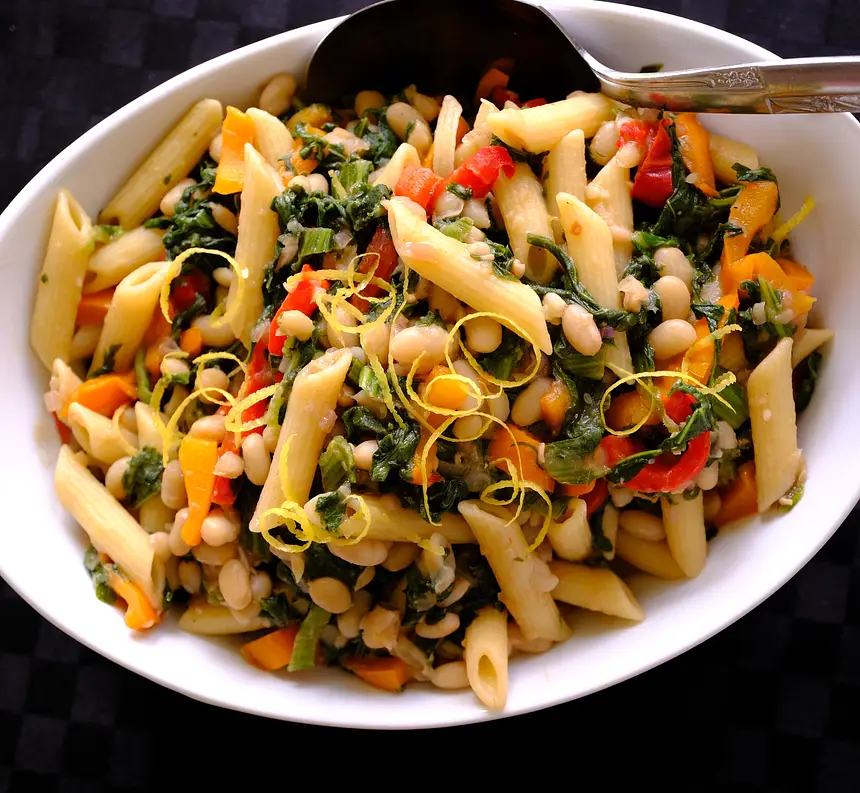
Pasta with Red Peppers, Greens, Beans, Garlic & Lemon Zest

Pasta with red peppers, escarole, white beans, garlic, and lemon zest. A bright, vegan Tuscan-inspired pasta bowl that's low-fat without feeling like a compromise. This dish stays true to simple Tuscan roots while delivering big flavor without added fat.
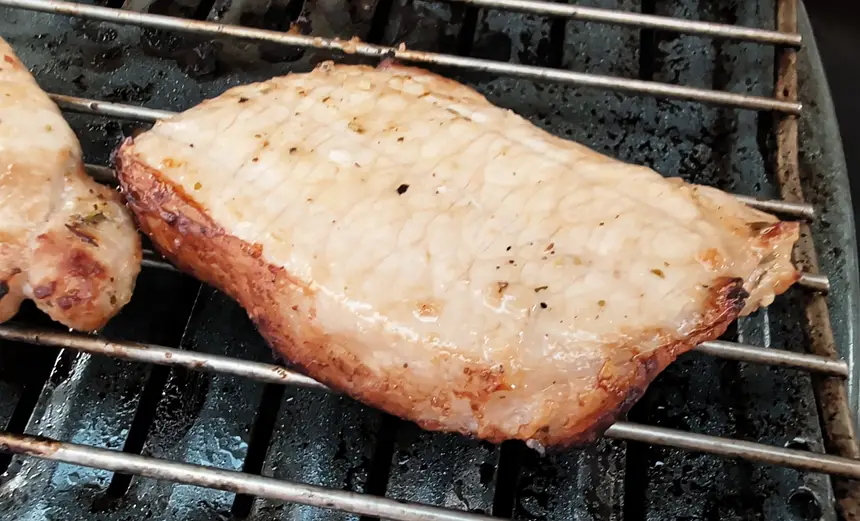
Marinated Pork Chops
Grilled pork chops marinated 6 hours in olive oil, white wine vinegar, garlic, peppercorns, bay leaf, and dry mustard. A simple Mediterranean-style marinade for thick-cut chops.
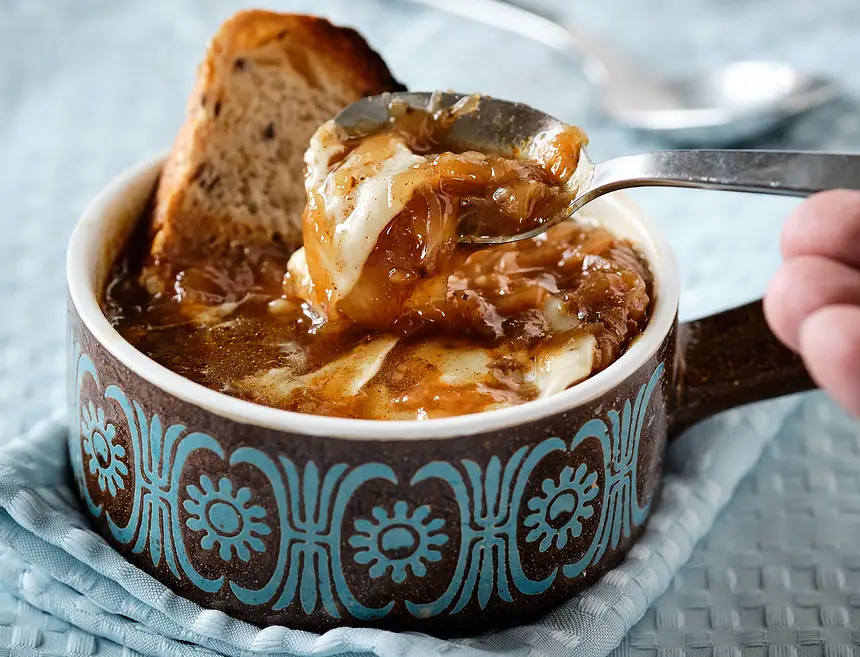
Secret Ingredient French Onion Soup

A French onion soup that boasts an abundance of caramelized onions and a deep, rich color achieved with a secret ingredient. This addition enhances the depth of color and adds a subtle backdrop to the soup, perfectly complementing the sweetness of the caramelized onions.
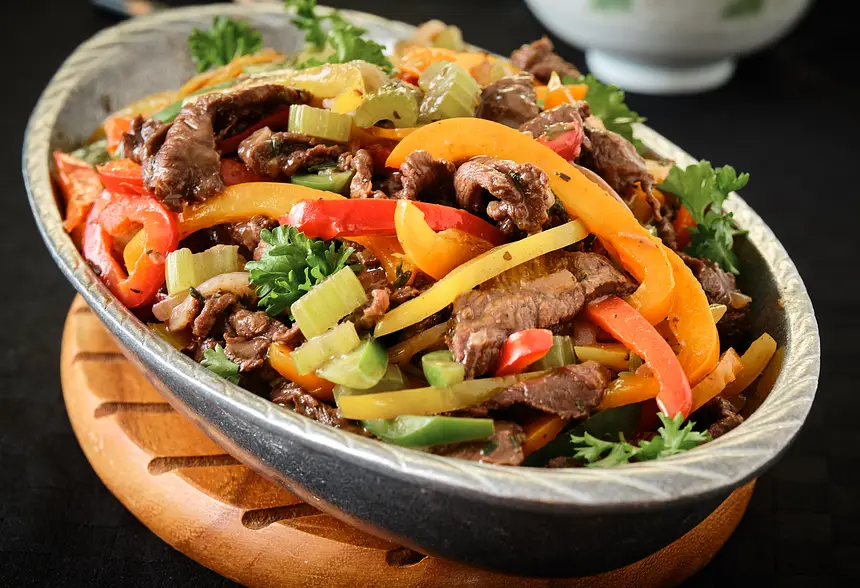
Beef & Vegetables in Red Wine Sauce
A sophisticated main dish of beef strips marinated in red wine and accompanied by a colorful array of sweet bell peppers, this recipe is a delightful fusion of rich flavors and vibrant colors, a feast for the senses that is as visually stunning as it is gastronomically gratifying.
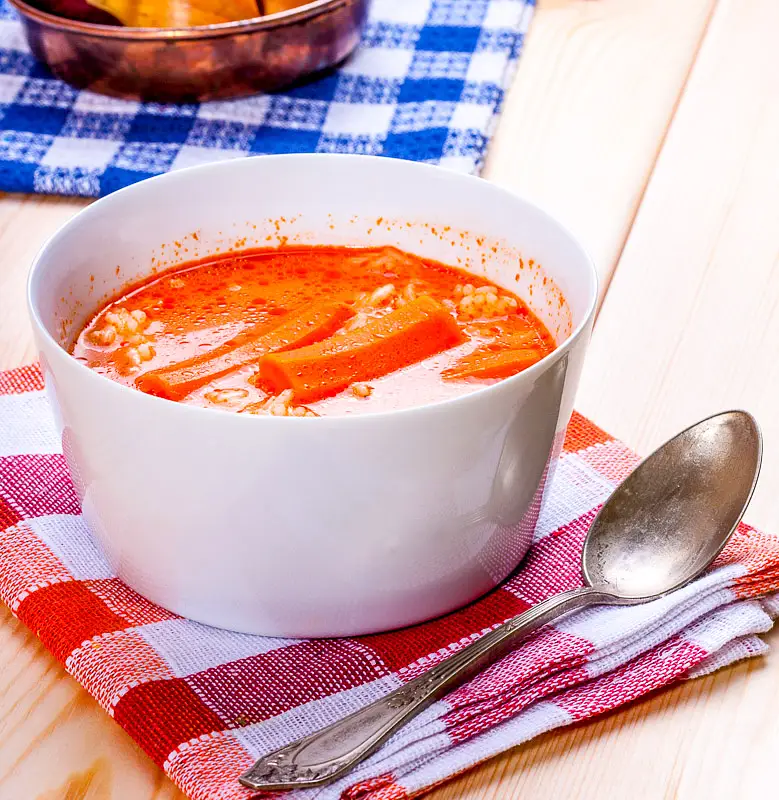
Tomato & Orange Soup

Creamy tomato and orange soup with fresh tomatoes, orange juice, orange zest and a swirl of cream. A British-style soup that's bright, velvety and full of citrus warmth.
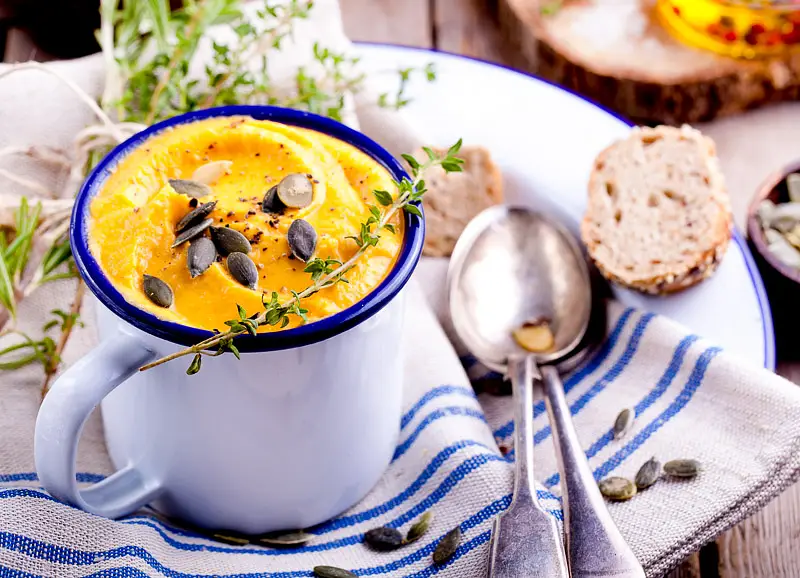
Curried Pumpkin Soup
Curried pumpkin soup with sweet pumpkin puree, golden sauteed onions, warm curry powder, and a swirl of half-and-half. A silky, autumn-spiced soup garnished with pepitas or chives.
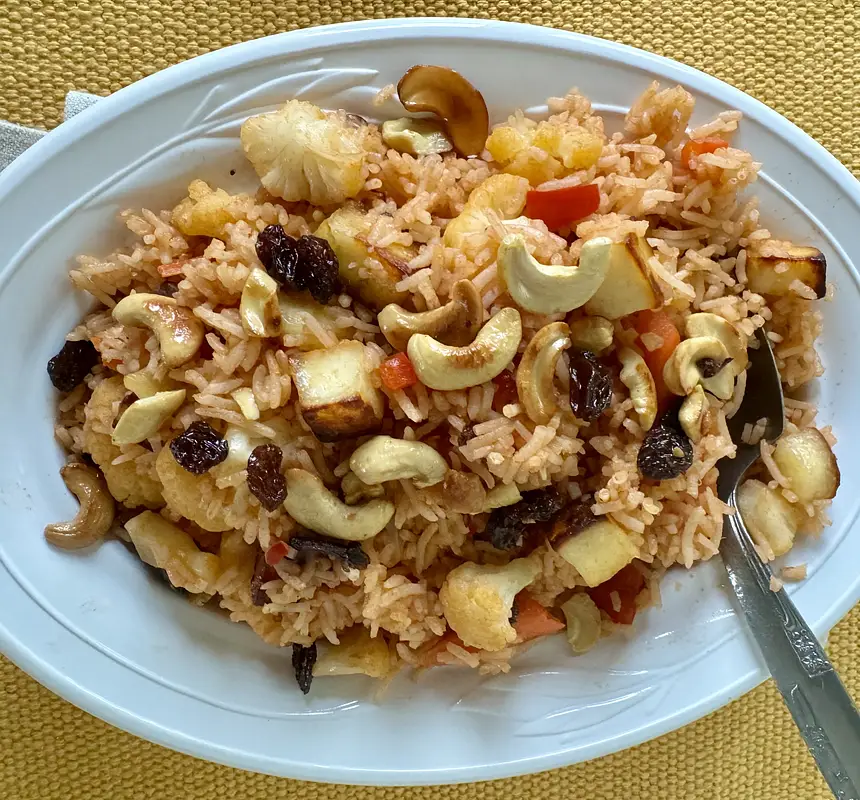
Paneer Basmati Pilaf--Paneer Pulao
Paneer Pulao is a delightful and mildly aromatic Indian rice dish that combines basmati rice with paneer, which is a type of Indian cottage cheese.
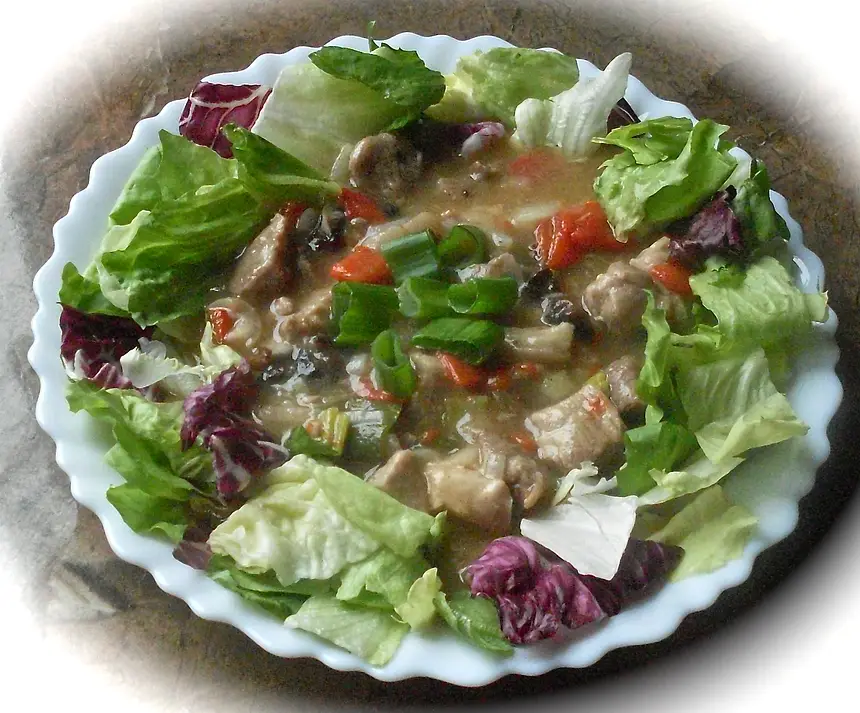
Pork Hock with Pickled Sweet Red Pepper
I like this sour flavor. The best over buckwheat, but all is fine when over rice, potatoes, noodles, or just with lettuce mix. You may use pickled grilled red pepper.
Spicy, Tasty Chicken Tandoori
Chicken tandoori is basically a snack which can be eaten in the evening or at night. Chicken marinated in tandoori masala, grilled in the oven is a super tasty, mouthwatering dish. Try it now.
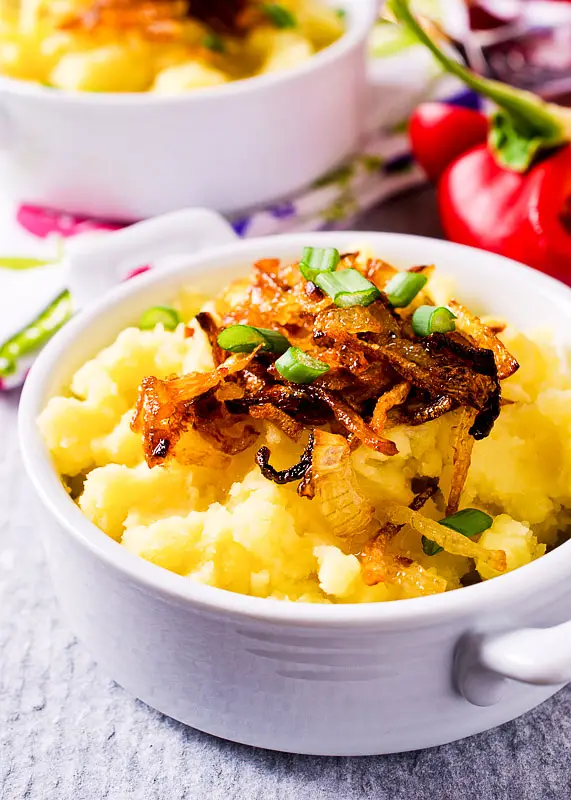
Grainy Mustard Mashed Creamy Potatoes
Grainy mustard mashed potatoes simmered right in cream infused with garlic, thyme, and bay, then mashed silky and spiked with whole-grain mustard. A rich, tangy upgrade on the classic side dish.
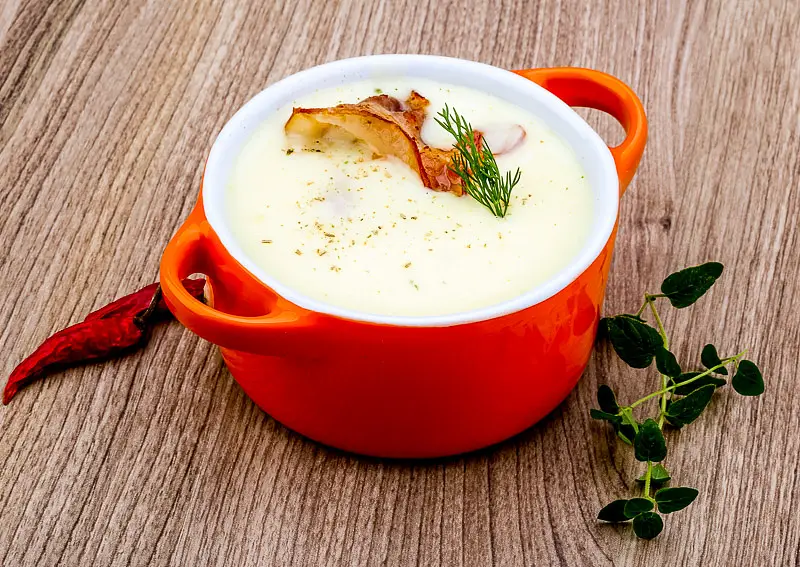
Aunt Ann's Creamy Potato Soup
Aunt Ann's creamy potato soup: waxy potatoes simmered with leek, onion, and celery in herb-scented broth, then finished with cream. Part of the soup gets mashed for a thick, rustic body. Pure comfort.
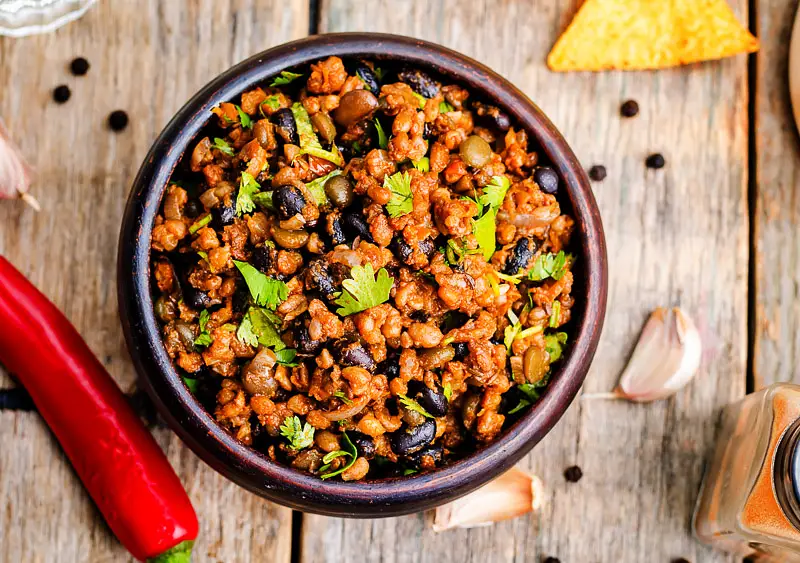
Best Black Bean Chili
Black bean chili built on home-ground spices and dried ancho chile. Vegetarian, vegan-adaptable, with toasted cumin and homemade chili powder. Serve over melted cheese with creme fraiche and roasted poblanos.
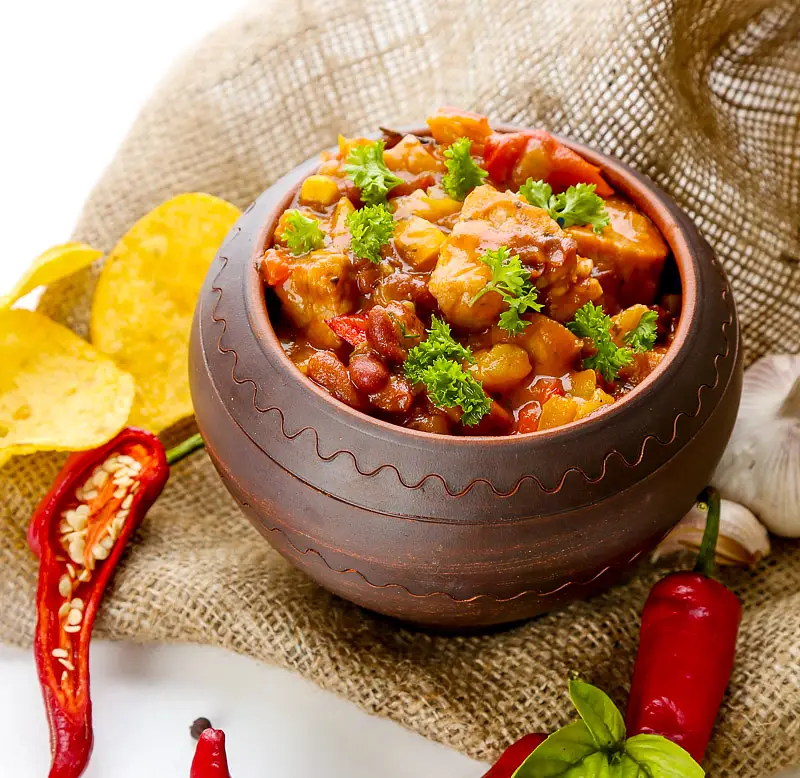
Mom's Favourite Chili
Mom's chili stacks beef, kidney beans, tomatoes, and a quiet blend of cumin, oregano, and basil into a slow-simmered family-style pot. Old-school weeknight chili with a long-simmer payoff.
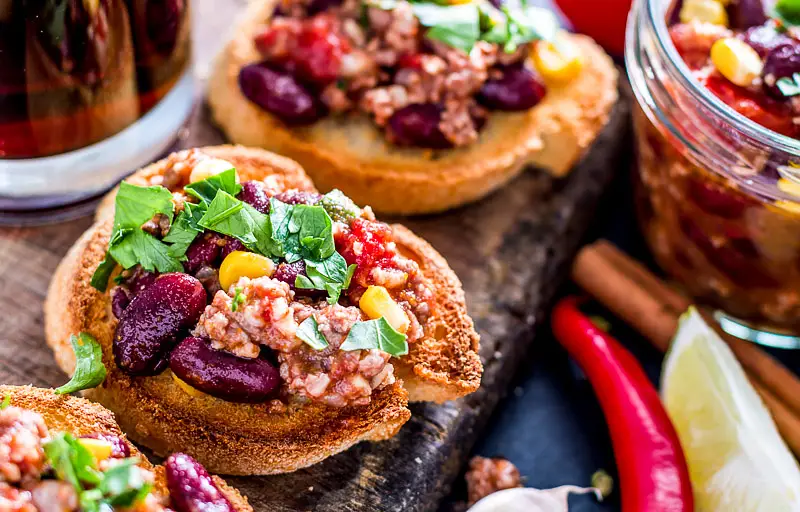
Amazing Cincinnati Chili
Cincinnati's iconic chili simmers with warm spices like cinnamon, allspice, and cocoa powder, creating a Greek-influenced meat sauce perfect for ladling over spaghetti.
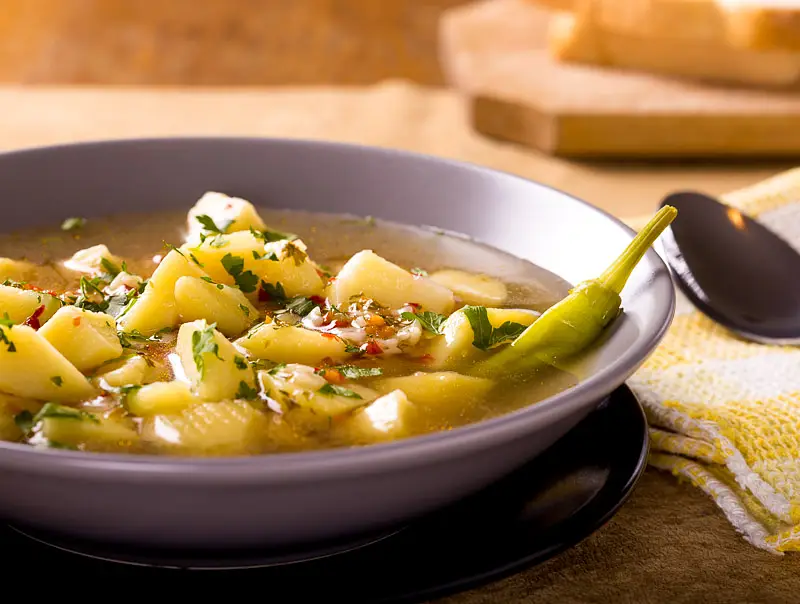
Tom's Onion & Potato Soup
Onion and potato soup built on sweet butter-cooked white onions, shredded potato, garlic, and prosciutto, finished with grated Romano. A rustic Italian-style soup ready inside an hour.
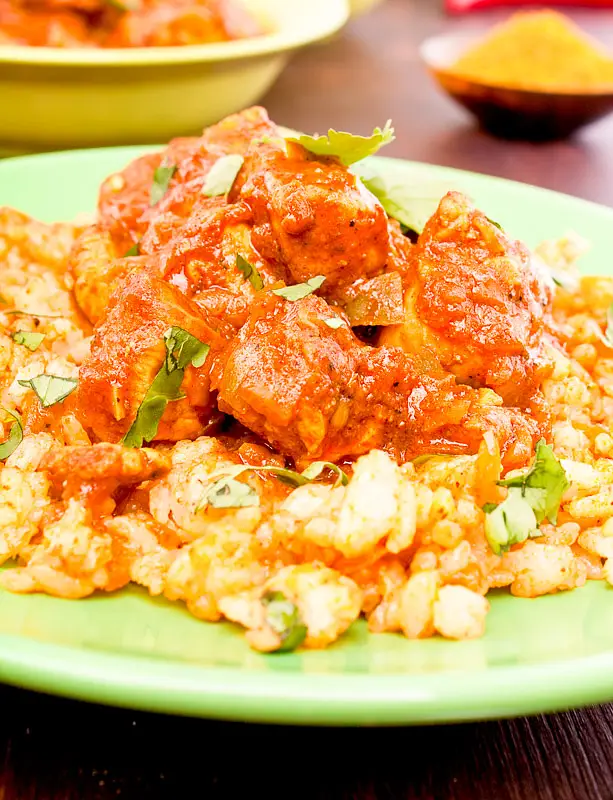
Andy's Murgh Kurma (Chicken Curry)
Andy's murgh kurma: Indian chicken curry with a yogurt marinade, whole cardamom and cloves, and a deeply spiced tomato sauce. Serve with rice and chapati for a fragrant home-cooked dinner.
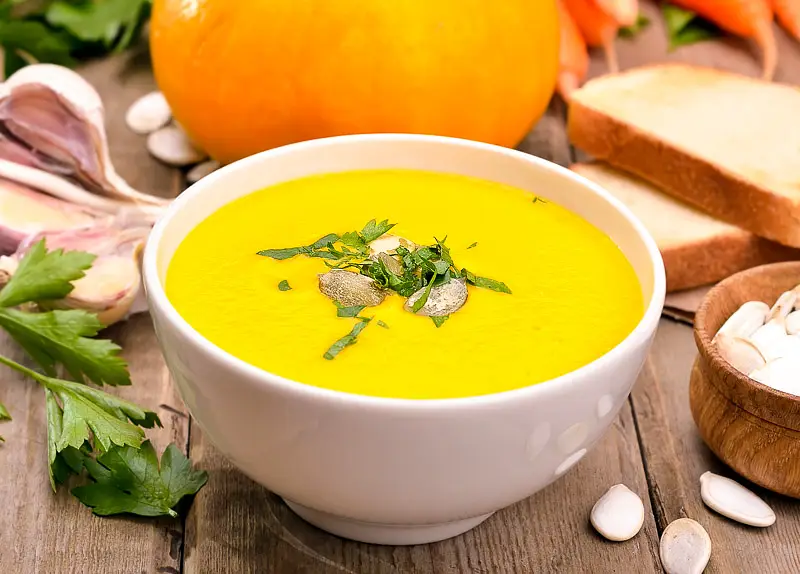
Peter's Cream of Pumpkin Soup
Cream of pumpkin soup with fresh or canned pumpkin pureed with onions, celery, garlic, and thyme, finished with cottage cheese for silky body. Lighter take on a Thanksgiving classic.
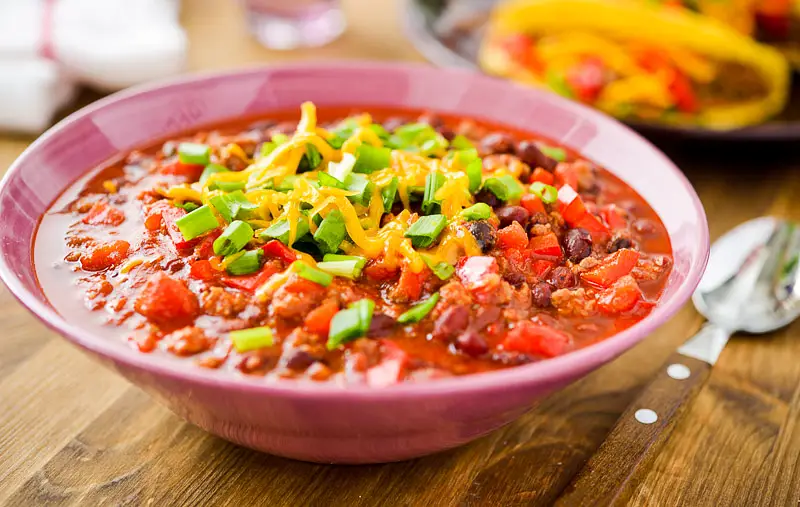
Chili N'Awlins
Chili N'Awlins is a New Orleans-style beef and pork chili with green chiles, oregano, and a Cajun edge. Topped with corn chips, sharp cheddar, and shredded lettuce for a hearty crowd-feeder.

Gluten Free Butternut Squash Soup
Gluten-free butternut squash soup, naturally creamy and warmed with curry powder, cinnamon, nutmeg, and cloves. A velvety, low-fat fall soup blended right in the pot.
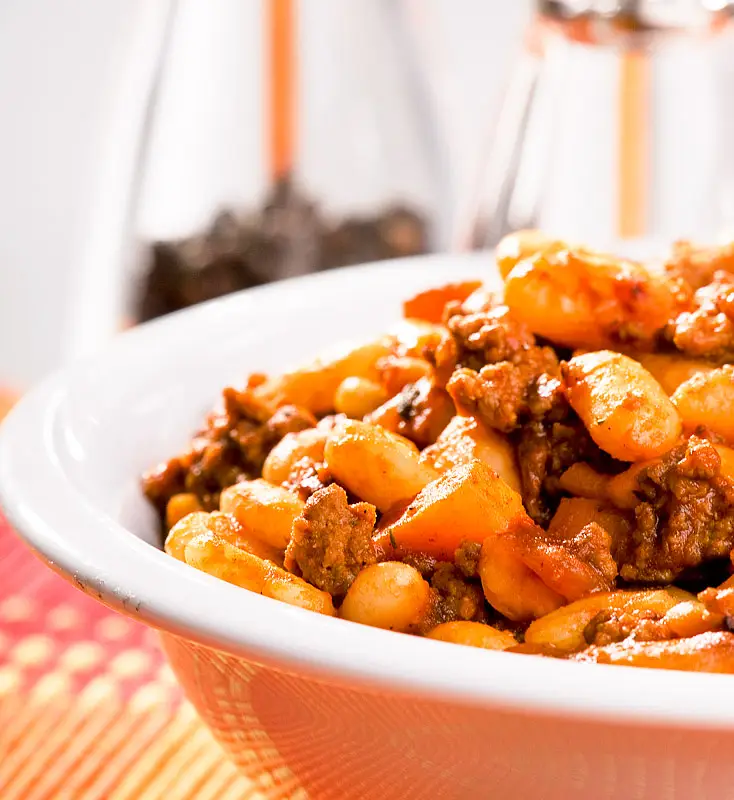
Chili Super Bowl
Big-batch Super Bowl chili with ground beef, pinto beans, and tomato juice base, simmered low for hours with a deep spice blend of cumin, cayenne, and paprika. Feeds a crowd.
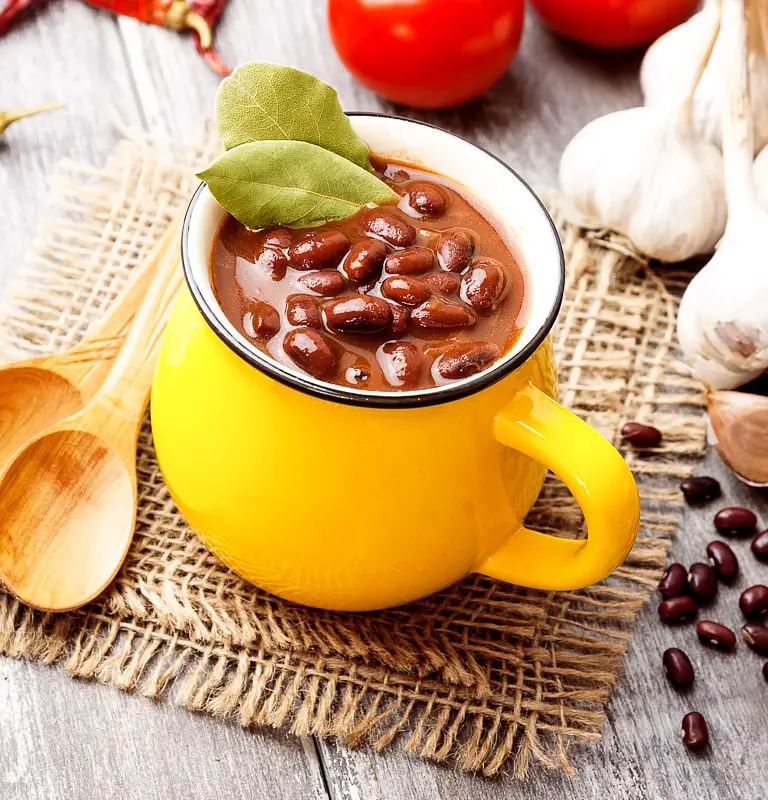
Spicy Red Bean Soup
Spicy red bean soup with a smoky ham hock, cheesecloth-bundled cumin and cayenne, and a finish of Tabasco and parsley. A slow-simmered pot of Southern comfort food.
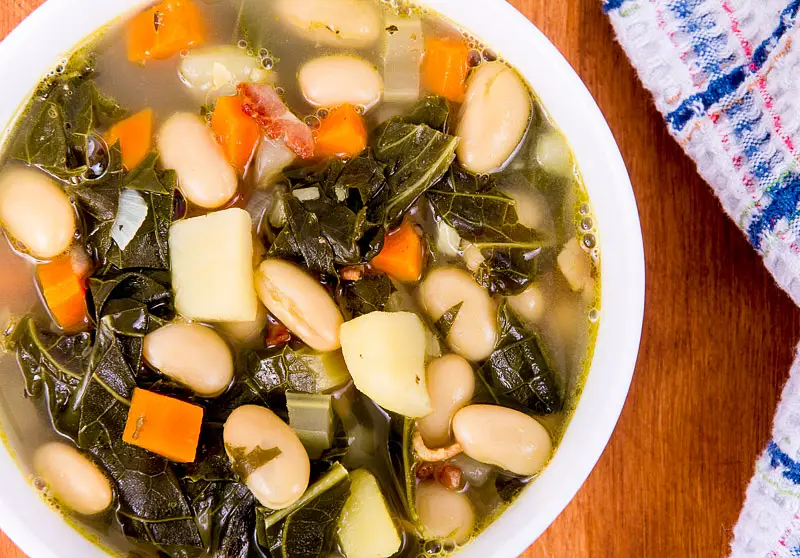
Summer White Bean Soup
Summer white bean soup with sauteed celery, swiss chard or kale, a splash of rice vinegar, and a hint of liquid aminos. Light, vegetarian, naturally high in fiber and gentle enough for warm weather.
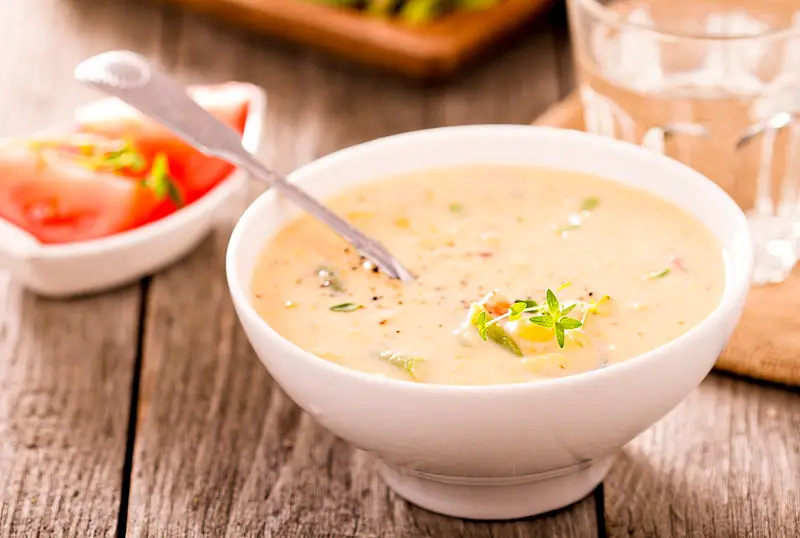
Comfy Corn & Potato Chowder
Corn and potato chowder simmers red potatoes, sweet corn, carrots, and celery in vegetable stock with a splash of sherry, then blitzes a cup of soup smooth to thicken the broth naturally. No cream, all comfort.
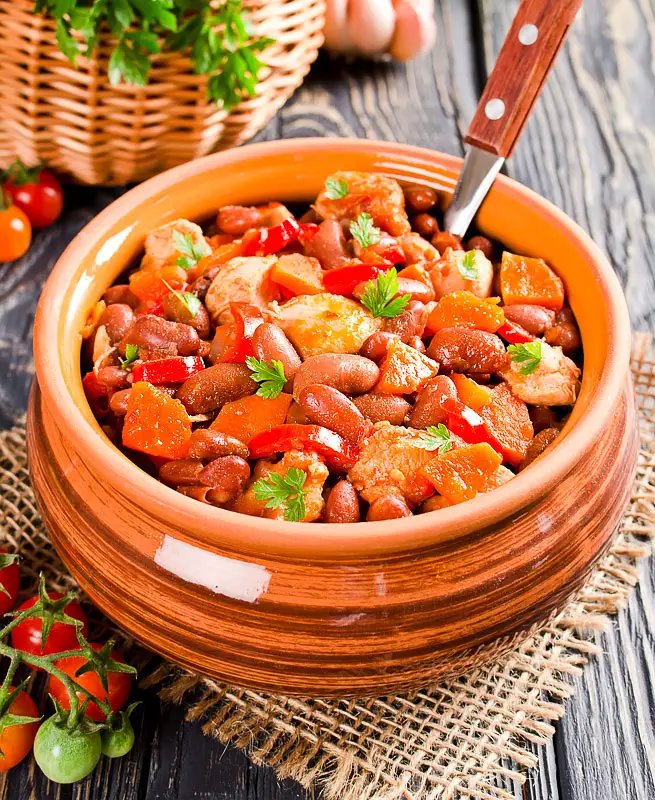
Mexican Chicken Chili
Mexican chicken chili blends home-ground chicken breast with a little lean beef, simmered low and slow with warm spices and tomatoes. Topped with avocado, a dollop of yogurt, and fresh cilantro for a lighter bowl.
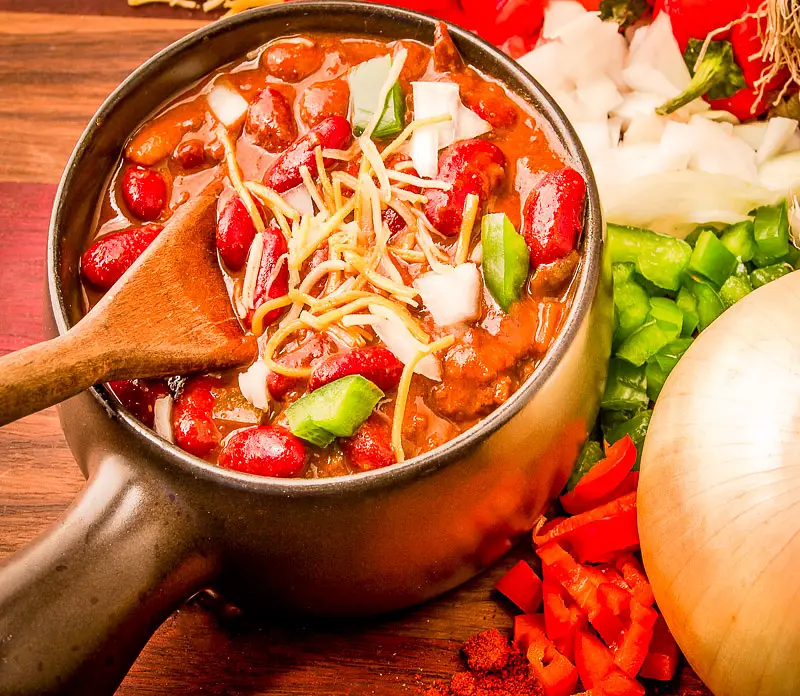
Chili with Kidney Beans
Chili with kidney beans is a hearty crowd-size beef chili built on garlic-browned ground beef, peppers, tomatoes, and red kidney beans, simmered low with chili powder, cloves, and bay. Crowd cooker for game day.
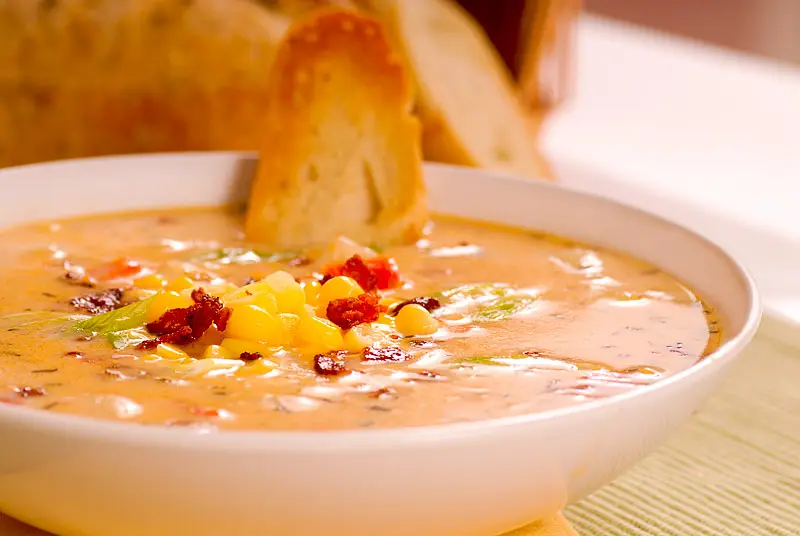
New Corn Chowder, Southern Style
Southern corn chowder with fresh-scraped corn pulp, bacon, potatoes, tomatoes, and a bouquet garni. Cream-finished, brightened with cayenne. A simmered farmhouse chowder.
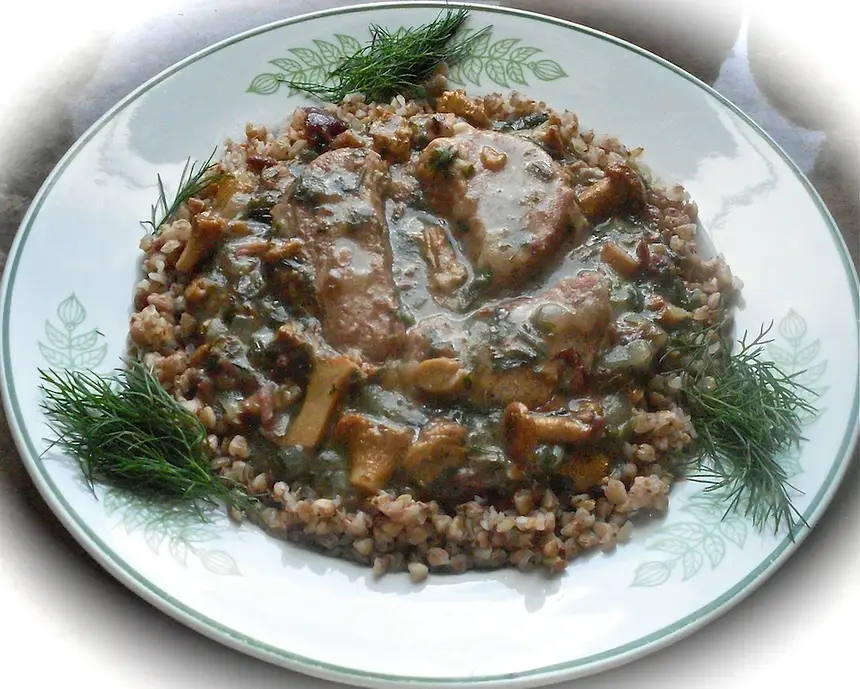
Pork Shoulder in Chanterelle Sauce over Buckwheat
Pork shoulder in chanterelle sauce over buckwheat: tender pressure-cooked pork in a fragrant wild-mushroom sauce with herbs, spooned over nutty buckwheat. A rustic, comforting Eastern European plate.
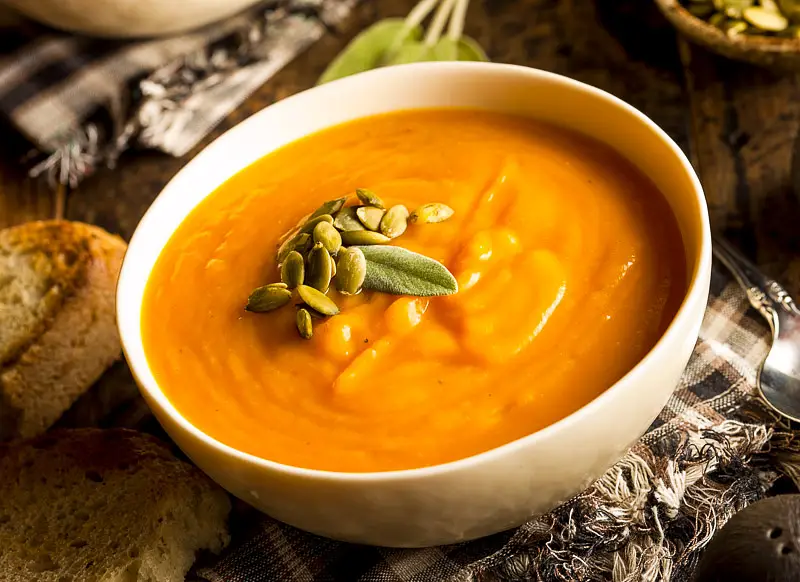
Martha's Pumpkin & White Bean Soup
Martha's pumpkin and white bean soup is a silky, vegan puree of navy beans and pumpkin, fragrant with leeks, garlic and sage. Creamy without a drop of dairy, finished with fresh sage and pumpkin seeds.

Modified Chili Con Carne
A from-scratch chili con carne made with dried pinto beans, lean ground beef, and a smoky blend of cumin, oregano, and chili powder. Simmers into a thick, soul-warming bowl that's lower in sodium than most.
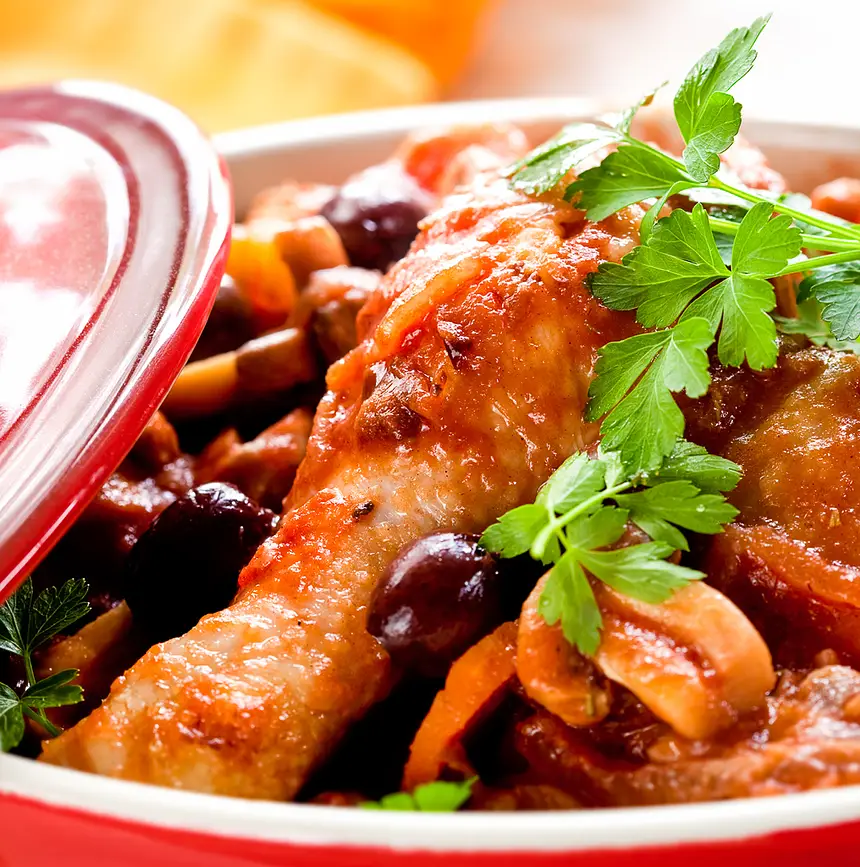
Country Cassoulet
A rustic American cassoulet with navy beans, browned chicken legs, crispy bacon, and smoked sausage baked in a tomato and herb broth. Hearty French-inspired comfort food for 4 to 6.
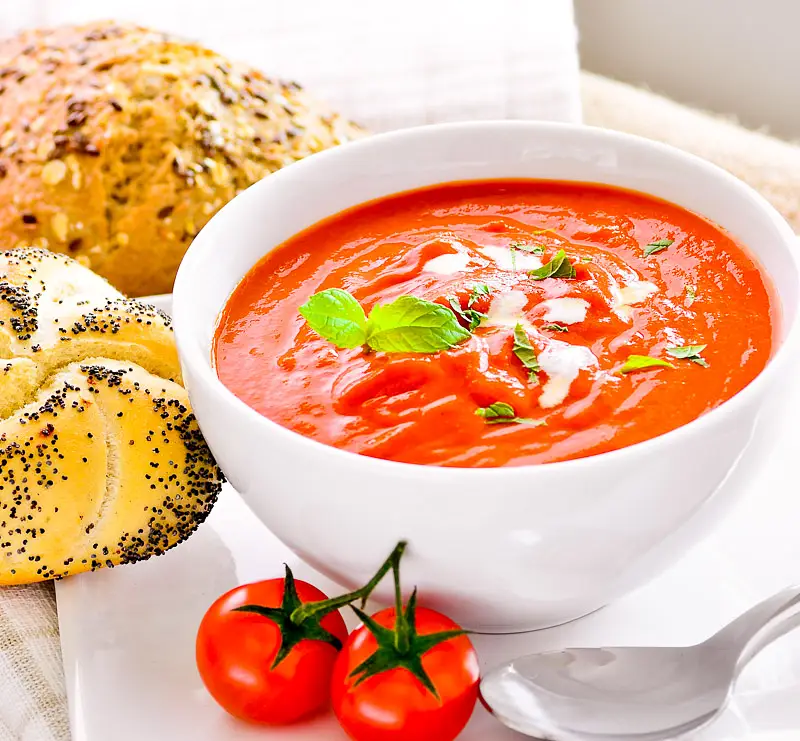
Best Creamy Tomato Soup
If you are looking for an amazingly delicious tomato soup, try this recipe, and everyone loves it!
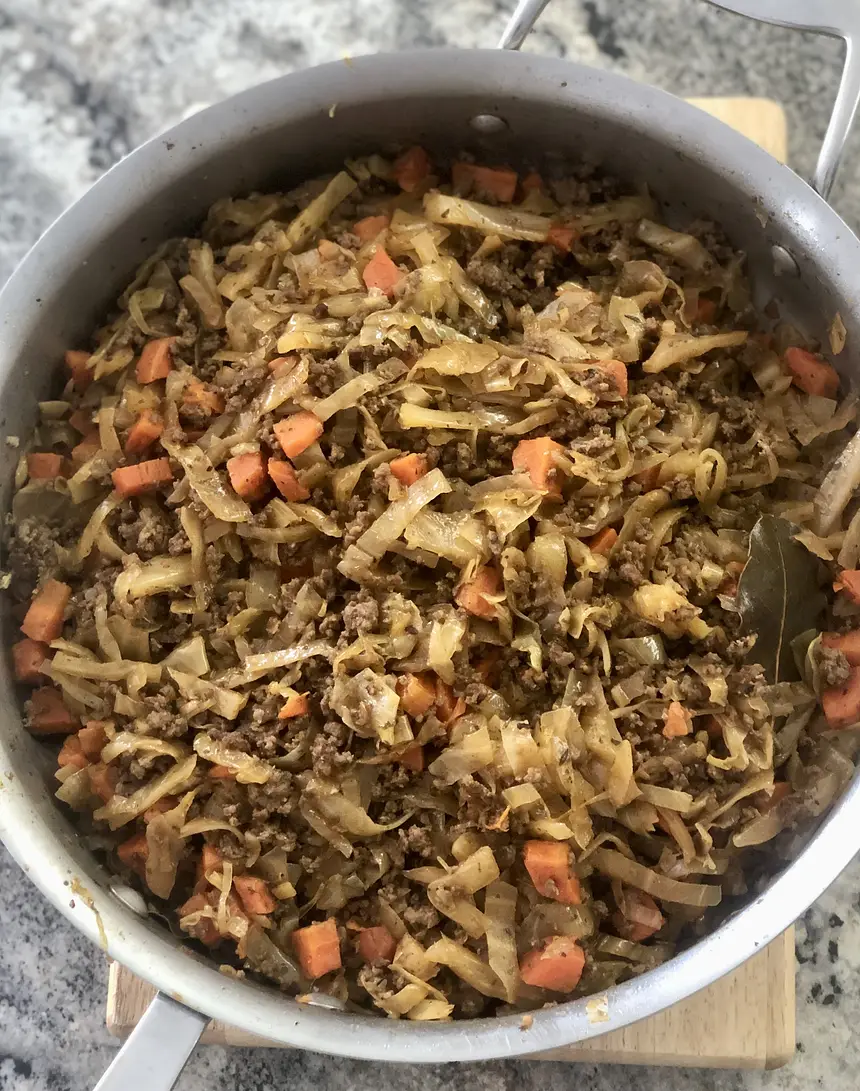
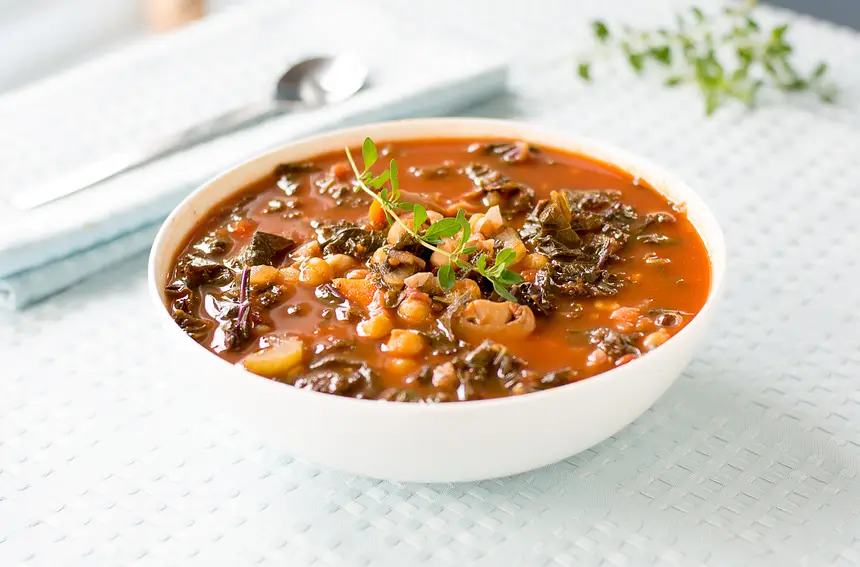
Spicy Kale & Chick-Pea Stew
Spicy vegan stew of tender chickpeas and hearty kale simmered in a tomato base loaded with chili powder, cumin, oregano, and red pepper flakes. A high-fiber, protein-packed meatless bowl with real backbone.
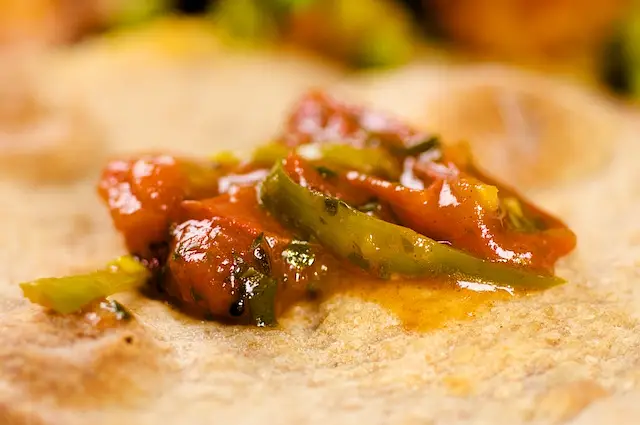
Tomato Chutney
Mango chutney sounds very familiar with us, but you can make tomato chutney as well, and the savory flalvor goes well with all kinds of dishes. Here it is.
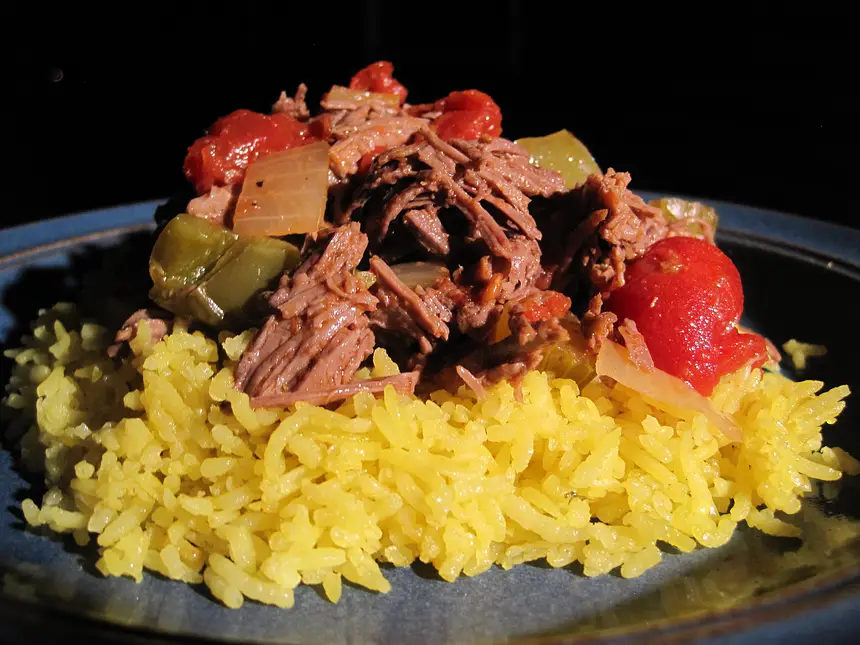
Ropa Vieja
Ropa vieja is a classic Cuban shredded beef dish braised in a rich tomato sauce with cumin, oregano, garlic, and green peppers. Served over white rice with fried plantains on the side.
Ropa Vieja
Ropa vieja is a classic Cuban shredded beef dish braised in a rich tomato sauce with cumin, oregano, garlic, and green peppers. Served over white rice with fried plantains on the side.
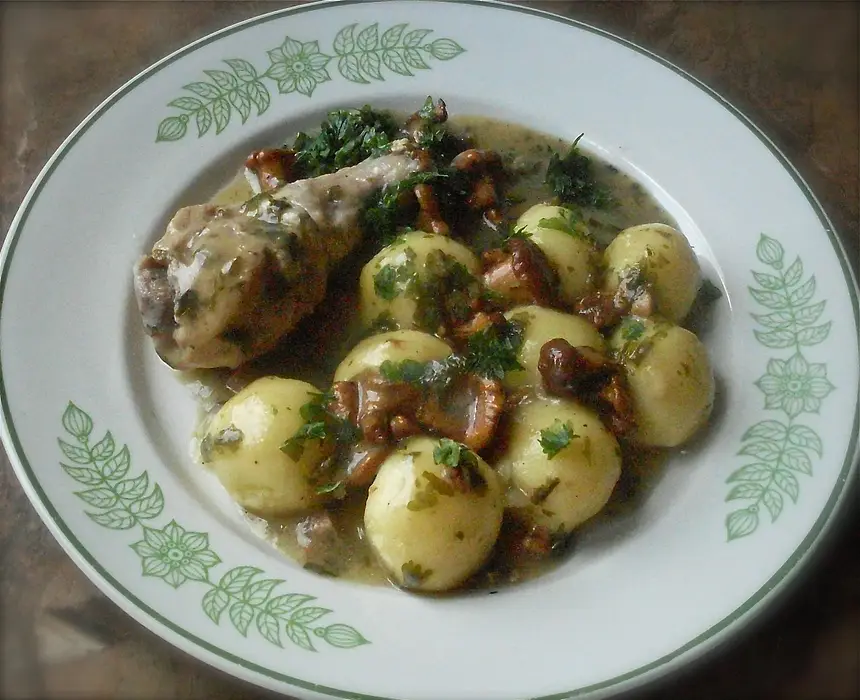
Chicken Drumstick in Chanterelle Sauce with steamed Potato Dumplings
July, the high season of chanterelle.. I like the combination of this mushroom with bear's garlic, and here it is..
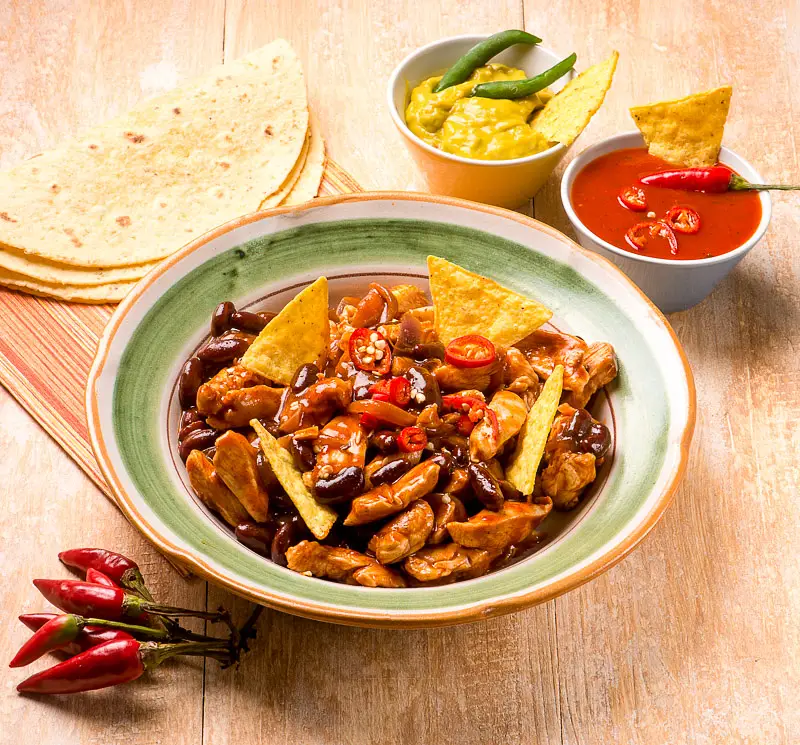
Bob's Beef Chili
Nothing is better than a bowl of warm chili in a cold day. It's cozy and warm you up.
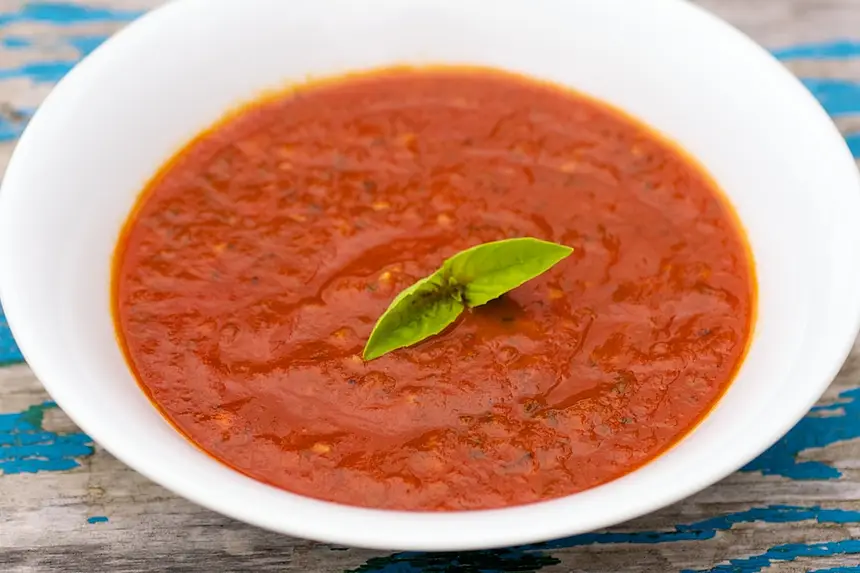
Kelly's Marinara Sauce
Homemade marinara sauce with pureed Italian plum tomatoes, garlic, and fresh parsley simmered with bay leaves. A simple meatless pasta sauce ready in about 30 minutes.
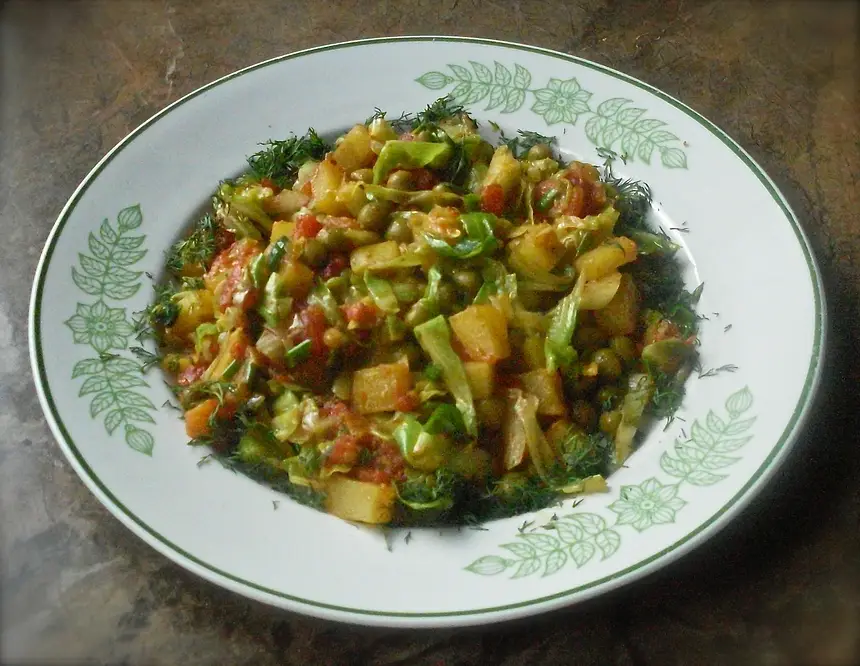
Banda Kopir Tarkari (Vegetables Stir Fried with Spices)
In Bangladesh, cabbage is usually available in the market during the winter season, as are tomatoes, peas and carrots. So this dish appears quite frequently at Bengali dinner tables during the winter. In the markets where such vegetables are available year round, banda is a popular standard.
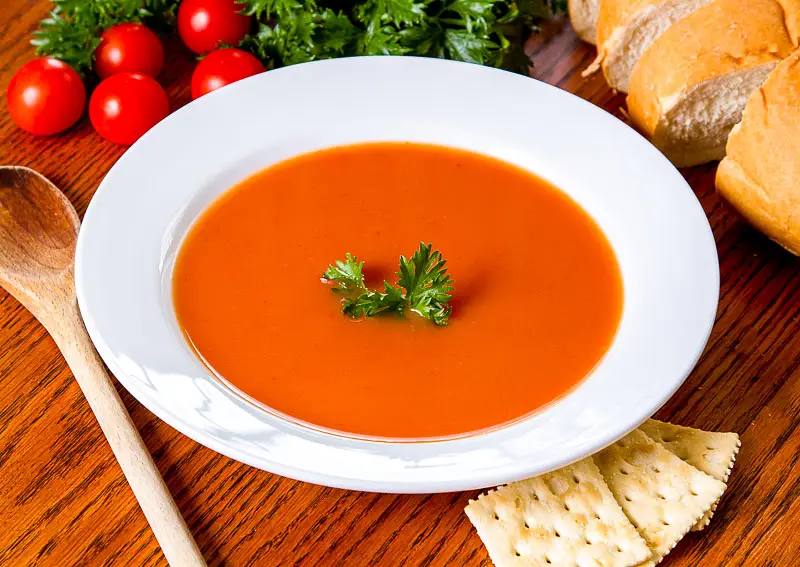
Pure Cream of Tomato Soup
Pure cream of tomato soup is the from-scratch classic that puts the canned version to shame. A buttery roux, fresh milk, and a baking soda trick keep it from curdling. The grilled cheese soulmate.
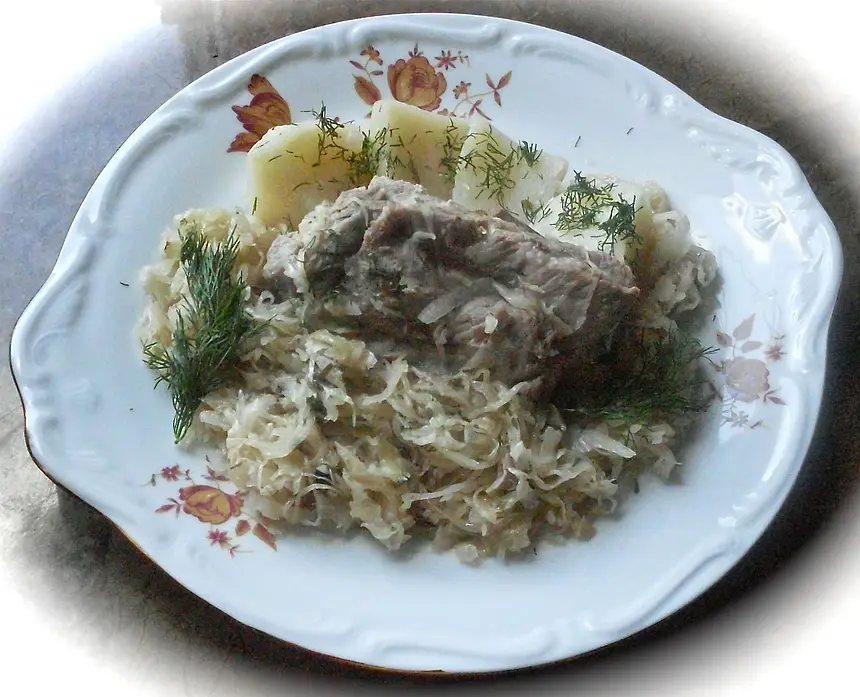
Pork Ribs in Sour Cabbage
Nothing new under the sun, just my rendition of very popular dish in Eastern Europe, inspired by various cuisines of Carpathian Mountains. Cooked quite quick in a pressure cooker.
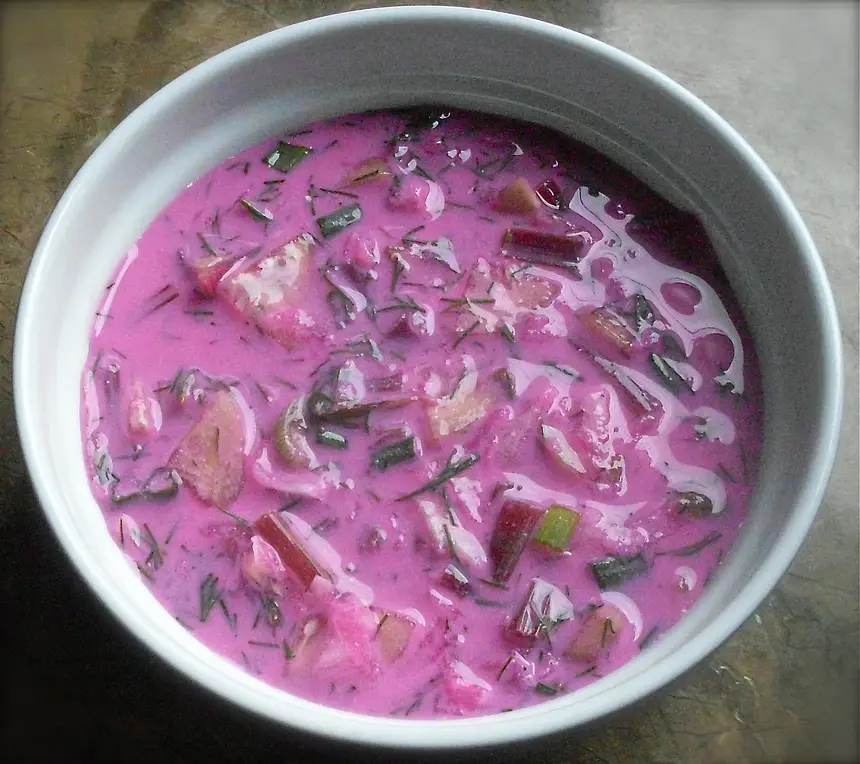
Chilled Vegetable Soup
great dish when it is hot outside and/or inside.. sometimes a main dish with separately served potatoes, often with meat or sausages.. I like to serve it as a side dish to grilled food.. similar to Lithuanian chilled beat soup, which is fantastic, however they add a lot of cream, hard boiled eggs and do not add radish rather..
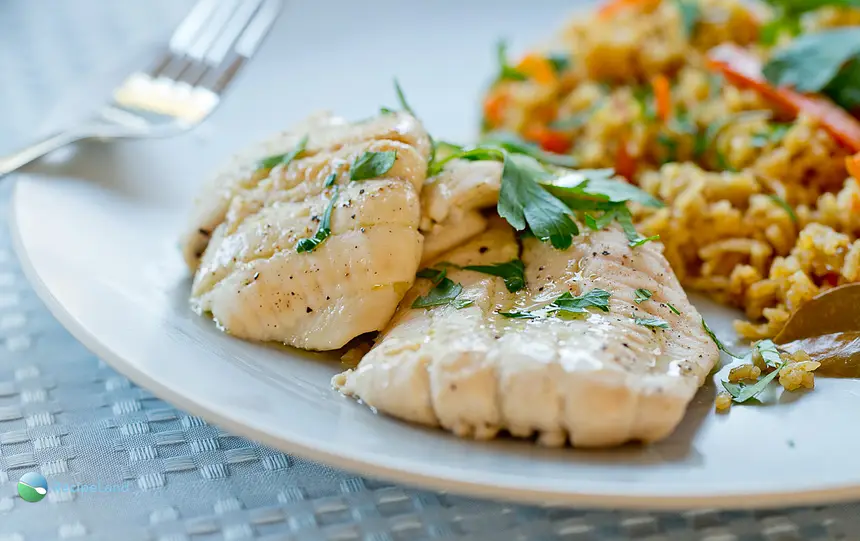
Filets of Sole in White Wine Sauce
Filets of sole in white wine sauce poaches delicate sole in an oven-warmed bath of clam juice, dry white wine, garlic, bay leaf, and peppercorns. Elegant French-style fish, low in fat and big in flavor.
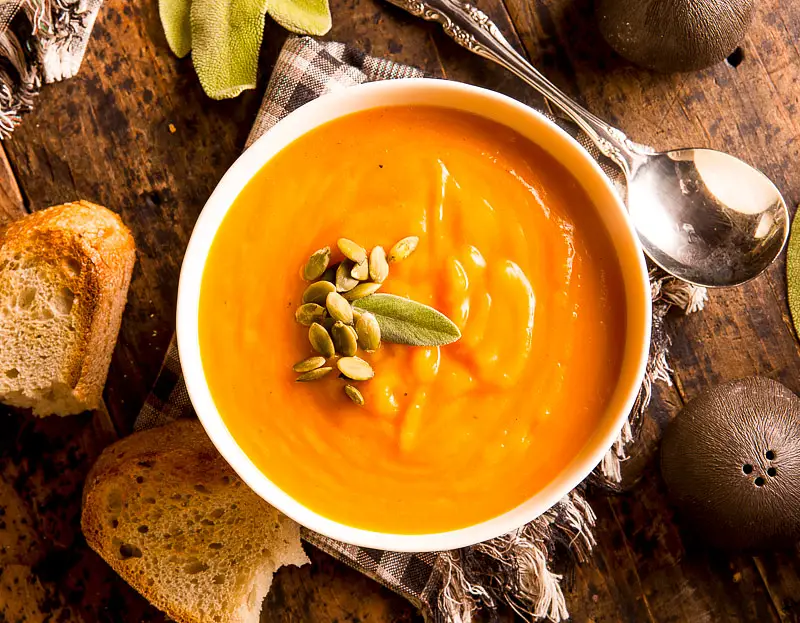
Aduki & Squash Soup
Aduki and squash soup blends sweet butternut, earthy adzuki beans, balsamic vinegar, rosemary, and savory miso for a rich vegan fall soup with a Japanese-macrobiotic backbone. High in fibre and deeply warming.

Burt Reynold's Stew
Burt Reynolds' red wine beef stew from a 1984 celebrity Christmas book, with round steak browned in bacon fat, simmered in wine and tomato sauce, then finished with potatoes, carrots, celery, and mushrooms.
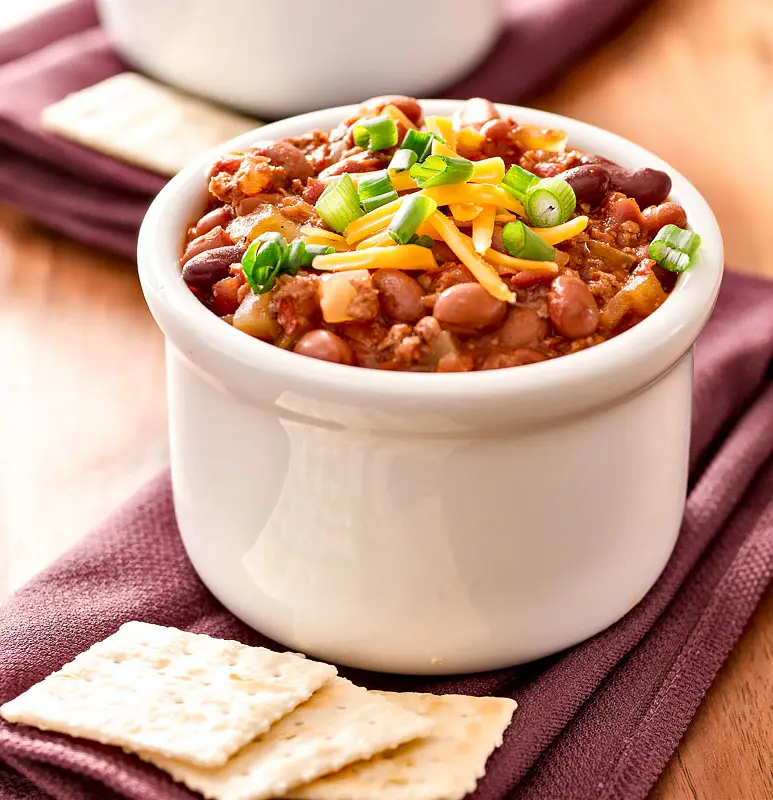
Besttexas Chili
Slow cooker Texas-style chili with ground beef, kidney and pinto beans, plum tomatoes, and a touch of warming whole allspice. A 4-hour low-and-slow chili built from pantry staples.
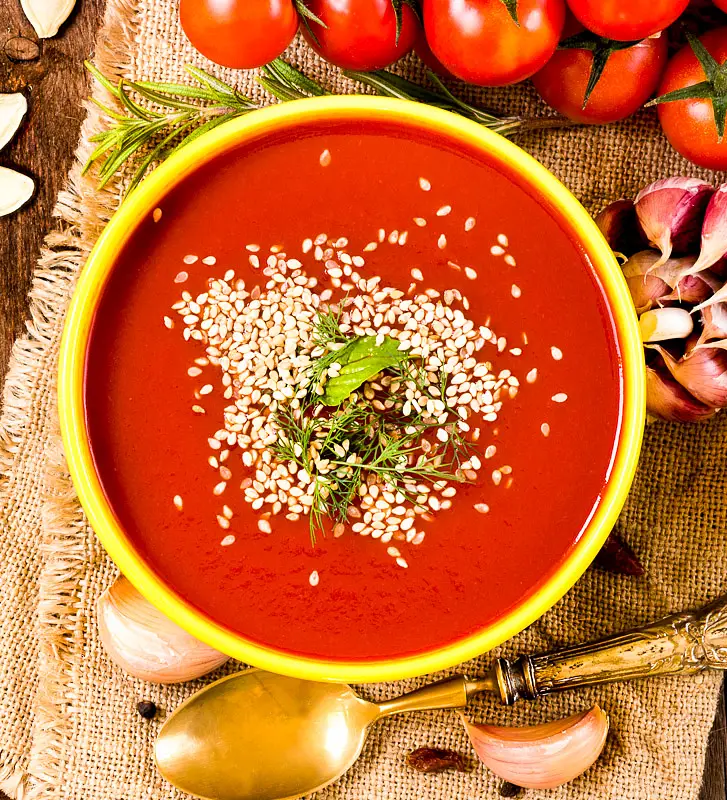
Rich Tomato & Rice Soup
Vegan tomato rice soup blended creamy with soy milk and garlic, brightened by apple cider vinegar and finished with cooked rice and toasted sunflower seeds. Dairy-free comfort.
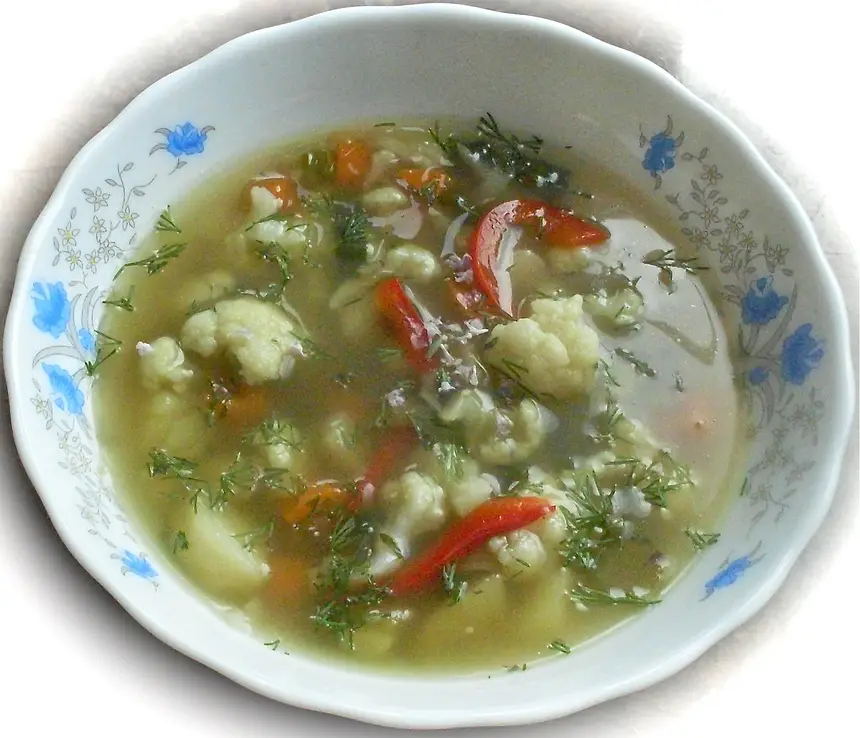
Cauliflower & Savory Soup
I cooked this soup 3 times lately, and the best base is turkey- chicken stock in my opinion. Just a summer soup made of many stems.
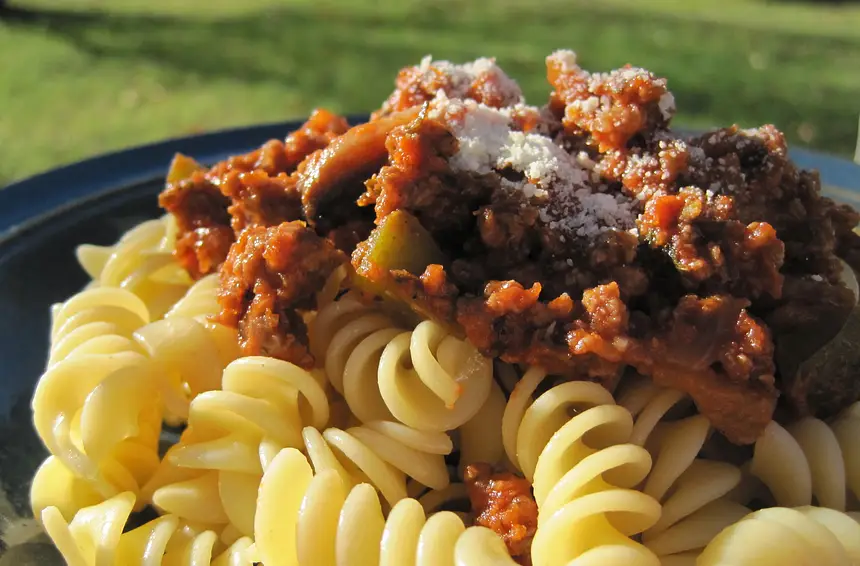
Pasta with Bolognese Sauce
A hearty pasta Bolognese with a slow-simmered ground beef and tomato sauce built on sauteed onion, pepper, and celery. Loaded with oregano and basil, finished with grated parmesan over your favorite pasta.