If oranges have turned up in a recipe or caught your eye at the store, here's what you need to use them with confidence and how to choose them, cook them, store them, what to substitute, and 710 recipes to try them in.
Key Points
Sweet oranges like navels and Valencias are for eating and juicing; bitter Seville is for marmalade.
Zest only the colored layer, never the bitter white pith underneath.
Roll the fruit before squeezing, and add fresh juice off the heat to keep its flavor.
Tangerines, clementines, and mandarins are the closest swaps, a touch sweeter and less acidic.
Store about a week on the counter or up to a month in the crisper drawer.
What are oranges?
Oranges are the citrus most of us grew up on, sweet and a little tart, juicy enough to drip down your wrist.
They split into two camps that matter in the kitchen. Sweet oranges, like navels and Valencias, are the ones you eat and juice, while bitter oranges, like Seville, are too sharp to eat raw but make the best marmalade.
The fruit is more than its juice. The colored skin holds aromatic oils that carry most of an orange's perfume, and that zest does as much work in a recipe as the segments do. Oranges show up in more than 700 recipes here, from glazed chicken to citrus salads.
Cooking and Baking With Oranges
Start with the zest. Grate only the orange layer, never the white pith underneath, which is bitter. A teaspoon of zest deepens a cake or a marinade more than juice alone, because the oils are concentrated flavor without added liquid.
Juice brings acid and a little sugar. It glazes pork and duck, and it brings acid to dressings like the one in Tuna with Citrus Vinaigrette Over Couscous. Roll the fruit firmly on the counter before squeezing to break the juice sacs and get more out.
Segments hold their shape and read as bright, juicy bursts. To supreme an orange, slice off both ends, cut the peel and pith away following the curve, then cut each wedge free from its membranes. They carry salads like Mixed Citrus Salad and Orange-Cashew Chicken Salad.
For the boldest orange flavor of all, cook the whole fruit. A Whole Orange & Almond Cake simmers the oranges down skin and all, then blends them into the batter for a deep, slightly bitter edge.
Pairing and Common Mistakes
Orange leans toward warm and savory companions. It loves chocolate and almond on the sweet side, with vanilla and warm spice rounding it out. On the savory side it cuts the richness of duck and oily fish, and it gets along with fennel and beets.
A squeeze over a finished dish wakes everything up. Acid plus a touch of sweetness is why orange works in so many salads and marinades.
The big mistake is grating into the pith. Stop at the colored layer; once you hit white, you are adding bitterness, not flavor. The second mistake is boiling fresh juice hard for a sauce, which dulls its flavor. Add most of it off the heat.
Substitutes
Match the swap to the job. For sweet juice or segments, tangerines, clementines, and mandarins are the closest stand-ins, a touch sweeter and less acidic. Blood oranges work too, with a berry note and red color.
For zest, lemon or lime zest gives you citrus oil, though sharper and less sweet, so use a little less. When you need orange's acid in a savory dish but not its flavor, lemon juice with a pinch of sugar comes close.
A true Orange Marmalade wants bitter Seville oranges. With only sweet ones on hand, add some lemon and grapefruit to bring back that bracing note.
Buying and Storing Oranges
Pick fruit that feels heavy for its size, which means juicy, with firm, smooth skin. Color is a poor guide, since ripe oranges are sometimes degreened or tinged with green and still perfectly sweet. Pass on any that feel light or spongy, or have soft, moldy spots.
Oranges keep well. On the counter they hold for about a week, and in the crisper drawer they last up to a month. Cold storage stretches their life but mutes some aroma, so let them come up toward room temperature before eating for the fullest flavor.
Use cut or juiced oranges within a few days, kept covered in the fridge. Zest freezes well in a small bag, and you can freeze juice in an ice cube tray for cooking later.
If a recipe needs both zest and juice, always zest first while the fruit is whole.
Types of oranges
Specific kinds of oranges and the recipes that use them.
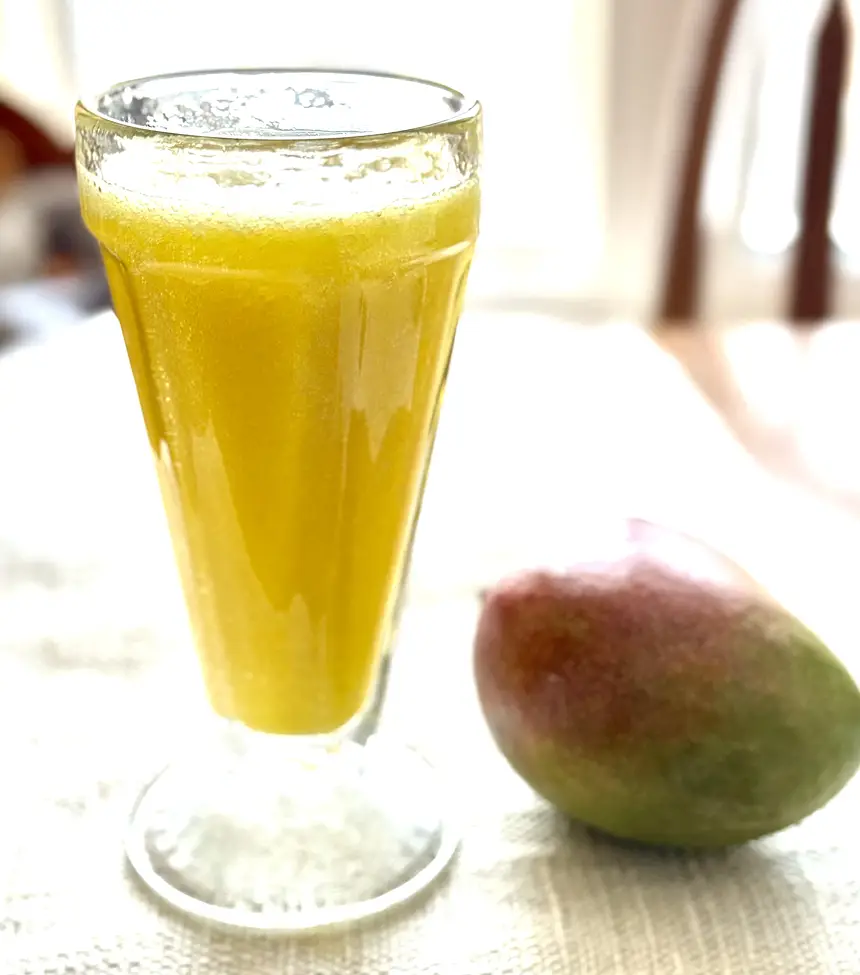
Orange juice is squeezed from sweet oranges, and in cooking it does two jobs at once: it brings acid to balance richness and a little natural sugar that browns and glazes. That combination is why it turns up in marinades, sauces, glazes, and a lot of baking.
In the kitchen, treat it as a flavoring liquid, not a beverage.
A splash sharpens a pan sauce the way a squeeze of lemon does, only sweeter and rounder, lifting flavors without the pucker that straight lemon brings.
Orange zest is the thin, colored outer layer of an orange's peel, and it holds the fruit's most concentrated flavor. Those tiny oil glands in the skin carry the perfume you smell when you scratch an orange, far more aromatic than the juice.
Because it is flavor without liquid, zest seasons a dish the way a spice does. A little adds depth to cakes and marinades without thinning the batter or watering down the pan.
The rule that matters most: stop at the orange layer and never dig into the bitter white pith below it.
Orange marmalade is a citrus preserve made from the whole fruit, peel and all, simmered with sugar until it sets into a glistening, bittersweet jelly studded with shreds of rind. That bitter edge from the peel is what separates it from sweet orange jam, and it is the whole appeal.
Classic British marmalade uses tart Seville oranges, but most jars are made from regular sweet oranges.
The peel does more than flavor it. Citrus peel and pith carry plenty of natural pectin, which is what lets marmalade gel with nothing but fruit and sugar plus water.
Mandarin oranges are the small, sweet, easy-peeling cousins of the everyday orange. The skin slips off in one piece and the segments pull apart cleanly, with a flavor that is more honeyed and less acidic than a navel.
In American kitchens, the canned version does most of the work. Those tidy little segments, packed in light syrup or juice, are already peeled and free of membrane, ready to scatter straight onto a plate.
Fresh mandarins, including clementines and tangerines, are a winter snacking fruit. For cooking, the can is what most recipes mean.
Frozen orange juice concentrate is orange juice with most of the water boiled off, then frozen in a tub. Reconstituted with three cans of water it becomes ordinary juice, but for cooking the real value is using it as is.
Straight from the can it is intensely sweet-tart, almost like a soft citrus paste. That punch is hard to get any other way.
Candied orange peel is strips of orange rind that have been blanched to tame the bitterness, then simmered slowly in sugar syrup until they turn soft, translucent, and chewy. The peel drinks up the syrup, so each piece is sweet through and through.
Underneath that sweetness sits a bright, slightly bitter orange edge that keeps it from cloying.
You buy it diced for baking or in long strips meant for dipping in chocolate. Either way it keeps the perfume of fresh orange in a form that survives months in the cupboard and an hour in a hot oven.
It is the grown-up cousin of the dyed glace mix, all citrus and no filler.
Orange segments are the individual wedges of an orange, freed from the membranes that divide them. In most recipes the term means canned mandarin orange segments: small, seedless, already peeled and packed in light syrup or juice, ready to drain and use.
The same name also covers fresh segments you cut yourself from any orange.
Canned and fresh are not interchangeable in every dish. Canned mandarins are soft and uniformly sweet, with the syrup adding sugar the fresh fruit does not have. Fresh segments are firmer and more acidic, and they taste of the specific orange you started with.
Golden French toast stuffed with warm blueberry-maple compote and dusted with powdered sugar. Make weekend brunch feel special with this sweet sandwich.
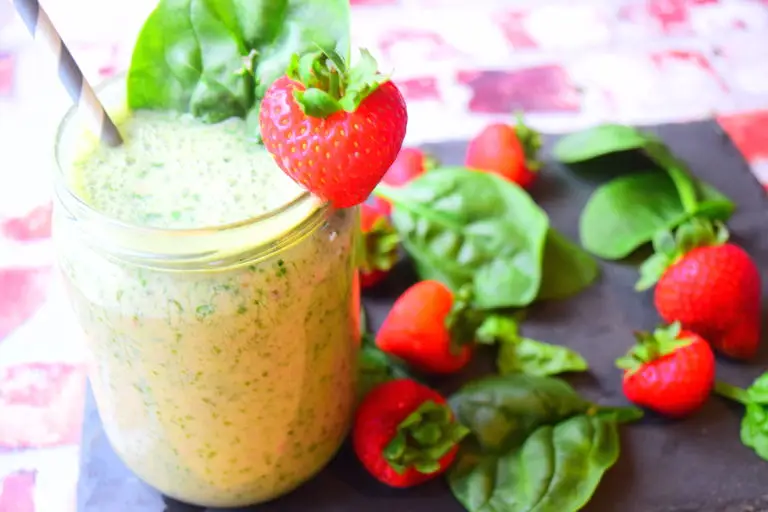
Here’s another healthy breakfast recipe that we’ve created for Fertility Road magazine. For those that are short on time in the morning, this quick and simple smoothie recipe is the perfect fertility boosting breakfast option.
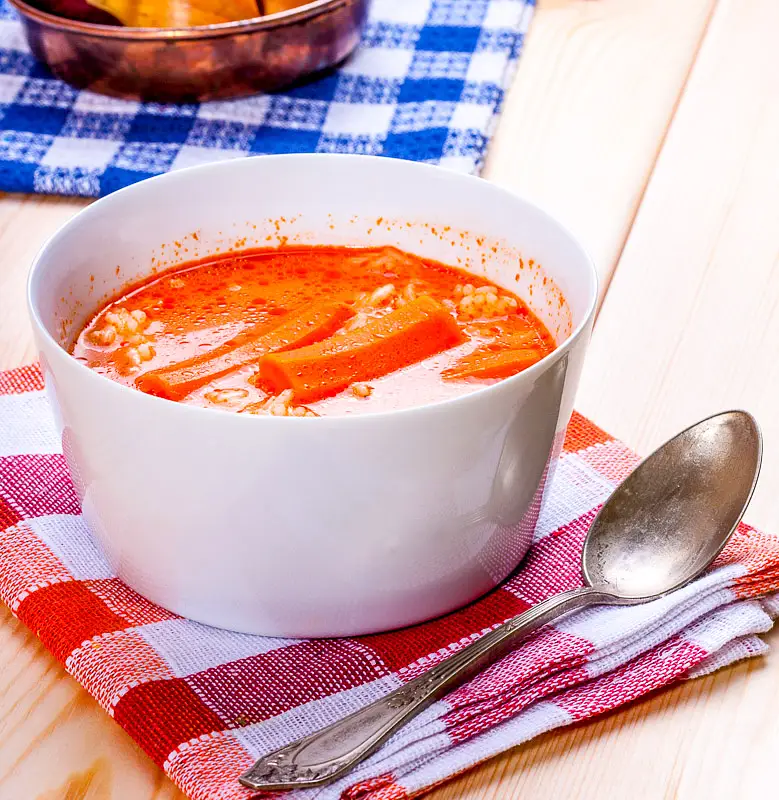
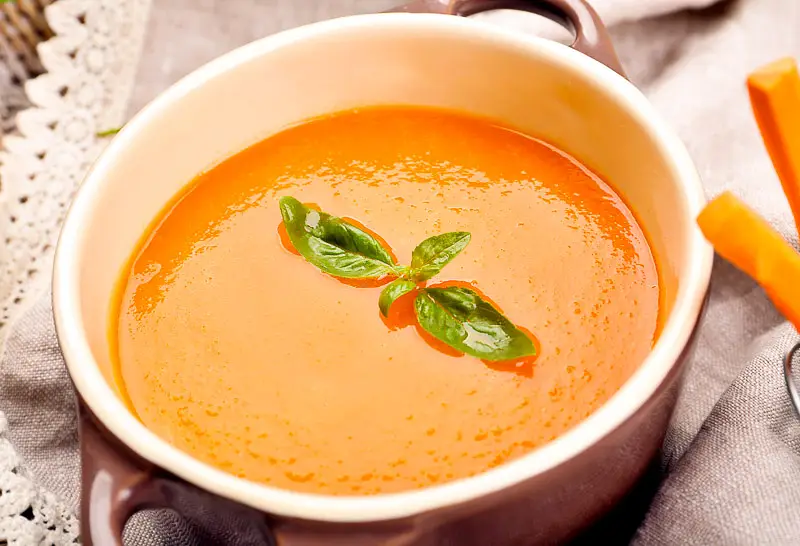
Creamy tomato and orange soup with fresh tomatoes, orange juice, orange zest and a swirl of cream. A British-style soup that's bright, velvety and full of citrus warmth.
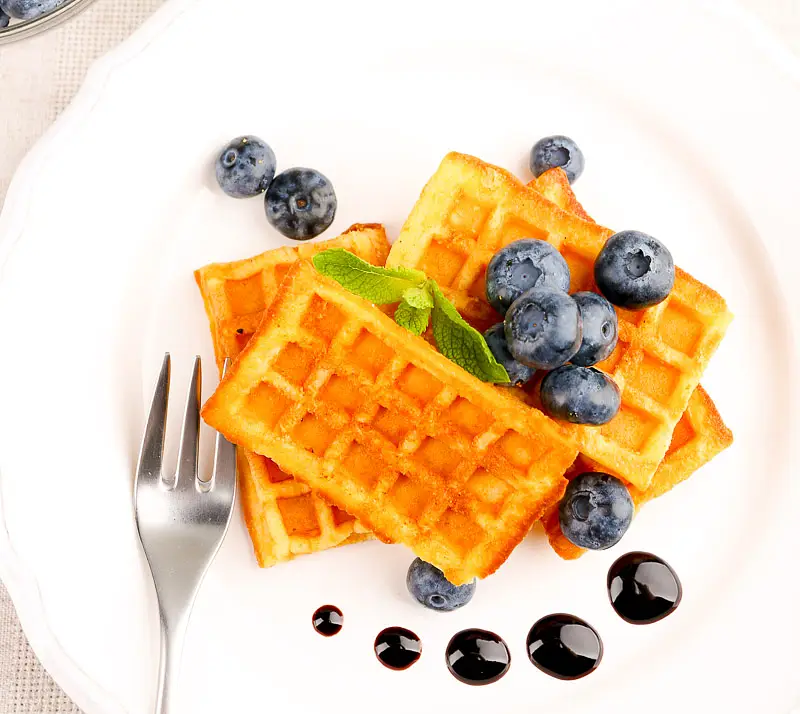
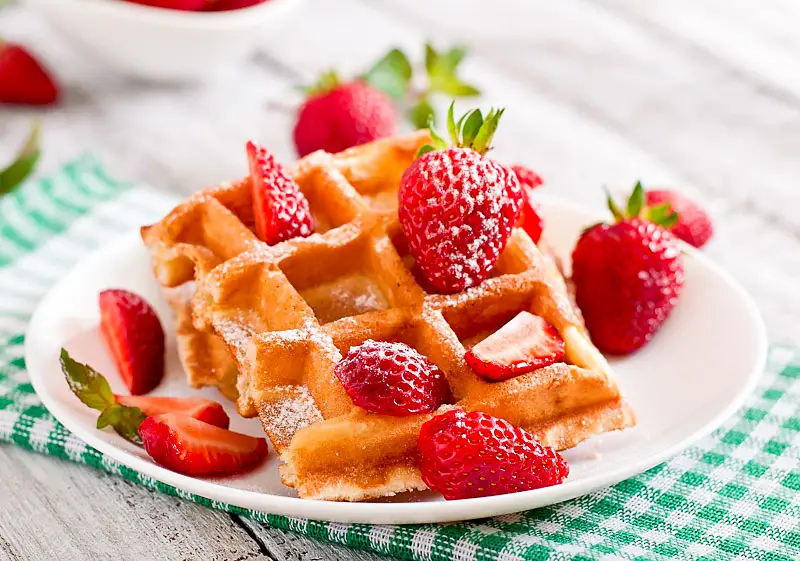
Buttermilk waffles with raspberry sauce trade syrup for a bright purple-red puree spiked with orange zest. The tang of buttermilk and lift from baking powder give crisp-edged waffles a fluffy interior.
Orange yeast waffles bloom active dry yeast in warm orange juice for citrus-perfumed breakfast waffles. Vegan-friendly with soy milk, cake flour, and pure orange oil for extra zing.
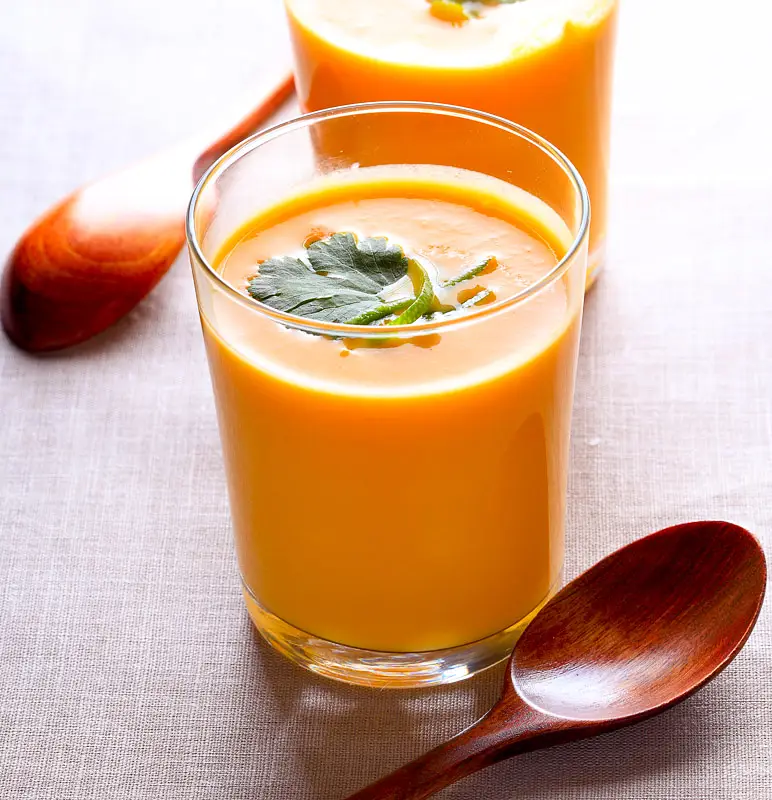
Chilled carrot soup blended with orange juice, fresh nutmeg and chicken broth. A bright, low-calorie warm-weather starter served cold with an orange slice and mint. Six ingredients, blender-easy.
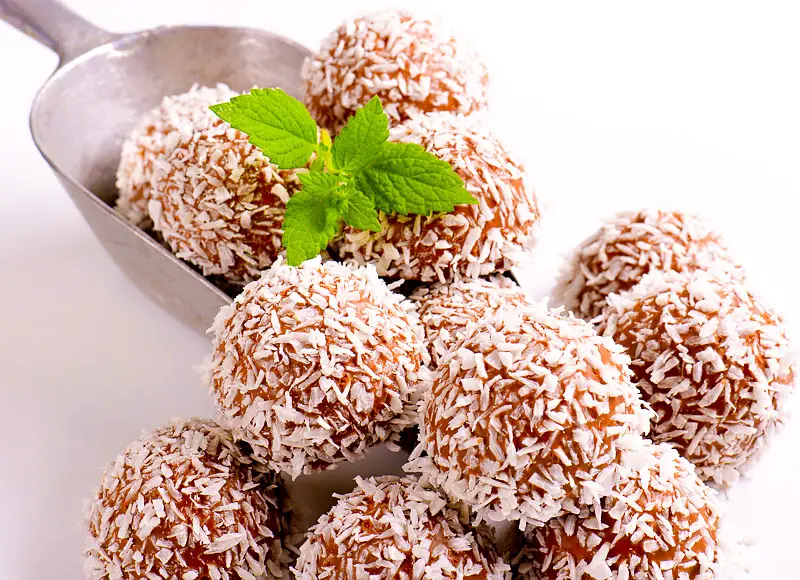
No-bake cappuccino truffles rolled in cocoa-sugar or coconut, made with instant coffee, marshmallow cream, chocolate wafer crumbs, and pecans. Makes 60 bite-sized treats in 30 minutes.
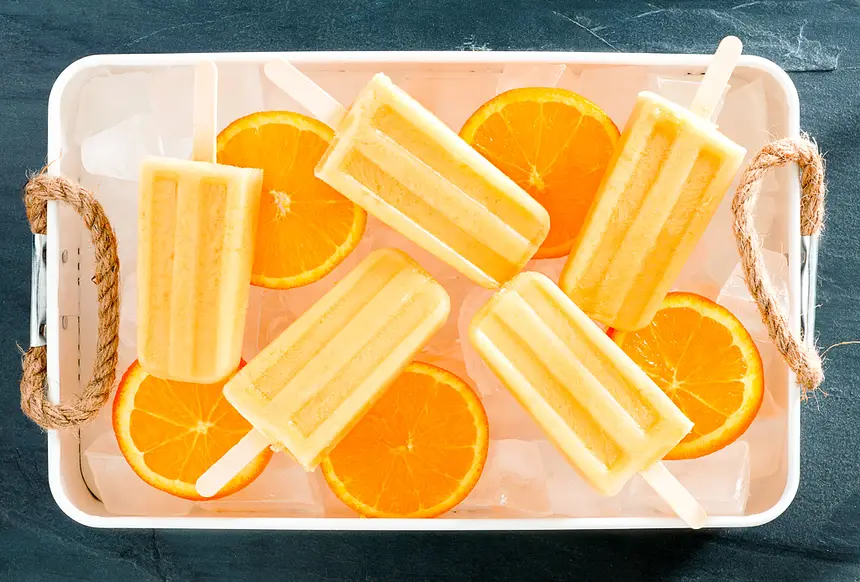
Five homemade popsicle recipes for kids in one variety pack. Creamsicles, chocolate yogurt pops, watermelon ices, snow cones, and Polynesian apricot-pineapple pops.
Margarita on the rocks shakes premium gold tequila with Triple Sec, Grand Marnier, and sweet and sour mix, poured over ice into a salt-rimmed glass. The double hit of orange liqueur gives this classic cocktail extra depth and punch.
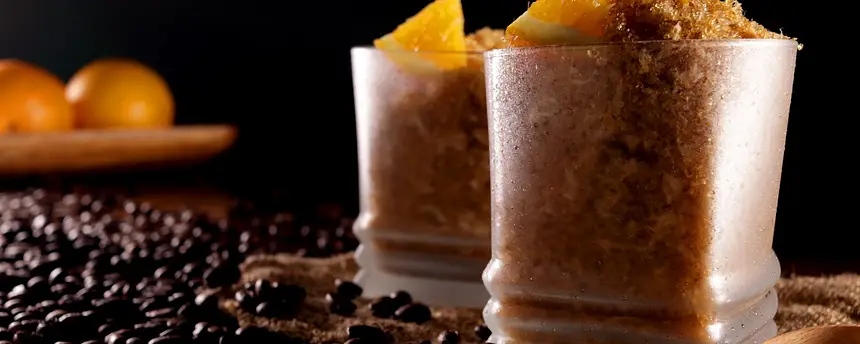
Served either as a dessert, or perhaps a morning energizer in the summer months, this recipe took inspiration from the great combination that chocolate and orange offers, pairing the wonderful flavour of (good quality) coffee with the fresh citrus flavour of orange. Orange you glad there’s now a fat-free option that is sure to give you your much needed caffeine kick?
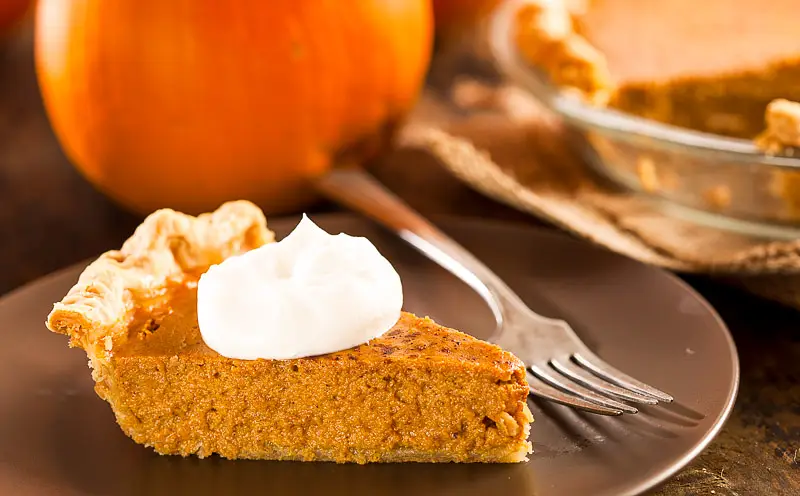
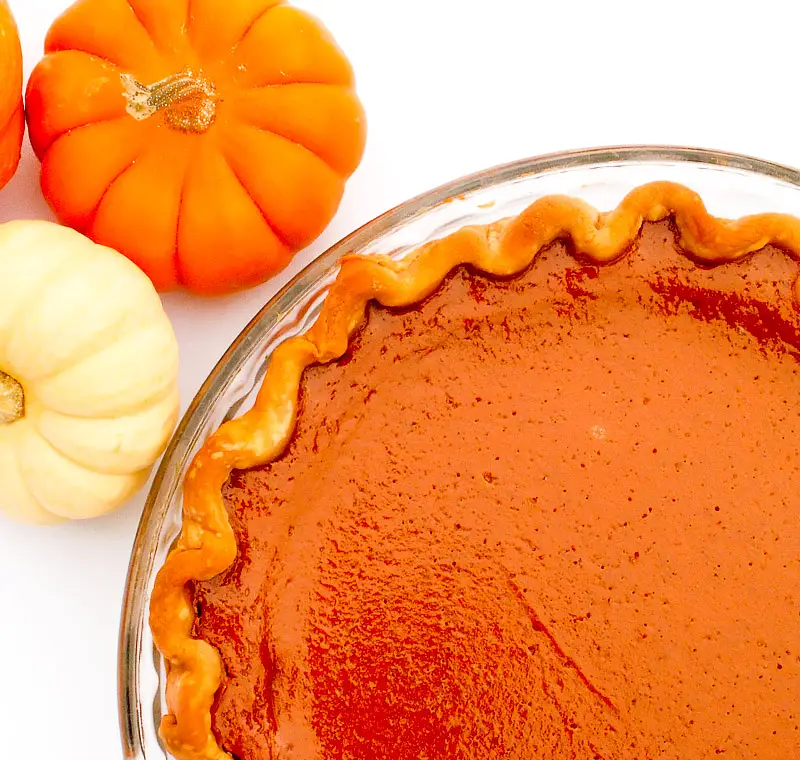
Light pumpkin pie sweetened with brown sugar, honey, and low-calorie sweetener, blended with non-fat milk for a creamy custard that skips the heavy cream without losing the warm ginger-cinnamon-nutmeg punch.
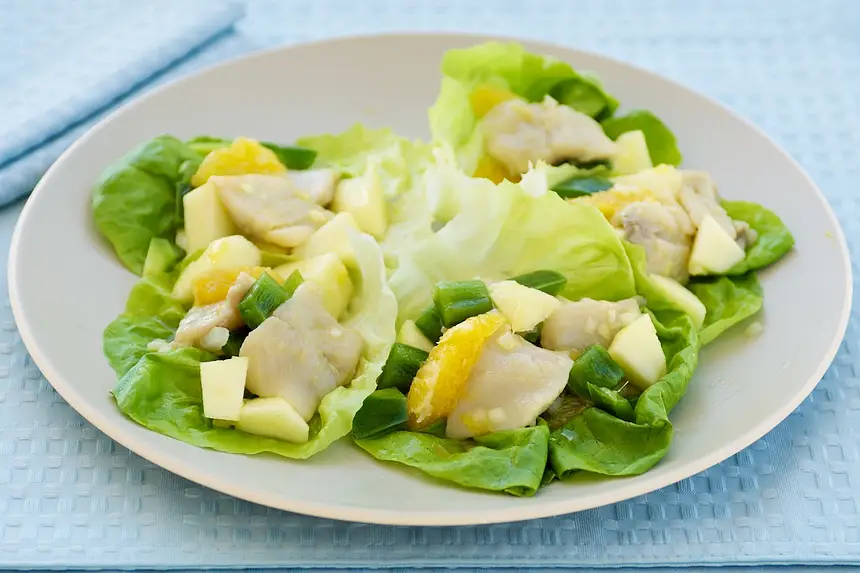
Refreshing herring salad tosses pickled herring with tart apple, juicy orange segments, green pepper, and grated onion in a quick oil and vinegar dressing. No cooking required.
Whole wheat orange pancakes use fresh orange juice and zest in a half-whole-wheat batter boosted with wheat germ. Bright, fluffy and high-fiber. Ready in 20 minutes for a healthy weekend breakfast.
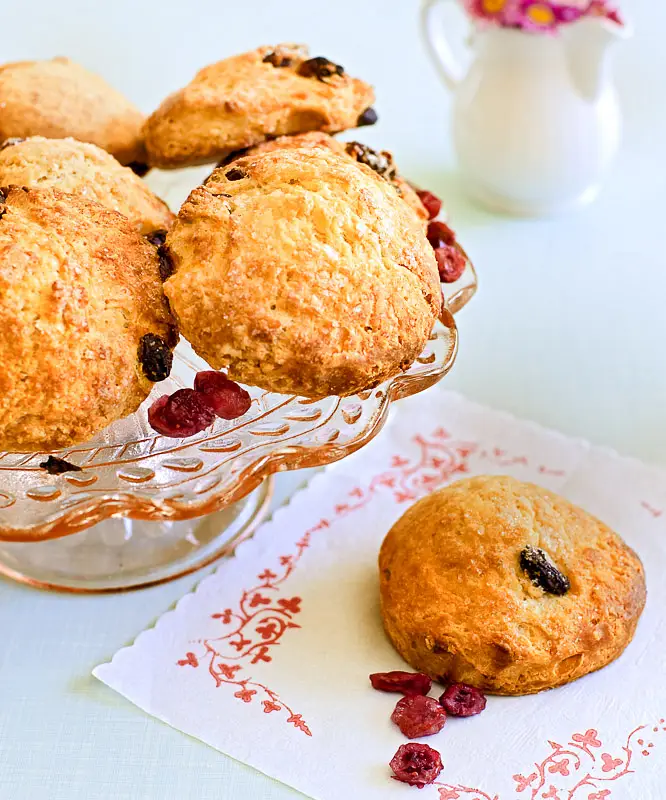
Orange-currant scones with a tender flaky crumb thanks to a butter-shortening combination, brightened with fresh orange zest and studded with sweet dried currants.
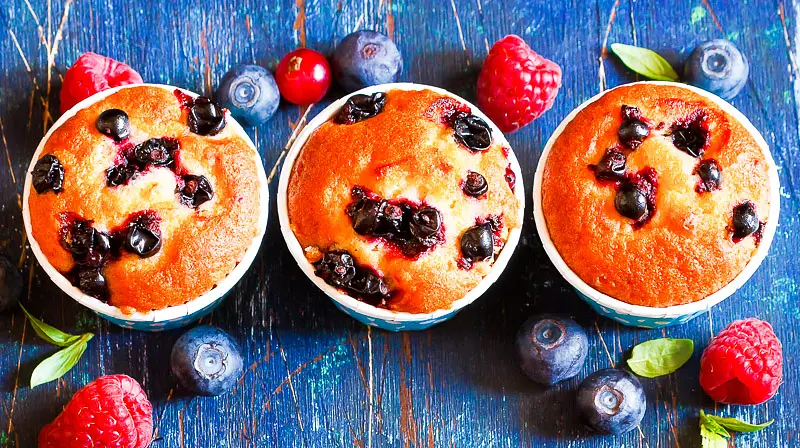
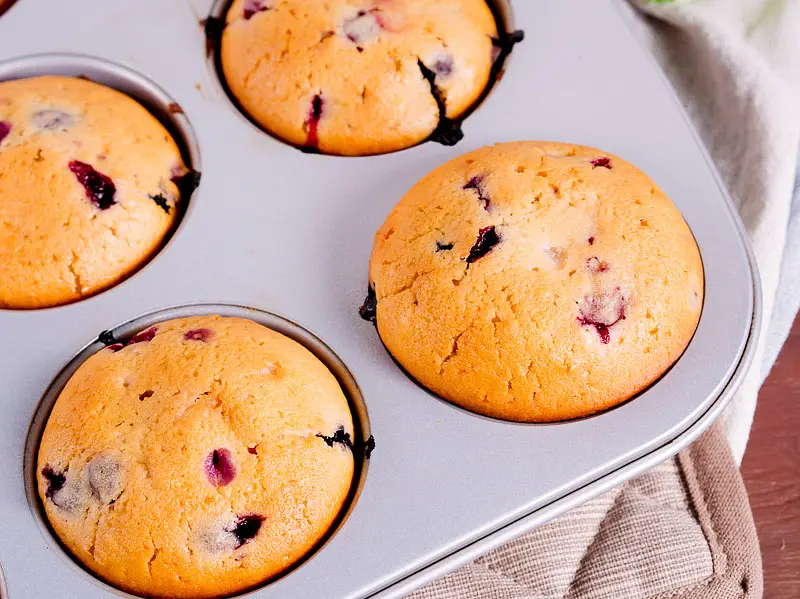
Double berry muffins layer blueberry batter around a hidden teaspoon of raspberry jam, lightened with wheat germ and orange juice. Low-fat breakfast bake.
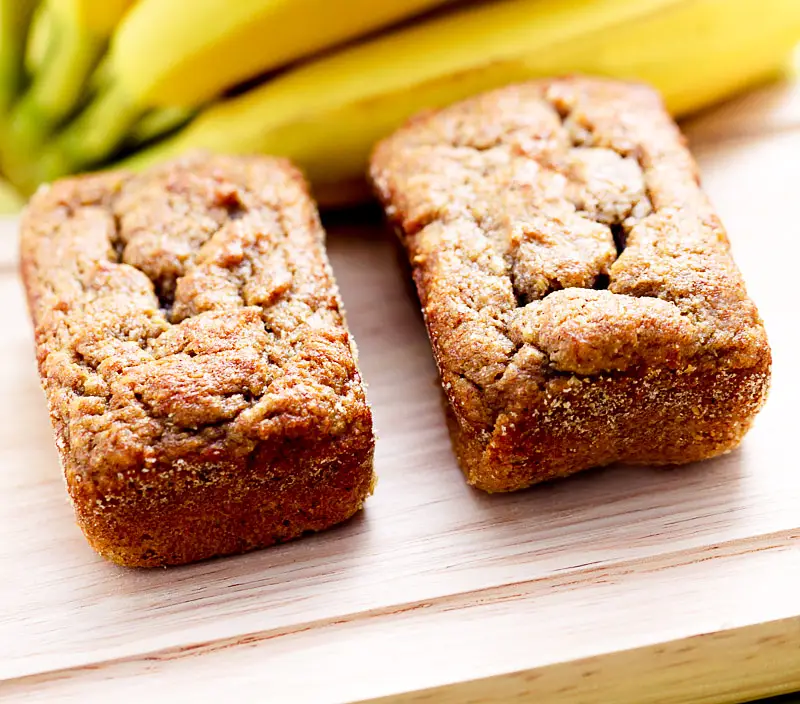
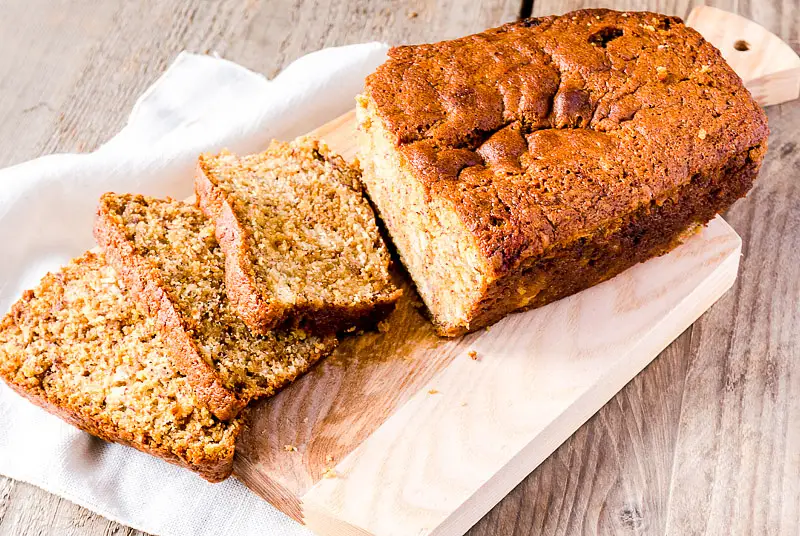
Smith's banana bread is a fat-free whole wheat loaf with crushed pineapple, currants or apricots, fresh orange zest, and overripe bananas. A naturally sweet, dairy-free quickbread with no added sugar.
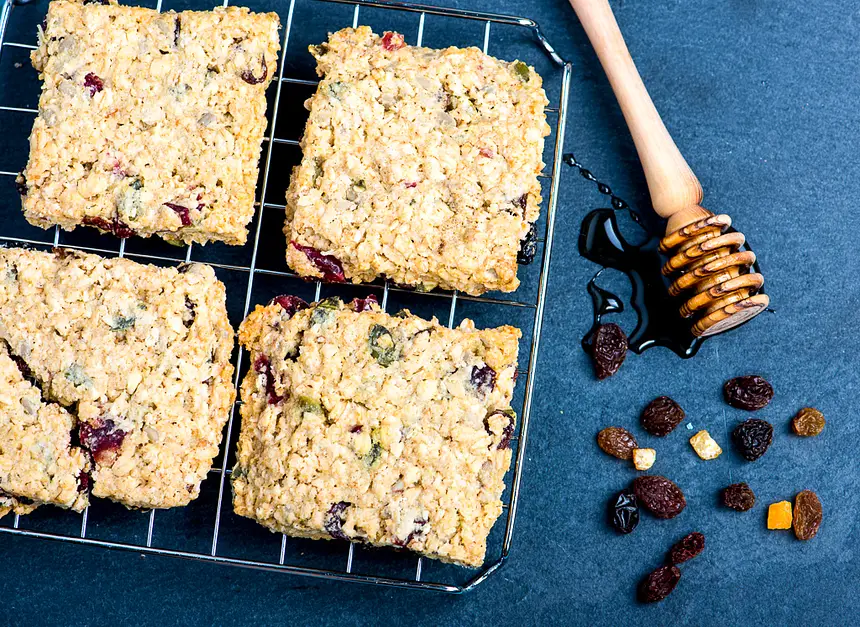
Homemade granola bars sweetened with molasses and orange juice concentrate, packed with oats, raisins, apricots, sunflower seeds, wheat germ and sesame. Dense, cakey, and naturally fruit-sweetened.
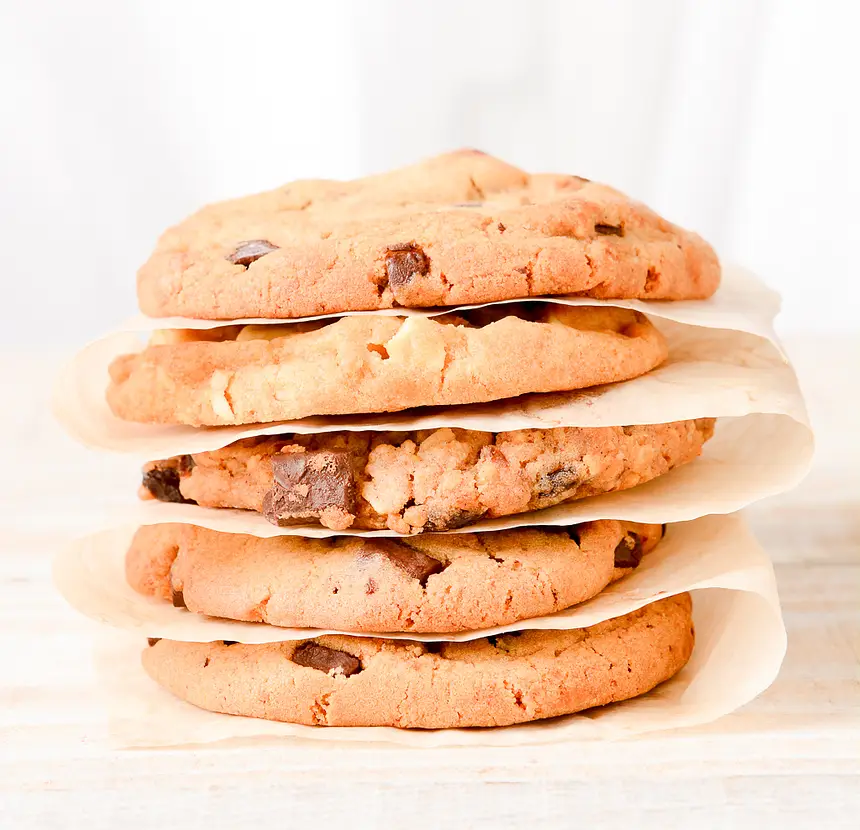
Citrus-kissed oatmeal cookies with chocolate chunks, orange juice, and zest. Customize with craisins or walnuts for 36 chewy cookies in just 30 minutes.
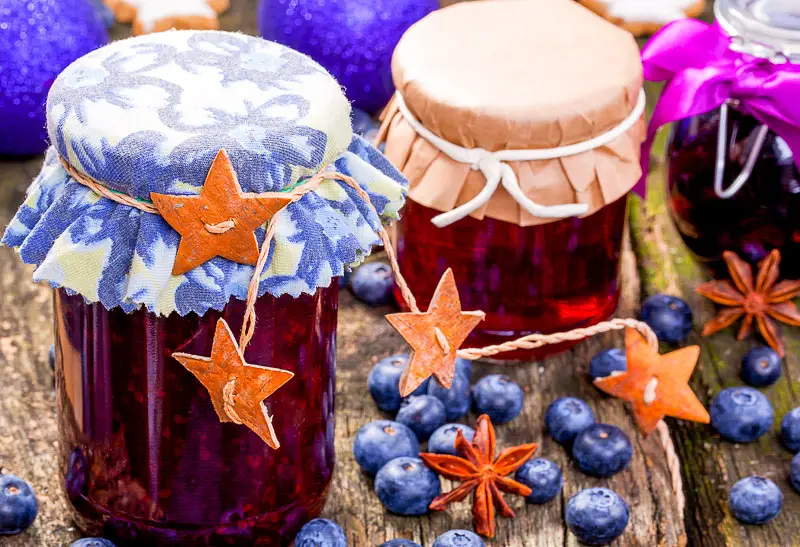
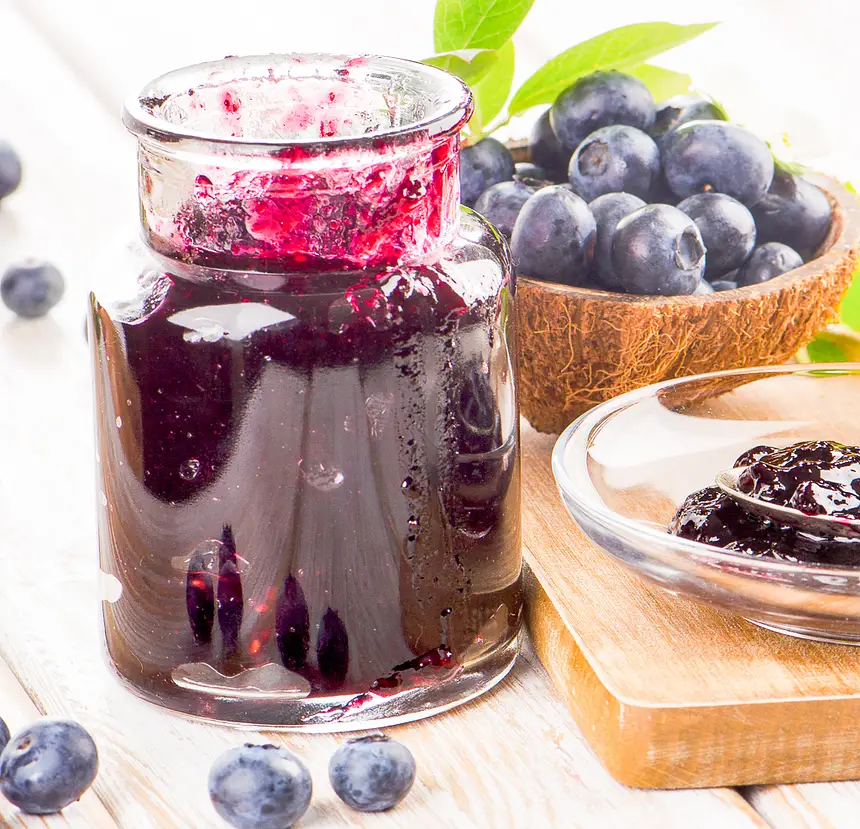
Spicy blueberry citrus marmalade simmers orange, lemon, and lime rinds with fresh blueberries, sugar, and a kick of crushed red pepper into a sweet-tart-spicy preserve. Made for canning and gifting.
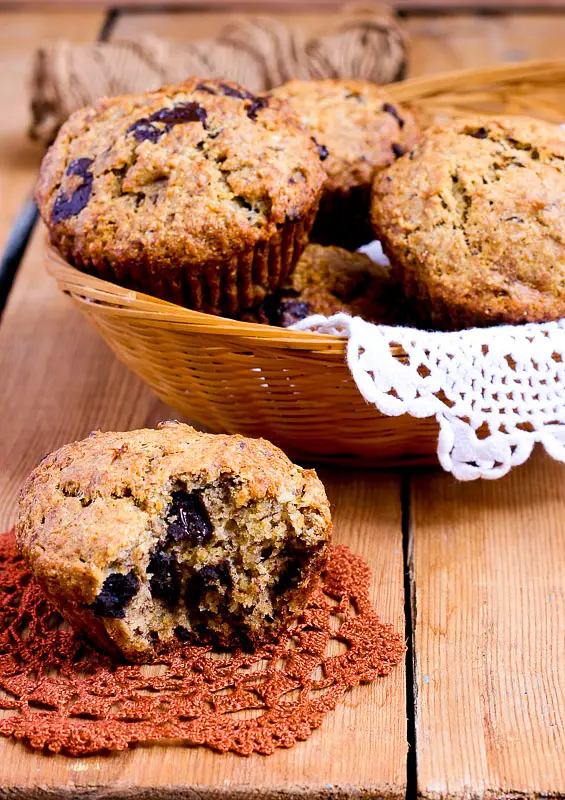
Berry orange banana muffins made with whole wheat flour and natural bran. Mashed banana and frozen orange juice concentrate sweeten these high-fiber breakfast muffins, dotted with juicy blueberries or raspberries.
Sourdough orange waffles use 2 cups of active starter brightened with orange zest, milk, and a touch of sugar, with optional pecans for crunch. Tangy, crisp breakfast.
Cakey gingerbread squares with molasses, fresh orange zest, and warm holiday spices. Tender old-fashioned gingerbread, dusted with powdered sugar for a snowy finish.
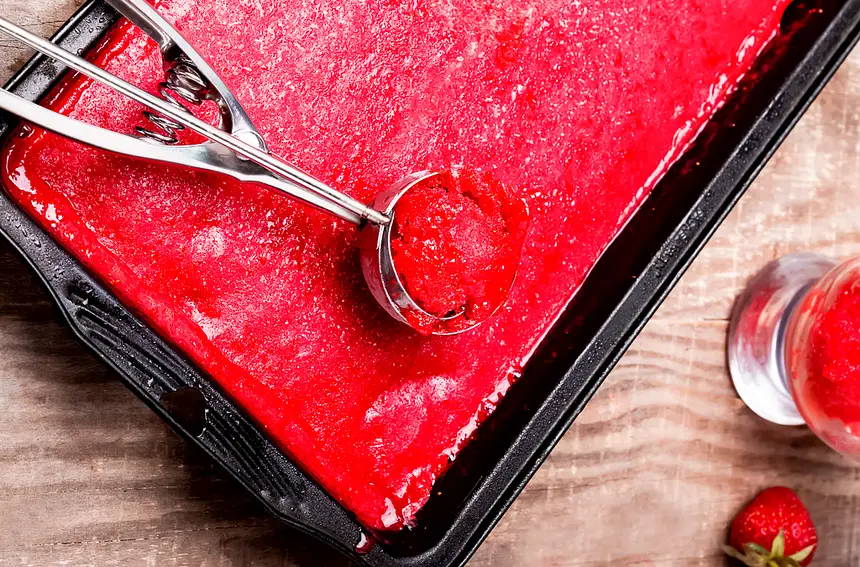
Fresh strawberry sorbet with simple syrup and orange juice. A dairy-free, vegan summer dessert with just 4 ingredients and bright fruit flavor in every bite.
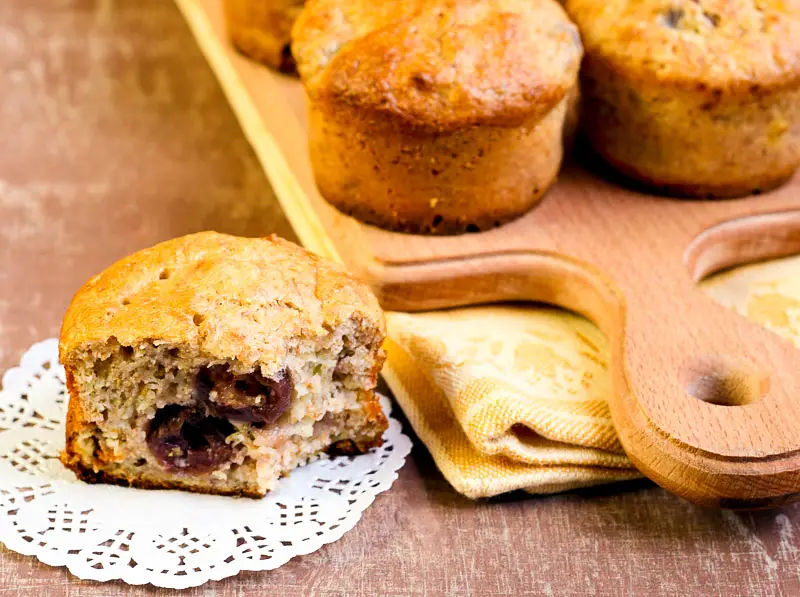
Cherry oatmeal muffins with sour cherries, orange juice concentrate, and oats. A naturally sweetened breakfast muffin with bright citrus and tart-fruit punch. No added sugar.
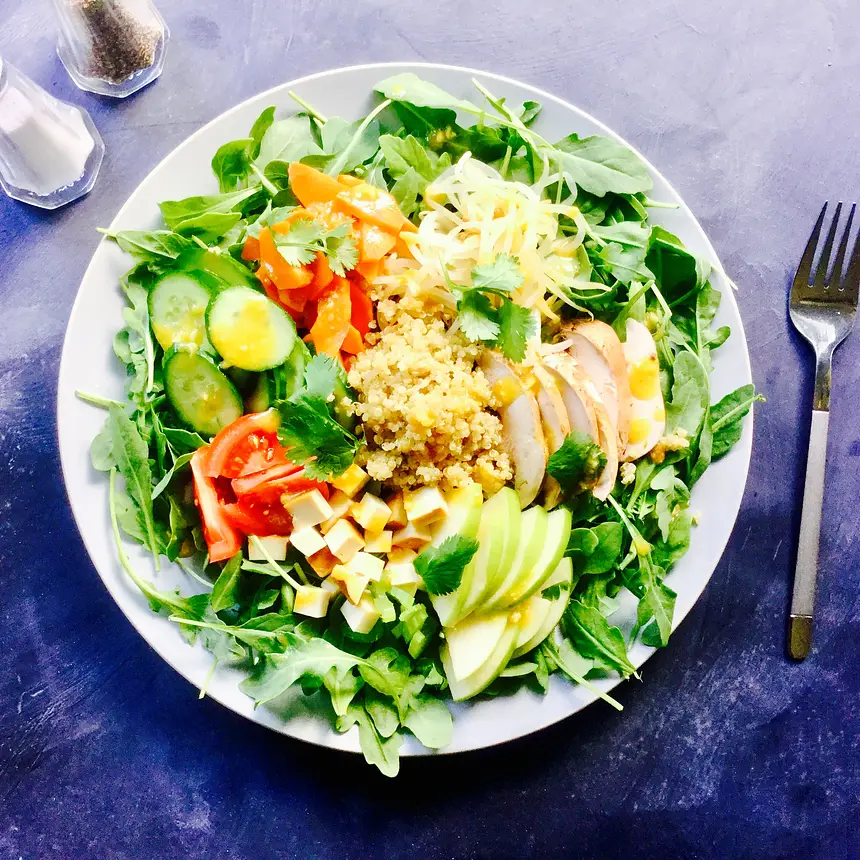
A wide variety of fresh vegetables and quinoa are tossed with a salty and sweet miso orange dressing. Serve it as a refreshingly nutritious side dish or a vegetarian/vegan main course.
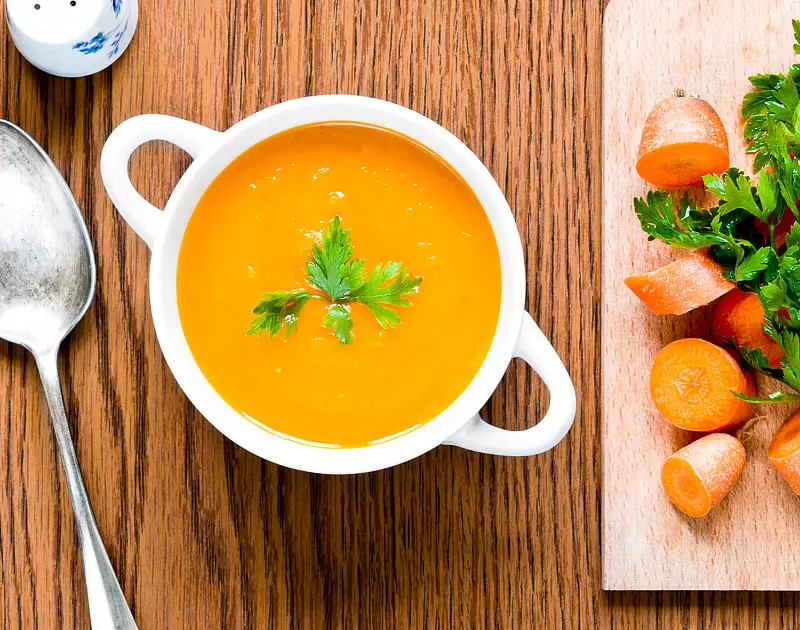
Carrot and orange soup with leeks, cayenne, and ginger blended into a silky vegan puree. Bright citrus and warm spice work together for a soup that shines hot or chilled.
Wholesome oat granola with oat bran, sunflower seeds, banana chips, raisins, and a hint of orange zest. Honey-baked and naturally sweetened for a fiber-rich breakfast or snack.
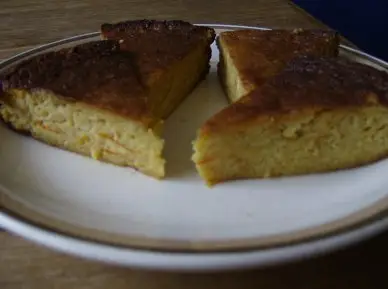
Flour-free mandarin cake made with whole boiled tangerines, ground almonds, and eggs. Naturally gluten-free with an intense, moist citrus crumb that melts on the tongue.
Fluffy buttermilk pancakes topped with a quick stovetop strawberry sauce thickened with orange juice and brown sugar. Brunch-worthy in 25 minutes from start to plate.
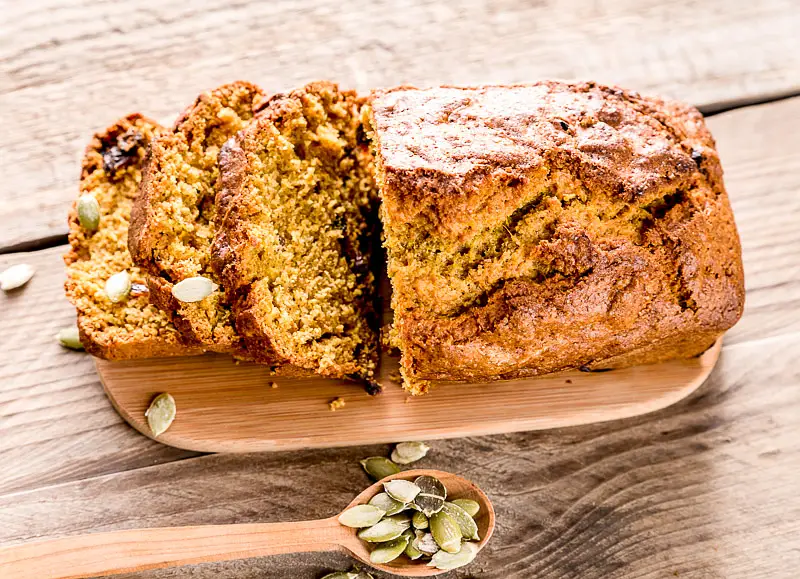
Give the traditional pumpkin bread a new twist by adding some freshly grated lemon zest and freshly squeezed orange juice. They add some deliciously citrus taste to the moist pumpkin bread. Be sure to make enough, because everyone will ask for a second slice.
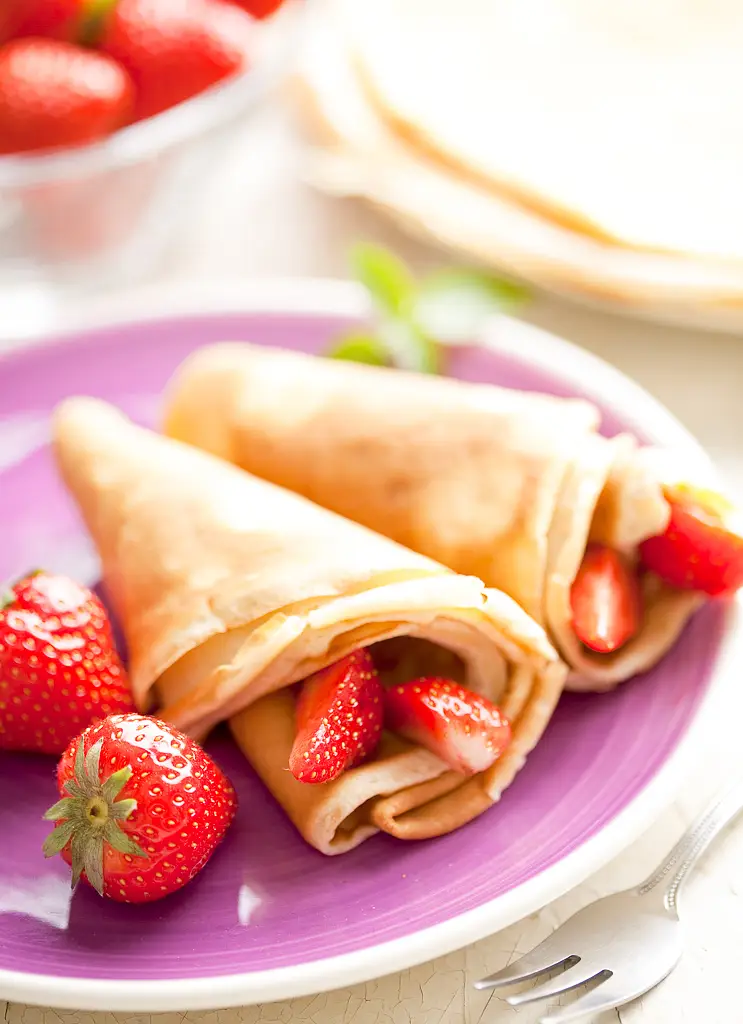
Strawberry crepes flambe fresh berries in a citrus-butter-brandy syrup, then fold them into delicate crepes glazed with the reduced sauce. Showy New Orleans-style dessert ready in 30 minutes.
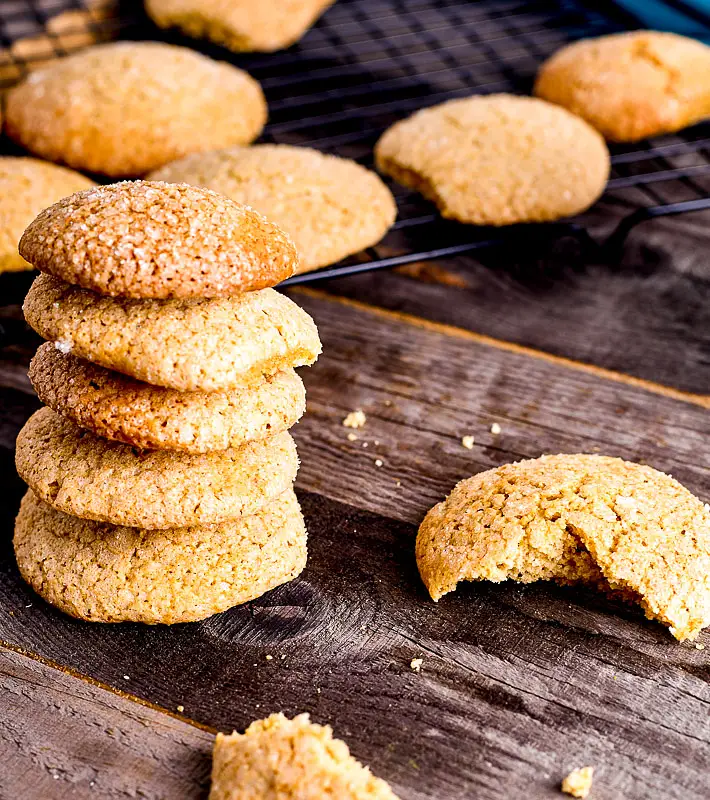
Orange and ginger cookies: soft-centered molasses cookies with fresh orange zest and ground ginger, rolled in citrus-sugar before baking. Holiday classic with bright modern twist.
Spiced blueberry jam simmers fresh blueberries with apple-grape juice concentrate, orange juice, and warm spices of cinnamon, nutmeg, cloves, and mace. A refined-sugar-free freezer jam that captures summer with autumn warmth.
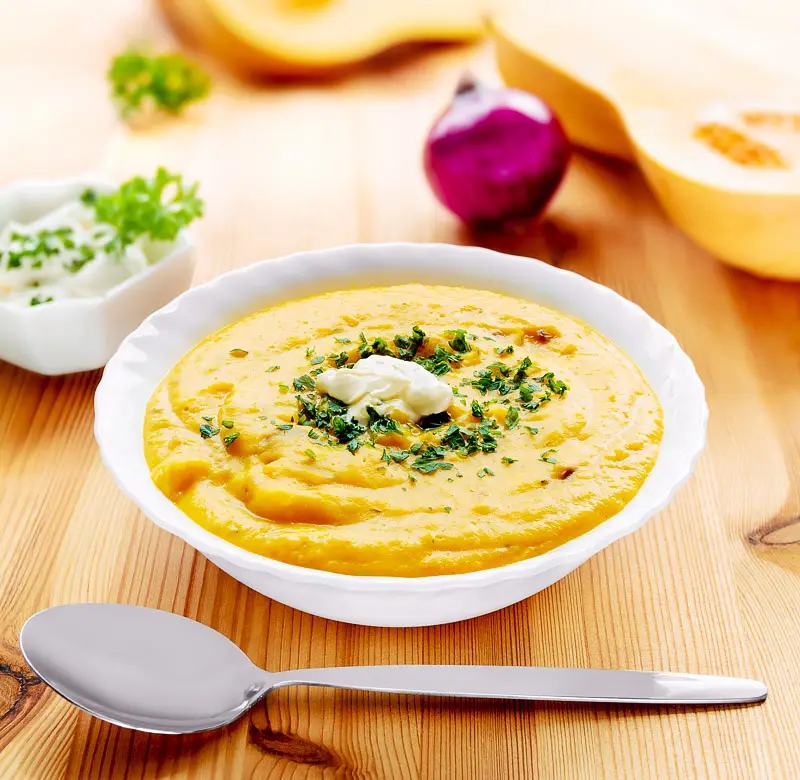
Microwave ginger squash soup with butternut, fresh ginger, orange juice and zest, finished with nutmeg. An elegant fall starter ready in 30 minutes, no stovetop required.
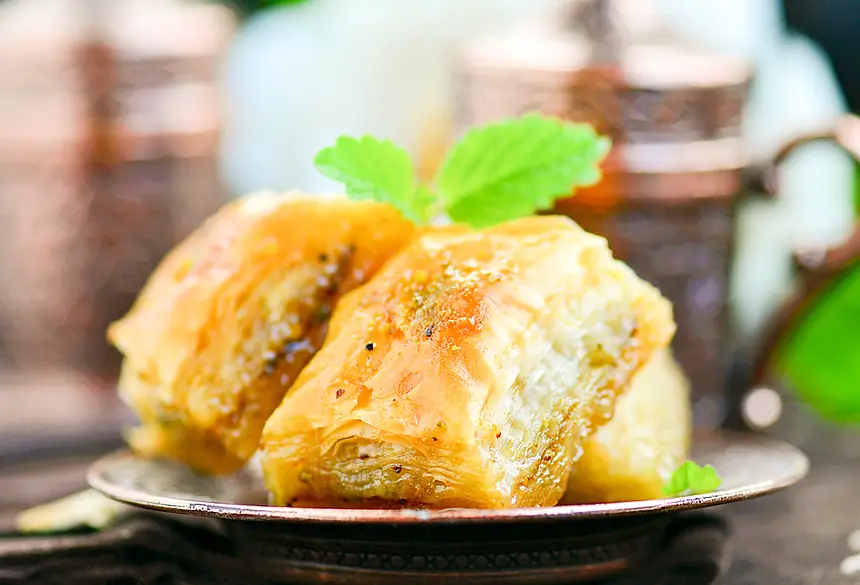
Three-nut baklava layers buttered phyllo with walnuts, pistachios, and toasted almonds, then drinks in a citrus-clove honey syrup overnight. The Greek dessert pulled out for big celebrations and bigger family gatherings.
Silky pumpkin mousse pie made with whipped egg whites, evaporated skim milk, and a hint of orange zest. A no-bake holiday dessert that's lighter than traditional pumpkin pie.
Cranberry cake wreath bakes a tart-sweet cranberry and orange batter in a ring mold for a festive holiday centerpiece. Fresh cranberries pop against an orange-scented crumb, with walnuts for crunch.
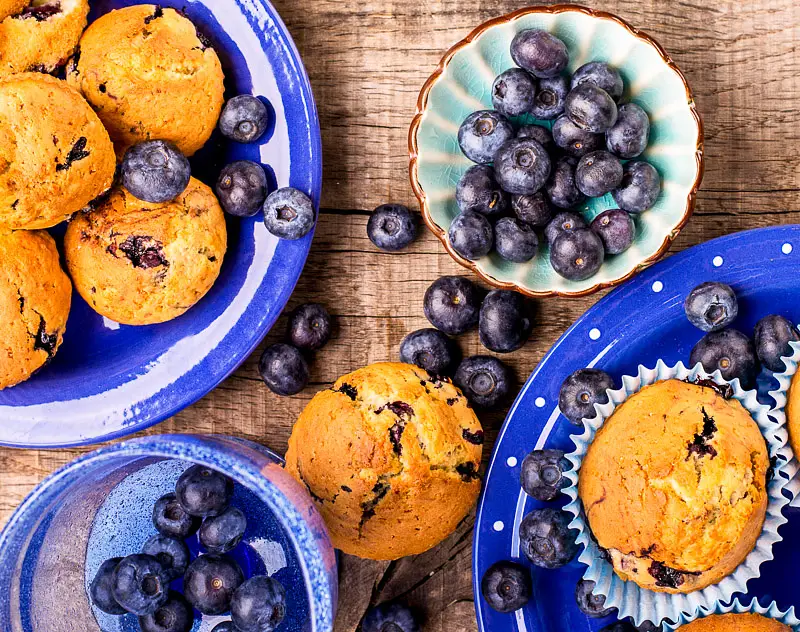
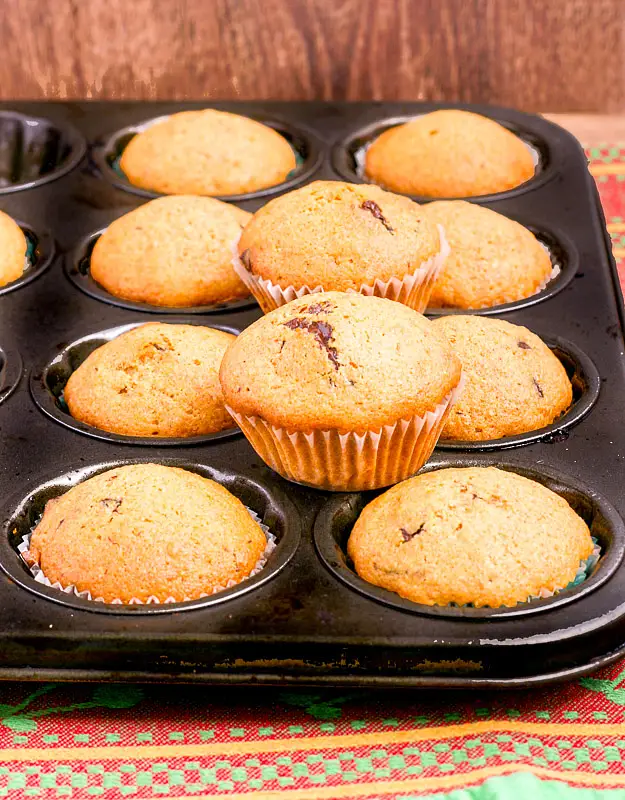
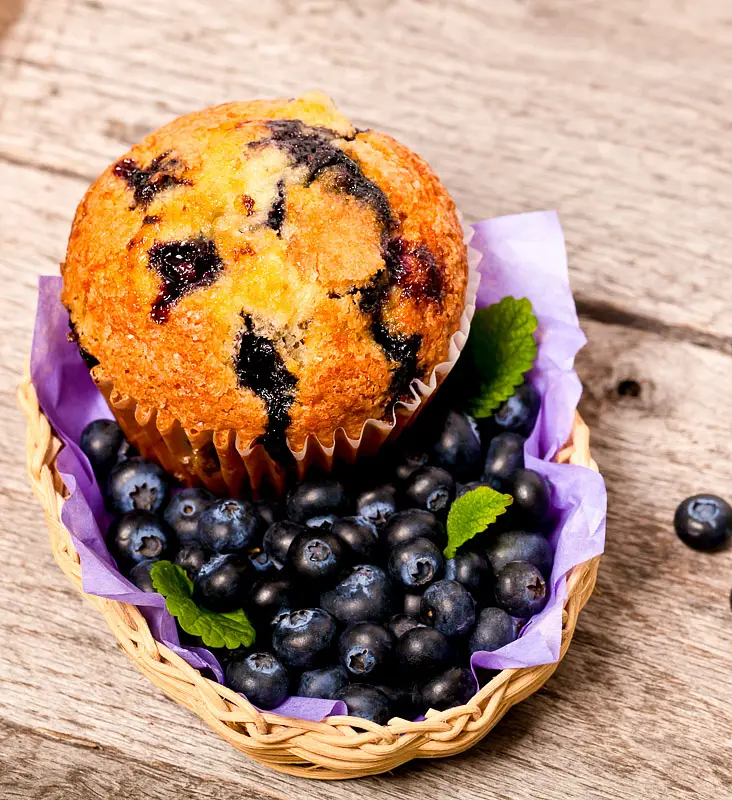
Citrus blueberry muffins with bright orange zest folded through a tender buttermilk-style batter and studded with juicy blueberries. Easy 30-minute breakfast bake.