If currants have turned up in a recipe or caught your eye at the store, here's what you need to use them with confidence and how to choose them, cook them, store them, what to substitute, and 321 recipes to try them in.
Key Points
"Currant" means two things: tiny dried Zante grapes for baking, and fresh tart berries.
When a recipe says currants with no fresh fruit, it wants the dried, raisin-like kind.
Plump hard dried currants ten minutes in warm water or tea, then drain before folding in.
Fresh black and red currants are high in pectin, so they set easily into jelly and cassis.
Dried currants keep about six months sealed in the pantry; fresh berries freeze well loose.
What are currants?
The word "currant" covers two completely different foods, and recipes rarely stop to say which one they mean.
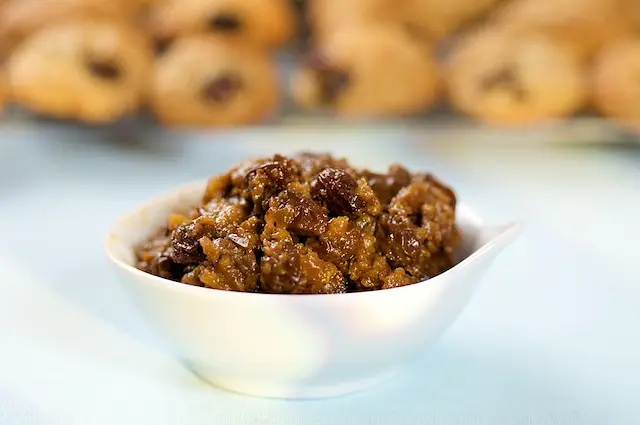
In almost every baking recipe, a currant is a Zante currant: a tiny dried grape, like a miniature raisin, made from the small seedless Black Corinth grape. The name is a worn-down version of "Corinth," the Greek port they shipped from.
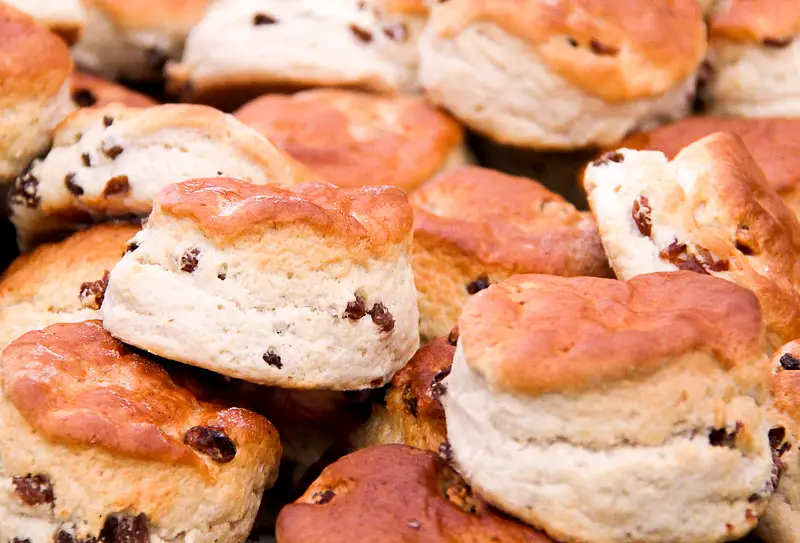
These are what fill scones, muffins, mincemeat, and holiday cakes.
The other currant is a fresh berry, a tart little jewel that grows in clusters on a shrub, sold as black, red, or white currant. These are a different plant family entirely and turn up as jam, jelly, sauce, and summer dessert, not as a dried scattering in dough.
When a recipe just says "currants" with no fresh fruit in sight, it means the dried kind. The rest of this page treats both.
Cooking With Currants
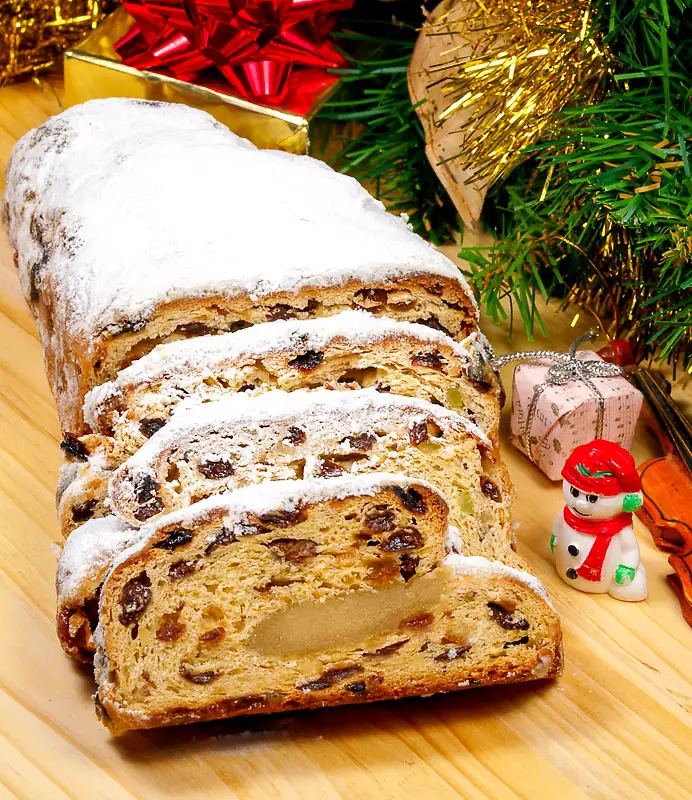
Dried currants are smaller and a touch tarter than raisins, so they spread evenly through a batter without the gummy clumps bigger fruit can leave. They run through Irish soda bread, scones, Currant-Bran Muffins, and rich holiday bakes like Christmas Stollen and an Easter Simnel Cake.
If the dried fruit has gone hard, plump it first. Soak it ten minutes in warm water or strong tea, with a splash of brandy if you like, then drain it before folding it in. Plump currants stay moist in the crumb instead of stealing water from the dough.
Fresh currants are mostly cooked with sugar, since raw they are sharply tart. Their high natural pectin makes them set easily, which is why redcurrant jelly is a classic and blackcurrant turns into cassis and deep purple sauce for game and lamb.
Pairing and a Common Mix-Up
Dried currants love warm spice and orange zest, which is why they belong in mincemeat, Awesome Holiday Plum Pudding, and spiced muffins. They also cross into savory cooking, scattered through pilaf or a couscous for a sweet-tart note against meat.
Fresh currants pair with other summer berries and with cream and almond, and the black kind stands up to red meat and red wine.
The mistake to head off is the name itself. If a recipe calls for a cup of currants in a batter, it wants the dried Zante kind; reaching for fresh berries gives you a wet, sour, collapsing mess. Buy dried currants near the raisins, not in the produce aisle.
Substitutes
For dried currants, raisins are the obvious swap, chopped a little so they spread like the smaller fruit; expect a sweeter, less tangy result. Dried cranberries bring back the tartness, and chopped dark raisins or sultanas split the difference.
For fresh currants, there is no clean one-to-one match, but a mix of fresh raspberries with a squeeze of lemon mimics the tart-sweet balance in sauces and desserts. Frozen currants work fine for anything cooked, since you are heating them anyway.
Buying and Storing
Buy dried currants that are soft and pliable, not rattly and rock-hard, which signals an old box. In a sealed container they keep about six months in the pantry, longer in the fridge, where the cool slows them from drying out.
Fresh currants are fragile and briefly in season in summer. Choose firm, glossy berries still on their stems, and use them within a few days before they shrivel.
They freeze well. Strip them from the stems, spread them on a tray to freeze loose, then bag them for months of jelly and sauce.
Types of currants
Specific kinds of currants and the recipes that use them.
Red currants are tiny, jewel-bright berries that grow in delicate hanging clusters, like miniature bunches of translucent grapes. Each berry is no bigger than a pea, with a glassy red skin and a bright, tart, lightly sweet flavor.
They are sharper than most berries, more sour than sweet, which is why you rarely see them eaten plain by the handful.
Look closely and you can see the tiny seeds suspended inside the see-through fruit.
Their season is short. Peaking in midsummer, they are more a farmers-market and home-garden berry than a year-round supermarket find.
Black currants are small, glossy, near-black berries that grow in trailing clusters on a bush (Ribes nigrum). They are intensely tart, with a musky, almost resinous aroma that sets them apart from any other berry.
The flavor is bold and complex: deep, winey, slightly tannic, and far more aromatic than blackberry or blueberry. That perfume is exactly what makes them the basis of cassis liqueur and a hundred European jams and cordials.
They are a staple across Britain and northern Europe, but uncommon in much of North America, where growing them was once banned because the bush can host white pine blister rust. Most American cooks meet them first as jam or cordial.
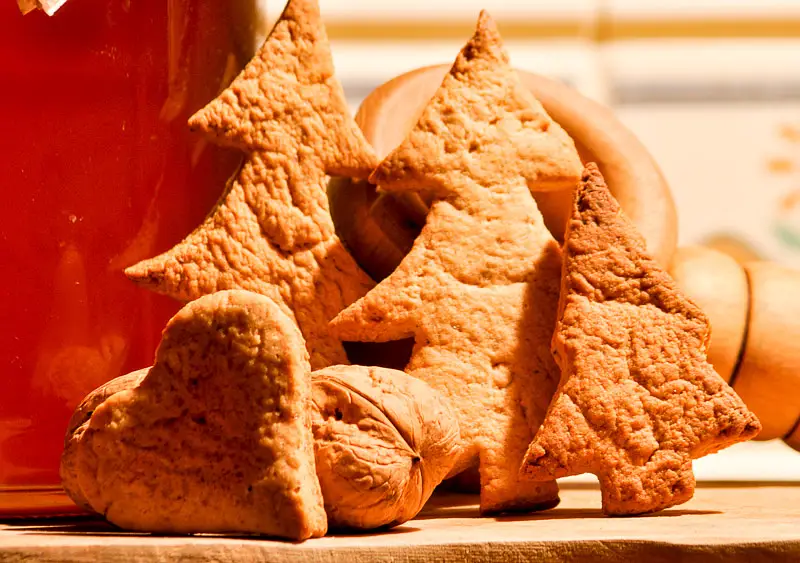
Soft, warmly spiced gingerbread cookies made with molasses, cinnamon, cloves, ginger, and nutmeg. Roll and cut into festive shapes for Christmas decorating with simple icing.
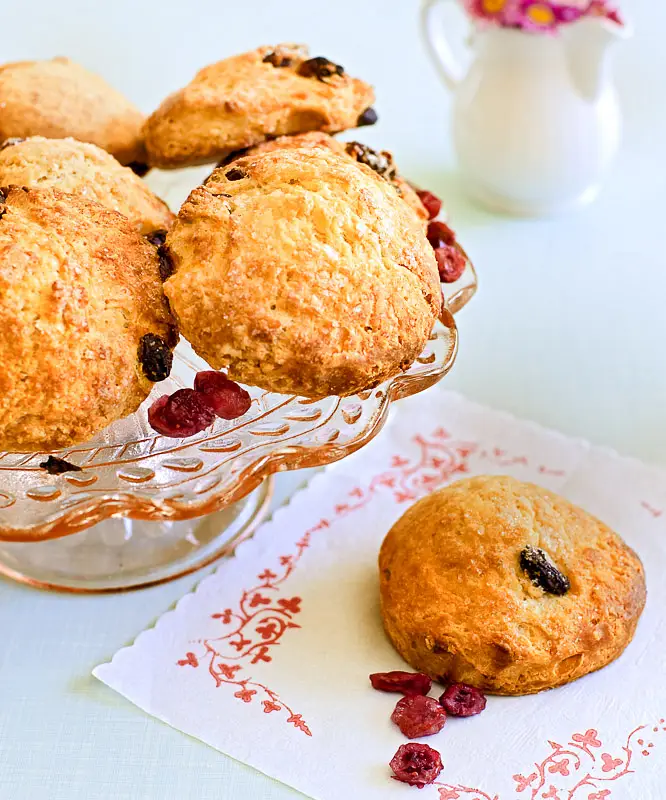
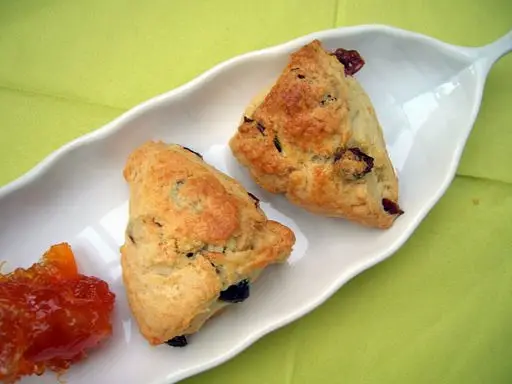
Orange-currant scones with a tender flaky crumb thanks to a butter-shortening combination, brightened with fresh orange zest and studded with sweet dried currants.
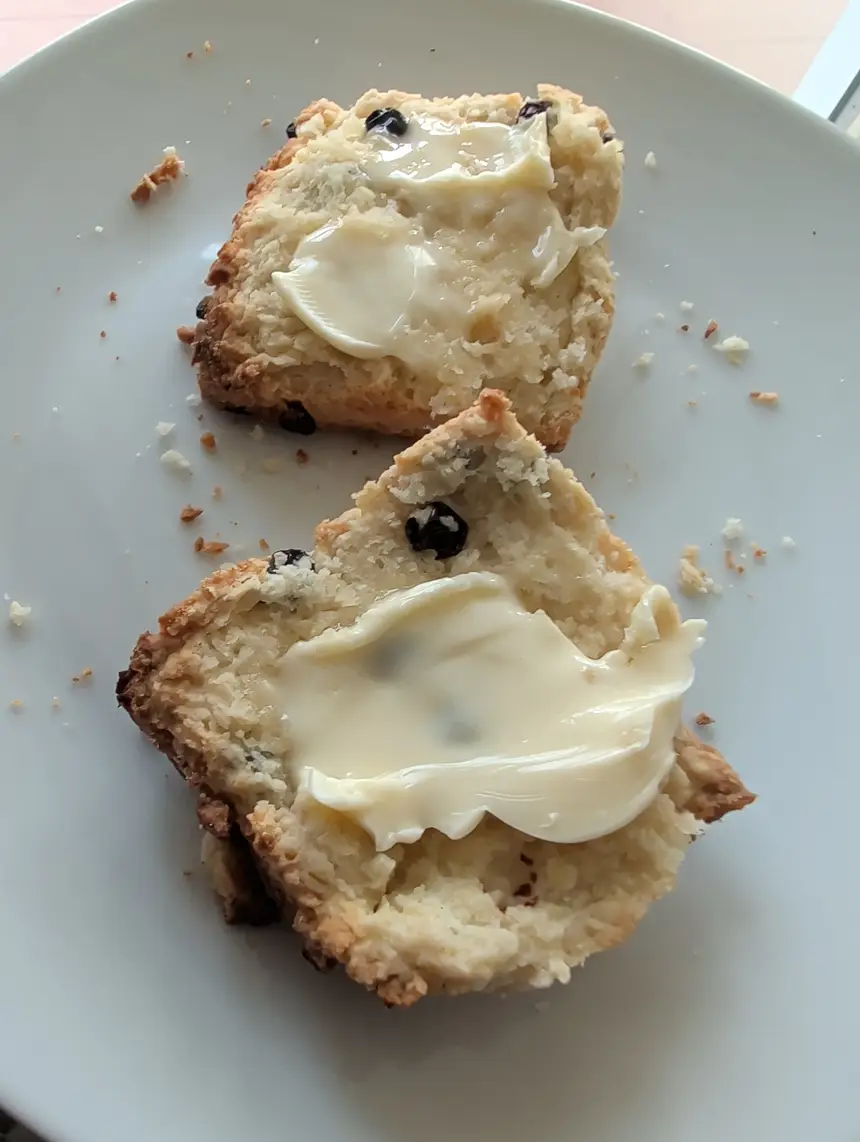
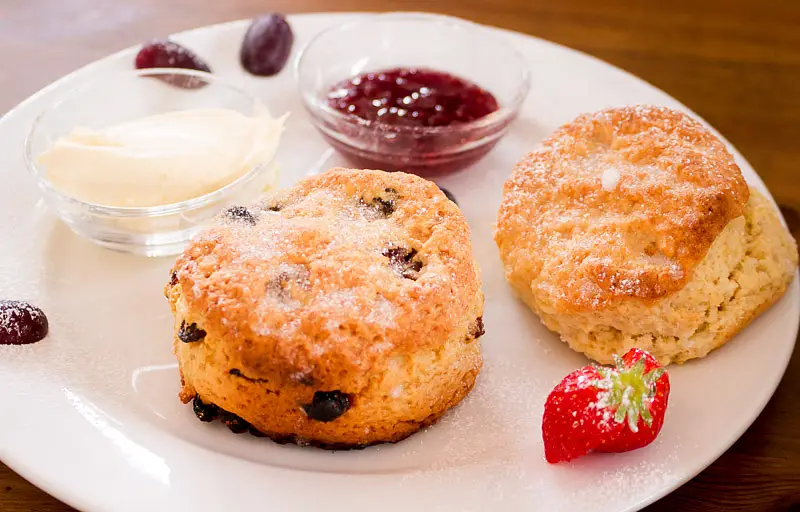
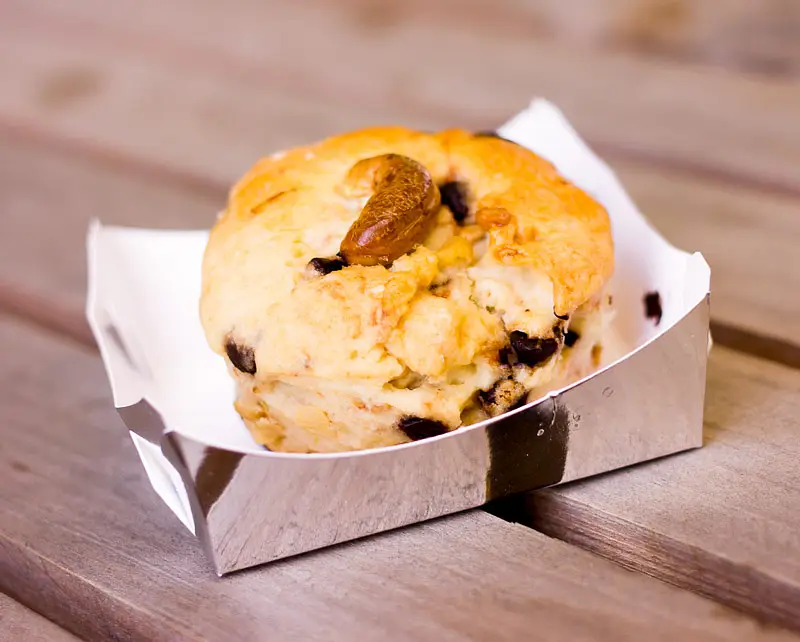
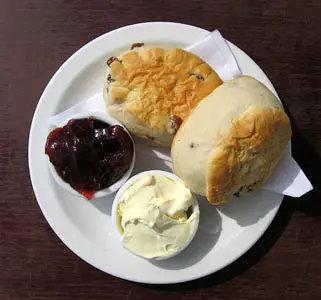
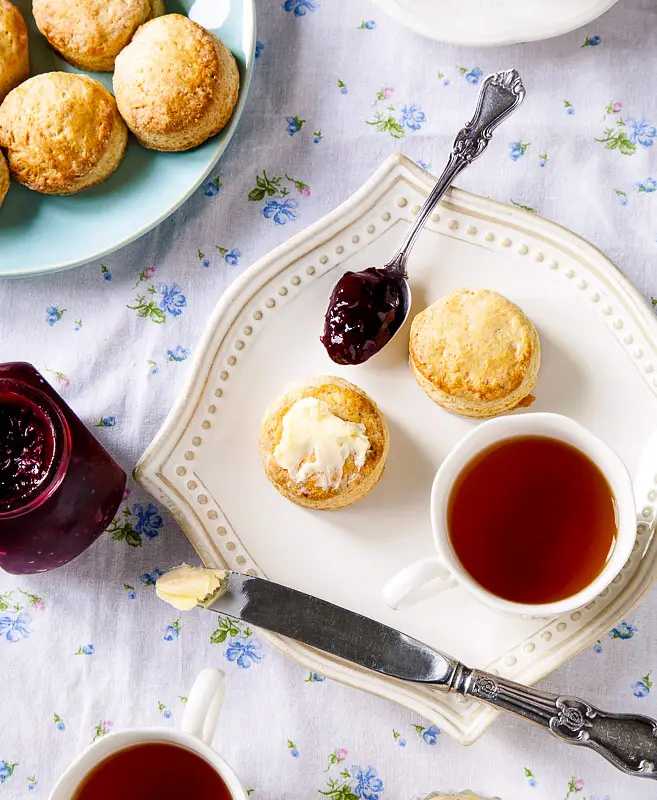
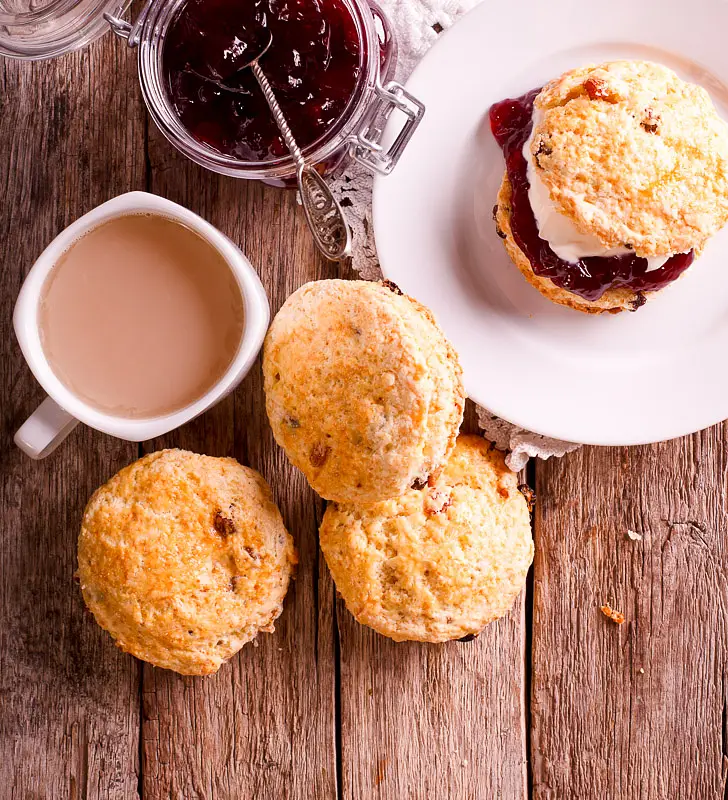
Buttermilk currant scones with a tender, lightly sweet crumb and bursts of dried currants. Cut into rounds and baked golden, served warm with butter, cream, and jam in the British tradition.
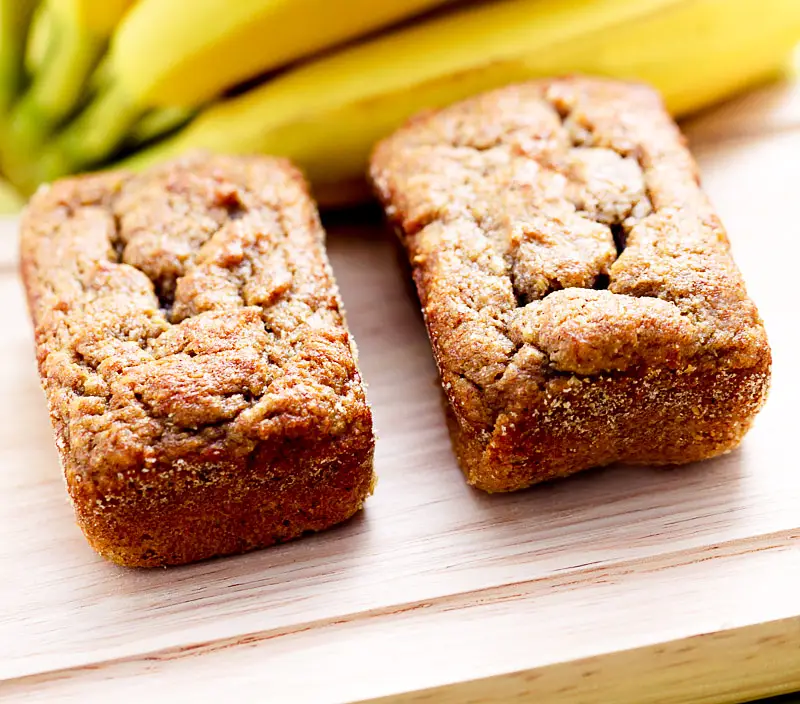
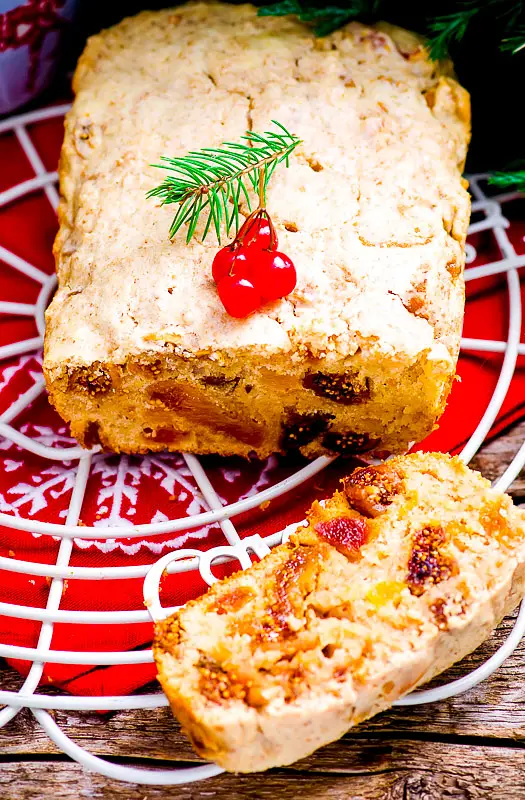
Smith's banana bread is a fat-free whole wheat loaf with crushed pineapple, currants or apricots, fresh orange zest, and overripe bananas. A naturally sweet, dairy-free quickbread with no added sugar.
Oatmeal currant drop biscuits combine quick oats, soaked currants, and buttermilk in a cinnamon-scented dough that drops by spoonful onto the pan. Soft, lightly sweet, and ready in 35 minutes.
Traditional Sense and Sensibility currant scones in the Jane Austen Regency style. Simple, only lightly sweet from the fruit alone, ideal for afternoon tea with butter, clotted cream, and jam.
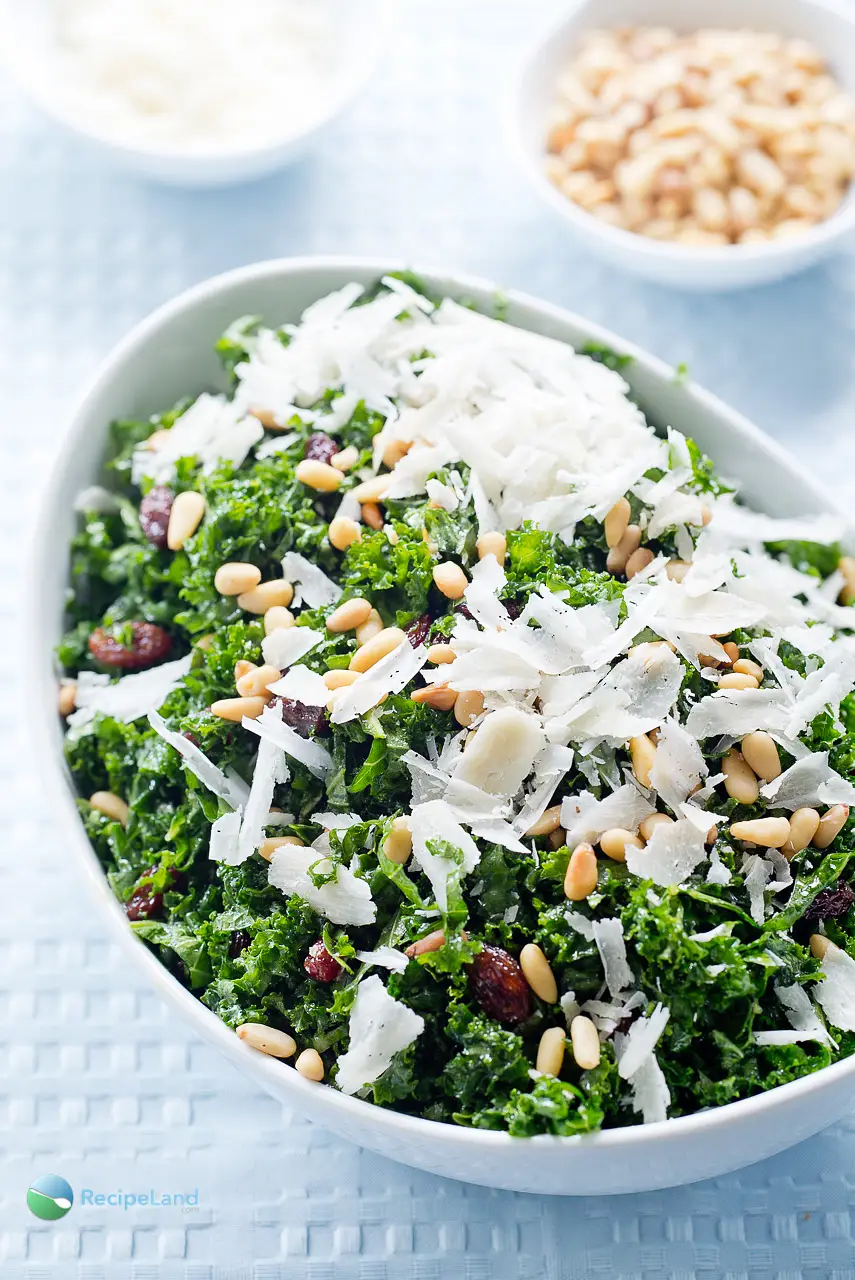
In a surprising twist, Tuscan kale is served raw—and makes for a substantial and satisfying fall salad. Sweet currants (or raisins) soaked in tangy white balasmic vingegar and salty parmesan punctuate the dressed, shredded kale.
Gingerbread men cookies with deep molasses, warm ginger and cinnamon, and currant eyes. The classic Christmas cutout cookie with a soft chewy center perfect for kids' decorating projects.
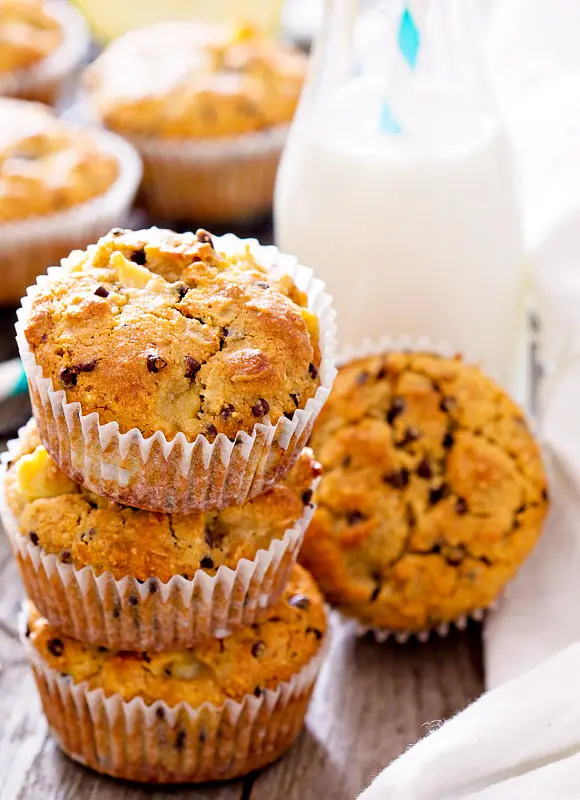
Currant and orange muffins made with rice flour, ground almonds, and beaten egg whites for a tender, gluten-free crumb. Naturally sweetened with honey and fresh orange juice.
Sunrise scones with sweet currants, a tender half-and-half crumb, and pretty scalloped edges. Small bakery-style scones cut with a fluted cutter for breakfast tea or brunch.
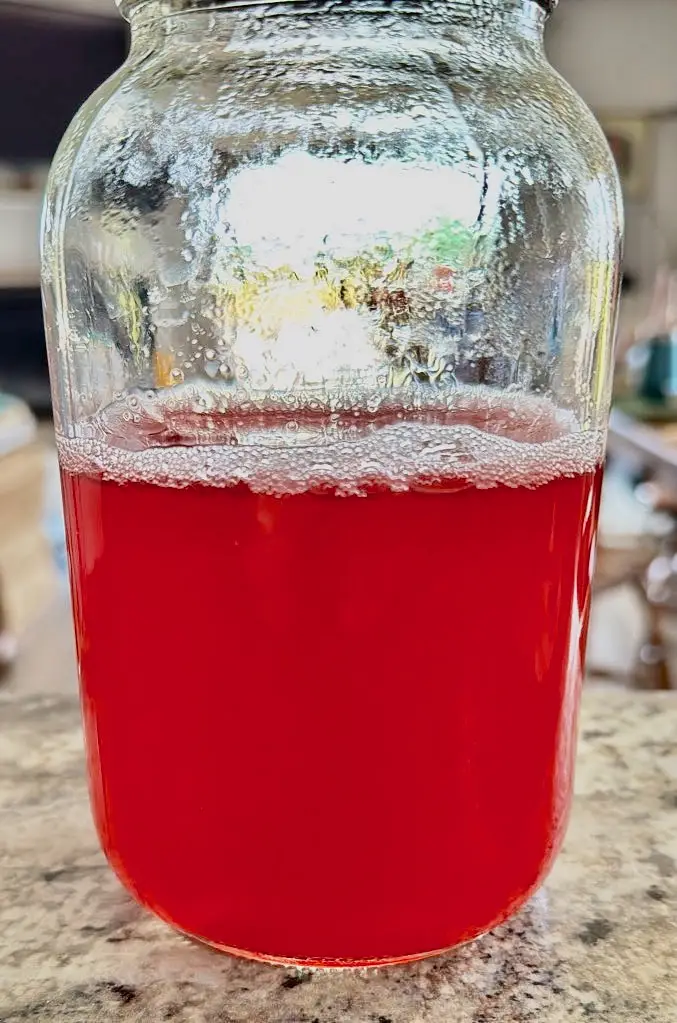
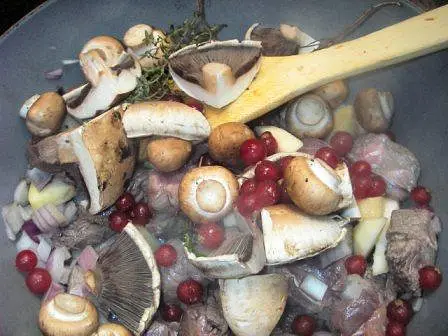
A vibrant, tangy red currant jelly perfect for spreading on toast, pairing with meats, or gifting. This clear, jewel-like preserve is made by simmering fresh red currants with lemon and cloves, then straining and sweetening the juice to create a smooth, set jelly.
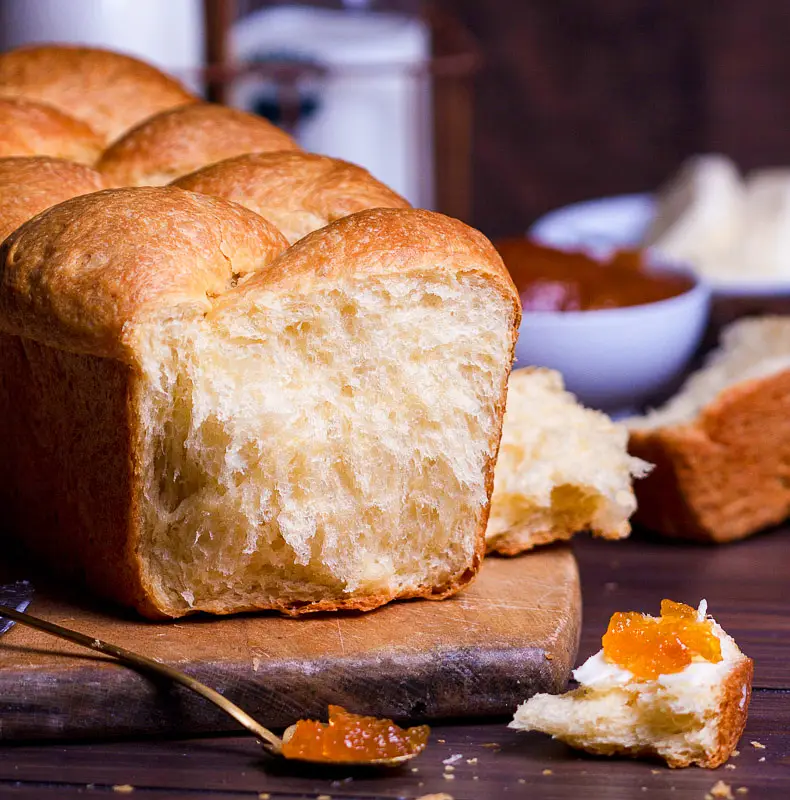
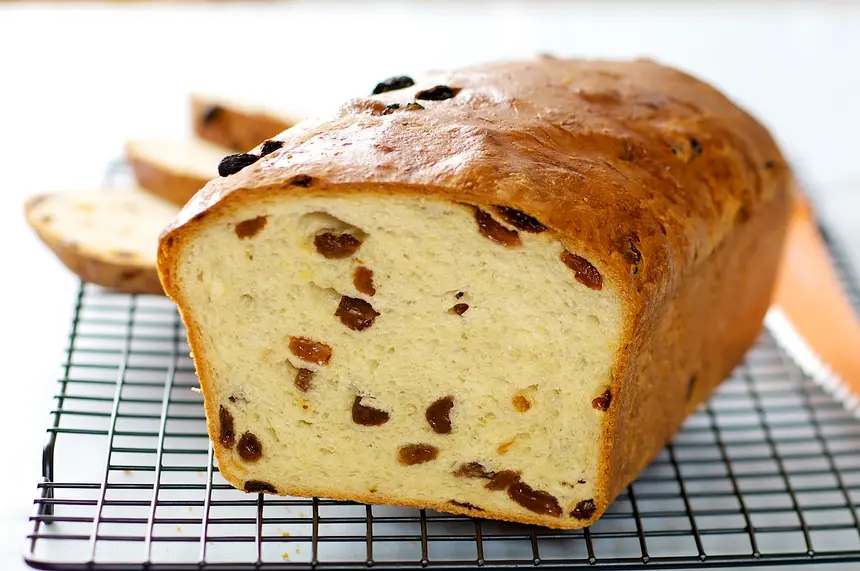
Portuguese sweet bread (pao doce) made easy in the bread machine: an egg-and-butter enriched loaf with a soft, golden crumb and gentle sweetness. A breakfast and Easter classic.
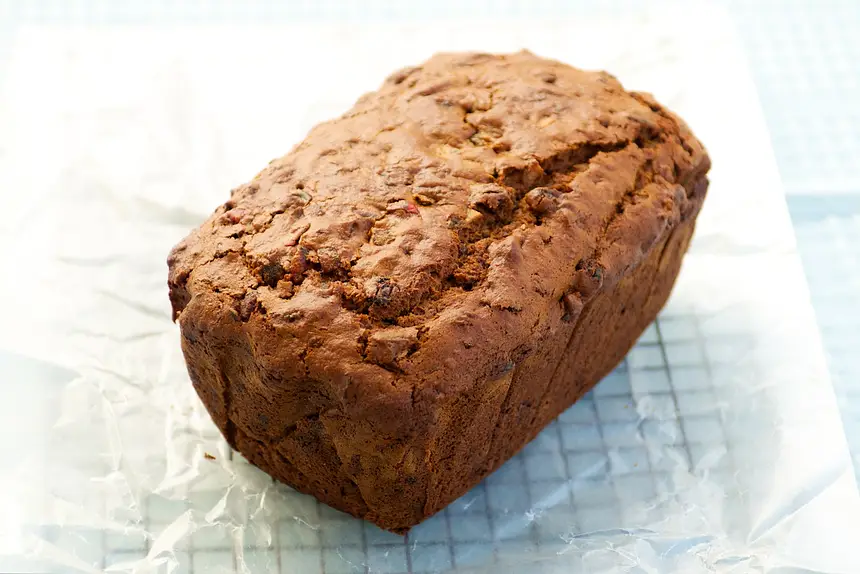
Granny's boiled fruit cake: an old-fashioned eggless, butterless loaf made by simmering raisins with sugar and shortening, then folding into spiced flour. Plump, moist and Christmas-ready.
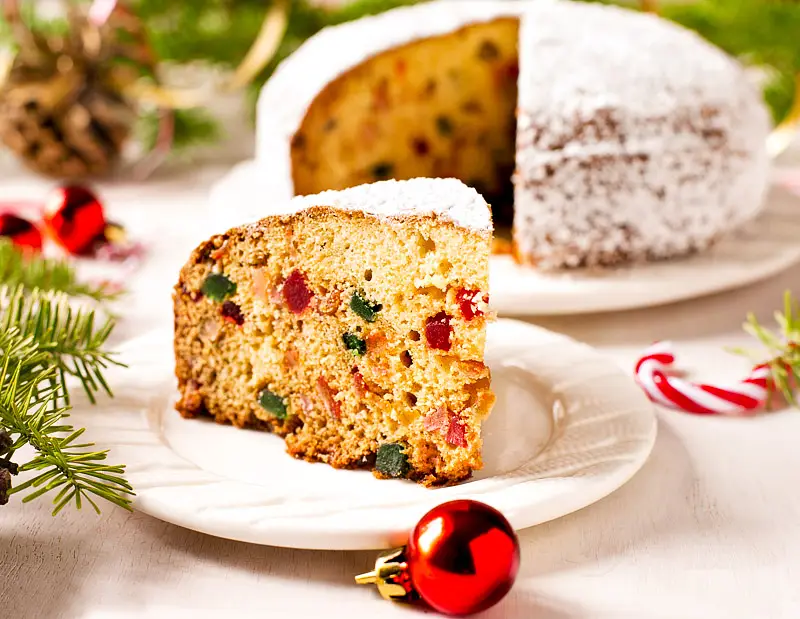
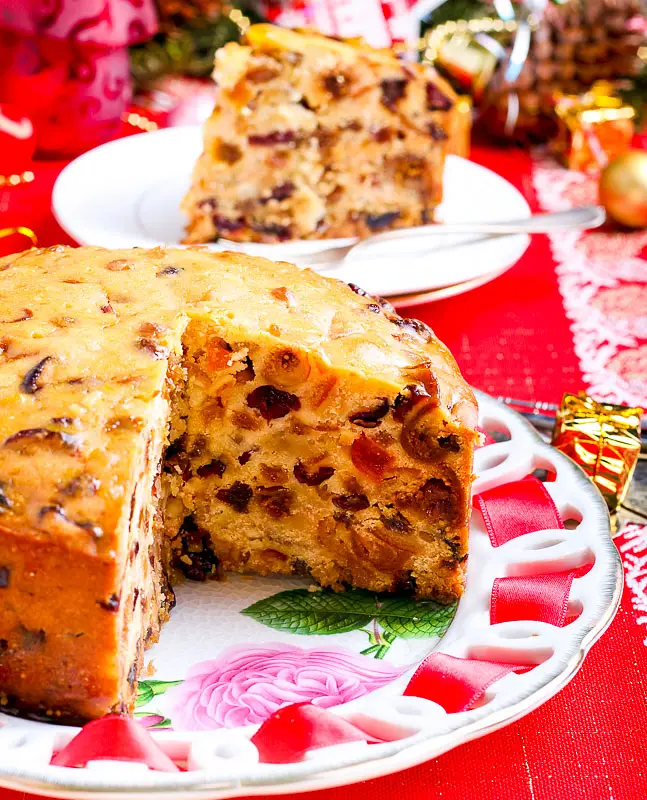
Traditional Christmas fruitcake with brandy-soaked candied citrus peel, citron, currants, and raisins, deeply spiced and aged in a tin with periodic brandy basting before the holidays.
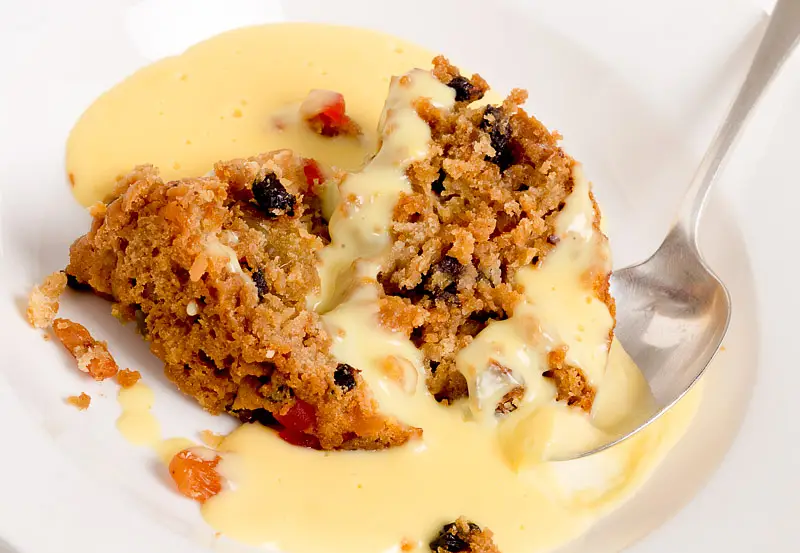
This Christmas pudding has plenty of delicious fruit and nuts, but it's really simple to make - just plan ahead and then make the warm vanilla-bean custard on the day.
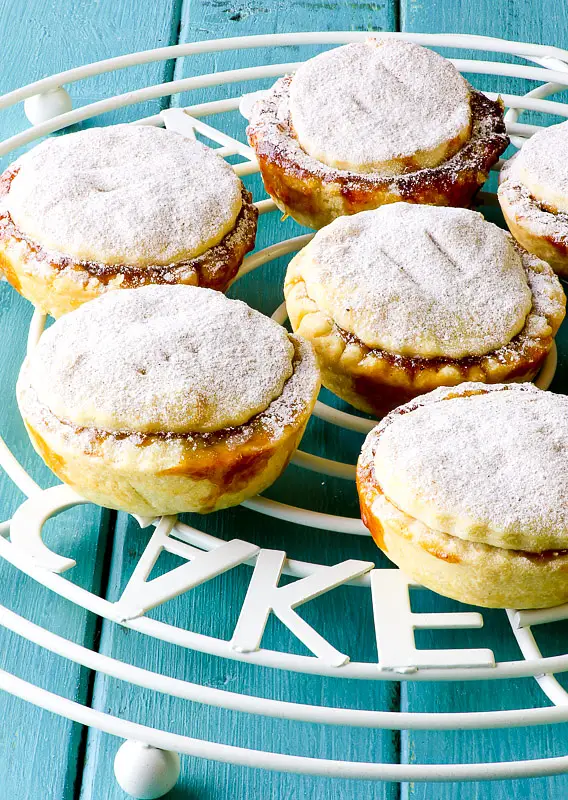
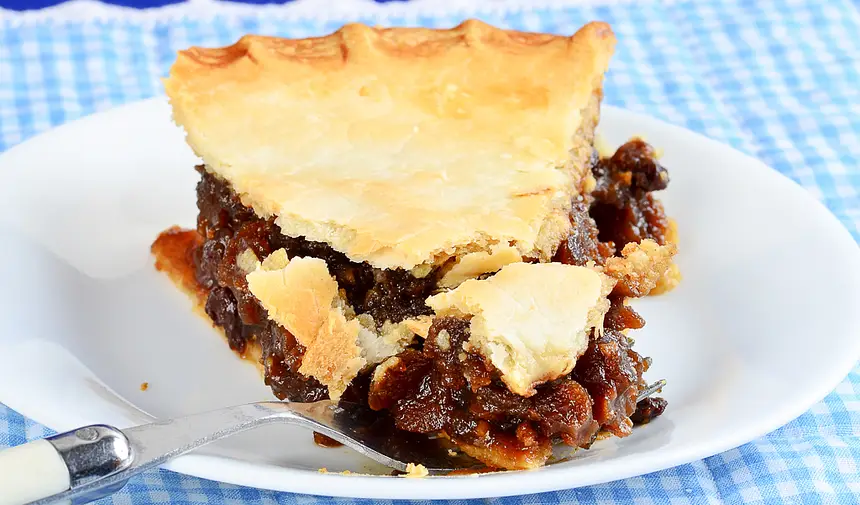
Vegetarian mince pies with a suet-free, no-suet British mincemeat: dried fruits, ripe banana, almonds, brandy, and warm spice tucked inside flaky shortening pastry. The traditional Christmas pie, made meatless.
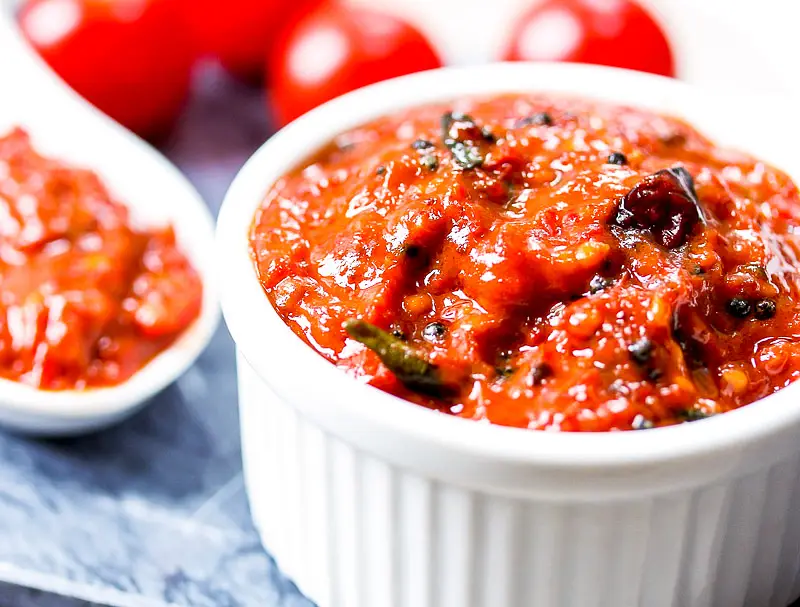
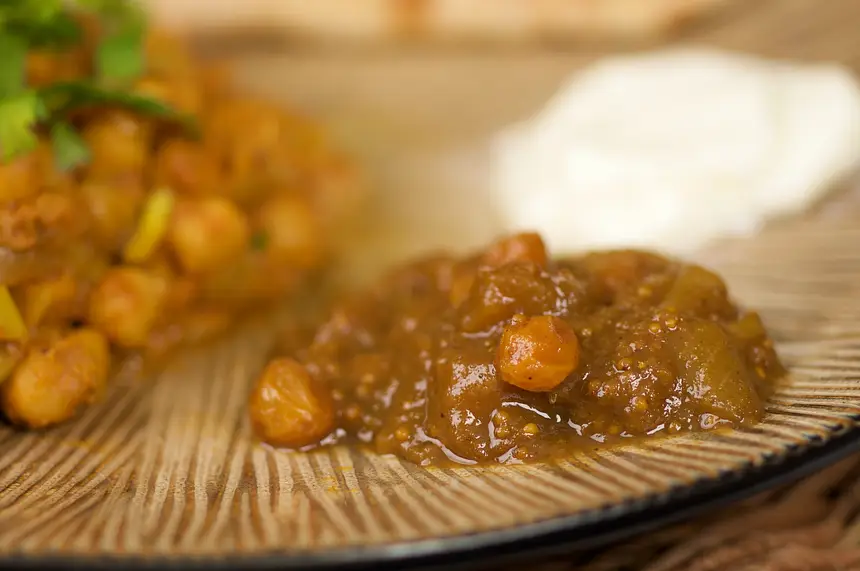
Eggplant tomato chutney: a savory-sweet relish of cubed eggplant simmered with tomatoes, garlic, currants, and tarragon vinegar. A Mediterranean-style condiment for grilled meats, cheese boards, or crusty bread.
Vegan Christmas cake packed with candied pineapple, cherries, citrus peel, raisins, and currants, bound without eggs or dairy. A long-baking holiday fruitcake for slicing into thin festive servings.
Grandma's cranberry scones studded with tart fresh cranberries, currants, and bright orange zest, made tender with buttermilk. Buttery wedge scones for breakfast or an afternoon tea treat.
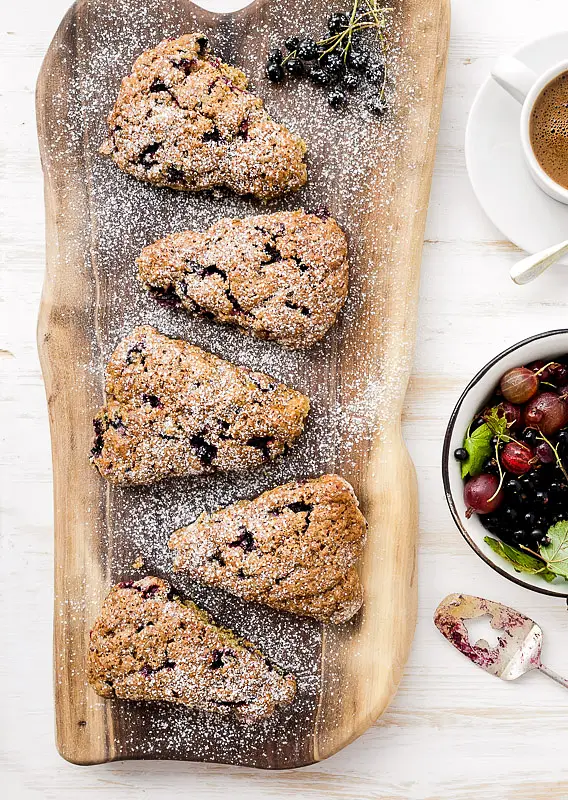
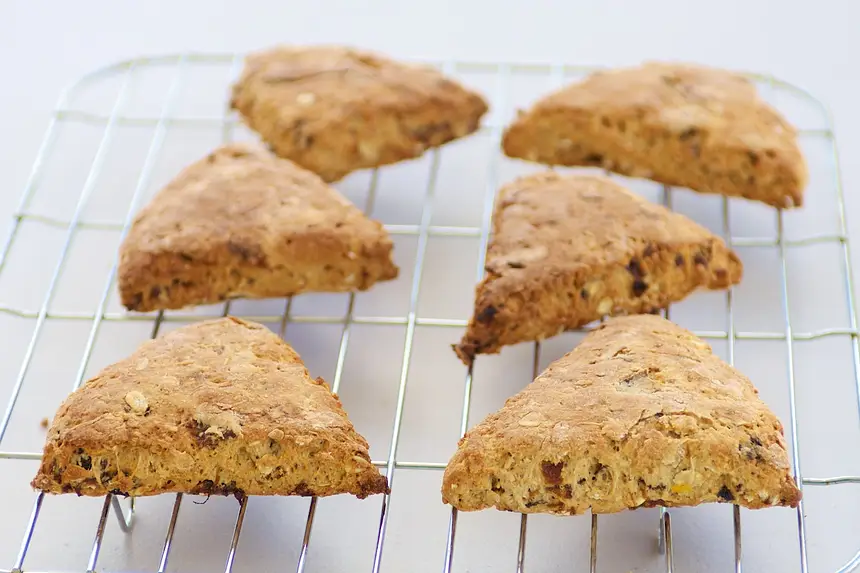
Apple and black currant scones with dried apple chunks, tart currants, and a hearty whole wheat plus wheat germ base. High-fiber, lower-fat scones with deep flavor and a crisp golden top.
Get the jump on your Christmas baking by making this classic fruit cake now. Wrap it well and it will be perfect to serve, or give as a gift, on Christmas Day!
This is a wonderful recipe for either a dinner party or Sunday lunch. Whether or not you use redcurrants in the actual sauce or purely as a decoration depends very much on the time of year and variety of redcurrants you can find. End of summer home-grown redcurrants add a wonderful sweet tartness to the sauce, however imported under-ripe fruits can impart a certain bitterness and are probably best left for garnish. If you do not use fresh berries add a little extra redcurrant jelly.
Buttery oat scones studded with plump currants and dusted with cinnamon sugar. These Scottish-style treats bake up with crisp edges and tender, flaky centers in just 15 minutes.
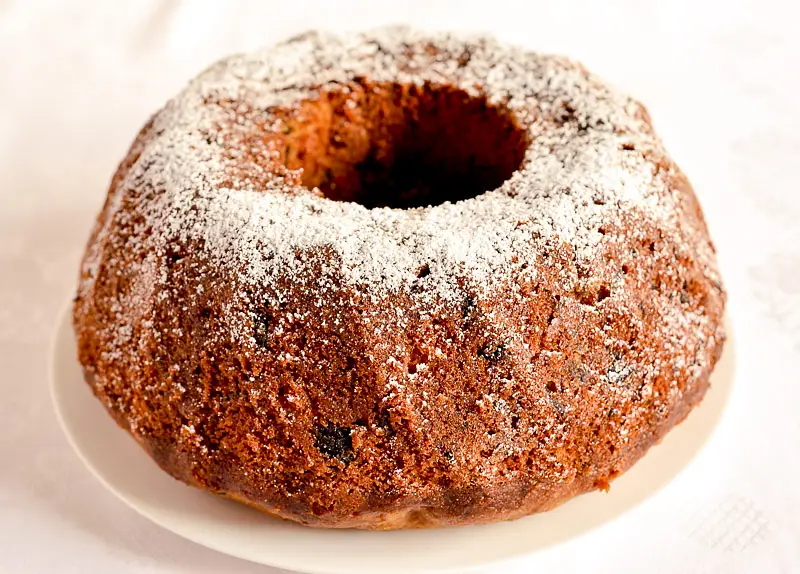
"This cake is a rich, dark, moist fruit cake, very flavorful at Christmas. Try icing with almond paste for a more festive touch. This recipe is started in October or November so as to let it mellow before the holidays. I remember very well my mother storing her fruit cake in an old butter churn that belonged to my grandmother and great grandmother. I wish that I had that old crock."
Traditional mincemeat with real beef and suet, the way it was made for centuries before the meatless version took over. Currants, raisins, apples, brandy, and warming spices simmer into a deeply flavored pie filling. Yields 80 servings.
Dark Christmas cake is the real, old-fashioned fruitcake: dense with raisins, currants, figs, dates, and almonds, deepened with brown sugar, prune juice, and brandy, then aged in brandy-soaked cheesecloth. Make it now, slice it at Christmas.
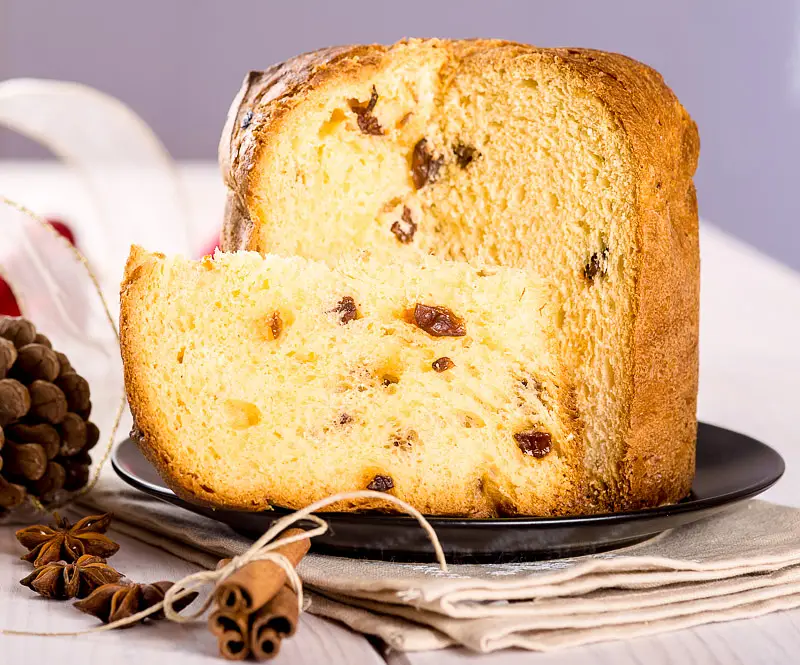
Italian panettone bread baked in the bread machine: a Christmas yeast bread with raisins, currants, candied citron, honey, and a hint of star anise. The Milanese holiday classic made easy.
Mango and tamarind chutney: slow-simmered jammy preserve with mango, golden raisins, ginger, mustard seed, and sour tamarind. Water-bath canned for a year of shelf life.
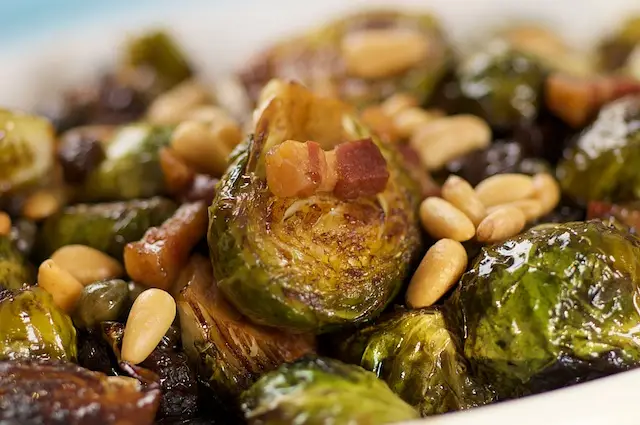
An easy yet tasty way to prepare brussels sprouts. Pancetta, pine nuts and raisins all compliment the flavor of brussels sprouts. Oven-roasting develops great flavor and texture. A delicious side dish that goes well with any main course.
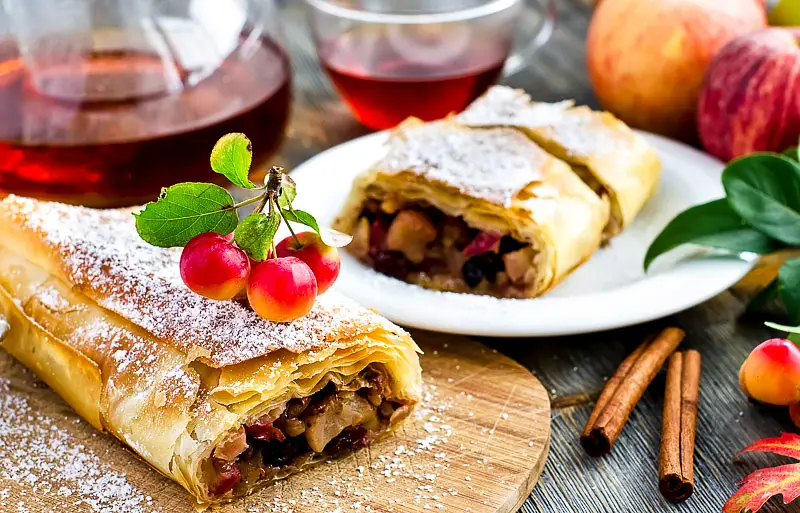
Greek apple pastry rolled in flaky phyllo with cinnamon-spiced apples, walnuts, and currants. Buttery, golden, dusted with powdered sugar while hot for that signature shattering crackle. A traditional milopita from the Greek table.
Traditional Scottish-style scones made with whole wheat flour, buttermilk, and currants. Tender, slightly nutty teatime classic served with jam, butter, or clotted cream.
Yuletide chocolate chip cookies loaded with candied cherries, currants, pecans, and almonds. A festive holiday cookie with brandy flavoring and warm pumpkin pie spice that ages beautifully in the cookie tin.
Traditional British Christmas plum pudding: a dense steamed pudding rich with suet, dried fruit, candied orange, and brandy. Made weeks ahead to mellow, then reheated and flamed for the holiday table.
Flour-dusted chicken browned golden and simmered in a fragrant curry-tomato sauce with sweet currants, bell pepper, and toasted almonds. Served over rice with coconut and chutney for a vibrant one-pot dinner.
Traditional steamed plum pudding with dark and golden raisins, currants, breadcrumbs, and warm spices. Flambeed with rum and served with zabaione sauce.
Election cake is a yeast-raised colonial American cake with brandy-soaked currants, mace, cinnamon, and lemon. A slow-rising, historically rich sweet bread traced to 1700s New England.
Iwitma palaaw is a Central Asian garbanzo pilaf with browned lamb, slow-cooked onions, carrots, chickpeas and barberries layered under steam-cooked rice. A traditional plov-style feast dish for ten.
Hunter's buns made with pastry dough kneaded with currants and brushed with milk before baking. A simple British-style tea bun that can be filled with jam for a sweeter treat.
Nana Moon's traditional Christmas pudding: brandy-soaked dried fruit, suet and breadcrumbs steamed for hours into a dark, rich pudding, flamed with brandy and served with brandy butter.
Chewy wild rice tossed with toasted hazelnuts, orange-soaked currants, crisp apple, and fresh fennel in a citrus vinaigrette. A stunning grain salad for any season.
Stuffed French toast with crumbled tofu, brandy-soaked raisins, currants, and candied peel. Pan-fried golden in butter. A showstopping weekend brunch that freezes beautifully.