Here's everything worth knowing about pineapple and how to pick it, what it is, how to store it, and what to use instead, plus 509 recipes to cook tonight.
Key Points
Raw pineapple's bromelain enzyme stops gelatin setting and curdles dairy; heat above 158°F (70°C) destroys it.
Canned pineapple is heat-treated, so it sets fine in gelatin where fresh fruit fails.
Pineapple juice tenderizes meat, but marinate only 30 minutes to 2 hours or the surface turns mushy.
Choose a fresh one by weight and sweet smell, not color; it never gets sweeter after picking.
Fresh suits grilling and salsa, canned suits baking and slow cookers, candied is for fruitcake.
What is pineapple?
Pineapple is a tropical fruit with a spiky golden skin, a stiff crown of leaves, and sweet yellow flesh built around a firm central core. Botanically it is not one berry but dozens of them fused together around a single stalk, which is why the surface looks tiled.
The flavor is sweet and sharp at once, full of sugar but cut with citric and malic acid, so even a ripe one tastes bright rather than cloying. That balance lets it swing from fruit salad to a glaze on a roast ham.
You will find it three ways in a kitchen: a whole fresh fruit you cut yourself, canned in juice or syrup, and dried or candied for baking. Each behaves differently, and the difference usually comes down to one enzyme.
The Bromelain Catch
Raw pineapple carries an enzyme called bromelain that digests protein. It is the single most important thing to know before cooking with the fresh fruit.
Bromelain is why a gelatin dessert made with fresh pineapple never sets. The enzyme chews up the gelatin protein so it stays liquid. It will also curdle milk and cream, and over a few hours it can turn cubed fresh pineapple in a fruit salad slightly fizzy and soft.
The fix is heat. Bromelain breaks down at around 158°F (70°C), so any pineapple that has been cooked or canned is safe in jelly, cheesecake, and whipped cream. Canned pineapple is heat-treated in the can, which is exactly why old recipes specify canned for a pineapple gelatin mold.
That same enzyme is a gift on meat. Pineapple juice makes a genuine tenderizing marinade, breaking down tough muscle fiber on pork or chicken. Keep the marinade short, 30 minutes to a couple of hours, because left overnight bromelain turns the surface mushy.
Choosing and Cutting a Fresh One
Pick a pineapple by weight and smell, not color. A ripe one feels heavy for its size and smells faintly sweet at the base; a sharp or fermented smell means it has gone over.
The leaves should be green and firm. A pineapple stops getting sweeter once picked, so a green, hard, scentless fruit will only soften, never improve.
To break one down, slice off the crown and base, then stand it up and cut the skin away in strips from top to bottom. Dig out the dark eyes left behind. Quarter it lengthwise and cut the tough fibrous core from each wedge before slicing the flesh.
The core is edible but woody, so most cooks discard it; juice it or simmer it if you hate waste.
Fresh Versus Canned Versus Dried
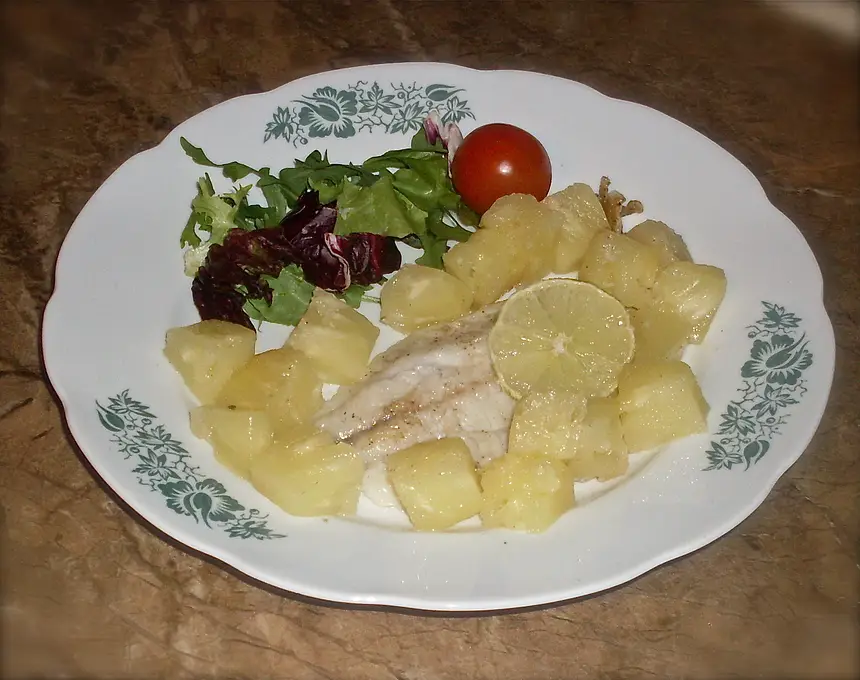
Fresh is the choice for grilling, fresh salsa, curries like Sri Lanka Annasi (Pineapple Curry), and anything where you want bright acidity and snap. Grilled, its sugars caramelize and it turns smoky, the move behind Grilled Mahi Mahi with Pineapple.
Canned pineapple comes as chunks, tidbits, crushed, and rings, packed in juice or syrup. It is softer and sweeter and always safe for gelatin and dairy.
It is what most baking and slow-cooker recipes mean, from Crockpot Pineapple Chicken to a pineapple upside-down cake. Reach for canned in juice when you want to control the sugar.
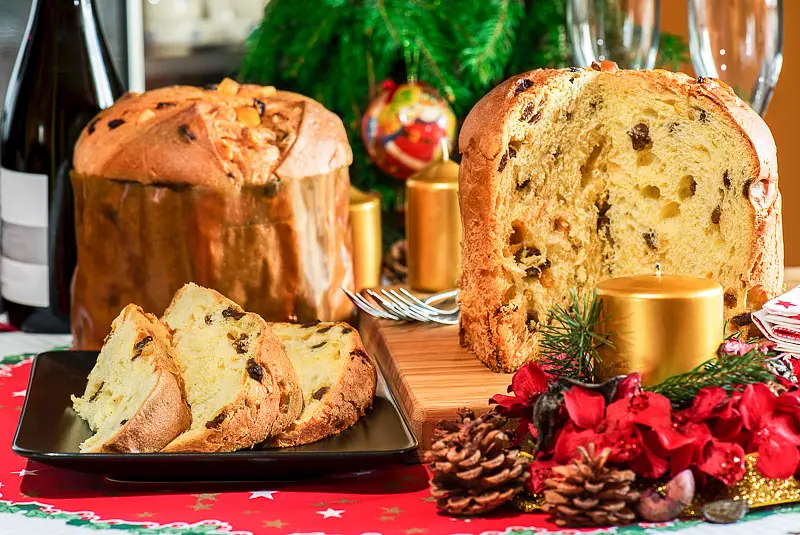
Candied and dried pineapple is sticky and intensely sweet, used by the handful in fruitcakes and panettone rather than as a fruit.
Across the corpus here pineapple turns up in hundreds of recipes, savory and sweet, a fair measure of how far one fruit stretches.
Buying and Storage
A whole pineapple keeps about 2 to 3 days at room temperature and up to 5 to 6 days in the refrigerator. Cut flesh goes into an airtight container and keeps 3 to 4 days chilled, or freezes for several months for smoothies and cooking.
Here is an old trick worth knowing. Standing a whole pineapple upside down on its crown for a day before cutting spreads the sweeter juices, which pool at the base, more evenly through the fruit.
Types of pineapple
Specific kinds of pineapple and the recipes that use them.
Pineapple juice is the strained liquid pressed from ripe pineapple, sold as a golden drink in cans, cartons, and the small foil-topped cups kids drink at breakfast. Most of what sits on grocery shelves is pasteurized, which matters more than it sounds.
In the kitchen it does two jobs. It is a sweet-tart mixer for drinks, and it is one of the most aggressive meat tenderizers a home cook can buy, thanks to an enzyme called bromelain.
That enzyme is the whole story behind how you use it. Heat it or buy it canned and the bromelain is dead; use it fresh and raw and it keeps working, for better and for worse.
Crushed pineapple is canned pineapple shredded into a fine, pulpy mash, packed in its own juice or in syrup. It is the form bakers reach for when they want pineapple flavor and moisture spread evenly through a batter rather than landing in distinct bites.
Like all canned pineapple it is cooked during processing, so the bromelain enzyme is gone. That means it sets fine in gelatin molds and folds into cream cheese without curdling, unlike the raw fruit.
Pineapple chunks are bite-size pieces of pineapple, most often the canned kind packed in juice or light syrup. They are the convenience form of pineapple: no coring, no peeling, ready to tip straight into a pan or a bowl.
Canned chunks are firmer and milder than fresh, and they have one quiet advantage. The canning heat kills the bromelain enzyme, so unlike raw pineapple they will not turn gelatin to soup or curdle dairy.
Fresh pineapple is the whole fruit you buy with its skin and crown on and break down yourself. It is brighter and snappier than anything from a can, with a clean acidity that processing strips out.
Reach for it when the raw character is the point: grilled over fire, simmered into a curry, then sliced into a fresh salsa. The trade is a little knife work and a short shelf life.
Candied pineapple is pineapple simmered in heavy sugar syrup until the fruit's water is replaced by sugar, leaving it glossy and intensely sweet with a firm chew. It is sometimes sold as glace pineapple.
It keeps for months because all that sugar locks moisture out and stops spoilage. You buy it in bright yellow rings or in diced cubes, often alongside candied cherries and citron in the baking aisle around the holidays.
This is a baking ingredient, not a fruit to snack on by the bowl.
Pineapple tidbits are canned pineapple cut into small bite-size pieces, smaller than chunks and larger than crushed. They are packed in juice or light syrup and sold ready to drain and use, which is the whole appeal: no coring, no peeling, just open and go.
Because they are canned, the fruit has been cooked in the can. That kills the bromelain enzyme, so tidbits set fine in gelatin and fold into dairy without curdling, unlike the raw fruit.
Pineapple canned with juice is pineapple packed in its own natural juice rather than in sugar syrup. It is the everyday canned pineapple most modern recipes assume, and the smarter buy when you want the fruit's flavor without a load of added sugar you cannot control.
The form inside the can varies: rings, chunks, tidbits, or crushed. What ties them together is the packing liquid. Juice-packed means the only sweetness is the pineapple's own, so you decide how sweet the finished dish ends up.
Pineapple rings are canned pineapple sliced into round disks, each with the tough core already punched out to leave a neat hole in the middle. That ring shape is the whole reason this form exists: it is built to lie flat and look good on top of something.
Like all canned pineapple, rings are cooked in the can, so the bromelain enzyme is gone. They are softer and sweeter than fresh, and they hold their shape better than chunks or crushed.
Frozen pineapple juice concentrate is pineapple juice with most of the water boiled off, frozen into a dense, intensely sweet-tart slush. You usually find it in the same freezer cans as orange juice concentrate, meant to be reconstituted with water into ordinary juice.
In the kitchen it is more than a juice shortcut. Because the flavor is concentrated, a spoonful adds bright pineapple punch to a glaze or a batter without watering anything down.
That concentrated tang is the reason cooks reach for it: it carries far more pineapple per spoon than fresh juice, so it sweetens and acidifies at the same time.
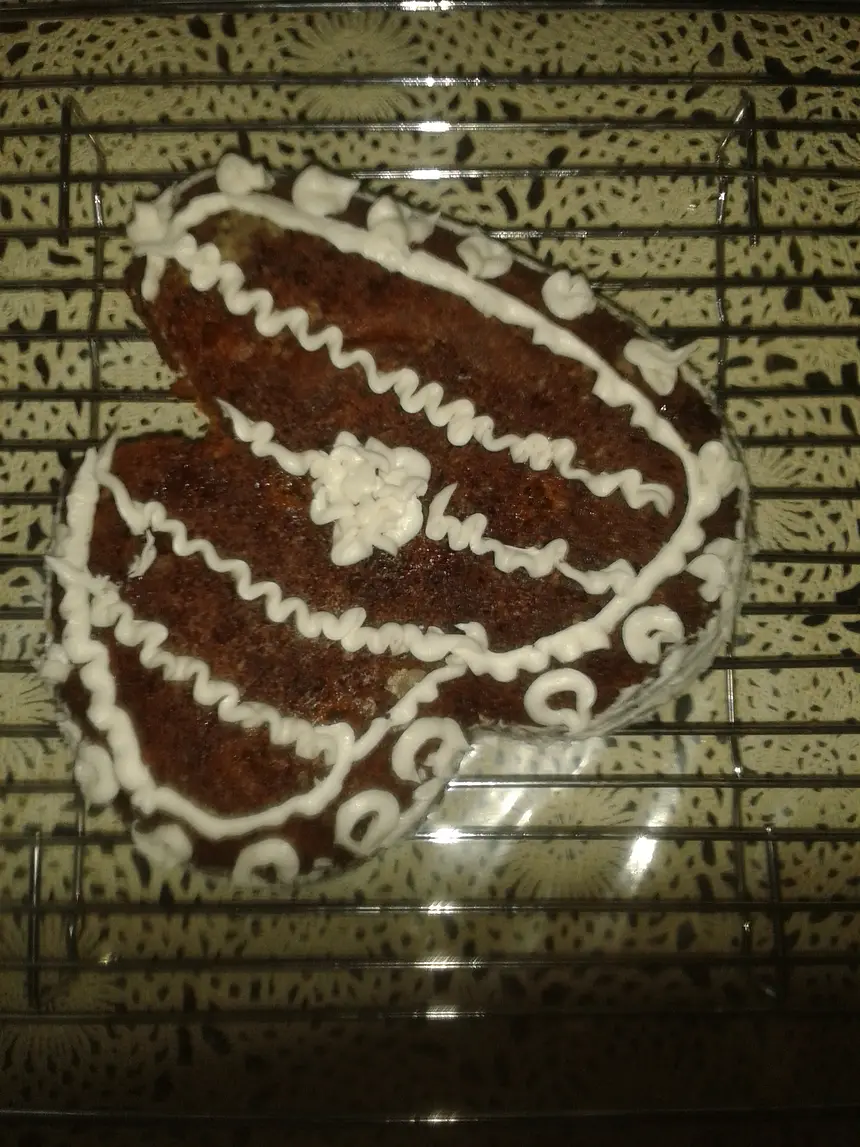
Eggless pineapple cake made with sweetened condensed milk for a soft, moist crumb, flavored with pineapple essence and crushed pineapple, then finished with pineapple icing. A bakery-style cake with no eggs.
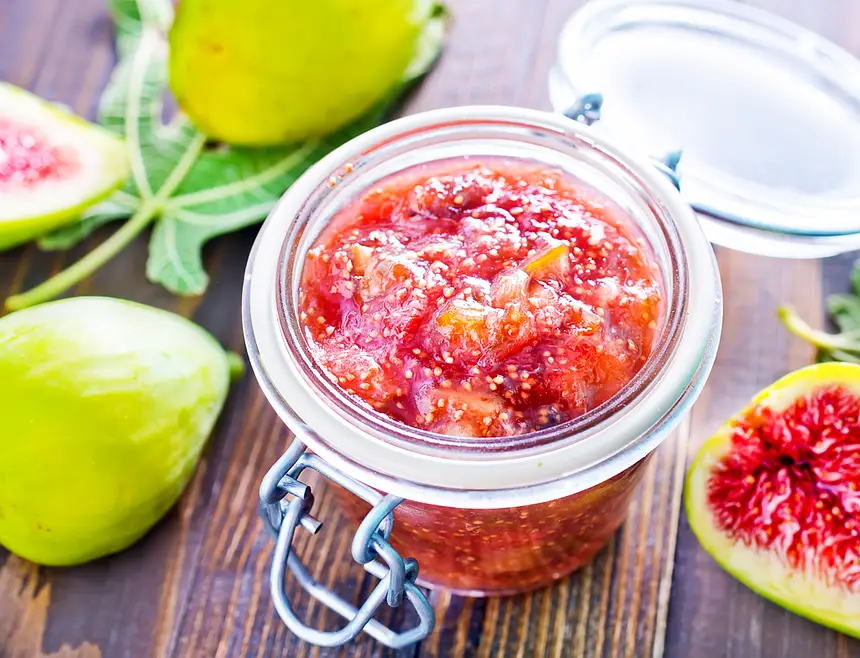
Opal Deneke's fig jam with ripe figs, pineapple, lemon juice, and warm spices like cinnamon, cloves, and allspice. Old-Southern hand-me-down preserve perfect for biscuits, cheese boards, or holiday gifting.
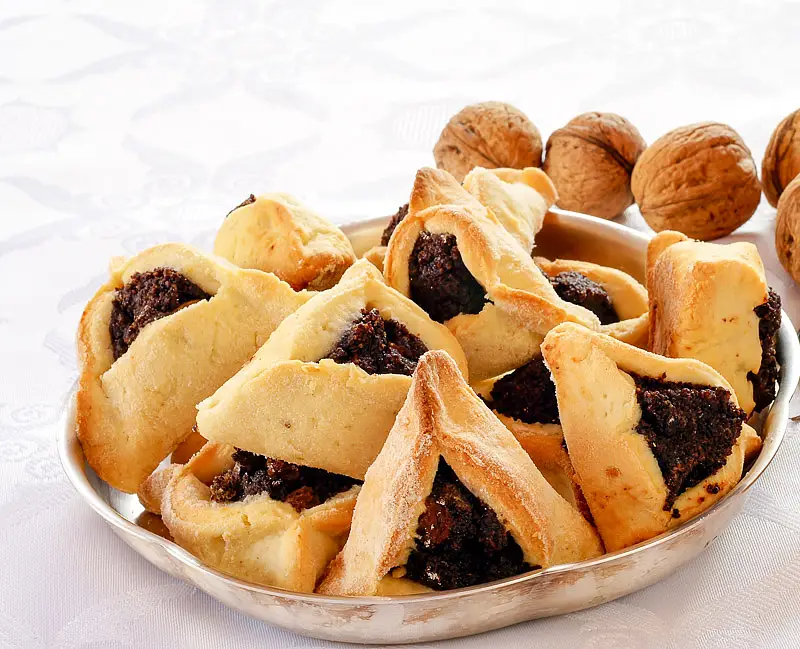
Hamantaschen for Purim with a tender carrot-flecked dough and a tangy apricot-pineapple filling spiked with cardamom and poppy seed. The classic triangle cookie with real character.
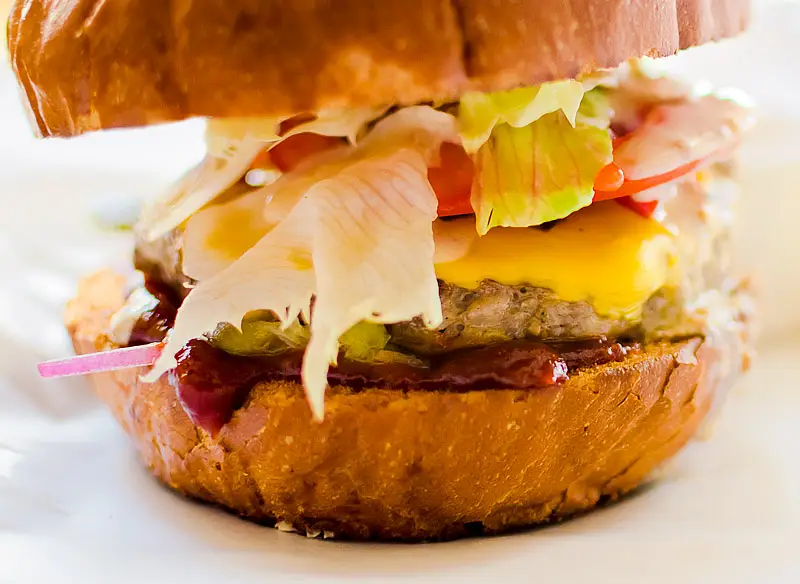
Barbecue hamburgers topped with a quick homemade sauce simmered from ketchup, pineapple juice, and onion. Pan-fried beef patties piled into soft rolls and spooned with a sweet-tangy barbecue glaze.
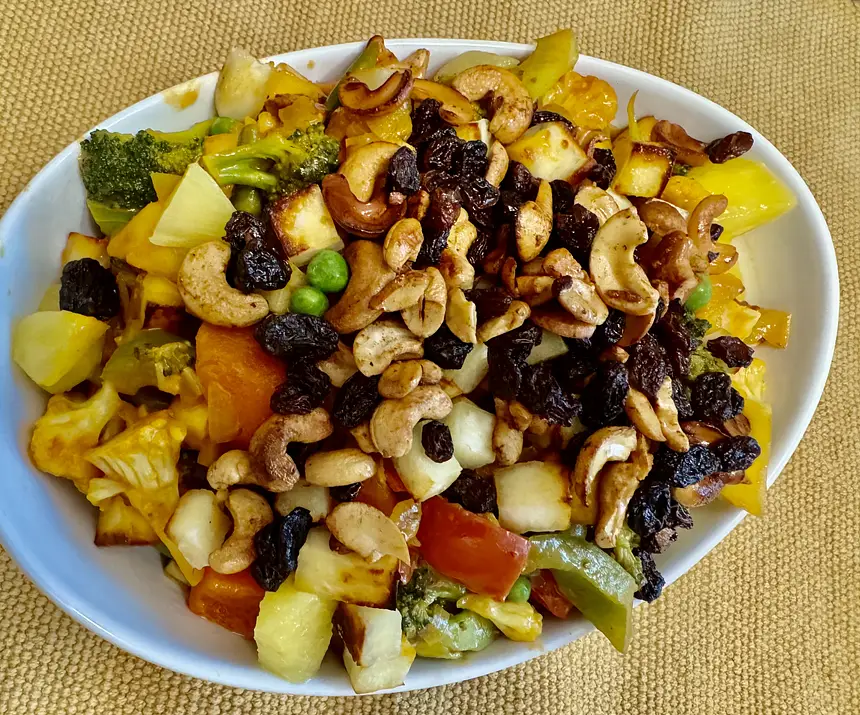
Mughlai-style mixed vegetable curry with paneer, cream, pineapple, and golden raisins. A rich, mildly spiced North Indian dish that finishes with a sprinkle of fried nuts for royal-court flair.
Fresh garden mint ice cream made with crushed pineapple, real mint leaves steeped in sugar syrup, and a splash of creme de menthe. A cool, herby summer dessert that earns its garden name.
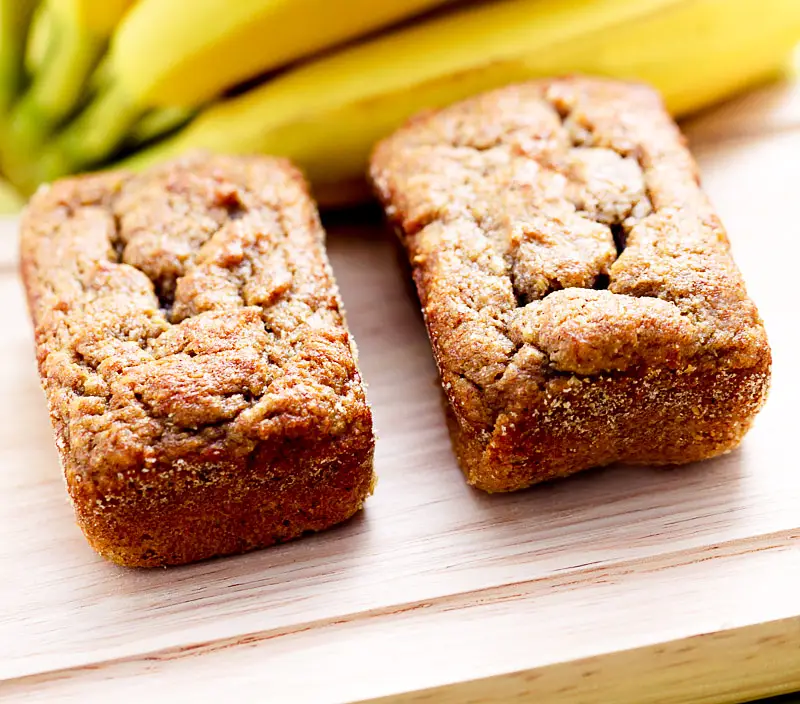
Smith's banana bread is a fat-free whole wheat loaf with crushed pineapple, currants or apricots, fresh orange zest, and overripe bananas. A naturally sweet, dairy-free quickbread with no added sugar.
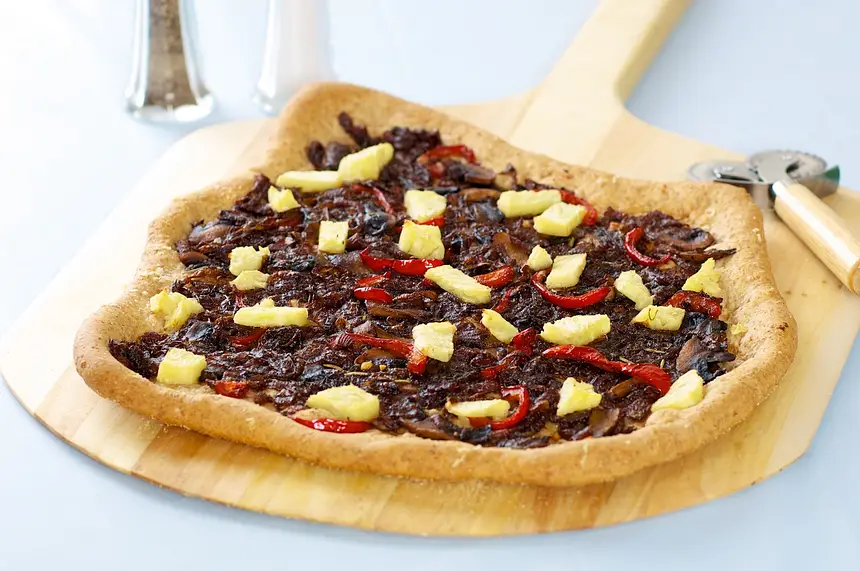
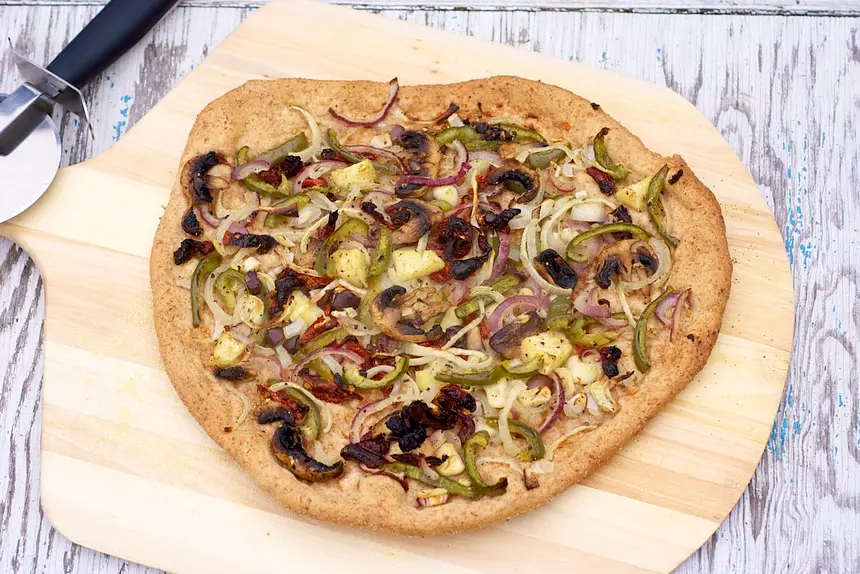
The pizza dough is brushed with garlic perfumed olive oil, topped with caramelized onions, mushrooms, sweet bell pepper and pineapples. It's easy and packed with yumminess. Use a whole wheat pizza dough to make it even healthier.
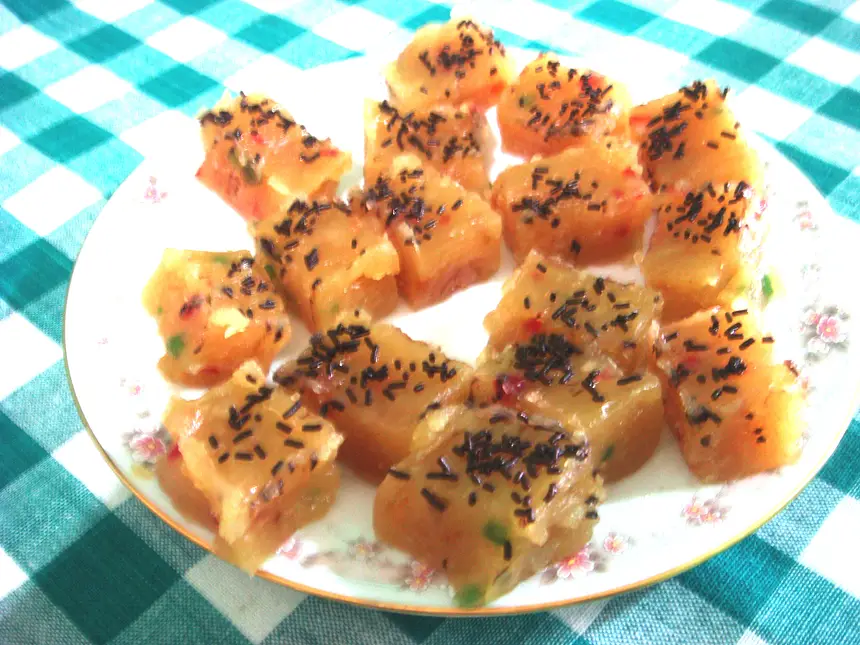
Homemade sweet squares, chewy cornstarch-set candy in the style of Turkish delight, flavored with pineapple and cinnamon, dotted with candied fruit, and topped with chocolate candies. A fun treat for kids.
Quick-easy to make, and it tastes delicious. This is a dairy-free flatbread, garlic-infused olive oil is brushed over the bread dough and topped with onions, bell peppers, olives and pineapples that are being seasoned.
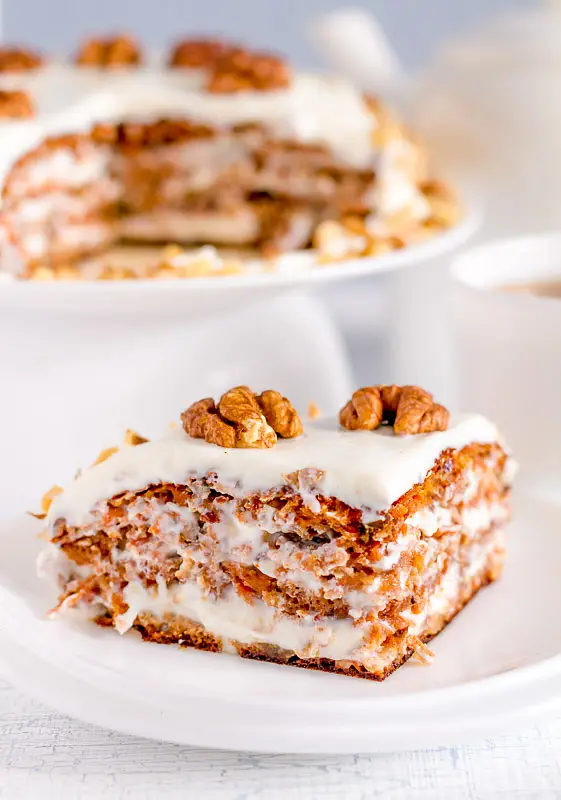
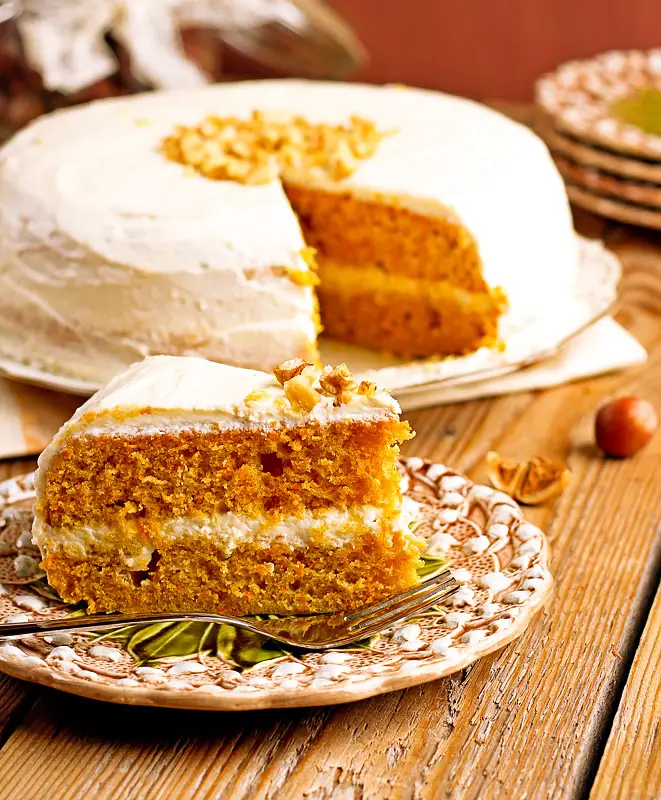
Favorite carrot cake loads a moist buttermilk batter with shredded carrots, crushed pineapple, coconut, and walnuts, finished with a hot buttermilk glaze and classic cream cheese frosting.
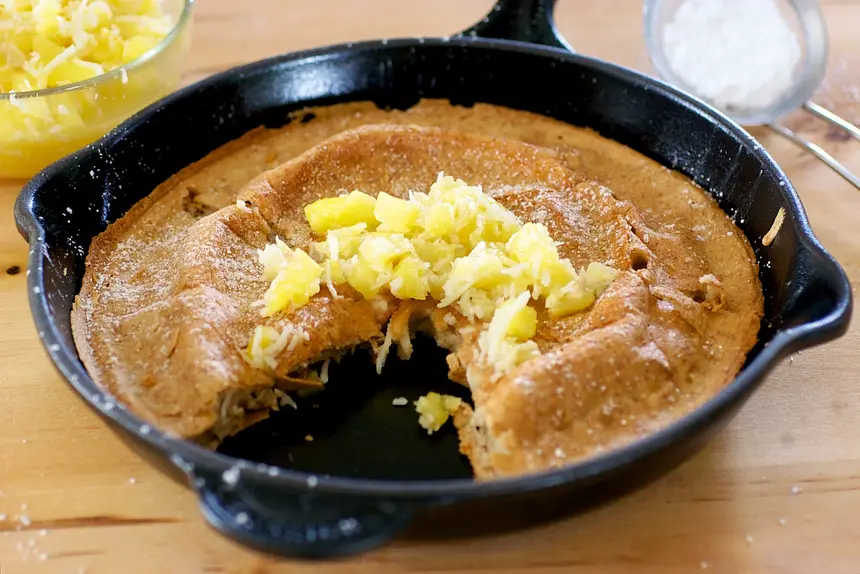
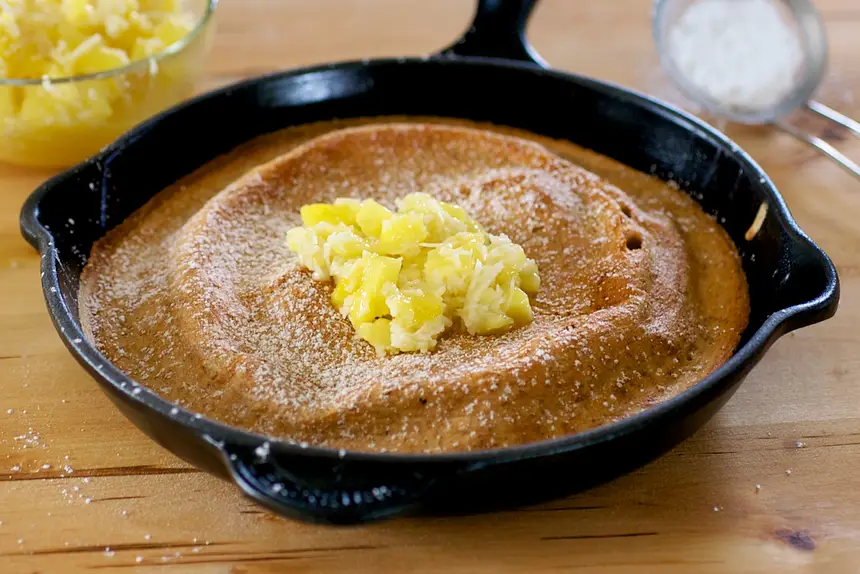
A puffy baked pancake rises dramatically in the oven, then gets filled with warm pineapple-coconut sauce. The edges turn golden and crisp while the center stays custardy and soft.
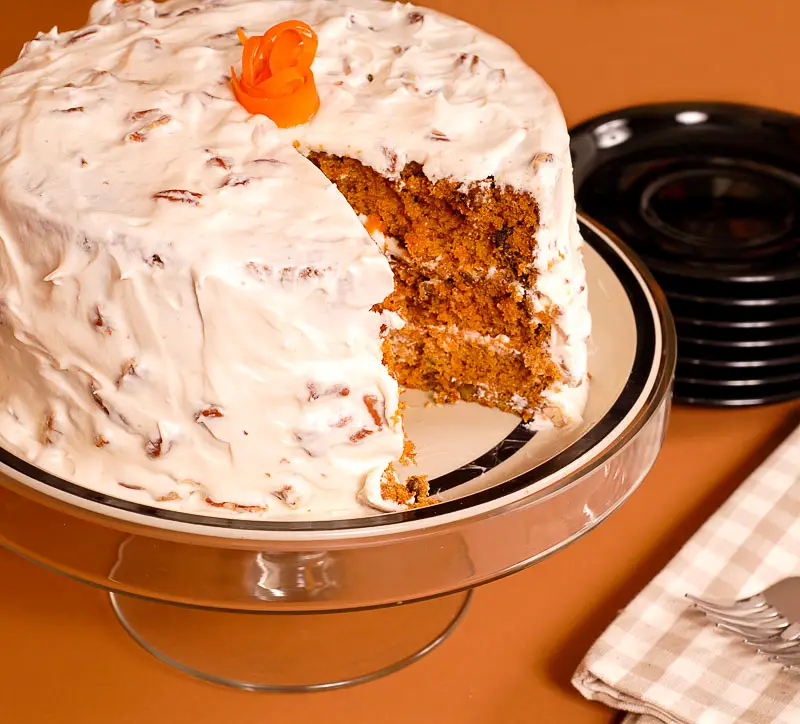
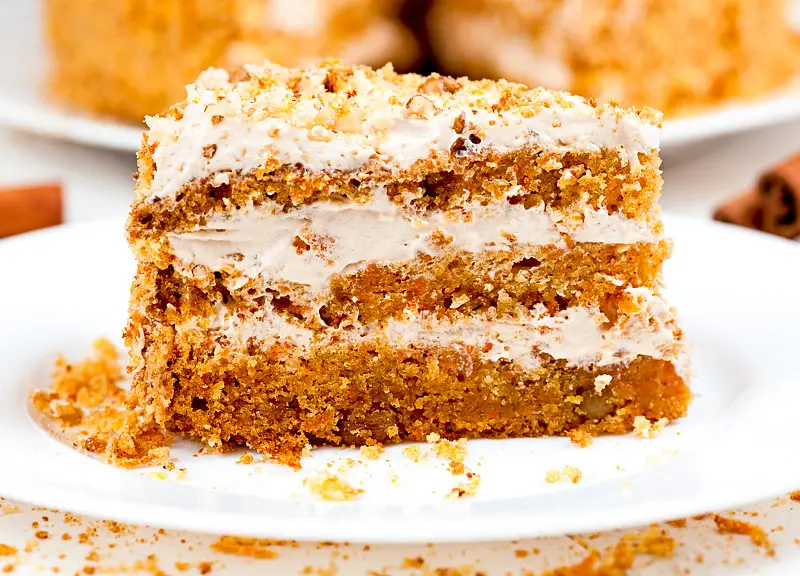
Carrot cake with lemon cream cheese frosting, made ultra-moist with pureed carrots, crushed pineapple, and toasted walnuts. The bright citrus frosting cuts the sweetness on this towering three-layer cake.
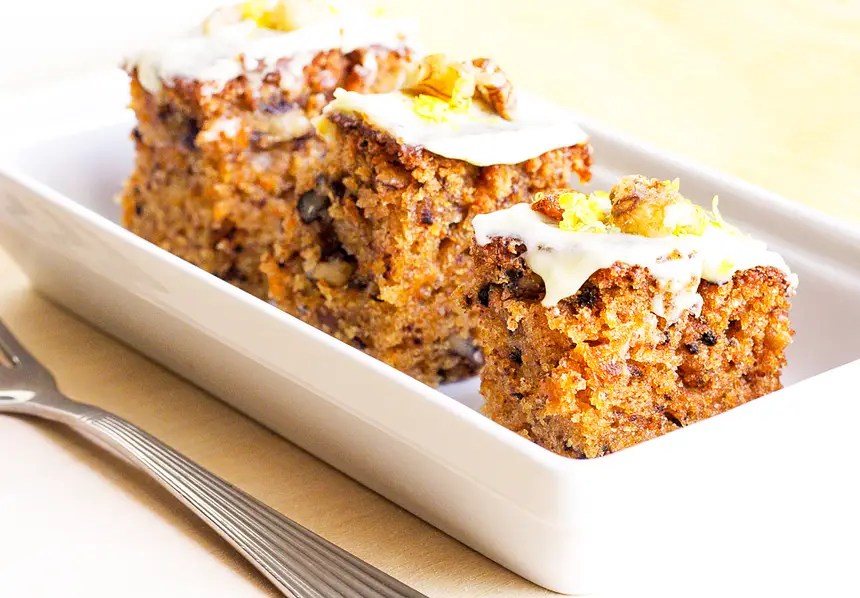
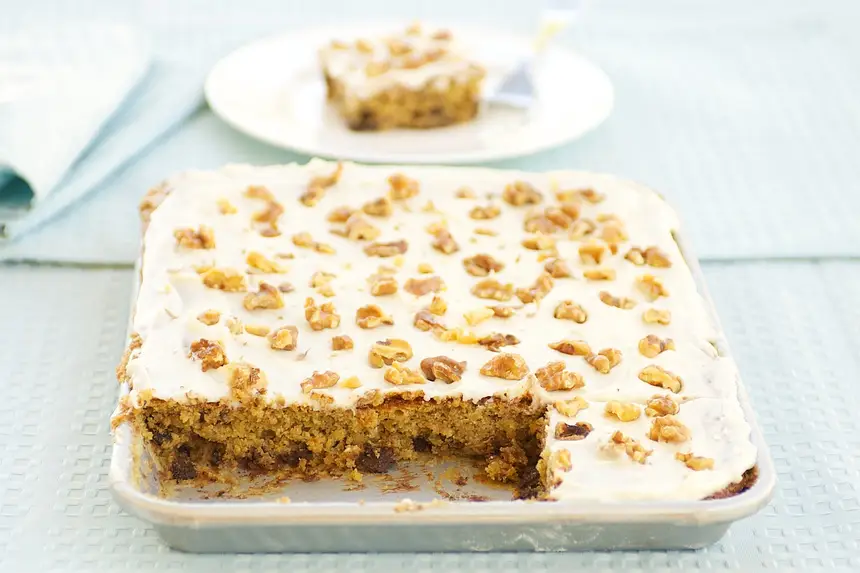
Carrot cake with crushed pineapple, raisins, cinnamon, and ginger. Moist, tender crumb perfect with cream cheese frosting. Makes a sheet cake or 4 mini loaves.
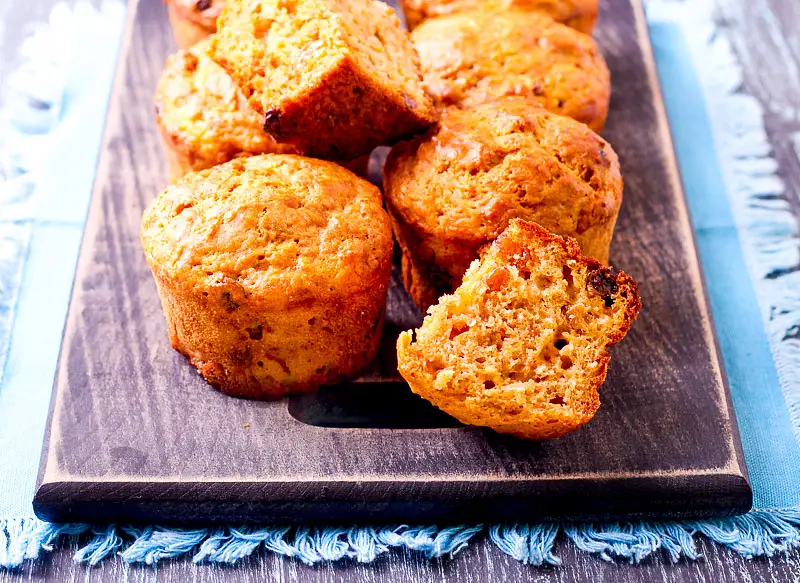
Carrot cake muffins with whole wheat flour, crushed pineapple, raisins, and walnuts. A lightly spiced, oil-free, lower-sugar version that bakes in 15 minutes.
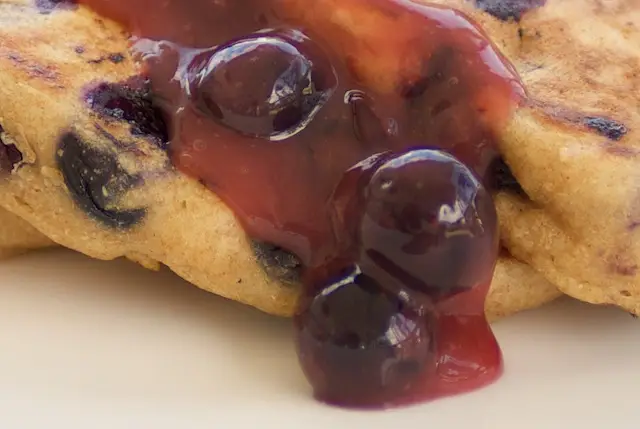
3-ingredient blueberry sauce thickens unsweetened pineapple juice with cornstarch, then folds in fresh berries. A no-sugar-added topping ready in 15 minutes.
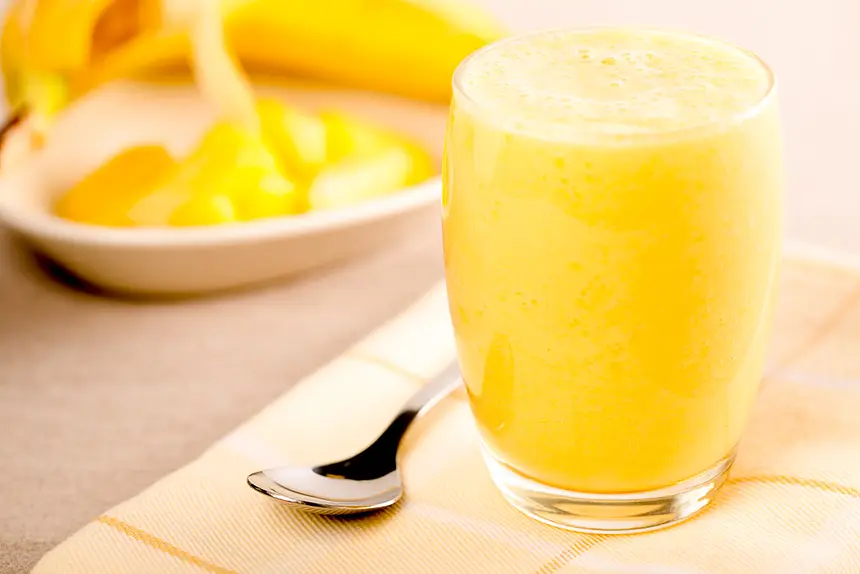
Pineapple buttermilk smoothie blends frozen tropical fruit with tangy buttermilk for a frothy 5-minute breakfast or post-workout drink. High in fibre, low in calories, no banana required.
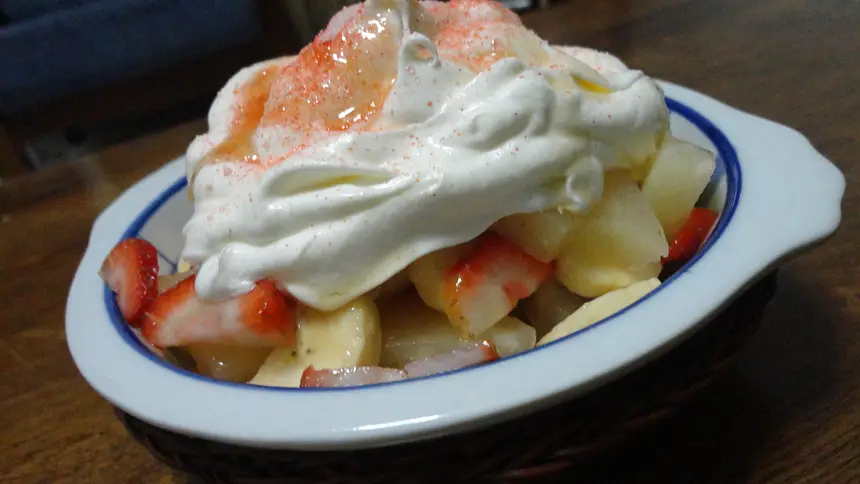
Fruit salad with cream, fresh strawberries, banana, and pineapple tossed with lemon juice and topped with cream, strawberry jelly powder, and a drizzle of syrup. A quick, sweet, chilled fruit dessert.
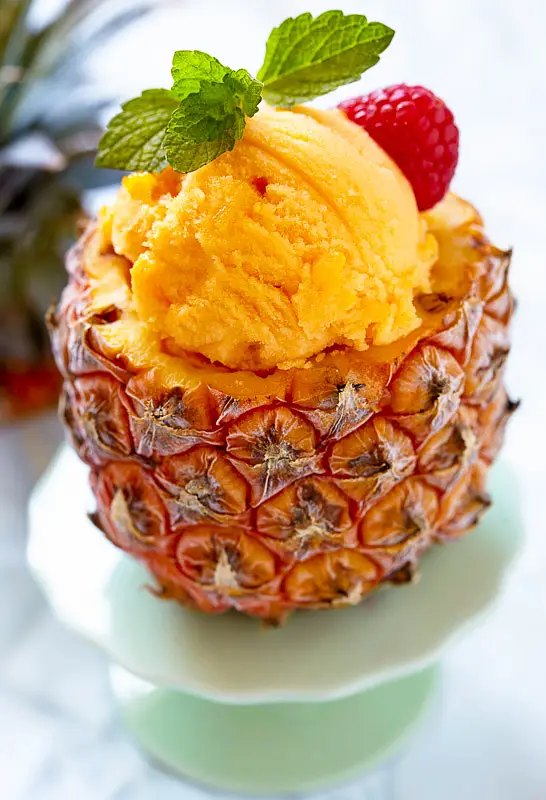
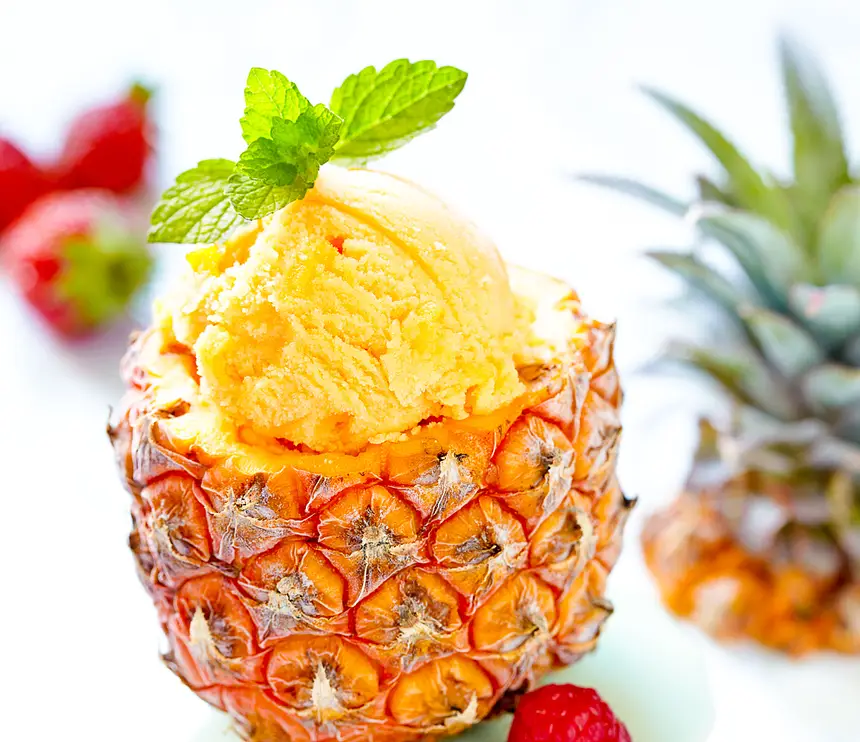
Pineapple sorbet: pure ripe pineapple pureed with simple syrup, brightened by lemon juice, and frozen into a smooth, scoopable tropical ice. No ice cream maker required.
Roasted garlic pineapple dip blends cream cheese and Greek yogurt with sweet crushed pineapple, onion and a roasted garlic seasoning. A creamy, sweet-savory no-cook party dip for chips and crackers.
Lemon-pineapple sherbet made with just 4 ingredients: yogurt, crushed pineapple, frozen lemonade concentrate, and sugar. No ice cream maker needed for this bright, tangy frozen dessert.
Made this tropical puff pancake for breakfast today, and made it healthier with whole wheat flour and just egg whites (see the linked recipe below). I used fresh pineapples to make the pineapple sauce, and it was delicious with pancake.
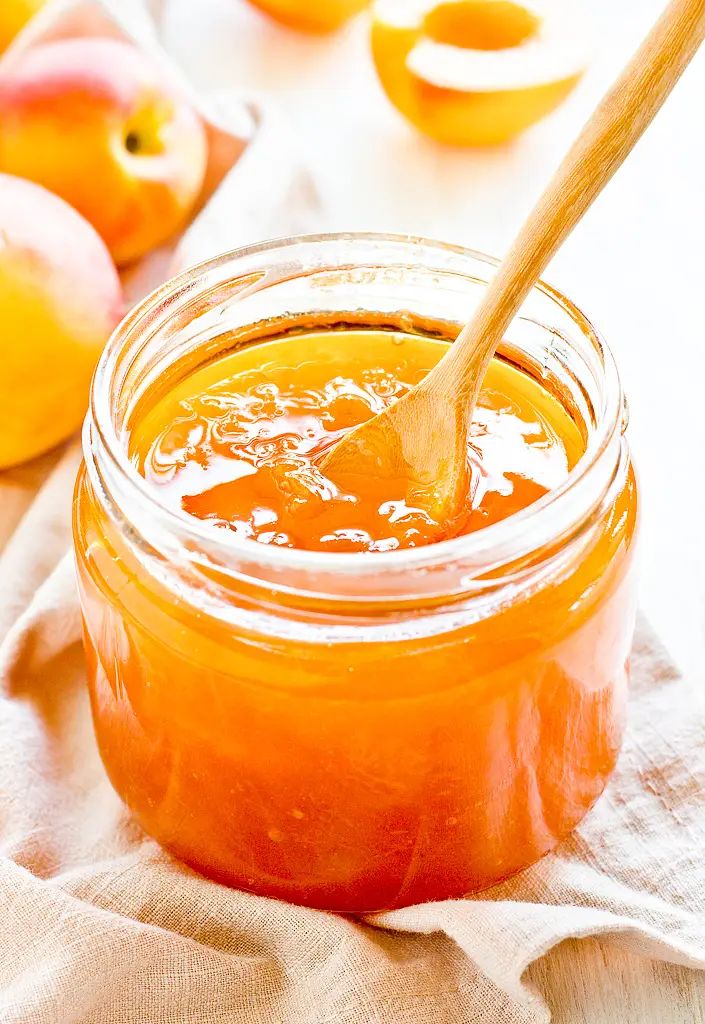
Apricot lite jam combines dried apricots with crushed pineapple and fresh orange for a tropical twist on a classic preserve. Less sugar than traditional jam, with citrus brightening the flavor.
Didn't use pineapple, because I didn't have it on hand. But the chicken salad still came out succulent. My kids loved it. It was a great way to make my kids eat some veggies :)
Super moist carrot cake loaded with shredded carrots, crushed pineapple, and walnuts, topped with orange-zested cream cheese frosting. Bakes in a 9x13 pan or bundt for that signature dense, tender crumb.
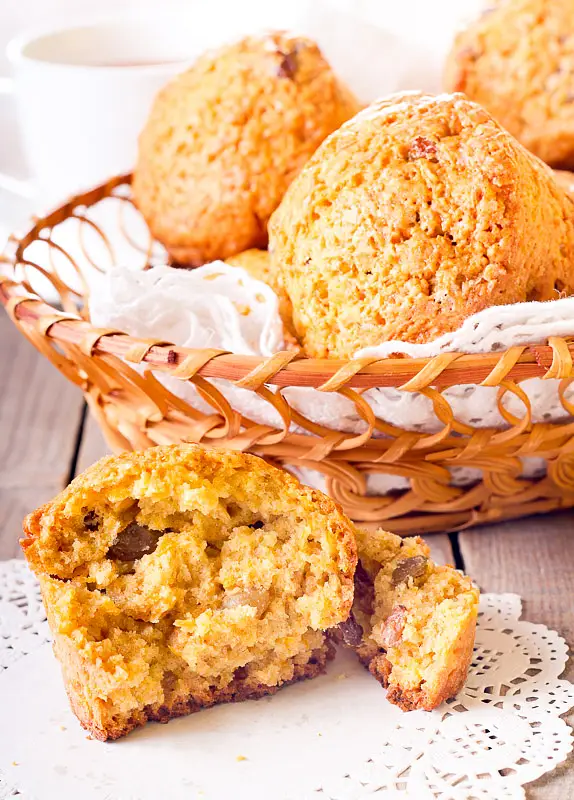
Moist pineapple raisin muffins sweetened with brown sugar and pineapple juice instead of milk, with a cup of plump raisins and a hit of orange zest. Half whole-wheat flour gives them a hearty, breakfast-worthy crumb.
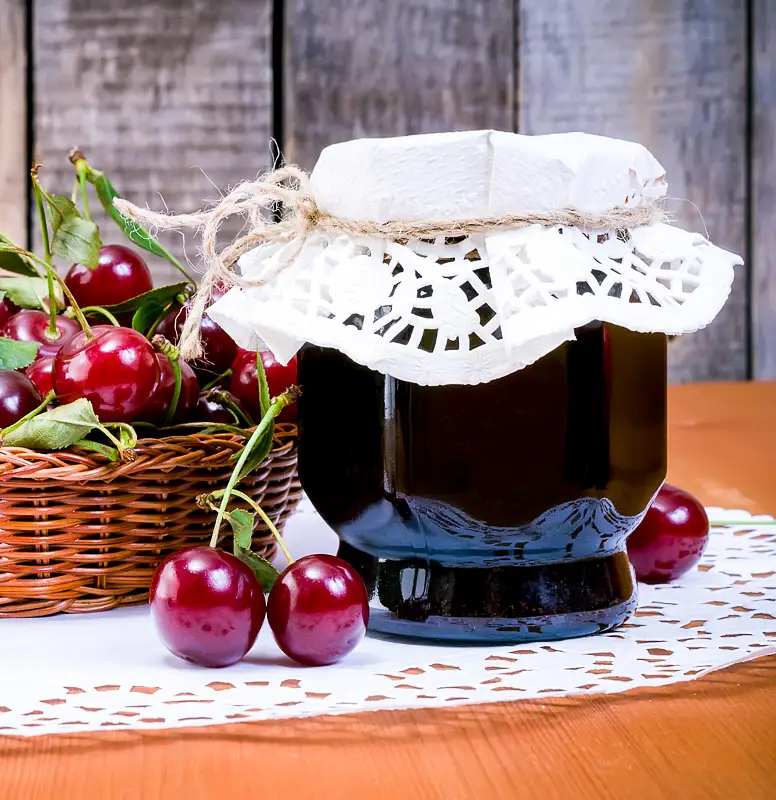
Cherry pineapple jam combines pitted sweet cherries and crushed pineapple in an old-fashioned sun-finished preserve. Just three ingredients, no pectin needed.
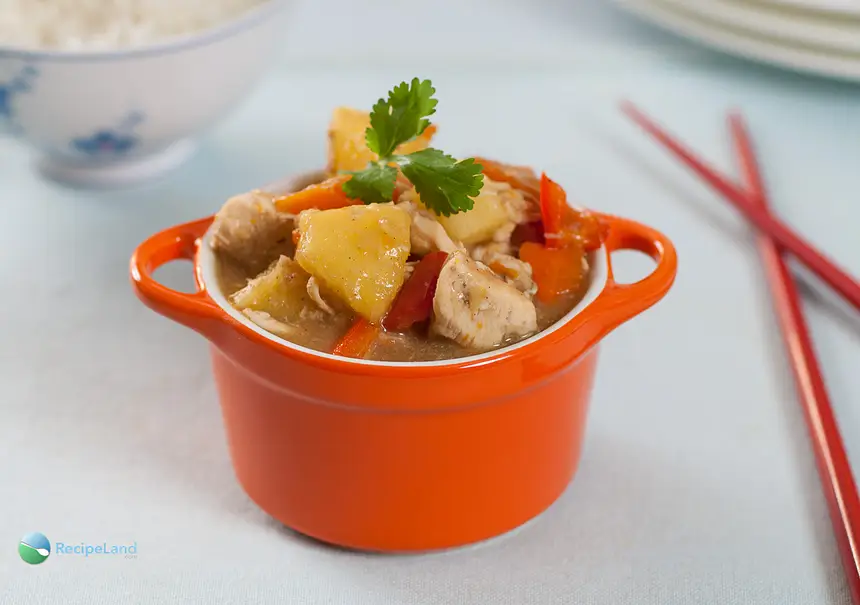
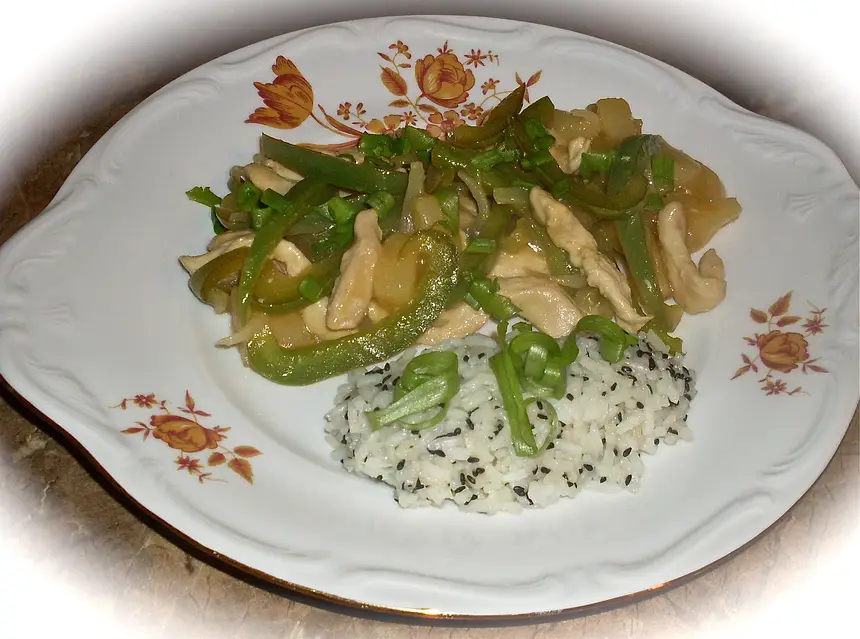
Very fine chicken. I wouldn't call it oriental but it's not a problem. Quite good over rice with dry fried black sesame seeds. Thanks for my tasty lunch.. :)
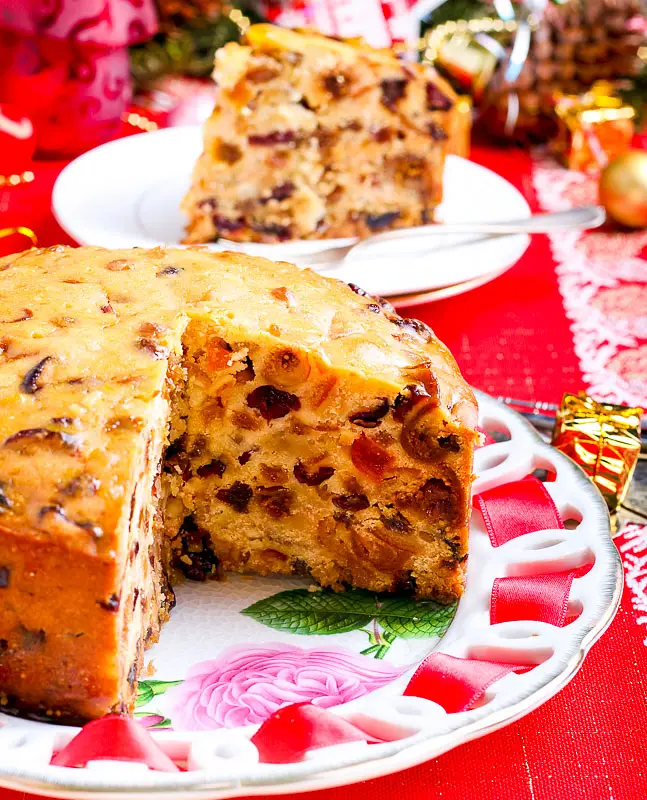
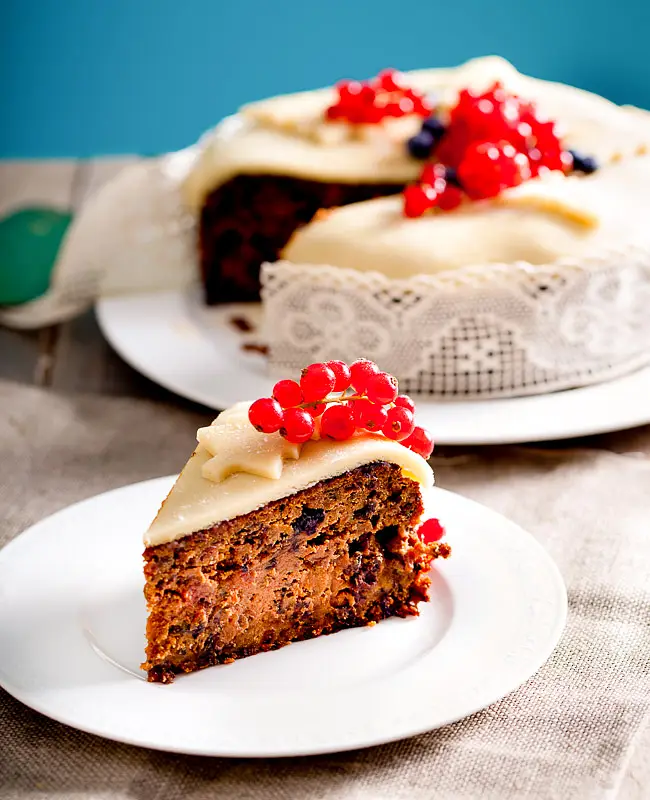
Vegan Christmas cake packed with candied pineapple, cherries, citrus peel, raisins, and currants, bound without eggs or dairy. A long-baking holiday fruitcake for slicing into thin festive servings.
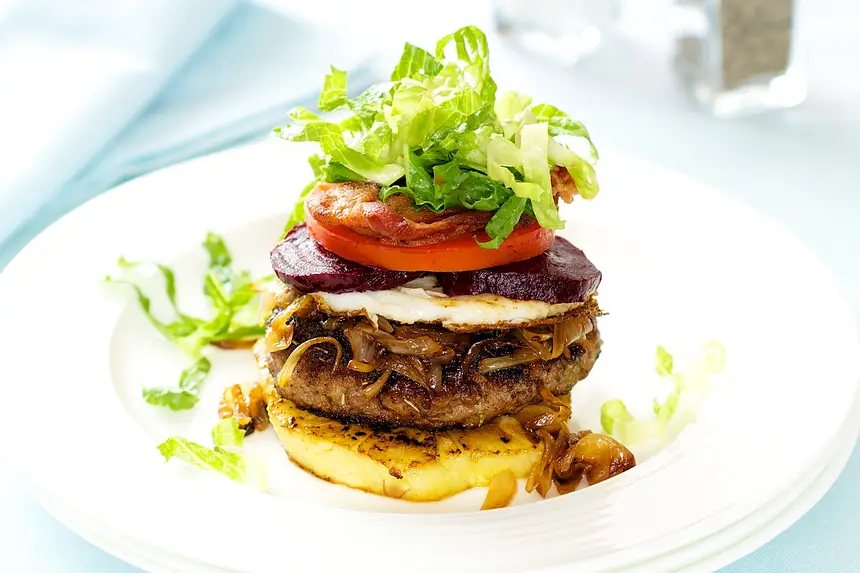
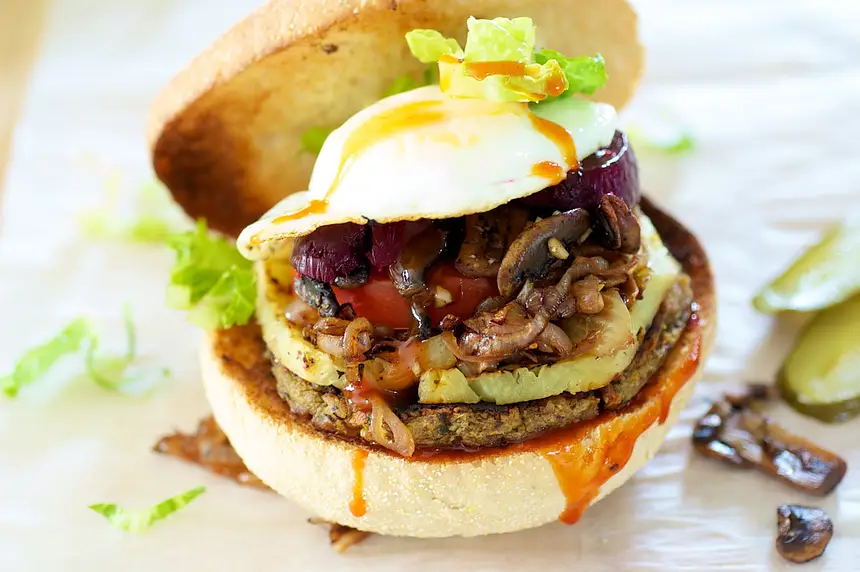
This vegetarian burger is layered with grilled pineapple, caramelized onions, sauteed mushrooms and roasted beets with a slice of juicy steak tomato and some shredded lettuce on top. It delivers the most delicious veggie burger ever!
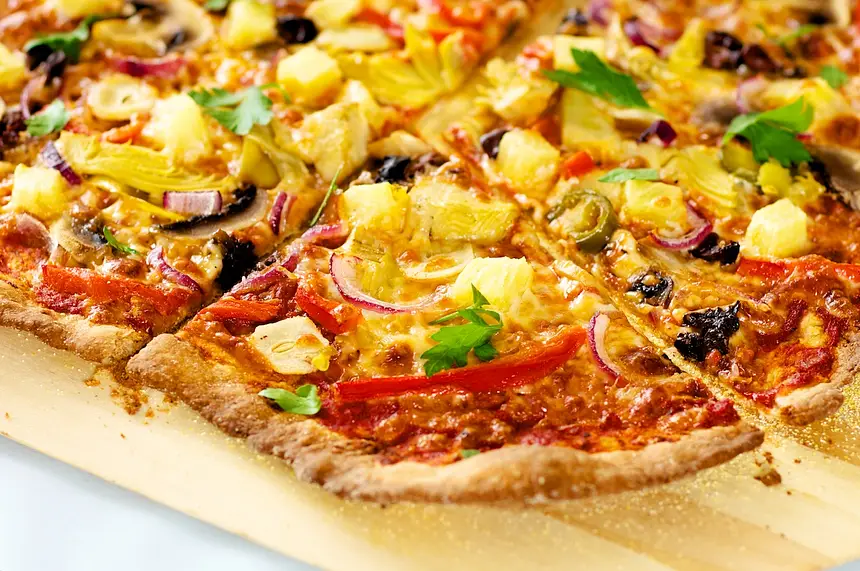
Freshly baked pizza makes the entire house full of great smell, that's why we like making pizza at home. This pizza is topped with fresh pineapple cubes, olives, marinated artichoke hearts, and a few fresh veggies. Homemade pizza sauce makes it taste even better.
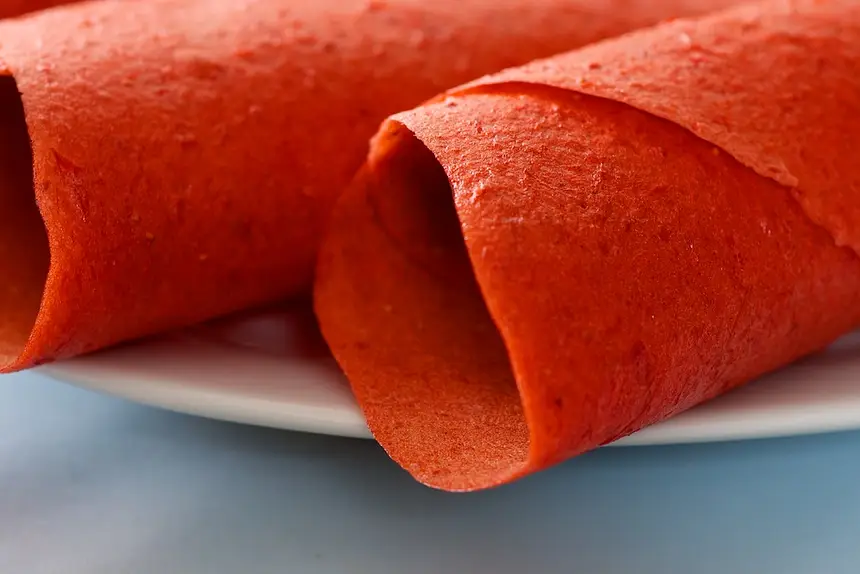
It's hard not to like this homemade fruit leather. It's made with 100% fruits, a little bit honey, and lemon juice. It's fruity and packed with nutrients. It's delicious way to enjoy a combination of fruits.
Three-layer carrot cake with crushed pineapple, walnuts, and a tangy cream cheese frosting topped with toasted coconut. A moist, towering carrot cake for birthdays, Easter, and holiday tables.
Christmas memory fruitcake steams then bakes a bourbon-soaked, dense old-fashioned fruitcake loaded with Brazil nuts, raisins, candied fruit, figs, and warming spices. Heirloom holiday recipe.
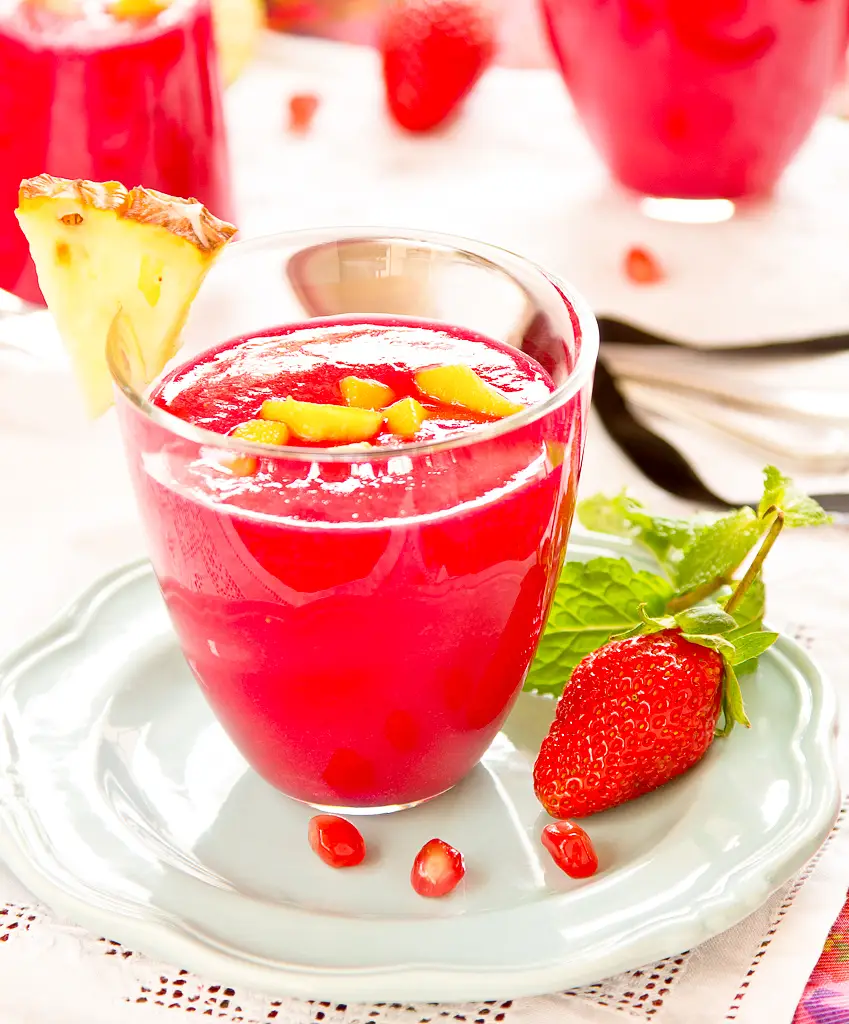
Easy fruit smoothie blends pineapple, strawberries, and ice into a frosty, dairy-free 5-minute breakfast. Three ingredients, vegan, fat-free, and naturally sweet without added sugar.
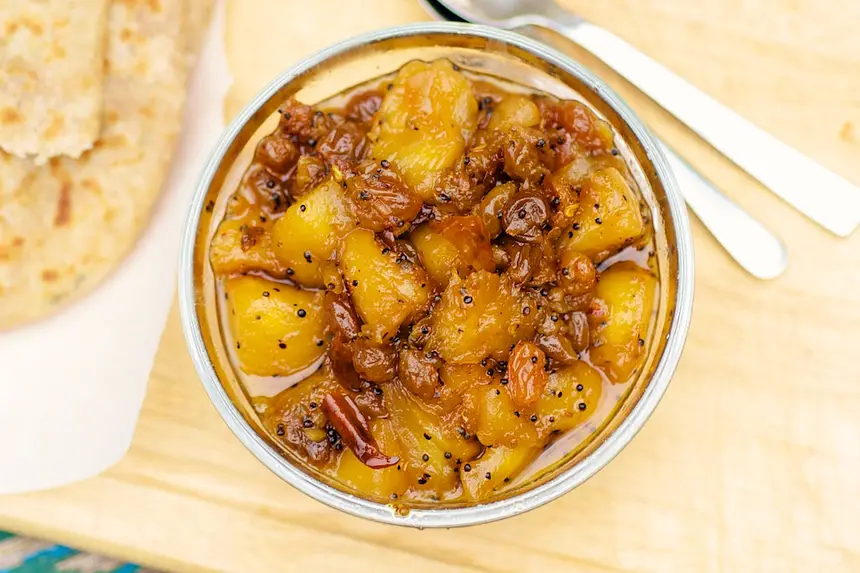
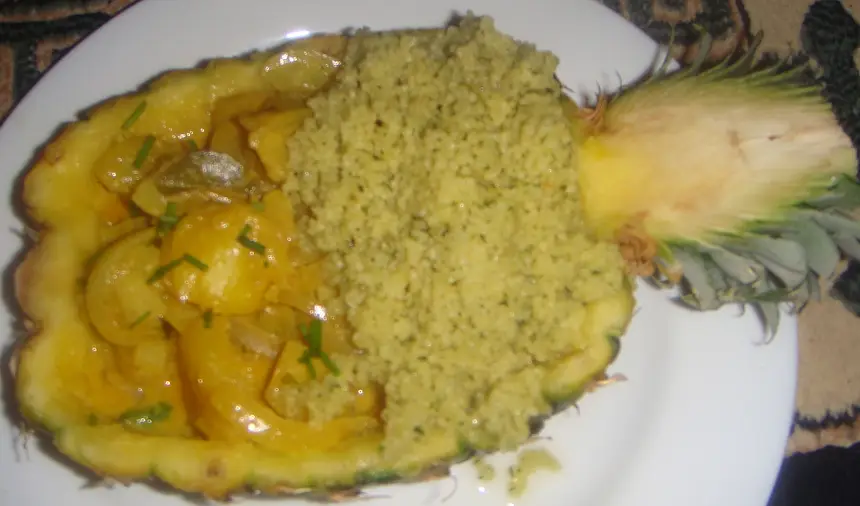
Annasi curry simmers fresh pineapple chunks in coconut milk with curry leaves, lemongrass, and green chilies for a sweet-tangy Sri Lankan side that pairs brilliantly with rice.
By using most whole wheat flour, half amount sugar and frosting, makes this Mexican fruit cake much healthier, but still super moist and just enough sweetness for satisfy your sweet tooth.
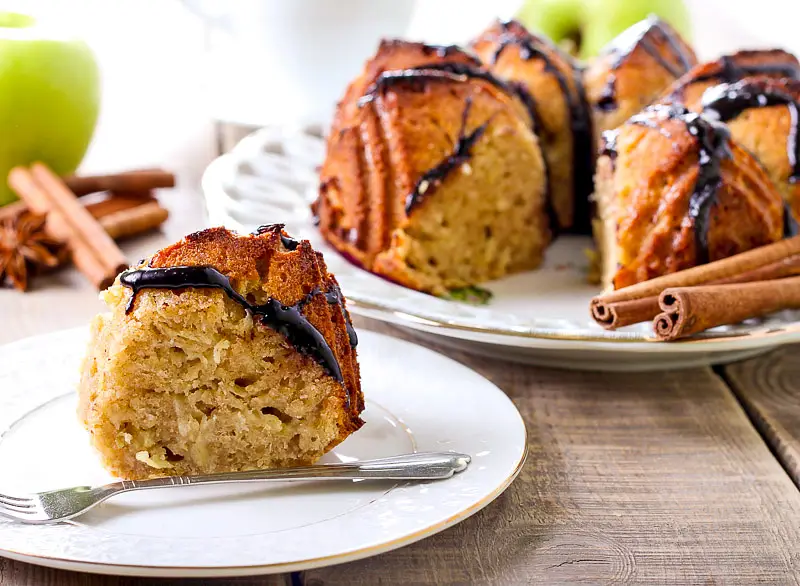
Hawaiian pound cake folds crushed pineapple and flaked coconut into a tender pound cake, then drizzles a tangy pineapple juice glaze over the warm loaf. Tropical comfort in every slice.