Apricots is easier to cook with than it looks. Here's how to choose, use, and store them, what to substitute, and 237 recipes to get you started.
Key Points
Apricots are small orange stone fruit, honeyed and tart when ripe, softer than peaches.
Most shipped fruit is picked firm and never sweetens, so buy by smell not color.
Roast at 400°F (200°C) for 15 to 20 minutes to rescue underripe fruit.
Their tartness cuts rich meat: lamb, pork, chicken, plus North African spice.
Ripen on the counter, then refrigerate three to five days; freeze halved with lemon.
What are apricots?
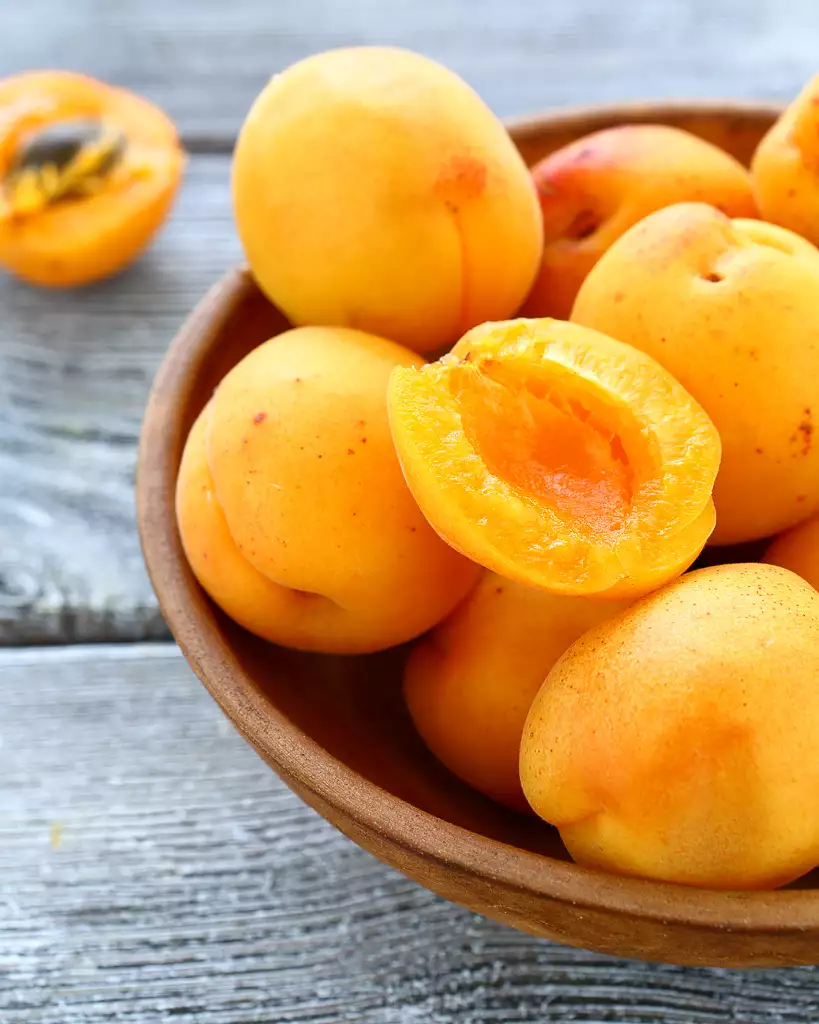
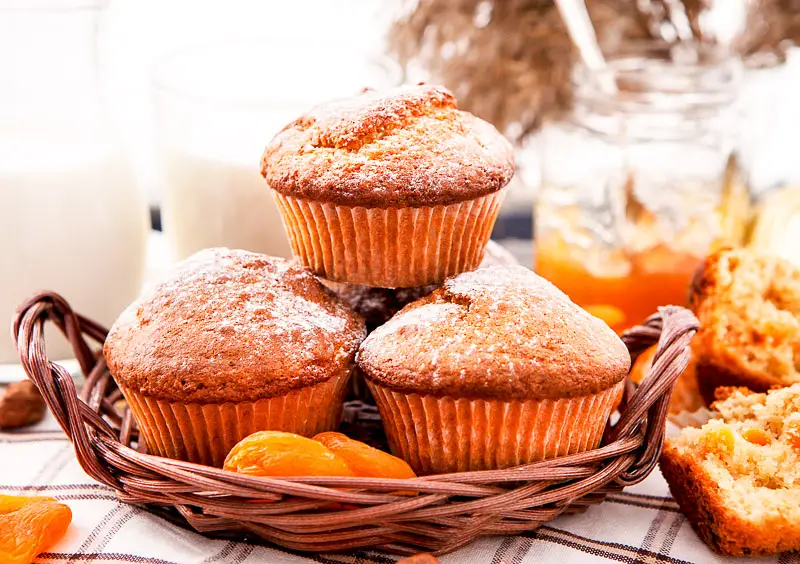
An apricot is a small orange stone fruit, a cousin of the peach and plum, with soft downy skin and a single hard pit in the center. Fresh ones taste honeyed and faintly tart when ripe, with a softer, less juicy flesh than a peach.
The season is short. It runs roughly May through August in the Northern Hemisphere, and outside those months you mostly see dried apricots, which are a different animal: chewy and concentrated, far sweeter ounce for ounce than fresh.
Fresh apricots barely travel well, so most picked for shipping are harvested firm and never fully sweeten. That single fact explains why so many people think they dislike apricots when they have only ever had a mealy one.
Cooking With Apricots
Halve an apricot along its seam and twist, and the pit pops out clean. No peeling needed, since the skin is thin and softens with heat.
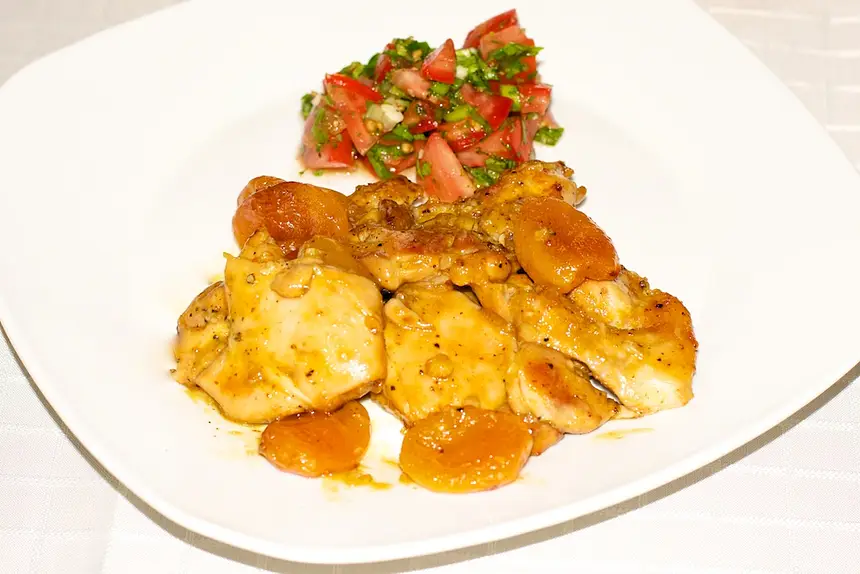
They lean savory as easily as sweet. The tartness cuts through rich meat, which is why they show up in tagines and roasts, like this Roasted Chicken with Apricots where the fruit melts into the pan juices.
Heat is their friend. Roasting at 400°F (200°C) for 15 to 20 minutes concentrates the sugar and saves a fruit that was a touch underripe, turning it jammy and deep.
Pairing and Common Mistakes
Apricots love almonds (they are botanical relatives), vanilla, honey, and warm spice like cinnamon and cardamom. On the savory side they pair with lamb, pork, chicken, and salty cheeses.
The biggest mistake is buying by color alone. A bright orange apricot can still be rock hard and starchy inside, because color develops on the tree before sugar does. Press gently instead and trust your nose.
The second mistake is overcooking. Apricot flesh breaks down fast once it softens, so a compote that simmers too long turns to mush. Pull it from the heat while a few pieces still hold their shape.
Substitutes
Peaches or nectarines are the closest swap in fresh dishes, a touch sweeter and juicier, so use a little less added sugar. Plums work too and bring more tartness.
When a recipe wants that sweet-tart edge against meat, a spoonful of apricot jam plus a squeeze of lemon mimics fresh fruit surprisingly well.
Buying and Storage
Choose apricots that are deep gold to orange with a slight blush, fragrant at the stem end, and that yield just slightly to gentle pressure. Skip any that are pale, green-shouldered, or rock hard, since those were picked too early and will soften without ever getting sweet.
A firm-but-not-hard apricot will ripen on the counter in two to three days. Speed it up by closing it in a paper bag with a banana, which gives off ethylene gas. Once ripe, move them to the fridge, where they keep three to five days.
Dried apricots last six months or longer in a sealed container. Refrigerate them in hot weather to keep them soft.
To freeze, halve and pit them, toss with a little lemon juice to hold color, and freeze in a single layer before bagging. They keep their flavor for months and go straight into baking or compote, though the thawed texture is too soft for eating out of hand.
Types of apricots
Specific kinds of apricots and the recipes that use them.
Dried apricots are fresh apricots with most of their water pulled out, leaving a chewy, concentrated fruit that tastes both sweet and tart. They keep for months in the cupboard and turn up everywhere from breakfast bars to slow-cooked tagines.
You will find two main styles. Turkish apricots are dried whole, so they stay soft and round with a mild, honeyed sweetness. California apricots are halved before drying, which gives them a tarter, brighter flavor and a firmer chew.
The deep orange color of many supermarket apricots comes from sulfur dioxide, which preserves it. Unsulfured apricots turn brown but taste just as good.
Apricot nectar is a thick, sweet apricot juice made from pureed apricot pulp blended with water and a little sugar. It is heavier and cloudier than a clear juice, closer to a thin puree, with the soft round flavor of ripe apricots.
You will usually find it canned or in a carton near the other fruit juices. Because it carries real fruit body and not just thin liquid, it does double duty: a drink on its own and a baking and cooking ingredient that adds apricot flavor along with moisture.
Canned apricot halves are ripe apricots that have been pitted and packed in liquid, then sealed and heat-processed for a long shelf life. The fruit comes split into halves, sitting in a sugar syrup or in fruit juice, with the skins left on.
Apricots are a smaller, tangier stone fruit than peaches, and canning keeps that edge. Where canned peaches read as pure sweetness, apricots hold a faint tartness that cuts through sugar and fat. That acidity is exactly why they turn up so often in glazes for meat.
Buy them and you've got soft, sweet-tart fruit ready any month of the year, no peeling and no waiting for a short fresh season.
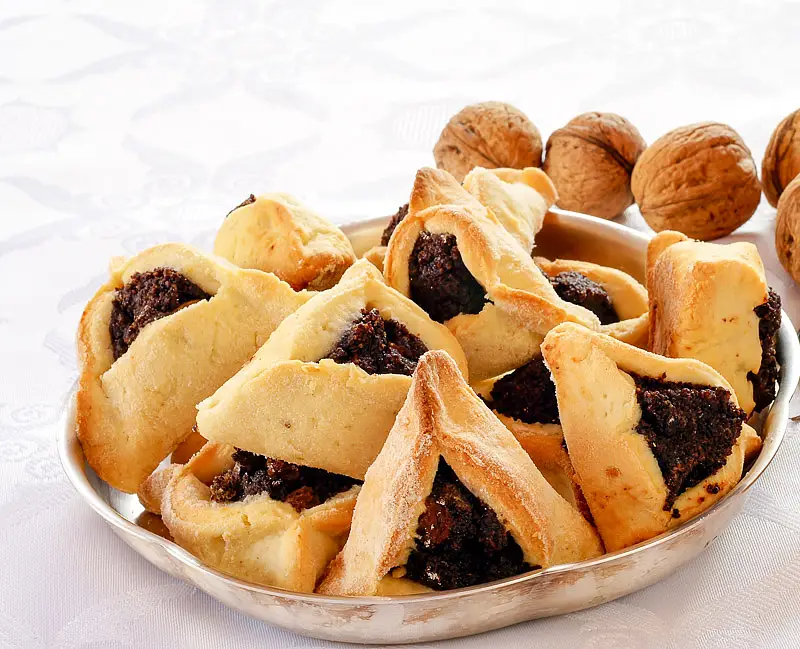
Hamantaschen for Purim with a tender carrot-flecked dough and a tangy apricot-pineapple filling spiked with cardamom and poppy seed. The classic triangle cookie with real character.
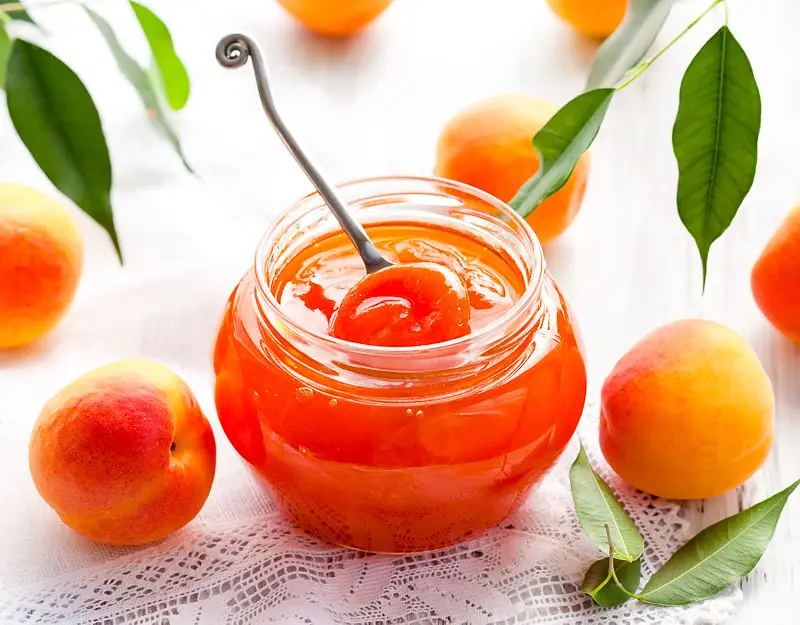
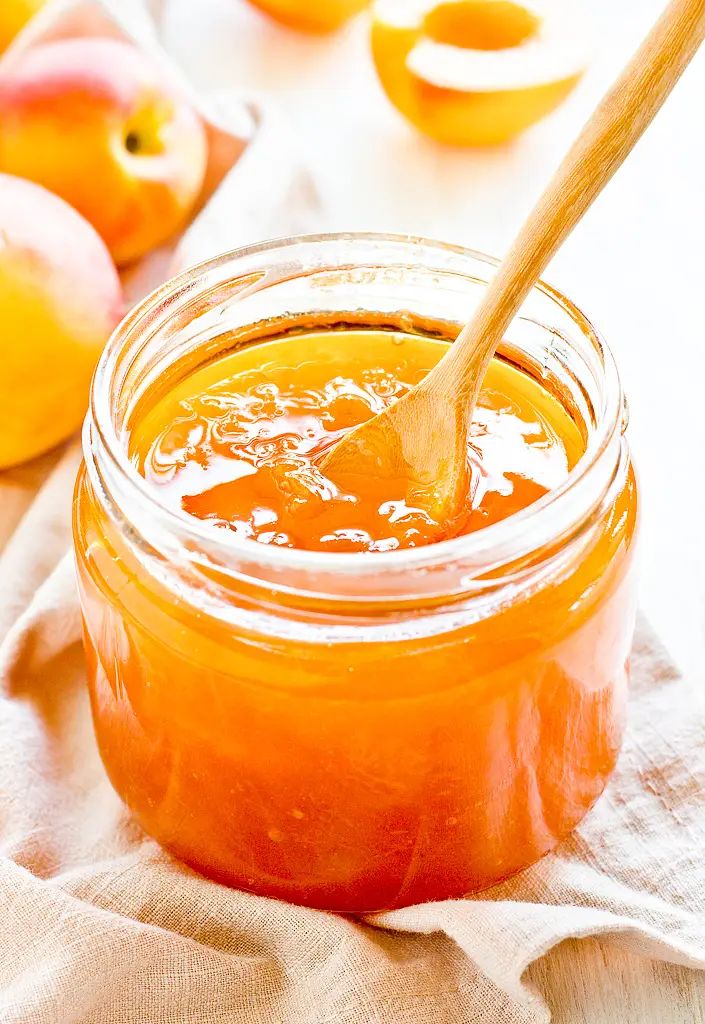
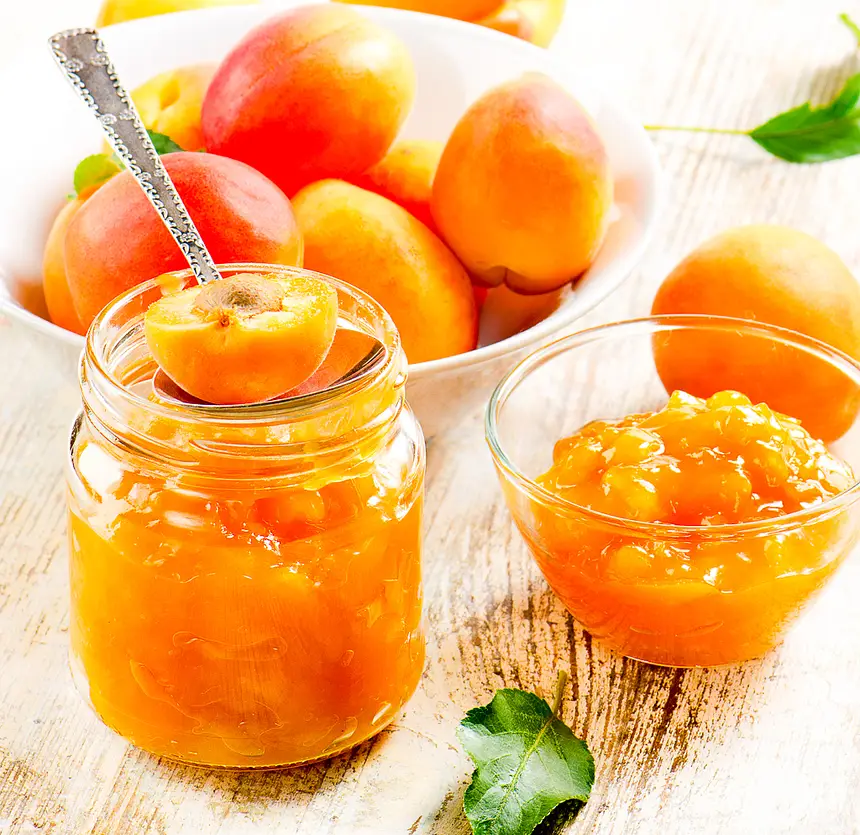
Harvest apricot preserves cook a big batch of ripe apricots with sugar and lemon juice to setting point, then jar and seal with rum-dipped cellophane tops. An old-world summer preserve.
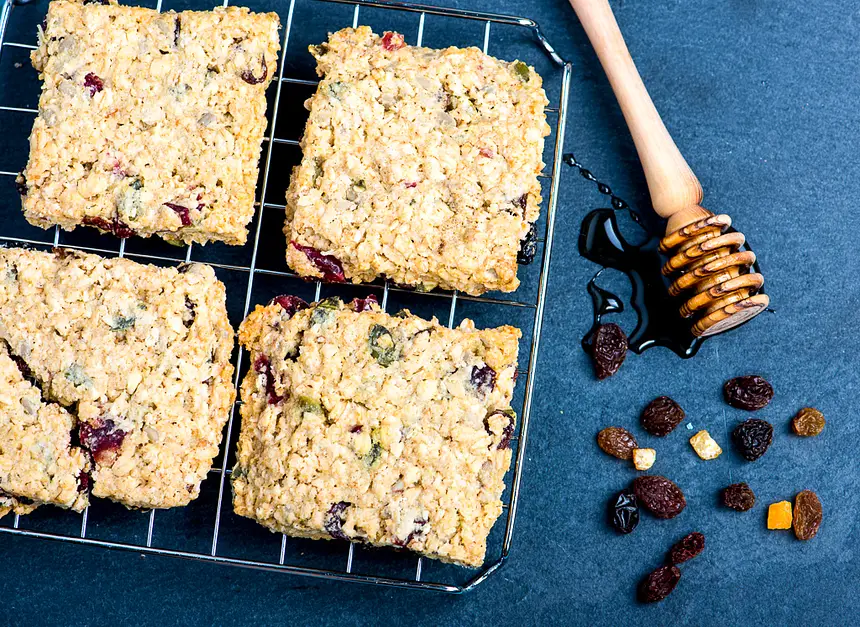
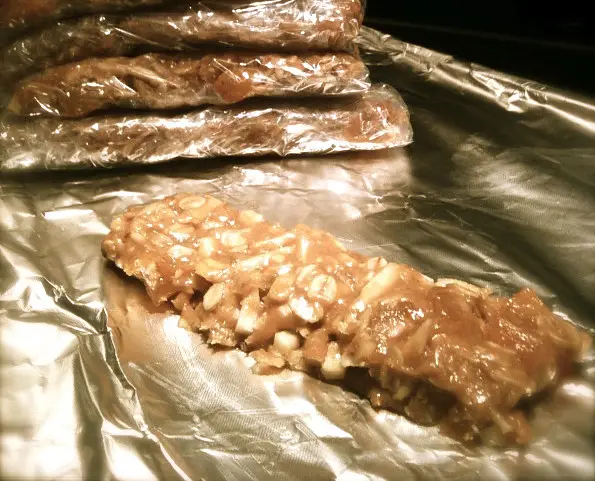
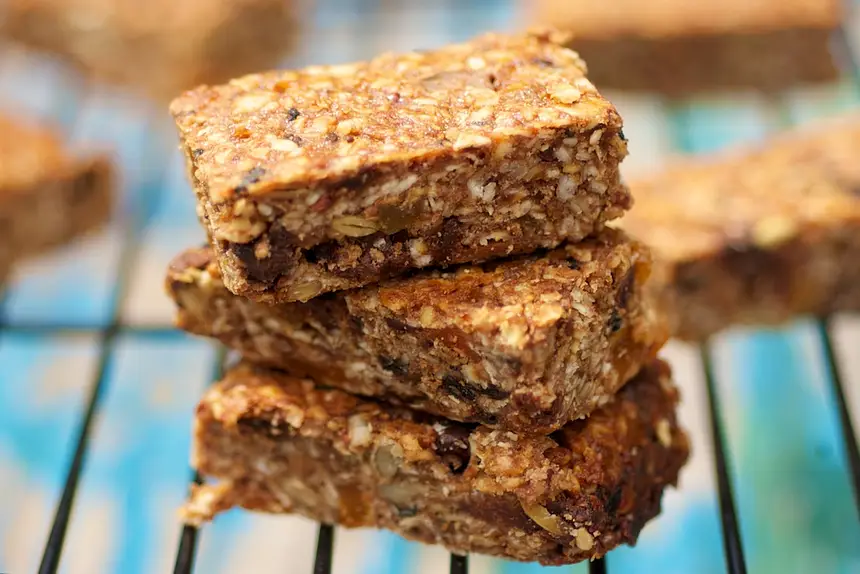
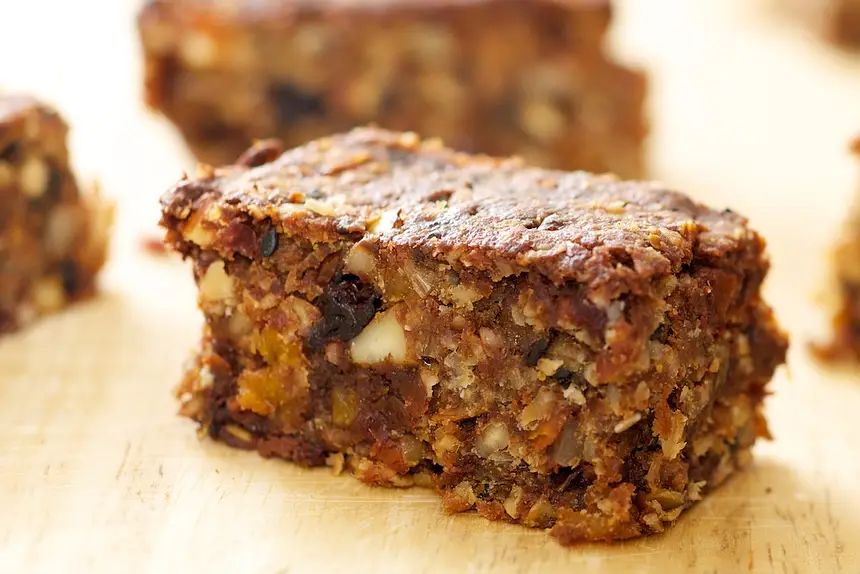
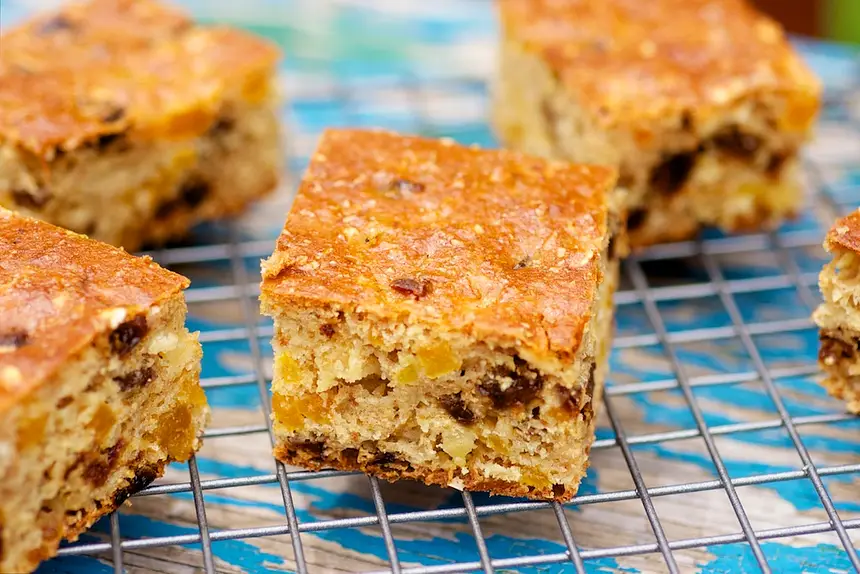
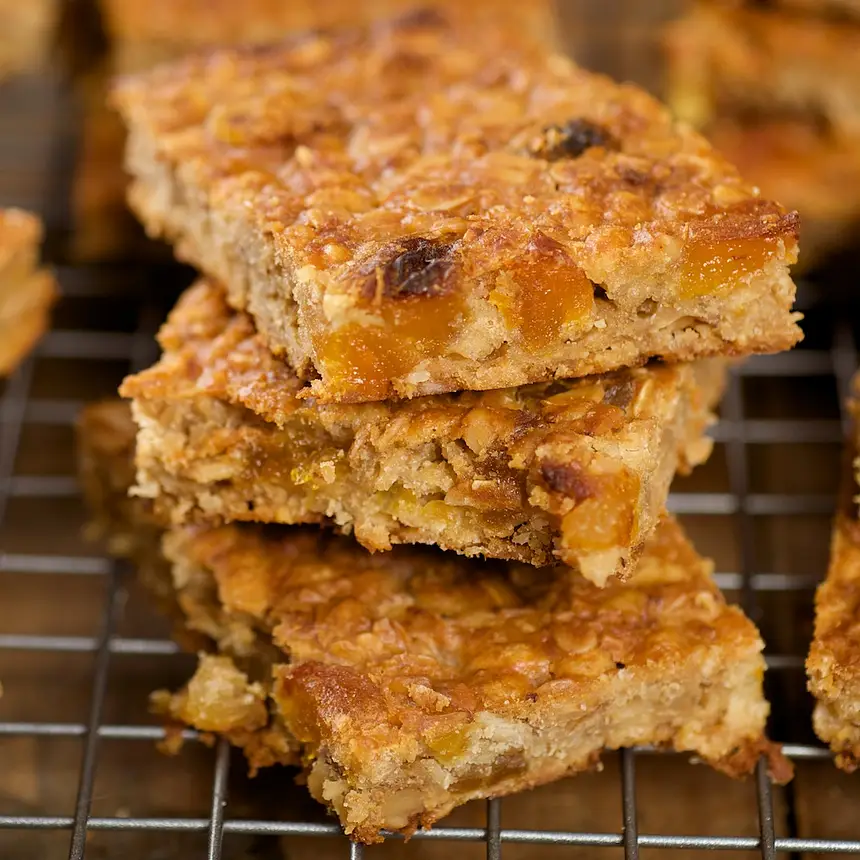
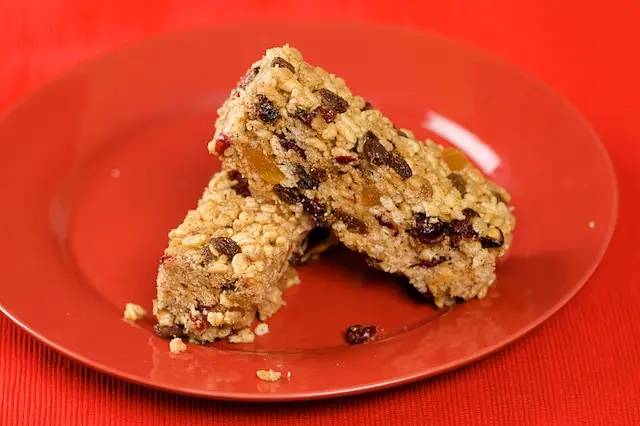
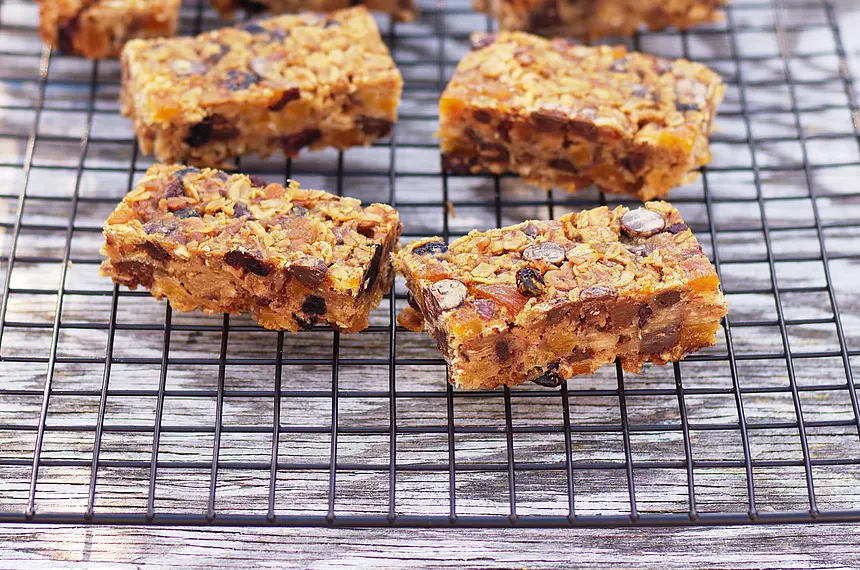
Homemade granola bars sweetened with molasses and orange juice concentrate, packed with oats, raisins, apricots, sunflower seeds, wheat germ and sesame. Dense, cakey, and naturally fruit-sweetened.
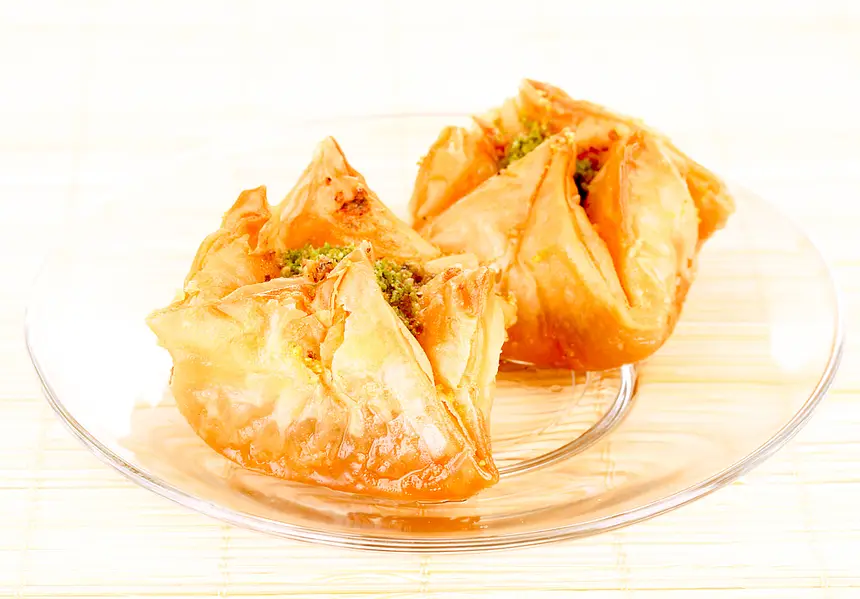
Simple baklava bites: buttery phyllo cups twisted into little sachets around a honey-sweetened almond, walnut, and apricot filling. All the baklava flavor, none of the fuss.
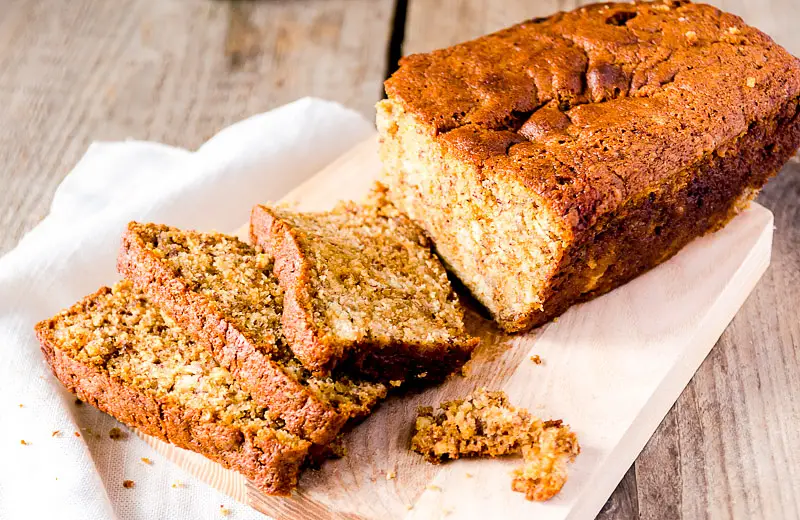
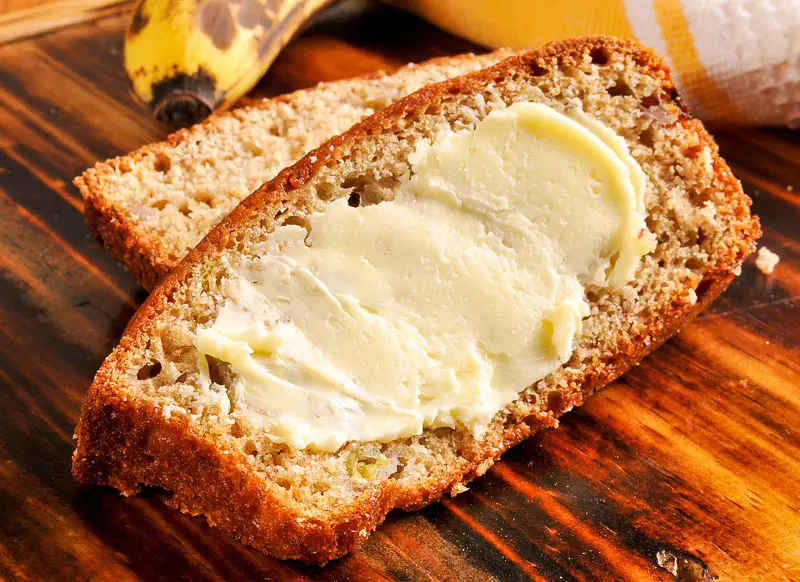
Banana bread with bran cereal and chewy dried apricots, baked into a hearty fiber-rich loaf with brown sugar warmth and a tender crumb. A wholesome breakfast quickbread.
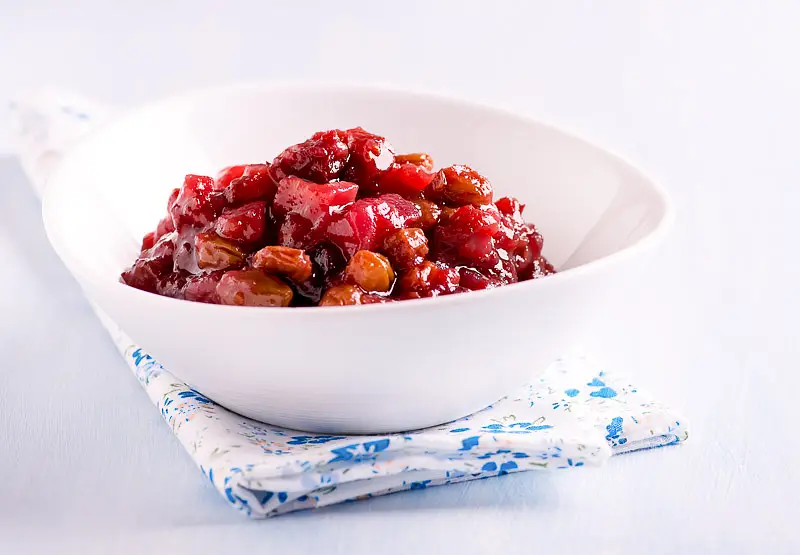
Balsamic cranberry chutney simmers fresh cranberries with port wine, orange, dried apricots, and cherries, then warms it with cinnamon, clove, and nutmeg. A sophisticated, tangy-sweet upgrade on the canned stuff.
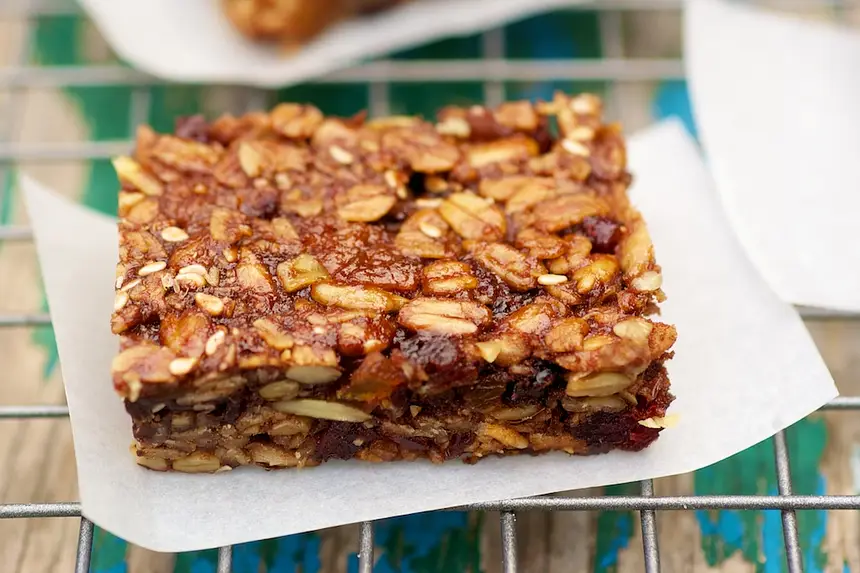
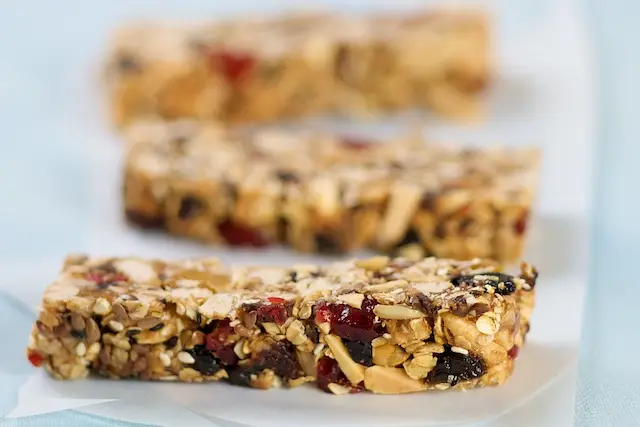
These delicious and nutritious granola bars are ideal for breakfast, snack or anytime when you feel hungry. Very easy to make, and they provide lots of great values to your body.
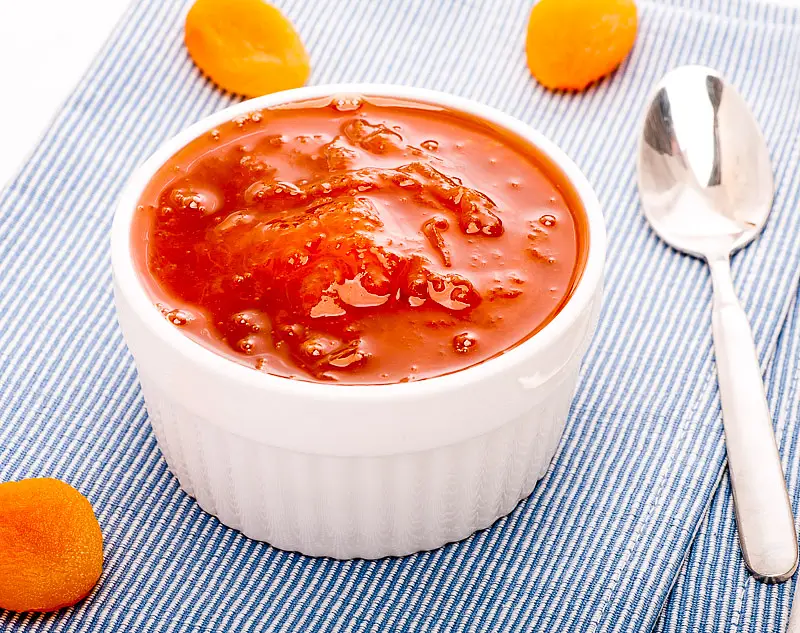
Apricot lite jam combines dried apricots with crushed pineapple and fresh orange for a tropical twist on a classic preserve. Less sugar than traditional jam, with citrus brightening the flavor.
Quick banana apricot bread with ripe banana pulp, chopped dried apricots, and a hint of lemon zest. Tender loaf with chewy apricot bits and a brighter twist on classic banana bread.
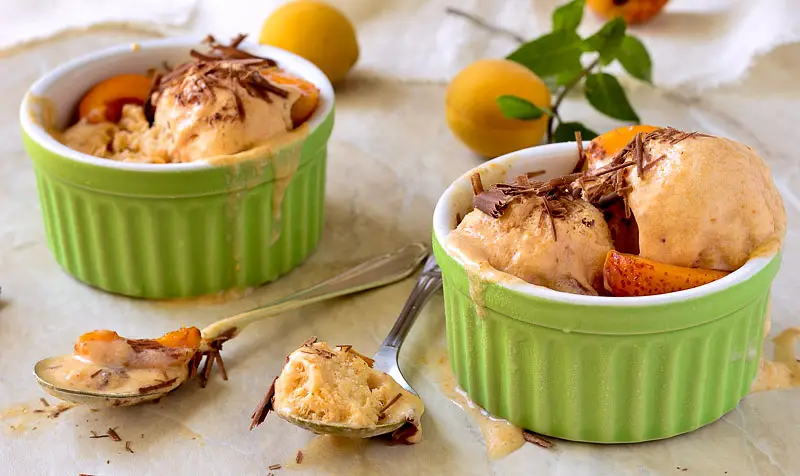
Apricot ice cream with low-fat yogurt and fromage frais instead of cream. A lighter frozen dessert built on dried apricot puree, perfect for hot afternoons without the heaviness of dairy ice cream.
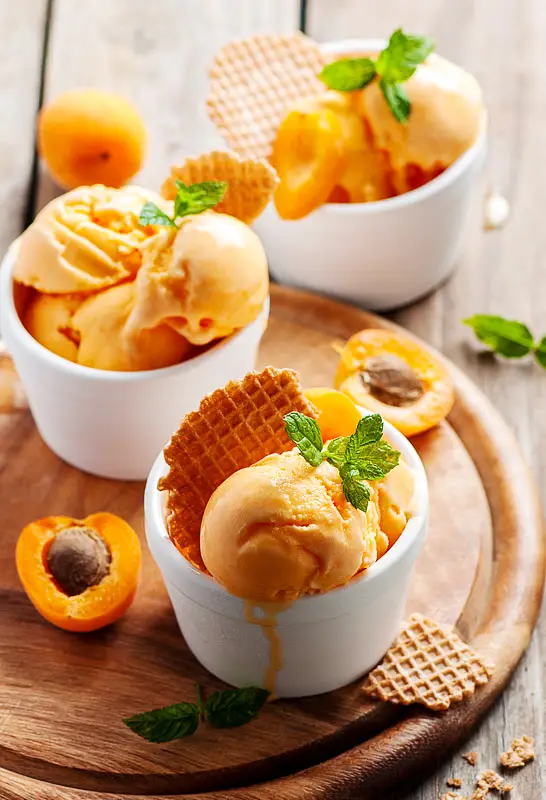
Fresh apricot ice cream made with diced ripe apricots, apricot nectar, evaporated milk, and tangy yogurt. A cooler, lighter summer ice cream with bright stone-fruit flavor and no eggs.
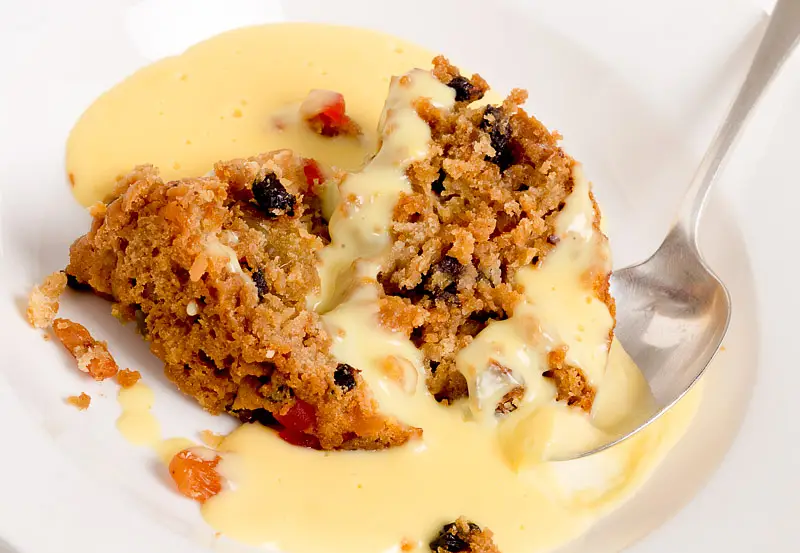
This Christmas pudding has plenty of delicious fruit and nuts, but it's really simple to make - just plan ahead and then make the warm vanilla-bean custard on the day.
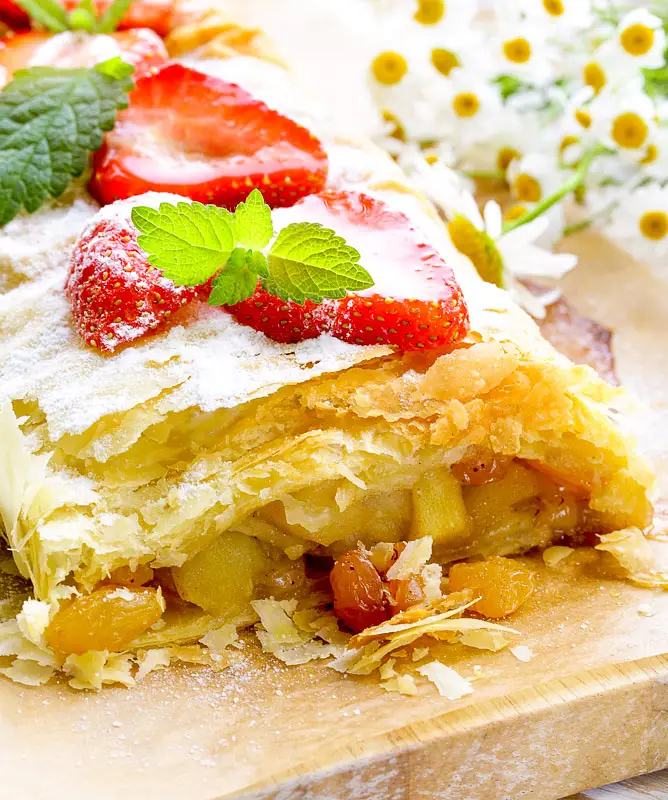
Apple-apricot strudel: flaky phyllo wrapped around a fragrant filling of apples, dried apricots, raisins, and almonds with a hint of cinnamon and lemon. Old-world pastry made approachable.
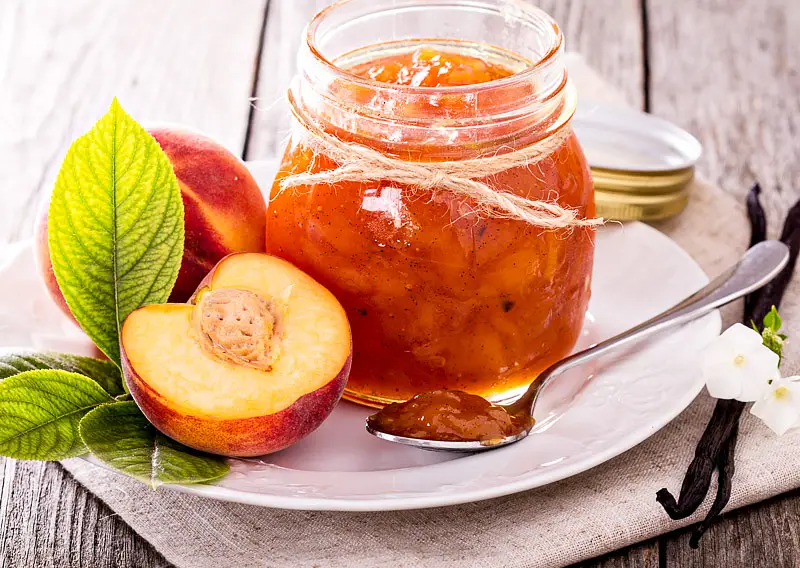
Peach apricot preserve combines summer stone fruit with plums and lemon juice into a small-batch jam with no added pectin. Perfect for spreading on toast, swirling into yogurt, or gifting in jars.
Making your own granola bars is always the best. It tastes delicious and it's packed with you favorite ingredients. After I tried making my first bunch, there is no turning back to store-bought ones any more. Just made these bars a while ago, still cooling, and smells divine :-)
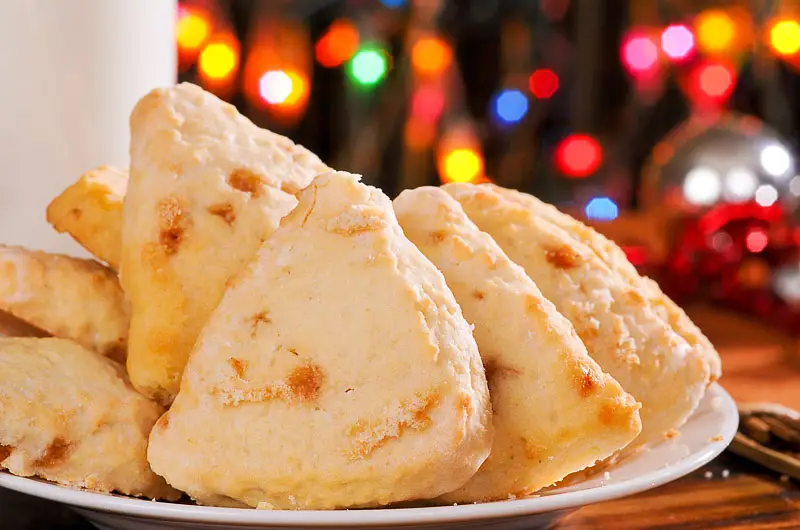
Buttermilk apricot scones with chopped dried apricots and apricot nectar baked right into the dough for double-fruit flavor. Rhubarb works just as well when in season.
Apricot ginger scones with chewy dried apricots, sweet-hot crystallized ginger, and bright lemon zest. A buttermilk-based scone with rustic break-apart triangles and layered flavor.
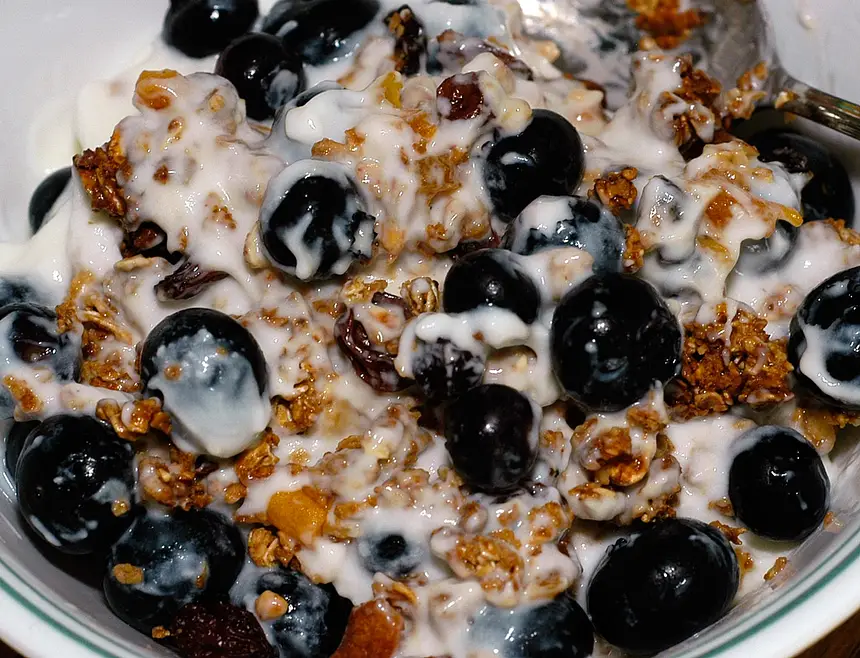
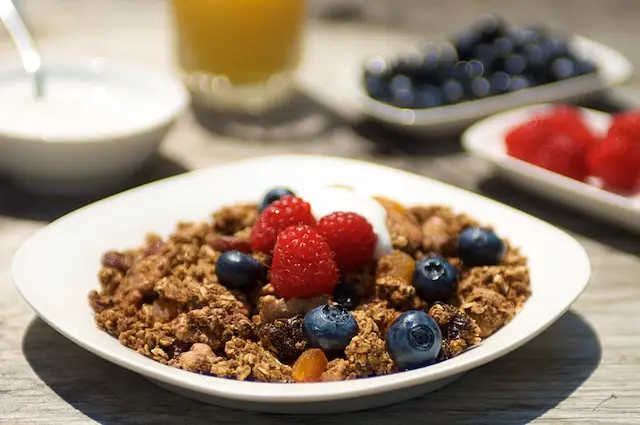
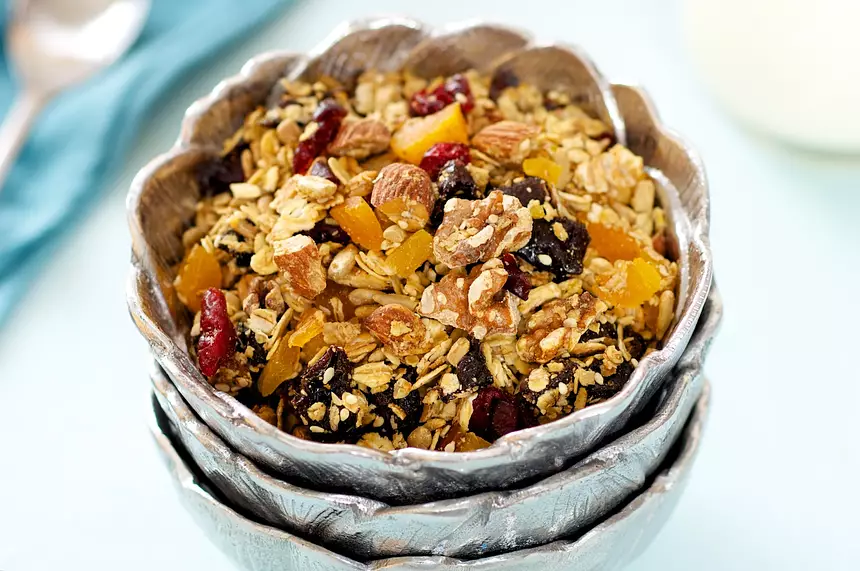
Granola is great for breakfast, packed with nutrition and very filling. Making your own is always better, lots of nuts, dried fruits and real maple syrup with some yogurt or milk give you all the energies you need to start a beautiful day.
Pineapple apricot jam made from just 3 ingredients: dried apricots, crushed pineapple, and sugar. No pectin needed. Slow-simmered until thick and spreadable.
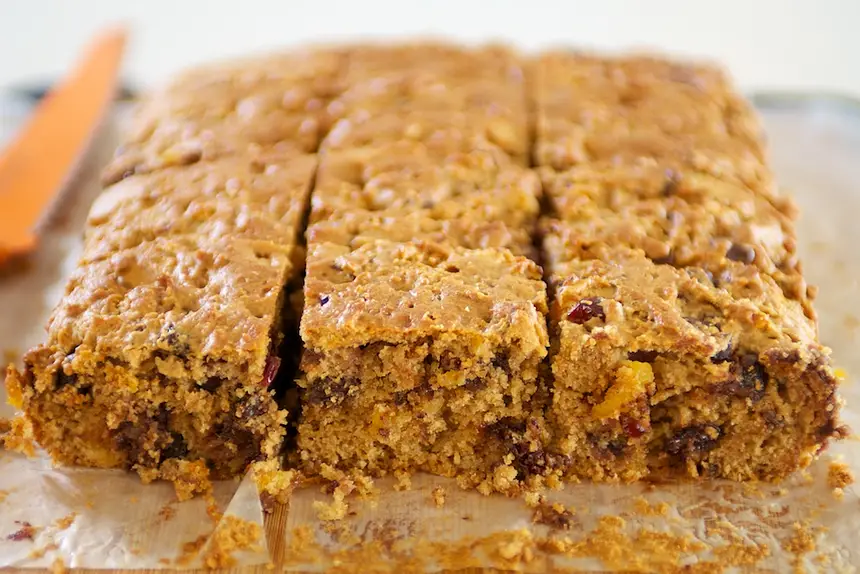
This moist yet delicious coffe cake is made with whole wheat flour, oat bran, applesauce, peanut butter, chocolate chips and several kinds of dried fruits. It's great for breakfast or a healthy yet tasty snack with a cup of coffee or tea.
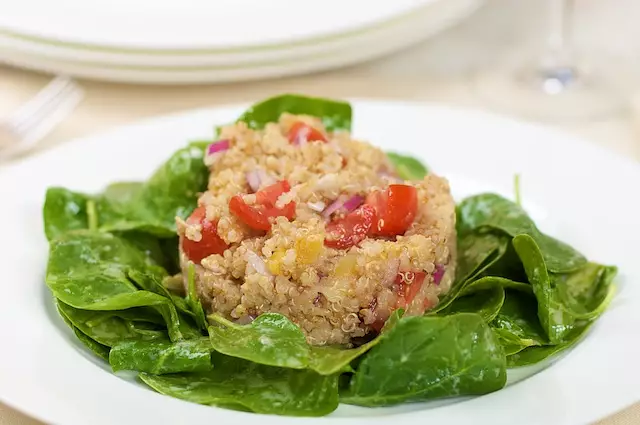
The quinoa salad can be prepared in advance. Toasted quinoa is cooked with garlic and chopped apricots, tossed with this Moroccan Spiced Lemon Dressing. A delicious yet nutritious salad that can be served as a side or a main course.
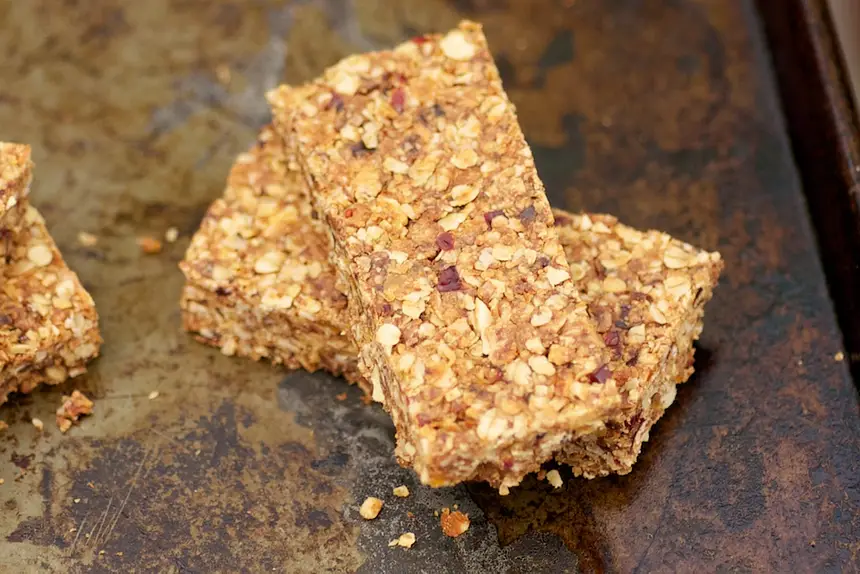
Pieces of almonds, dried apricots, cranberries, prunes and chocolate chips are tossed with creamy peanut butter, oats, a bit honey and ground flax seeds. These delicious granola bars are perfect for grap-go breakfast.
Apricot marmalade made from dried apricots soaked overnight, simmered to a smooth pulp, then cooked with sugar and cinnamon. A four-ingredient classic preserve with a deep amber color.
The biscotti turned out delicious, by adding white chocolate really enhanced the depth of the flavor, and also gave the biscotti a softer and creamier texture, which also made these yummy biscotti highly additive. Almond and dried apricots added the rich nuttiness and sweet-sour juicy bites.
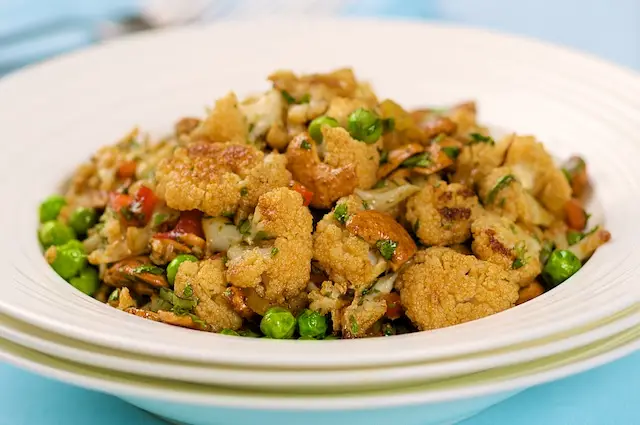
A veggie hating friend was over dinner and declared "wow, if my mom made vegetables like this!" as he went for seconds. The maple coated cashews are excellent in this recipe and the gentle touch of sweetness balanced with the curry is great.
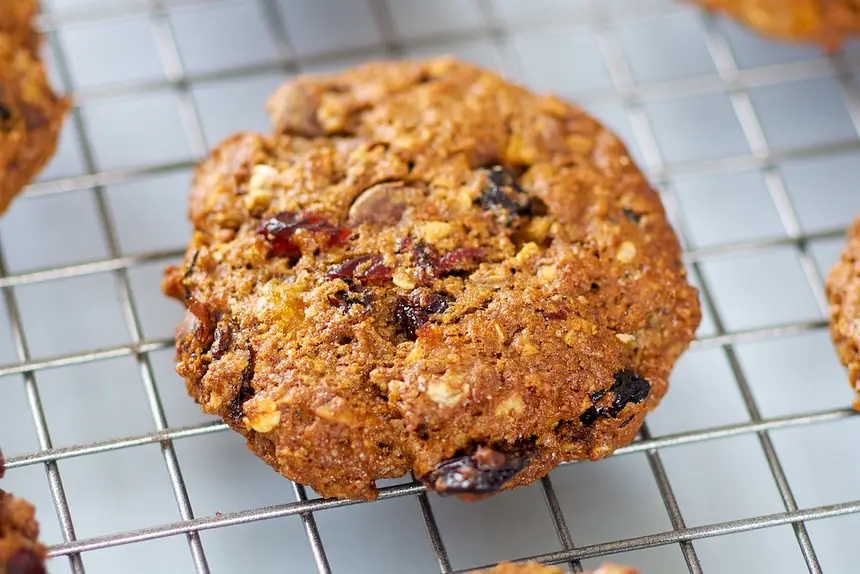
These delicious cookies are made with a mixture of dried fruits, chocolate chips, ground flax seeds, whole wheat flour, oats, and walnuts. They are packed with goodness and yumminess. A quick grab-and-go breakfast, or a wholesome snack whenever you feel hungry before the meal time.
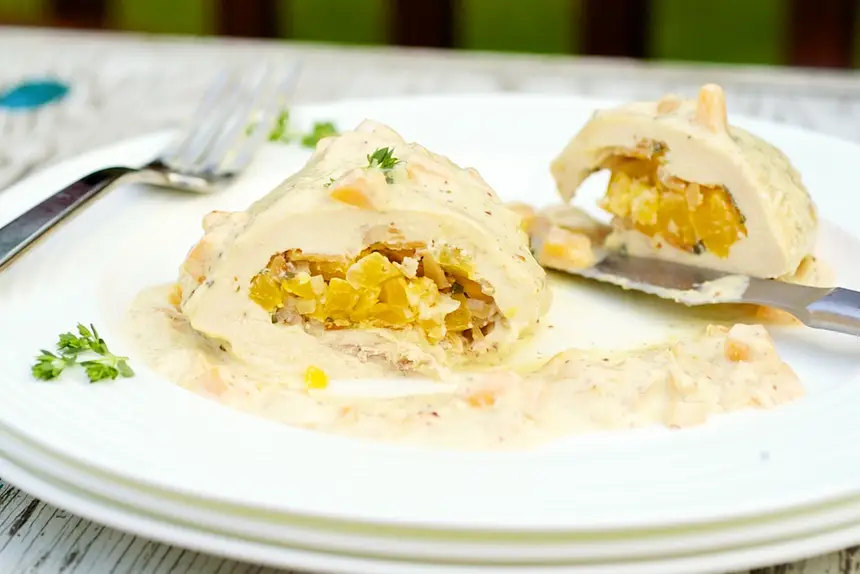
An easy yet tasty way to cook chicken breasts. The apricot-almond stuffing added some sweet fruitiness and nuttiness, and the yogurt-apricot sauce went deliciously well with stuffed chicken breast, lots of juiciness and yumminess in this dish. Serve it with rice or crusty bread to complete the meal.
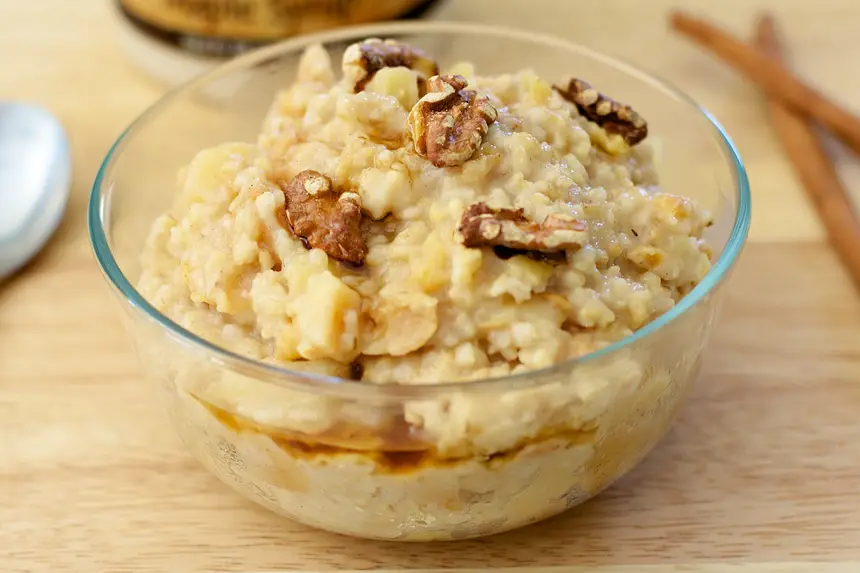
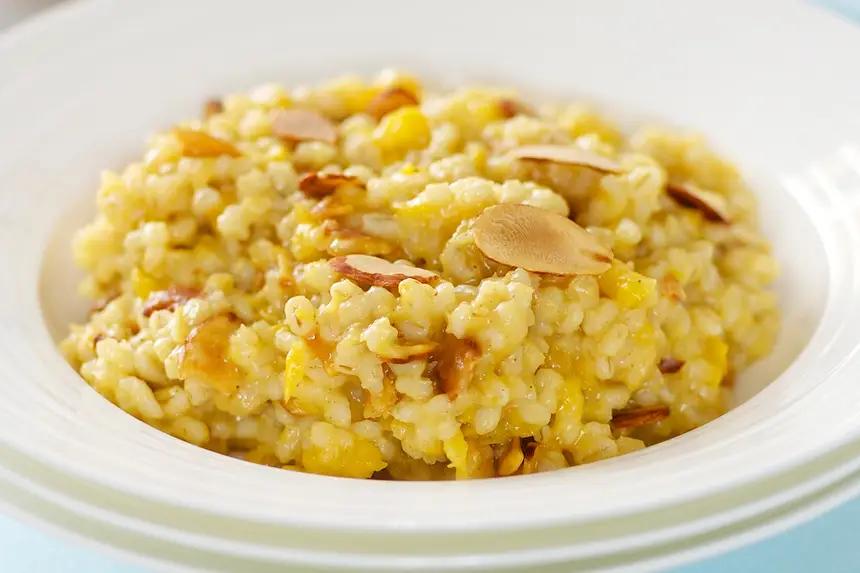
The barley gains flavor from orange juice combined with apricots and nuts. A healthy breakfast loaded with complex carbohydrates that tastes great too.
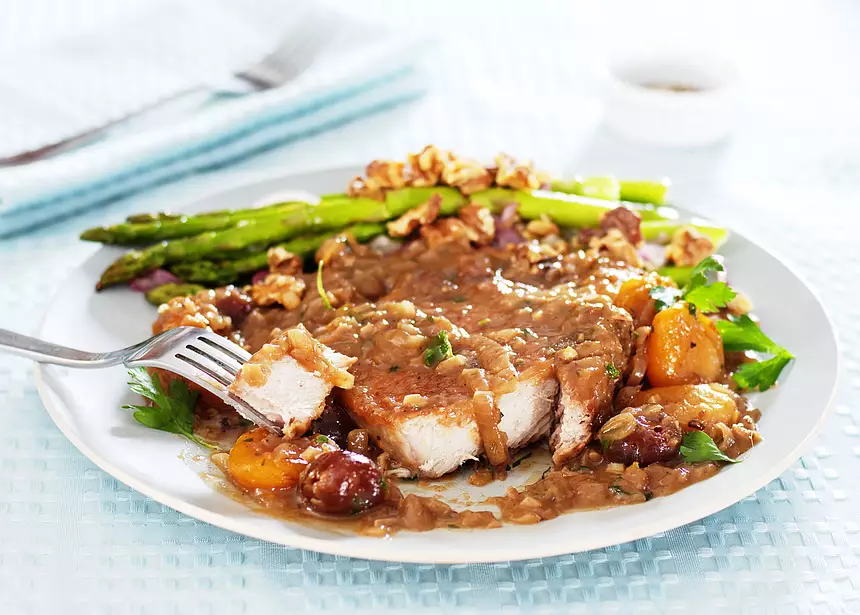
First time I've paired pork chops with dried fruit. During braising the apricots and prunes plumped up and added a nice mellow fruitiness which paired with the tender pork perfectly.
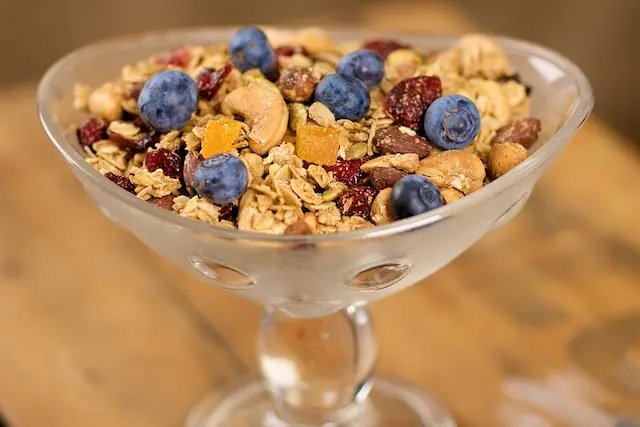
Crunchy clusters of toasted oats, nuts, and seeds glazed with honey, then tossed with chewy dried fruit for a homemade granola that beats any store-bought version.
Cowboy pot roast braised with dried apricots, blanched leeks, and lemon zest in beef stock. A Western-style braise with sweet-savory depth and fork-tender beef.
Traditional Chinese almond cookies with crumbly texture, pressed with apricot pits or whole almonds. Refrigerated slice-and-bake dough keeps for weeks.
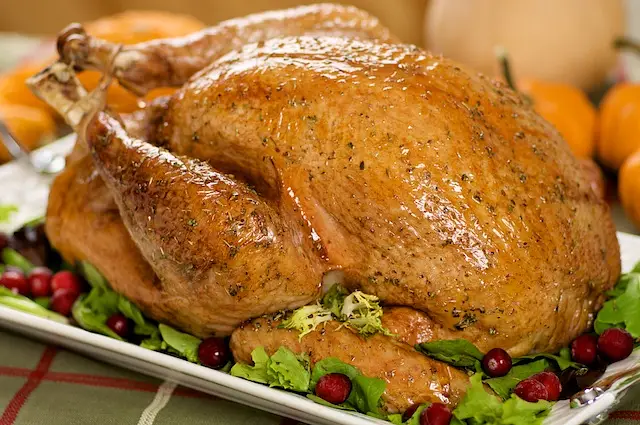
Whole roasted turkey stuffed with wild rice, brandy-soaked apricots, and rosemary, basted in garlic-herb butter. A stunning holiday centerpiece that feeds 10.