What Are Orange segments and How Can I Use Them?
If orange segments have turned up in a recipe or caught your eye at the store, here's what you need to use them with confidence and how to choose them, cook them, store them, what to substitute, and 13 recipes to try them in.
Key Points
- Usually canned mandarin segments: soft, sweet, pre-peeled; fresh segments are firmer and more acidic.
- Always drain canned segments well, or leftover syrup thins dressings and stops gelatin setting.
- Cut fresh supremes by paring off peel and pith, then slicing along each membrane.
- Use canned for soft cold dishes; use fresh where the fruit should taste tart.
- Unopened cans keep a year-plus; opened, refrigerate and use within three to four days.
What are orange segments?
Orange segments are the individual wedges of an orange, freed from the membranes that divide them. In most recipes the term means canned mandarin orange segments: small, seedless, already peeled and packed in light syrup or juice, ready to drain and use.
The same name also covers fresh segments you cut yourself from any orange.
Canned and fresh are not interchangeable in every dish. Canned mandarins are soft and uniformly sweet, with the syrup adding sugar the fresh fruit does not have. Fresh segments are firmer and more acidic, and they taste of the specific orange you started with.
How to Use Orange Segments
For canned, the only prep is draining. Tip the can into a sieve and let it sit a minute, because trapped syrup will thin a dressing or weep into a cake batter. Save that syrup; it sweetens a vinaigrette or glaze.
Canned mandarins are at their best where you want soft, jewel-bright fruit. They suspend cleanly in a Triple-Gelatin Fruit Salad, ring the top of an Orange Upside-Down Cheesecake, and dot a Cranberry Orange Holiday Wreath.
Fold them in at the end so they keep their shape.
Fresh segments hold up to heat and acid far better. They bring real bite to a Grilled Swordfish with Citrus Salsa and balance the savory sauce in a Spicy Orange Beef Stir Fry. Use them anywhere you want the fruit to taste tart, not candied.
To cut fresh segments, slice off both ends, stand the orange up, and pare the peel and white pith away following the curve. Then cut along each membrane to release a clean wedge. These pith-free wedges are called supremes.
Pairing and Common Mistakes
Orange segments pair with the flavors that flatter citrus: dark chocolate, cranberry, ginger, fennel, and toasted almonds. They cut through fatty proteins like duck and oily fish, which is why fresh segments work so well in a citrus salsa or a stir fry.
The biggest mistake is not draining canned segments. Leftover syrup waters down a salad dressing and can keep gelatin from setting firm.
The second is overhandling. Both forms are fragile, so stir them in last and toss gently, or you end up with mush and stray threads of membrane.
The third is treating the two forms as equal. Swap soft canned mandarins into a dish built on fresh tartness and it turns flat and sugary; the reverse leaves a delicate dessert looking ragged.
Substitutes
For canned mandarins, fresh clementine or satsuma segments are the closest match, since both peel easily and break into tidy, sweet sections. Toss them with a spoonful of sugar or syrup if the recipe counted on the canned sweetness.
For fresh orange segments, grapefruit supremes give the same juicy, pith-free wedge with more tartness, while tangerine or blood orange sections work where you want sweeter or more dramatic color.
Drained canned mandarins stand in only for cold, soft applications, never where the dish needs firm acidic fruit.
In a cooked sauce, a splash of orange juice plus a little zest covers the flavor when whole segments are not the point.
Buying and Storage
Canned mandarin segments keep for a year or more unopened in the pantry. Choose cans packed in juice or light syrup over heavy syrup if you want less added sugar.
Once opened, move leftovers and their liquid to a covered container and use within three to four days.
For fresh, buy oranges that feel heavy for their size with firm, smooth skin; that weight means juicy fruit. Whole oranges last up to two weeks in the refrigerator.
Cut fresh segments are best used the day you cut them. Store them in their own juice in a sealed container, and drain just before serving so they do not sit in liquid and soften.
Quick facts
- In Chinese
- 橘子瓣
- British (UK) term
- Orange segments
- en français
- les segments d'orange
- en español
- gajos de naranja
Recipes using orange segments
There are 13 recipes that contain this ingredient.
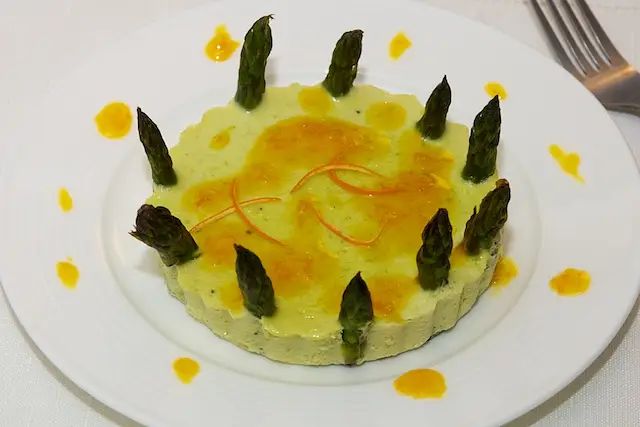
Asparagus Chicken Mousse with Orange Butter


Sophisticated presentation and awfully tasty. Chicken and asparagus mousse, decorated with asparagus tips and served with an orange butter.
Orange Chocolate Crunch

Orange chocolate crunch cake with fresh orange segments baked into the batter, topped with a crunchy layer of brown sugar, chocolate chips, and walnuts. No butter needed.

Dark Chocolate Torte with Orange Confit Sauce & Zest
Elegant dark chocolate torte layered with rich chocolate mousse on a thin cocoa sponge, served with homemade orange caramel confit sauce. A restaurant-level dessert you can make at home.

De Luxe Rennet Custard
De Luxe rennet custard, an old-fashioned milk-based pudding set with rennet and dressed up with cranberry sauce, toasted coconut, orange segments, raspberries, walnuts, and pineapple. A vintage dessert that tastes like an ice cream sundae, minus the freezer.
Alice's Best Orange Muffins
Orange muffins packed with citrus: 1¼ cups of orange juice in the batter and a juicy orange segment crowning every cap. Tender from a butter-shortening combo, makes three dozen for brunch.
Spicy Orange Beef Stir Fry
Quick orange beef stir-fry with marmalade glaze, ginger, carrots, and green onions served over rice. Uses leftover cooked beef for a glossy, citrusy 30-minute dinner.

Orange Upside-Down Cheesecake
No-bake orange upside-down cheesecake with fresh orange segments set in gelatin, a cream cheese and whipped cream filling, and a vanilla wafer cinnamon crust.
Crocked Orange Chicken
Slow cooker orange chicken made with frozen orange juice concentrate and ginger, served over rice and topped with shredded coconut, fresh orange segments, and green onions.
Cranberry Orange Holiday Wreath
Showstopping cranberry orange holiday wreath bread filled with cranberries, orange segments, pecans, and bran, drizzled with vanilla glaze. A festive yeast bread centerpiece for Christmas brunch.
Grilled Swordfish with Citrus Salsa
Creole-spiced grilled swordfish with a fresh citrus salsa of orange, lemon, and lime segments, honey, and cilantro. Served over crispy fried corn tortilla strips.
Triple-Gelatin Fruit Salad
A stunning layered gelatin salad with orange segments, cranberry-banana, and a creamy lemon-cream cheese layer with pears, molded in a fluted tube pan. Retro potluck showstopper.
Coconut Shrimp with Calypso Punch Relish
Crispy coconut-breaded shrimp with curry and cayenne heat, double-dipped in honey egg wash, deep-fried golden, and served with a fresh pineapple-orange-jicama relish. Restaurant-quality appetizer at home.