If chocolate has turned up in a recipe or caught your eye at the store, here's what you need to use it with confidence and how to choose it, cook it, store it, what to substitute, and 384 recipes to try it in.
Key Points
Chocolate is roasted, ground cacao plus sugar and cocoa butter; the percentage shows cacao content.
Higher cacao means more bitter and less sweet; brand names like semisweet are not regulated.
Melt gently and keep it dry, since a drop of water makes chocolate seize into grit.
Temper only for coating and molding; store cool and wrapped, and bloom is harmless.
What is chocolate?
Chocolate is made from cacao beans that are fermented and roasted, then ground into a thick paste called chocolate liquor. That paste, plus sugar and a little extra cocoa butter, is the bar in your cupboard.
There is no alcohol in chocolate liquor; the name just means the ground bean mass.
The number on the wrapper is the cacao percentage. A 70% bar is 70% cacao solids and cocoa butter by weight, with the remaining 30% mostly sugar.
Higher cacao means more bitter and less sweet, not better or worse. That percentage is the most useful thing on the label, because once you learn to read it you can predict how a chocolate will behave in a recipe before you unwrap it.
The Types and What They Do
Unsweetened chocolate is pure ground cacao with no sugar at all, around 99% cacao. It is built for baking, where the recipe supplies the sugar, and it tastes harsh straight from the wrapper.
Bittersweet and semisweet are the everyday baking and eating chocolates, usually 50% to 70% cacao. The names are not regulated, so one brand's semisweet can be sweeter than another's bittersweet. Read the percentage, not the word.
Milk chocolate adds milk solids and more sugar, which drops it to 30% to 40% cacao. It melts softer and scorches more easily because of those milk solids.
White chocolate is the odd one out. It contains cocoa butter but no cocoa solids, which is why it is pale and tastes only of sweet cream and vanilla.
Melting Without Wrecking It
Chocolate melts at body temperature, so it needs gentle heat. The two failure modes are scorching and seizing, and seizing is the one that catches everyone.
Seizing is when smooth melted chocolate suddenly turns grainy and stiff, like wet sand. It happens when a small amount of water or steam hits melting chocolate. The sugar grabs the water and clumps, dragging the cocoa solids with it.
So keep your bowl and spatula bone dry, and never let condensation drip in from a steaming pan. If you melt over a double boiler, the water underneath must stay below a simmer so steam does not sneak under the bowl.
If it does seize, you can sometimes bring it back. Stir in more liquid, a tablespoon of hot water or cream at a time, until it loosens into a smooth sauce.
It will not return to a state you can mold or coat with, but it is fine for a ganache or glaze.
In the microwave, work in 20-second bursts at half power and stir between each one. Chocolate holds its shape when melted, so it looks solid right up until you stir it and find it already too hot.
Tempering and Pairing
Tempering is the controlled melting and cooling that gives chocolate its snap and gloss. You melt it to about 115°F (46°C), cool it to roughly 81°F (27°C) while stirring, then warm it slightly back to around 88°F (31°C) for dark chocolate. Untempered chocolate sets soft and streaky.
You only need to temper for coating and molding, like dipped strawberries or homemade bars. For a cake or a brownie, melting is all you need, since the flour and eggs carry the structure.
Chocolate goes with almost anything sweet, but it loves a contrast. A pinch of salt sharpens it and coffee deepens it, while acid lifts it, which is why a Falling Chocolate Cake with Raspberry Sauce works so well.
The pairing to handle carefully is heat. Chili and chocolate is a real and old combination, but a little goes a long way.
Substitutes
For unsweetened baking chocolate, the classic swap is 3 tablespoons of cocoa powder plus 1 tablespoon of fat (butter or oil) for each ounce. It replaces the cocoa solids and the cocoa butter you are missing.
To turn unsweetened into semisweet, add about 1 tablespoon of sugar per ounce along with that cocoa-and-fat mix. It is a rough match, but it works in most batters.
You cannot cleanly substitute cocoa powder for chocolate in a recipe built around melted chocolate, like a ganache or a mousse, because you lose the cocoa butter that sets the texture. Use real chocolate there.
Chocolate chips are not a great melting substitute for bar chocolate. They contain stabilizers that help them hold their shape in a cookie, which is exactly the property you do not want when you need a smooth pour.
Buying and Storing
For baking, buy bars rather than chips and choose by cacao percentage to match what the recipe wants. A good 60% to 70% bittersweet bar handles the widest range of jobs.
Store chocolate cool and dry and tightly wrapped, away from strong smells, because cocoa butter absorbs odors from a pantry. The ideal is around 65°F (18°C). The fridge is a last resort, since humidity there causes sugar bloom.
Bloom is the gray or whitish film that shows up on stored chocolate. Fat bloom comes from warmth and sugar bloom from moisture, and neither one is mold or spoilage. Bloomed chocolate is fine to bake with; it just looks dull and will re-melt smooth.
Well-wrapped dark chocolate keeps for up to two years because it has so little moisture for anything to grow in. Milk and white chocolate hold for about a year, since the milk solids in them go stale sooner.
Types of chocolate
Specific kinds of chocolate and the recipes that use them.
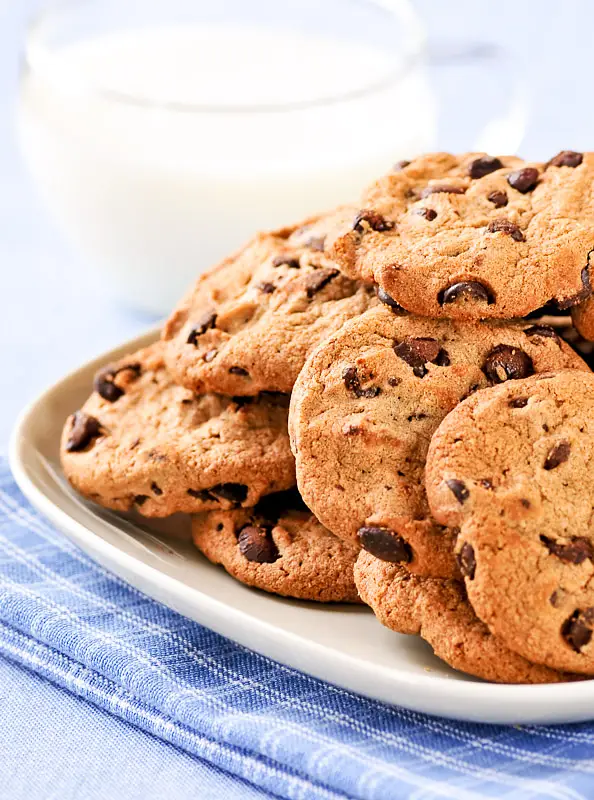
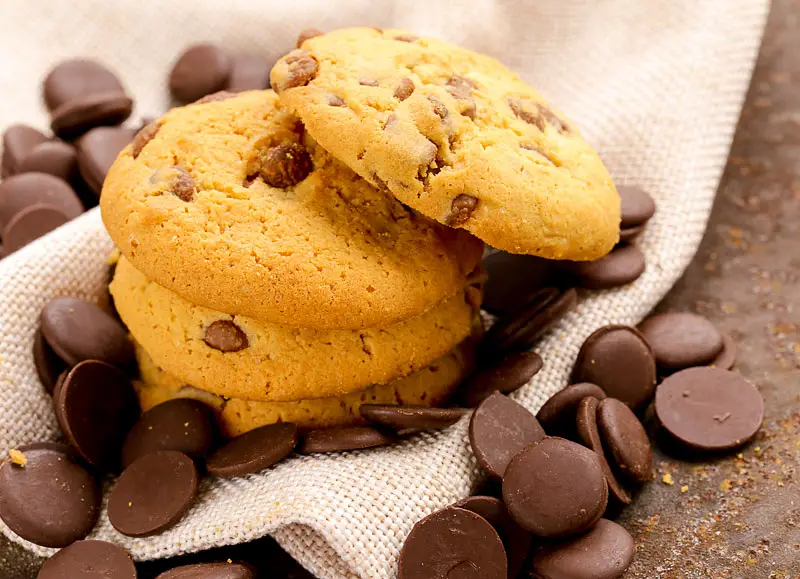
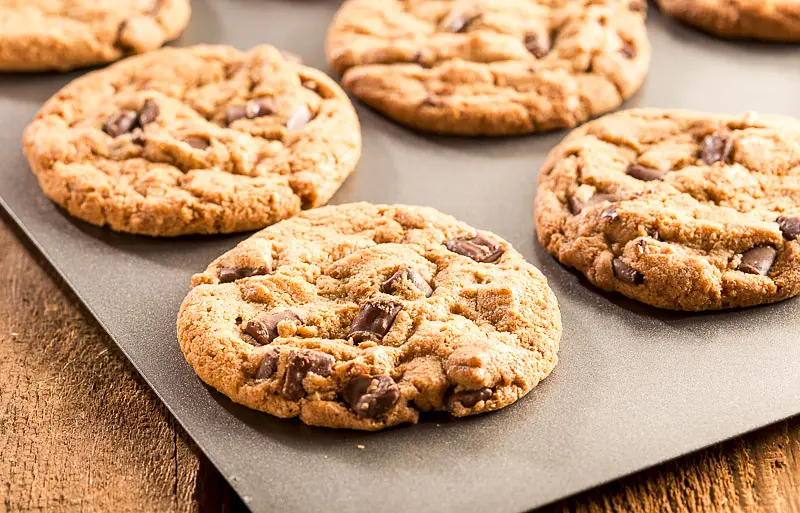
Chocolate chips are small chunks of chocolate. They are often sold in a round, flat-bottomed teardrop shape. They are available in numerous sizes, from large to miniature, but are usually around 1 cm in diameter. Many sizes are available depending on preference.
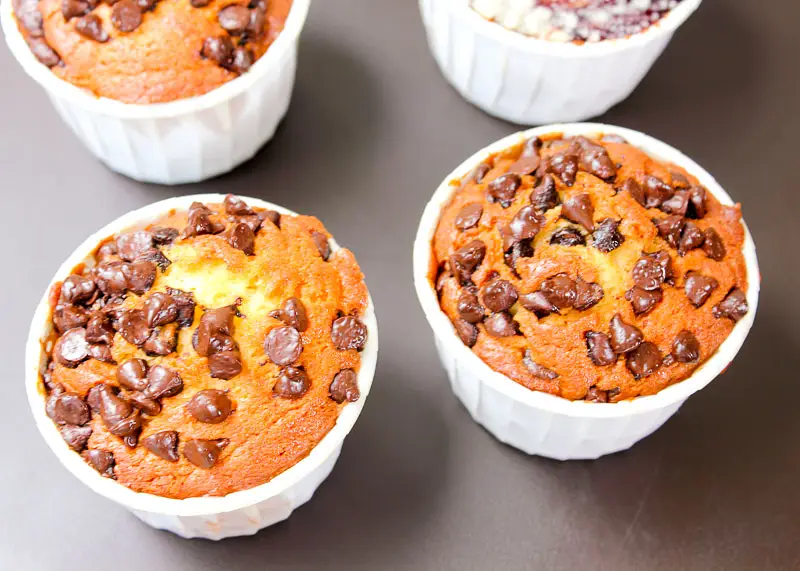
Chocolate chips can be used in cookies, pancakes, waffles, cakes, pudding, muffins, crêpes, pies, hot chocolate, and various types of pastry. They are also found in many other retail food products such as granola bars, ice cream, and trail mix.
Semi-sweet chocolate is a chocolate which has a level of sweetness that falls between sweet milk chocolate and bitter-sweet chocolate.
Most people know semi-sweet chocolate as dark chocolate. Dark chocolate is chocolate that does not contain milk solids, for example extra-bittersweet, bittersweet, and semi-sweet chocolate.
Semi-sweet and bittersweet chocolates contain cocoa liquor, sugar, cocoa butter, vanilla, and sometimes soy lecithin (which acts as an emulsifier).
The quality and blends of cocoa beans, amount and quality of the added ingredients, and the processing determines the quality of the chocolate.
Each brand has its own special formula and method of processing.
Bittersweet and semi-sweet chocolates contain at least 35% chocolate liquor in North America and 43% in Britain.
The best chocolates can contain up to 70% chocolate liquor. The higher the content of chocolate liquor, the more rich and flavoursome the chocolate.
Bittersweet chocolate generally has a stronger chocolate flavour than milk chocolate or sweet chocolate. Semi-sweet chocolate generally contains more sugar than bittersweet chocolate.
Semi-sweet chocolate will keep for several years, if well wrapped and stored in a cool dry place with good air circulation.
White chocolate is a confection of sugar, cocoa butter, and milk solids. The melting point of cocoa butter is high enough to keep white chocolate solid at room temperature, yet low enough to allow white chocolate to melt in the mouth.
White chocolate is made of cocoa butter, milk, and sugar.
Most often, the cocoa butter is deodorized to remove its strong and undesirable taste that would negatively affect the flavor of the finished chocolate.
In the United States, since 2004, white chocolate must be (by weight) at least 20% cocoa butter, 14% total milk solids, and 3.5% milk fat, and no more than 55% sugar or other sweeteners.
White chocolate can be difficult to work with. When melted, the cocoa butter can occasionally split and create an oily compound that can be recovered by re-emulsifying.
White chocolate can be used for decoration of milk or dark chocolate confections or in any way chocolates might be used. Vanilla fudge is also marketed as white chocolate fudge.
Bittersweet chocolate is dark chocolate with a high cacao percentage and just enough sugar to take the harshest edge off.
Most bars sold as bittersweet land between 60% and 70% cacao. That means deep chocolate flavor and only a little sweetness.
Like its close cousin chocolate, semi-sweet, it carries no milk solids. Both are built from cocoa liquor and sugar bound together with cocoa butter, plus a little vanilla and lecithin.
Here is the catch. The words bittersweet and semisweet are not regulated in the United States, where the only rule is at least 35% cacao for either one. So one brand's bittersweet can be sweeter than another brand's semisweet. Read the percentage on the wrapper, not the name.
Chocolate syrup is a thin, pourable sweet sauce made from cocoa powder and sugar dissolved in water, then cooked just long enough to thicken slightly. The bottle in the fridge door, the kind you squeeze into milk, is the classic example.
It is not melted chocolate. There is no cocoa butter in most syrups, which is why it stays liquid and pourable straight from the bottle, even cold.
That also tells you what it cannot do. Chocolate syrup will not set or snap the way real chocolate does, so it is the wrong tool for dipping or molding anything that needs to harden.
Milk chocolate is chocolate with milk added, as dried or condensed milk solids, along with extra sugar. Those additions soften the flavor and the color into the sweet, creamy bar most people picture when they hear the word chocolate.
All that milk and sugar pushes the cacao content down. Most milk chocolate runs 30% to 40% cacao, where a dark bar might be double that, so it tastes far sweeter and milder than chocolate, semi-sweet or a dark chocolate bar.
In the United States, the standard sets a floor of 10% cacao and 12% milk solids for a bar to be called milk chocolate.
A chocolate bar is just chocolate sold in a molded slab or wrapped candy form. In a recipe, "chocolate bars" usually means one of two things.
One is a plain baking or eating bar you chop and melt. The other is a candy bar like Snickers or a toffee crunch that you fold into a batter for the caramel and nougat it carries.
Which one a recipe wants is almost always clear from context. If it says chop and melt, reach for a plain bar. If it names a brand or a filling, it wants the candy.
That difference matters because the two behave nothing alike. A plain bar is pure chocolate and melts into a smooth pour. A candy bar is full of sugar and dairy that scorch fast and never set clean.
Chocolate kisses are the little foil-wrapped, flat-bottomed teardrops of milk chocolate that most people picture when they hear the word "kiss." Hershey's is the original and the one most recipes mean, though the shape is now made by several brands.
Each kiss is a bite of plain milk chocolate, sweet and soft-melting, weighing roughly 4.5 grams, so about 100 of them make a pound. That small, even size is what makes them so useful in baking.
In recipes they are almost never melted. They go in whole as a center or a topping, which is the whole reason a recipe calls for a kiss instead of a chip.
What they share is that the only fat is cocoa butter, with no milk added. That gives dark chocolate its clean snap and deeper color, along with a grown-up, less sugary flavor.
The number on the wrapper is the cacao percentage, and it is the most useful thing on the label. A 70% bar is 70% cacao solids and cocoa butter, with most of the rest sugar.
Higher cacao means more bitter and less sweet, not better.
Because the words on the front are loose, read the percentage to know how a bar will behave before you unwrap it.
Chocolate curls are the glossy ribbons and shavings of chocolate you scatter over a cake, pie, or mousse to make it look finished. They are decoration, not an ingredient you bake into anything, and they are easier to make than they look.
A curl is just chocolate shaved off a block at the right temperature. Too cold and it splinters into flakes; too warm and it smears. The sweet spot is chocolate that is room temperature, around 68 to 70°F (20 to 21°C), so it gives a little under the blade.
You can make them in seconds with nothing more than a bar and a vegetable peeler.
Milk chocolate morsels are chocolate chips, plain and simple. "Morsel" is just a brand word for a chip, and milk chocolate morsels are the sweeter, creamier cousin of the standard semisweet chocolate chips. If a recipe calls for one, a bag of the other works.
They are little teardrops of milk chocolate with extra stabilizer mixed in. That stabilizer is the whole point of a chip: it helps the morsel hold its shape through the heat of a cookie instead of melting flat.
Milk versus semisweet is a sweetness choice. Milk morsels are milder and sweeter, so they suit kids' cookies and snack mixes, while semisweet stands up better in a rich, dark dough.
Chocolate sauce is a warm, pourable dessert sauce, the kind you spoon over ice cream or cake while it is still glossy and loose. Most versions start with real chocolate or cocoa melted into cream or milk, with butter and sugar to round it out.
That cream or butter is the difference between sauce and chocolate syrup. Syrup is mostly cocoa, sugar, and water, so it stays thin and pourable cold. Sauce carries dairy fat, which makes it richer and lets it firm up as it cools.
Think of chocolate sauce as a looser, warmer cousin of ganache and a richer cousin of syrup.
Milk chocolate bars are slabs of milk chocolate: chocolate with added milk solids and extra sugar, which drops the cacao down to roughly 30% to 40%. That makes them sweeter and softer than dark bars, and pale tan instead of deep brown.
In recipes they get chopped into cookies and bars, or melted for a mild, creamy coating. The milk solids are the catch when you melt. They scorch at a lower temperature than dark chocolate, so go gentle and stop early.
For chopping, melting, substitutes, and storage that apply to any bar, see chocolate bars. One milk-specific note: milk chocolate keeps about a year rather than the two years dark bars manage, because its dairy goes stale first. Keep it cool and dry, wrapped near 65°F (18°C).
Sweet chocolate, sometimes labeled "sweet baking chocolate," is a dark chocolate made for baking that carries more sugar than bittersweet or semisweet. It sits around 45% to 50% cacao, so it is mild and sweet rather than bitter, but it is still a true dark chocolate, not milk chocolate.
The most famous example is German's Sweet Chocolate, the bar German chocolate cake is built on. The "German" is a person's name, Sam German, not the country. That one bar is why this style exists in so many American kitchens.
Because it already brings sugar, recipes built around it often look low on sugar elsewhere. That is by design.
"Chocolate candies" is a loose term for small ready-made chocolate sweets: candy-coated pieces, foil-wrapped drops, chocolate-covered nuts, and the assorted bits you fold into cookies or pile onto a dessert. It is a category, not one product, so what the recipe wants depends entirely on the dish.
Most recipes use chocolate candies for fun rather than structure. They get pressed onto cookies, scattered over a Chocolate Dessert Fondue spread, or stirred into a no-bake mix for color and crunch.
The candy-coated kind is the most common in baking. The hard sugar shell keeps the chocolate from melting flat, which is why they hold their shape and color in M&M Cookies while plain chips would smear.
"Chocolate pieces" is a catch-all a recipe uses when the exact form does not matter much. It usually means chips or chopped bar, measured by the cup and folded into a dough or scattered on top.
In practice, reach for chocolate chips when the recipe wants them to hold their shape in a cookie, or chopped chocolate bar when you want bigger, melty pools. Both work; pieces just means the chocolate goes in as solid bits rather than melted.
Fold them in at the end so you do not overwork the batter, and keep them out of anything hot enough to make them slump and smear. For melting, swaps, and storage, see chocolate chips and chocolate bars.
A chocolate bar is chocolate in its most familiar form: a molded slab you can snap, eat, chop, or melt. Recipes use the singular "chocolate bar" the same way they use the plural, so this page mostly points you to the fuller one.
When a recipe says to chop and melt a bar, it wants plain baking or eating chocolate, bought by cacao percentage rather than by the word on the label. A 60% to 70% bar covers most baking.
When it names a brand or a filling instead, it wants a candy bar, folded in for flavor and texture rather than melted.
For chopping, melting, candy-bar swaps, and storage, see the full write-up at chocolate bars. The short version: keep water away while melting so it does not seize, and store bars cool, dry, and wrapped near 65°F (18°C).
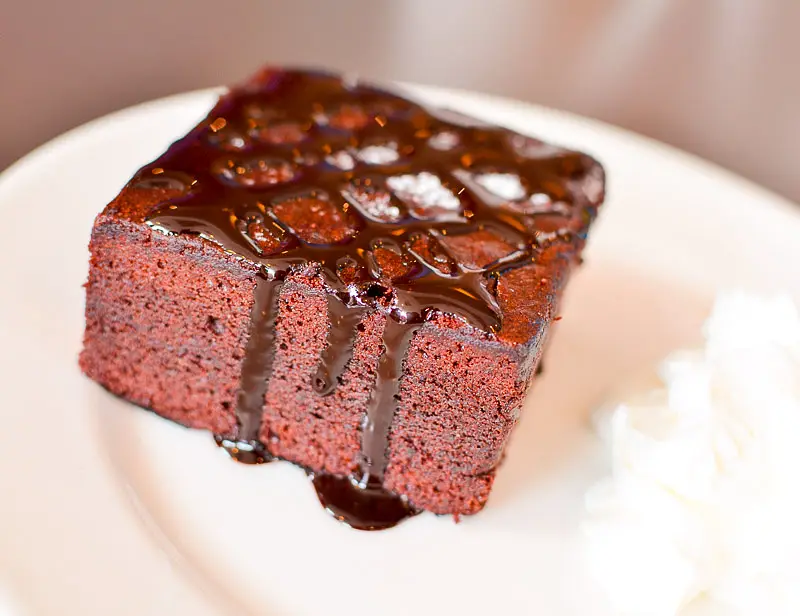
Chocolate fudge topping is the thick, glossy hot-fudge sauce you ladle over a sundae.
It is heavier and clingier than a thin chocolate sauce, built to coat cold ice cream and set up slightly chewy on contact.
The thickness comes from its makeup. Most fudge toppings carry chocolate or cocoa cooked with sugar, butter, and cream or condensed milk, which gives them more body and a richer mouthfeel than a pourable chocolate sauce or a thin chocolate syrup.
Chocolate chunks are exactly what they sound like: chunks of chocolate, bigger and more irregular than chips, made to melt into generous pools inside a cookie or muffin. They are sold in bags like chips, but the shape and the recipe behind them set them apart.
The key difference from chips is the stabilizer. Chips are formulated to hold their teardrop shape in the oven, so they stay mostly intact. Chunks have less of that stabilizer, so they soften and spread into real melty pockets when they bake.
That trade is the whole point. Chunks give you streaks and puddles of chocolate; chips give you neat, separate dots. Neither is better, they just behave differently.
Chocolate extract is a concentrated flavoring made by steeping cocoa beans in alcohol, the same way vanilla extract pulls flavor from vanilla beans. It is a thin brown liquid you measure by the teaspoon, not a chocolate you melt.
The point of it is flavor without bulk.
A splash deepens the chocolate taste of a batter or drink without adding the fat or extra moisture that real chocolate or cocoa would.
It does not make anything chocolate-colored or chocolate-textured on its own. Think of it as a booster that works alongside cocoa and chocolate, not a replacement for them.
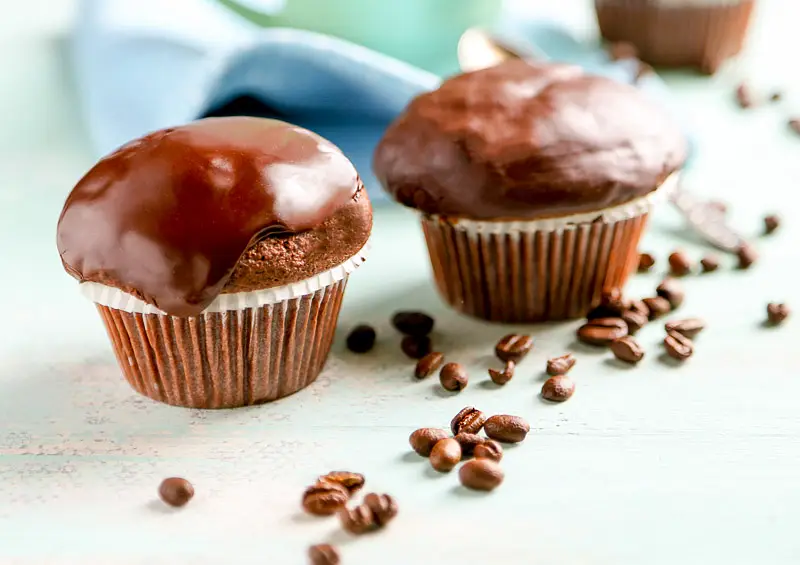
Chocolate glaze is a thin, pourable coating you pour over a cake or donut to give it a smooth, shiny shell. It goes on liquid and sets to a soft, even sheen.
It is thinner than frosting and looser than ganache, made to flow over a surface and self-level rather than to be spread with a knife. Most glazes are just chocolate or cocoa loosened with butter, cream, corn syrup, or a little water until they pour.
Chocolate leaves are a garnish: real leaves painted with melted chocolate, chilled until firm, then peeled away to leave a chocolate shell with every vein printed on it. They go on cakes and tarts the same way chocolate curls do, for a finished, dressed-up look.
The trick is to brush a thin, even coat of melted chocolate onto the underside of a clean, sturdy leaf, where the veins are deepest. Rose and lemon leaves are the classic choices. Chill until set, then gently peel the real leaf off the chocolate, not the other way around.
Dark chocolate gives the crispest detail because it sets firm. Handle the finished leaves as little as possible and store them cool and dry around 65°F (18°C), since fingers and warmth dull them fast.
Miniature chocolate pieces are small bits of chocolate: mini chips or finely chopped bar, sized to scatter through a delicate batter without weighing it down.
The small size is the whole reason to choose them. Mini pieces spread more evenly than full chips, so a thin cookie or a light cake gets chocolate in every bite instead of a few heavy pockets. They also sink less, which helps in a loose batter.
Use them like any chocolate pieces: fold in at the end, keep them off anything hot enough to smear. For melting, swaps, and storage, see chocolate chips.
Chocolate almond bark is a confectionery coating sold for dipping and molding, not a true chocolate. It is made with vegetable fat in place of cocoa butter, which is exactly why it is so easy to work with: it melts smooth and re-hardens firm without any tempering.
Despite the name, it usually contains no almonds. "Almond bark" refers to the product, and you add nuts yourself if you want them. It comes in chocolate and vanilla (white) versions, sold as blocks or flat squares.
Its job is coating. Melt it and dip pretzels, fruit, cookies, or homemade candy, then let it set at room temperature into a clean, glossy shell. Because it skips the tempering that real chocolate needs for snap, it is the forgiving choice for a quick batch of dipped treats.
Melt it gently, in short microwave bursts at half power with a stir between each, and keep water out so it does not seize. Store almond bark cool, dry, and sealed around 65°F (18°C).
For a coating with true chocolate flavor and snap, dip in tempered chocolate instead, and see the main chocolate page.
Cooking chocolate is a catch-all name for chocolate meant for baking rather than snacking, sold as bars or blocks you chop and melt. The term is common outside North America, where "cooking chocolate" covers what Americans split into unsweetened and sweetened dark chocolate grades.
What a recipe wants depends on its sugar. If the recipe adds plenty of its own sugar, it likely means an unsweetened or dark cooking bar. If it leans on the chocolate for sweetness, it means a sweeter style closer to sweet baking chocolate.
Real cooking chocolate is true chocolate, so check the label and avoid cheap compound coatings that swap cocoa butter for vegetable fat. Buy by cacao percentage and treat it like any baking chocolate.
Melt it gently and keep water away so it does not seize. For melting and storage, see the main chocolate page.
Ganache is the simplest fancy thing in baking: chocolate melted into warm cream until the two come together as one smooth, glossy emulsion. That is the entire recipe. Two ingredients, no flour, no eggs.
What makes it useful is how its texture shifts with the ratio of chocolate to cream. The same two ingredients give you a pourable glaze, a pipeable frosting, or a firm truffle center, just by changing how much cream you use.
"Chocolate, leaves" is just another way to list chocolate leaves, the molded garnish you make by painting melted chocolate onto real leaves and peeling them away once set. It is the same thing as chocolate leaves, and that page has the how-to.
The short version: brush melted chocolate onto the veined underside of a clean rose or lemon leaf, chill until firm, then peel the leaf off the chocolate. Dark chocolate holds the sharpest detail.
Dutch process chocolate is chocolate or cocoa that has been treated with an alkali to mellow its flavor and darken its color. The process, invented in the Netherlands, neutralizes the natural acidity of cacao, so a Dutched cocoa tastes smoother and less sharp than natural chocolate and looks deep reddish-brown.
The flavor is rounder and more "chocolatey," which is why Dutch process shows up in rich, dark cakes and European-style baking.
The catch is the chemistry. Natural cocoa is acidic, and that acid is what reacts with baking soda to make a batter rise. Alkalized cocoa is close to neutral, so it does not feed baking soda the same way.
That is why it matters which one a recipe calls for. A recipe written for Dutch process usually leans on baking powder, which carries its own acid. A recipe written for natural cocoa relies on the cocoa's acidity plus baking soda.
Swap one for the other without adjusting the leavening and the cake can rise poorly or taste soapy.
If you must substitute, match the leavening to the cocoa. For Dutch process where the recipe expected natural, add a pinch of an acid such as cream of tartar, or switch part of the baking soda to baking powder.
Store it like any chocolate, cool and dry and sealed, around 65°F (18°C).
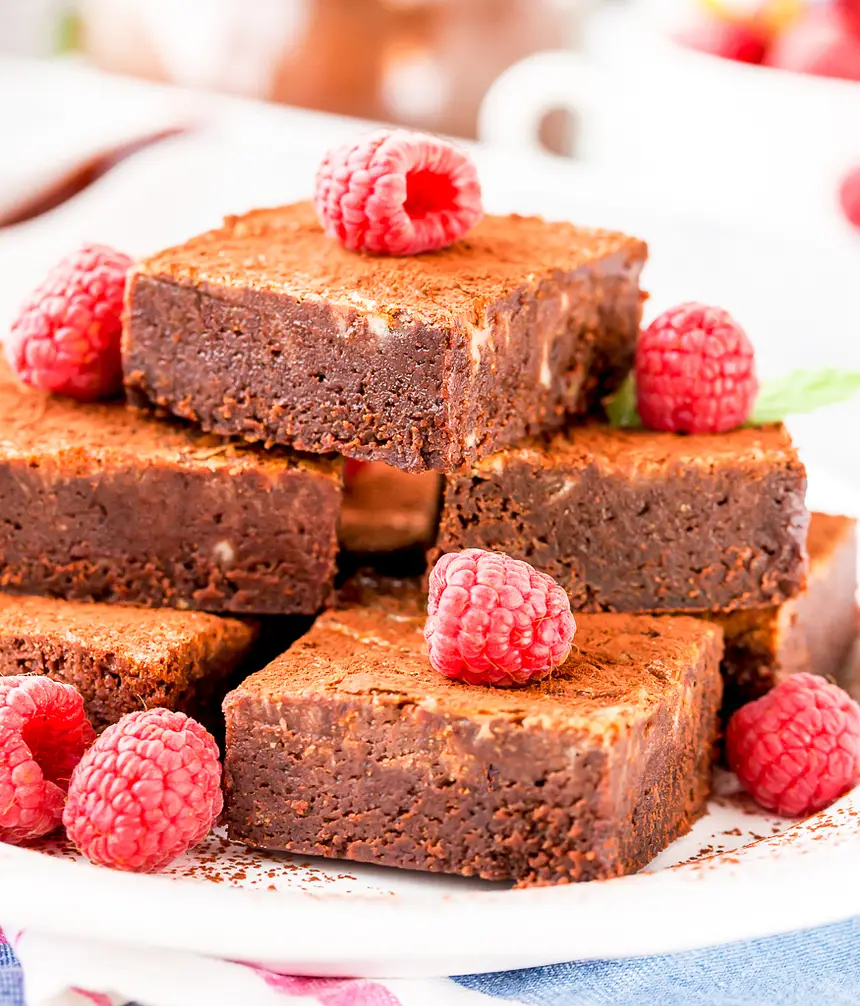
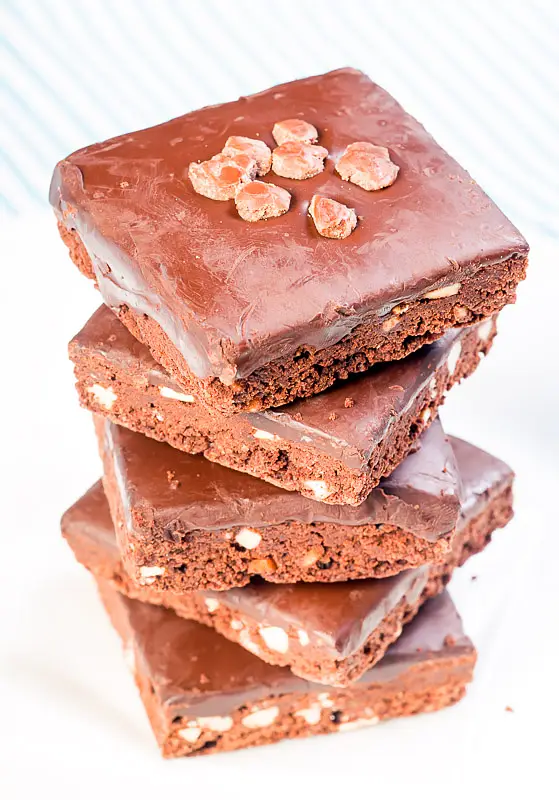
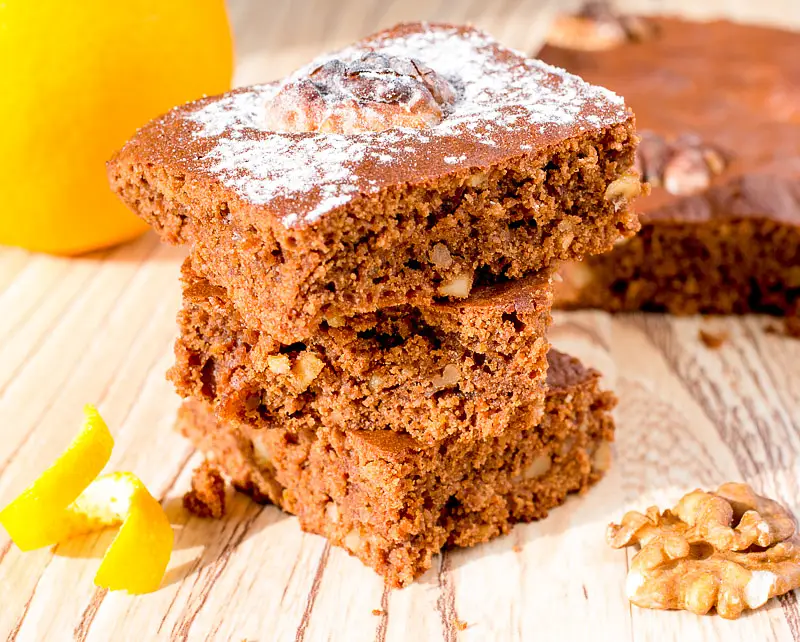
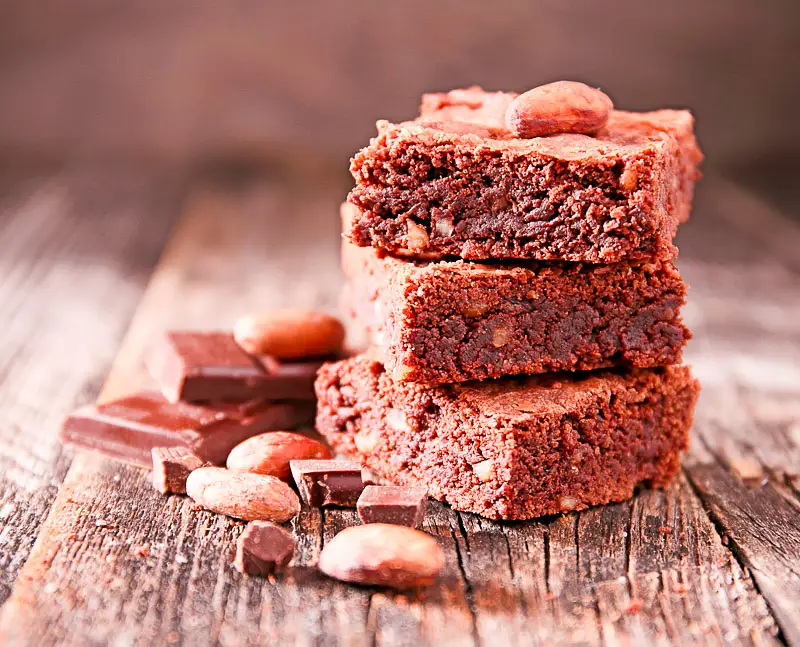
Quick fudgy brownies made with unsweetened chocolate and butter melted in the microwave, with optional marshmallow chocolate frosting. The classic from-scratch fudgy brownie in one bowl.
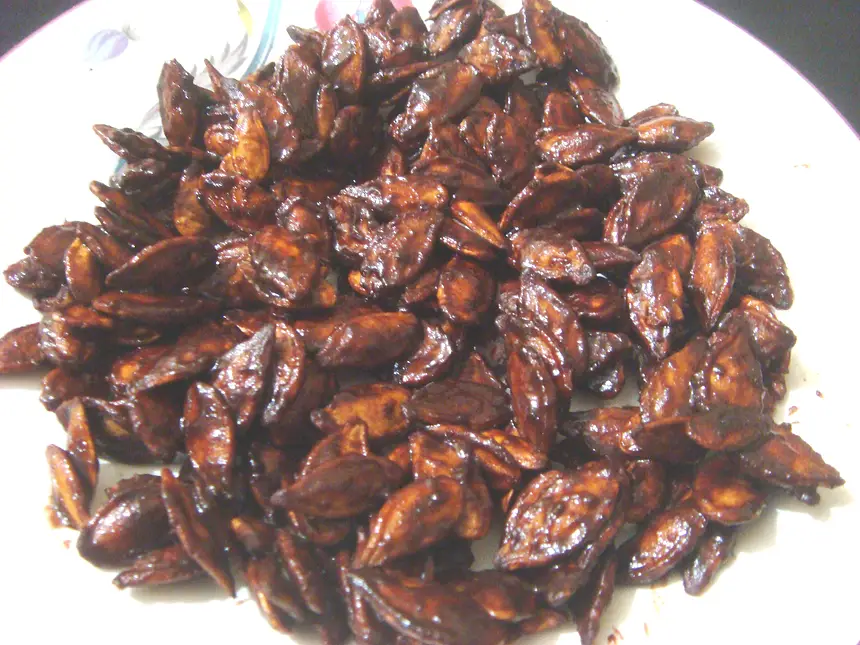
Homemade sweet pumpkin seeds, pepitas toasted golden and coated in melted semisweet chocolate. A crunchy, chocolatey snack that turns leftover pumpkin seeds into a treat in minutes.
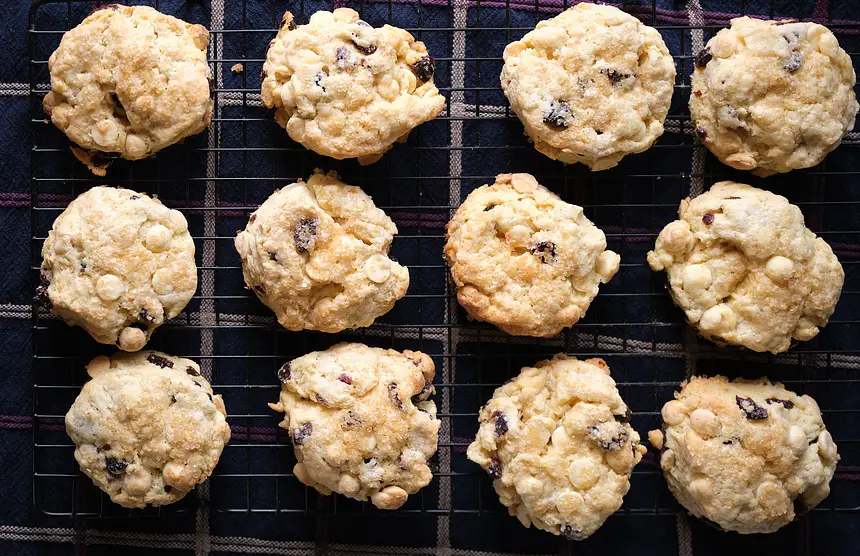
White chocolate scones with heavy cream, cold butter, and generous chunks of white chocolate that go soft and creamy in the oven. Flaky, layered, and tender from keeping the butter cold.
Velvety hot chocolate spiked with creamy peanut butter and dark chocolate chips, creating a decadent fireside drink that tastes like liquid Reese's cups.
Chocolate mint flavored coffee grounds blended with chocolate, mint, and vanilla extracts. A homemade flavored coffee blend that brews up like a peppermint mocha for a fraction of cafe prices.
Frosted rich brownies: low-fat brownies built on evaporated and powdered skim milk instead of butter, then crowned with a coffee-spiked cocoa frosting. Deeply chocolate without the heaviness.
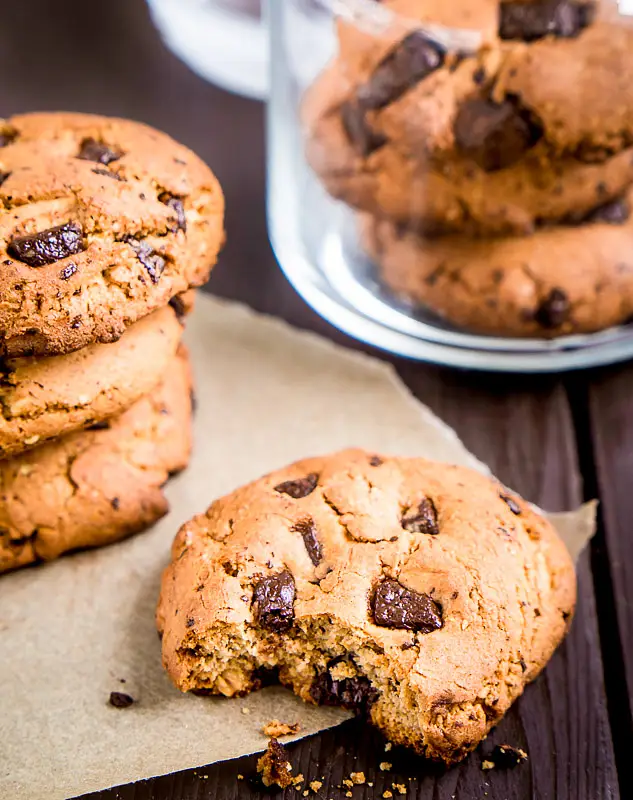
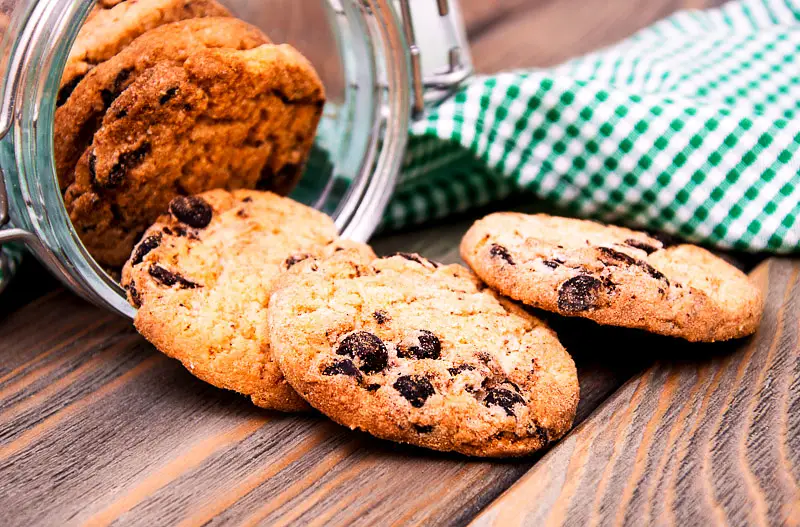
Chocolate chip cookies made with butter and shortening for soft centers and crisp golden edges. Loaded with semi-sweet chips and chopped nuts. Big-batch classic.
Moist mint brownies: dense fudgy chocolate brownies made with mint-flavored chocolate chips and topped with crumbled chocolate cookies. Sixteen squares of mint-chocolate cookie heaven.
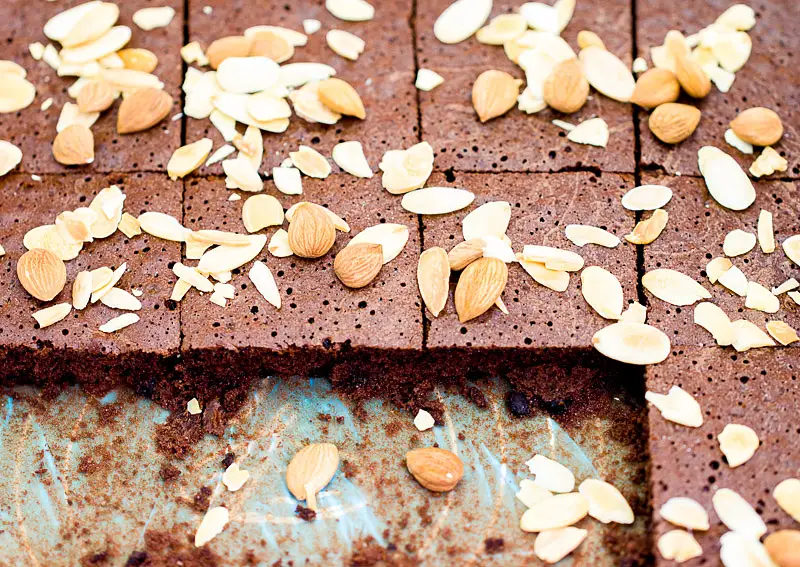
Fudgy chocolate brownies loaded with two kinds of chocolate chips and topped with toasted almonds. The saucepan method melts butter, sugar, and chocolate together for intense cocoa flavor.
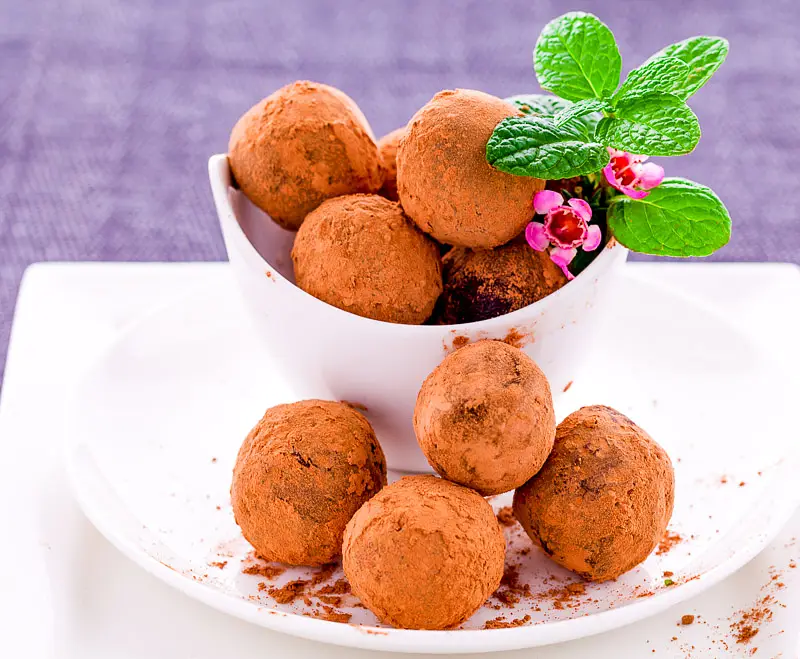
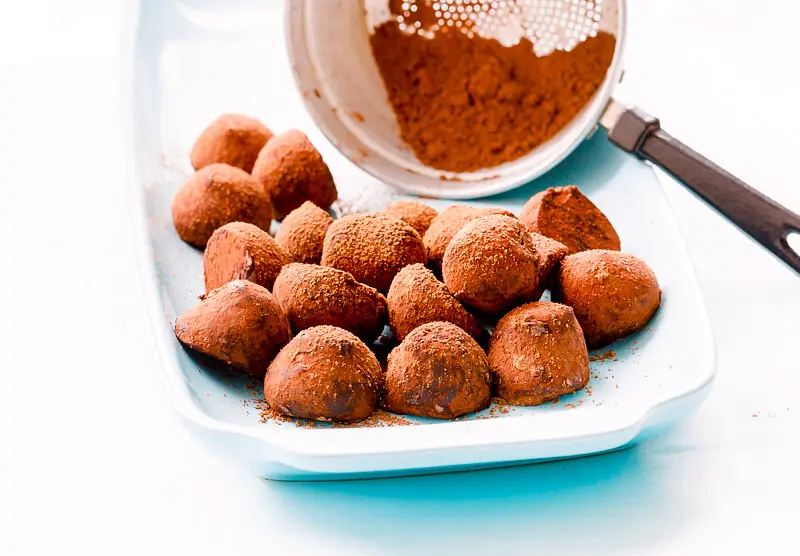
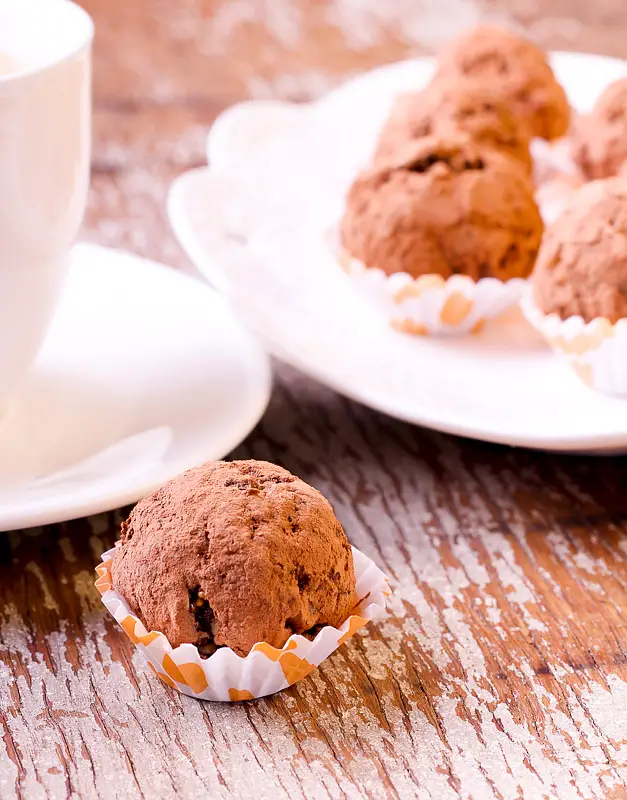
Super chocolate truffles use semi-sweet and unsweetened chocolate, butter, and orange liqueur for a rich, boozy ganache cut into squares and rolled in cocoa. Classic French confection, dressed up with Cointreau.
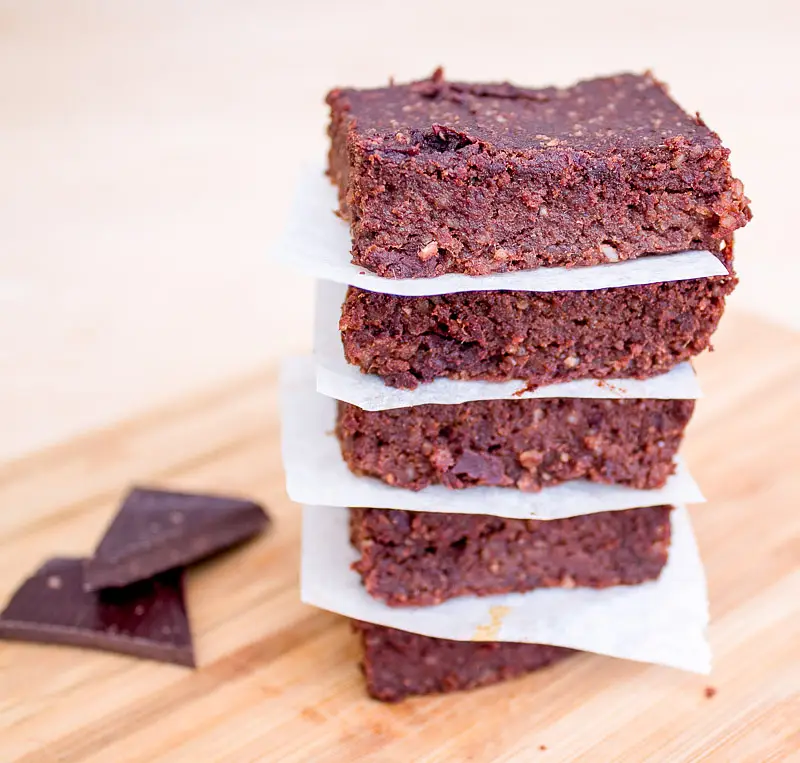
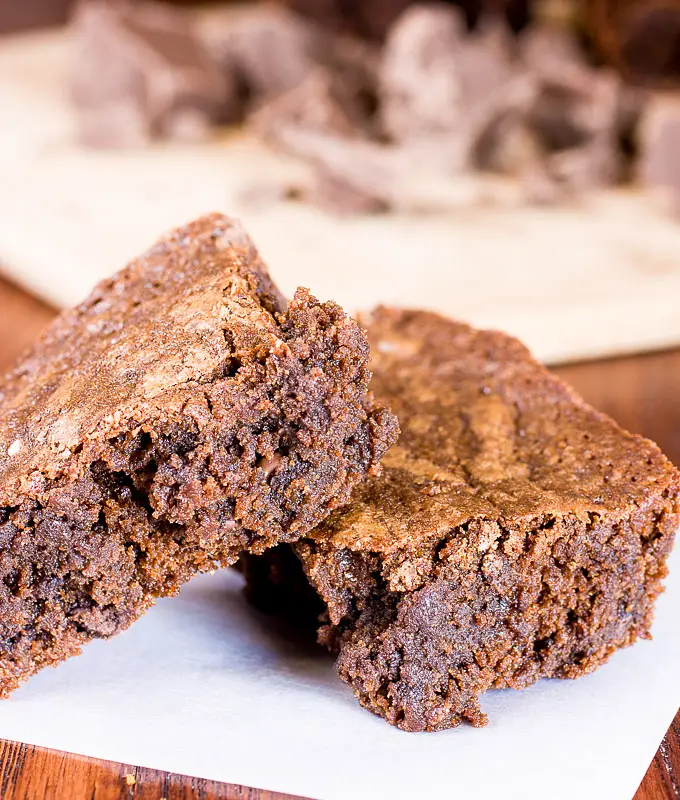
Fudgy chocolate brownies: dense, rich brownies built on six squares of unsweetened baking chocolate and real butter. The bake-sale champion that crackles on top and stays gooey inside.
Silky chocolate truffles with semi-sweet chocolate, butter, and egg yolks rolled in cocoa powder. Five-ingredient French-style confection that turns pantry basics into an elegant gift.
Old-school sugar-free chocolate nut brownies sweetened with liquid artificial sweetener instead of sugar, made with unsweetened chocolate, butter, eggs, and chopped nuts. A low-carb take on a classic brownie.
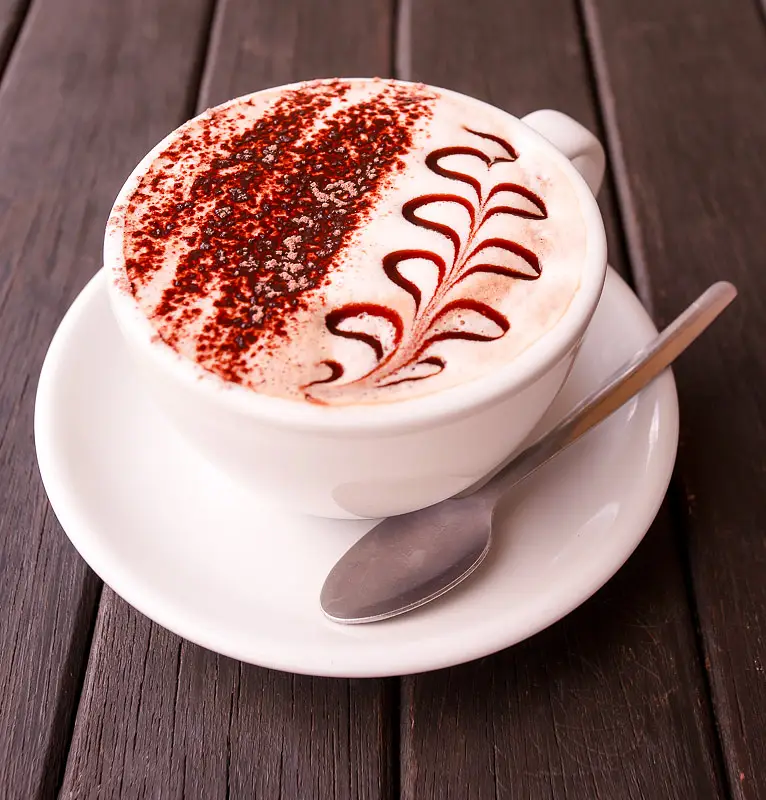
Chocolate coffee melts unsweetened chocolate into strong instant coffee with milk and sugar for a frothy stovetop mocha. Old-fashioned cafe au lait meets chocolate, finished with whipped cream and cocoa.
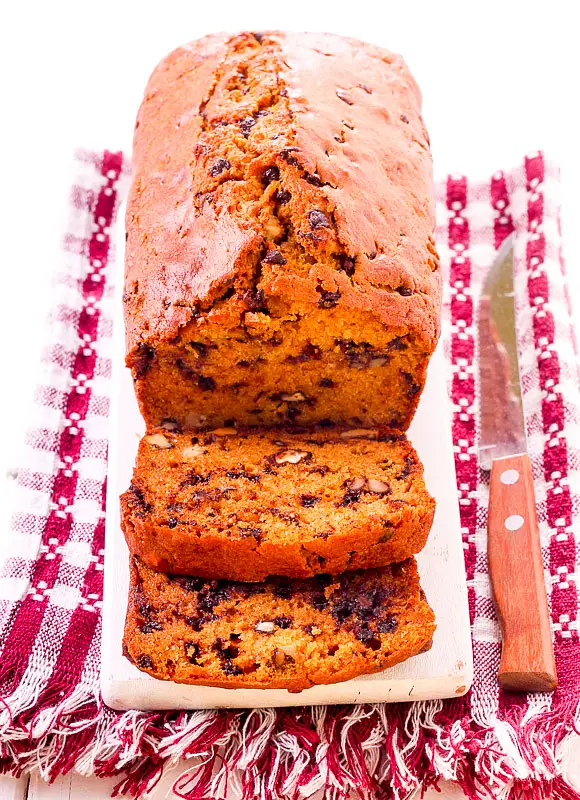
Banana bread loaded with chocolate chips, raisins, and chopped nuts in a moist oil-based loaf. A retro family recipe stuffed with extras, perfect for breakfast or dessert.
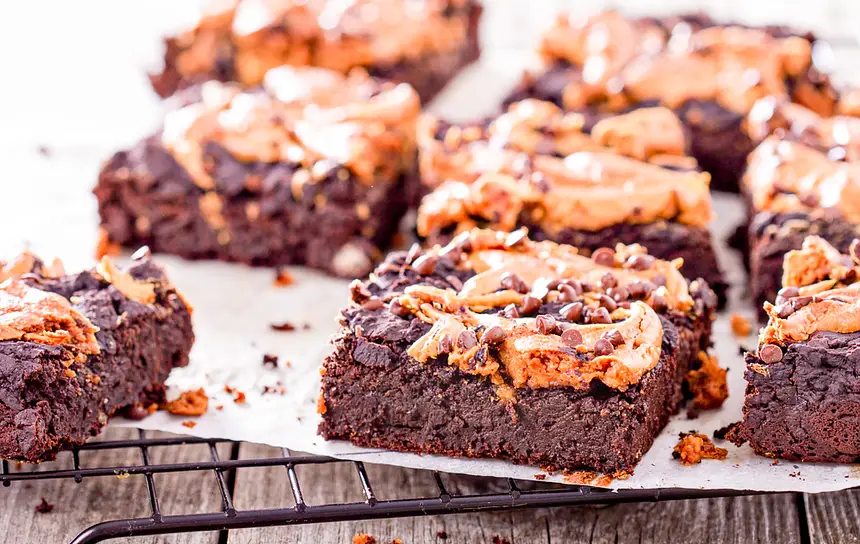
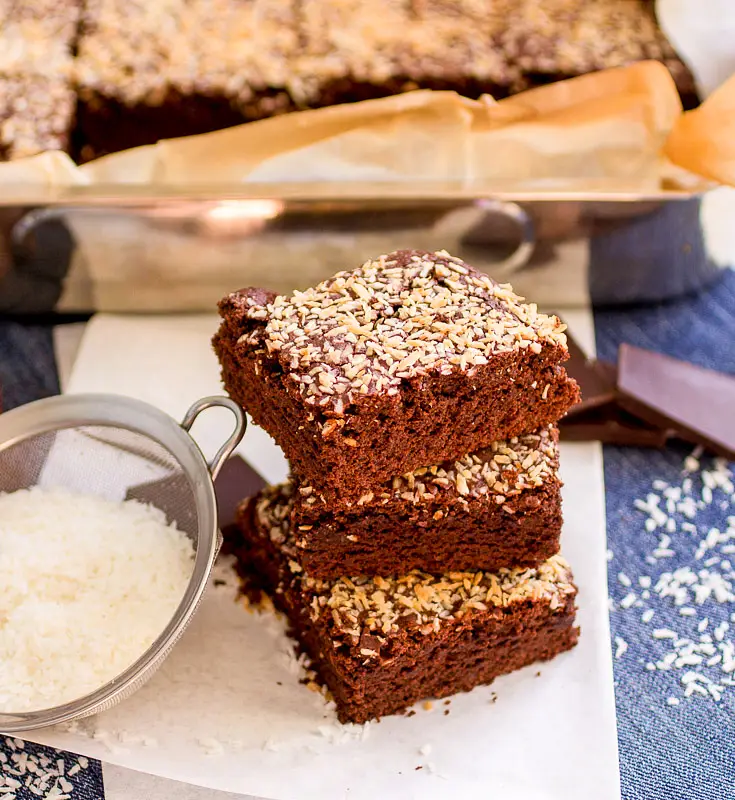
Olive oil brownies with coconut, made dairy-free with fruity olive oil instead of butter, deeply chocolatey from cocoa and two chocolates, with a layer of shredded coconut baked right through the middle and on top.
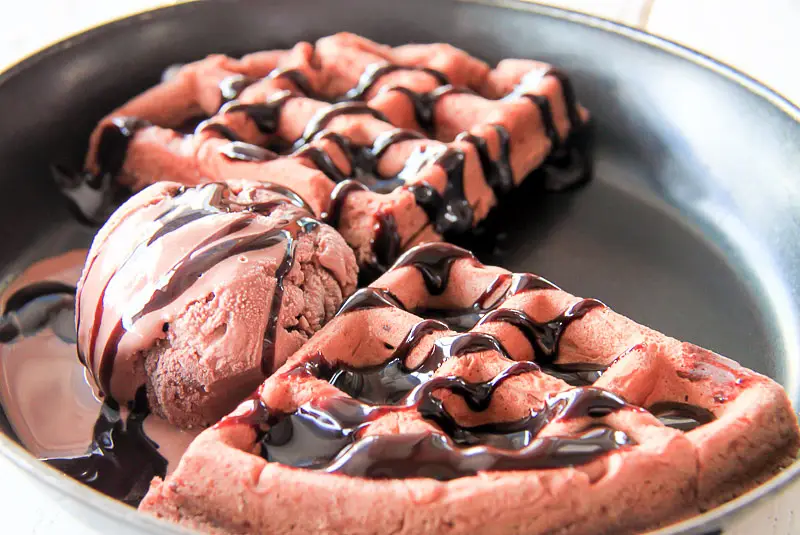
Vintage chocolate waffles made with melted semisweet chocolate and folded egg whites for a tender, cake-like texture. Serve hot with syrup, whipped cream, or a scoop of ice cream for brunch or dessert.
Double chocolate chocolate chip cookies with rich cocoa dough and semi-sweet chips folded throughout. Soft fudgy centers, crisp edges, and an option to add chopped nuts for crunch.
Ravine brownies are old-fashioned, fudgy chocolate brownies made with melted unsweetened chocolate, butter, eggs, and chopped nuts. Classic seven-ingredient recipe in 40 minutes.
Fudgy cocoa brownies loaded with chocolate chips and nuts, baked in a sheet pan for 48 generous squares. Rich chocolate batter topped with melty chips creates chewy-crisp perfection.
Eastern European chocolate poppyseed cookies with milk-soaked poppy seeds, melted unsweetened chocolate, raisins, lemon zest, and warm cinnamon-clove spice. A tea-time treat unlike any other cookie.
Charlie's brownies are one-bowl easy: dump, beat for a minute, and bake, then top with a glossy chocolate fudge icing. Brown sugar and melted unsweetened chocolate make them rich, and the icing seals the deal.
Super fudge cupcakes soak chopped dates in boiling water before folding into a chocolate batter studded with chips and nuts. Date-sweetened, intensely fudgy cupcakes with a tender crumb.
Chocolate almond coffee, a homemade flavored coffee blend with ground coffee, chocolate and almond extracts, and freshly grated nutmeg. Brew like regular coffee for a cafe-style drink at home.
Holiday chocolate chip cookies follow the classic Toll House blueprint: butter, brown sugar, semisweet chips, and a fistful of chopped nuts. Crisp at the edges, soft in the middle, ready in 30 minutes. The cookie tin standard.
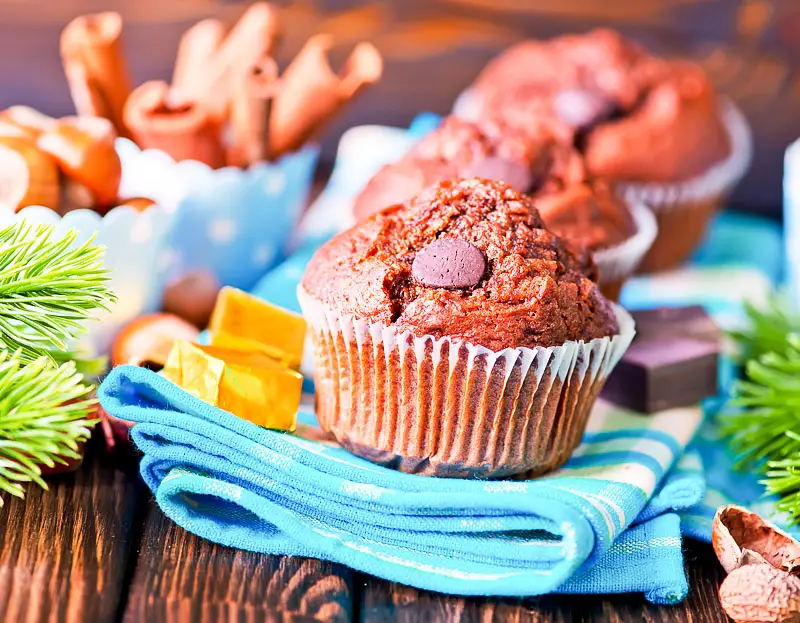
Fudgy picnic muffins: a brownie-meets-muffin hybrid with melted semi-sweet chocolate, two cups of pecans, and just enough flour to hold it together. Freezes well for picnics and lunchboxes.
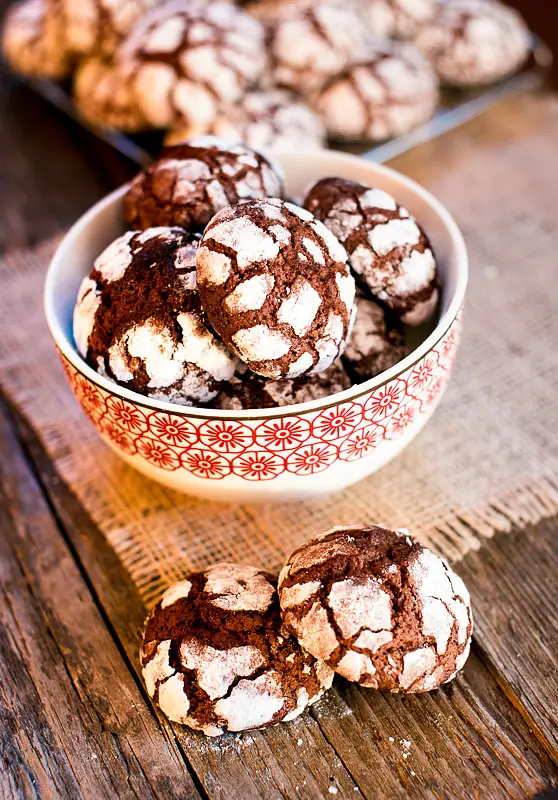
Chocolate crackle cookies: fudgy chocolate dough rolled in powdered sugar that splits into white-and-black crackle patterns as they bake. Holiday cookie tin classic.
Double chocolate cookies baked low and slow for fudgy centers and crisp edges. Cocoa powder plus semi-sweet chips deliver deep chocolate flavor in every bite.
Chocolate peanut butter cookies bake brown sugar, peanut butter dough loaded with chocolate chips. Soft chewy centers and crisp edges, ready in under an hour.
This is my family's absolute favorite banana muffin. To make an awesome banana bread, pour the prepared batter into a greased 9x13 loaf pan instead of muffin tins and bake for 45-60 minutes at 350 degrees.
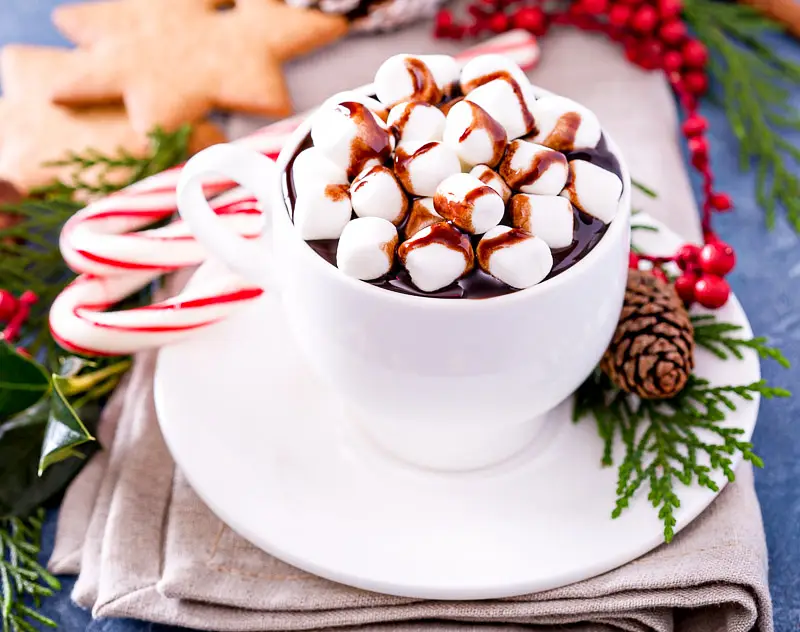
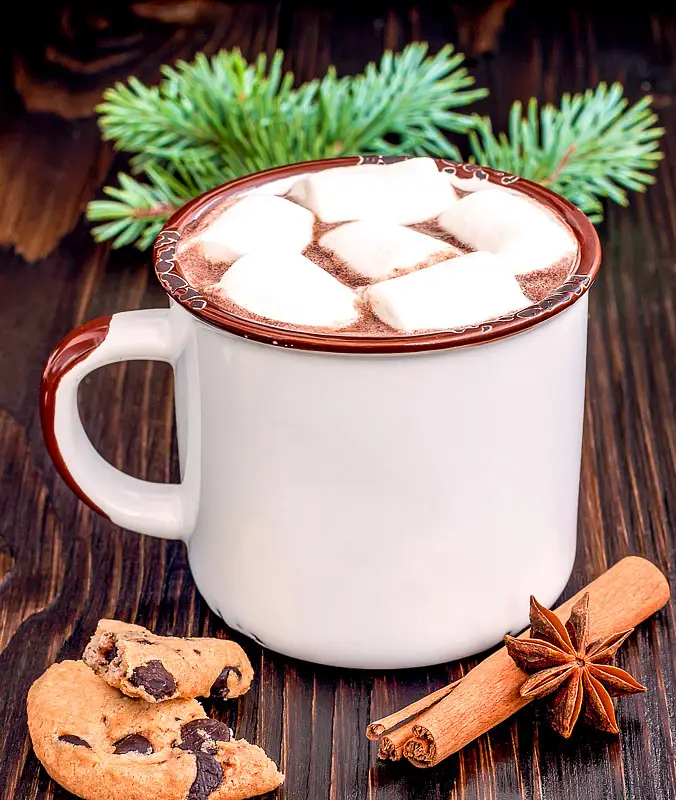
Microwave hot chocolate made in a single mug from chocolate syrup, a splash of vanilla and milk, hot in under two minutes. The syrup dissolves smooth with no clumps and no powder. Top with a marshmallow.
Saucepan fudge brownies come together in one pot, with no mixer and barely any cleanup. Melt the butter and unsweetened chocolate, stir in the rest right in the pan, and bake fudgy, nutty squares from scratch.
Peanut butter chocolate cookies blend melted chocolate into the dough for double chocolate-peanut flavor in every bite. Cross-hatched and baked into thick, chewy 3-inch rounds.
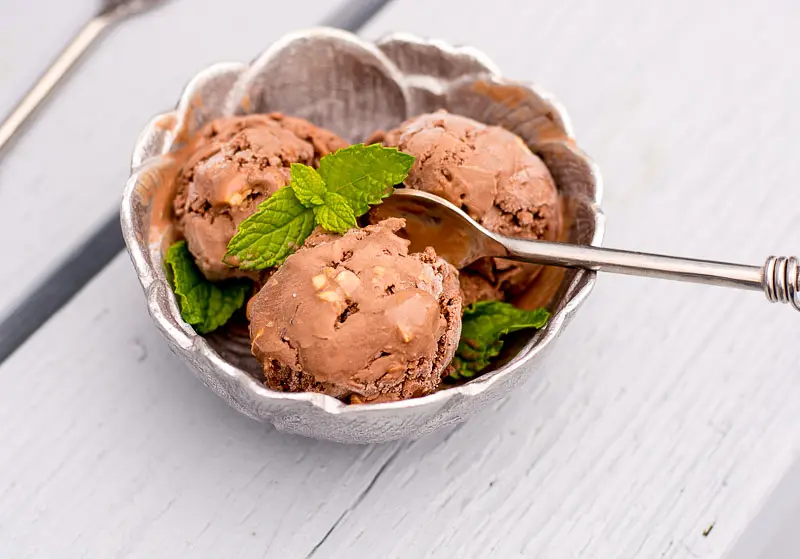
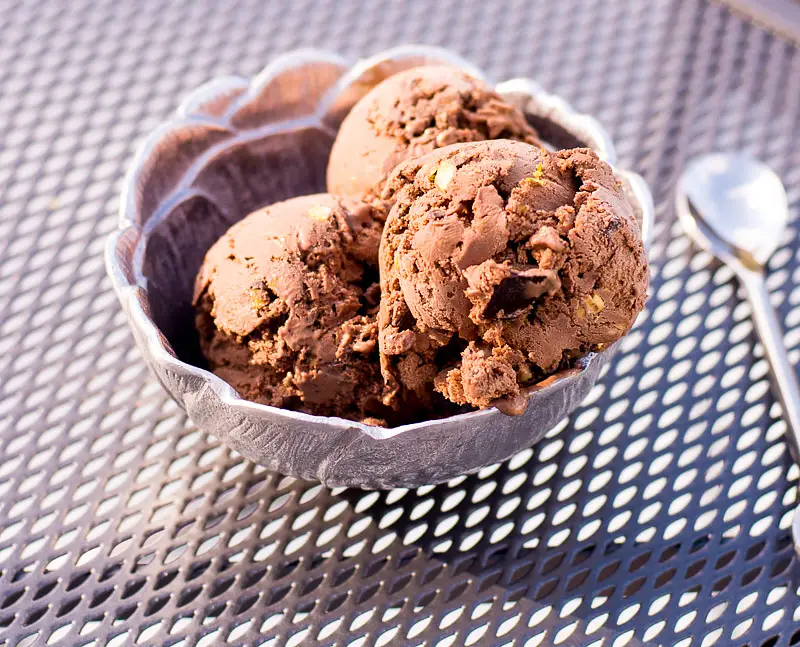
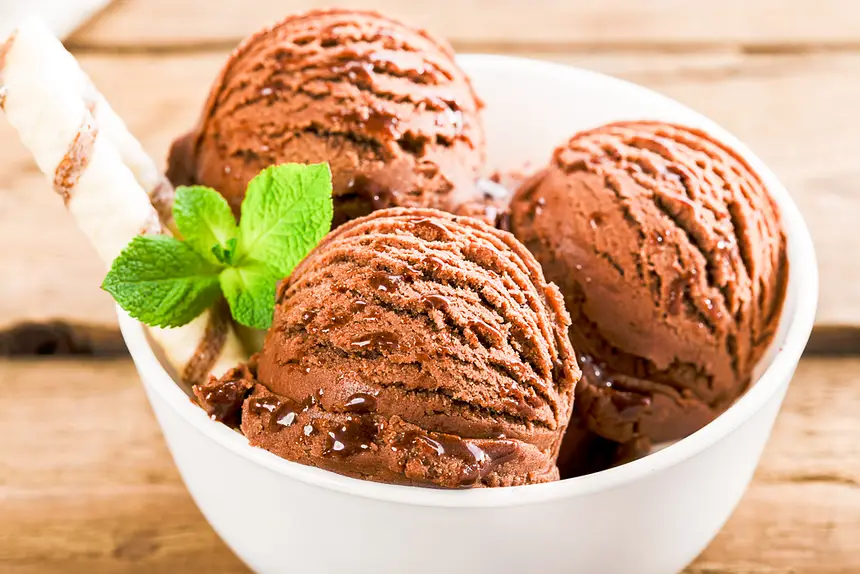
Never on Sunday chocolate ice cream is a custard-based churned dessert built on cocoa, semi-sweet chocolate, and a hit of whiskey stirred in just before freezing. Triple-chocolate punch in every scoop.
Chocolate chip raisin cookies baked low and slow for crisp golden edges and chewy centers. Two cups each of plump raisins and semi-sweet chips packed into every cookie.
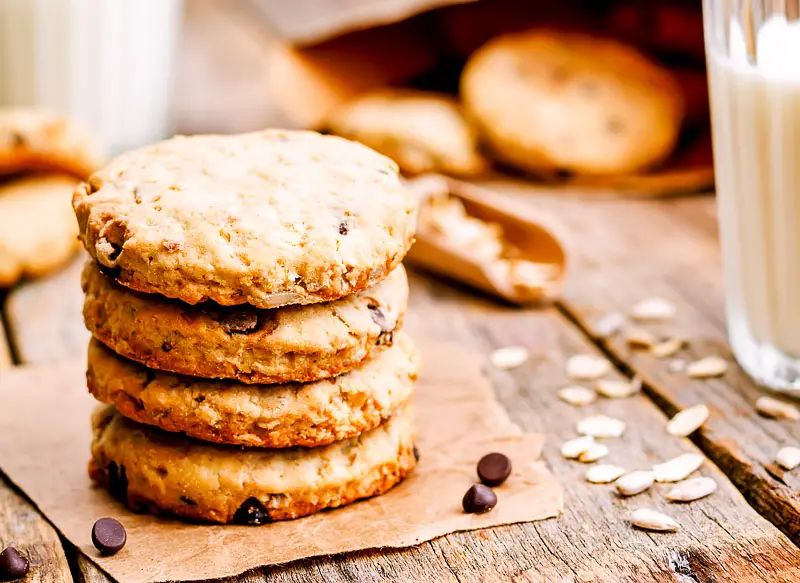
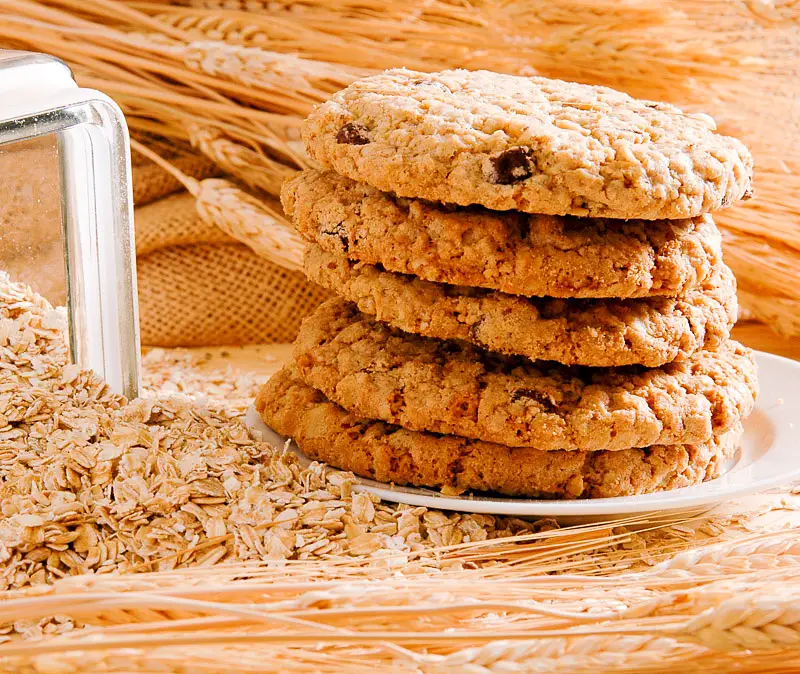
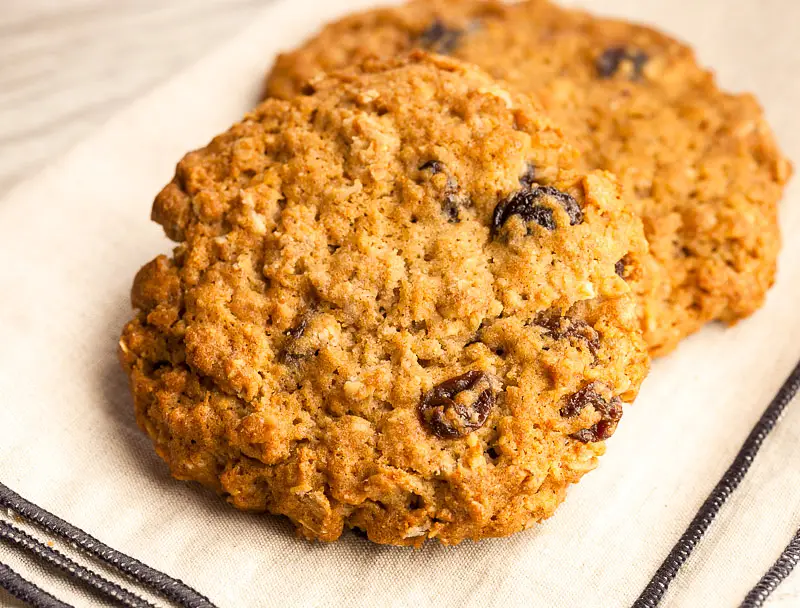
Chewy chocolate chip oatmeal cookies combine the best of both classics. Quick oats and butter-flavored shortening make 40 soft, hearty cookies perfect for lunchboxes or after-school snacks.
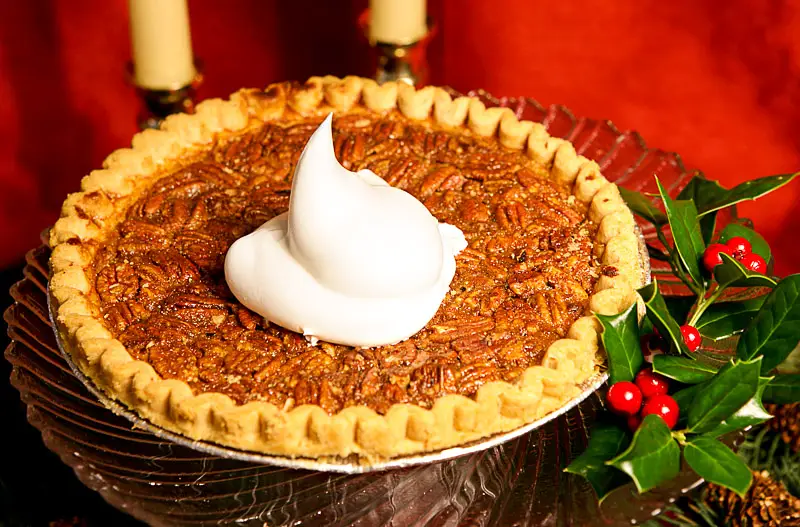
Chocolate pecan pie spiked with Kahlua and molasses, loaded with toasted pecans and semi-sweet chocolate chips. A grown-up Thanksgiving pie with deep coffee-bourbon undertones.
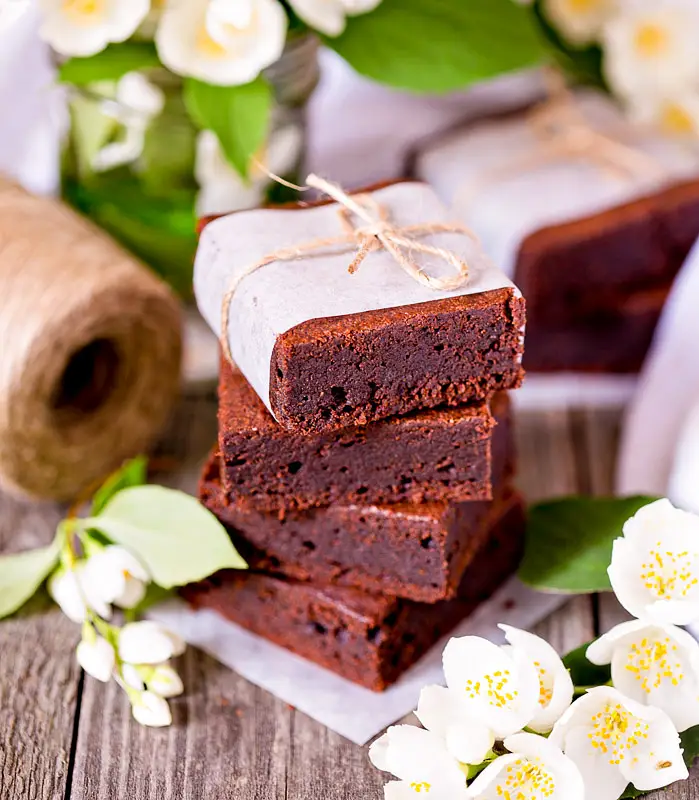
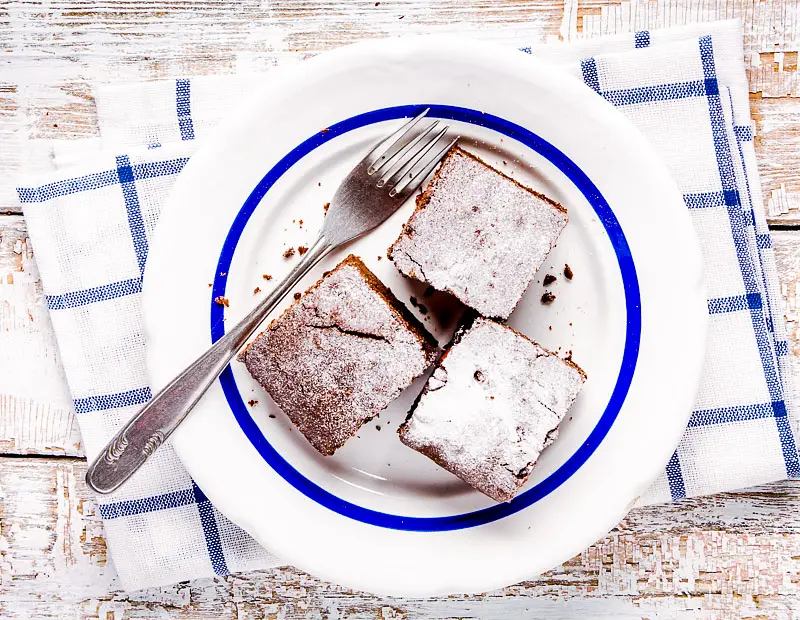
Classic from-scratch brownies made with real melted unsweetened chocolate for deep, bittersweet flavor. Rich, fudgy squares studded with optional walnuts, no boxed mix in sight.
Low-calorie chocolate brownies made with melted semi-sweet chocolate and egg whites instead of yolks or butter. A lighter brownie with a fudgy bite and powdered-sugar dusting.
Supernatural brownies are Nick Malgieri's legendary fudge bricks: a full pound each of butter and semisweet chocolate, eight eggs, two sugars, and a shiny crackled top. Bakes a full half-sheet, rests overnight for perfect texture.
Giant chocolate chip cookies baked in foil pans to hold their extra-thick shape. Butter and shortening blend creates crispy edges and soft, melty centers loaded with chocolate.
Logozzo's chocolate truffles made from a buttery dark ganache rolled into rich bite-sized balls and finished in cocoa, chopped nuts, or dipped in melted chocolate. Classic European confections from a five-ingredient base.