What Is Cooking chocolate and How Can I Use It?
Cooking chocolate is easier to cook with than it looks. Here's how to choose, use, and store it, what to substitute, and 4 recipes to get you started.
Key Points
- Cooking chocolate is baking chocolate sold as bars or blocks you chop and melt.
- What a recipe wants depends on its sugar: unsweetened, dark, or sweeter grades.
- Avoid compound coatings; buy real chocolate by cacao percentage and melt it gently.
What is cooking chocolate?
Cooking chocolate is a catch-all name for chocolate meant for baking rather than snacking, sold as bars or blocks you chop and melt. The term is common outside North America, where "cooking chocolate" covers what Americans split into unsweetened and sweetened dark chocolate grades.
What a recipe wants depends on its sugar. If the recipe adds plenty of its own sugar, it likely means an unsweetened or dark cooking bar. If it leans on the chocolate for sweetness, it means a sweeter style closer to sweet baking chocolate.
Real cooking chocolate is true chocolate, so check the label and avoid cheap compound coatings that swap cocoa butter for vegetable fat. Buy by cacao percentage and treat it like any baking chocolate.
Melt it gently and keep water away so it does not seize. For melting and storage, see the main chocolate page.
Quick facts
- In Chinese
- 烹饪巧克力
- British (UK) term
- Cooking chocolate
- en français
- chocolat de cuisson
- en español
- chocolate para cocinar
Recipes using cooking chocolate
There are 4 recipes that contain this ingredient.
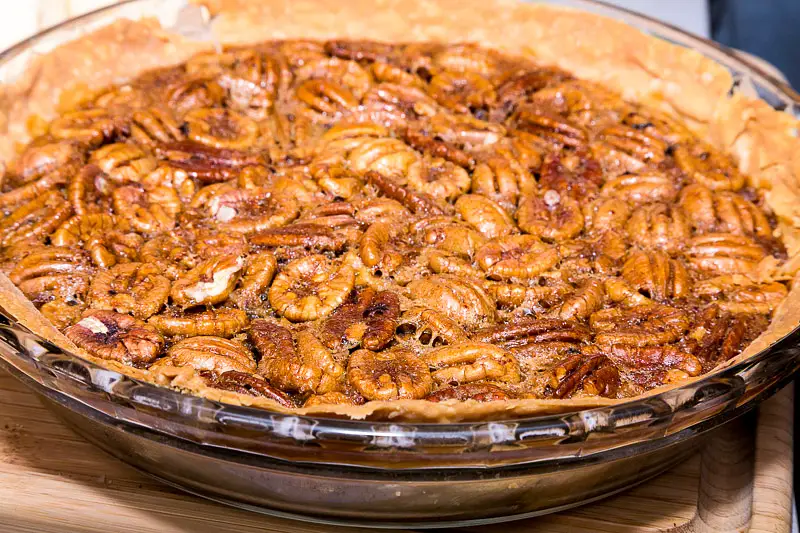
Super Fudgy Pecan Pie


Fudgy chocolate pecan pie built on sweetened condensed milk and melted sweet chocolate instead of the usual corn syrup. The pecans stir into a rich chocolate custard for a brownie-meets-pecan-pie holiday dessert.
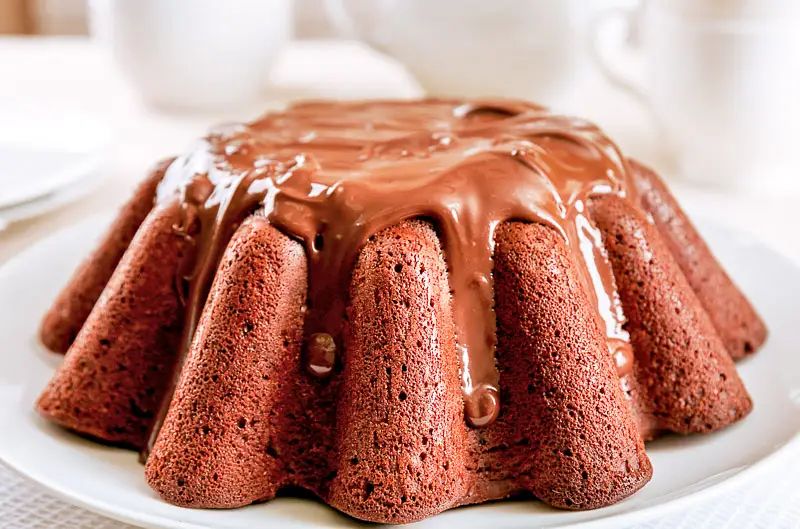
Chocolate Mocha Mud Cake
Chocolate mocha mud cake: a dense, fudgy Australian-style cake baked low and slow, then finished with a glossy chocolate-butter icing. Instant coffee deepens the chocolate without tasting like coffee.
Chocolate Mocha Mud Cake
Chocolate mocha mud cake: a dense, fudgy Australian-style cake baked low and slow, then finished with a glossy chocolate-butter icing. Instant coffee deepens the chocolate without tasting like coffee.
Awesome Chocolate Pots De Creme
Microwave chocolate pots de creme melt German chocolate with cream and sugar, then temper with egg yolk and chill into a velvety French dessert. Single serving in 10 minutes hands-on.