What Is Lecithin and How Can I Use It?
Lecithin rewards a little know-how: how to choose it, cook it, store it, and substitute in a pinch. Browse 15 recipes to cook with it.
Key Points
- Lecithin is a natural emulsifier from soy or sunflower that binds oil and water smoothly.
- In bread it softens the crumb and slows staling; tiny amounts do the work.
- Start with about 1 teaspoon per loaf or per cup of oil; too much tastes soapy.
- An egg yolk, a little mustard, or extra oil can stand in depending on the use.
- Store granules airtight in a cool cupboard for about a year and watch for rancidity.
What is lecithin?
Lecithin is a natural emulsifier, a fatty substance pressed from soybeans or sunflower seeds, and also found in egg yolks. Its job is to make oil and water get along, holding them in a smooth, stable mix instead of letting them separate into a greasy mess.
It is the same compound that makes an egg yolk bind a vinaigrette or a hollandaise. Sold on its own, it gives you that binding power without the egg, which is why it turns up in bread dough and salad dressings, along with homemade dairy substitutes.
You use it in tiny amounts. A teaspoon or two does the work of holding a whole batch together.
How to Use It
In bread, lecithin softens the crumb and helps the loaf keep longer before it stales. It coats the flour proteins and traps moisture, so loaves come out tender rather than dense.
Swedish Limpa Rye Bread and the well-loved Buckwheat Oat Bread both use it for that reason, and Dough Magic, a from-scratch dough conditioner, leans on it for the same effect.
In a dressing or a drink, it keeps the fat suspended so the mixture does not split as it sits. Soy Nog uses it to hold a creamy, even body without dairy.
It also doubles as a pan release. A thin smear on a baking sheet or muffin tin grips less than butter, so cakes and rolls lift out clean.
Add granules to the dry ingredients, or bloom them in a little warm liquid first. Liquid lecithin is sticky, so measure it over the bowl it is going into and expect it to cling to the spoon.
Cooking With It and What Goes Wrong
Lecithin works behind the scenes, so its partners are whatever you are already making: flour and water in dough, oil and vinegar in a dressing, plant milk and oil in a nondairy cream.
It pairs naturally with fruit purees in reduced-fat baking, where Prune Puree replaces some of the butter and lecithin keeps the batter cohesive instead of greasy.
The usual mistake is overdoing it. Too much lecithin leaves a faintly soapy, bitter taste and can make baked goods gummy, so start with about 1 teaspoon per loaf or per cup of oil and adjust up only if you need more hold.
The other slip is dumping liquid lecithin straight into a cold mixture, where it seizes into a stubborn lump. Warm it slightly or stir it into the oil phase first, and it disperses without fighting you.
Substitutes
An egg yolk is the original lecithin source, so one yolk replaces the binding power in most small batches. It does add its own flavor and color, plus a little moisture, so expect the result to shift.
In baking, a tablespoon or two of vegetable oil plus a little extra liquid often covers the softening role without any true emulsifier. For dressings and sauces, a teaspoon of prepared mustard brings real emulsifying strength and a welcome tang.
Soy and sunflower lecithin are interchangeable spoon for spoon. Sunflower is the choice when you want to avoid soy.
Buying and Storing
Lecithin sells as loose granules or a thick liquid, plus soft gel capsules on the supplement shelf. Granules are the easiest to measure and store, dissolve well in warm liquid, and are what most bread recipes assume.
Liquid lecithin is more concentrated and best for greasing pans and oil-based mixes. Look for a product whose only ingredient is lecithin, with no added fillers.
Keep granules in an airtight jar in a cool, dark cupboard, where they last about a year. Liquid lecithin also holds at room temperature but lasts longer refrigerated.
Both resist spoiling because they are nearly all fat. Rancidity is the thing to watch, though: if it smells sharp or paint-like, throw it out.
Quick facts
- In Chinese
- 卵磷脂
- British (UK) term
- Lecithin
- en français
- lécithine
- en español
- lecitina
Recipes using lecithin
There are 15 recipes that contain this ingredient.
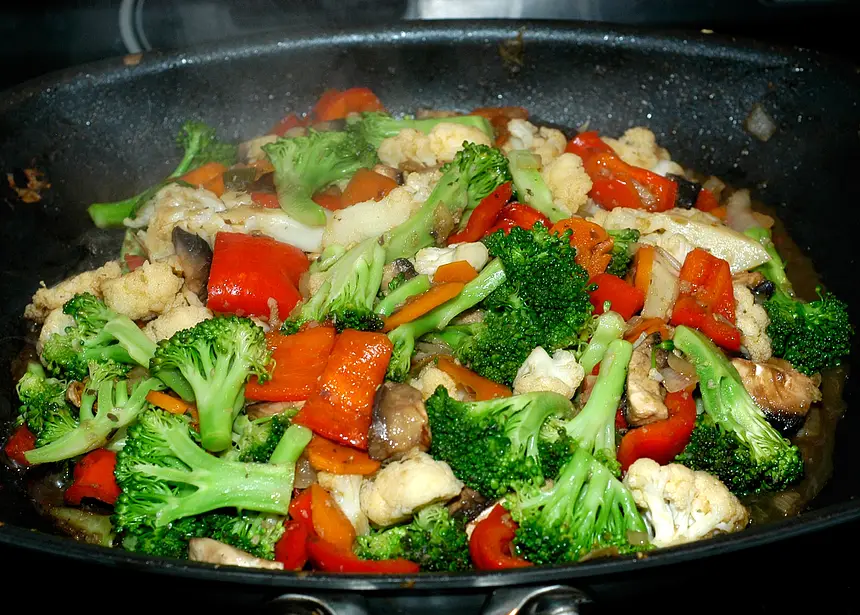
Sweet & Sour Vegetables


The flavor was combination was excellent. Next time will add some whole dried chili peppers to give it a bit more kick. We served it over brown rice and could hardly stop eating it.
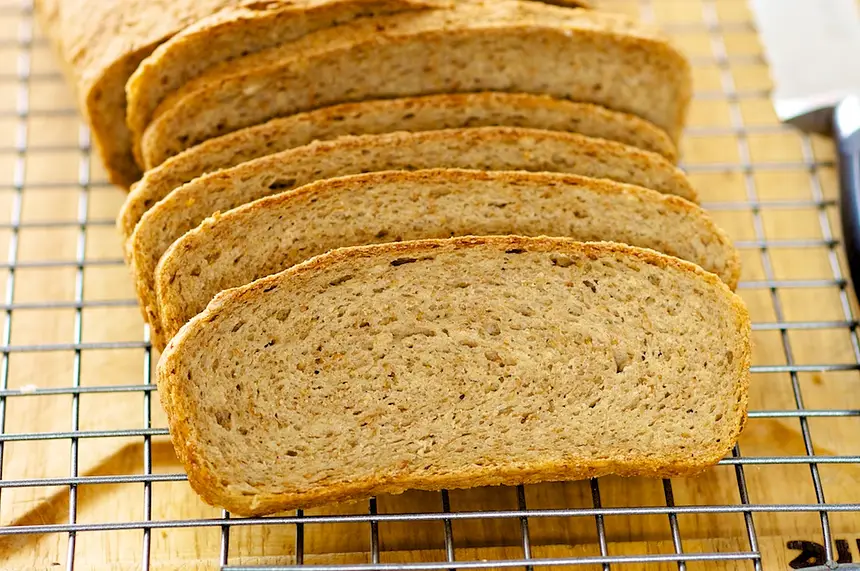
Prune Puree
Prune puree: a low-fat baking substitute made from blended pitted prunes with fruit juice and lecithin. Replace butter or oil in brownies, cakes, and muffins with richer, moister results.
N.Y.Cima Roll
A vegan cima roll: pureed tofu wrapped around a colorful filling of seitan, spinach, roasted red peppers, pistachios, and peas, then steamed into a sliceable log. Plant-based Italian showpiece.

Soy Nog
Vegan soy nog made with steamed butternut squash, vanilla soy milk, brown rice syrup, nutmeg, and a splash of mirin. A dairy-free, egg-free holiday drink.
Robert P Pearson's Giant Wonder
A hearty, spiced bread loaf bursting with cinnamon, raisins, and a unique blend of cornmeal and cereal for texture. This 33-ounce giant wonder combines sweet and savory notes with a tender crumb, perfect for slicing and enjoying as toast or a sandwich base.

Swedish Limpa Rye Bread
Bread machine Swedish limpa rye with anise extract, molasses, orange zest, fennel seeds, and applesauce for moisture. A fragrant, slightly sweet Scandinavian rye loaf with zero hands-on effort. Just press start.

Pierogies
Vegan pierogies made with whole wheat dough and silken tofu, filled with creamy potato or cabbage and garbanzo. Boiled then pan-fried until golden and crisp.
Dough Magic
Homemade bread dough enhancer made with lecithin, dried whey, diastatic malt powder, and ascorbic acid. Mix once, store in a jar, and add a tablespoon to any bread recipe for softer, higher-rising loaves.
Whole Wheat Dill Bread
A savory bread machine loaf loaded with whole wheat flour, cottage cheese, yogurt, and whole dill seed. Protein-rich, herb-fragrant, and effortless to make.

Chedder Onion Bread
Savory cheddar bread with onion soup mix for intense flavor and sharp cheese throughout every slice from your bread machine
Rosemary-Raisin Bread
Rosemary raisin bread baked in a bread machine with olive oil, milk and eggs for an enriched loaf. The savoury-sweet pairing of piney rosemary and plump raisins makes this a unique sandwich or breakfast bread.

Italian Herb Bread
Italian herb bread machine recipe with whole wheat flour, oregano, basil, garlic, and applesauce for moisture. A hands-off one-pound loaf with no oil or butter.
Blintz Muffins
Blintz muffins blend cottage cheese, sour cream, honey, and orange zest into tender whole wheat bites topped with sliced almonds. All the flavor of a cheese blintz, none of the frying.