Sugar substitute is easier to cook with than it looks. Here's how to choose, use, and store it, what to substitute, and 102 recipes to get you started.
Key Points
Two families: intense sweeteners sold by the packet, and bulk blends that measure like sugar.
For baking use a granulated one-to-one blend; packets are best stirred into drinks.
Substitutes sweeten but skip sugar's browning, moisture and creaming, so bakes turn pale, dry and flat.
Erythritol leaves a cooling mouthfeel; "bake-friendly" and monk fruit blends mask it better.
Read the label conversion; concentrated products are far sweeter than sugar by volume.
What is sugar substitute?
"Sugar substitute" is the catch-all label for anything that sweetens food in place of table sugar with little or no calories. It covers the packets at the coffee counter, the boxed baking blends, and the bags of erythritol or monk fruit on the baking aisle.
People reach for these to bake for diabetics or to lower the calories and carbohydrate in a favorite recipe.
The first thing to understand is that these products split into two very different groups. Treating them as interchangeable is where most baking goes wrong.
Knowing What You're Holding
The intense sweeteners are hundreds of times sweeter than sugar, so a tiny amount does the job. Sucralose (Splenda packets), aspartame (Equal, NutraSweet), saccharin (Sweet'N Low), and stevia leaf extract all live here.
A single packet sweetens like about 2 teaspoons of sugar. That is why they are sold by the packet and not the cup.
The bulk sweeteners weigh and measure more like sugar itself. This group includes erythritol and the other sugar alcohols, monk fruit, plus the granulated "measures-like-sugar" blends. They are what you want for baking, because they give the batter something to stand in for sugar's volume.
For sweetening a drink or a bowl of berries, an intense sweetener by the packet is the simplest choice. There is nothing to bulk out, so its lack of body does not matter; you just stir it in to taste.
Why Baked Goods Come Out Different
Sugar is not only sweet. In a real bake it browns the crust, holds moisture so things stay soft, and traps air when it is creamed with butter. The full story lives on the sugar page. Most substitutes deliver sweetness and almost none of that.
Drop a measures-like-sugar blend straight into cookies and they bake up paler and flatter than the sugar version, and drier too. Cakes can come out with a tighter, tougher crumb because there are fewer sharp crystals to whip air into the butter.
This is the real failure mode. It is not the sweetener tasting wrong, it is the missing structure.
Erythritol brings its own quirk: a cooling, almost minty feel on the tongue, the same sensation you get from a sugar-free mint. It is mild in a spiced batter but obvious in plain vanilla or a frosting. Monk fruit blends usually mask it better.
This is exactly why "bake-friendly" blends exist. They lean on erythritol or other bulking agents and dial the cooling down, so a one-to-one swap behaves closer to sugar.
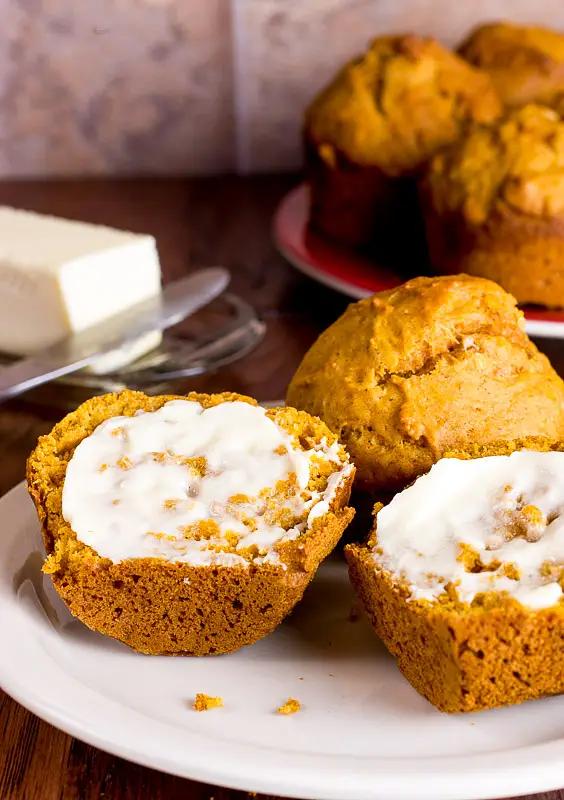
The well-rated Diabetic Cake and Pumpkin Muffins (Low-fat & Sugar-free) here both work because the rest of the recipe is built around the swap.
Choosing One and Swapping It In
For drinks and anything you sweeten at the end, reach for an intense sweetener by the packet and add it to taste. For baked goods, use a granulated one-to-one baking blend, and lean toward a monk-fruit-and-erythritol blend if the cooling note bothers you.
Always read the label for the conversion, because they differ. A measures-like-sugar blend swaps cup for cup, but a concentrated product can be far sweeter by volume, so a full cup of it would wreck the recipe.
Many bakers split the difference. They keep some real sugar for browning and moisture and replace only part with substitute, the way the Sugar Free Christmas Cookies here do.
Store dry sweeteners sealed in a cool cupboard. Granular blends keep for a year or more, and erythritol can clump in humidity but breaks up with a fork. Tabletop packets carry a best-by date because the sweetness of some, aspartame in particular, fades slowly over time rather than spoiling.
Types of sugar substitute
Specific kinds of sugar substitute and the recipes that use them.
Granulated sugar replacement is a bulk, cup-for-cup sugar substitute, usually an erythritol or sucralose bulking blend, that pours and measures like white sugar so you can swap it straight into a baking recipe by volume.
Reach for it when a recipe is written around granulated sugar and you want to keep the same measurements. For which blends bake well, the cooling-mouthfeel quirk, and how the conversions differ, see sugar substitute.
Liquid sugar substitute is a no-calorie sweetener sold as drops or a pourable concentrate rather than a powder, so it stirs into cold drinks, iced tea, and thin batters without leaving undissolved grit.
It adds sweetness but no volume, so it will not stand in for sugar's bulk in a cake. For how the sweetener families differ and how to swap them in baking, see sugar substitute.
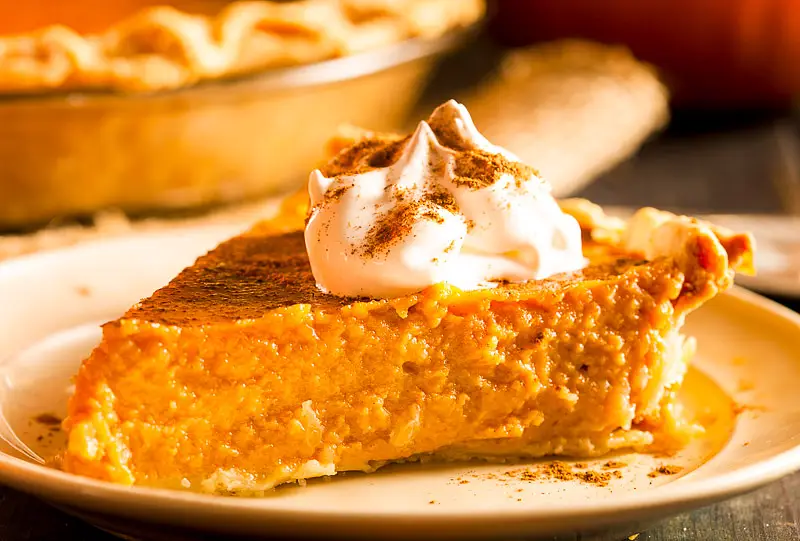
Nonfat eggless pumpkin pie made with liquid egg substitute, evaporated skim milk, and brown sugar substitute. A diabetic-friendly Thanksgiving dessert with classic pumpkin pie spice.
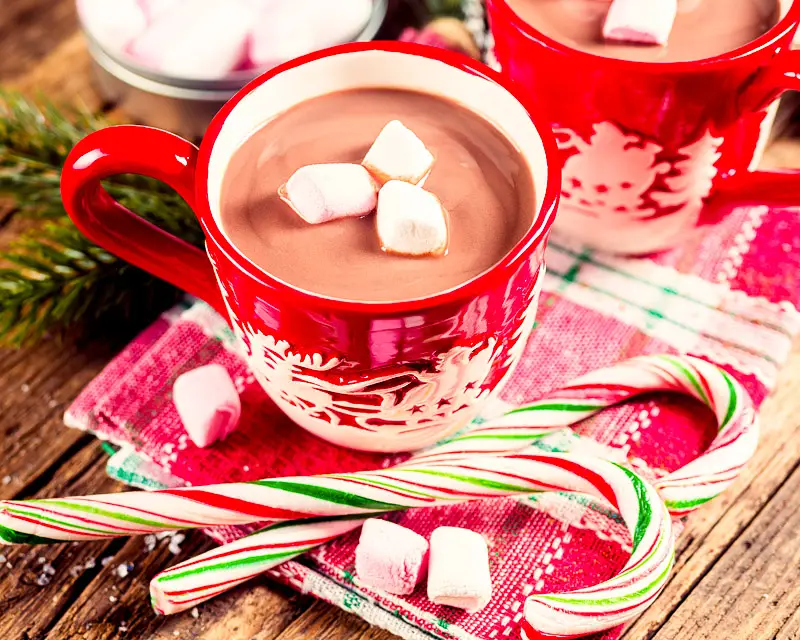
Nonfat hot chocolate mix made with skim milk powder, unsweetened cocoa, sugar substitute, and a hit of cinnamon for warm holiday spice. Mix once, store for weeks, and scoop into a mug whenever cravings hit.
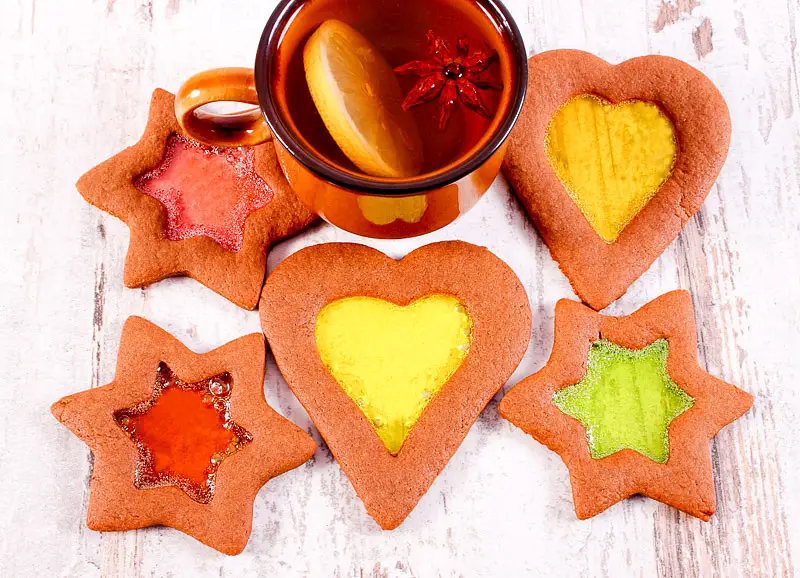
Easy ginger spice cookies with no sugar in the dough: cinnamon, ginger, and cloves rolled and cut into rounds, then tossed warm in a sugar-substitute cinnamon coating. A diabetic-friendly cookie.
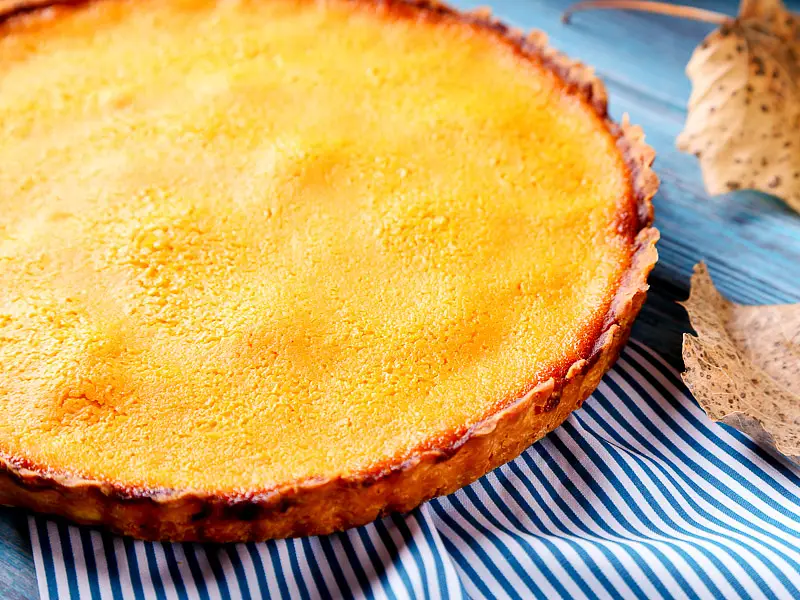
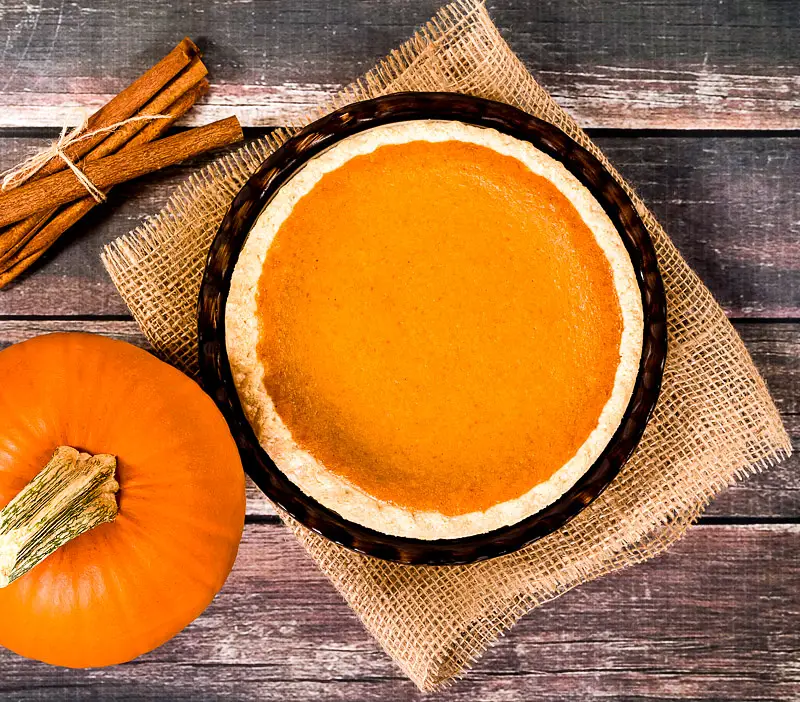
A very moist, custardy pumpkin pie spiced with cinnamon, ginger, nutmeg and clove. Lightened up with sugar substitute and skim milk for a lighter slice on the Thanksgiving table.
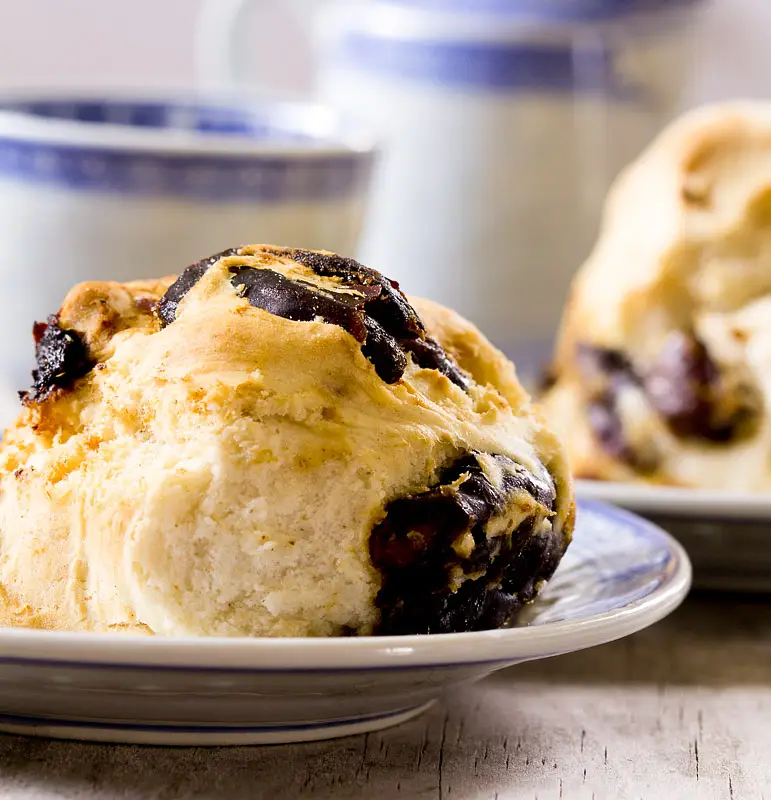
Old-fashioned date biscuits with a folded cinnamon-sugar layer and chopped dates inside. A simple stovetop-style biscuit with a hidden sweet swirl, ready in 20 minutes.
Light pumpkin pie with a fluffy chiffon-style filling on a graham cracker crust, sweetened with sugar substitute and lifted with whipped egg whites. The lower-sugar pumpkin pie for the holiday table.
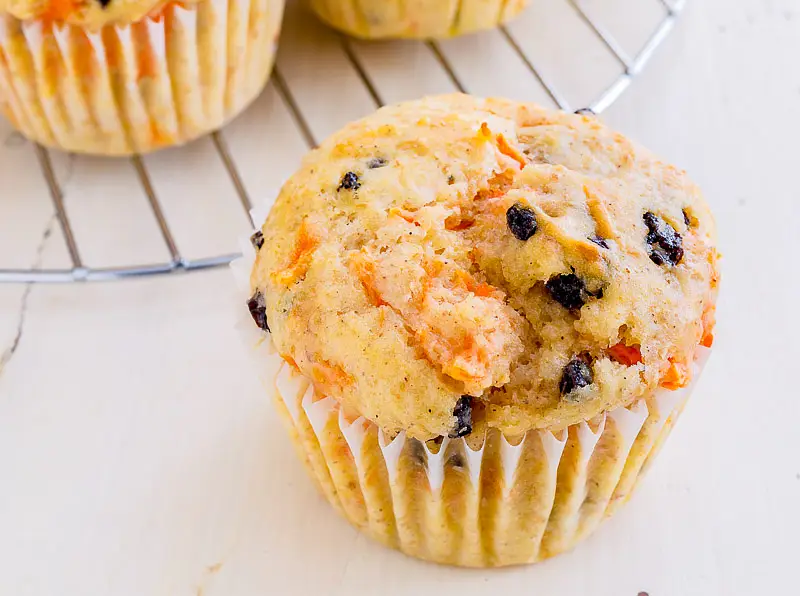
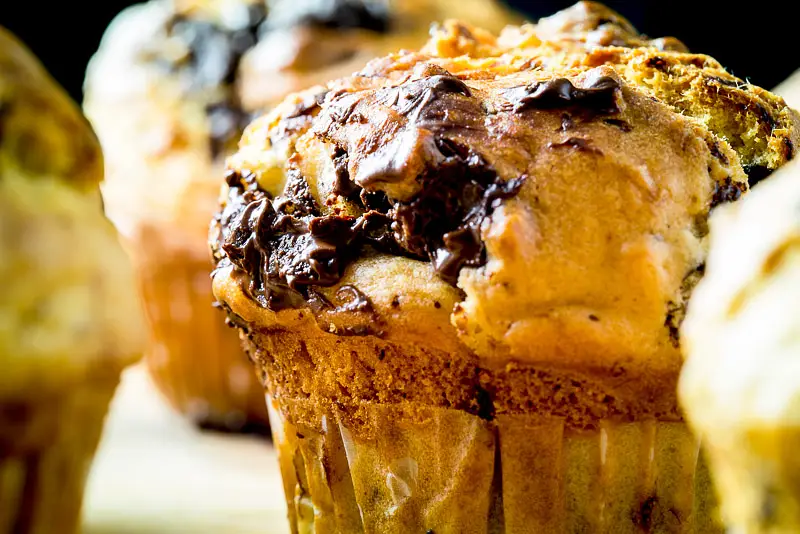
Apple raisin breakfast muffins kept moist and tender with unsweetened applesauce and just a little oil, lightly sweetened and studded with plumped raisins and cinnamon. A make-ahead, freezer-friendly breakfast.
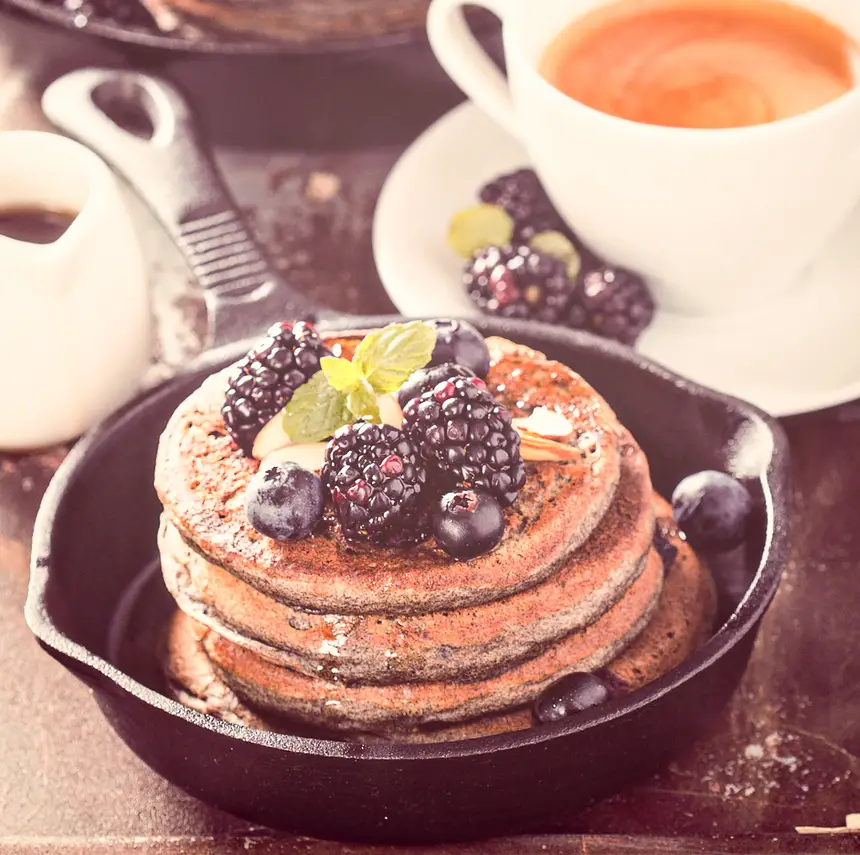
Buckwheat pancakes made with a blend of buckwheat and all-purpose flour, water instead of milk, and sugar substitute. Diabetic-friendly with a nutty, earthy flavor.
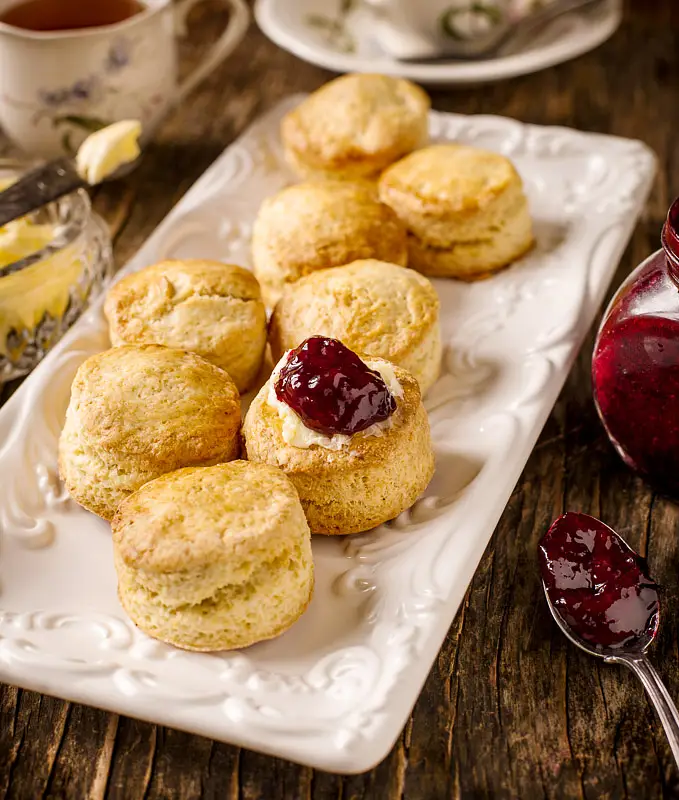
Afternoon tea scones, light tender wedges made by cutting cold fat into the flour and binding with egg and evaporated milk. Baked hot and best served warm with butter and jam.
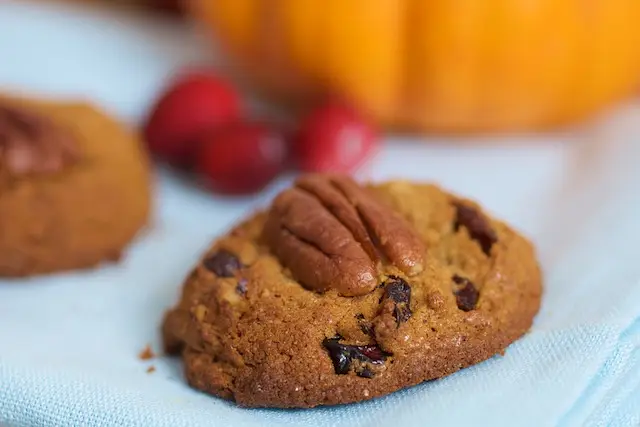
Low fat pumpkin cookies. Pumpkin, cranberry and pecans make these soft flavorful cookies that are perfect for Thanksgiving. I've lowered the amount of saturated fat, lowered the amount of sugar and switched the whole wheat flour to boost fiber.
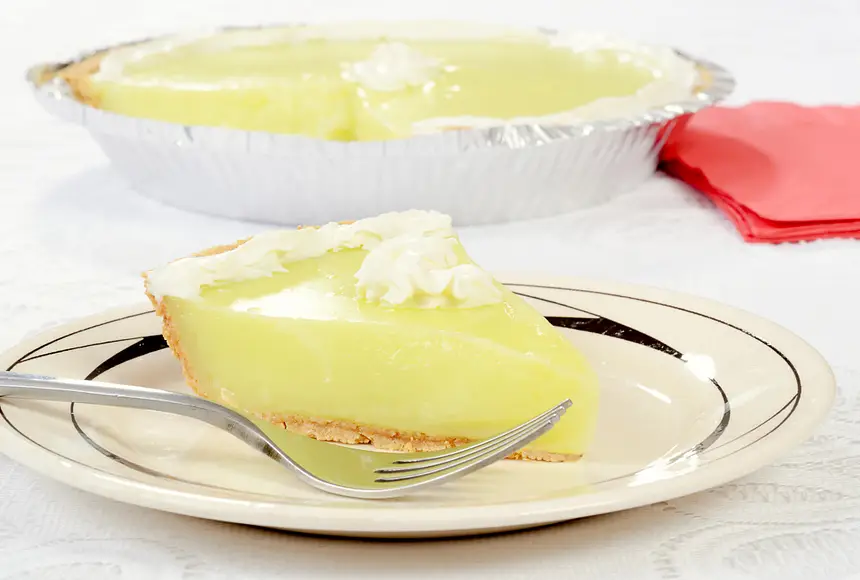
Sugar-free key lime pie that's light, tangy and no-bake. Whipped chilled evaporated skim milk stands in for cream, set with gelatin and lime juice in a graham crust. A diabetic-friendly dessert with all the citrus zing and none of the sugar.
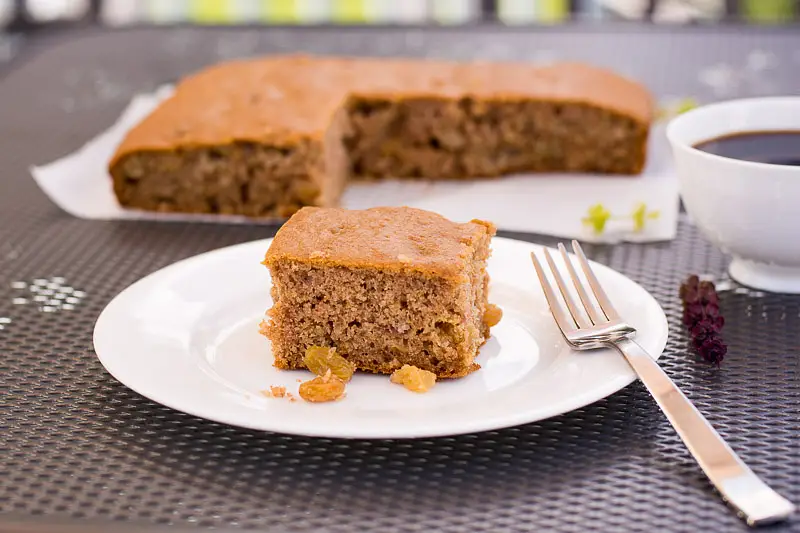
The cake was very moist and delicious. I used golden raisins, 1/2 cup whole wheat flour and 1 cup of white flour, also used 1/4 cup white sugar and 3/4 cup splender. We loved it. Definitely recommend this recipe.
Diabetic-friendly cabbage and pineapple salad with sugar substitute and light whipped topping. A sweet, crunchy no-cook side dish with zero added sugar.
Old-fashioned cake doughnuts use buttermilk and a touch of nutmeg for that classic diner flavor. Lower in sugar thanks to a sugar substitute blend, fried golden in hot oil.
Sugar-free peach shortcake with juicy fresh peaches under a tender almond-cinnamon cake, then flipped to show off a glossy fruit top. Light dessert sweetened without refined sugar.
Sugar-free peach shortcake with juicy fresh peaches under a tender almond-cinnamon cake, then flipped to show off a glossy fruit top. Light dessert sweetened without refined sugar.
Low-sugar oatmeal cookies with walnuts stay diabetic-friendly by swapping half the sugar for a sugar substitute and using egg whites for a lighter bite. Crisp edges, chewy centers, and toasted walnuts deliver classic flavor with less sweetness—perfect for controlled-carb baking.
Pineapple ecstasy, a creamy low-calorie fruit-and-yogurt dessert with fresh pineapple, banana, and vanilla yogurt. Sweetened with sugar substitute, light enough for everyday indulgence.
Vanilla-marinated fresh strawberries topped with a billowy meringue and whipped topping cloud. A no-bake, sugar-free dessert that feels indulgent at a fraction of the calories.
Sliced bananas, crisp apples, juicy oranges, crushed pineapple, and green grapes folded into creamy vanilla yogurt. A lighter spin on classic ambrosia that's ready in minutes and feeds a crowd.
Fruited chicken salad with apples, oranges, and grapes tossed in a light yogurt-mayo dressing with pumpkin pie spice. A refreshing, lighter chicken salad for lunch or summer gatherings.
Light, chewy coconut macaroons made meringue-style from whipped egg whites and grated coconut, sweetened sugar-free and scented with almond. Naturally gluten-free, and lovely topped with a glace cherry.
Diabetic-friendly cookies sweetened with raisins, dates, and apples instead of sugar. Drop cookies built around boiled fruit base with sugar substitute. Makes 3 dozen lower-glycemic cookies.
Light Weight Watchers banana French toast with vanilla yogurt topping and caramelized banana slices. Reduced-calorie bread and egg substitute keep it guilt-free.
Low-sugar blender brownies made with applesauce instead of butter and sugar substitute for a lighter treat. Chewy, fudgy, and ready in under 30 minutes.
Ginger peach plum butter: a 10-minute microwave fruit spread with diced peaches, plums, and warm ginger. Sugar-free and ready for toast, yogurt, or scones.
Tofu mayonnaise made with soft tofu, nonfat yogurt, Dijon mustard, and garlic blended smooth. A low-fat, vegetarian mayo substitute with only 2 tablespoons of oil.
A lighter take on chocolate brownies using reduced-fat margarine, sugar substitute, and skim evaporated milk. Topped with pecans and ready in just 30 minutes.
Orange yogurt cheese spread made with nonfat yogurt cheese, fresh orange juice, and orange zest. A light, citrusy spread for bagels, toast, or pancakes that doubles as a fruit dip.
Sugar-free marinated cucumber salad with vinegar, garlic, and black pepper. Salt-brined thin slices release their water, then soak up a tangy dressing for a crisp, diabetic-friendly side dish.
Cookie brittle with chocolate chips and walnuts pressed into one pan, baked, then snapped into snappy shards. Sugar-substitute friendly with crisp, candy-like edges.
German potato salad with crispy bacon, tangy vinegar dressing, and a flour-thickened sauce served warm. A diabetic-friendly version using sugar substitute.
This sweet cheese omelet blends cream cheese, cottage cheese, cinnamon, and vanilla into fluffy eggs for a low-carb breakfast that tastes like cheesecake. Top with sour cream for extra richness.
Amaretto cheesecake delite blends silken tofu and reduced-fat cream cheese into a lighter cheesecake spiked with amaretto and vanilla. Topped with caramelized almonds on a chocolate cookie crust.
Molded cucumber gelatin salad with cream cheese, carrots, onion, and lemon juice made with sugar substitute for a diabetic-friendly side dish. A retro Jell-O salad with no added sugar.
Diabetic-friendly lemon pie uses sugar substitute and a meringue-lightened lemon filling on a graham cracker crust. Lower-sugar tang and lightness without sacrificing the classic lemon pie hit.
Low-cal pineapple cheese pie blends low-fat cottage cheese, crushed pineapple, and gelatin into a crustless baked cheesecake-style pie sweetened with sugar substitute. A diabetic-friendly dessert.