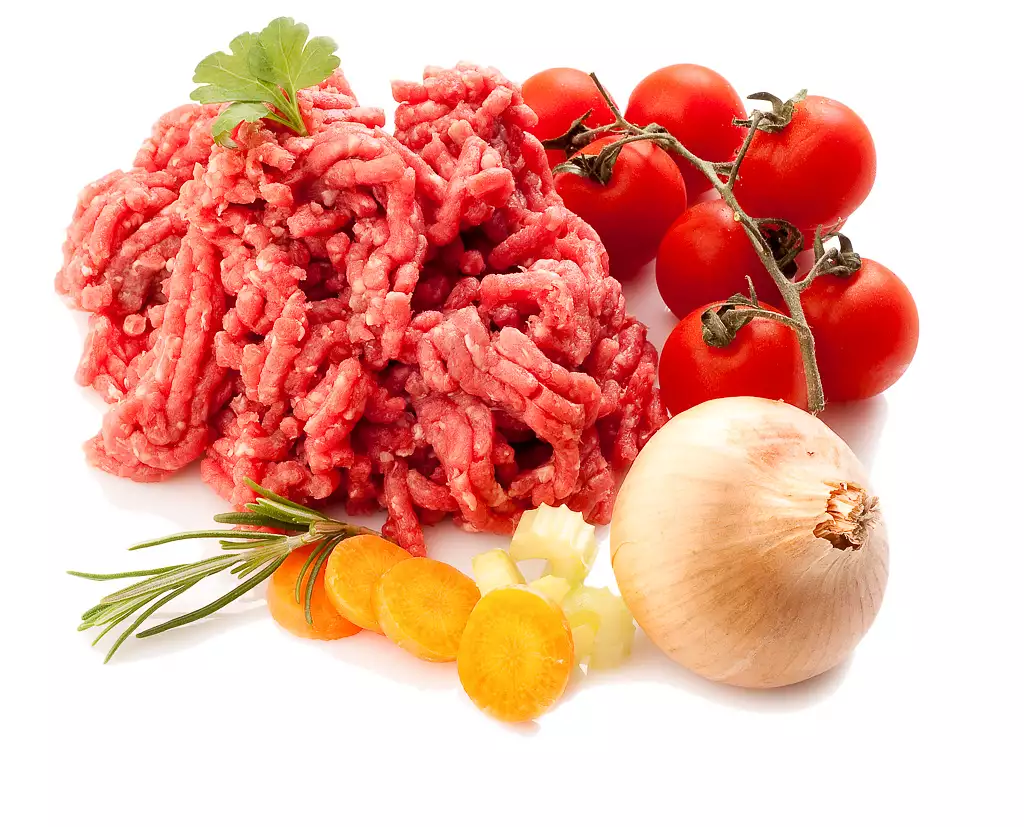

Lean ground beef
Lean ground beef is the 90/10 grind: 90 percent lean meat, 10 percent fat. That ratio is the working compromise between flavor and grease, and it is what more than 430 Recipeland recipes mean when they call for lean ground beef.
The label math matters because fat is doing real work. It bastes the meat as it renders, carries the beefy flavor and browns into crust, which is why the leaner the grind, the harder you have to work to keep dinner from going dry.
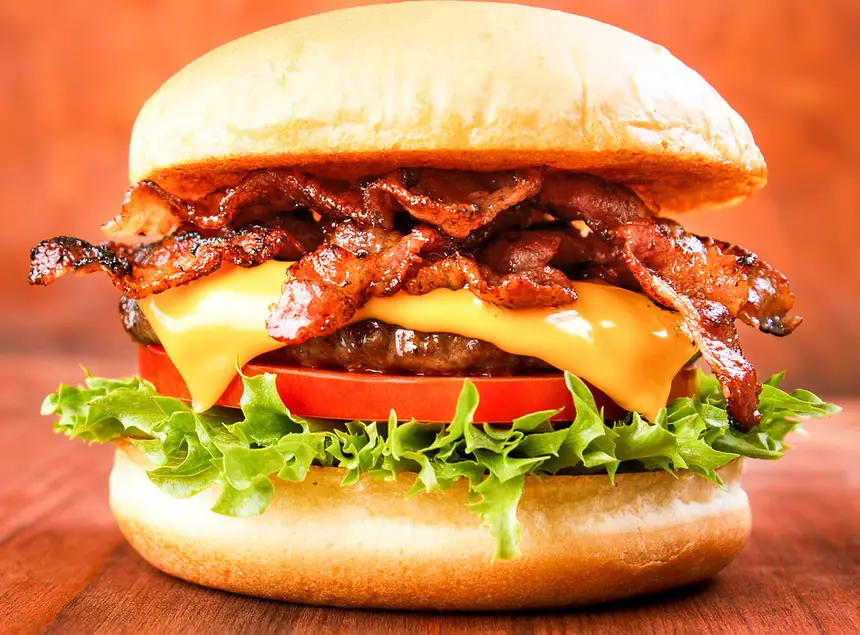
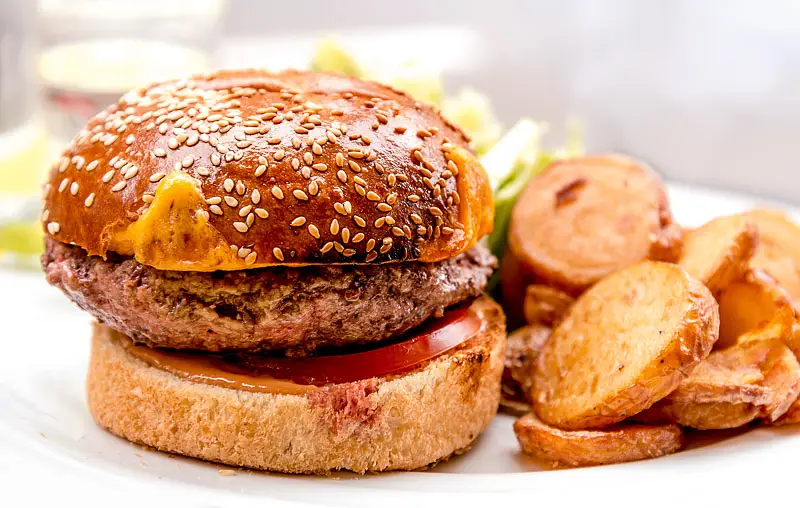
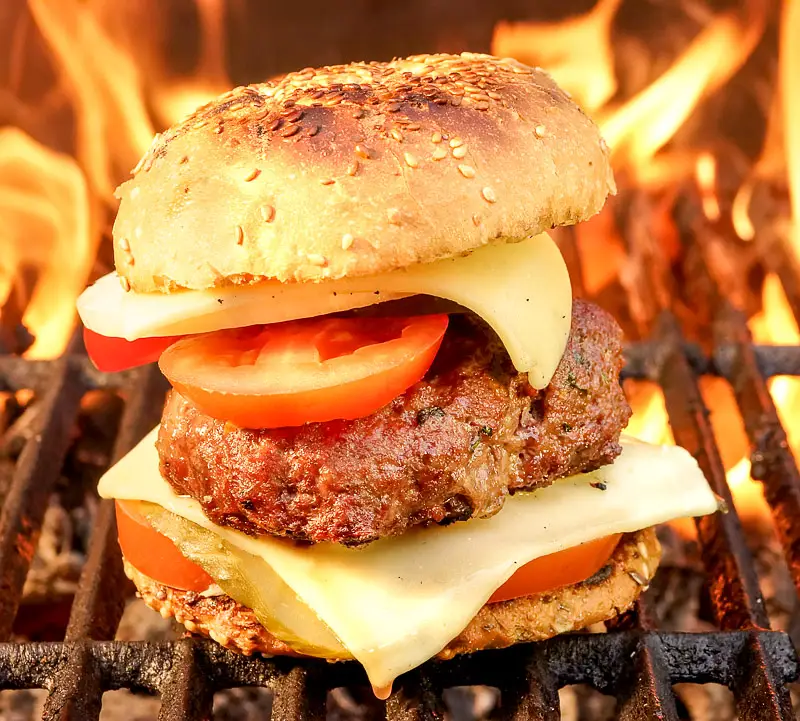
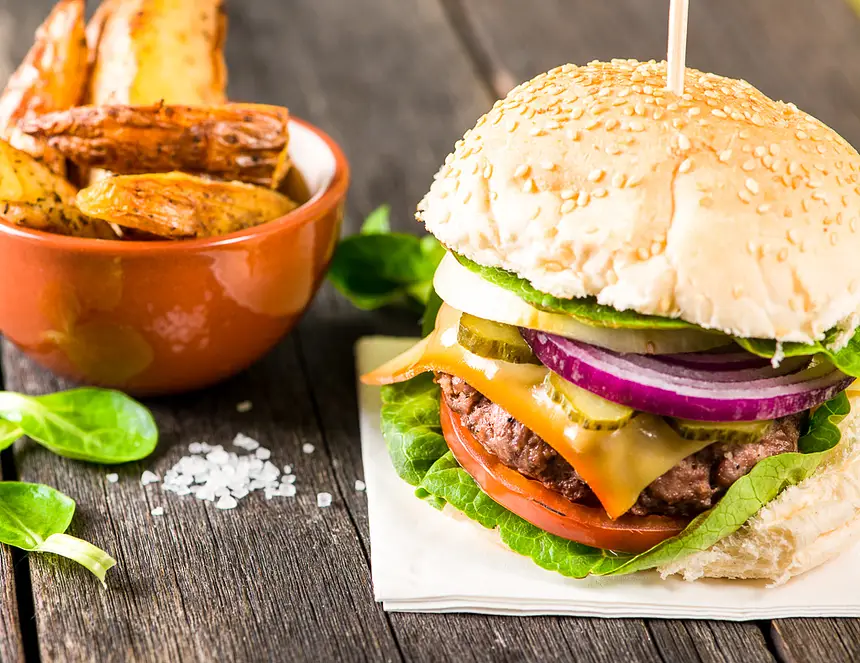
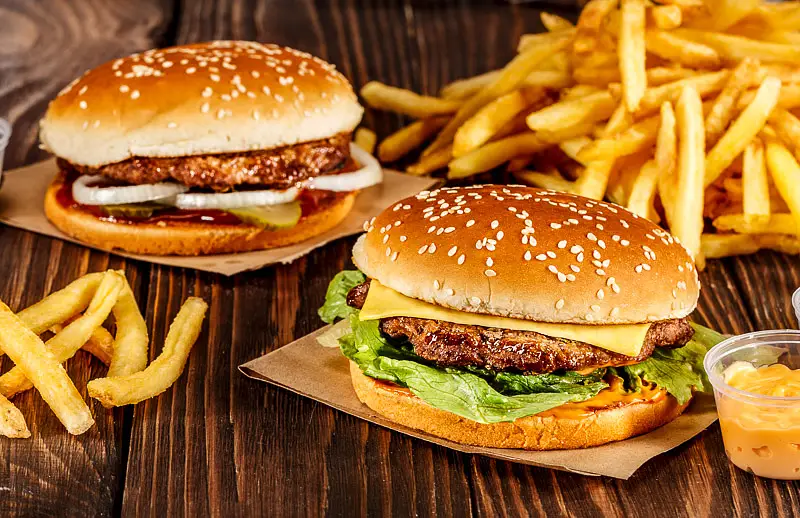
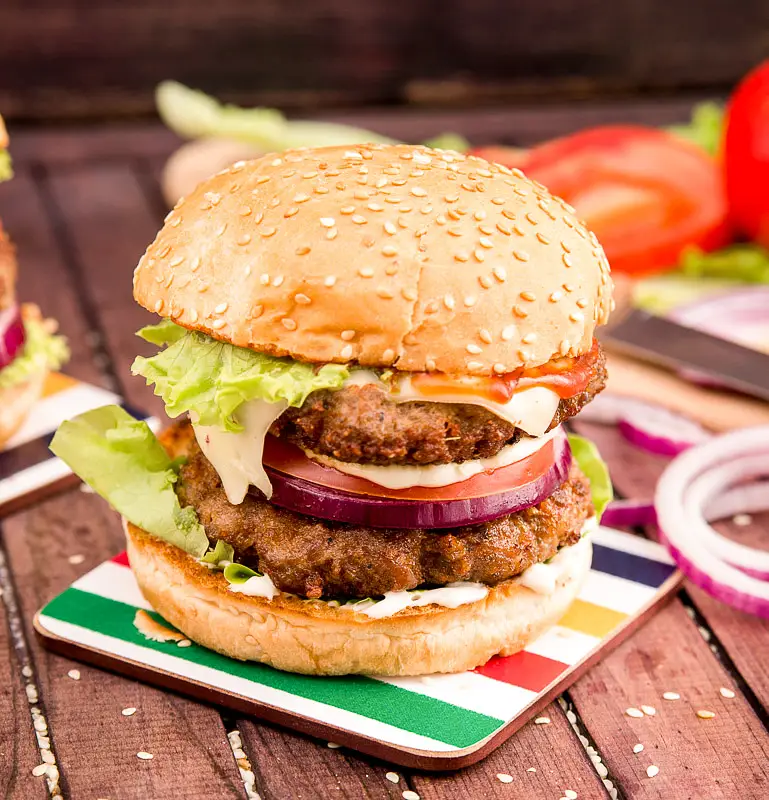
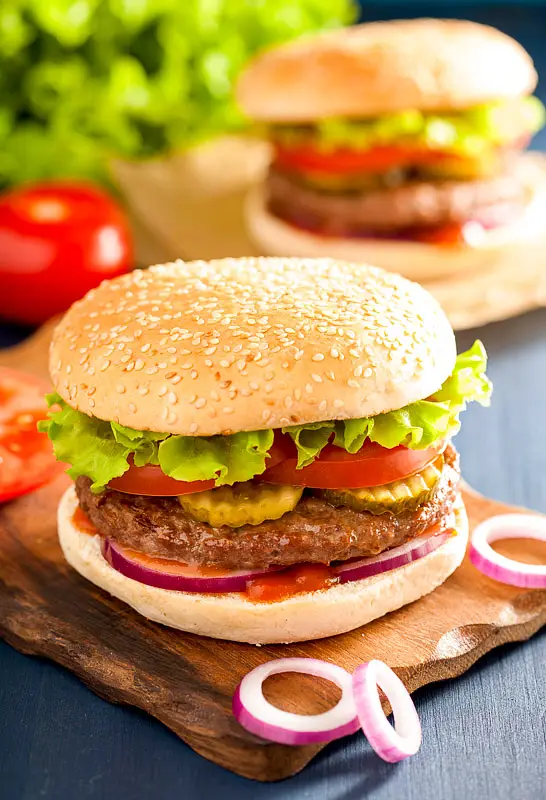
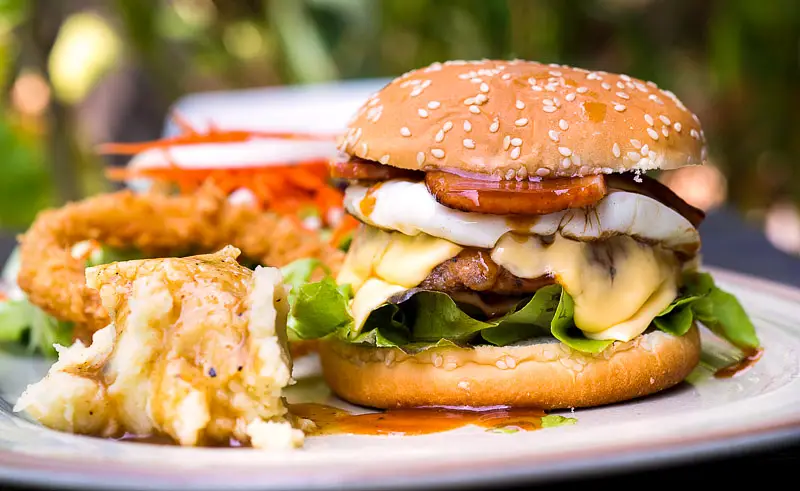
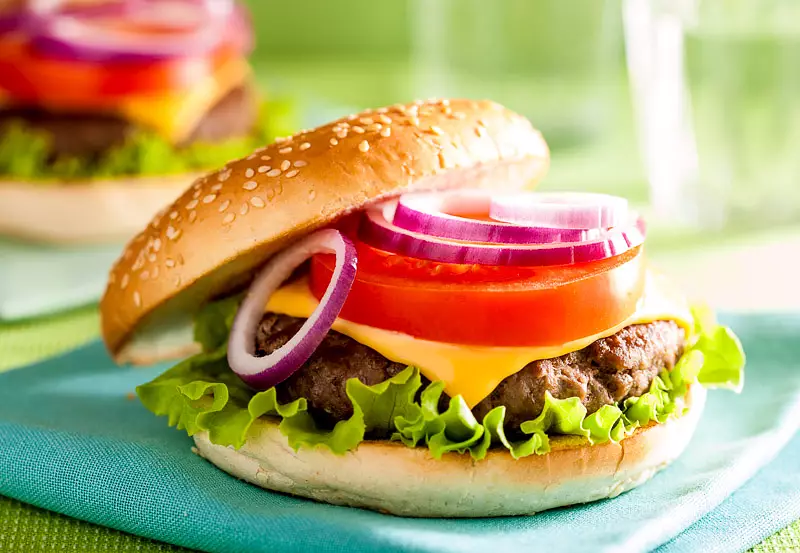
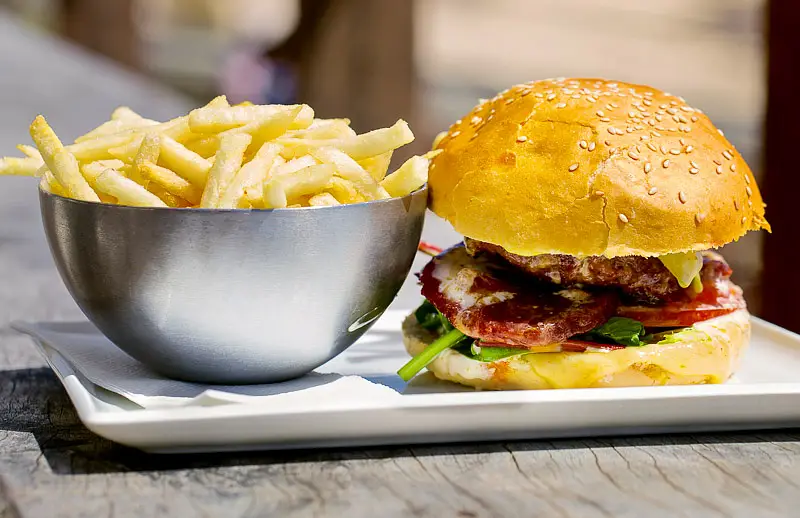
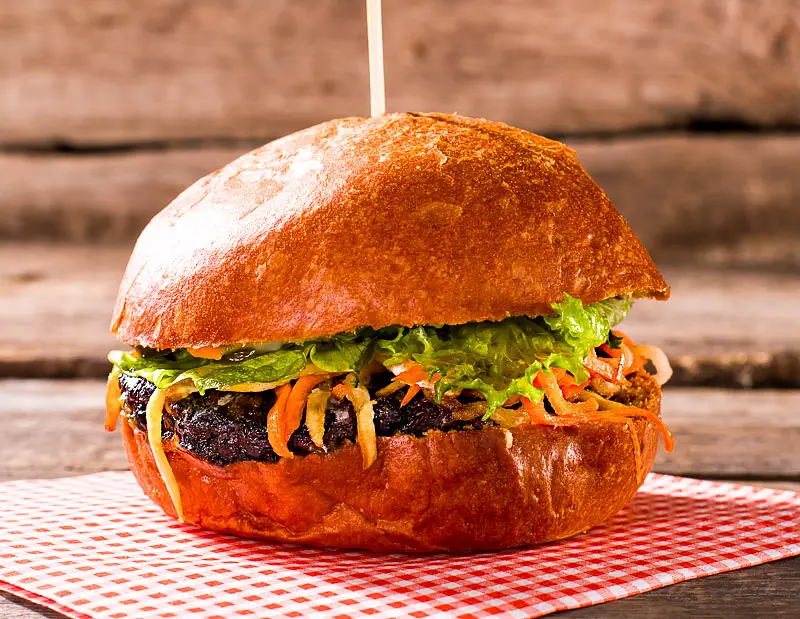
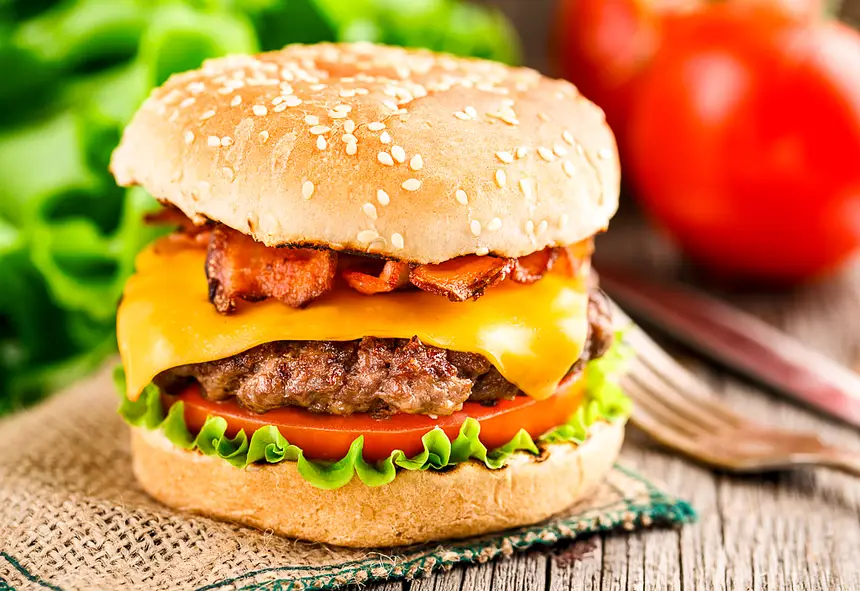
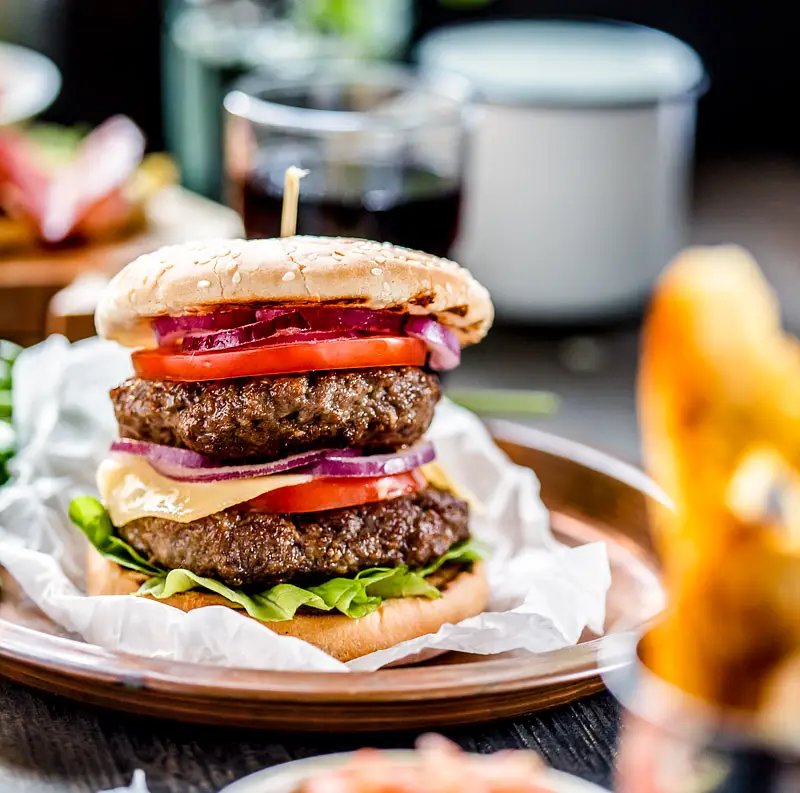
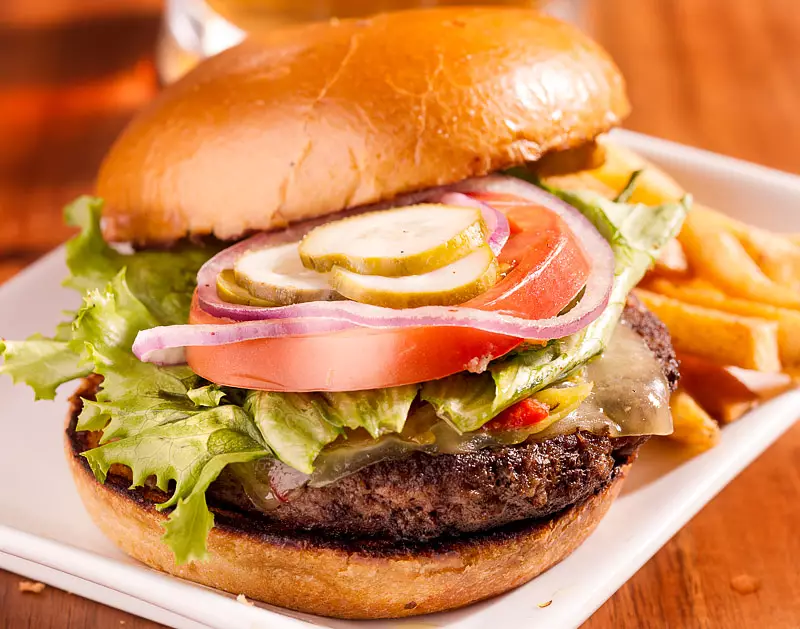
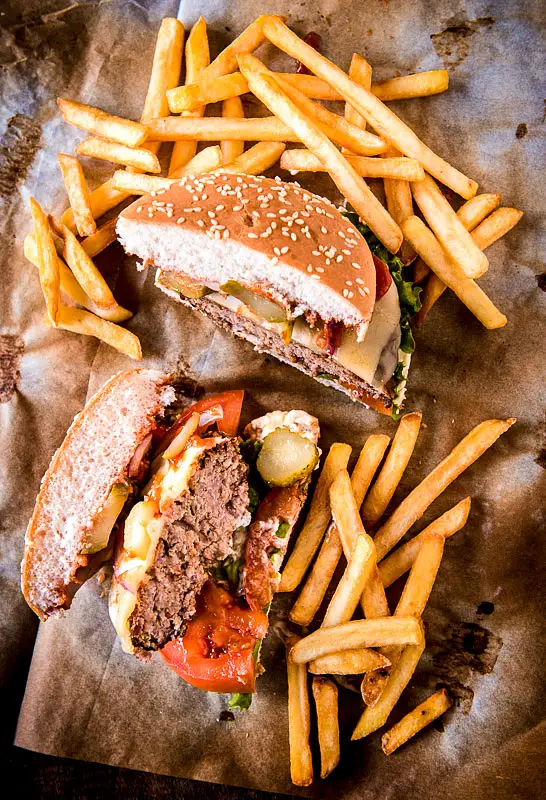
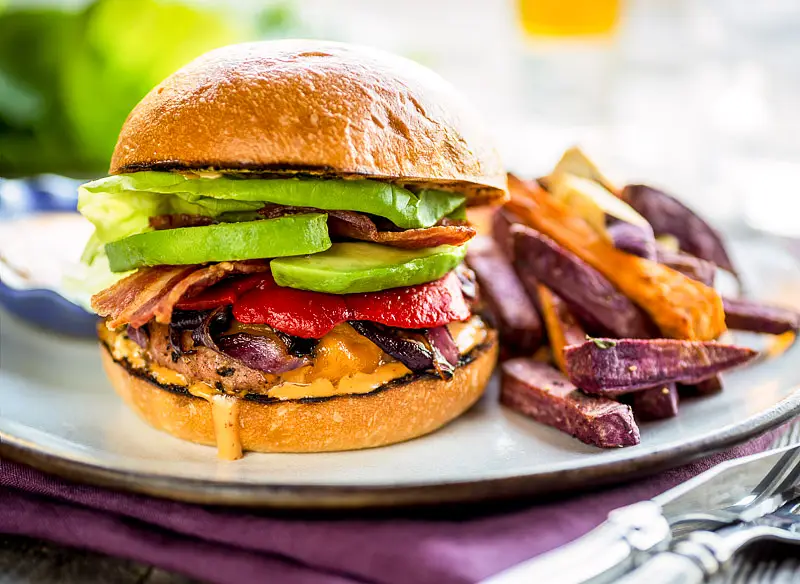
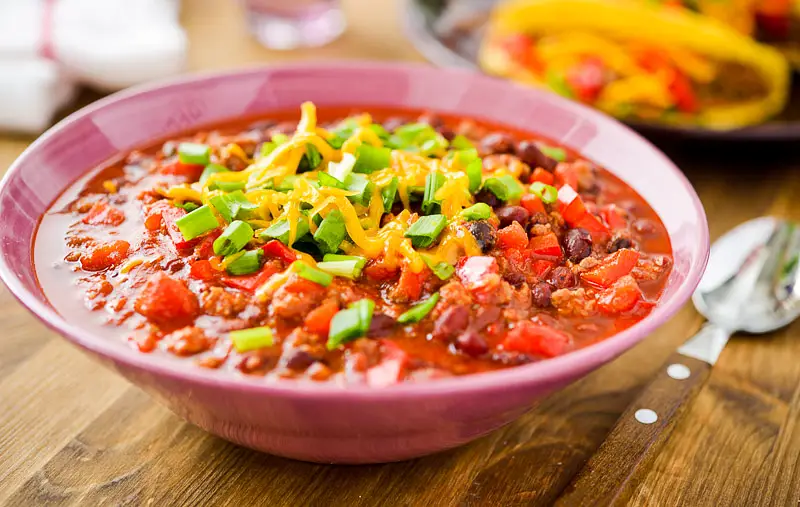
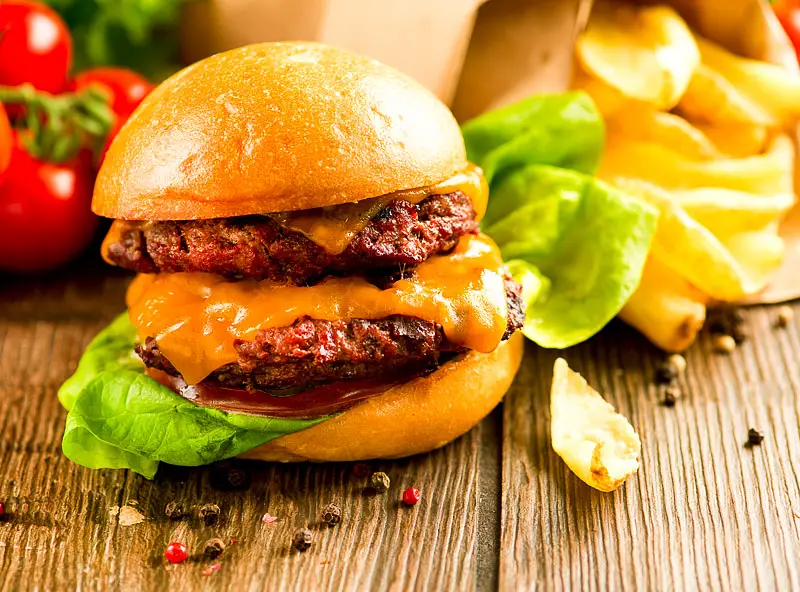
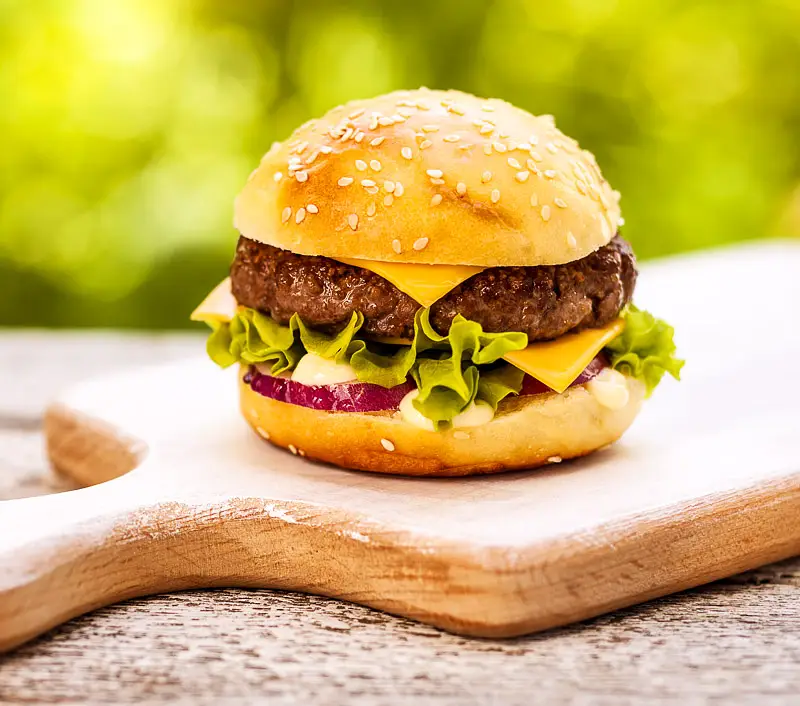
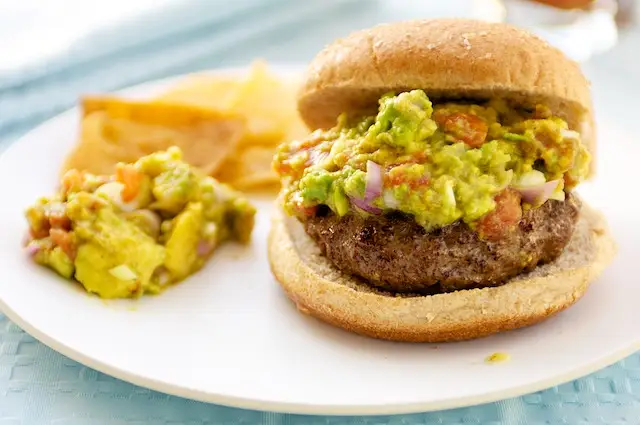
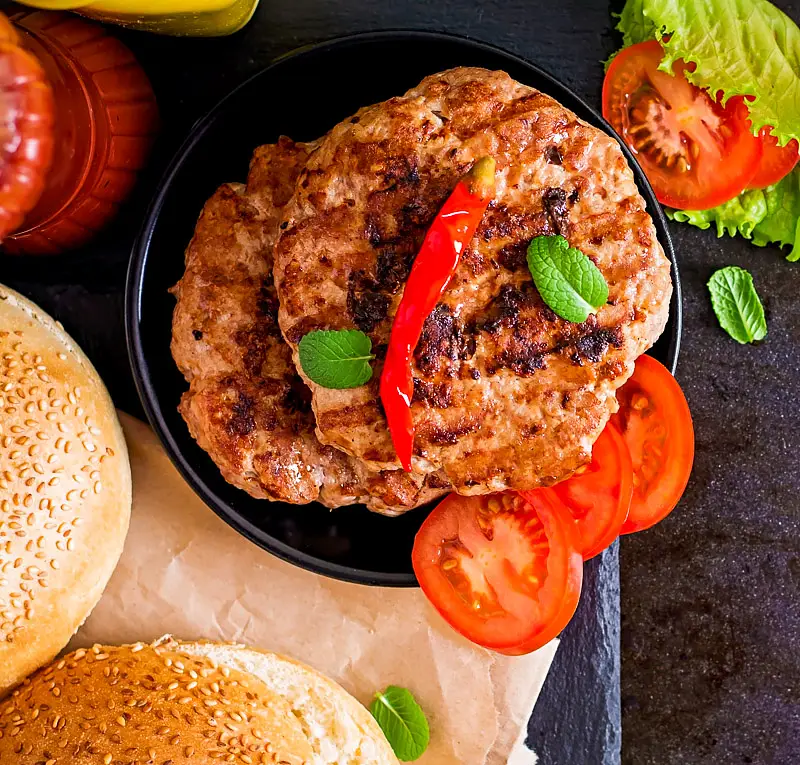
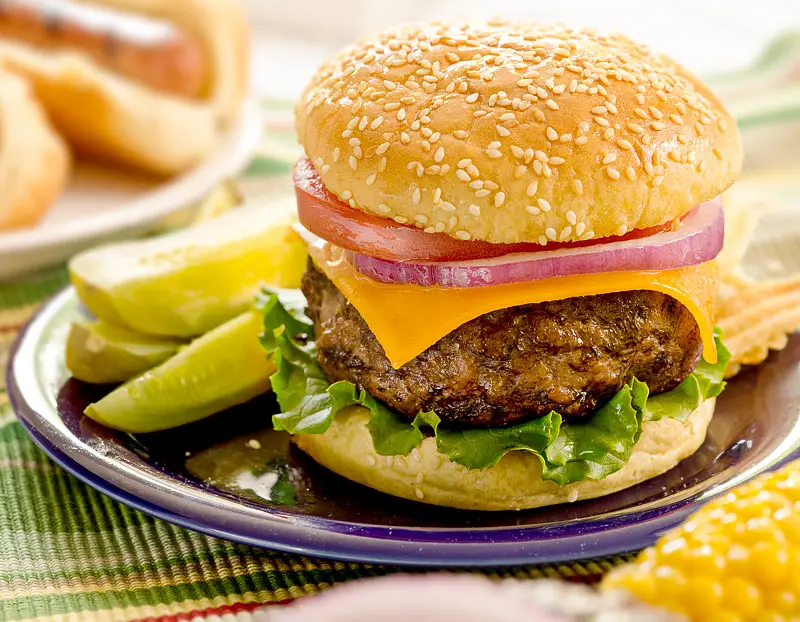
Extra lean, 93/7 and up, suits sauces and chili where liquid does the moistening. For burgers, honestly, 80/20 chuck beats both; lean patties fight you.
Cooking It Without Drying It
Ground beef is safely done at 160°F (71°C), and the window past that is short. Lean grinds especially go from juicy to mealy in a couple of unattended minutes.
For browning, the enemy is the crowd. Pack a pound into a small pan and it steams gray in its own juices; spread it in a wide, hot pan and leave it alone for a few minutes, and it builds the browned crust that flavors the whole dish.
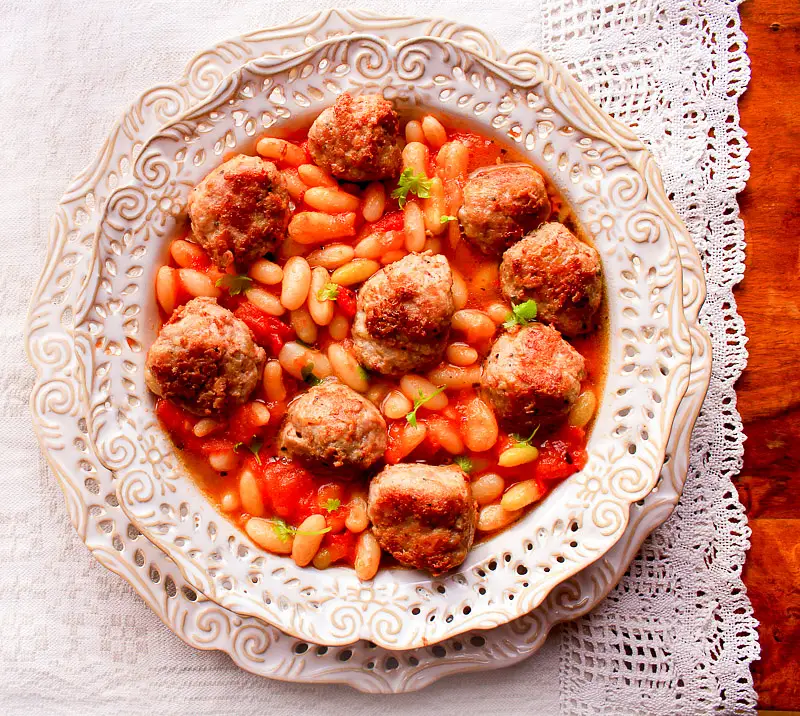
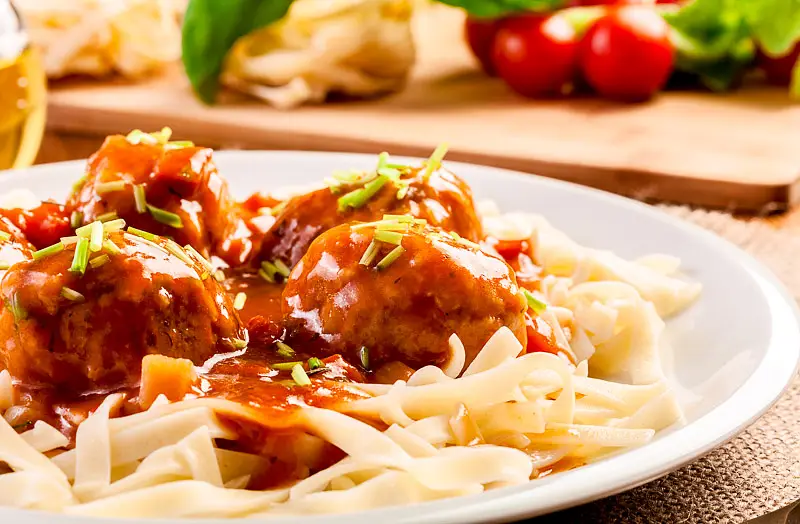
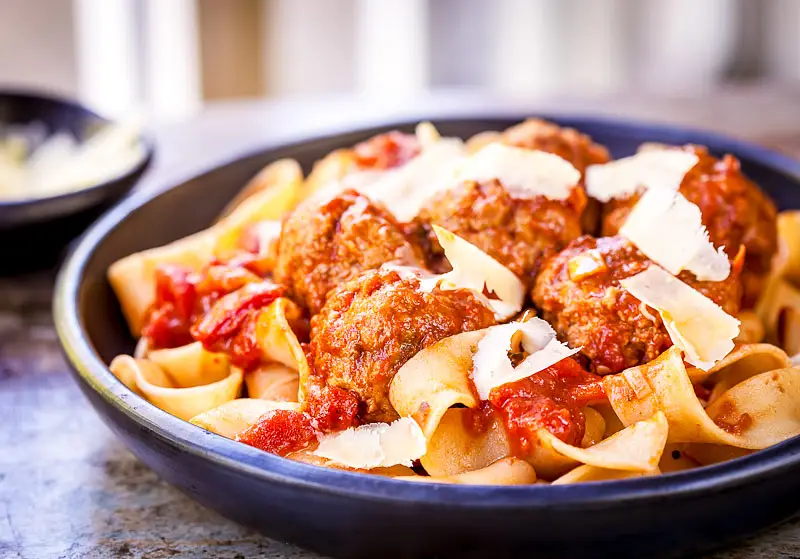
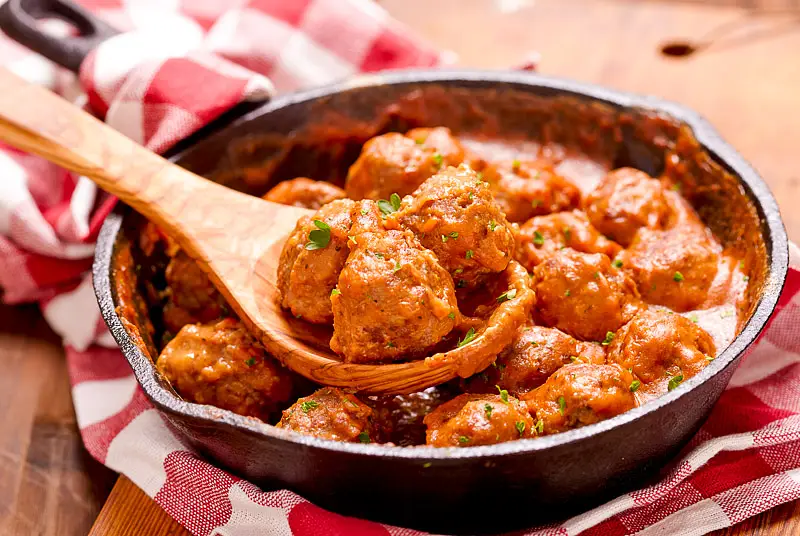
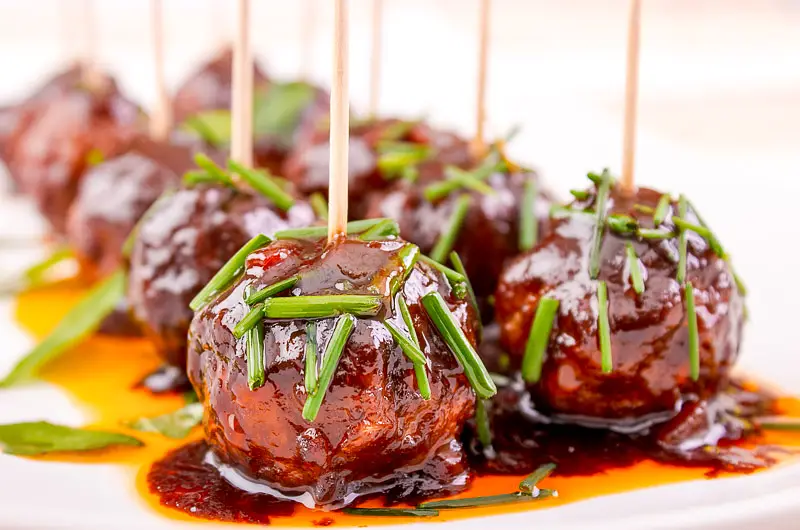
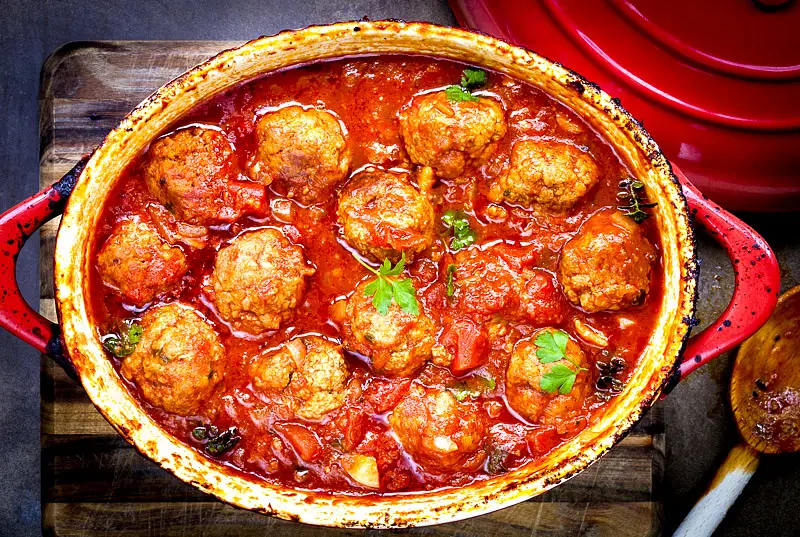
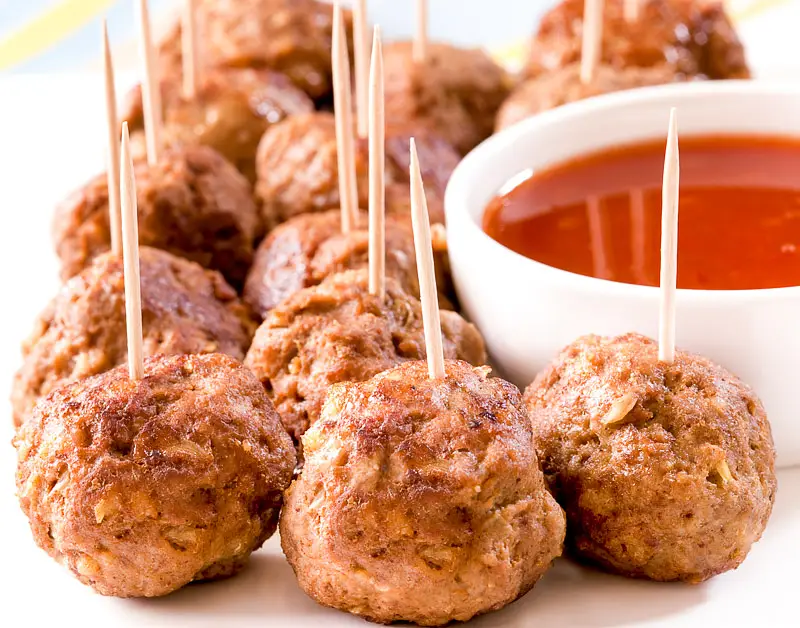
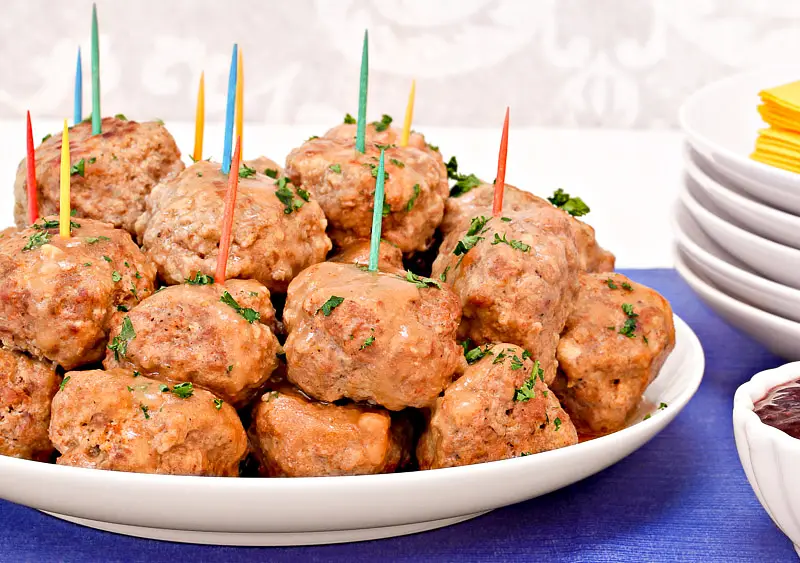
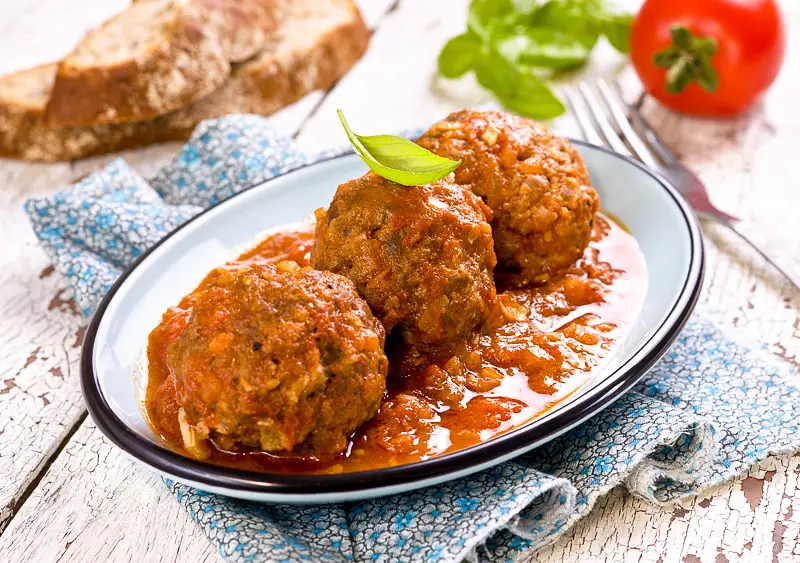
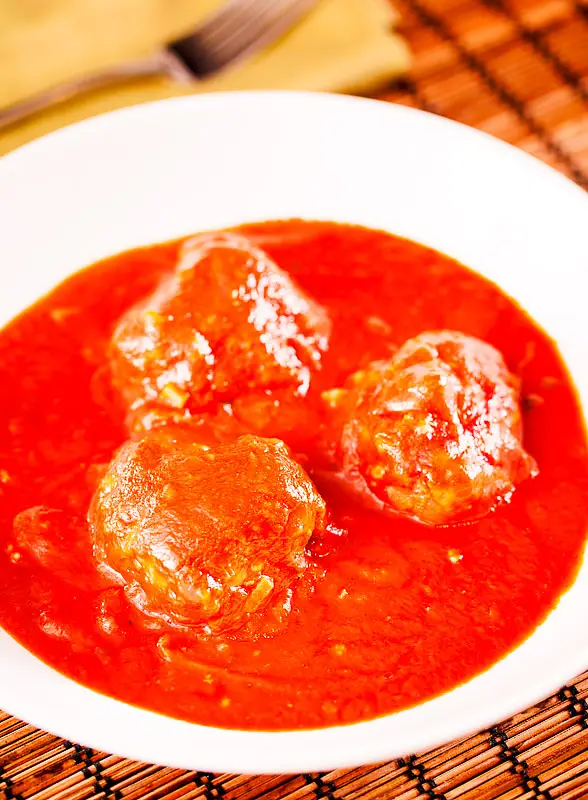
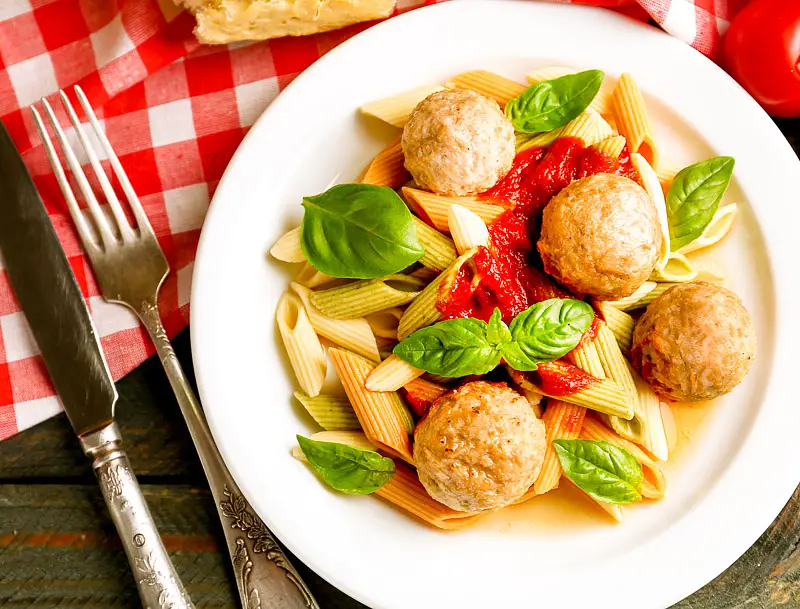
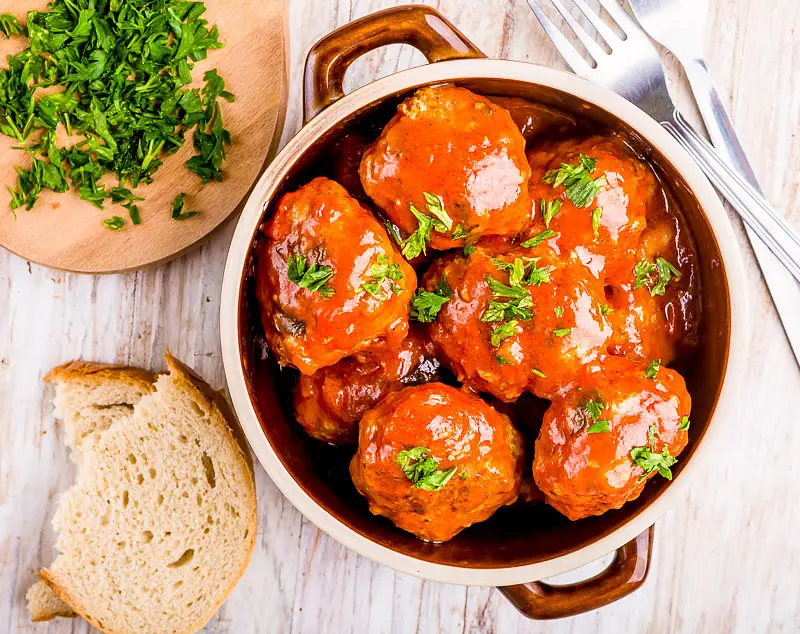
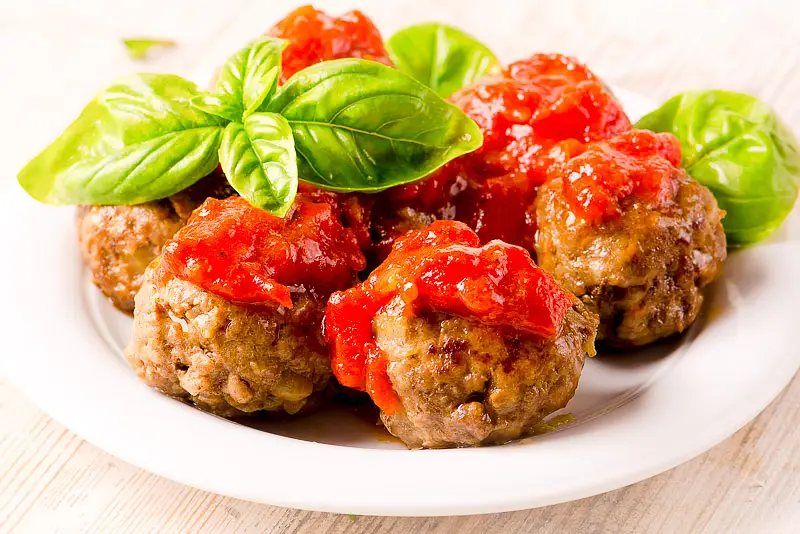
For meatballs and meatloaf, lean beef wants a panade: a slice of bread soaked in a few tablespoons of milk, mashed and mixed in. The starch holds moisture the missing fat would have provided, the difference between tender and rubbery in dishes like Easy Garlic Meatballs.
There is also the baking soda trick: toss the beef with ¼ teaspoon dissolved in a tablespoon of water per pound, wait 15 minutes, then cook. The raised pH keeps the proteins from squeezing out their moisture, so the meat browns instead of stewing.
Where It Earns Its Keep
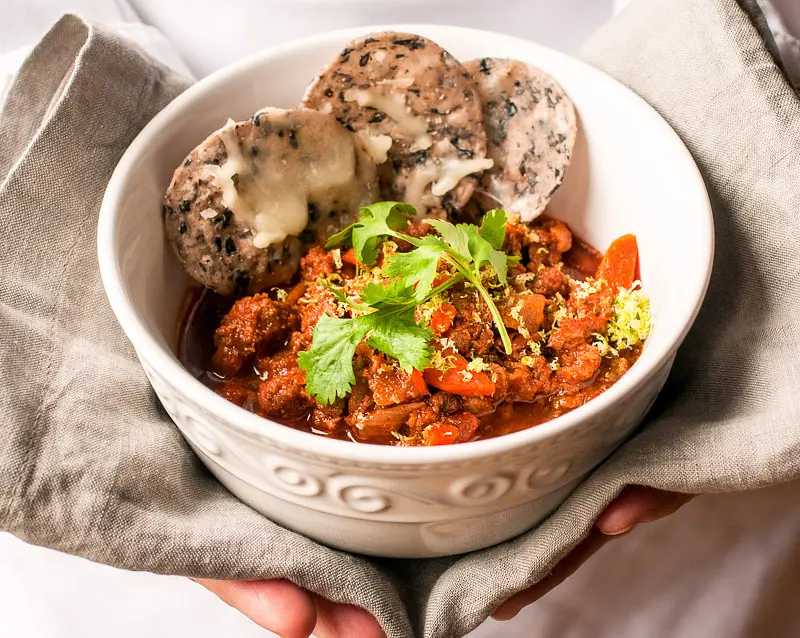
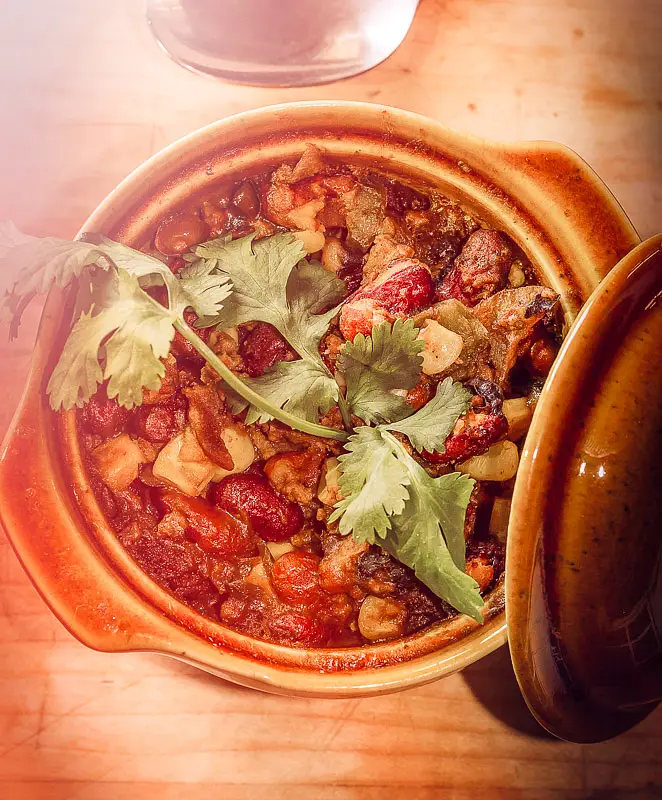
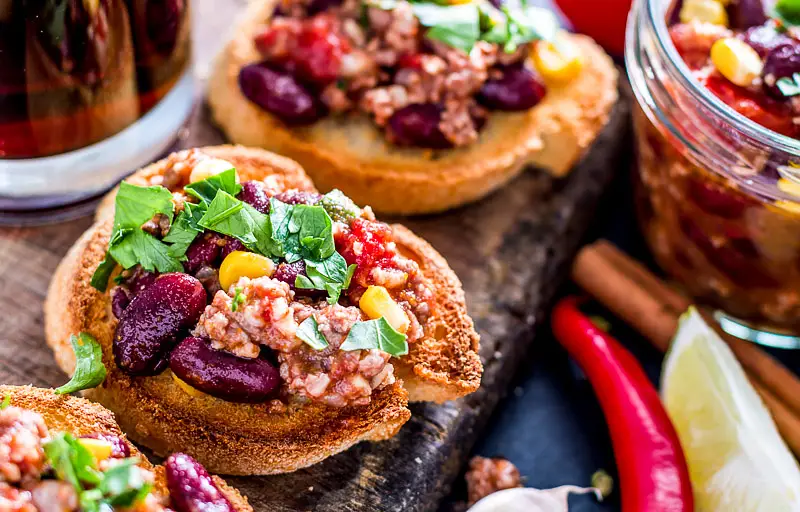
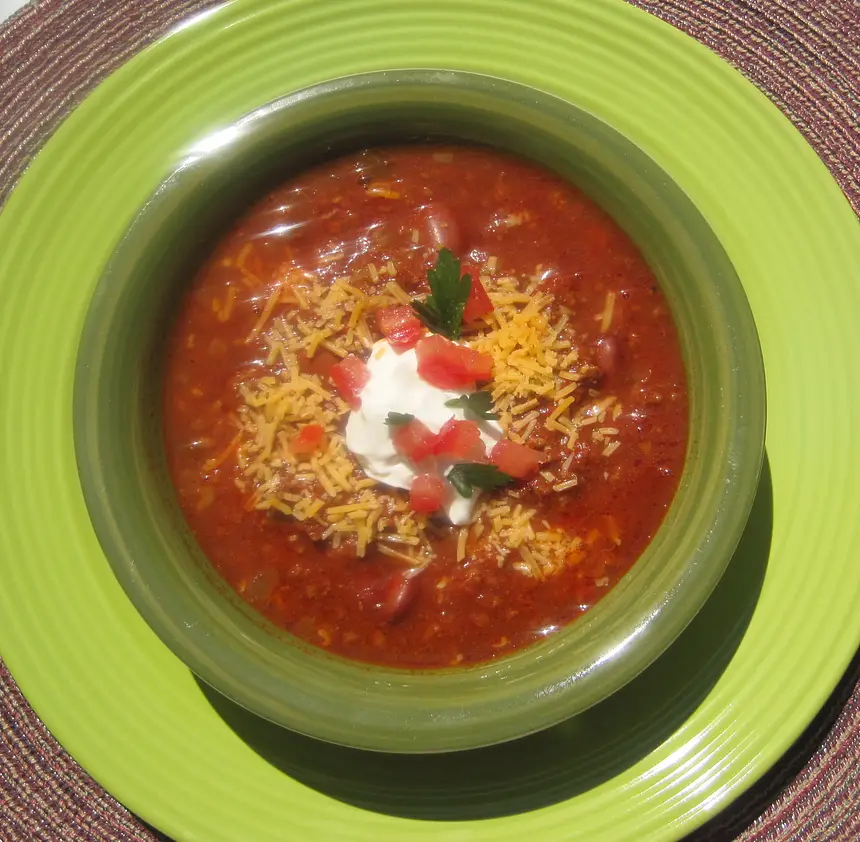
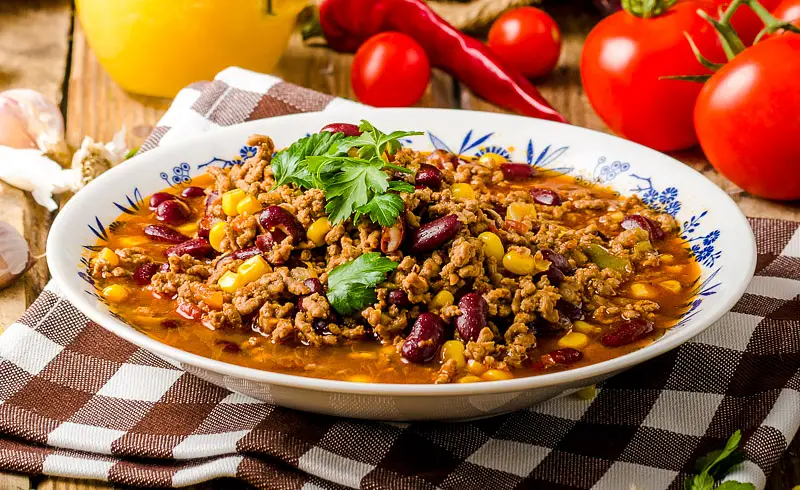
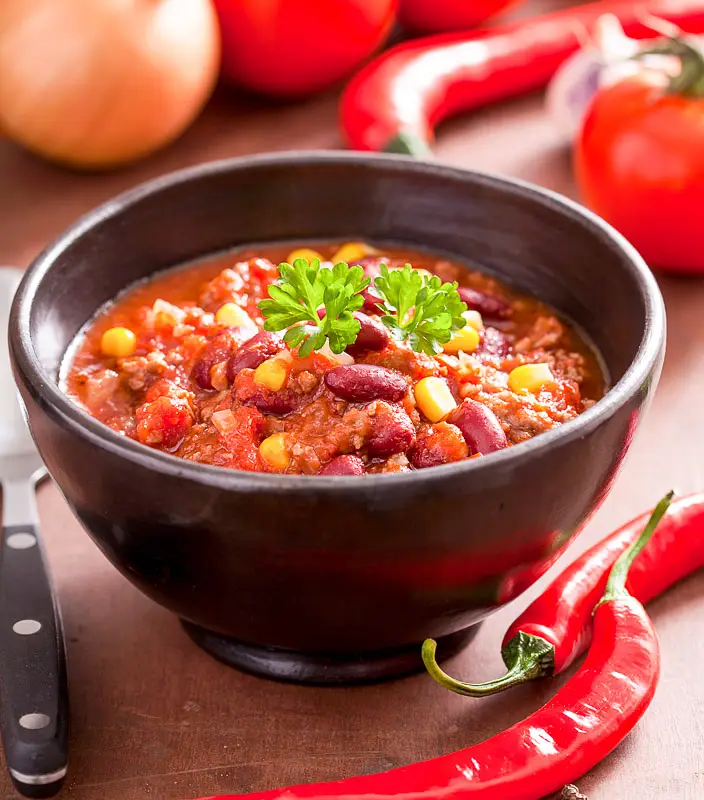
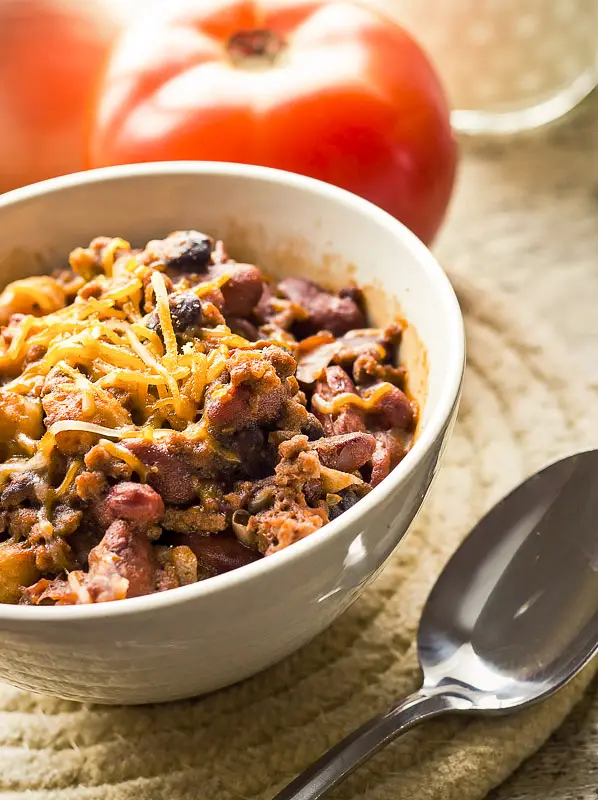
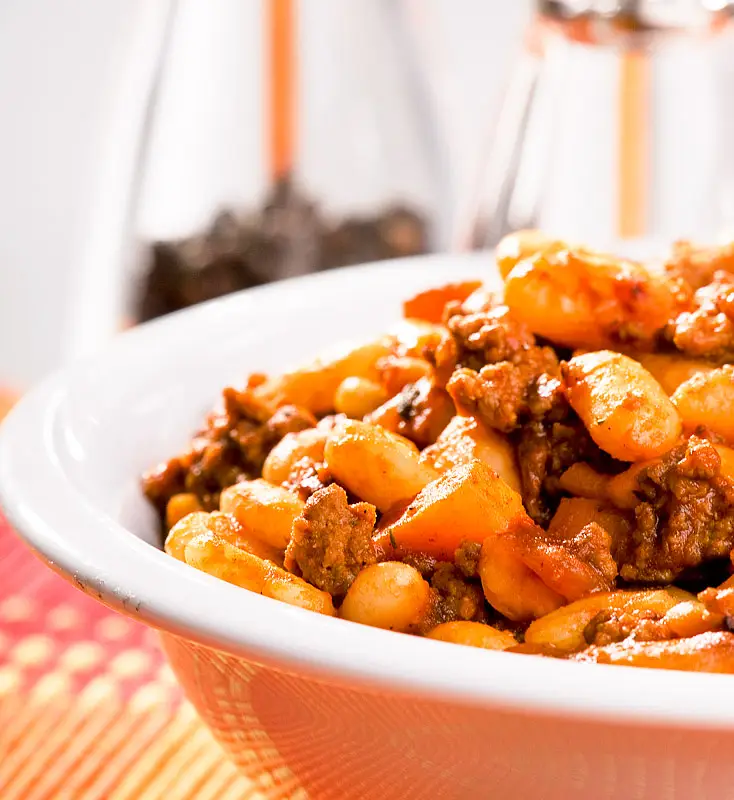
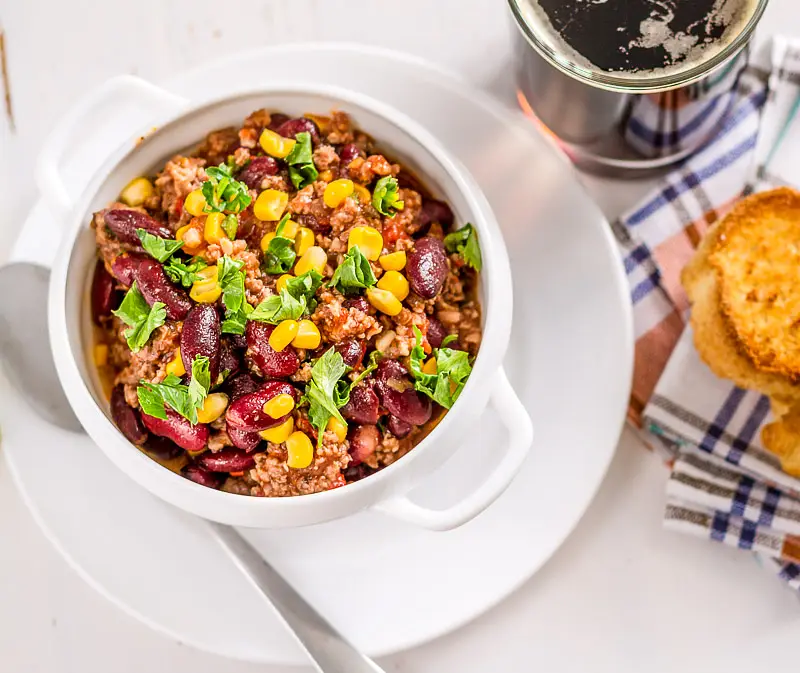
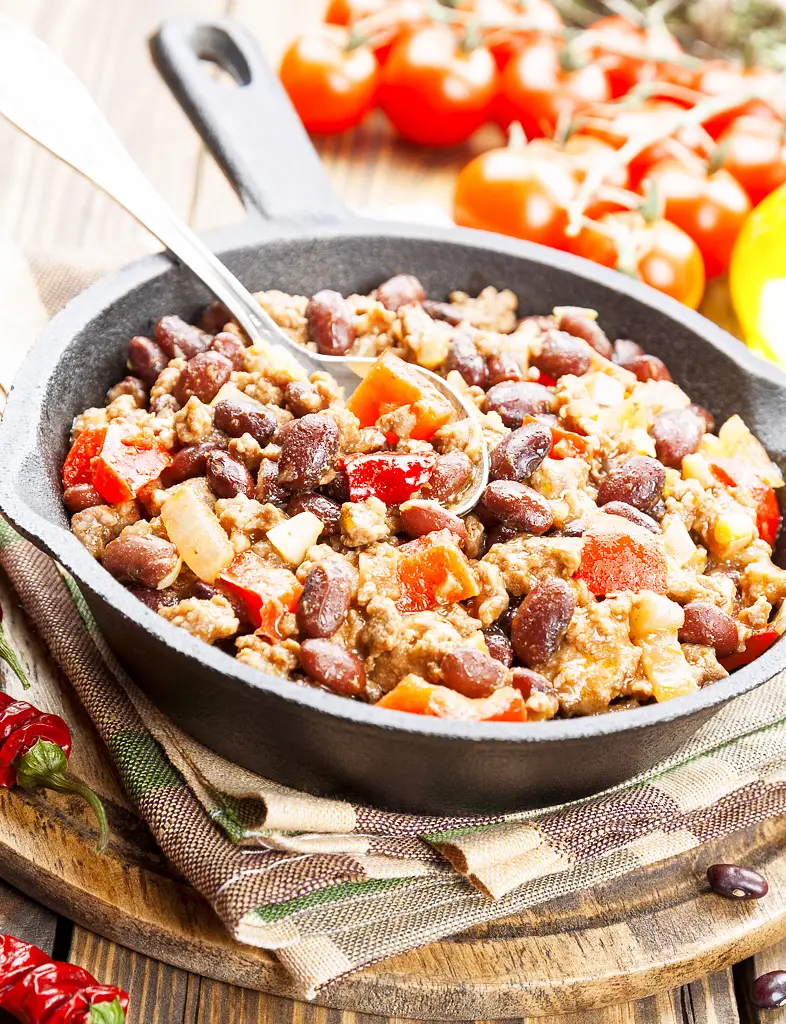
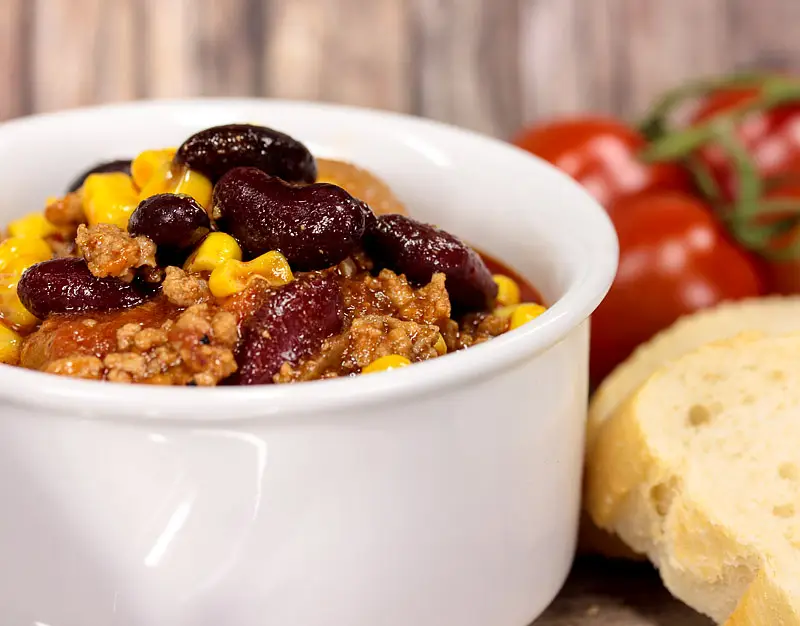
Lean grinds belong in dishes that bring their own moisture: chili like Cactus Chili, spaghetti sauce, and casseroles such as Irish Shepherd's Pie, where draining a fattier grind would cost you flavor for nothing.
Season after browning when the recipe allows. Salt drawn into raw ground meat tightens its texture toward sausage, which is right for meatballs and wrong for taco filling.
Skip rinsing browned beef under the tap. It strips the rendered flavor you just built, and the fat it removes from a 90/10 pound is hardly worth the soggy result.
Swapping It
Ground turkey trades in at the same weight but drier; add a tablespoon of olive oil per pound and don't push it past 165°F (74°C). Ground chicken behaves the same way.
A half-and-half blend of beef and finely chopped mushrooms keeps the texture and stretches the meat; the mushrooms brown along with the beef and nobody audits the ratio.
Lentils stand in for the texture in vegetarian chili and sloppy joes, with the seasoning doing the heavy work.
Buying and Keeping It
Buy by the date and your nose, not the color. The bright red outside and gray inside of a supermarket package is oxygen chemistry, not age; myoglobin turns gray wherever air cannot reach. Spoiled beef announces itself with a sour smell and a sticky surface.
Freshly ground from a butcher's case is worth it when the beef is the dish, burgers above all.
Raw ground beef keeps only a day or two in the fridge, so cook it or freeze it promptly. Frozen flat in a zip bag it holds quality for three to four months and thaws in minutes under cold water.