If lobsters have turned up in a recipe or caught your eye at the store, here's what you need to use them with confidence and how to choose them, cook them, store them, what to substitute, and 80 recipes to try them in.
Key Points
Large crustacean with sweet, firm white meat; the prize is the tail and claws.
Boil or steam a 1¼ pound lobster about 8 to 10 minutes until bright red.
Pull it near 135 to 140°F (57 to 60°C); past that the meat turns to rubber.
Serve with drawn butter, build lobster rolls and bisque, and simmer shells for stock.
Buy live and lively; cooked meat keeps two to three days refrigerated.
What are lobsters?
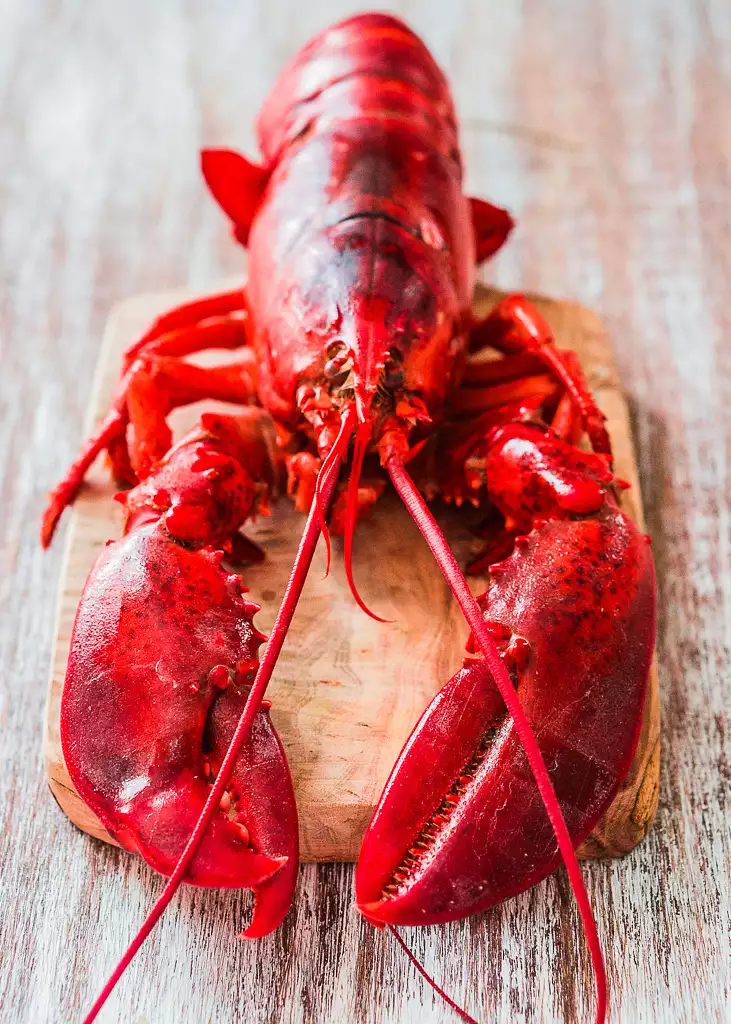
Lobster is a large marine crustacean with sweet, firm, snow-white meat that pulls in dense chunks rather than flakes. The prize is the meat in the tail and the two front claws, with smaller pickings tucked into the knuckles and legs.
Most North American recipes mean the cold-water clawed lobster from the Atlantic, the famous Maine lobster. Warm-water spiny lobsters, common in the Caribbean and Mediterranean, have no big claws, so all the meat lives in the tail.
The flavor is clean, faintly sweet and briny, richer than crab and firmer than shrimp. Cooked right, it has a gentle snap and stays juicy. Cooked too long, it tightens into rubber, which is the one outcome every lobster cook is trying to avoid.
How to Cook Lobster
Boiling and steaming are the everyday methods for a whole lobster. Steaming is gentler and harder to overshoot, while boiling is faster and seasons the meat if the water is well salted. Either way, a 1¼ pound lobster needs only about 8 to 10 minutes.
It is done when the shell turns bright red and the meat at the base of a tail reads 135 to 140°F (57 to 60°C). Pull it the moment it gets there.
With lobster, seconds genuinely matter.
Grilling suits split lobster tails and halved whole lobsters. Brush the cut meat with butter and lay it cut-side down over moderate heat for a few minutes, then flip and finish in the shell. Stir-fries like Stir-Fried Lobster with Ginger Sauce cook the meat hot and fast in pieces.
Plain steamed lobster wants almost nothing but warm drawn butter and a wedge of lemon. The sweet meat carries those two on its own, and a sprinkle of tarragon or chives is as far as you need to go.
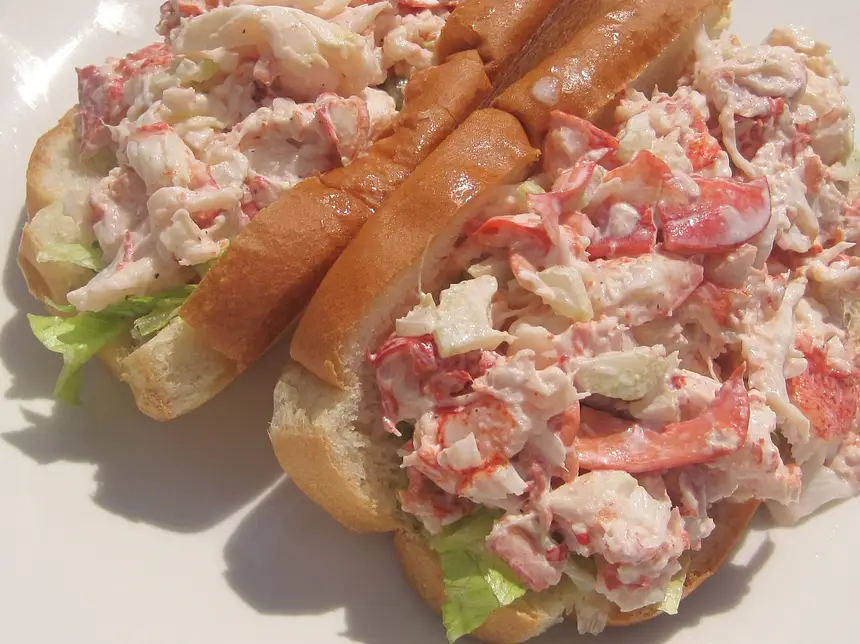
For lobster rolls, the cold meat gets a light coat of mayonnaise or a warm bath of butter, a touch of celery and lemon, then a buttered, toasted split-top bun. Keep the dressing minimal so the lobster stays the star.
The cardinal mistake is overcooking. Past about 140°F (60°C) the proteins seize and the meat turns from tender to chewy rubber, with no way back. Use a timer and a thermometer rather than your gut.
A smaller mistake is wasting the body. The shells and the tomalley carry huge flavor, so simmer the shells for stock or bisque instead of binning them.
Substitutes
The closest swap is langostino or rock lobster tails, which bring a similar sweet firmness at lower cost and show up frozen in most stores. They cook even faster, so watch them closely.
Crab meat, especially large lump, stands in well for lobster in rolls, bisques and salads, with a softer texture and a touch more sweetness. Large shrimp or prawns work in stir-fries and pasta where you want that snap and brine without the price.
For a bisque or a stuffing where lobster is one voice among many, a mix of crab and shrimp covers it convincingly. Monkfish, sometimes called poor man's lobster, mimics the firm bite in cooked dishes.
Buying and Storage
Buy live lobsters lively. A fresh one flaps its tail hard and pulls its legs in when lifted; a sluggish, limp lobster is on its way out and the meat suffers.
Keep live lobsters in the fridge under damp newspaper or seaweed, never in fresh water, which kills them, and cook them the same day.
Cooked lobster meat keeps in the fridge for two to three days in a sealed container. Picked meat freezes for two to three months, though the texture softens, so freeze it in its cooking liquid or a little butter to protect it.
If you buy frozen tails, thaw them overnight in the fridge before cooking for the most even result. A thawed-on-the-counter tail cooks unevenly and toughens at the edges.
Types of lobsters
Specific kinds of lobsters and the recipes that use them.
Lobster tails are the meaty tail section of the lobster, sold on their own without the claws and body. The tail holds the firmest, sweetest muscle on the animal. Selling it separately means you get all the prime meat with none of the cracking and picking.
Most tails on ice are warm-water spiny lobster, which have no big claws to begin with, or cold-water Maine lobster tails. Cold-water tails are firmer and sweeter and worth the extra money.
For the whole animal, how to handle a live one, and the claw and body meat, see lobsters. This page is about the tail.
Lobster meat is the cooked, picked flesh of a lobster, taken from the tail and the claws once the shell comes off. It is sweet and faintly briny, richer than most shellfish, with a firm bite that turns rubbery the moment it overcooks.
You will see it sold three ways: freshly picked from a whole cooked lobster, frozen in vacuum packs, or canned. Fresh is the prize, but it spoils fast, which is why so many recipes lean on the frozen and canned forms for convenience.
Because the lobster is already cooked when you buy picked meat, your job in the kitchen is mostly to warm it through gently and not ruin it.
A velvety lobster and shrimp bisque, sweet shellfish blended into a creamy, tomato-tinged base with a roux and half-and-half, finished with the gentle anise note of fresh tarragon. An elegant starter.
Crockpot seafood cheese dip loaded with shrimp, crab, and lobster melted into a base of cream cheese, sour cream, and processed cheese. Warm, scoopable, and built for a crowd.
Creamy, rich and so flavorful. Didn't have pimento, used fresh sweet red pepper instead, nothing was sophisticated during the preparation, but the flavor was so impressive!
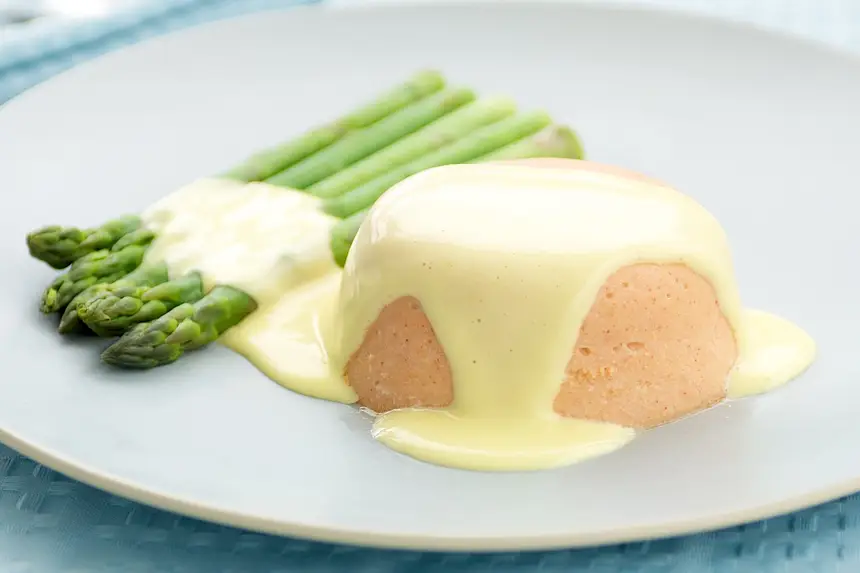
It may be a basic way to make this fish mousse, but the flavor was definitely very sophisticated. Light, silken-smooth with the creamy and rich Hollandaise sauce that Sean made from the scratch, it was an ultimate enjoyment!
"Lobster Newberg. Also "lobster a la Newburg"...The dish was made famous at Delmonico's Restaurant in New York in 1876 when the recipe was brought to chef Charles Ranhofer by a West Indies sea captain named Ben Wenberg. It was an immediate hit, especially for after-theater suppers, and owner Charles Delmonico honored the capatain by naming the dish "lobster a la Wenberg." But later Wenberg and Delmonico had a falling-out, and the restauranteur took the dish off the menu, restoring it only by popular demand by renaming it "lobster a la Newberg," reversing the first three letters of the captain's name.
Stacked cornmeal crepes layered with lobster, Manchego cheese, toasted pine nuts, and cilantro, baked under a silky poblano chile cream. Southwestern elegance on a plate.
Grilled lobster and shrimp skewers piled over a cool watermelon, cucumber, and jalapeño salsa, with charred bell peppers, asparagus, leeks, and sweet corn alongside. A bold summer surf-and-grill plate.
A Victorian-era Irish lobster recipe from novelist Thackeray: tender lobster stewed in butter with mustard, vinegar, ketchup, and cayenne. Rich, briny, and steeped in literary history.
Traditional New England clam bake with lobsters, clams, corn, potatoes, and shrimp steamed over hot rocks under fresh seaweed. The classic beach-fire feast for a crowd of 24.
Lobster dome with lobster meat, new potatoes, haricots verts, and Roma tomatoes in lobster American sauce, sealed under golden puff pastry and finished with truffle oil.
Lobster and roasted corn chowder with bacon, smoked ham hock, and a Southwestern kick from jalapeño and green chiles. A creamy bowl built from a lobster-stock base and pan-charred corn kernels.
The legendary Dagwood Bumstead sandwich: a towering, impossible stack of ham, bacon, meatloaf, sausage, lobster, sardines, fried egg, cold spaghetti, and everything else in the fridge.
Italian sausage, shrimp, and lobster simmered in a wine-spiked tomato broth with vegetables and fusilli, then broiled under a bubbling cap of Jarlsberg cheese. This cheesy cioppino is San Francisco soul food with a gooey twist.
Kakavia is the Greek fisherman's soup: tomato, fennel, and herb broth simmered with mixed fish, lobster, shrimp, and scallops, ladled over thick toast. Rustic Mediterranean seafood stew at its most generous.
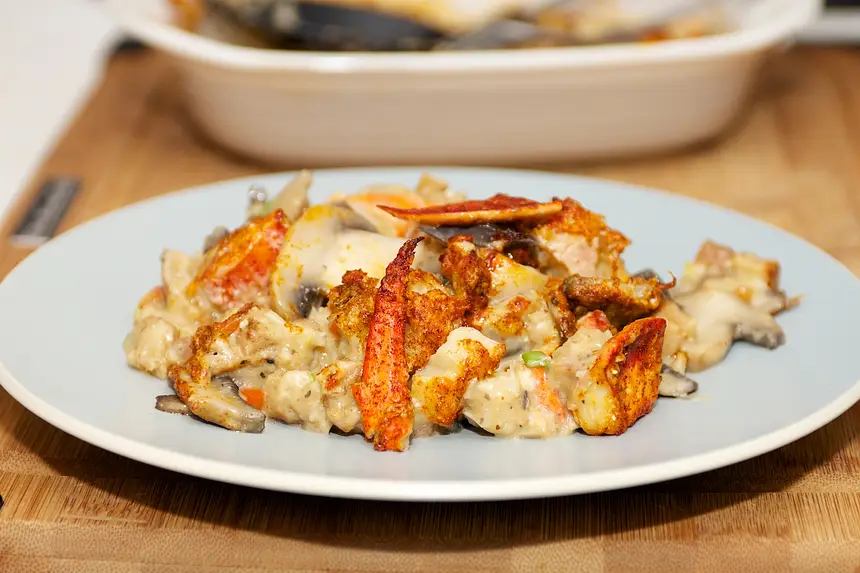
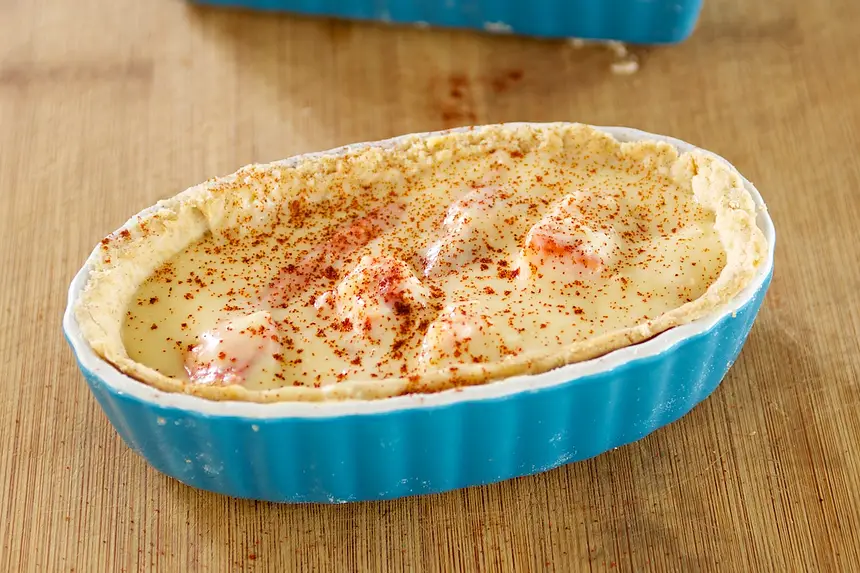
New England seafood casserole with lobster, crab, or shrimp baked in a cream and egg custard with buttered cracker crumb topping. A classic coastal comfort dish.
Lobster tails in patty shells spoons sweet lobster meat in a sauterne-spiked cream sauce with mushrooms, olives, and pimento into golden puff pastry shells. A retro special-occasion dinner straight from the supper-club era.
Tournedos of lotte (monkfish) with lobster, sauteed monkfish medallions plated with lobster meat in a silky Cognac-cream sauce enriched with homemade lobster butter. An elegant French restaurant classic for special occasions.
Lobster vinaigrette built from roasted lobster shells, fish stock, and wine vinegar, then emulsified with egg yolk and oil. A chef-level way to use the shells most cooks throw away.
Lobster steamed over fresh herbs and white vermouth, served with an emulsified watercress dressing and julienned peppers and tomato. An elegant, garden-fresh seafood platter.
Lobster with curry sauce from Bon Appetit: poached lobster medallions served over a silky reduction of tomato, Calvados, white wine, and warm curry spices. A dinner-party centerpiece with French technique.
Lobster Moana: tropical-island lobster stir-fry from the New York Times archive with rum, bean sprouts, water chestnuts, snow peas, and napa cabbage, thickened with egg.
Lobster chunks poached in herbed chicken broth with fresh mushrooms and garden vegetables, finished with lime juice. A light, elegant seafood dish ready in 30 minutes.
Maine lobster in tangy butter sauce with lemon, dry mustard, and Worcestershire, served on toast. Six ingredients, ten minutes, and pure New England luxury.
Lobster casserole with cream of cheddar soup, mushrooms, sherry, and buttered breadcrumbs made entirely in the microwave. A rich, creamy seafood main dish in 30 minutes.
Whole lobsters wrapped in corn husks and smoked over hickory and hardwood charcoal for 30 minutes. A simple, impressive method that infuses sweet smoke into every bite.
Classic Maine-style lobster stew with just four ingredients: fresh lobster, butter, milk, and cream. Simmered gently and aged overnight for the deepest, sweetest lobster flavor.
Rock lobster lasagna: decadent lobster tail meat layered between lasagna noodles, tomato sauce, mozzarella, and parmesan. A special-occasion Italian-American upgrade on classic lasagna.
Lobster smoked over black lychee tea, brown sugar, and rice, then wrapped in rice paper with ripe mango, jicama, fresh herbs, and bean thread noodles. A spicy mango-sambal dipping sauce ties it all together.
1. After you boil veggies remove and put in the blender and puree. This helps add thickness, especially if you are trying to reduce fat, then add back in.
2. Do not use tomatoes past or food coloring.
3. use lobster stock instead of or to supplement chic stock.
4. Try using Dry Vermouth for wine.
5. I used this recipe and added salmon
Kakavia is the Greek fisherman's soup built from homemade fish stock, whole fish pieces, lobster tails, and shrimp simmered with tomatoes, leeks, and potatoes. A traditional seafood soup served with crusty bread and lemon wedges.
Luxurious seafood stew with lobster, shrimp, clams, and mussels in a white wine tomato broth flavored with garlic and herbs. This Mediterranean feast is elegant yet approachable.
Lobster in tomato sauce with saffron rice: Mediterranean-style shelled lobster simmered in tomato, white wine, orange juice, fennel, and saffron, thickened with lobster coral and liver. A rustic European coastal seafood feast.
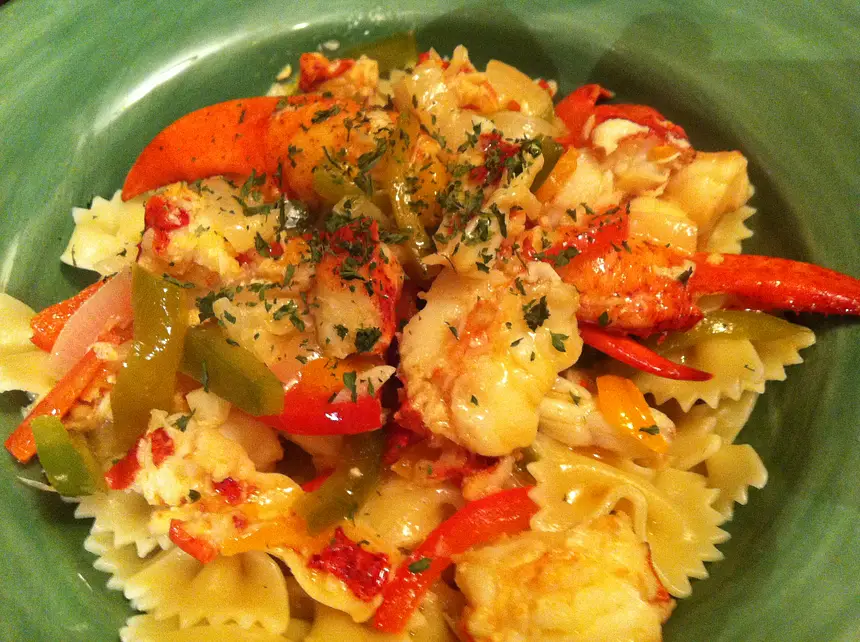
Lasagna Sarde is a Sardinian-style pasta with lobster, saffron, potatoes, overripe tomatoes, and white wine tossed with fettuccine. A rustic Italian seafood pasta that celebrates simple, bold ingredients.
Grand Brazilian seafood soup with grouper, shrimp, mussels, crab, and lobster in a rich fish head stock with tomatoes, coriander, parsley, and cayenne. A coastal feast in a bowl.
Rock lobster or lump crab in a buttery cream sauce spiked with mustard, sherry, and hot sauce, finished with Parmesan and served in flaky pastry shells.
Fisherman's bouillabaisse with lobster, red snapper, clams, and mussels in a tomato and white wine broth. Provence-inspired seafood stew ready in 45 minutes.
Grilled lobster basted in basil butter served with a warm chanterelle, corn, and bacon salad with frisee and sherry vinegar. A stunning summer seafood main course.
Grilled split lobster served alongside a fresh herb salad of basil, mint, fennel fronds, chervil, chives, and parsley dressed in lemon and olive oil. Simple, elegant, done in 30 minutes.
Grilled paella with chicken thighs, lobster, shrimp, scallops, mussels, clams, and chorizo over curry-turmeric rice with ancho powder. A show-stopping one-platter feast.
Grilled lobster dinner pairs halved lobster, husk-steamed corn, and littleneck clams over the fire, basted with garlic-oregano herb butter. A full New England seafood feast on the grill.
Lobster gazpacho with chilled lobster meat, avocado, artichoke hearts, cucumber, and jalapeno in a balsamic-citrus broth. A luxurious cold soup for summer.
Butter-tossed lobster tails in a bourbon and white wine cream sauce with sauteed shallots and morel mushrooms, plus bonus tomalley croustades with Gruyere.
Cooked lobster draped in a warm egg-lemon sauce made in a double boiler. Served with deep-fried potato balls and crispy parsley for an elegant presentation.