If salmon has turned up in a recipe or caught your eye at the store, here's what you need to use it with confidence and how to choose it, cook it, store it, what to substitute, and 181 recipes to try it in.
Key Points
Oil-rich fish; pull at 125°F (52°C) for a moist, just-set center.
Overcook past 140°F (60°C) and fat squeezes out as chalky white curd.
Keep skin on; start skin-side down in a hot dry pan for crisp results.
Wild is leaner and firmer; farmed Atlantic is fattier, milder, and forgiving.
Cook fresh within one to two days; thaw frozen in the fridge, never the counter.
What is salmon?
Salmon is a pink-fleshed, oil-rich fish that takes a hard sear or a low oven equally well, which is why it shows up in more recipes here than any other fish.
Its fat is what makes it forgiving on flavor and unforgiving on timing. Cook it a few minutes too long and the same fat that kept it moist squeezes out as chalky white curd.
The color comes from a diet of krill and shrimp. Wild fish range from deep red sockeye to softer pink coho and king, while farmed Atlantic salmon is the mild, evenly fatty fillet most people buy week to week.
It is sold whole, as a side, as portioned fillets, or as steaks, fresh or frozen. Almost all of it eats best somewhere between just-cooked and barely translucent in the center.
Cooking Salmon
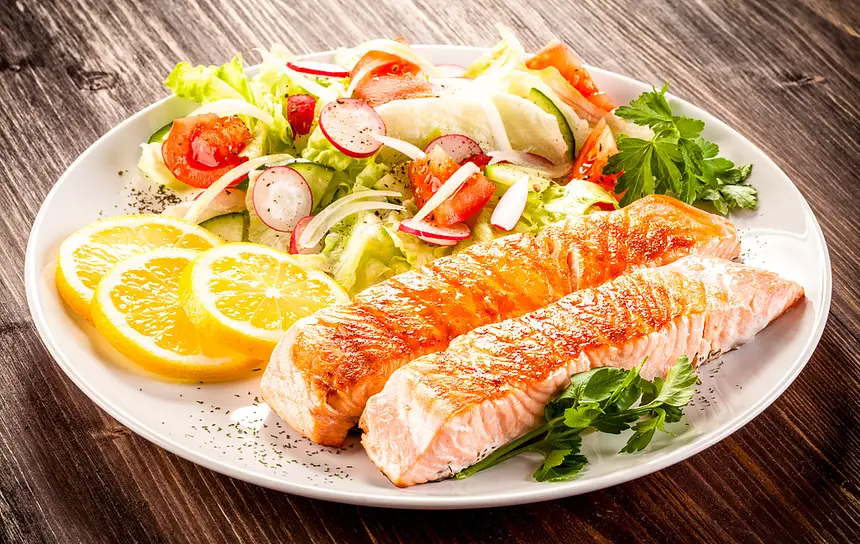
The single number worth remembering is doneness. Pull salmon at an internal 125°F (52°C) for a moist, just-set center; it climbs a few more degrees off the heat. Push past 140°F (60°C) and the flesh turns dry and the white albumin weeps out along the surface.
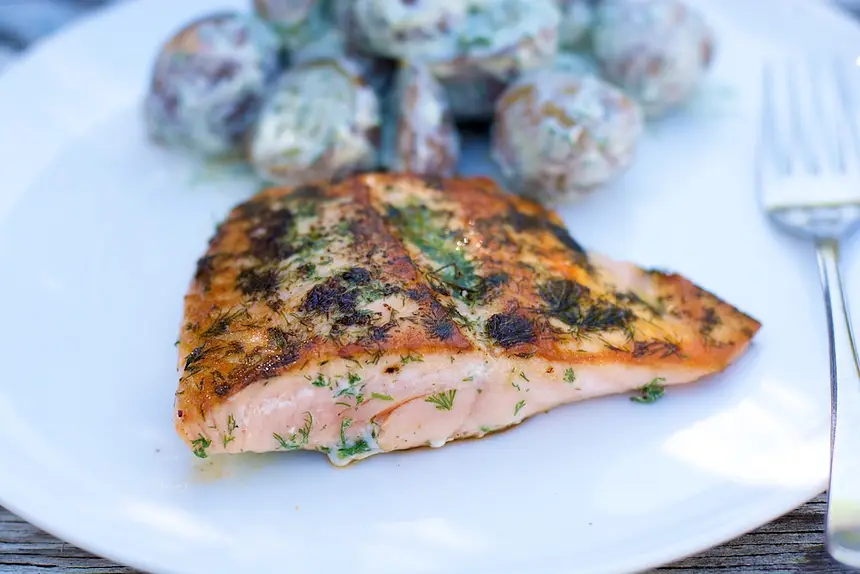
High heat builds flavor. A hot pan or a 425°F (220°C) oven gives you browning and a crust, the approach behind a Mustard-Crusted Salmon or a sheet-pan Baked Salmon with Dill.
Low and slow goes the other way. Poaching in barely-trembling liquid keeps a Cold Glazed Salmon silky and even-colored, with no browning at all. Both are right; they just aim at different textures.
Salmon's richness wants something sharp against it. Lemon, dill, capers, mustard, soy, ginger, and a dry white all cut the fat and keep a fillet from feeling heavy.
The skin is worth keeping on. It shields the flesh from direct heat and holds a delicate fillet together as it cooks.
For crisp skin, start it skin-side down in a hot, dry pan and leave it alone until it releases on its own, which turns it into the best bite on the plate.
The most common mistake is moving the fish too early. A fillet sticks until the crust forms, then lets go cleanly. If it tears when you lift it, it simply is not ready yet, so give it another minute.
Substitutes
For a similar rich, oily fillet, ocean trout is the closest swap and cooks nearly identically. Arctic char is a touch leaner but takes the same treatments and the same doneness.
For a meatier, firmer fish, tuna or swordfish steaks stand in well on the grill, though both prefer to stay rarer in the center than salmon does. Mackerel matches the oiliness but brings a much stronger flavor.
If you only need flaked cooked fish for cakes or chowder, canned salmon works straight from the tin.
Wild Versus Farmed, and Storage
Wild salmon (sockeye, coho, king, pink) is firmer and leaner, with deeper color and flavor that varies by species and season.
Farmed Atlantic is fattier and milder, consistent year-round, which is why it forgives a heavier hand in the pan. Neither is simply better. Wild rewards careful cooking; farmed is the dependable weeknight choice.
Buy fillets that look moist and translucent, not dull or gapping into visible flakes, and that smell clean and briny rather than sour. Press gently: the flesh should spring back.
Keep fresh salmon in the coldest part of the fridge and cook it within one to two days. To hold it longer, freeze it; sealed well it keeps several months, though the texture softens slightly on thawing. Thaw in the fridge overnight, never on the counter.
Cooked salmon keeps three to four days refrigerated, and the leftovers are better flaked cold into a salad than reheated, which only pushes it further past done.
Types of salmon
Specific kinds of salmon and the recipes that use them.
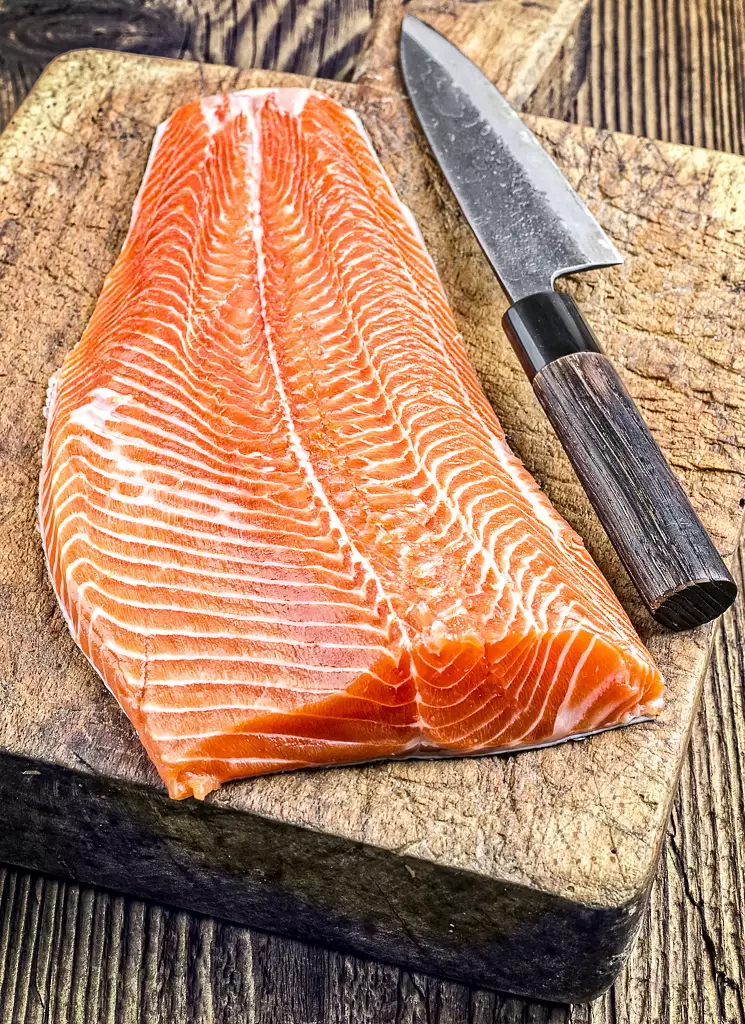
A salmon fillet is the boneless side of the fish cut lengthwise off the backbone. It is the form most weeknight salmon cooking starts from.
For the fish itself, its color and doneness and the wild-versus-farmed split, see salmon. This page is about handling the cut: finding pin bones, portioning evenly, and crisping the skin.
Fillets come skin-on or skinless, as a whole side or in portioned pieces. The thickness changes across one fillet, the head end thick and the tail end thin, which is the detail that decides how it cooks.
Canned salmon is salmon that has been cooked and sealed in the can, soft enough to mash and ready to use straight from the pantry. It is the cheaper, more rugged cousin of fresh salmon, and the backbone of old-school comfort food like salmon loaf and salmon patties.
Two kinds fill the shelves. Pink salmon is the pale, mild, inexpensive standard. Red (sockeye) salmon is deeper in color and richer in taste, and it costs more, so people save it for dishes where the salmon flavor leads.
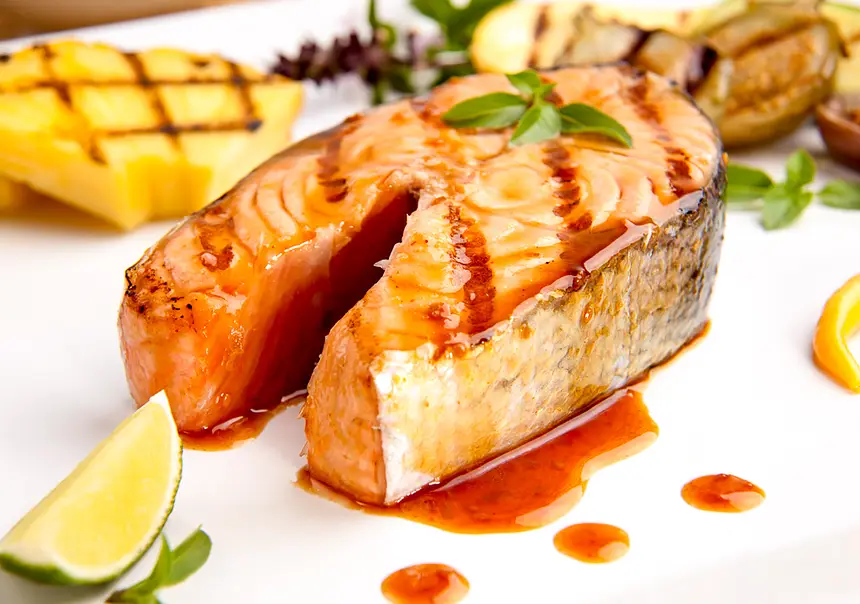
Salmon steaks are bone-in cross-section cuts, sliced straight through the body of the fish so each one carries a piece of the backbone and ribs with the meat wrapped around it. You can spot one by its rough horseshoe shape, open at the belly end.
That bone is the difference between a steak and a fillet. A fillet is boneless meat lifted off one side of the fish.
A steak holds its shape on the grill and bastes the meat from the bone as it cooks, which is why some cooks swear by it for the barbecue.
Smoked salmon is salmon that has been cured in salt and then smoked, which preserves it and gives it that silky, savory character. It comes ready to eat, no cooking needed, which is the first thing to know about working with it.
There are two main styles, and they are not interchangeable. Cold-smoked salmon, the kind sold as lox or Nova, is smoked at low temperature, so it stays raw in texture: soft and glossy and thin enough to slice into sheets.
Hot-smoked salmon is cooked by the smoke, so it is firm and opaque and breaks into flakes like a baked fillet.
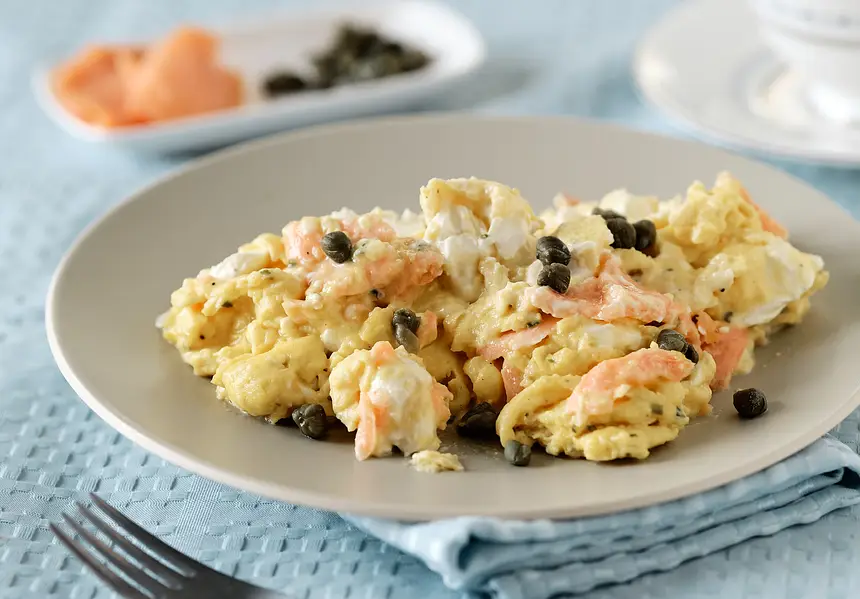
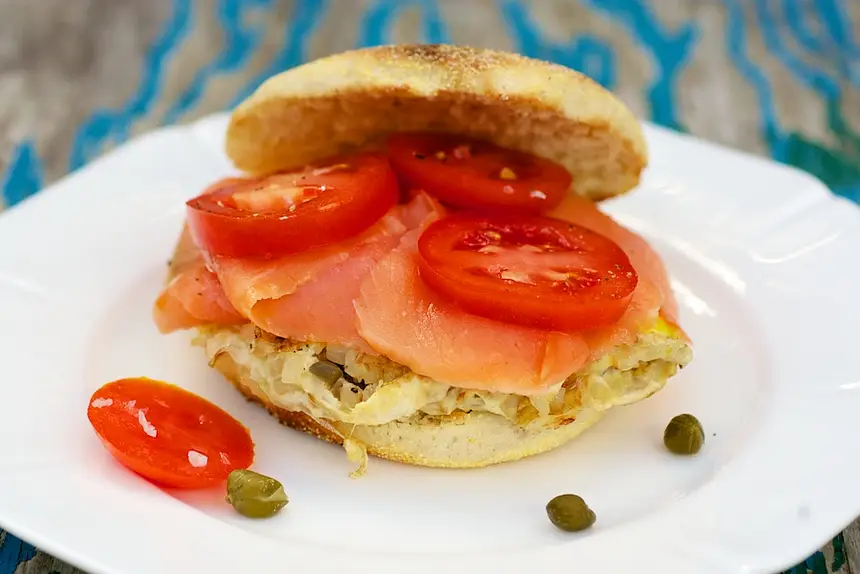
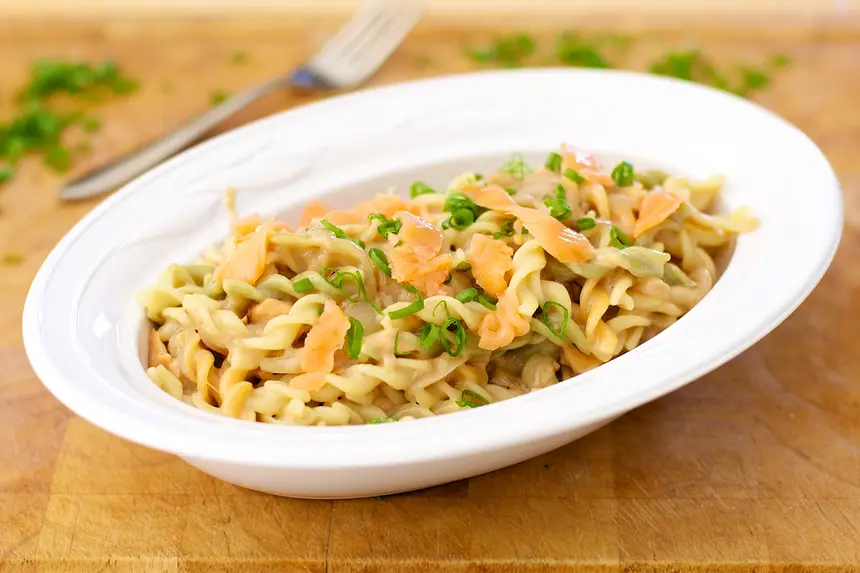
A low-carb version of Lox (smoked salmon) and cream cheese that uses scrambled eggs to replace the classic bagel. Rich, creamy, and delicious, it is perfect for celebrating National Cream Cheese and Lox Day or anytime for an impressive Brunch or breakfast offering.
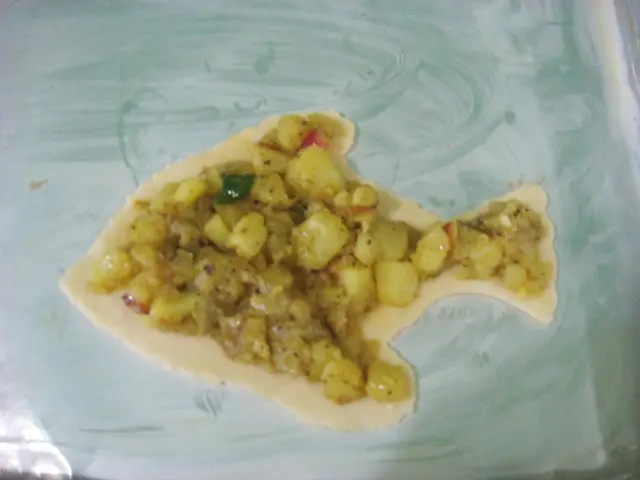
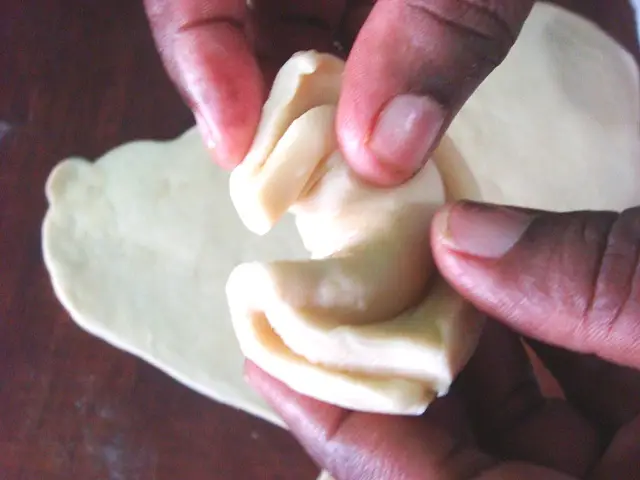
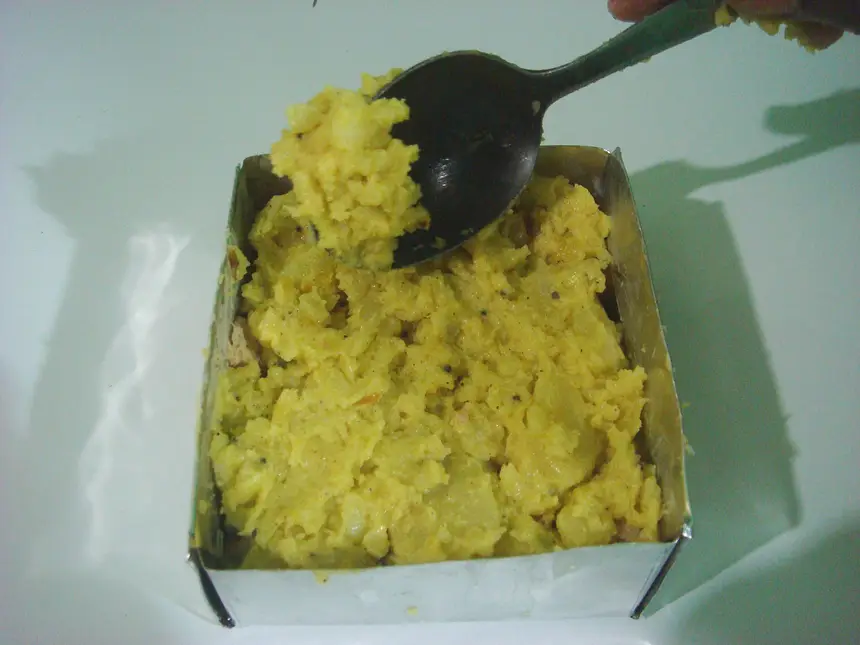
Fish-shaped salmon pastries: buttery shortcrust hand pies cut into fish, filled with smoked salmon, potato, and onion, then decorated with pastry scales and baked golden. A playful, savory party appetizer kids love.
Birthday are always happening year round.There are many items that you can give as gifts.But homemade gift is very special.It is tasty and nutritious gift for a kids party.
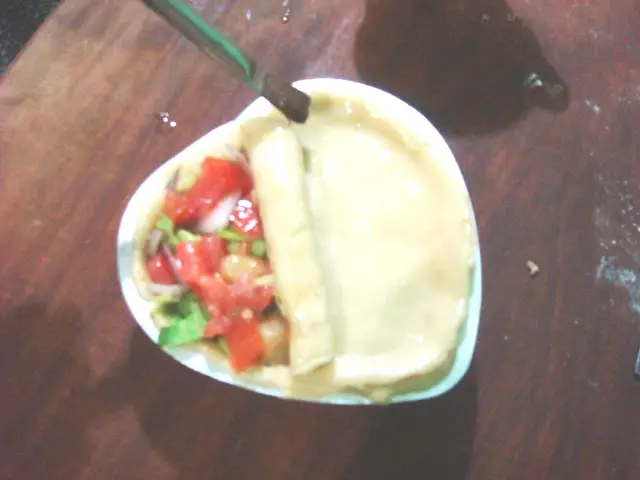
A savory breakfast tart: buttery shortcrust pressed into a heart shape and filled with salmon, mashed potato, and onion bound in egg, half-topped with pastry and baked golden. A hearty, handsome morning bake.
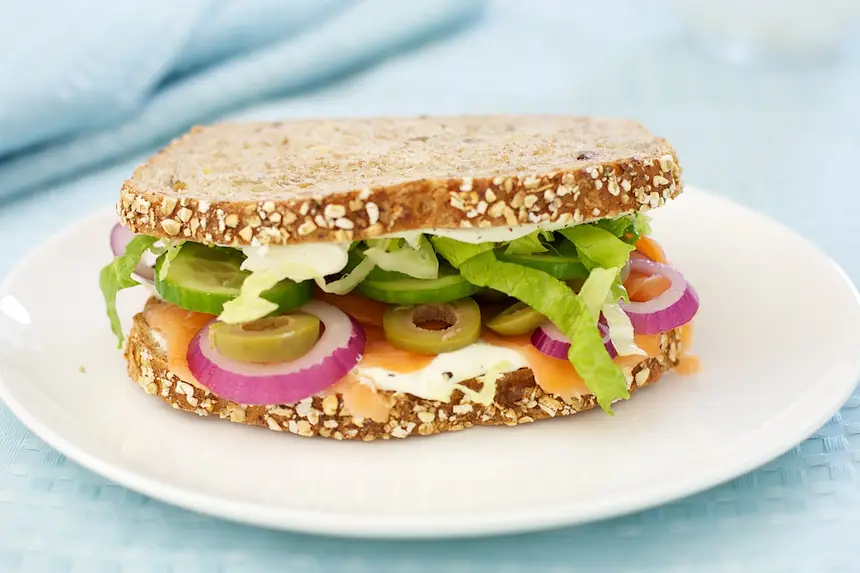
Warm French bread loaded with cream cheese, thin-sliced smoked salmon, cucumber, red onion, black olives, and peppery watercress. A deli-style hero sandwich ready in 20 minutes.
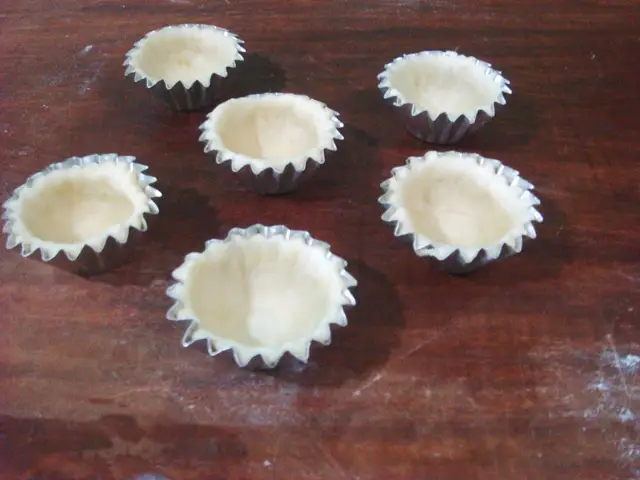
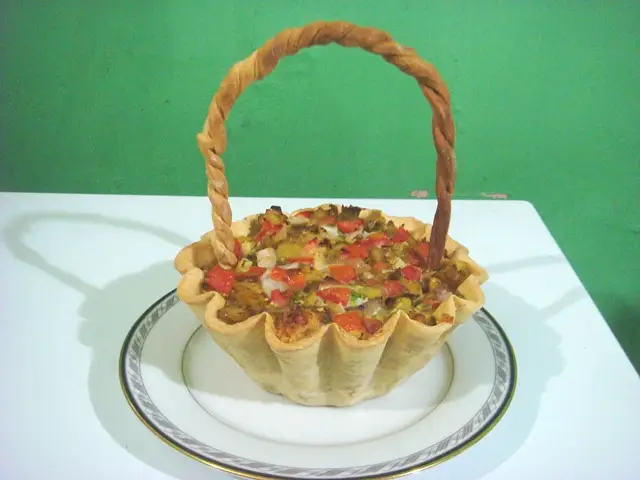
Adorable kids' party tartlets: buttery shortcrust baskets filled with smoked salmon, potato, and red onion, baked golden and topped with piped colored mashed potato. A cute, fun finger-food appetizer for birthday parties.
This easy and simple recipe also came out delicious. Lemon juice added a touch of refreshing taste, and the overall flavour was well balanced. Giving this dish a five star.
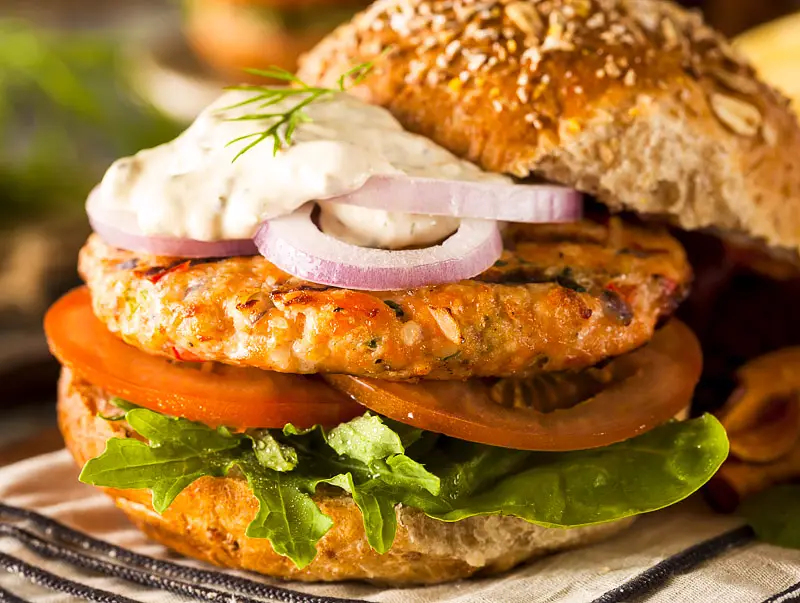
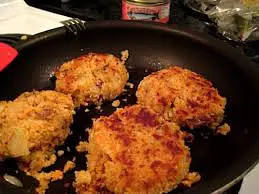
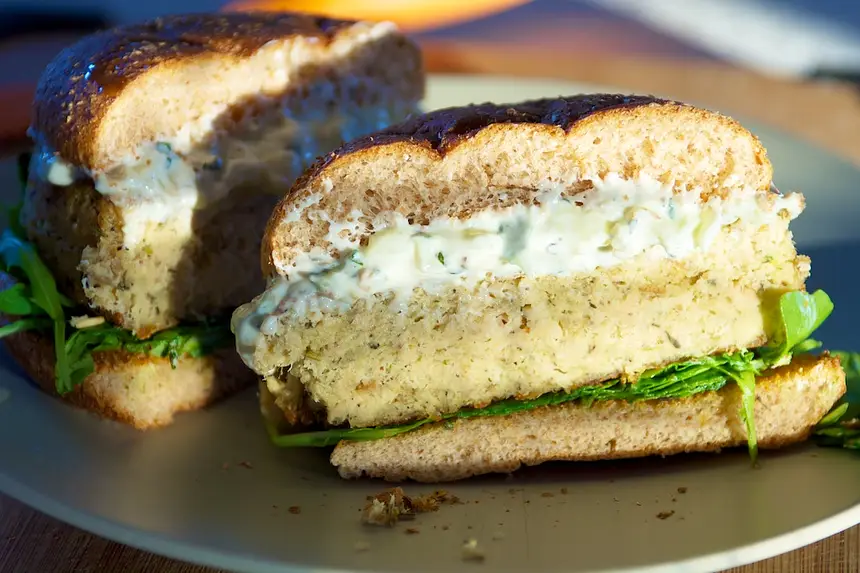
Super salmon burgers bind canned pink salmon with egg, breadcrumbs, cheddar, and thyme into pan-seared patties, served in pita pockets with lettuce, tomato, and tartar sauce. A 35-minute pantry burger.
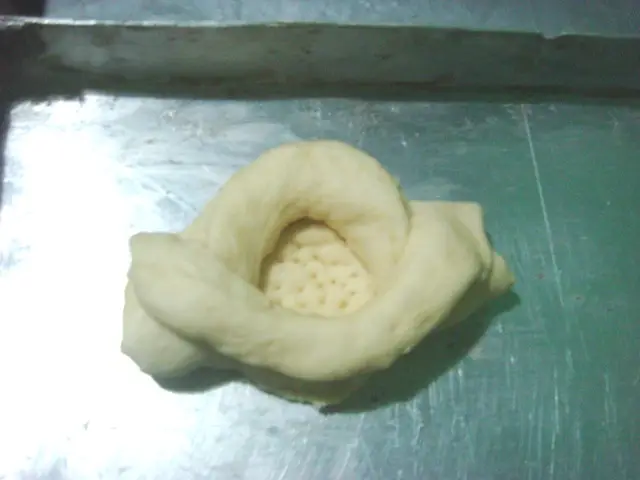
Homemade fried curry bread, soft yeast dough wrapped around a savory salmon and potato filling, coated in breadcrumbs and deep-fried golden and crisp. A Japanese-style stuffed bread for dipping.
Canned salmon and rice casserole with a creamy cheddar mushroom sauce, topped with buttery cornflake crumbs. Retro comfort food baked until golden and bubbling.
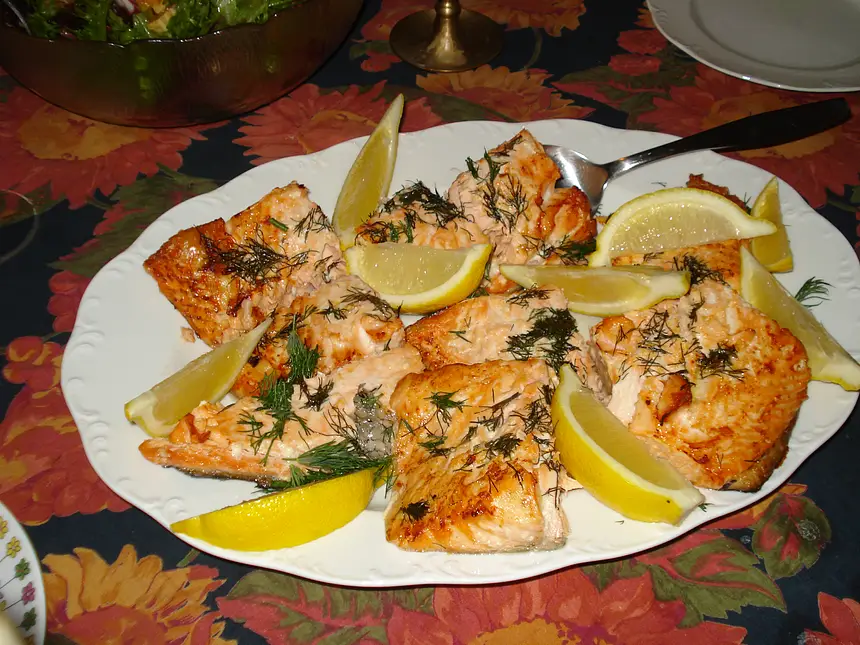
Quick, easy and delicious. The creamy potato salad was a great side dish to serve with dilly salmon, and we had all the goodness our bodies needed as well. A perfect dinner on a busy weekday.
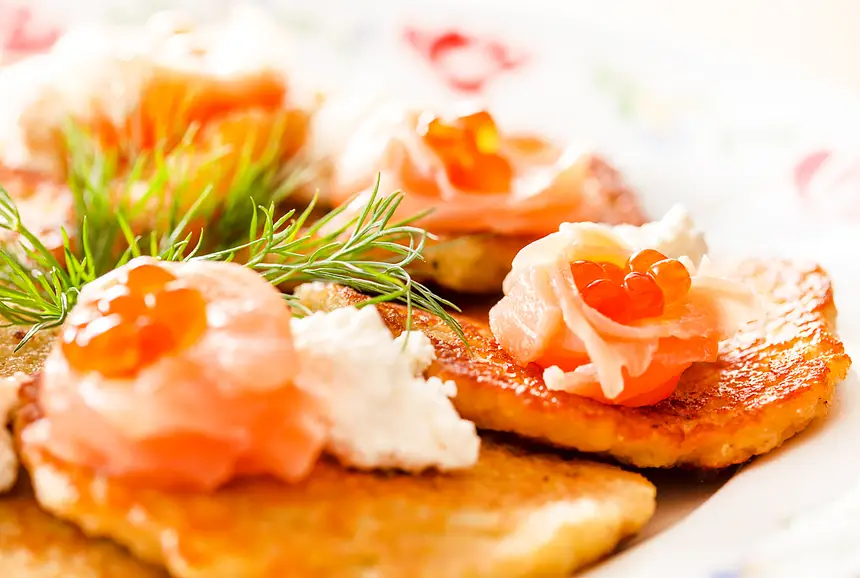
Crispy potato pancakes studded with fresh chives, topped with silky smoked salmon and golden caviar. These elegant latkes turn simple russet potatoes into sophisticated brunch fare.
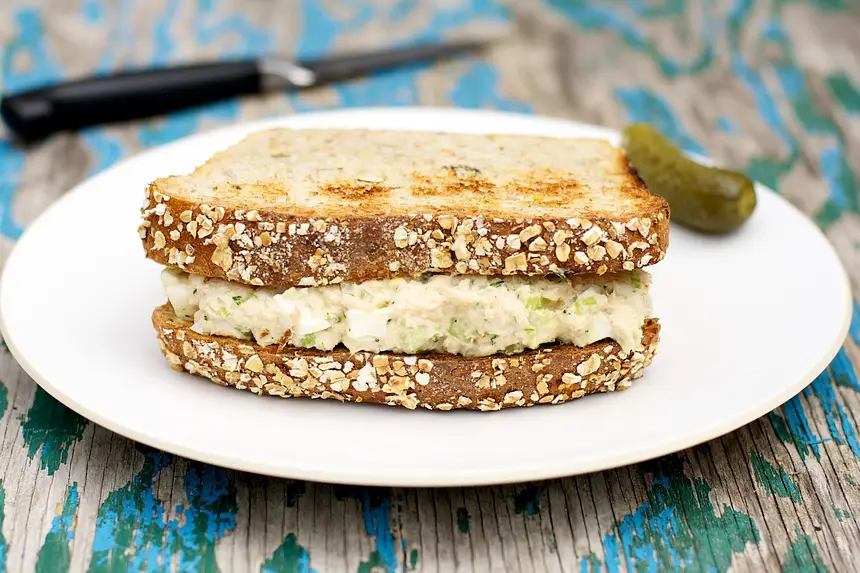
A quick, easy and delicious lunch or dinner when you feel too lazy to cook up a storm! Place the yummy salad in between two slices of toasted whole grain bread to make a nutritious meal.
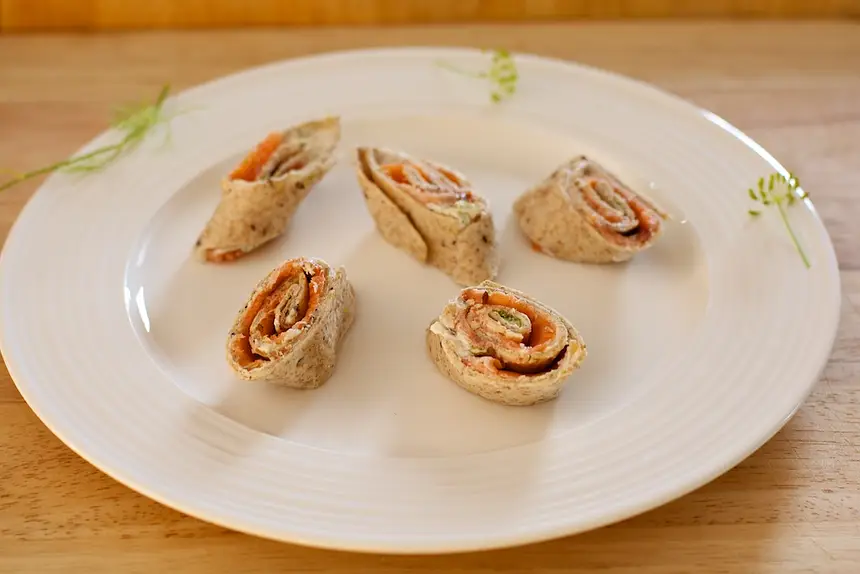
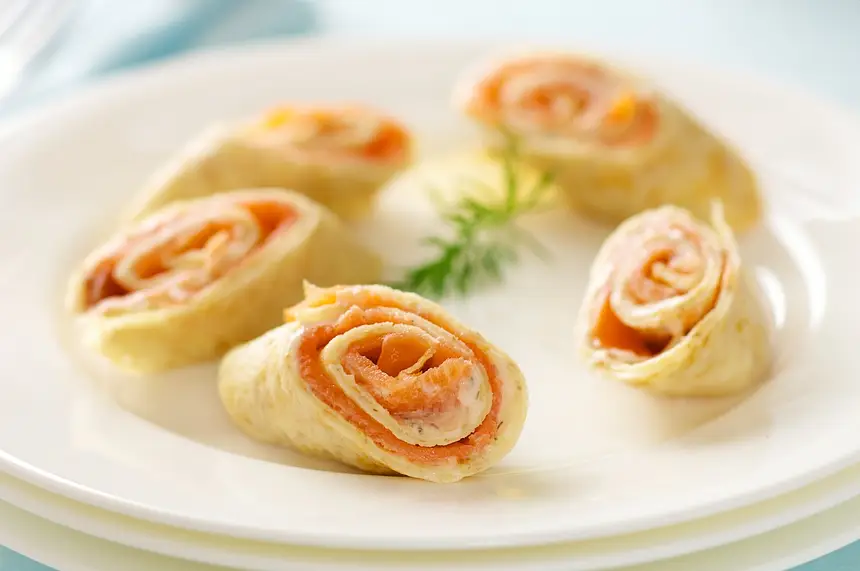
Smoked salmon and cream cheese rolled up in flour tortillas with fresh dill and a squeeze of lemon, then sliced into bite-sized pinwheels. A make-ahead appetizer that's ready when you are.
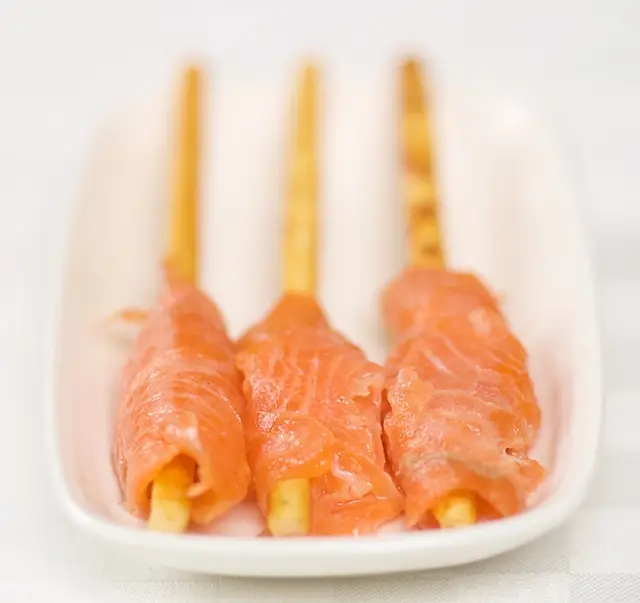
Quick and easy finger food/horderves for your next party or good for any gathering. Smoked salmon wrapped around a bread stick. Easy to make and easy to serve horderve.
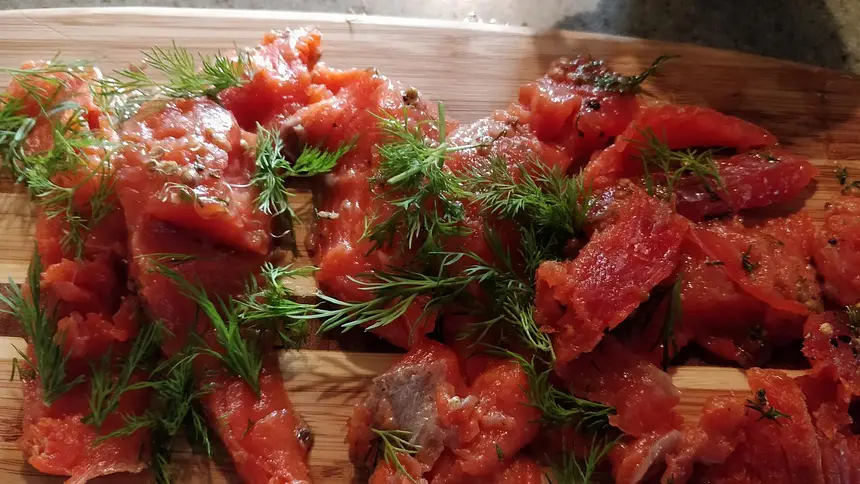
An easy way to create a tasteful appetizer, similar to the way it is done in Scandinavia or Northern Germany. Preferably you want to use wild caught salmon when it is available or catch-it yourself. The usual caveats when you deal with fresh fish apply. Process it immediately. I had good experience with wild Alaska sockeye salmon which is frozen for a while before it comes into the shop.
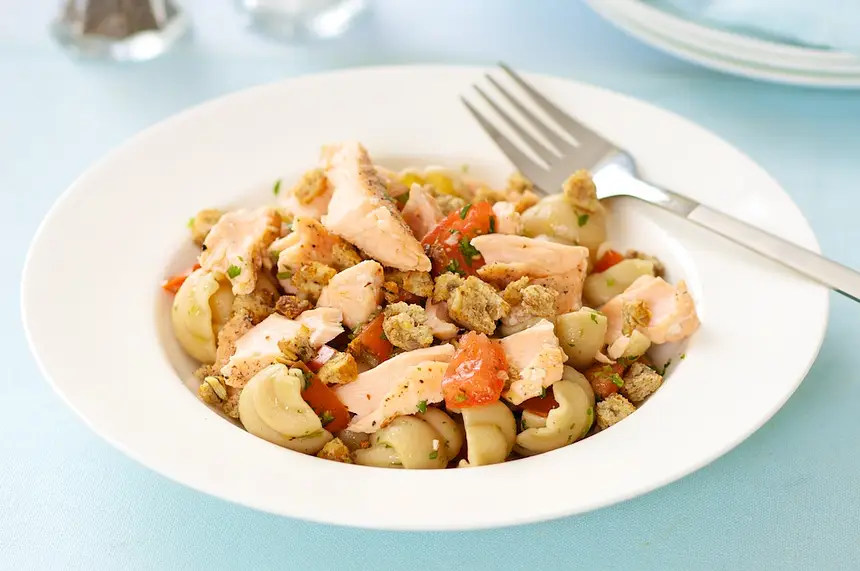
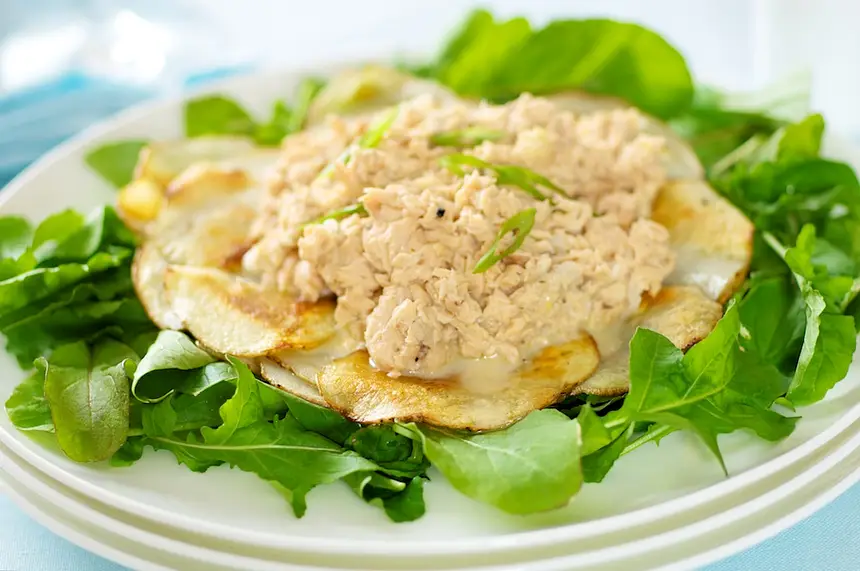
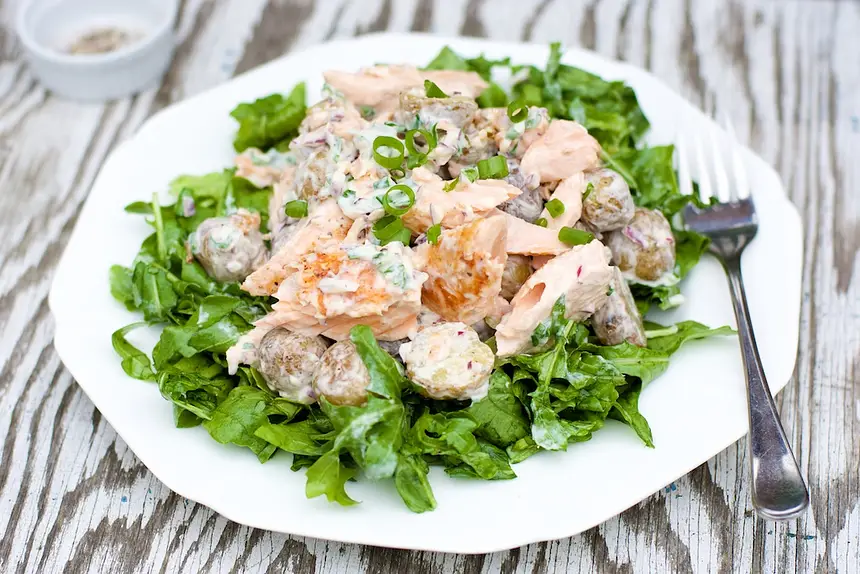
Kick it up a notch with this version of salmon salad. The crispy potatoes make the dish worthy of serving to guests. Be prepared for rave reviews. It can also be stuffed into a pita for a quick and healthy lunch.
Grilled salmon with a tangy red wine vinegar and Italian-herb marinade. A simple, foolproof grilling recipe with garlic, olive oil, and fresh herbs that lets the salmon flavor shine.
Salmon rosemary burgers with hand-chopped fresh salmon, Dijon, horseradish, and fragrant rosemary. A hearty grilled fish burger that holds together on the grates without falling apart into the fire.
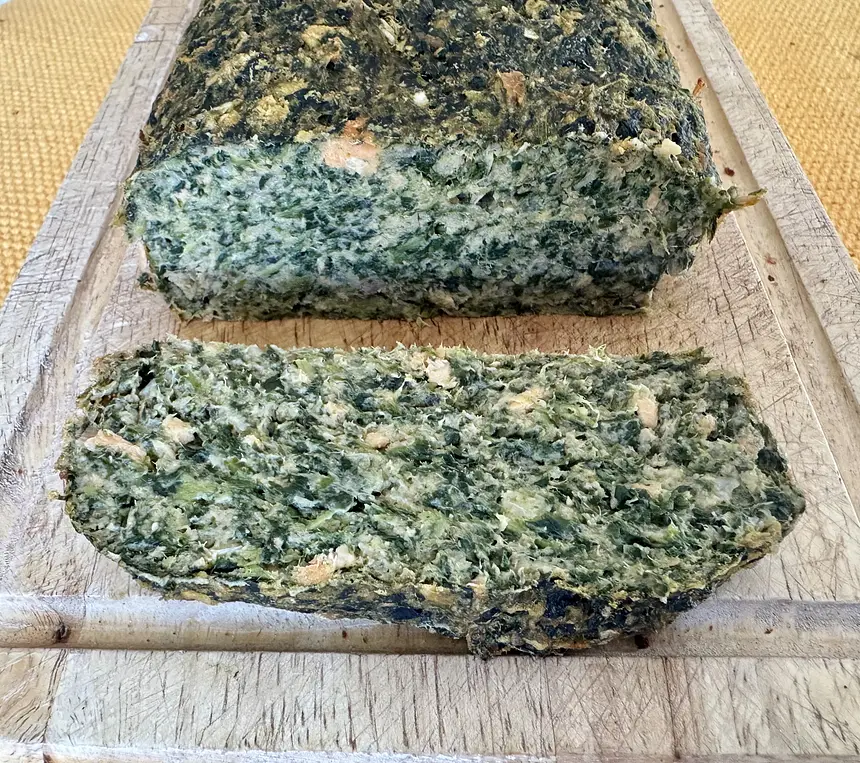
This recipe is a pleasant compromise between a salmon loaf and a spinach souffle. It does not have a strong flavor or texture of spinach, as do some cooked spinach dishes.
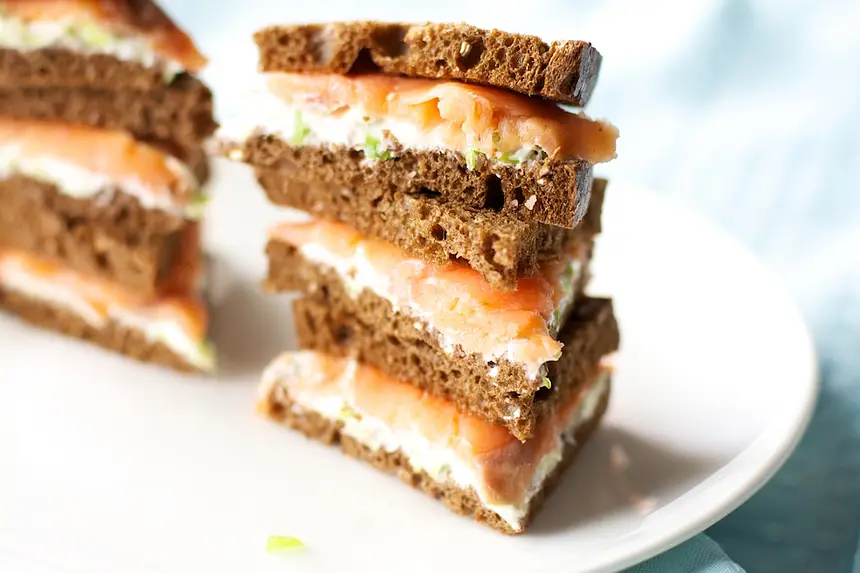
Elegant smoked salmon tea sandwiches with lemon-chive cream cheese on pumpernickel. Sophisticated finger sandwiches ready in 20 minutes, perfect for brunch or afternoon tea.
Whole salmon fillet grilled on foil with a sweet teriyaki-lemon glaze and garlic. Smoky, caramelized edges with moist, flaky fish inside. Stunning for a crowd, simple enough for a weeknight.
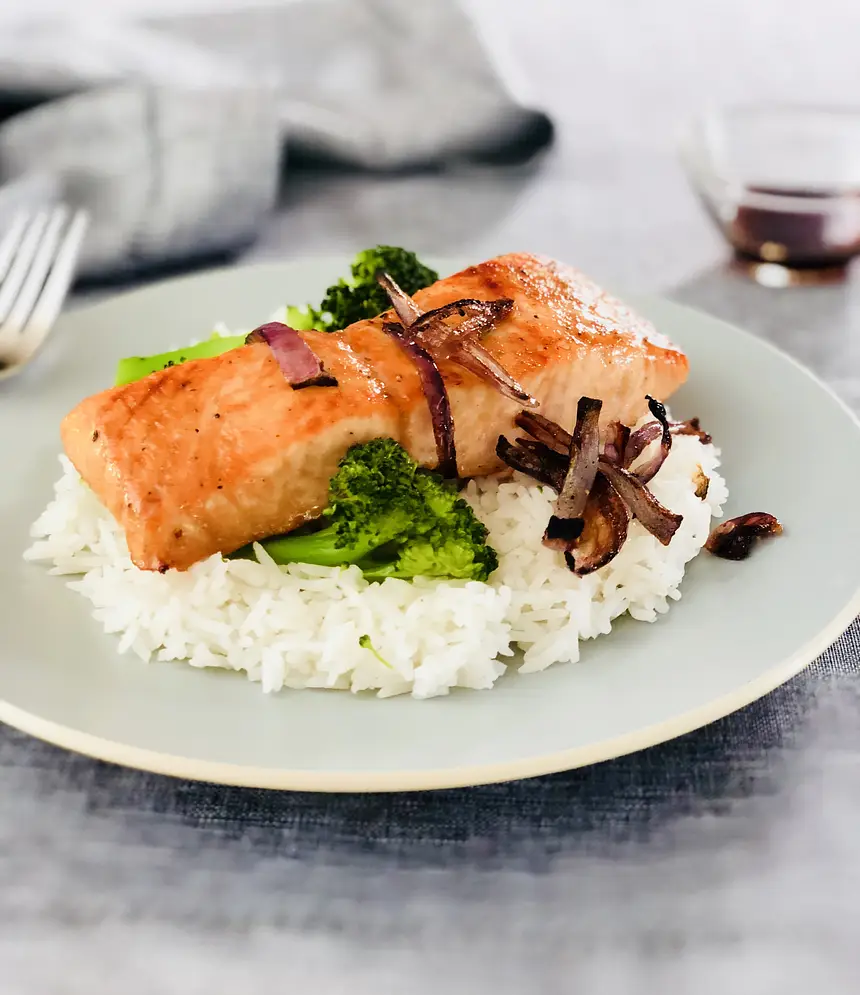
This easy to make dish will for sure wow your dinner table. The brown sugar and soy sauce glaze is salty and sweet, which makes a delicious crust for the salmon after broiling. Broccoli rice is a perfect side dish to go with the salmon.
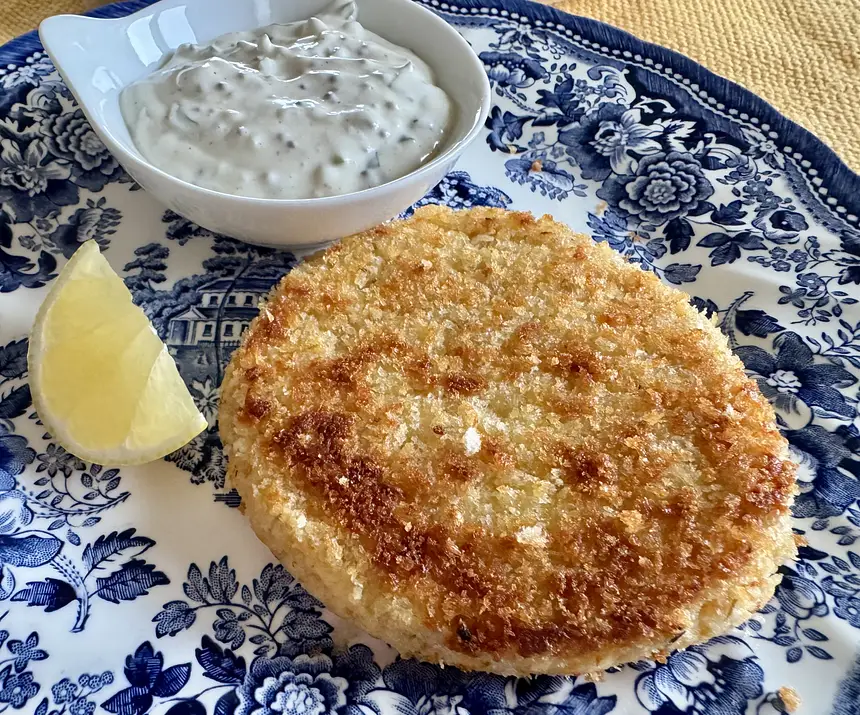
These golden, crispy salmon potato cakes combine flaky salmon, creamy mashed potatoes, and sharp cheddar for a comforting meal. Perfect with baked beans or a fresh salad, they’re an easy, budget-friendly dish for any occasion.
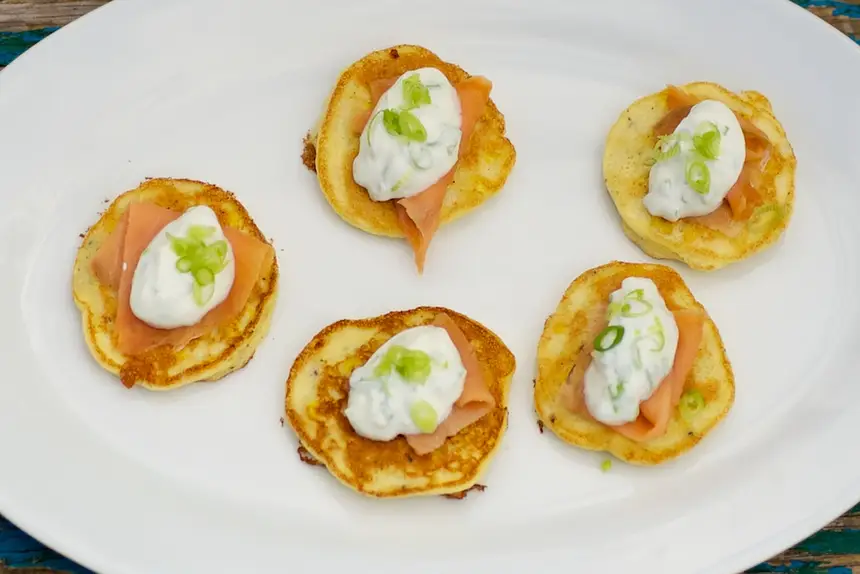
Fresh corn blinis topped with smoked salmon and chive cream. Fluffy cornmeal pancakes flecked with fresh corn kernels, crowned with silky cold-smoked salmon and a dollop of tangy cream. Elegant bite-sized appetizer.
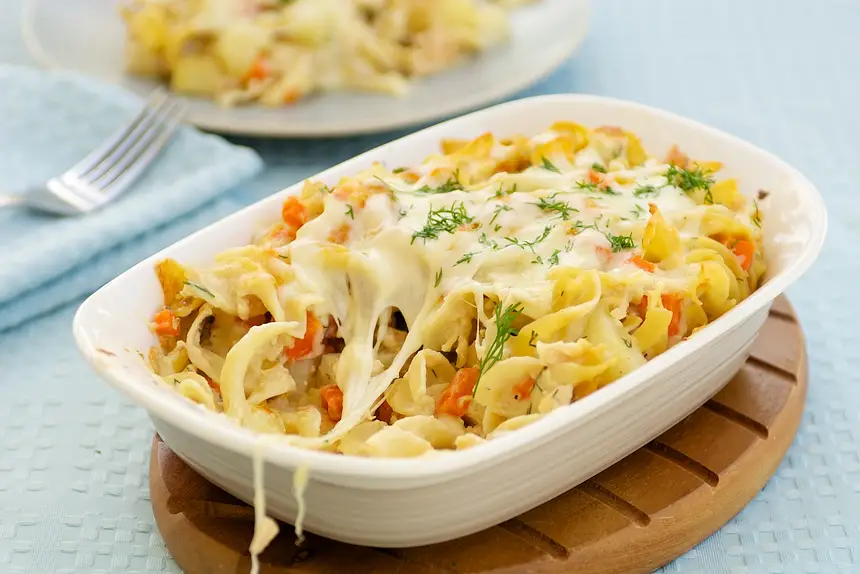
Salmon casserole with egg noodles in a creamy Dijon mustard sauce, mixed peas and carrots, and melted Havarti on top. The Dijon cuts the richness for a brighter take on the classic salmon noodle bake.
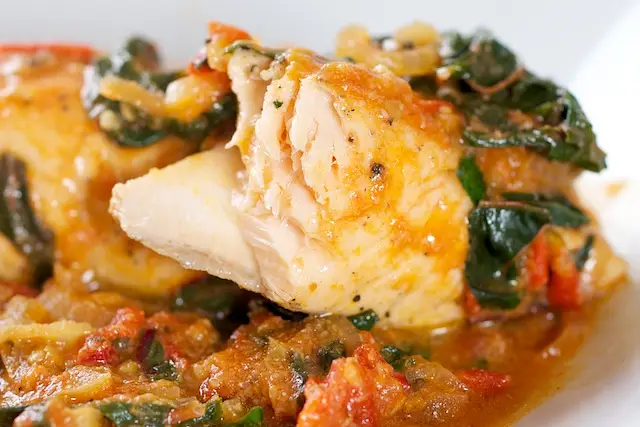
Salmon poached in a fragrant tomato, ginger, and coconut milk broth with Swiss chard. A one-pan main dish that finishes in 15 minutes with tender flaking fish.