What Is Lobster meat and How Can I Use It?
Wondering what to do with lobster meat? This guide covers how to pick it, cook it, store it, and swap it, plus 21 recipes to put it to work.
Key Points
- Picked, cooked lobster flesh: sweet and firm, but it turns rubbery the instant it overcooks.
- It is already cooked, so just warm it through at the end of any hot dish.
- Firm tail meat suits rolls and salads; sweeter claw meat suits bisques and sauces.
- Crab is the closest swap; drain frozen meat well and rinse canned to cut the tinned taste.
What is lobster meat?
Lobster meat is the cooked, picked flesh of a lobster, taken from the tail and the claws once the shell comes off. It is sweet and faintly briny, richer than most shellfish, with a firm bite that turns rubbery the moment it overcooks.
You will see it sold three ways: freshly picked from a whole cooked lobster, frozen in vacuum packs, or canned. Fresh is the prize, but it spoils fast, which is why so many recipes lean on the frozen and canned forms for convenience.
Because the lobster is already cooked when you buy picked meat, your job in the kitchen is mostly to warm it through gently and not ruin it.
Cooking With Lobster Meat
The golden rule is to treat picked lobster meat as already done. It only needs to be warmed, so add it at the very end of any hot dish, off the heat or in the last minute, just long enough to heat through.
Push it longer and the sweet, springy flesh seizes up tough and chewy. This is the single mistake that wastes an expensive ingredient, and it happens in seconds.
The most famous use is cold: a proper lobster roll dresses the chunks in a little mayo and lemon, piled into a buttered, toasted split-top bun. Sosa's Lobster or Lobsta Roll and Creamy Lemon Lobster Rolls both keep the dressing light so the meat leads.
In hot dishes, fold it in last. A New York Lobster Newburg simmers a sherry-cream sauce first, then the lobster goes in to warm; the same logic carries a Seafood Chowder or an Individual Baked Lobster Pie.
It also works cold and creamy in spreads and dips, where the meat is chopped and bound with cream cheese, as in Lobster Pate and Lobster Spread.
Tail Versus Claw, and What Goes Wrong
Not all lobster meat is the same. Tail meat is the firmest and meatiest, ideal sliced into medallions for a salad or roll where you want clean bites.
Claw and knuckle meat is more tender and a touch sweeter. That makes it the meat to fold into a bisque or a creamy sauce, where texture matters less than flavor.
Lobster has a natural sweetness that lifts with acid and richness at once. Lemon, butter, sherry, and tarragon are the classic partners, and a whisper of cayenne or paprika rounds out a bisque.
The biggest mistake after overcooking is over-saucing. Lobster is the star, so a sauce should support it, not bury it. Keep dressings light and let the meat's own sweetness come through.
The second mistake is wasting the shells. After picking the meat, simmer the shells with onion and aromatics to make a quick stock; it is the backbone of any real lobster bisque and costs you nothing extra.
Substitutes
Crab meat is the closest swap, with similar sweetness and a flaky, tender texture. Lump or jumbo lump crab stands in well for rolls and salads, while backfin or claw crab works in dips and casseroles.
Langostino, often sold frozen, is small and lobster-like in flavor at a fraction of the price. It is a common stand-in for bisques and mac and cheese.
Cooked shrimp, chopped, gives you a sweet shellfish bite for casseroles and chowders, though it lacks lobster's richness. In a pinch, monkfish (sometimes called poor man's lobster) mimics the firm texture when poached in butter, but it brings no sweetness of its own.
Buying and Storing Lobster Meat
Fresh picked lobster meat should smell clean and faintly of the sea, never fishy or of ammonia, which signals spoilage. Buy it the day you plan to use it and keep it on ice in the coldest part of the fridge.
Use fresh meat within a day or two at most.
Frozen lobster meat is the most practical choice for home cooks. Thaw it slowly overnight in the refrigerator rather than at room temperature, and drain it well, since excess water dilutes a sauce and leaves the meat watery.
Canned lobster is shelf-stable and convenient for dips and casseroles, but it is softer and milder than fresh. Rinse it briefly and pat it dry to cut the canned taste before using.
Never refreeze thawed lobster meat. Once you have cooked it into a dish, refrigerate leftovers and eat them within two days, since cooked seafood does not keep and lobster is too good to let go off.
Quick facts
- In Chinese
- 龙虾肉
- British (UK) term
- Lobster meat
- en français
- la chair de homard
- en español
- carne de langosta
Recipes using lobster meat
There are 21 recipes that contain this ingredient.
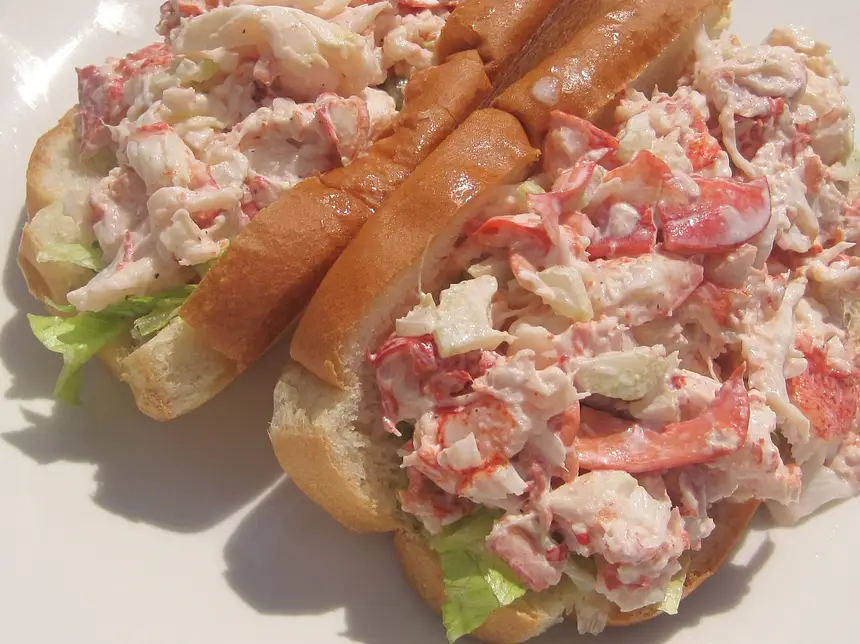
Sosa's Lobster or Lobsta Roll


Simple and delicious, especially if the “lobsta” is at 5.99 per lb. like it is in MA. right now
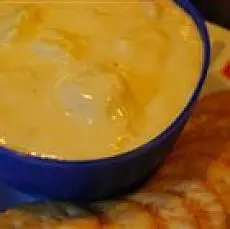
Holly's Crockpot Seafood Cheese Dip

Crockpot seafood cheese dip loaded with shrimp, crab, and lobster melted into a base of cream cheese, sour cream, and processed cheese. Warm, scoopable, and built for a crowd.
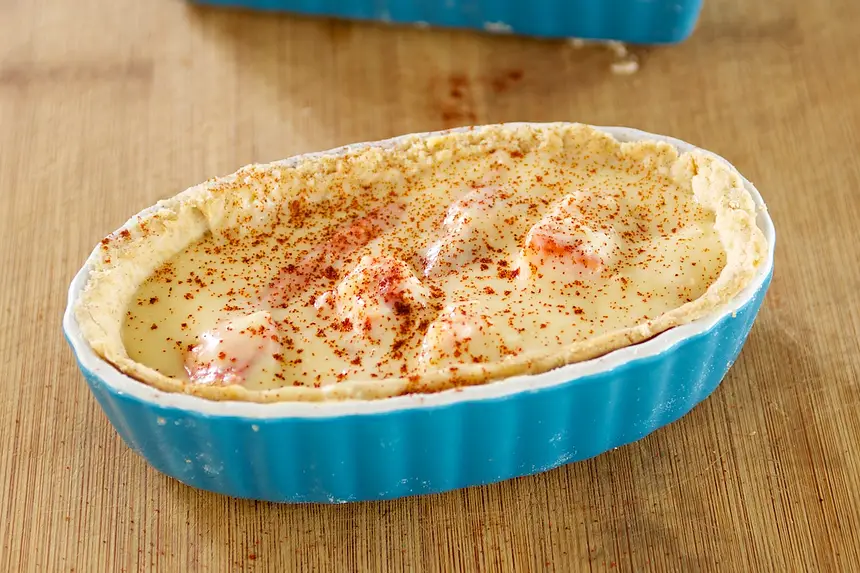
New York Lobster Newburg
"Lobster Newberg. Also "lobster a la Newburg"...The dish was made famous at Delmonico's Restaurant in New York in 1876 when the recipe was brought to chef Charles Ranhofer by a West Indies sea captain named Ben Wenberg. It was an immediate hit, especially for after-theater suppers, and owner Charles Delmonico honored the capatain by naming the dish "lobster a la Wenberg." But later Wenberg and Delmonico had a falling-out, and the restauranteur took the dish off the menu, restoring it only by popular demand by renaming it "lobster a la Newberg," reversing the first three letters of the captain's name.

Lobster Dome
Lobster dome with lobster meat, new potatoes, haricots verts, and Roma tomatoes in lobster American sauce, sealed under golden puff pastry and finished with truffle oil.
Maine Tangy Lobster
Maine lobster in tangy butter sauce with lemon, dry mustard, and Worcestershire, served on toast. Six ingredients, ten minutes, and pure New England luxury.

Sopa Leao Velloso
Grand Brazilian seafood soup with grouper, shrimp, mussels, crab, and lobster in a rich fish head stock with tomatoes, coriander, parsley, and cayenne. A coastal feast in a bowl.
Lobster Gazapacho
Lobster gazpacho with chilled lobster meat, avocado, artichoke hearts, cucumber, and jalapeno in a balsamic-citrus broth. A luxurious cold soup for summer.

Lobster Spread
Simple lobster spread with chopped lobster meat, mayonnaise, scallions, and black pepper. A four-ingredient appetizer that chills for two hours and serves with crackers.

Soft Scrambled Eggs with Lobster
French-style scrambled eggs cooked low and slow with butter and cream, then folded with tender lobster chunks, sweet bell pepper, and fresh chives. Brunch just got fancy.
Seafood Scallop Casserole
Maine-style seafood casserole loaded with haddock, scallops, and lobster meat baked in butter. Just four ingredients, 30 minutes, and feeds a crowd of 16.
Seafood: Wrapped 'N Rolled
Seafood wrapped 'n rolled: grilled shrimp and lobster tossed with sesame oil, crisp bok choy, and bean sprouts, rolled up in soft flour tortillas. A fresh, fast Asian-fusion seafood wrap.

Seafood Chowder
Thick, creamy New England seafood chowder packed with haddock, scallops, lobster, and tender potatoes. A hearty bowl of coastal comfort ready in 45 minutes.

Decadent Lobster Newburg
Classic lobster Newburg with cream, egg yolks, butter, and a hit of cayenne and mace. Optional sherry rounds out the rich, old-school seafood favorite.
Scalloped Lobster
Scalloped lobster baked in cream with mustard, lemon, and buttered bread crumbs. A classic New England-style lobster casserole with a golden, crunchy topping.
Lobster Scallop Curry
Thai lobster and scallop curry with coconut milk, red curry paste, and fresh basil. Tender seafood in fragrant coconut broth with sweet pepper, mushrooms, and chili-garlic heat over rice.

Individual Baked Lobster Pie
New England-style individual lobster pie with sherry cream sauce, egg yolk custard, and a buttery cracker-Parmesan crumb topping. Baked low and slow for a rich, elegant finish.
Creamy Lemon Lobster Rolls
Creamy lemon lobster rolls with chunks of cooked lobster meat in lemon-mayo dressing with celery, red onion, and parsley. Buttered, toasted buns. Maine-style classic.
Maine Lobster Quiche
Maine lobster quiche with sherry-soaked lobster meat, celery, and a rich egg cream custard in a flaky pie shell. An elegant brunch centerpiece from New England.
Scallop Bubbly Bake
Explore your tastebuds with this succulent dish that will have you scooping out a second helping!
Lobster Pate
No-cook lobster pate blends cream cheese, white wine, and dill into a rich, spreadable appetizer. Make it ahead and let the flavors mellow overnight for the best results.