What Is Sourdough starter and How Can I Use It?
Sourdough starter is easier to cook with than it looks. Here's how to choose, use, and store it, what to substitute, and 78 recipes to get you started.
Key Points
- Living flour-and-water culture of wild yeast and bacteria that leavens and sours bread.
- Use it ripe, bubbly and doubled, when it passes the float test.
- Feed by discarding most and refreshing, often a 1:1:1 ratio of starter, flour, water.
- Start one from scratch in five to ten days with flour, water, daily feeding.
- Keep at room temperature for frequent baking, or in the fridge fed weekly.
What is sourdough starter?
A sourdough starter is a living culture of flour and water that captures wild yeast and lactic-acid bacteria from the grain and the air around it. Those microbes feed on the flour, give off gas that leavens dough, and produce the acids that make sourdough taste sour.
Put simply, it is a homemade, reusable substitute for packaged yeast. Once it is alive and active, you keep it going indefinitely by feeding it fresh flour and water, and it raises bread for years.
It is the oldest leavening there is, the way every loaf rose before commercial yeast existed.
How to Use It
You use a starter at its peak, when it is bubbly and roughly doubled after a feeding. That is when the yeast population is strongest and the dough will rise well.
A typical recipe calls for a measured amount of ripe starter, anywhere from a few tablespoons to a cup, mixed into your flour and water along with salt. The dough then ferments slowly, often several hours or overnight, which builds both the rise and the flavor.
It is not only for crusty loaves. Best Sourdough Belgian Waffles and Quick Sourdough Cinnamon Rolls put it to work in tender batters, and Five Grain Sourdough Bread and Best Bread Machine Sourdough use it as the sole leavening for a proper sour loaf.
When you feed a starter you usually pour off a portion first. That removed portion, the discard, is not garbage. Stir it into pancakes or crackers or a batch of muffins so nothing is wasted.
Feeding and Reading Ripeness
Feeding means discarding most of the starter and mixing the rest with fresh flour and water, often at a 1:1:1 ratio by weight of old starter to fresh flour to water. That refresh keeps the culture fed and the acidity in check.
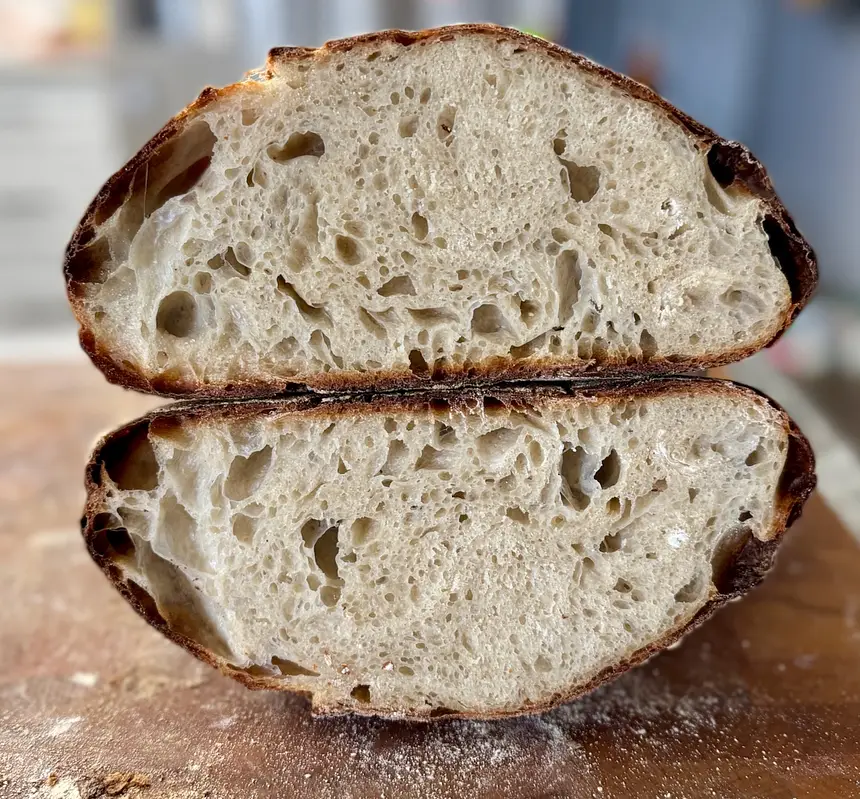
A ripe, ready starter is domed and full of bubbles and passes the float test, where a small spoonful dropped in water floats. A starter that has collapsed and smells sharply of acetone or alcohol is hungry rather than dead, and a feeding or two revives it.
The most common mistake is baking with a sluggish, underfed starter and getting a dense, flat loaf. Always bake near the peak, not after it has fallen.
A thin layer of grayish liquid on top, called hooch, is just a sign it is hungry. Stir it back in or pour it off, then feed.
How to Start One
You can make a starter from scratch with nothing but flour and water. Mix equal weights of flour and water in a jar, leave it loosely covered at room temperature, and feed it once a day by discarding most and adding fresh flour and water.
Whole wheat or rye flour kicks things off faster because it carries more wild microbes than white flour. Within five to ten days it should be reliably bubbling and roughly doubling, at which point it is ready to bake with.
You can also skip the wait by getting a scoop of established starter from a friend or buying dried starter to rehydrate.
Storing a Starter
If you bake often, keep the starter at room temperature and feed it once a day. That keeps it active and ready whenever you want to mix a dough.
If you bake only now and then, store it in the fridge, where the cold slows the microbes so it needs feeding only about once a week. Bring it back to room temperature and give it a feeding or two before baking, so it wakes up and gets lively again.
For a longer break, a starter survives weeks in the fridge unfed, though it will need several feedings to bounce back. You can also dry a thin layer on parchment and store the flakes almost indefinitely.
As long as it does not grow fuzzy mold or streaks of pink or orange, it is fine to revive.
Quick facts
- In Chinese
- 酸味酵头
- British (UK) term
- Sourdough starter
- en français
- levain
- en español
- masa fermentada
Recipes using sourdough starter
There are 78 recipes that contain this ingredient.
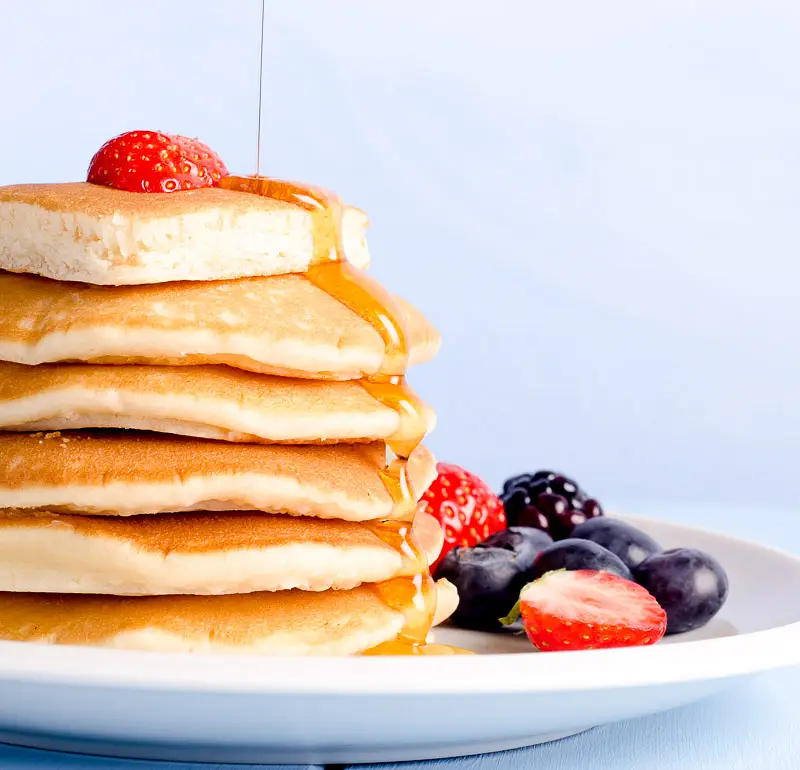
Ann's Sourdough Pancakes


Overnight sourdough pancakes with a tangy, fermented flavor and tender, lacy edges. The best way to use up your sourdough discard while creating a Sunday-worthy breakfast.
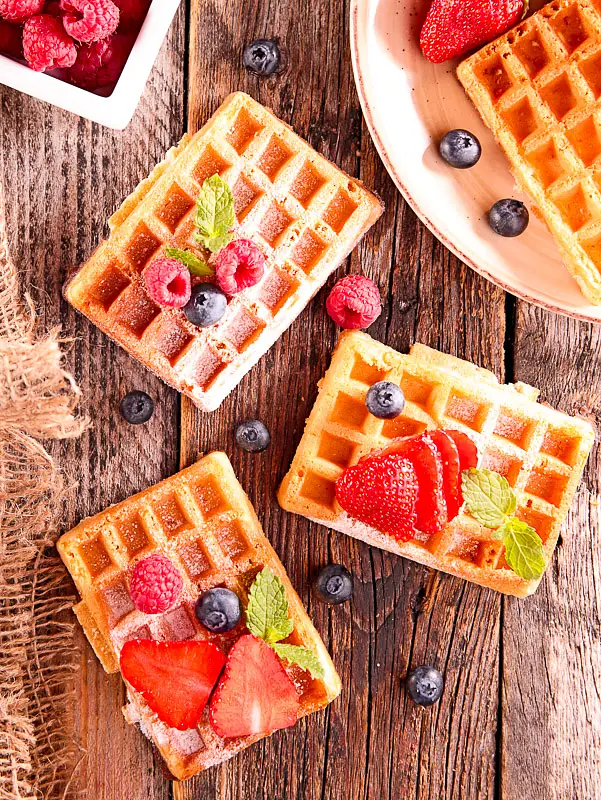
Whole Grain Sourdough Pancakes or Waffles

Sourdough pancakes or waffles made with a 12-hour overnight ferment of whole wheat flour and rolled oats. Tangy, hearty, and the perfect way to use up active sourdough starter for weekend breakfast.
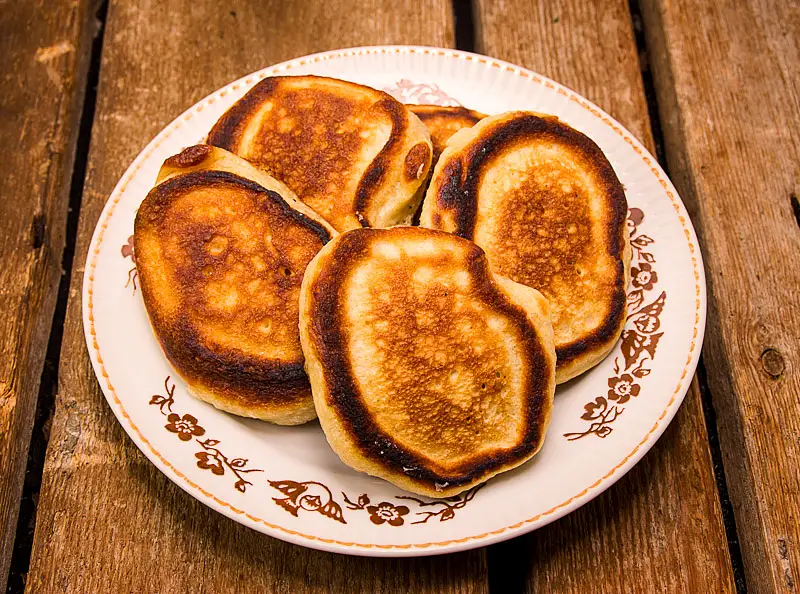
Sourdough Whole Wheat Pancakes
Sourdough whole wheat pancakes with tangy fermented starter and honey-sweetened nutty flour. A great use for sourdough discard, with a feathery rise from last-minute baking soda.
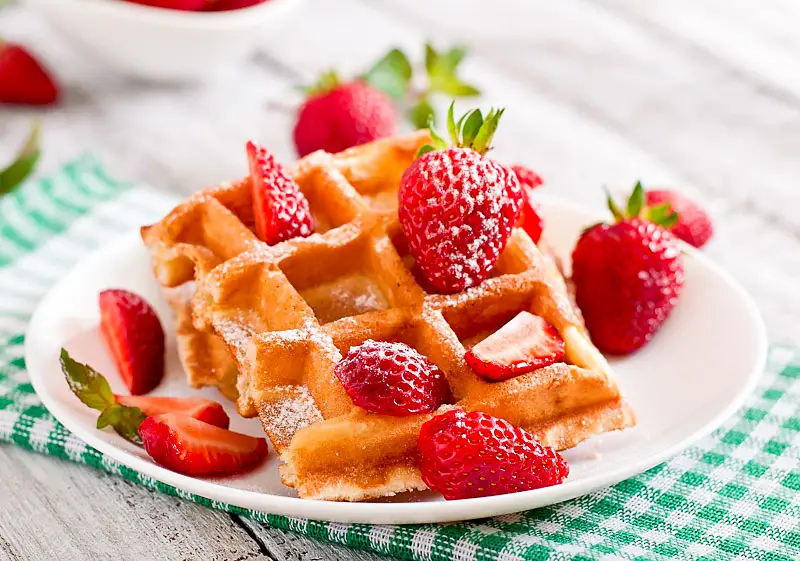
Sourdough Orange Waffles
Sourdough orange waffles use 2 cups of active starter brightened with orange zest, milk, and a touch of sugar, with optional pecans for crunch. Tangy, crisp breakfast.
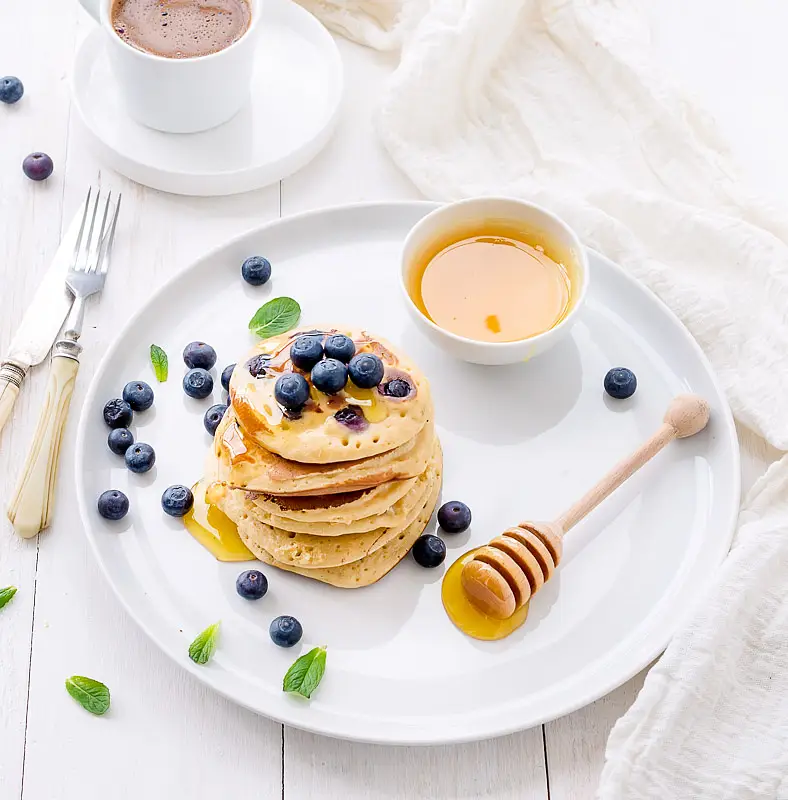
Yummy Breakfast Sourdough Pancakes
Sourdough pancakes ferment overnight with starter, flour, and water for tangy depth, then get baking soda folded in (not stirred) for tall, fluffy stacks at breakfast.

Basic Sourdough Pancakes
Basic sourdough pancakes start with an overnight sponge of sourdough starter, flour, and water for tangy, light flapjacks. Old prospector breakfast for fluffy, deeply flavored pancakes.
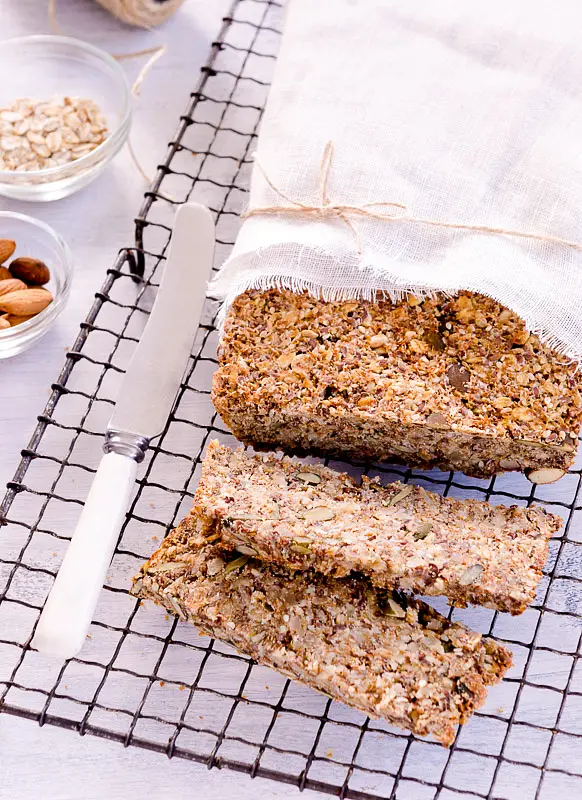
Five Grain Sourdough Bread
Five grain sourdough bread for the bread machine blends bread flour, amaranth, whole-wheat, soy and rolled oats with a tangy sourdough starter. Hearty crumb, nutty crust, high-fiber loaf.
Five Grain Sourdough Bread
Five grain sourdough bread for the bread machine blends bread flour, amaranth, whole-wheat, soy and rolled oats with a tangy sourdough starter. Hearty crumb, nutty crust, high-fiber loaf.
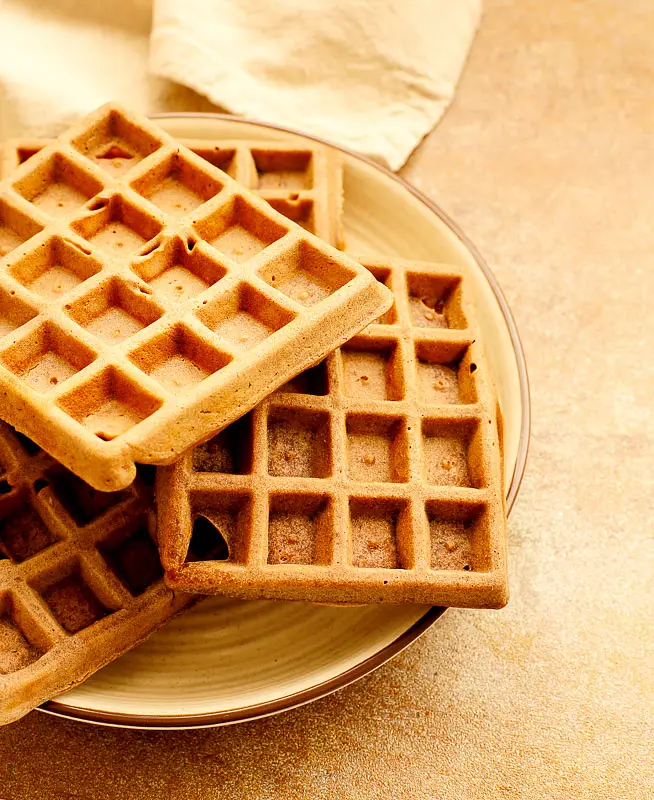
Soy Milk Whole Wheat Sourdough Waffles
Vegan whole wheat sourdough waffles made with soy milk and active sourdough starter. Overnight ferment for tangy flavor and a crisp, airy texture. Dairy-free and egg-free.
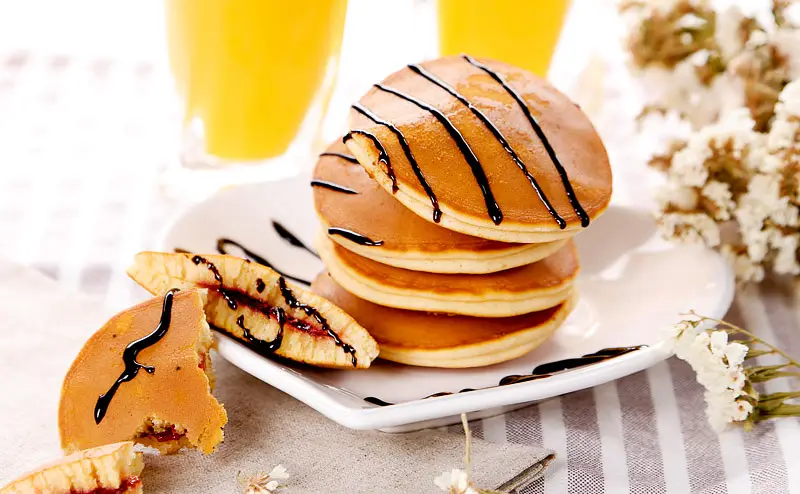
Sour Dough Waffles or Pancakes
Sourdough waffles or pancakes: an overnight fermented batter that bakes up crisp, light, and tangy, with graham flour for nutty depth. The best use for sourdough starter at breakfast.
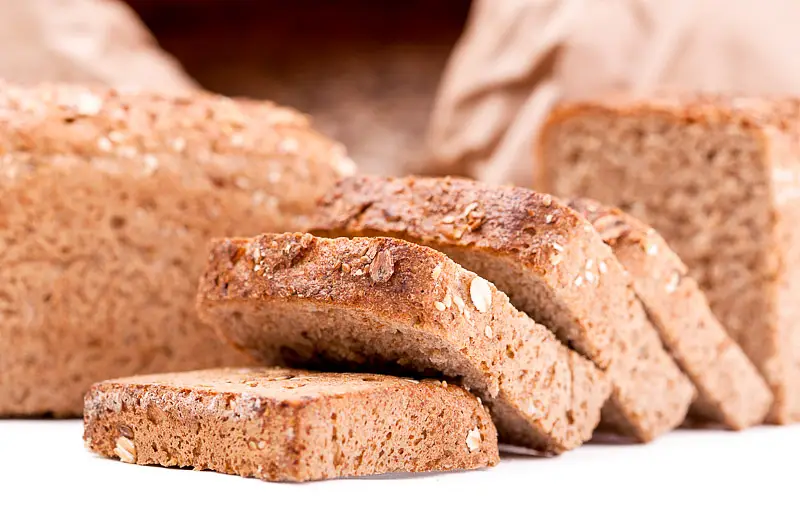
Best Sourdough Whole Wheat Bread
Sourdough whole wheat bread blends an active starter with stone-ground wheat flour, wheat germ and molasses for a hearty, high-fiber sandwich loaf. Tangy, nutty and bakes in a standard loaf pan.
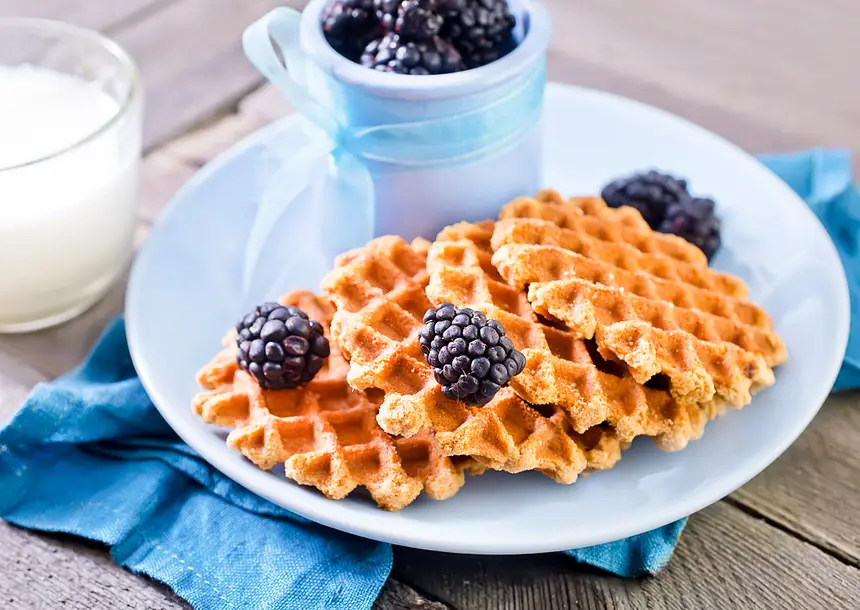
Buttermilk Sourdough Waffles
Sourdough buttermilk waffles with whole wheat flour and overnight rest for tangy depth. Crisp outside, custardy inside, and freezer-friendly for weekday breakfasts.
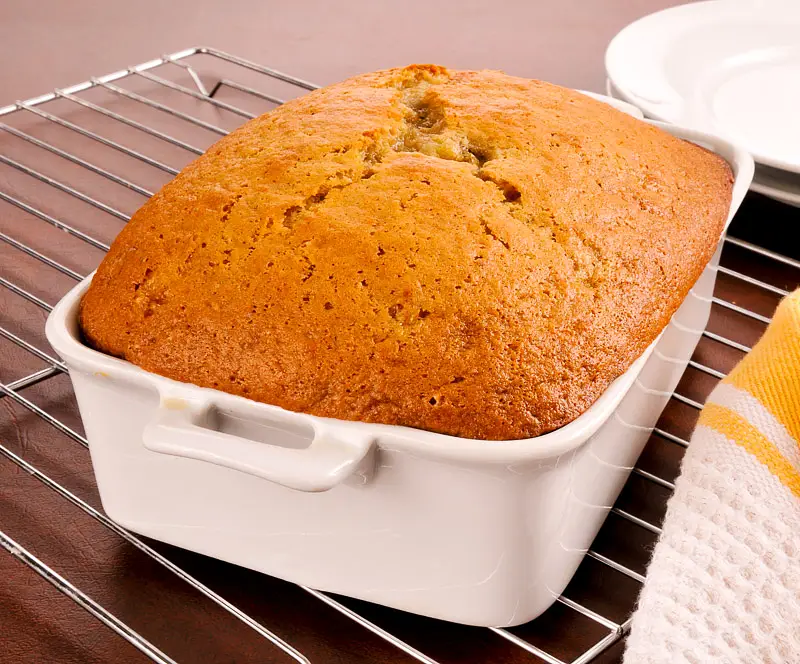
Sourdough Banana Bread
Sourdough banana bread uses one cup of active starter to add tang and depth to the classic loaf. A smart way to use sourdough discard while turning ripe bananas into something memorable.
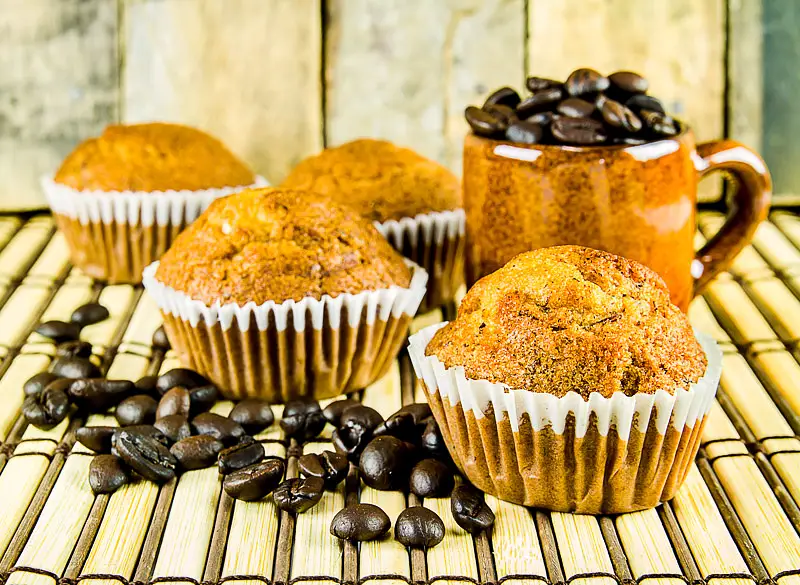
Orange Sourdough Muffins
Orange sourdough muffins with banana, shredded coconut, and a tangy starter base. A clever way to use sourdough discard for tropical-flavored breakfast muffins.
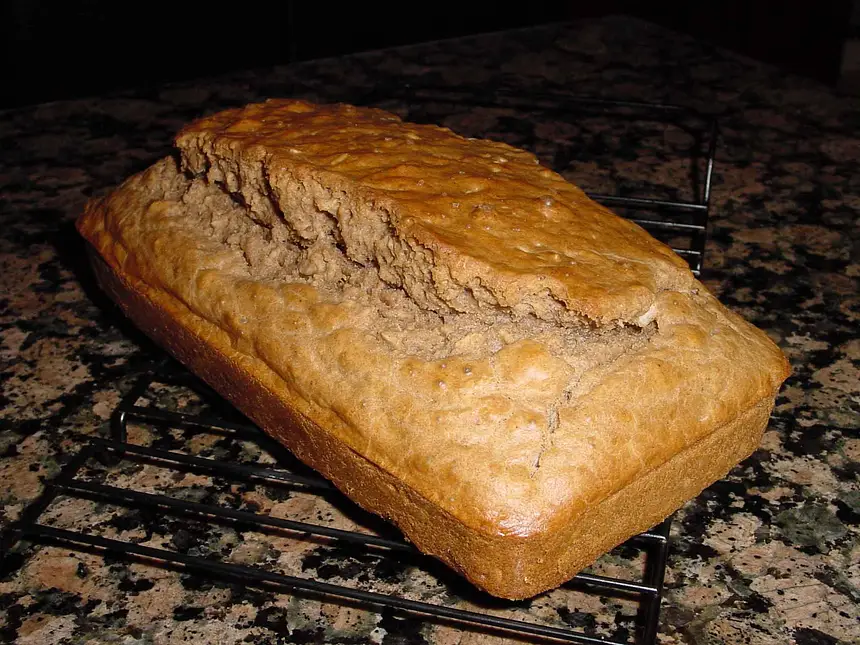
Amish Bread with Oatmeal
Quick spiced bread made with Amish Friendship starter, oats, and warm cinnamon-nutmeg flavors. Mix in minutes, bake in 40, and enjoy the tangy sweetness.
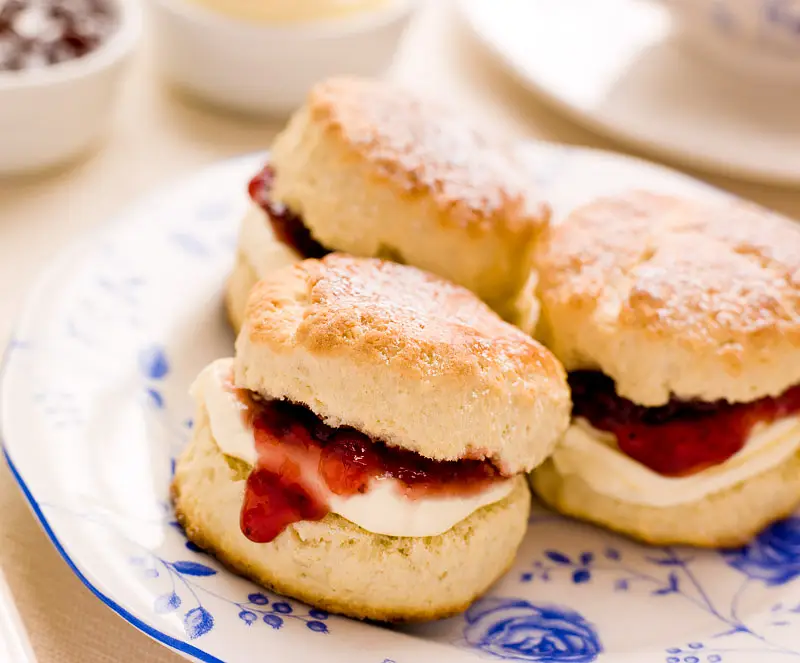
Aunt Cora's Sourdough Biscuits
Sourdough biscuits made with 1½ cups of active starter for tangy, fluffy biscuits with crisp golden tops. The classic chuckwagon recipe that uses up extra discard.
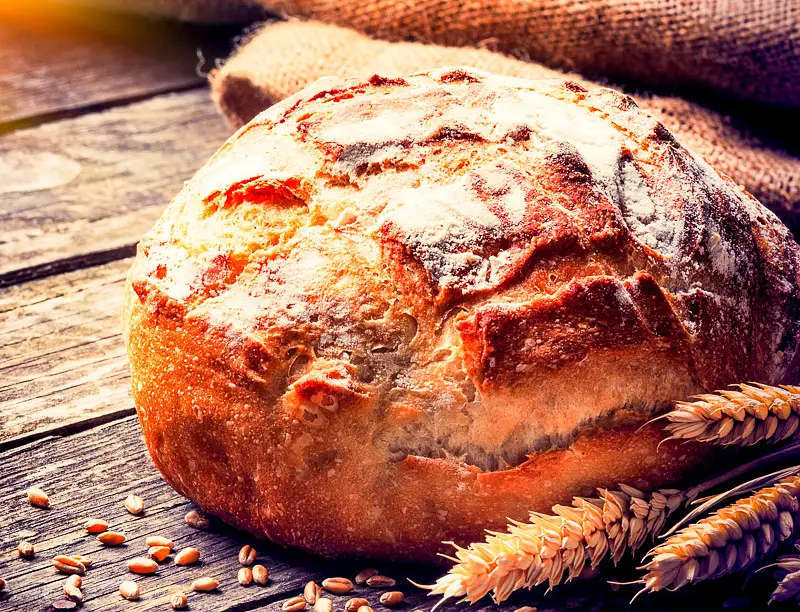
Homemade Whole Wheat Sourdough Bread
Feed your sourdough starter, let it bubble overnight, then knead in whole wheat flour for hearty loaves with tangy depth and chewy crust that slice like a dream.
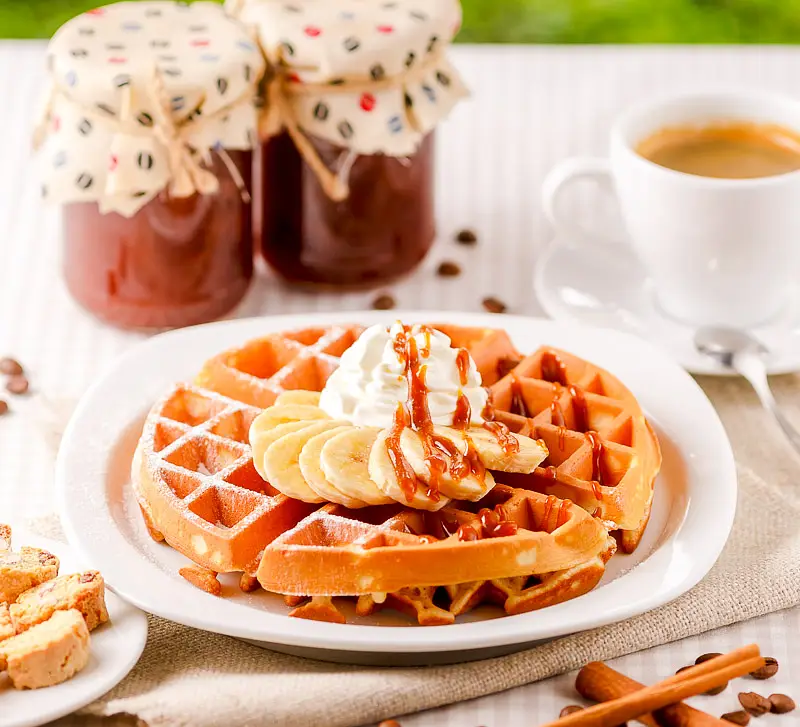
Best Sourdough Belgian Waffles
Sourdough Belgian waffles with separated eggs and a cup of starter for tangy flavor and a crisp shell. The whipped whites give them their signature airy, deep-pocketed lift.
Favourite Sourdough Cinnamon Rolls
Knead Herman sourdough starter with eggs and flour, roll with cinnamon-sugar filling, and bake into soft, tangy cinnamon rolls that rise beautifully without commercial yeast.

Sourdough Trail Pancakes
Old-fashioned sourdough trail pancakes fermented 24 to 48 hours for maximum tang. Silver dollar-sized flapjacks made with dry milk powder, perfect for camping or lazy weekend mornings.
Sourdough Hotcakes
Tangy sourdough pancakes with a tender crumb and subtle fermented flavor, made from active sourdough starter for fluffy breakfast hotcakes.
Sourdough Onion Rye
Sourdough onion rye bread made in a bread machine with rye flour, whole wheat, diced onions, and honey. Includes small, medium, and large loaf sizes with optional anise or caraway.
Sourdough Onion Rye
Sourdough onion rye bread made in a bread machine with rye flour, whole wheat, diced onions, and honey. Includes small, medium, and large loaf sizes with optional anise or caraway.
Sourdough Onion Rye
Sourdough onion rye bread made in a bread machine with rye flour, whole wheat, diced onions, and honey. Includes small, medium, and large loaf sizes with optional anise or caraway.

Dried Apple Cakes
Sourdough dried apple cakes baked in a spiced brown sugar-apple syrup. Rolled pinwheels with rehydrated apples inside, swimming in a cinnamon-nutmeg caramel.
Sourdough Starter & Bread with Skim Milk
Create sourdough starter from scratch using skim milk, then bake tangy loaves with Butter Buds for low-fat flavor. Complete starter and bread recipe.
Friendship Prune Cake
Friendship-starter prune cake spiced with cinnamon and studded with chopped walnuts and stewed prunes. A moist, sourdough-tinged sheet cake from the Amish friendship-bread tradition.
Sour Dough Silver Dollar Hotcakes
Sourdough silver dollar hotcakes with an overnight fermented batter, baking soda for lift, and a tangy flavor no regular pancake can match. Makes 30 mini pancakes.
Sourdough Steak
Sourdough steak uses tangy sourdough starter as a wet dip before dredging round steak in seasoned flour for a crispy, pan-fried crust. A frontier-style take on chicken fried steak.
Sourdough Riz Biscuits
Tangy sourdough biscuits enriched with Monterey Jack cheese and yeast for savory flavor. Rise in fridge or at room temp for flexible timing.
Sourdough Pumpernickle
Sourdough pumpernickel bread with rye flour, molasses, black coffee, and caraway seeds. Uses an active sourdough starter for deep, complex flavor in every dense, dark slice.
Red Chili Biscuits
Spicy red chili sourdough biscuits with cheddar cheese, chili powder, red pepper flakes, and dried chilies. A tangy, fiery twist on classic drop biscuits.
Bran Date Bread
Moist bran date bread with sourdough starter, buttermilk, and lemon zest baked into a dense, naturally sweet loaf. Spread with cream cheese for something truly special.
Sourdough Rye
Sourdough rye bread made in a bread machine with sourdough starter, rye flour, barley flour, caraway seeds, and dried onion. A tangy, dense loaf with old-world rye flavor.
Easy Pumpkin Loaves
Easy pumpkin loaves made with sourdough starter and biscuit mix for a shortcut spiced bread with raisins, walnuts, and a sweet golden glaze.
Sourdough English Muffins
Making your own English muffins isn't hard, this version uses a sourdough starter for better flavor.
Friendship Orange Cupcakes
Friendship starter orange cupcakes with raisins, pecans, and a warm orange-sugar glaze dip. Sourdough-style tanginess meets bright citrus in a tender, studded crumb.
Sourdough - ABM
Sourdough bread machine recipe makes a tangy yeast-free loaf with active sourdough starter, flour, water, and salt. Hands-off ABM sourdough for daily slicing.
Wild Onion Bread
Rustic round sourdough bread packed with savory onion flavor from soup mix. Crusty outside, soft inside, and made with pantry staples plus sourdough starter.
Mendenhall Sourdough Gingerbread
Sourdough gingerbread made with active starter, molasses, ginger, and cinnamon. The tangy starter adds depth to this warm, spiced Alaskan-style cake.
Sourdough Maple Walnut Bread
Bread machine sourdough maple walnut bread with whole wheat flour, walnut oil, cinnamon, and real maple syrup. Dump, press start, and let the machine do the kneading and baking.
Ciabatta
Homemade ciabatta bread using sourdough starter and active dry yeast for a tangy, open-crumbed loaf with a crisp, chewy crust. Makes three torpedo loaves.
Whole-Wheat Sourdough Applesauce Cake
Whole-wheat sourdough applesauce cake bakes up moist and tender in a tube pan, with cinnamon, allspice, and clove warming a tangy starter-and-applesauce batter. A bundt-shaped keeper for fall.
Sour Sourdough - ABM
Sour sourdough bread builds extra tang through 12+ hours cold-retarded fermentation. Bread machine kneads, then artisan-style cylindrical loaves bake on cornmeal-dusted sheets.
Sourdough Whole Wheat Bread with Cheddar Cheese
Sourdough whole wheat cheddar bread for the bread machine. Sourdough starter, whole wheat flour, bran, and sharp cheddar bake into a tangy, nutty, cheesy loaf with real depth.
Caesar's Sourdough Bread Machine
A savory sourdough bread machine loaf loaded with Parmesan, anchovies, garlic, and lemon zest. Whole wheat and bread flour give it hearty texture with a tangy, Caesar-inspired crumb.
Sour Pumpernickel Bread
Bread machine sourdough pumpernickel with rye flour, whole wheat, molasses, and real sourdough starter. Dense, tangy, and earthy. Load the machine, press start, and walk away.
Sourdough Pizza Bread
Sourdough pizza bread for the bread machine with pepperoni, parmesan, basil, and oregano baked right into the dough. All the flavors of pizza night in a sliceable loaf.
Sourdough Cornmeal Cakes
Overnight sourdough cornmeal cakes griddled to crispy-edged breakfast glory. Mix the batter before bed, let it rise, and cook on a hot griddle come morning. Six ingredients, zero fuss.
More sourdough starter recipes
- Caesar's Sourdough Bread Machine
- Ciabatta
- Easy Pumpkin Loaves
- Jim's Sourdough Biscuits
- Smokey's Sourdough Chocolate Chip Cookies
- Sour Dough Silver Dollar Hotcakes
- Sourdough - ABM
- Sourdough Bagels
- Sourdough Buns
- Sourdough Buttermilk Biscuits & Scones
- Sourdough Chocolate Cake
- Sourdough Drop Cookies
- Sourdough Pizza Bread
- Sourdough Pumpernickle
- Sourdough Rolled Chocolate Cookies
- Sourdough Rye
- Sourdough Starter & Bread with Skim Milk
- Sourdough Steak
- Sourest Sourdough