What Is Cheddar cheese, medium and How Can I Use It?
Cheddar cheese, medium rewards a little know-how: how to choose it, cook it, store it, and substitute in a pinch. Browse 23 recipes to cook with it.
Key Points
- Medium cheddar is aged roughly three to six months, the middle of the mild-to-sharp range.
- It melts more smoothly than sharp cheddar, which loses moisture and turns greasy under heat.
- Grate from a block; pre-shredded cheese is coated and melts into a gritty sauce.
- Add it to sauces off the boil at the end, or it seizes and turns grainy.
- Sealed it keeps for months; once opened, use within three to four weeks.
What is cheddar cheese, medium?
Medium cheddar is the cheddar most people picture when they hear the word. It's firm and sliceable, with a pleasant tang but none of the sharp bite of an aged block.
It sits in the middle of the cheddar age range, typically cured for around three to six months. That window develops real flavor while keeping a smooth melt.
Think of cheddar as a spectrum running from mild to sharp. Mild cheddar is young and buttery. Sharp and extra-sharp are aged a year or more into something crumbly and intense.
Medium is the everyday middle. It tastes more developed than mild but stays soft enough to grate cleanly and melt into a sauce without breaking.
Cooking With Medium Cheddar
Medium cheddar earns its keep because it does two jobs well at once. It melts smoothly and it actually tastes like something. Grate it into casseroles, melt it into sauces, or fold it through a quick bread batter.
It melts better than older cheddar. As cheddar ages it loses moisture and its fat starts to separate under heat. That's why a sharp block can turn greasy in a sauce, while medium still has enough moisture to flow.
For baking, it folds into doughs and batters without fighting them. The Apple Pie in Cheddar Crust tucks grated medium cheddar into the pastry, where it reads as a savory backbone under the sweet apples. Cheesy Cheddar Pancakes melt the cheese right into the batter so every bite stays tender.
In a casserole it carries the dish rather than dominating it. Cheesy Ham Bake leans on medium cheddar to bind and enrich without overpowering the pork.
Pairing and Common Mistakes
Cheddar pairs naturally with apples, onions, cured pork, and starchy foods like potatoes and bread. Its tang cuts through richness, which is why it belongs alongside ham and a beef burger.
A little works in sweet contexts too, the way an old-fashioned slice of cheese sits next to apple pie.
The most common mistake is overheating it. Cheese sauce boiled or held too hot over direct heat will seize and turn grainy. The proteins tighten and squeeze out the fat. Melt cheddar gently off the boil, and in a sauce, add it at the very end with the heat low.
Pre-shredded bagged cheddar is the other trap. It's coated with anti-caking starch and cellulose that keep the shreds separate but also keep them from melting cleanly, so a sauce made with it can stay gritty. Grate from a block when melt quality matters.
Substitutes
For melting and everyday cooking, Colby or Monterey Jack stand in well. Both are milder and a touch creamier, so expect less tang.
Mild cheddar swaps in directly with a softer, less developed flavor. Sharp cheddar gives you more punch but a slightly less forgiving melt, so keep the heat lower if you reach for it.
In a grilled sandwich or a melt where smoothness is the whole point, a young Gouda or havarti will flow even more easily. For a baked gratin, Gruyère brings a nuttier, more assertive note that holds up to long oven time.
Match the swap to the job. Use creamy melters for sauces, and firmer aged cheeses where you want flavor to stand up.
Buying and Storing
Cheddar is sold by age, so a label reading medium or sharp tells you roughly how long it was cured and how strong it will taste. For general cooking, a block of medium is the most useful thing to keep on hand.
Orange and white cheddar of the same age taste identical. The color is just annatto, a natural plant dye that changes nothing else about the cheese.
Buy it in block form and grate as needed. A whole block keeps far longer than shreds and melts better, since it hasn't been coated with anti-caking agents.
Store cheddar wrapped tightly in the coldest part of the fridge. Wax or parchment paper inside a loose plastic bag lets it breathe without drying out. An unopened block keeps for months; once opened, use it within about three to four weeks.
If a spot of surface mold appears on a hard block, cut at least an inch (2.5 cm) around and below it. The rest is fine to eat. Cheddar also freezes for several months, though it turns crumblier after thawing. Save frozen cheese for cooking rather than the cheese board.
Nutrition
Nutrition Facts
Serving Size 1 cup, diced (132g)Quick facts
Food group: Cheddar cheese, medium is a member of the Dairy and Egg Products US Department of Agriculture nutritional food group.
- In Chinese
- 切达奶酪,中
- British (UK) term
- Cheddar cheese, medium
- en français
- fromage cheddar, moyen
- en español
- queso cheddar, mediano
How much does cheddar cheese, medium weigh?
| Amount | Weight |
|---|---|
| 1 cup, diced | 132 grams |
| 1 cup, melted | 244 grams |
| 1 cup, shredded | 113 grams |
| 1 ounce | 28 grams |
| 1 cubic inch | 17 grams |
| 1 slice (1 oz) | 28 grams |
Related
Dairy and Egg Products
Recipes using cheddar cheese, medium
There are 23 recipes that contain this ingredient.
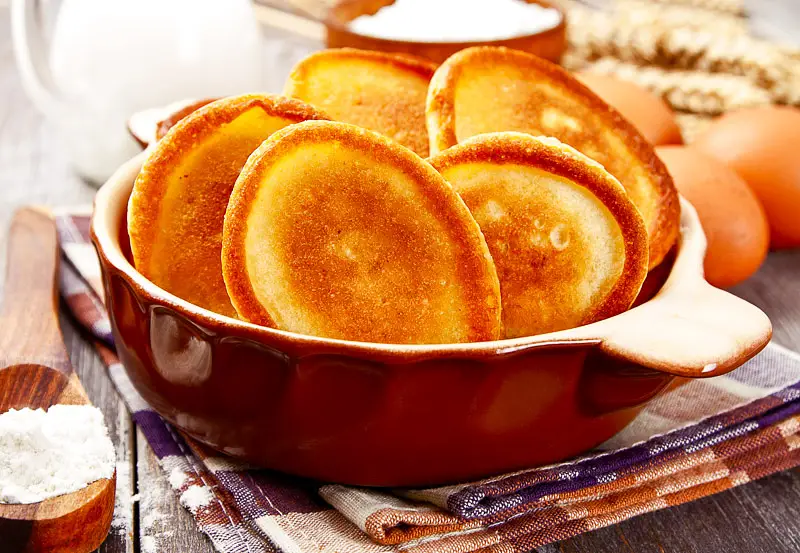
Cheesy Cheddar Pancakes


Cheesy cheddar pancakes are small, savory egg-yolk and sour cream pancakes loaded with grated cheddar and a kick of dry mustard. Serve hot with bacon or pork sausage for a hearty breakfast.
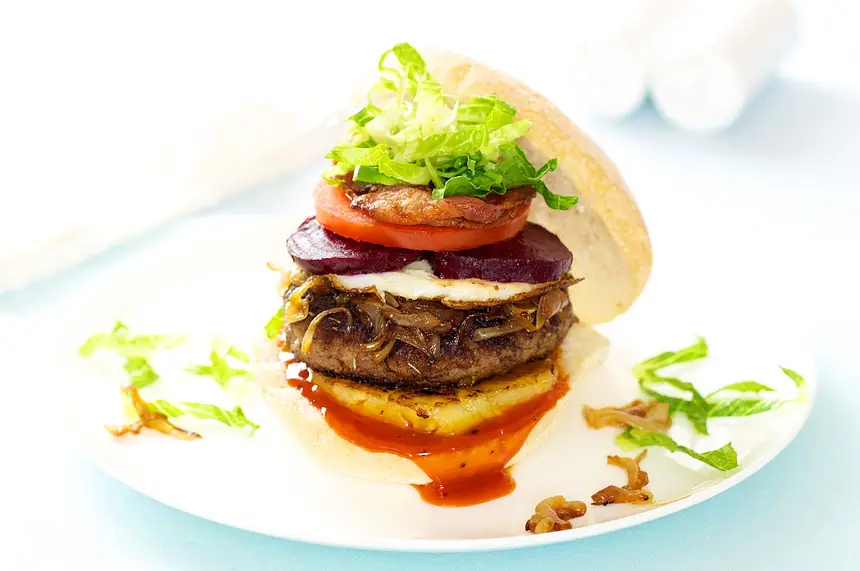
Australian Hamburger
The Australian hamburger with the lot: a beef patty stacked with a fried egg, bacon, cheese, grilled pineapple, and the all-important slice of pickled beetroot, plus caramelized onions and barbecue sauce on a toasted bun.
Apple Pie in Cheddar Crust
Cheddar accompanying a slice of apple pie is a centuries-old pairing. This apple pie recipe bakes the cheddar into the crust, flaky, sweet with a bit of savory in every slice.
Dunkley's Famous Macaroni Salad
This well endowed cheesy macaroni salad recipe is packed with flavor and sized to feed a crowd.
Deviled Ham Muffins
Toasted English muffins topped with oregano-spiked deviled ham, crisp apple rings, and bubbly melted cheddar. A sweet-savory open-faced bite that's ready in 30 minutes.

Taco Bar
Full-spread taco bar: chipotle-spiced ground beef simmered in tomato broth, chunky homemade guacamole with lime and garlic, and fresh serrano pico. Twelve tacos' worth of filling with every fixing on the table.

Special Potato Dauphinois
Rich meal suitable as supper time treat or as side dish.Not for those watching calories! Loaded with cheese and cream but absoultely delicious.
Stroganoff Sandwich
Stroganoff sandwich on a toasted French bread loaf, layered with sour cream beef, chopped tomatoes, green pepper, and melted cheddar. An open-face crowd feeder for casual dinners and game day.
Armstrong Olive Quiche
Olive quiche with a hash brown potato crust, two cheeses, green chilies, and spicy olives. Gluten-free and hearty with a crispy golden potato shell instead of pastry.
Bbq Crab Sandwich
Broiled crab melt on English muffins with crabmeat, tomato sauce, pimento olives, and melted cheddar. Mix, chill an hour to blend flavors, then broil until bubbly and golden.
Crab Burgers
Broiled open-face crab burgers loaded with cheddar, hard-boiled eggs, and a tangy mayo-ketchup spread on toasted bun halves. Bubbly, golden, and ready in 20 minutes.
Nutty Rice Loaf
Nutty rice loaf: a vegetarian baked loaf of brown rice, zucchini, walnuts, cheddar, and herbs. A meatloaf-style supper that's hearty, sliceable, and adapts to whatever's in the fridge.
Favourite Dairy Beef Casserole
Layered beef and noodle casserole with seasoned ground beef in tomato sauce alternating with a sour cream, cottage cheese, and carrot noodle mix, topped with melted cheddar.

Cheesy Ham Bake
Cubed ham and elbow macaroni baked in a creamy egg and milk custard with cheddar, mustard, and a hint of dill. This cheesy ham bake is old-school comfort food that feeds eight hungry people.
Peach Cobbler with Cheddar Biscuits
Peach cobbler topped with sharp cheddar biscuits instead of plain dough. Almond extract and lemon juice brighten the filling while the cheese adds savory crunch.
New Year's Eve Seafood Bisque
Seafood bisque started as a New year's Eve dinner tradition, New Year's 2010.
Open-Faced Crab Sandwich
Open-faced crab sandwiches on English muffins with cream cheese softened in ginger ale, topped with tomato and melted cheddar. A retro hot seafood lunch ready in 30 minutes.
Favourite Salmon Delight
Salmon casserole binds flaked salmon with breadcrumbs, milk, egg, and shredded cheddar, baked under a buttery breadcrumb crust. Old-school church-supper salmon loaf in casserole form.
Cheddar Ham Chowder
Cheddar ham chowder loaded with potatoes, carrots, celery, and corn in a thick cheese sauce. A hearty one-pot soup that uses leftover ham and comes together fast.
Cheddar Date Nut Loaf
Sweet-savory quick bread with chopped dates, shredded cheddar, and walnuts baked into a moist loaf. Slice it thin for tea time or toast it with butter. Even better the next day.