What Is Havarti cheese and How Can I Use It?
Havarti cheese rewards a little know-how: how to choose it, cook it, store it, and substitute in a pinch. Browse 6 recipes to cook with it.
Key Points
- Semisoft Danish cow's milk cheese, mild and buttery young, with a clean low-heat melt.
- Washed-curd method strips lactose, so it stays gentle and springy instead of tangy.
- Great melted into burgers, casseroles, and grilled sandwiches where you want gooey not greasy.
- Swap with Monterey Jack or young Gouda for melting; Fontina for a richer gratin.
- High moisture means short life; use an opened block within about two weeks.
What is havarti cheese?
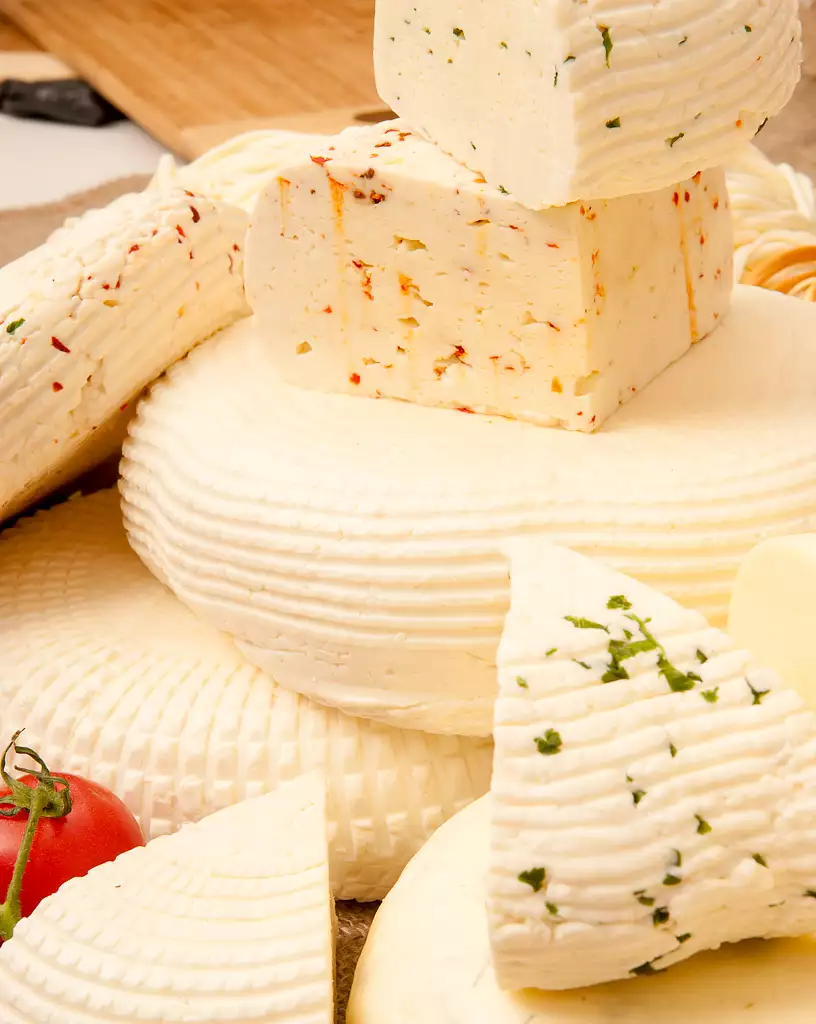
Havarti is a semisoft Danish cow's milk cheese, pale and buttery, with a supple texture full of tiny irregular holes. It tastes mild and a little sweet when young, turning sharper and more hazelnut-like as it ages. The interior stays smooth and sliceable, never crumbly.
It belongs to the washed-curd family. The cheesemaker rinses some whey off the young curds and replaces it with water, which washes out lactose, so less acid develops and the cheese ends up springy and gentle rather than tangy.
Most blocks you find are young Havarti, sold plain or studded with dill, caraway, jalapeno, or herbs. It melts beautifully, which is the main reason cooks keep it around.
How to Use It
Havarti's strength is a clean, even melt at low heat. It softens into something glossy and stretchy without weeping oil, so it is a forgiving cheese for grilled sandwiches and quesadillas where you want gooey rather than greasy.
Lay it over a burger in the last minute under a lid and it slumps into the patty, the way it does on Horseradish-Garlic Burgers. Folded into a baked dish it stays creamy, as in the Holiday Three-Onion & Cheese Casserole, where its mildness lets the onions lead.
It carries a tortellini salad or a salmon bake without taking over. Warm Tortellini Salad and Salmon Dijon Casserole both use it as a soft, melting backbone rather than a loud flavor.
Cold, it slices clean for a board or a sandwich. It grates raggedly because it is soft, so chill it firm first if a recipe calls for shreds.
Pairing and Common Mistakes
Mild Havarti is a quiet partner, so it likes gentle company. It suits cured ham and smoked salmon, and plays off the sweetness of a ripe pear with a crisp lager alongside. The dill-studded version leans Scandinavian, sitting happily beside rye bread, pickled herring, or sliced cucumber.
The usual mistake is cooking it too hot. Because it is high in moisture and fat, hard heat makes it split into a slick of oil and rubbery curd. Melt it gently and pull the pan off the heat as soon as it goes soft.
The other slip is expecting it to anchor a dish on flavor alone. Young Havarti is mellow by design, so in a sauce or gratin that needs real punch, blend in a sharper cheese or reach for aged Havarti instead.
Substitutes
For melting, Monterey Jack and young Gouda are the closest stand-ins. Both are mild and buttery and flow cleanly, with Jack a touch blander and Gouda a touch sweeter.
Fontina melts even more lavishly and brings a little more flavor, a good swap in a gratin or fondue. Mild Tilsit or a young Edam covers the same gentle, springy character on a board.
If all you want is melt and you do not need Havarti's particular sweetness, a low-moisture mozzarella stretches well but tastes flatter. Match the swap to the job: creamy melters for sandwiches and bakes, a young table cheese for slicing.
Buying and Storage
Havarti shows up as plain blocks and as flavored ones, plus pre-sliced deli stacks for sandwiches. Look for a pale, even interior with small scattered holes and no dried or oily edges. Plain is the workhorse; dill and jalapeno are worth buying when the cheese itself is the point.
Keep it wrapped in wax or parchment paper inside a loosely closed bag, in the cheese drawer rather than the coldest back wall. Tight plastic suffocates it and turns the surface slimy.
Because it holds a lot of moisture, Havarti does not keep as long as a hard cheese. An opened block is best within about two weeks; watch for an ammonia smell or a sticky surface, which mean it is past its prime.
It can be frozen for cooking, though thawing leaves it crumblier and a little weepy. Save frozen Havarti for melting into a casserole rather than a cheese plate.
See a spot of surface mold on a block? Cut a generous inch (2.5 cm) around and below it and use the rest soon.
Nutrition
Nutrition Facts
Serving Size 1 cup (246g)Quick facts
Where to find havarti cheese: Havarti cheese is usually found in the cheeses section or aisle of the grocery store or supermarket.
Food group: Havarti cheese is a member of the Dairy and Egg Products US Department of Agriculture nutritional food group.
- In Chinese
- 哈瓦蒂干酪奶酪
- British (UK) term
- Havarti cheese
- en français
- fromage havarti
- en español
- queso Havarti
How much does havarti cheese weigh?
| Amount | Weight |
|---|---|
| 1 cup | 246 grams |
| 1 ounce | 28 grams |
| 1 cubic inch | 17 grams |
| 1 wedge (1.33 oz) | 38 grams |
Related
Dairy and Egg Products
Recipes using havarti cheese
There are 6 recipes that contain this ingredient.
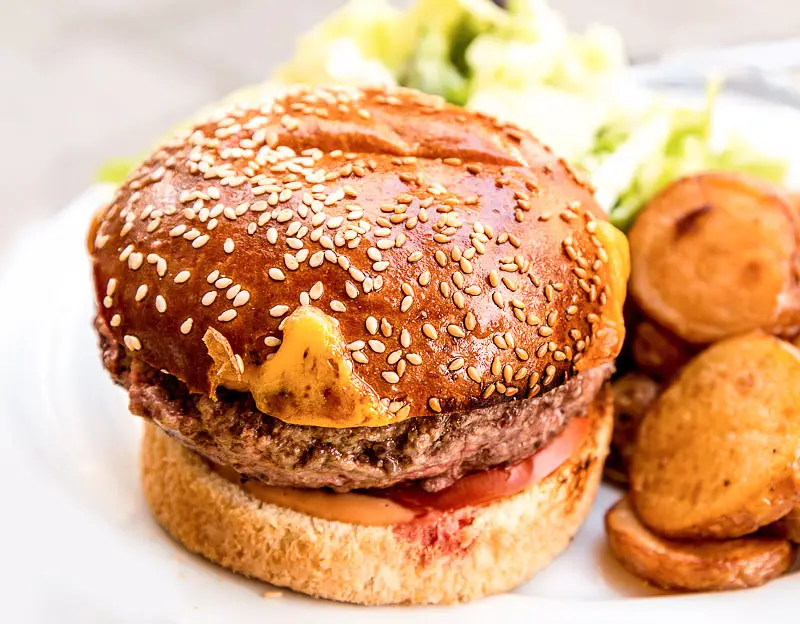
Horseradish-Garlic Burgers


Horseradish garlic burgers with thyme, chives, and melted Havarti on toasted onion rolls. Grilled gourmet patties with bold, sharp flavor.
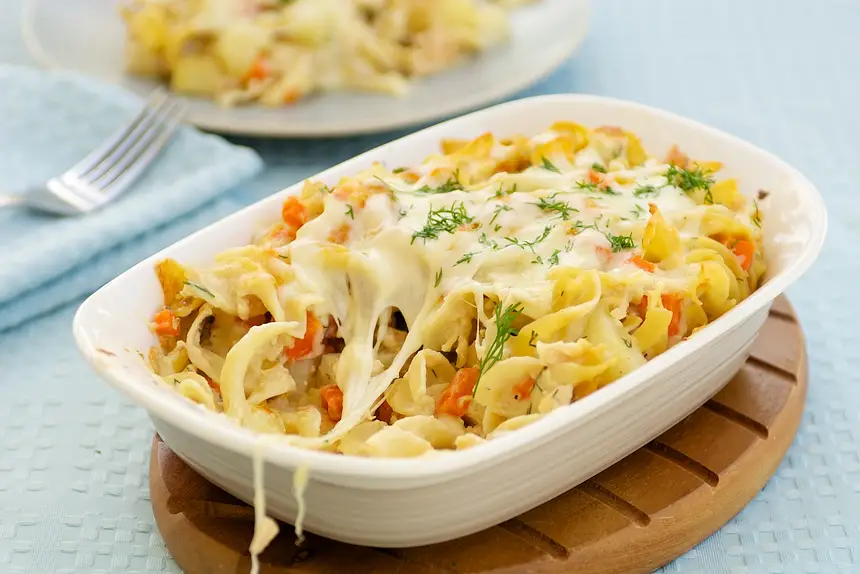
Salmon Dijon Casserole
Salmon casserole with egg noodles in a creamy Dijon mustard sauce, mixed peas and carrots, and melted Havarti on top. The Dijon cuts the richness for a brighter take on the classic salmon noodle bake.
Warm Tortellini Salad
Warm cheese tortellini salad with broccoli, Havarti cubes, roasted red peppers, and Dijon vinaigrette. A quick, cheesy Italian pasta salad ready in 30 minutes.
Spicy Broccoli Aioli Pizza
White pizza topped with a garlic-herb aioli, melted Havarti, broccoli, roasted red peppers, and Parmesan. A gourmet vegetarian pizza night upgrade that skips the red sauce entirely.
Holiday Three-Onion & Cheese Casserole
Decadent casserole layered with three types of onions & three cheeses. It is once a year treat. We all deserve it.