What Is Asafetida and How Can I Use It?
If asafetida has turned up in a recipe or caught your eye at the store, here's what you need to use it with confidence and how to choose it, cook it, store it, what to substitute, and 57 recipes to try it in.
Key Points
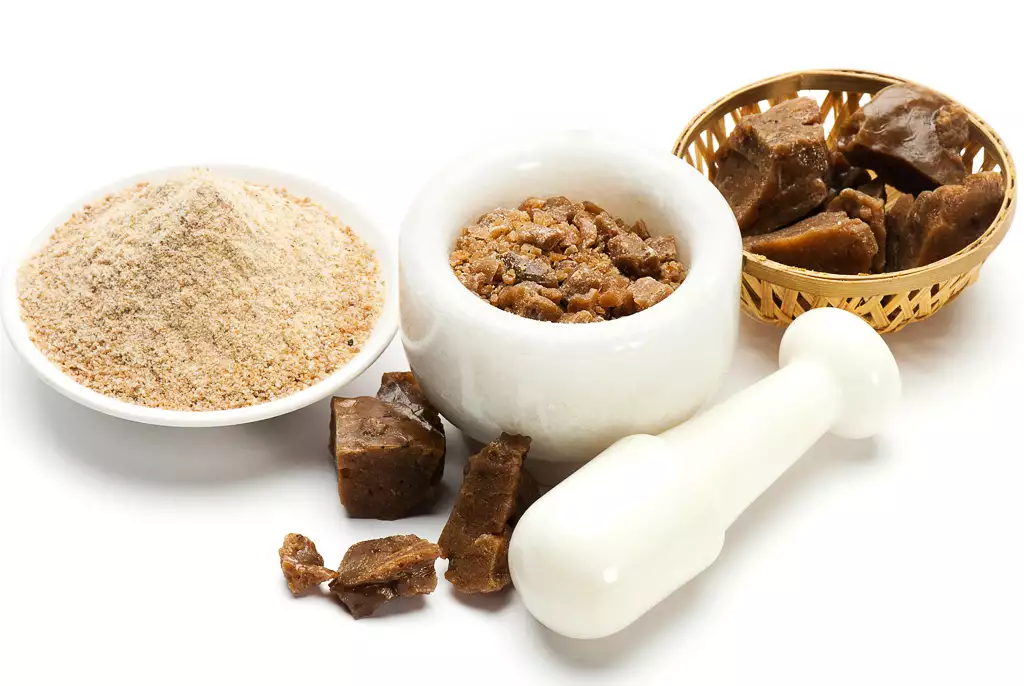
- Asafetida (hing) is a pungent dried resin from Ferula plants that mimics onion and garlic.
- It must bloom in hot oil; raw it tastes harsh and bitter, cooked it turns savory.
- Use only a pinch, about an eighth to a quarter teaspoon for a dish serving four.
- It is the classic onion-and-garlic stand-in for Jain and other allium-free cooking.
- Most powders are cut with wheat flour, so coeliacs should buy a gluten-free rice-based brand.
What is asafetida?
Asafetida is a dried gum resin tapped from the roots of giant fennel plants in the genus Ferula, native to Iran and Afghanistan. It is sold as a hard amber lump or, far more often, as a fine pale-yellow powder cut with rice or wheat flour.
In Indian kitchens it goes by the name hing. Raw, it smells genuinely awful, sulfurous and oniony enough to earn the old English nickname "devil's dung." That is why it always lives in a tightly sealed jar.
Cooked, it turns into something else entirely. A pinch hit with hot oil mellows into a deep, savory, leek-and-garlic aroma that underpins countless South Indian and North Indian dishes.
How to Use Hing
The one rule that matters: asafetida must hit hot fat to bloom. Tossing the raw powder straight into a watery curry leaves a harsh, bitter edge. Fry it for a few seconds and it turns round and savory instead.
In practice it goes into the tadka, the tempering step where whole spices sizzle in hot oil or ghee at the start or end of cooking. Drop a pinch in right after the cumin or mustard seeds pop, count to five, then add the rest.
A potato and pea stew or a pot of Mung Dahl gets its backbone exactly this way.
A pinch is all you need. Use roughly 1⁄8 to 1⁄4 teaspoon for a dish serving four. More than that and the dish skews bitter and overwhelmingly oniony.
Pairing and Common Mistakes
Asafetida exists to stand in for onion and garlic, so it pairs with everything those do: lentils, beans, potatoes, eggplant, and most vegetables. It has a particular affinity for legumes, where it adds savory depth and is traditionally believed to ease the gas that beans cause.
You taste this in Baigan Bharta and Alu Matar, where a whisper of hing fills the gap left by going light on alliums.
The biggest mistake is using too much, since the raw smell fools cooks into thinking a heavy hand is needed. Trust the pinch.
The second mistake is skipping the oil. Stirred into a finished dish off the heat, it never blooms and tastes raw and acrid.
The third is buying compounded hing without checking the label. Most powders are mostly flour, so a recipe written for pure resin will overpower a dish if you measure the same amount of a stronger grade.
Substitutes
Since hing is a built-in onion-and-garlic flavor, the obvious swap is the real thing: a small minced clove of garlic plus a spoonful of finely chopped onion or some onion powder, sauteed until soft, covers most of what it brings.
For the brothy, savory note rather than the allium punch, a few drops of fish sauce or a pinch of mushroom powder work in a pinch, though they pull the dish in their own direction.
Nothing fully replicates hing, especially in onion-free and garlic-free cooking such as Jain or some fasting-day food, where its whole purpose is to deliver that flavor without the forbidden vegetables. In those cases, leave it out rather than substitute and accept a milder dish.
Buying and Storing It
Buy the smallest jar you can find, because a little lasts a very long time. Check the label: pure resin (sometimes sold as lump or "strong" grade) is far more potent than the common compounded powder bound with wheat or rice flour.
Coeliacs should seek out a gluten-free, rice-based brand, since most boxes use wheat.
Store it sealed and away from other foods. The smell migrates, and an open jar will perfume an entire spice cabinet within days. A second outer bag or a separate tin is not overkill.
Kept airtight in a cool, dark cupboard, the powder holds its strength for around a year, while solid resin lumps last considerably longer. When the sharp aroma fades to nothing on opening, it has lost its punch and is due for replacement.
Quick facts
- In Chinese
- 阿魏
- British (UK) term
- Asafetida
- en français
- asafoetida
- en español
- asa fétida
Recipes using asafetida
There are 57 recipes that contain this ingredient.
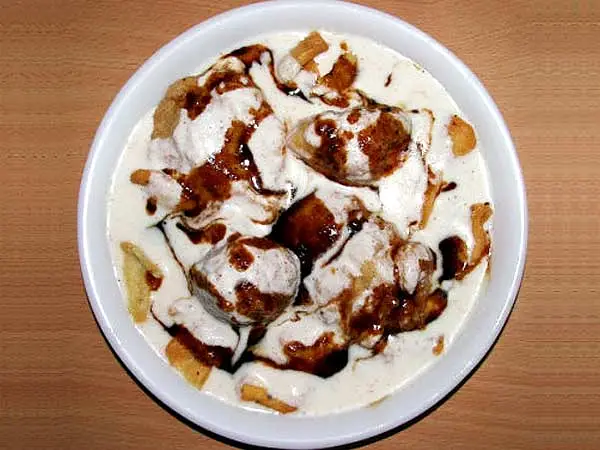
Dahi Bhalley


India is known for its delicious recipes. When it comes to food, there are umpteen kinds of dishes available throughout the length and breadth of the country. On the occasion of festivals such as Diwali, Dusshera and Holi, people relish on delightful delicacies. Especially in Holi, people indulge themselves in smearing color on each other, teasing their loved ones and relishing on scrumptious recipes like Gujia, Namak Pare, Kheer and Dahi Bhalle. In most of the North Indian homes, Dahi Bhalle is a must to make recipe. Made of Curd and Urad Dal pakode, Dahi Bhalle is liked by most of the people. Check out the article and get to know how to make Dahi Bhalle.
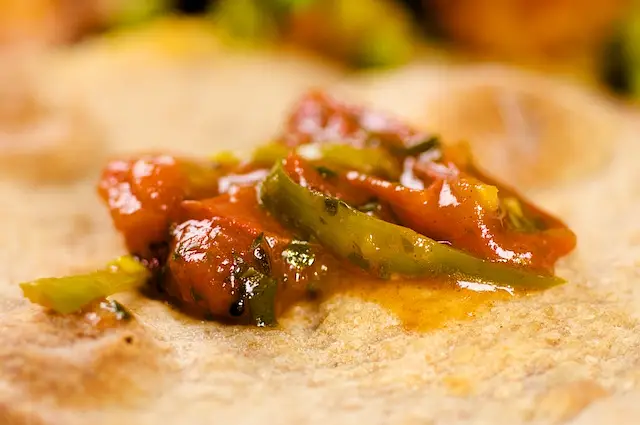
Tomato Chutney

Mango chutney sounds very familiar with us, but you can make tomato chutney as well, and the savory flalvor goes well with all kinds of dishes. Here it is.
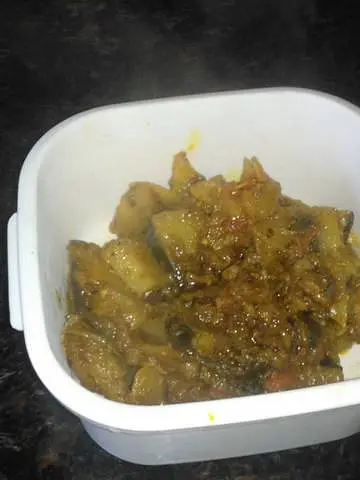
Rajasthani Aloo Baingan (Potato & Eggplant)
I have never met an eggplant I didn't love! Eggplant is one of my favorite vegetables. The nice thing is you can make it so many ways. This recipe is really easy and turns out a delicious dish that tastes great when served with hot Chapatis.

Potato & Pea Stew
Spiced Indian potato and pea curry with cumin, mustard seeds, and fresh coriander. A warming vegetarian stew ready in 30 minutes using pantry staples.

Baigan Bharta
Smoky roasted eggplant mashed with cumin, serrano chiles, coriander, and garam masala, then folded with cool yogurt and fresh cilantro. A classic North Indian side dish.
Kashmiri Stir-Fry
Kashmiri stir-fry with eggplant and broccoli seasoned with asafetida, cayenne, and paprika. A simple, vegan Indian wok dish that uses just a handful of spices to bring bold Kashmiri flavor to everyday vegetables.

Onion Vetha Kozhambu
Onion vetha kozhambu, a tangy South Indian tamarind gravy simmered with small onions, sambar powder, and a hit of hing, thickened with rice flour. A bold, sour-spicy Tamil curry to spoon over hot rice. Vegan.

Vellirikkai Thogayal
Vellirikkai thogayal is a South Indian cucumber chutney with mustard seeds, urad dal, methi, dried red chilies, and sesame oil. A tangy, crunchy condiment for rice.

Pulikacchal
Pulikacchal: the tangy-sweet South Indian tamarind paste for puliyodharai rice. Mustard seeds, chilies, jaggery, and sesame cooked down into a shelf-stable rice mix.

Char Flavoured Eggplant & Green Peas
Cubed eggplant simmered with green peas in ghee, coriander, cumin, turmeric, and whole chiles until the stock evaporates and a smoky charred crust forms on the bottom. An Indian vegetable dish where the burnt bits are the best part.
Gobhi Samosa
Indian gobhi samosas stuffed with grated cauliflower, peas, cumin seed, garam masala, amchoor, and asafetida, then deep-fried until golden and crisp. A spiced vegetarian snack perfect with chutney.

Dilled Chilled Carrots (Sonf Gazar Subji)
Indian chilled carrot salad (Sonf Gazar Subji) with cumin, turmeric, asafetida, and fresh dill, tossed with brown rice and eggless mayo. A spiced, cold vegetarian side dish.
Gujrati Dal
Gujarati dal: a Western Indian lentil stew with eggplant, zucchini, and tomato, tempered with mustard seed, cumin, and asafetida in ghee. Vegetarian, warmly spiced, served over rice.

Sambhar
South Indian sambhar made with toor dal, tamarind, coconut, and a ground spice paste of channa dal, dhania seeds, and dried red chiles. A tangy, protein-rich lentil stew for rice or dosa.
Khichadi From Maja
Khichadi cooks basmati rice and moong dal with cinnamon, cloves, mustard seed, and asafetida, then folds in toasted nuts, coconut, currants, and garam masala. Ayurvedic Indian comfort one-pot.

Super Tasty Rice & Nuts
Indian-spiced brown rice pilaf with cumin, garam masala, ginger, and asafetida, finished with toasted nuts, seeds, and raisins. Vegan, fragrant, and meal-worthy.

Nimbu Pickle
A fruity side dish that is perfect for a backyard barbecue or any other regular summer day.
Curried Potatoes with Eggplant
South Indian-style aloo baingan: potatoes and eggplant simmered with a fresh ginger-coconut-chili paste, mustard seeds, asafetida, and toasted spices in ghee. A vegetarian curry full of layered aromatics.

Spiced Green Beans & Rice (Sem Pullao)
Sem Pullao with green beans, basmati rice, mustard seeds, cumin, and turmeric cooked in one pot. A fragrant Indian vegetarian side dish ready in 40 minutes.

Char Flavoured Potatoes & Green Beans
Indian-spiced potatoes and green beans with turmeric, asafetida, dried chiles, and ghee, boiled then charred on the bottom for a crispy, smoky crust.

Refreshing Sweet & Sour Cucumber Salad
Sweet and sour cucumber salad inspired by ancient Roman Apicius cookery, with sweet wine, vinegar, liquamen and mint. A historical recipe brought back to the modern table.
Gujerati-Style Cabbage with Carrots
Gujarati-style cabbage and carrots stir-fried with mustard seeds, asafetida, green and red chilies, cilantro, and lemon juice. A quick Indian vegetable side dish with bold spice.
Curried Whole Chick Peas
Curried whole chickpeas (chana) simmer in a freshly ground spice blend of cinnamon, cardamom, cloves, and cumin with ginger, chilies, and tomato. Authentic Indian vegetarian curry.
Potatoes with Onions
Indian spiced potatoes with onions, tempered with cumin, mustard seeds, asafetida, and turmeric. Boiled, mashed, and pan-fried with garam masala and lemon juice.

Bell Pepper Curry
A quick South Indian-style bell pepper curry with mustard seeds, cumin, turmeric, peanuts, and chickpea flour for a nutty golden crust. Ready in 15 minutes. Serve with dal and rice.

Palak Tofu-Paneer
Palak tofu-paneer combines crispy soy-marinated tofu with simmered spinach and fresh tomatoes, finished with a fragrant chaunce of toasted Indian spices and ghee.

Stuffed Okra
Bharwan bhindi, Indian stuffed okra pods packed with toasted coriander, cumin, fennel, garam masala, and ground almonds. Pan-fried in ghee for a spicy, crisp-tender side.
Katirikkai Thogyal
Katirikkai thogyal is a smoky South Indian eggplant chutney made with roasted eggplant, urad dal, dried red chilies, tamarind, and a pinch of hing. Coarsely blended and served alongside rice and ghee.

Spinach Dal Andrah Pradesh Style
This succulent Eastern dish has a unique spicy taste that will have you begging for a second helping.
Maya's Potatoes
Indian-style fried potatoes simmered in a tomato curry with asafetida, fenugreek, fennel, mustard seeds, and turmeric. Bold, layered spice work over crispy potato cubes.

Sambar Podi (Sambar Powder)
Homemade sambar powder (sambar podi) with toasted channa dal, coriander seeds, red chilies, fenugreek, and asafetida. An essential South Indian spice blend.
Meetha Kaddoo (Braised Butternut Squash with Jaggery)
Meetha Kaddoo with butternut squash braised in fenugreek, asafoetida, and coriander, then glazed with jaggery and mango powder. A sweet-spiced Indian vegetarian side.
Molahu Kozhambhu
A spicy and delicious dish that calls for canned tomatoes, red chili peppers and rice flour.
Spiced Green Beans & Rice
Basmati rice cooked with fresh green beans, black mustard seeds, cumin, turmeric, and asafetida in one pot. This South Indian-inspired side dish is vegan, fragrant, and ready in 40 minutes.
Vangi Bath
Vangi bath: South Indian rice dish with eggplant, toasted coconut, and a fresh-ground spice blend of coriander, urad dal, dried chiles, cinnamon, and hing. Vegetarian one-pot from Karnataka.
Dry Cauliflower
Dry cauliflower sabzi with toasted cumin, asafoetida, ginger, coriander, and turmeric. Classic North Indian side where no gravy clings, just spice hugging each floret.

Potatoes with Fenugreek Leaves
Fenugreek has a 'spicy' taste most similar to the effect of cumin - it makes the food spicier without adding a particular taste of its own

Khatta Moong (Soured Lentils)
Traditional Indian soured lentils in tangy yogurt sauce with warming spices. A protein-rich vegetarian dish where mung dal meets creamy, fermented yogurt.
Fish Stew
South Indian fish stew with monkfish, tamarind, coconut, mustard seeds and asafoetida. Fragrant Kerala-style seafood curry served over saffron rice.
Spiced Lentil Casserole
Spiced lentil casserole with brown rice, cabbage, peas, and turmeric baked in vegetable stock. A hearty vegan one-dish meal with Indian-inspired spices including asafetida.
Cucumber Pachadi
South Indian cucumber pachadi with tamarind, green chilies, and a sizzling tempering of mustard seeds, fenugreek, and asafetida. A tangy, spicy condiment served cold.

Ananda's Spicy Carrot Pickles
This easy pickled chutney can transform rice and leftovers into something special.
Spinach with Moong Dal
Spinach moong dal: tender yellow split mung beans simmered with spinach, tamarind and turmeric, finished with a sizzling tadka of mustard seeds, fenugreek and dried chiles. South Indian comfort food.
Vegetable Dahl Soup
Creamy Indian dahl soup blended silky smooth with split peas, mung beans, basmati rice, and vegetables. Spiced with garam masala, cumin, coriander, and a hit of asafetida.
Moong Samosa (Mung Bean Pastry)
Moong samosa filled with spiced mung beans, asafetida, mustard seeds, and amchur (green mango powder), deep-fried in ghee until golden. A vegetarian Indian snack with bold, tangy flavor.
Vegetable Fritters (Pakora)
Crispy Indian vegetable fritters (pakora) made with a spiced chickpea flour batter with cumin, coriander, turmeric, and cayenne. Dip potatoes, cauliflower, and peppers, then fry until golden.
Chickpea Marsala
Traditional Indian chickpea masala slow-simmered with cumin seeds, turmeric, asafetida, green chili, and fresh ginger. Finished with lemon juice and cilantro for a bright, warming bowl.
Kashmiri Spinach
Kashmiri spinach (haak) with asafetida, turmeric, cayenne, and a homemade garam masala of black cumin, cardamom, cloves, nutmeg, and cinnamon. A deeply spiced, vegan North Indian side dish.
Alu Matar (Potatoes & Peas in Onion-Tomato Sauce)
One of the better known dishes of Uttar Pradesh cuisine, this is a favorite at occasions ranging from a wedding buffet to a family picnic. It goes exceptionally well with Deep Fried Wheat Bread, a raita and Pumpkin with Onions and Fenugreek.