What Is Mirin (sweet seasoning) and How Can I Use It?
Mirin (sweet seasoning) is easier to cook with than it looks. Here's how to choose, use, and store it, what to substitute, and 59 recipes to get you started.
Key Points
- Sweet, low-alcohol Japanese rice wine for cooking; the sugary counterweight to salty soy sauce.
- Drives teriyaki, glazes and simmered dishes, adding sweetness and a glossy lacquered finish.
- Do not confuse it with rice vinegar; one is sweet, the other sour, and swapping ruins glazes.
- Substitute dry sake plus a little sugar, about half a teaspoon per tablespoon of mirin.
- True hon-mirin lists rice, koji and shochu; aji-mirin blends run sweeter and saltier.
What is mirin (sweet seasoning)?
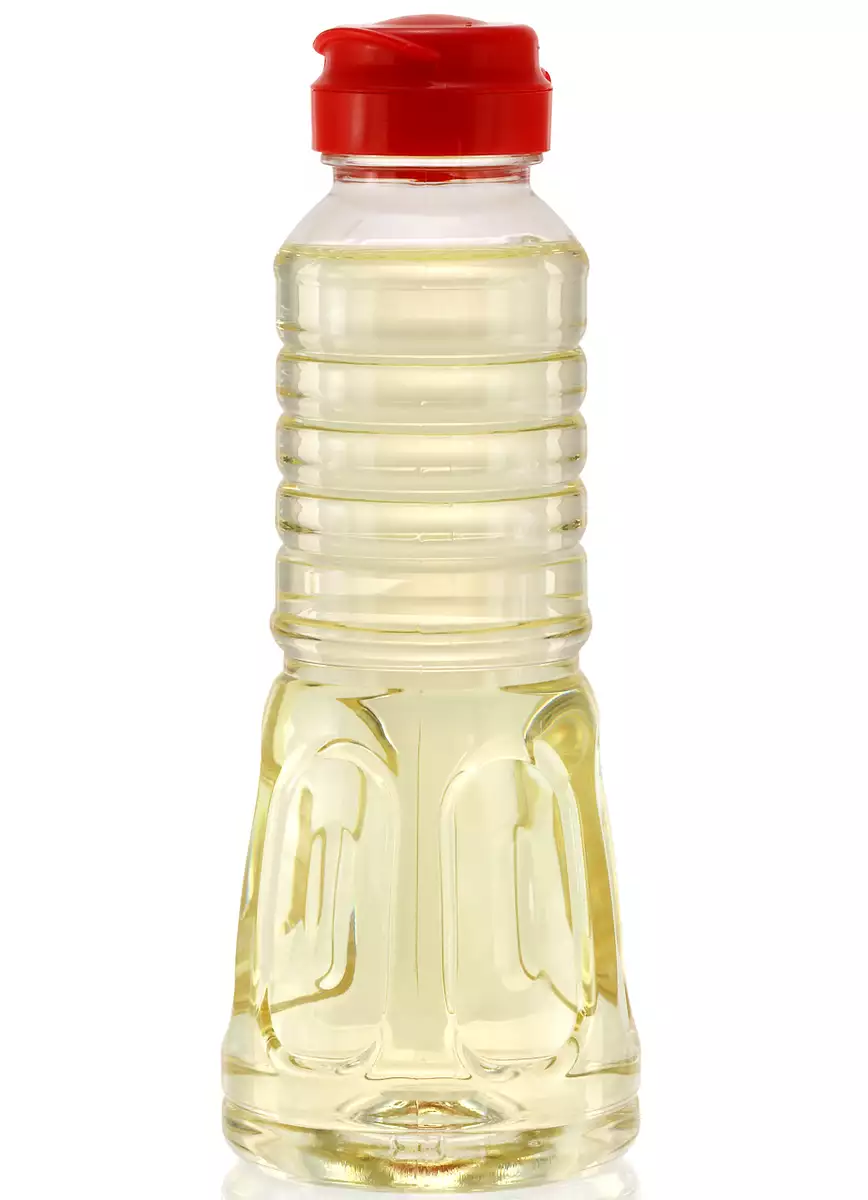
Mirin is a sweet Japanese rice wine made for cooking, not drinking. It is golden and syrupy with a low alcohol content, and it brings a gentle sweetness plus a glossy sheen to a lot of Japanese cooking.
Think of it as the sweet counterweight to soy sauce.
Where soy brings salt, mirin brings sugar and gloss, and the two together form the base of teriyaki and most simmered dishes. The sweetness comes from rice starch converted to sugar during brewing, not from added sugar, so it tastes round rather than sharp.
Cooking With Mirin
Mirin does its best work in glazes and simmered dishes. Combine it with soy sauce and you have the base of teriyaki. Simmer it down and the sugars reduce into a lacquer that coats fish or pork with a deep, glossy finish.
You can taste that balance in Amazing Asian Glazed Pork Chops and David Chang's Korean Sticky Ribs, where mirin rounds off the soy and gives the glaze its gleam.
It is just as useful off the stove. A splash sweetens dressings and dipping sauces for Cold Soba Noodle Salad, and it balances the soy in the stir-fry sauce for Snow Peas, Carrots & Water Chestnuts Stir-Fry with Asian Sauce. Sushi rice gets a little too, alongside vinegar.
Timing matters. Add mirin near the end when you want its raw aroma, or early when you want only the sweetness and gloss, which lets the alcohol cook off in a couple of minutes at a simmer.
Pairing and a Common Mix-Up
Mirin pairs naturally with soy sauce, sake, dashi, ginger, and toasted sesame. That salty-sweet combination is why it turns up in marinades and stir-fry sauces across East Asian and Asian-American cooking.
The mix-up to avoid is mirin and rice vinegar.
They sit side by side on the shelf and look alike, but vinegar is sour and mirin is sweet. Swap one for the other and a glaze turns either flat and sharp or cloying, so read the label carefully.
Also worth knowing: most supermarket bottles labeled aji-mirin are a seasoning blend with added corn syrup and salt rather than true brewed hon-mirin. They work fine, but they run sweeter and saltier, so go a little easier on added sugar and salt.
Substitutes
The cleanest swap is dry sake or dry white wine plus a little sugar. Use about a tablespoon of sake with half a teaspoon of sugar for each tablespoon of mirin.
No alcohol on hand? A tablespoon of rice vinegar with a teaspoon of sugar mimics the sweet-tangy note, though it leans more sour. White grape juice with a splash of vinegar works too.
None of these match mirin's depth, but they cover the sweetness and acidity well enough for most weeknight glazes and dressings.
Buying and Storing
Look for hon-mirin if you want the real thing; the label lists rice, koji, and shochu, with an alcohol content around 14 percent. The aji-mirin seasonings sit right beside it and cost less.
True hon-mirin keeps for several months at room temperature thanks to its alcohol, though the fridge keeps the flavor brighter once opened.
The aji-mirin blends are lower in alcohol, so refrigerate them after opening and use within a few months. Give any bottle a sniff before using; mirin that has turned smells off and flat rather than gently sweet.
Quick facts
Where to find mirin (sweet seasoning): Mirin (sweet seasoning) is usually found in the asian section or aisle of the grocery store or supermarket.
- In Chinese
- 料酒(甜调味)
- British (UK) term
- Mirin (sweet seasoning)
- en français
- mirin (de l'assaisonnement sucré)
- en español
- mirin (dulce condimento)
Recipes using mirin (sweet seasoning)
There are 59 recipes that contain this ingredient.
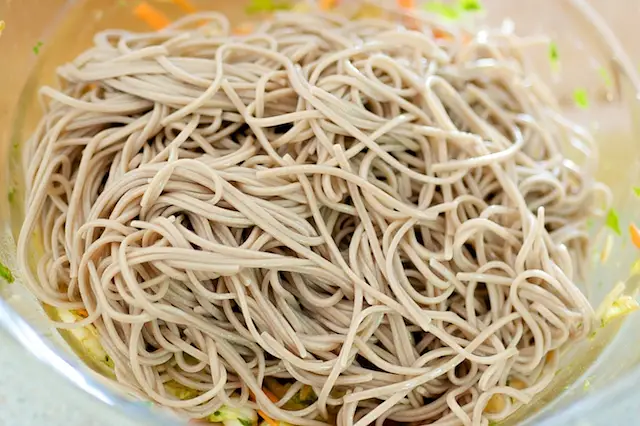
Cool Soba Noodle Salad


Assorted fresh crunchy vegetables, sour, sweet and spicy sauce, and soba noodles make this quick, easy and tasty cool summer salad!
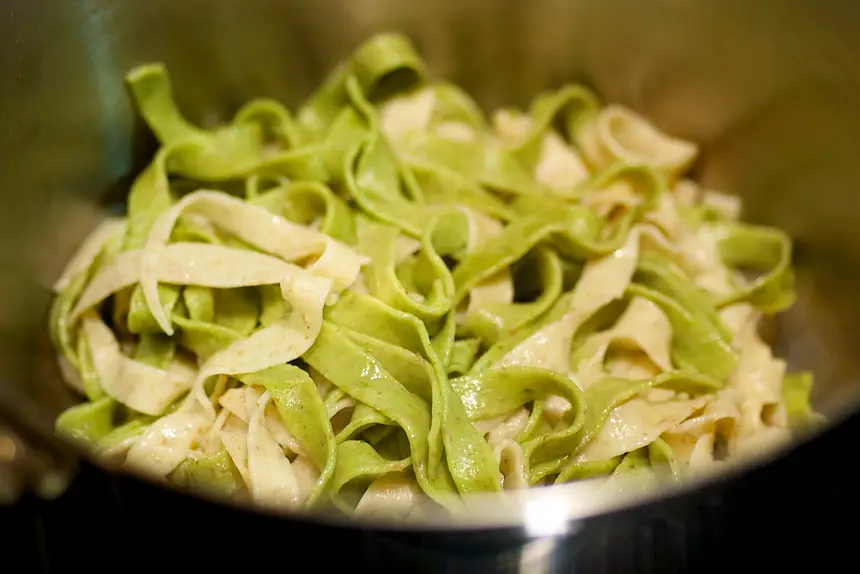
Stir-Fried Veggie with Noodles
Stir-fried bell peppers, carrots, and zucchini with garlic, ginger, scallions are tossed with pasta, cucumber, cilantro, and miso-chili sauce. It's a delicious, light yet nutritious one pot meal that's perfect for week-nights.
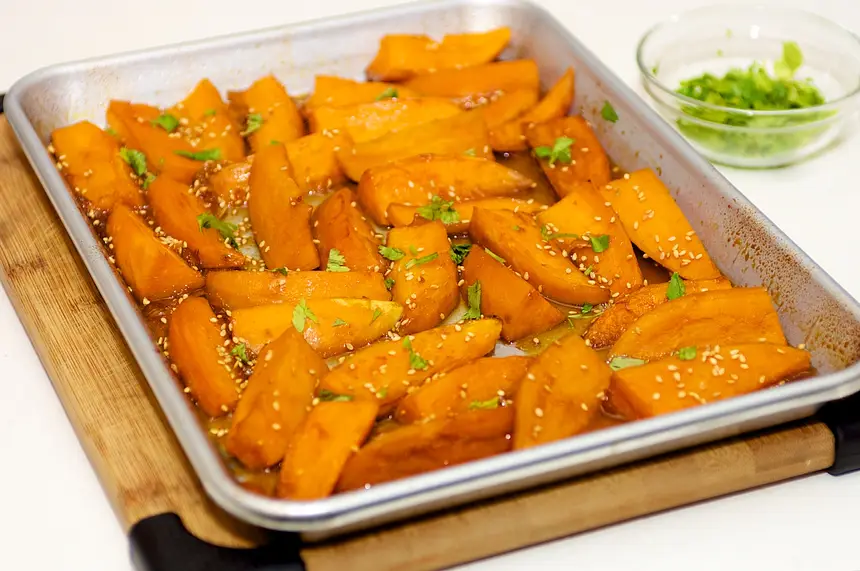
Garlicky, Sweet & Salty Sweet Potato Wedges
Loaded with sweet and salty flavor from mirin and soy sauce. Garlic and sesame oil add more deliciousness. A bit cilantro and sesame seeds are sprinkled on top just before serving.

Edamame Veggie Burger

These edamame veggie burgers are delicious, filling and packed with goodness. If millet is not available, use quinoa instead. Whole Wheat bread crumbs works as well.
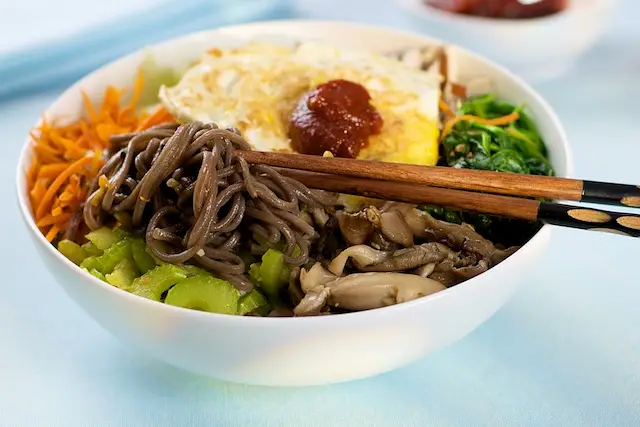
Korean Soba Noodles with Vegetables
One of the most popular Korean dishes and it is one of the most normal and delicious dishes too.
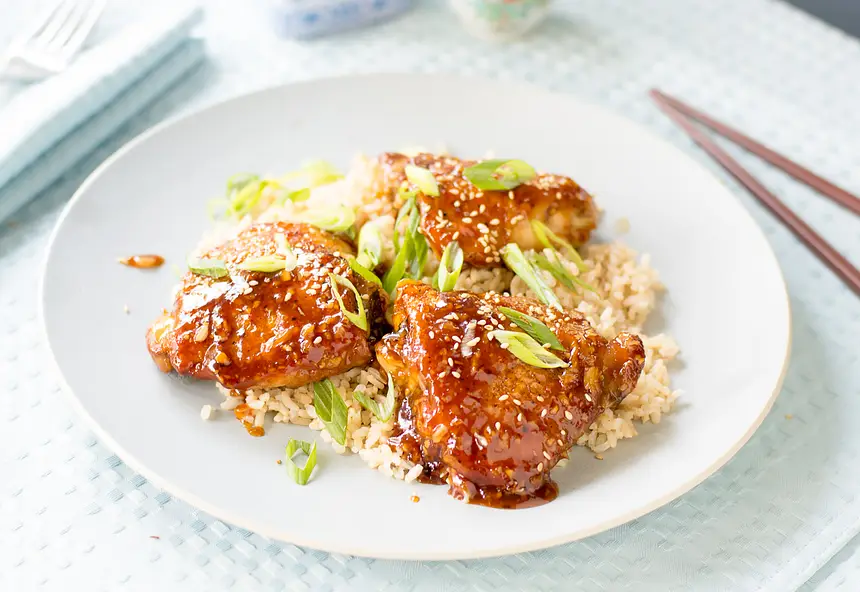
Crispy Mahogany Chicken for Two
Crispy skin, moist chicken thighs with a deep mahogany flavor from the flavorful Asian inspired ingredients. A great one skillet meal. The fat from the skin is rendered and discarded while the dark meat stays moist.
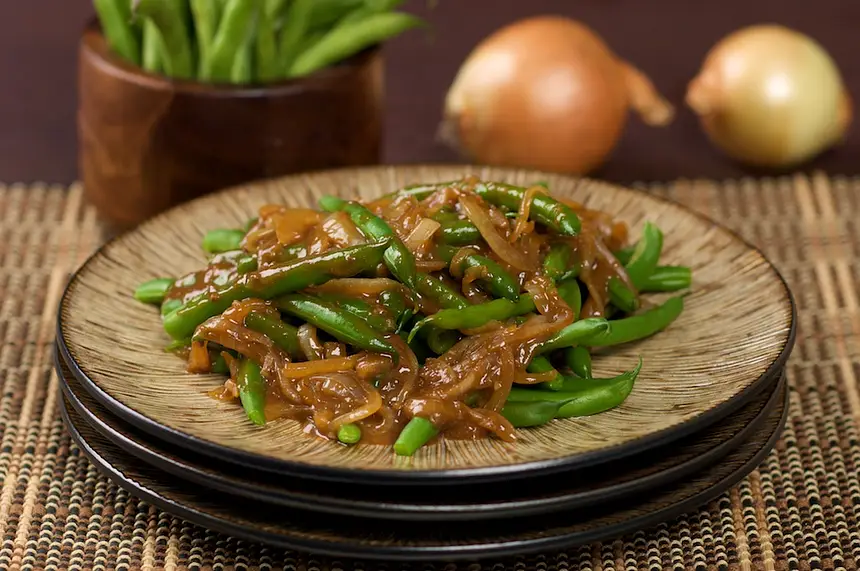
Green Beans in Spicy Miso Sauce
Crisp green beans tossed in a spicy white miso glaze with garlic, mirin, and hot sesame oil. This quick Japanese-inspired side dish is ready in 15 minutes and works over rice, noodles, or straight from the skillet.
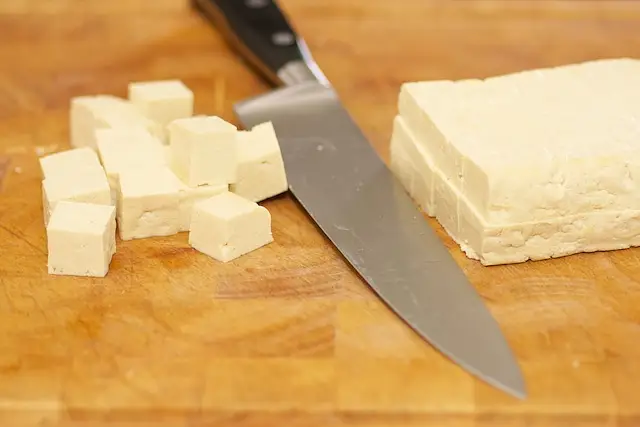
Stir Fried Asian Marinated Tofu with Boy Choy, Bell Pepper & Snow Peas
Sesame oil, soy sauce, chili-garlic sauce, garlic and ginger make a succulent sauce that is perfect for marinating the tofu. Then cook tofu until crusted. Stir-fry with several fresh vegetables, and pour the delicious sauce to thicken up at the end. This Asian inspired stir-fry can be served with cooked rice, quinoa, or any your favorite grain.
Stir Fried Asian Marinated Tofu with Boy Choy, Bell Pepper & Snow Peas
Sesame oil, soy sauce, chili-garlic sauce, garlic and ginger make a succulent sauce that is perfect for marinating the tofu. Then cook tofu until crusted. Stir-fry with several fresh vegetables, and pour the delicious sauce to thicken up at the end. This Asian inspired stir-fry can be served with cooked rice, quinoa, or any your favorite grain.
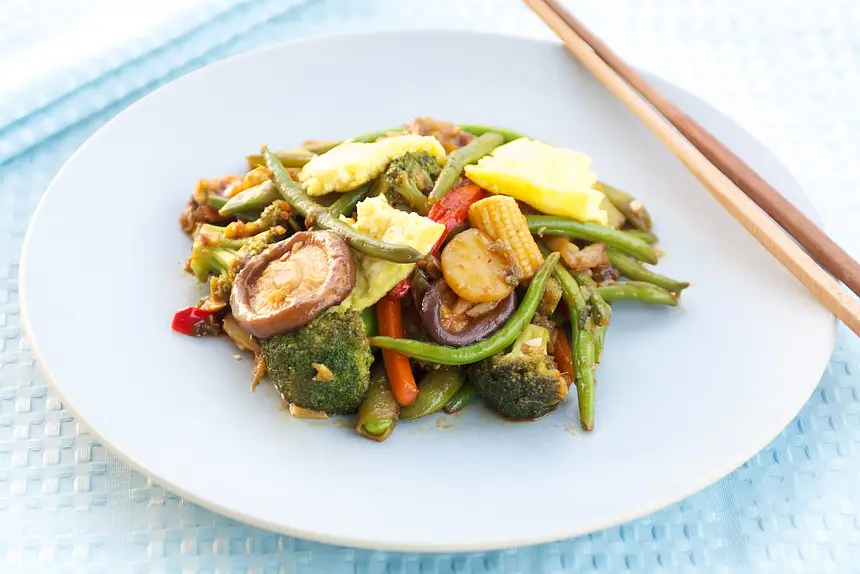
Chinese Vegetable Stir-Fry
Quick, easy and tasty, nothing is quite like a Chinese stir-fry. This dish has several kinds of vegetables and soy-sesame sauce that are stir-fried together. Serve it over a bed of rice to make a simply delicious meal.
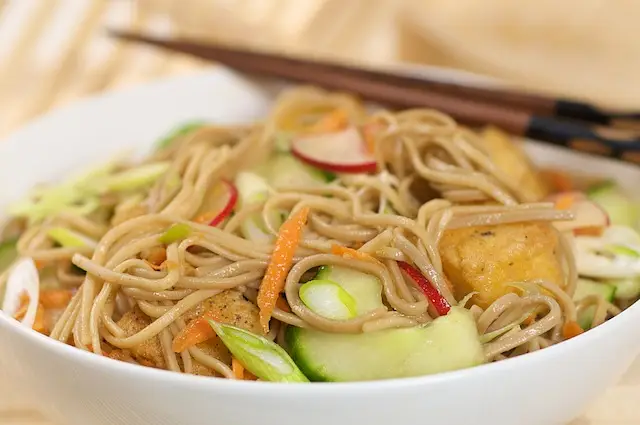
Cold Soba Noodle Salad
Buckwheat noodles with Asian flavors. Nutty sesame oil coats the noodles spiked with crunchy veggies topped with an Asian inspired dressing. This combination tastes better cold than hot making it a perfect make-ahead dish that's ready when you are. Adding crispy coated tofu and it's a main-dish meal with punch.
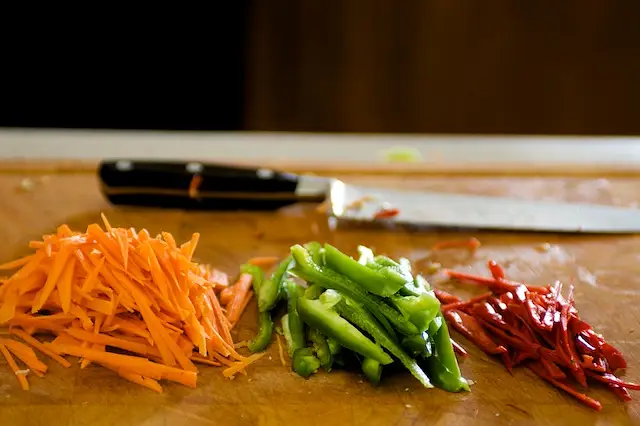
Spicy Korean Noodles with Wild Mushrooms
This recipe was absolutely divine. The Korean spicy-sweet sauce was the key, which gave the dish an authentic Korean taste. Assorted mushrooms and vegetables added layers of great textures. The combination was just delicious!
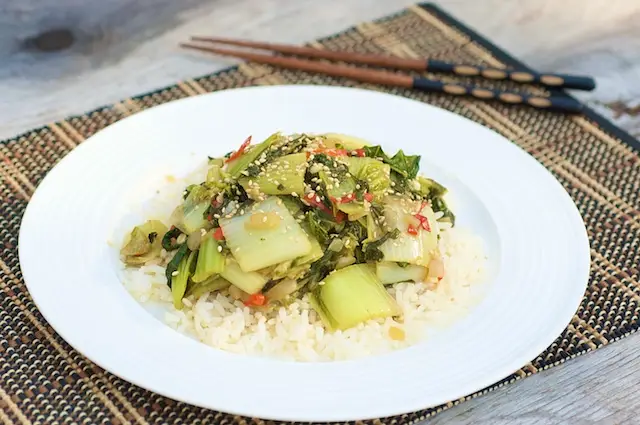
Sichuan Stir-Fried Bok Choy with Red Chilis
Sichuan peppers is the key ingredient in this recipe, ginger, garlic, scallions and fresh red chili peppers stir-fried with bok choy. Very juicy and tasty, great with some rice or noodles.
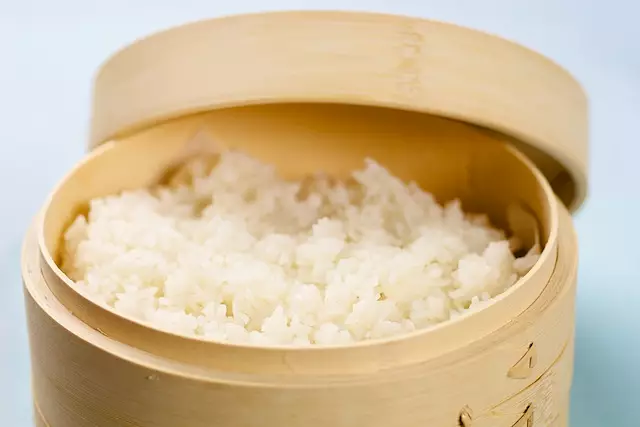
Perfect Sushi Sticky Rice
The Japanese version of rice is called "Japonica". It's short grain which makes the rice round and extremely sticky when cooled. You can also use aborio or risotto rice which works well.
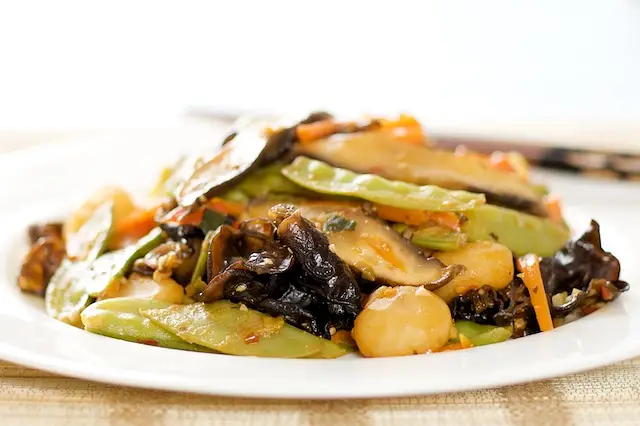
Snow Peas, Carrots & Water Chestnuts Stir-Fry with Asian Sauce
Snow peas, carrots and water chestnuts give this stir-fry the very crunchy texture, and the Asian sauce adds the sweetness, sourness and spiciness. A quick, easy and tasty stir-fry is great for a weeknight.
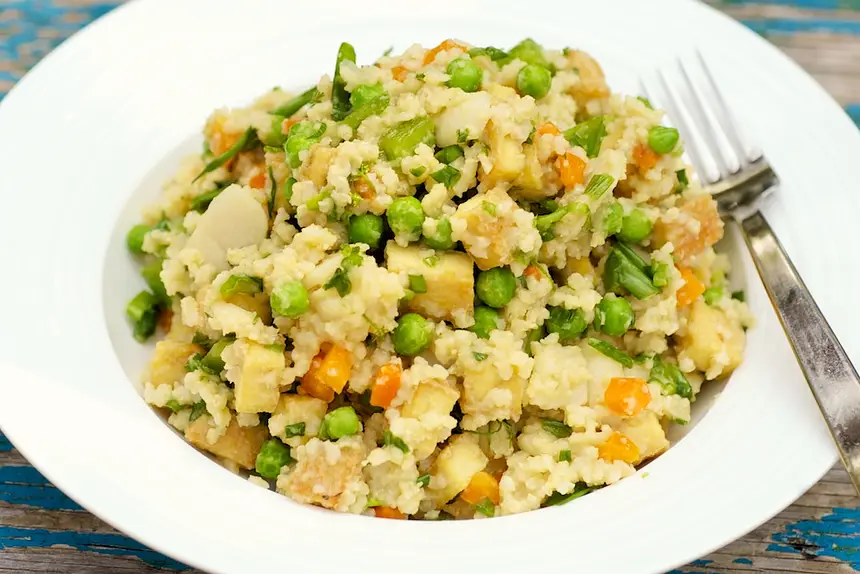
Amazing Asian Millet Salad
This Asian flavored millet salad is so refreshing and tasty, it is full of nutriton and loaded with delicious flavors!
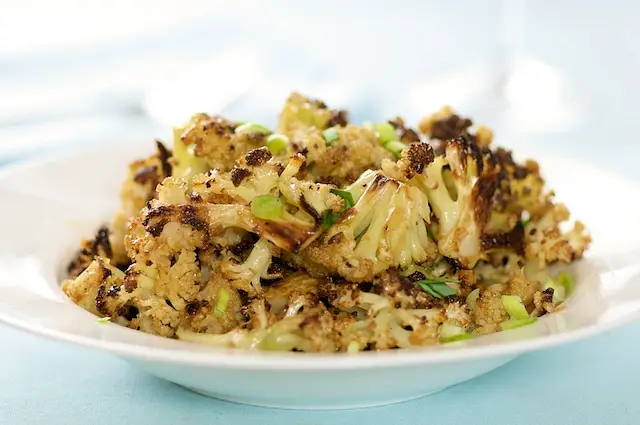
Roasted Cauliflower with Garlicky Soy-Ginger Sauce
Roasted cauliflower, a tangy and tasty soy-ginger dressing with fresh scallions, a delicious side-dish that you can serve with any main course; or just having it directly is a joy too!
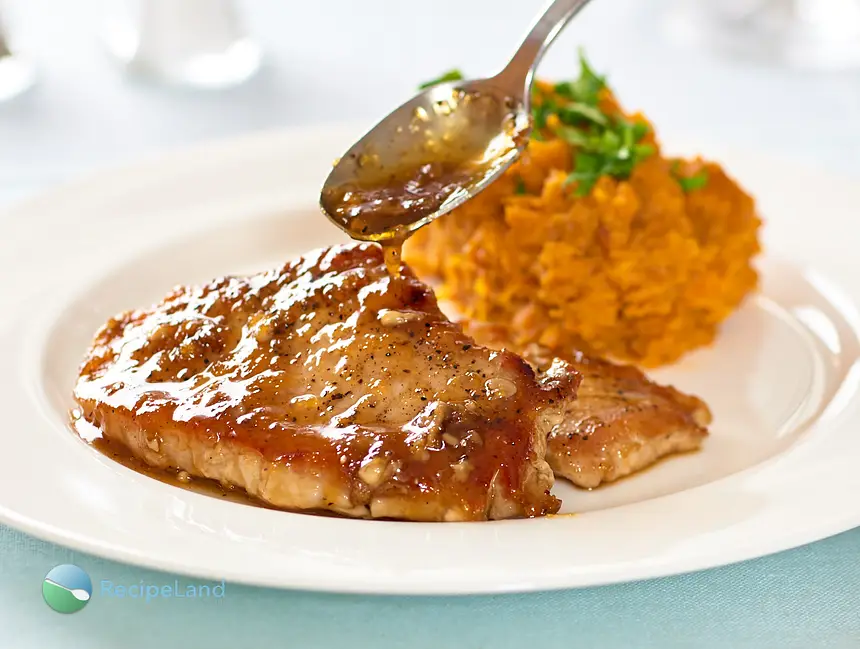
Amazing Asian Glazed Pork Chops
Lean and boneless pan fried pork loin chops cook up in a flash. Glazed with Asian-inspired flavors, this juicy quick & easy pork chop recipe is a quick and easy weeknight family hit!
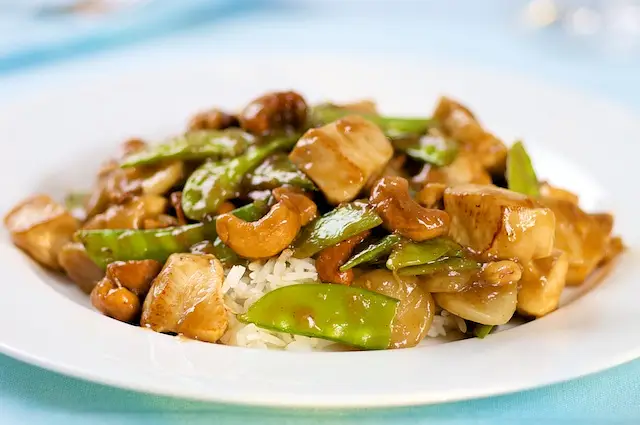
Cashew Chicken Improved
Many versions of Cashew Chicken are sickly sweet and goopy salty with dried out chicken. Not this one, a brine marinade keeps the cubes of chicken juicy with crunchy cashews in every bite! All prepared in one skillet for easy cleanup.
Arame-Stuffed Mushroom Caps
Sea vegetables ran be added to soups or salads, cooked alone or with other vegetables, and even brewed into teas. Their versatility in the kitchen is as wide as the ocean. When dried, the succulence and qualify of sea vegetables is not as apparent as when fresh, so it is important to choose a brand you can trust.

Salmon Tempura Roll with Mirin Leeks
Salmon tempura rolls wrapped in nori with mirin-glazed leeks inside, then flash-fried in rice flour batter. Restaurant-style Japanese crispy salmon roll that shatters into warm, silky salmon at the first bite.

Ribs with a Peach Barbecue Sauce
Ribs with peach barbecue sauce, a sweet-and-spicy Asian-fusion glaze of fresh peach puree, mirin, ginger, garlic and chili paste brushed over lamb or pork spareribs. Marinated overnight for deep flavor.

Spicy Thai Salad
Spicy Thai cold pasta salad with red and green bell peppers, scallions, and toasted black sesame seeds in a hot sesame oil, brown rice vinegar, and mirin dressing. A fast vegetarian potluck salad served chilled.

Seitan a la Normandie
Seitan a la Normandie baked with sliced apples, caramelized onions, tamari, mirin, and ground pecans. A French-inspired vegetarian main dish with sweet-savory depth.
Three Taste Sauce
Three taste sauce with equal parts brown rice vinegar, shoyu, and mirin. A versatile Japanese base for dipping sauces, dressings, and marinades. Add citrus for ponzu.

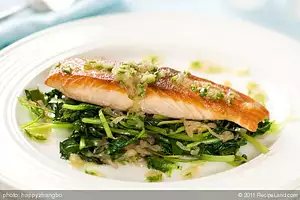
Tasmanian Salmon with Soy Alpine Pepper Dressing
Tasmanian Salmon drizzled with a dressing made with Alpine Pepper and soy sauce.

Soy Nog
Vegan soy nog made with steamed butternut squash, vanilla soy milk, brown rice syrup, nutmeg, and a splash of mirin. A dairy-free, egg-free holiday drink.

Cabbage Cooked with Bean Curd
Quick Asian stir-fry of cabbage with crumbled tofu and rehydrated shiitake mushrooms, seasoned with soy sauce and mirin. Vegan, low-carb, and on the table in under an hour.

Hot-And-Spicy Short Ribs
Korean-style hot and spicy short ribs marinated 24 hours in soy sauce, sesame oil, ginger, garlic, mirin, and toasted sesame seeds. Scored to the bone for maximum flavor, then oven-roasted until caramelized.

Tentsuyu Sauce
Traditional Japanese tentsuyu dipping sauce for tempura made with dashi stock, mirin and soy sauce. Served warm with grated radish, horseradish and a squeeze of lemon.
Shrimp Tempura
Crispy Japanese shrimp and vegetable tempura fried in a light, lacy cake flour batter. Served with a homemade tentsuyu dipping sauce with grated daikon, this is the real deal from scratch.

Black Miso Cod
This is a classic Japanese dish, first made famous by the chef Nobu Matsuhisa and served in all his Nobu restaurants. Serve with steamed spinach and brown /black rice or quinoa for a simple, but delicious dinner.

Traditional Japanese Noodles & Broth
Traditional Japanese noodles in a homemade dashi broth made from kombu, bonito flakes, tamari, mirin, and fresh ginger juice. An authentic kake-udon or kake-soba base ready in 30 minutes.

Vinegared Rice Dishes
Vinegared sushi rice (sushi-meshi): short-grain rice cooked with kombu and dressed with a rice vinegar, mirin, and sugar seasoning. The essential base for sushi, chirashi, and temaki.

Ponzu Beef Tataki
Tataki is a typical Japanese preparation in which beef (or fish) is seared on the outside, left very rare inside, thinly sliced and served with a citrusy soy sauce. This recipe delivers the citrus flavour from ponzu with a hint of heat from chilli and wasabi.

Sesame Gingered Shrimp
Sesame gingered shrimp stir-fried with asparagus, orange and lemon zest, and a sherry-cornstarch sauce. A bright, citrus-kissed seafood stir-fry over fluffy long-grain rice.

Ginger-Glazed Salmon Steak on Basil Mashed Potatoes with Sesame Asparagus
Ginger-Glazed Salmon Steak on Basil Mashed Potatoes with Sesame Asparagus recipe

Hot Thai Salad
Spicy Thai-inspired soba noodle salad with bell peppers, scallions, and sesame seeds in a hot sesame oil and rice vinegar dressing. Served cold and full of crunch.
Seared Sea Scallops On Sautéed Spinach With Hoisin Butter Sauce
Seared sea scallops on garlicky sautéed spinach with a hoisin-butter pan sauce. A 25-minute Asian-inspired date-night dinner with restaurant-quality caramelized scallops.
Fiery Shrimp Curry
Fiery shrimp curry with a lemongrass, ginger, and chili paste simmered in coconut milk, lime juice, and mirin. A quick Southeast Asian-style dinner ready in 25 minutes.
Deconstructed Sushi Bowl with Black Sesame Dressing
A vegetarian take on sushi – a one bowl meal, which can be made in advance, keeps well in the fridge and makes for a great lunchbox. If you are going to make it ahead, store the dressing separately until you are ready to serve.

Hijiki Nimono
Hijiki nimono simmers nutrient-rich hijiki seaweed with carrots, tofu, age, and green beans in dashi, soy, sake, and mirin. Traditional Japanese home-cooking side dish in 30 minutes.
Braised Veal Shanks in Hot & Sour Sauce
Veal shanks braised in a bold Asian-inspired sauce of balsamic vinegar, teriyaki, mirin, and chili garlic paste with mushrooms and tomatoes. Fork-tender after 90 minutes in the oven.
Saucy Gingered Shrimp with Zucchini & Red Peppers
Ginger shrimp stir-fry with zucchini, red peppers, and jalapeño in a bright sauce of white wine, lime, mirin, and chicken stock. A 20-minute Asian-fusion skillet dinner finished with cilantro and scallions.

Chicken Egg Drop Soup
Chicken egg drop soup simmers a ginger-scented broth with velveted chunks of chicken and ribbons of egg swirled through a glossy, lightly thickened base. A protein-packed, restaurant-style soup you can make better at home.
Beer Battered Shrimp with Chipotle Dipping Sauce
Crispy beer battered shrimp served with a smoky chipotle dipping sauce spiked with soy, ginger, lime, and mirin. A bold fusion appetizer that's ready in 30 minutes.
Tempeh Satay & Asian Peanut Sauce
Grilled tempeh satay skewers in a coconut-orange marinade, served with a creamy Asian peanut sauce. A plant-based take on the street-food classic, easily made gluten-free with tamari.
Pan-Broiled Teriyaki Salmon -- Lowfat
Teriyaki your salmon with simple recipe that is sure to make your family excited about dinner.
Tempura ,Japanese Way
Traditional Japanese tempura with a light, crispy cold-water batter and homemade tentsuyu dipping sauce. Works for vegetables, shrimp, fish, and squid with authentic frying techniques.