If vinegar has turned up in a recipe or caught your eye at the store, here's what you need to use it with confidence and how to choose it, cook it, store it, what to substitute, and 1,361 recipes to try it in.
Key Points
Vinegar is acetic acid made when bacteria turn an alcoholic base like wine or cider sour.
Most table vinegars run about 5% acidity; that number drives sharpness and pickling safety.
Main families: wine, cider, rice, balsamic, malt, and distilled white vinegar.
Add a splash at the end of cooking, since heat blows off its brightest aromatics.
Sealed in a cool pantry, vinegar keeps for years and needs no refrigeration.
What is vinegar?
Vinegar is a sour liquid built around acetic acid, the same compound that gives it that nose-tingling sharpness. It starts as something alcoholic, wine, cider, or a simple sugar wash, and acetic acid bacteria slowly turn that alcohol into acid.
That two-step path, sugar to alcohol to acid, is why almost any vinegar traces back to a fruit or grain. The label tells you the source: wine, apples, rice, malted barley. The strength is printed too, usually as a percentage.
Most table vinegars sit around 5% acidity, meaning 5 grams of acetic acid per 100 milliliters. That number sets how sharp the vinegar tastes and whether it is strong enough to pickle safely.
The Main Families
A handful of types cover almost everything a home kitchen needs. Wine vinegars, both red wine vinegar and white wine vinegar, are the Mediterranean workhorses for vinaigrettes and pan sauces.
Cider vinegar leans fruity and rounded, good in slaws and barbecue. Rice vinegar is mild and faintly sweet, the backbone of sushi rice and many Asian dressings. Both have their own pages here with the full story.
Then there are the specialists. Balsamic vinegar is the sweet, syrupy outlier, grape-based and often aged for years. Malt vinegar, brewed from barley, is the tangy splash for fish and chips. Distilled white vinegar is the sharp, colorless one you reach for when pickling or cleaning.
Cooking With Vinegar
The single most useful habit is adding acid at the end. Heat drives off the volatile aromatics that make vinegar taste bright, so a splash stirred in just before serving wakes up a dish far more than the same amount simmered for an hour.
Sweet and sour dishes work the other way. In something like Sweet & Sour Carrot Salad the vinegar is the point, balanced against sugar, so it goes in early and mellows into the vegetables.
Vinegar also does quiet structural work. It sets poached eggs, as in Poached Eggs over Spinach & Mushrooms, where a spoonful in the water helps the whites grab fast. It tenderizes in marinades like Teriyaki Marinade & BBQ Sauce, and it preserves in long pickling projects like Sweet Gherkins.
One mistake trips up a lot of cooks. They treat every vinegar as interchangeable, and swapping syrupy balsamic into a recipe that wants sharp white vinegar throws off both the acidity and the sugar.
Picking the Right One
Match the vinegar to the job. Bright, clean dressings want wine vinegar or rice vinegar, while anything that has to stand up to fat or smoke, like a barbecue sauce, takes cider or distilled white.
Pickling is the strict case. Any recipe meant to keep on a shelf needs a vinegar labeled at least 5% acidity, because that acid level is what holds spoilage bacteria back.
If a recipe just says "vinegar" with no qualifier, it almost always means distilled white or cider. When in doubt, taste a drop on a spoon first.
Buying and Storing Vinegar
Buy by acidity and source rather than brand. The percentage on the label is the one spec that affects how a recipe behaves, so check it, especially for pickling.
Here is the easy part. Vinegar barely spoils.
The acidity that makes it sour also makes it inhospitable to most microbes, so an opened bottle keeps for years in a cool pantry with no refrigeration needed. Store it capped, away from direct heat.
Two harmless changes show up over time. Unfiltered or older bottles can grow a cloudy, gelatinous blob called the mother, a tangle of cellulose and bacteria that you can strain out or ignore. Sediment may settle and color may deepen.
None of that means the vinegar has gone bad. Trust the smell: it should still be sharp and clean.
Types of vinegar
Specific kinds of vinegar and the recipes that use them.
Apple cider vinegar is fermented apple juice. Yeast turns the sugar into alcohol, then acetobacter bacteria turn that alcohol into acetic acid. Most bottles land at 5 percent acidity, the same strength as standard white vinegar, but the flavor is softer and faintly fruity rather than purely sharp.
That gentler edge is why it shows up across so much of the savory pantry. It sharpens dressings, balances braises, cuts the fat in chili, and carries the tang in barbecue and marinades without the chemical bite of distilled white vinegar.
Raw versions look cloudy because they still hold the "mother," a haze of cellulose and bacteria. It is harmless. Shake it back in.
Red wine vinegar is exactly what it sounds like: red wine that has been fermented a second time until the alcohol turns to acid. It carries some of the wine's color and tannin, which gives it a deeper, slightly fruity bite compared with the pale wine vinegars.
This is the everyday workhorse of Mediterranean and Central European kitchens. It is sharp without being harsh, and it sits at the center of more vinaigrettes and marinades than any other vinegar.
For the basics of how vinegar is made and the general rule about adding acid late, see the main vinegar page. This one focuses on where red wine vinegar earns its place.
White wine vinegar is white wine fermented until its alcohol turns to acid. It is the pale, milder cousin of red wine vinegar, cleaner and less assertive, with none of the color that would tint a delicate dish.
That restraint is the point. When a recipe needs brightness but should stay light on the palate and light in color, this is the vinegar that does the job without taking over.
For how vinegar is made in general and the rule about adding acid late, see the main vinegar page. Here the focus is where white wine vinegar beats the alternatives.
Balsamic vinegar is the sweet, dark, syrupy member of the vinegar family, and it comes from Italy rather than from a bottle of wine gone sour. Instead of fermenting finished wine, it starts with grape must, the whole pressed juice of white Trebbiano and Lambrusco grapes, skins and seeds included.
That juice is cooked down to a concentrate before it ever ferments, which is why even the cheap stuff tastes rounder and sweeter than red wine vinegar. The grape sugar is the whole personality.
For more on the wider vinegar family and the general rule of adding acid late, see the main vinegar page. Balsamic plays by slightly different rules because of all that sugar.
Rice vinegar is brewed from fermented rice, and it is the gentlest bottle on the vinegar shelf: about 4 to 5 percent acidity with a faint natural sweetness, where distilled white runs harsher. That softness is the whole point. It seasons without puckering.
The label trap is the word "seasoned." Seasoned rice vinegar has sugar and salt already blended in for sushi rice.
Pour it into a dressing that also calls for sugar and salt and you have seasoned the dish twice. That is how a dressing comes out cloying and over-salted from one wrong bottle.
Plain, unseasoned rice vinegar is the one to keep on hand. It does everything seasoned vinegar does once you add your own sugar and salt, and nothing locks you into the sushi ratio.
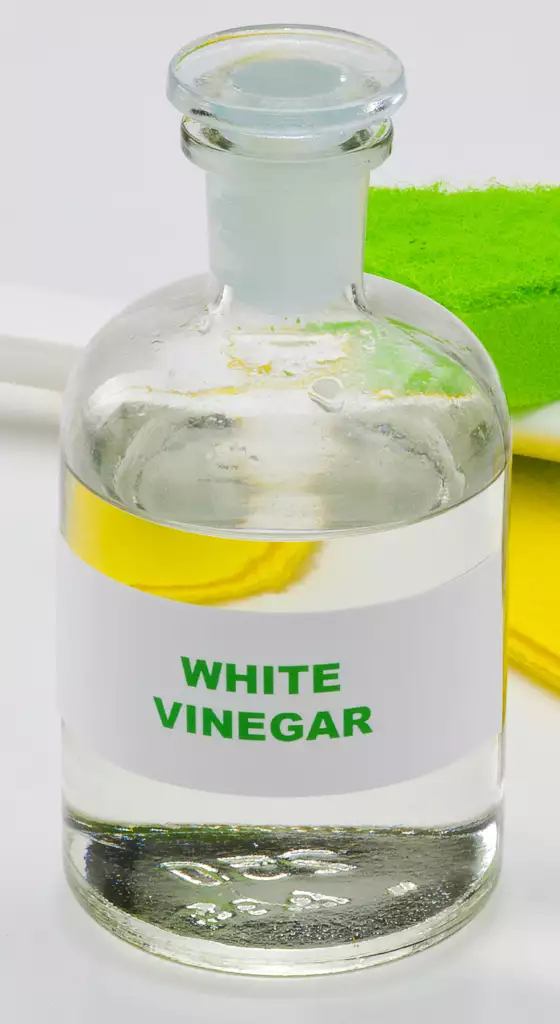
White vinegar is the clear, sharp, no-frills vinegar in the cupboard. Often called distilled or spirit vinegar, it is made by fermenting a neutral grain alcohol into acetic acid, then filtering it until it is colorless and tastes of nothing but clean sourness.
That blankness is its job. There are no grape or apple notes to get in the way, just acid, which makes it the most aggressive and the most useful all-rounder of the bunch.
For the wider vinegar story and the general rule about acid, see the main vinegar page. This one is about the colorless bottle that pulls double duty in the kitchen and around the house.
Sherry vinegar is a Spanish wine vinegar made from sherry, the fortified wine of Andalusia in the country's southwest.
By law it carries the Vinagre de Jerez designation. It is aged in oak barrels using the same solera system that ages the wine, which is why it tastes deeper and nuttier than ordinary red or white wine vinegar.
Expect a vinegar that is sharp but rounded, with toasted nuts and dried fruit behind the acid. A young bottle leans bright and tangy. One labeled Reserva has spent years in wood and turns mellow, almost like a dry oloroso sherry with teeth.
This is the vinegar to reach for when you want acid that adds flavor, not just sourness.
Tarragon vinegar is white wine vinegar steeped with fresh tarragon until the herb's flavor moves into the liquid. The result is mild and clean with a distinct anise note, that gentle licorice-and-grass character tarragon is known for.
It is one of the classic French flavored vinegars, the reason so many old recipes call for it by name rather than for plain vinegar plus the herb.
You can buy it, but it is easy to make. Bruise a few sprigs of fresh tarragon, drop them into a jar of warmed white wine vinegar, and let it sit two to four weeks in a cool, dark spot before straining.
Raspberry vinegar is a fruit-infused vinegar, usually white wine vinegar or cider vinegar steeped with fresh raspberries until the liquid turns rosy and fragrant. The result is sweet-tart and perfumed, with the acid softened by real berry flavor.
It became a darling of restaurant cooking in the 1980s and never quite left. A good bottle smells like raspberries first and vinegar second, which is exactly what you want.
You can make it at home: crush ripe raspberries into white wine vinegar, steep for a week or two, then strain. Some versions add a little sugar to round it out.
Malt vinegar is made from malted barley, the same grain base used to brew beer. Brewers turn the barley into a low-alcohol ale, then let bacteria sour it into vinegar, which gives it a deep brown color and a yeasty, almost bready tang.
It is a British staple above all else. A bottle of malt vinegar on the table, splashed over hot chips, is as much a part of fish and chips as the fish itself.
The flavor is sharp and bold, less refined than wine vinegar but full of character. Some bottles are darkened with caramel coloring; the malt itself also carries a faint sweetness under the acid.
Champagne vinegar is a white wine vinegar made from the grapes of the Champagne region, the same Chardonnay and Pinot that go into the sparkling wine. It is the lightest and most delicate of the common wine vinegars: pale gold and crisp, with a faint fruitiness.
Think of it as white wine vinegar's gentler cousin. It has a softer acidity and a cleaner finish, with a hint of the toasty, appley character of the wine behind it.
That delicacy is the whole point. Where a sharper vinegar shouts, champagne vinegar whispers, which makes it the one to reach for when you do not want the acid to take over.
Brown rice vinegar is rice vinegar made from unpolished brown rice instead of milled white rice. Leaving the bran and germ on the grain gives the finished vinegar a deeper amber color and a nuttier, fuller flavor than the clear white version.
It still sits at the gentle end of the shelf, around 4 to 5 percent acidity, so it seasons without the harsh bite of distilled white. For everything else about how rice vinegar behaves, see the main rice vinegar page; this is just the wholegrain branch of it.
Red vinegar is not one single product. When a recipe just says red vinegar, it almost always means one of two things, and which one matters for the dish.
Most of the time, especially in Western recipes, red vinegar is shorthand for red wine vinegar, the sharp, fruity vinegar made from red wine. In Chinese cooking, red vinegar usually means Chinese red rice vinegar, a milder, slightly sweet-tart vinegar fermented from rice and colored a translucent red.
So before you cook, read the rest of the ingredient list. The cuisine tells you which one was meant.
Chinese rice vinegar is rice vinegar brewed in the Chinese style, and it tends to run sharper and less sweet than the gentle Japanese kind.
The clear white version is the everyday one: bright, clean and acidic, with little of the rounded sweetness you get in a Japanese bottle meant for sushi. That extra edge is what you want where the vinegar has to push back against sugar and soy.
Add it toward the end so the aroma does not cook off. If you only have Japanese or plain white rice vinegar, use it and hold back slightly on any sugar to recover the sharper bite. For the broader rundown, see the main rice vinegar page.
One caution: black Chinese rice vinegar, the aged Chinkiang style, is a different bottle entirely. It is dark, malty and closer to a mild balsamic, used for dipping rather than seasoning.
Chinese black vinegar is the dark, aged rice vinegar at the heart of southern and Sichuan cooking. It is malty and savory with a faint sweetness, closer to soy sauce in character than to a sharp Western vinegar.
The best-known type is Chinkiang vinegar, from the city of Zhenjiang, and for most cooks the two names mean the same bottle.
For full detail on flavor, uses, substitutes, and storage, see Chinkiang vinegar.
Chinkiang vinegar is the most famous Chinese black vinegar, named for the city of Zhenjiang (spelled Chinkiang on the old labels) in Jiangsu province. It is made mostly from glutinous rice, sometimes with wheat bran or sorghum, then fermented and aged until it turns inky black.
Its flavor is the reason cooks reach for it: a deep, malty, almost smoky tang with a faint sweetness and a savory, umami background. Think of it as the soy-sauce of vinegars, dark and rounded rather than sharp and bright.
It turns up all over Chinese cooking, especially in the south and in Sichuan dishes, and a bottle lasts a long time.
Plum vinegar, also called ume plum vinegar or umezu, is the salty pink brine left over from making umeboshi, the Japanese pickled plums.
It is not a true vinegar in the brewed sense. It is the liquid that the ume fruit gives up as it cures with salt and red shiso leaves.
That origin makes it unlike any other vinegar in the rack. It is intensely salty and sharply sour at once, with a fruity, floral edge from the plum and a rosy color from the shiso.
Because it carries both salt and acid, a little does the work of two seasonings, which is what makes it worth keeping around.
Japanese rice vinegar is the mild, pale rice vinegar used across Japanese cooking. It is brewed from fermented rice and sits low on acidity, around 4 to 5 percent, with a faint natural sweetness that keeps it from puckering the way distilled white does.
That softness is exactly why it seasons sushi rice. Warm rice folded with rice vinegar, sugar and salt becomes the seasoned base under nigiri and rolls, as in Basic Sushi Rice.
The same gentle acidity cuts the richness in dressings and dips without overpowering them, the way it does in Asian Guacamole. Watch the label for "seasoned" rice vinegar, which already has sugar and salt mixed in. Keep the plain bottle so you control the sushi ratio yourself.
Plain white rice vinegar is the same thing under a different name and swaps in directly. For the full picture on choosing, using and storing it, see the main rice vinegar page.
Chardonnay vinegar (sometimes typed "chardonnary") is a white wine vinegar made specifically from Chardonnay wine. It is a single-grape version of the broader white wine vinegar category, so it is crisp and clean with a touch more fruit and roundness than a generic bottle.
Because the grape ferments to a fairly soft, buttery wine, the vinegar tends to be a little less harsh than sharp white wine vinegars. That makes it a natural fit for delicate dishes.
Any plain white wine vinegar substitutes for it directly; you lose a little of the soft fruit but the acidity is the same. Champagne vinegar is an even closer match if you have it.
Store it like any vinegar: sealed in a cool, dark cupboard, where it keeps for years. For the fuller story on choosing and using it, see the main white wine vinegar page.
Herb vinegar is any vinegar that has been steeped with fresh herbs until it takes on their flavor. The base is usually a mild wine vinegar or cider vinegar.
The herb can be tarragon, dill, basil, thyme, rosemary, chives or a mix. Tarragon vinegar is the classic, but the idea is the same whatever goes in the jar.
The point is a dressing that tastes of the herb without your having to chop anything. A splash carries thyme or tarragon straight into a vinaigrette.
To make it, pack clean, dry herbs into a clean jar, cover them completely with warmed white wine vinegar, and steep one to two weeks in a cool, dark spot before straining. Warming the vinegar speeds the infusion; boiling it just blows off the aroma you are trying to capture.
The one real caution is fresh aromatics with low acidity, like raw garlic or chiles. They can harbor botulism spores in a low-acid oil, but a true vinegar infusion stays safely acidic. Keep everything submerged and use clean jars.
No herb vinegar on hand? Reach for plain wine vinegar and add the fresh or dried herb directly.
A strained, sealed bottle keeps for several months in a cool cupboard; toss it if it clouds heavily or smells off.
Basil vinegar is white wine vinegar that has been steeped with fresh basil until it takes on the herb's sweet, peppery aroma. The vinegar stays sharp and clean, but it carries a green, anise-edged note that plain wine vinegar does not.
Making your own is easy. Bruise a handful of clean, dry basil leaves, submerge them in warmed (not boiling) white wine vinegar, and leave the jar in a cool, dark spot for one to two weeks before straining.
Keep the leaves fully covered by the vinegar so nothing sits exposed above the surface to spoil.
No basil vinegar on hand? Use plain white wine vinegar and tear a little fresh basil straight into the dish. Stored sealed and strained, a finished bottle keeps for months in a cool cupboard.
Blackberry vinegar is vinegar that has been steeped with ripe blackberries until it turns deep purple and tastes of the fruit. It is tart and lightly sweet at once, with a jammy, dark-berry depth that plain vinegar cannot give you.
The classic use is in pan sauces for poultry and game. The fruity acid cuts the richness of the meat and deglazes the browned bits into a quick sauce, which is exactly the move in Chicken Blackberry Vinegar and Blackberry Chicken.
A spoonful also lifts a vinaigrette for bitter greens, or gets stretched with sparkling water into an old-fashioned shrub to drink.
To make it, crush ripe blackberries, cover them with white wine vinegar or cider vinegar, and steep a few days to a week before straining and lightly sweetening to taste. Press the fruit to pull out color and flavor, then bottle the strained liquid.
No bottle on hand? Stir a little blackberry jam or a few crushed berries into plain wine vinegar. Strained and sealed, it keeps for months in a cool, dark cupboard. Raspberry vinegar works the same way if you want a brighter, sharper berry note.
Blueberry vinegar is vinegar infused with blueberries until it takes on the fruit's color and flavor. It runs milder and rounder than a sharp berry vinegar like raspberry, with a soft, slightly floral sweetness behind the tartness.
Its gentleness makes it a finishing splash rather than a dominant acid. It rounds out fruit-forward condiments such as Very Berry Salsa and Blueberry Ketchup, and a small pour lifts a vinaigrette for spinach or goat-cheese salads without shouting over them.
To make a batch, lightly crush ripe blueberries, cover them with white wine vinegar or cider vinegar, and steep about a week before straining; sweeten lightly to taste if you like. Pressing the soft berries hard muddies the vinegar, so press gently and let it drip.
No blueberry vinegar in the cupboard? Stir a little blueberry preserve into plain wine vinegar, or use raspberry vinegar for a sharper, more assertive berry note. A strained, sealed bottle keeps for months in a cool, dark spot.
Red rice vinegar is a Chinese rice vinegar tinted reddish by red yeast rice, with a sharp, slightly sweet and faintly salty flavor. It is milder and thinner than the dark, malty black Chinkiang vinegar, and brighter in color than plain white rice vinegar.
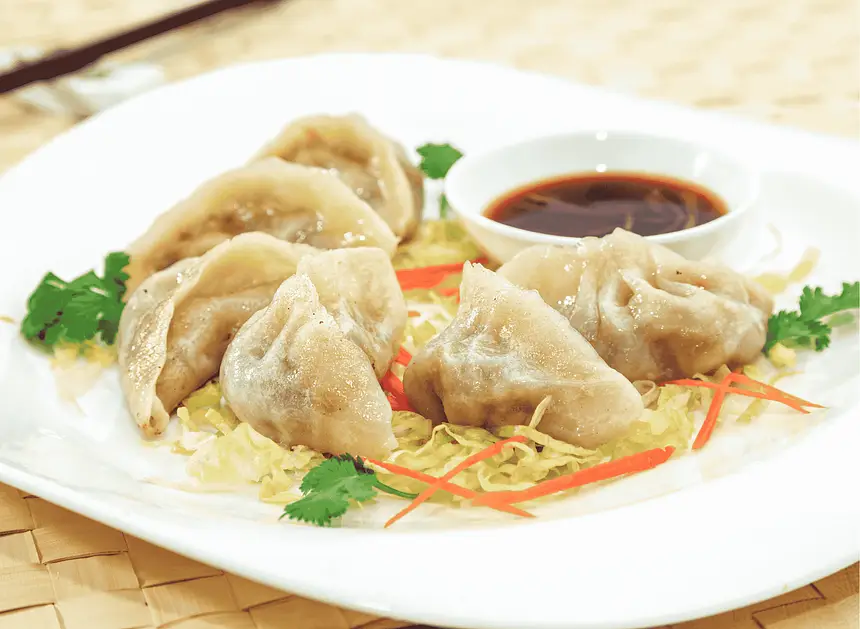
Its main job is at the table, not the stove. Red rice vinegar is the classic dipping vinegar for dumplings and seafood, often with a few slivers of fresh ginger dropped in, the way it works alongside Potstickers, Part 1 of 2.
If you do not have it, mix plain rice vinegar with a small splash of black vinegar to approximate the color and the rounder edge, or just use plain rice vinegar on its own. For everything else about rice vinegars, see the main rice vinegar page.
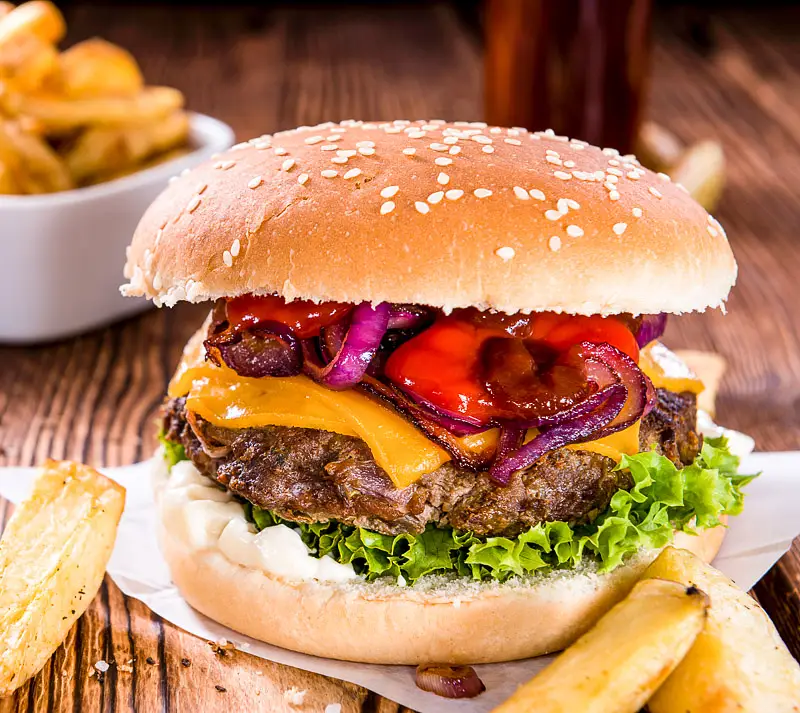
Vegetarian burgers built from Harvest Burger mix and bulgur wheat, bound with tomato paste and parsley, then topped with balsamic-glazed caramelized onions. A satisfying meatless burger with serious chew and sweet-tangy crown.
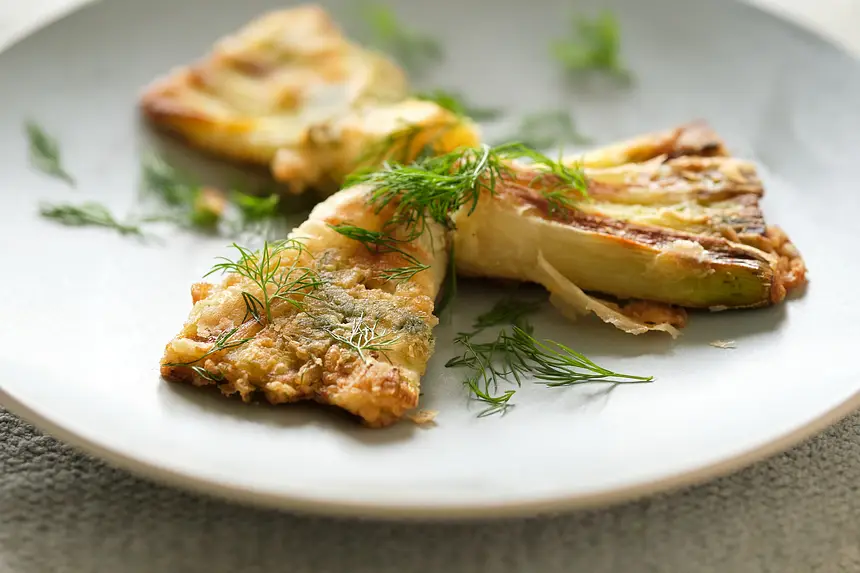
An elegant and sophisticated appetizer that will impress your dinner guests and is ready in just 20 minutes. The leeks are trimmed, steamed, battered, and fried to a beautiful golden brown. The addition of tarragon and parsley adds a subtle yet delicious flavor to the dish. The result is a crispy and flavorful appetizer or side dish that is certain to wow your guests.
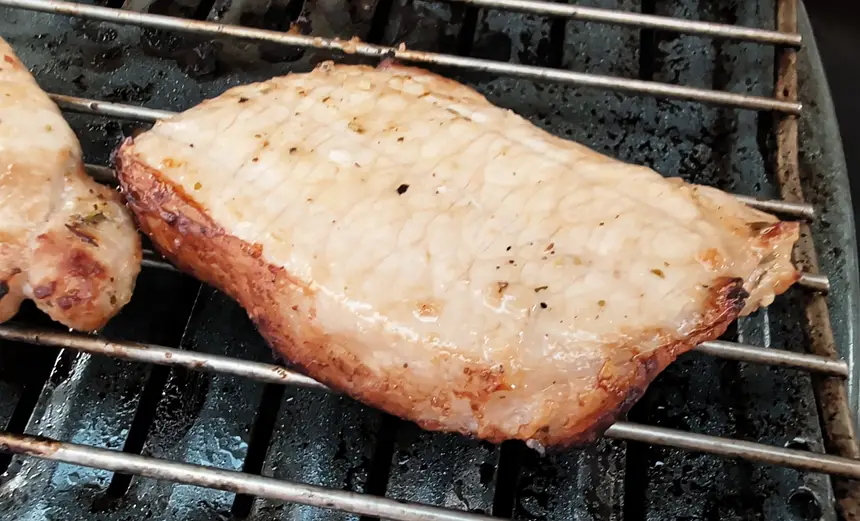
Grilled pork chops marinated 6 hours in olive oil, white wine vinegar, garlic, peppercorns, bay leaf, and dry mustard. A simple Mediterranean-style marinade for thick-cut chops.
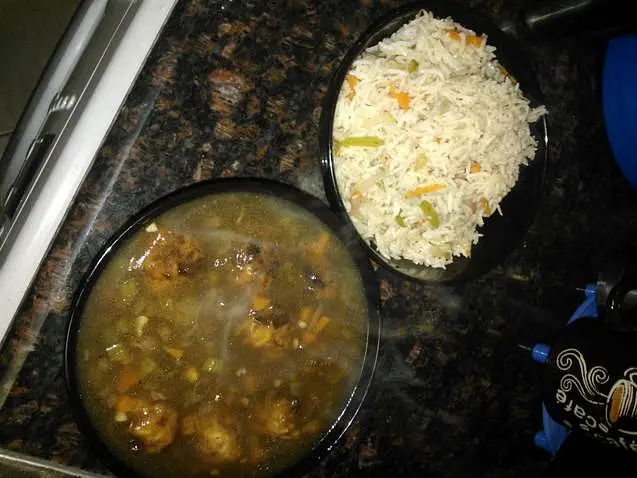
Vegetable Manchurian was a great combo with Egg Fried Rice.We normally make Cauliflower Manchurian as a side dish for Fried Rice.This dish ends up being a clean up dish as you can add all your veggies that you might have left overs and tastes great.
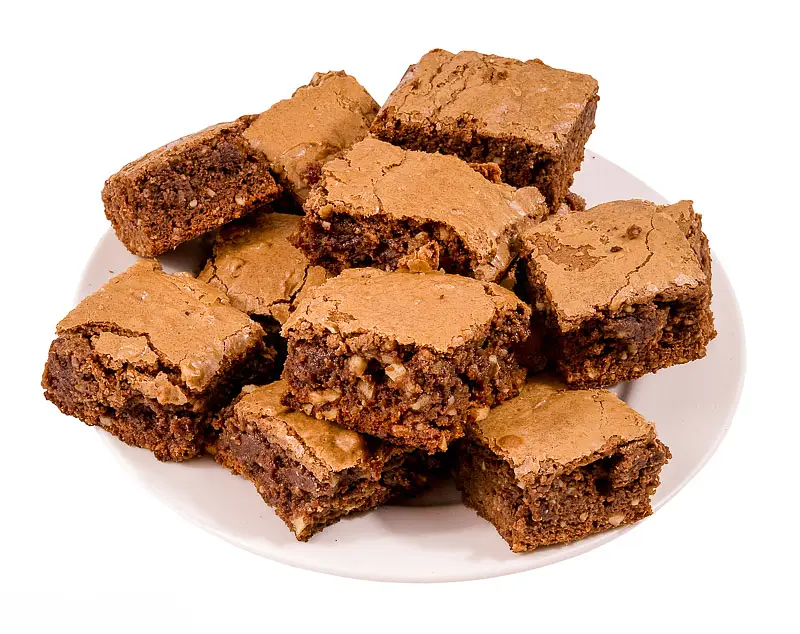
Vegan brownies built on the Depression-era wacky cake method: no eggs, no butter, no milk. Vinegar and baking soda do the lifting for a fudgy, chewy chocolate brownie that mixes in one bowl.
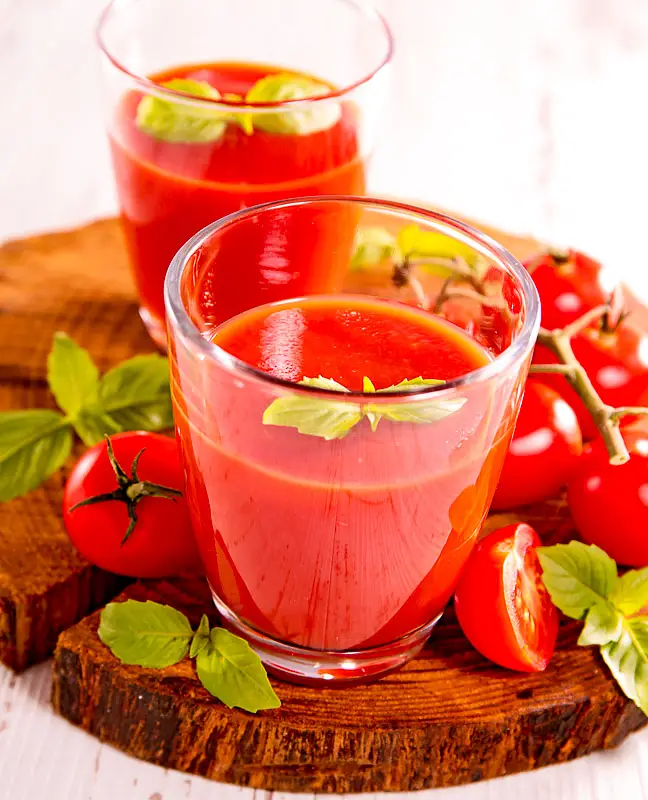
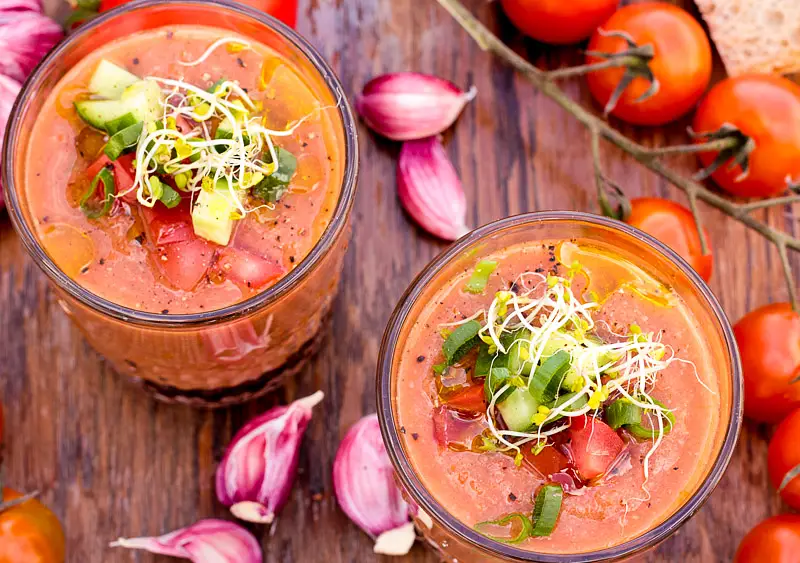
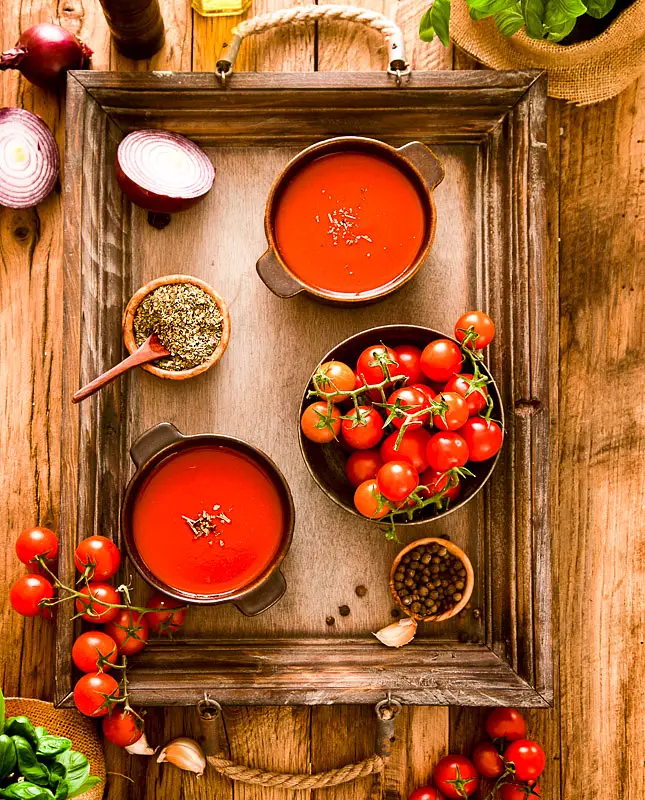
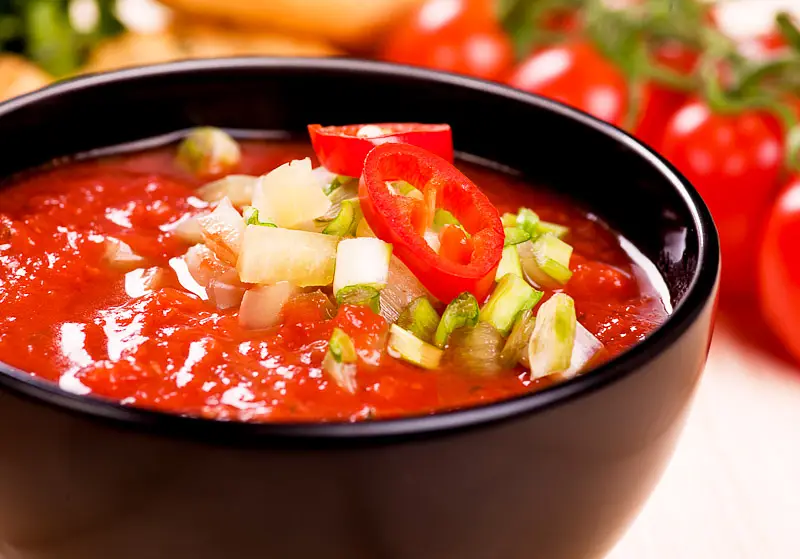
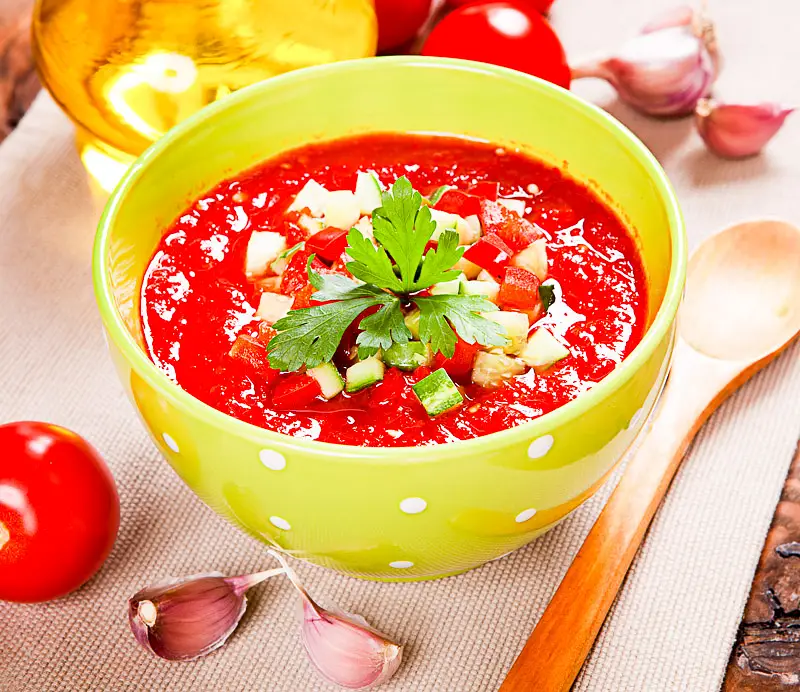
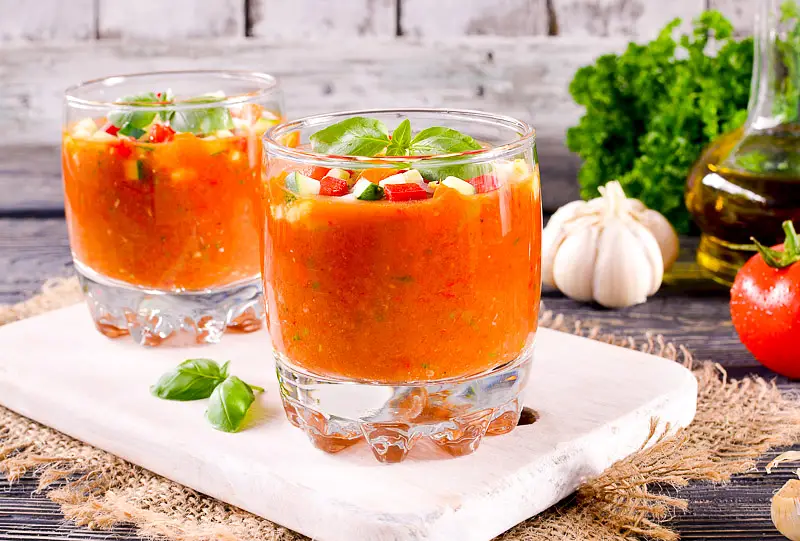
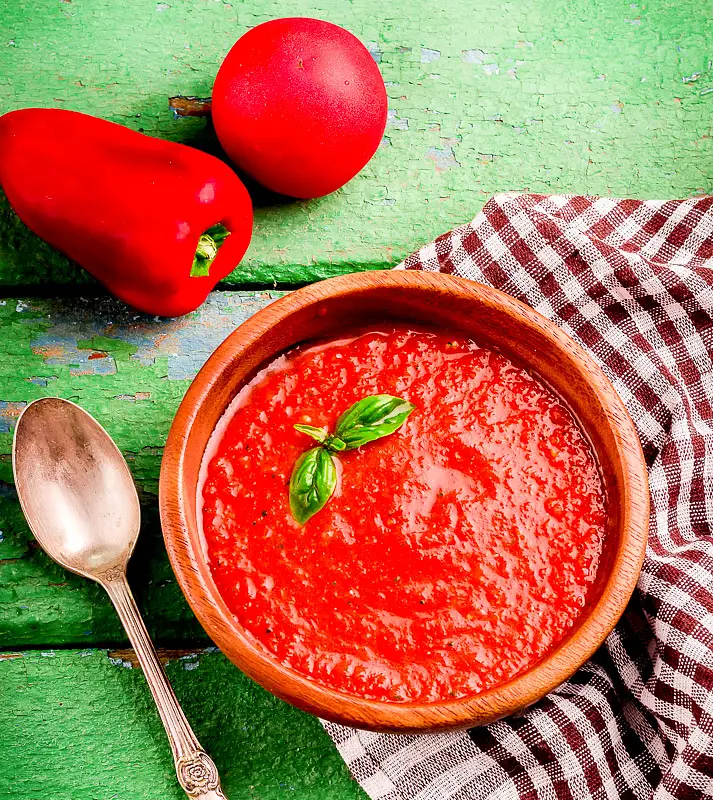
Classic gazpacho, the chilled Spanish salad soup, with fresh tomatoes, cucumber, green pepper, olive oil and white wine vinegar. No cooking required, just blend and chill.
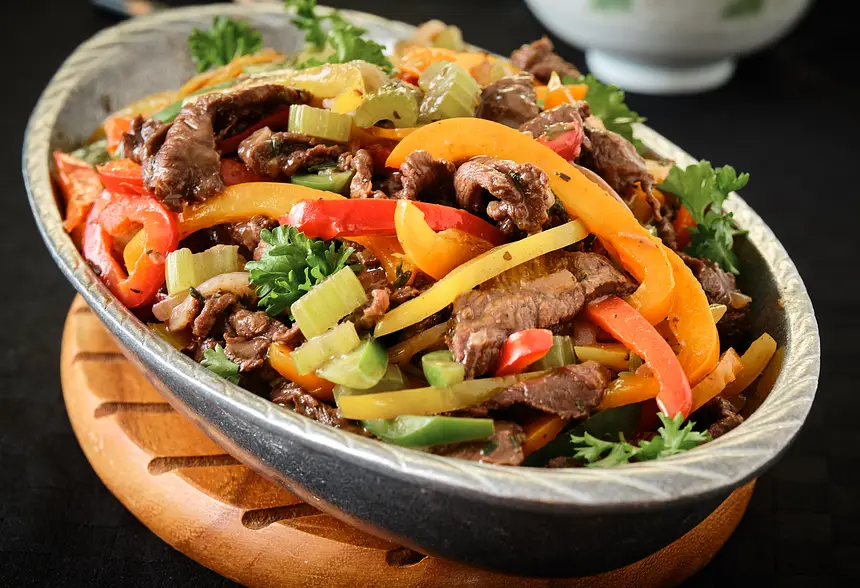
A sophisticated main dish of beef strips marinated in red wine and accompanied by a colorful array of sweet bell peppers, this recipe is a delightful fusion of rich flavors and vibrant colors, a feast for the senses that is as visually stunning as it is gastronomically gratifying.
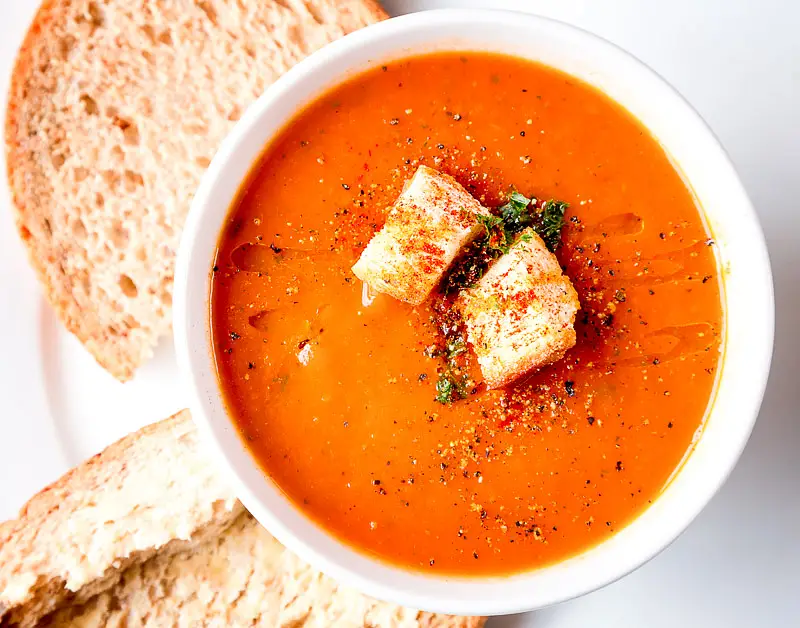
Chilled Spanish tomato gazpacho blended from ripe tomatoes, garlic, onion, green pepper, and olive oil, sharpened with vinegar and a hit of paprika. No-cook summer soup served with crunchy garnishes.
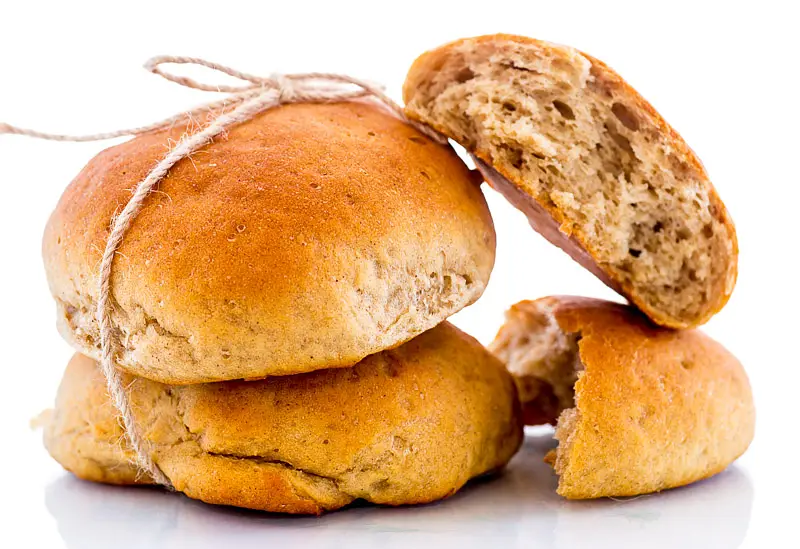
Old-style wheat biscuits: tender, fluffy whole-wheat biscuits made with canola oil and a quick buttermilk substitute. A homestyle baked good ready in 30 minutes flat.
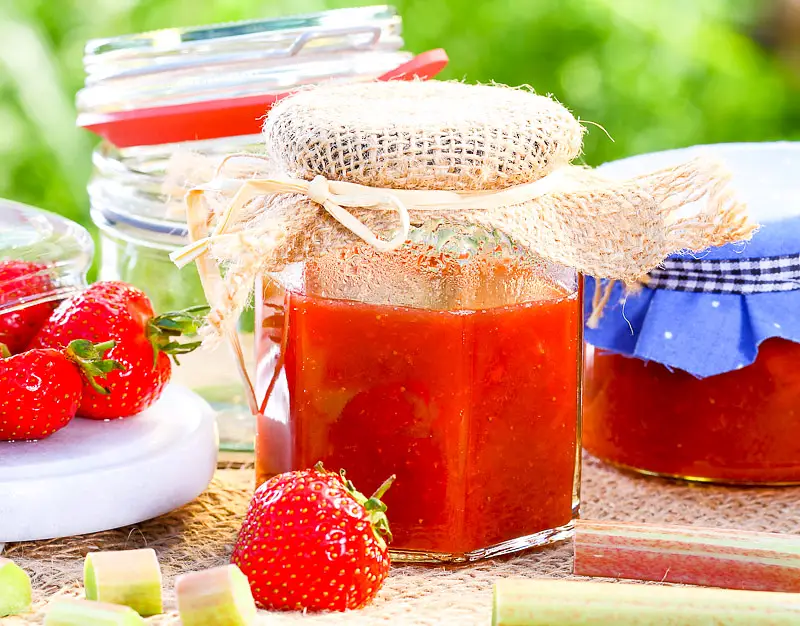
Homemade strawberry preserves with just three ingredients: ripe berries, sugar, and a splash of cider vinegar. Hard-boiled the old-fashioned way with whole berries that hold their shape.
No-cook chunky gazpacho with crushed and diced tomatoes, cucumbers, bell peppers, and a triple citrus-vinegar punch. Vegan, gluten-free, ready in 10 minutes plus chill.
Garlicky gazpacho blended cold with six cloves of garlic, ripe tomatoes, cucumbers, bell peppers and onions, sharpened with balsamic vinegar and tomato-vegetable juice. A bold, no-cook summer soup served chilled.
Classic chilled gazpacho, the no-cook Spanish soup of ripe tomatoes, cucumber, pepper, and onion blended with tomato juice and a splash of wine. Light, refreshing, vegan, and ready in 10 minutes.
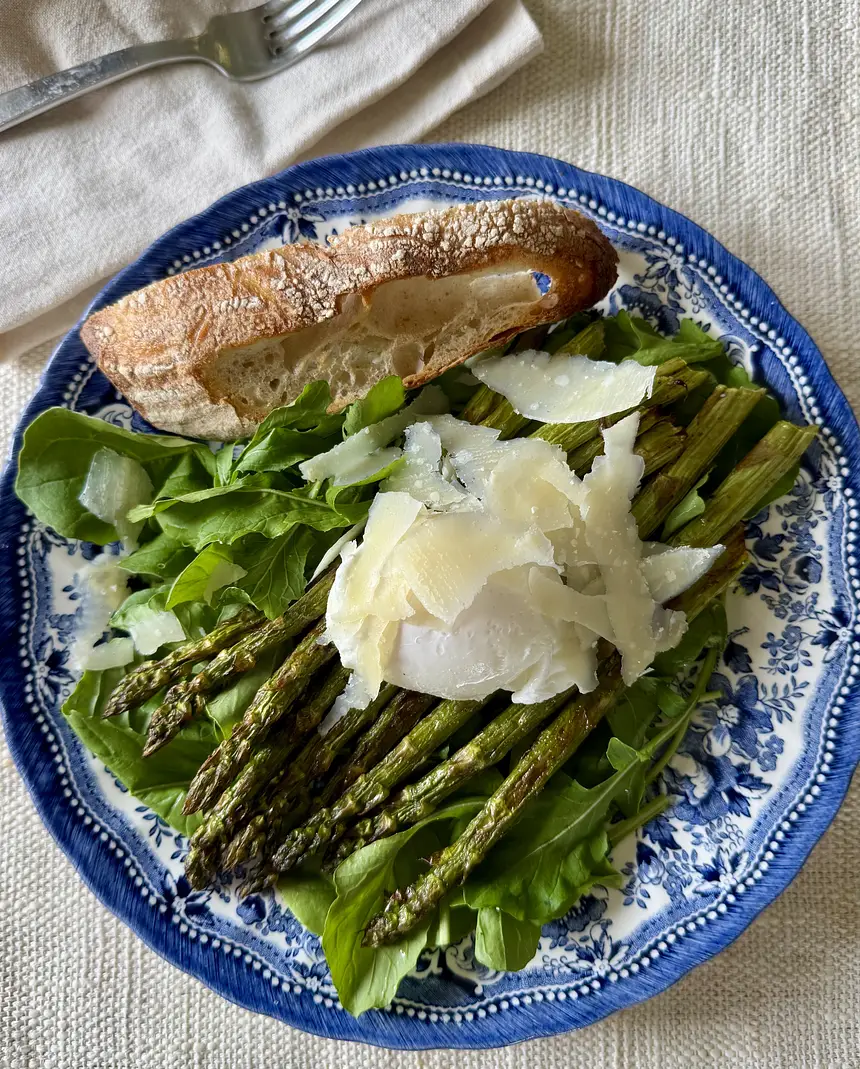
This refreshing salad combines tender roasted asparagus, peppery arugula, and perfectly poached eggs for a light yet satisfying dish. A tangy lemon-mustard dressing ties it together, while a slice of crusty whole-grain bread soaks up the flavorful juices and adds fiber. Ideal for brunch or a quick dinner, this salad is both nutritious and delicious.
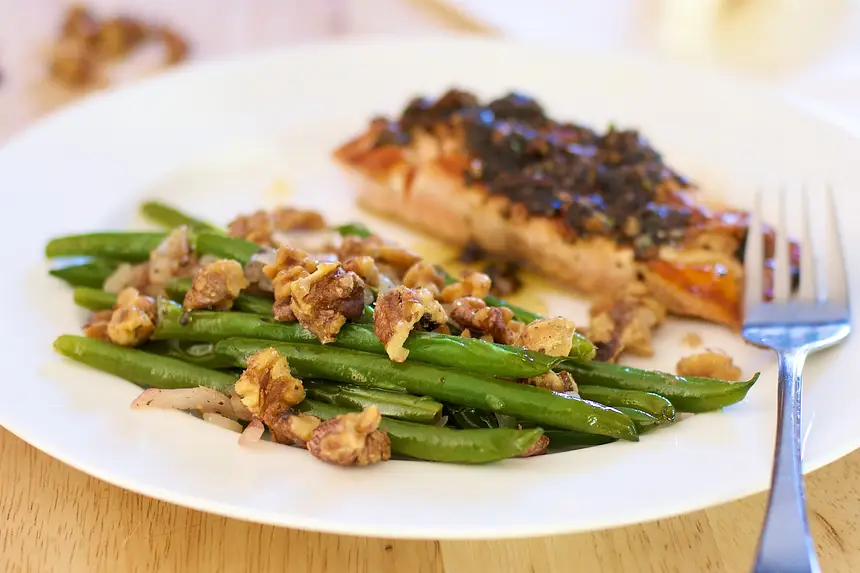
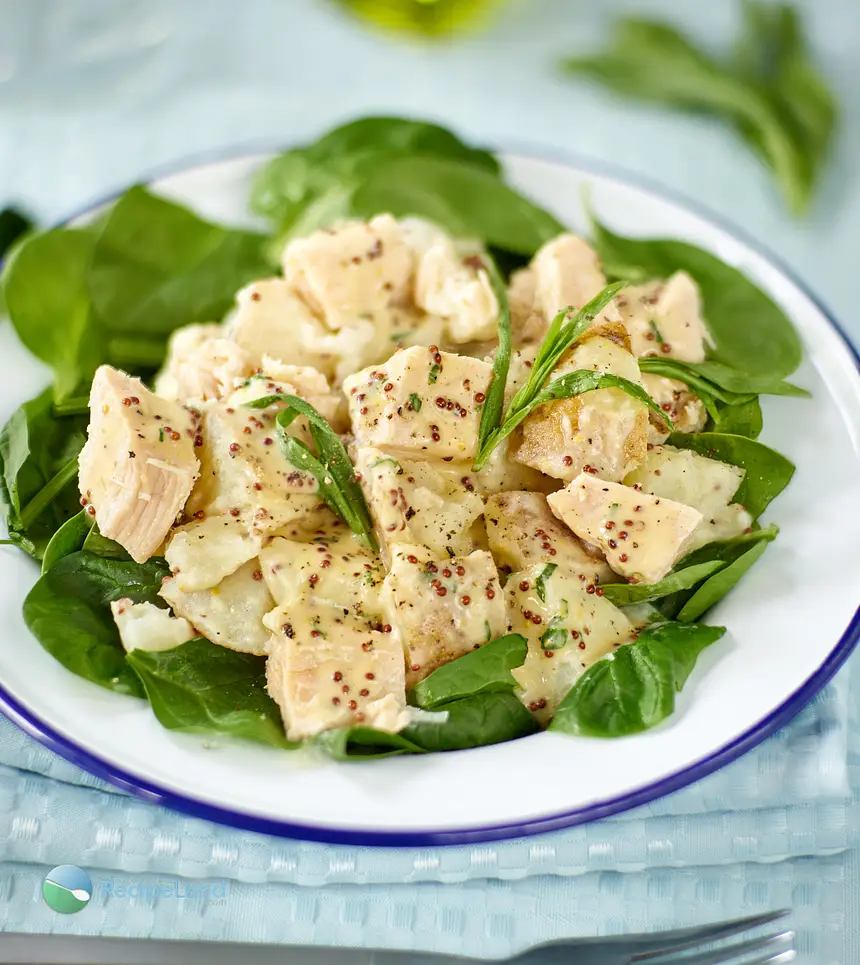
Lovely mingle of flavours. I toasted the walnets. Used dried tarragon but soaked in the oils w/orgainc cider vinegar in advance. Oh yeah and added 1 clove of finely minced garlic. A big hit with or without the garlic. High class side dish using the fresh beans from my local country road farmer.
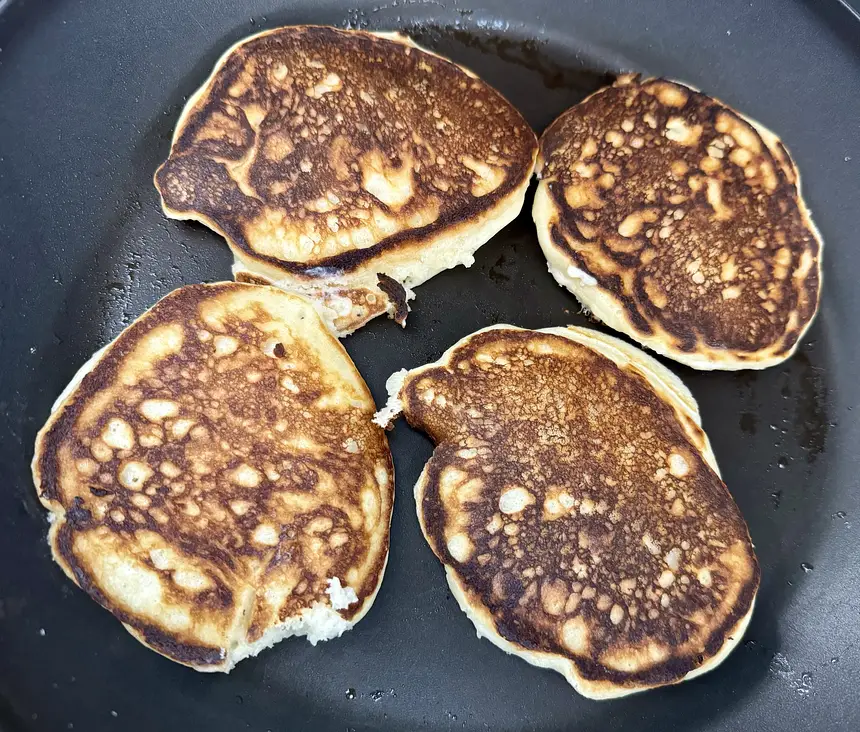
One of the fluffiest American-style flapjacks/pancake recipes that my kids love. Quick and easy made from scratch that delivers happy faces every time.
A velvety chilled soup made with strained yogurt, ripe tomatoes, fresh dill, and a bright splash of white wine vinegar. This no-cook vegetarian recipe is refreshing, tangy, and ready to serve after a few hours in the fridge.
Light and fluffy whole wheat pancakes are vegan and egg-free: soy milk and cider vinegar make a buttermilk-style batter that puffs up tender, with whole wheat pastry flour, cornmeal and cinnamon. A wholesome breakfast.
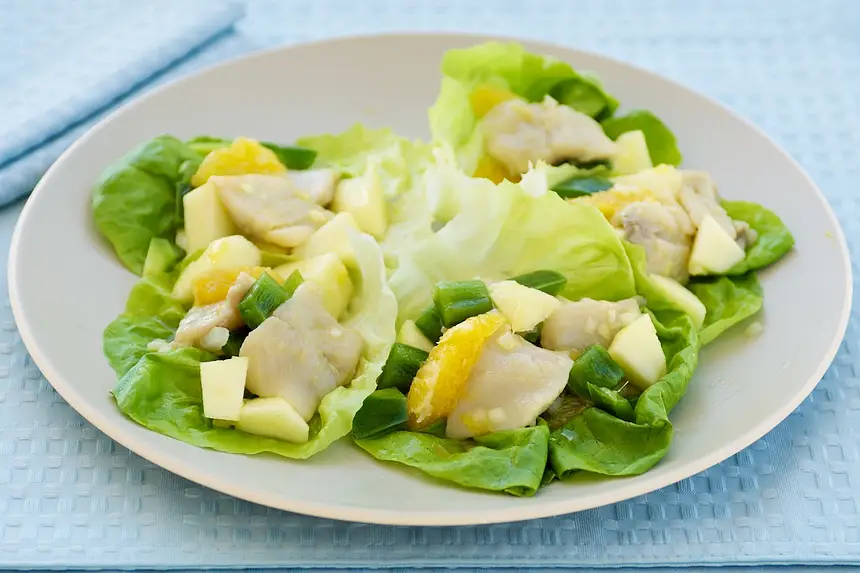
Refreshing herring salad tosses pickled herring with tart apple, juicy orange segments, green pepper, and grated onion in a quick oil and vinegar dressing. No cooking required.
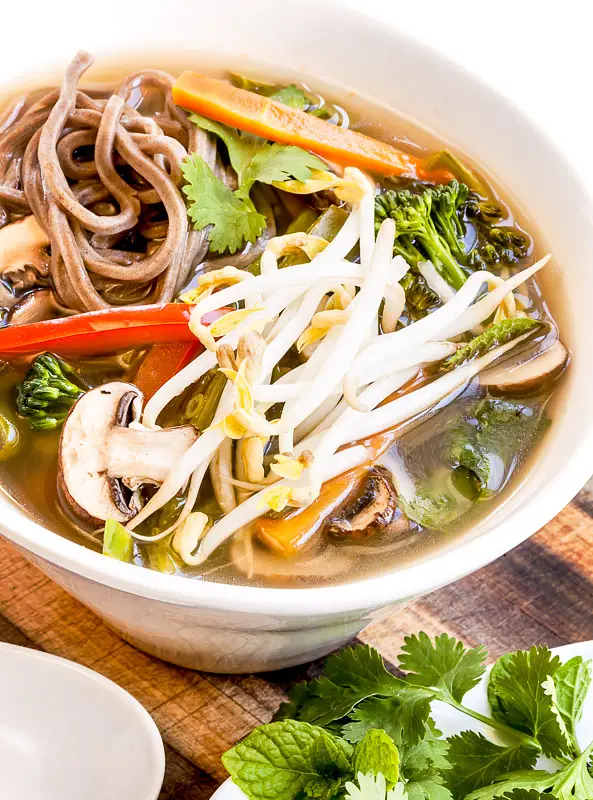
Hot and sour mushroom soup with sliced mushrooms, bamboo shoots, rice vinegar, and white pepper, ladled over Japanese soba noodles. A 30-minute lighter take on the Chinese takeout classic.
Holiday sugar cookies: a tender, softly leavened cut-out cookie made with sour milk for tang and lift. Great-grandma's recipe that bakes pale and soft, ready for sprinkles and icing.
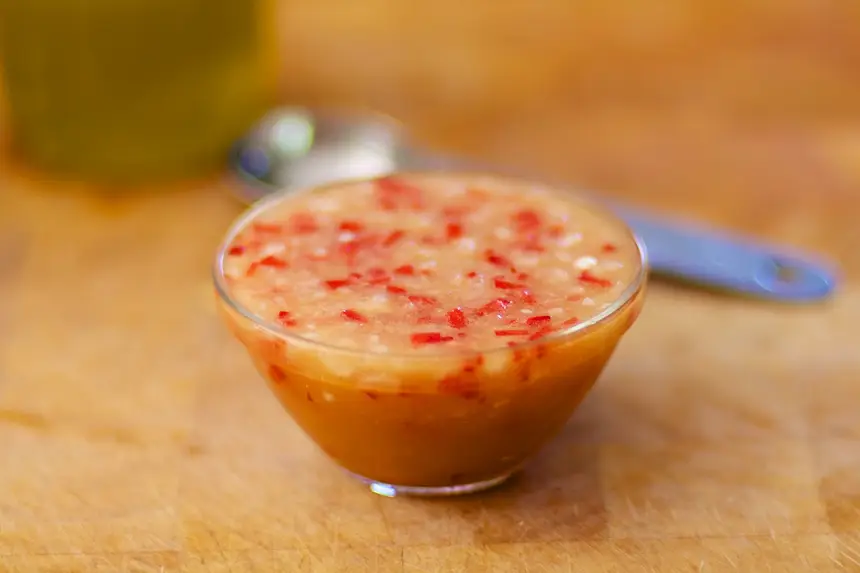
Toss your favorite salad with this delicious dressing that's very quick and easy to make. Put it in an air-tight jar, and store in the refrigerator for up to weeks.
No-cook gazpacho made with Roma tomatoes, cucumber, red bell pepper, garlic, and white wine vinegar. Five-minute blender soup, vegan, naturally low-calorie, and ready as soon as it chills. Summer in a glass.
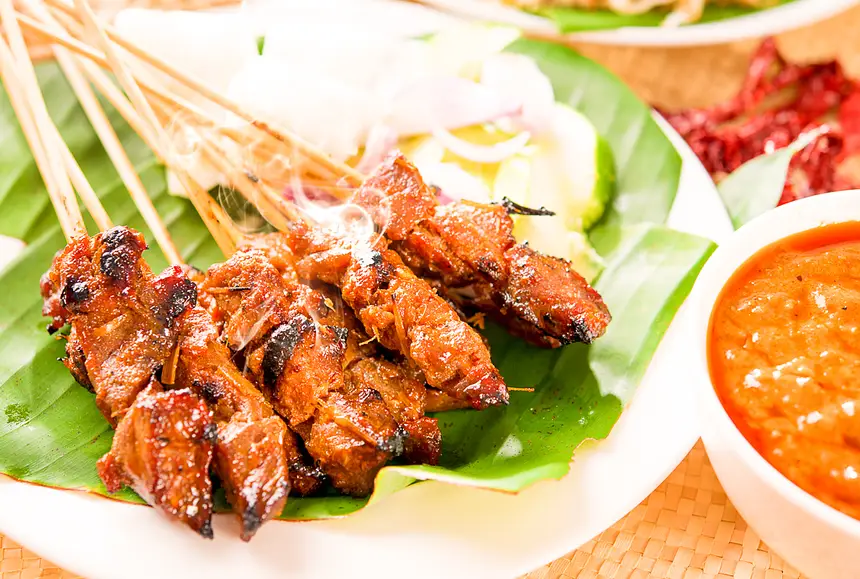
Satay peanut chicken skewers marinated in peanut butter, soy, lemon, garlic, ginger, and red pepper, then grilled and served with the reserved sauce for dipping. A Southeast Asian classic with a kick.
Quick blender gazpacho with tomato, cucumber, green pepper, and rice vinegar. Vegan no-cook Spanish-style cold soup ready in 10 minutes. Garnish with finely diced cucumber for crunch.
California-style chilled gazpacho built from peak summer tomatoes, English cucumber, red bell peppers, jalapeno, serrano, and a chiffonade of fresh herbs. Vegan, low-fat, and made for blistering Sonoma afternoons.
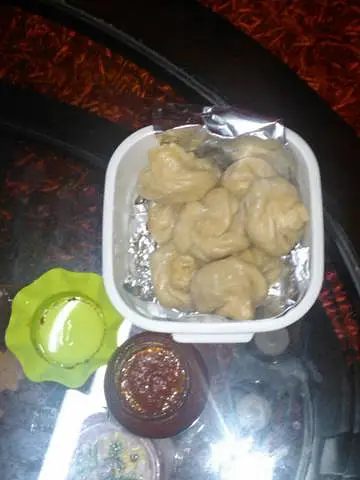
This is undoubtedly an innovative low calorie snack! flour wrappers are filled with a healthy filling of Soyabean and cabbage, and steamed to make an appetizing snack. Follow the exact procedure and make the world's best momos!
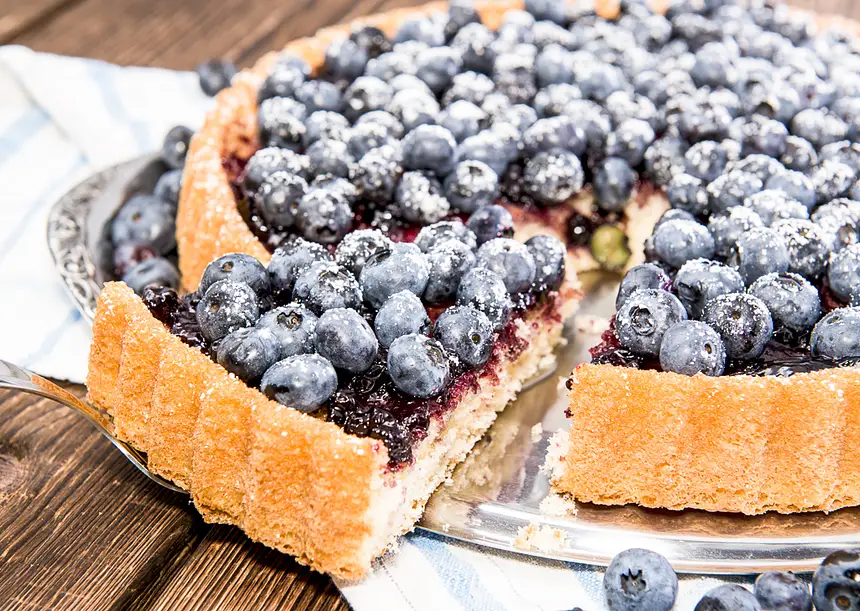
Individual blueberry tarts with a flaky vinegar-butter crust and cinnamon-spiced fresh berry filling. Dusted with powdered sugar and topped with whipped cream for a rustic summer dessert.
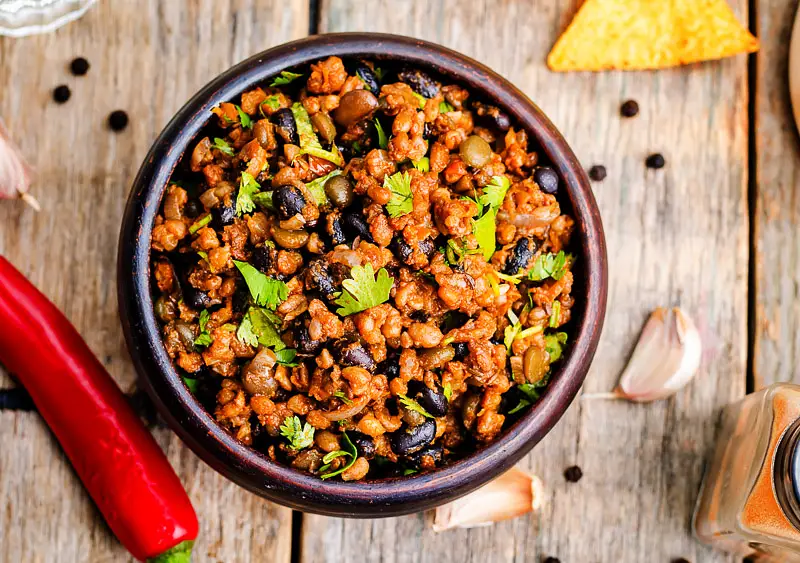
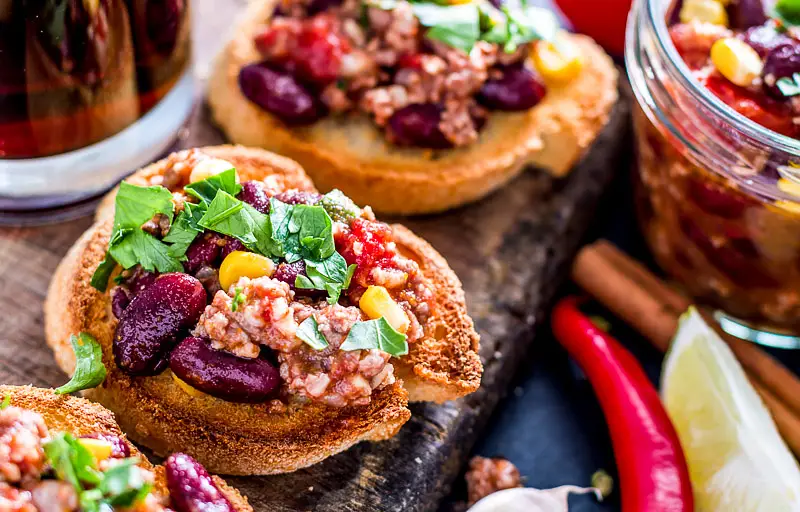
Black bean chili built on home-ground spices and dried ancho chile. Vegetarian, vegan-adaptable, with toasted cumin and homemade chili powder. Serve over melted cheese with creme fraiche and roasted poblanos.
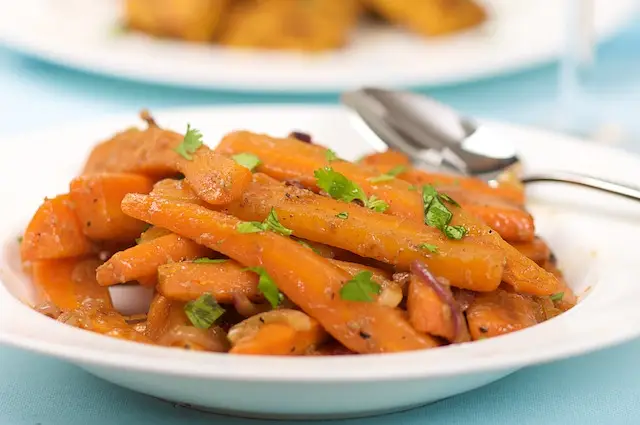
Carrots caramelize in hot oil until golden at the edges, then get tossed with tangy rice vinegar and savory black bean sauce for a quick Asian-inspired side dish with a spicy kick.
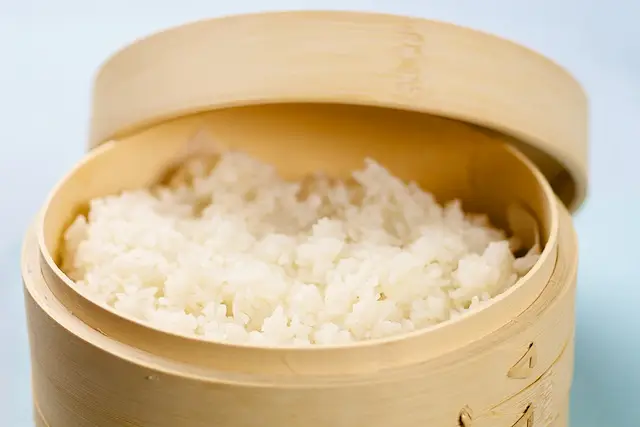
Properly seasoned sushi rice with a sweet vinegar mixture, soaked and steamed for sticky, glossy grains. Includes stovetop and rice cooker methods. The foundation for homemade sushi rolls, nigiri, and poke bowls.
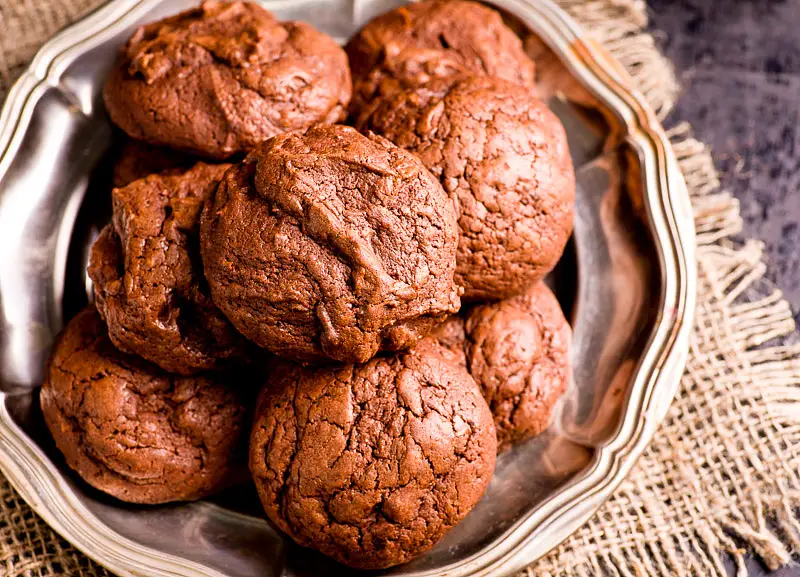
Egg-free, dairy-free cocoa cookies made with silken tofu, soy milk, and applesauce. Soft, fudgy, and dusted with powdered sugar. A vegan chocolate cookie that nobody will guess is plant-based. Makes 3 dozen.
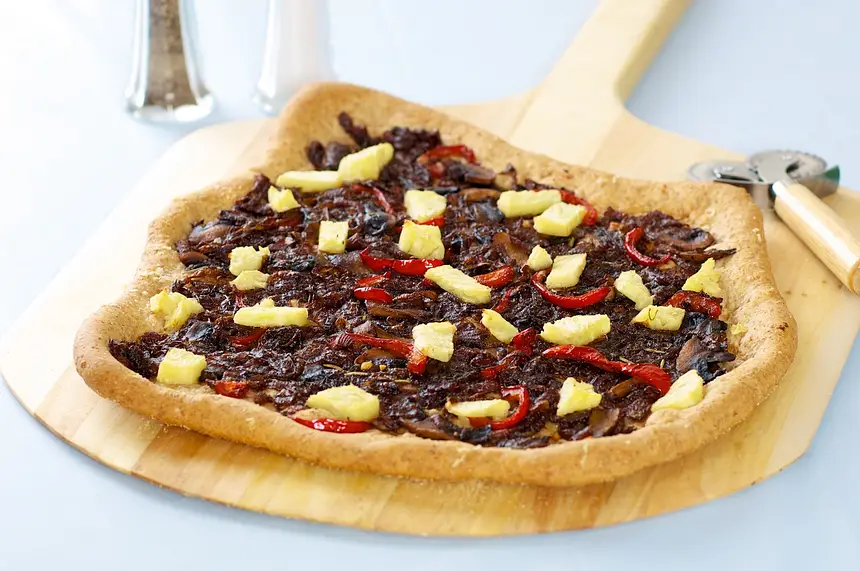
The pizza dough is brushed with garlic perfumed olive oil, topped with caramelized onions, mushrooms, sweet bell pepper and pineapples. It's easy and packed with yumminess. Use a whole wheat pizza dough to make it even healthier.
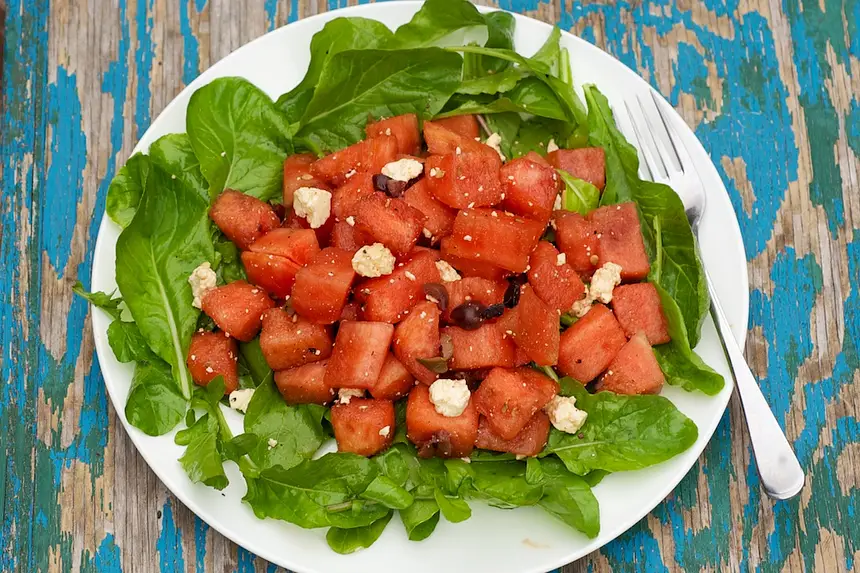
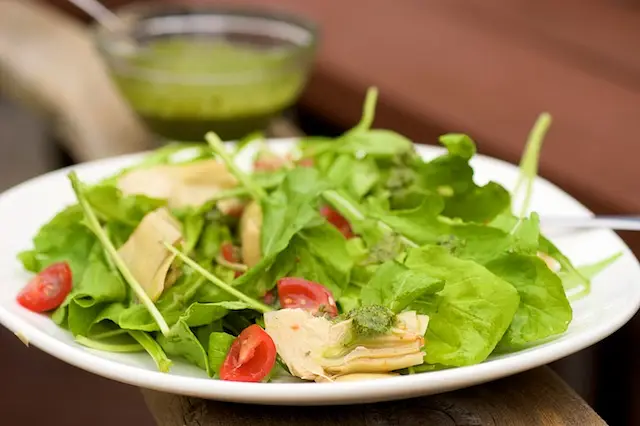
Sweet-juicy watermelon cubes, peppery arugula leaves, salty and creamy feta cheese are tossed with a light balsamic-olive oil vinaigrette. A great summer salad that adds some refresh-ness to your BBQ.
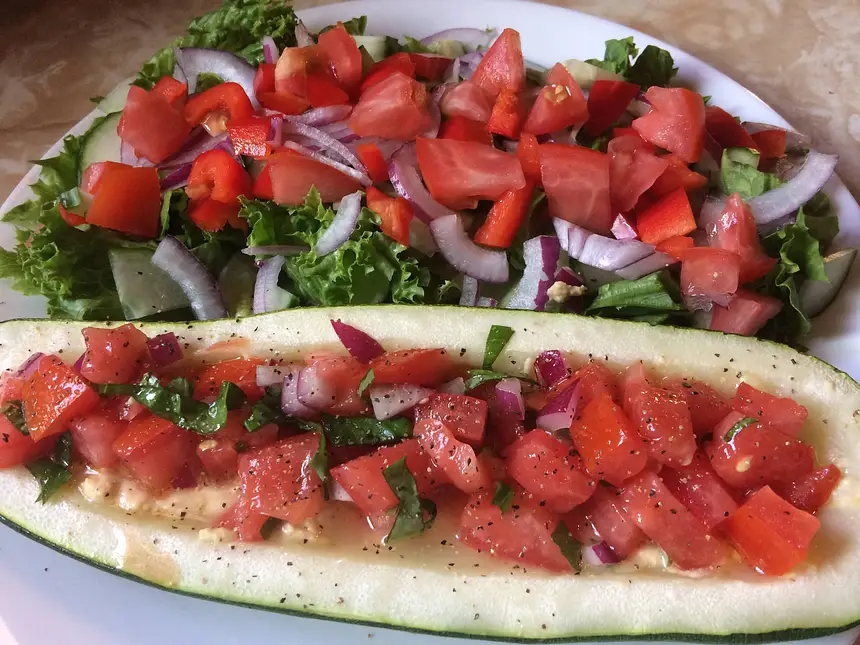
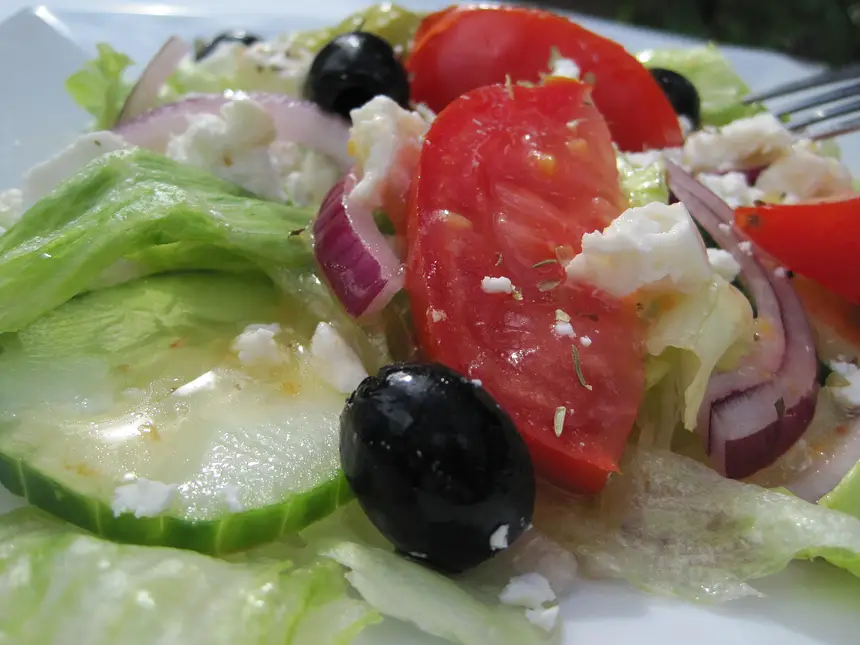
A refreshing and tasty summer salad that uses fresh and seasonal tomatoes and cucumbers. It takes no time to make, and a great side dish that goes well with any main course.
Cincinnati's iconic chili simmers with warm spices like cinnamon, allspice, and cocoa powder, creating a Greek-influenced meat sauce perfect for ladling over spaghetti.
Classic gazpacho, the chilled Spanish tomato soup with fresh tomatoes, cucumber, green pepper, garlic, and a bright lime-and-lemon finish. No-cook summer dish, ready after a 2-hour chill.
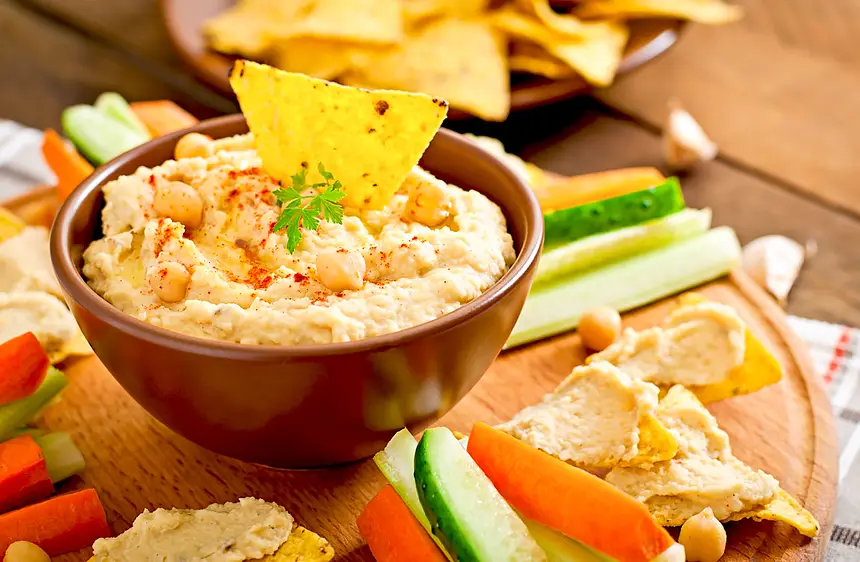
Spiced chickpea hummus blended with cumin, coriander, ginger, turmeric, and tahini. Food processor makes it silky smooth. Chill before serving with pita or vegetables.