Cheese rewards a little know-how: how to choose it, cook it, store it, and substitute in a pinch. Browse 557 recipes to cook with it.
Key Points
Cheese is concentrated milk; richness and savory depth land fast, but each type melts differently.
Melt low and late: high heat squeezes out fat and turns a sauce greasy.
A little starch, from a roux or cornstarch, keeps a cheese sauce smooth.
Substitute by the role the cheese plays, melting or grating, not by its name.
Wrap in paper then foil, never bare plastic; hard cheese keeps three to four weeks.
What is cheese?
Cheese is concentrated milk: cream and protein pressed together, salted, then usually aged until the flavor deepens. It brings richness and savory depth to a dish faster than almost anything else in the kitchen.
The catch is that no two cheeses behave the same under heat. A wedge of parmesan and a ball of fresh mozzarella both started as milk. One shaves into dry nutty curls; the other stretches into long molten strings.
Knowing which is which is most of what separates a smooth sauce from a greasy one.
Cooking with cheese
Split cheese into two camps by what heat does to it. Hard aged cheeses such as parmesan and pecorino are grating cheeses: low in moisture, high in flavor, happiest grated over a finished plate.
Good melters such as mozzarella, fontina, and young cheddar are wetter inside. They turn glossy and fluid when warmed instead of staying firm.
The single rule that fixes most cheese disasters is low and late. High heat drives the proteins to tighten and squeeze out their fat, which is why an overheated sauce turns oily and grainy.
Pull the pan off the burner before you add it. Stir grated cheese in a handful at a time, so each addition melts before the next goes in.
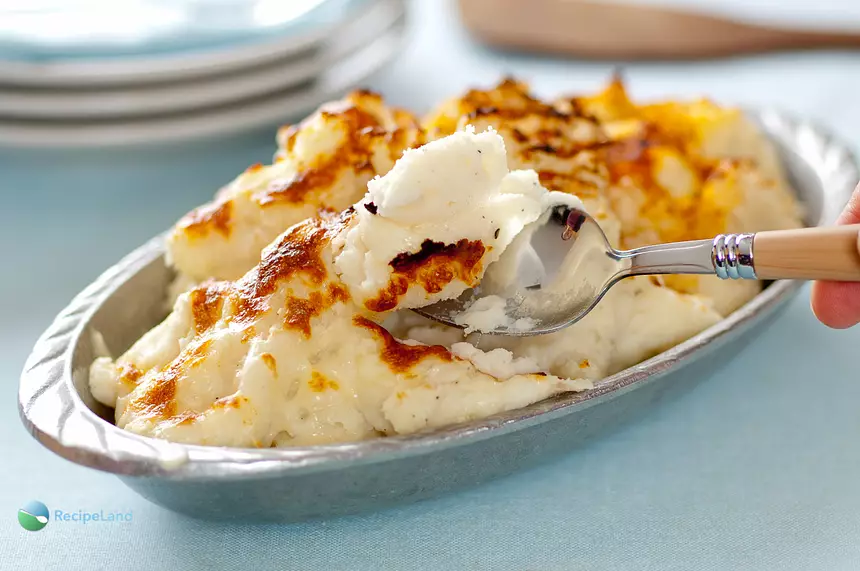
A starch helps a sauce hold together. The flour in a roux, or a spoonful of cornstarch tossed with the shreds, coats the proteins and keeps them from clumping. That is the trick behind a silky Creamy Potatoes Au Gratin.
Pairing and common mistakes
Match the cheese to the job. Sharp aged cheeses bring backbone to gratins and baked pasta, while fresh cheeses add creaminess to fillings and spreads. Blue cheese wants a sweet partner such as honey or pear to balance its bite, and fresh goat cheese loves herbs and bright vegetables.
The most common mistake is dumping cheese into a hot liquid all at once and early. It seizes and breaks before the rest of the dish is ready. Add it gradually, off direct heat, near the end.
Pre-shredded bagged cheese is the other quiet trap. It is dusted with cellulose or starch to stop clumping, which keeps it from melting smoothly. For any sauce, grate from a block.
Substitute by what the cheese is doing, not by its name. For melting, mozzarella, provolone, and fontina trade places freely, and young cheddar covers most of them with more flavor.
For grating, pecorino stands in for parmesan with a saltier, sharper edge, while aged gouda lands milder and sweeter.
Cream cheese can replace ricotta in baked fillings, though the result sets denser and tangier. The honest rule: a swap that matches the role usually works, while one chosen to copy an exact flavor usually disappoints.
Buying and storing cheese
Buy from a counter that cuts to order when you can, since a fresh cut wedge keeps more flavor than a long shelf-stable pack. Skip any piece that looks dry or sweaty on the cut face.
How you wrap it decides how long it lasts. Cheese is alive and needs to breathe, so plastic wrap pressed straight on the surface traps moisture and turns it slimy.
Wrap it first in cheese paper or parchment, then loosely in foil. Keep it in the warmest part of the fridge.
Hard cheeses keep three to four weeks wrapped this way; soft and fresh ones are best within a week or so. Hard and semi-hard cheeses also freeze for a few months if you plan to cook with them, since freezing turns them crumbly rather than sliceable once thawed.
One last point on mold. If a little appears on a hard cheese, cut an inch around and below it and the rest is fine; on soft cheese, toss the whole piece.
Types of cheese
Specific kinds of cheese and the recipes that use them.
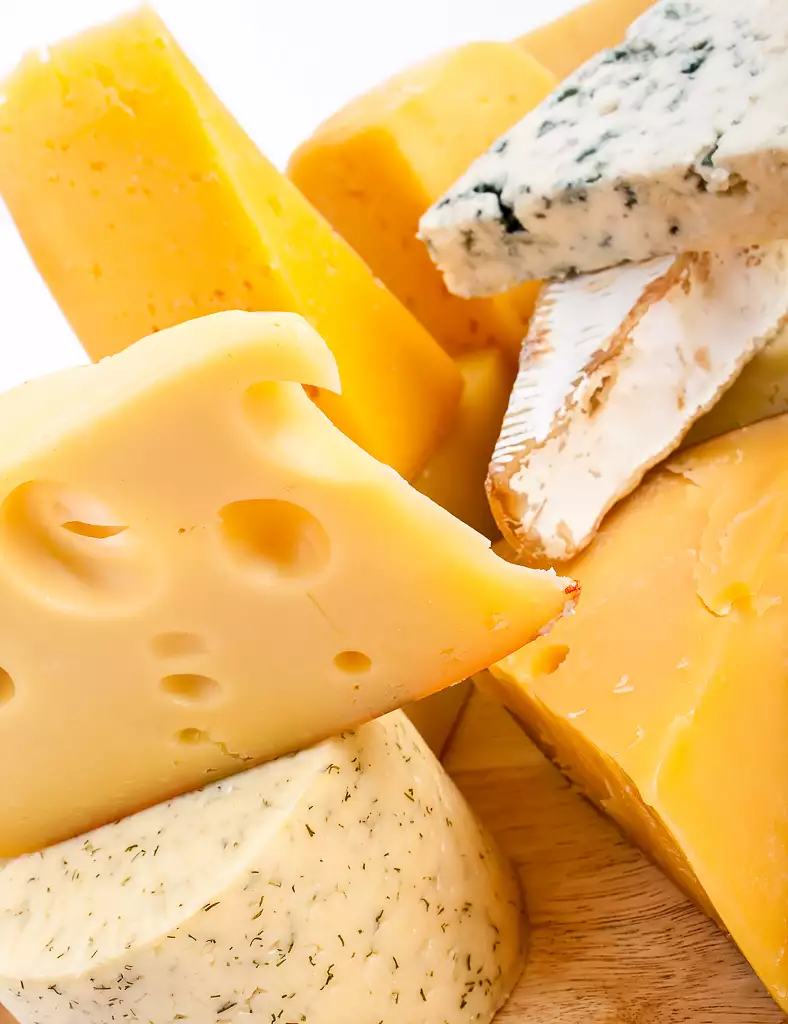
Parmesan cheese (parmigiano-reggiano) is an iconic hard cheese originally from Italy, widely used and produced around the world. In Europe, Parmesan cheese is a protected cheese, meaning that only cheeses made in a certain way in a certain area of Italy can be labeled as Parmesan cheese.
In most of Europe, Parmesan cheese is referred to by its Italian name: Parmigiano-Reggiano, a reference to the regions in which the cheese is produced. The cheese is traditionally made by mixing whole morning milk with skimmed milk from the previous evening. The milk is heated and mixed with rennet to form curds, which are pressed in a cheese mold.
True Parmesan cheese is molded with a stencil, indicating where and when it was made. The cheese is soaked in a brine bath and then aged for a minimum of two years before being graded for sale.
Another well known export of the region is Parma ham. The pigs are usually fed the discarded whey from the Parmesan cheese manufacturing process, and this is said to create a distinct flavor in the meat. The curing process for true Parma ham is also protected, along with many other regional Italian foods. Some import stores specialize in importing protected Italian foods for consumers outside of Europe who wouldlike to be assured the genuine article.
Real Parmesan cheese is a hard yellowish cheese which breaks in a sliver-like pattern. The dense cheese has large grains in it which can easily be seen with the naked eyes. When testing a wedge of Parmesan cheese, the marks from the Parmigiano-Reggiano stencil will also be able to be seen, and you should be able to see which dairy made the cheese, and when. A reputable importer will cut a sliver for consumers to taste before packaging the cheese for sale, and may offer tastes of several wheels of Parmesan cheese so that the best flavor can be identified.
Grocery stores around the world also carry cheese made in the Parmesan style outside of Italy. Some of these cheeses rival true Parmigiano-Reggiano for flavor and texture, while others are of a somewhat lesser quality. If possible, obtain Parmesan cheese in a whole wedge, rather than pre-grated, as the wedge will hold flavor and texture better, and the cheese will not be as dry when it is used.
Cream cheese is a fresh, soft cheese made by curdling a blend of cream and milk with a lactic culture, then draining off some of the whey. It is mild and slightly tangy, dense enough to slice or spread straight from the fridge.
By US standard it has to be at least 33 percent milk fat with no more than 55 percent moisture, which is what gives it that smooth, almost buttery feel on a knife.
Unlike aged cheeses, it is never ripened. You eat it young, usually within days of opening.
That freshness is exactly what makes it the backbone of cheesecake, the body in a frosting, and the base for half the dips on a party table.
Cheddar that is made in the traditional way, tends to have a sharp, pungent flavour, often slightly earthy.
Its texture is firm, with farmhouse traditional Cheddar being slightly crumbly, it should also, if mature, contain large crystals of calcium lactate - often precipitated when matured for times longer than 6 months.
Real Cheddar is never 'soapy', in texture or mouth-feel.
Cheddar is usually a deep to pale yellow (off-white) colour, but orange food colorings are sometimes used in industrial varieties of Cheddar style cheeses.
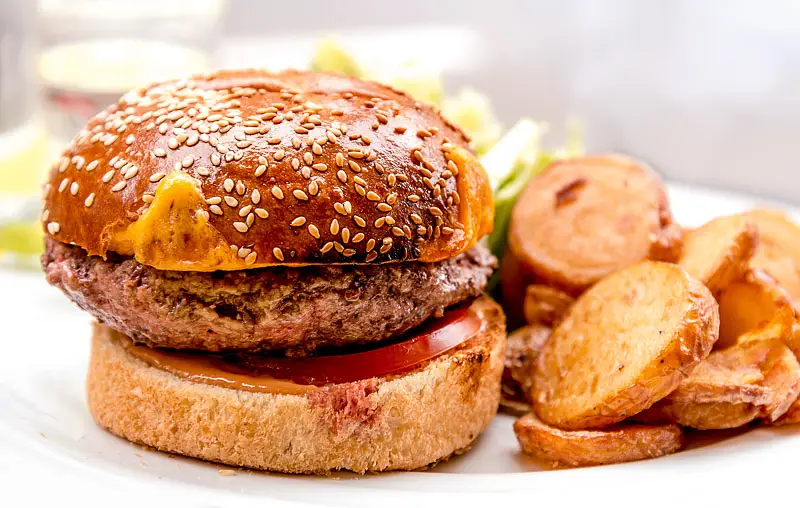
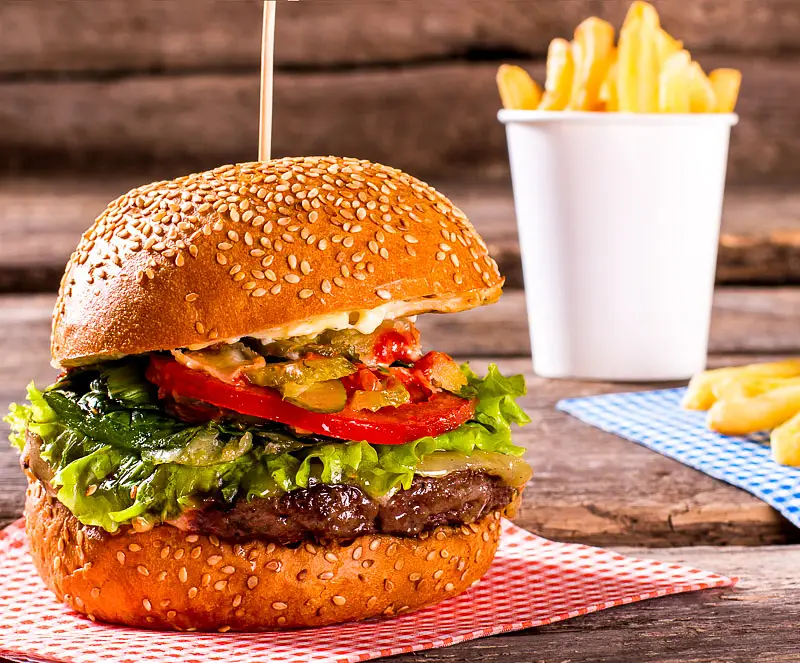
Microwave cheeseburgers brown ground beef patties with a quick bouquet sauce wash, then melt cheese on a soft bun in minutes. A retro 70s-style fast burger for when the stove is busy.
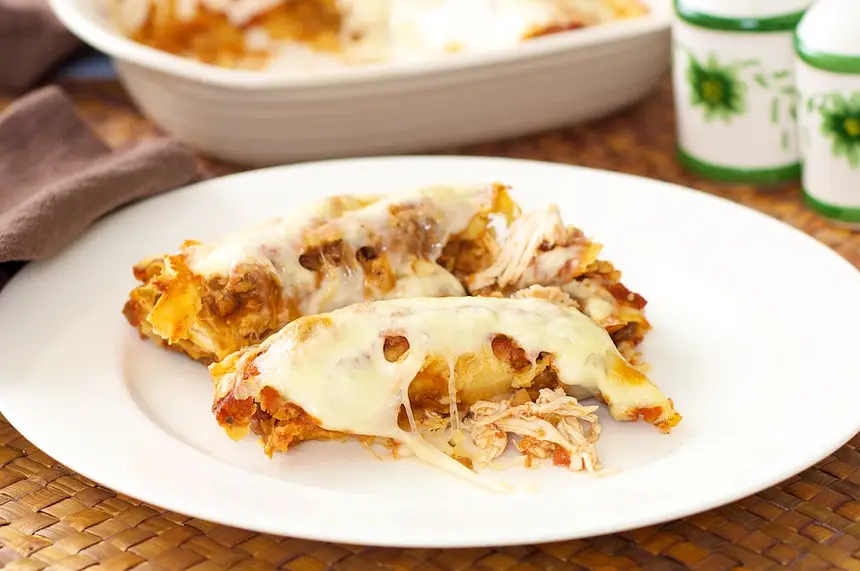
Easy chicken and bean enchiladas rolled in corn tortillas with hearty baked beans, picante sauce, and melted cheese. A 5-ingredient Mexican-inspired dinner baked in 30 minutes for a warm, saucy, family-friendly meal any night of the week.
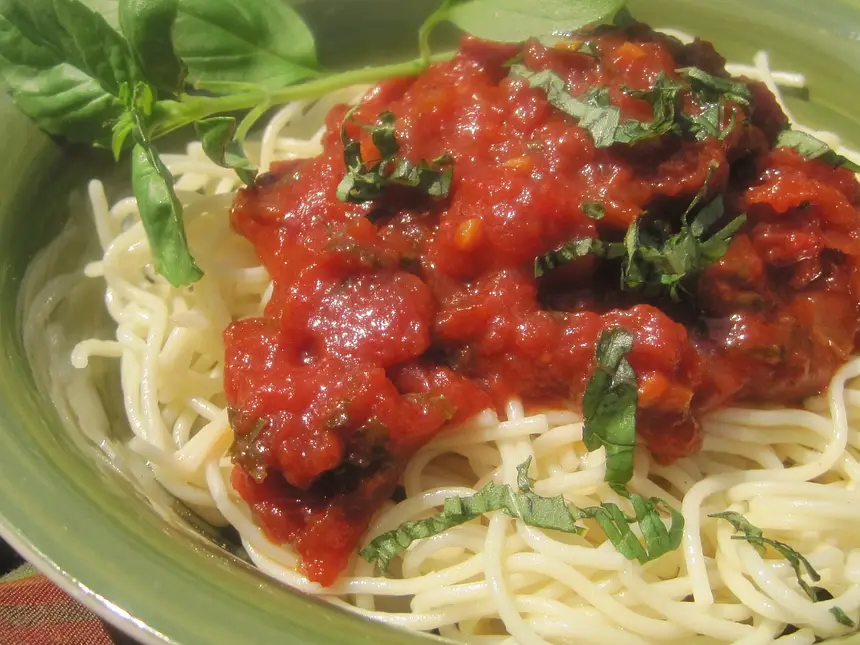
Simple homemade marinara sauce with fresh tomatoes, canned tomatoes, garlic, olive oil and torn basil. Simmers in 30 minutes for a rustic Italian pasta sauce.
Cream of pumpkin soup with fresh or canned pumpkin pureed with onions, celery, garlic, and thyme, finished with cottage cheese for silky body. Lighter take on a Thanksgiving classic.
Mom's cheese biscuits, drop biscuits made with grated cheddar, buttermilk, and vegetable oil instead of butter. Tender Southern-style biscuits with golden cheese-flecked crusts, served with white gravy.
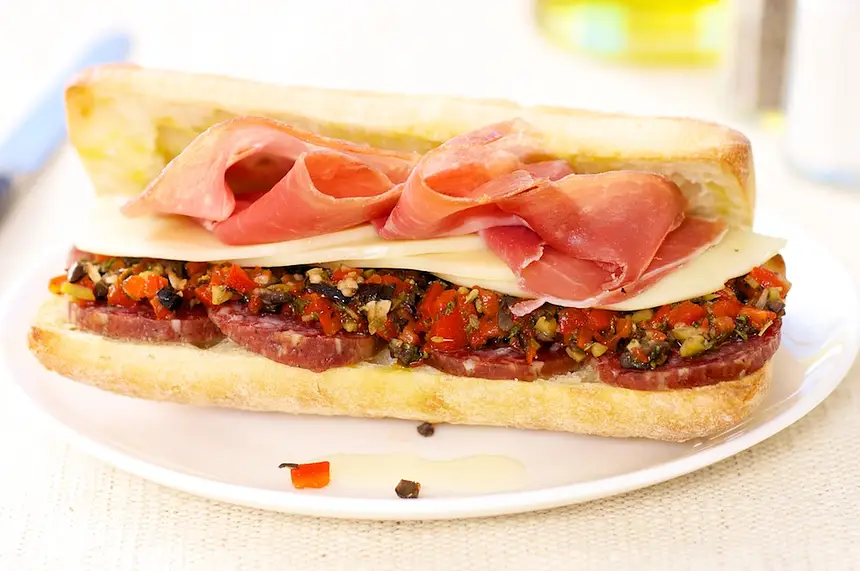
New Orleans muffaletta: a round Italian loaf piled with salami, mortadella, prosciutto, and provolone, soaked with a briny green olive salad. The classic Sicilian-Creole deli sandwich, made for sharing.
100% whole wheat flour, roasted bell pepper, scallions, and olive oil together make these muffins a much healthier snack, and still taste cheesy and delicious.
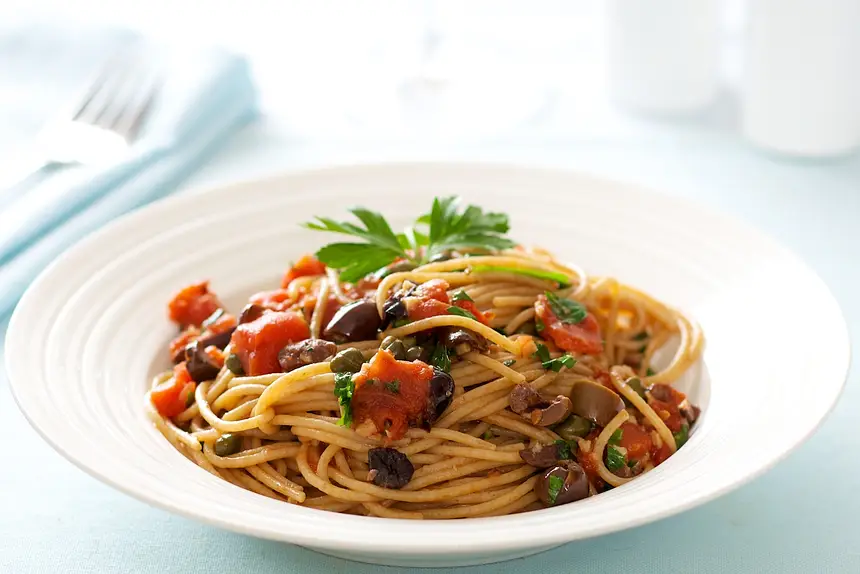
Bold, briny spaghetti alla puttanesca with San Marzano tomatoes, capers, black olives, and anchovies tossed in garlicky olive oil. This quick Italian pasta dish hits the table in 40 minutes with layers of salty, savory depth in every forkful.
Santa Fe burgers with cheese, salsa, crushed tortilla chips, and cumin mixed right into the patty, then topped with more salsa and cheese. Southwestern grilled burgers with serious flavor built in.
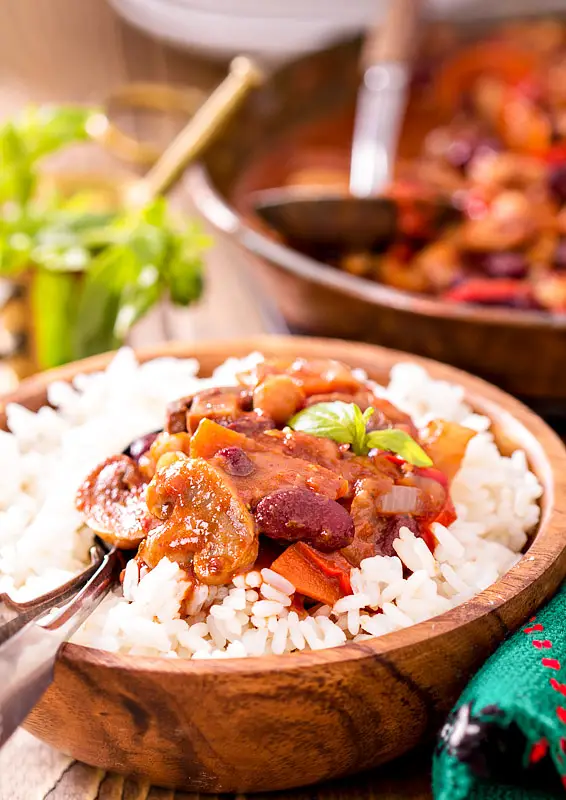
Moosewood-style vegetarian chili with kidney beans, bulgur wheat, fresh tomatoes, peppers, and a warm chili-cumin spice mix. A hearty, protein-rich plant-based main from the iconic Ithaca cookbook tradition.
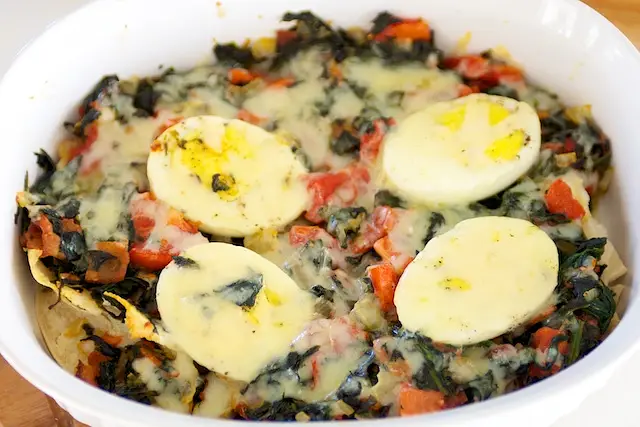
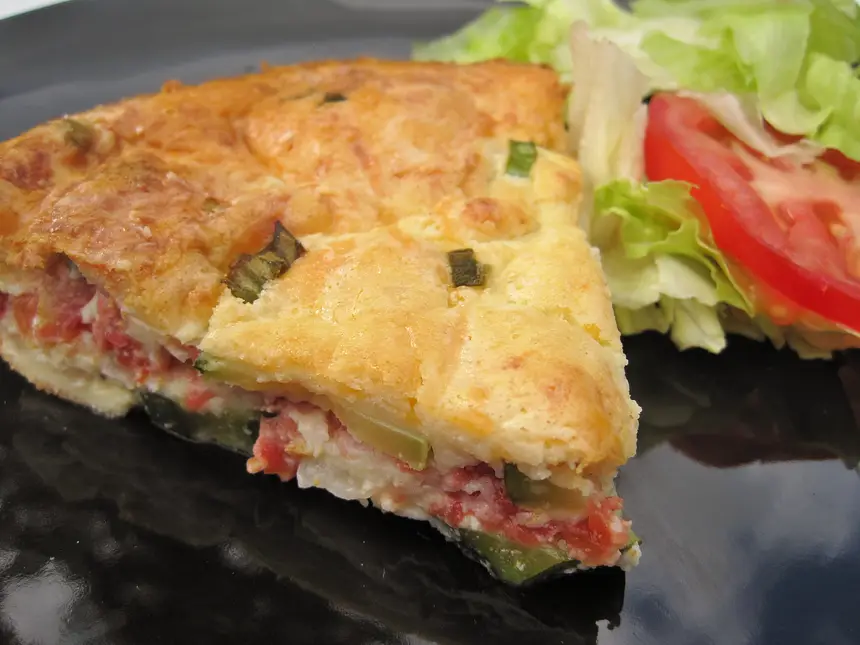
Layered egg and spinach casserole baked with crispy corn tortillas, smoky bacon, tomatoes, and melted cheese. A satisfying brunch casserole or easy weeknight dinner ready in about an hour with warm, savory, south-of-the-border flavors.
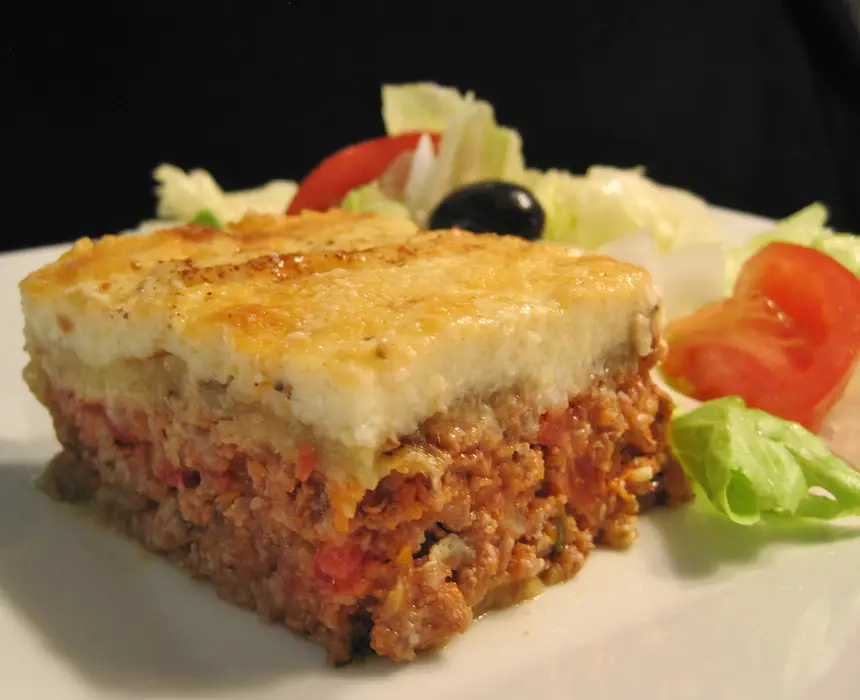
Classic Greek moussaka with layers of browned eggplant, seasoned ground beef with red wine and cinnamon, and a rich bechamel sauce baked until golden and bubbling. A hearty Mediterranean casserole that serves 10.
Classic Greek moussaka with layers of browned eggplant, seasoned ground beef with red wine and cinnamon, and a rich bechamel sauce baked until golden and bubbling. A hearty Mediterranean casserole that serves 10.
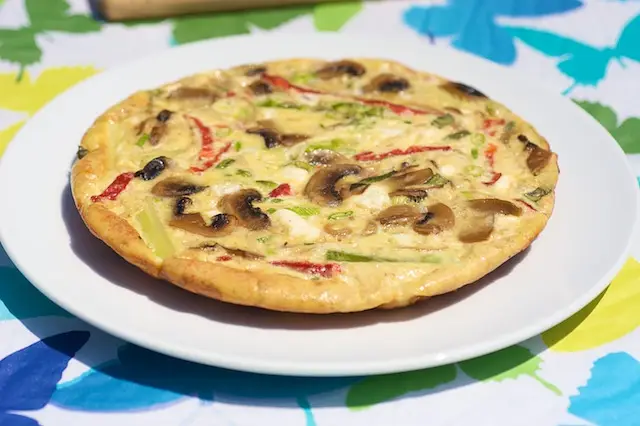
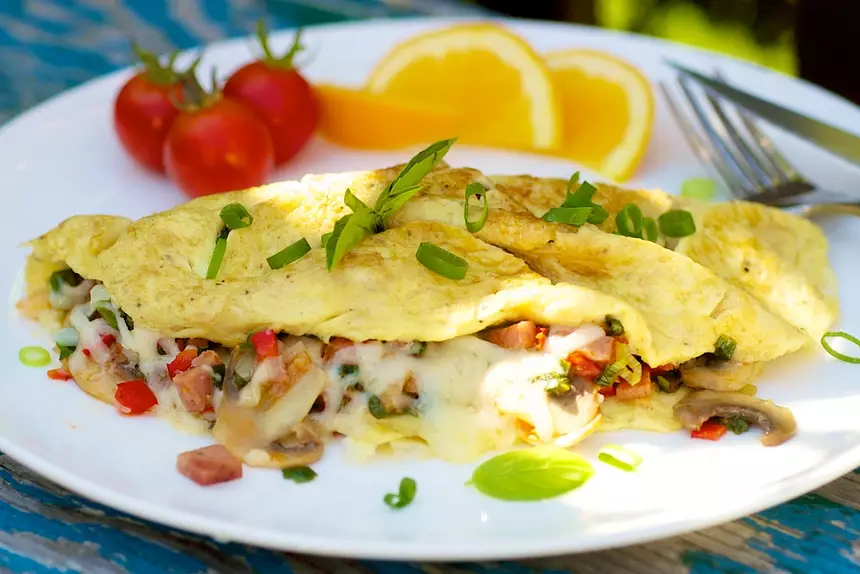
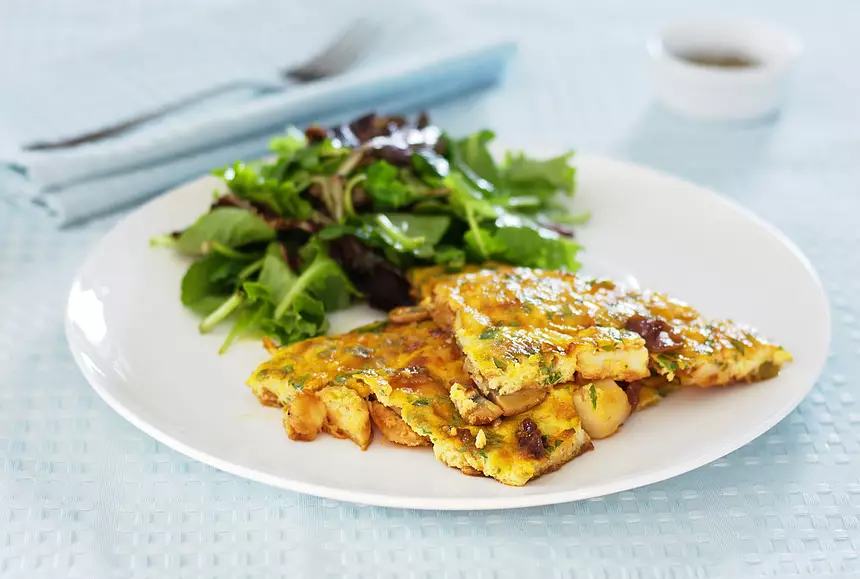
An easy and tasty frittata. It's also a great way to use up your leftover vegetables from the day before to make a delicious breakfast. It's very versatile, you can pretty much add any veggies or cooked chicken, or seafood, etc...
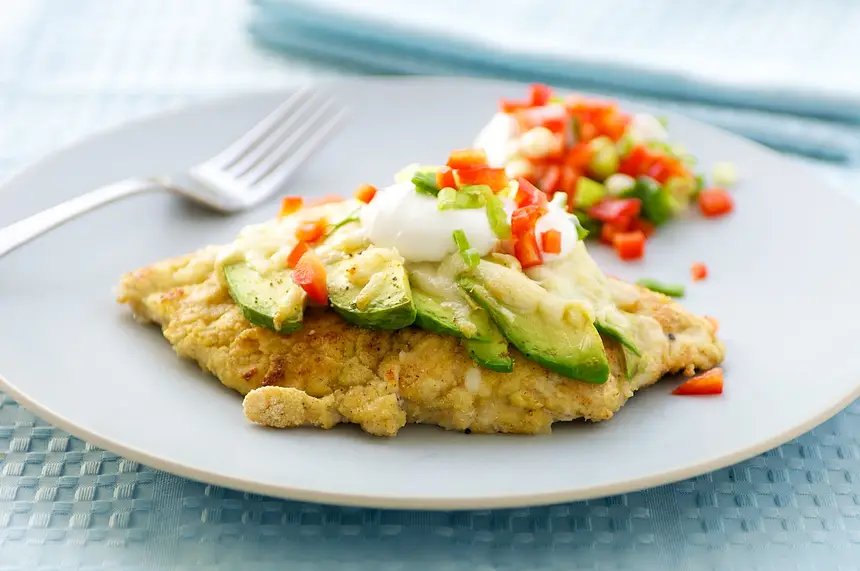
Cornmeal-crusted chicken breasts topped with creamy avocado slices, melted cheese, and cool sour cream. This baked chicken avocado melt uses cumin and garlic salt for a Southwestern kick and takes just 45 minutes from start to table.
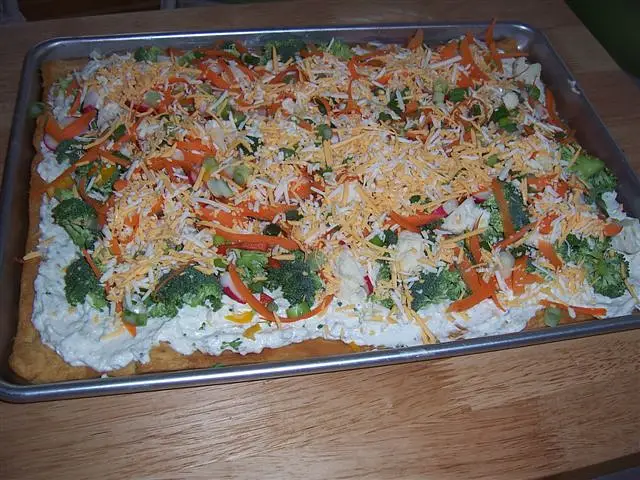
This easy crescent roll vegetable pizza is a favorite go-to for potlucks, showers, or wherever there's a hungry crowd. Use leftover veggies or your lastest garden harvest for toppings.
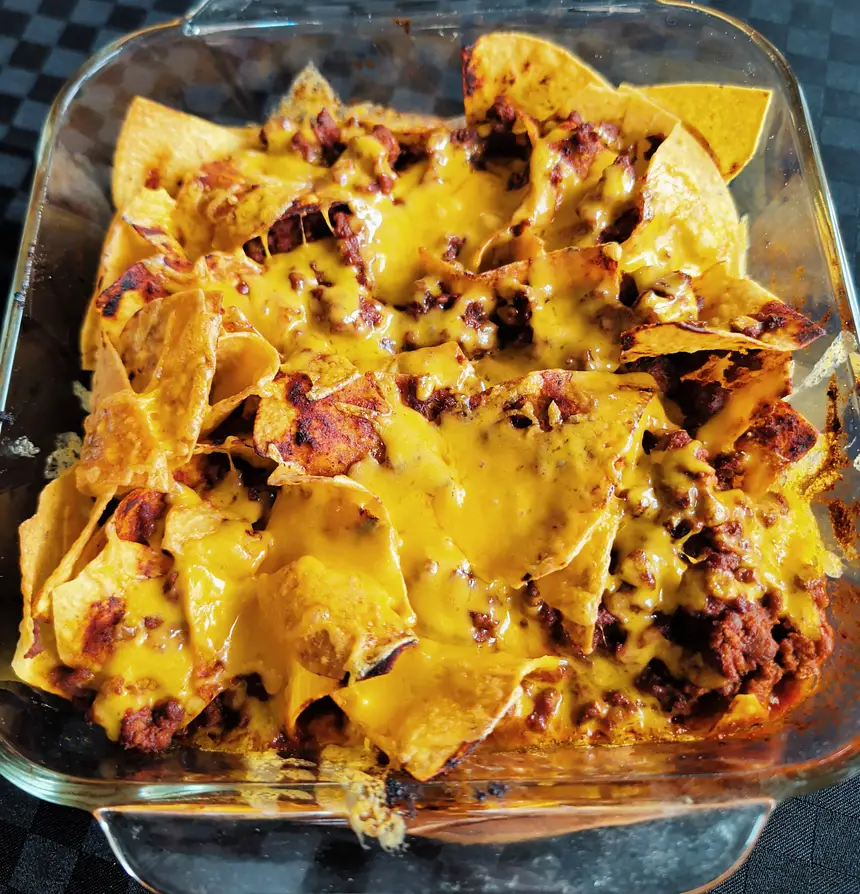
Easy taco casserole with seasoned ground beef, tomato sauce, and tortilla chips baked under melted cheese. Six ingredients and 30 minutes start to finish.
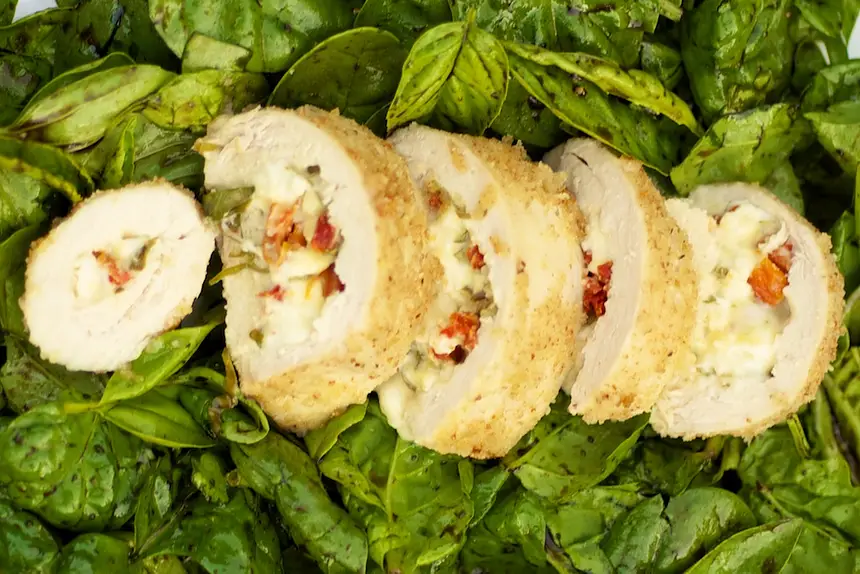
Crispy breaded feta-stuffed chicken breasts baked until golden and served over a fresh spinach basil salad dressed with balsamic vinegar. A light, elegant stuffed chicken breast dinner ready in 40 minutes with tangy, creamy feta in every slice.
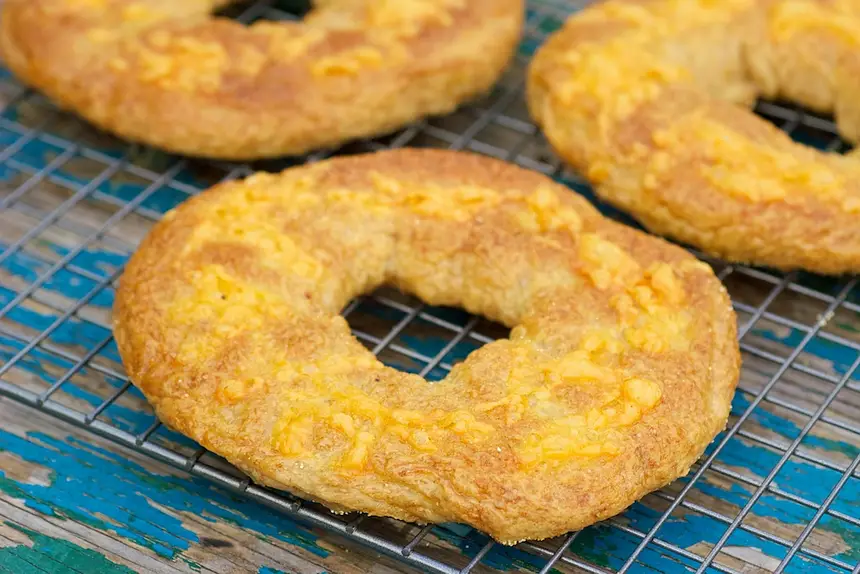
Chewy, golden cheese bagels made easy with a bread machine. Boiled and baked with a crusty exterior and soft, cheesy center. Just 6 ingredients and about an hour from start to fresh bagels.
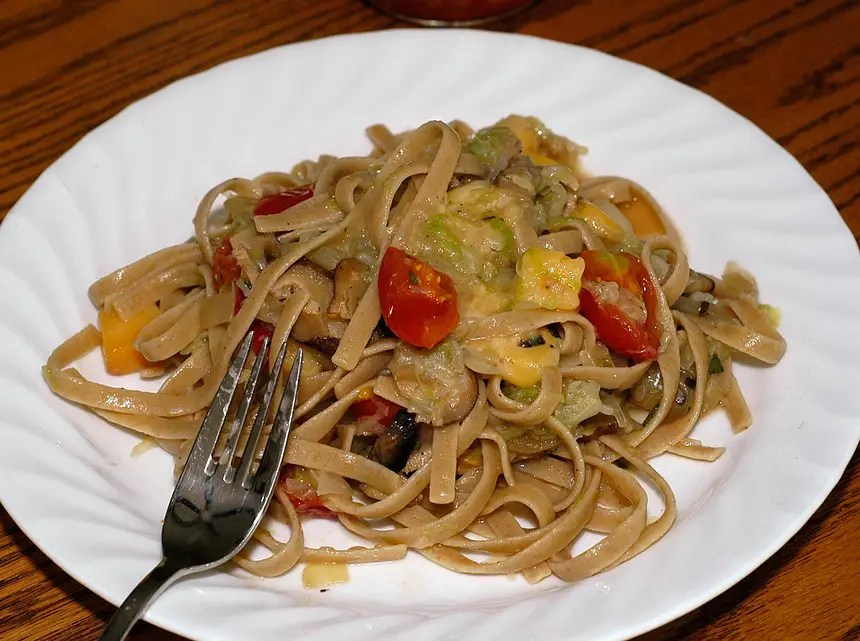
A Northern Italian variation on pasta. Cabbage with pasta makes this dish more filling and is dressed with a light white wine sauce. Quick and easy to prepare.
Crisp, flaky cheese palmiers from just three ingredients, puff pastry rolled with grated cheese, sliced into little hearts, and baked golden. A fast savory snack for parties and lunchboxes.
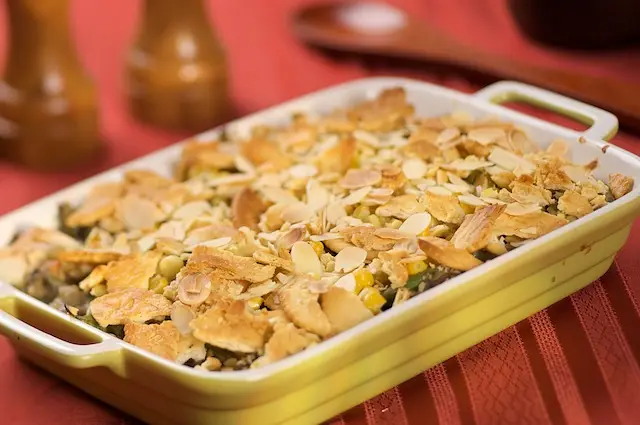
Green bean casserole built with cream of celery soup, sour cream, sweet corn, and a buttery Ritz cracker topping crowned with slivered almonds. A creamier, crunchier riff on the holiday-table classic.
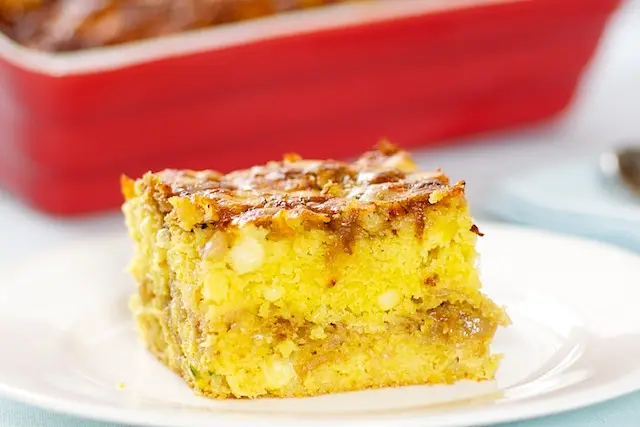
Creamy, cheesy and moist corn bread with chunks of sweet corn and caramelized onion. Serve these delicious corn bread with a bowl of warm stew or just having it directly is a pure enjoyment.
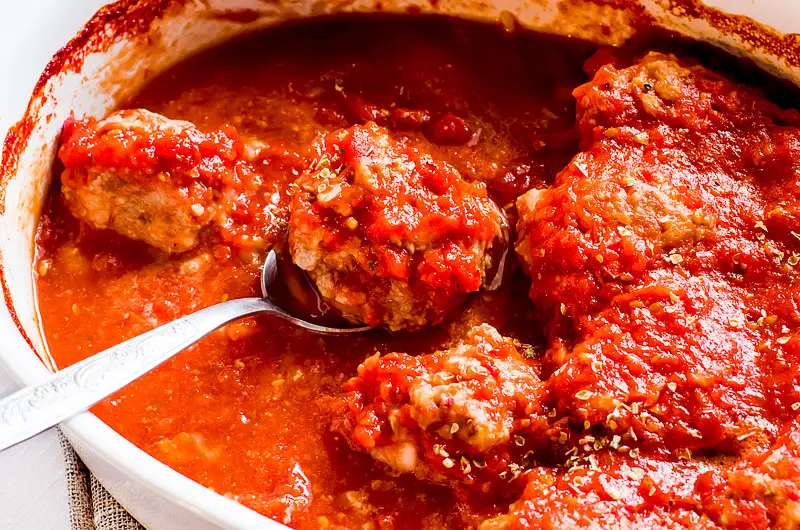
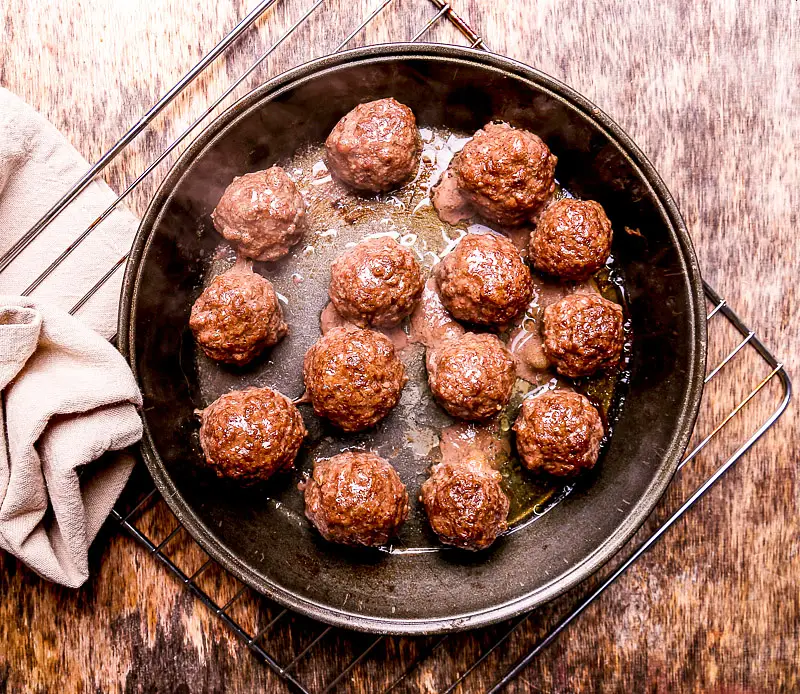
Dad's fried meatballs are eight ingredients of pure Italian-American comfort: ground beef, breadcrumbs, eggs, oregano, parsley, and grated cheese rolled into balls and pan-fried golden. Drop into tomato sauce or eat as is.
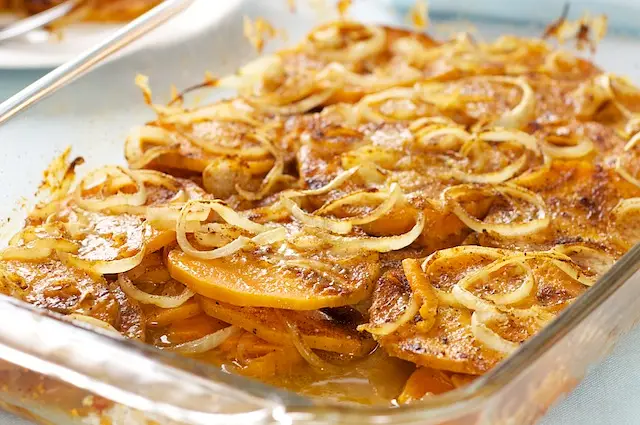
Thinly sliced sweet potatoes bake under a blanket of caramelized onions and melted cheese with a subtle chili kick in this comforting vegetarian casserole.
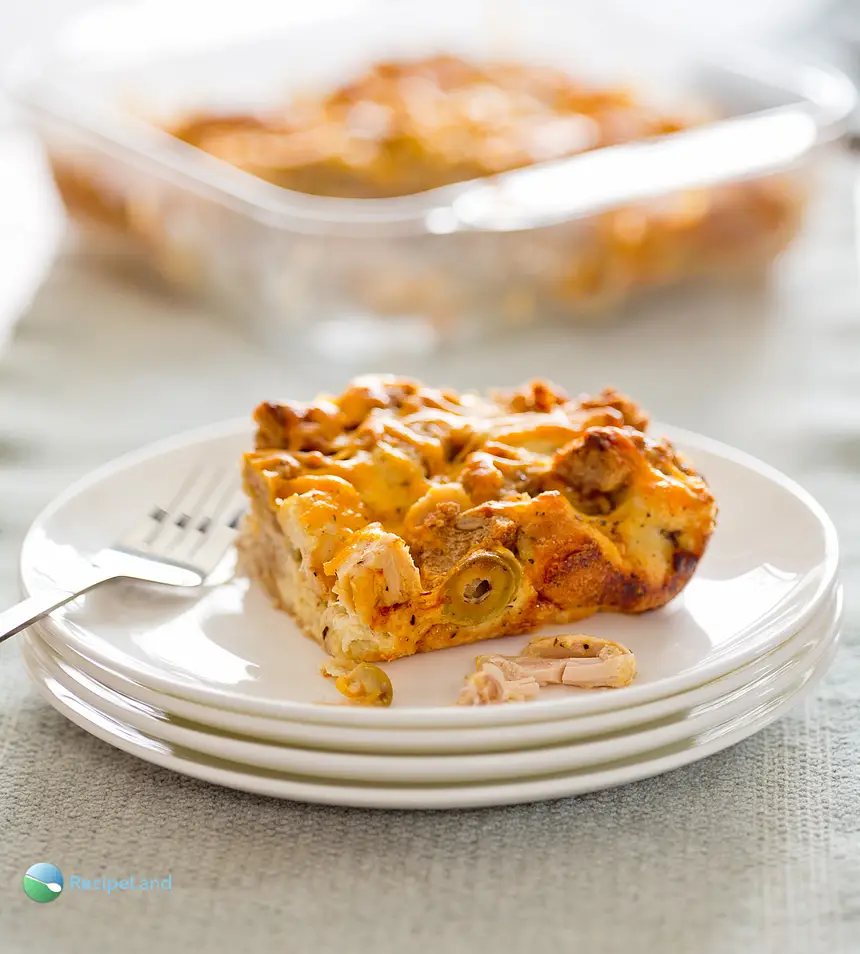
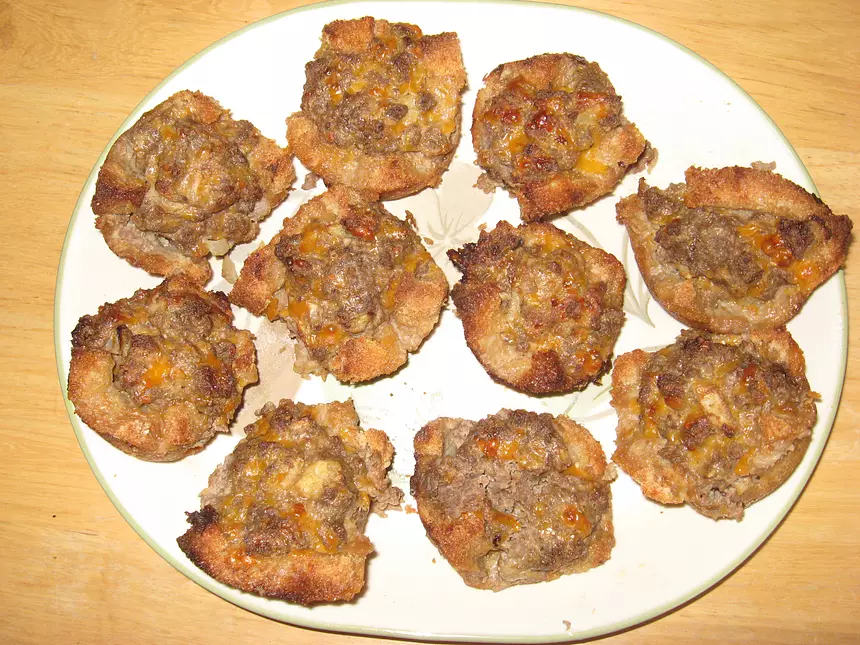
Tastier than anticipated. My fiance was impressed. Good to refrigerate and reheat for lunch. It's better to reheat in the oven rather than the microwave to keep the crispiness of the bread.
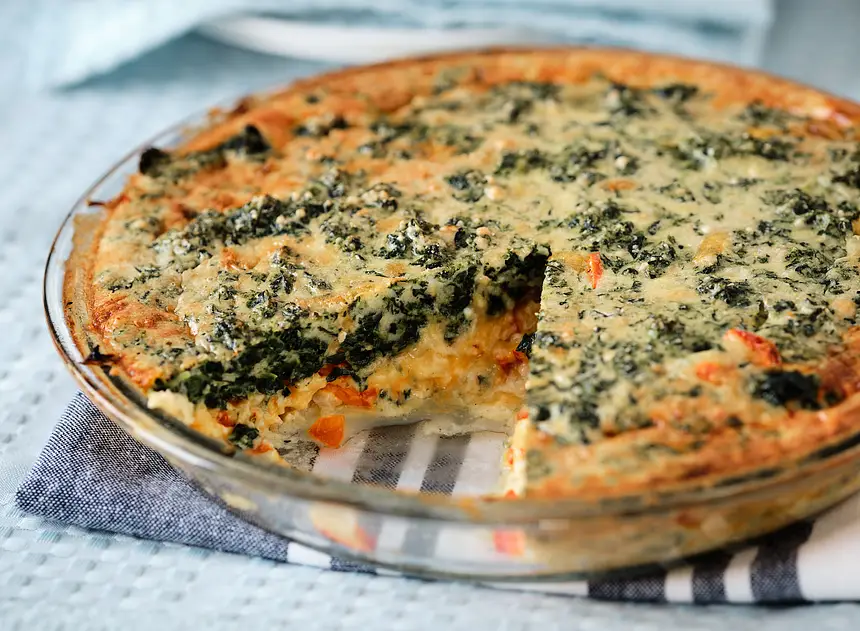
An easy and delicious crustless spinach quiche made with Bisquick, seasoned fluffy eggs, onions, cheese, and an impossible crust that makes itself! The quiche is great for a quick Sunday brunch, breakfast, lunch, or dinner.