Milk is easier to cook with than it looks. Here's how to choose, use, and store it, what to substitute, and 6,972 recipes to get you started.
Key Points
Cartons sort almost entirely by fat: whole at 3.25%, then 2% and 1%, down to skim.
Fat builds body, buffers scorching, and lets milk foam; lean grades make thinner sauces.
Most carton milk is homogenized so the cream never rises to the top.
The cans differ sharply: evaporated is unsweetened, sweetened condensed is loaded with sugar.
Store near 38°F (3°C) at the back of the fridge and use within about a week.
What is milk?
Milk is the everyday liquid that holds half the kitchen together. Unless a recipe says otherwise, it means cow's milk. The carton you grab is sorted almost entirely by one number: fat.
That fat is the whole story. It decides how rich a sauce turns out, how easily the milk scorches, whether it foams for a latte, and how a custard sets. Pick the right tier and most milk problems solve themselves.
The Fat Spectrum
Four tiers line the dairy case. Whole milk sits around 3.25% fat and pours with real body. Two percent and 1% are the low-fat middle. Skim, also sold as fat-free, has almost none and runs thin with a faint bluish cast.
The protein and milk sugar and calcium barely move across the four. What changes is richness, and a lot follows from it. Whole milk makes the silkiest sauce and the steadiest custard. Skim is fine in a glass or a quick bread but weak where fat does the work.
For most savory cooking, whole milk is the safe default. It gives sauces body and scorches less than the leaner grades.
What Fat Does in the Pan
Fat coats the milk proteins and buffers them from direct heat. Pull it out and the milk scorches faster, so skim and 1% need a lower flame and more stirring than whole.
Foam works the same way. Fat and protein together trap the bubbles that build a latte cap, which is why whole milk froths thick and skim falls flat. A béchamel or creamed corn tastes leaner with low-fat milk and may want a touch more roux to make up the body.
Nearly all carton milk is homogenized, its fat broken into tiny drops so the cream never rises. Non-homogenized "cream-top" milk still separates in the bottle and just needs a shake.
Beyond the Plain Carton
Some milks are altered for the lactose-intolerant. Lactose-free milk is regular milk with the enzyme lactase added to split the milk sugar, so it tastes faintly sweeter but cooks the same. Plant milks like soy, almond, and coconut are not dairy at all and each behaves differently.
Then there are the cans. Evaporated milk is milk with much of its water boiled off, unsweetened and heat-stable. Sweetened condensed milk is reduced with a heavy load of sugar, thick and candy-sweet. They look alike and are not interchangeable, so read the label before opening.
Cultured milks bring tang. Buttermilk is thick and sour, the acid that lifts pancakes and biscuits, while plain sour milk is its lemon-juice stand-in for baking.
Buying and Storing
Buy by the fat number that suits the job, and check the date. Milk keeps best near 38°F (3°C) at the back of the fridge, not in the door where it warms every time you open it.
Opened, most fresh milk holds about a week past opening; trust your nose over the printed date. Fresh milk freezes for up to about 3 months but separates as it thaws, so shake it hard and save thawed milk for cooking.
The cans are different. Unopened evaporated and sweetened condensed milk keep for a year or more in the pantry, then move to the fridge once opened. With nearly 7,000 recipes here calling for milk in some form, knowing which carton or can a recipe wants is most of the battle.
Types of milk
Specific kinds of milk and the recipes that use them.
Buttermilk is a cultured, tangy milk with the body of thin cream and a clean sour bite. The buttermilk you buy today is made by adding lactic-acid bacteria to low-fat milk, which ferment its sugar into acid and thicken it.
The name is a leftover. Traditional buttermilk was the thin liquid left after churning butter, but the carton on the shelf is the cultured kind: thicker, tarter, and built for baking.
That acid is the point. It does real chemical work in a batter and a brine, not just flavor.
Evaporated milk is fresh milk with about 60 percent of its water boiled off, then canned and sterilized so it keeps for months on the shelf. The result is thicker and a little richer than regular milk, with a faintly cooked, caramel-edged flavor from the heat.
It is unsweetened. That single fact is the most important thing to know about it, because the can that sits beside it on the shelf, sweetened condensed milk, is packed with sugar and behaves nothing alike.
Skim milk is cow's milk with the fat removed, usually under 0.5% milkfat, which is why it is also sold as fat-free milk. Take the cream out and what is left is the protein and milk sugar and calcium, with almost none of the richness.
You can see the difference in the glass. Skim pours thin and watery and carries a faint bluish-gray cast, because the fat that made whole milk look opaque and white is gone.
In cooking that thinness matters more than the color. Skim does some jobs well and others poorly.
Skim milk powder is milk with both the water and the fat removed: what is left is milk protein and lactose in a shelf-stable dust. Removing the fat is what makes it keep for years, since milkfat is the part that goes rancid.
More than 400 recipes here call for it, mostly breads and dry baking mixes.
Reconstituted, ⅓ cup of powder whisked into 1 cup of water stands in for a cup of skim milk. Its better career, though, is as a dry ingredient in its own right.
Sweetened condensed milk is cow's milk reduced down with a heavy load of sugar, canned into a thick, glossy, intensely sweet liquid. Around 45% of it is sugar, which is what makes it pour like syrup and keep for years on the shelf unopened.
That sugar is the whole identity. It sweetens, it thickens, and in many recipes it sets a dessert with no other binder.
The one thing to burn into memory: this is not evaporated milk. Both come in similar cans in the same aisle, but evaporated milk is unsweetened, and the two are never interchangeable.
Coconut milk is made by simmering grated coconut flesh in water and pressing out the rich, white liquid. It is not the watery juice from inside a young coconut. That is coconut water, a separate thing. Coconut milk is thick and creamy, built for cooking.
It is the body and richness behind Thai and Indian curries, the base for many Southeast Asian soups and desserts, and a common dairy-free stand-in for cream. The flavor is gently sweet and unmistakably coconut, mild enough to carry chili and spice without fighting them.
Most of what you buy comes in a can. Open one that has not been shaken and you will see a thick paste of coconut cream on top and thinner liquid below. That separation is normal.
Low-fat milk is cow's milk with most of the cream removed, leaving 1% or 2% milkfat by weight against whole milk's roughly 3.25%. The protein and milk sugar and calcium stay almost the same; what changes is the fat, and with it the richness and body.
That difference is small in a glass and larger in a pot. Low-fat milk behaves like whole milk in most cooking, but its sauces come out thinner, its custards lighter, and its foam collapses faster.
Soy milk is the original plant milk. You make it by soaking whole soybeans, grinding them with water, then straining out the solids to leave a smooth, creamy liquid. It has been a staple in East Asian kitchens for centuries, long before the cartons in the dairy case showed up.
Among the plant milks it is the workhorse. It carries the most protein, usually around 6 to 9 grams a cup, which is close to what dairy milk gives you. That protein is why soy behaves more like cow's milk in the kitchen than any other plant milk does.
The flavor is mild and faintly beany, with a fuller body than thinner options like almond milk or rice milk. Unsweetened cartons taste plainly of soybean; sweetened and vanilla versions lean dessert.
Soured milk is a food product, distinguished from spoiled milk, and is a general term for milk that has acquired a tart taste, either through the addition of an acid, such as lemon juice or vinegar, or through bacterial fermentation.
In recipes, soured milk created by the addition of an acid or by bacterial fermentation can often be used interchangeably. For example, 1 cup of cultured buttermilk, a soured milk produced by bacterial fermentation, can be replaced by 1 tablespoon of lemon juice or vinegar plus enough milk to make 1 cup. The chemically soured milk can be used after standing for 5 minutes.
Evaporated skim milk is canned evaporated milk made from fat-free milk. Like all evaporated milk, it is fresh milk with most of its water boiled off, then canned, but this version starts from skim, so it carries the concentrated body without the butterfat.
That makes it a quiet workhorse for lighter cooking. You get a creamy mouthfeel and richness in a sauce or pie filling without reaching for cream or whole milk.
It is unsweetened, so do not confuse it with sweetened condensed milk. The full evaporated milk page covers how evaporated milk behaves in general, from cooking to substitutes to storing the cans.
One percent milk is cow's milk with the cream skimmed back to 1% milkfat by weight. That puts it in the leaner half of the low-fat milk tier, a step below 2% and a step above fat-free skim.
The "1%" on the carton is a fat percentage, not a fat-free claim. A cup carries about 2.5 grams of fat, which is why the label often reads "99% fat free."
You still get nearly all the protein and calcium of whole milk.
On the tongue it tastes lighter and a little less rich than 2%, with a touch more body than skim. It is the everyday pour for cooks who want to cut fat without going all the way to watery skim.
Whole milk is cow's milk with its natural fat left in, about 3.25% milkfat by weight. That is the baseline the dairy case is measured against; every leaner grade is just whole milk with some cream taken out.
The fat is what you taste and what you cook with. Whole milk pours with body, looks opaque white, and brings a roundness that the lower-fat grades cannot quite match.
For most cooking it is the default, and for good reason.
Powdered buttermilk is cultured buttermilk that has been dried into a fine, tangy powder. It captures the sour, lactic punch of fresh buttermilk in a shelf-stable form you can keep in the pantry for months.
It exists to solve a real annoyance. Fresh buttermilk comes in a big carton, most recipes need only a cup, and the rest sours in the fridge before you use it. The powder lets you make exactly what you need, when you need it.
A little goes a long way. The flavor is concentrated, so a few tablespoons of powder plus water rebuild the buttermilk that a recipe wants.
Two percent milk is cow's milk reduced to 2% milkfat by weight. It is the popular middle ground, sitting between rich whole milk and the leaner low-fat milk options like 1% and skim.
For a lot of households it is simply "the milk." A cup carries about 5 grams of fat, well below whole milk's eight, so it keeps a creamy taste while trimming the fat.
People often call it "reduced fat" rather than low-fat.
The appeal is balance. It pours rich enough to satisfy in coffee and on cereal, yet light enough that nobody thinks of it as a treat. That is why it outsells every other fat level in many stores.
Low fat sweetened condensed milk is the reduced-fat version of regular sweetened condensed milk. It is made the same way, by cooking down milk with a lot of sugar until it is thick and pourable, but it starts from low fat or skim milk instead of whole.
The result tastes and behaves almost exactly like the full-fat can. It is just as sweet, since the sugar load is what defines the product, and it is only slightly less rich on the tongue.
You use it exactly the same way and in the same amounts as the standard can, so the canonical sweetened condensed milk page covers the technique.
Almond milk is a thin, lightly nutty plant milk made by blending soaked almonds with water and straining out the pulp. It is the most popular non-dairy milk in North America, and for a lot of cooks it is the default carton in the fridge.
What you taste is faint almond and not much else. The body is watery, closer to skim than to whole, because most of what makes an almond rich is the oil and fiber that get strained away.
That thinness matters in cooking. Almond milk has very little protein, often only about 1 gram a cup.
That is why it cannot set custards or build a thick sauce the way soy milk can.
Rice milk is the thinnest and sweetest of the common plant milks, made by blending cooked or partly fermented rice with water and straining the liquid. The natural sugars from the rice give it a light, faintly sweet taste with no beany or nutty edge.
It is the gentle one. Because it is free of soy, nuts, and dairy, rice milk is the plant milk people reach for when allergies rule out the others. That allergen-friendly profile is its real selling point.
The trade-off is body. Rice milk is mostly water and carbohydrate with almost no protein or fat, so it is the weakest performer of the bunch in anything that needs to set or thicken.
Sweet milk is an old recipe term for ordinary fresh milk, the plain kind you pour on cereal. The word "sweet" here does not mean sugar was added. It just means the milk is fresh and not soured.
The term comes from the days when kitchens kept both fresh milk and clabbered or soured milk on hand. Recipes said "sweet milk" to make clear they wanted the fresh stuff, not buttermilk or sour milk.
Wherever a vintage recipe says sweet milk, just use regular milk.
Pet milk is not a special kind of milk. PET is a long-running American brand of canned evaporated milk, and the name stuck so hard that in many old recipes "Pet milk" just means evaporated milk.
So if a handwritten family recipe calls for a can of Pet milk, reach for any can of plain evaporated milk. The brand changed hands over the years, but the product in the can is the same thing.
It is unsweetened. Do not swap in sweetened condensed milk by mistake.
"Evaporated milk, sweetened" is a confusing label, because the two canned milks people mean by it are not the same product. It pays to sort out which one a recipe actually wants before you open a can.
Plain evaporated milk is unsweetened. It is just milk with most of its water boiled off, then canned. There is no sugar in it at all.
The sweetened, reduced canned milk is a different thing entirely: sweetened condensed milk, which is milk cooked down with a large amount of sugar until it is thick and intensely sweet.
So if a recipe calls for "sweetened evaporated milk," it almost always means sweetened condensed milk. Reach for that can, not plain evaporated.
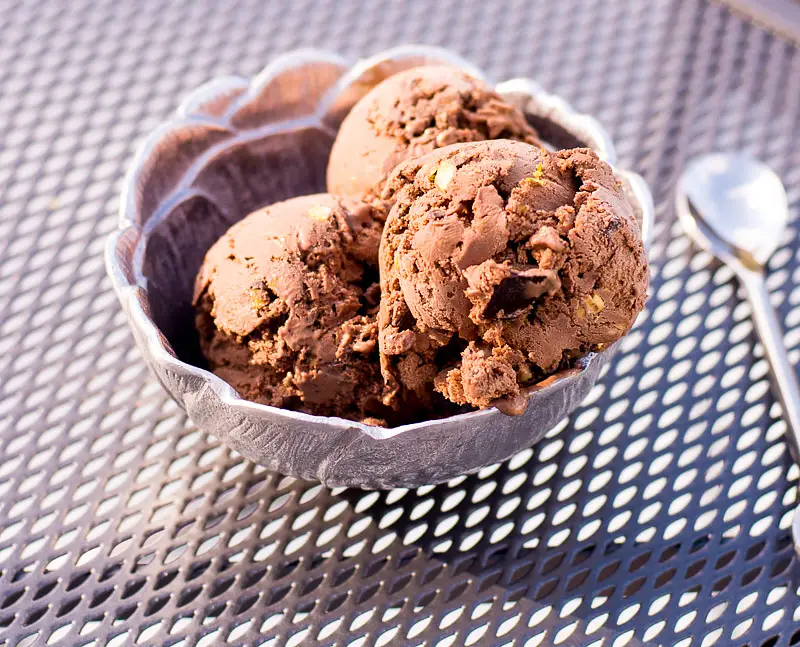
Chocolate ice milk is a lighter, leaner cousin of chocolate ice cream. It is a frozen chocolate dessert made with milk instead of cream, so it carries much less butterfat than a true ice cream.
In the United States, that fat level is what splits the two. By the old standard, ice cream had to hit at least 10 percent milkfat, while ice milk ran well below that, which is why ice milk reads as the diet-friendly scoop.
Less fat changes the texture. Without all that cream coating the ice crystals, ice milk freezes harder and tastes a touch icier, more like a frozen chocolate milk than a rich custard.
Top milk is the cream-rich layer that rises to the top of a bottle of non-homogenized milk. As the milk sits, the lighter butterfat floats up, so the few inches at the top are richer than the milk below.
Before homogenization made milk uniform, every bottle separated this way. Cooks would pour off that top layer and use it as a light cream, since it sits roughly between whole milk and true cream in richness.
You see it in old recipes for sauces and puddings that wanted a little extra body. Modern homogenized milk does not separate, so the term has mostly faded out.
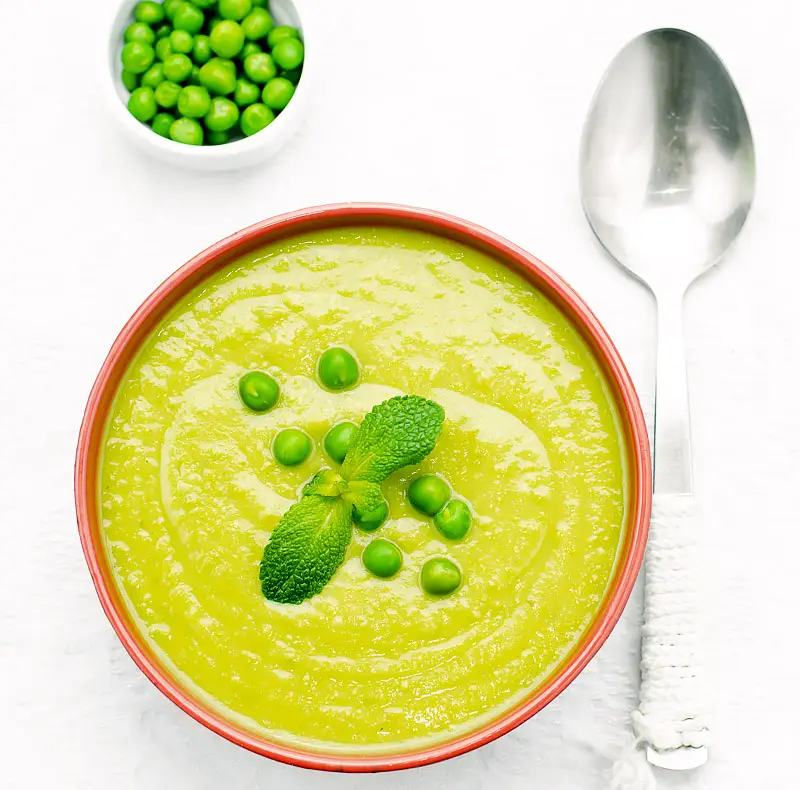
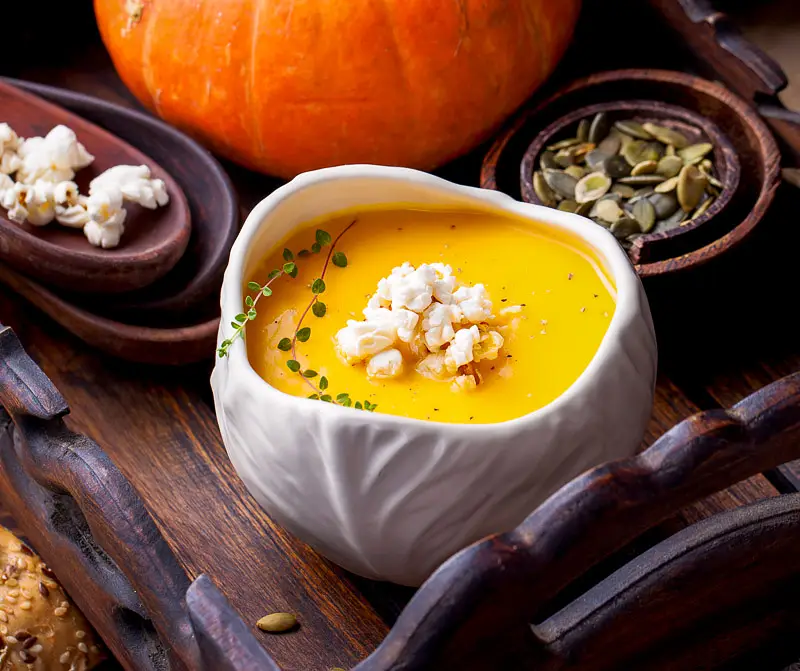
Chilled green pea soup blends sweet frozen peas with thyme, onion, and minute tapioca for a velvety low-fat, low-calorie soup that works hot or cold. The tapioca thickens without flour or cream. Five minutes of standing time, twenty minutes total cook.
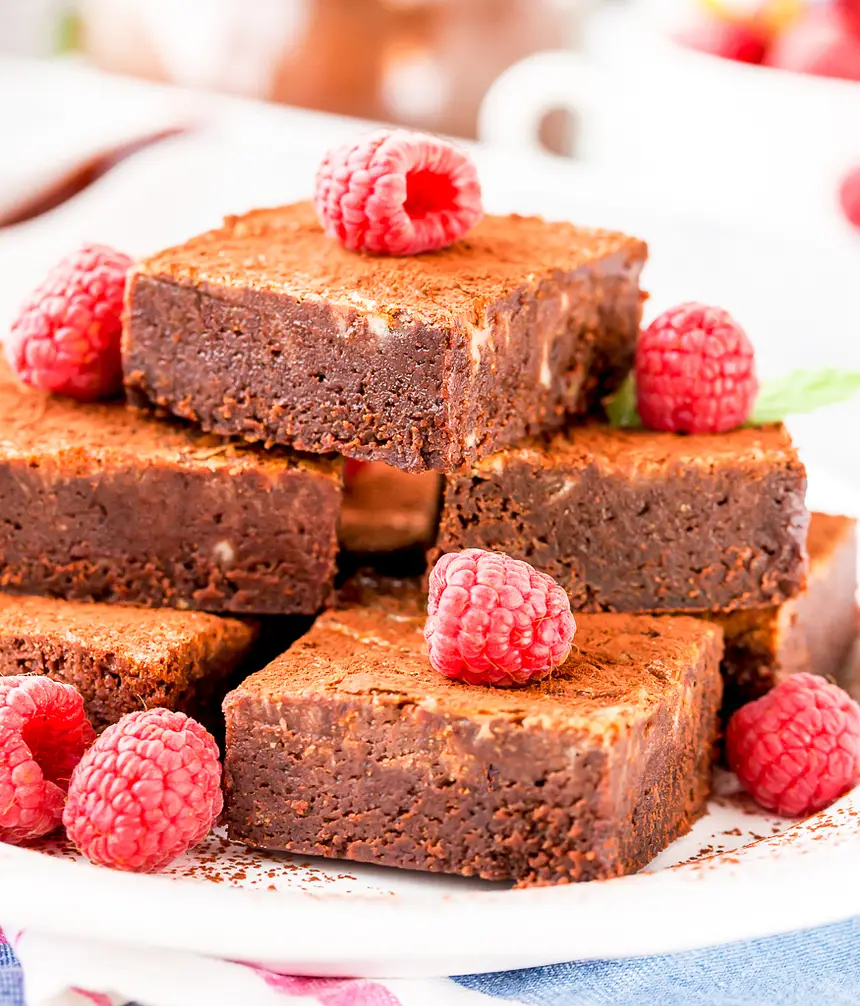
Quick fudgy brownies made with unsweetened chocolate and butter melted in the microwave, with optional marshmallow chocolate frosting. The classic from-scratch fudgy brownie in one bowl.
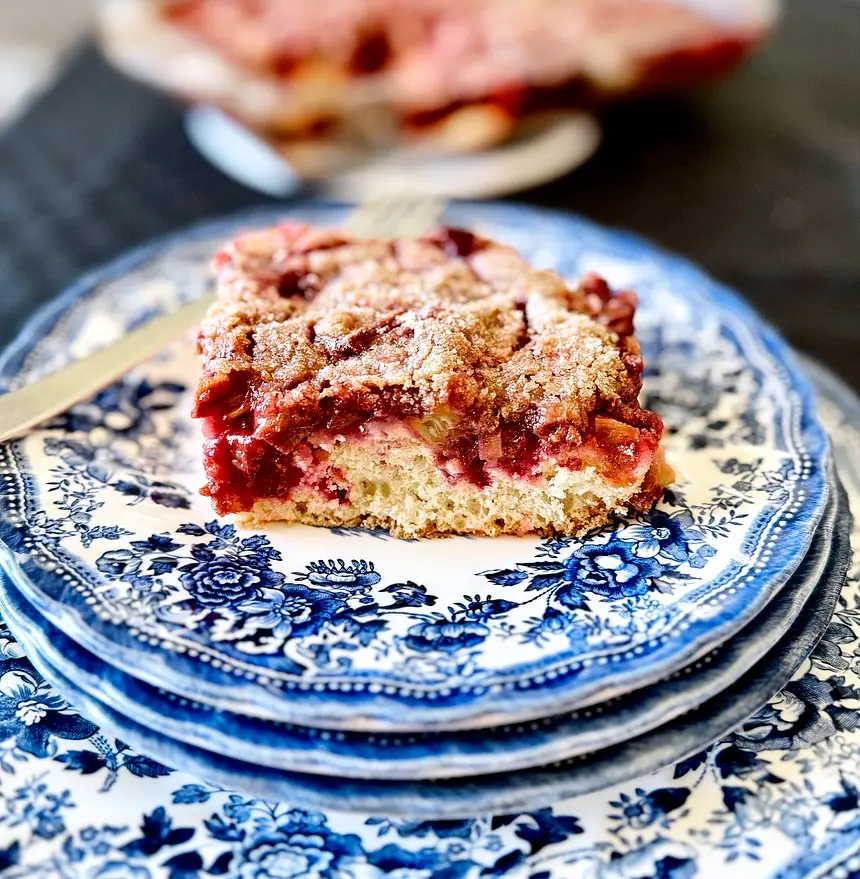
A soft cake bottom, with a fruit filled middle topped with a tantalizing cinnamon topping. Learning how to make Jello fruit cake that use any fruit you have on hand including summery rhubarb with strawberry gelatin.
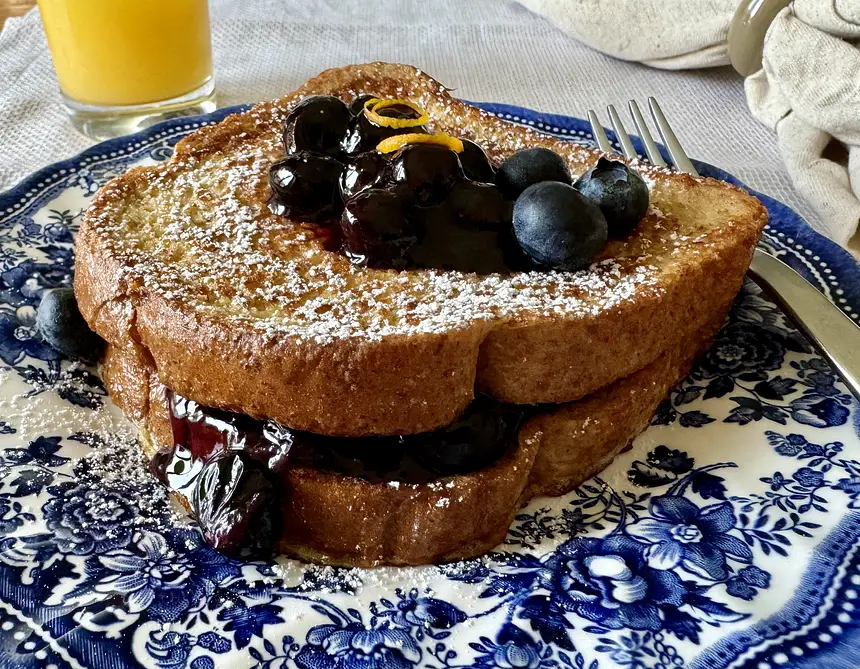
Golden French toast stuffed with warm blueberry-maple compote and dusted with powdered sugar. Make weekend brunch feel special with this sweet sandwich.
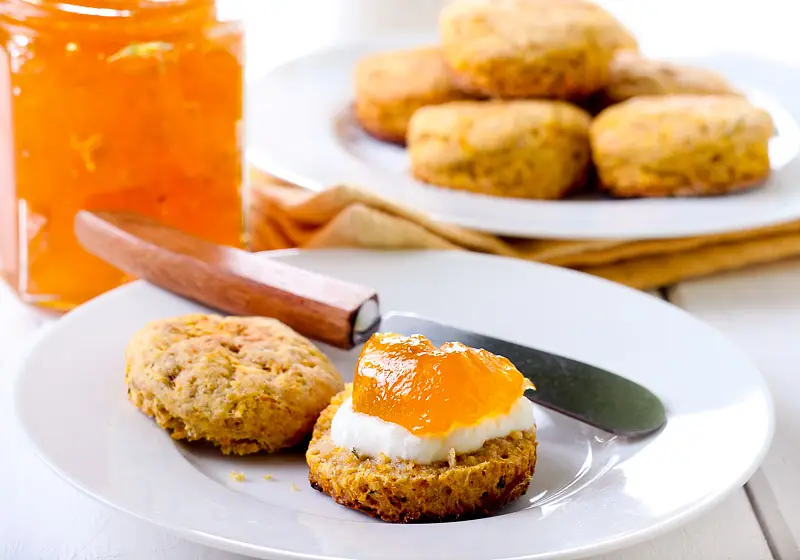
Savory pumpkin biscuits with whole wheat, wheat germ, bran, and a clever clove of garlic to balance the sweetness. Drop biscuits with a spoonbread interior, no butter or eggs needed.
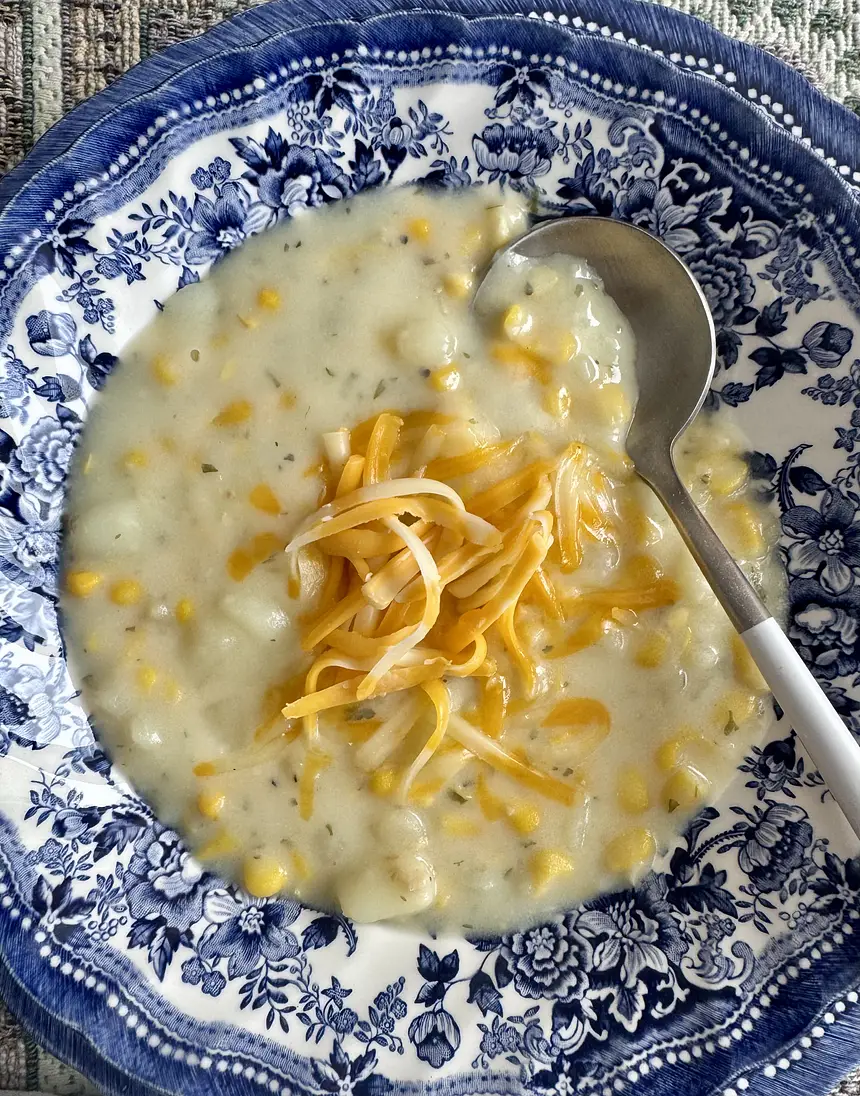
This simple, creamy, comforting chowder combines tender potatoes, sweet corn kernels, and cheese in a lightly spiced milk-based broth. It’s a quick, hearty soup perfect for chilly days, ready in about 30 minutes and serving 4 as a main dish.
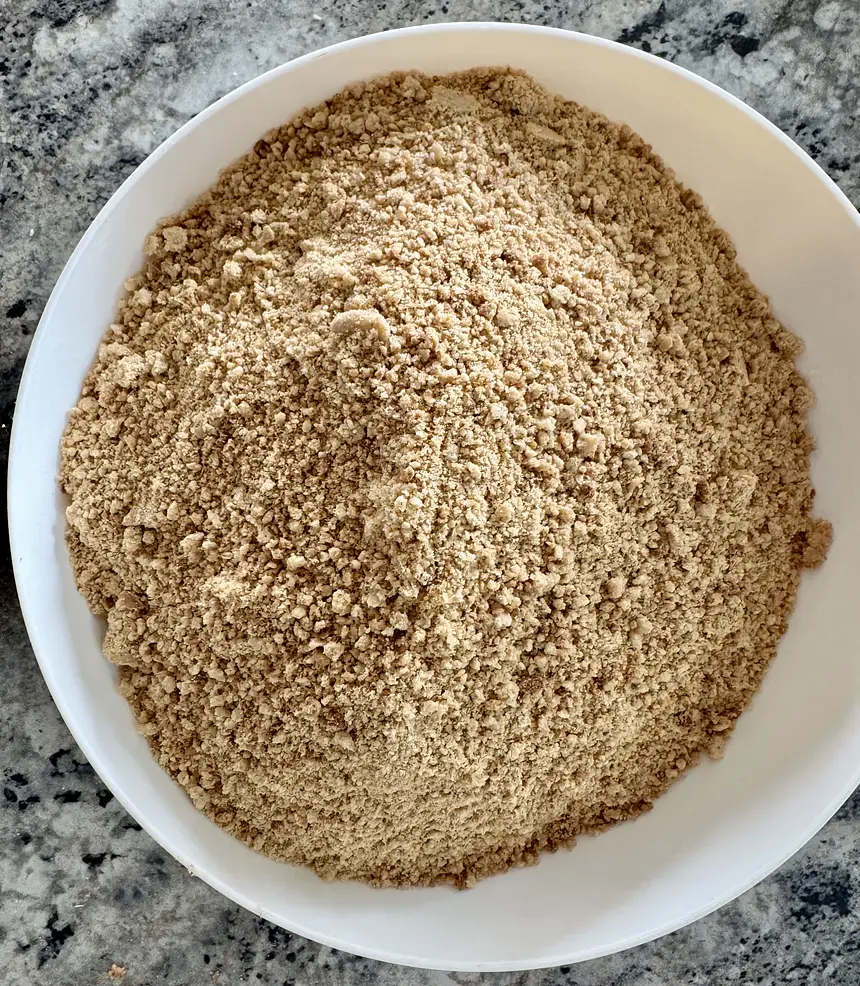
These homemade graham wafers are crisp, lightly sweet, and perfect for snacking, crushing into crumbs for pie crusts, or pairing with spreads. Made with wholesome graham flour and a touch of vanilla, they bake up golden and delicious in just minutes.
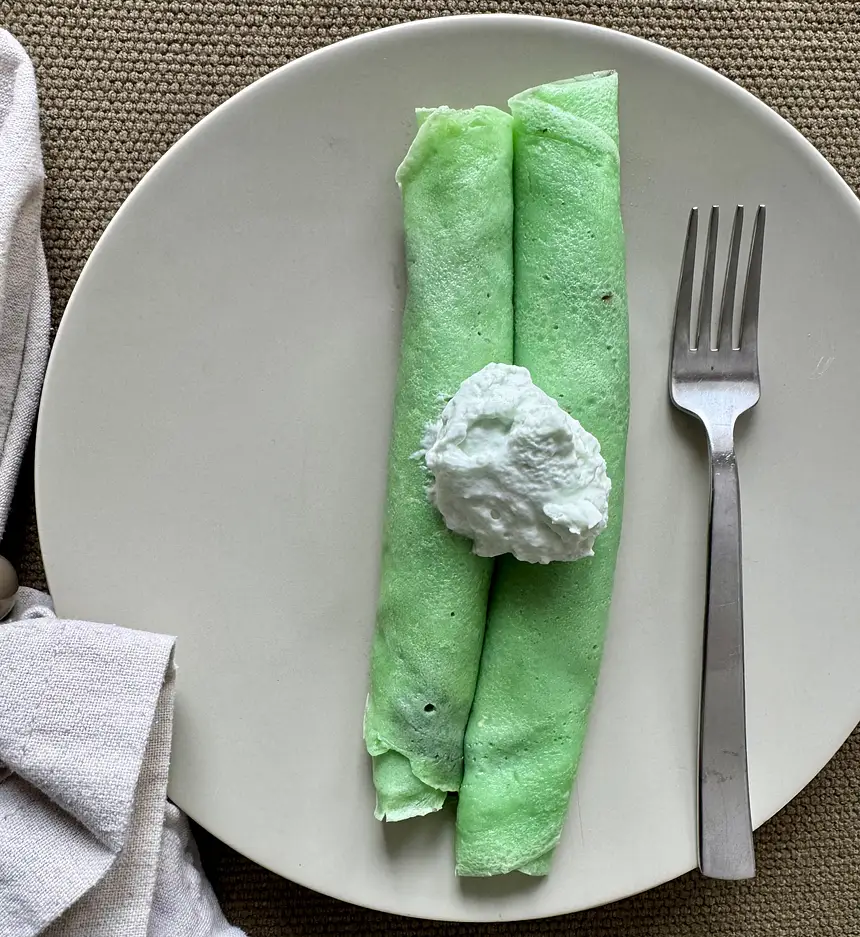
Festive green crepes for St. Patrick's Day celebrations with delicate texture and shamrock color. Fill with sweet or savory for Irish-themed breakfast or dessert.
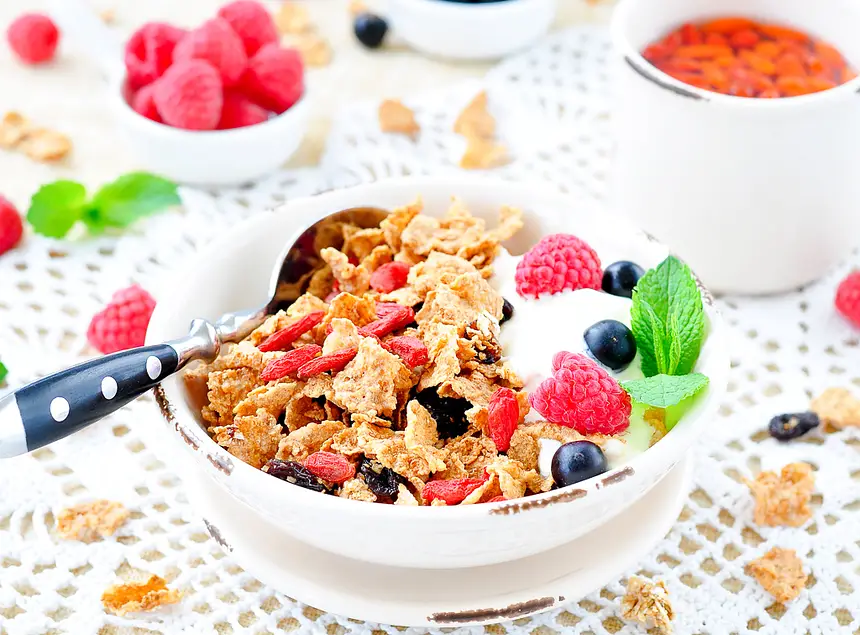
Granola with fresh fruit is the no-cook breakfast bowl done right: crunchy granola topped with blueberries, raspberries, banana, and sliced almonds, then milk or yogurt. Ready in 5 minutes, high in fiber.
Velvety hot chocolate spiked with creamy peanut butter and dark chocolate chips, creating a decadent fireside drink that tastes like liquid Reese's cups.
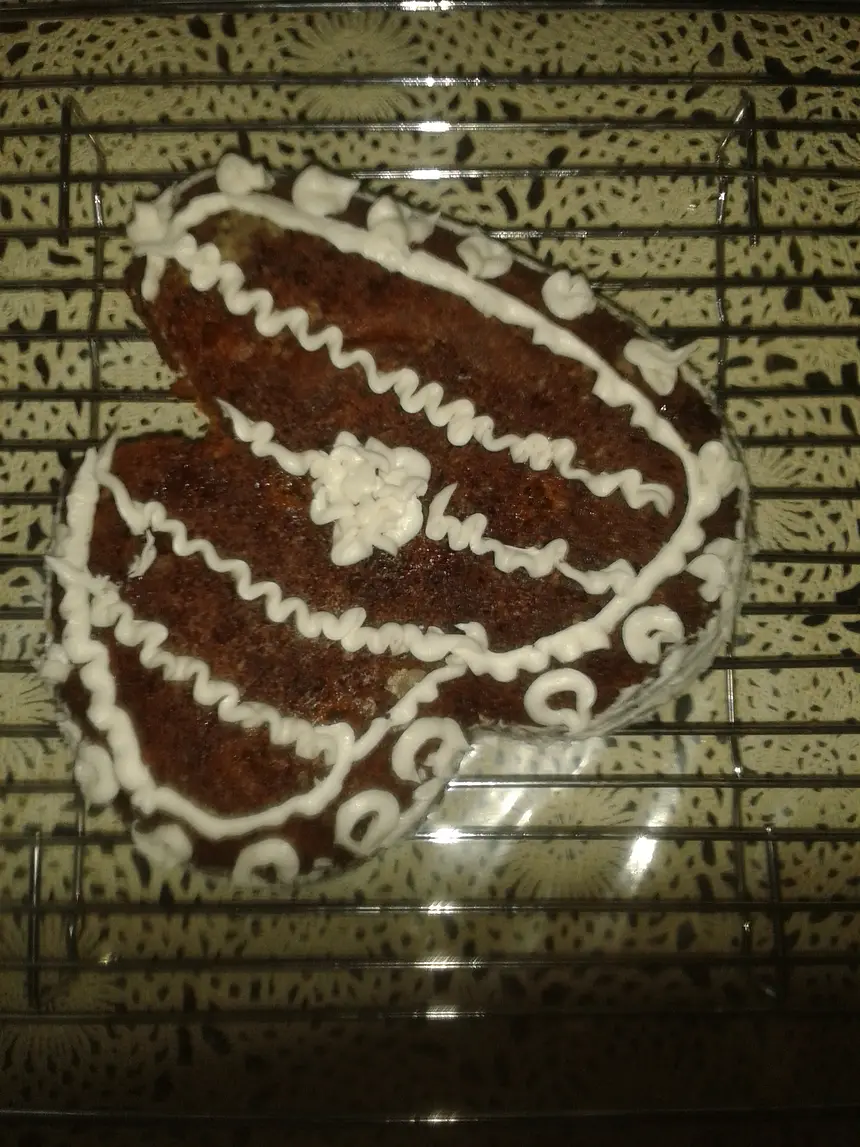
Eggless pineapple cake made with sweetened condensed milk for a soft, moist crumb, flavored with pineapple essence and crushed pineapple, then finished with pineapple icing. A bakery-style cake with no eggs.
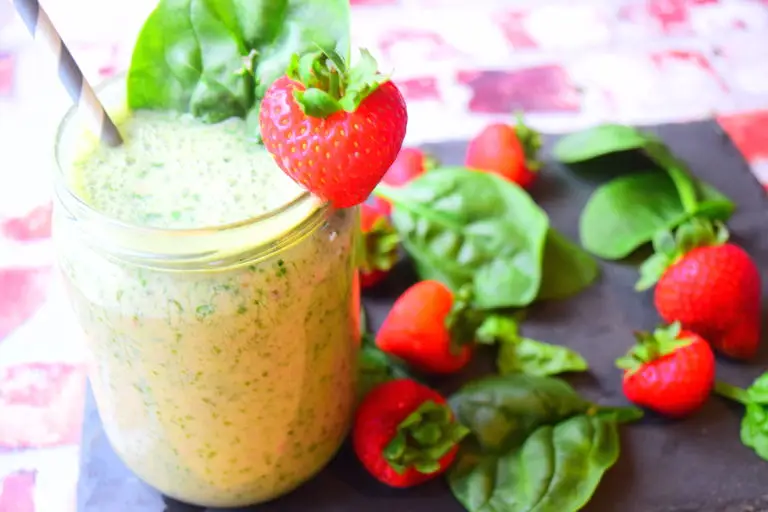
Here’s another healthy breakfast recipe that we’ve created for Fertility Road magazine. For those that are short on time in the morning, this quick and simple smoothie recipe is the perfect fertility boosting breakfast option.
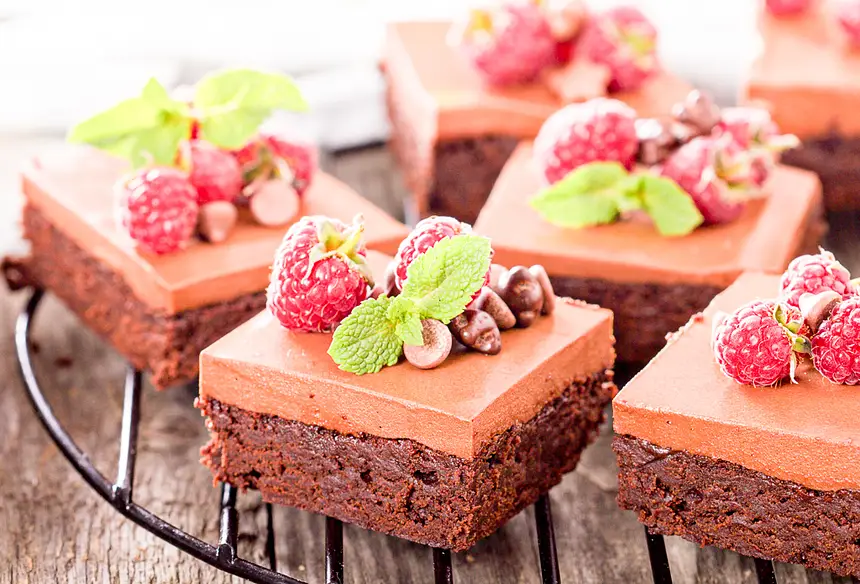
Frosted rich brownies: low-fat brownies built on evaporated and powdered skim milk instead of butter, then crowned with a coffee-spiked cocoa frosting. Deeply chocolate without the heaviness.
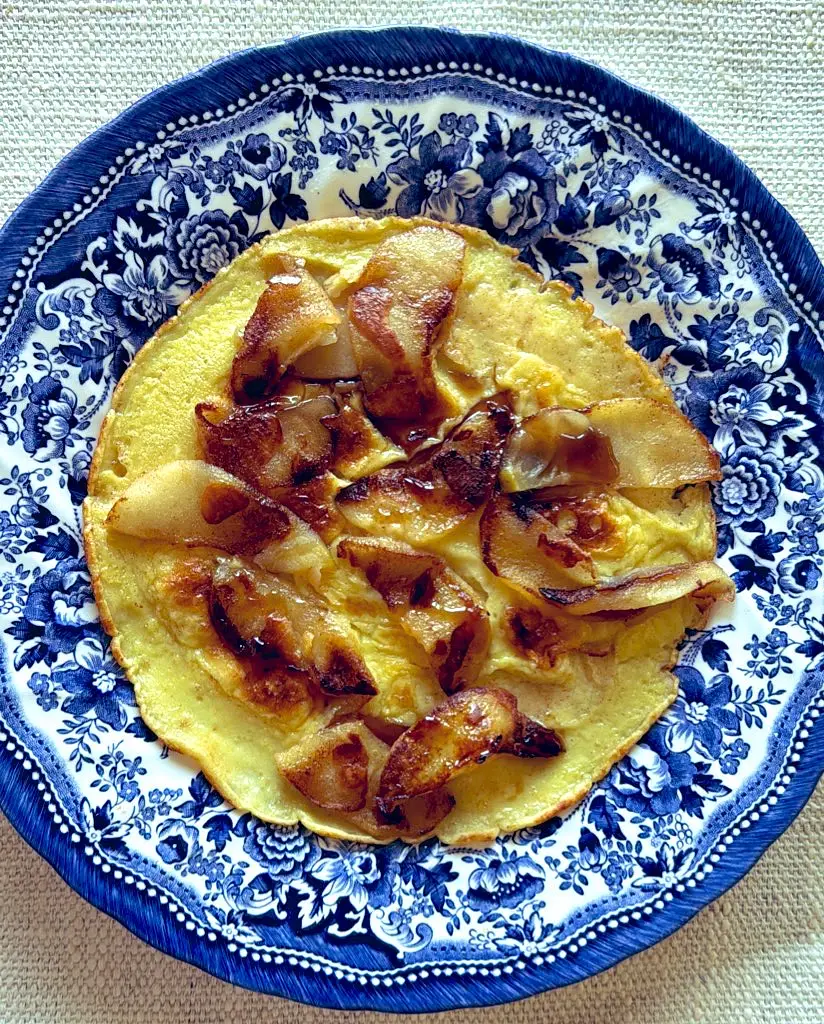
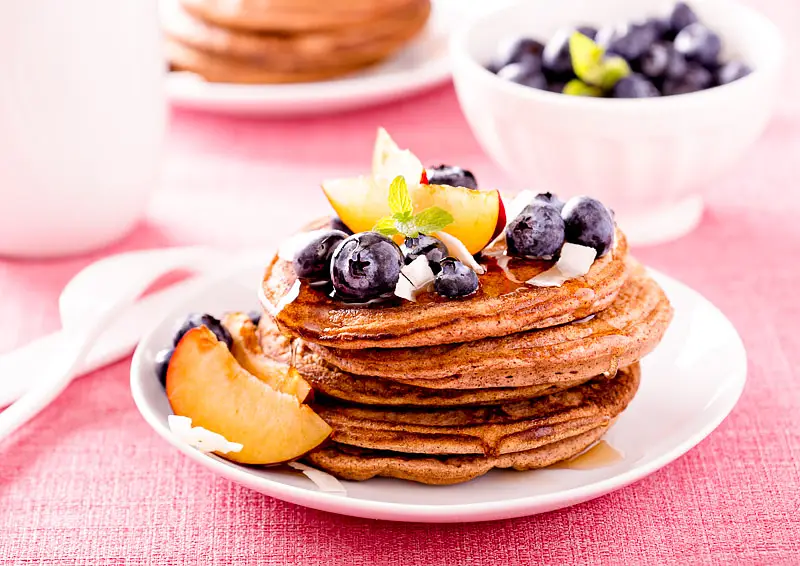
Whole wheat apple pancakes blend half whole-wheat and half white flour with milk, eggs, and grated fresh apples for a hearty, fiber-rich breakfast pancake. Ready in 20 minutes.
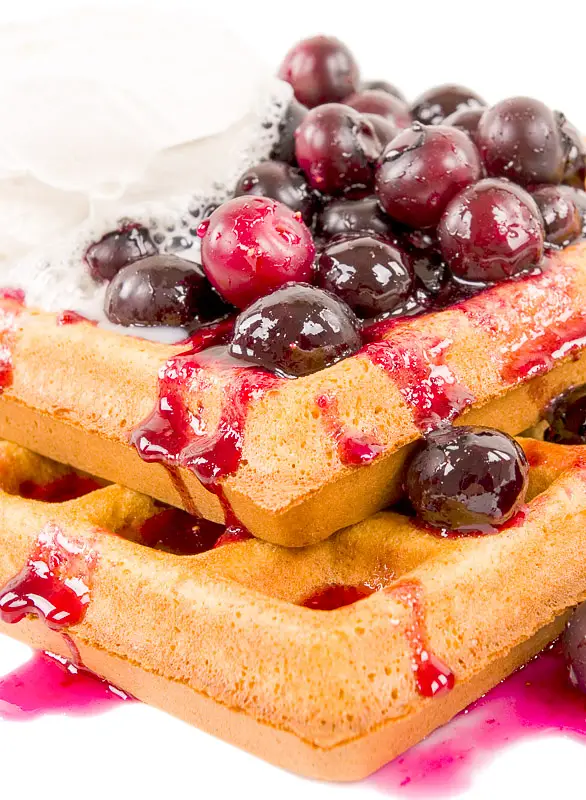
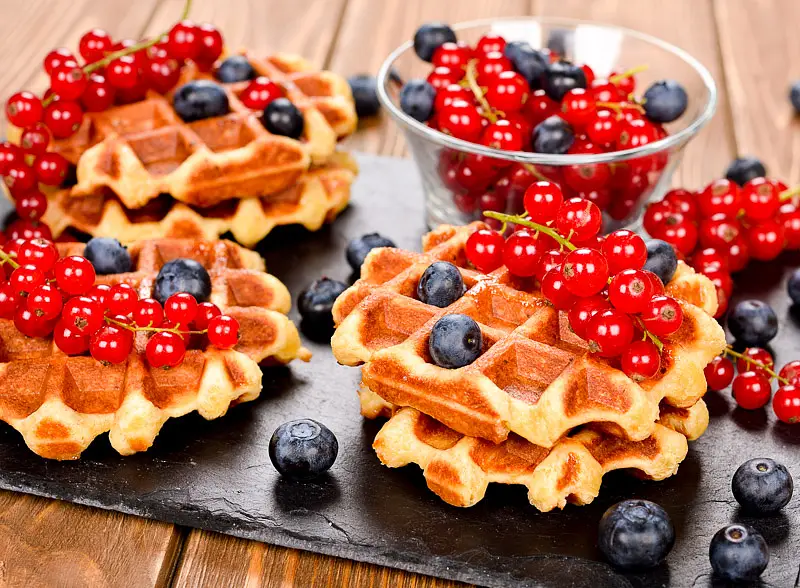
Buttermilk waffles with chopped cashews folded into the batter and a quick fresh blueberry compote spooned over top. Light, crisp, and ready for weekend brunch in under 25 minutes.
Quick naan skips the yeast in favor of baking powder and soda for a faster, eggy Indian flatbread shaped into teardrops and baked hot. Soft, pliable, ready for any curry.
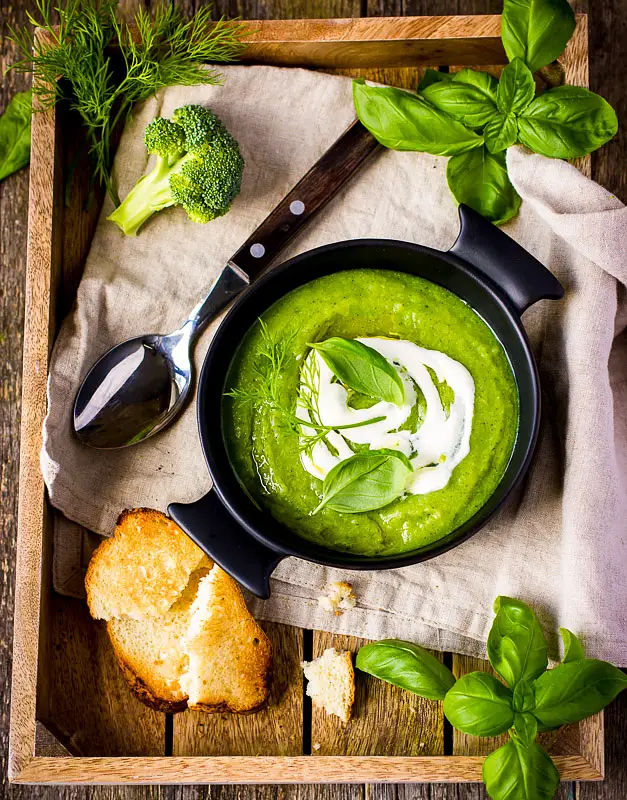
Lighter cream of broccoli soup using skim evaporated milk and sauteed leeks for body, finished with fresh basil and a hint of nutmeg. A leaner take on the diner classic.
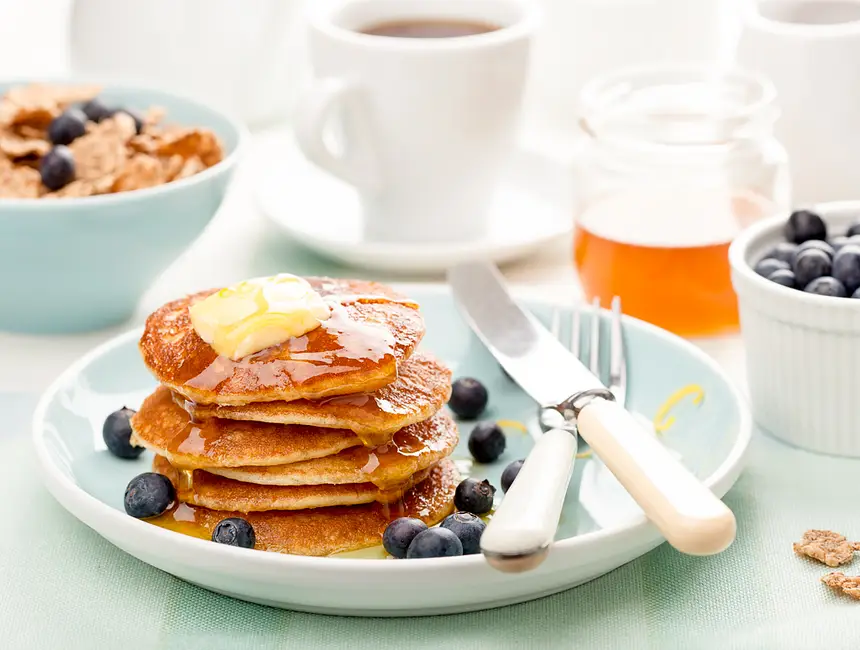
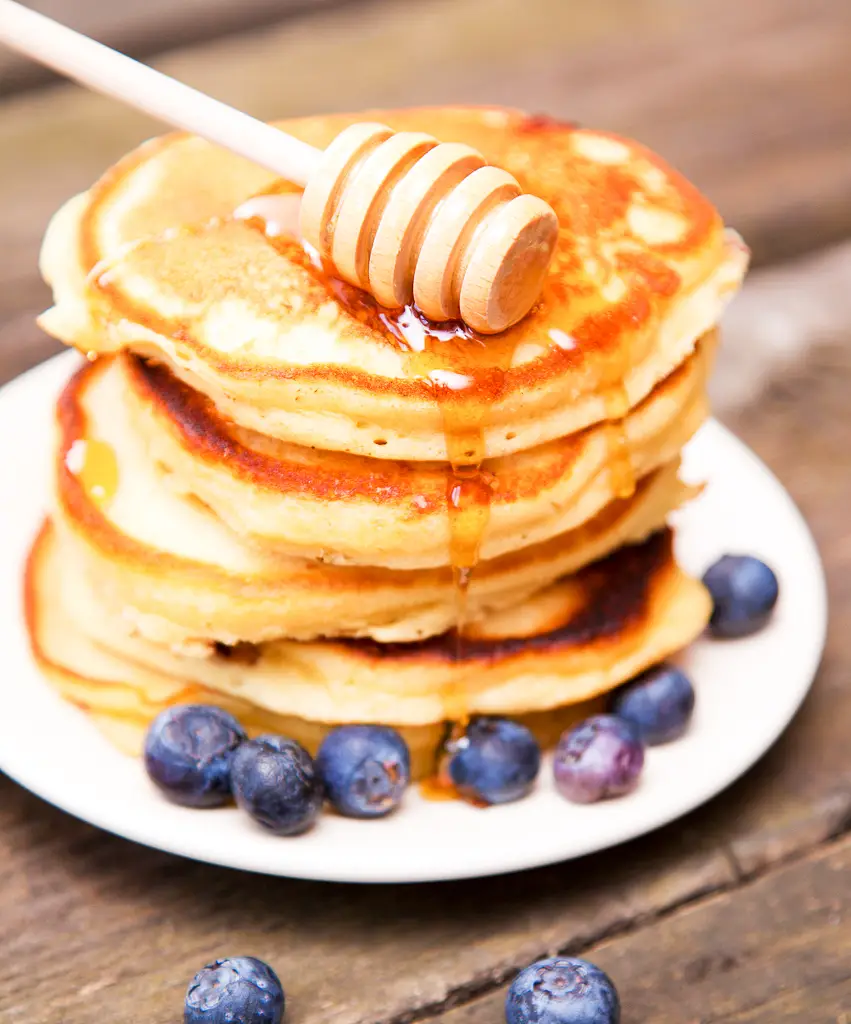
Fluffy homemade pancakes with golden-brown edges and tender centers, ready in just 15 minutes. Simple pantry staples transform into a weekend breakfast tradition kids will request every Saturday morning.
Whole wheat buttermilk waffles with wheat germ for extra nuttiness. Six simple ingredients, crisp outside and tender inside, perfect for fresh fruit and maple syrup.
Old-style wheat biscuits: tender, fluffy whole-wheat biscuits made with canola oil and a quick buttermilk substitute. A homestyle baked good ready in 30 minutes flat.
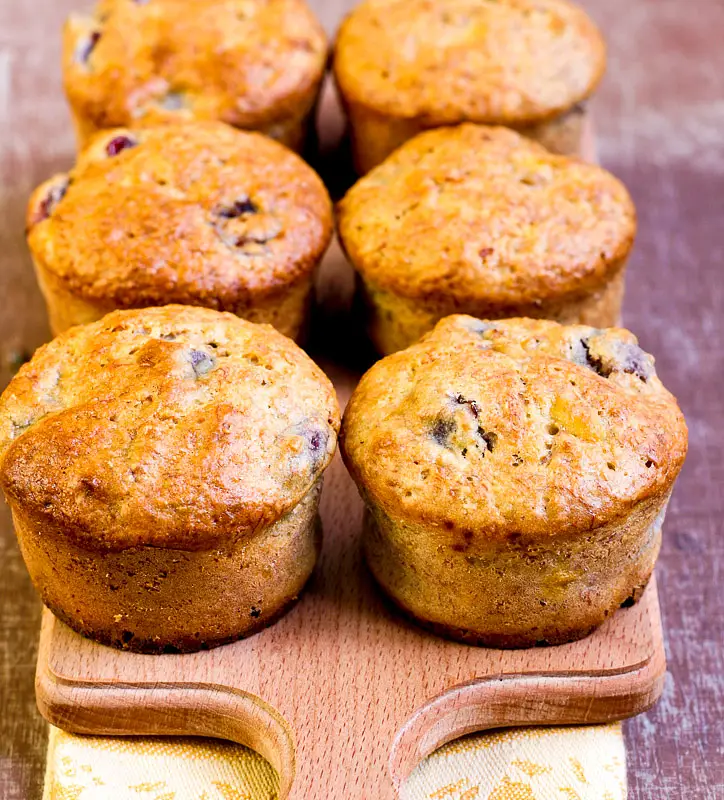
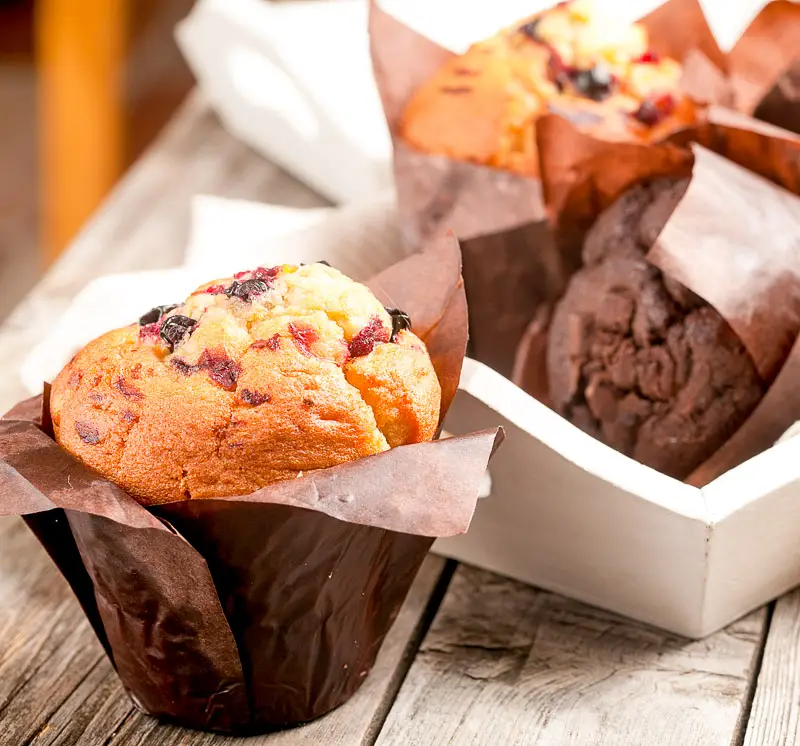
Blueberry muffins where half the berries get mashed into the batter for purple swirls and double the fruit flavor. Sugar-crusted tops, bakery-style domes.
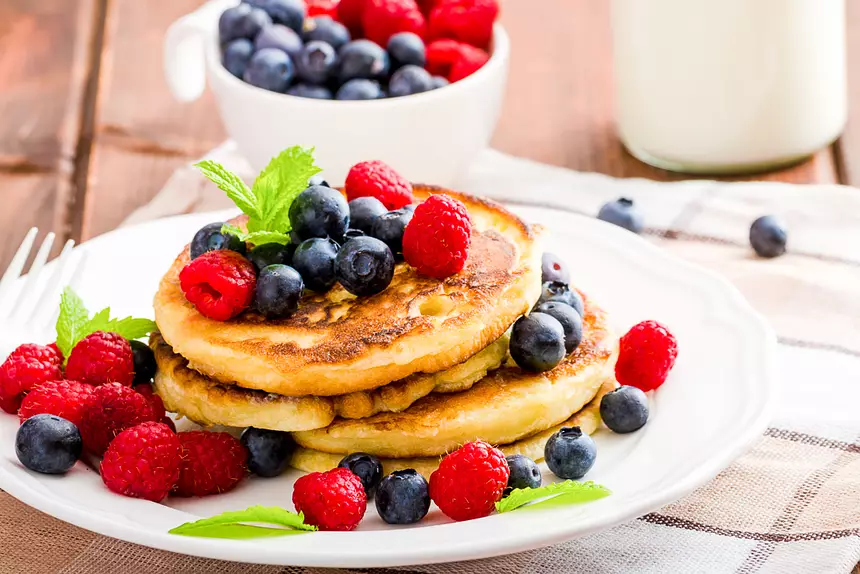
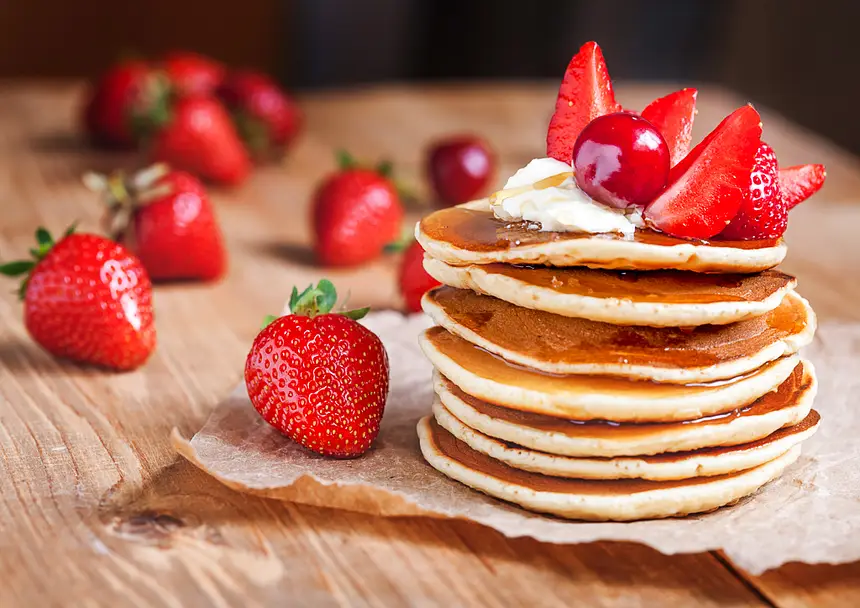
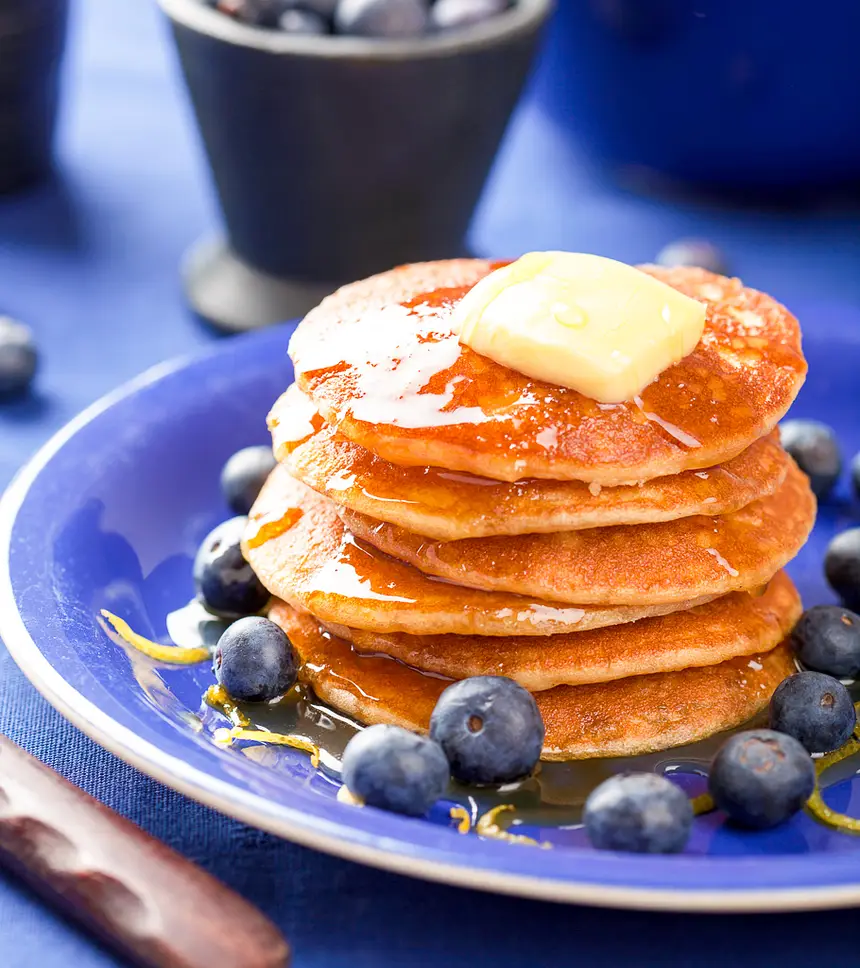
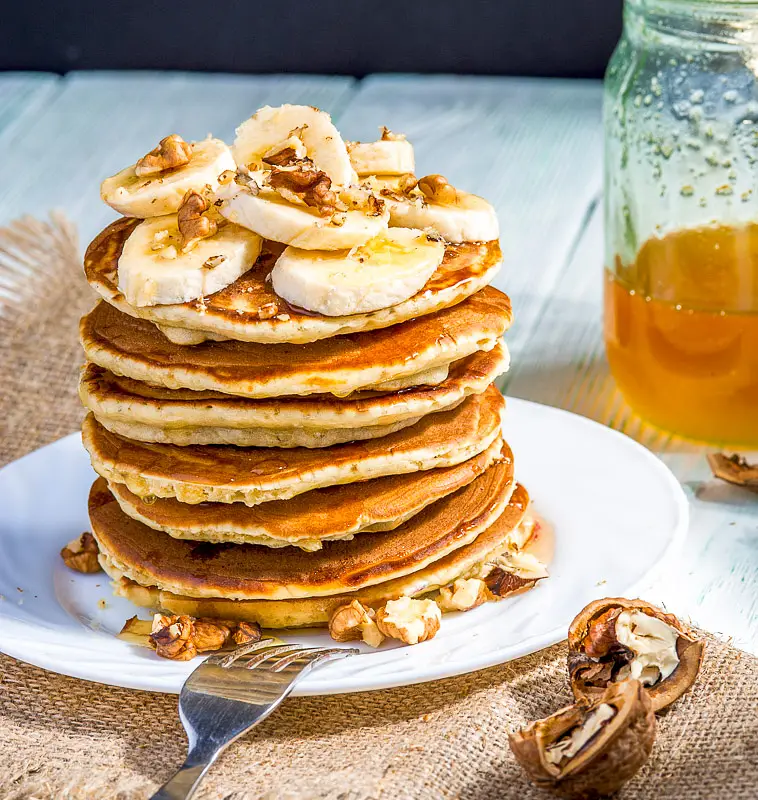
Super easy pancakes from a baking mix, an egg, milk, and a touch of sugar, cooked golden and fluffy on a hot griddle. A fast, foolproof breakfast ready in minutes. Stack them with berries and maple syrup.
Classic buttermilk-style pancakes with crispy edges and a tender crumb. This foolproof recipe uses the well method for lump-free batter and yields six generous servings of diner-quality breakfast.
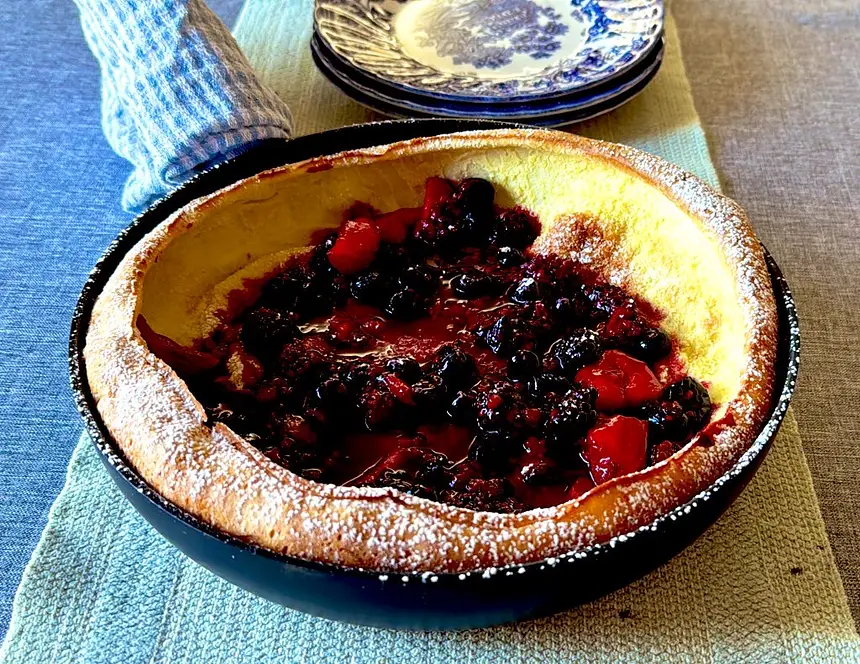
Puffy, golden berry Dutch baby pancake baked with fresh raspberries, strawberries, and blueberries. This dramatic oven pancake rises sky-high in 25 minutes for a stunning weekend brunch.
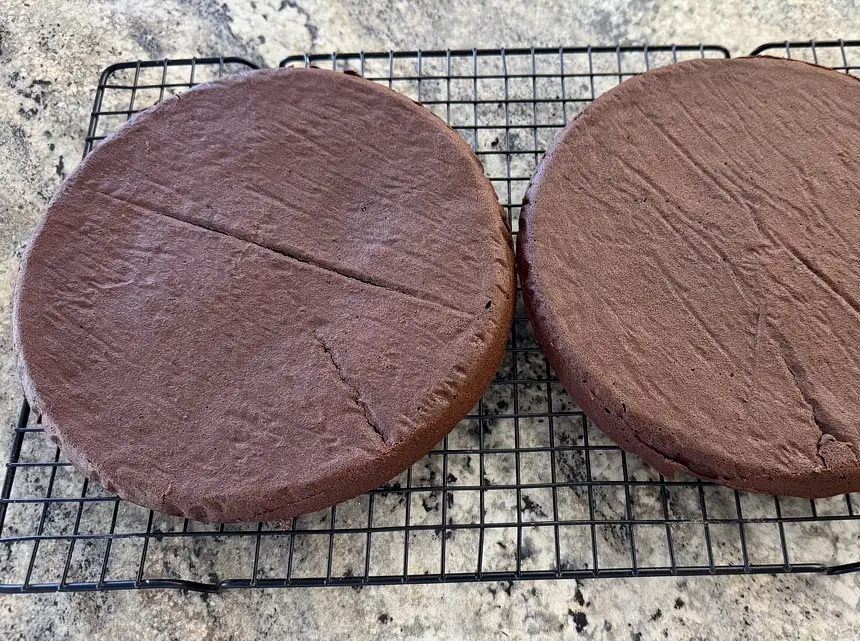
A simple, one-bowl cocoa layer cake that comes together in minutes and bakes into two tender 9-inch layers. Rich chocolate flavor without fuss—perfect for beginners.
Breakfast pancakes made cloud-fluffy by separating the eggs and folding stiffly whipped whites into the batter. The technique that delivers diner-style pillowy stacks at home in 40 minutes.
Basic homemade breakfast pancakes from scratch with pantry staples, no boxed mix needed. The secret is a barely-stirred lumpy batter and a screaming-hot griddle for fluffy, golden flapjacks every time.
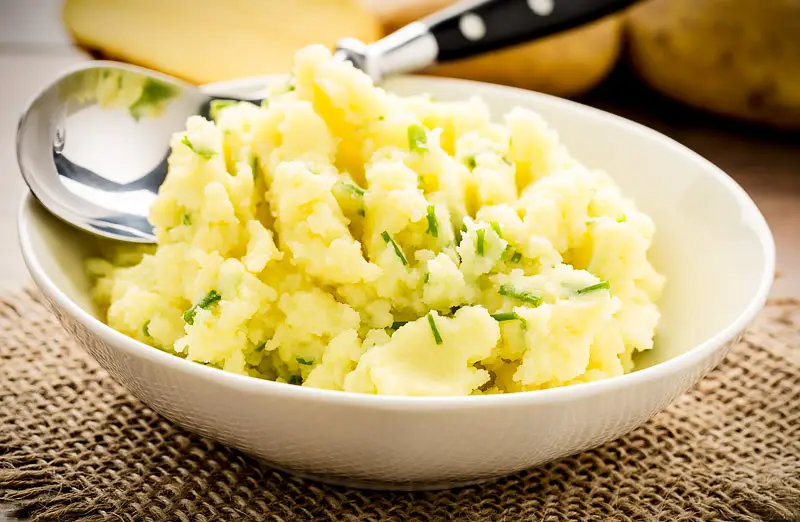
Cheddar mashed potatoes made creamy with buttery Yukon Golds, tangy buttermilk, and extra-sharp cheddar melted right into the mash. Fresh chives add a green oniony bite to this lighter comfort-food side.
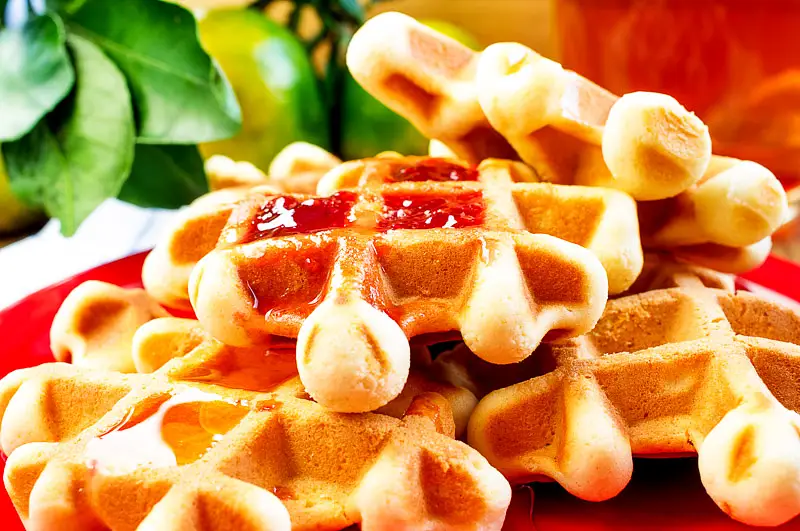
Buttermilk waffles with raspberry sauce trade syrup for a bright purple-red puree spiked with orange zest. The tang of buttermilk and lift from baking powder give crisp-edged waffles a fluffy interior.
Chocolate coffee melts unsweetened chocolate into strong instant coffee with milk and sugar for a frothy stovetop mocha. Old-fashioned cafe au lait meets chocolate, finished with whipped cream and cocoa.
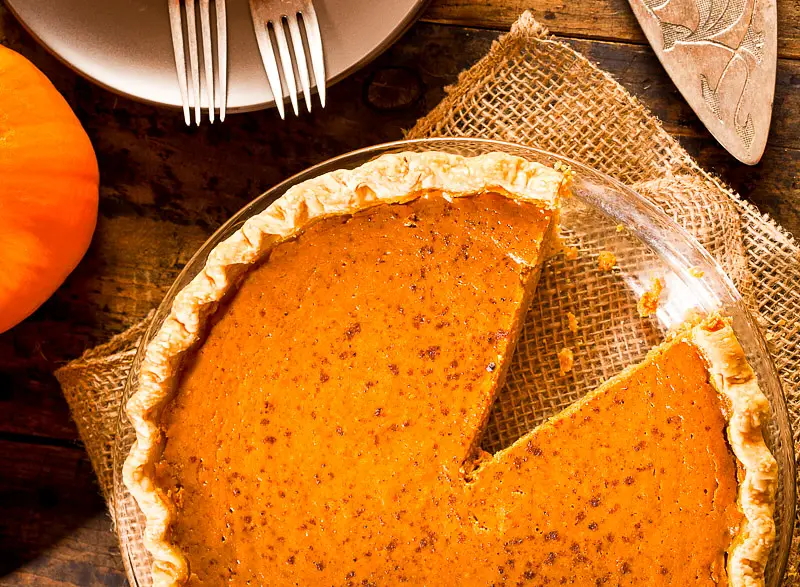
Dave's light pumpkin pie uses artificial sweetener, skim milk, and nonfat evaporated milk for a holiday-classic flavor with significantly less fat and sugar. Thanksgiving dessert you can serve guilt-free.
Howard's pancakes, a simple homemade pancake recipe with eggs, sugar, milk, baking powder, butter and just enough flour to make a fluffy batter. Cook on a hot griddle and serve with fruit and syrup.
Nonfat eggless pumpkin pie made with liquid egg substitute, evaporated skim milk, and brown sugar substitute. A diabetic-friendly Thanksgiving dessert with classic pumpkin pie spice.
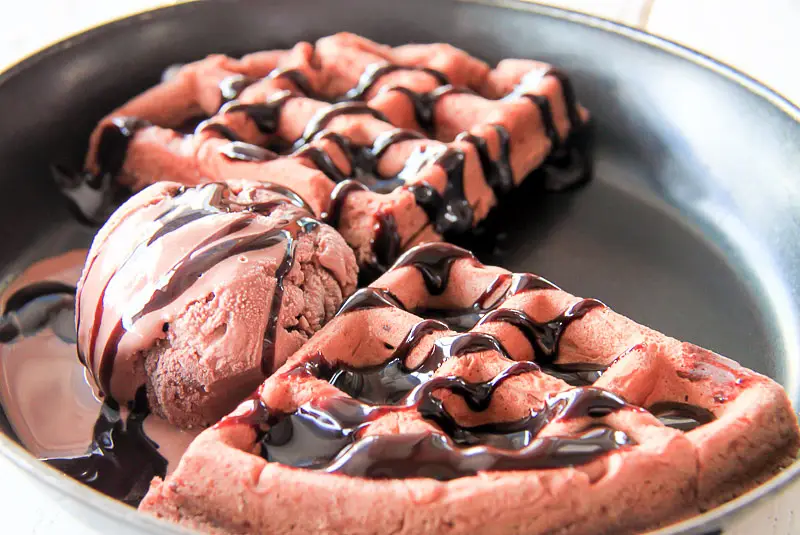
Chocolate waffles bake up crisp outside and tender inside, with cocoa, brown sugar, and a splash of rum for depth. Cake flour keeps them light. A brunch-meets-dessert waffle made for piling on berries, cream, or syrup.
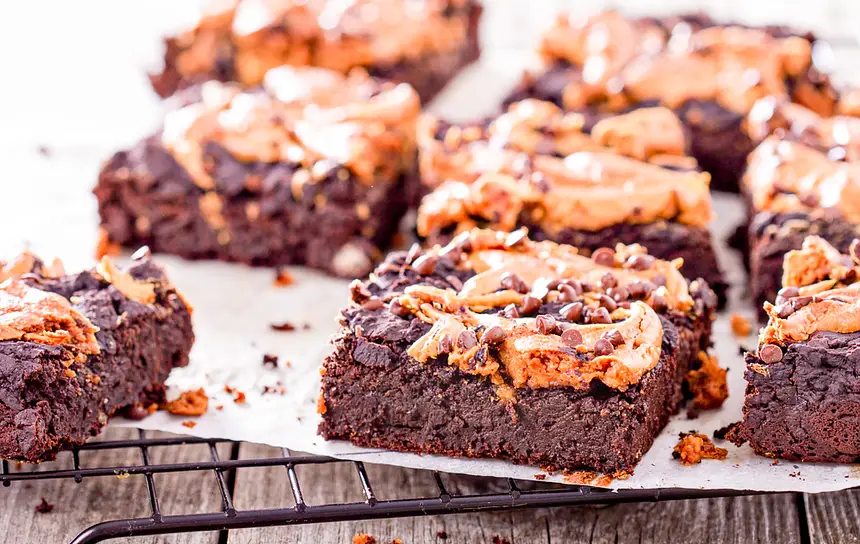
Lighter peanut butter chip brownies use prune puree instead of butter for moisture, with egg whites for structure. Fudgy chocolate brownies studded with peanut butter chips, no oil required.
Nutty maple waffles with separated whipped egg whites for cloud-light texture, evaporated milk, and chopped pecans pressed into each waffle. Maple-scented breakfast classic.
Vintage chocolate waffles made with melted semisweet chocolate and folded egg whites for a tender, cake-like texture. Serve hot with syrup, whipped cream, or a scoop of ice cream for brunch or dessert.
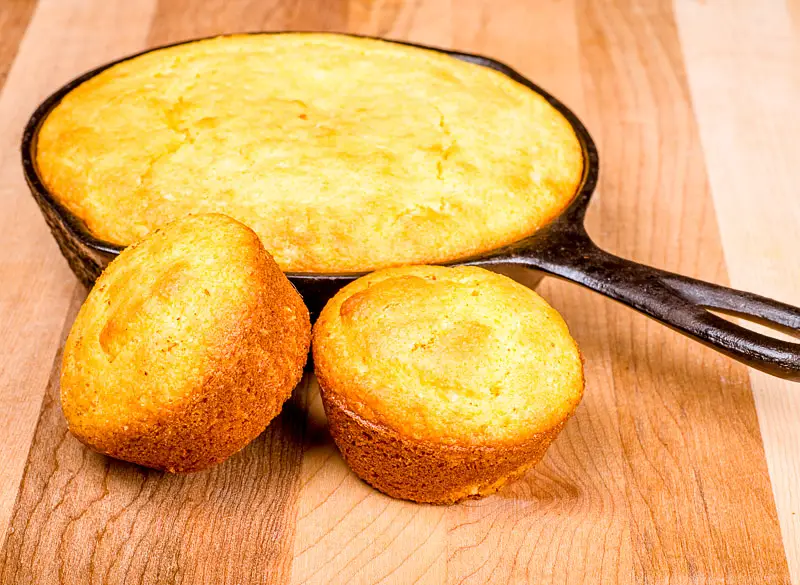
Chipotle cornbread bakes in a hot cast iron skillet with puréed chipotles, applesauce, and buttermilk for smoky heat and a crisp crust. Low-fat Southwestern twist on classic cornbread.
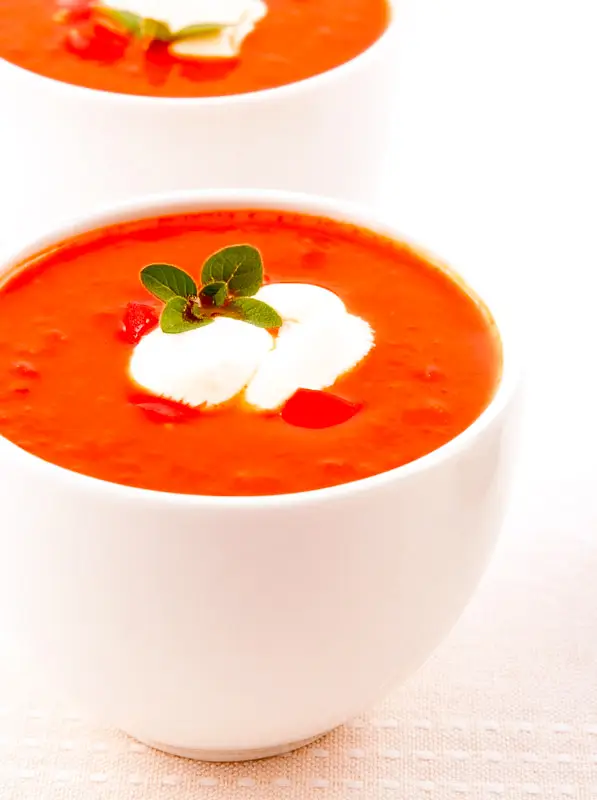
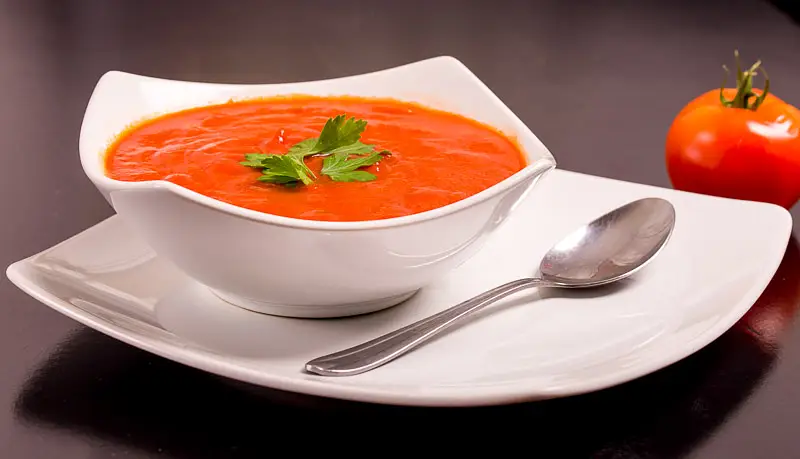
This chilled tomato carrot soup blends fresh tomatoes and sweet carrots with basil, thyme, and a whisper of nutmeg into a silky cold soup for hot summer days. Simmered, pureed, then served ice-cold with a splash of milk for creamy body.