What Is Yeast, compressed and How Can I Use It?
Wondering what to do with yeast, compressed? This guide covers how to pick it, cook it, store it, and swap it, plus 31 recipes to put it to work.
Key Points
- Live fresh yeast in a moist crumbly cake; same organism as dry yeast, never dehydrated.
- Crumble into lukewarm liquid; water over 130°F (54°C) kills it and stalls the rise.
- One 0.6-ounce cake equals about one packet of active dry or a scant 2 teaspoons instant.
- Highly perishable: refrigerate and use within about two weeks, or freeze for a couple of months.
- Prized for a clean, vigorous rise, but dry yeast is more forgiving for occasional bakers.
What is yeast, compressed?
Compressed yeast, also called fresh yeast or cake yeast, is live baker's yeast sold as a soft, moist, crumbly block. It is the same organism as the dry yeasts in a packet, just never dehydrated, so it stays alive only with refrigeration and a short shelf life.
Bakers reach for it because the cells are fresh and fully active, which many feel gives a cleaner, faster rise and a subtle "yeasty" aroma that dried yeast can mute. It is the traditional choice in older recipes and many professional bakeries.
The tradeoff is real. The block is roughly 70 percent water and highly perishable, and it is harder to find on a home shelf than the dry forms. Most home cooks now use active dry or instant yeast and convert old recipes to match.
How to Use It
Compressed yeast is easy to work with once you know its quirks. Crumble it into the warm liquid from your recipe, around 95 to 100°F (35 to 38°C), and let it dissolve before mixing in the flour.
It blooms quickly and does not strictly need proofing, but a five-minute dissolve confirms it is alive.
Keep the liquid lukewarm, not hot. Water above about 130°F (54°C) starts killing the cells, and water that kills the yeast is the single most common reason fresh-yeast dough fails to rise.
A standard block is 0.6 ounces (about 17 grams), the amount older recipes for a loaf or two typically call for. Larger 2-ounce (about 50 gram) cakes show up in bulk baking.
Recipes like Whole Wheat or Graham Bread, Authentic Focaccia, and Raised Donuts were all written around this kind of fresh cake.
Pairing and Common Mistakes
Fresh yeast does its best work in enriched and slow doughs, from sweet rolls and brioche-style buns to focaccia and rustic country breads. It works with the same partners any yeast does, namely flour, a little sugar to feed it, and salt to keep its pace in check.
Hold the salt away from direct contact with the block, since concentrated salt can stunt the yeast before it is dispersed through the dough.
The most common mistake is using it past its prime. Fresh yeast that has gone tan and dry, or smells sour, has lost vigor and will give a weak rise. When in doubt, proof a crumb in warm sugar water first.
The second mistake is overheating the liquid, covered above. Aim for warm-to-the-wrist, never steaming.
Substitutes
Active dry and instant yeast both replace it directly, and converting is mostly arithmetic. By weight, use about ⅓ as much active dry yeast as fresh, so 1 gram of fresh equals roughly 0.33 gram of active dry.
Instant yeast is a touch stronger still: use about the same 0.33 gram per gram of fresh, and many bakers nudge it slightly lower.
In practical kitchen terms, one 0.6-ounce cake equals about 1 packet (2¼ teaspoons, 7 grams) of active dry yeast, or a scant 2 teaspoons of instant.
Proof active dry yeast in warm liquid the way you would the fresh block. Instant yeast can be mixed straight into the dry flour with no proofing, which is its main convenience. The finished bread tastes nearly identical; only purists claim to notice the difference.
Buying and Storage
Look for compressed yeast in the refrigerated case, usually near the butter or dairy, often as a small foil-wrapped cube. Good fresh yeast is pale cream and firm but moist, breaking with a clean crumbly edge.
Pass on any block that is browning or dried at the edges, or that smells sharp.
It is perishable, so storage is the whole game. Keep it refrigerated and use it within about two weeks, or by the printed date, whichever comes first. It does not keep at room temperature.
For longer storage, fresh yeast freezes for a couple of months wrapped airtight, though it loses some power. Bring it back to refrigerator temperature, then proof it before you trust it.
If you bake only occasionally, dry yeast is simply the more forgiving pantry choice, since an unopened jar keeps for a year or more.
Nutrition
Nutrition Facts
Serving Size 1 cake (0.6 oz) (17g)Quick facts
Food group: Yeast, compressed is a member of the Baked Products US Department of Agriculture nutritional food group.
- In Chinese
- 酵母,压缩
- British (UK) term
- Yeast, compressed
- en français
- levure, comprimé
- en español
- levadura, comprimido
How much does yeast, compressed weigh?
| Amount | Weight |
|---|---|
| 1 cake (0.6 oz) | 17 grams |
Related
Baked Products
Recipes using yeast, compressed
There are 31 recipes that contain this ingredient.
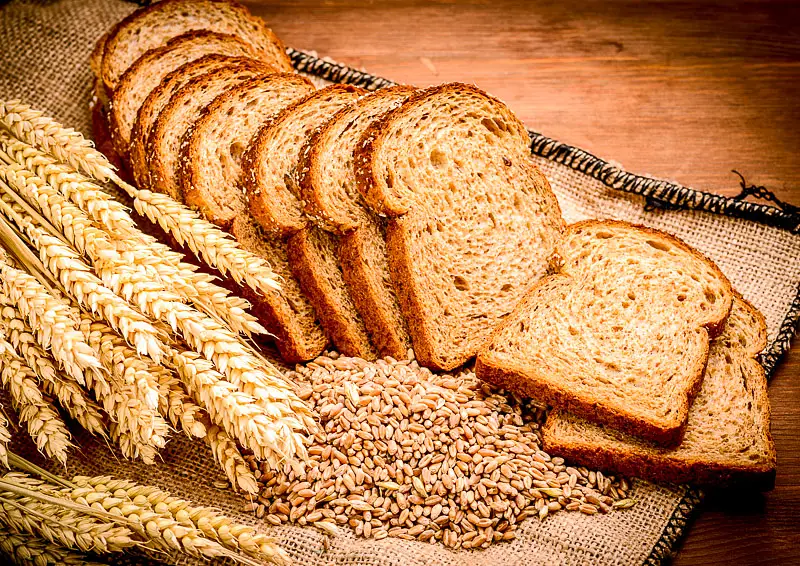
Whole Wheat or Graham Bread


Whole wheat bread (also called graham bread) makes three small loaves with a milk-based dough, a hot oven, and a soft, hearty crumb. A heritage yeast bread for sandwiches and toast.

Raisin Bread
Old-fashioned raisin bread made with yeast, molasses, and plump raisins creates tender, slightly sweet loaves perfect for toasting.

Snowflake Pancakes with Blueberries

Overnight yeasted buttermilk pancakes with blueberries. Mix the batter before bed, stir in berries in the morning, and cook the fluffiest pancakes you've ever had.
Authentic Focaccia
Authentic Italian focaccia with two long three-hour rises, kneaded with olive oil and salt, then pressed thin, drizzled, and baked golden for crisp-bottomed, chewy bread.
Basic Italian Focaccia
Classic Italian focaccia with a slow double rise, generous olive oil, and a customizable topping. Authentic Ligurian flatbread for snacking, sandwiches, or alongside soups and salads.
Bagels 2
Homemade bagels made with potato water for extra softness and chew. Boiled in sugared water then baked until golden - this classic method delivers that glossy, crispy crust. Makes 30 bagels.
Harvest Foccacia
Harvest focaccia studded with golden raisins, fresh grapes, and rosemary, finished with a sprinkle of sugar and salt. A sweet-savory Italian flatbread for fall.
Lunn Cake
Lunn Cake, a traditional English yeast cake baked in a ring mold with scalded milk, eggs, and a light crumb. Served warm with butter, this no-knead bread rises twice for a pillowy texture.

Focaccia #2
Old-school Italian focaccia built on a two-stage rise, olive oil, and unbleached flour. A chewy, golden flatbread ready for any topping from rosemary to olives.
Fastnacht's
Pennsylvania Dutch fastnachts (fried doughnuts) made with yeast dough, evaporated milk, nutmeg, and lemon juice, then tossed in cinnamon sugar. A Shrove Tuesday tradition.

Kouloura Rolls & Buns
Kouloura rolls and buns are traditional Greek yeast breads with a tender milk-and-egg crumb, brushed with egg yolk and topped with toasted sesame seeds. A timeless hand-shaped loaf or roll.
Raised Donuts
Raised donuts made with a yeast dough that rises overnight for a tender, pillowy crumb. Old-fashioned homemade donuts fried golden and ready for glaze, sugar, or cinnamon dust.
Cardamom Coffee Cakes
Scandinavian braided cardamom coffee cake with a buttery egg yolk-enriched dough and a sparkling sugar crust. Makes two beautiful braided loaves from one batch.
Cinnamon Rolls #3
Homemade yeast cinnamon rolls swirled with brown sugar, cinnamon, and raisins, then finished with a coffee-spiked confectioners' glaze. Soft, pillowy from-scratch rolls with a grown-up twist on the icing.
Something Different Chocolate Cake
A yeasted chocolate cake with an overnight rise, three layers, and a cooked white icing drizzled with melted chocolate and toasted coconut. Truly unlike any chocolate cake you've tried.
Peanut Butter Rolls
Peanut butter rolls with peanut butter and nutmeg worked into a soft yeast dough, risen until tripled, and baked in a hot oven. Fluffy dinner rolls with a subtle nutty, warm flavor.
Oatmeal Yeast Rolls
Soft oatmeal yeast rolls with cooked oatmeal kneaded into the dough for a tender crumb that stays moist for days. Shape into crescents, cloverleaf, or Parker House for a homemade bread basket.
Frances Cook's Bread
Old-fashioned milk-and-egg enriched white bread makes two soft, tender loaves with a light crumb and golden crust. A forgiving family recipe for beginner bread bakers.
Onion Rye Bread
Homemade onion rye bread made with a sponge starter, rye and bread flour, and sauteed onions kneaded into the dough. Crusty outside, soft and fragrant inside.

Cocoa Bread
Cocoa bread made with yeast, cocoa powder, and eggs for a soft, lightly sweet chocolate loaf. A unique homemade bread with deep cocoa color and subtle chocolate flavor.
Portzilke
Portzilke are traditional German-Russian yeasted fritters loaded with raisins, fried golden in deep fat. A heritage pastry from the Volga German tradition, puffy and sweet.
Almond Butter Coffee Cake
Old-fashioned almond butter coffee cake made with yeast-risen dough and crowned with buttery almond topping. Warm spices of mace and cardamom make this sweet bread irresistible for brunch.
Rolled Oats Bread
Rolled oats bread with sweetened condensed milk and corn syrup for a soft, slightly sweet loaf. No-knead yeast bread that rises twice and bakes up tender.
Frances Cook's Bread & Rolls
Versatile yeasted bread dough that bakes into two loaves or shapes into Parkerhouse and cloverleaf rolls. Make-ahead friendly with overnight refrigeration option.
Bread Dough
Basic enriched bread dough with scalded milk, egg, and yeast, perfect for rolls, loaves, or sweet breads. Old-fashioned all-purpose dough that rises on the counter or rests overnight in the fridge.
Prune Buns
Prune Buns are old-fashioned yeasted sweet buns filled with prune preserves - built on an overnight sponge starter and a butter-rich dough, finished with powdered sugar.
Sorghum Molasses Bread
Traditional yeast bread sweetened with sorghum molasses and studded with plump raisins. Triple-risen for a soft, tender crumb. Best served warm with a cup of coffee.
Buckwheat Cakes
Heritage-style yeast-risen buckwheat cakes made with an overnight batter and a touch of baking soda. A pioneer-era breakfast griddle cake with deep, earthy flavor.