What Is Crusty bread and How Can I Use It?
Here's everything worth knowing about crusty bread and how to pick it, what it is, how to store it, and what to use instead, plus 16 recipes to cook tonight.
Key Points
- Rustic loaf with a hard, crackly crust and an open, chewy interior.
- The firm structure stands up to soups, dips, and wet toppings without going soggy.
- Day-old loaves shine as croutons, panzanella, bruschetta, and sturdy sandwich bread.
- Store in paper at room temperature, never plastic or the fridge, which speed staling.
- Revive a stale loaf by misting with water and baking at 350°F (175°C).
What is crusty bread?
Crusty bread is the rustic loaf with a hard, crackly exterior and an open, chewy interior. Think baguette, ciabatta, sourdough boule, or a country batard.
The crust is the whole point. It comes from a hot oven and steam, which sets a deep, blistered shell while the inside stays tender and full of irregular holes.
You'll know a good loaf by sound. It gives a hollow thump when you tap the bottom, and the crust shatters into flakes when you tear it rather than squashing flat. That structure is what lets it stand up to soup and heavy toppings without turning to mush.
How to Use It
The simplest use is also the best: tear off a hunk and drag it through something. A bowl of Michigan Minestrone Soup or Cabbage & Lamb Stew practically asks for it, and the chewy crumb soaks up broth while the crust holds its shape.
The same goes for sopping up the saffron broth in a California Bouillabaisse.
Sliced and grilled or toasted, it becomes the base for crostini and bruschetta. Rub a warm slice with a raw garlic clove, brush it with olive oil, and pile on whatever you like, as in Hot Shrimp Salad on Crostini.
The firm crumb keeps the toast from going soggy under a wet topping.
Day-old crusty bread is a gift, not a problem. Cubed and tossed with oil and salt, it crisps into croutons. Torn and toasted, it anchors a panzanella, where the chunks drink up tomato juice and dressing without dissolving.
It also makes the sturdiest sandwich bread, as a round loaf does in a Circular Italian Sandwich.
Cooking and Pairing
Crusty bread pairs with anything brothy or melty. A pool of good olive oil and balsamic, a soft cheese, a garlicky dip like Holly's Crockpot Seafood Cheese Dip, a plate of cured meats and pate: the bread is the vehicle.
For garlic bread, split a loaf lengthwise, spread it with garlic butter, and bake cut-side up until the edges brown.
The common mistake is slicing the whole loaf ahead of time. Cut crusty bread goes stale fast because the open crumb dries from every exposed face, so cut only what you'll eat and leave the rest whole.
The second mistake is microwaving it to warm it up, which steams the crust soft and rubbery. Use the oven instead.
If a loaf turns leathery on the counter, that usually means the crust has absorbed humidity. A few minutes in a hot oven drives the moisture back out and crisps the shell again.
Substitutes
If you have no crusty loaf, a soft sandwich bread will work for dipping but will fall apart in soup, so toast it first to firm it up. A bakery sourdough, ciabatta, or French baguette are direct swaps, since they share the same hard crust and chewy crumb.
For croutons or panzanella, any stale firm bread does the job, even a day-old dinner roll. For bruschetta, a denser country loaf holds toppings better than an airy baguette, which can tear. Steer clear of soft pre-sliced sandwich loaves here; they lack the structure that makes the dish work.
Buying and Storage
Buy from a bakery the day you plan to eat it if you can. Crusty bread is at its peak for only a few hours out of the oven.
Look for a deep golden-brown, well-blistered crust and a loaf that feels light for its size, a sign of an open, well-fermented crumb. A pale, soft crust means an underbaked loaf that will go stale quickly.
Store it cut-side down on a board or in a paper bag at room temperature, never sealed in plastic, which traps moisture and softens the crust. Most loaves are good for two to three days this way, though the crust loses its crackle after the first day.
For longer storage, freeze it. Wrap a whole loaf or thick slices tightly in foil and freeze for up to three months; reheat straight from the freezer in a 350°F (175°C) oven for ten to fifteen minutes to revive the crust.
Skip the refrigerator, which actually speeds up staling by drying out the starch.
To revive a stale but not moldy loaf, run it briefly under the tap or mist it with water, then bake at 350°F (175°C) for about ten minutes. The crust crisps and the crumb softens, buying the loaf one more meal.
Nutrition
Nutrition Facts
Serving Size 1 oz (28g)Quick facts
Where to find crusty bread: Crusty bread is usually found in the bakery section or aisle of the grocery store or supermarket.
Food group: Crusty bread is a member of the Baked Products US Department of Agriculture nutritional food group.
- In Chinese
- 硬皮面包
- British (UK) term
- Crusty bread
- en français
- pain croûté
- en español
- pan crujiente
How much does crusty bread weigh?
| Amount | Weight |
|---|---|
| 1 ounce | 28 grams |
| 1 slice, large (4-1/2" x 3-1/4" x 3/4") | 30 grams |
| 1 slice, medium | 20 grams |
| 1 slice, small (3-1/4" x 2-1/2" x 1/2") | 10 grams |
Related
Baked Products
Recipes using crusty bread
There are 16 recipes that contain this ingredient.
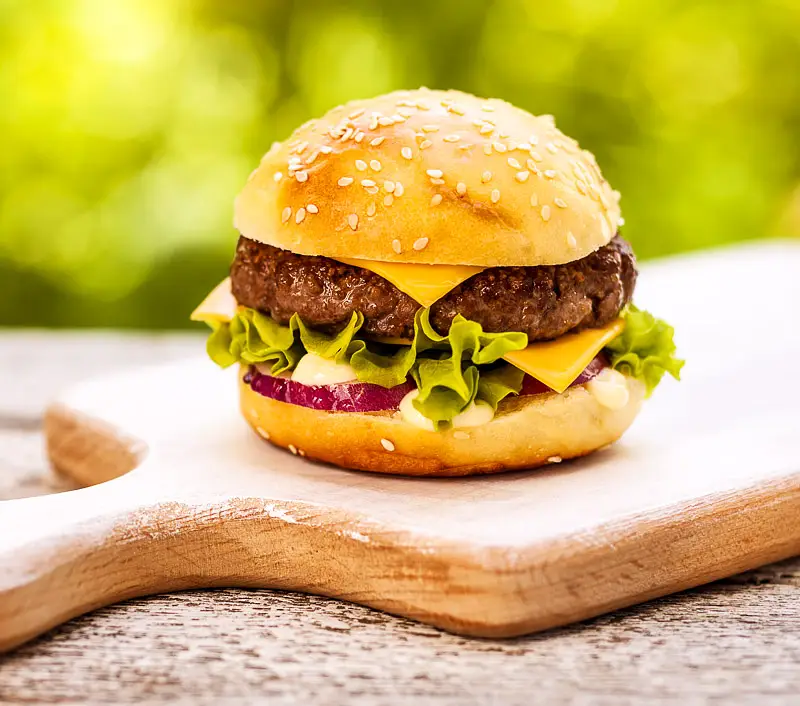
Bistro Cheeseburger


Grilled cheeseburger with melted Swiss, charred Vidalia onions, and Dijon mayonnaise on toasted crusty bread. A French-bistro spin on the American classic.
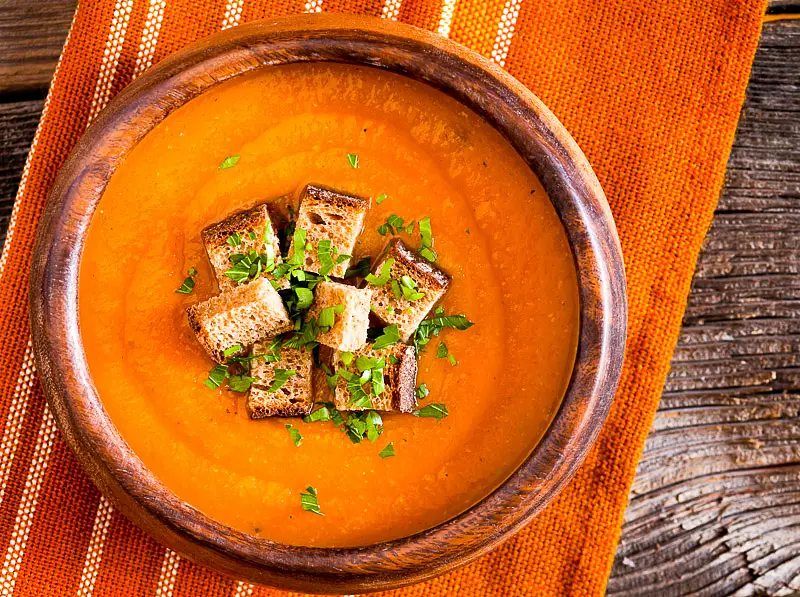
Apple, Cheddar & Winter Squash Soup
A hearty yet wholesome winter soup is made with apple, potato, butternut squash, cheddar and prosciutto, simmered in a mixture of cider, broth and milk. It's creamy, tasty and packed with goodness.
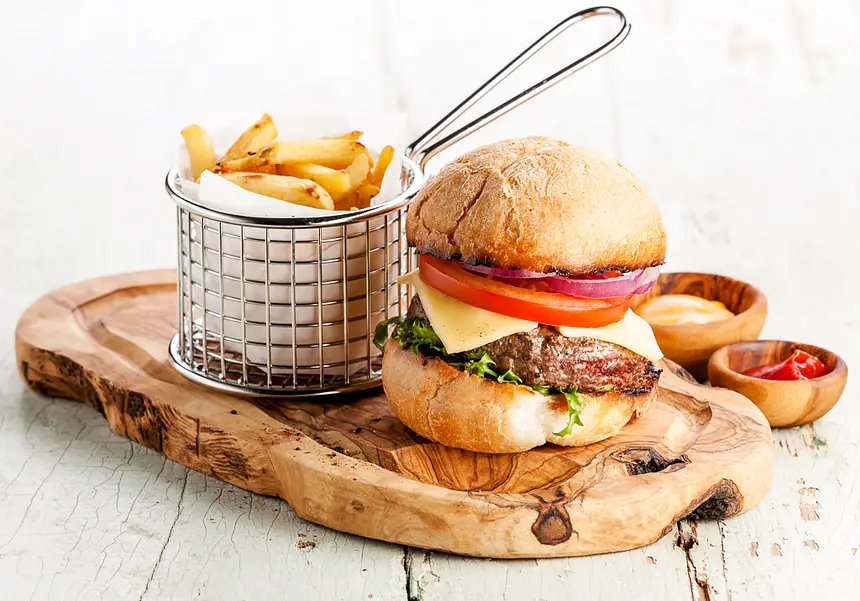
Bbq Cheeseburgers
Quick and easy to make, and these burgers taste delicious. Enjoy the juicy bites with some homemade fries or coleslaw aside.
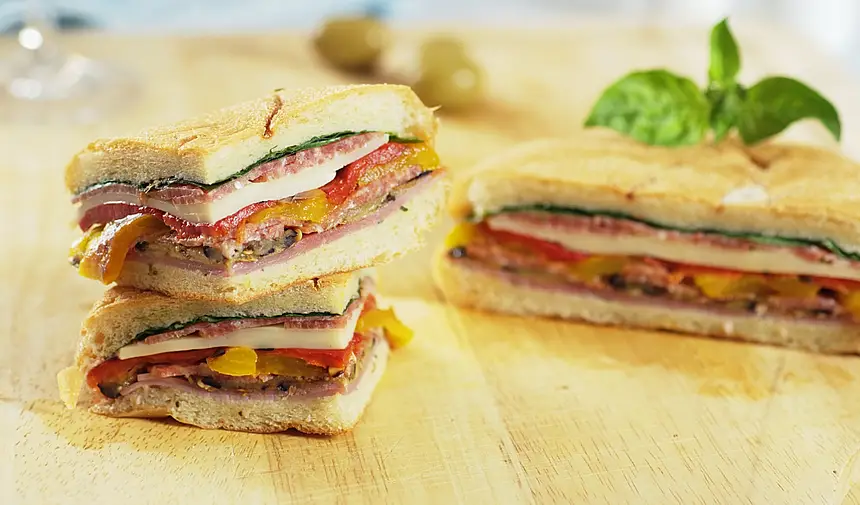
Circular Italian Sandwich
Multiple layers of Italian flavour. Salami, roasted peppers, eggplant and cheese sandwiched in between crusty Italian bread.
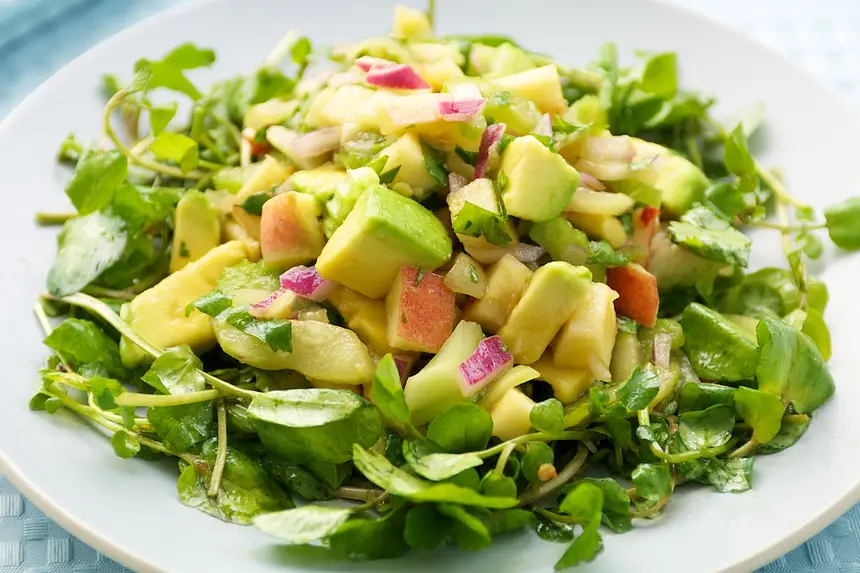
Avocado & Watercress Salad with Soy Dresssing
A light yet flavorful salad. It's refreshing, tasty and easy to make. Lots of textures and flavors. Creamy, crunchy and delicious.
Holly's Crockpot Seafood Cheese Dip
Crockpot seafood cheese dip loaded with shrimp, crab, and lobster melted into a base of cream cheese, sour cream, and processed cheese. Warm, scoopable, and built for a crowd.

Antipasto Di Mare
Italian seafood antipasto with canned tuna, crisp raw vegetables, briny capers, and olives for a light no-cook lunch or appetizer ready in 10 minutes.

Ultimate Thanksgiving Leftovers Sandwich
I normally eat three to four times as much as other family members at a sitting, but since we usually have guests over on Thanksgiving, I have to pretend my stomach isn't a bottomless pit and eat the average amount. Afterwards, though, I always sneak in and make myself a few (yes, plural) of these sandwiches, inspired by the thanksgiving sandwich Ross made in an episode of Friends once.
Ultimate Thanksgiving Leftovers Sandwich
I normally eat three to four times as much as other family members at a sitting, but since we usually have guests over on Thanksgiving, I have to pretend my stomach isn't a bottomless pit and eat the average amount. Afterwards, though, I always sneak in and make myself a few (yes, plural) of these sandwiches, inspired by the thanksgiving sandwich Ross made in an episode of Friends once.

Hot Shrimp Salad on Crostini
Hot shrimp salad on garlic-rubbed crostini with seared shrimp, Roma tomatoes, capers, lemon juice, and peppery watercress. A quick single-serving meal ready in 20 minutes.
Cheese-Stuffed Burgers
Cheese-stuffed burgers hide a pocket of Monterey Jack and fresh chile pepper inside lean ground beef patties, then get served on toasted crusty bread with sliced tomato. The Juicy Lucy goes Southwest.

Peppered Farmhouse Pate
Peppered farmhouse pate with pork shoulder, liver, veal, green peppercorns, and brandy, wrapped in stretched bacon and baked in a water bath. A rustic French-style terrine for entertaining.
California Bouillabaisse
California-style bouillabaisse with lobster, snapper, halibut, shrimp, crab, clams, oysters, and mussels in saffron-fennel broth with white wine and tomato. Pacific coast classic.
Cabbage & Lamb Stew
Cabbage and lamb stew with green and red cabbage, lamb sausage, red potatoes, and Creole mustard. Rustic European-style one-pot dinner ready in an hour.
Michigan Minestrone Soup
Hearty Michigan minestrone with dried lima beans, bacon, salami, cabbage, and fresh herbs simmered in chicken broth. A meaty, Midwestern take on the Italian classic.