What Is Soy oil and How Can I Use It?
If soy oil has turned up in a recipe or caught your eye at the store, here's what you need to use it with confidence and how to choose it, cook it, store it, what to substitute, and 19 recipes to try it in.
Key Points
- Neutral oil pressed from soybeans; most US and Canadian "vegetable oil" is soybean oil or a blend.
- Nearly flavorless with a high smoke point near 450°F (230°C), the default for frying and everyday cooking.
- Use it as a blank canvas; when you want flavor from the oil, choose olive or sesame instead.
- Swaps one for one with canola, grape seed, sunflower, or refined peanut oil.
- Stable but not immortal; store cool and dark and toss it when it smells sharp or paint-like.
What is soy oil?
Soy oil is the pale, neutral oil pressed from soybeans, and it is almost certainly the oil in your kitchen even if the label does not say so. In the United States and Canada, a bottle marked simply "vegetable oil" is usually soybean oil or a blend built on it.
It has next to no flavor and a light golden color, which is the whole point: it gets out of the way and lets the food taste like the food. That neutrality plus a high smoke point makes it the default fat for frying and everyday cooking.
You will also see it called soya oil, mostly in British and Indian recipes. Same oil, different name.
How to Use Soy Oil
Reach for it whenever a recipe calls for a neutral oil and you want high heat. Refined soy oil has a smoke point around 450°F (230°C), so it handles deep frying and stir-frying without smoking or turning bitter.
It is the workhorse behind a lot of fried and stir-fried dishes here, like Crispy Chicken Stir-Fry, where you need an oil that takes the heat and stays out of the flavor. Brazilian Broccoli Beans uses it the same way, as the cooking fat that carries garlic and aromatics.
In baking it keeps cakes and quick breads moist without adding taste, and it is the standard oil in many enriched doughs, including Soy Vey! Challah (Bread). It also makes a clean base for mayonnaise and vinaigrettes when you want the other ingredients to lead.
Treat it as your blank canvas. When you want flavor from the oil itself, reach for olive oil or toasted sesame oil instead.
Pairing and Common Mistakes
Because it is neutral, soy oil pairs with everything and competes with nothing. That is its job in a dressing or a hot wok: deliver heat and texture while the seasonings do the talking.
The common mistake is expecting flavor from it. Cooks new to oils sometimes reach for soy oil hoping for richness and get a flat result, then blame the recipe. If you want the oil to taste like something, this is the wrong bottle.
The other slip is overheating used frying oil. Soy oil fries clean, but once it has been used hard a few times it darkens and its smoke point drops, so old, reused oil scorches faster and tastes off. Strain it and watch the color.
Substitutes
Any neutral high-heat oil swaps in one for one. Canola oil is the closest match in flavor and smoke point, and grape seed oil, sunflower oil, or refined peanut oil all work the same way.
A bottle labeled "vegetable oil" is the easiest swap of all, since it is very often soybean oil to begin with.
For frying, stay with a high-smoke-point oil. For dressings or baking where heat is not a factor, light olive oil or melted refined coconut oil can stand in, though each adds a little flavor of its own.
Avoid swapping in toasted sesame oil or unrefined oils, which are too strong and too low in smoke point for the job.
Buying and Storage
Soy oil is cheap and sold everywhere, often as plain "vegetable oil." For a single-source bottle, read the ingredients and look for "soybean oil" listed alone. Refined versions are the standard for cooking; cold-pressed soybean oil is rare and more about nutrition than the stovetop.
Store it capped in a cool, dark cupboard away from the stove. Heat and light are what turn any oil rancid, and a spot next to a hot burner ages it fast.
An unopened bottle keeps well for a year or more, and an opened one stays good for several months to about a year.
It is fairly stable thanks to natural antioxidants, but trust your nose. A sharp, paint-like smell means it has gone rancid and should be tossed, even if the date looks fine.
Quick facts
- In Chinese
- 豆油
- British (UK) term
- Soy oil
- en français
- l'huile de soja
- en español
- aceite de soja
Recipes using soy oil
There are 19 recipes that contain this ingredient.
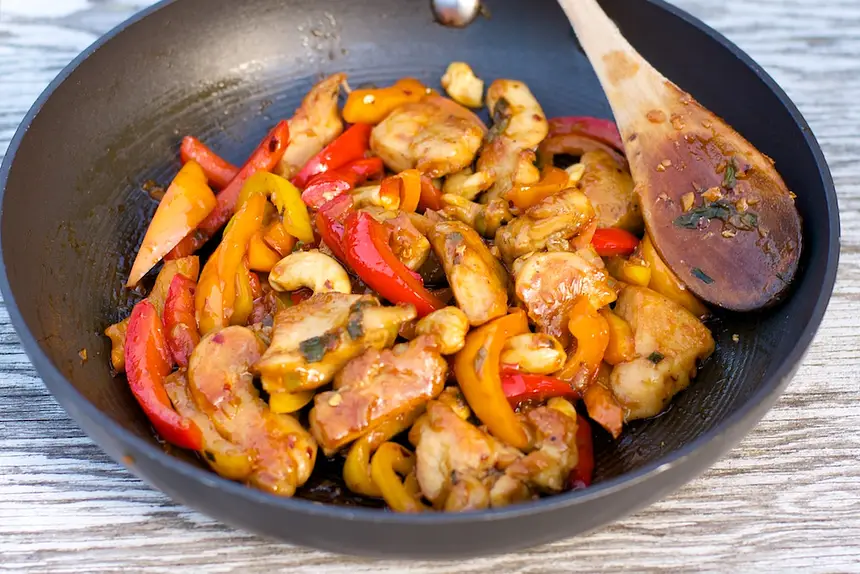
Crispy Chicken Stir-Fry


Quick, easy and delicious. Next time skip the take-out Chinese food, use this recipe to make your own mouth-watering dish.
Soy Vey! Challah (Bread)

Dairy-free challah bread made with soy milk, soy flour, soy oil, honey, and eggs. A beautifully braided loaf topped with poppy seeds. Soy Vey, it's good!

Reptile Pot Pie
Reptile pot pie poaches alligator, snake, or iguana meat in a Thai-Indian curry sauce of coconut milk, fish sauce, turmeric, and coriander. Served over baby vegetables with fresh cilantro. Bold, unexpected, and surprisingly approachable.

Chicken Romaine Vinaigrette
Grilled chicken romaine vinaigrette, a Caesar-style main course salad with herb-marinated grilled chicken, romaine, Parmesan, water chestnuts, and croutons.

Crunchy Beans with Turnips
Crunchy beans with turnips bakes a curried lima bean puree with steamed turnips, walnuts, and soybean sprouts. A plant-based side with Indian-inspired spice.

Soy Vey Challag
Vegan challah bread made with soy milk, tofu, and soy flour, braided and topped with poppy seeds. Egg-free and dairy-free with a soft, tender crumb.
Cranapple Snack Bars
Cranapple snack bars with fresh cranberries, sliced apples, walnuts, and silken tofu in a honey-sweetened cinnamon batter. A naturally sweetened fruit bar with no refined sugar.

Easy Day Vegetable Lasagna
Vegetable lasagna with tofu, spinach, mushrooms, and melted mozzarella layered with no-boil noodles. A hearty meat-free dinner for six with only 10 minutes of prep.

Aromatic Green Casserole
Steamed broccoli, brussels sprouts, and snap beans topped with a creamy walnut-dill-sage sauce. A vibrant plant-based dish ready in 25 minutes.
Spaghetti Surprise
A layered baked spaghetti casserole with crumbled tofu, cottage cheese, and melty mozzarella in a herb-tomato sauce. The surprise? It's vegetarian and nobody will guess.

Amaretto Cheesecake Delite
Amaretto cheesecake delite blends silken tofu and reduced-fat cream cheese into a lighter cheesecake spiked with amaretto and vanilla. Topped with caramelized almonds on a chocolate cookie crust.

Curried Chickpeas with Veggies
Curried chickpeas with steamed broccoli, turnips, and pearl barley tossed in curry powder, lemon juice, and fresh chives. A quick vegan bowl that comes together in minutes.

Shrimp Benihana
Benihana-style hibachi shrimp with butter, cream, parsley, and a squeeze of lemon. Restaurant teppanyaki shrimp recipe to make at home on a griddle.
Jumbo Lump Crabcakes
Jumbo lump crab cakes bound with a house-made lime-Dijon hollandaise, coated in panko, then pan-seared golden and finished in the oven. Restaurant-grade cakes with zero filler overpowering the crab.

Fresh Walleye
Broiled fresh walleye brushes fillets with a lemon-garlic-basil paste, dusts with paprika, and broils skin-on until flaky. Classic Midwest shore-lunch style fish in 20 minutes.

Harvest Pumpkin Bars
Harvest pumpkin bars with canned pumpkin, cinnamon, and a smart soy flour boost for extra protein. Soft, moist sheet pan bars perfect for fall potlucks.
Tempeh Chili
Marinated grated tempeh simmered with kidney beans, tomatoes, green pepper, and warming spices for a thick, meaty vegetarian chili. Topped with cheddar cheese, this plant-based bowl is packed with smoky cumin and chili flavor.

Squash Pie
A vegan butternut squash pie with soy milk and agar flakes, spiced with cinnamon, nutmeg, and ginger, garnished with pecans and a barley malt glaze. An egg-free and dairy-free twist on the classic holiday pie.

Brazilian Broccoli Beans
Steamed broccoli, snap beans, and kale tossed with soybeans, chopped brazil nuts, and a garlicky tarragon dressing. A protein-packed vegetarian side that works hot or cold in just 20 minutes.