What Is Coconut oil and How Can I Use It?
Coconut oil is easier to cook with than it looks. Here's how to choose, use, and store it, what to substitute, and 38 recipes to get you started.
Key Points
- Pressed from coconut meat; solid and white at room temperature, melting to liquid near 76°F (24°C).
- Refined version is neutral and takes high heat (around 400°F); virgin keeps coconut flavor but smokes lower.
- Its butter-like solid texture makes it the standard dairy-free baking and butter swap.
- Mostly saturated fat, so it is shelf-stable for a year or more without refrigeration.
- Soften or melt it before creaming, and warm cold ingredients first so it does not seize.
What is coconut oil?
Coconut oil is the fat pressed from the meat of mature coconuts. The thing that sets it apart from other cooking oils is its texture: it is solid and white at room temperature and melts to a clear liquid the moment it gets warm, somewhere around 76°F (24°C).
That low melt point is the whole trick to using it. Scoop it firm, and it behaves like a soft butter; warm it, and it pours.
There are two kinds to know. Virgin (unrefined) coconut oil is pressed from fresh coconut and keeps a clear coconut aroma and taste. Refined coconut oil is processed from dried coconut. It comes out nearly flavorless and takes more heat before it smokes.
Cooking With Coconut Oil
For frying and high heat, reach for refined coconut oil, which has a smoke point around 400°F (204°C). Virgin coconut oil smokes lower, near 350°F (177°C), so save it for medium-heat cooking where its flavor is welcome.
Its coconut character belongs in dishes that want it. It rounds out a Malabar Chicken Curry Recipe and a Coconut Curried Butternut Squash Soup, and it sets the silky, sliceable texture of a Filipino Maja Blanca as it cools and firms.
It is a workhorse in baking too. Because it is solid when cool, it creams and sets much like butter, which is why it carries vegan recipes like Black Bean Coffee Brownies and Gluten-Free Lemon & Chia Seed Muffins.
That same habit makes it the standard dairy-free butter swap, melting into batters and firming up in no-bake bars and frostings the way butter would.
Pairing and Common Mistakes
Coconut oil suits warm spices, chocolate, lime, and tropical fruit, and it is at home in South Indian and Thai kitchens as much as Caribbean ones. Pick virgin when you want that coconut note and refined when you do not.
The most common mistake is fighting its solid state.
Trying to cream rock-hard coconut oil straight from a cool pantry tears batter, so soften or just melt it first, then let the recipe set the texture.
The other trap is the reverse: pour warm coconut oil into chilled eggs or cold plant milk and it seizes into hard flecks at once, so bring those to room temperature first.
Substitutes
For baking and any place you need a fat that is solid when cool, butter is the closest one-to-one swap, and a vegan butter stick works for dairy-free recipes. Both bring their own flavor.
For frying or sauteing, any neutral oil stands in, though you lose the coconut aroma. Where the coconut taste is the point, full-fat coconut milk or creamed coconut can carry it instead, especially in curries and desserts.
Buying and Storing
Choose virgin or "cold-pressed" for flavor and aroma, or refined for neutral high-heat cooking. The jar will look solid or liquid depending only on the room, and neither is a sign of quality.
Coconut oil is mostly saturated fat, which makes it one of the most shelf-stable oils you can buy. Kept in a cool, dark cupboard with the lid on, it lasts a year or more, and it does not need refrigerating.
It turns rancid slowly, but it does turn. A yellow tinge with a sour, soapy smell means it is past its best.
Quick facts
- In Chinese
- 椰子油
- British (UK) term
- Coconut oil
- en français
- l'huile de noix de coco
- en español
- aceite de coco
Recipes using coconut oil
There are 38 recipes that contain this ingredient.
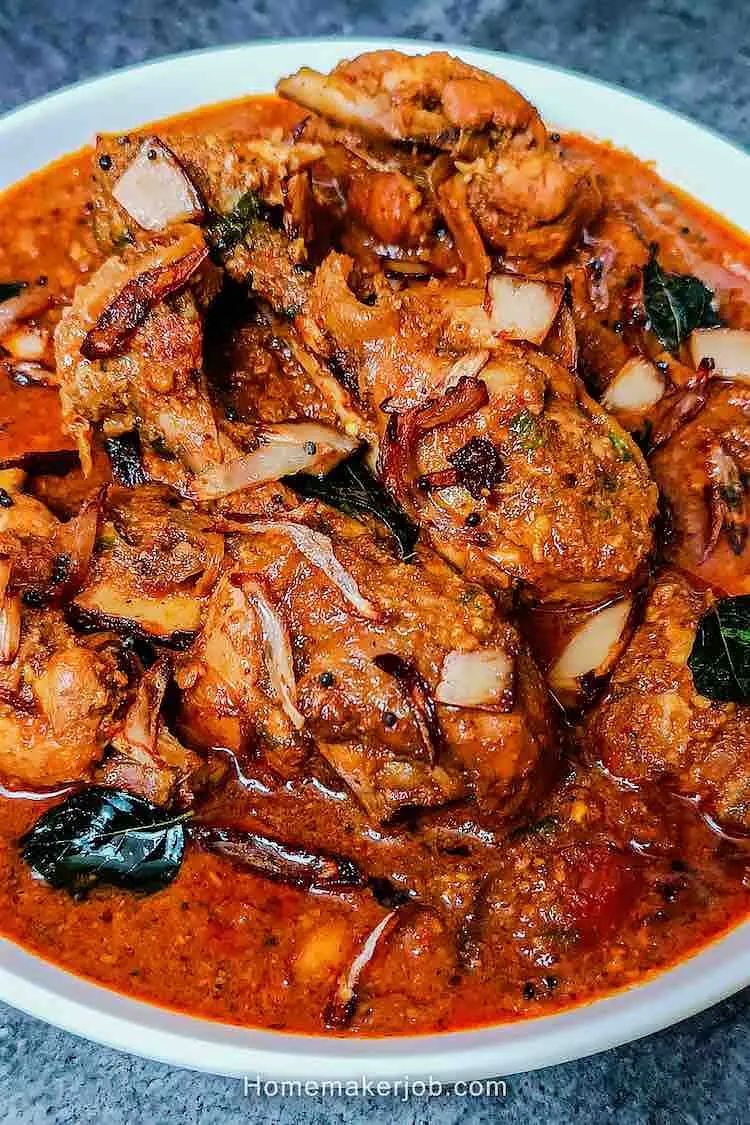
Malabar Chicken Curry Recipe


Malabar chicken curry is a spicy and aromatic dish that hails from the Malabar region of India. This curry is made with a unique blend of spices that include cinnamon, cardamom, cloves, and fennel, which gives it a distinctive taste and aroma. The tender chicken pieces are simmered in a rich and flavorful coconut milk-based gravy, making it a perfect dish for any occasion. The curry can be adjusted to your preferred level of spiciness, making it versatile for all tastes. Whether you're looking to explore new flavors or simply want to add a bit of spice to your meals, Malabar chicken curry is a must-try recipe for any home cook.
Malabar Chicken Curry Recipe
Malabar chicken curry is a spicy and aromatic dish that hails from the Malabar region of India. This curry is made with a unique blend of spices that include cinnamon, cardamom, cloves, and fennel, which gives it a distinctive taste and aroma. The tender chicken pieces are simmered in a rich and flavorful coconut milk-based gravy, making it a perfect dish for any occasion. The curry can be adjusted to your preferred level of spiciness, making it versatile for all tastes. Whether you're looking to explore new flavors or simply want to add a bit of spice to your meals, Malabar chicken curry is a must-try recipe for any home cook.
Malabar Chicken Curry Recipe
Malabar chicken curry is a spicy and aromatic dish that hails from the Malabar region of India. This curry is made with a unique blend of spices that include cinnamon, cardamom, cloves, and fennel, which gives it a distinctive taste and aroma. The tender chicken pieces are simmered in a rich and flavorful coconut milk-based gravy, making it a perfect dish for any occasion. The curry can be adjusted to your preferred level of spiciness, making it versatile for all tastes. Whether you're looking to explore new flavors or simply want to add a bit of spice to your meals, Malabar chicken curry is a must-try recipe for any home cook.
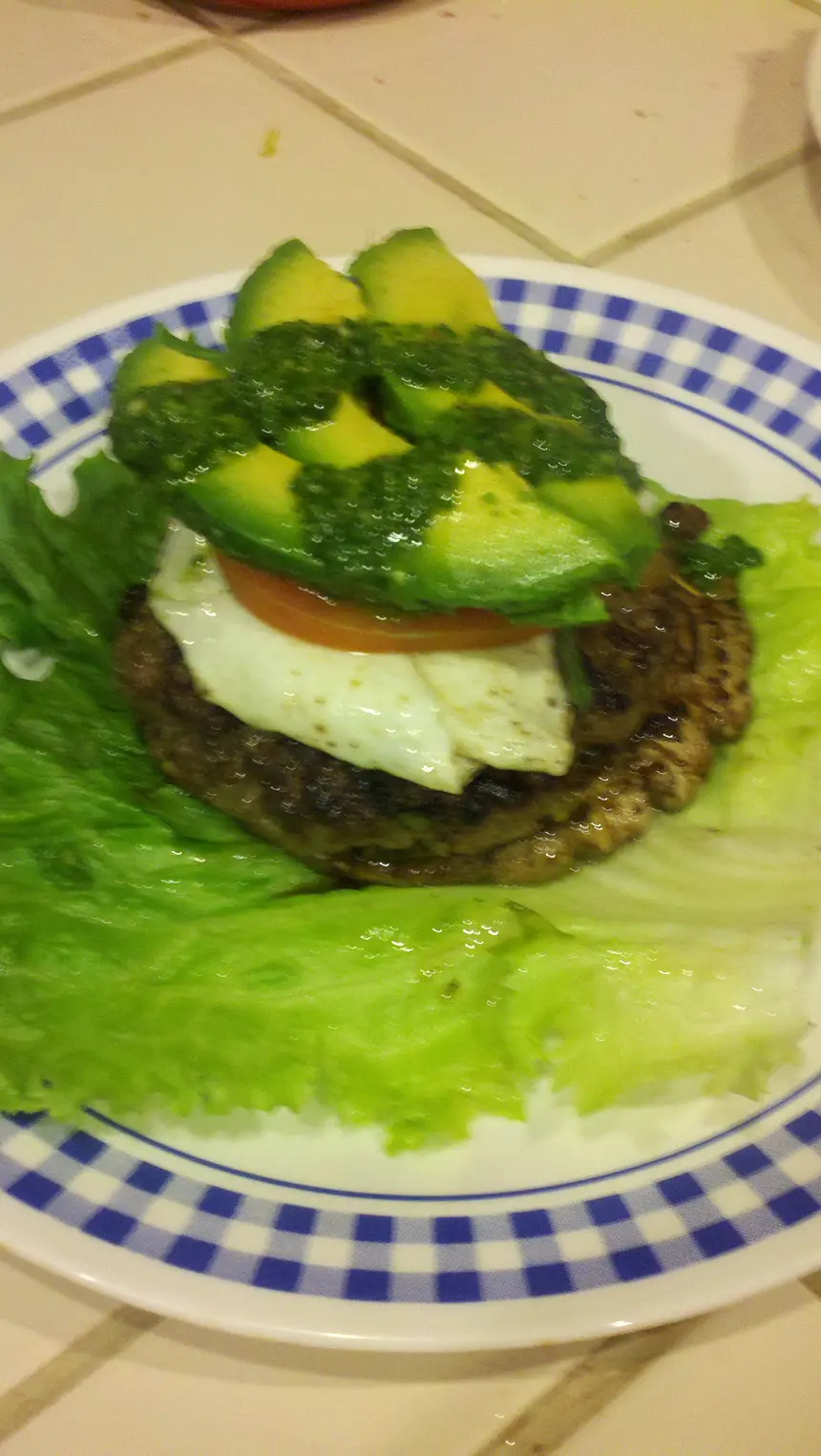
Protein/Paleo Burger

Protein paleo burger: a seasoned beef patty mixed with scallion, garlic, and serrano, stacked bunless on lettuce with a fried egg, grilled portobello, avocado, and chimichurri. High-protein, grain-free.
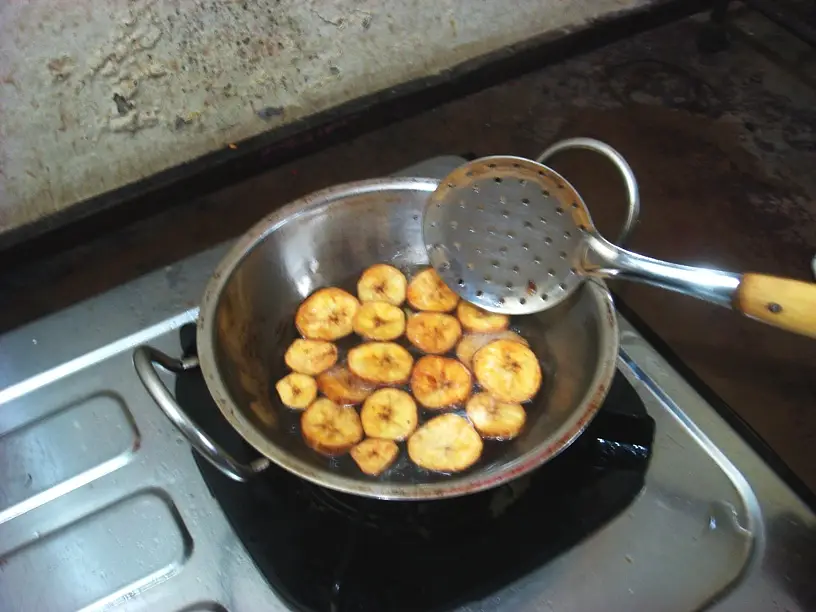
Homemade Raw Banana Chips
Homemade raw banana chips, thin slices of green banana fried crisp in coconut oil and tossed with salt, black pepper, and chili. A savory, spicy South Asian snack that beats the store-bought bag.
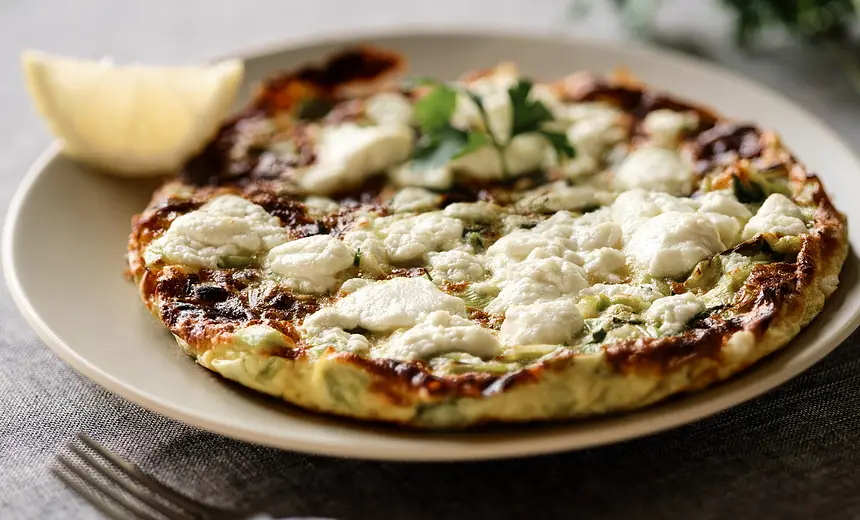
Lemon Frittata with Leeks & Goat Cheese
The perfect make-ahead breakfast, it keeps well in the fridge for 4-5 days. The subtle flavor of lemon works beautifully with both leeks and tangy goat cheese.

Wholegrain Waffles with Flaxseeds
A breakfast staple made with organic spelt flour, coconut oil and natural sweetener. Serve with maple syrup on the side and fresh berries or bananas or organic yoghurt. Another option is to soften some apple slices in a little bit of water, vanilla and dash of maple syrup until the liquid reduces and the apples are soft. Sprinkle liberally with cinnamon – reminiscent of apple pie!

Homemade Ginger Cookies
Crispy fried ginger cookies glazed with golden sugar syrup for a Sri Lankan treat that shatters with every bite. Fresh ginger juice delivers warm spice balanced by sweet candy coating.
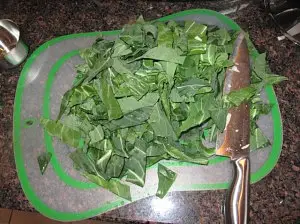
Collard Green Goodness
The first time I tried this version of the recipe, I ate it for all three meals. LOVED it! If you have leftovers, toss in a can of tomatoes, a can of white beans, and whatever veggies you have in the fridge, and make yourself a tasty soup.
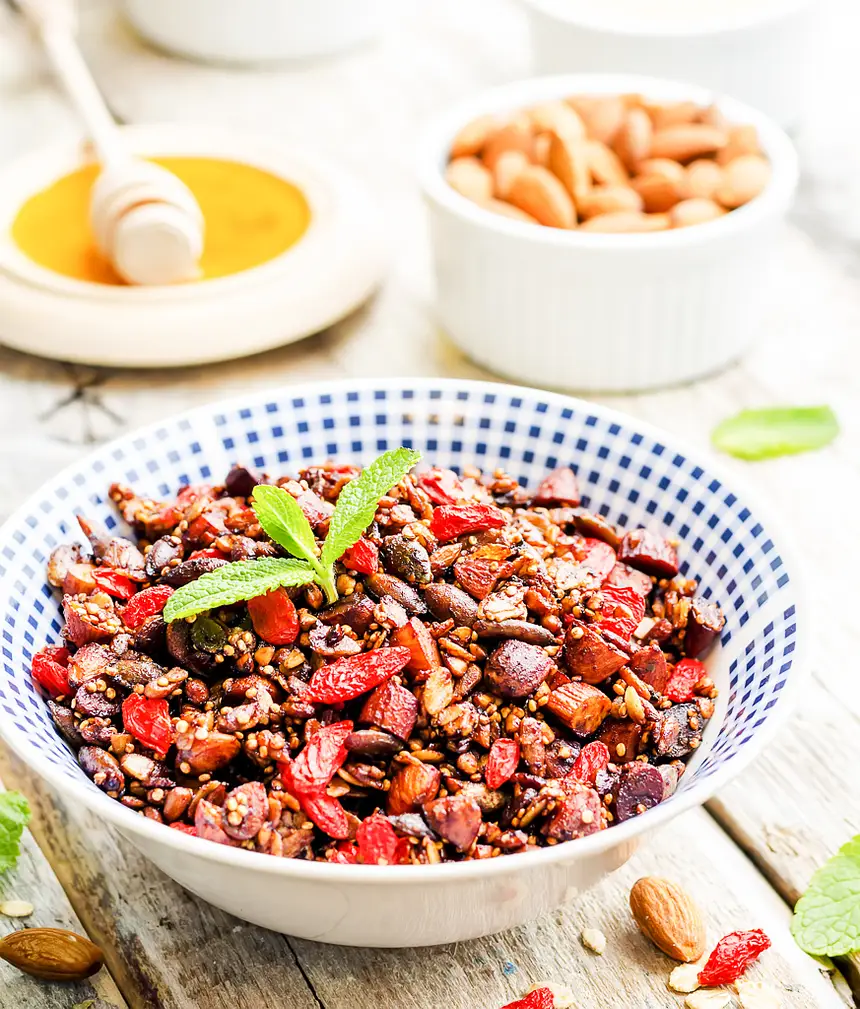
Gluten-Free Granola (Breakfast)
A healthy version of a common breakfast staple, it provides steady-release energy through the day and delivers important nutrients such as iron, selenium and calcium, among others. Easy to make ahead and pack for a day at the office.
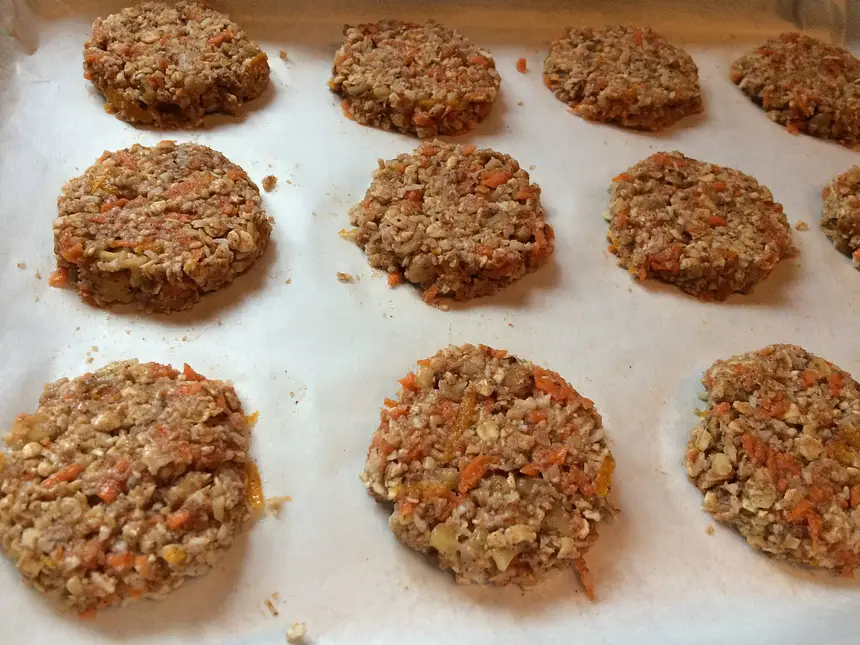
Delicious Carrot Cake Cookies (Vegan & Gluten-Free)
Make sandwich cookies; just spread some coconut whipped cream on a cookie and sandwich with another cookie!
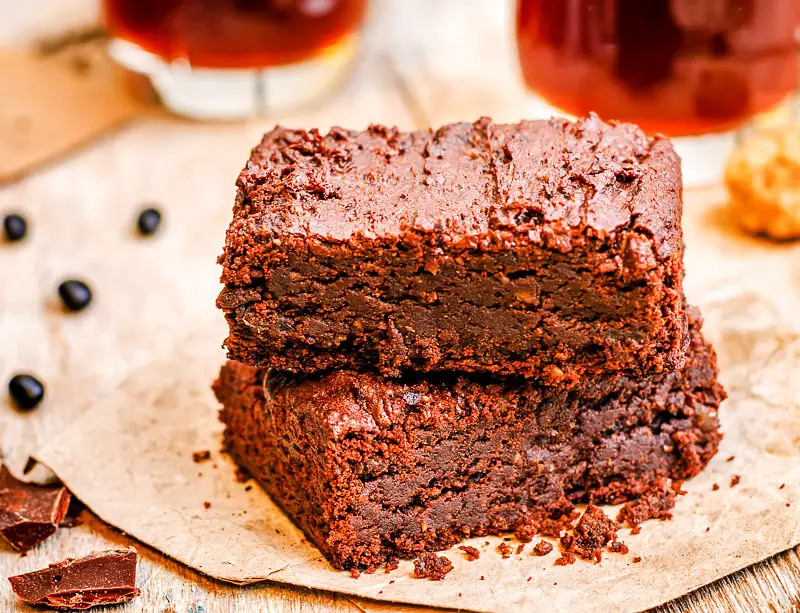
Black Bean Coffee Brownies
The combination of black beans and sweet potato gives these brownies a moreish, moist quality. These are great for kids as they contain no added sugar or trans-fats (you may wish to omit the coffee and substitute cacao powder if serving to youngsters, though).

Homemade Fried Semolina Bread
Homemade fried semolina bread rolls a stiff semolina dough paper-thin, then fries it into crisp, golden discs. A crunchy, savory Sri Lankan fried bread to serve hot with vegetable curry.
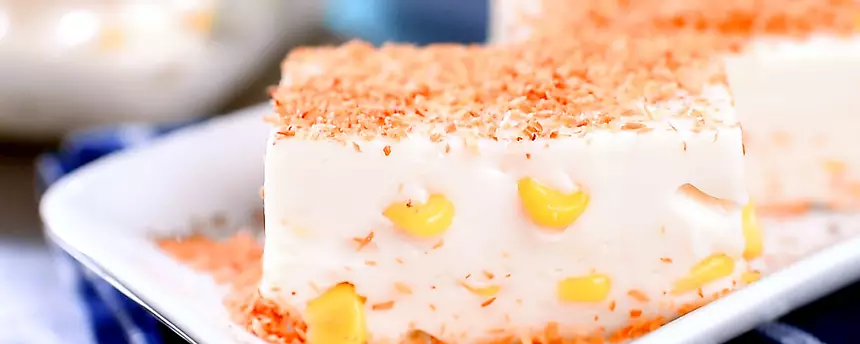
Maja Blanca
This sweet coconut pudding is a wonderful treat. The recipe gets its roots in the Philippines and is traditionally served on the holidays and special occasions. Coconut milk provides you with a healthy amount of Vitamins C, E, and B. It has minerals that will promote healthy teeth and the creation of red blood cells. Don’t be concerned about the condensed milk. As long as it is enjoyed in moderation you should be ok and unsweetened versions are available. Condensed milk does offer some health benefits like calcium, potassium, and Vitamin A. So go ahead and enjoy this recipe at your next special occasion.
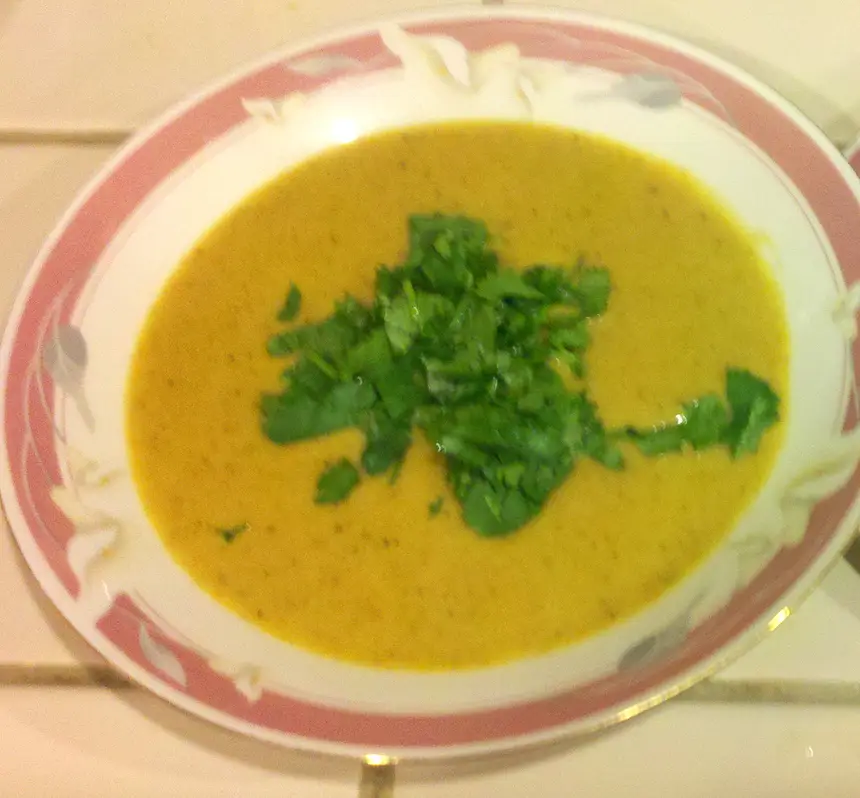
Coconut Curried Butternut Squash Soup
Coconut curried butternut squash soup: sweet squash simmered with coconut milk, ginger, garlic, and curry paste, then blended silky-smooth. A creamy, dairy-free, paleo-friendly bowl.

Homemade Spring Rolls
Everybody likes spring rolls.This recipe is very easy to make and tastes delicious. Try it!
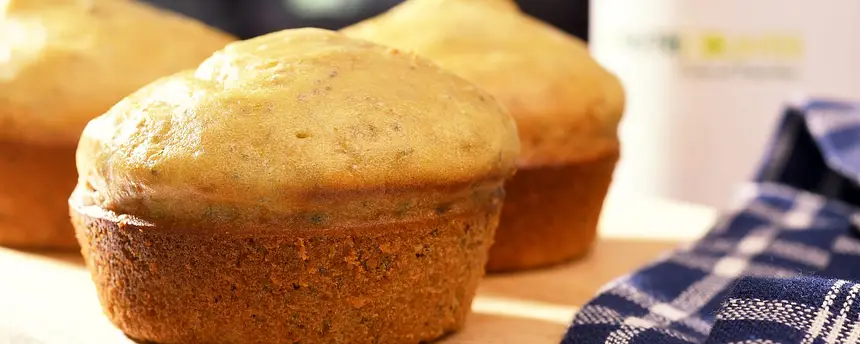
Gluten-Free Lemon & Chia Seed Muffins
Sometimes it is hard to get the texture just right when you are attempting the art of gluten-free baking. Gluten-free flour can often leave a gritty consistency that is not desirable in your baked goods. This recipe includes a not-so-secret ingredient which will help you tackle that problem with ease. Coconut oil is just the right thing to combine with your gluten-free flour to make your muffins come out light, airy and smooth. You won’t be able to tell the difference in these treats and their less healthy counterparts. The best part about this recipe is that you will be adding chia seeds. These little powerhouses are full of Omega 3 fatty acids to help control your cholesterol. They also offer lots of antioxidants and fibre to keep you feeling great. These little snacks are going to get you really excited about healthier baking, so let’s hear a big chia!
Alu Curry
Simple Indian potato curry with mango, coconut oil, and curry powder. Tender spiced potatoes in a fragrant sauce, vegetarian and naturally vegan.

Candy Bars
Gluten-free candy bars made from dates, cashews, and almond butter topped with dark chocolate. These no-bake energy bars taste indulgent but pack natural sweetness and healthy fats.
Prawn Laksa
Laksa gets a bad rap in Singapore because of the addition of coconut cream. However, coconut oil is actually a superfood, containing important compounds that enhance immunity and protect against digestive system disorders. In particular, coconuts are rich in lauric acid, which is known for being antiviral, antibacterial and antifungal, and boosts the immune system. Choose virgin coconut oil and coconut products that have no questionable ingredients added to them.
Spicy Marinated Chicken Breast
Yoghurt is a great tenderiser for chicken breast, which can be a little tough when cooked without marinating beforehand. Buy organic yoghurt if possible to avoid the traces of growth hormones and antibiotics commonly found in conventional dairy products.

Salted Caramel Popcorn Bars
Salted caramel ice-cream and desserts have become standard on many restaurant menus in Singapore – as delicious as they are, they are not always the healthiest and are usually loaded with refined sugar and questionable fats. This very easy dessert will satisfy your sweet tooth, while giving you a boost of antioxidants, and magnesium. And the best part is that it can be ready in under 45 minutes (including freezing time).
Superfood Thai Green Curry
A light, refreshing and uber-healthy take on traditional Thai green curry. You can adjust the amount of chilli you add based on how hot you prefer the curry. Serve with black or brown rice (or mixture of the two).
Tuna Burgers with Wasabi Mayonnaise (Main)
Fresh tuna burgers with basil, mint, lemon zest, and red chili, grilled and stacked on whole-wheat ciabatta with wasabi mayonnaise. A lighter burger with a Thai-Japanese lean.
Grilled Pineapple w/ Vanilla Coconut Ice Cream & Cacao Nibs
To see a very similar dessert I made this summer, check out my Grilled Peaches with Coconut Milk Ice Cream recipe.
Roasted Sweet Potatoes & Carrots
Full of vibrant, Moroccan flavours, these sweet potato and carrot 'fries' are a quick and delicious way to add a nutritious side to your main meal. Both sweet potatoes and carrots are rich sources of antioxidants. Sweet potatoes also contain manganese, an important mineral for stabilising blood sugar levels.
Raw Blackforest Superfood Chocolate
A super-healthy take on the original German classic - guilt free! Made with antioxidant-rich raw cacao, healthy coconut oil and cacao butter, high-protein mesquite powder, and filled with juicy wolfberries, vitamin E-rich almonds, and other delicious toppings of your choice.
Super-Circle Carrot Cake
Sweet! Super-Circle is made with honey, not refined sugar! Dense and intense, this 10-pounder is a scrumptious medley of flavors and textures. Can you say hearty, moist, chewy, crunchy, zesty and rich? The tangy frosting makes it sing!
Ginger & Persimmon Bread (Breakfast)
A fresh take on the traditional banana bread utilizing the widely-available persimmon – the national fruit of Japan. Persimmons are rich in vitamins A and C, and contain high amounts of manganese, a co-factor for the enzyme superoxide dismutase, for healthy mucous membranes and skin, as well as a known protectant against lung and mouth cancers. They are also an excellent source of fibre and B-complex vitamins.
Sichuan Dry-Fried Green Beans (Sides)
Dry your beans well before cooking. To get the traditional ‘blistered’ look of the beans you will need to shallow-fry them for 5-6 minutes and stir constantly to avoid burning.
Rocket Salad with Squash, Spiced Pecans & Pomegranate
A delicious and refreshing salad can be a side dish with any main courses.
Carrot Cake Pancakes
These are not only delicious and reminiscent of your favourite carrot cake, they are also good for you! With no added sweeteners and completely gluten and dairy free, these are as tasty as they are good for you and make the perfect Sunday brunch or dessert.
Chicken in Coconut Milk
Golden-browned chicken simmers in rich coconut milk with mushrooms, garlic, and a fragrant herb bouquet. This Caribbean-inspired one-skillet braise is comfort food with a tropical twist.
Cacao Coconut Superfood Balls
Keep these in the freezer and enjoy anytime you feel like having something sweet. Perfect with an afternoon cup of tea or coffee.
Quinoa & Roasted Vegetable Burgers (Main)
Quinoa has been called the supergrain of the future because of its complete protein profile and nutrient density. It contains almost twice as much fiber as most other grains, and is rich in magnesium, iron and vitamin B2, which improves energy metabolism within brain and muscle cells.
Stir-fried Water Spinach (Side)
A favourite served at Din Tai Fung gets a healthy make-over. Water spinach, commonly known as kangkong, is rich in fibre, magnesium, vitamins A and C and is very low in calories. Word of caution: do not eat it raw as it may carry parasitic cysts from the waterways that are its natural habitat.
Paleo Almond Bread
This paleo bread recipe is perfect for sandwiches and toast. Use in place of traditional bread to complete any meal. Baking two loaves at once is a good idea for anyone on the paleo diet. This bread will stay fresh for at least 4 days sealed in plastic wrap or an airtight container at room temperature, and for 10 days in the refrigerator.
Paleo Almond Bread
This paleo bread recipe is perfect for sandwiches and toast. Use in place of traditional bread to complete any meal. Baking two loaves at once is a good idea for anyone on the paleo diet. This bread will stay fresh for at least 4 days sealed in plastic wrap or an airtight container at room temperature, and for 10 days in the refrigerator.