What Is Anise extract and How Can I Use It?
If anise extract has turned up in a recipe or caught your eye at the store, here's what you need to use it with confidence and how to choose it, cook it, store it, what to substitute, and 32 recipes to try it in.
Key Points
- Concentrated licorice-flavored anise in alcohol; one small bottle replaces a whole jar of seeds.
- Use only ¼ to ½ teaspoon per batch and taste, since the flavor builds fast.
- Defines holiday cookies: pizzelle, biscotti, and German pressed cookies above all.
- Substitute about 1 teaspoon crushed anise seed for ½ teaspoon extract; fennel is milder.
- Do not swap anise oil for extract; the oil is much stronger drop for drop.
What is anise extract?
Anise extract is a concentrated flavoring made by steeping anise seed in alcohol until the liquid carries that sweet, black-licorice perfume. A single small bottle holds the punch of a whole jar of seeds, and most recipes ask for only a teaspoon or less.
The flavor is unmistakable: sweet, slightly cooling, the taste people either love or call "the licorice one." It comes from anethole, the same aromatic compound found in fennel and star anise, which is why those three all read as cousins on the tongue.
This is a baking workhorse, especially around the holidays.
Cooking With Anise Extract
A little goes a long way. Start with ¼ to ½ teaspoon for a batch of cookies and taste the dough before you commit to more, because the licorice note builds fast and turns medicinal if you overpour.
It defines a whole family of European and Mediterranean holiday cookies. The pressed German classics German Anise Christmas Cookies and Anisplatzchen lean on it, as do crisp Italian pizzelle like Anise Pizzelles and the long-baked biscotti in Biscotti All'Anice and Classic Anise Cookies.
Stir it into the wet ingredients so it spreads evenly through the dough. It also slips into rye and limpa breads, as Swedish Limpa Rye Bread shows, and even into the masa of a savory-sweet corn dish like Huminta (Bolivian Style Souffle).
Because alcohol carries the flavor, some of it bakes off in a hot oven. That is fine for cookies, but in a no-bake cream or icing the raw extract tastes sharper, so dial back a touch.
Pairing and Mistakes to Avoid
Anise pairs naturally with almond, lemon, orange zest, honey, and toasted nuts, which is why it sits so comfortably in biscotti like Buttery Lemon Anise Biscotti and Almond Cream Cheese Biscotti. It also stands up to warm spices such as cinnamon and clove in spice cookies.
The big mistake is heavy-handedness. Anise is potent, and an extra splash can swamp a whole batch with a flavor that reads more like cough syrup than dessert.
The second is grabbing the wrong bottle. Anise extract and the oil-based anise oil are not interchangeable; the oil is far stronger, so a recipe written for extract will be overwhelmed if you swap drop for teaspoon.
Substitutes
The cleanest swap is anise seed. Grind or crush about 1 teaspoon of seed to stand in for ½ teaspoon of extract, knowing the seeds add a little crunch and a slower-blooming flavor rather than the instant hit of the extract.
Fennel seed, lightly crushed, gives a softer, rounder version of the same licorice note and works well when you want the flavor dialed down. Star anise, ground fine, is stronger and more peppery, so use a pinch.
For a non-licorice direction, vanilla plus a whisper of almond extract will keep a cookie sweet and aromatic, though it abandons the anise character entirely.
Buying and Storing
You will find it in the baking aisle beside the vanilla and almond extracts. Look for "pure anise extract" if you want true seed flavor; "imitation" bottles use synthetic anethole and taste flatter, though they are cheaper and perfectly usable.
Keep it tightly capped in a cool, dark cupboard. The alcohol base makes it shelf-stable for years, and it never needs refrigeration.
Over a long time the aroma fades. If a once-strong bottle smells faint, it has lost potency rather than spoiled, so just use a bit more or replace it. A small 1- to 2-ounce bottle outlasts most holiday baking seasons many times over.
Quick facts
- In Chinese
- 八角提取物
- British (UK) term
- Anise extract
- en français
- extrait de l'anis
- en español
- extracto de anís
Recipes using anise extract
There are 32 recipes that contain this ingredient.
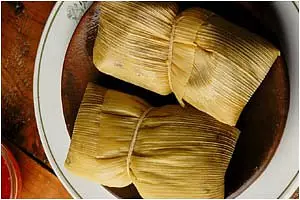
Huminta (Bolivian Style Souffle)


Vegan Bolivian-style huminta with quinoa, tofu, and winter squash blended into a savory baked casserole. Tahini and anise give the dish nutty depth and a faintly licorice finish.

Molded Christmas Cookies
German springerle Christmas cookies: anise-scented egg-and-sugar dough pressed with carved wooden molds, dried overnight, and baked low to set the embossed pattern.

German Anise Christmas Cookies
It all began in a small village in the Black Forest of Germany, where a group of mischievous elves tried creating a cookie to make people dance joyfully. They stumbled upon anise, a magical spice with a sweet and licorice-like flavor, and decided to use it in their cookie recipe.

Chocolate Covered Citrus Walnut Biscotti
Twice-baked citrus walnut biscotti, crisp with anise and bright lemon and orange zest, then half-dipped in glossy tempered chocolate. Crunchy Italian cookies built for dunking in coffee.
Sourdough Onion Rye
Sourdough onion rye bread made in a bread machine with rye flour, whole wheat, diced onions, and honey. Includes small, medium, and large loaf sizes with optional anise or caraway.
Sourdough Onion Rye
Sourdough onion rye bread made in a bread machine with rye flour, whole wheat, diced onions, and honey. Includes small, medium, and large loaf sizes with optional anise or caraway.
Sourdough Onion Rye
Sourdough onion rye bread made in a bread machine with rye flour, whole wheat, diced onions, and honey. Includes small, medium, and large loaf sizes with optional anise or caraway.
Yummi Biscotti
Anise almond biscotti baked twice for that signature crunch. Shaped into horseshoes, sliced, and dried low and slow. Keeps for weeks in a jar. Built for dunking.
Lemony Springerle
Lemony springerle, traditional German embossed cookies stamped from a wooden mold and air-dried overnight before baking. Lemon zest brightens the classic anise.
Buttery Lemon Anise Biscotti
Buttery lemon anise biscotti: twice-baked Italian cookies flavored with bright lemon zest and warm anise. Crisp, dry, and made for dipping in coffee or sweet wine.
Sweet Raisin Bread
A rich, egg-laden yeast bread studded with raisins and scented with anise, lemon zest, and orange zest. Makes 4 fragrant loaves with a tender, golden crumb.
Chilled Pear Soup
Silky pear puree meets warm ginger spice in this chilled dessert soup that's naturally sweet, low-calorie, and perfect for summer entertaining or elegant brunches.
Biscotti Crocanti
Biscotti crocanti, traditional Italian twice-baked cookies with whole almonds and a pairing of almond and anise extracts. The classic crisp Italian biscotti for dunking in espresso or vin santo.
Moyettes (Cinnamon Sugar Crusted Sweet Bread)
Moyettes are Mexican cinnamon sugar sweet bread rolls with anise flavor, brushed in melted butter and crusted in cinnamon sugar. A traditional pan dulce recipe.
Lemon-Anise-Poppy Muffins
Lemon-anise-poppy seed muffins with whole wheat flour, soy yogurt, and orange juice. Egg-free and dairy-free bundt muffins with a unique licorice-citrus flavor.
Cinnamon Sugar Crusted Sweet Bread
Cinnamon sugar crusted sweet bread: a lightly sweet yeast bread flavored with anise and wrapped in a buttery cinnamon-sugar crust. Sliced thin and buttered for coffee time.

Authentic Springerle
Authentic springerle, the embossed German anise Christmas cookies. Egg dough pressed with carved molds, dried overnight, then baked low so the white design stays crisp. Aged to mellow the flavor.

Classic Anise Cookies
Classic anise cookies build a meringue-like base from eggs whipped with sugar for 30 minutes, then rest overnight before baking into pillowy, licorice-scented Italian cookies.

Biscotti - Almond Hazelnut
Crunchy twice-baked biscotti packed with roasted almonds and hazelnuts, scented with vanilla, anise, and almond extract. A big-batch Italian cookie that keeps for weeks and begs to be dunked.
Swedish Limpa Rye Bread
Bread machine Swedish limpa rye with anise extract, molasses, orange zest, fennel seeds, and applesauce for moisture. A fragrant, slightly sweet Scandinavian rye loaf with zero hands-on effort. Just press start.
Double Anise Almond Biscotti
Double anise almond biscotti with anise extract, ground star anise, and slivered almonds in a twice-baked Italian cookie. Crisp enough to dunk in espresso or vin santo.
Buttermilk Brown Sugar Pound Cake
Buttermilk pound cake with brown sugar, plumped currants, anise extract, and orange marmalade glaze. A dense, deeply flavored tube-pan cake with caramel undertones and old-fashioned charm.
Anise Biscotchos
Buttery anise-scented cookies with star anise seeds and extract, chilled overnight and baked golden for traditional New Mexican biscochitos.
Authentic Pizzelles
Crisp, lacy Italian pizzelle cookies flavored with anise and lemon, pressed golden on a traditional pizzelle iron. These thin wafer cookies are an Italian-American holiday staple your nonna would approve of.
Homemade Galiano
Homemade Galliano liqueur made with vodka, anise extract, vanilla, and a slow-simmered sugar syrup. Rests for two weeks to develop that signature golden, herbal sweetness.

Anise Holiday Spice Cookies
Anise holiday spice cookies with anise, lemon, and vanilla extracts plus a peppery warm spice blend of nutmeg, cloves, and mace. The grown-up Christmas cookie that tastes like a German bakery in December.
Biscotti All'Anice
Light and crisp egg-whipped anise biscotti made with cornstarch for extra snap. Nut-free, piped from a pastry bag, and twice-baked golden. The ideal dunking cookie for coffee or tea.
Anisplatzchen
German anise cookies beaten for 20 minutes until fluffy, dried overnight, then baked golden for distinctive chewy-crisp springerle-style treats.
Anise Pizzelles
Classic anise pizzelles made with a full ounce of anise extract, butter, and a touch of lemon. Thin, crisp Italian wafer cookies pressed in a pizzelle iron in 30 seconds each.

Almond Cream Cheese Biscotti
Almond cream cheese biscotti with toasted sliced almonds and a hint of anise. Cream cheese gives these twice-baked Italian cookies a softer, more tender bite while keeping the signature crunch for dunking in coffee.

Easy Italian Cookies
Make these delicious Italian cookies for a change, they are buttery and just right amount of sweetness. Perfect with a cup of tea or coffee.