Sugar is easier to cook with than it looks. Here's how to choose, use, and store it, what to substitute, and 15,425 recipes to get you started.
Key Points
Beyond sweetness, sugar browns, holds moisture, traps air in creaming, feeds yeast and preserves.
White and brown swap cup for cup; molasses makes brown bakes moister and chewier.
A cup of granulated is 200 grams leveled; brown sugar only counts packed, about 220.
Hard brown sugar softens overnight with a slice of bread sealed in the bag.
What is sugar?
Sugar does five jobs in cooking, and sweetness is only the first: it browns, holds moisture, traps air, feeds yeast and preserves. Nearly 18,000 recipes on Recipeland call for it, more than any ingredient except salt.
Granulated white sugar is the default: refined cane or beet sugar, clean-tasting, quick to dissolve. A cup weighs 200 grams.
Brown sugar is white sugar dressed in molasses, about 3.5 percent for light and 6.5 percent for dark. The molasses brings moisture and a butterscotch edge, which is why brown sugar cookies bake up softer and chewier than their white-sugar twins.
Powdered sugar is granulated ground fine and cut with cornstarch so it will not cake. It is for frostings and dusting; swapped into a cake batter in place of granulated, it creams poorly and the crumb packs dense.
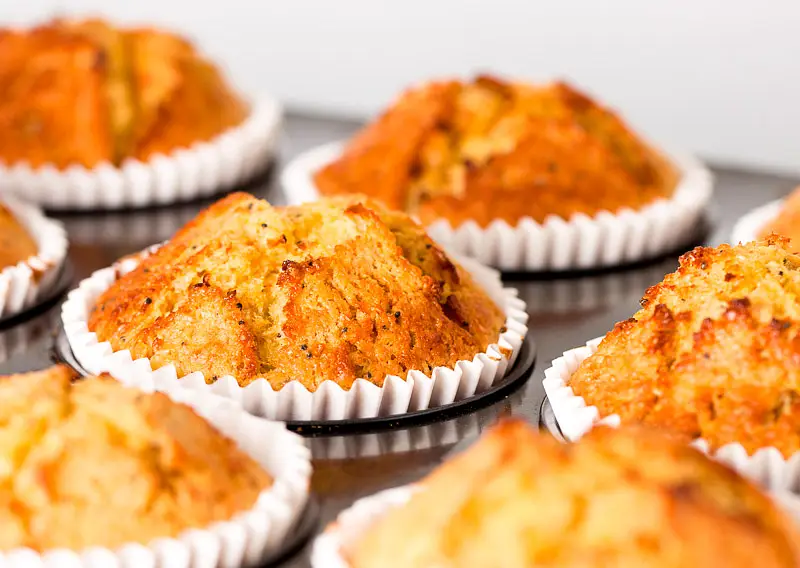
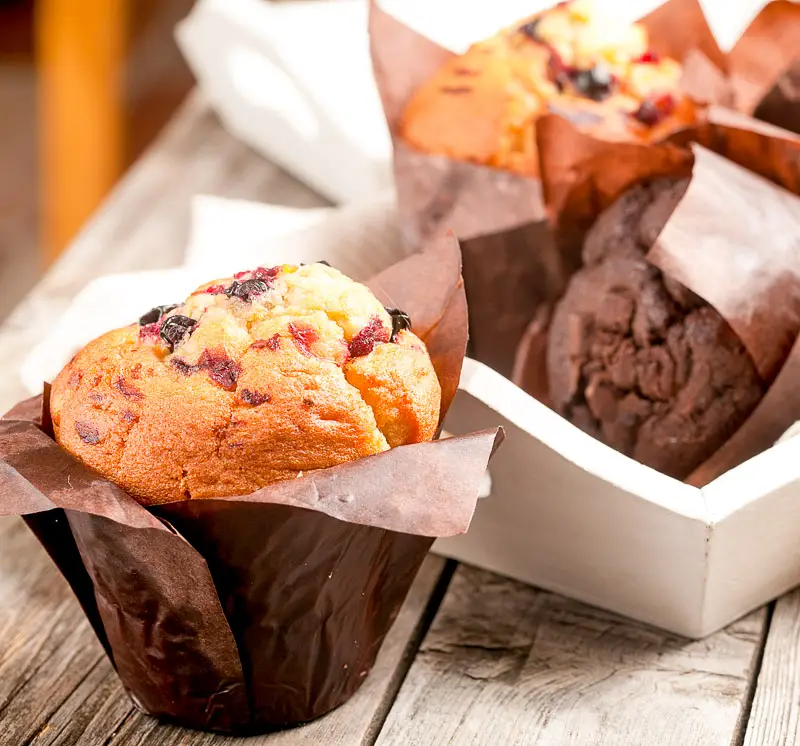
Turbinado and demerara keep larger crystals and a light molasses note. Not healthier, just crunchier; sprinkle them on muffin tops and the crystals survive the oven intact.
What Sugar Actually Does
Creamed with butter, sugar's sharp crystals carve millions of air pockets that leavening later inflates. That step is the difference between a tender cookie and a dense one, and classic doughs like Betty's Sugar Cookies depend on it.
Heat takes sugar through caramel starting around 320°F (160°C), where it trades sweetness for color and depth. In the oven the same chemistry, alongside Maillard browning, paints crusts golden.
Sugar is hygroscopic; it grabs water and refuses to let go. That is why high-sugar cookies stay soft for days and why cutting sugar from a recipe dries it out beyond just tasting less sweet.
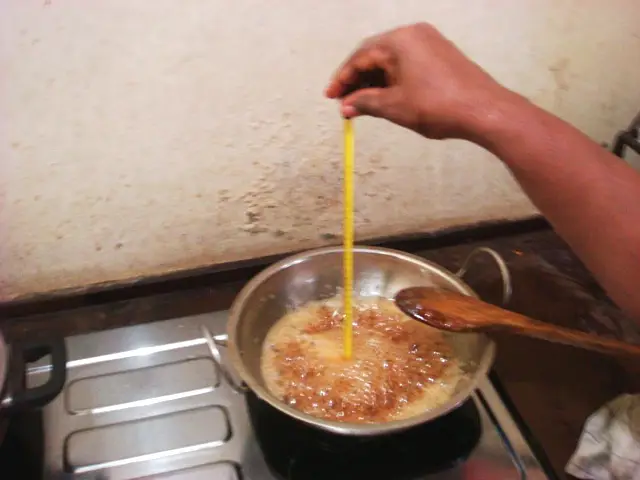
In syrups and candy, the enemy is crystallization. One stray stir or a sugar crystal on the pan wall can seed a whole pot into grit.
The fixes: wash down the sides with a wet brush, let it boil unstirred, or add an acid like cream of tartar to block the crystals chemically.
Measuring It
Granulated sugar gets spooned and leveled, never packed. Brown sugar is the opposite: recipes assume it is pressed firmly into the cup, about 220 grams packed.
That difference is the most common sugar measuring mistake. Loose brown sugar can run 20 percent light, and the cookies tell on you.
A scale settles everything. Two hundred grams per cup of white, and no judgment calls.
Swapping Sugars
White and brown trade cup for cup. Expect brown to make things moister, chewier and a shade darker, which is sometimes exactly the point.
For honey or maple syrup in place of granulated, use about ¾ cup per cup of sugar, reduce the recipe's other liquid by ¼ cup, and drop the oven 25°F (about 15°C) to compensate, because liquid sweeteners brown faster.
Powdered sugar is not a substitute for granulated in batters, and raw sugars melt slower, so they can leave crunch where you wanted smoothness. Match the form the recipe names unless you want the difference.
Keeping It
Sugar keeps indefinitely sealed against moisture and ants; it has no meaningful expiry.
Brown sugar's only failure is drying into a brick. Store it airtight, and revive a hardened bag overnight with a slice of bread or a marshmallow inside; the sugar pulls the moisture back out of them.
If white sugar clumps from humidity, break it up and carry on. Nothing is wrong with it that a fork will not fix.
Types of sugar
Specific kinds of sugar and the recipes that use them.
Brown sugar is white sugar coated or cooked with molasses, and that molasses is the whole story. It is what makes the sugar damp and clumpy and gives it the butterscotch smell when you open the bag.
It also makes brown sugar behave differently in a bowl than plain granulated.
Light brown sugar carries about 3.5 percent molasses; dark brown runs closer to 6.5 percent. That is a small difference on paper and a real one on the tongue. Light is gentle and caramel-ish; dark is fuller, almost toffee, with a faint bitterness behind the sweetness.
Most recipes that just say "brown sugar" mean light.
The molasses does more than flavor. It holds water, so brown sugar bakes moister and chewier than white, and it browns faster and deeper in the oven.
Powdered sugar is granulated sugar ground to a fine dust and cut with about 3 percent cornstarch so it pours instead of clumping. You will see it sold as confectioner's sugar in the United States and icing sugar in Britain and Canada; all three names point to the same thing.
That cornstarch is the whole story. It keeps the powder free-flowing, but it also dissolves instantly in liquid and in fat. That is why this is the sugar for frostings and glazes, and for the snowy finish dusted over a brownie.
It is not a drop-in for granulated, though, and the reason is the same starch that makes it so handy. Recipeland lists powdered sugar in nearly 2,800 recipes, almost all of them desserts and finishes rather than batters.
Molasses is a viscous byproduct of the processing of sugar cane or sugar beets into sugar. The quality of molasses depends on the maturity of the sugar cane or sugar beet, the amount of sugar extracted, and the method of extraction. Sweet sorghum syrup is known in some parts of the United States as molasses, though it is not true molasses.
Cane molasses is a common ingredient in baking, often used in baked goods such as gingerbread cookies.
There are a number of substitutions that can be made for molasses. For a given volume of molasses, one of the following may be used (with varying degrees of success): an equal volume of honey, dark cornsyrup, or maple syrup, or ¾ that volume firmly packed brown sugar.
Superfine sugar is granulated sugar milled to a smaller crystal, sized between regular table sugar and powdered sugar. In Britain and Australia it goes by caster (or castor) sugar, and the two names mean the same thing.
The fine crystals dissolve almost on contact, which is the whole point. They blend into cold drinks and whipped egg whites without the gritty undissolved specks coarse sugar can leave behind.
It is not powdered sugar. Powdered sugar is ground to a flour-like dust and cut with cornstarch to keep it from caking, so it clouds liquids and behaves differently in baking. Superfine has no starch and stays a true crystal, just a small one.
"Sugar substitute" is the catch-all label for anything that sweetens food in place of table sugar with little or no calories. It covers the packets at the coffee counter, the boxed baking blends, and the bags of erythritol or monk fruit on the baking aisle.
People reach for these to bake for diabetics or to lower the calories and carbohydrate in a favorite recipe.
The first thing to understand is that these products split into two very different groups. Treating them as interchangeable is where most baking goes wrong.
Palm sugar is boiled down from the sweet sap of palm trees, usually the coconutpalm or the palmyra. Tappers reduce the sap in open pans until it thickens and sets, which is why it arrives as hard blocks, discs, or paste rather than loose crystals.
The flavor is its whole point: deep caramel and butterscotch with a faint smoky edge, less sharply sweet than refined sugar. That rounded, savory-leaning sweetness is why it anchors so much Southeast Asian cooking.
Vanilla sugar is plain sugar that has taken on the scent and flavor of vanilla, either by sitting with a real vanilla pod or by being blended with vanilla extract or ground vanilla.
It is everywhere in European baking, where small sachets of it are sold in every supermarket and called for by the packet in German, Austrian, Polish, and Hungarian recipes.
The idea is simple. Vanilla is intensely aromatic, so given time its volatile compounds migrate into the sugar around it, giving you sweetness and a soft vanilla background in one dry ingredient.
Most home cooks meet it in old-world baking, where a recipe asks for a packet of vanilla sugar instead of a teaspoon of extract.
Sugar syrup is just sugar dissolved in water, cooked into a clear liquid sweetener. The standard simple syrup is equal parts by volume, 1 cup sugar to 1 cup water; a "rich" syrup runs 2 parts sugar to 1 part water for more sweetness in less liquid.
The reason to keep a jar on hand is cold drinks. Granulated sugar sits grainy at the bottom of iced tea or a shaken cocktail because it has no heat to dissolve in, while a syrup blends in instantly with no stirring and no grit.
Beyond drinks, it sweetens sorbets and granitas, and a quick brush of it keeps cake layers moist and helps glazes and fruit glisten.
Turbinado sugar (also known as "raw sugar") is a partially refined cane sugar that retains a portion of its natural molasses.
This gives it a light golden-brown color, large sparkling crystals, and a mild caramel or toffee-like flavor. Unlike white granulated sugar, which has all the molasses removed, turbinado sugar is spun in a centrifuge (a turbine, hence the name "turbinado") to remove only some of the molasses, leaving it less processed.
Colored sugar crystals are large, dyed sugar grains used to decorate the tops of baked goods. The crystals are far coarser than granulated, the same kind of sanding sugar you see on bakery muffins, just tinted for cookies, cupcakes, and holiday treats.
The whole point is that the crystals are too big to melt in the oven. They hold their shape and color through baking, so they stay sparkly and add a faint crunch instead of dissolving into the surface.
This is a topping, not a sweetener you stir into batter. Mix it in and you lose both the sparkle and the texture; all you would get is a little color and grit.
In the US, raw sugar is an umbrella term rather than a single product. It covers partially refined cane sugars that keep a little of their molasses, which is what gives them golden crystals and a light caramel flavor. Turbinado and demerara both fall under it.
The word "raw" is mostly marketing. True unrefined cane sugar is not sold for table use, so what reaches the shelf has been processed, just not stripped all the way to white. It is a step less refined, not unprocessed.
Sugar crystals are coarse, large-grain sugar meant for decoration, the kind sprinkled on cookies, muffin tops, and candied fruit so the crystals stay crunchy through the oven rather than melting flat.
Use them as a finishing sugar, not a measured baking sugar. For granulated sugar's roles in a recipe and how to measure it, see sugar.
Date sugar is not really sugar in the refined sense. It is whole dried dates ground to a coarse powder, so you are using the entire fruit, fiber and all, rather than something extracted and crystallized out of it.
That origin sets its one big limit: date sugar does not dissolve. The ground fruit particles soften but never melt, so they stay gritty in anything you want smooth.
Sucanat is a brand name for whole dried cane juice, sold as small tan-to-brown granules. The name is a contraction of "sugar cane natural."
Where white and brown sugar are spun in a centrifuge to separate the molasses from the crystals, sucanat skips that step: the cane juice is pressed, heated, and dried with all its molasses left in. That is why it looks grainy and porous rather than glassy and crystalline. It also tastes stronger than supermarket brown sugar, closer to a dark brown sugar with a pronounced molasses note.
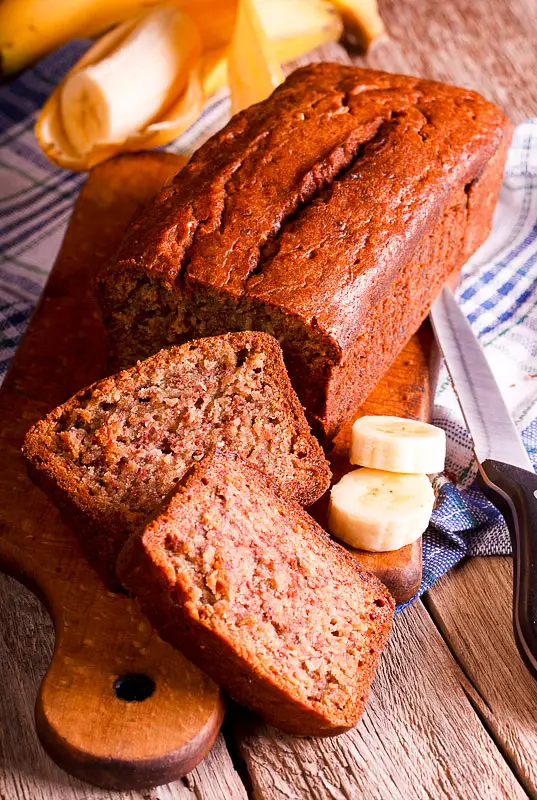
In baking it behaves like a strong brown sugar and works well in dark, sturdy bakes. It carries the molasses depth in a Sour Cream Banana & Walnut Bread and deepens the flavor of Fat-Free Fudge Brownies. Substitute it roughly cup for cup for brown sugar, but expect a coarser, sandier texture. The hard granules do not dissolve or cream as readily, so for smooth batters or frostings give it extra mixing time, or pulse it finer first.
Do not confuse it with turbinado, which is centrifuged to keep only a trace of molasses. Turbinado is a crunchy, mostly refined crystal with a hint of color; sucanat keeps the full molasses and the deeper flavor that comes with it. For how molasses affects moisture and browning, plus general storage, see sugar.
Sugar cane is the raw grass stalk that cane sugar is pressed from, not a measured baking sugar. The fibrous canes are chewed, juiced fresh, or cut into skewers for grilling shrimp and other foods.
If a recipe wants a sweetener you can measure, it means refined cane sugar instead. For that, see sugar.
Rock sugar is sugar grown into large, hard crystals, sold as chunky lumps that are either clear or a pale amber yellow. The yellow kind keeps a faint trace of molasses; the clear is more refined. Both taste cleaner and milder than granulated, with none of its sharp edge.
That mellow sweetness is why it is the sugar of choice in much Chinese cooking.
Jaggery is the traditional unrefined sugar of South and Southeast Asia. It is made by boiling down sugarcane juice, or sometimes date or palm sap, until it sets into dense blocks or cones.
Because nothing is spun off or refined out, it keeps its molasses and minerals along with a deep caramel flavor that plain sugar loses. The taste is its whole point: warm, smoky, almost fudgy, with an earthy mineral edge behind the sweetness.
Color runs from golden to dark mahogany depending on how long it was cooked and whether it came from cane or palm.
In Indian kitchens it sweetens far more than desserts. It rounds out the tang in a Pulikacchaltamarindrice paste and balances heat in chickpea curries like Chhole Alu. It is also the backbone of sweets like modak and chikki, and it sweetens vegetable braises such as Meetha Kaddoo.
The blocks are rock hard, so jaggery does not scoop like white sugar. Chop or grate it, or melt it in a splash of warm water before stirring into a dish. If a recipe gives a cup measure, pack the grated jaggery the way you would brown sugar.
For a swap, brown sugar or palm sugar comes closest because both carry molasses. Use them roughly cup for cup, knowing the flavor will be milder and cleaner.
For how molasses behaves in baking and how to store sugar, see sugar.
Pearl sugar is sugar pressed into hard, opaque white nibs that are made to resist heat. Unlike granulated, it does not melt or dissolve in the oven, so it survives baking as distinct crunchy white pockets.
That heat resistance is the whole reason to use it. It is the signature crunch and burst of sweetness folded into Belgian and Liege waffle dough, scattered over Scandinavian buns, and pressed onto choux buns and cookies like Finnish Fingers just before baking.
Press it onto the surface or fold it in, then bake as usual; the nibs stay white and crisp. There is no real substitute that behaves the same way, since ordinary sugar simply melts in.
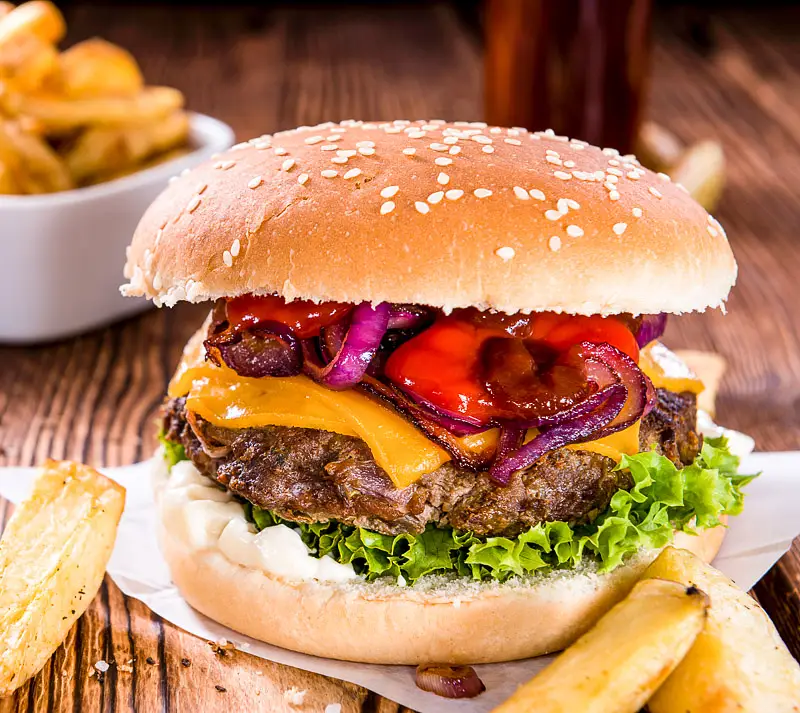
Vegetarian burgers built from Harvest Burger mix and bulgur wheat, bound with tomato paste and parsley, then topped with balsamic-glazed caramelized onions. A satisfying meatless burger with serious chew and sweet-tangy crown.
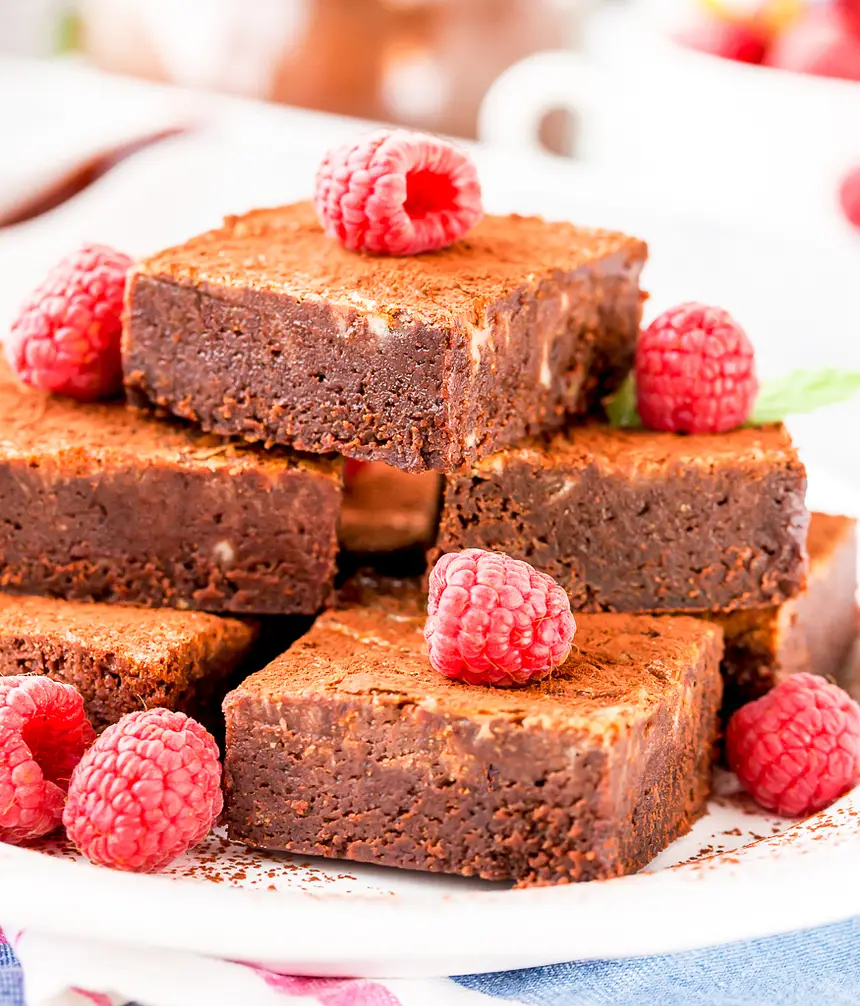
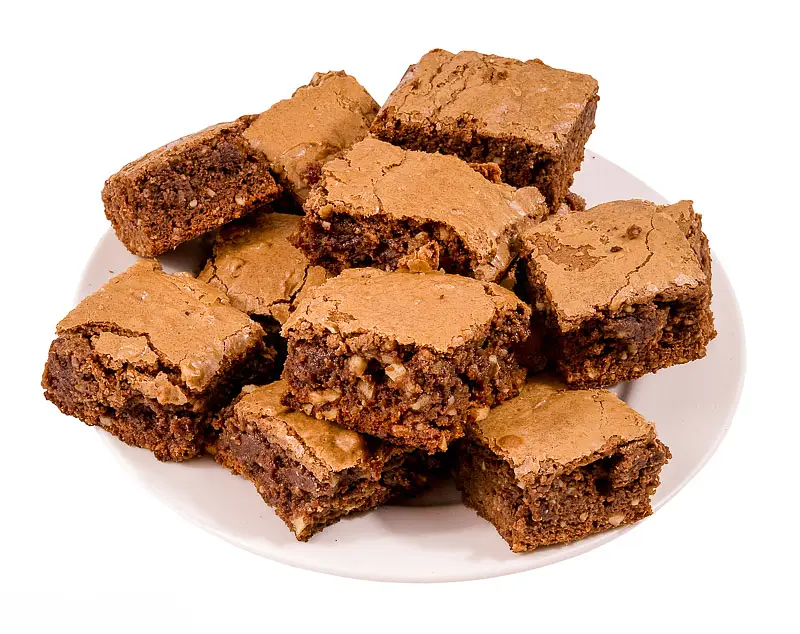
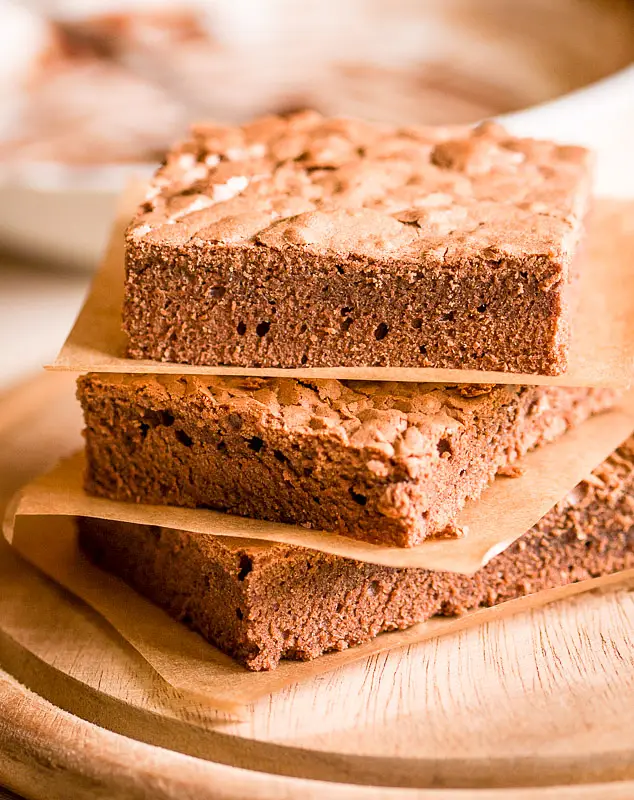
Quick fudgy brownies made with unsweetened chocolate and butter melted in the microwave, with optional marshmallow chocolate frosting. The classic from-scratch fudgy brownie in one bowl.
Homemade coconut pani popcorn coats popped corn in a glossy coconut-treacle caramel, then presses it into chewy-crisp squares. A Sri Lankan sweet that beats any bagged caramel popcorn.
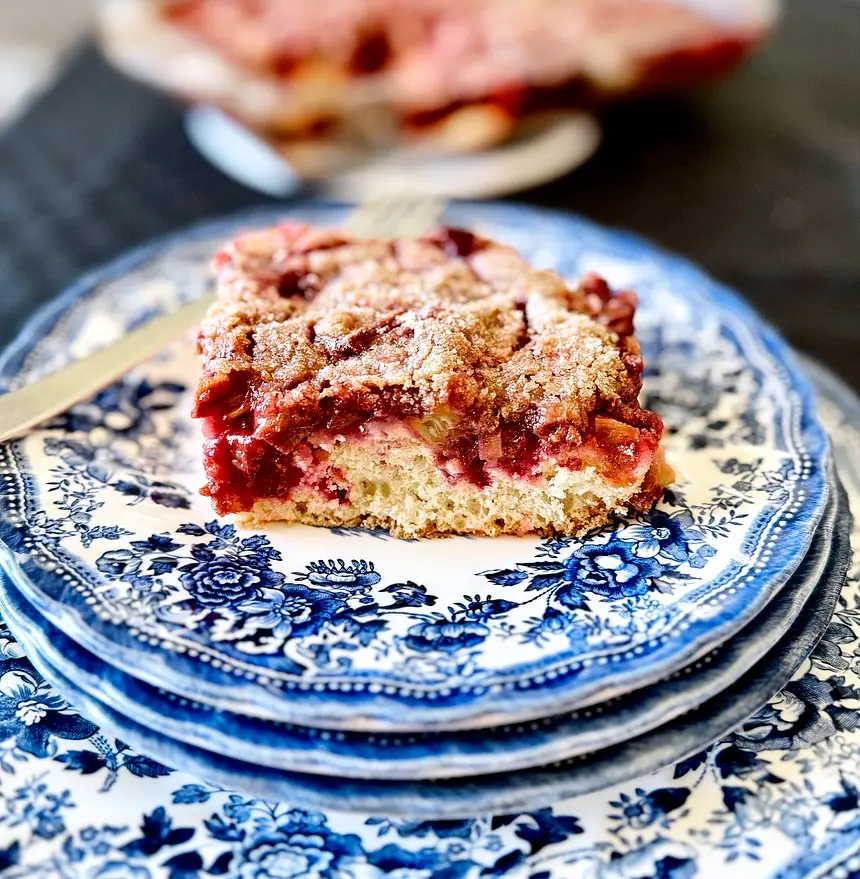
A soft cake bottom, with a fruit filled middle topped with a tantalizing cinnamon topping. Learning how to make Jello fruit cake that use any fruit you have on hand including summery rhubarb with strawberry gelatin.
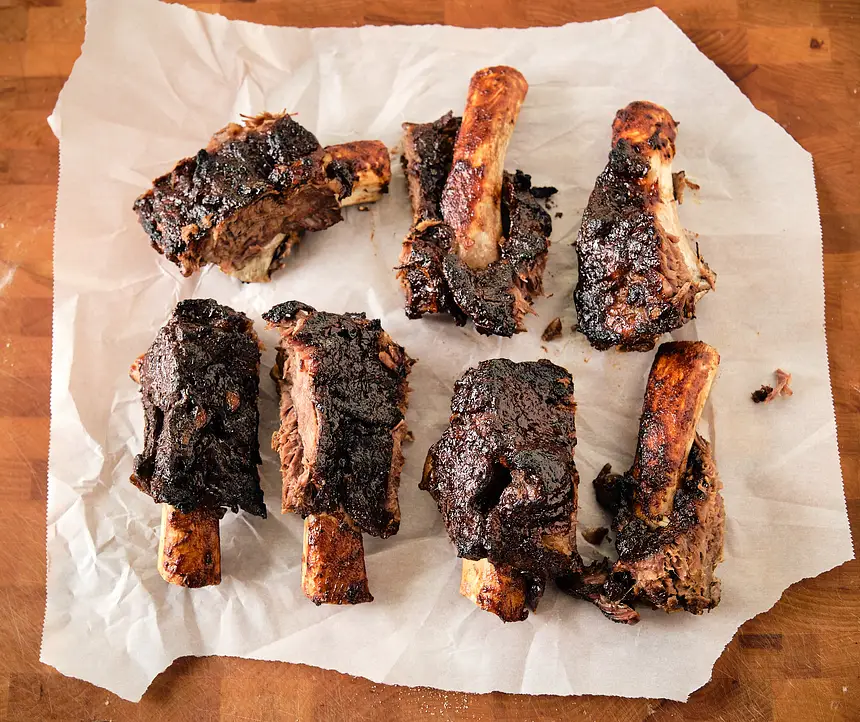
Take your beef ribs to the next level with this web marinade that imparts incredible flavor deep into meaty beef ribs. Whether you're grilling, smoking, or using an Instant Pot for tender fall-off-the-bone beef ribs, marinate to start things off right.
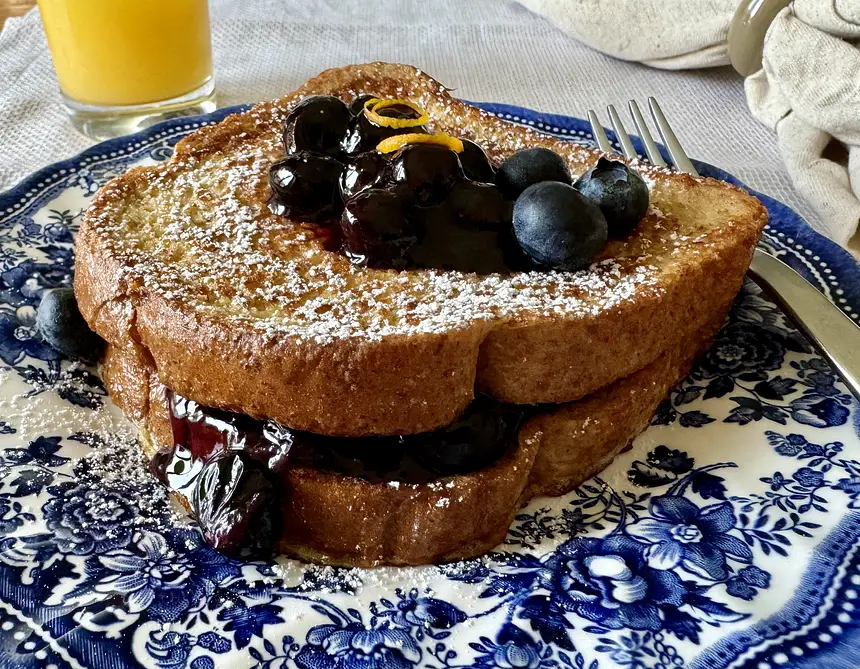
Golden French toast stuffed with warm blueberry-maple compote and dusted with powdered sugar. Make weekend brunch feel special with this sweet sandwich.
Peanut butter banana muffins with cinnamon, nutmeg, and a swirl of sour cream for extra-tender crumb. Elvis-inspired snack muffins, freezer-friendly, ready in under an hour.
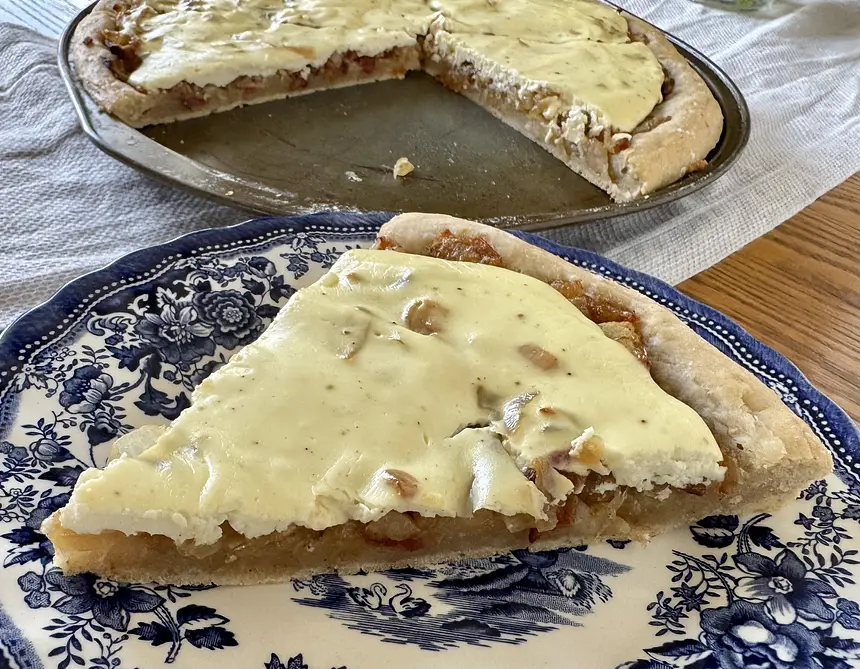
A savory German onion pie featuring a yeasted crust topped with caramelized onions, crispy bacon, and a creamy sour cream custard. Perfect as an appetizer or main dish, especially during autumn or Oktoberfest celebrations.
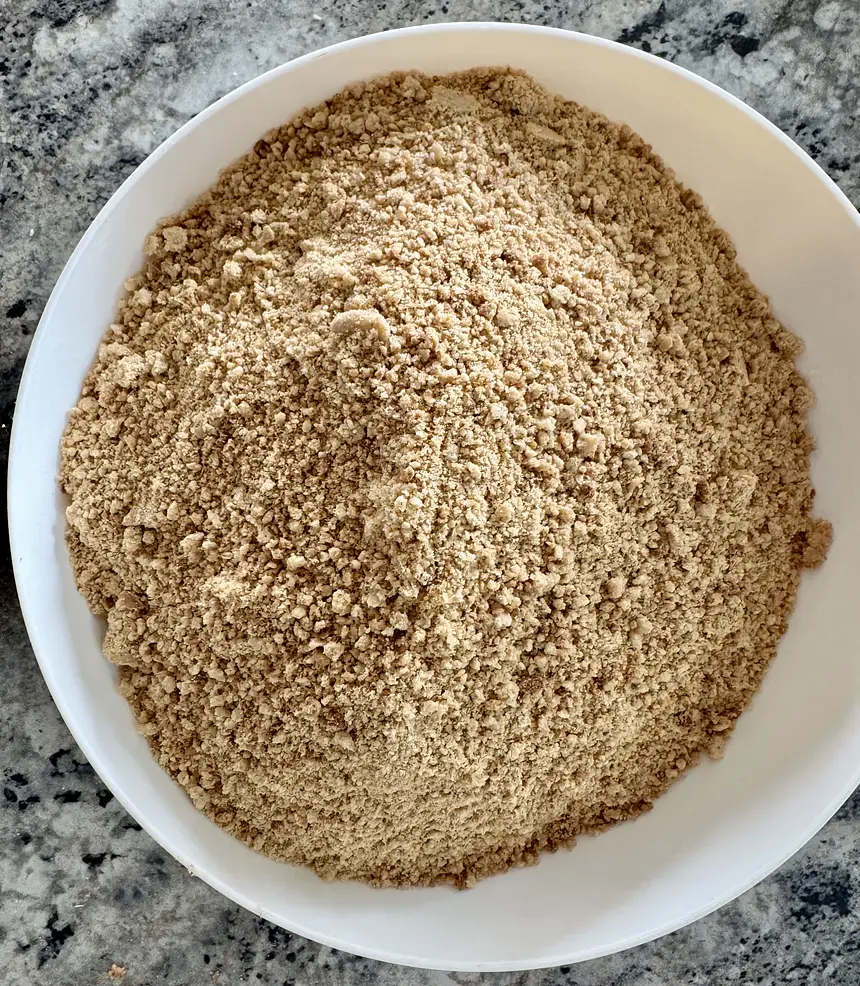
These homemade graham wafers are crisp, lightly sweet, and perfect for snacking, crushing into crumbs for pie crusts, or pairing with spreads. Made with wholesome graham flour and a touch of vanilla, they bake up golden and delicious in just minutes.
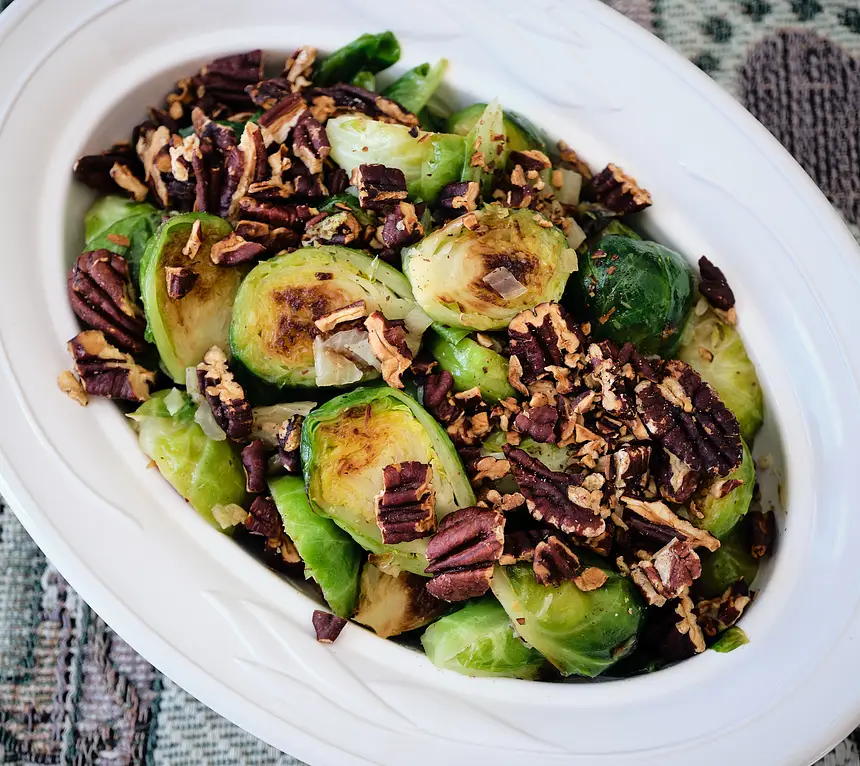
Discover this easy sautéed Brussels sprouts with pecans recipe: caramelized onions, garlic, and a hint of lemon for a quick, healthy side dish bursting with nutty crunch and subtle sweetness—perfect for weeknight dinners or holiday meals like "simple Brussels sprouts side dish ideas" or "healthy vegetable recipes with nuts."
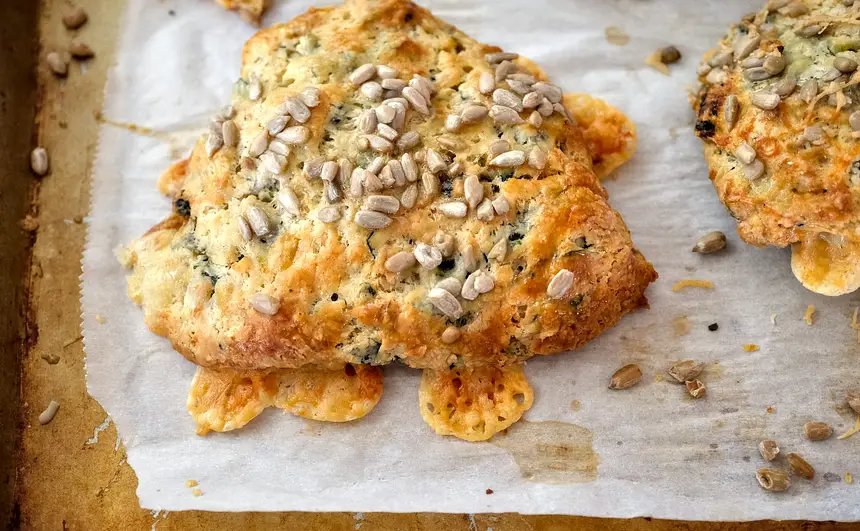
Craving a breakfast treat that's hearty, cheesy, and not overly sweet. These kale and cheese scones are your new best friend. Inspired by the cozy vibes of an American bakery, we've packed them with tender kale, sharp cheddar, nutty Parmessan, and a hint of plump raisins for a subtle sweetness that balances the savory kick. A generous grind of black pepper adds a spicy edge, making these perfect for brunch, snacks, or even alongside soup.
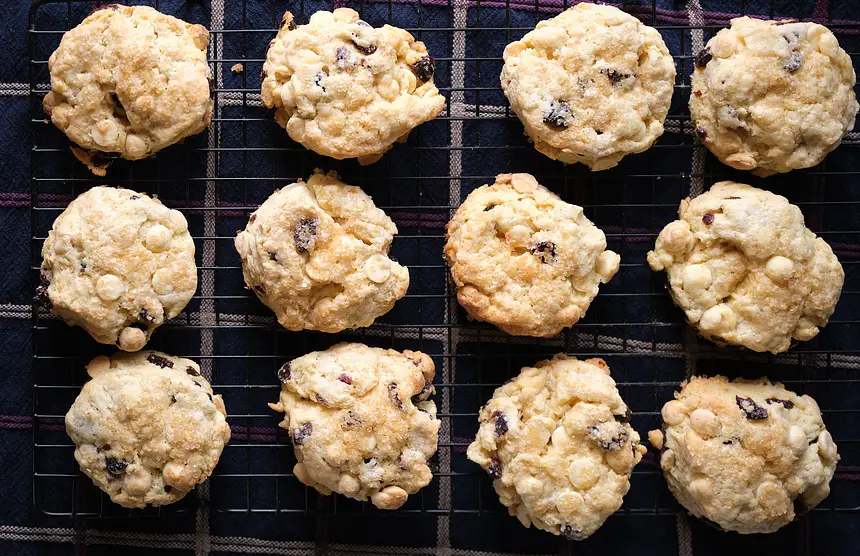
White chocolate scones with heavy cream, cold butter, and generous chunks of white chocolate that go soft and creamy in the oven. Flaky, layered, and tender from keeping the butter cold.
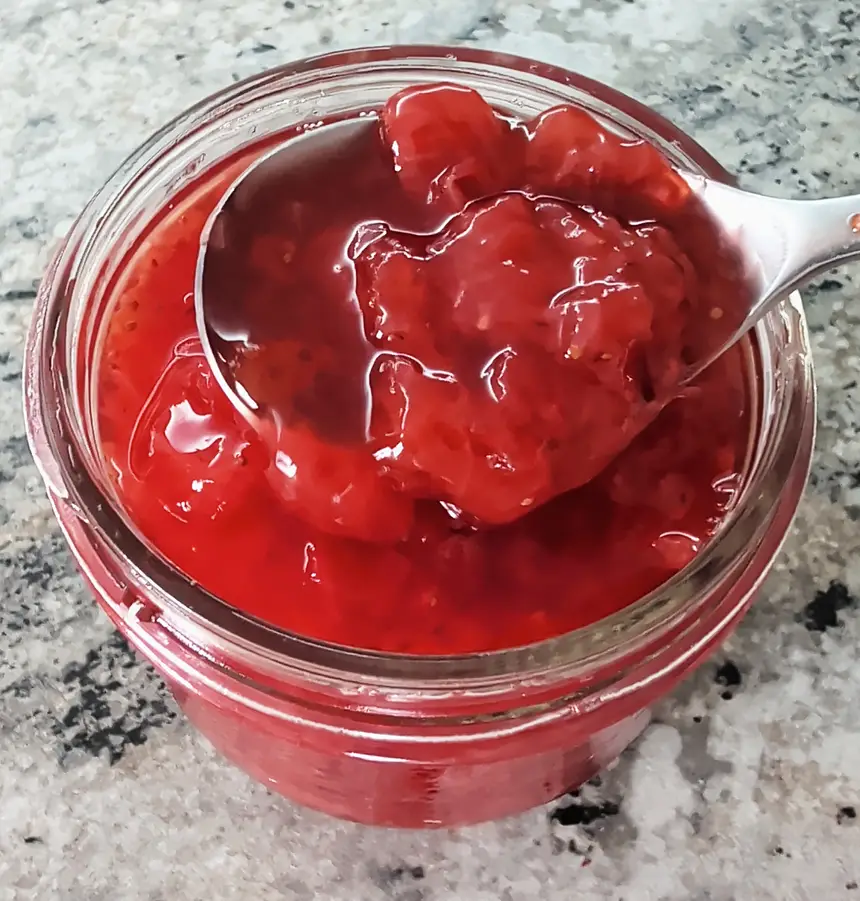
Microwave strawberry sauce with just three ingredients: fresh strawberries, sugar, and lemon juice. Thick, glossy, and done in undre 15 minutes without a stove.
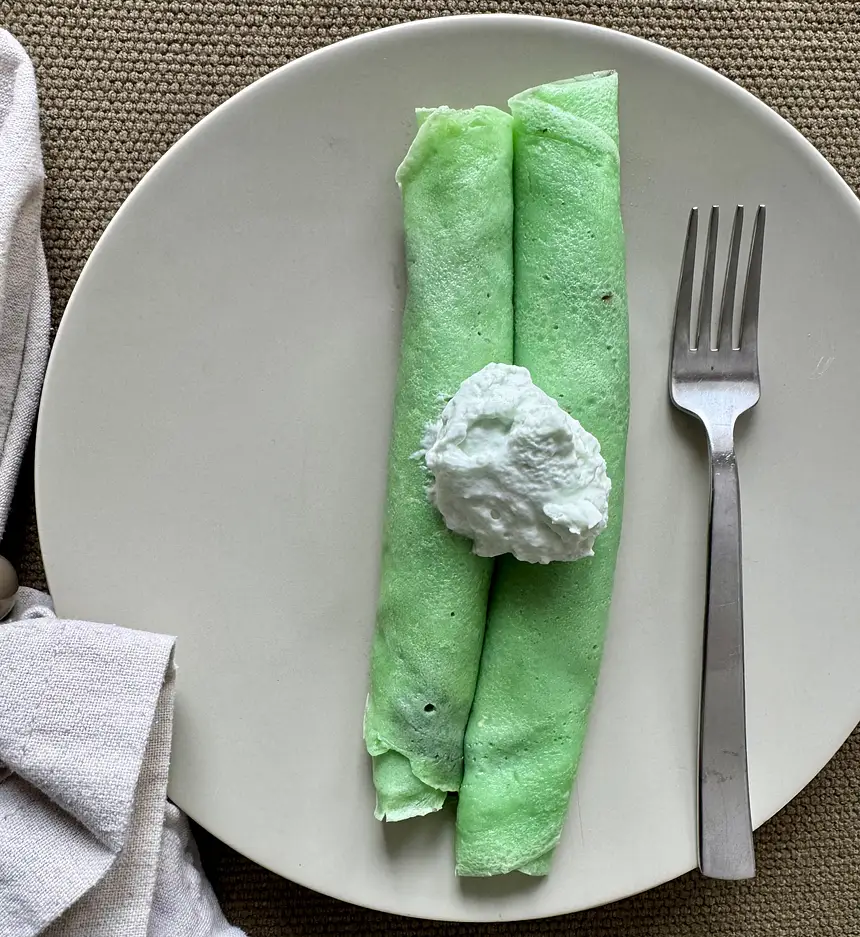
Festive green crepes for St. Patrick's Day celebrations with delicate texture and shamrock color. Fill with sweet or savory for Irish-themed breakfast or dessert.
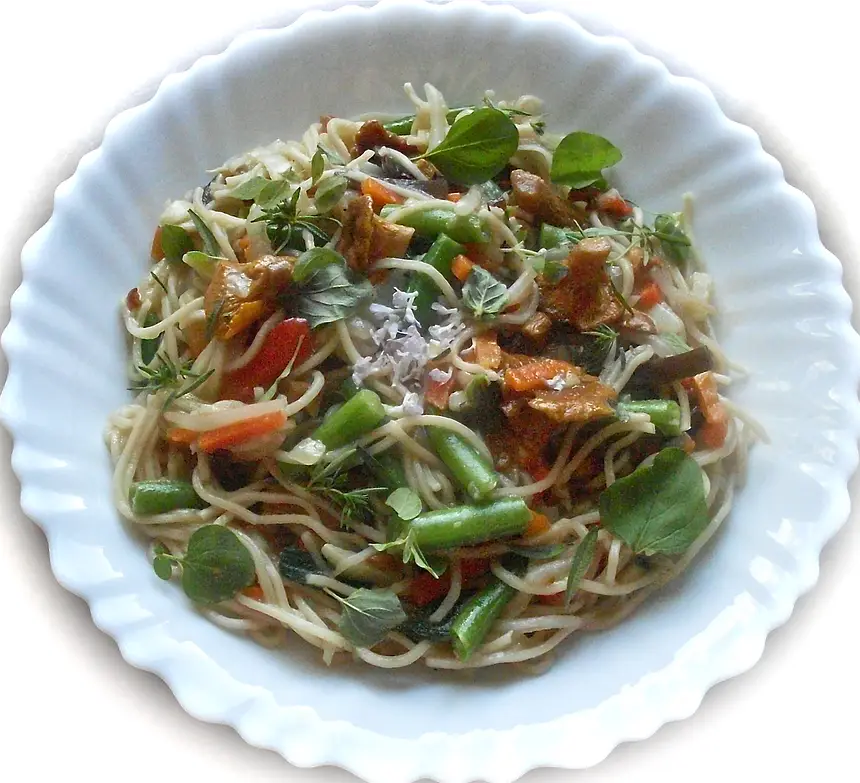
Vegan. I always wondered how would chanterelles taste with typical ingredients of Chinese cuisine. Now I know. Of course I wouldn't be myself if I didn't make it my way.
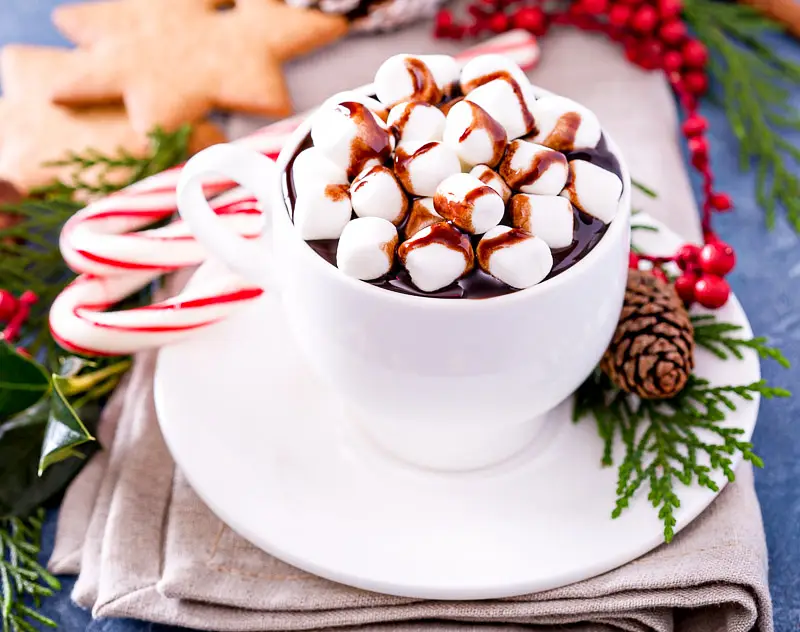
Velvety hot chocolate spiked with creamy peanut butter and dark chocolate chips, creating a decadent fireside drink that tastes like liquid Reese's cups.
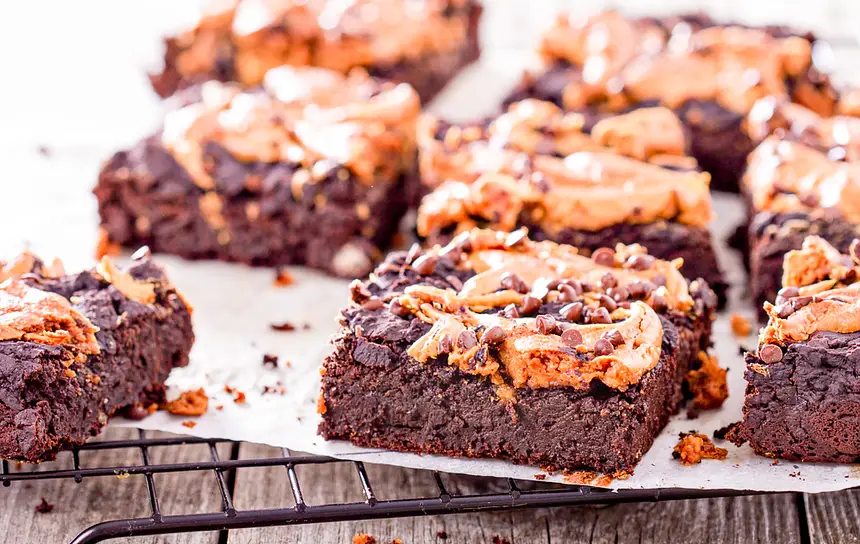
Vegan brownies built on the Depression-era wacky cake method: no eggs, no butter, no milk. Vinegar and baking soda do the lifting for a fudgy, chewy chocolate brownie that mixes in one bowl.
Cream cheese banana nut bread doctors a quick bread mix with cream cheese for an extra-rich, dense loaf studded with pecans. A 6-ingredient shortcut that tastes anything but quick.
Frosted rich brownies: low-fat brownies built on evaporated and powdered skim milk instead of butter, then crowned with a coffee-spiked cocoa frosting. Deeply chocolate without the heaviness.
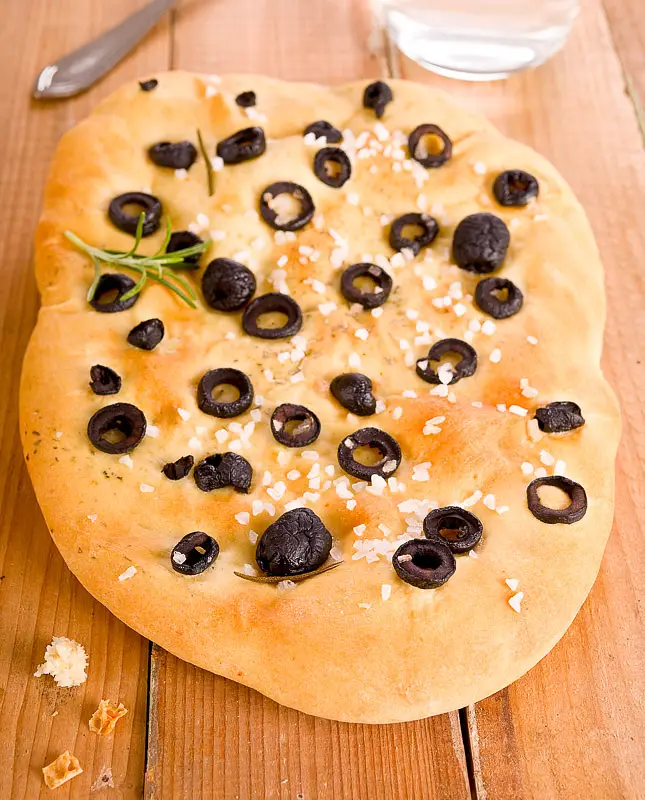
Black olive and sea salt focaccia is a classic Italian flatbread brushed generously with olive oil, scattered with chopped olives, and finished with coarse sea salt for that signature crunch.
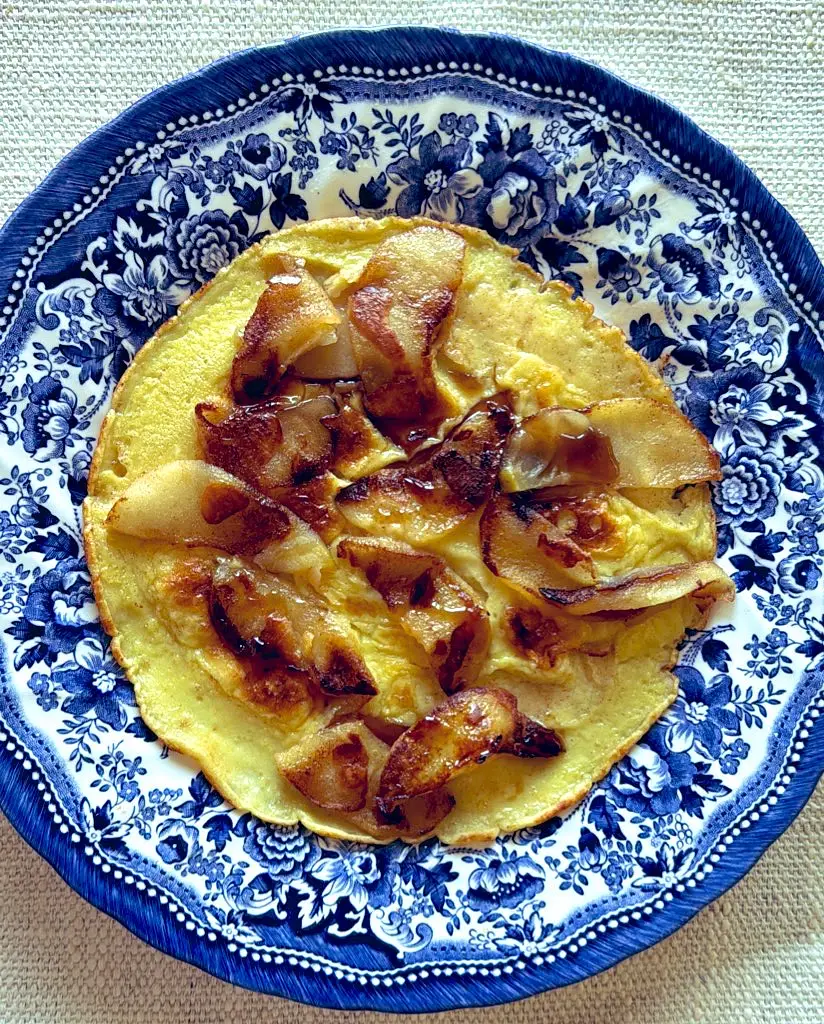
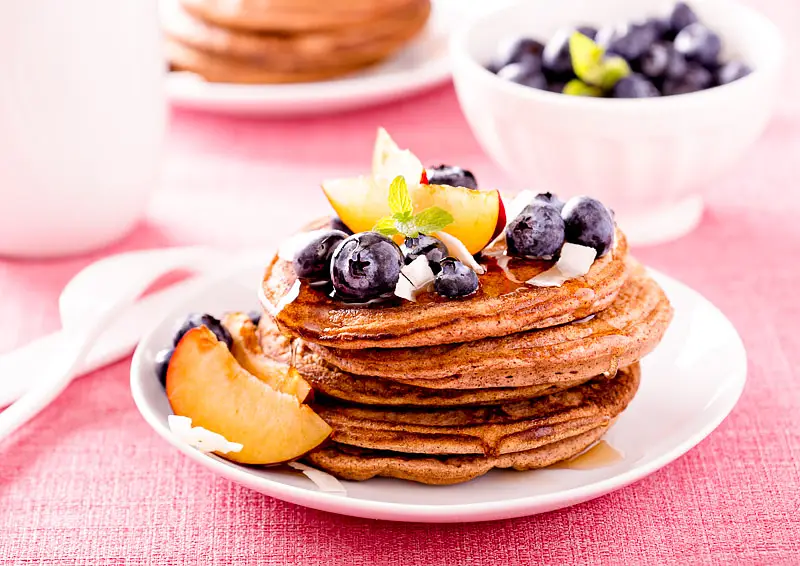
Whole wheat apple pancakes blend half whole-wheat and half white flour with milk, eggs, and grated fresh apples for a hearty, fiber-rich breakfast pancake. Ready in 20 minutes.
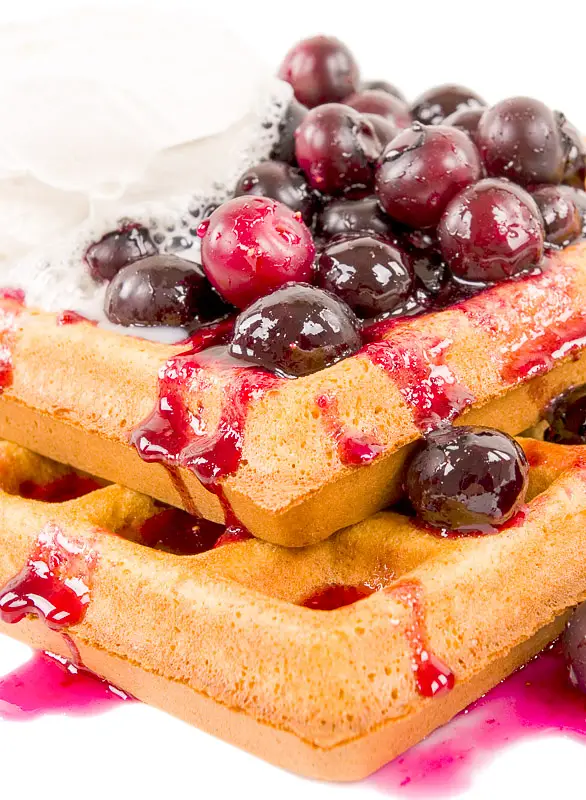
Buttermilk waffles with chopped cashews folded into the batter and a quick fresh blueberry compote spooned over top. Light, crisp, and ready for weekend brunch in under 25 minutes.
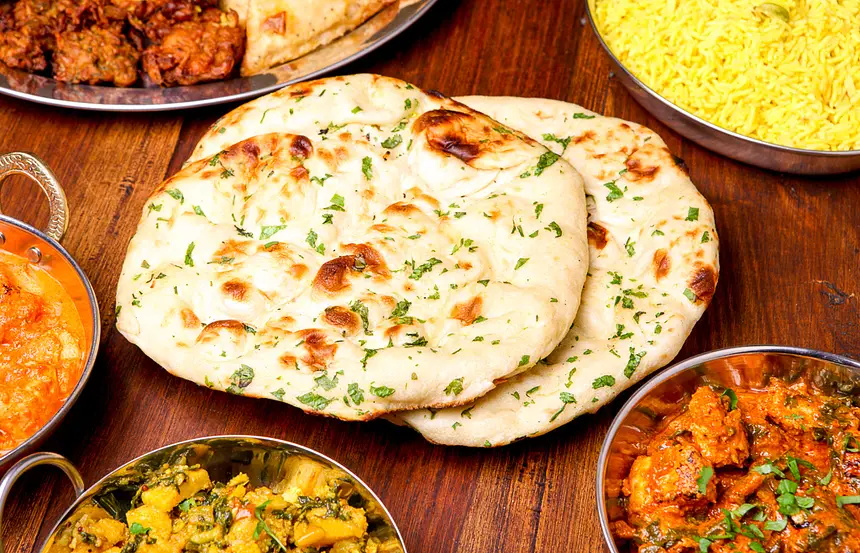
Quick naan skips the yeast in favor of baking powder and soda for a faster, eggy Indian flatbread shaped into teardrops and baked hot. Soft, pliable, ready for any curry.
Chewy cocoa brownies made from scratch with a sugar substitute, so they're lower in sugar but still rich, fudgy, and chocolatey. A simple one-bowl brownie built on cocoa powder, no melting.
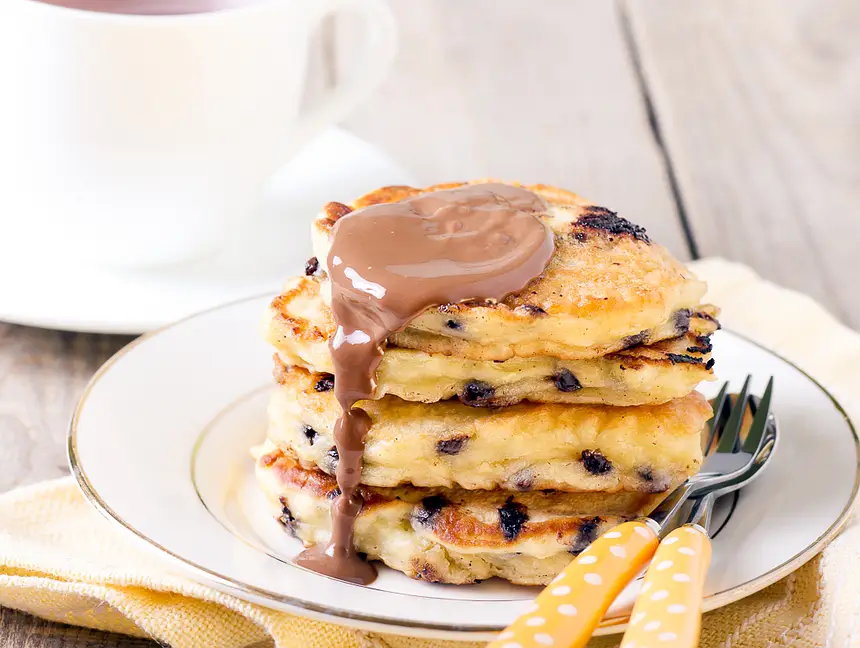
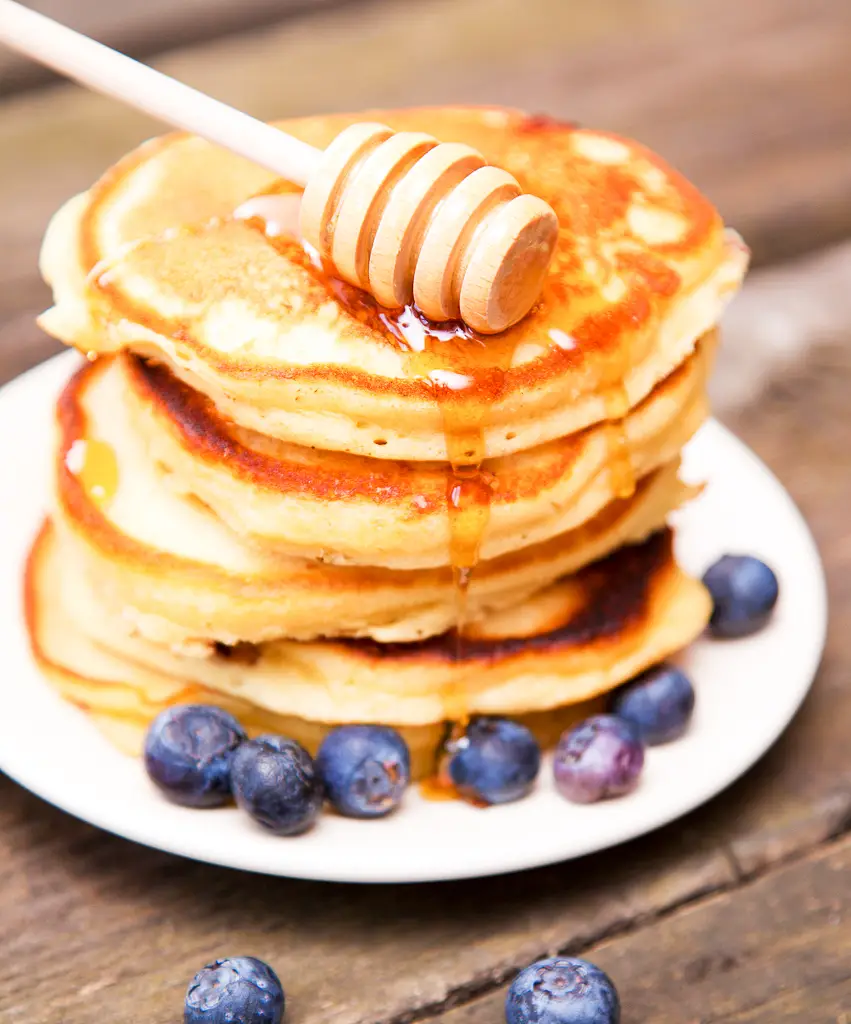
Fluffy homemade pancakes with golden-brown edges and tender centers, ready in just 15 minutes. Simple pantry staples transform into a weekend breakfast tradition kids will request every Saturday morning.
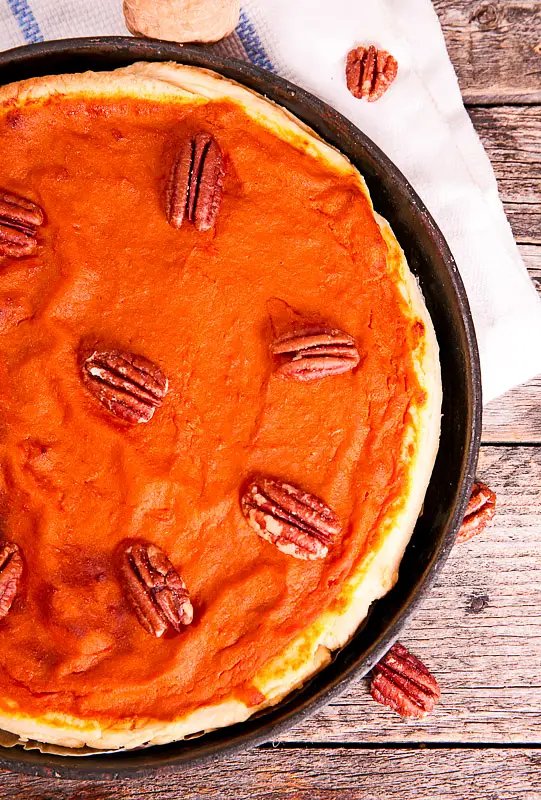
Pumpkin pie with a gingersnap crumb crust, dark rum, heavy cream, and freshly grated nutmeg. The double-boiler trick warms the filling before baking for a smoother, less weepy custard.
Chocolate chip cookies made with butter and shortening for soft centers and crisp golden edges. Loaded with semi-sweet chips and chopped nuts. Big-batch classic.
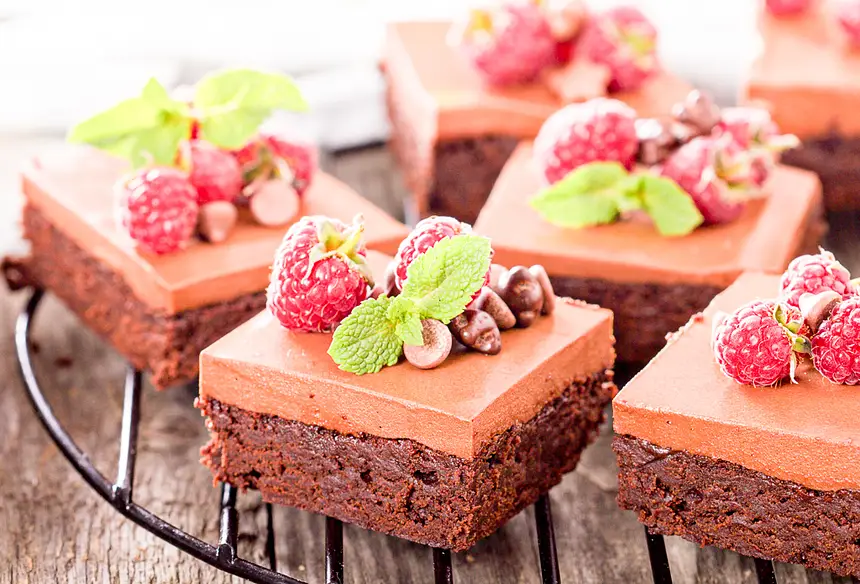
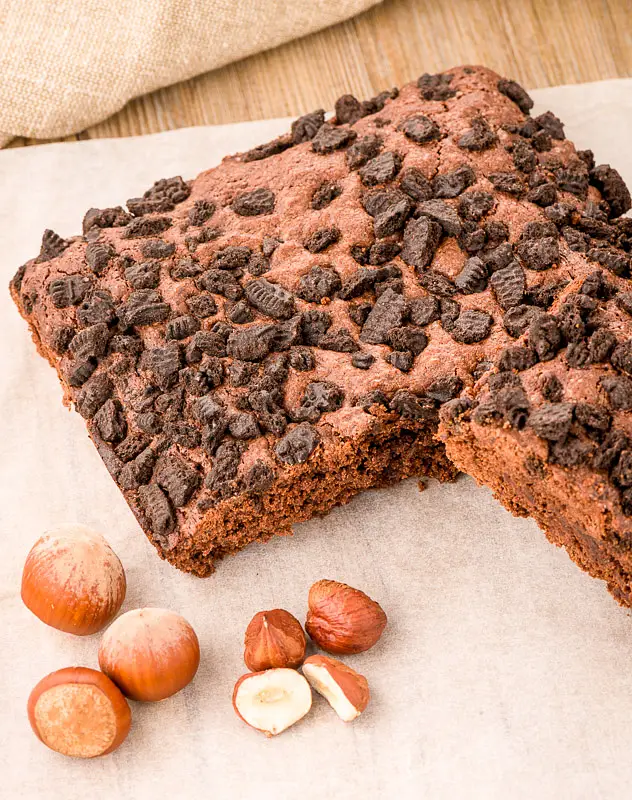
Moist mint brownies: dense fudgy chocolate brownies made with mint-flavored chocolate chips and topped with crumbled chocolate cookies. Sixteen squares of mint-chocolate cookie heaven.
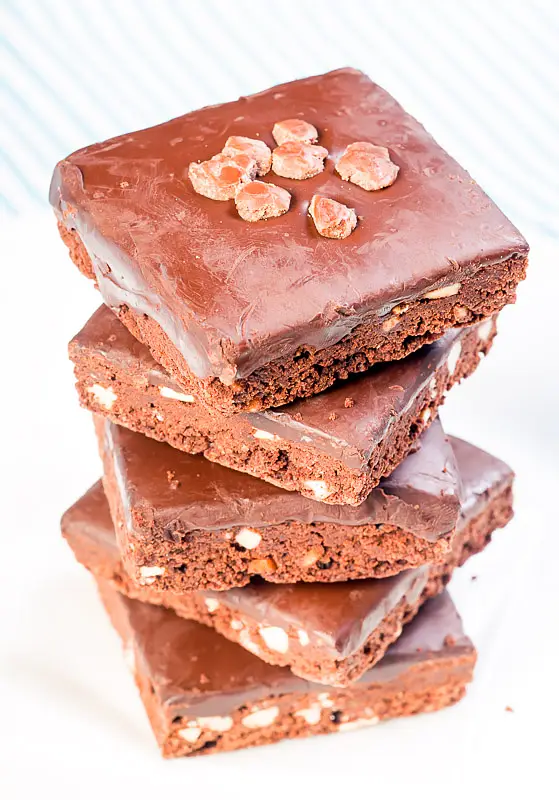
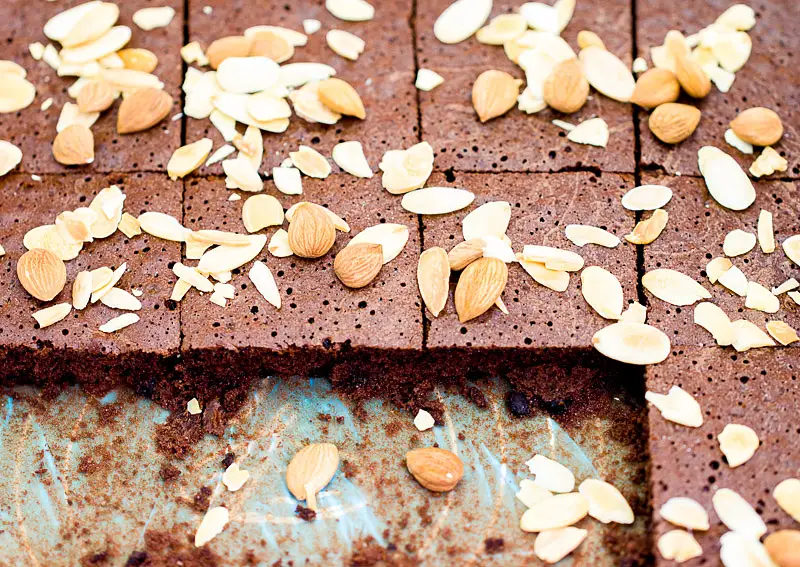
Fudgy chocolate brownies loaded with two kinds of chocolate chips and topped with toasted almonds. The saucepan method melts butter, sugar, and chocolate together for intense cocoa flavor.
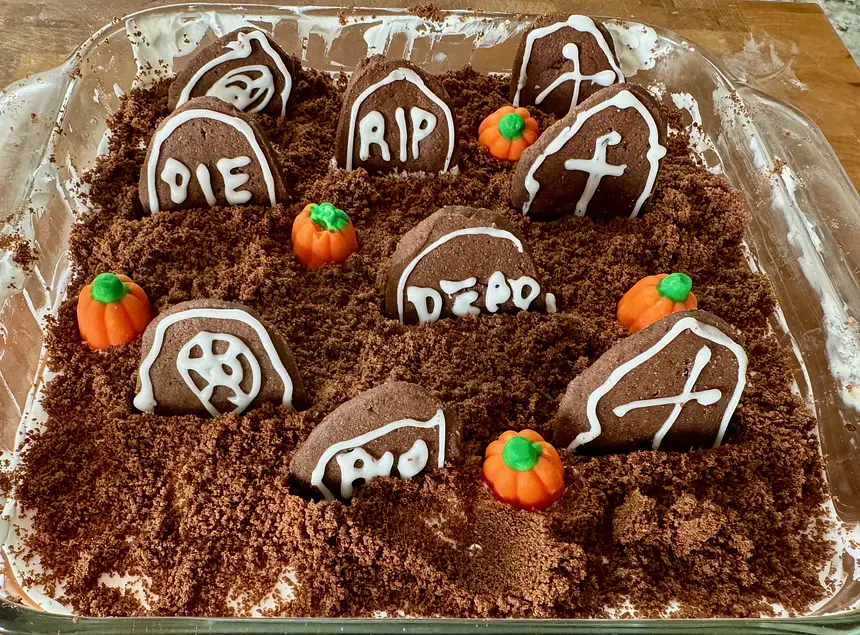
Beneath a layer of ghostly whipped topping lies a chilling graveyard of cookie-crumb earth, with layers of creamy, eerie cheese filling and a tombstone of cookies marking the final resting place of your diet. Serve this spine-chilling dessert at your Halloween party, if you dare, and watch as your guests unearth the delicious secrets hidden within!
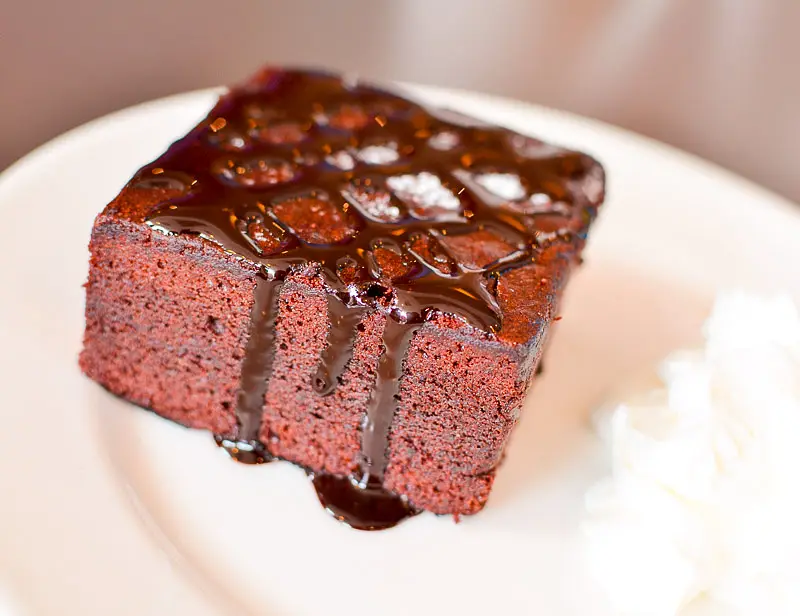
Fudgy chocolate brownies: dense, rich brownies built on six squares of unsweetened baking chocolate and real butter. The bake-sale champion that crackles on top and stays gooey inside.
Blueberry muffins where half the berries get mashed into the batter for purple swirls and double the fruit flavor. Sugar-crusted tops, bakery-style domes.
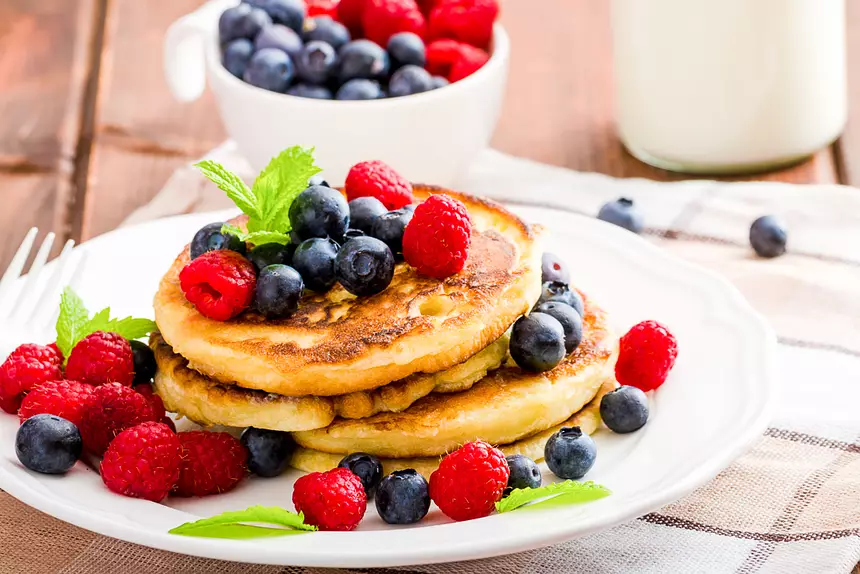
Super easy pancakes from a baking mix, an egg, milk, and a touch of sugar, cooked golden and fluffy on a hot griddle. A fast, foolproof breakfast ready in minutes. Stack them with berries and maple syrup.
Classic buttermilk-style pancakes with crispy edges and a tender crumb. This foolproof recipe uses the well method for lump-free batter and yields six generous servings of diner-quality breakfast.
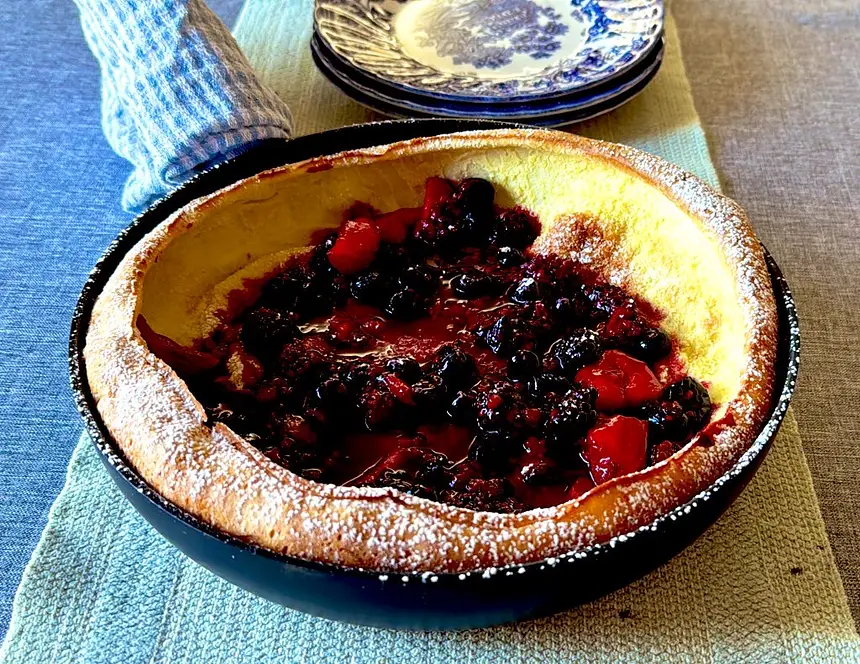
Puffy, golden berry Dutch baby pancake baked with fresh raspberries, strawberries, and blueberries. This dramatic oven pancake rises sky-high in 25 minutes for a stunning weekend brunch.
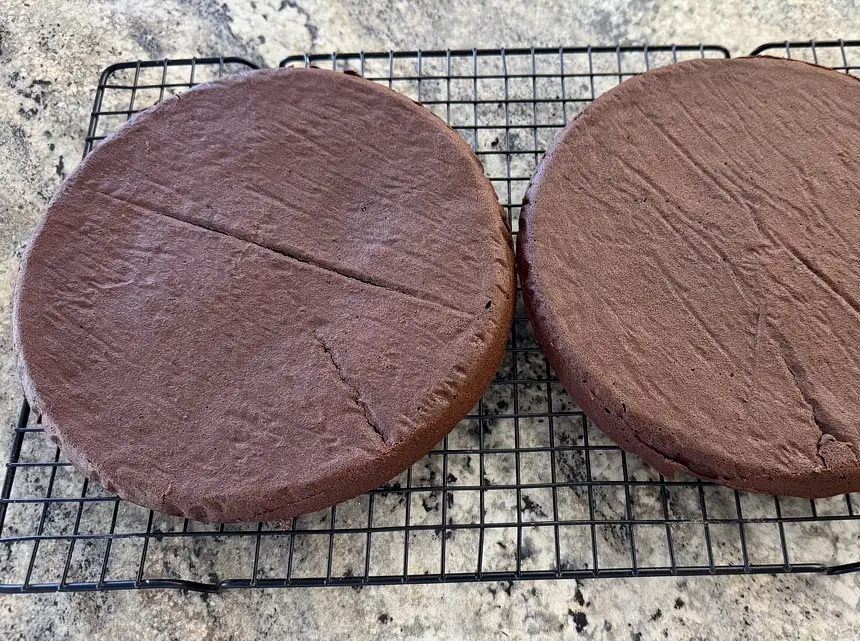
A simple, one-bowl cocoa layer cake that comes together in minutes and bakes into two tender 9-inch layers. Rich chocolate flavor without fuss—perfect for beginners.
Breakfast pancakes made cloud-fluffy by separating the eggs and folding stiffly whipped whites into the batter. The technique that delivers diner-style pillowy stacks at home in 40 minutes.
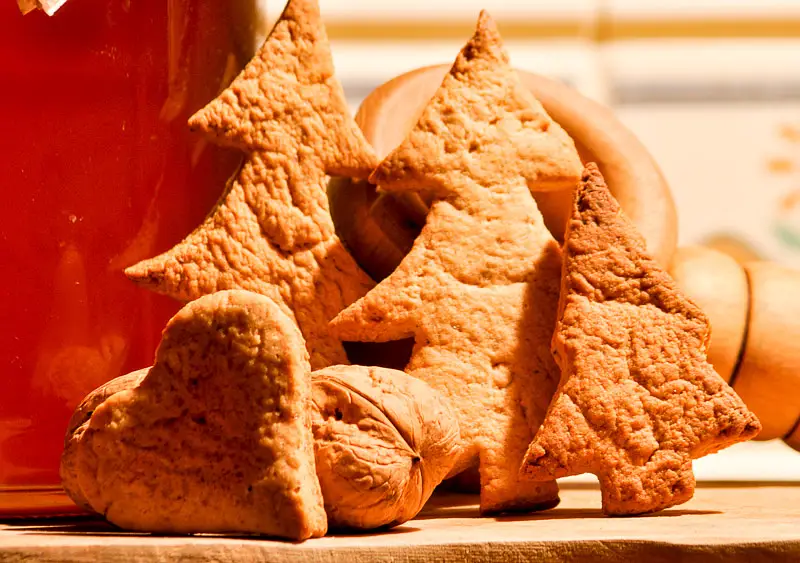
Soft, warmly spiced gingerbread cookies made with molasses, cinnamon, cloves, ginger, and nutmeg. Roll and cut into festive shapes for Christmas decorating with simple icing.